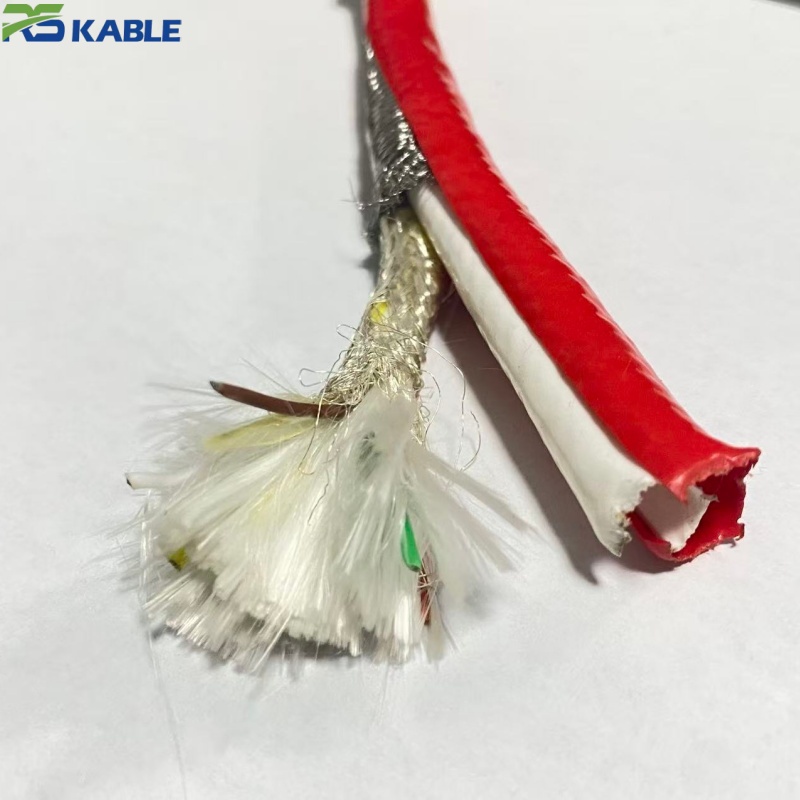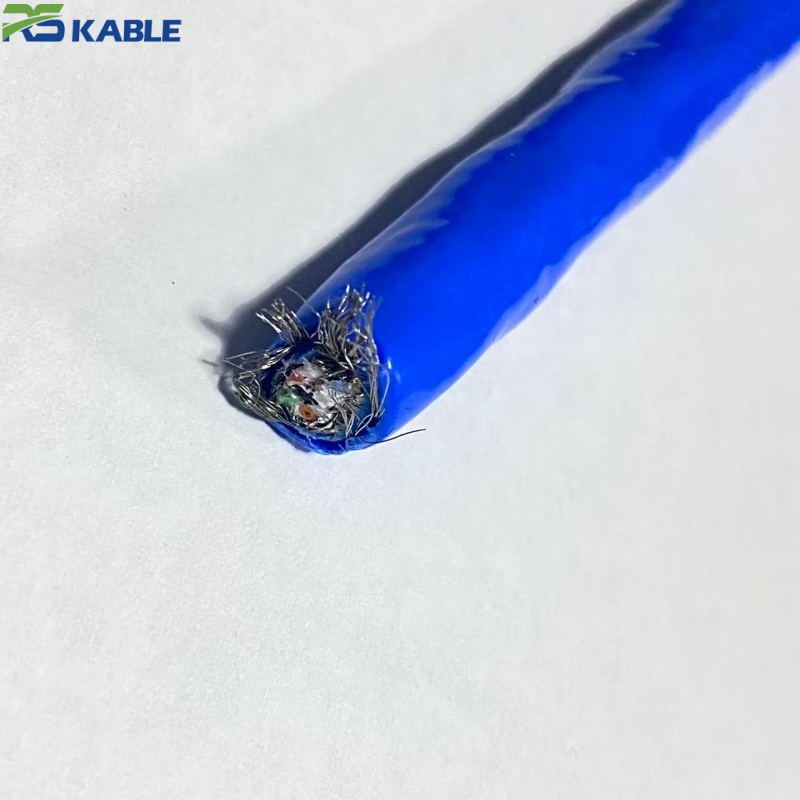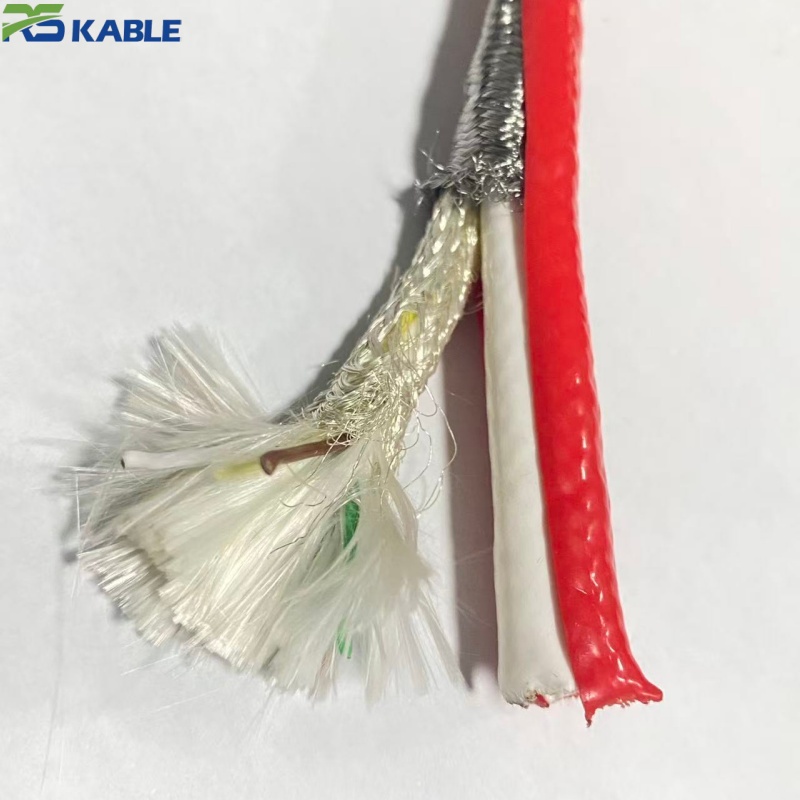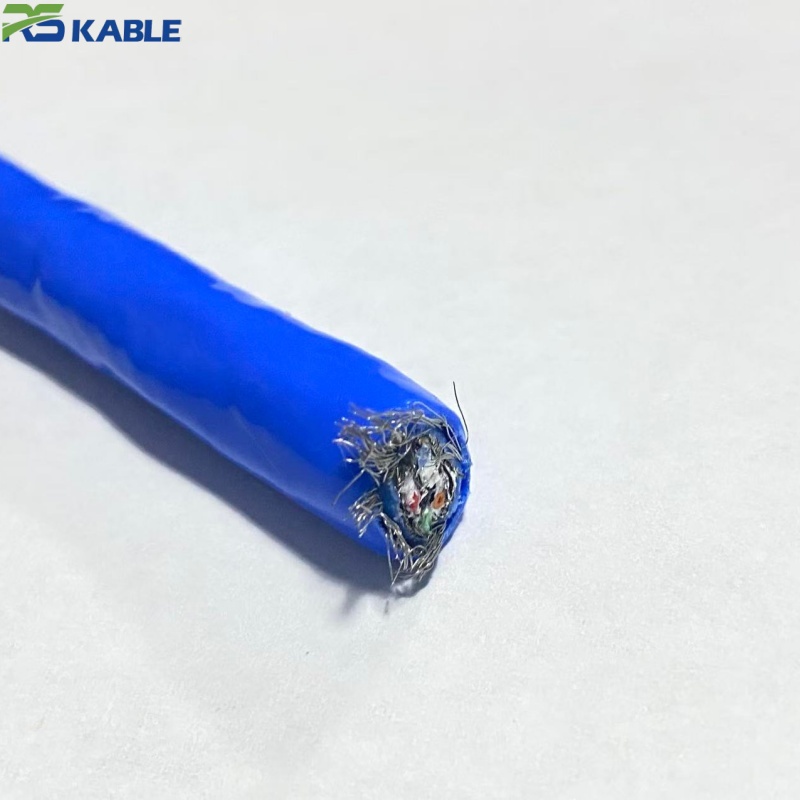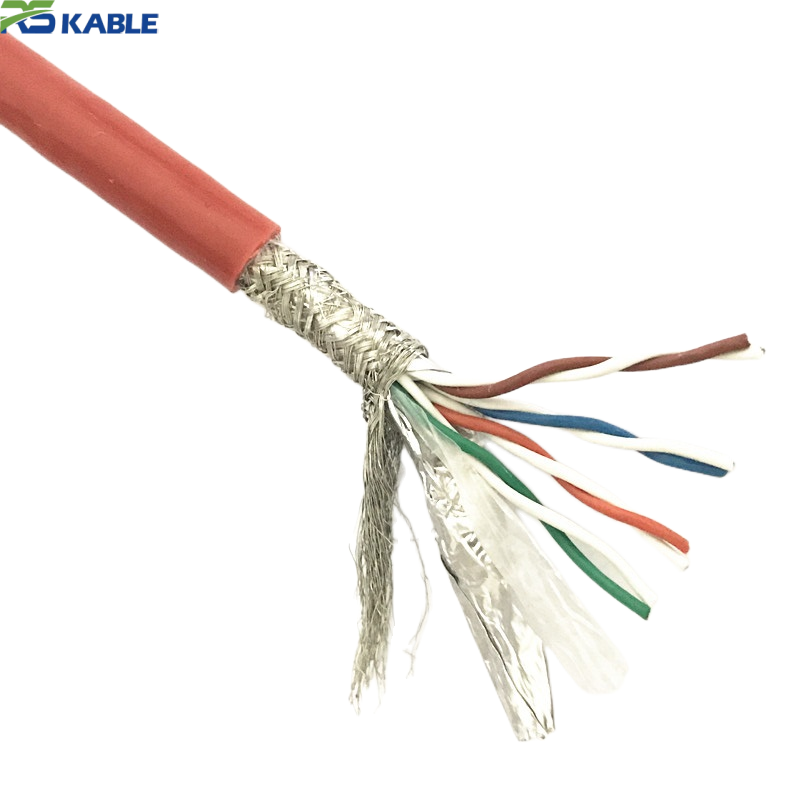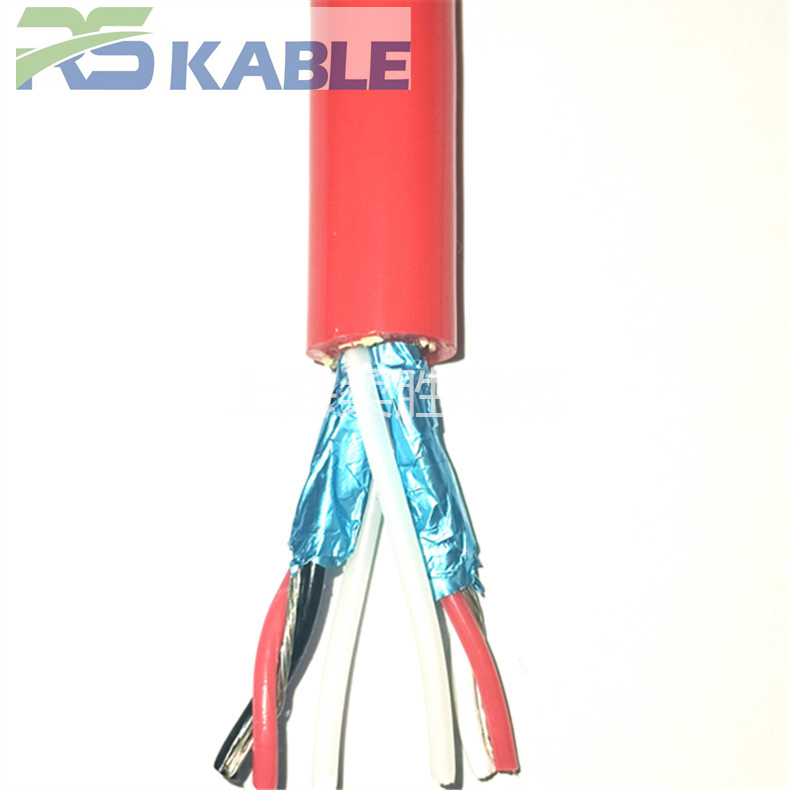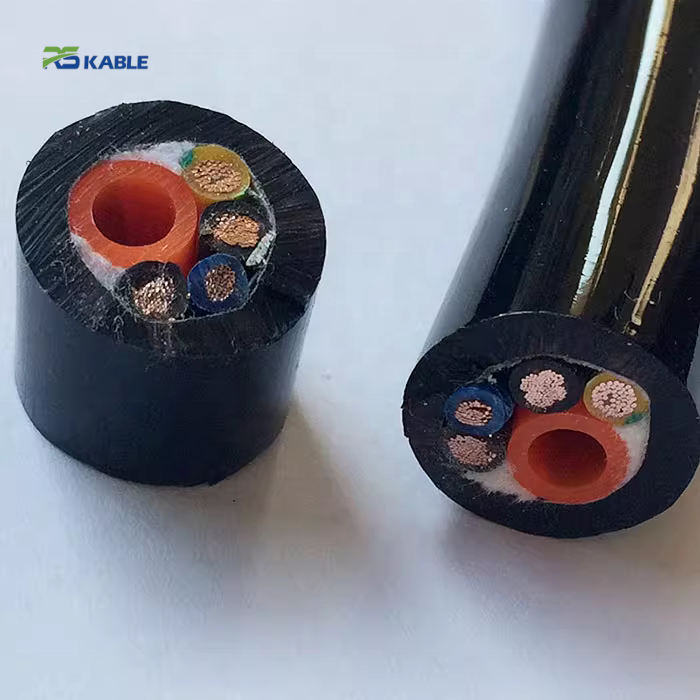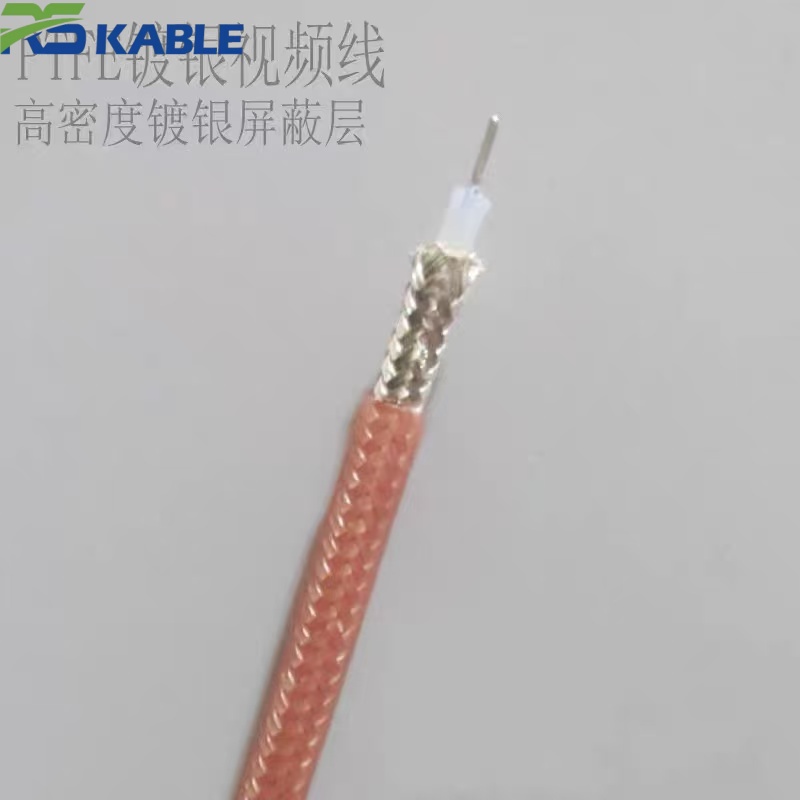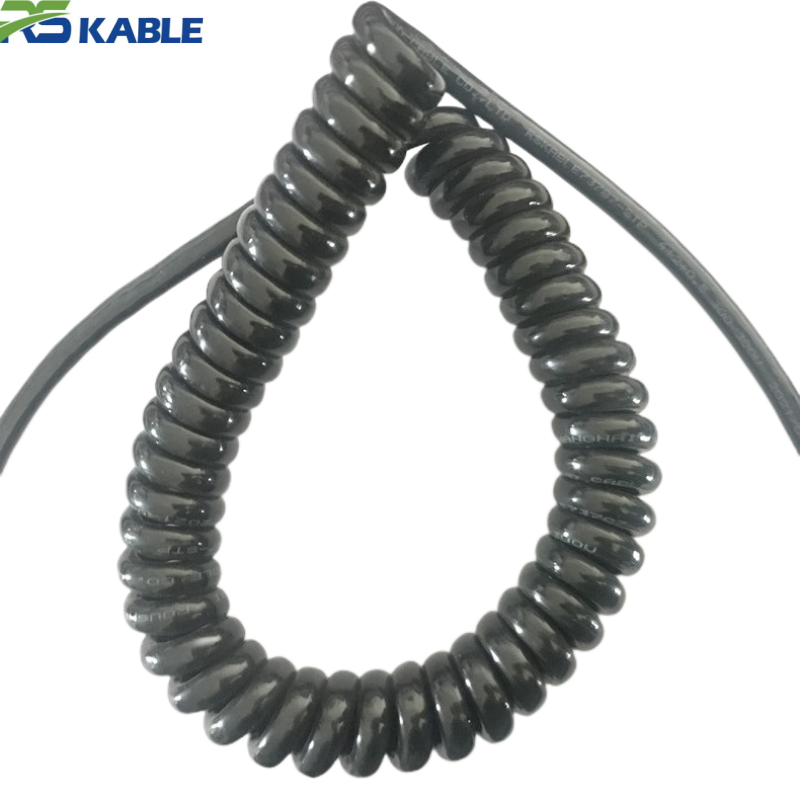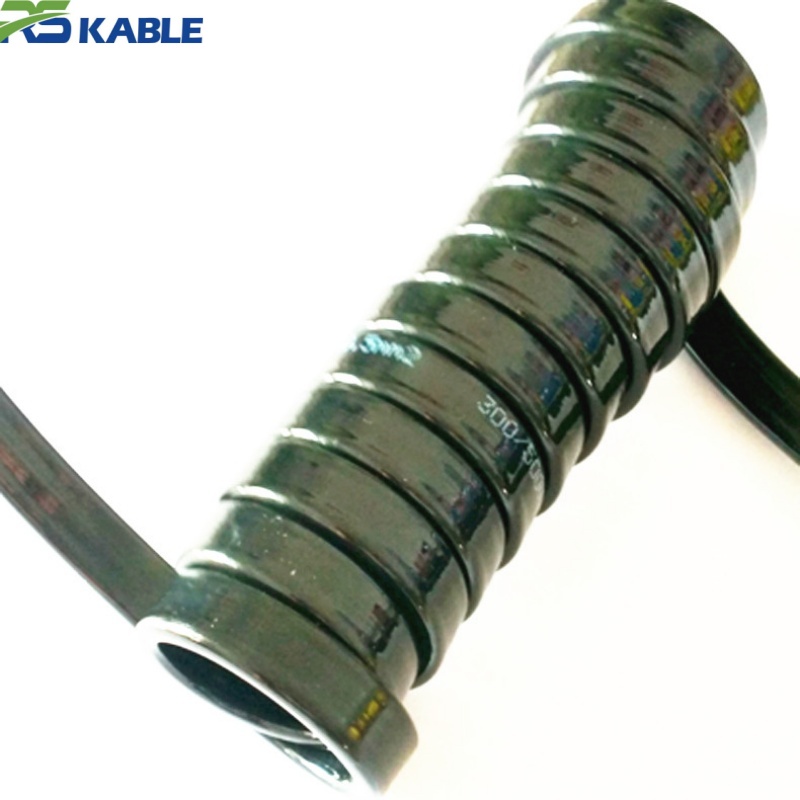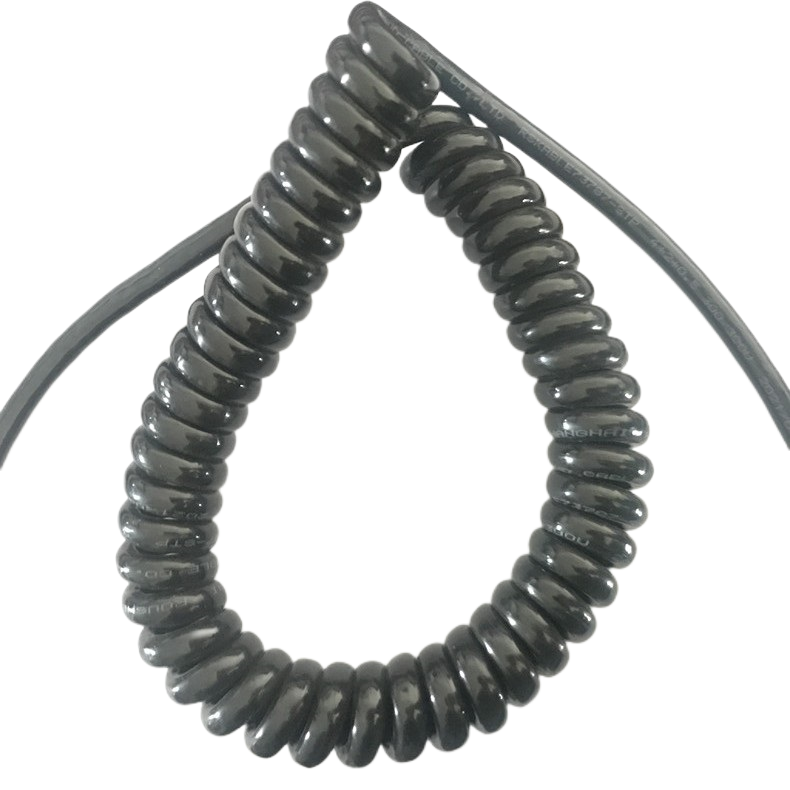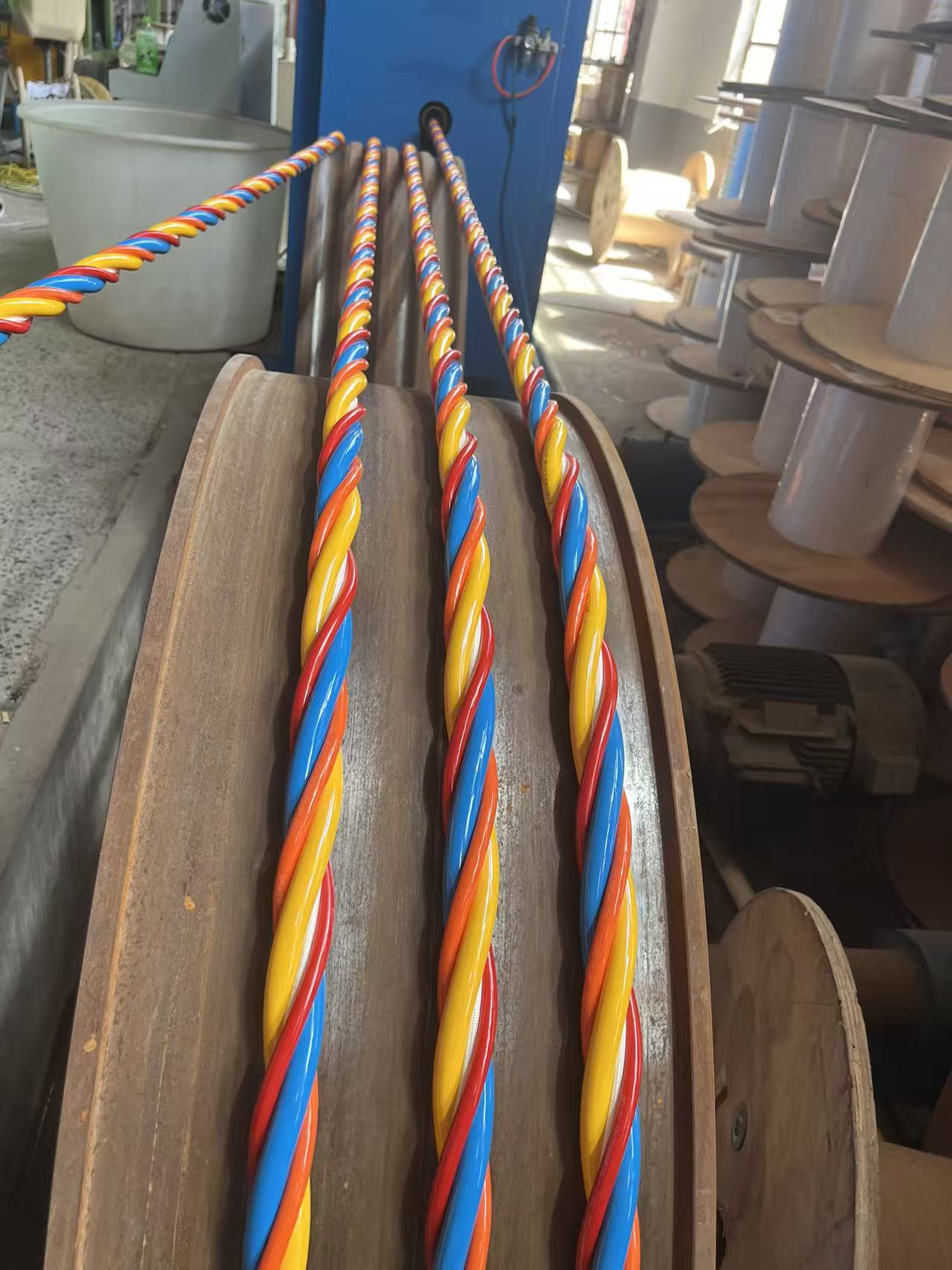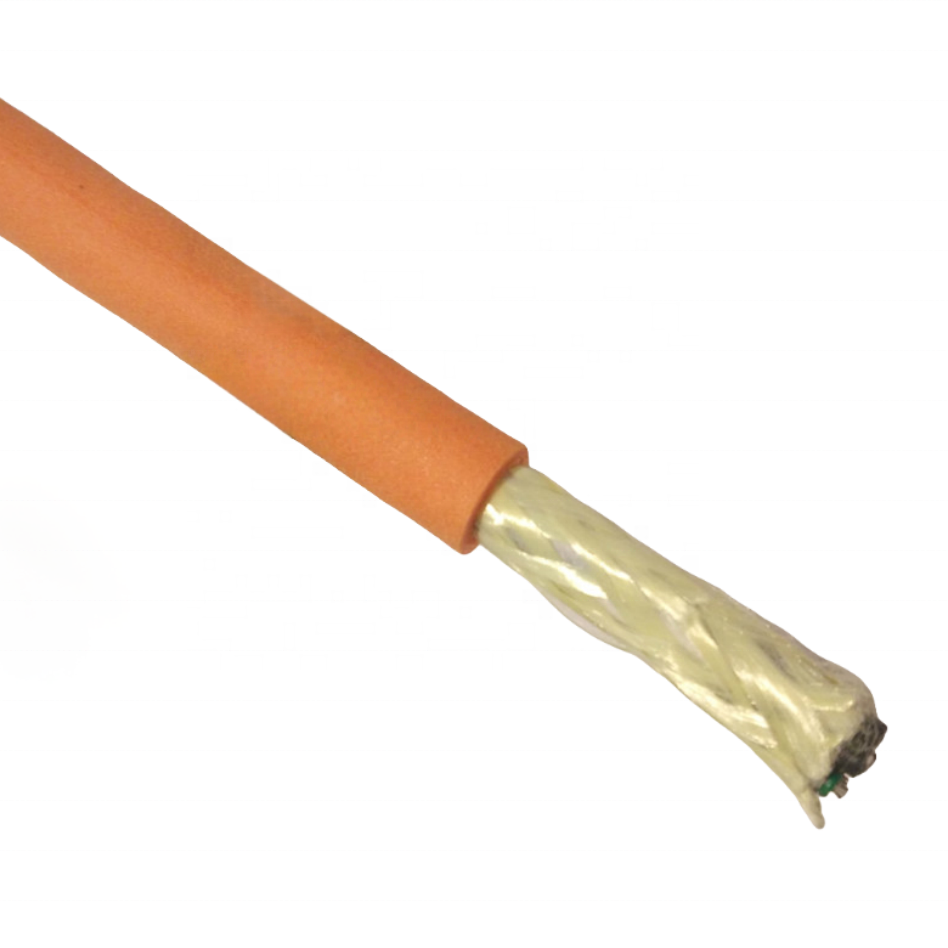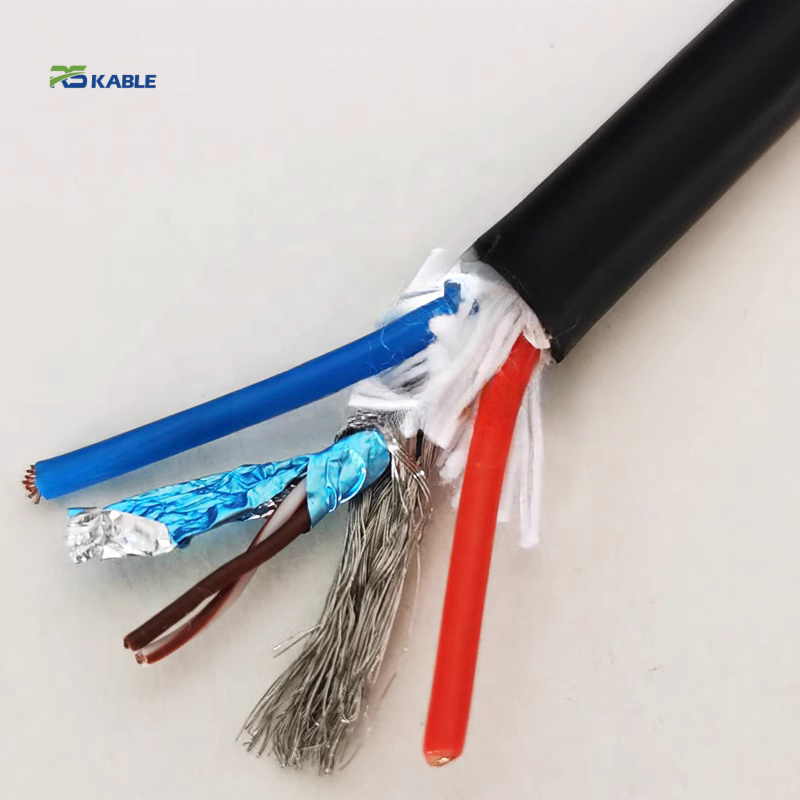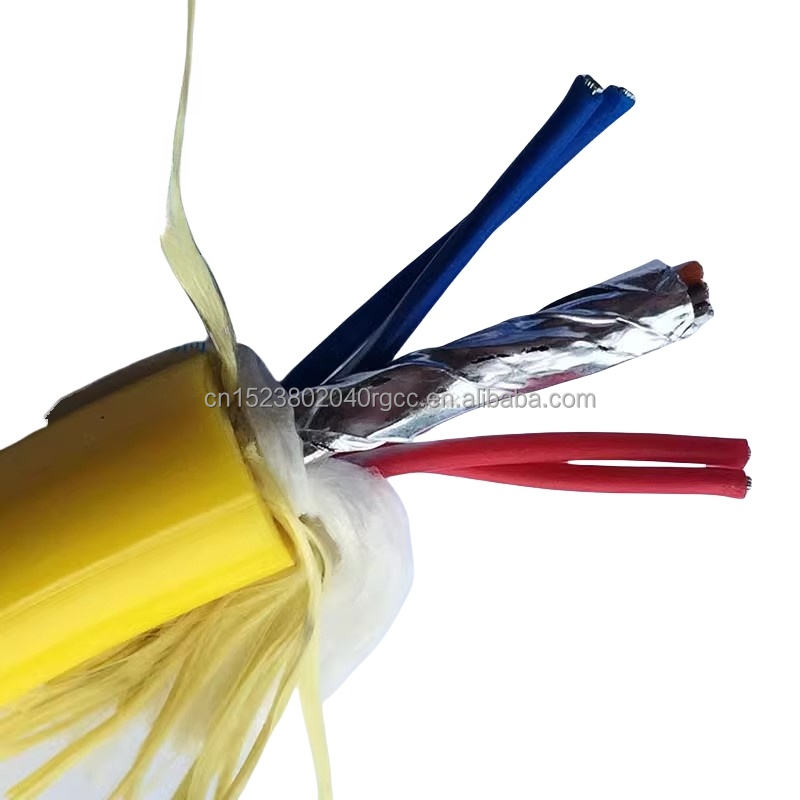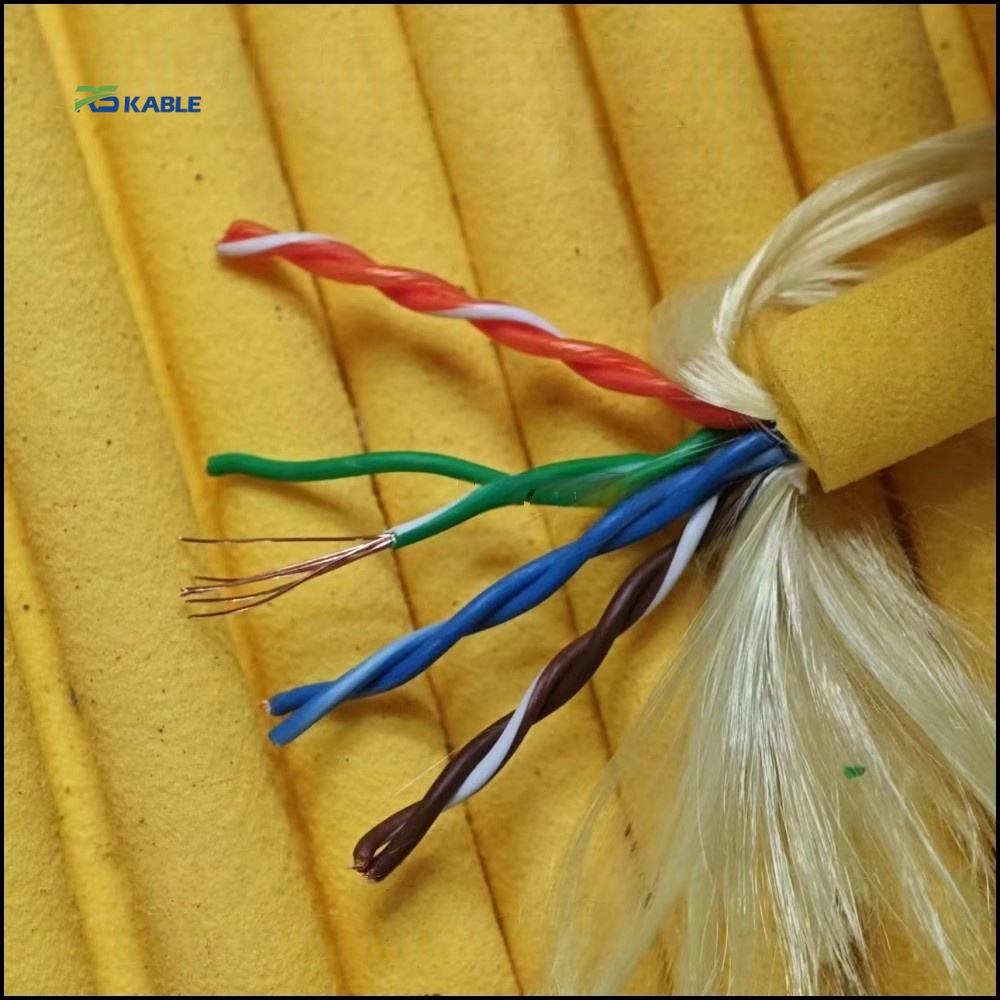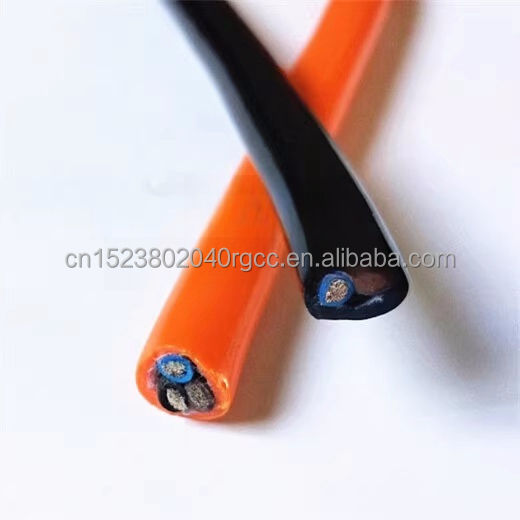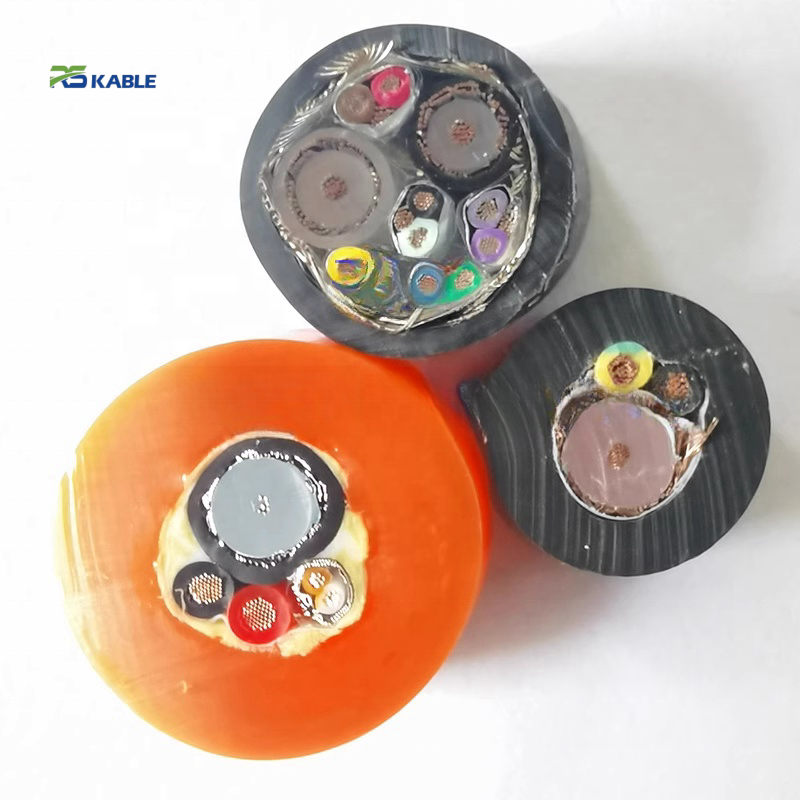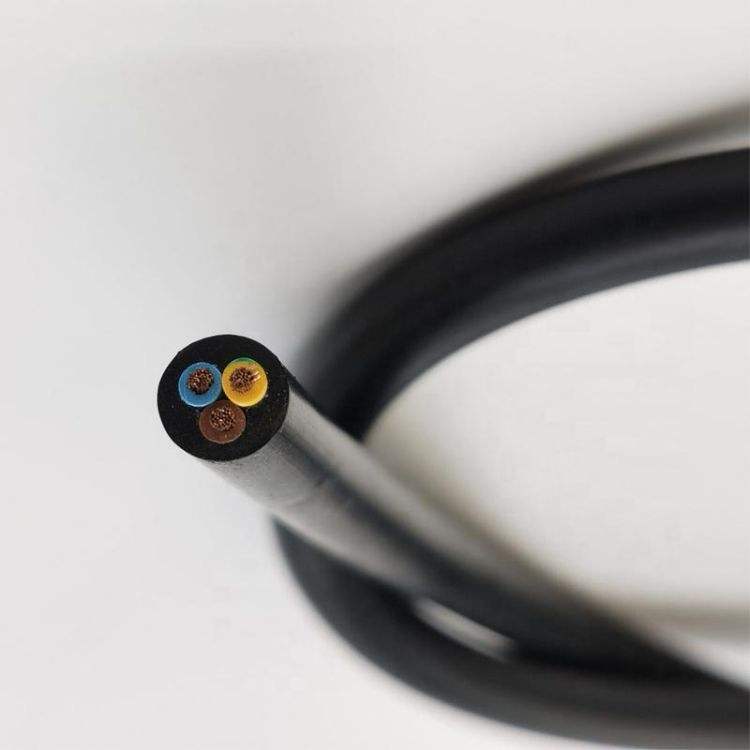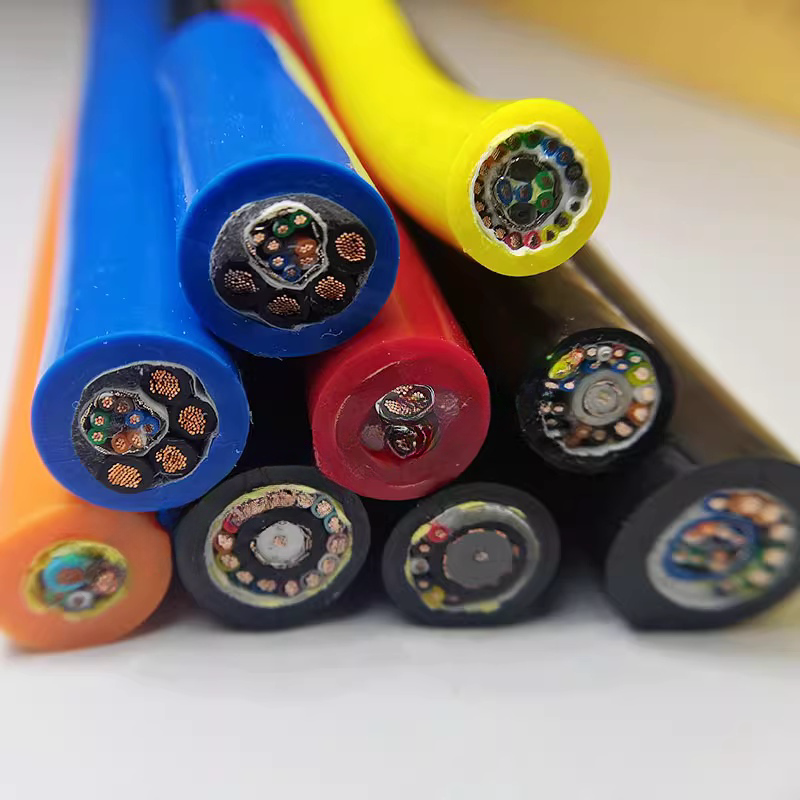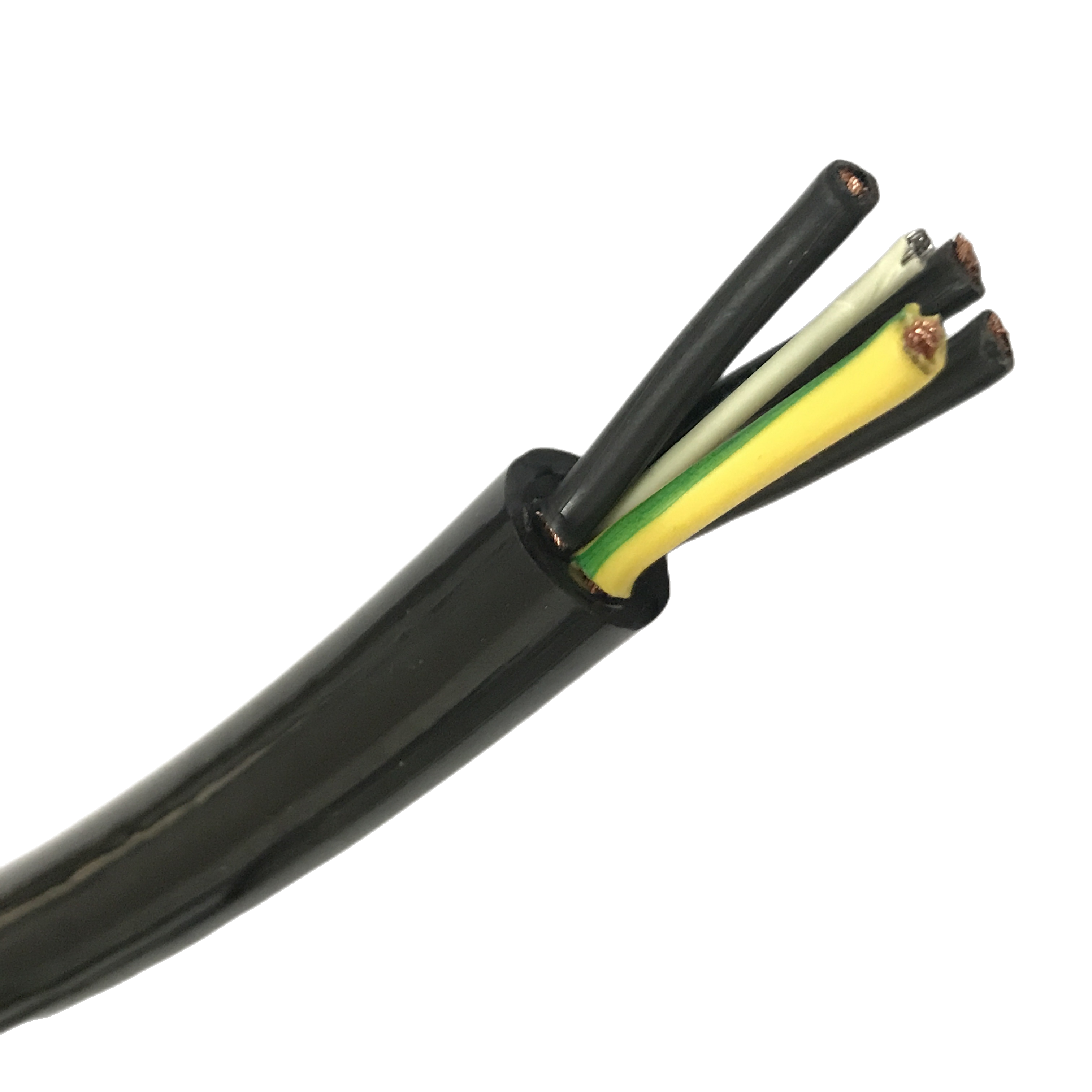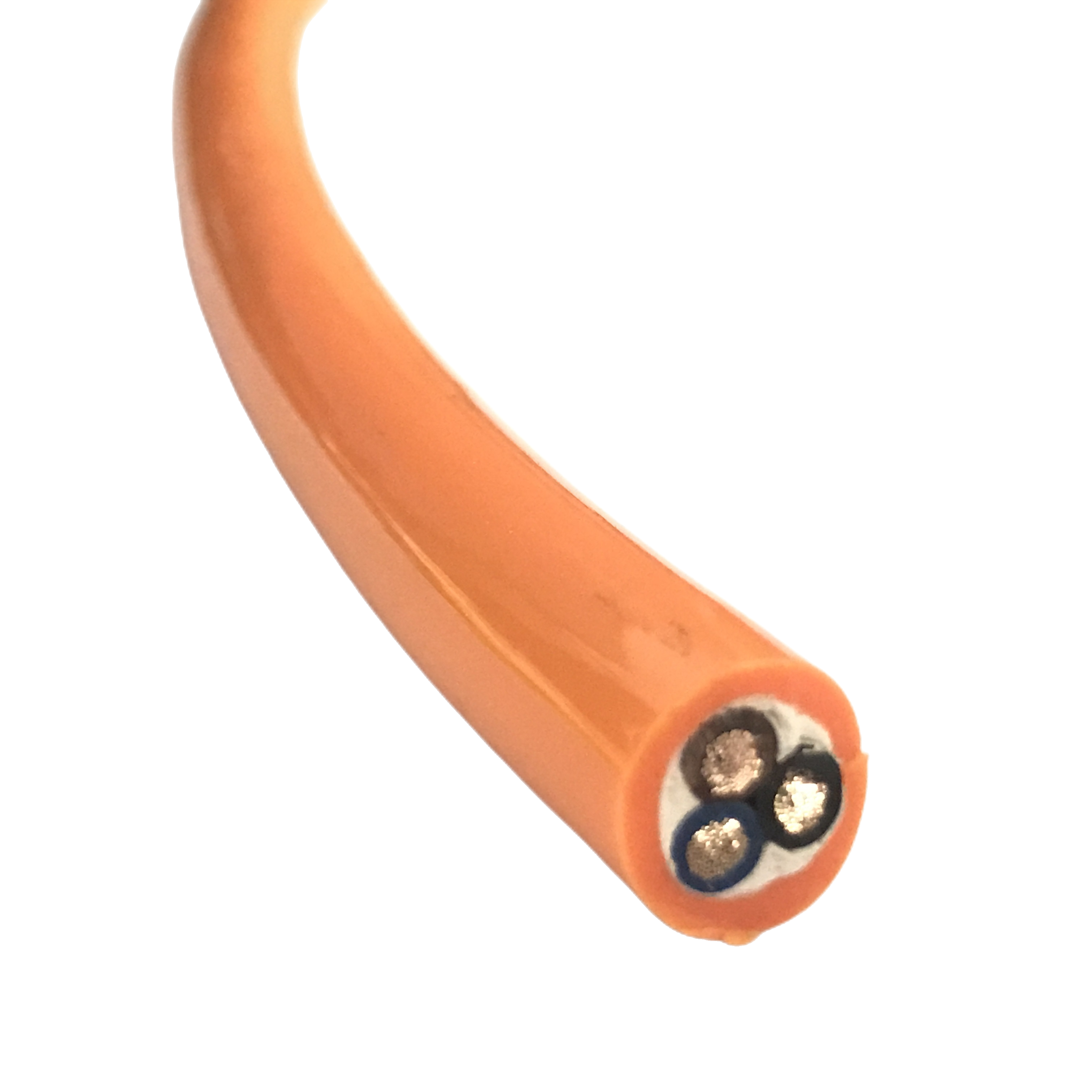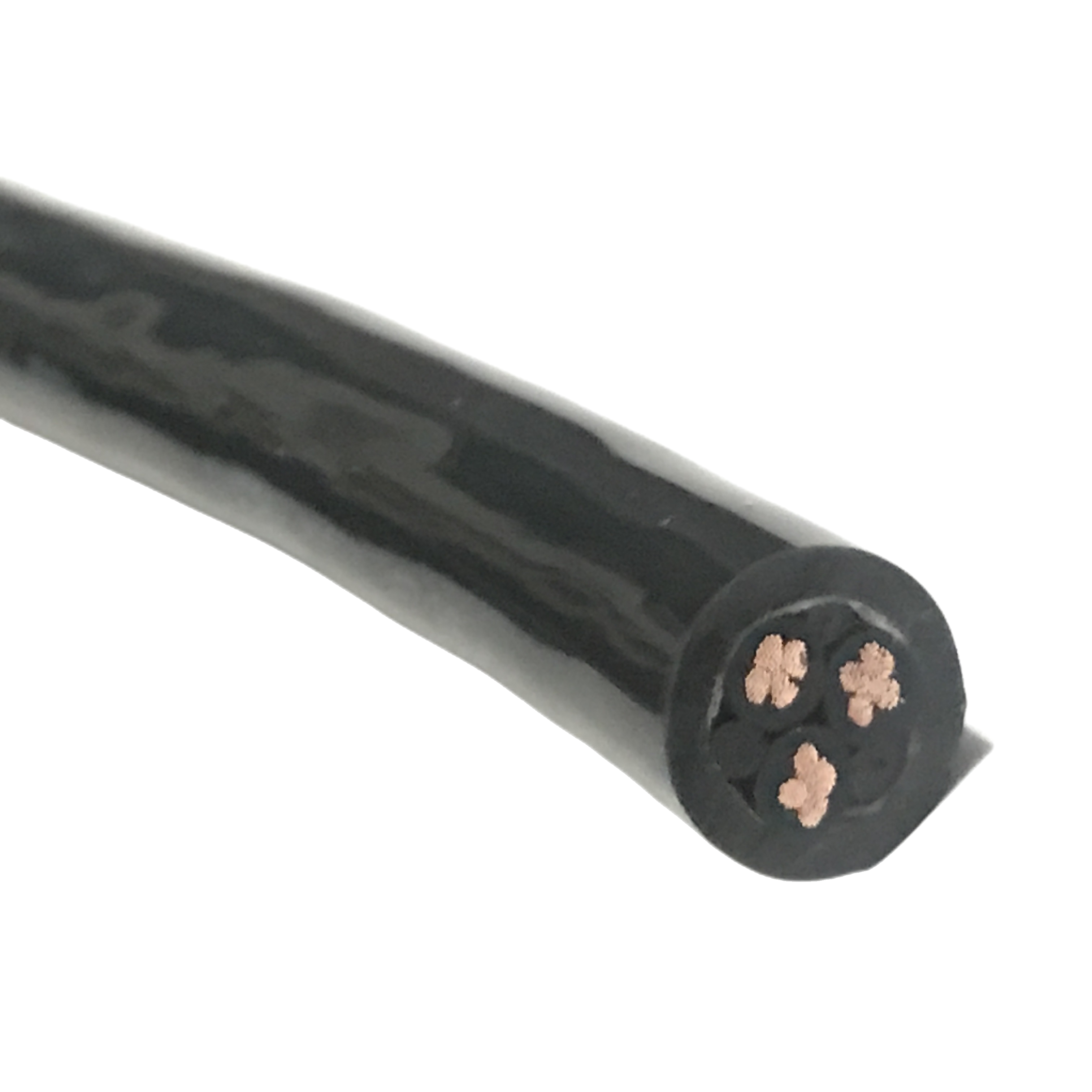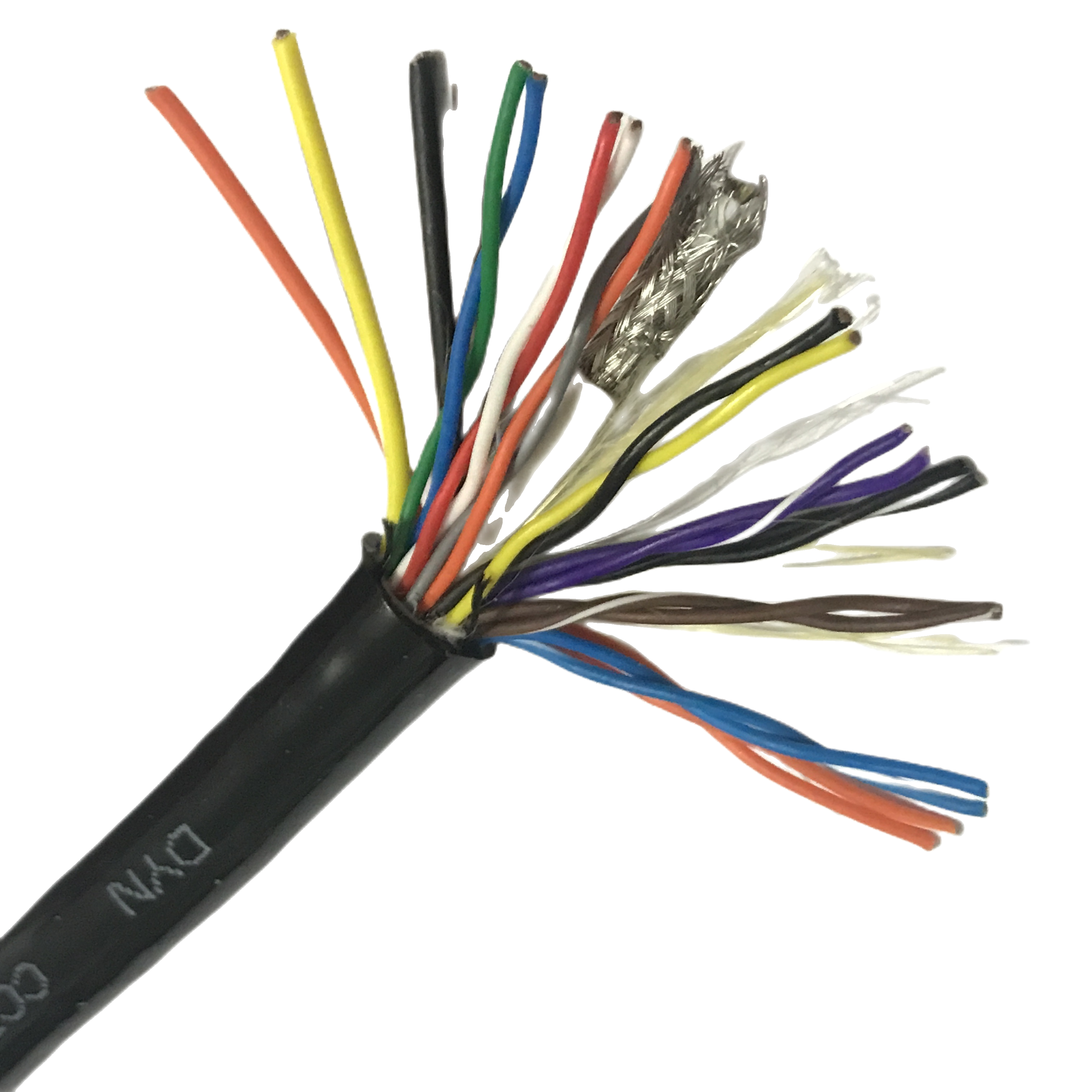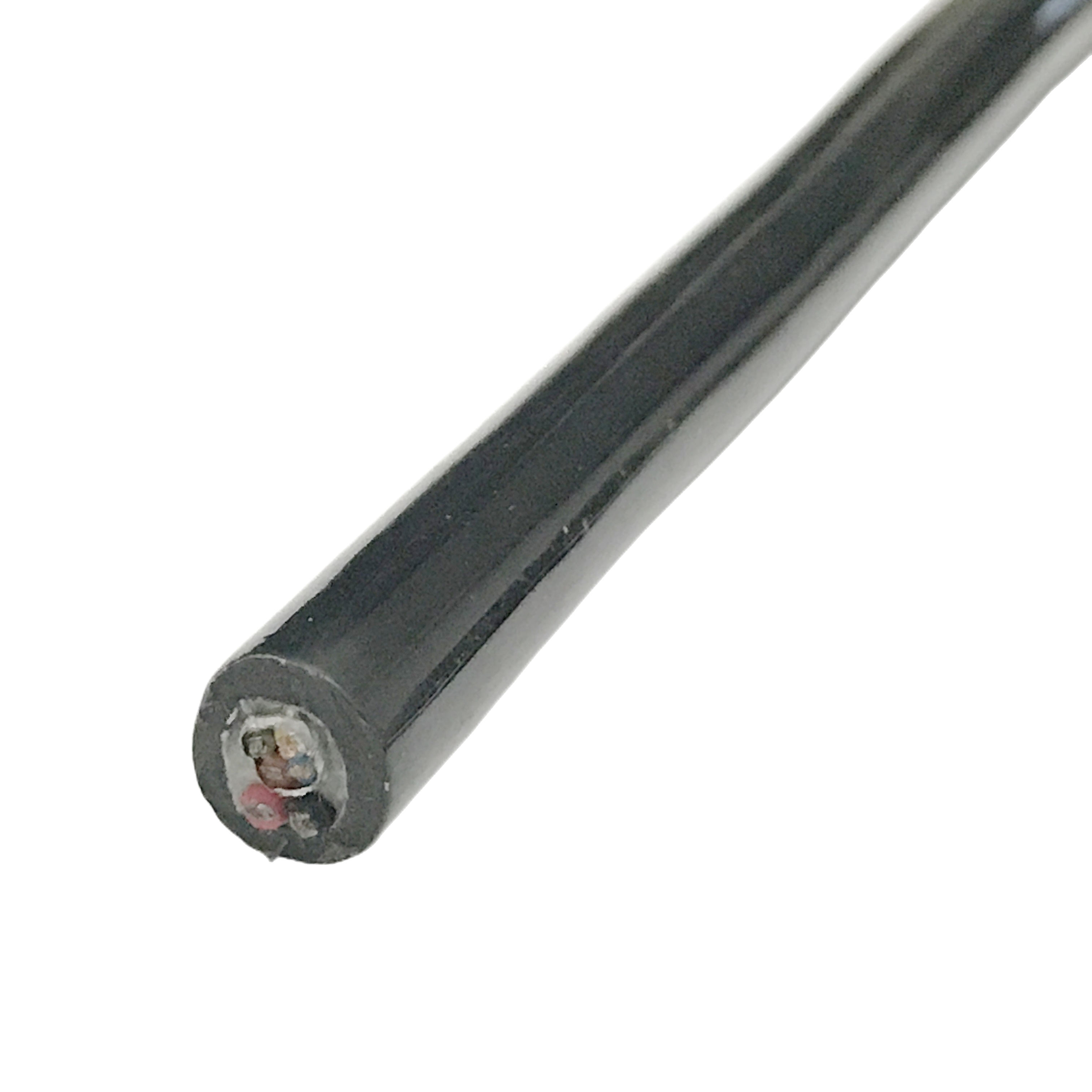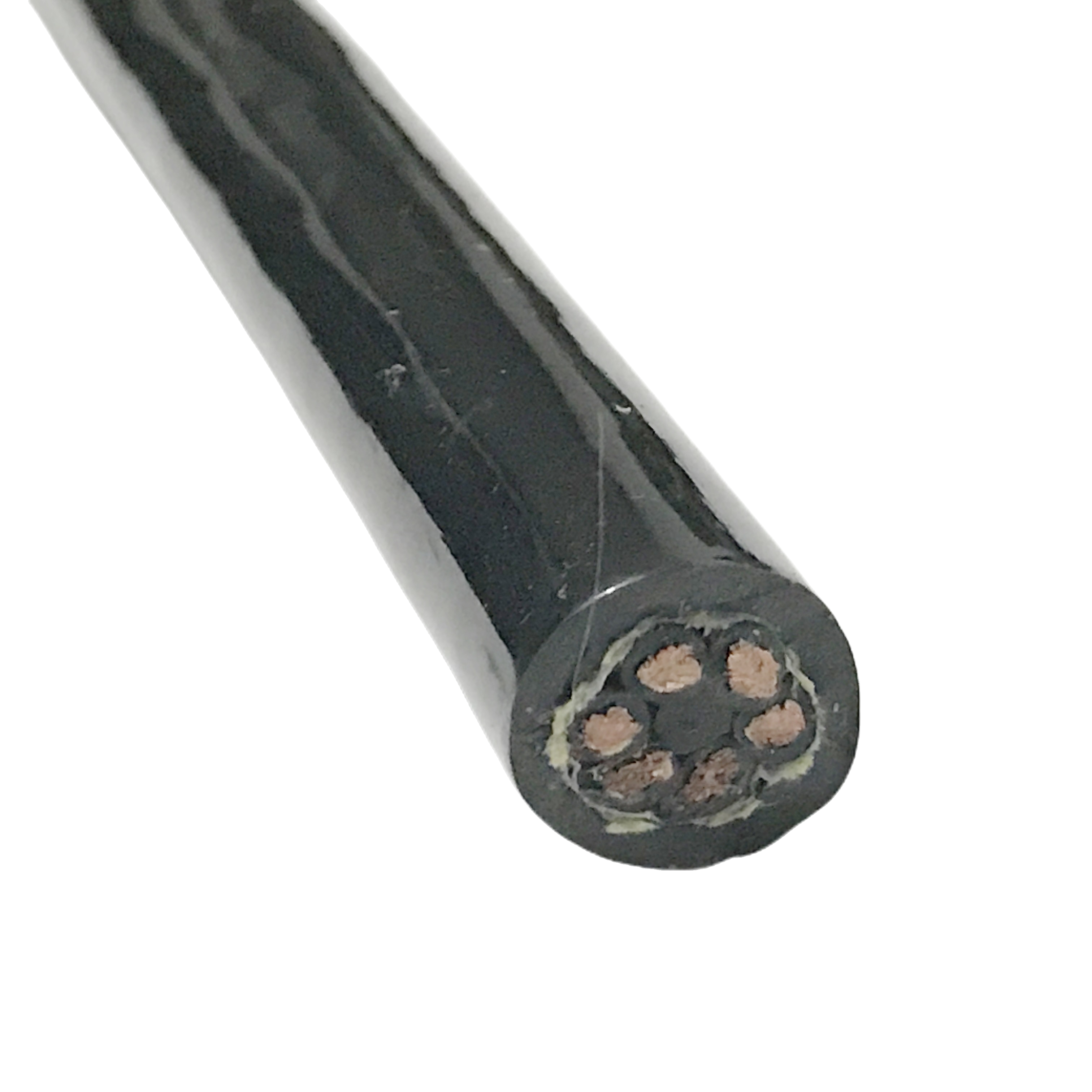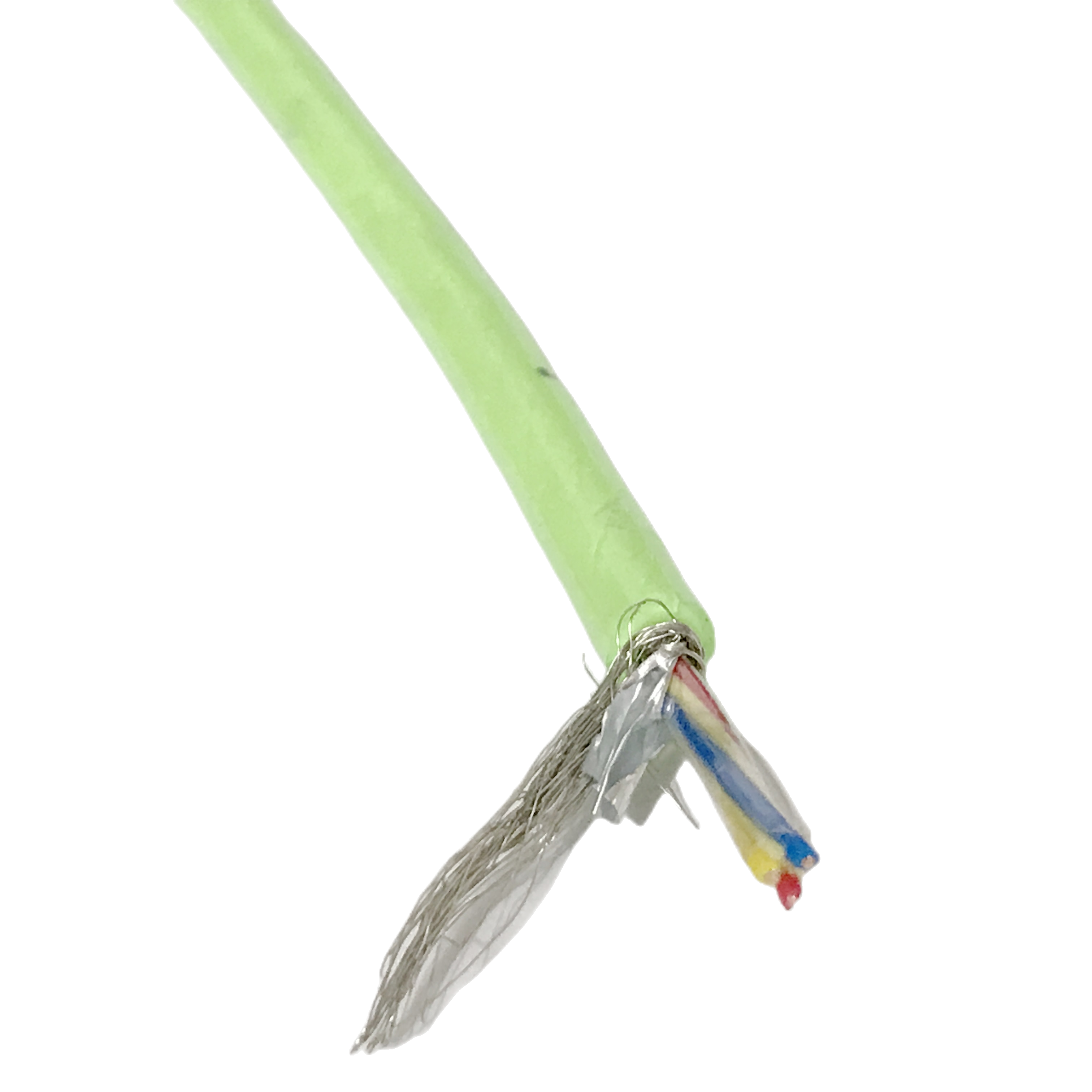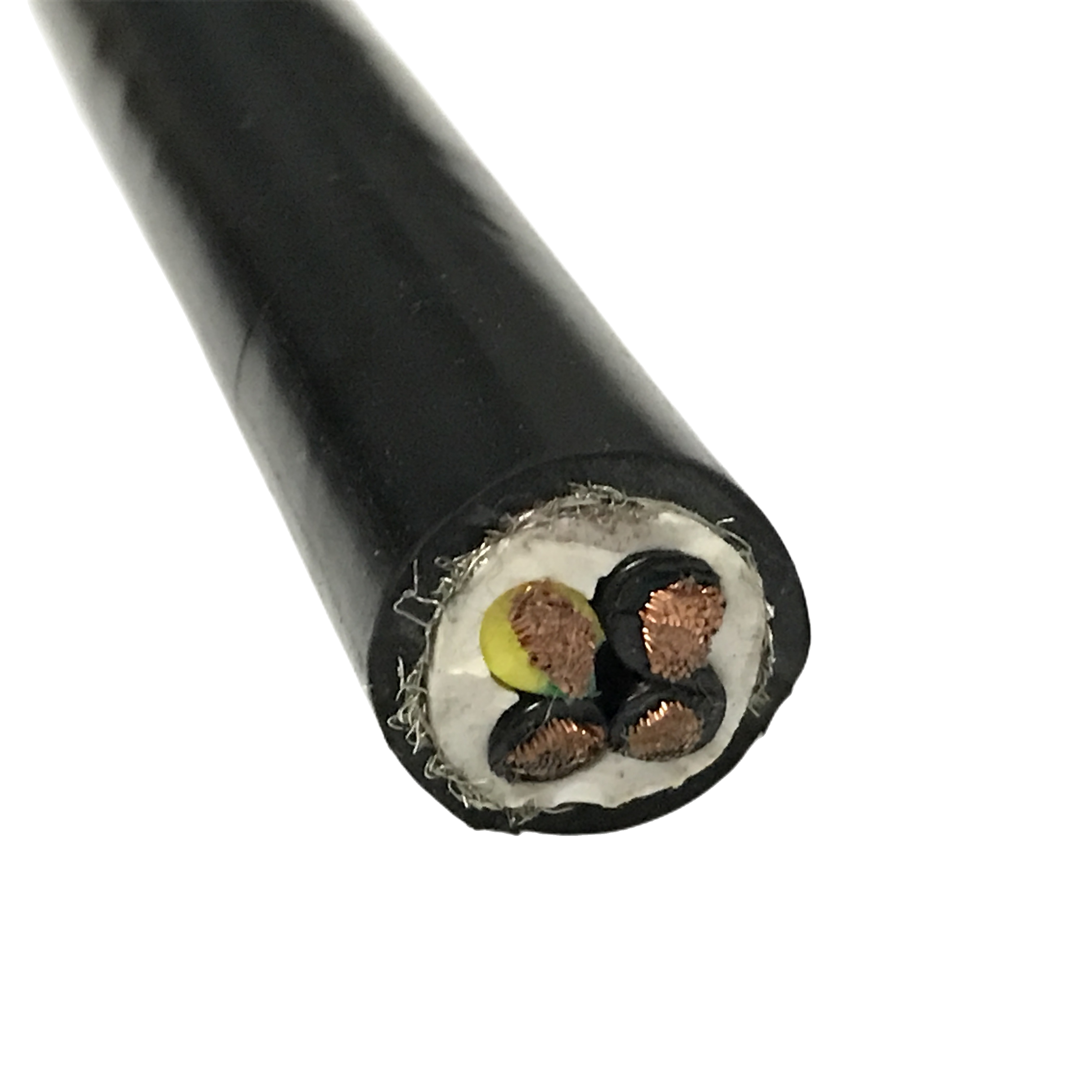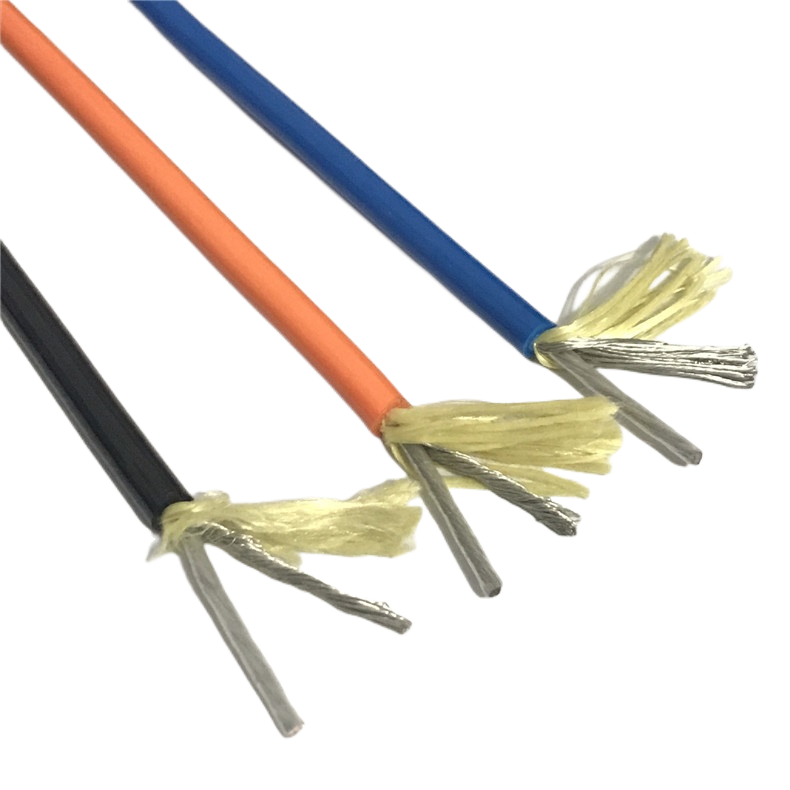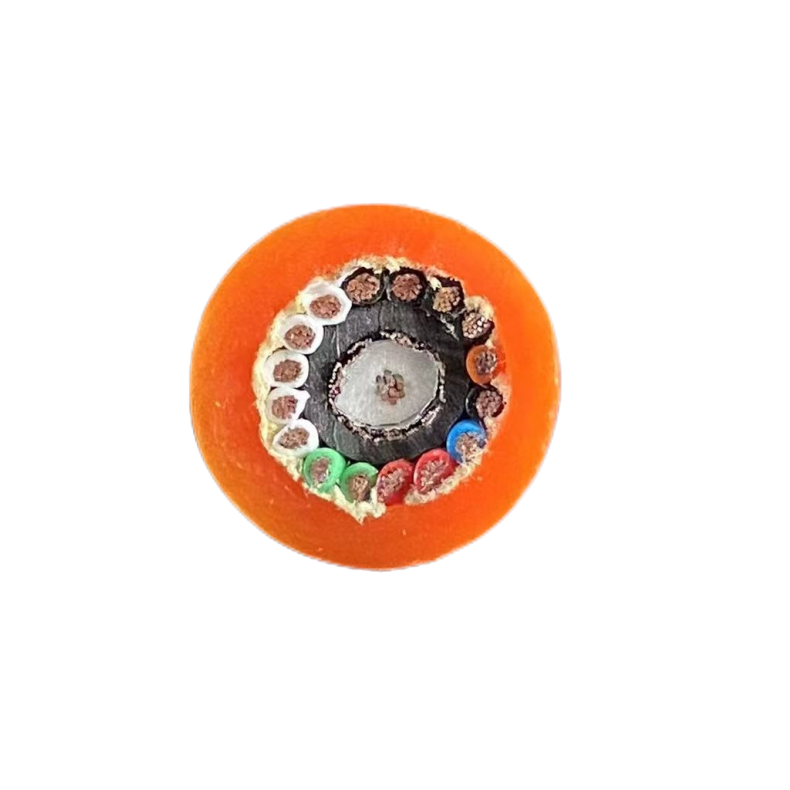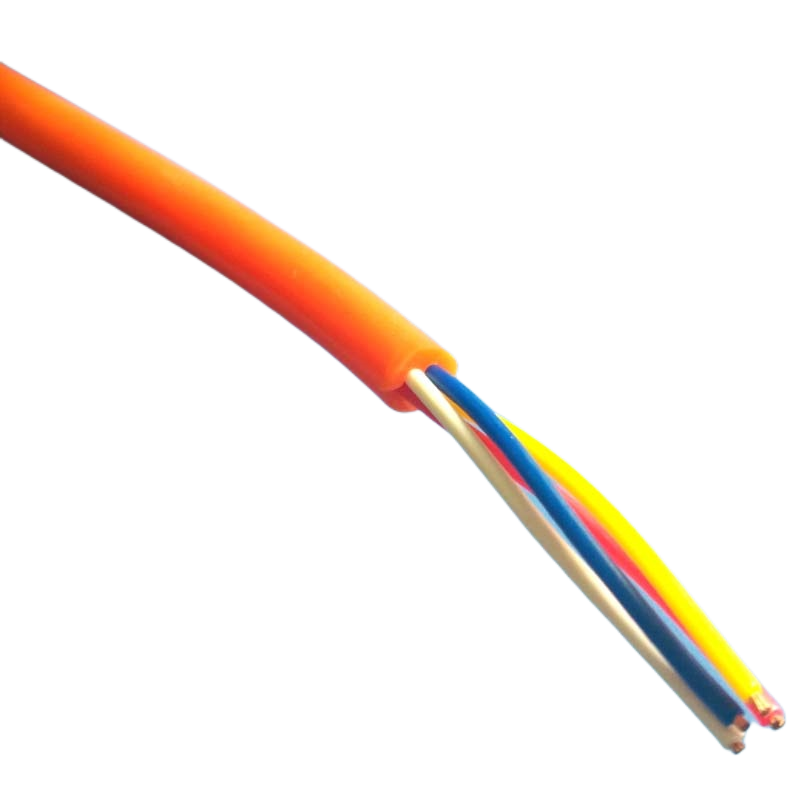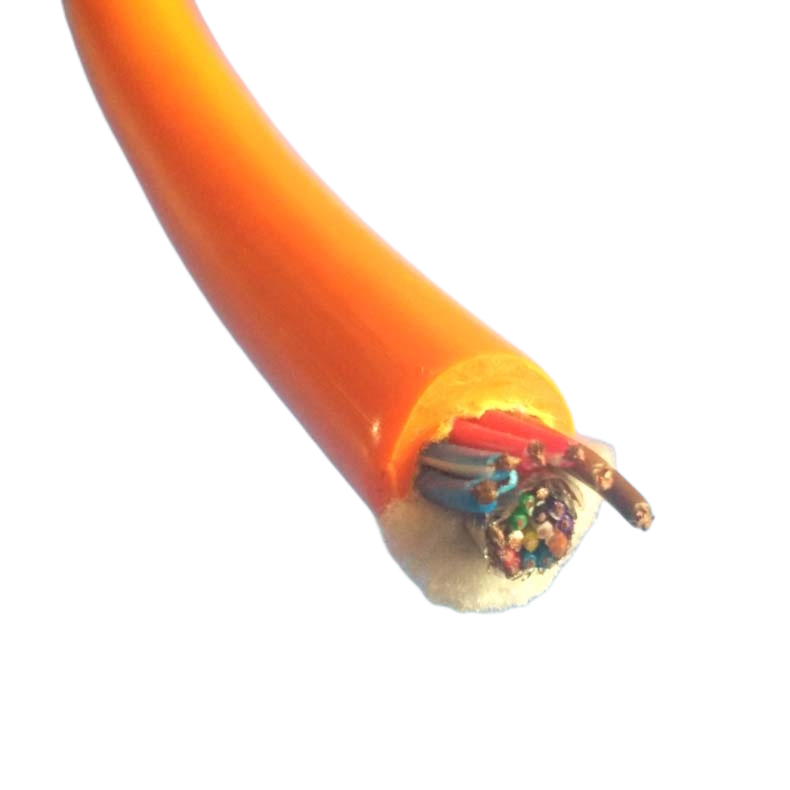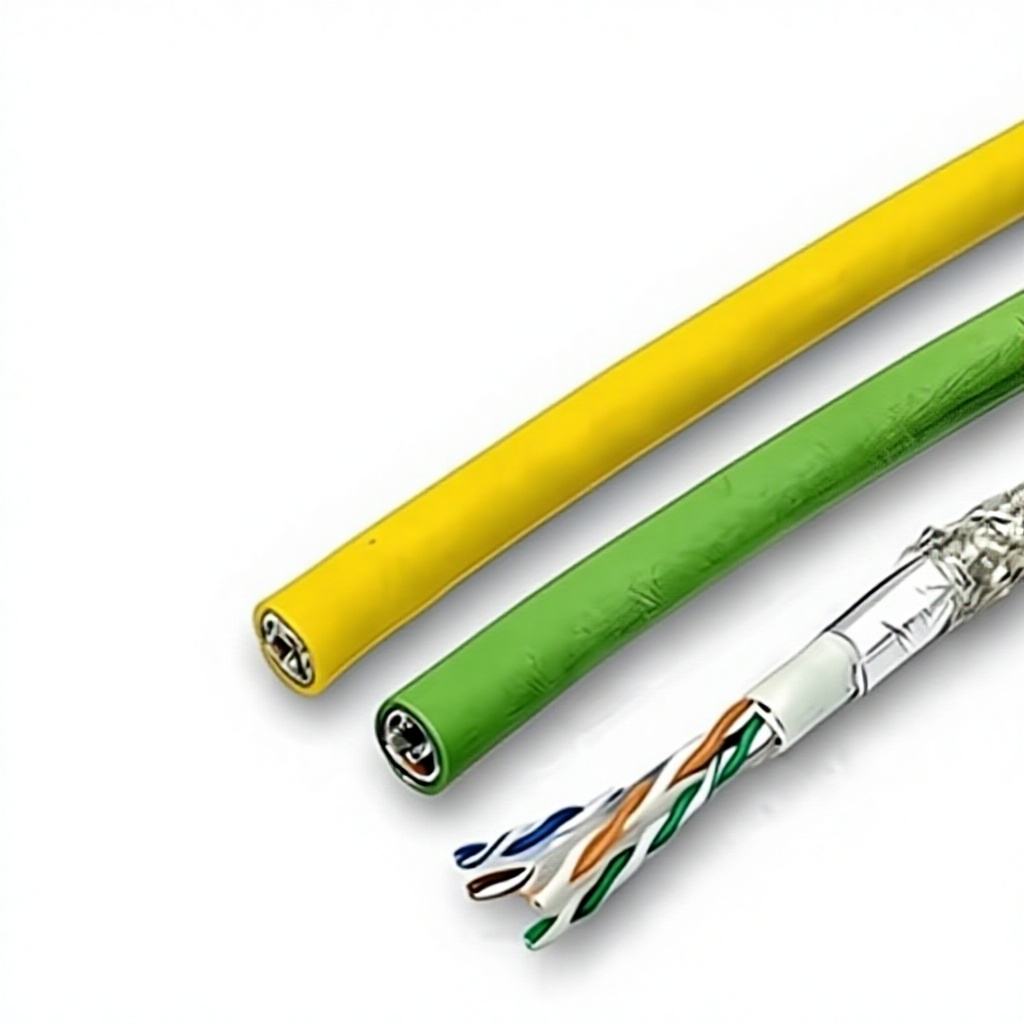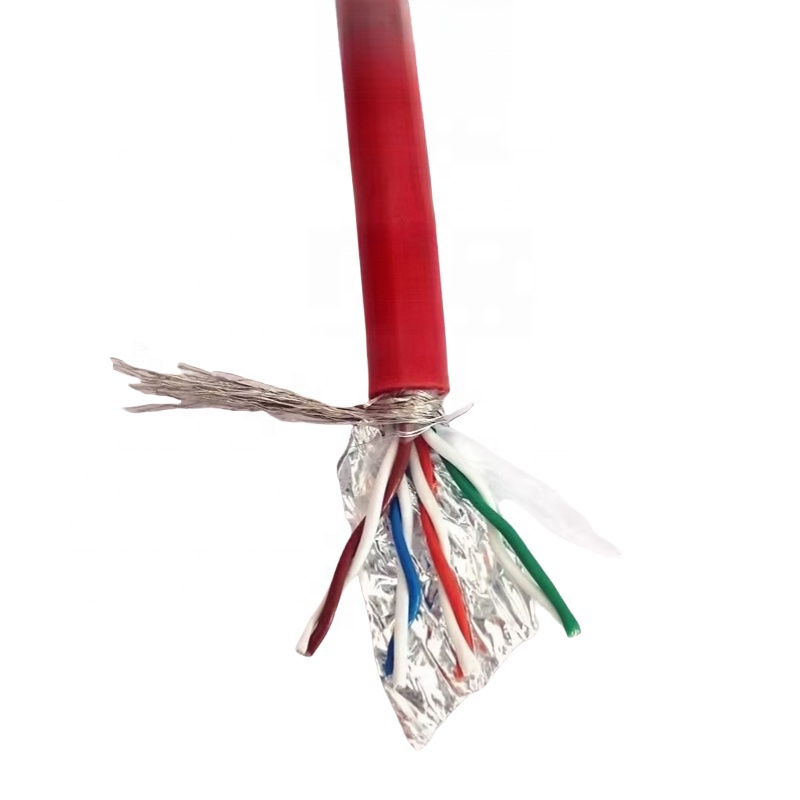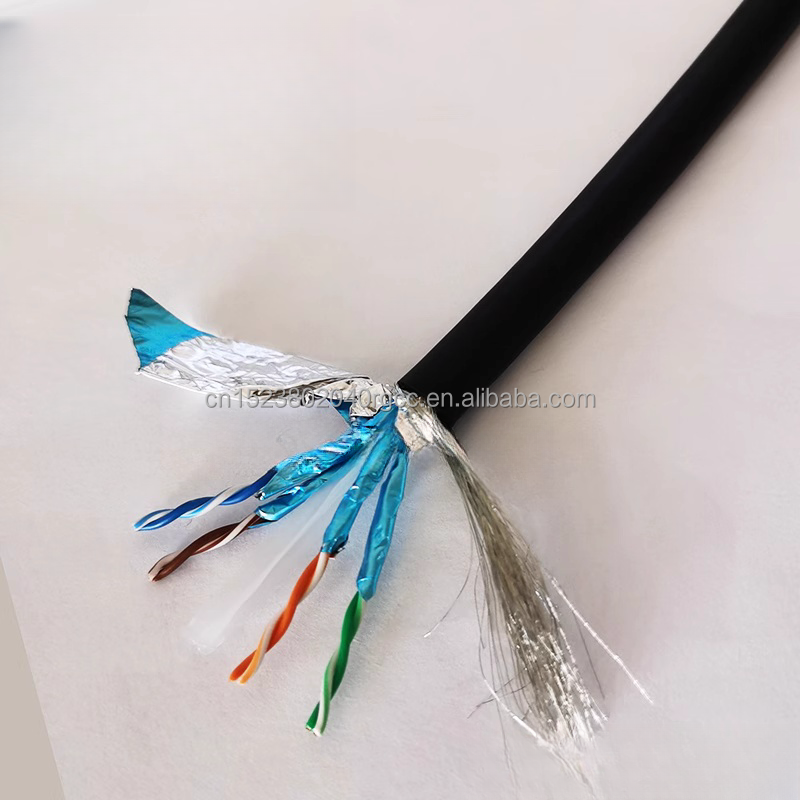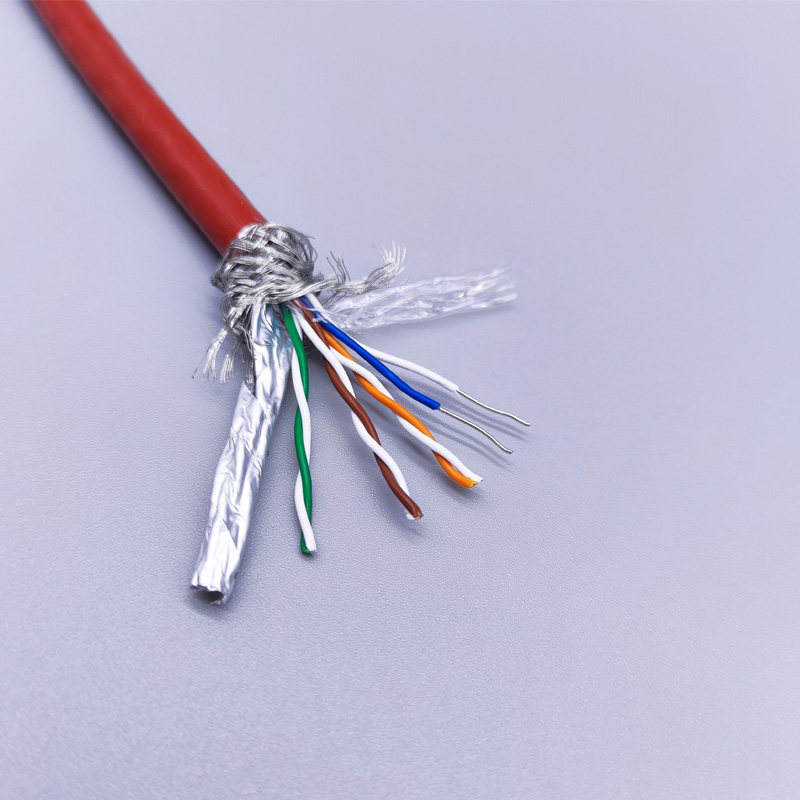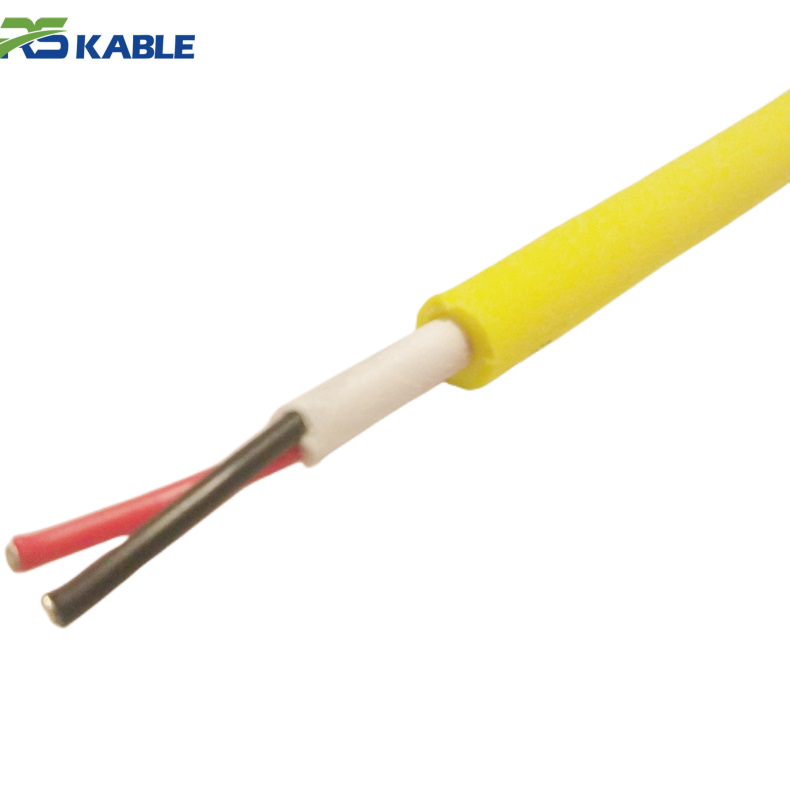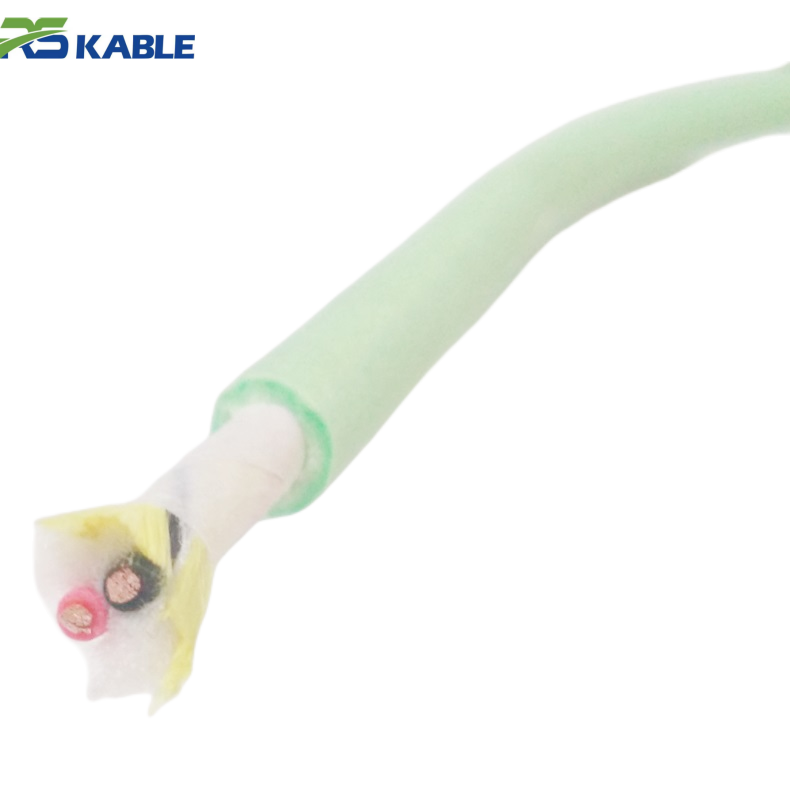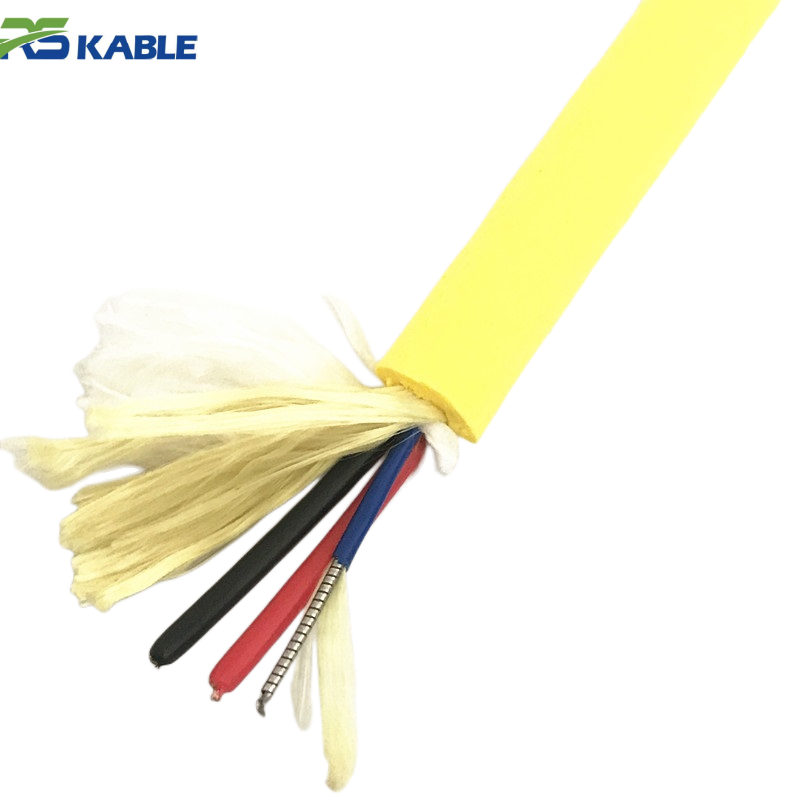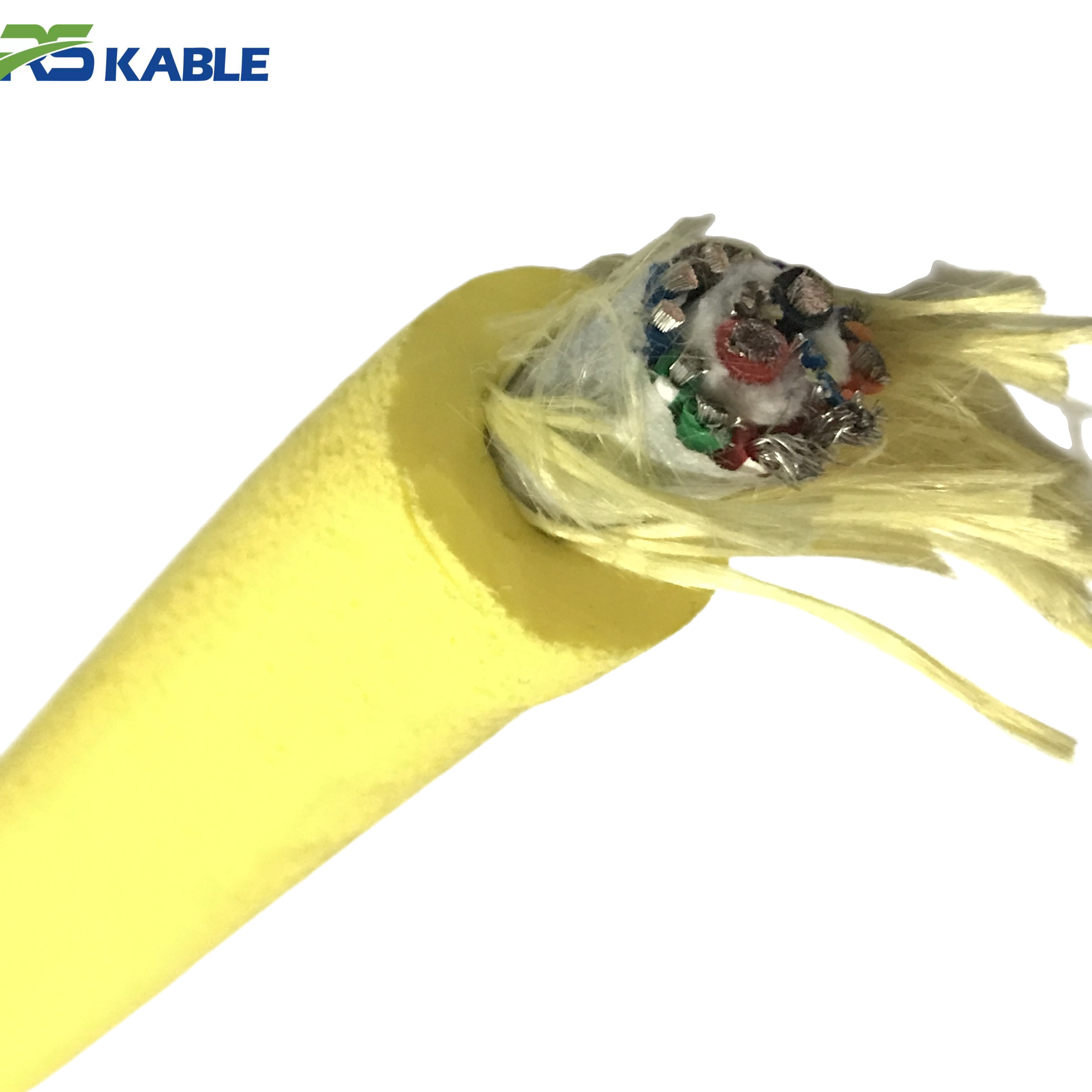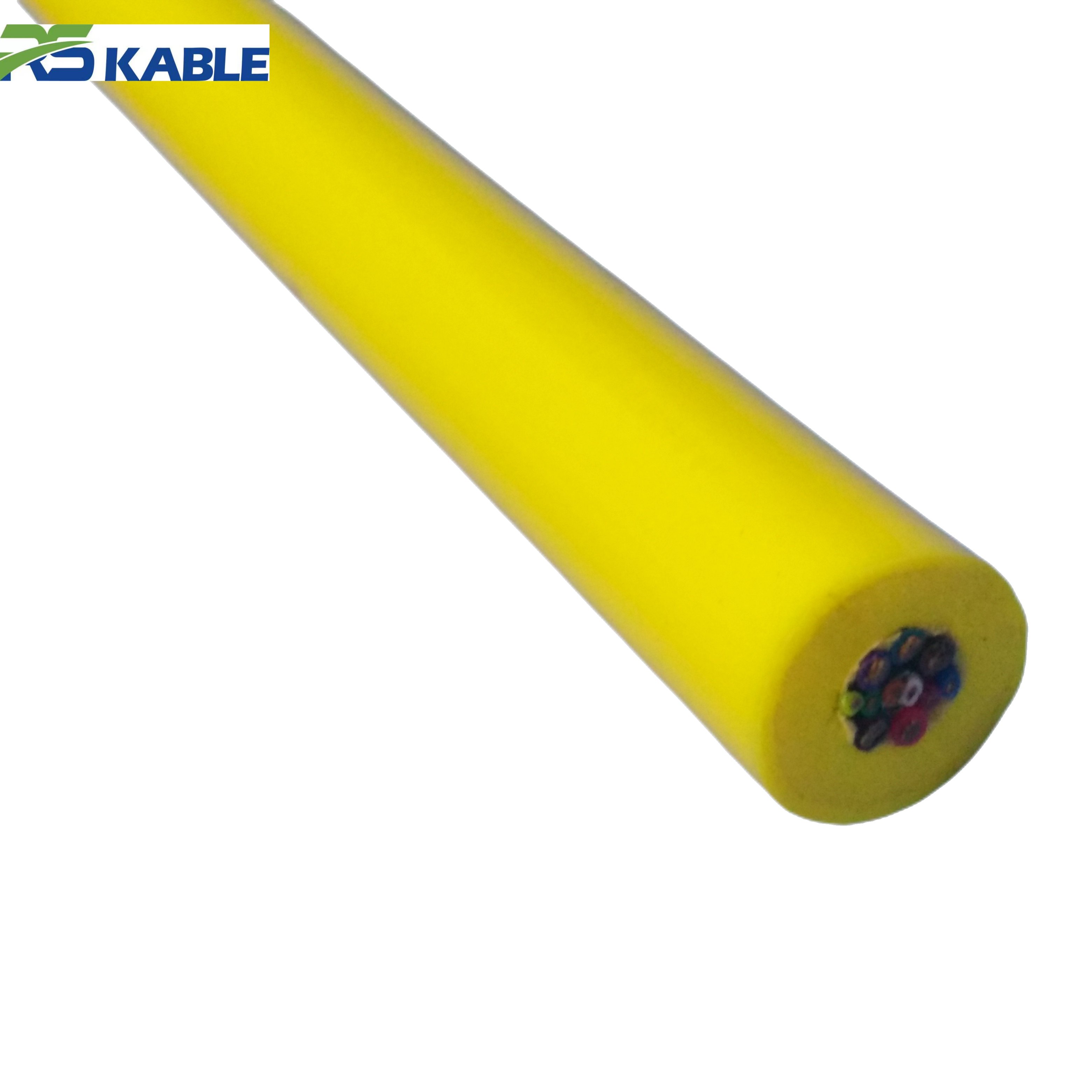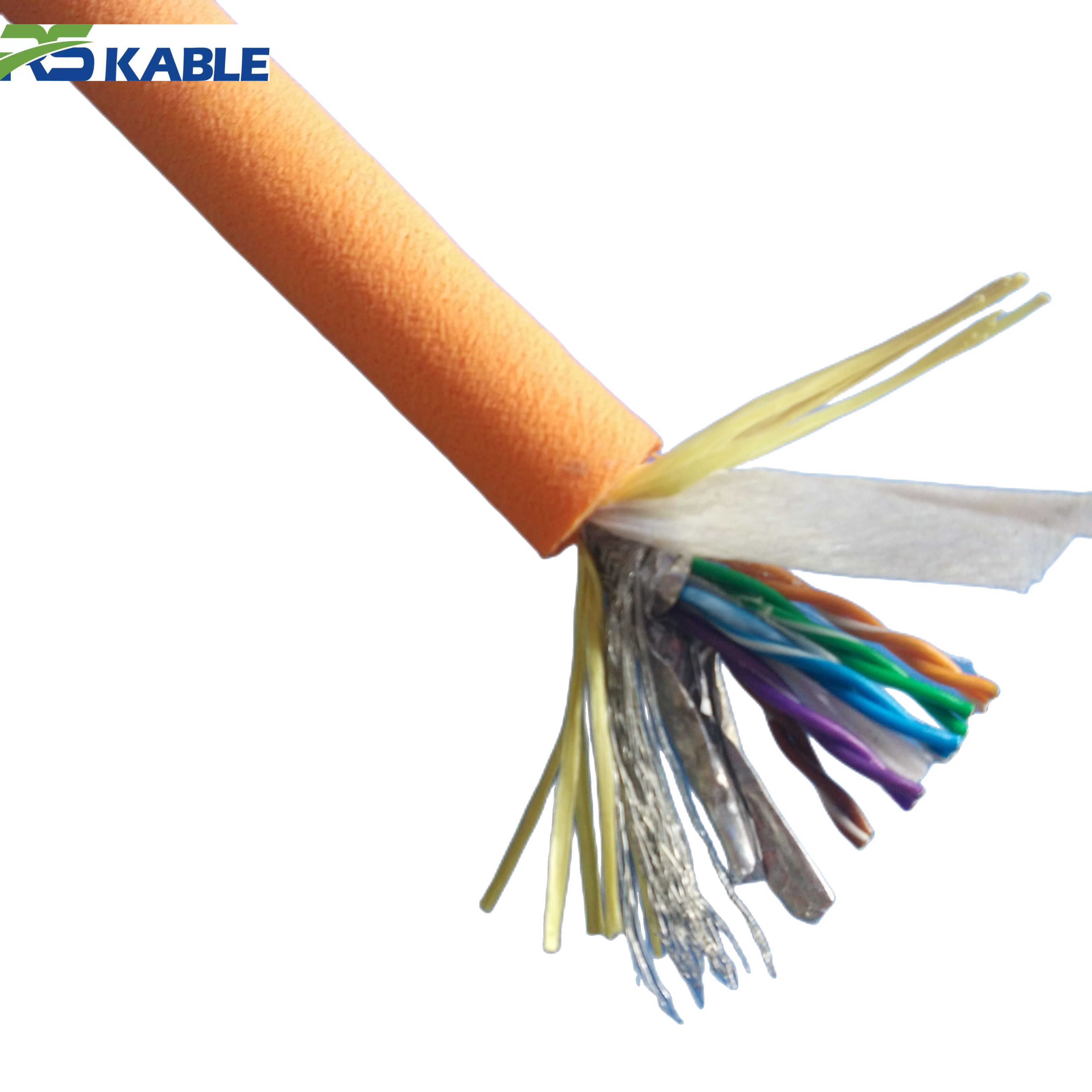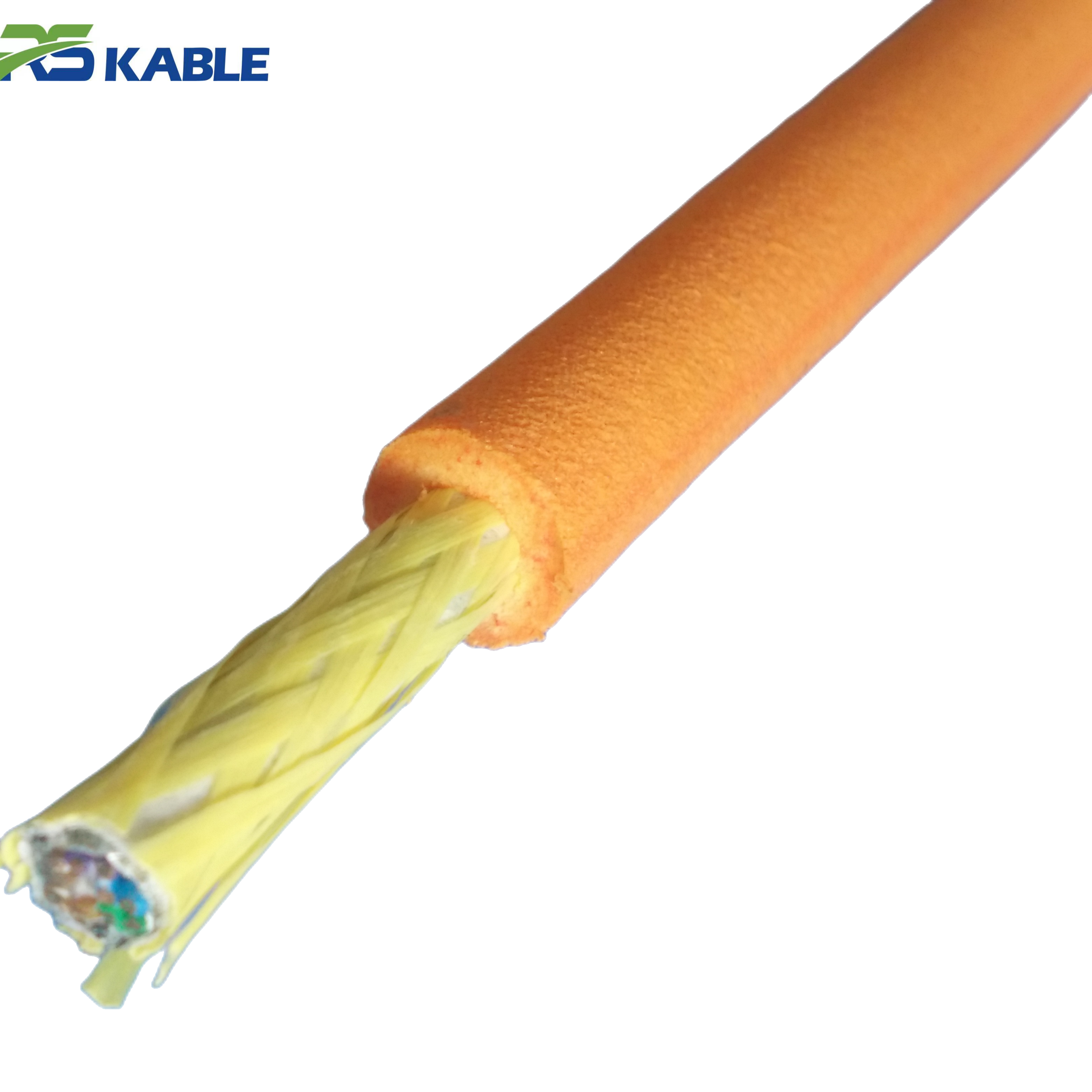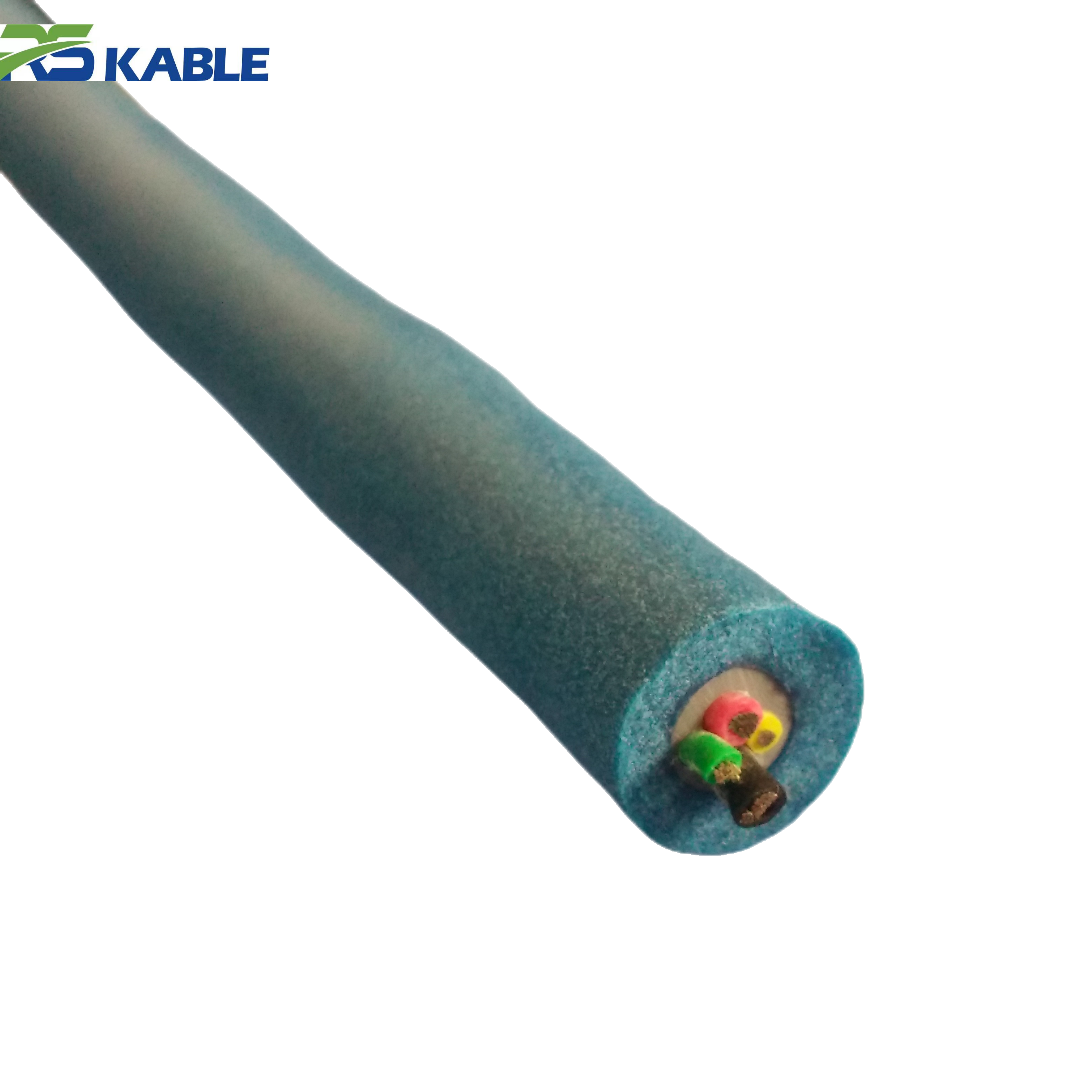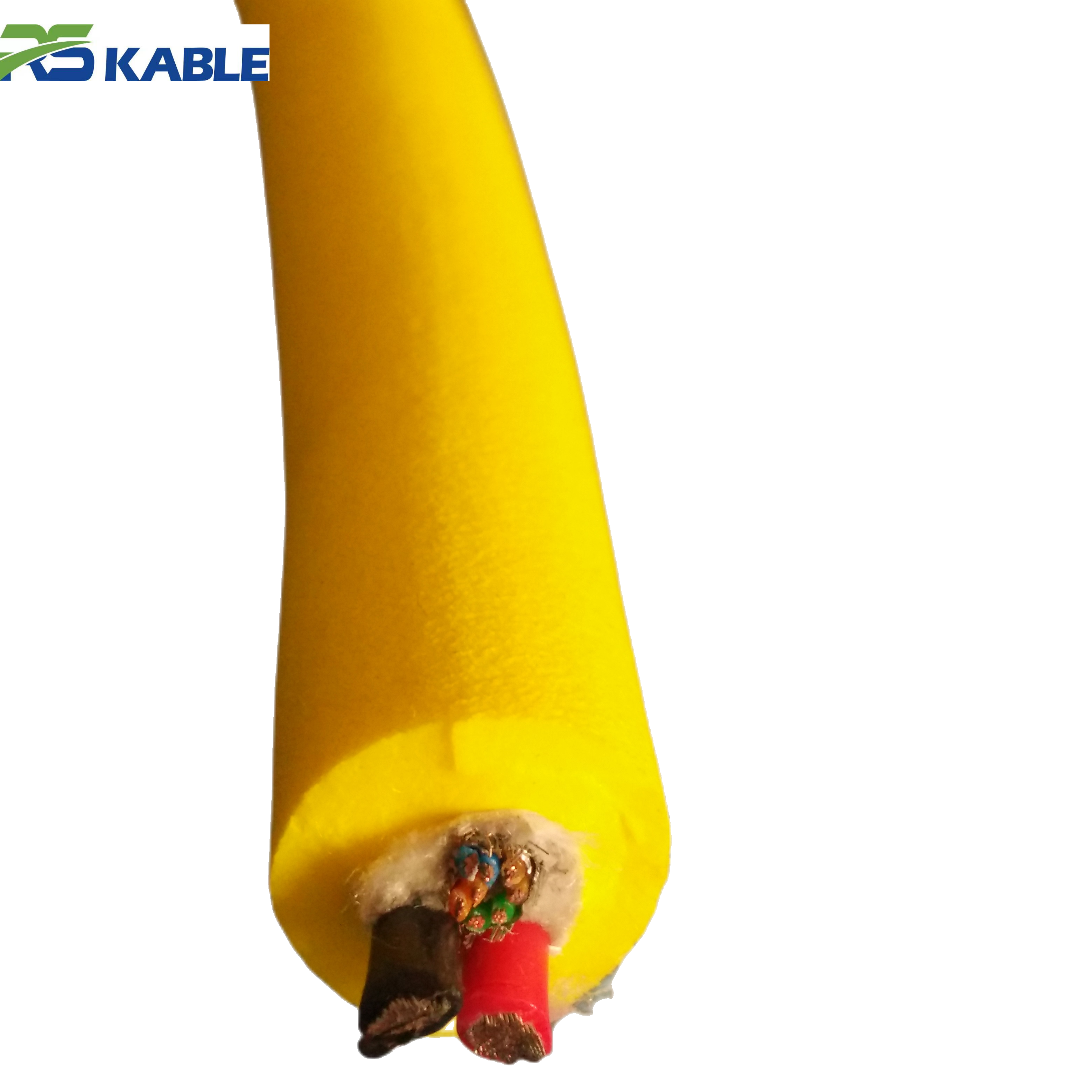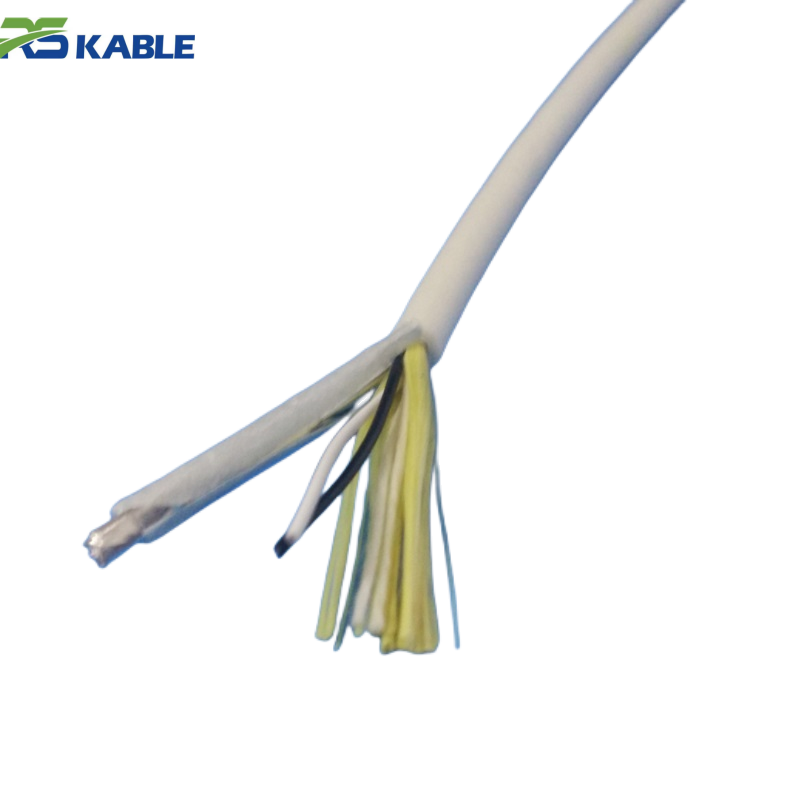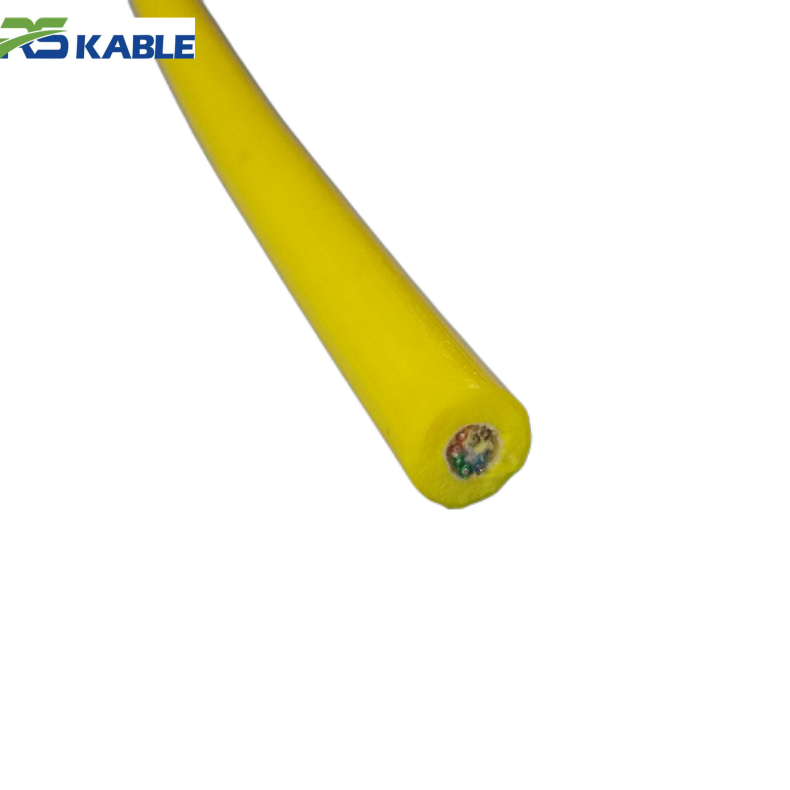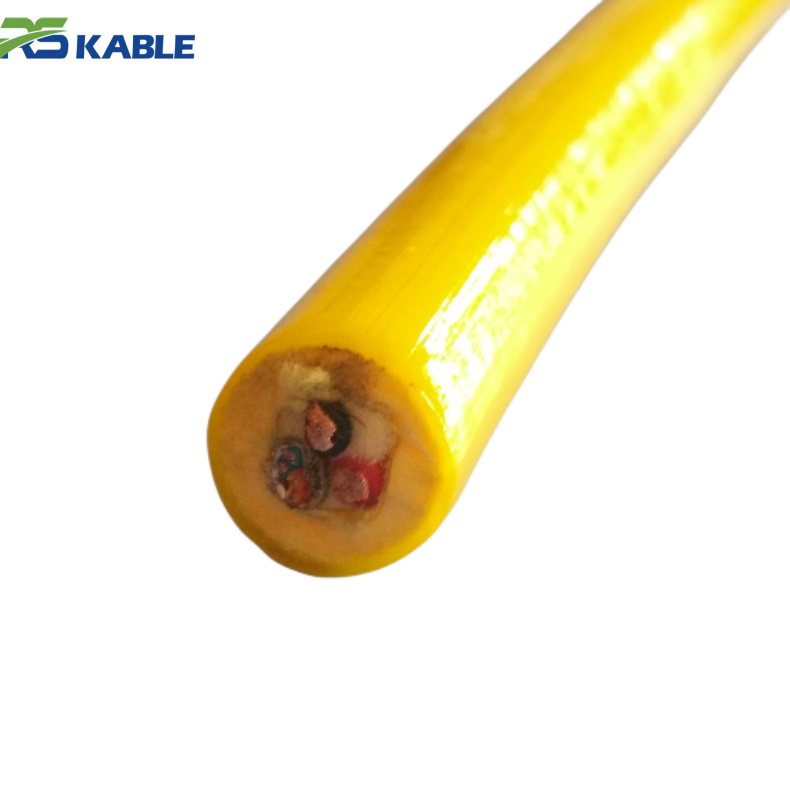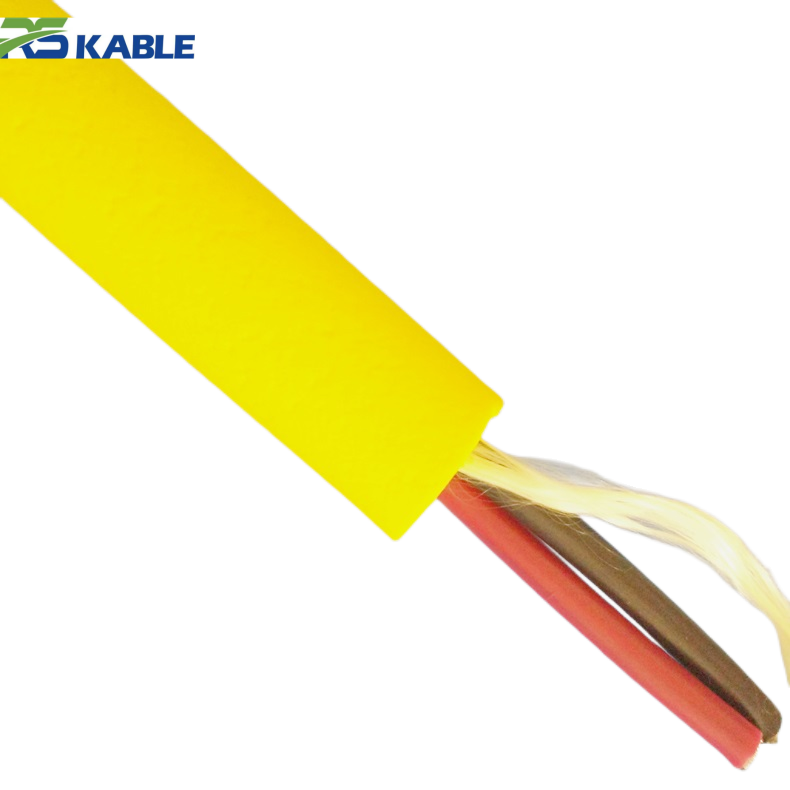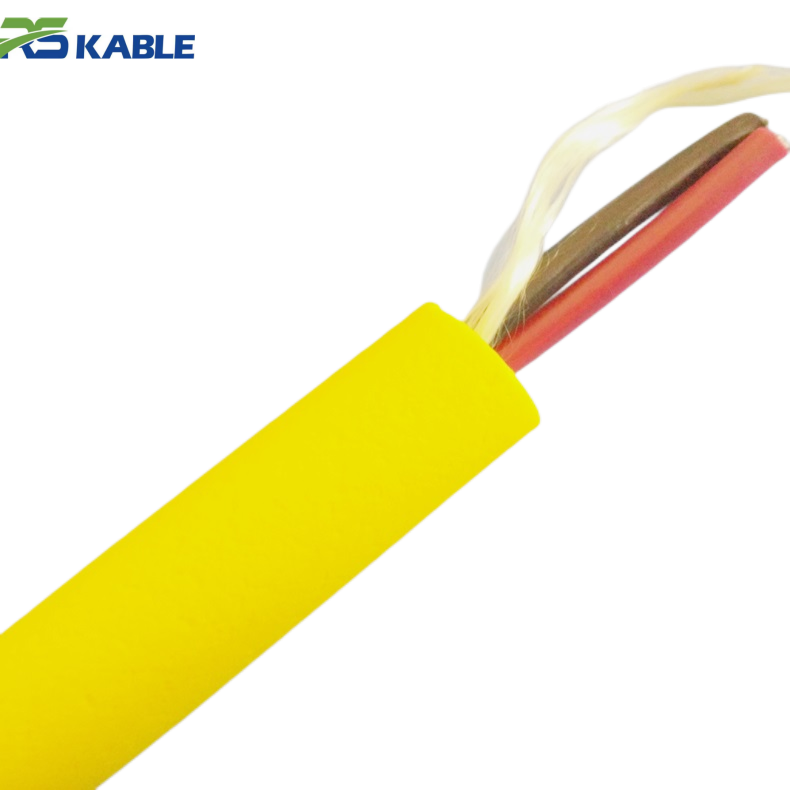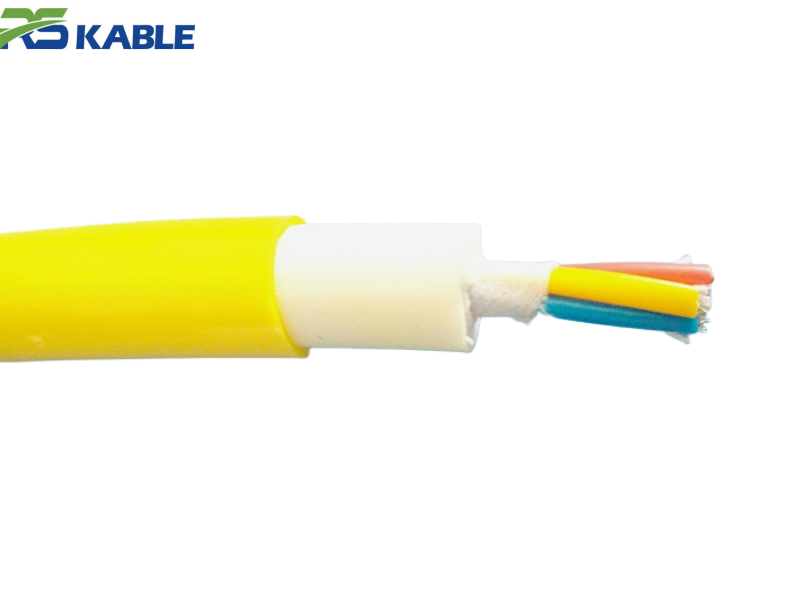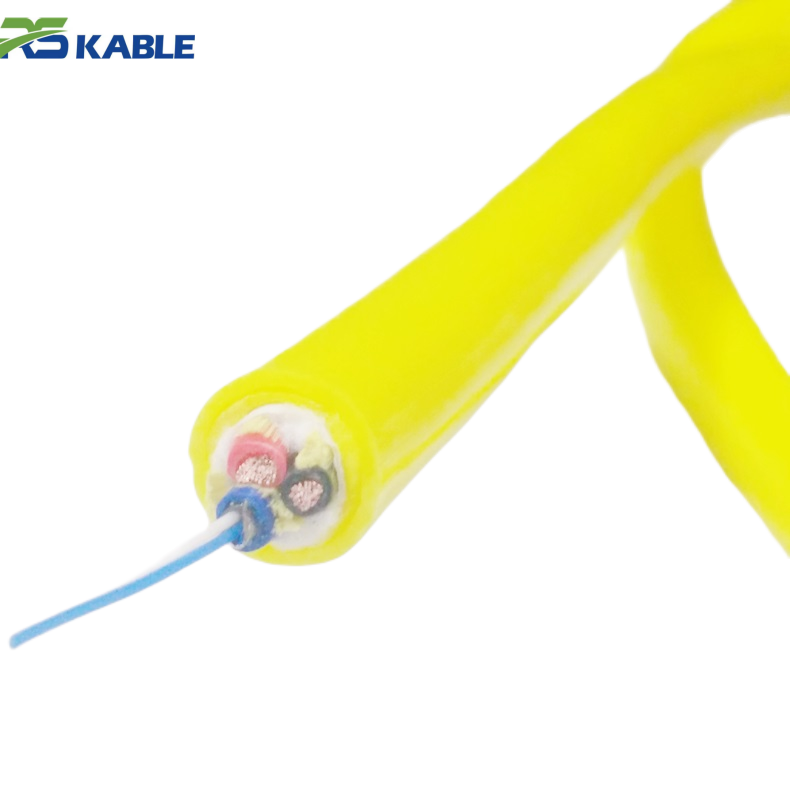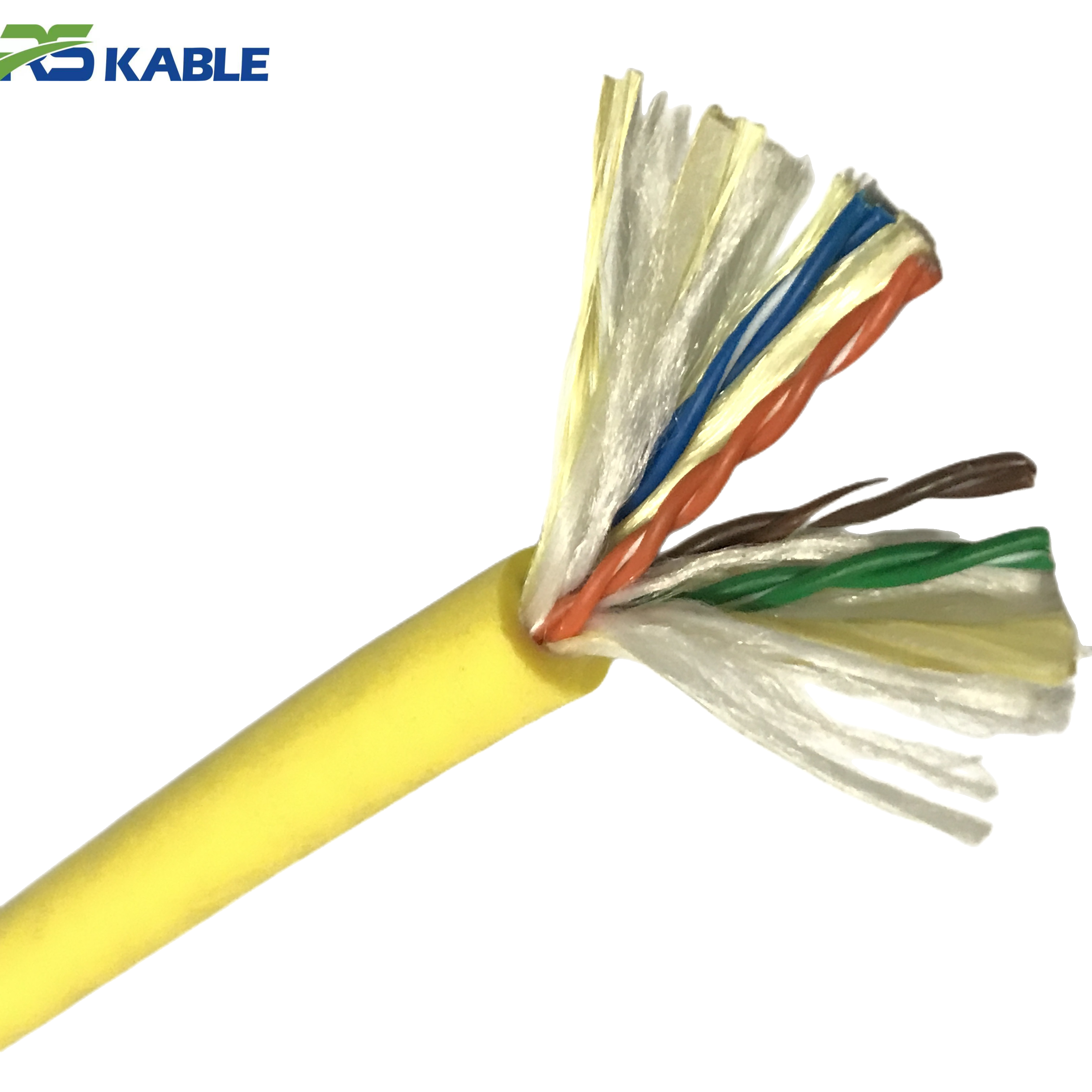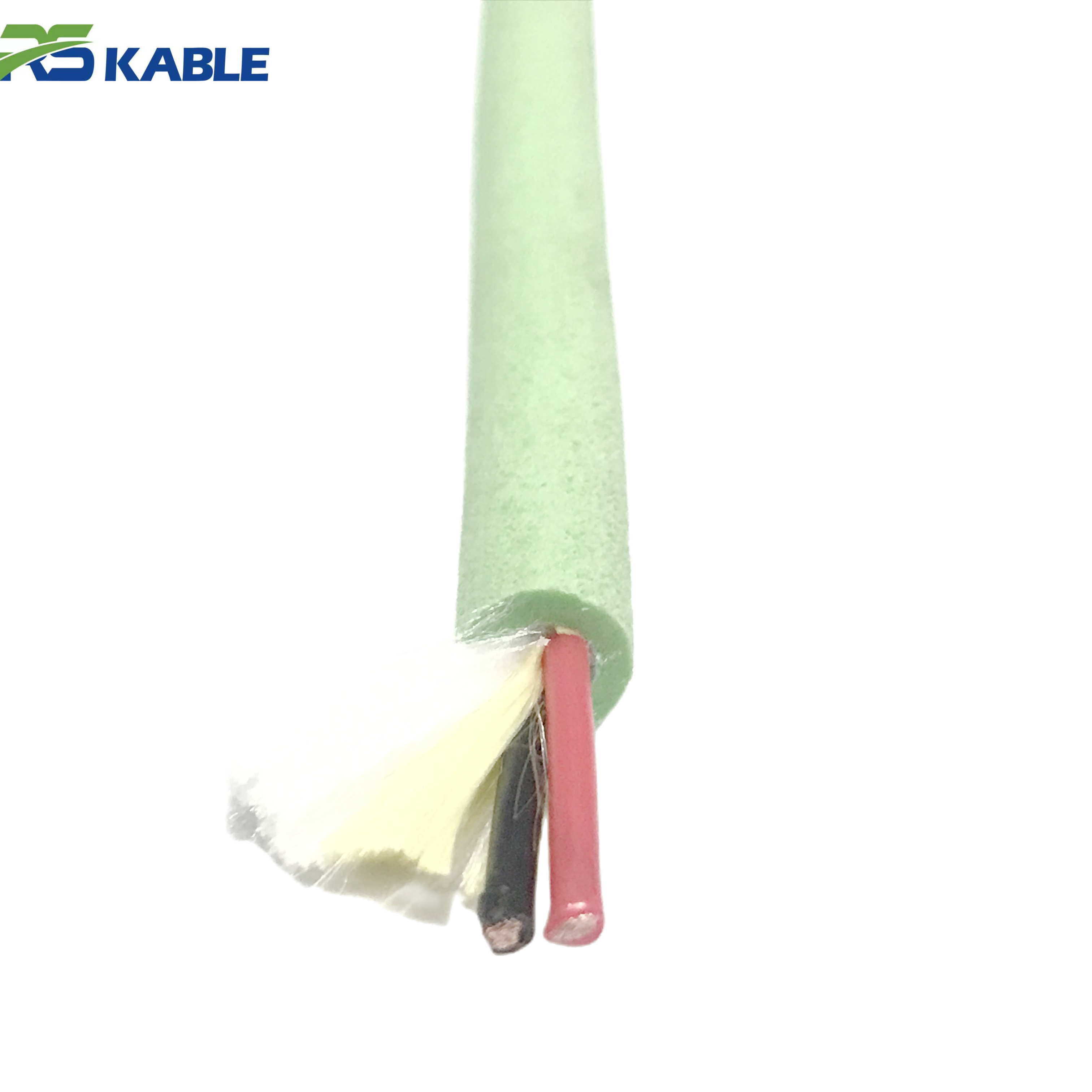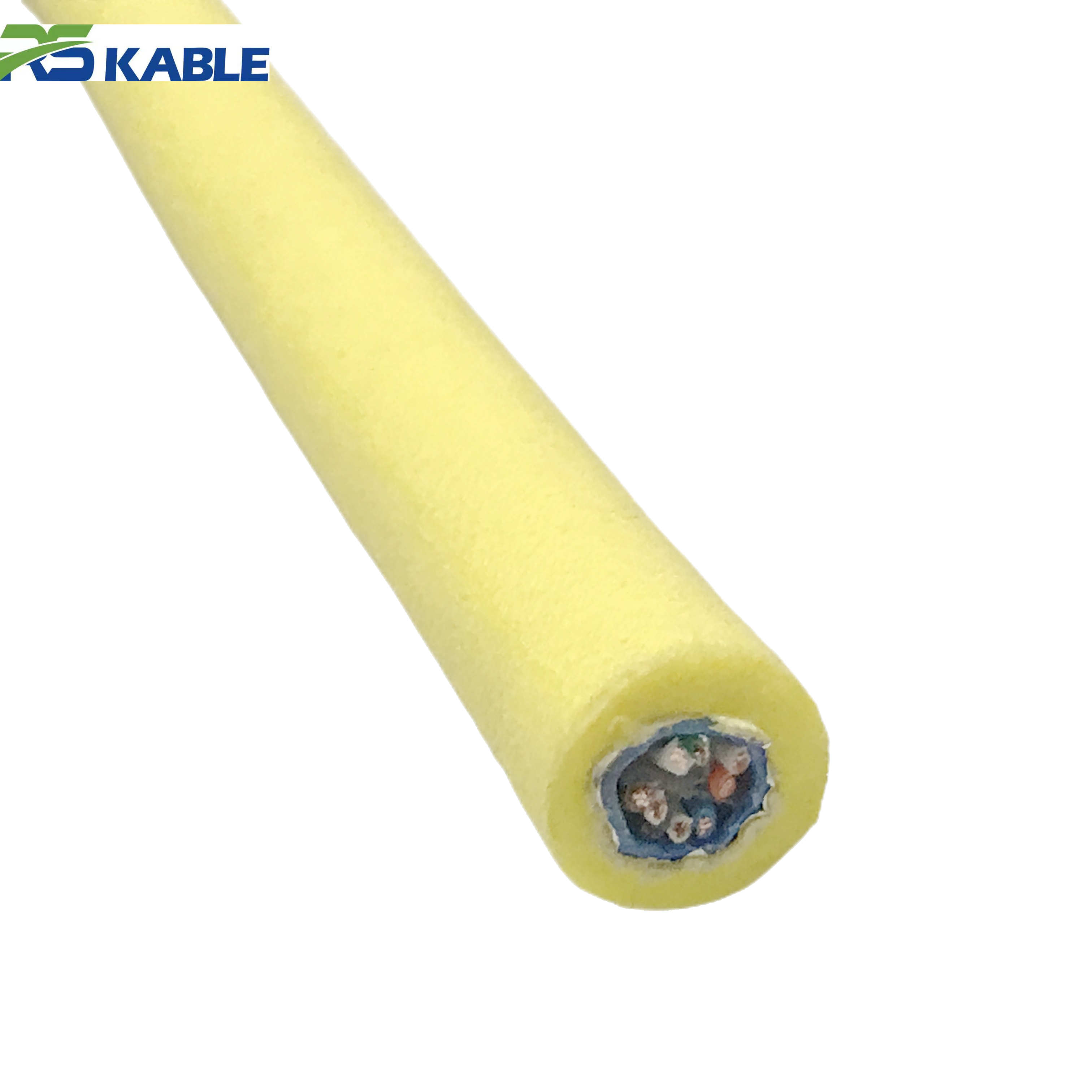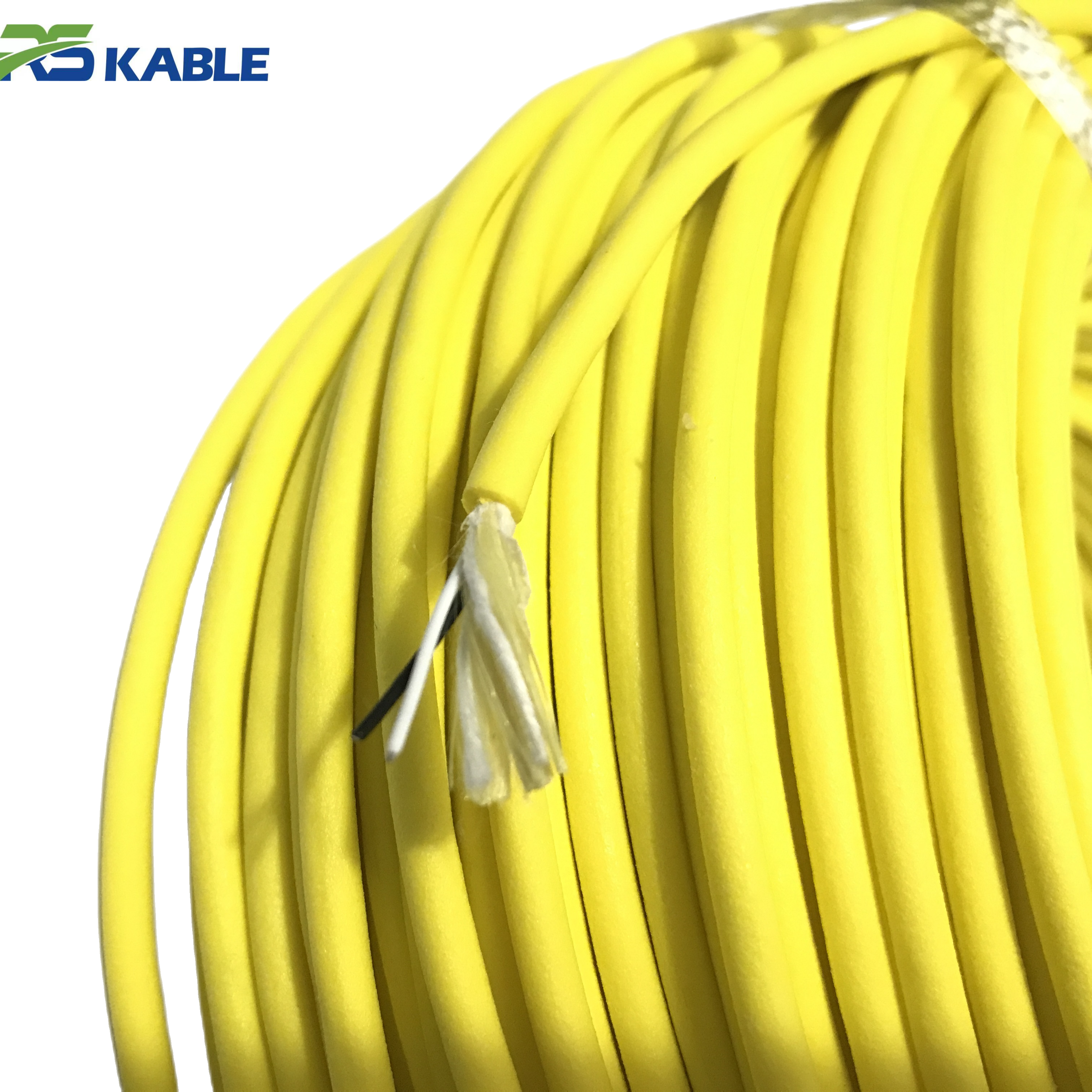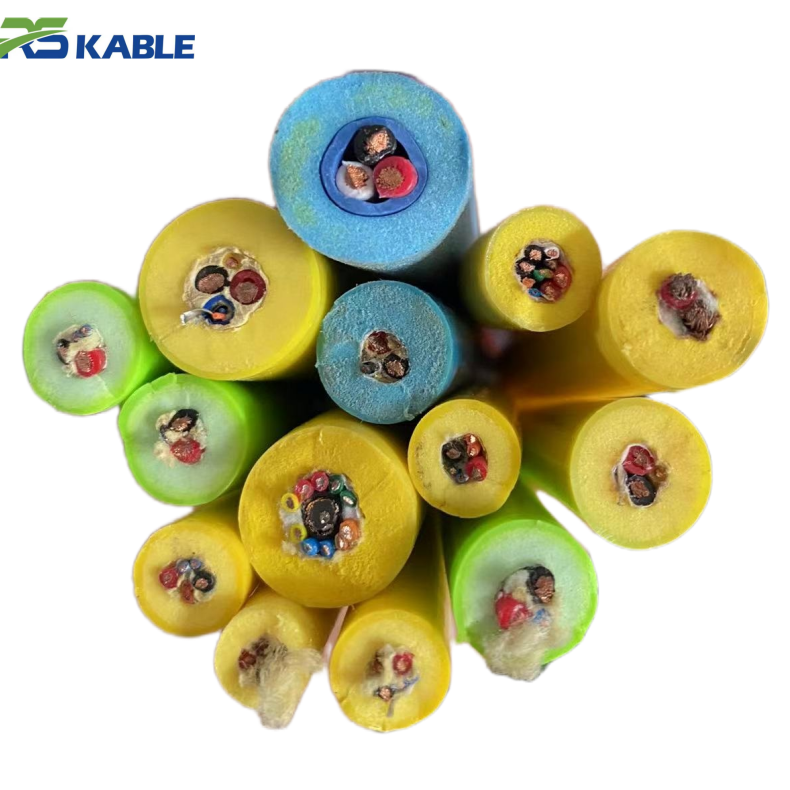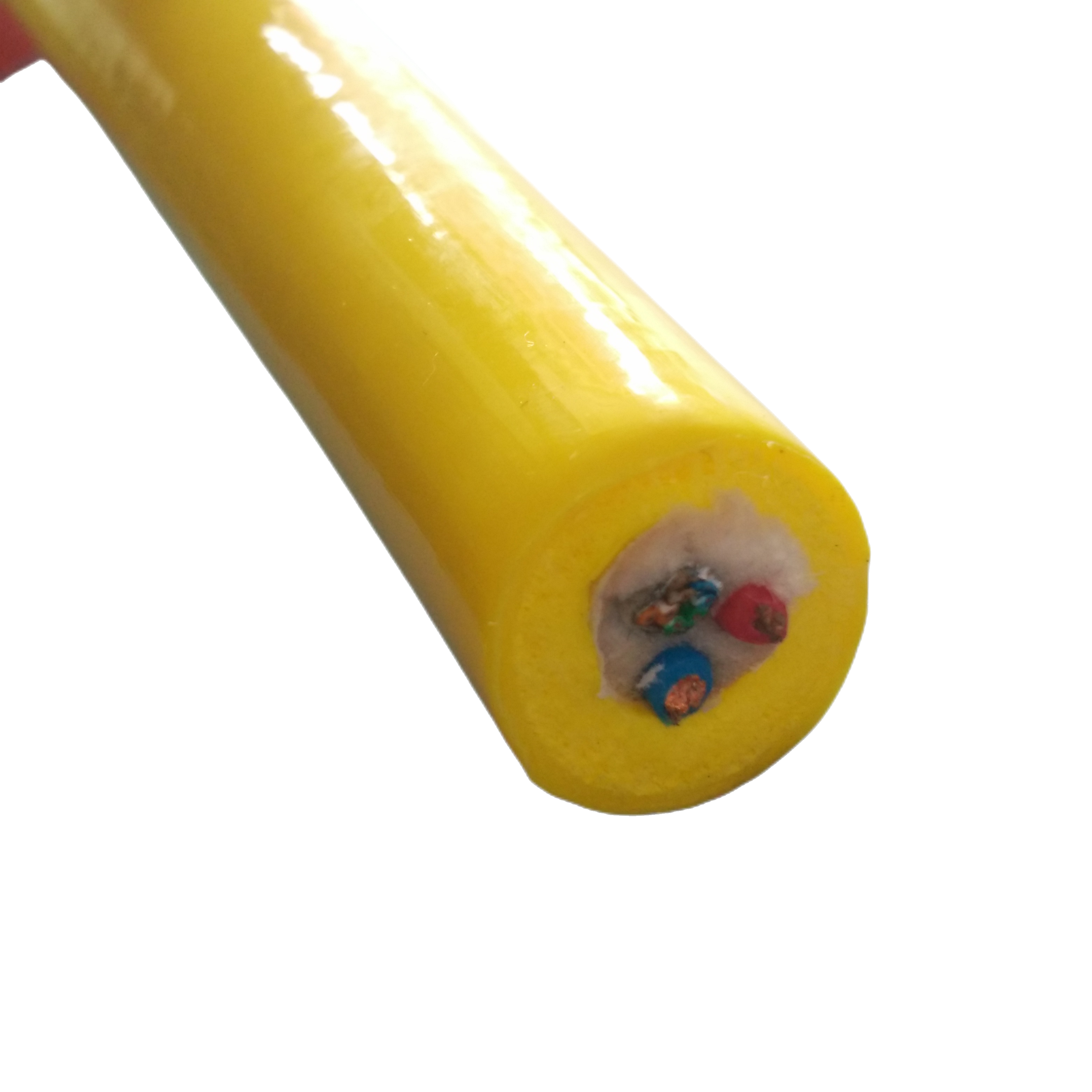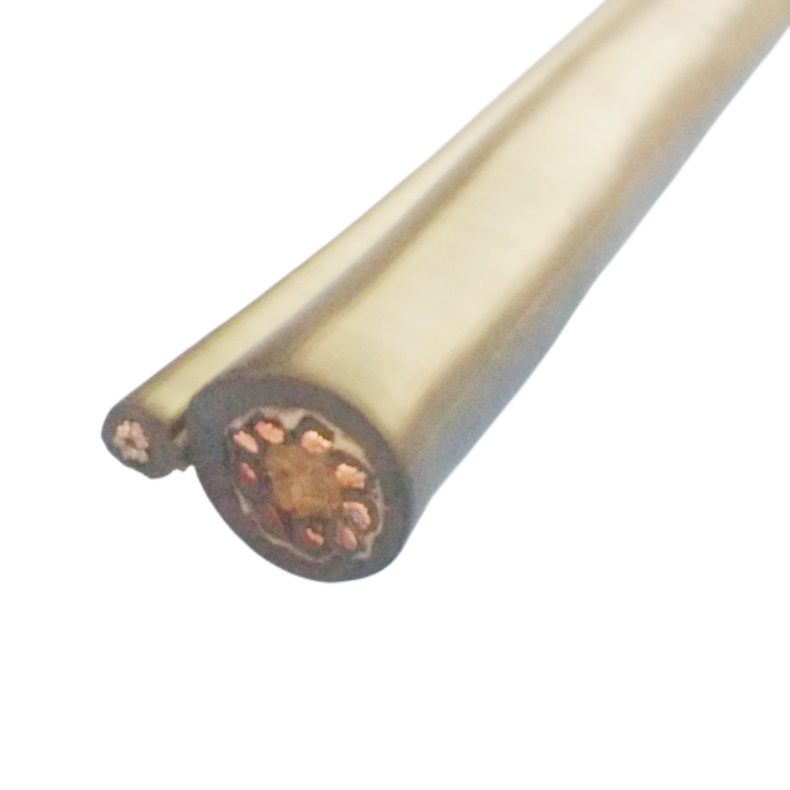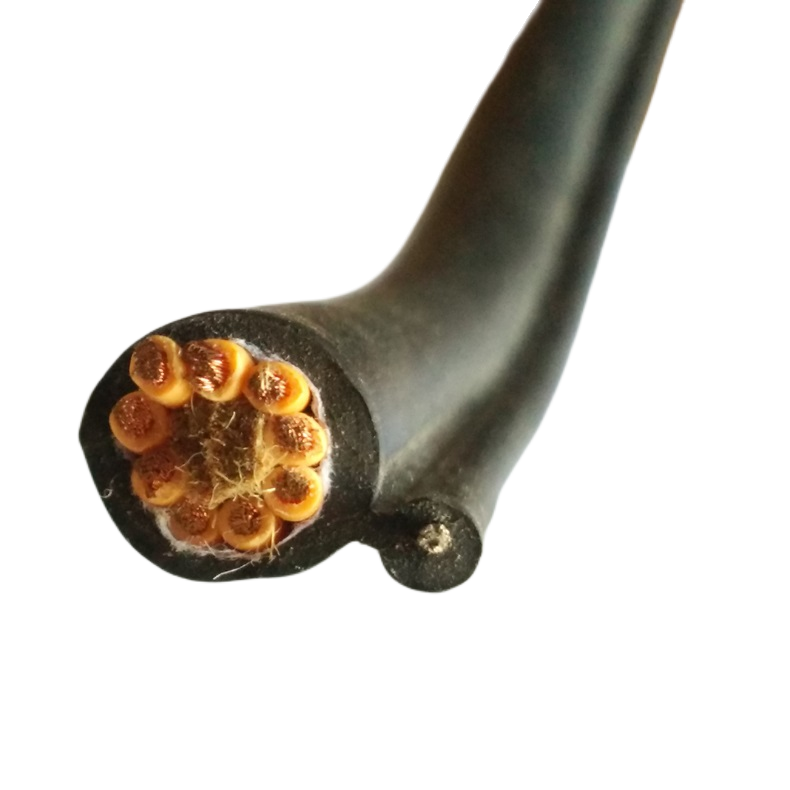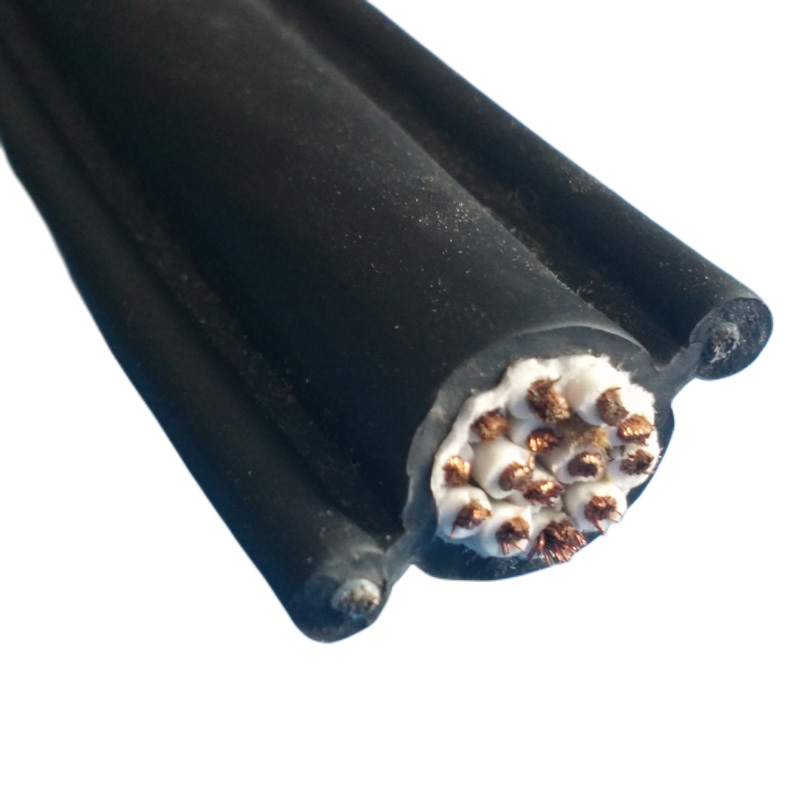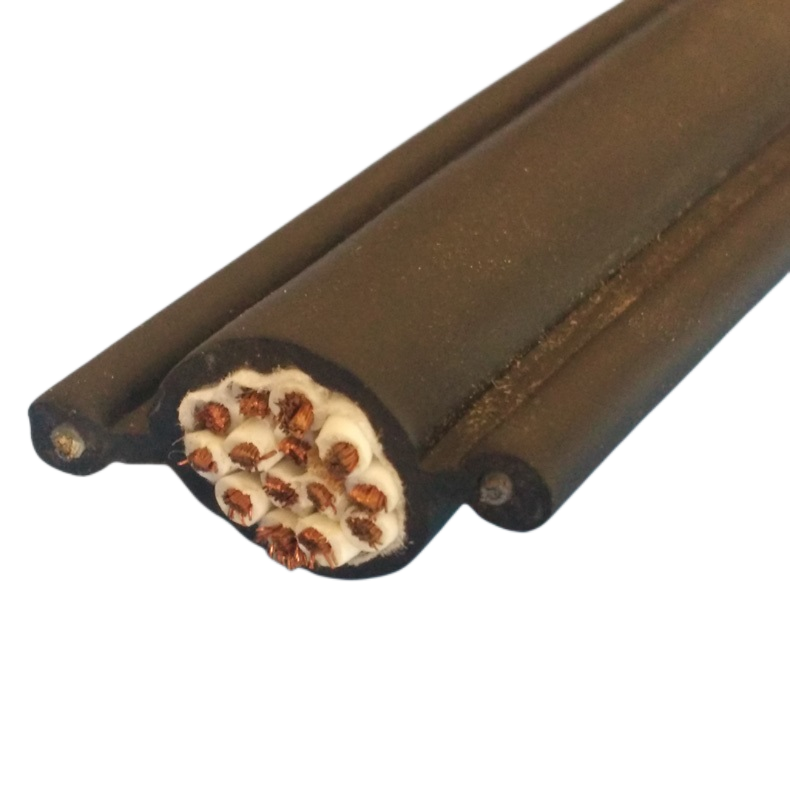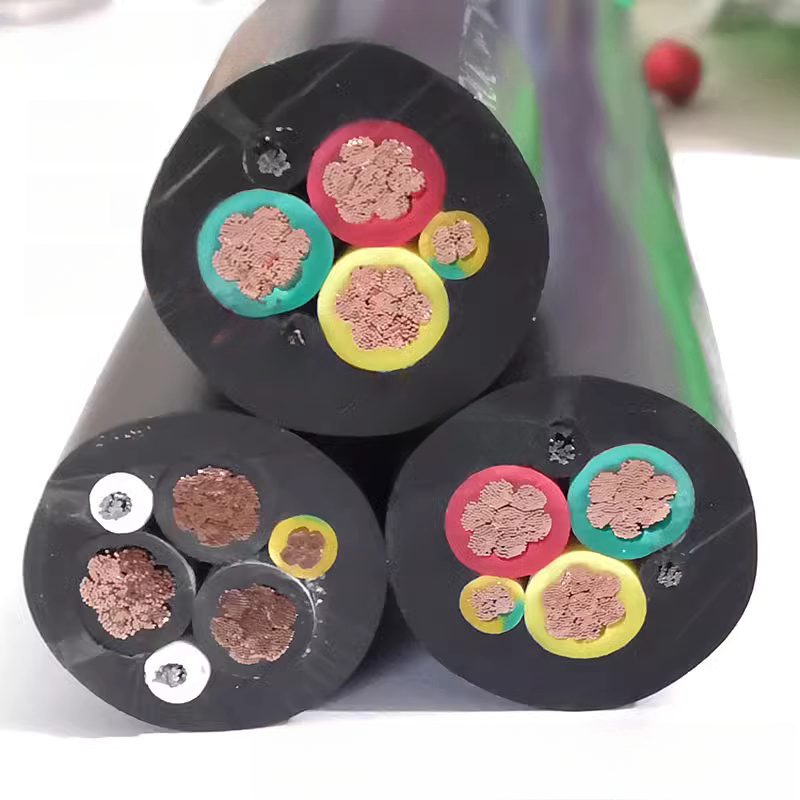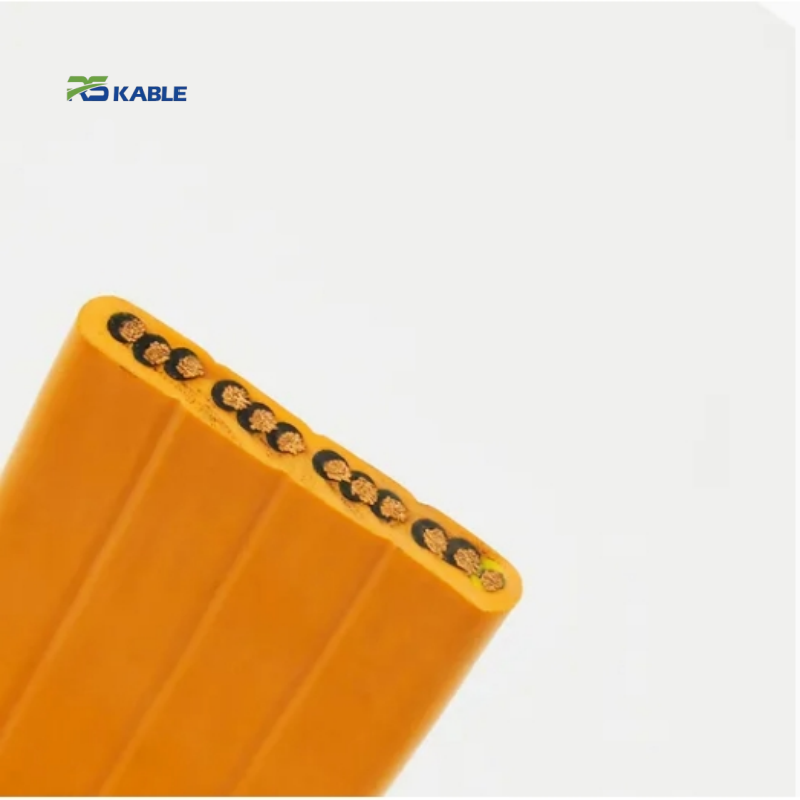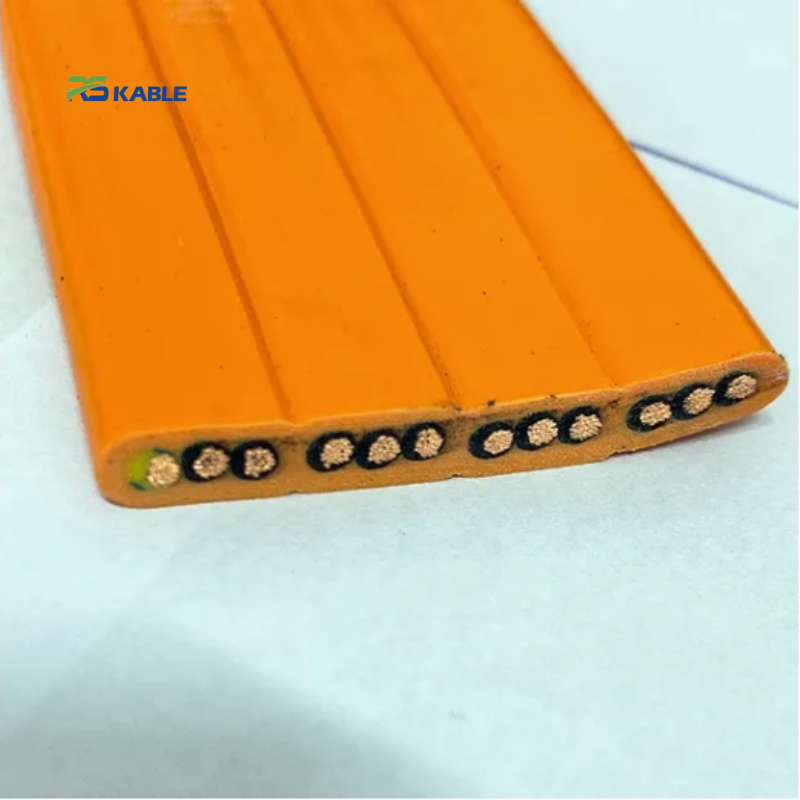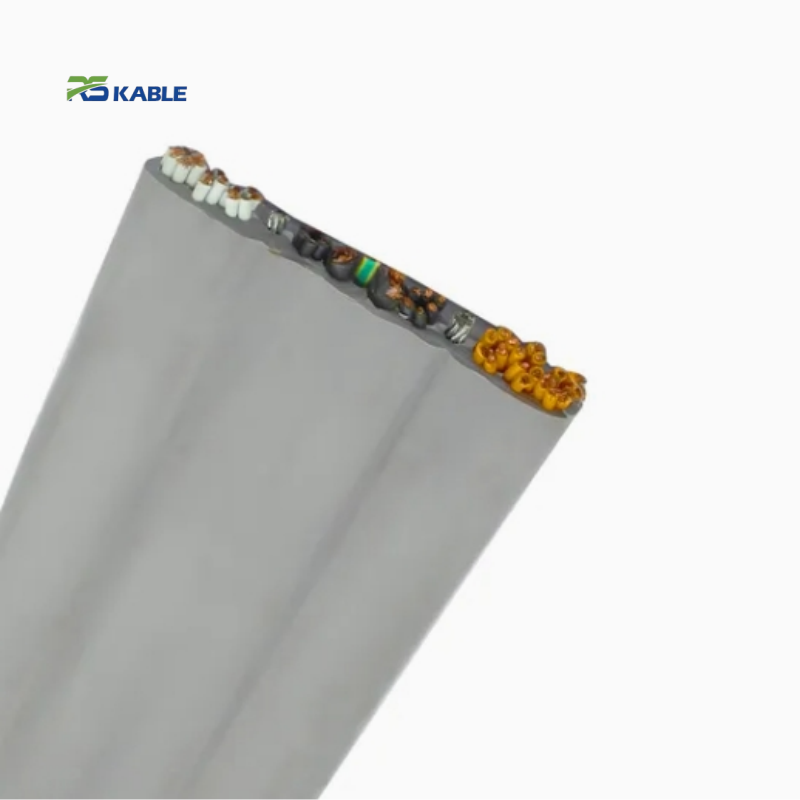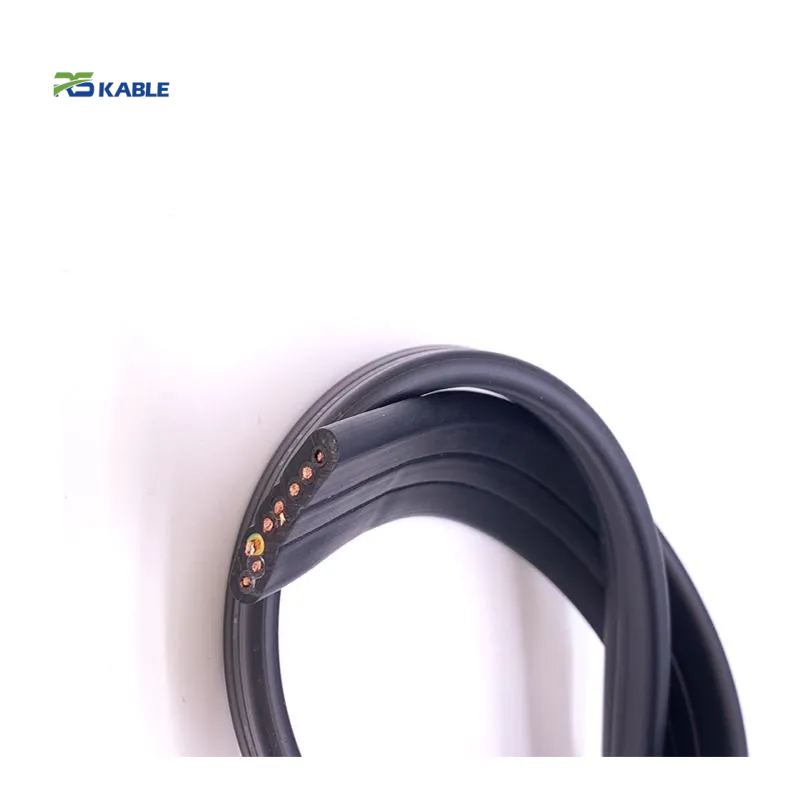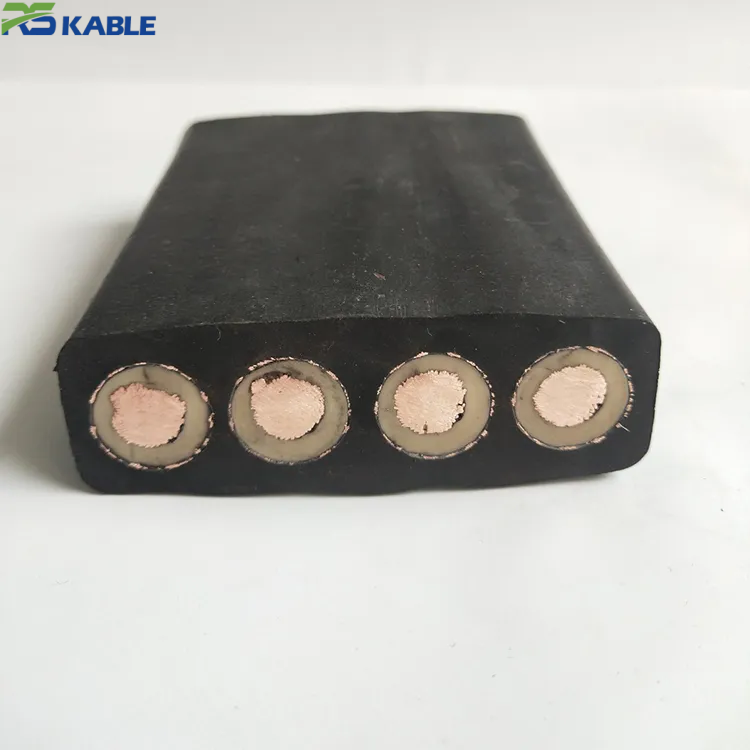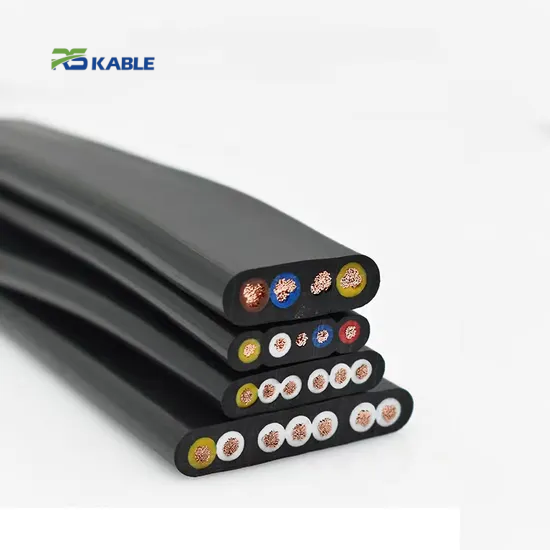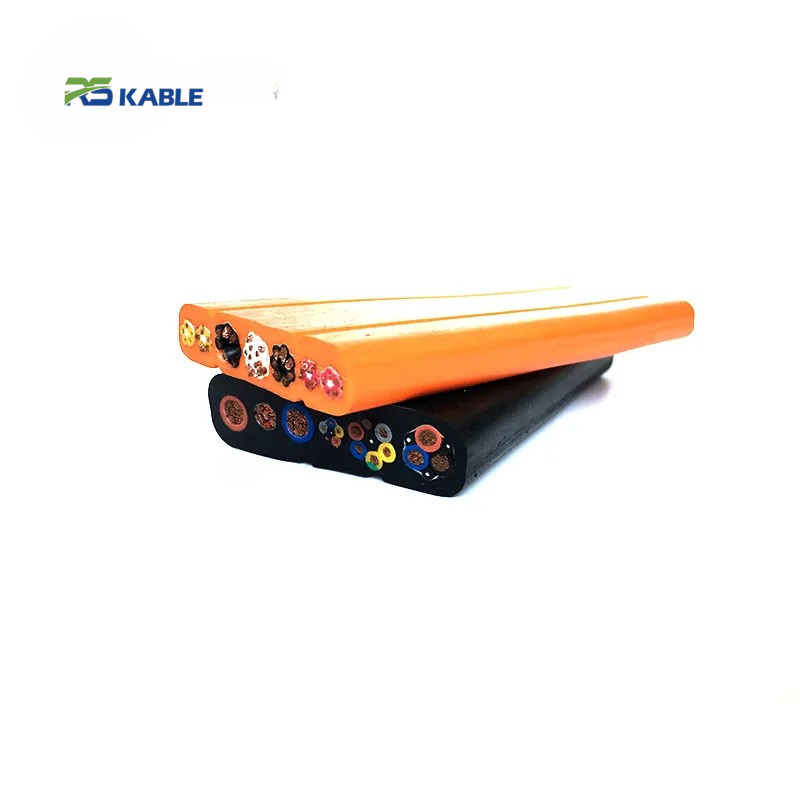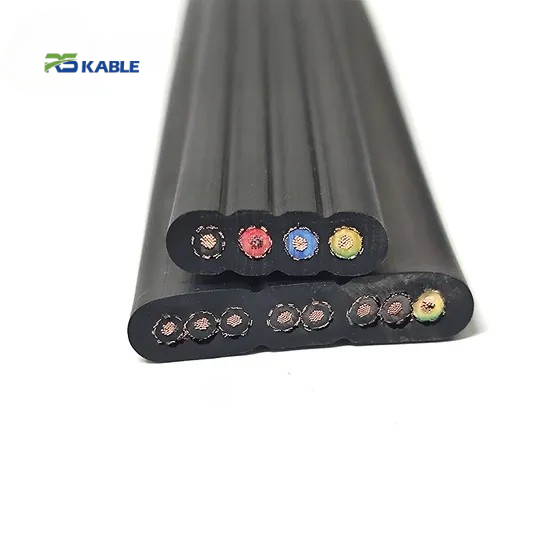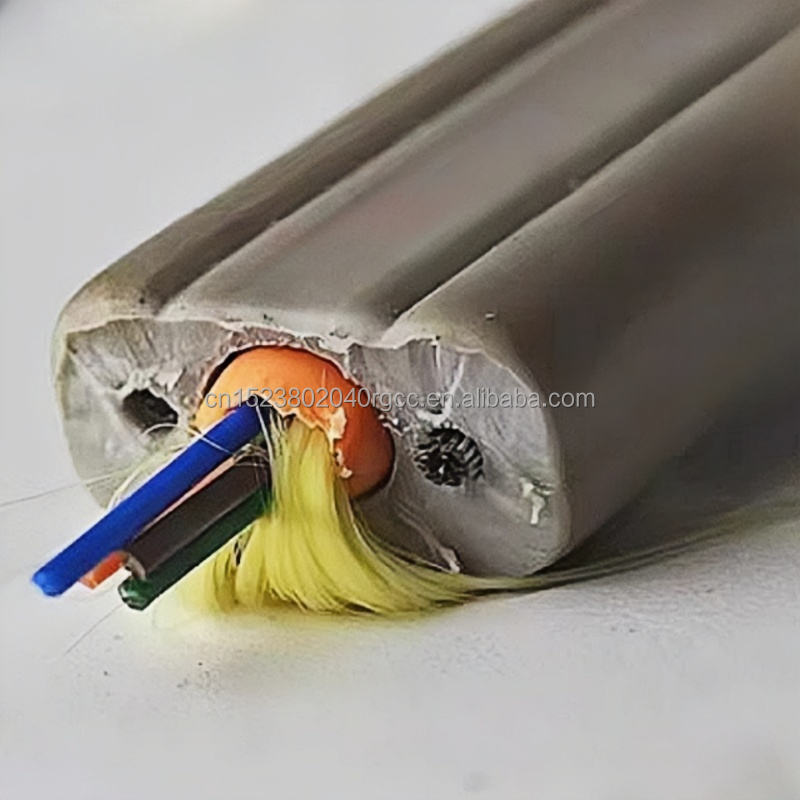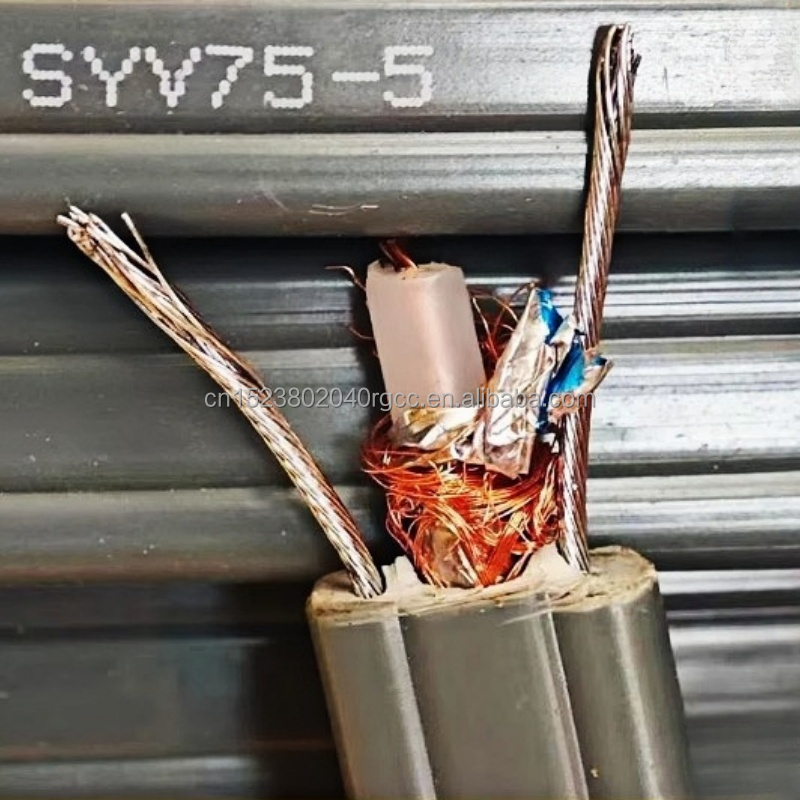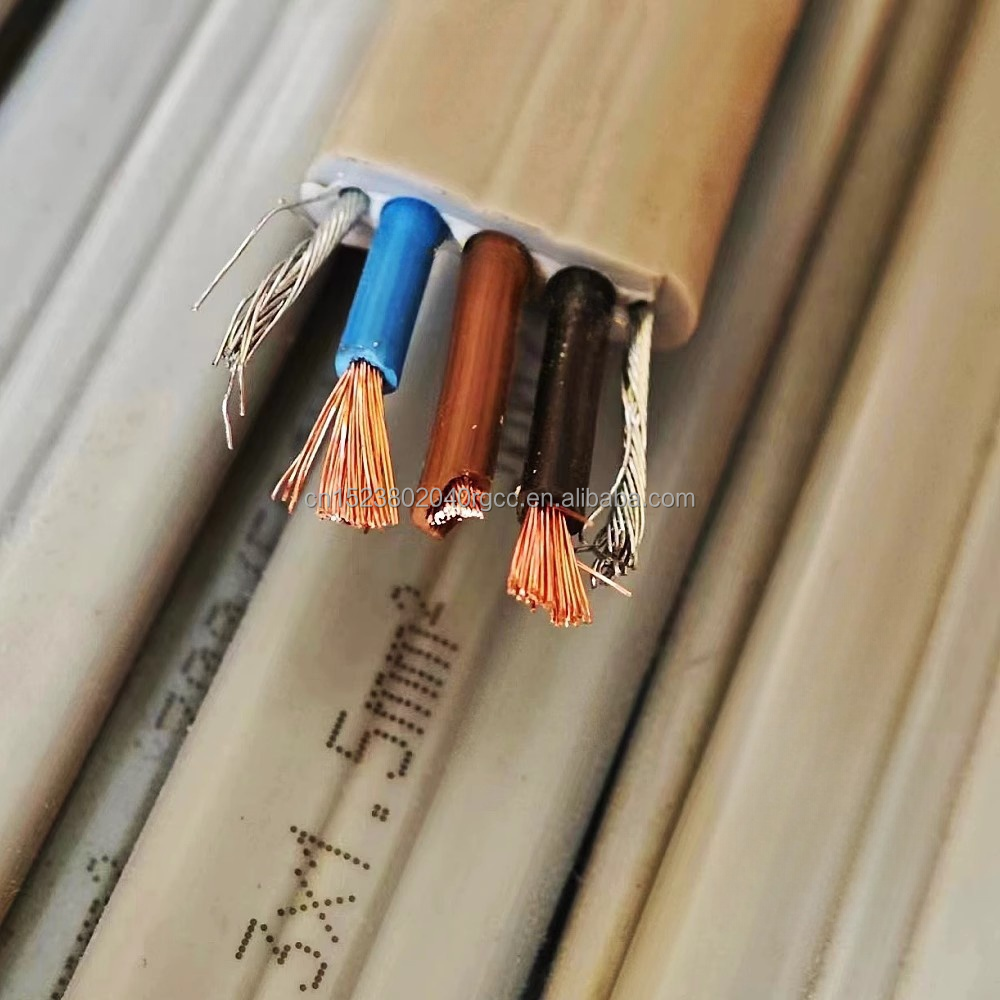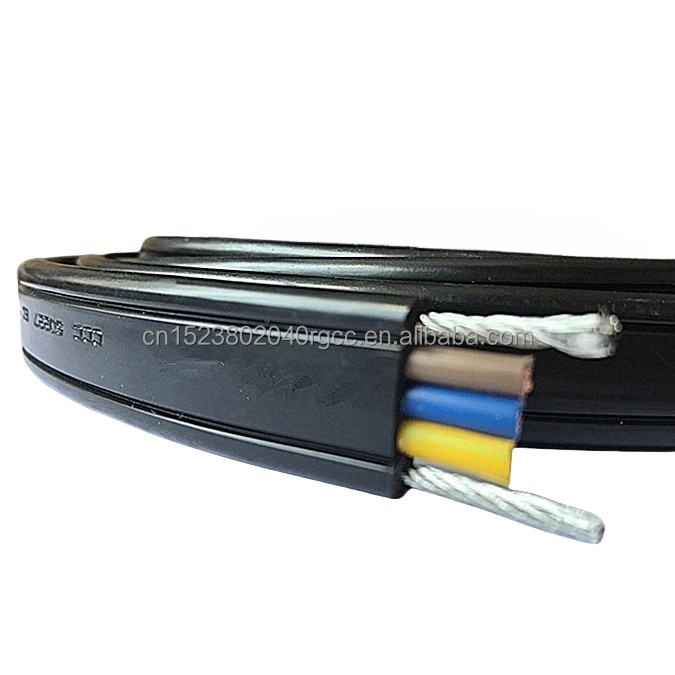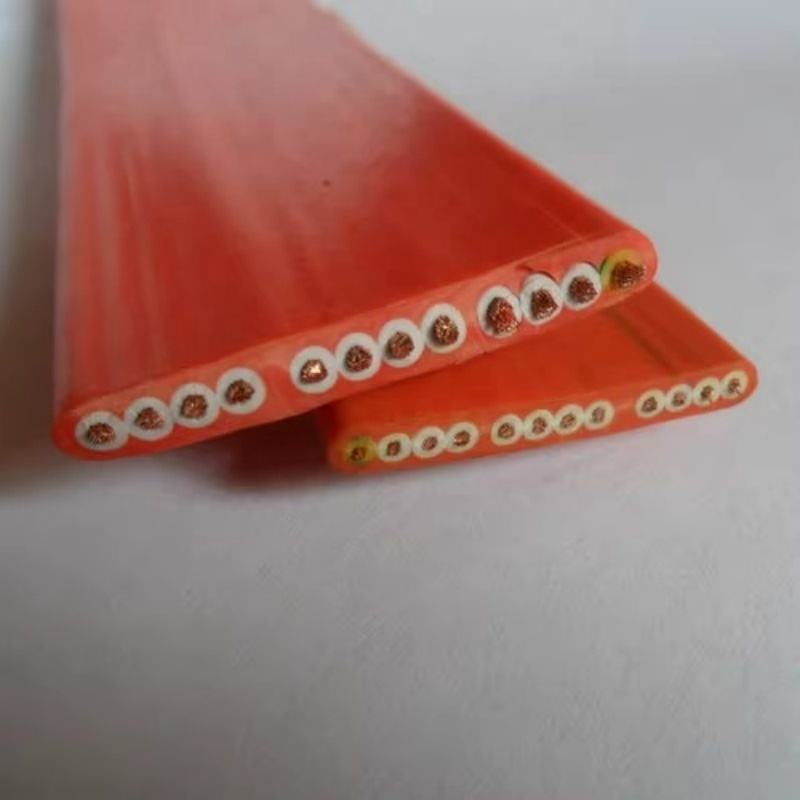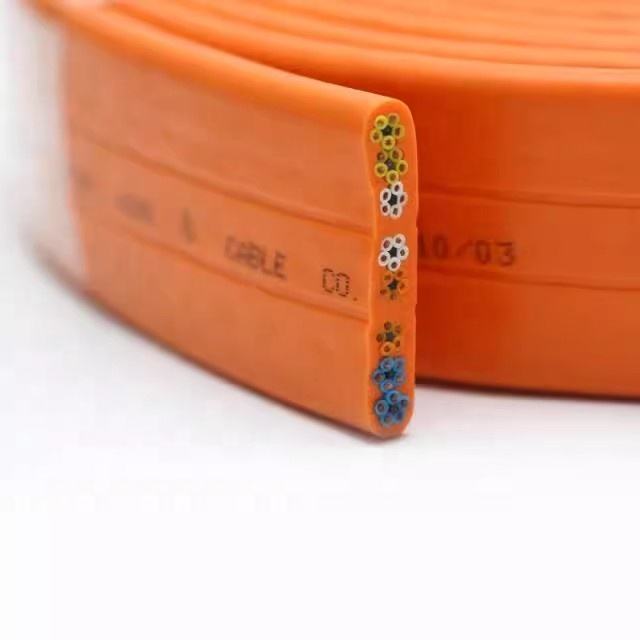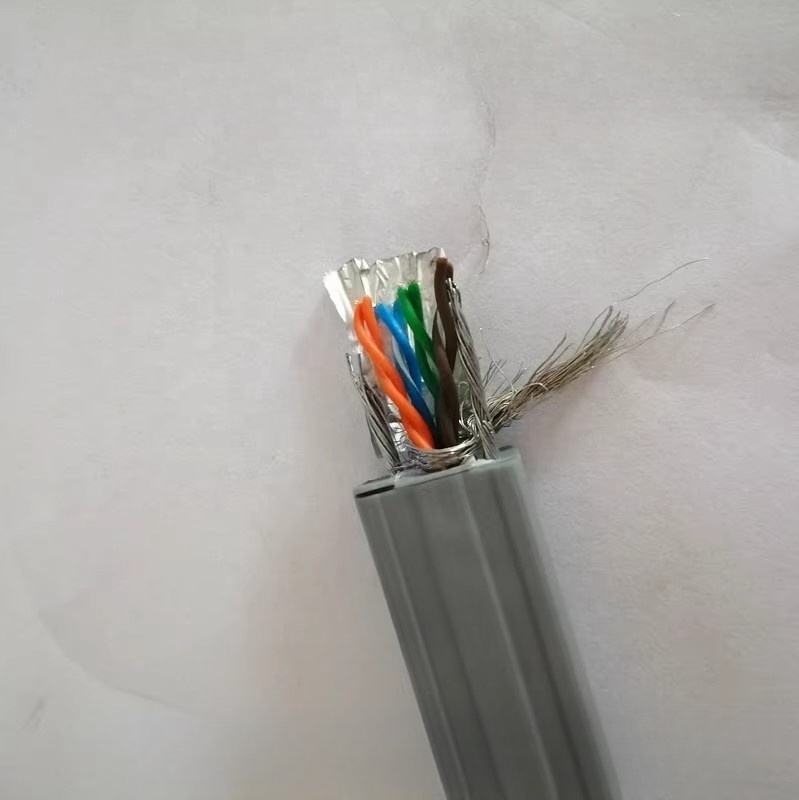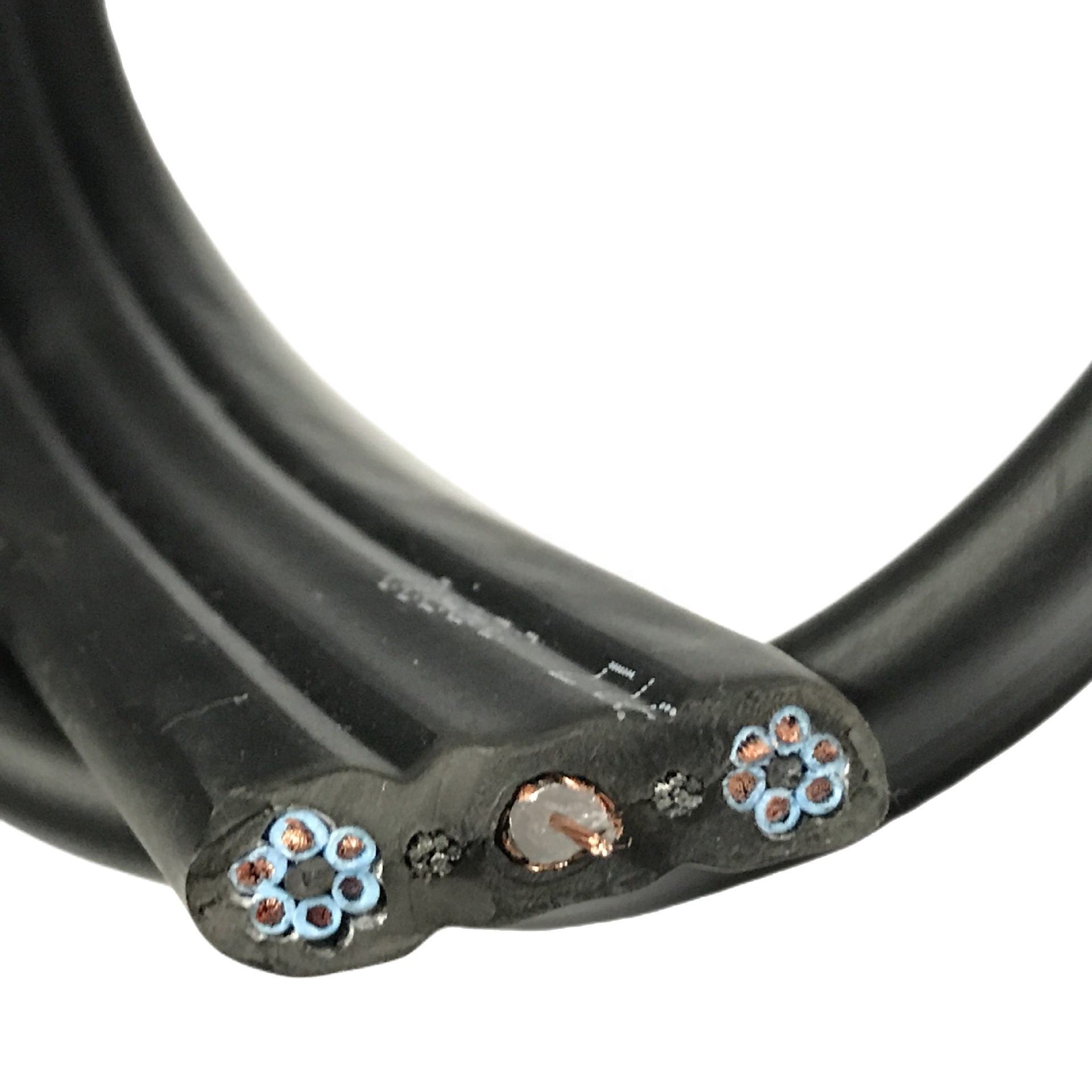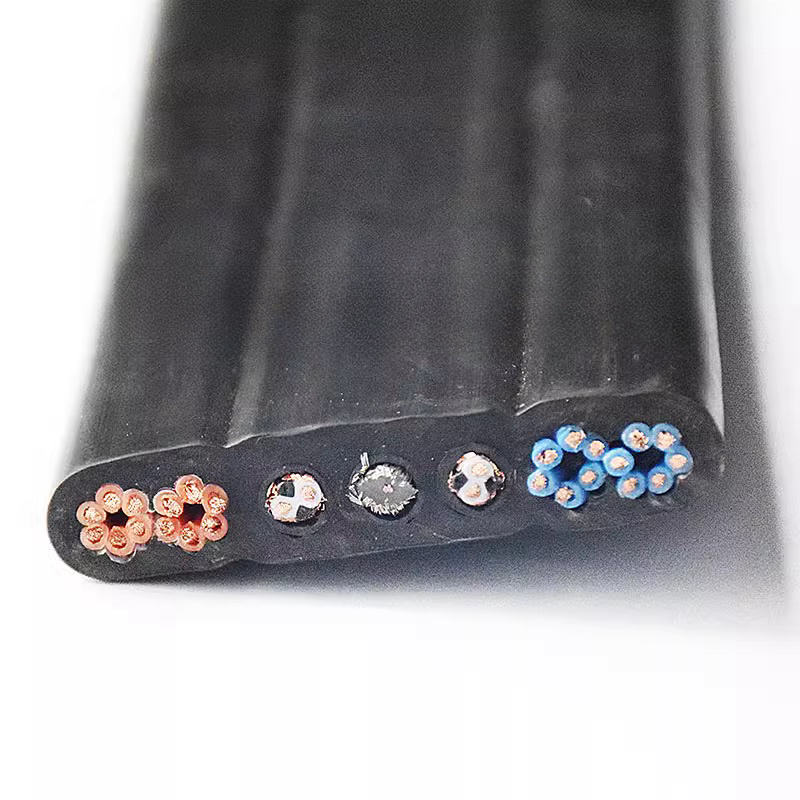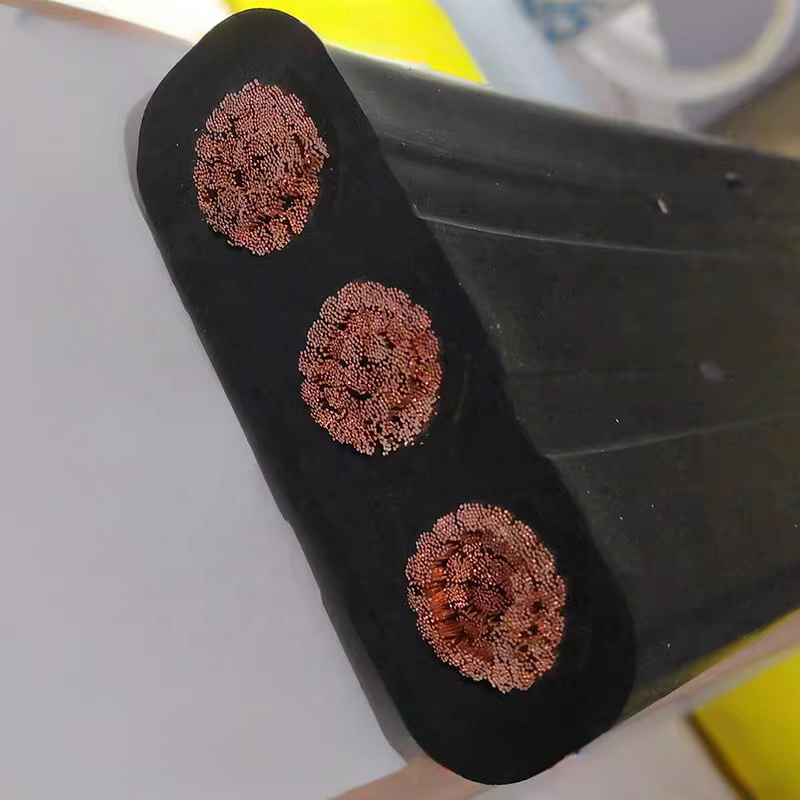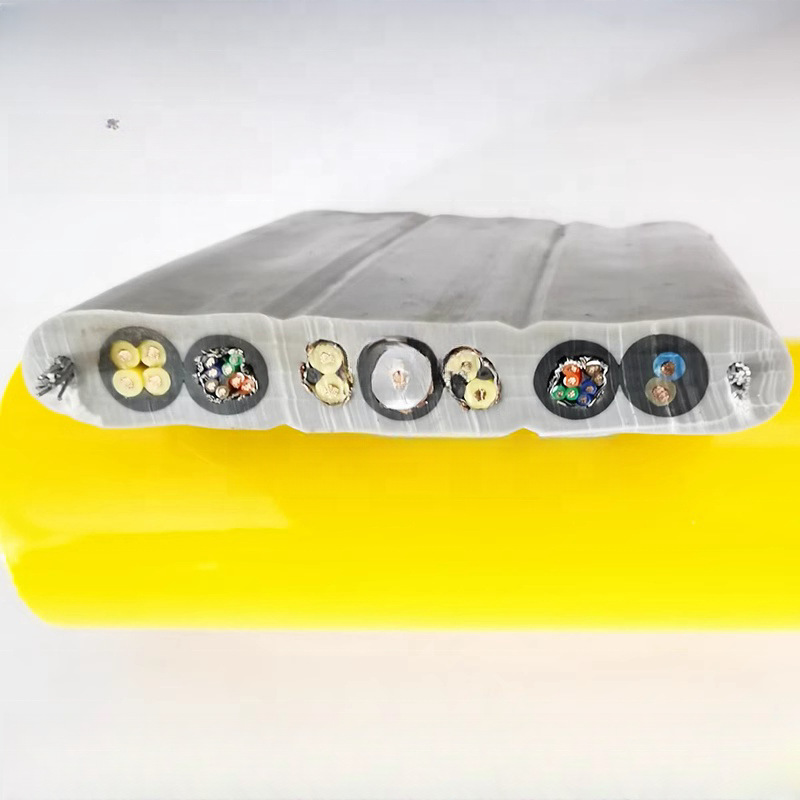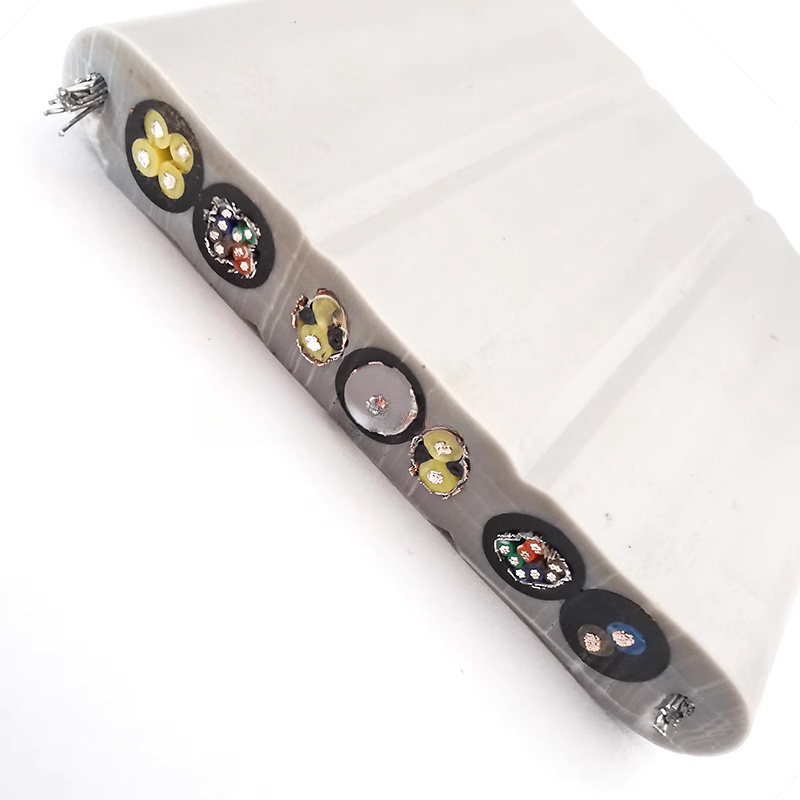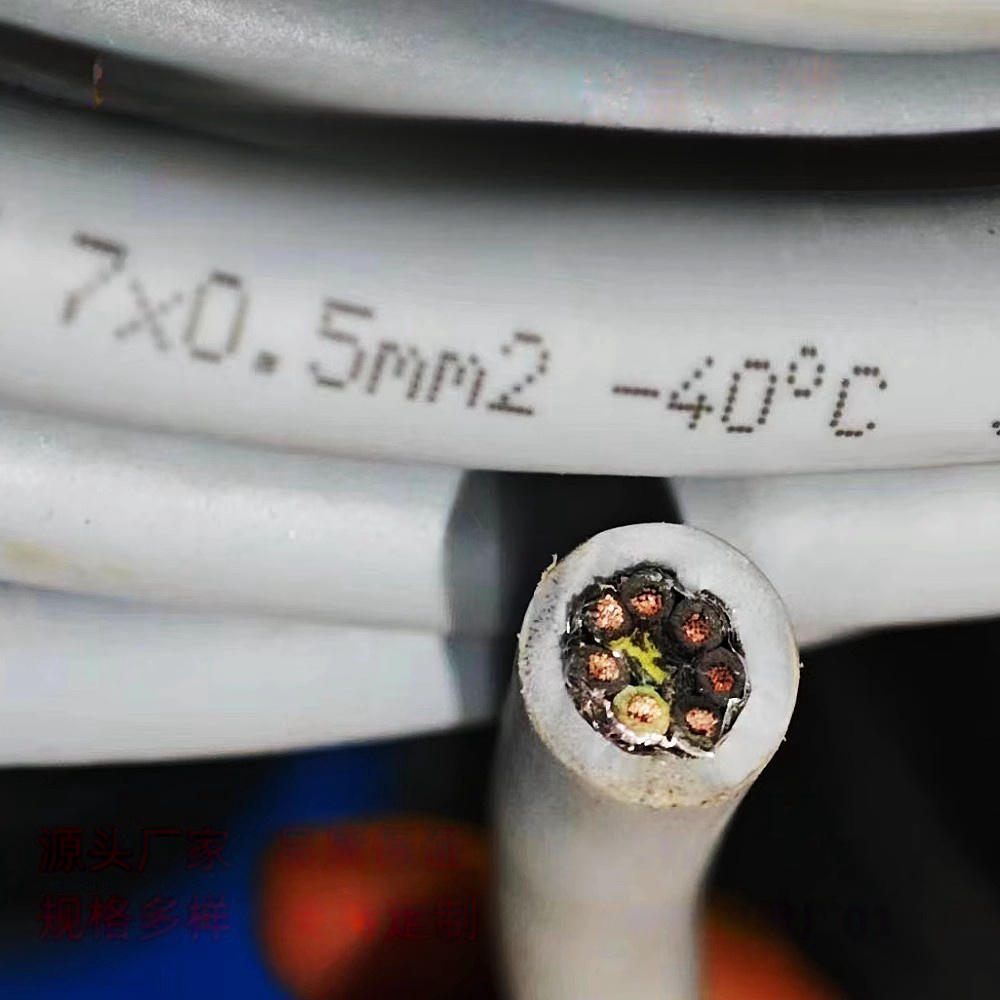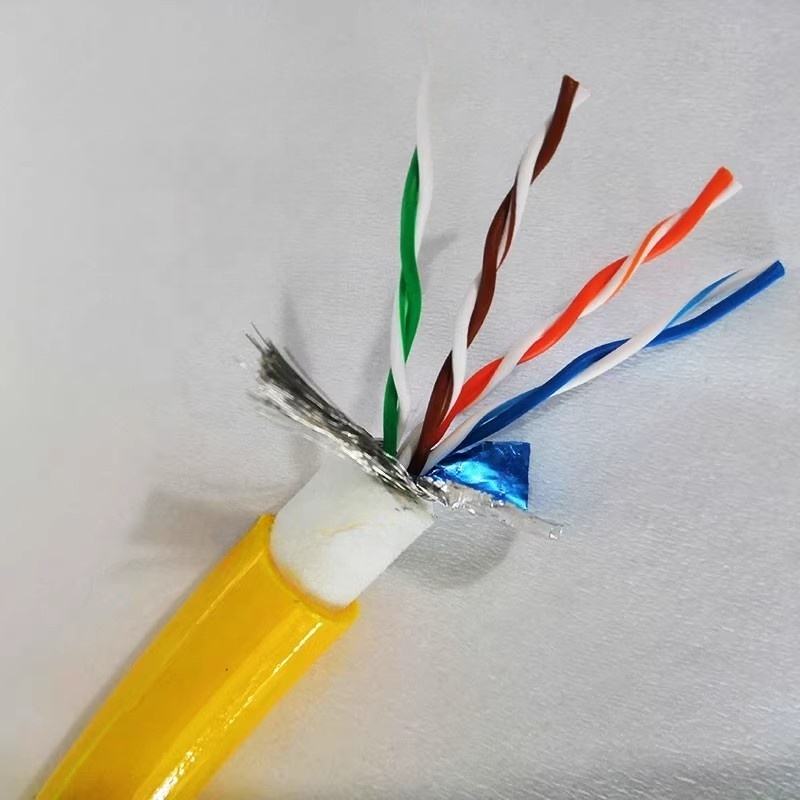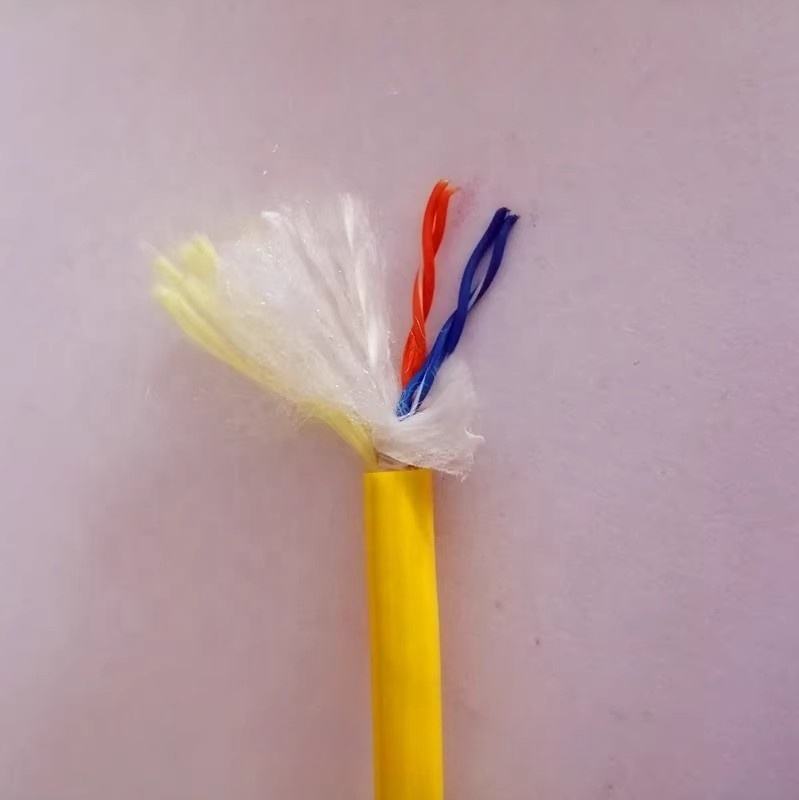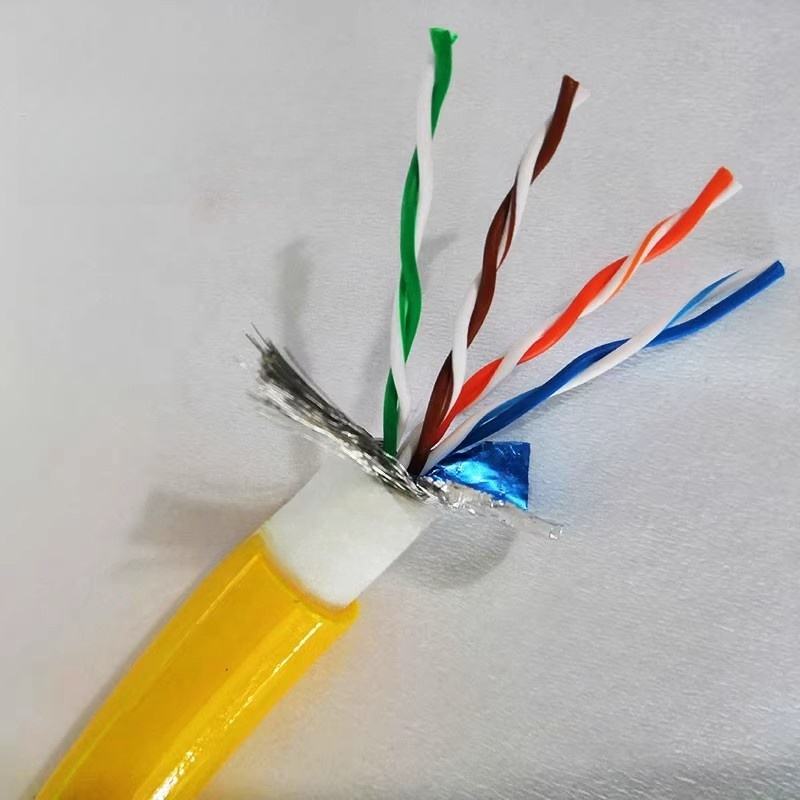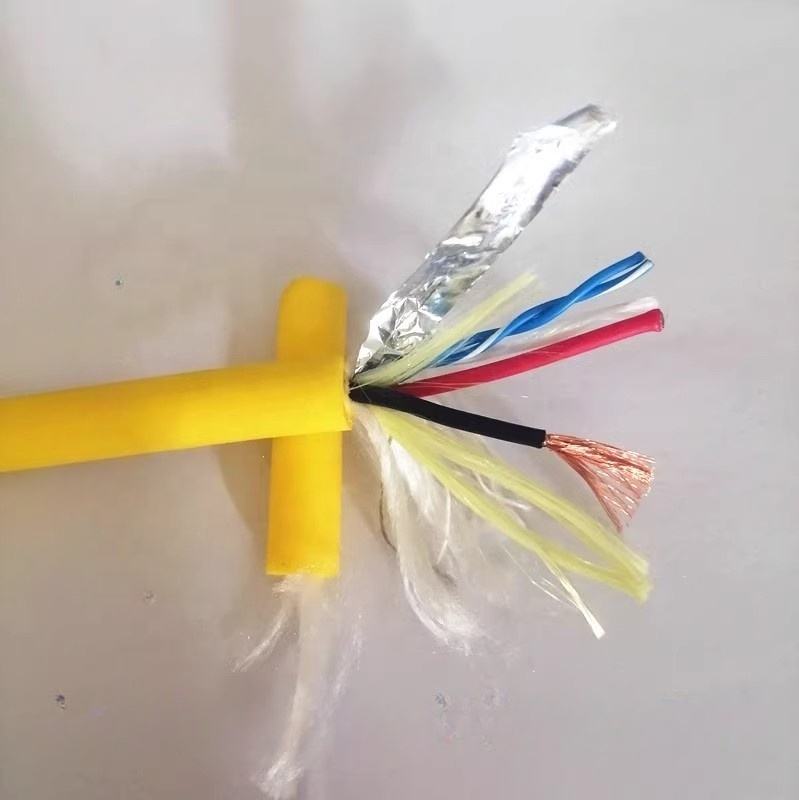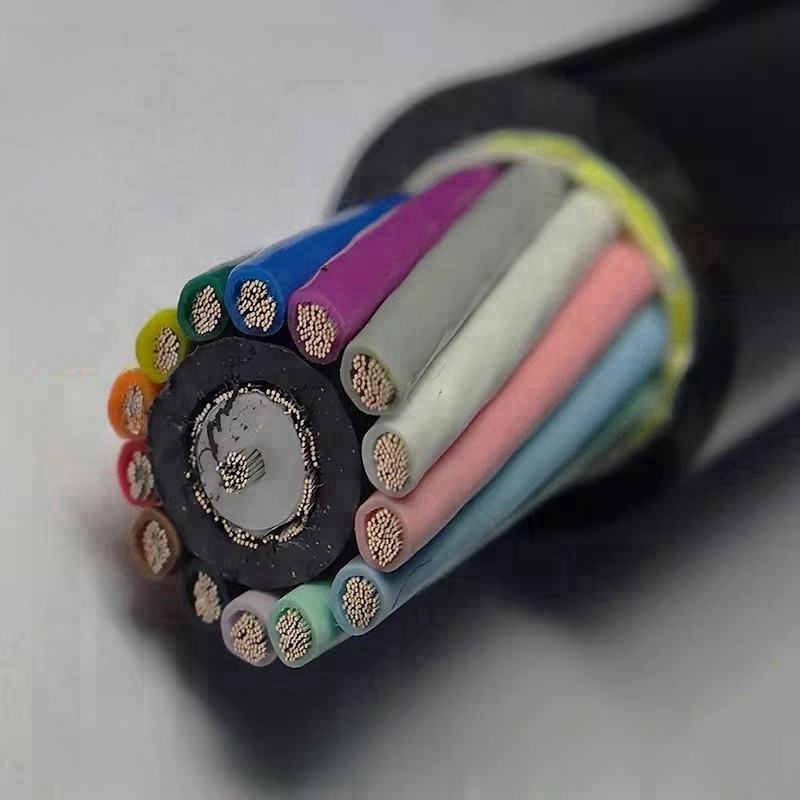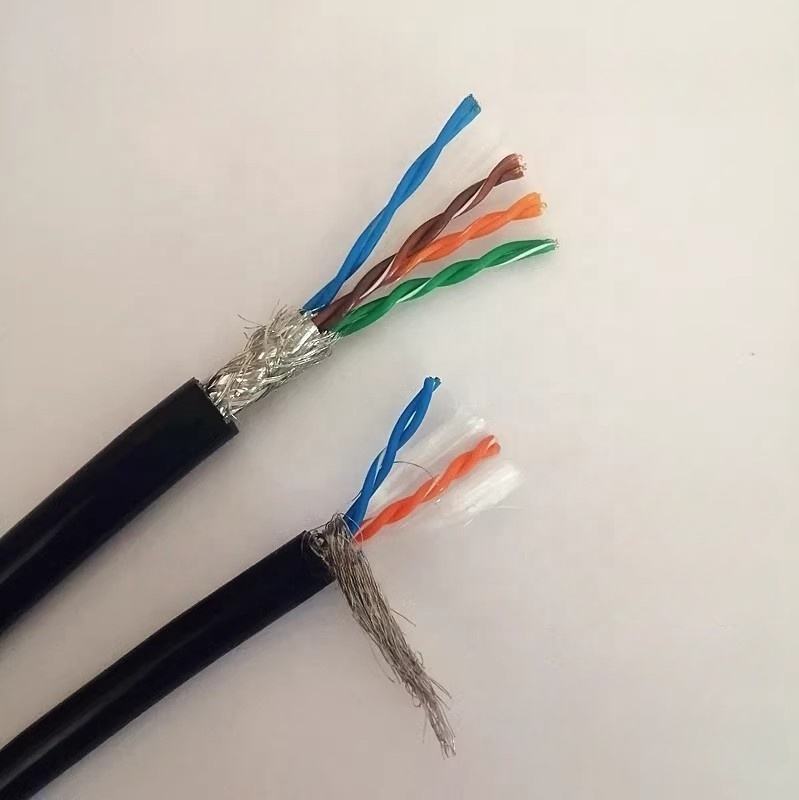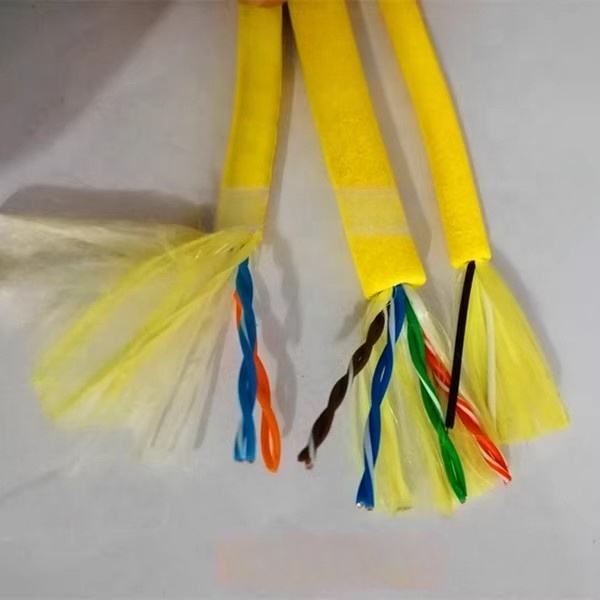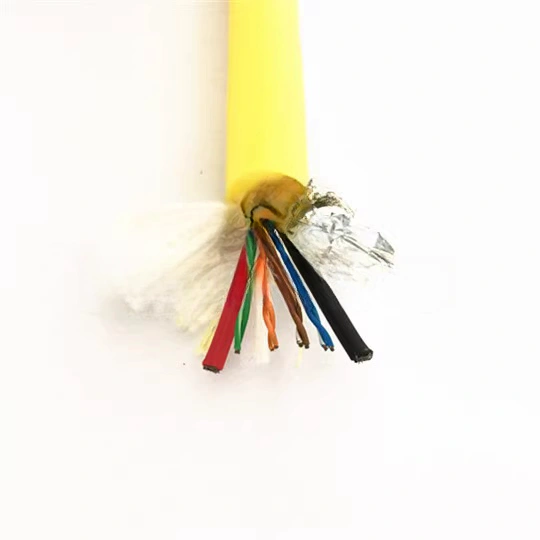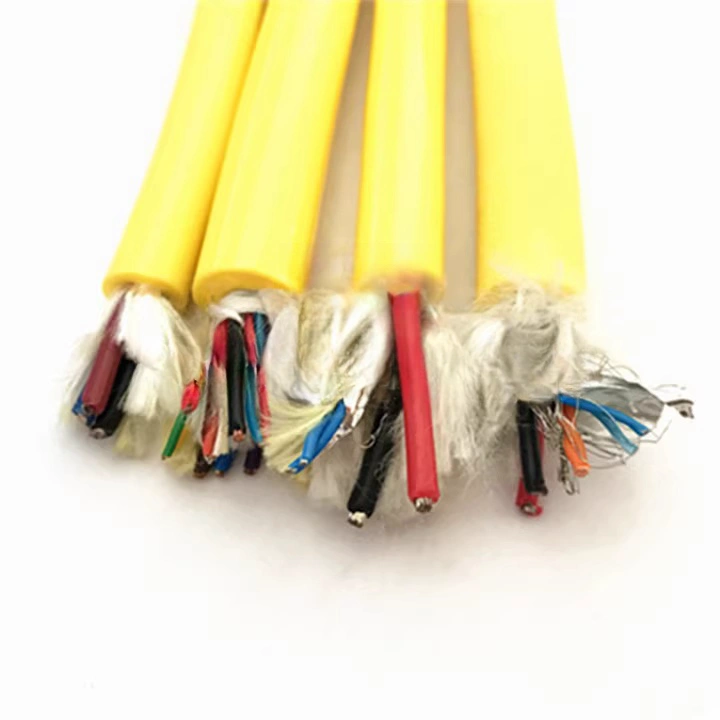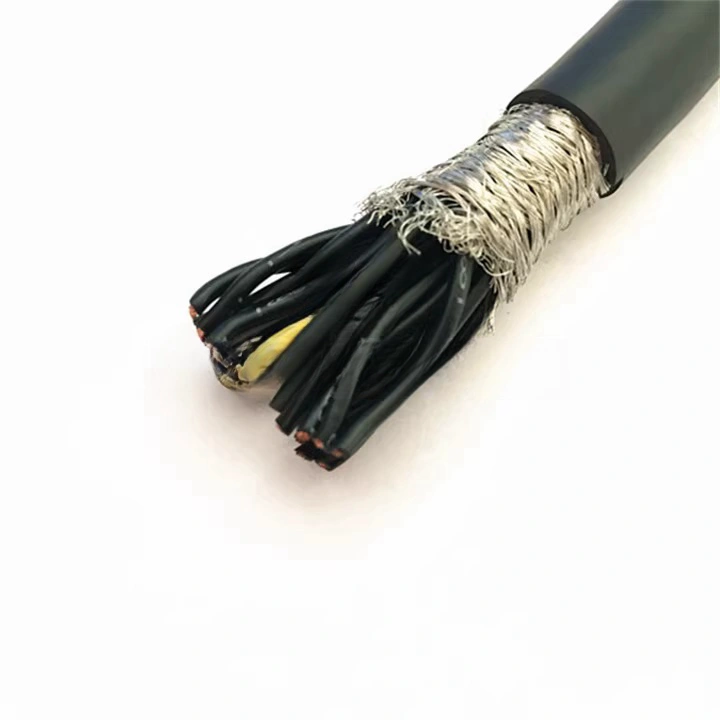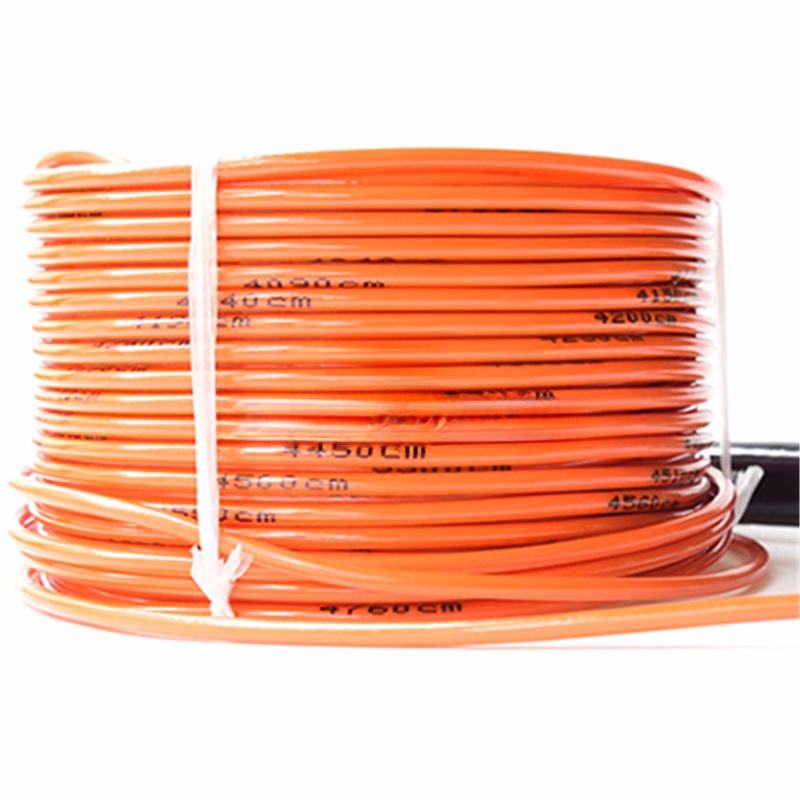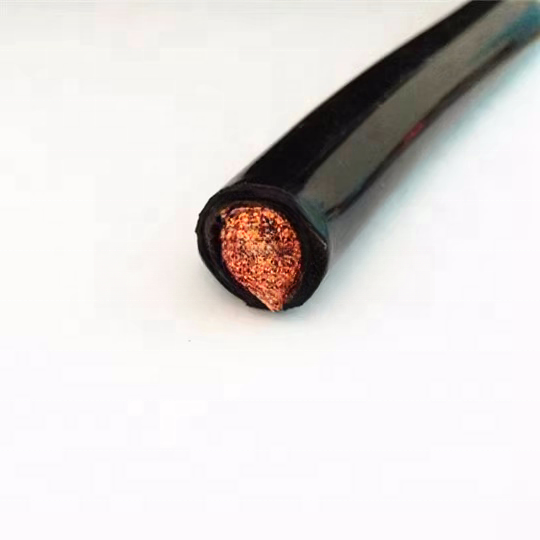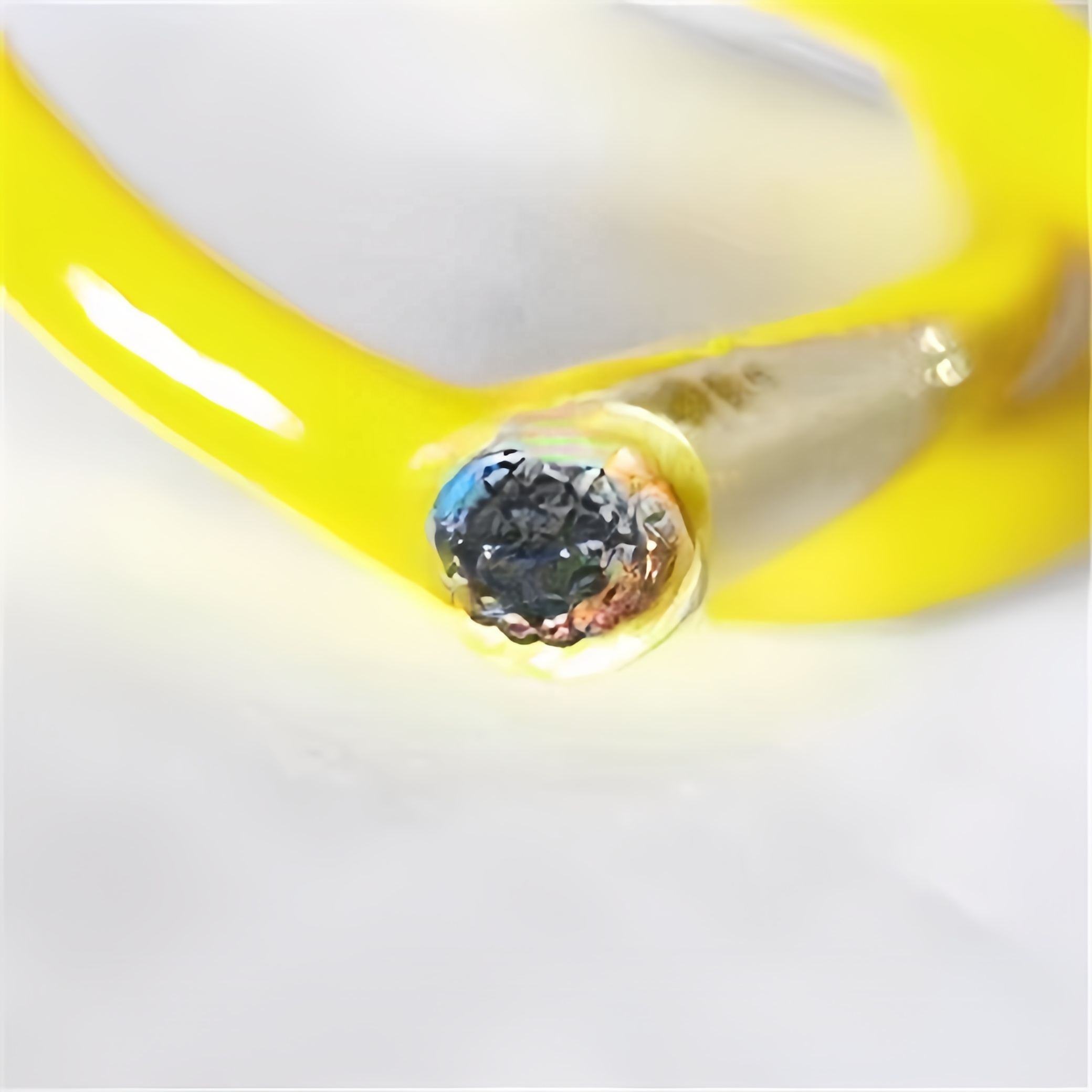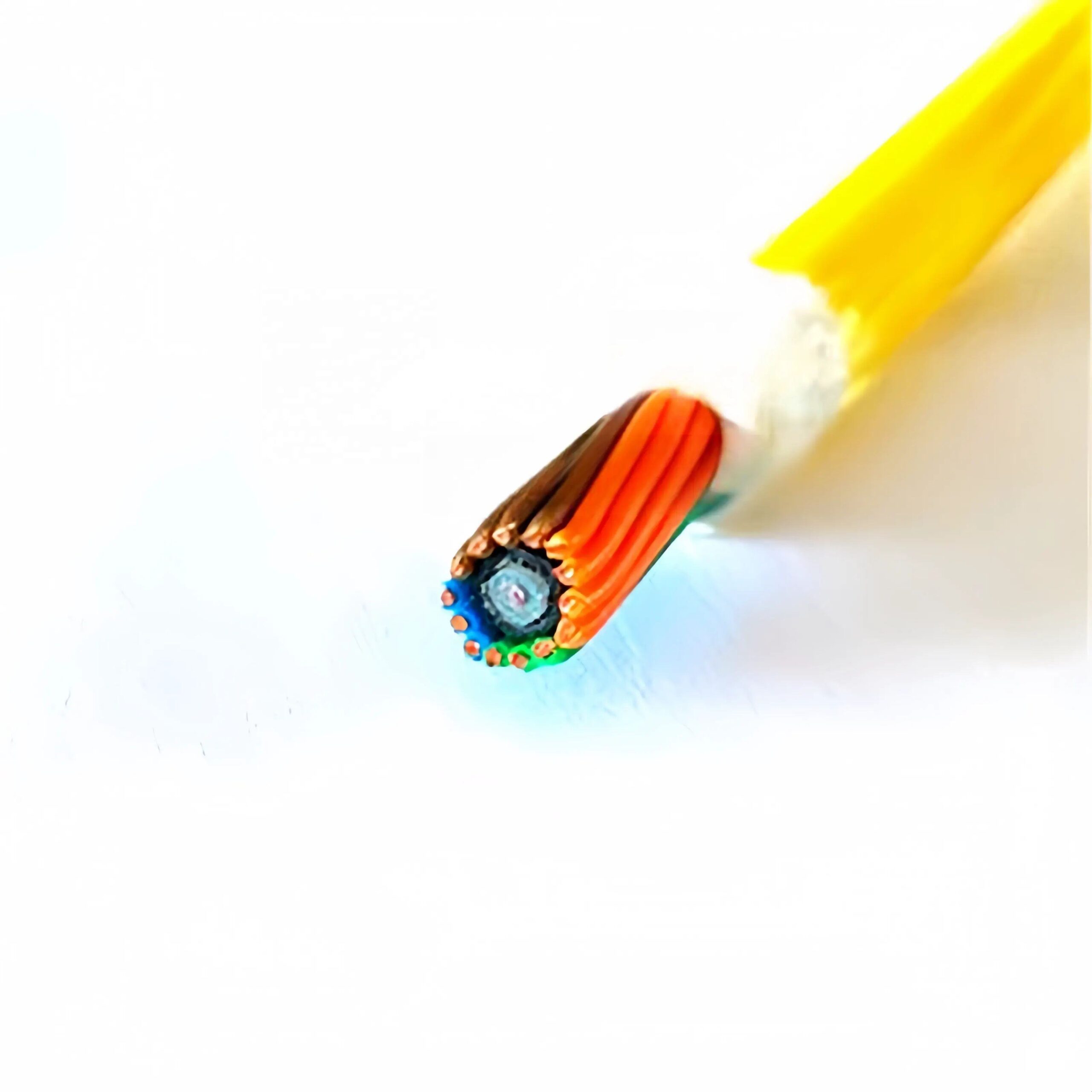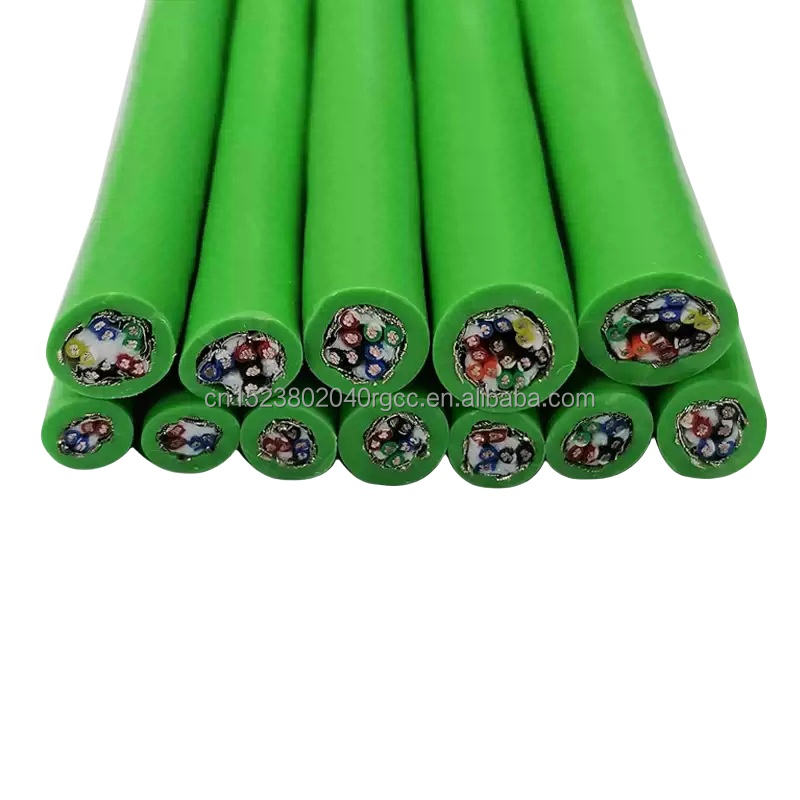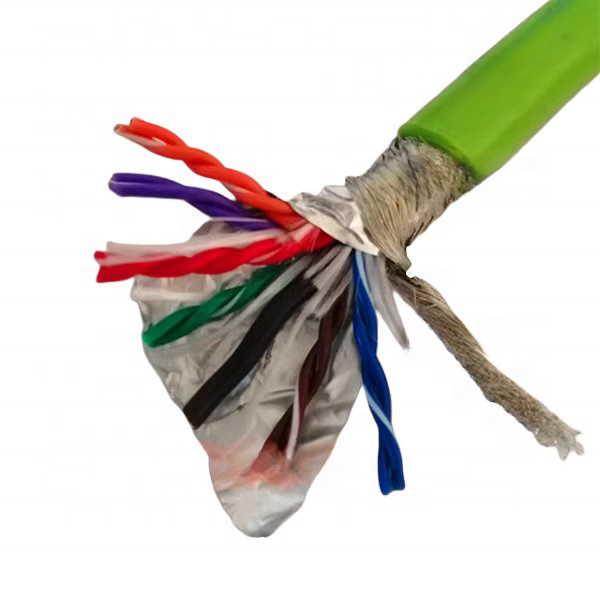



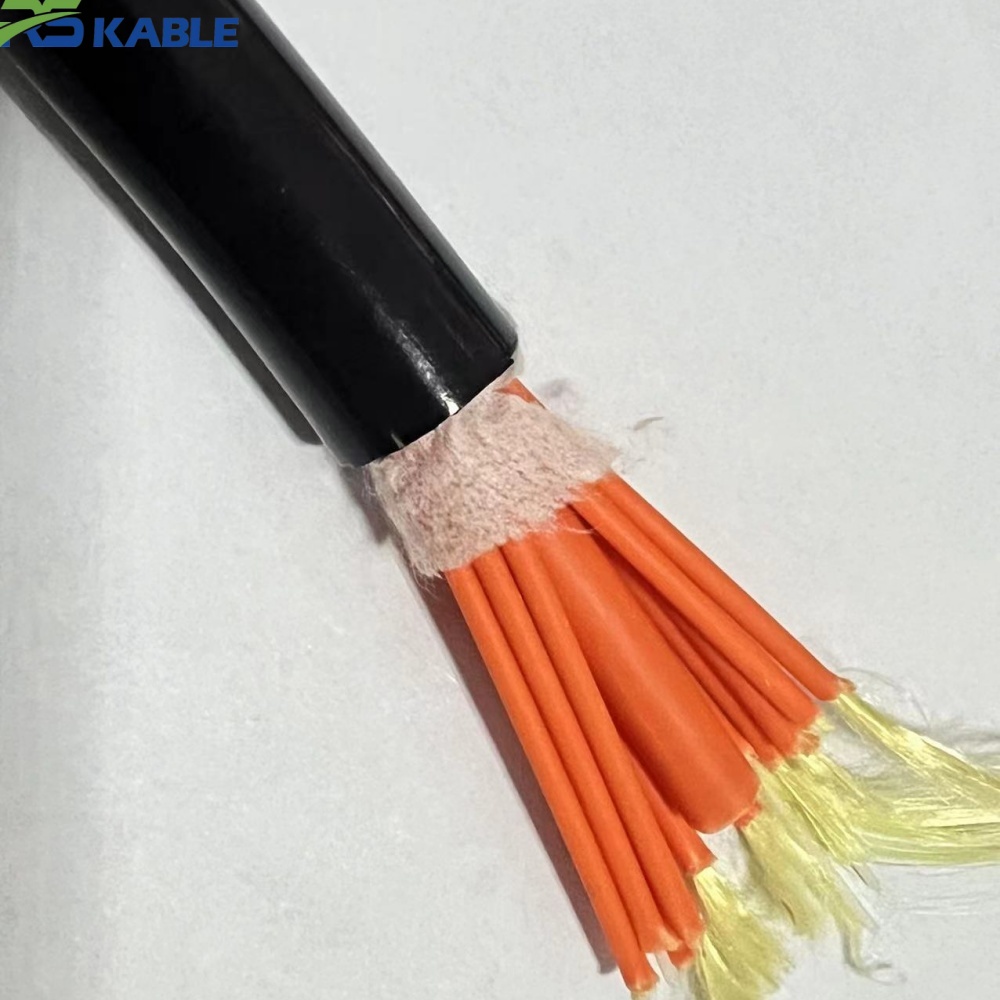
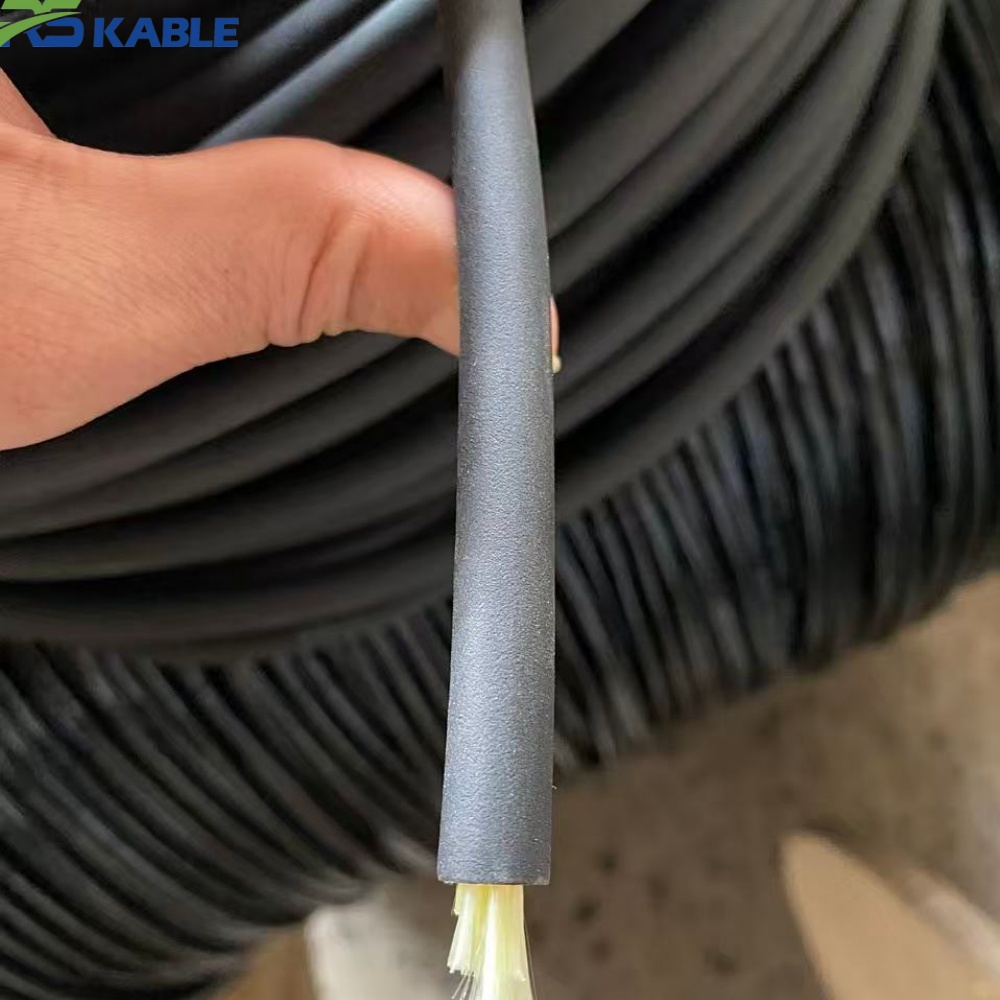
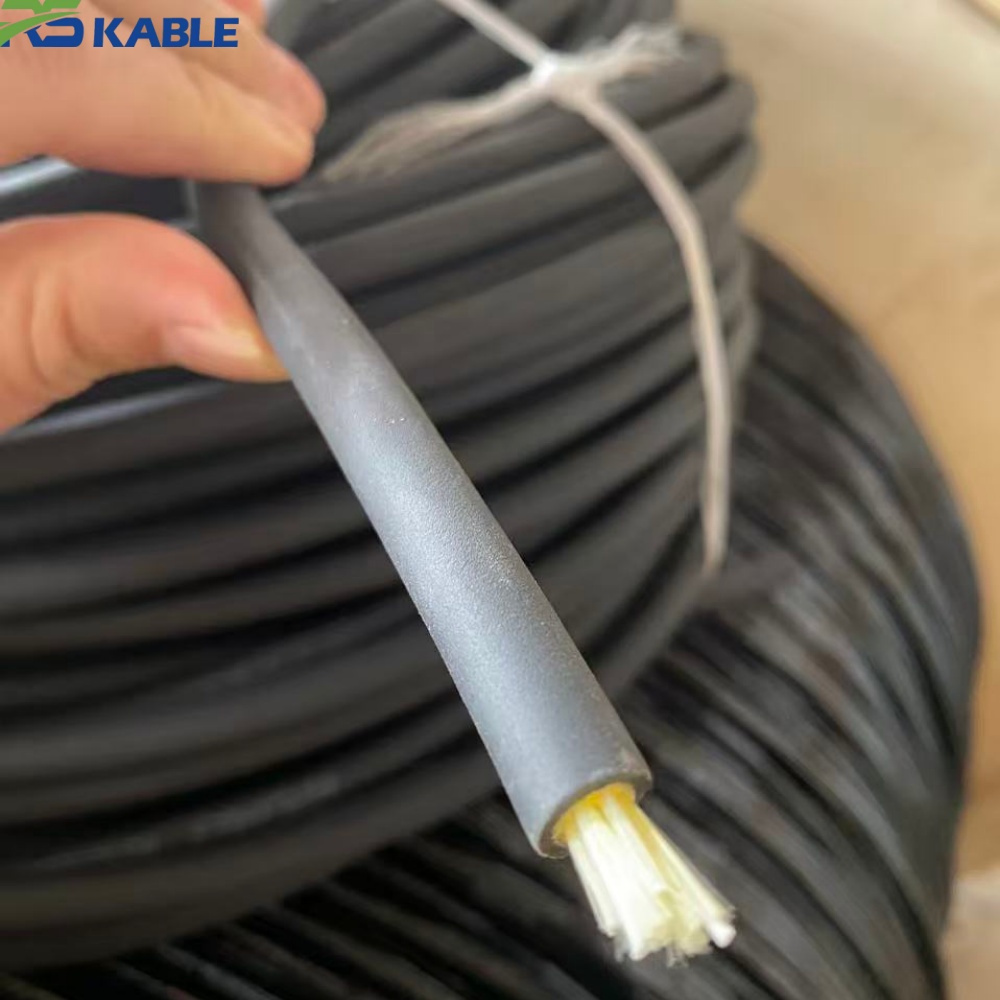
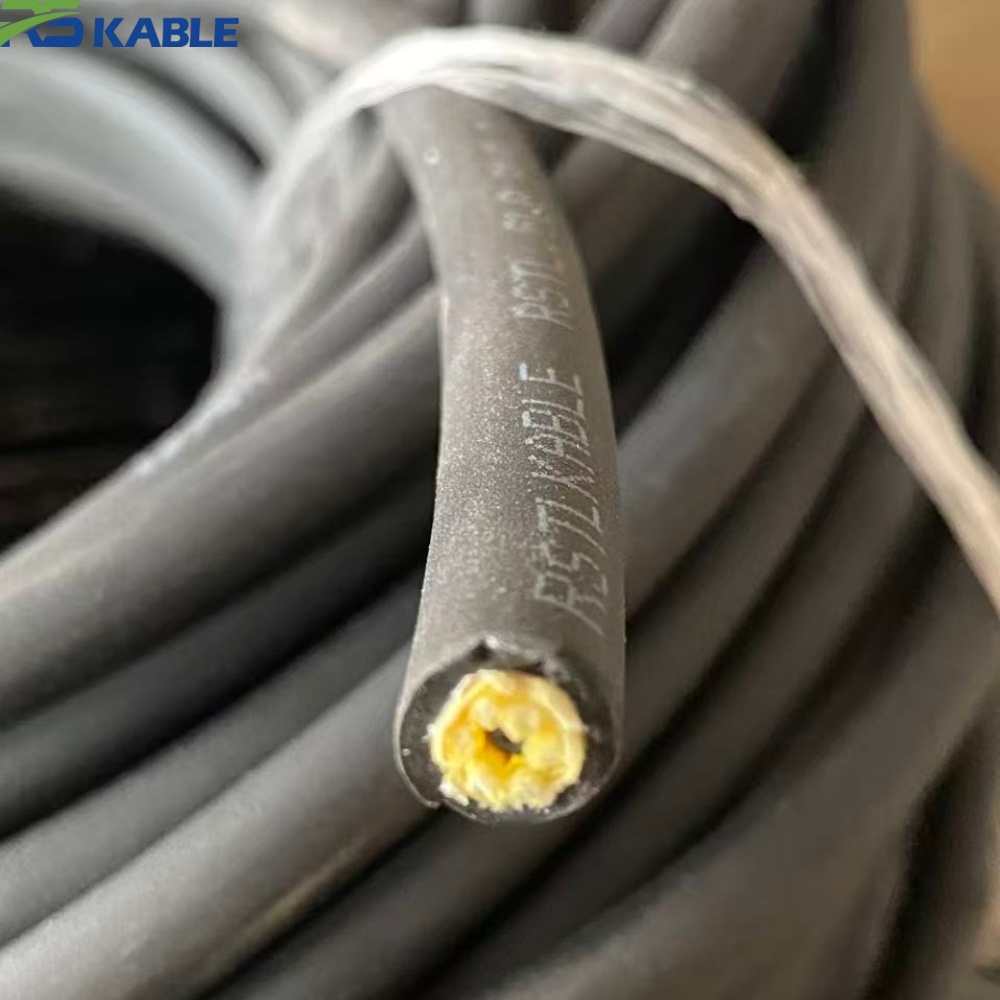
TPU Festoon Fiber Optic Cable | Flexible Crane Cable for Overhead Crane Systems
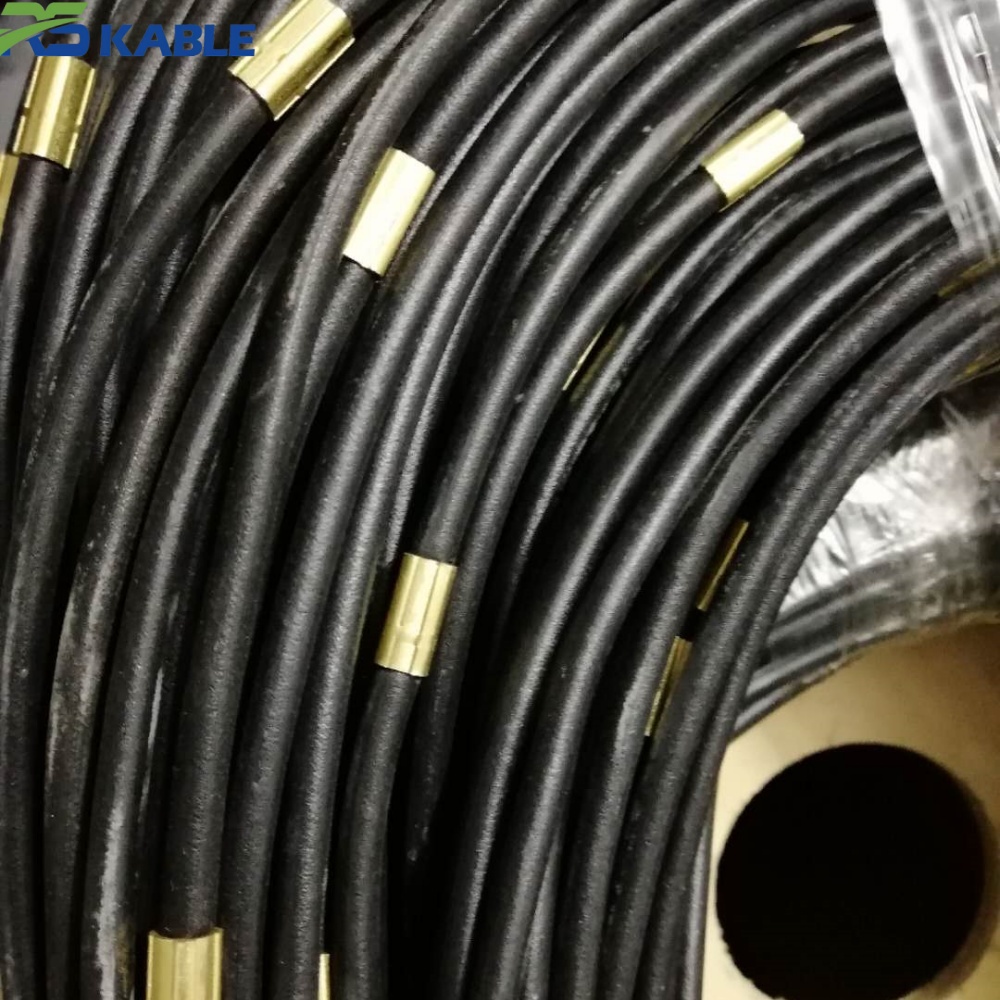
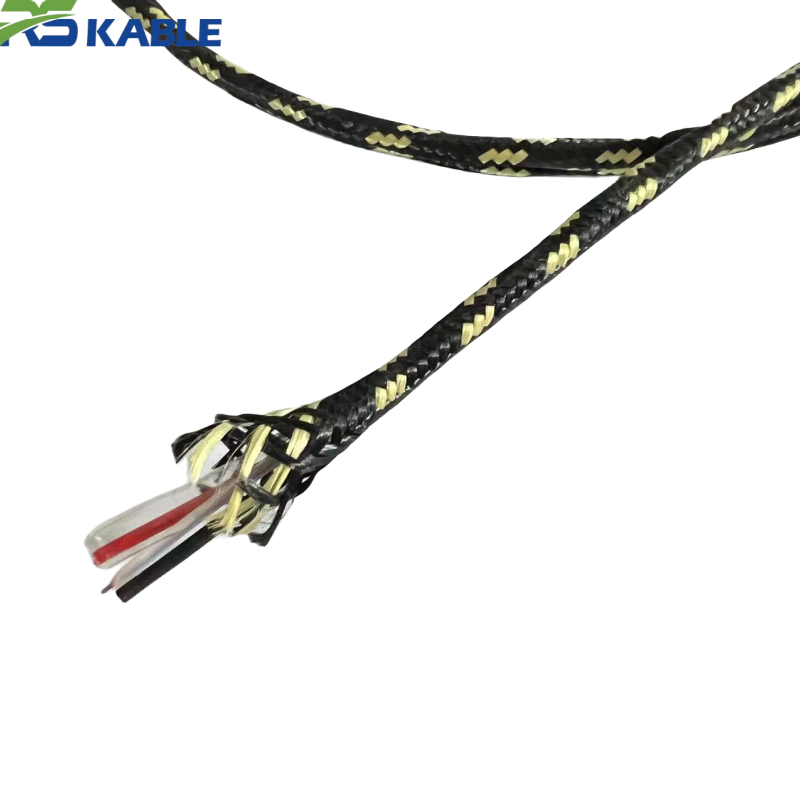
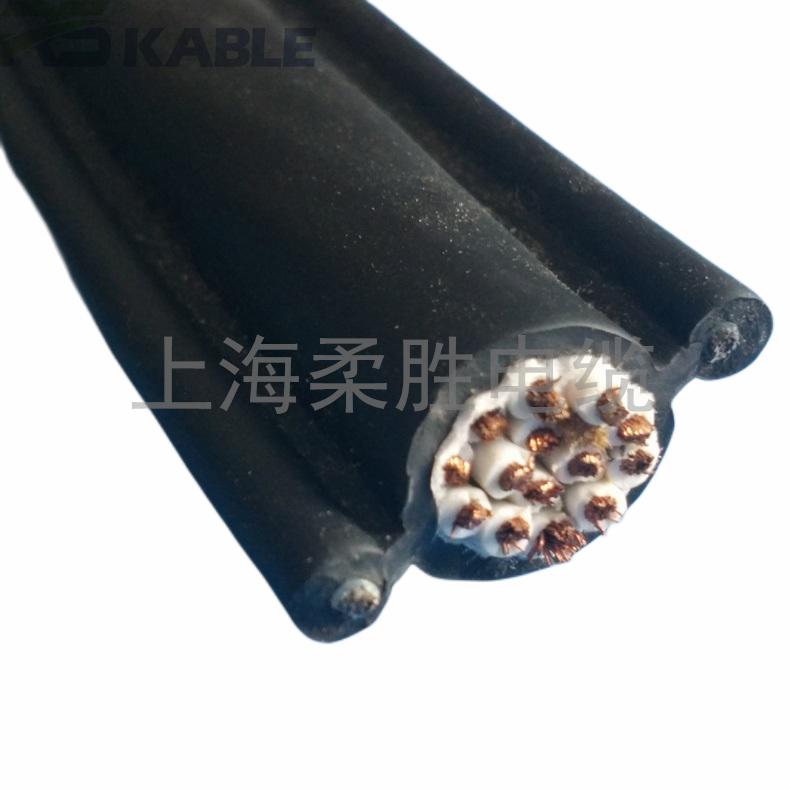
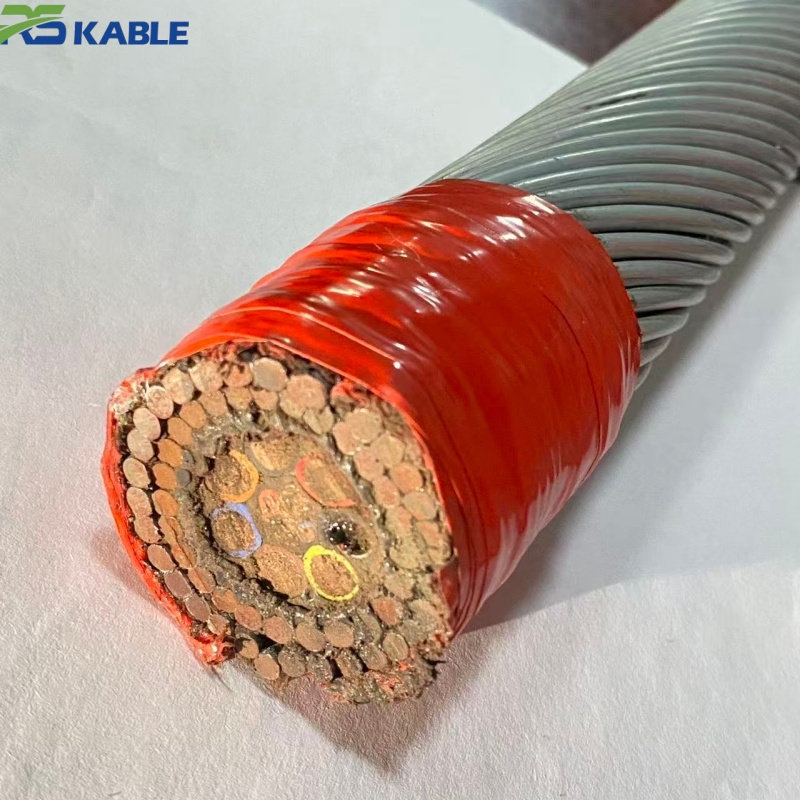
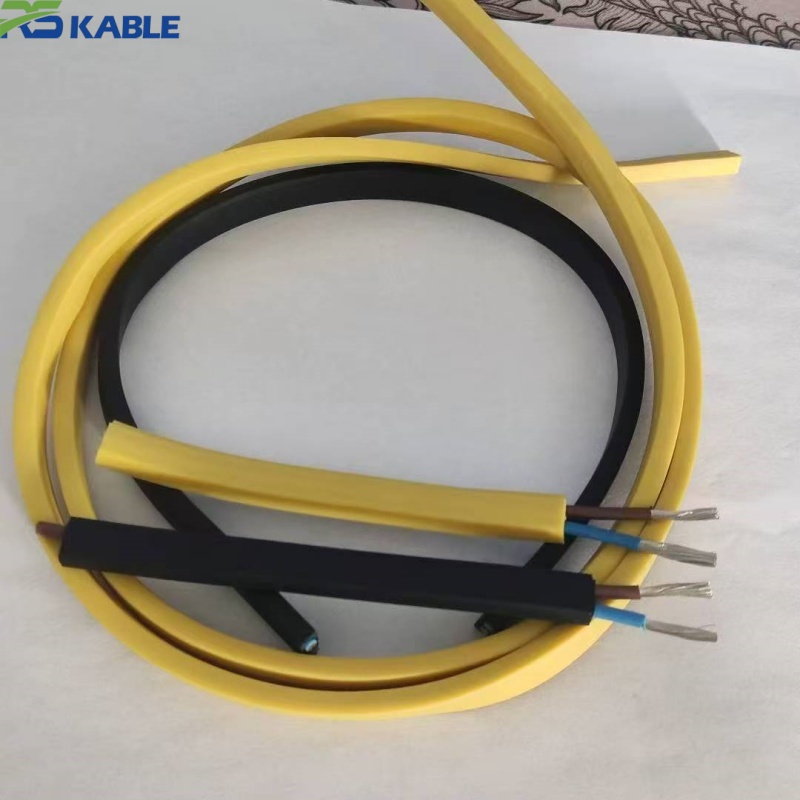
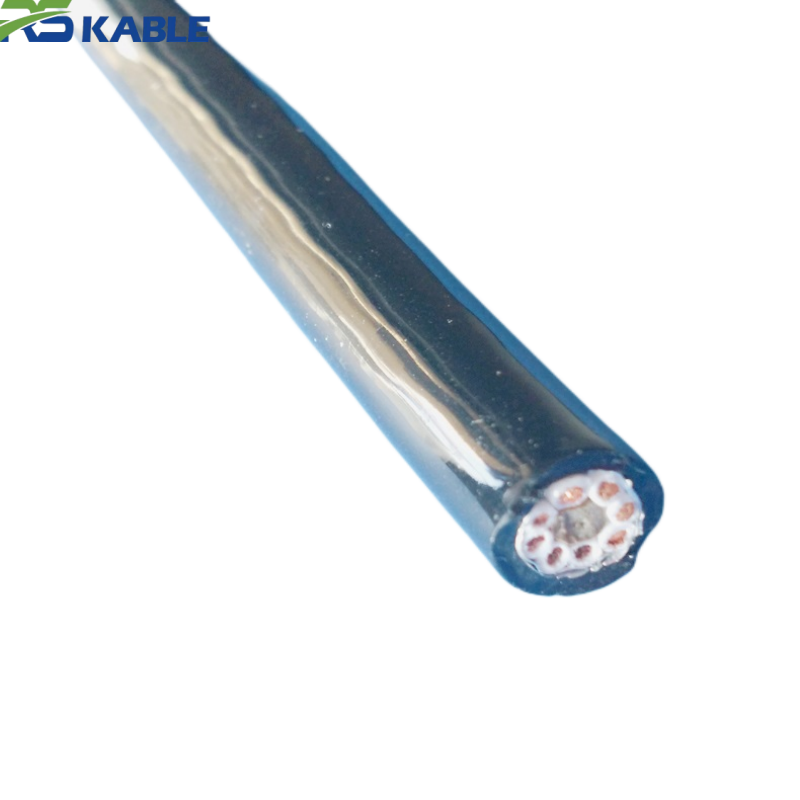
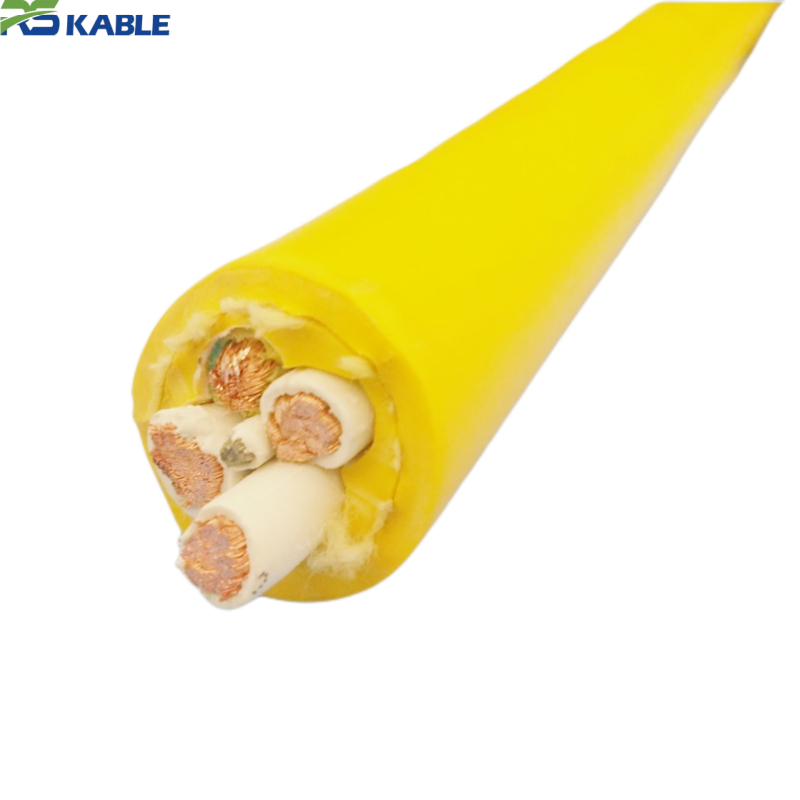
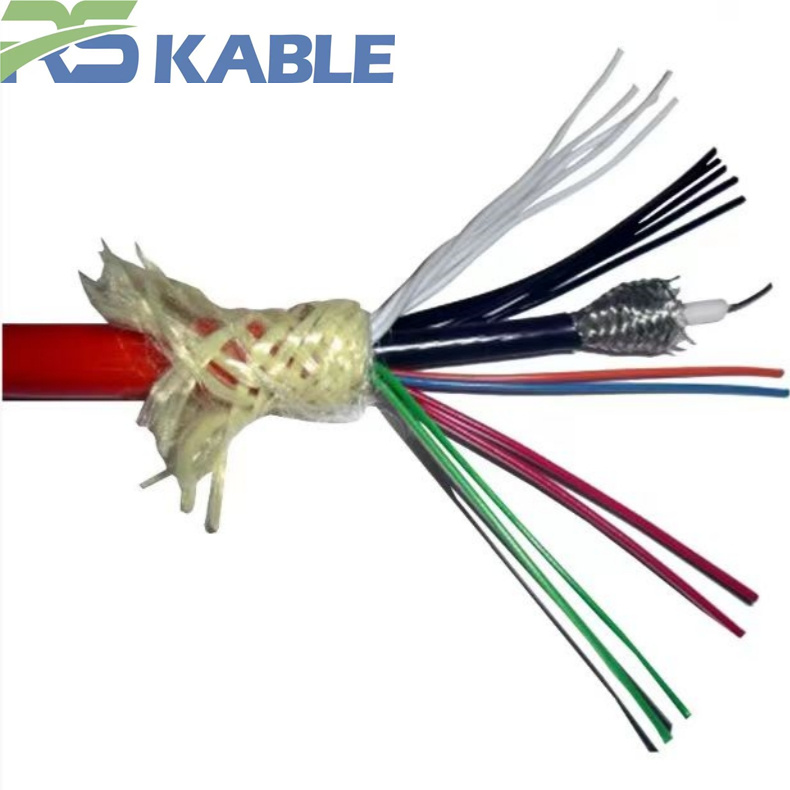
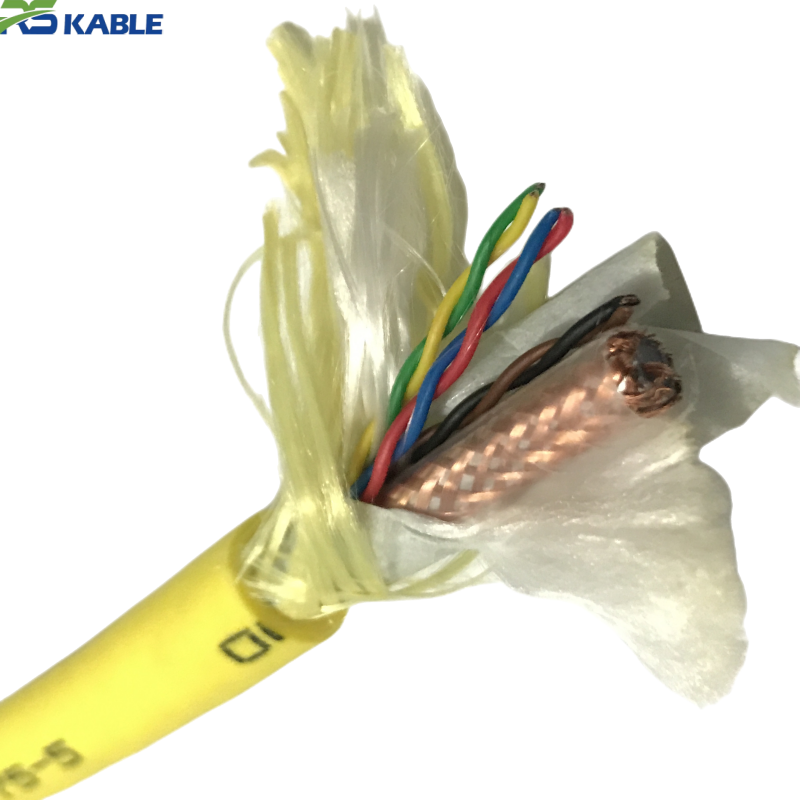
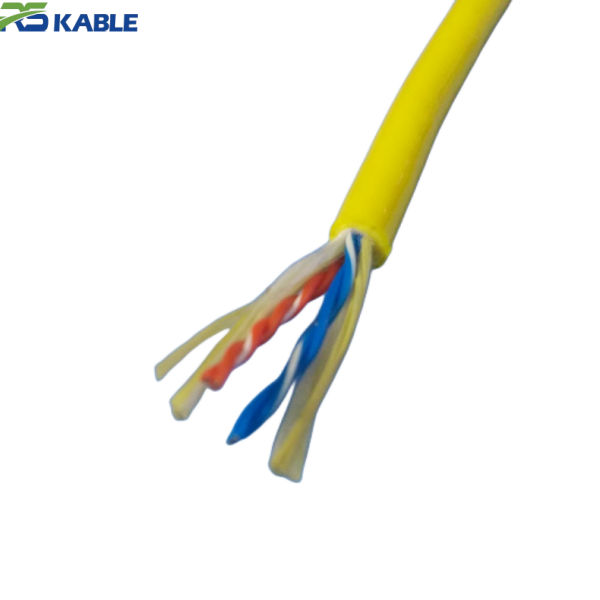
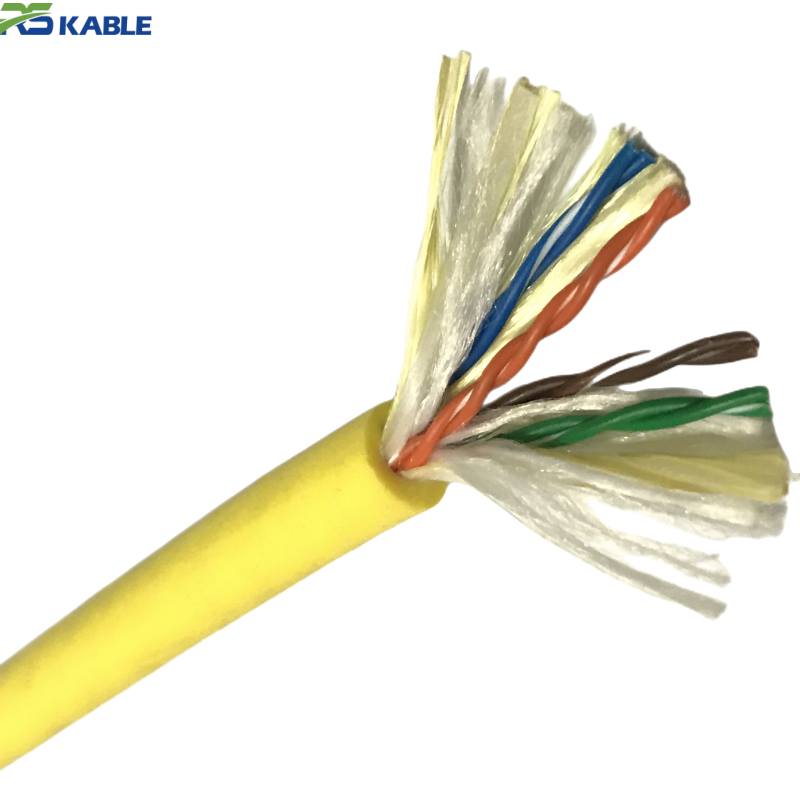
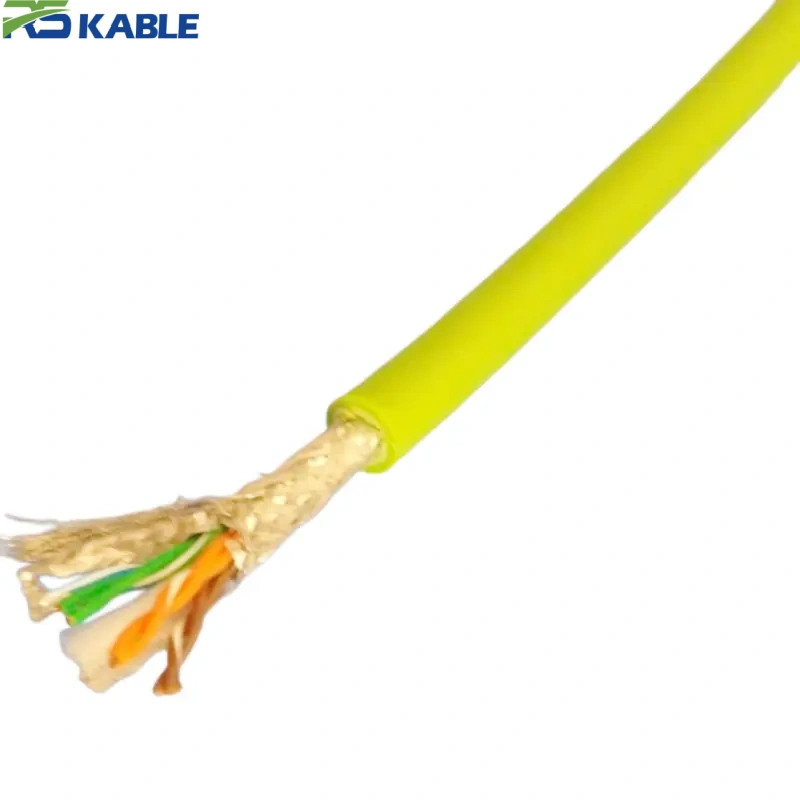
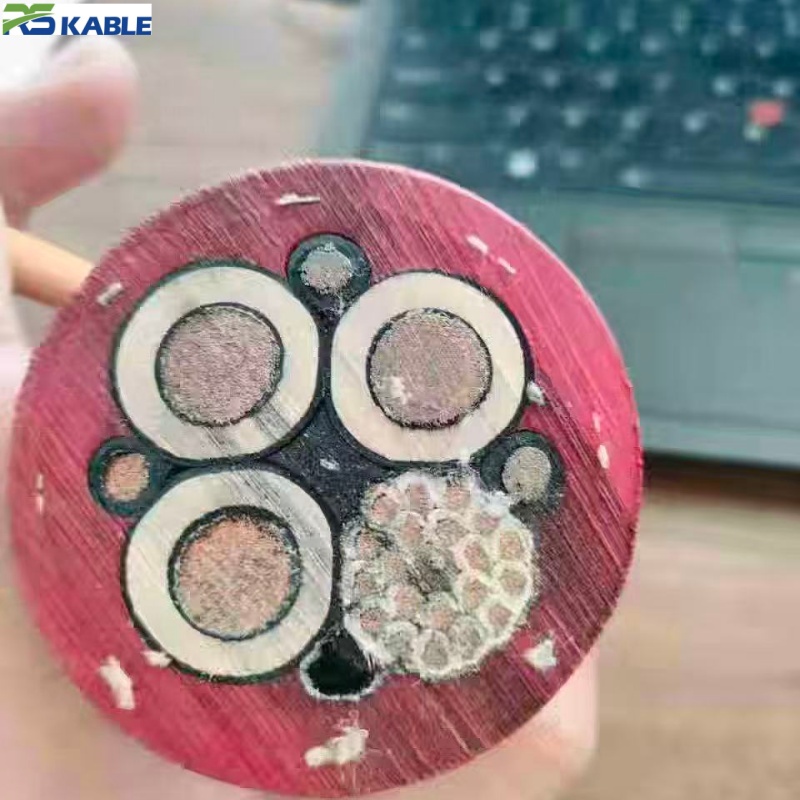
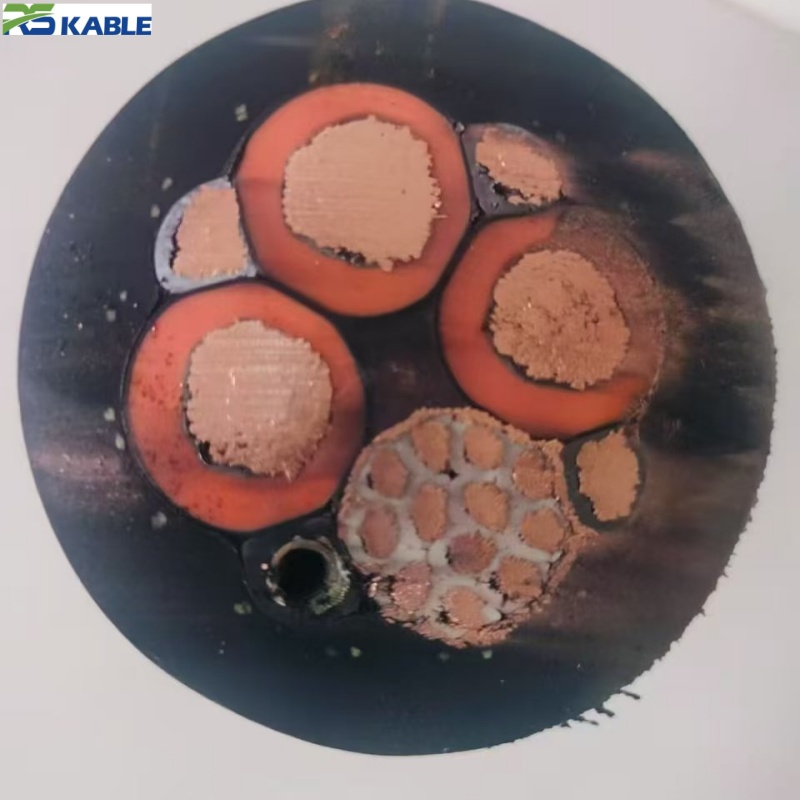
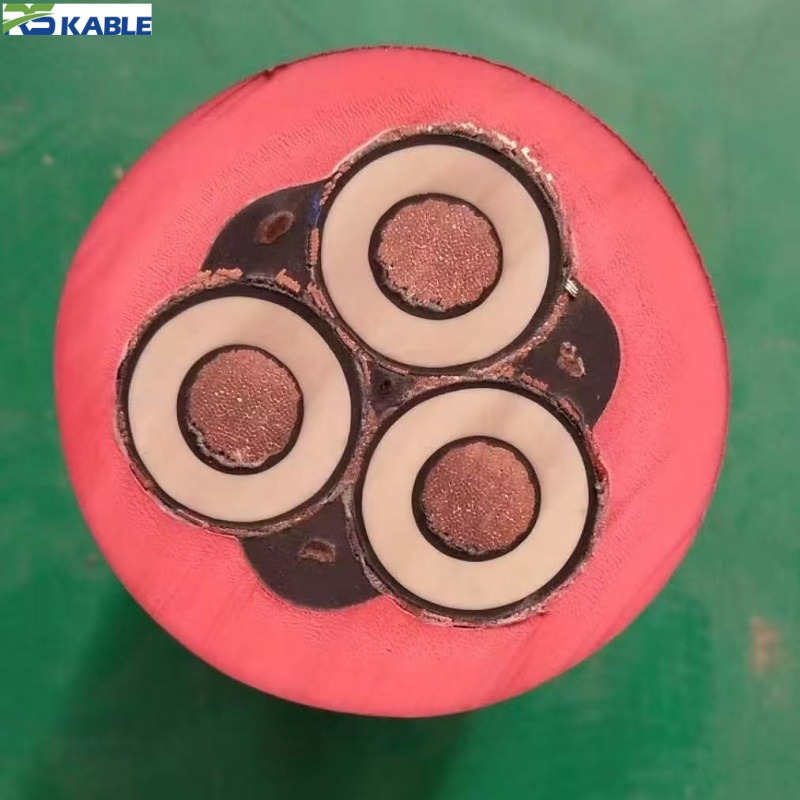
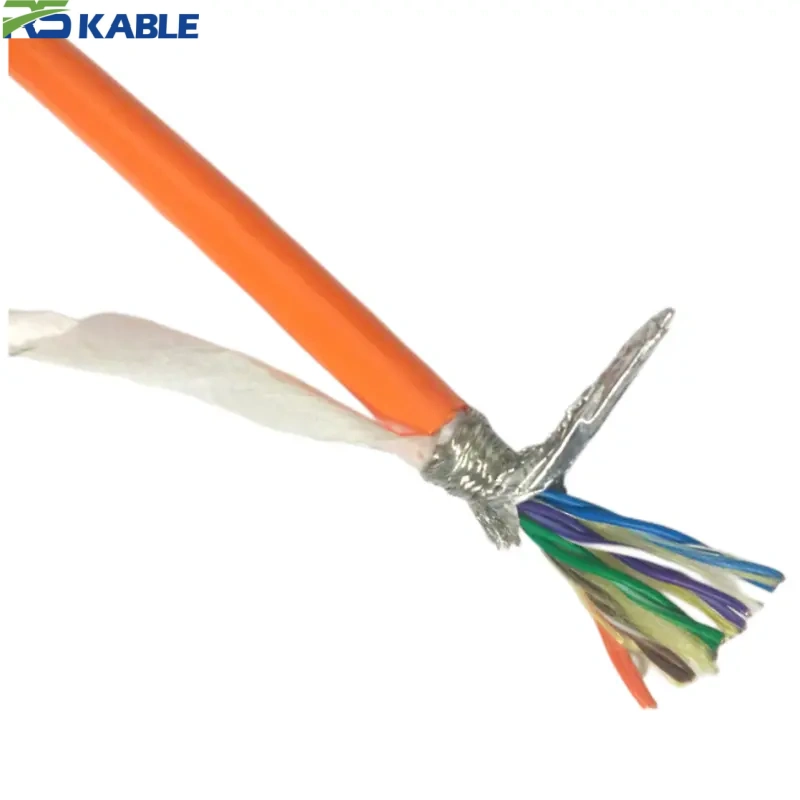
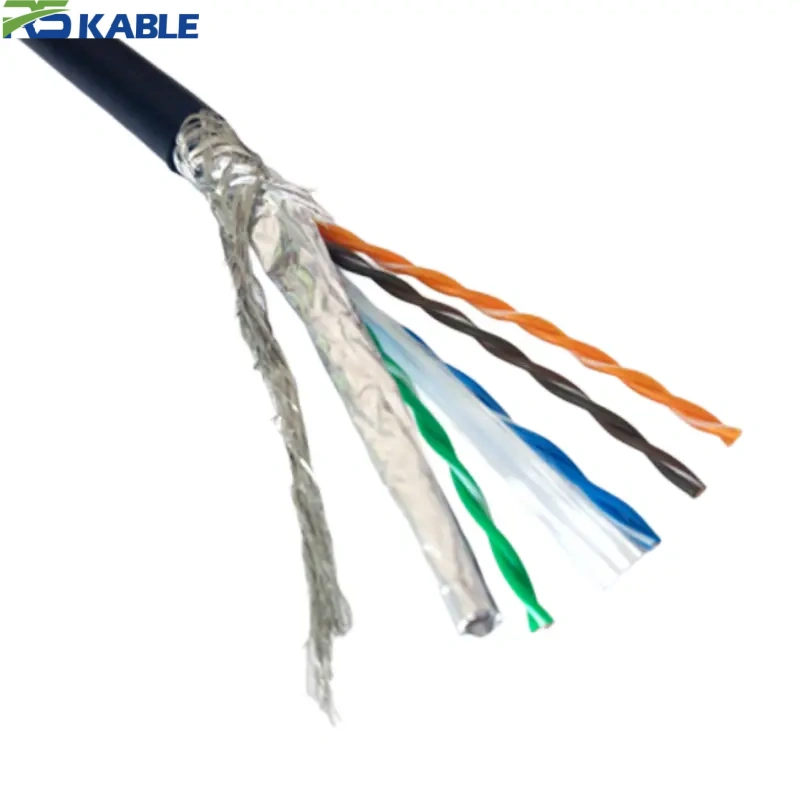
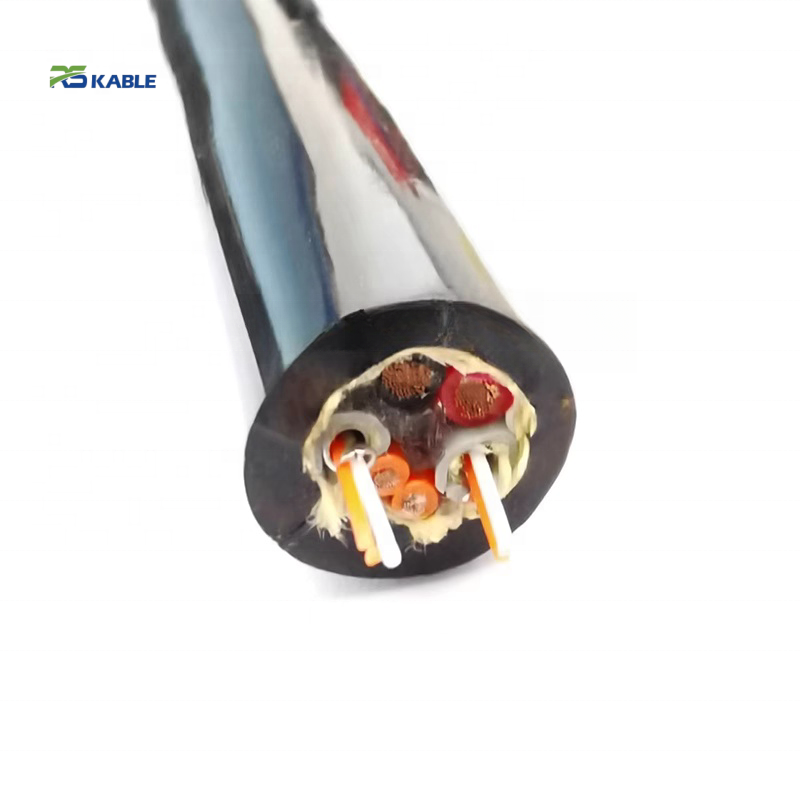
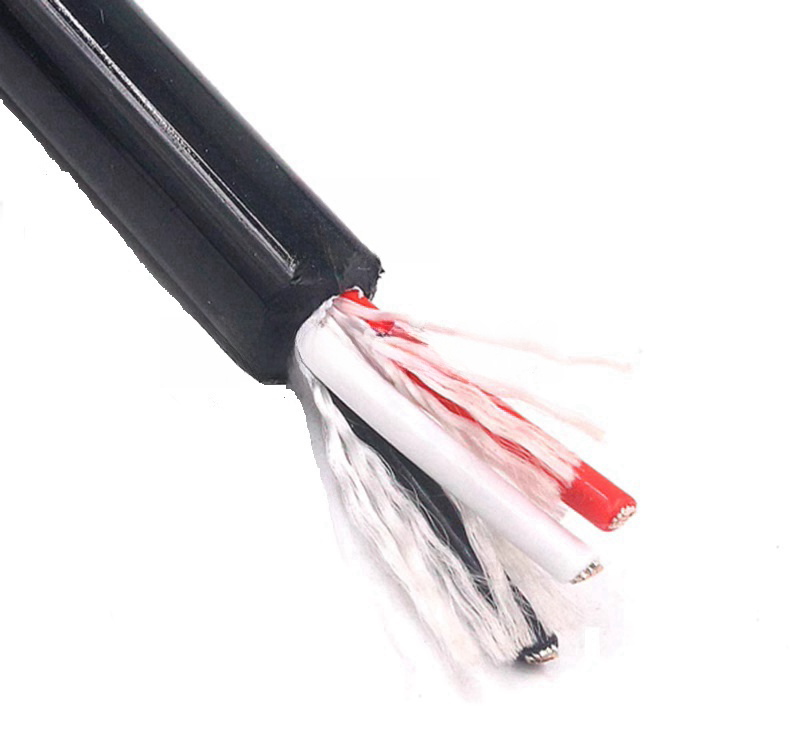
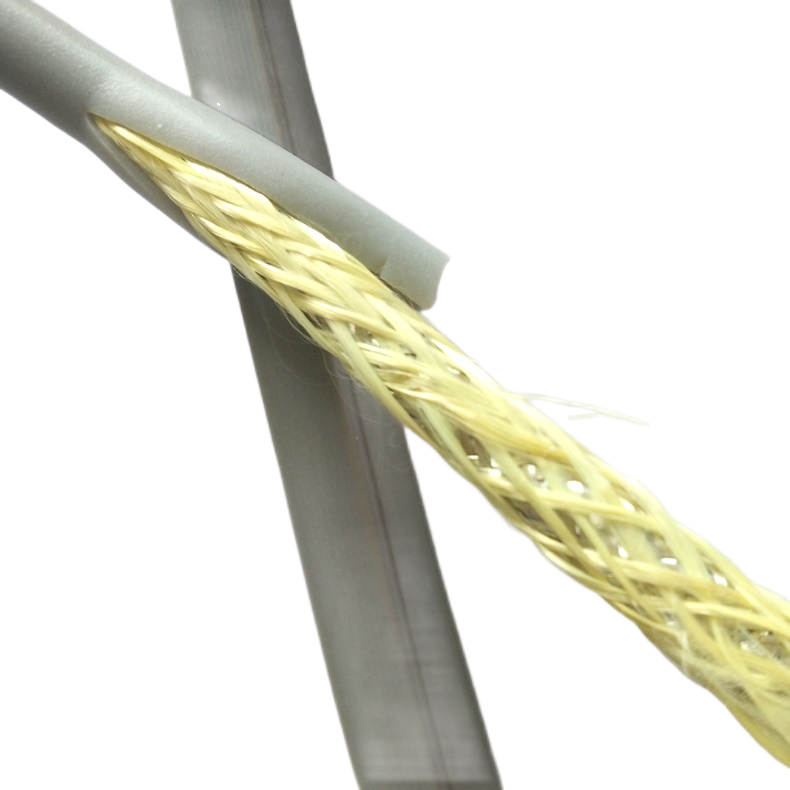
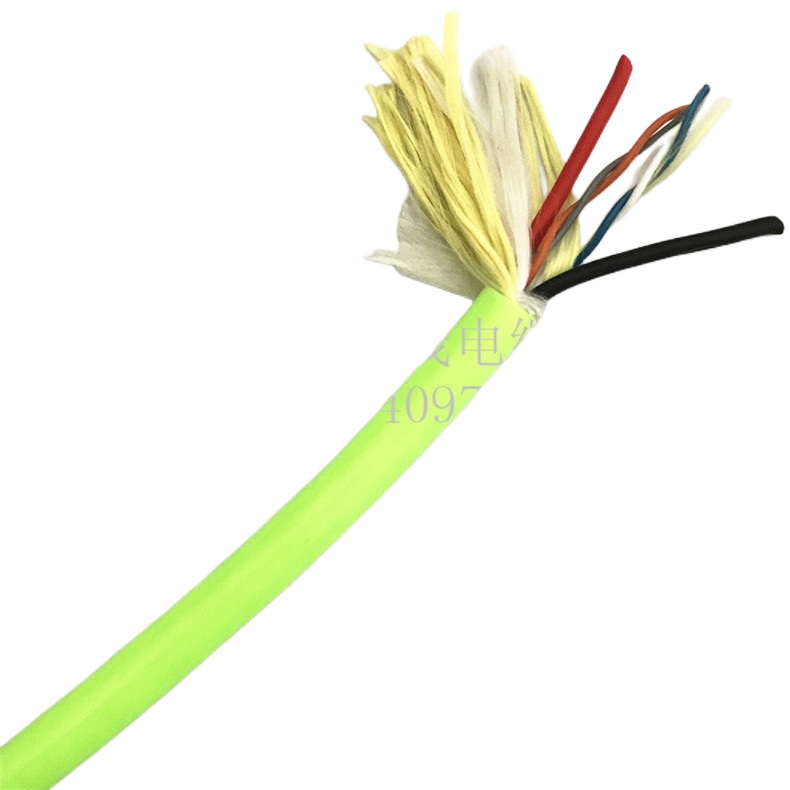
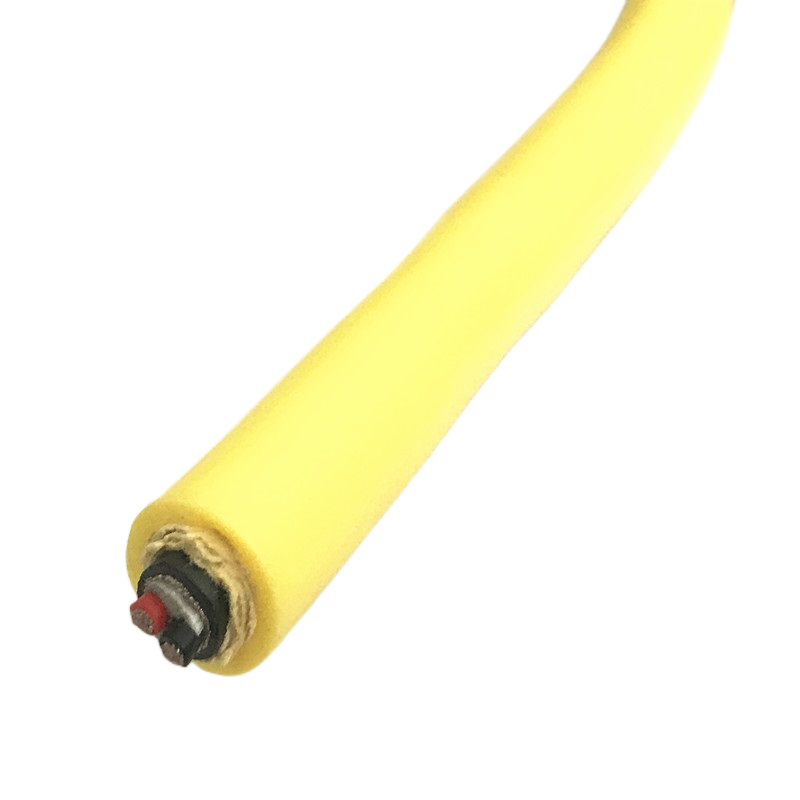
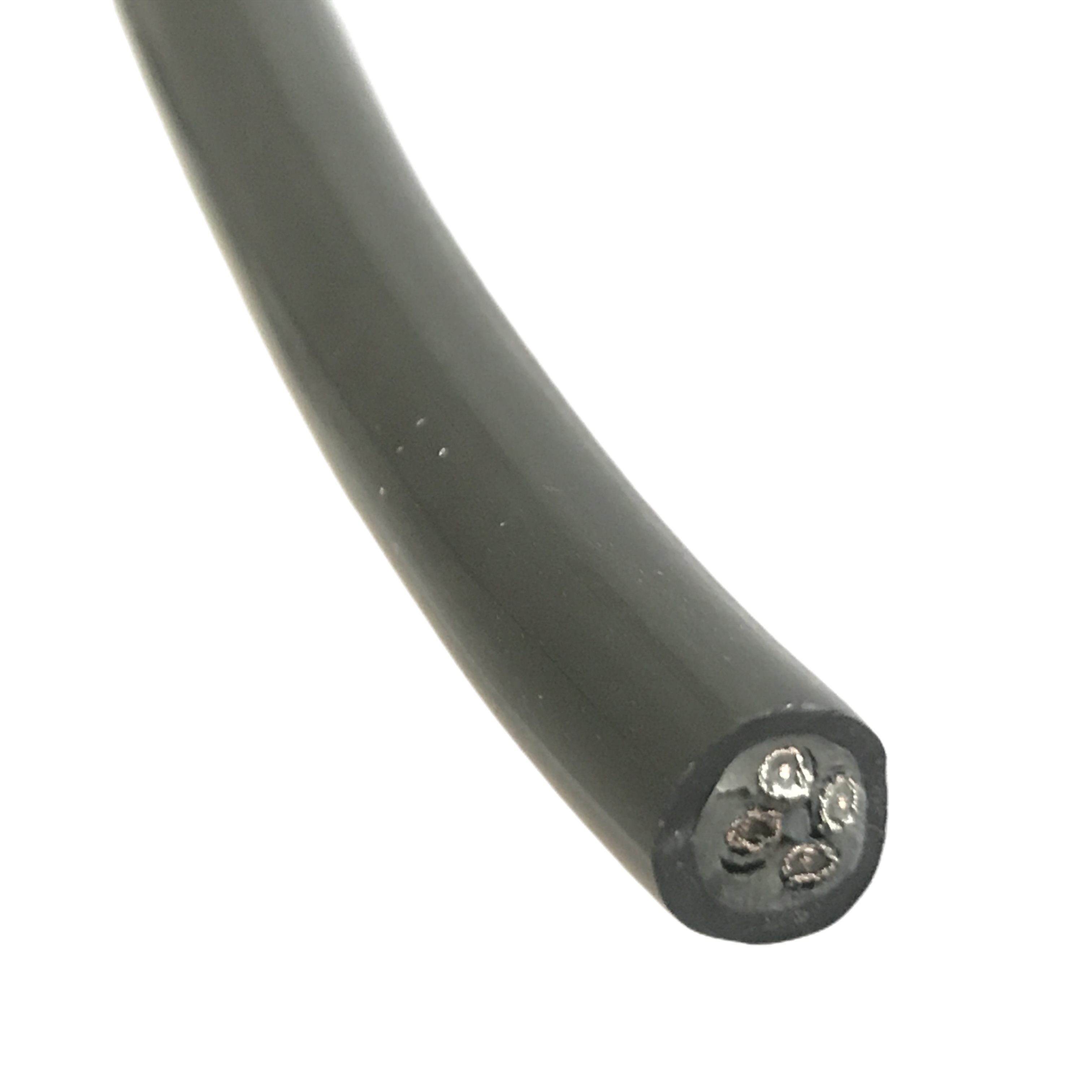
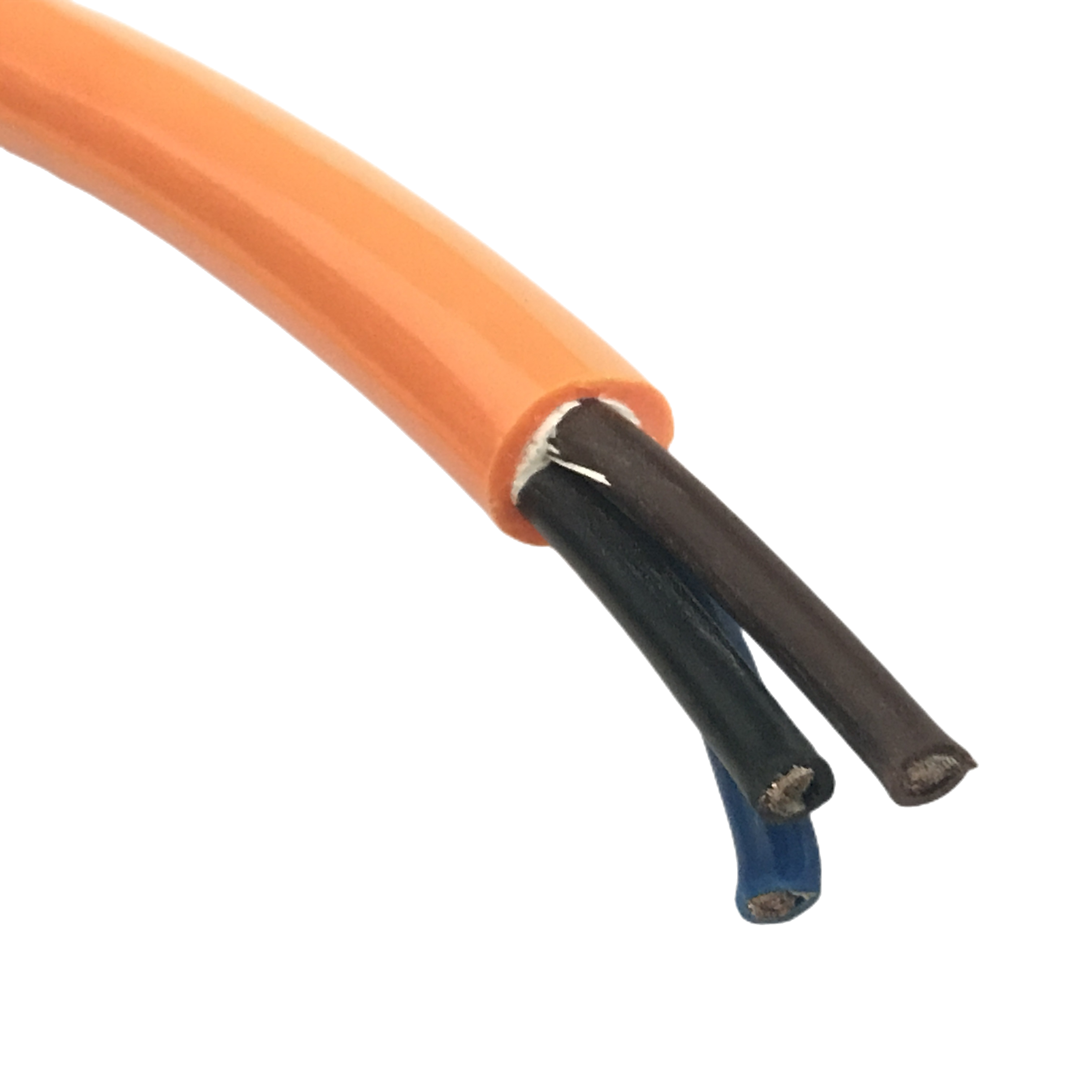
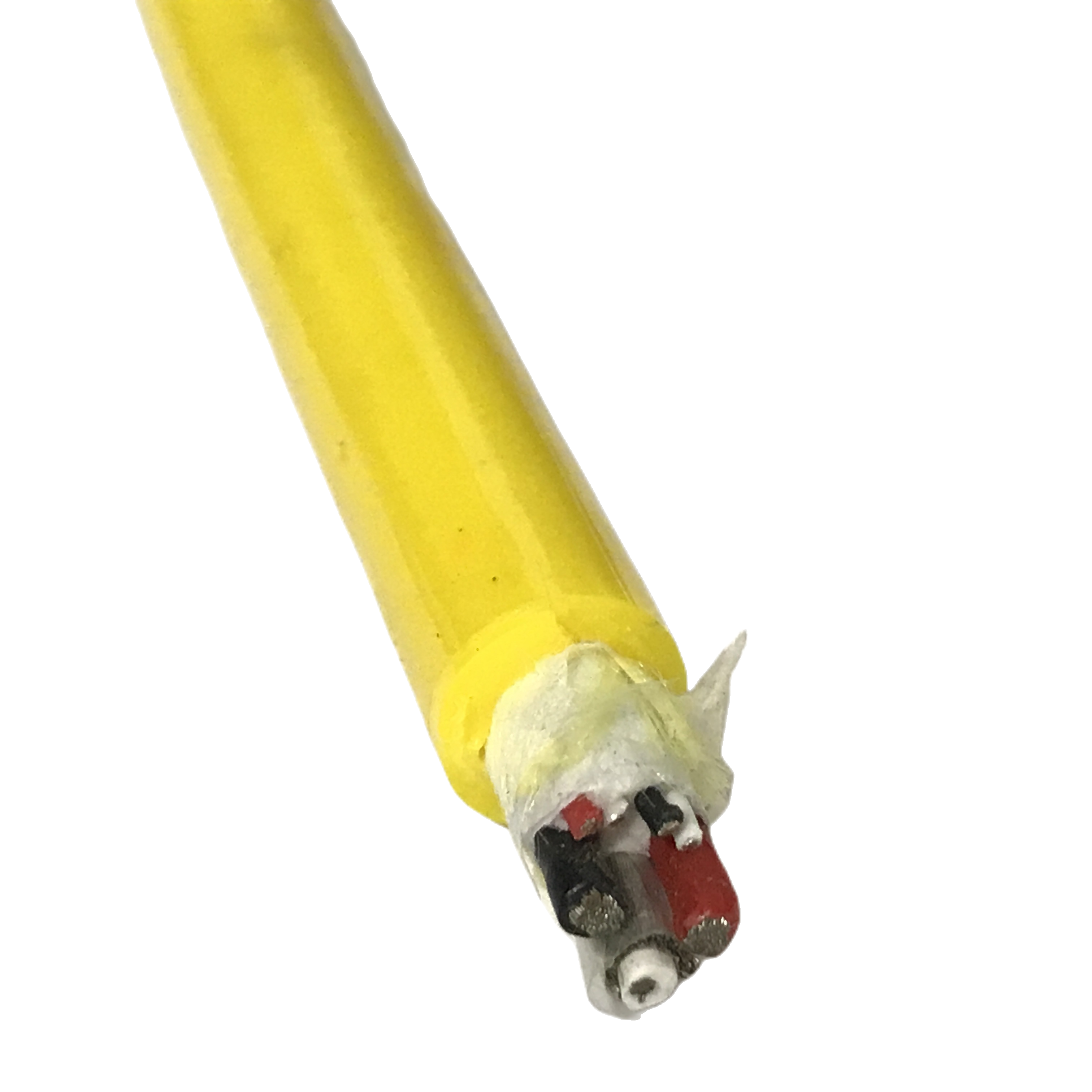
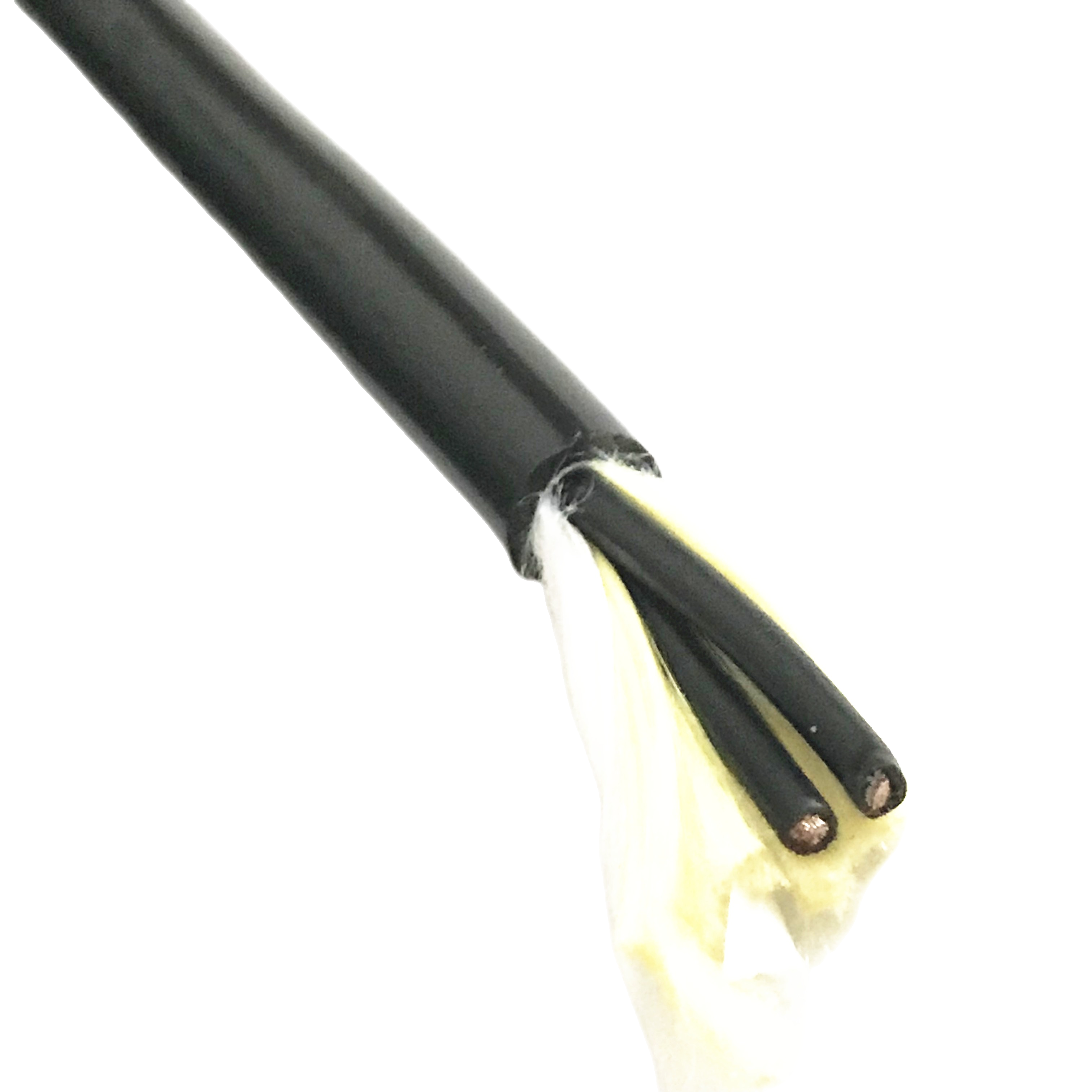
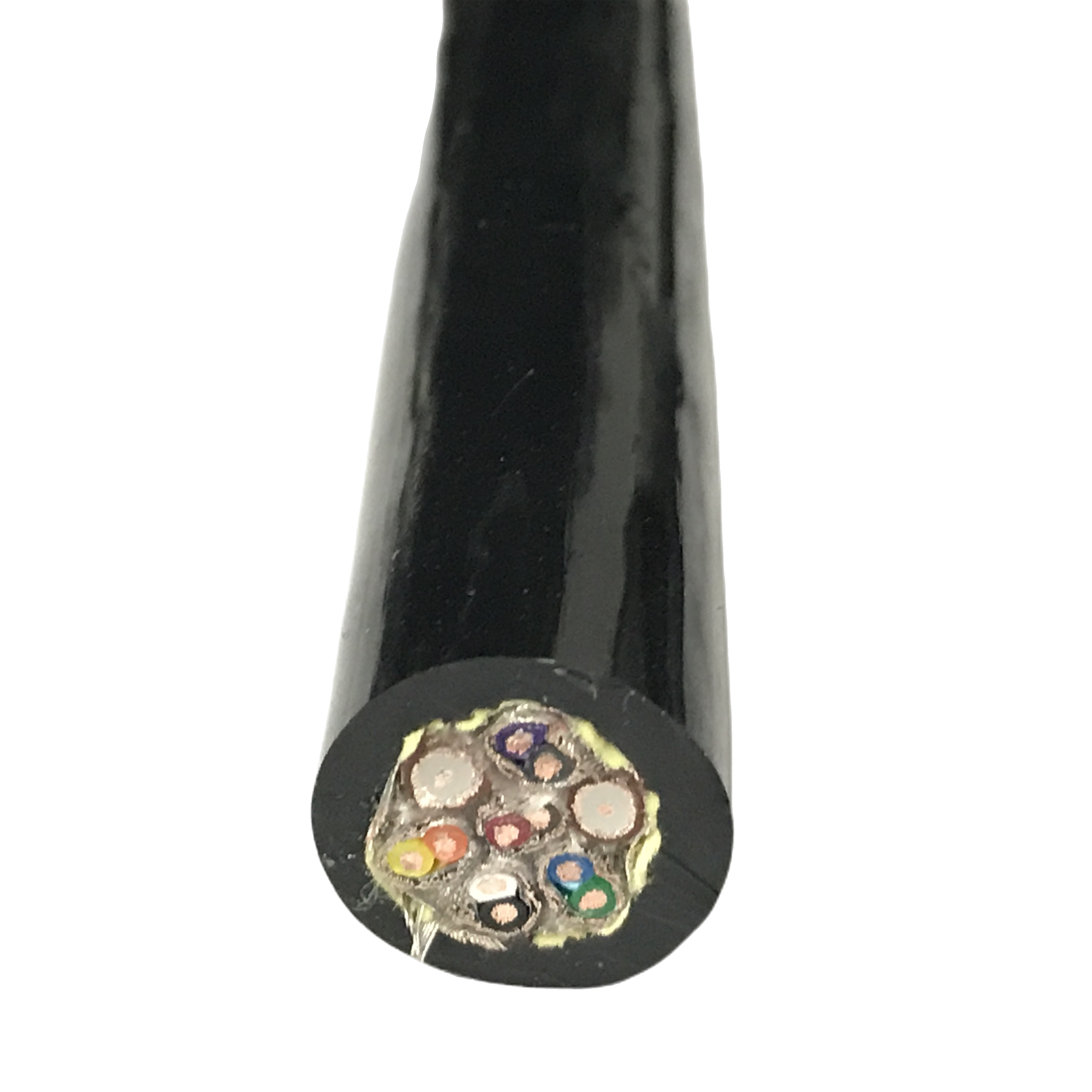
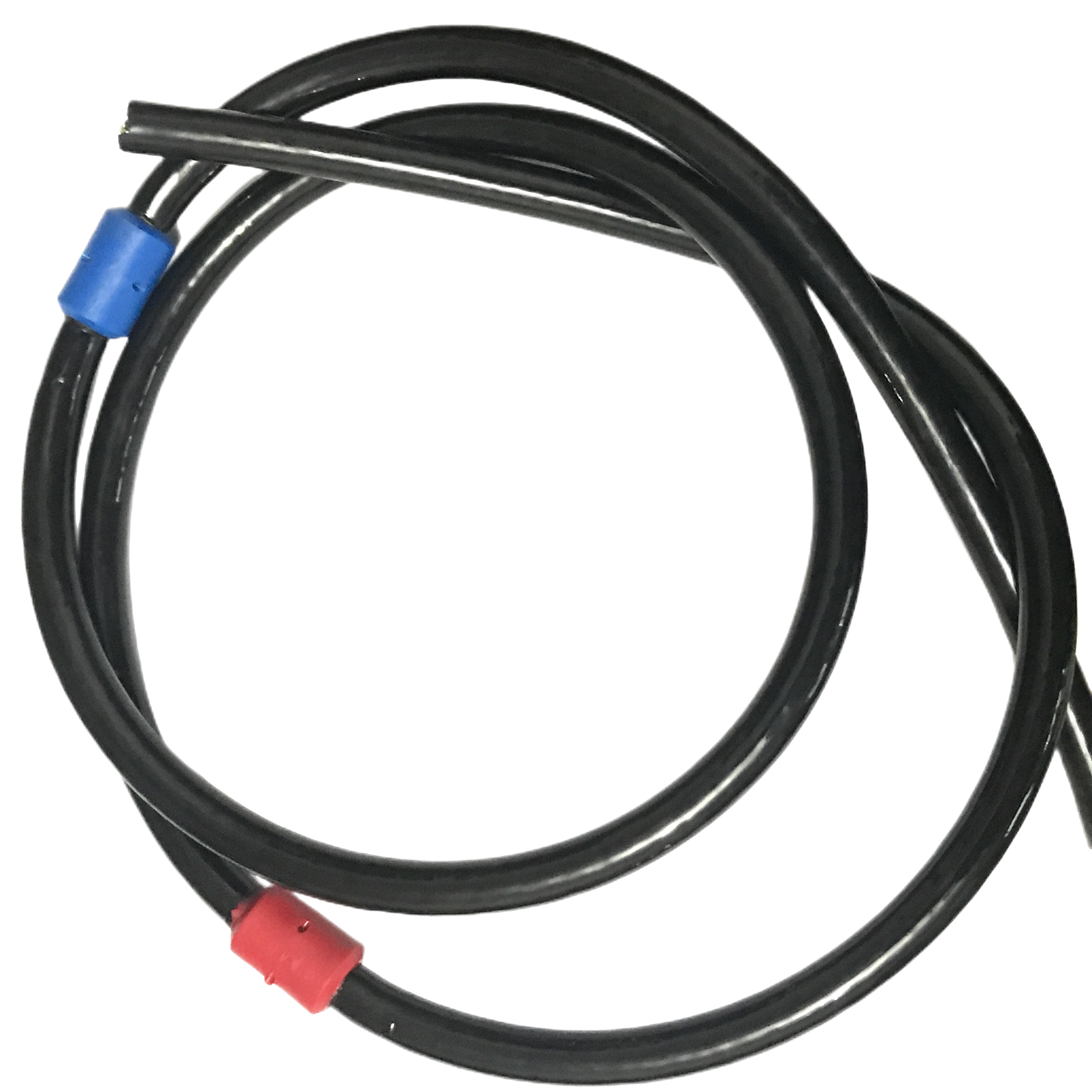
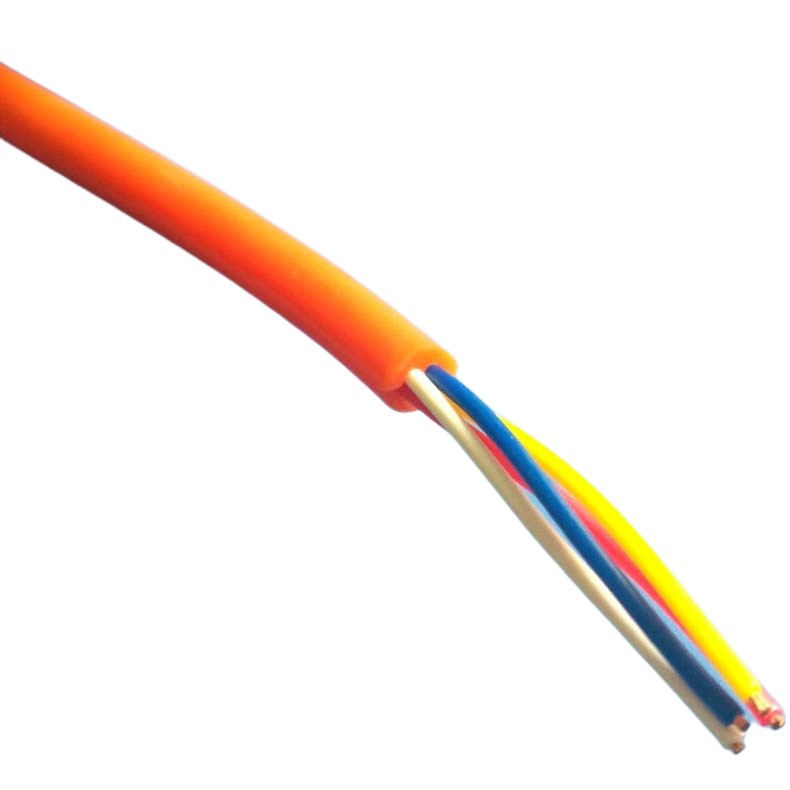
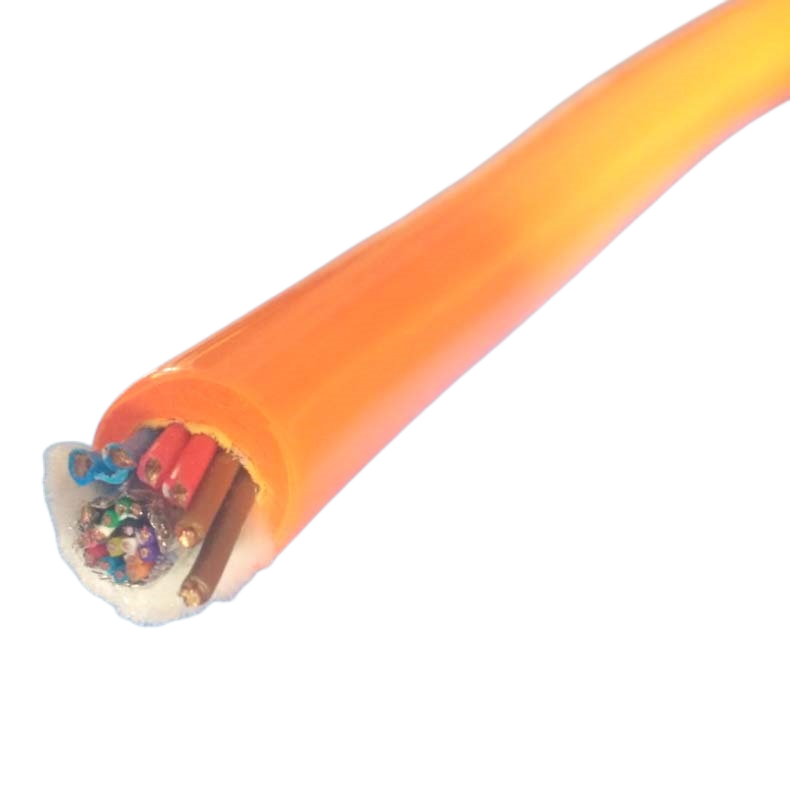
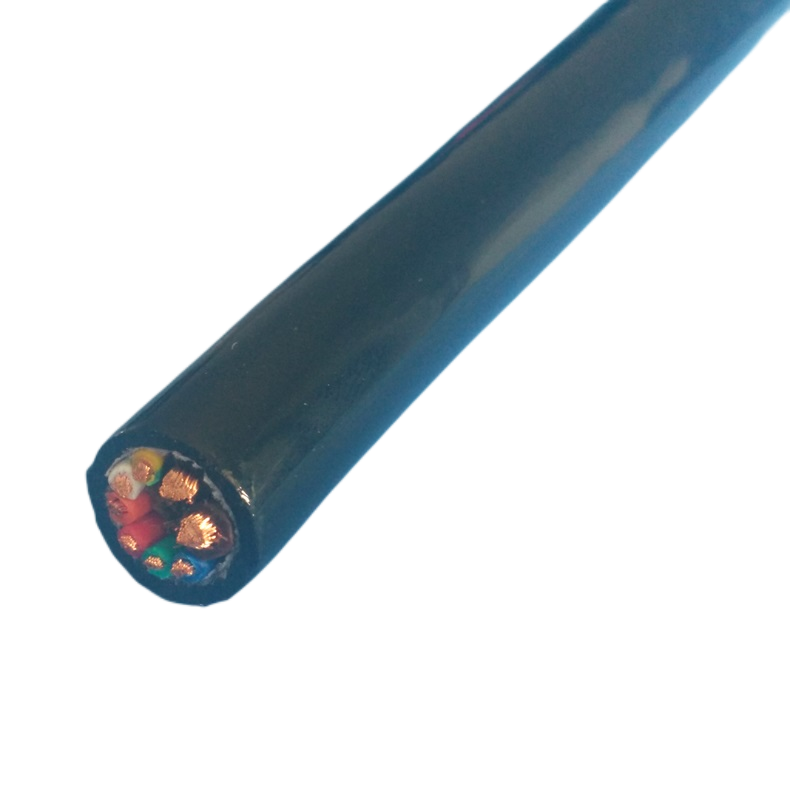
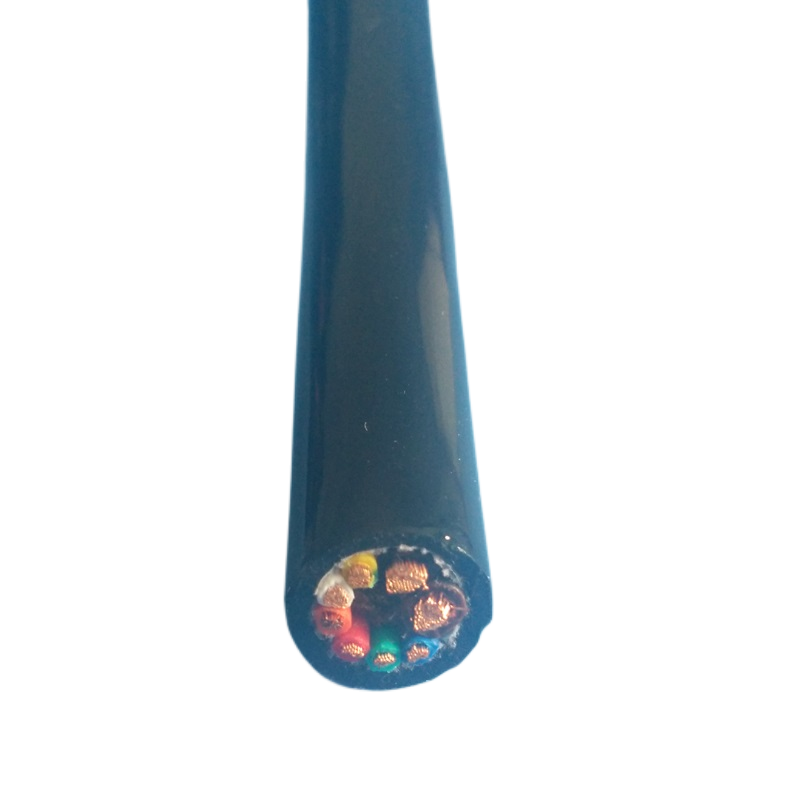
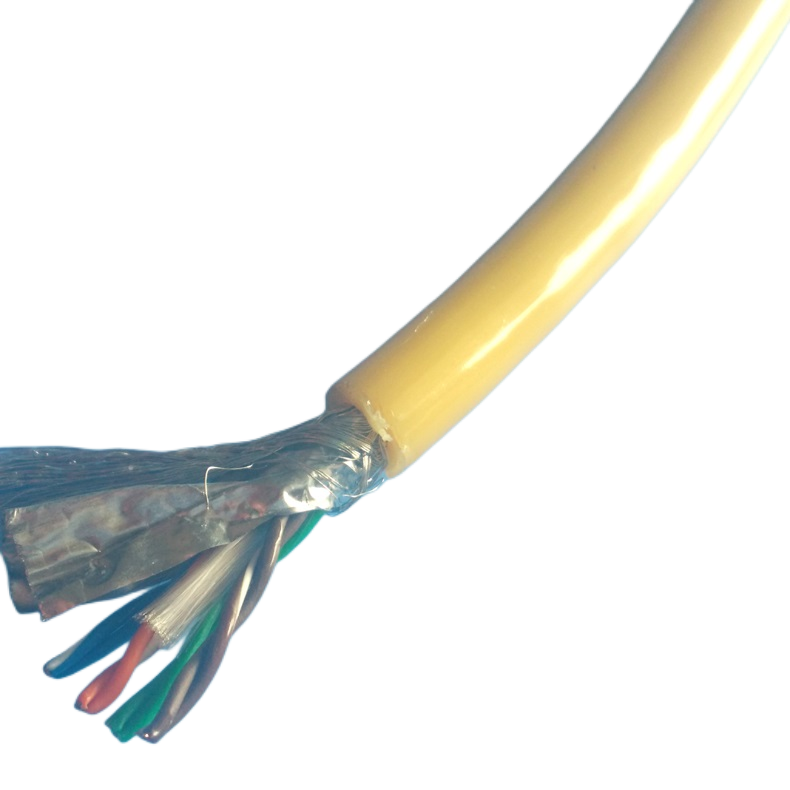
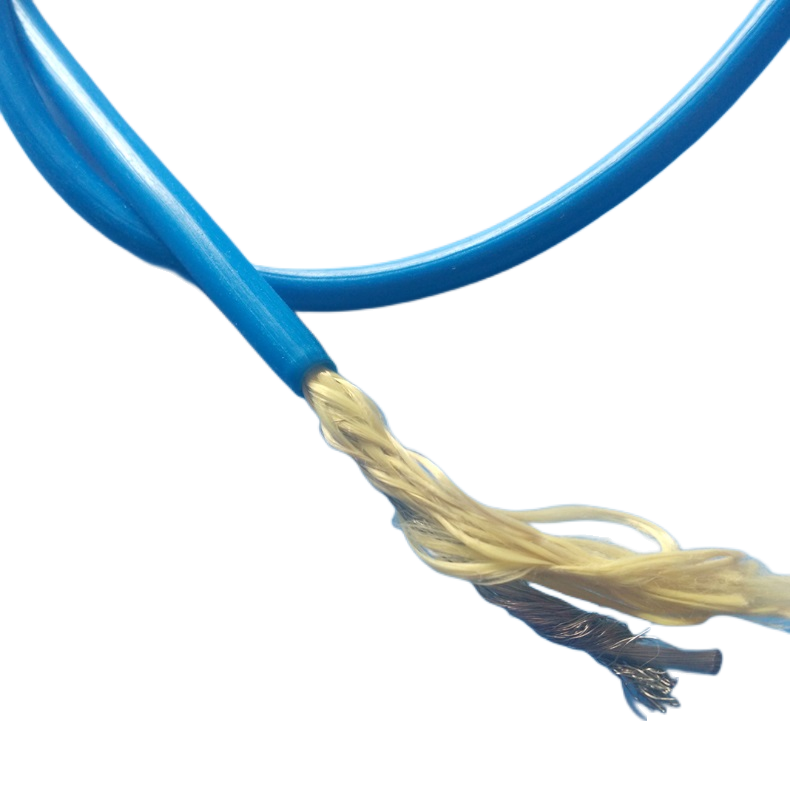
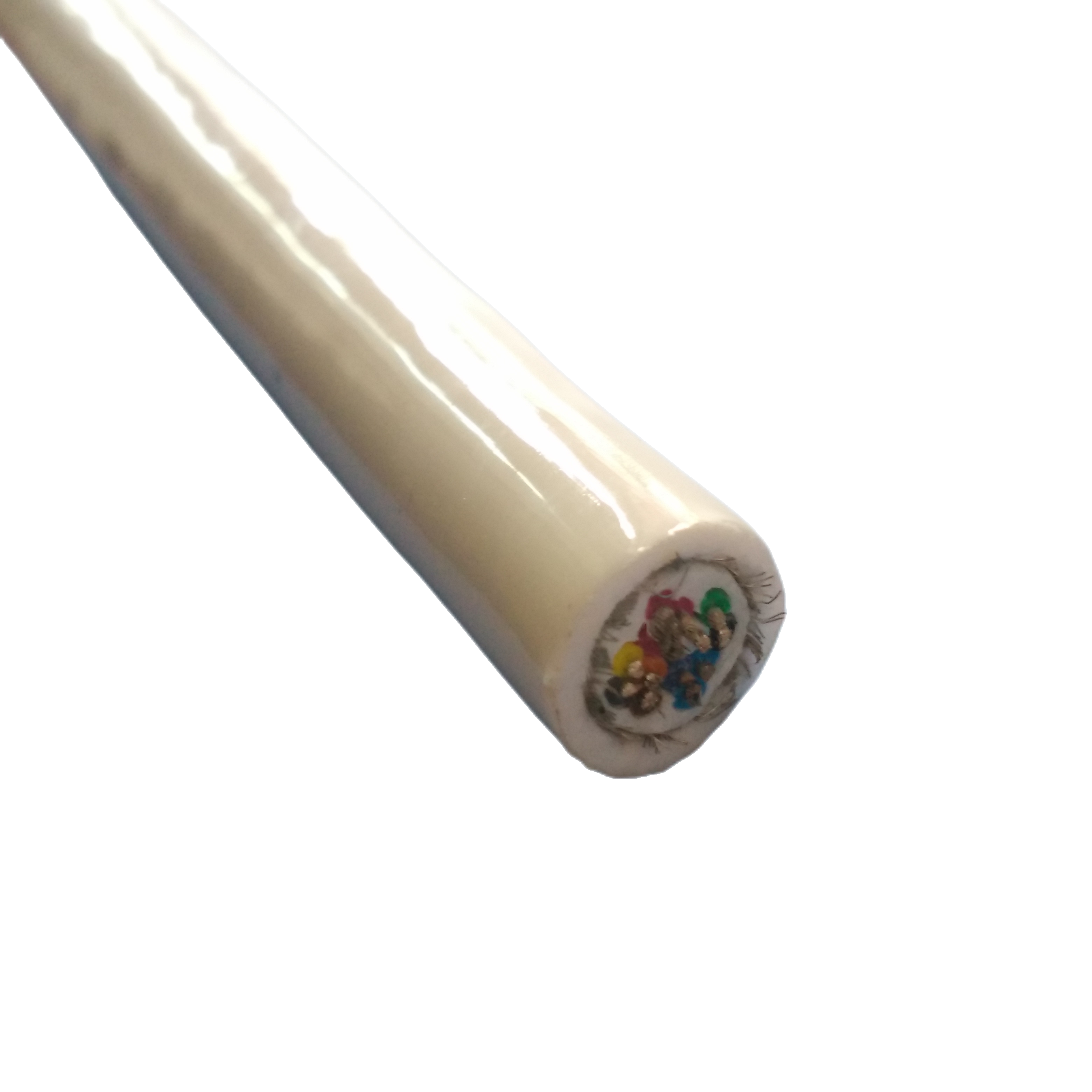
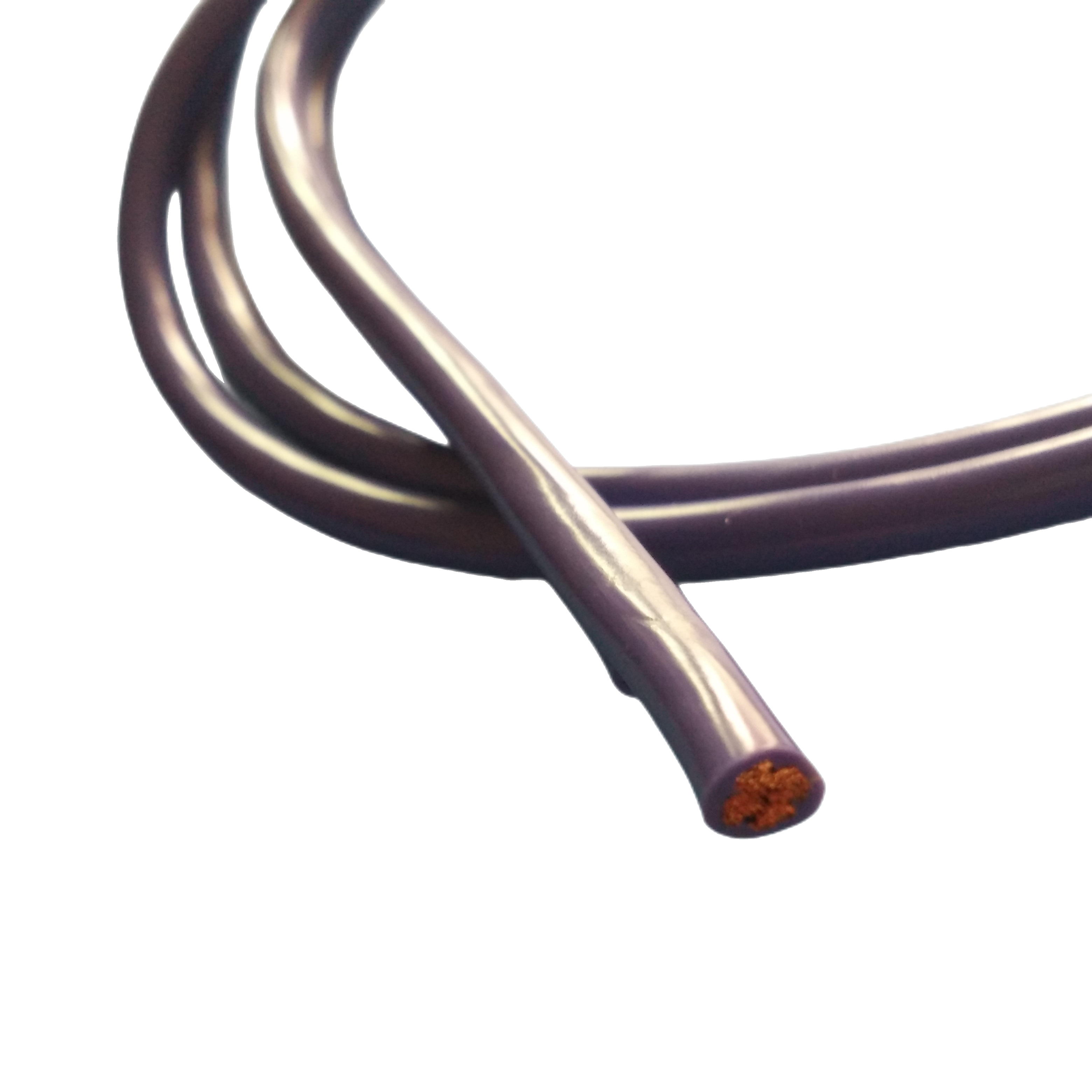
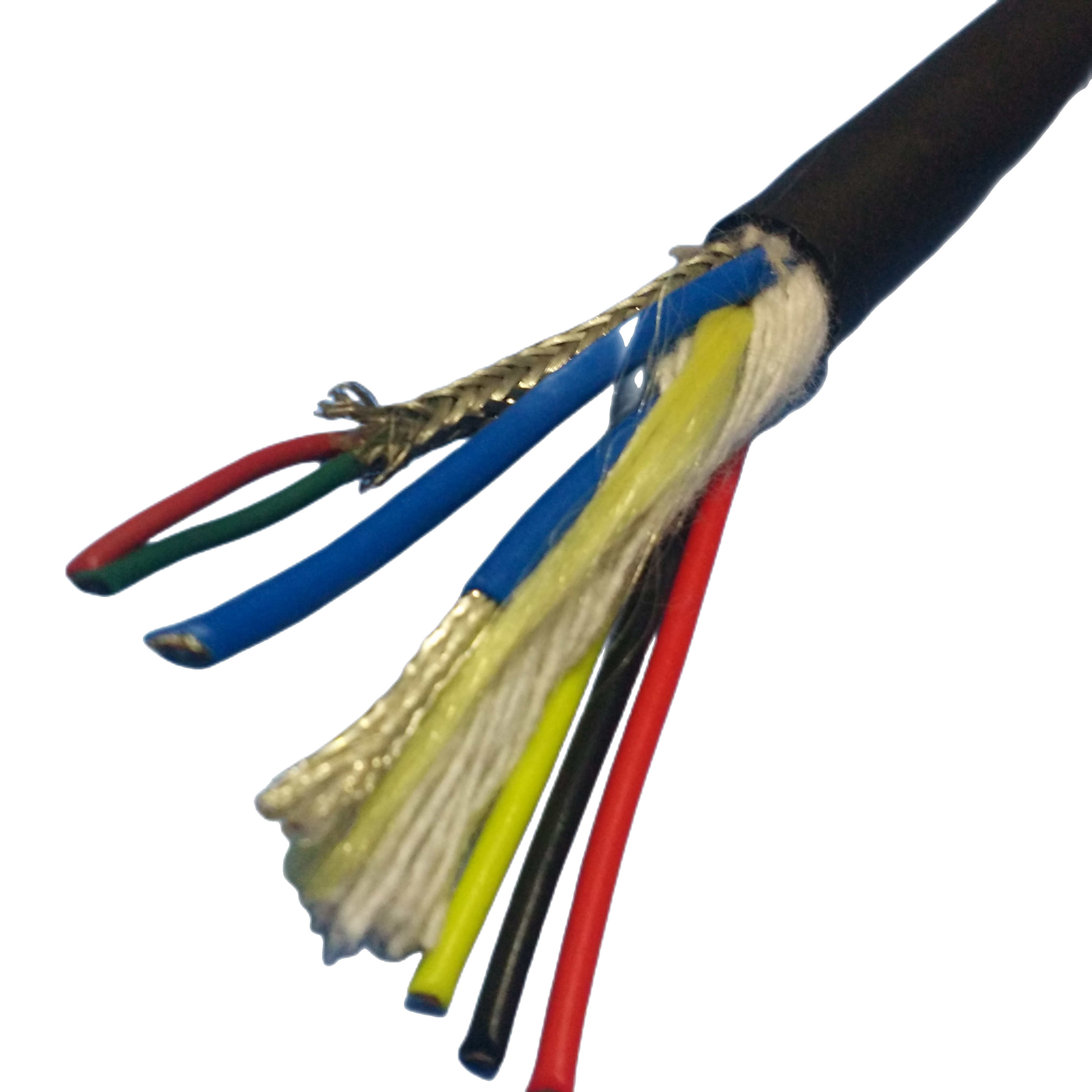
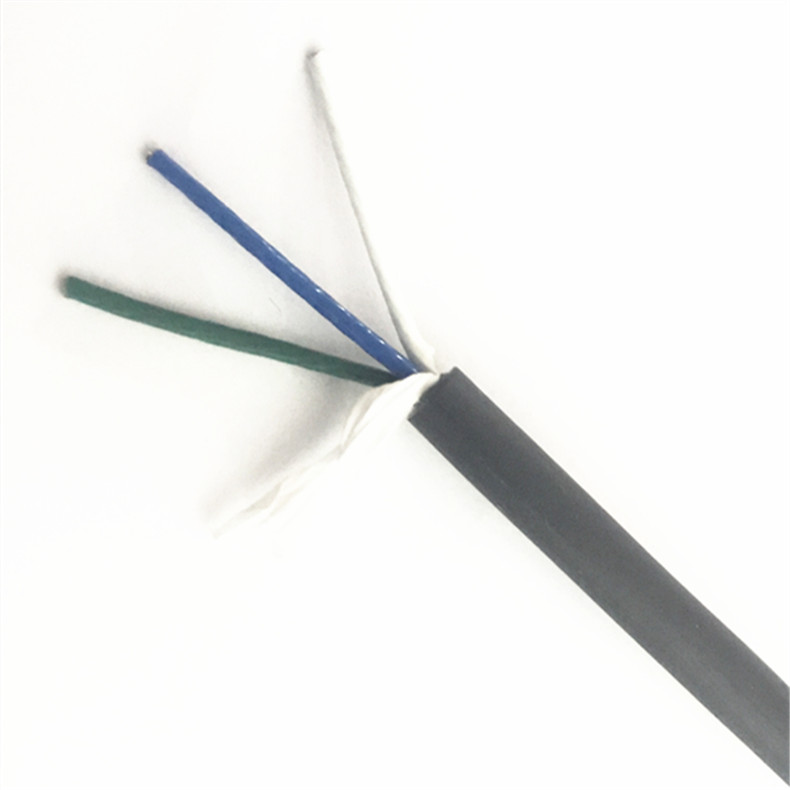
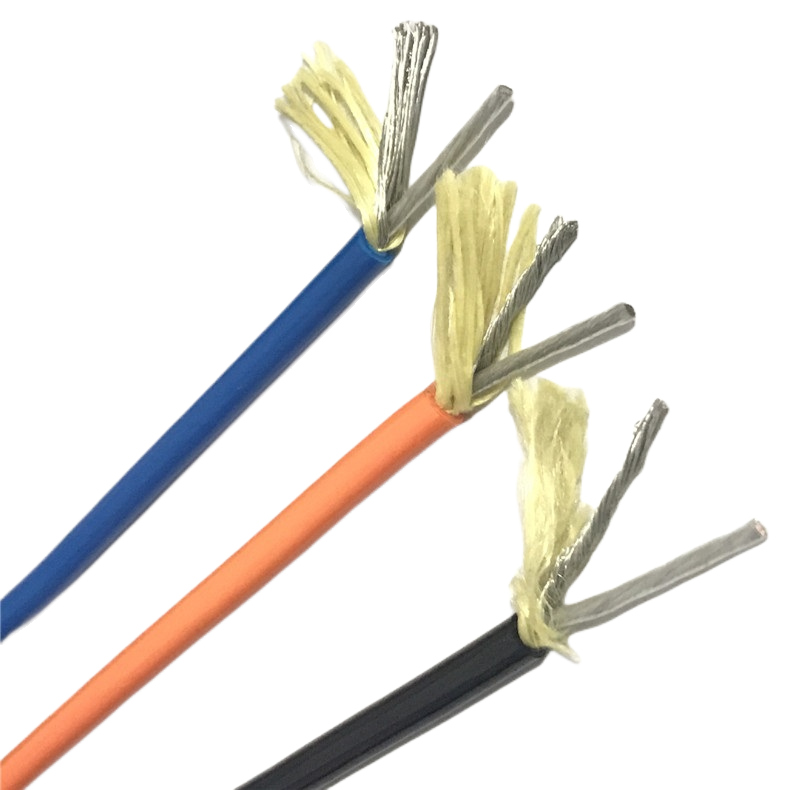
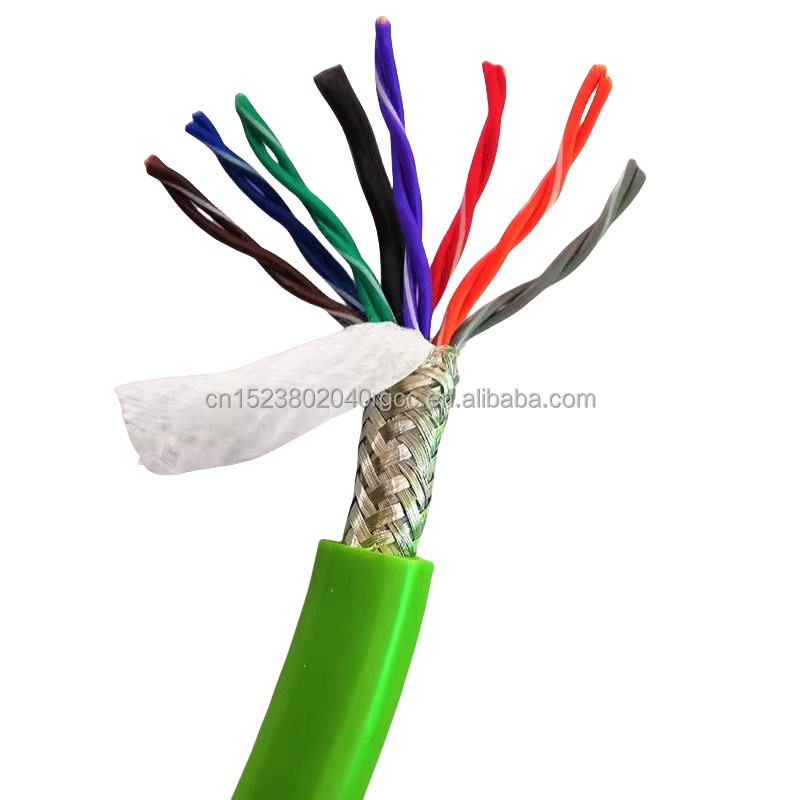
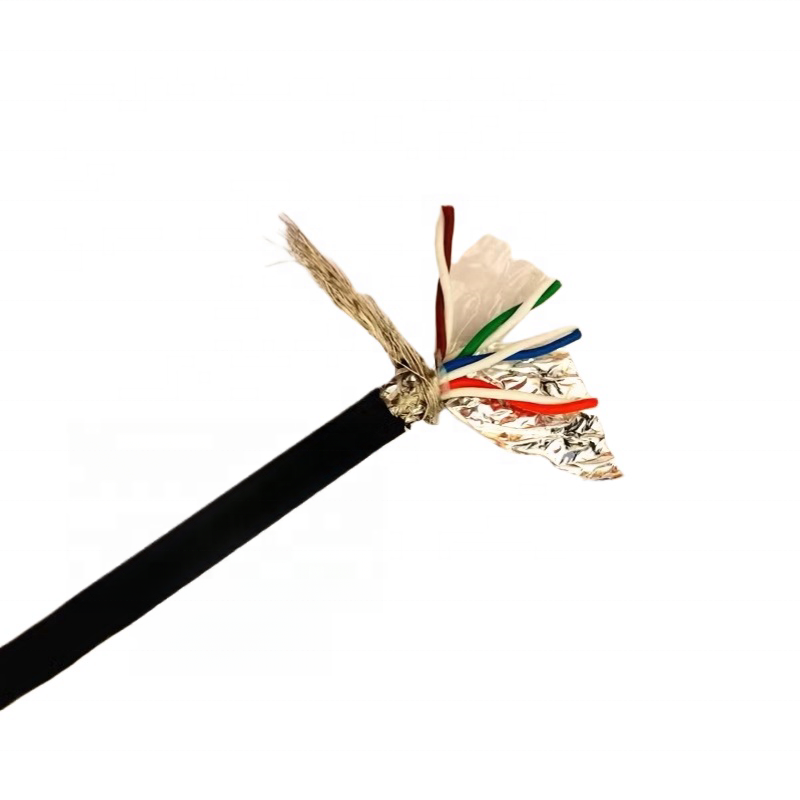
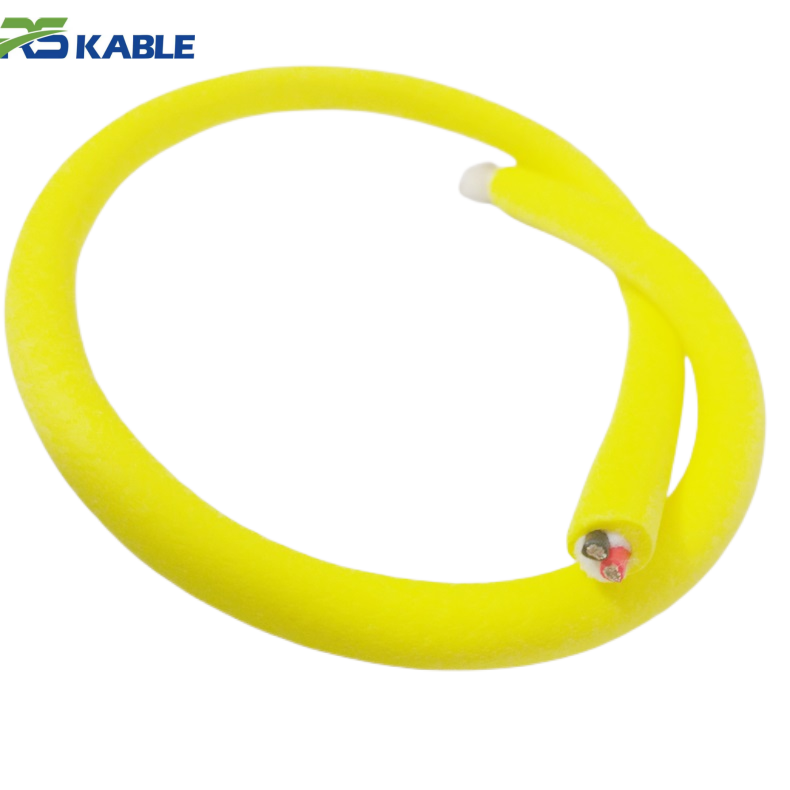
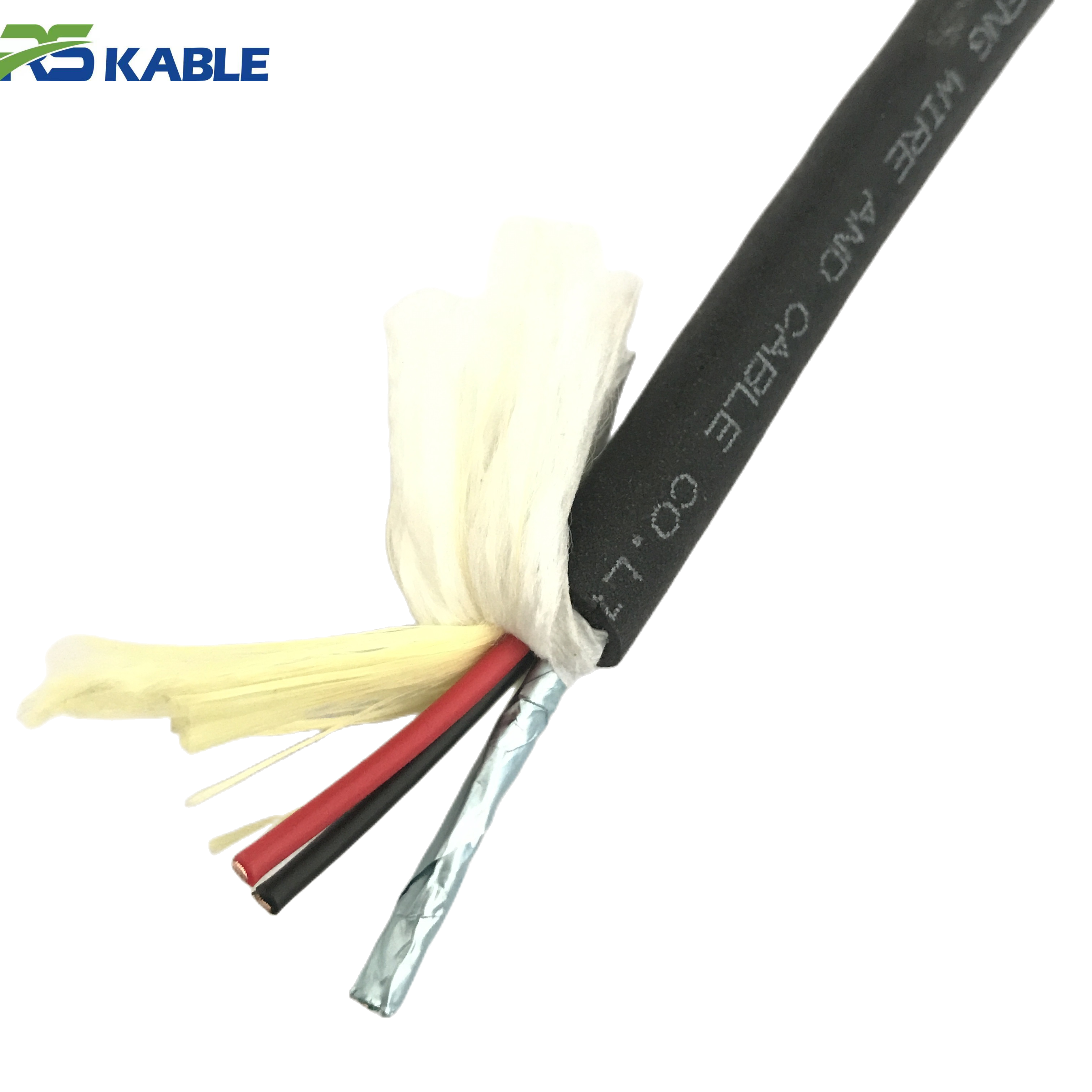
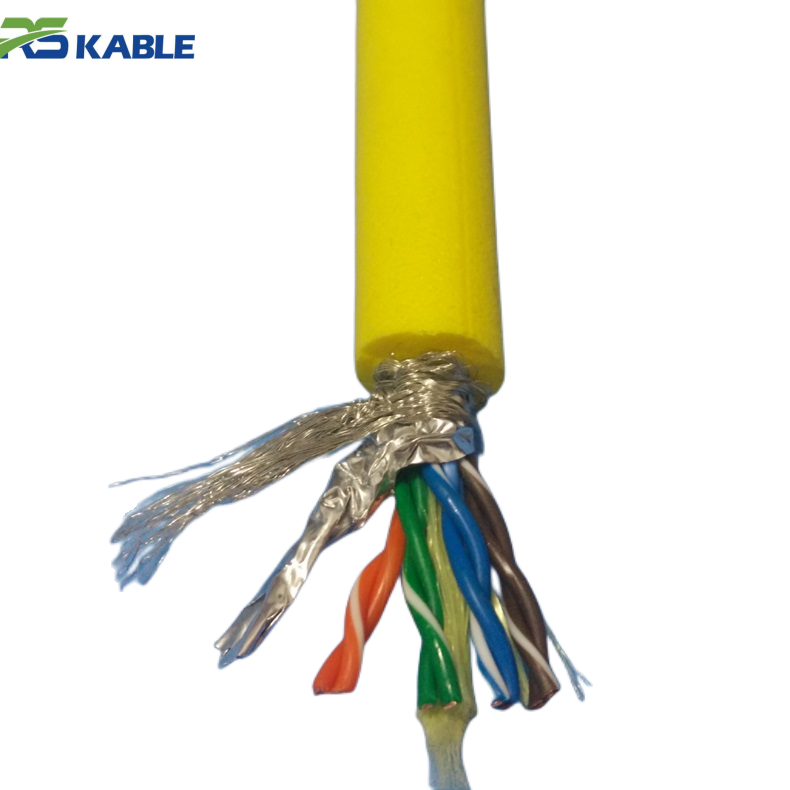
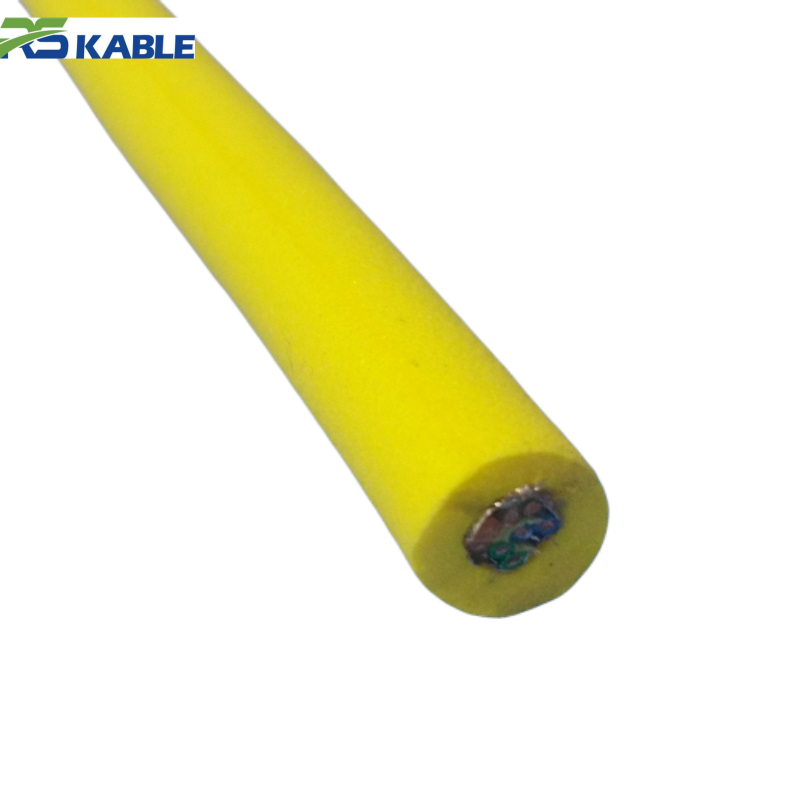
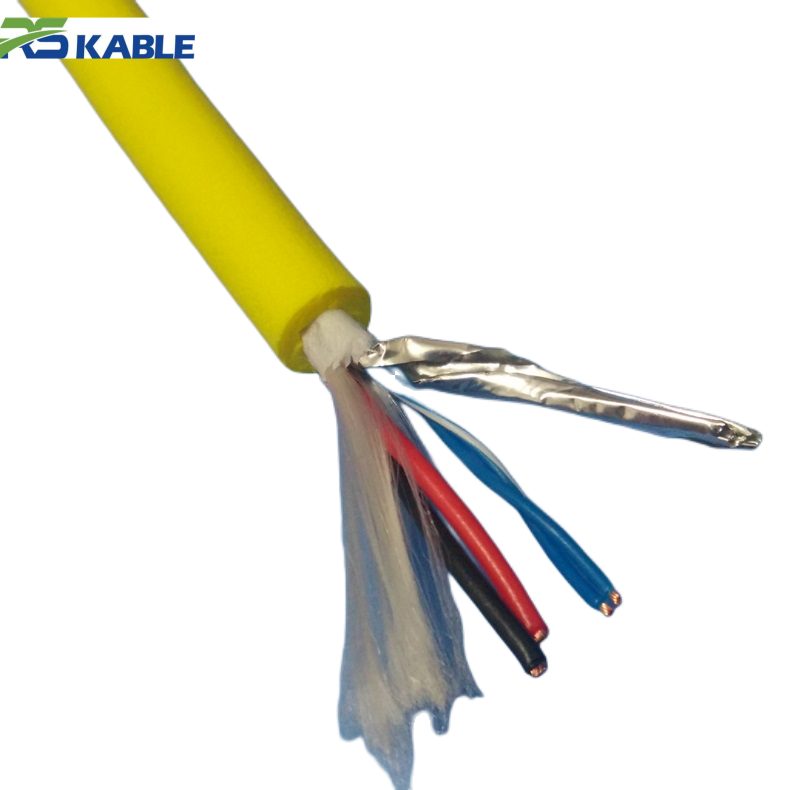
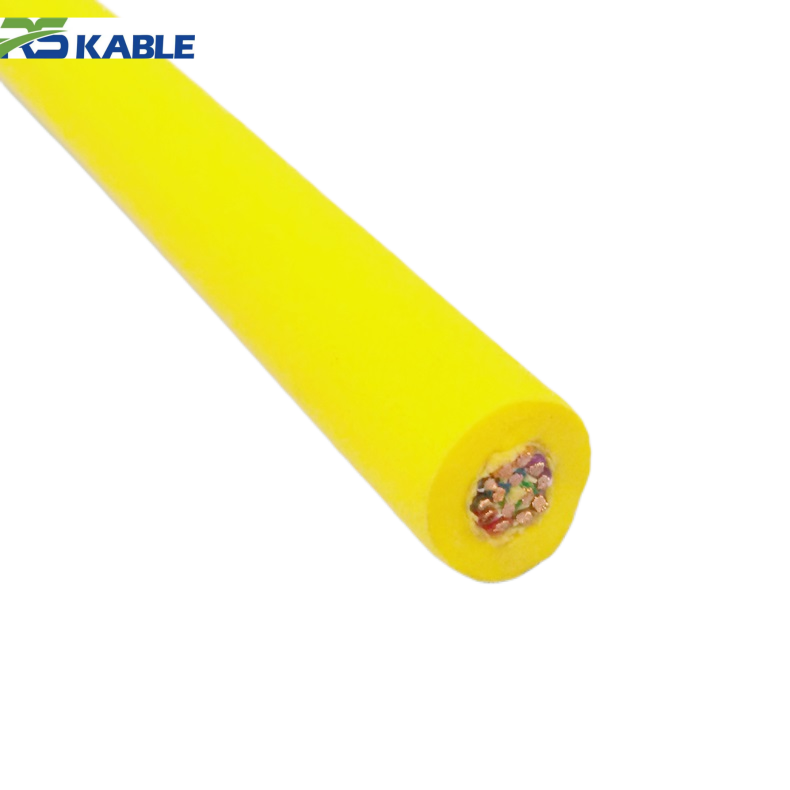
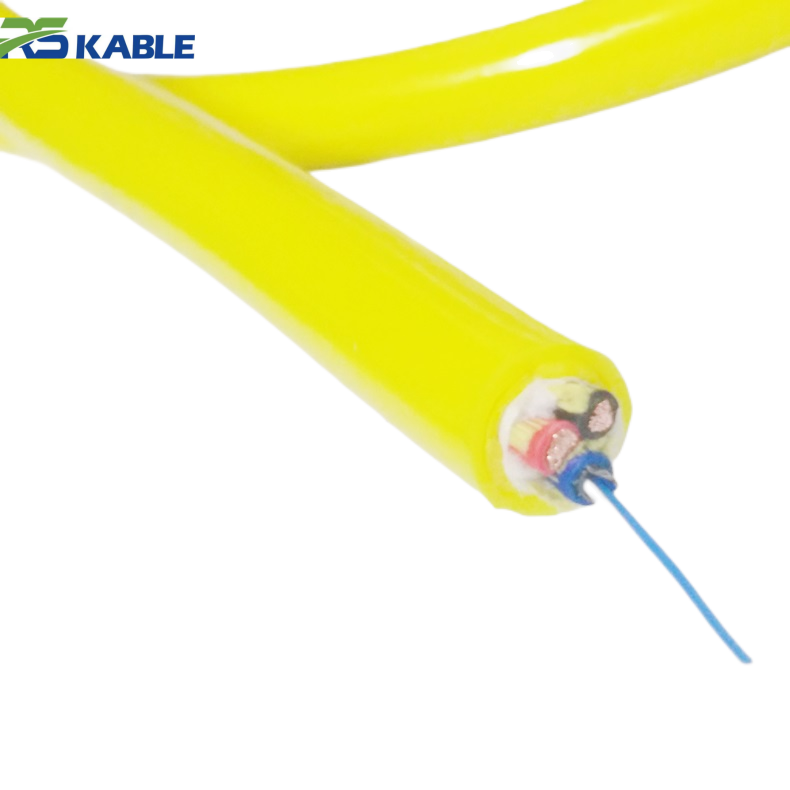
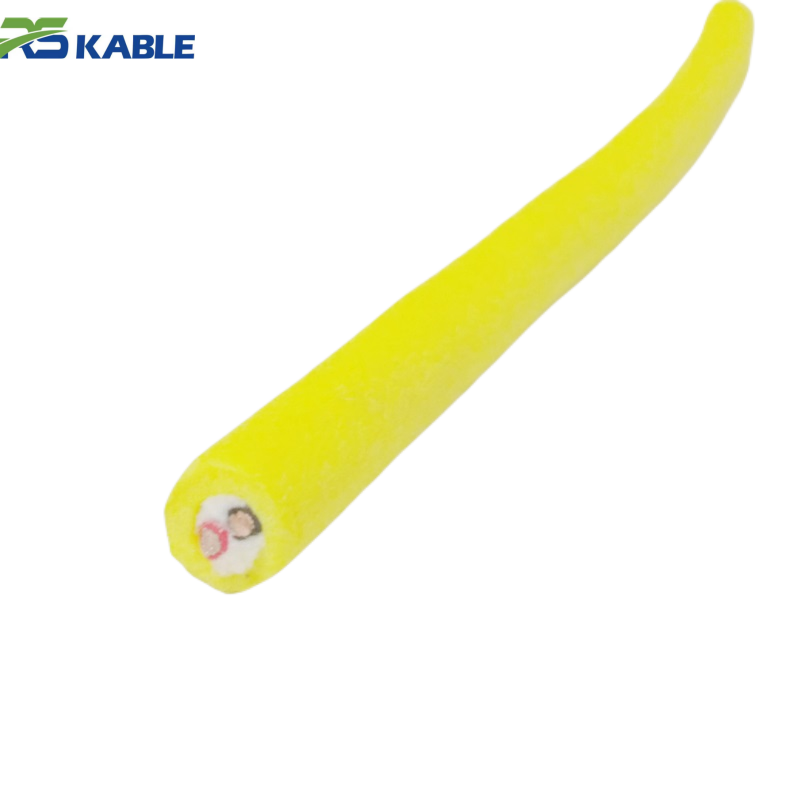
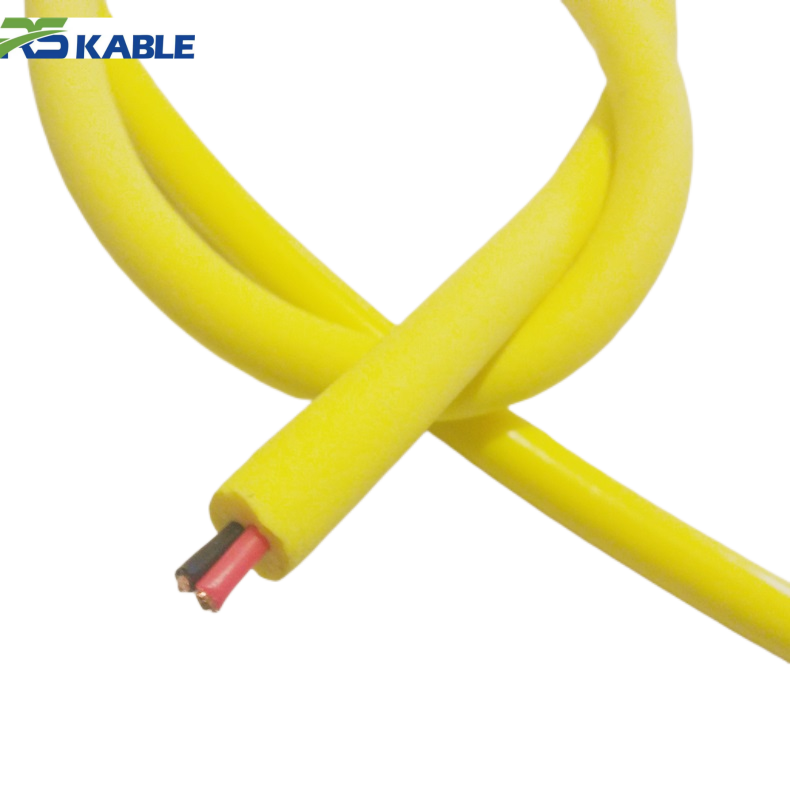
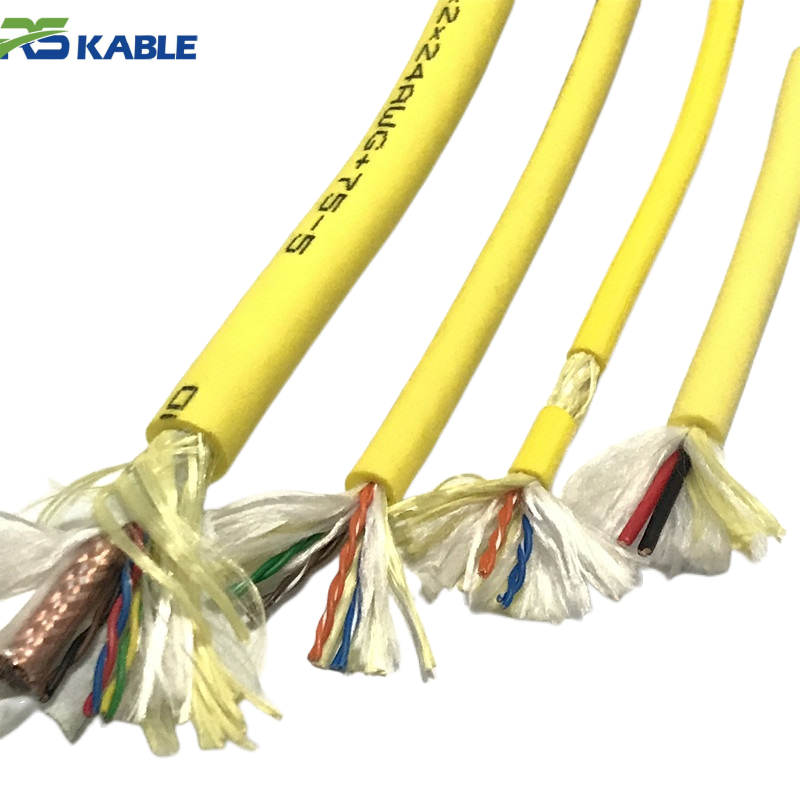
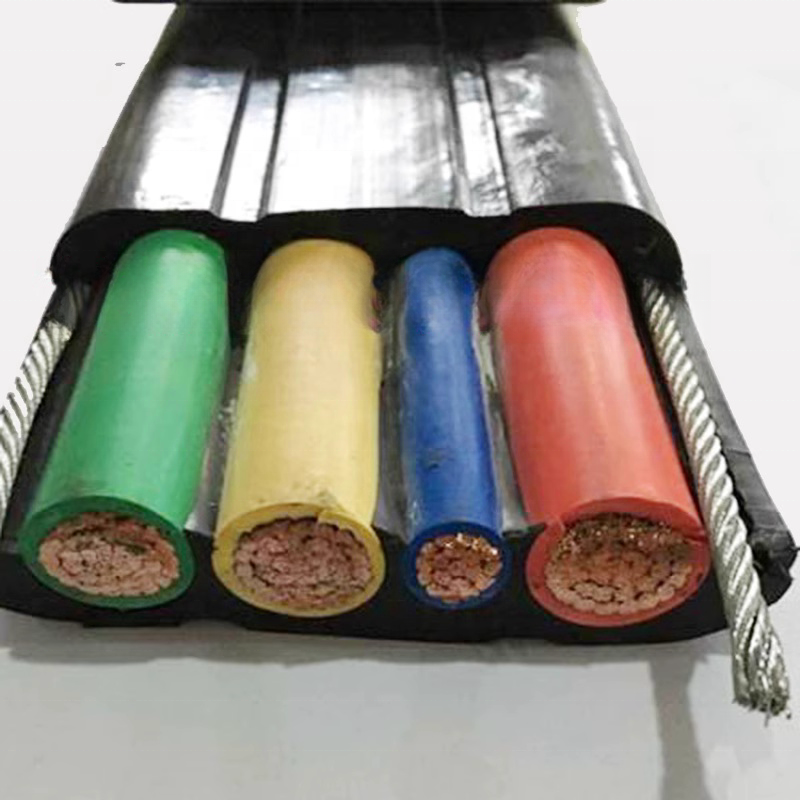
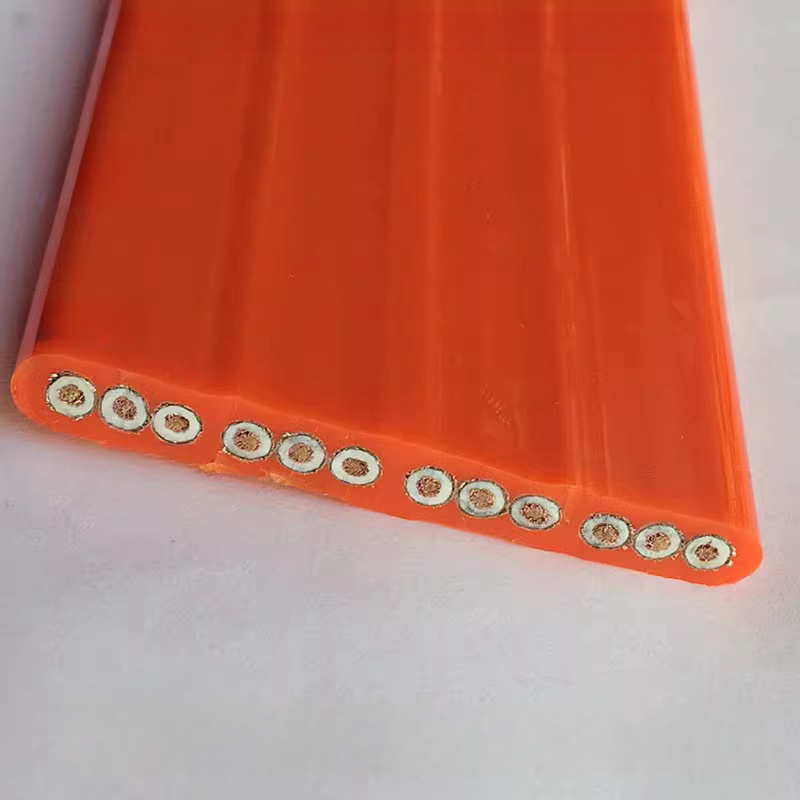
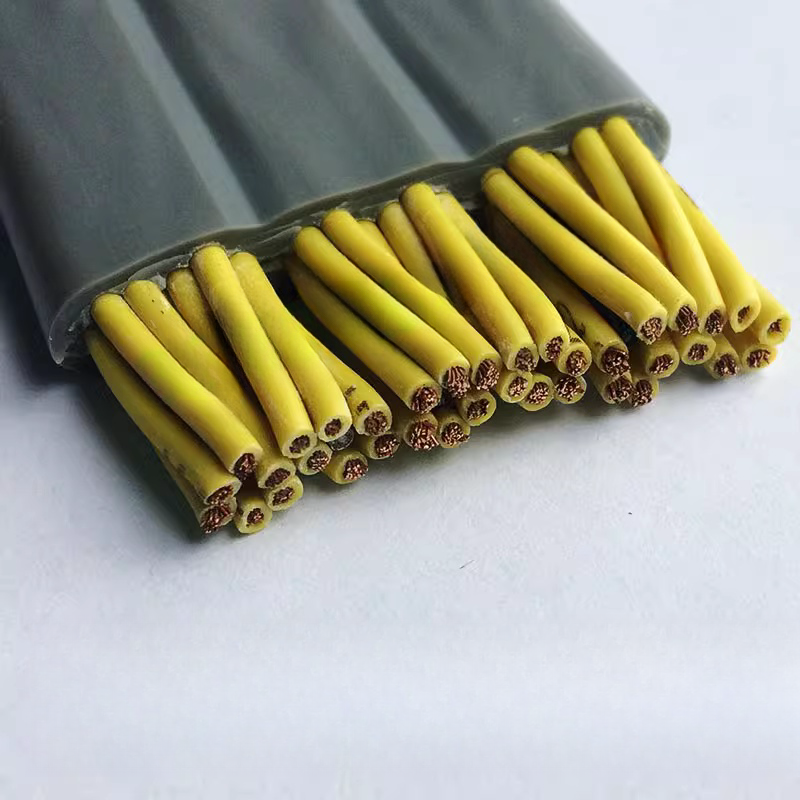
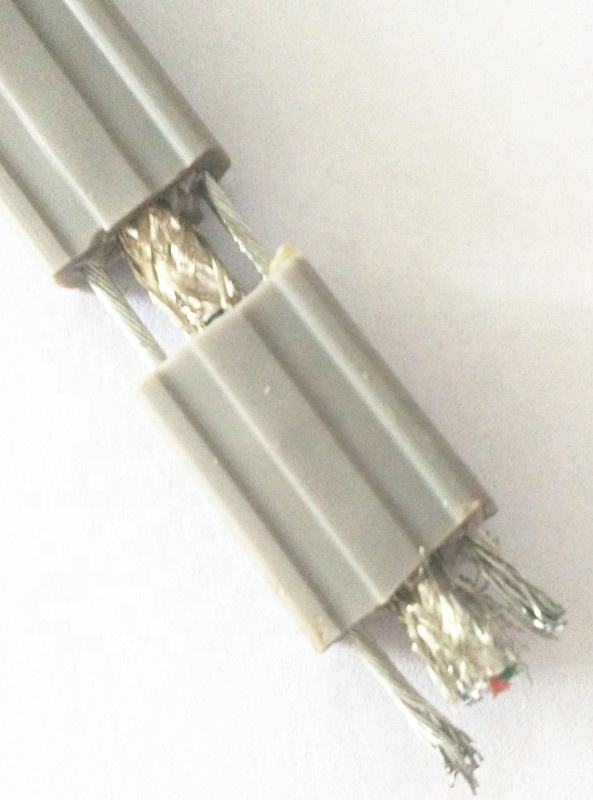
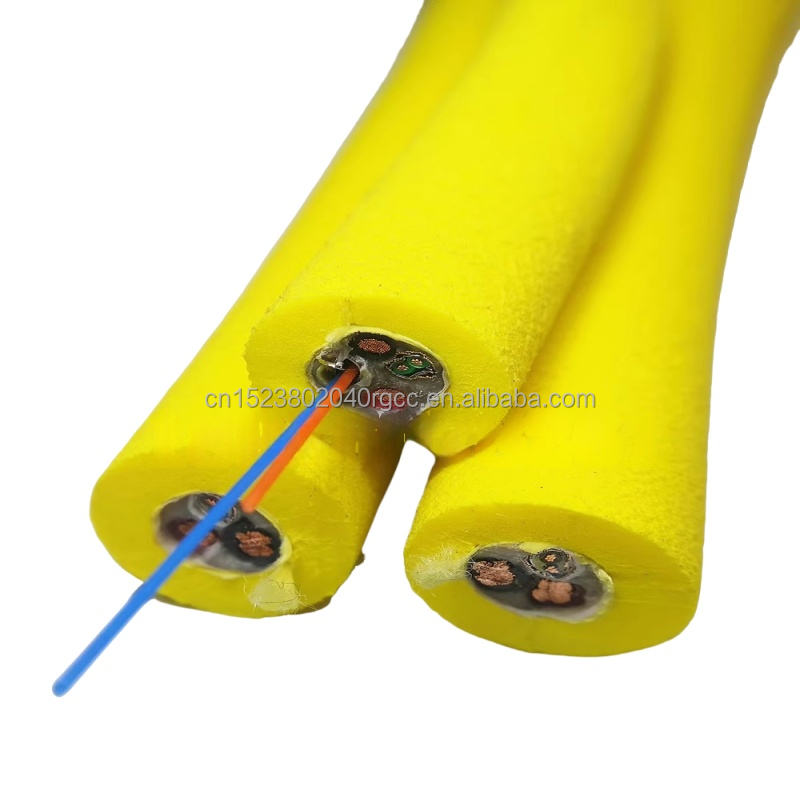
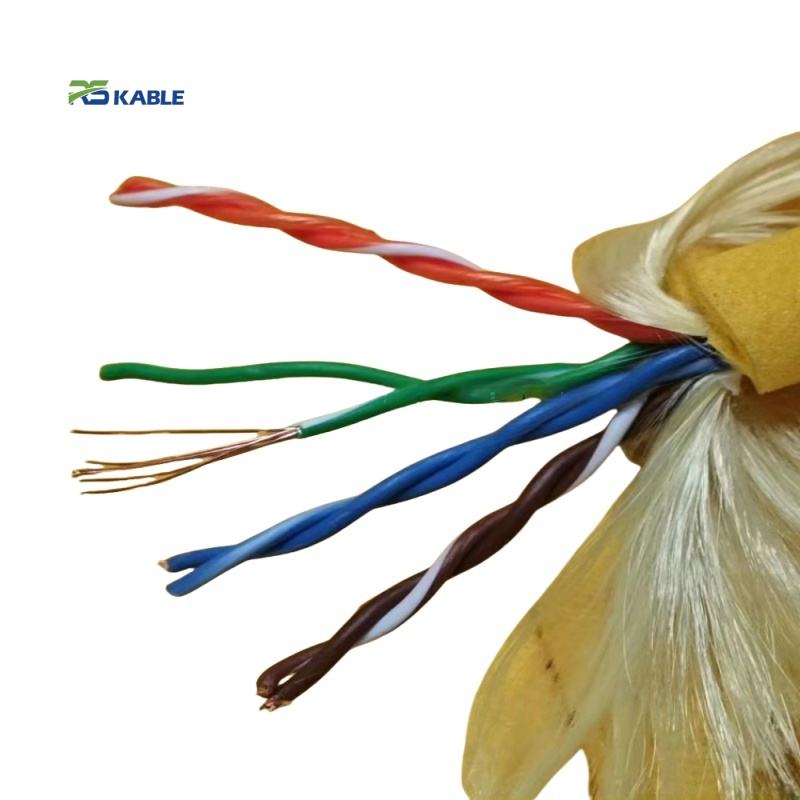
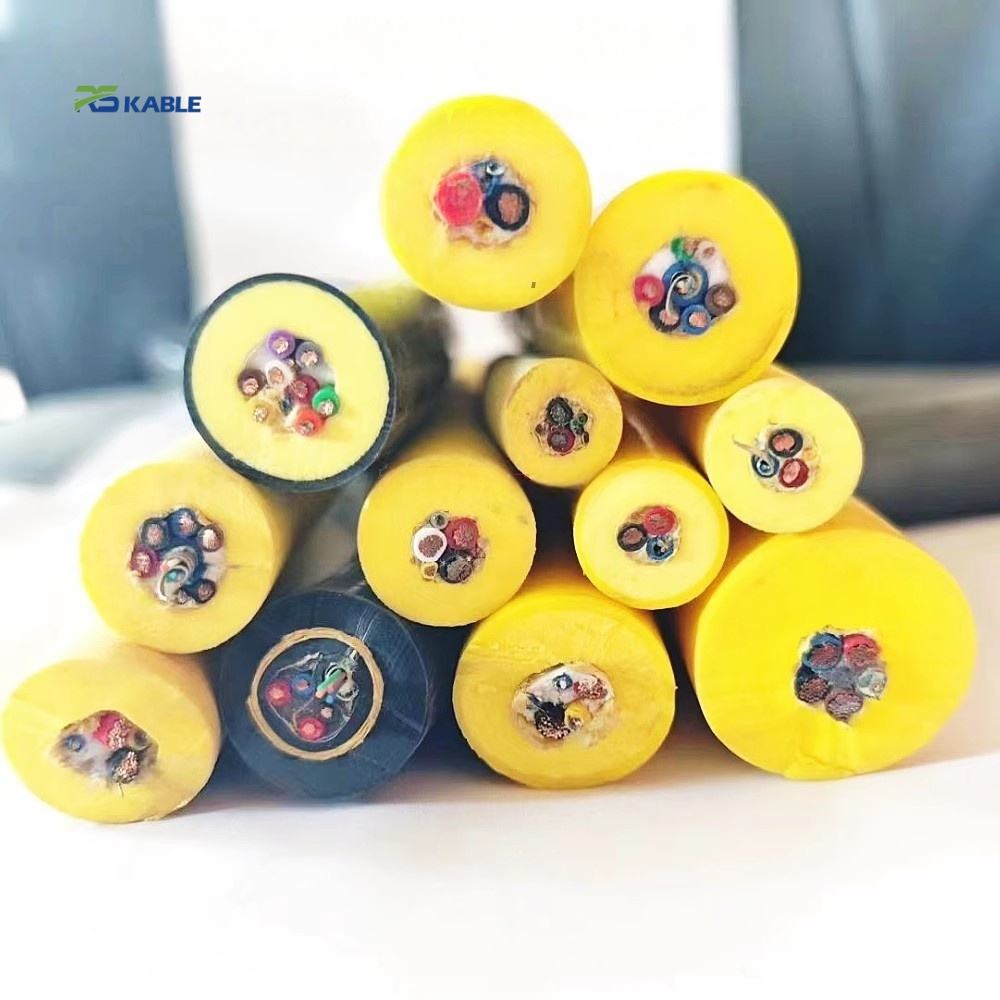
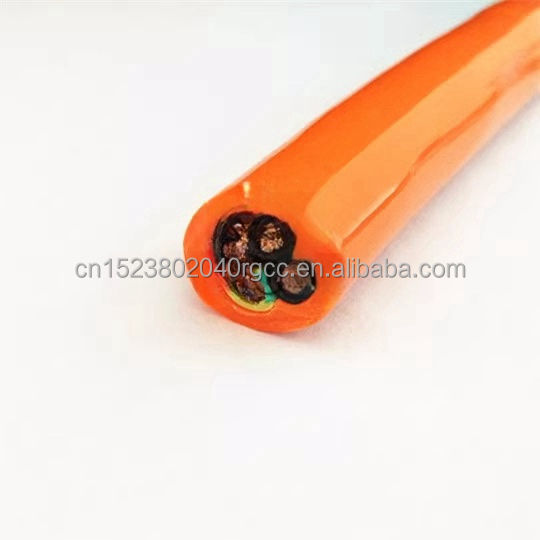
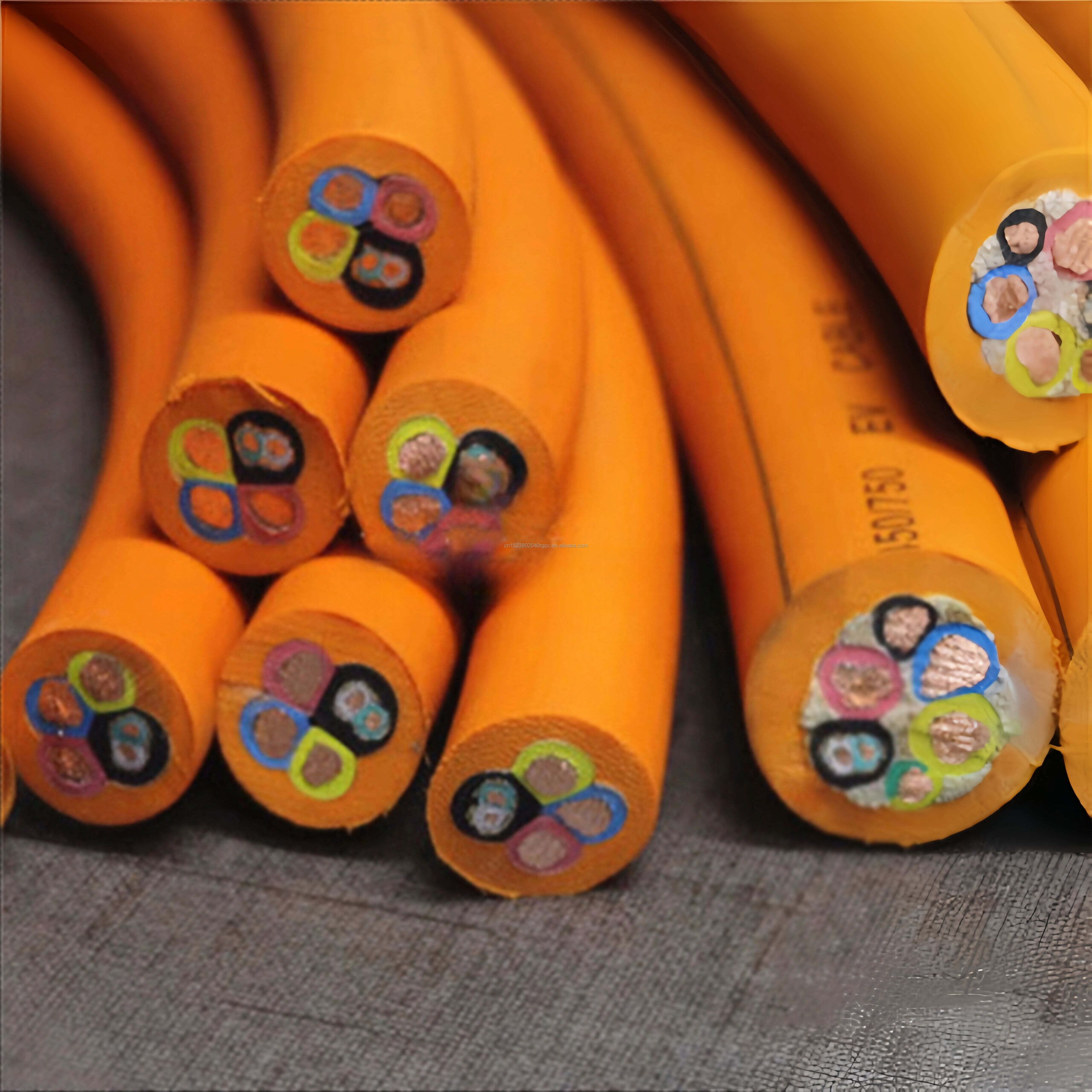
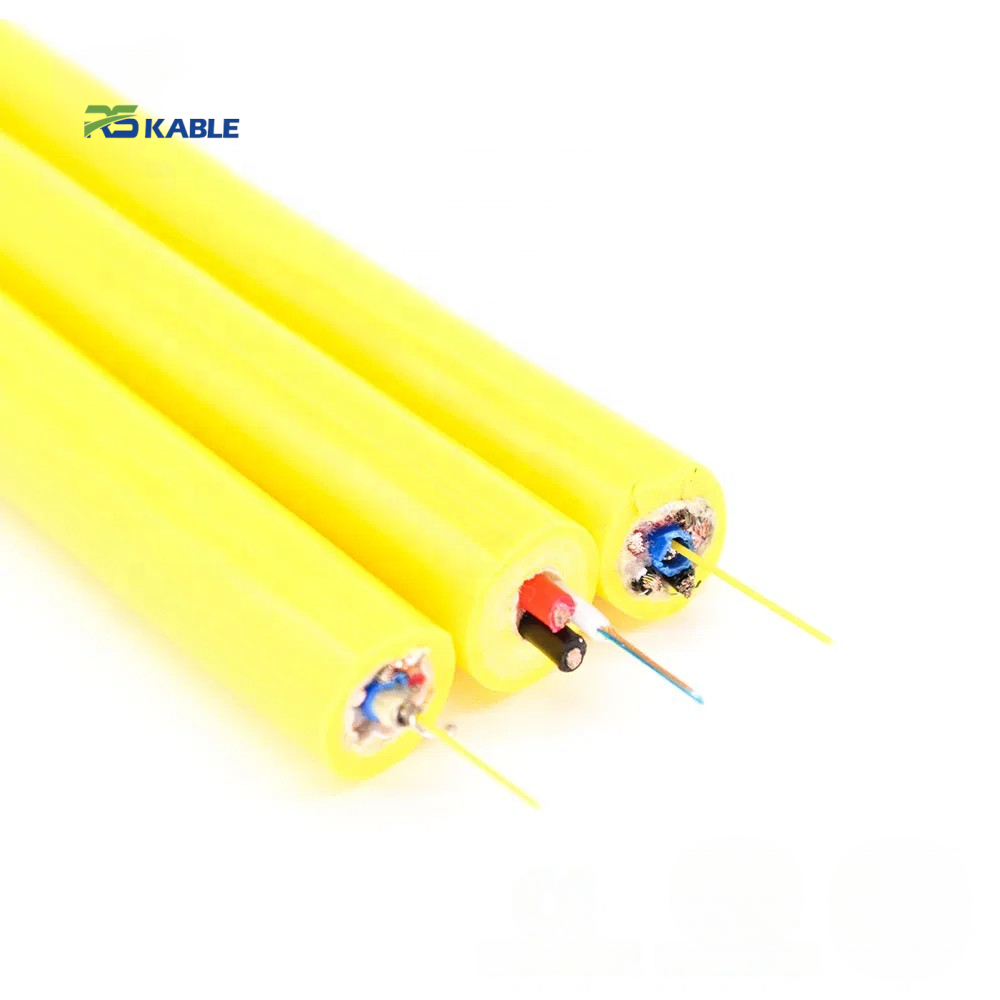
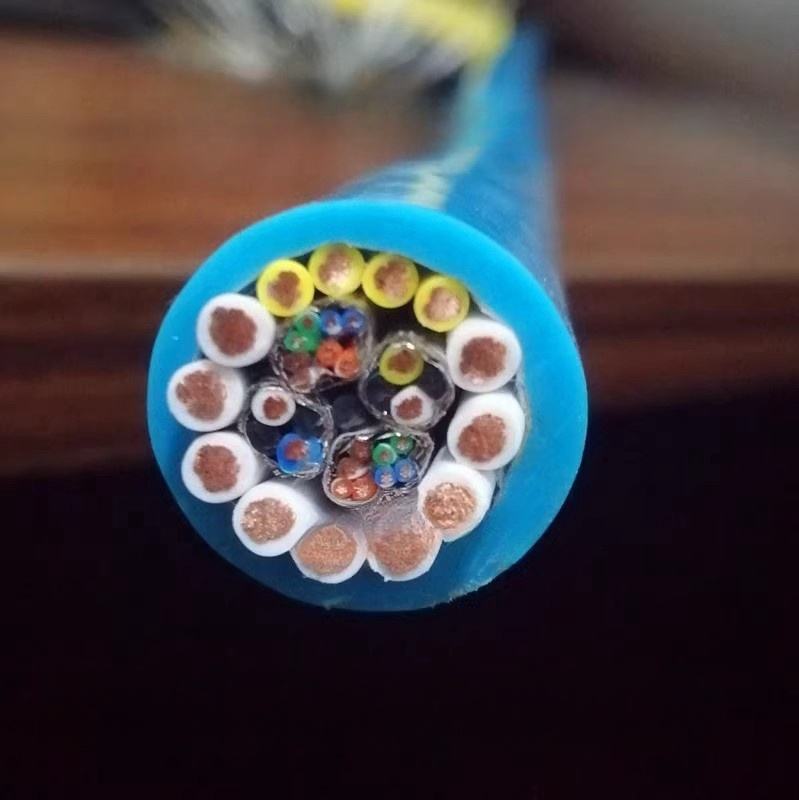
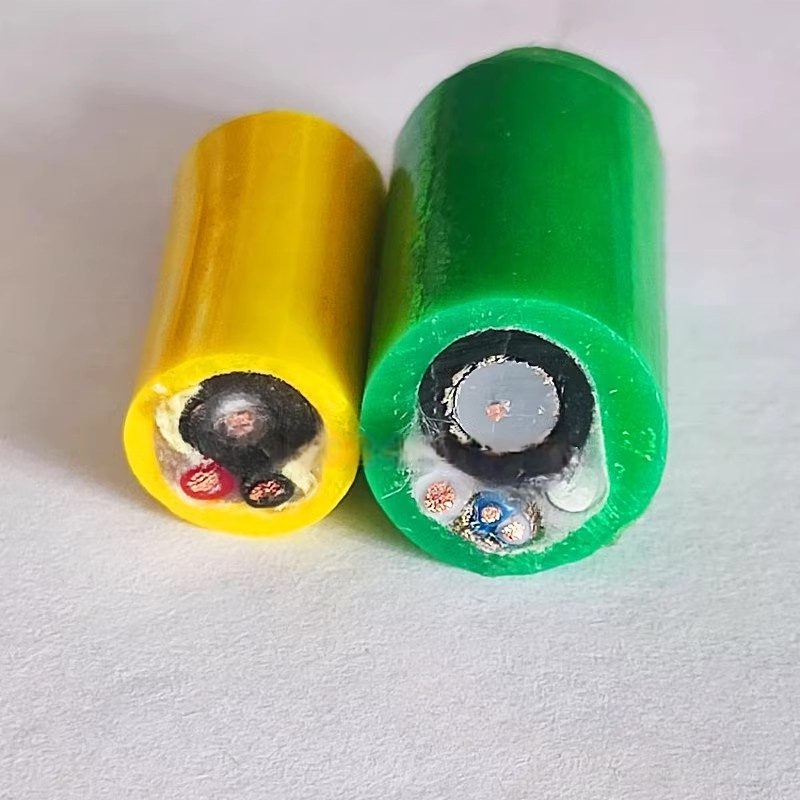
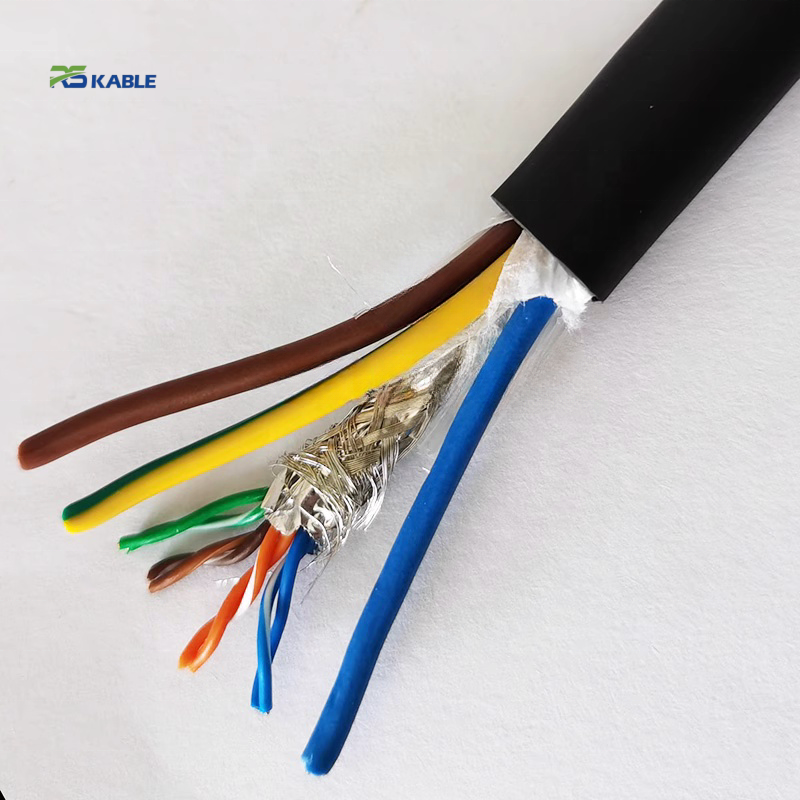
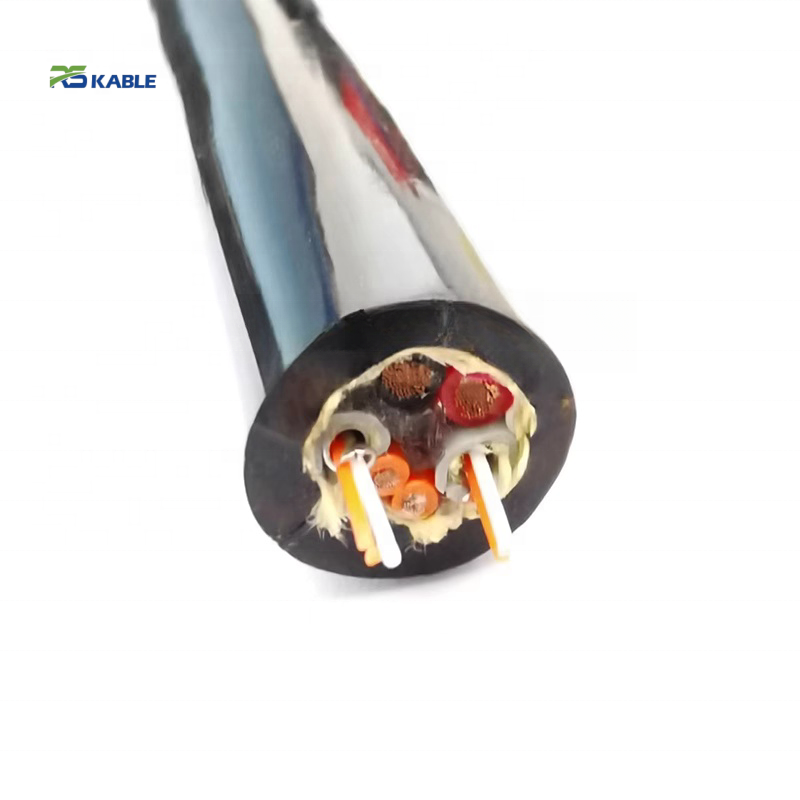
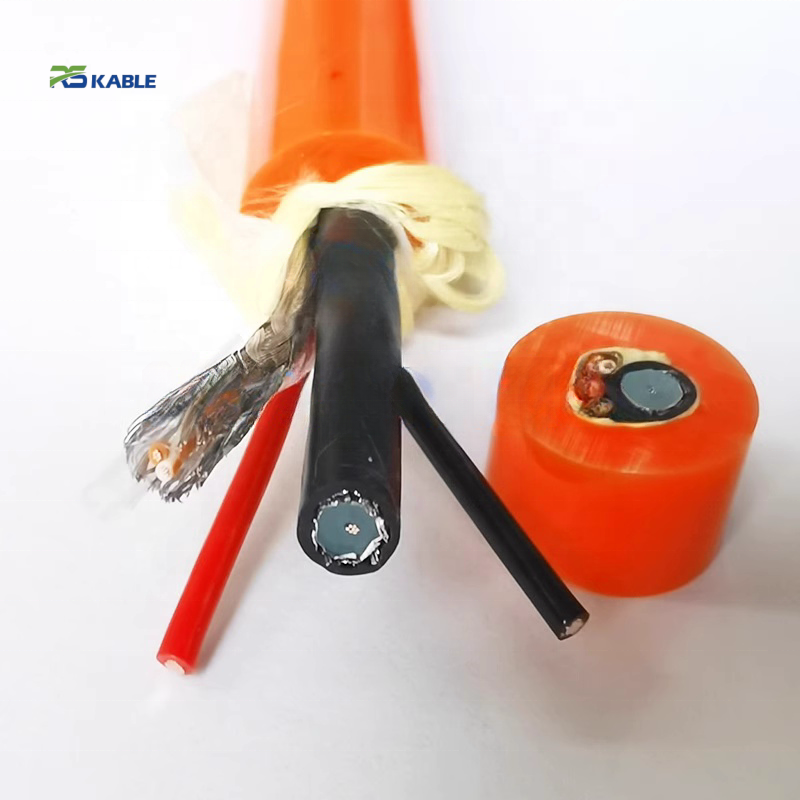
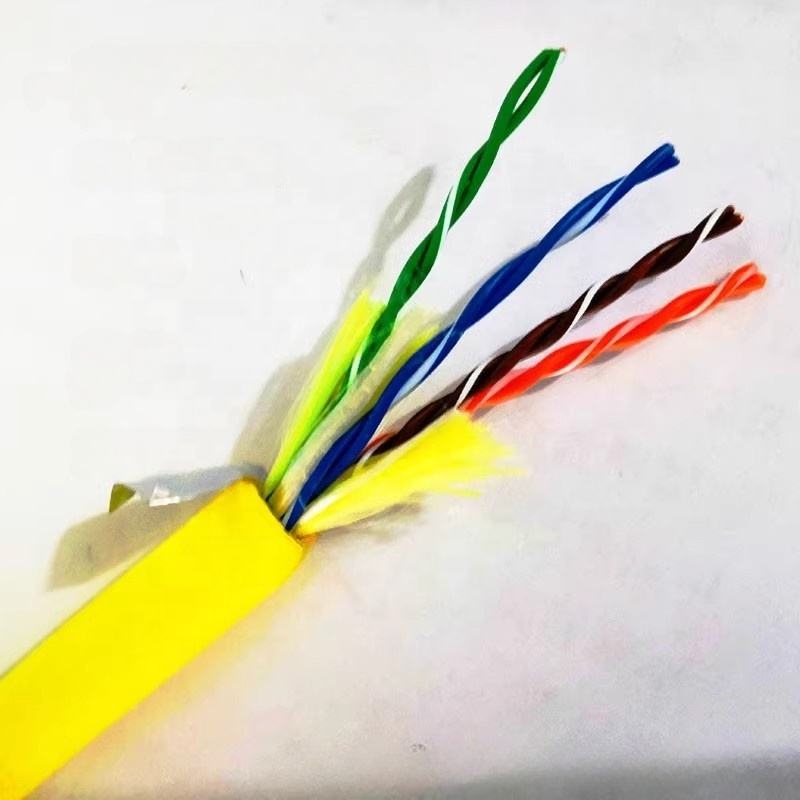
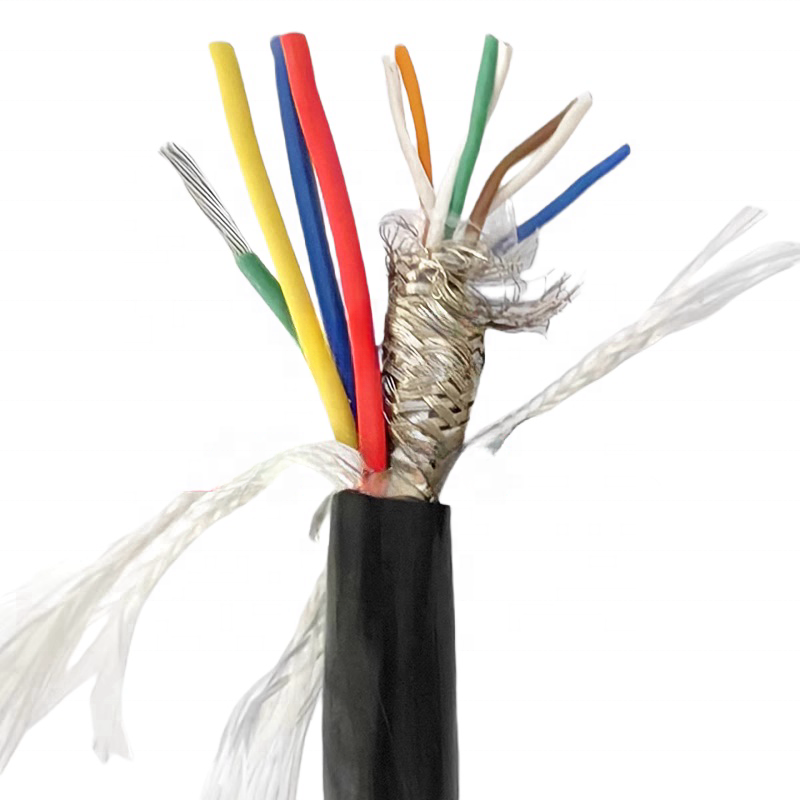
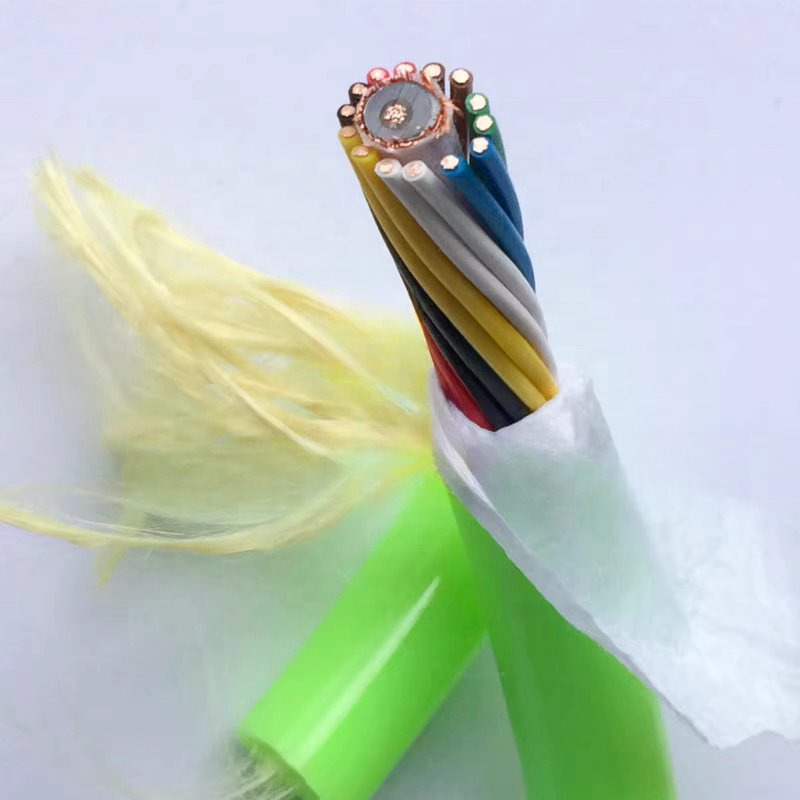
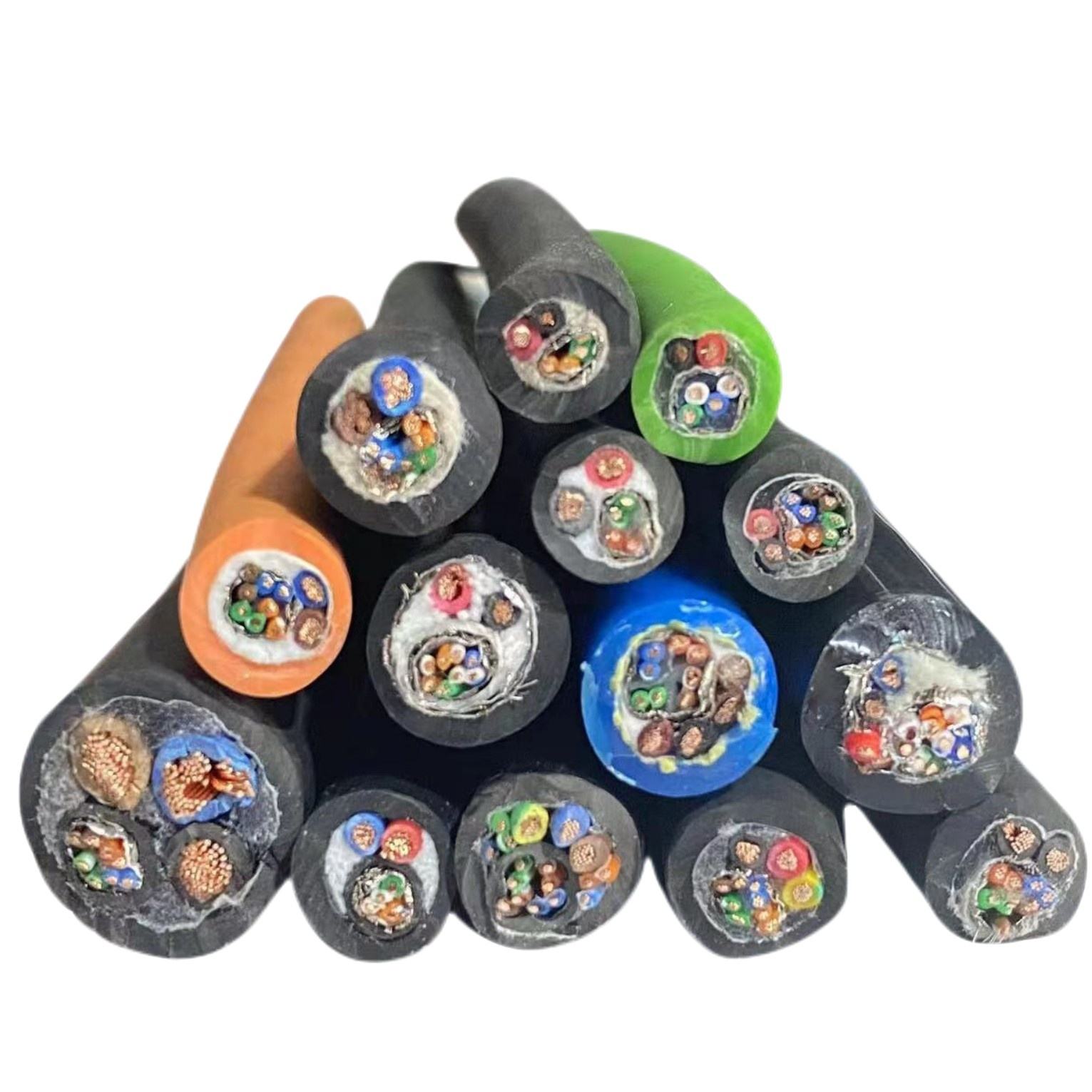
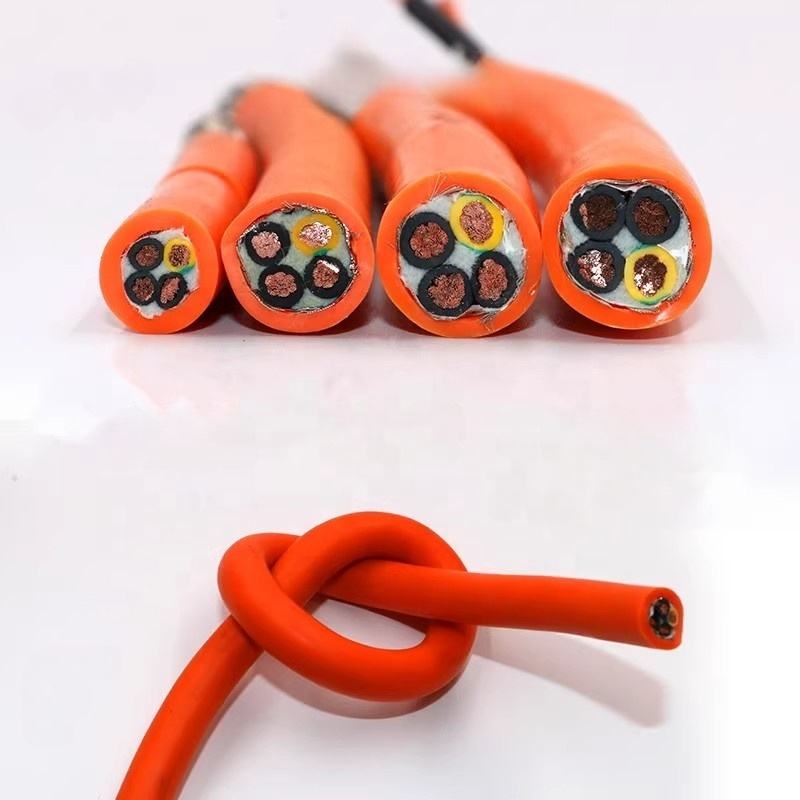
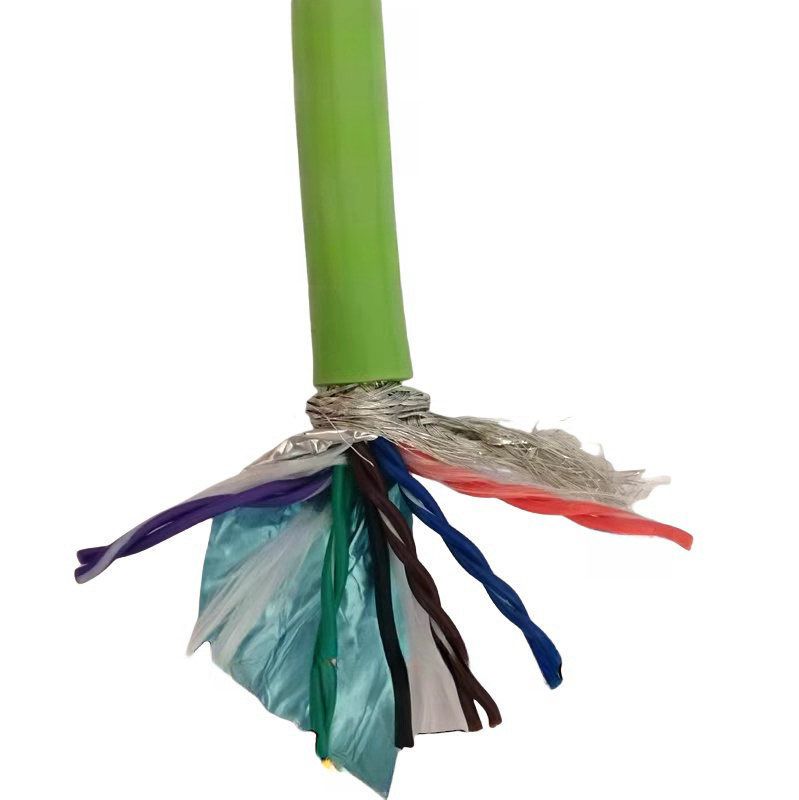
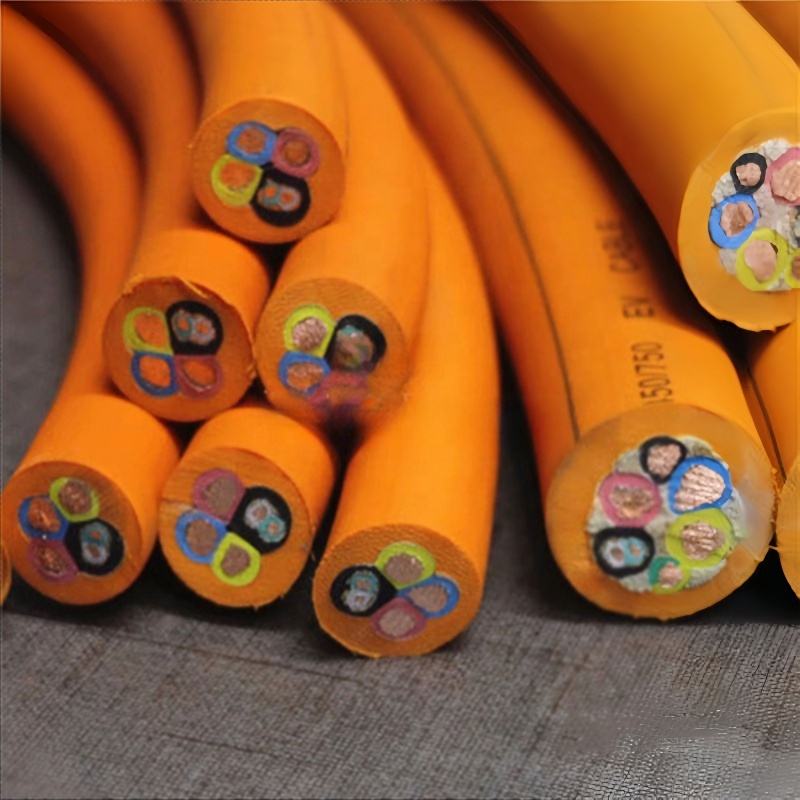
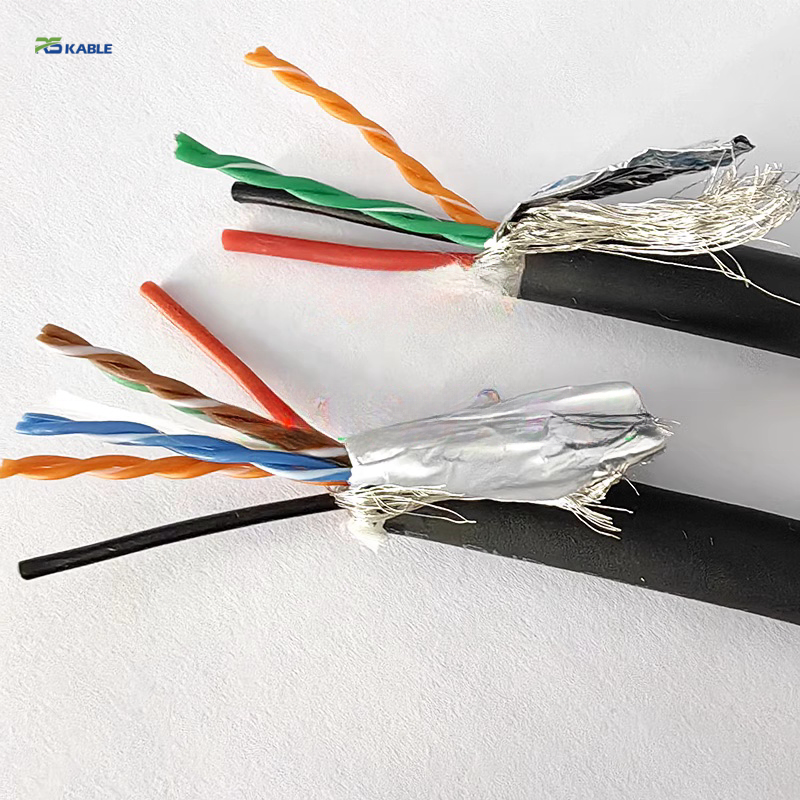
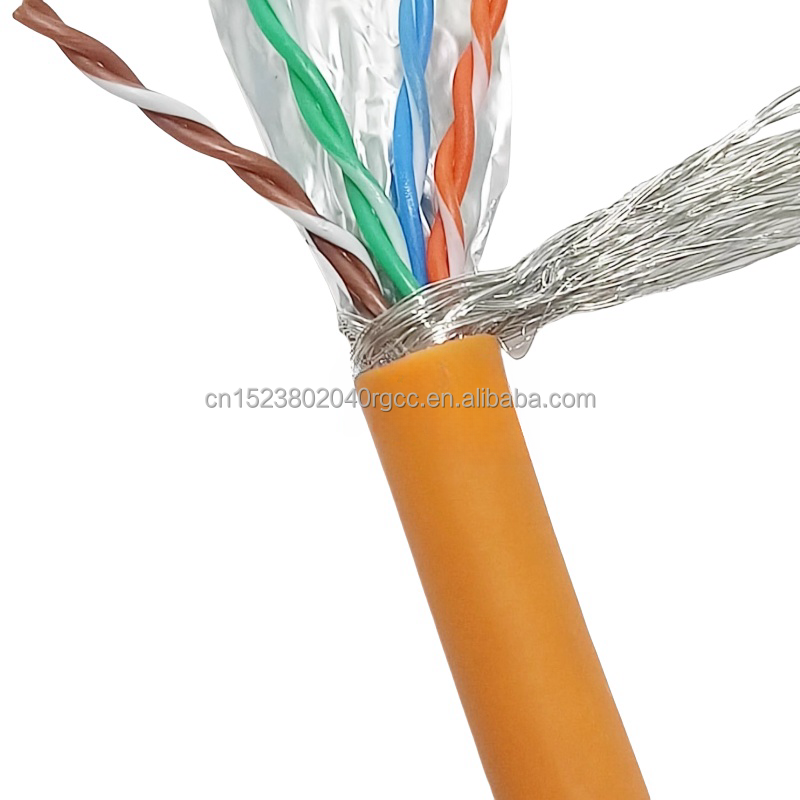
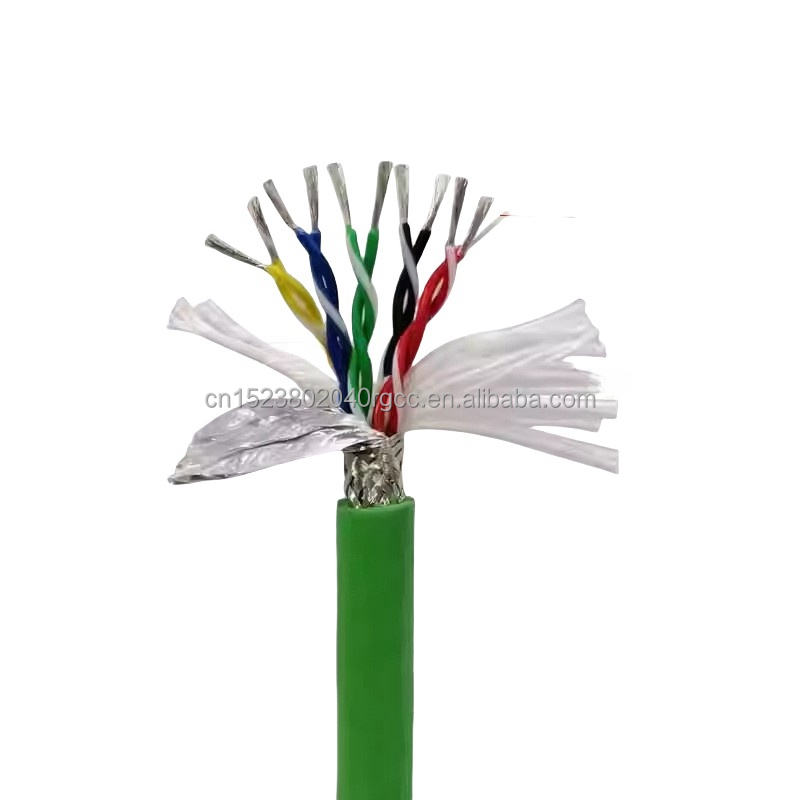
TPU Festoon Fiber Optic Cable is a flexible crane cable built for overhead crane and gantry crane festoon trolley systems requiring power and high-bandwidth data in one run. Its festoon-optimized fiber construction withstands repeated loop-point bending, while the abrasion-resistant TPU jacket resists trolley clip contact and oil exposure.
Key Benefits:
✅ Hybrid power + fiber construction supports crane power and camera/sensor data together
✅ Festoon-rated fiber buffer resists fatigue at repeated loop-point bending
✅ TPU jacket resists abrasion from trolley clips and C-track hardware
✅ EMI-immune fiber signal for reliable data in high-noise crane environments
TPU Festoon Fiber Optic Cable | Flexible Crane Cable for Overhead Crane Systems
The TPU Festoon Fiber Optic Cable is developed for overhead cranes, gantry cranes, and other festoon trolley systems where the cable travels in a repeated looping pattern along a C-track or monorail as the crane moves, and where the installation requires fiber-optic data transmission (camera feeds, sensor networks, PLC communication) in addition to standard crane power circuits. It is intended for combined power and signal transmission in applications where copper-only festoon cable cannot provide sufficient bandwidth or where electrical noise from crane motors makes copper signal transmission unreliable.
In festoon cable installations, cable failure usually begins with one of three problems: fiber or conductor fatigue at the trolley loop points where bending is concentrated and repeated thousands of times per shift, jacket abrasion from repeated contact with C-track clips and adjacent trolleys, or excess cable weight causing trolley loop sag that increases stress at attachment points. This cable is designed to reduce those risks through a festoon-optimized core and fiber placement, a lightweight yet abrasion-resistant TPU jacket, and a construction that manages the loop-point bending stress specific to festoon operation.
The result is a TPU festoon fiber optic cable better suited to modern crane systems with camera and sensor networking requirements than standard copper-only festoon cable, especially in applications where data bandwidth, EMI immunity, and cable service life at the trolley loop points directly affect crane uptime.
TPU Festoon Fiber Optic Cable
Designed For
This cable is intended for:
- overhead crane and gantry crane festoon trolley systems
- installations requiring both crane power and fiber-optic data/video circuits
- environments with high electrical noise where copper signal transmission is unreliable
- C-track and monorail festoon configurations with repeated loop-point bending
- long-span festoon runs where cable weight and sag management matter
This cable should be evaluated separately for:
- continuous drag chain travel (linear reciprocating motion) rather than festoon looping — these impose different bending patterns and may call for a different construction
- direct-embedded or fixed installation where festoon-specific loop optimization is unnecessary
- applications requiring only copper signal transmission without fiber, where a standard festoon control cable may be more cost-effective
- outdoor cranes with direct long-term UV exposure without additional jacket protection — confirm compound suitability separately
Product Summary
| Item | Description |
|---|---|
| Product Type | TPU festoon fiber optic hybrid cable |
| Main Use | Crane power transmission combined with fiber-optic data/video circuits |
| Typical Installations | Overhead cranes, gantry cranes, festoon trolley systems, C-track and monorail installations |
| Core Design | Festoon-optimized power core with integrated fiber optic element |
| Conductor Type | Fine-stranded copper for power circuits |
| Fiber Type | Multimode or single-mode optical fiber, festoon-rated buffer construction |
| Jacket Type | TPU, abrasion and oil resistant |
| Movement Type | Repeated loop-point bending in festoon trolley travel |
| Supply Form | Cut length, coil, reel, project supply |
Typical Product Series
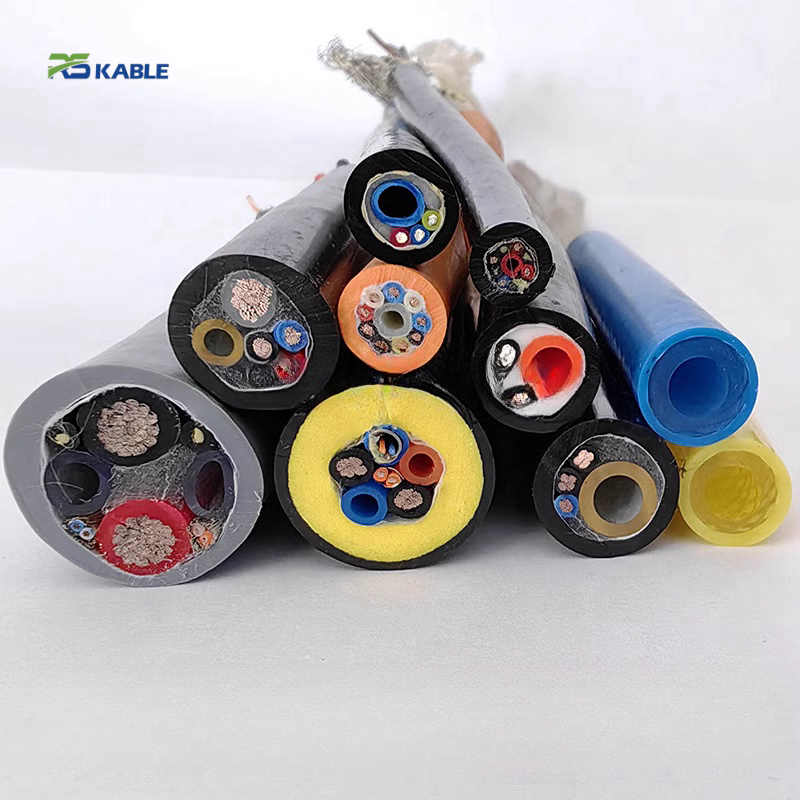
Series Name: RST-FES-FO Series Category: TPU festoon cable with integrated fiber optic for crane systems
| Product Model | Product Name | Power Cores | Fiber Count | Typical Use | Jacket |
|---|---|---|---|---|---|
| RST-FES-FO-04 | Festoon fiber cable, 4-core power + fiber | 4C | 2-fiber | Standard crane power + camera feed | TPU |
| RST-FES-FO-08 | Festoon fiber cable, 8-core power + fiber | 8C | 2-4 fiber | Multi-circuit crane with sensor network | TPU |
| RST-FES-FO-SH | Shielded festoon fiber cable | Custom | Custom | High-EMI crane environments | TPU, shielded |
| RST-FES-FO-HD | Heavy-duty festoon fiber cable | Custom | Custom | Long-span, high-cycle festoon systems | TPU, reinforced |
| RST-FES-FO-C | Custom festoon fiber optic cable | Custom | Custom | Project-based crane installations | Project-matched |
Technical Parameters
The values below are typical selection items. Final design should be confirmed according to festoon span length, trolley spacing, power circuit demand, and fiber bandwidth requirement.
| Parameter | Typical Range / Description |
|---|---|
| Conductor Material | Fine-stranded copper |
| Typical Conductor Sizes | 0.75 mm² – 6 mm², larger sizes on request |
| Fiber Type | Multimode (typically 50/125 or 62.5/125) or single-mode, per bandwidth requirement |
| Fiber Buffer Construction | Festoon-rated loose tube or tight buffer, selected for repeated loop-point bending |
| Jacket Material | TPU |
| Jacket Characteristics | Abrasion resistant, oil resistant, flexible at low temperatures |
| Movement Condition | Repeated festoon loop-point bending, C-track trolley travel |
| Temperature Range | Confirmed according to final jacket and project condition |
| Minimum Bend Radius | Confirmed according to cable diameter and fiber buffer construction — critical at trolley loop points |
| Loop Length / Trolley Spacing | Project-dependent — affects cable weight distribution and loop-point stress |
| Outer Diameter | Depends on conductor size, core count, and fiber count |
| Application Scope | Crane power transmission, camera/video feed, sensor network, PLC communication |
| Supply Format | Cut length, coil, reel, OEM and project supply |
TPU Festoon Fiber Optic Cable
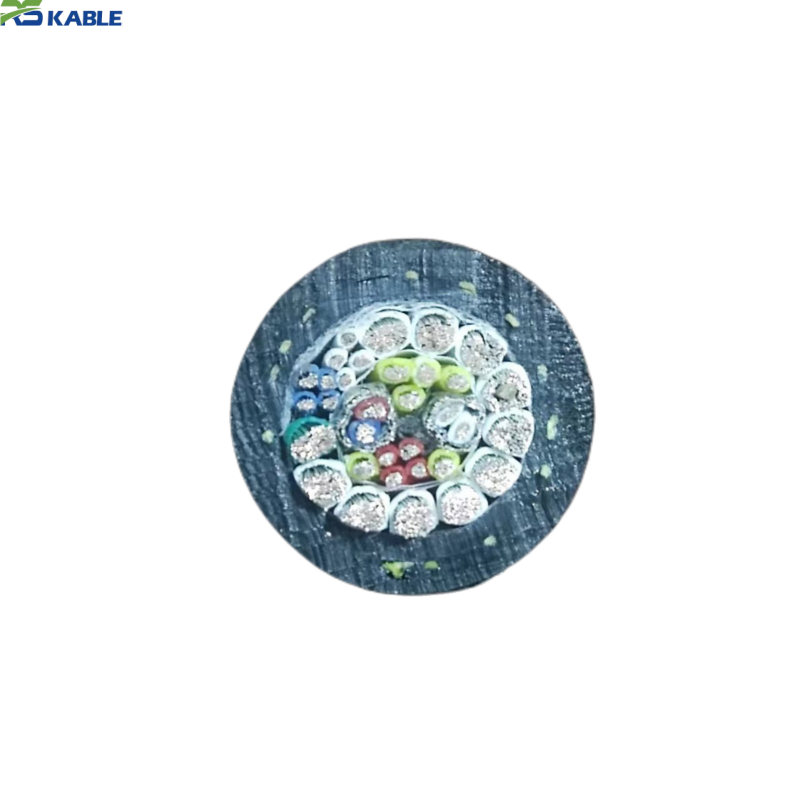
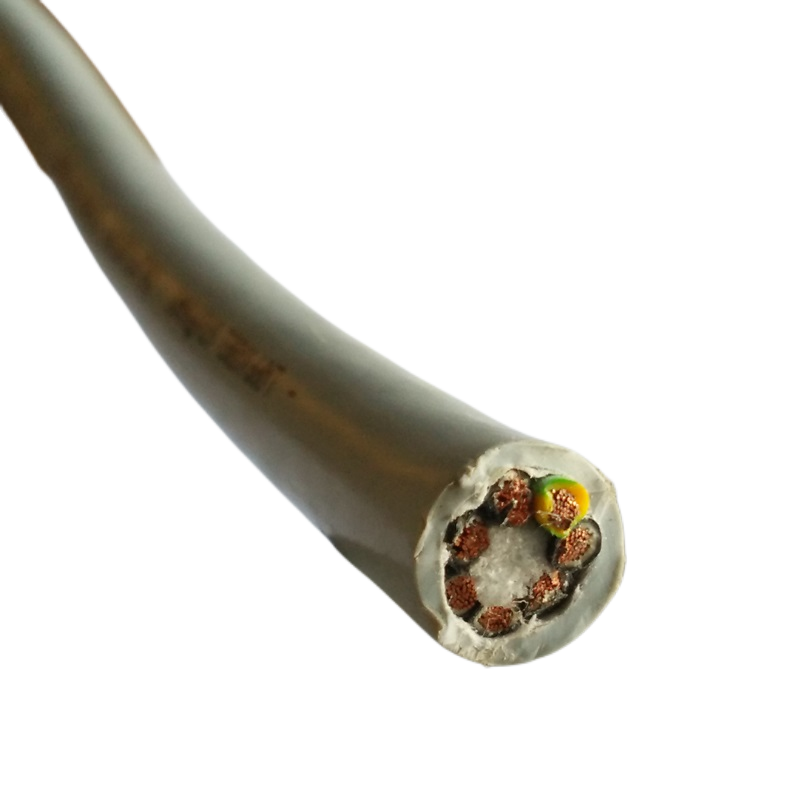
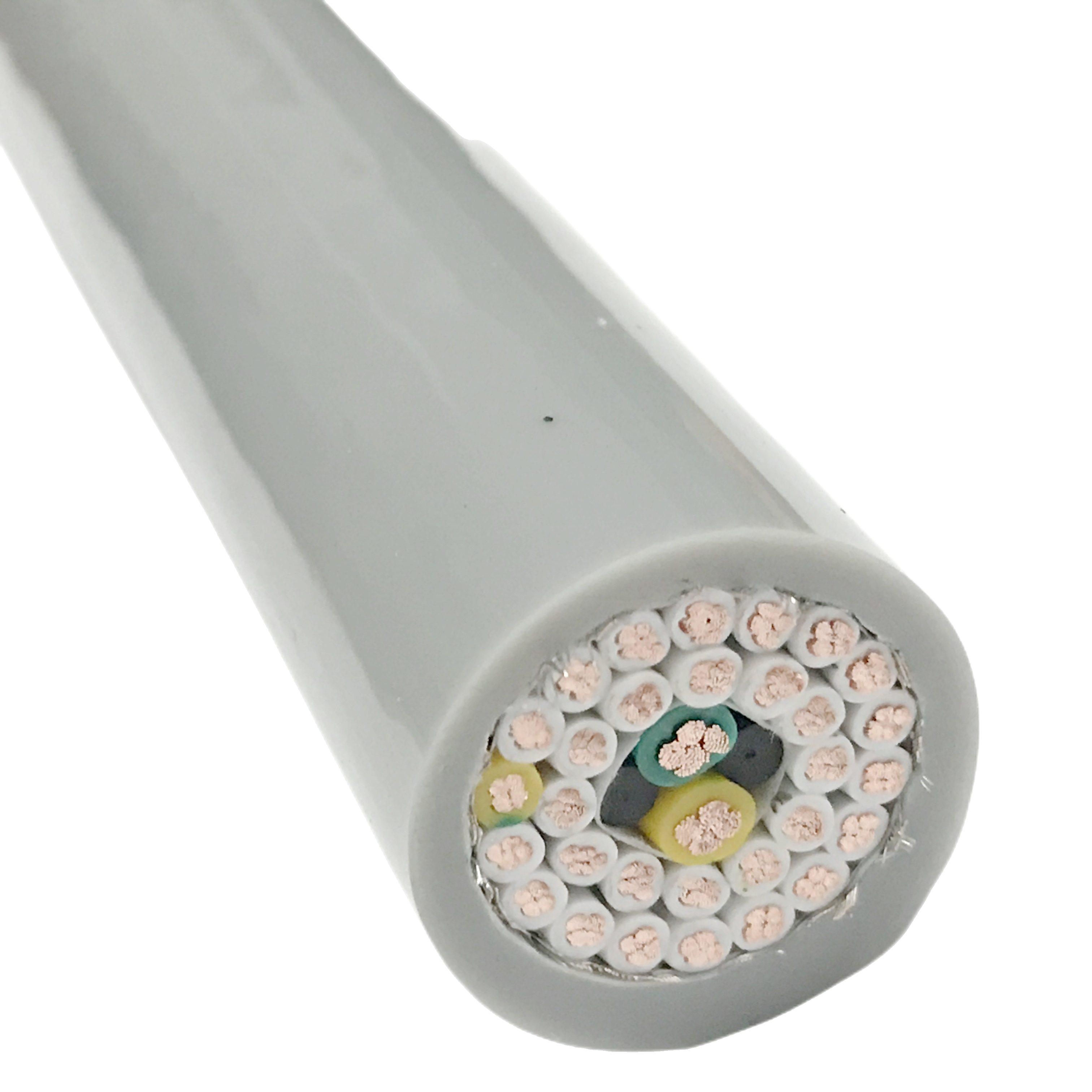
Cable Construction
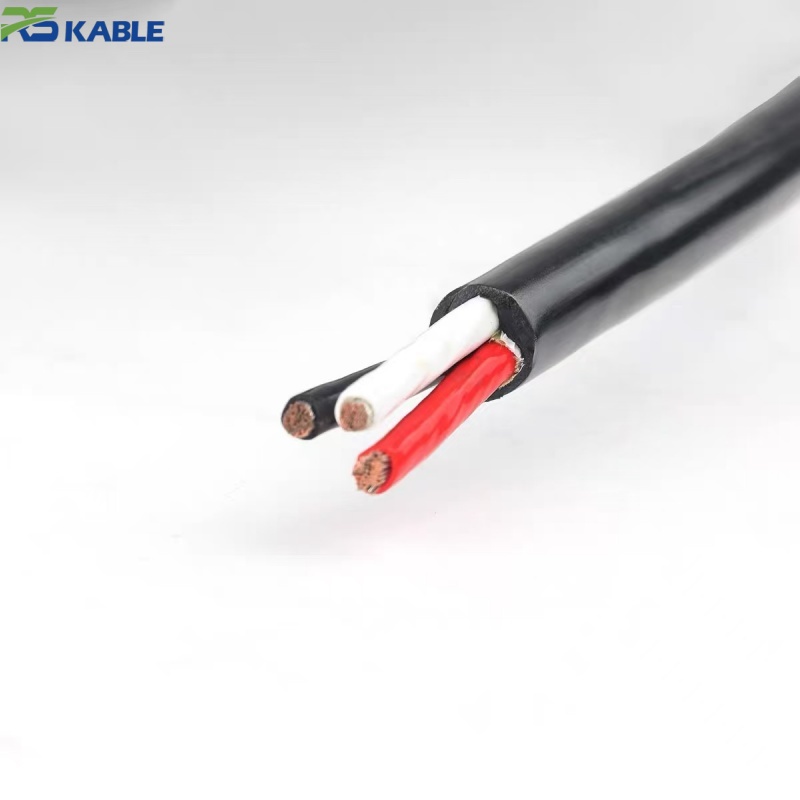
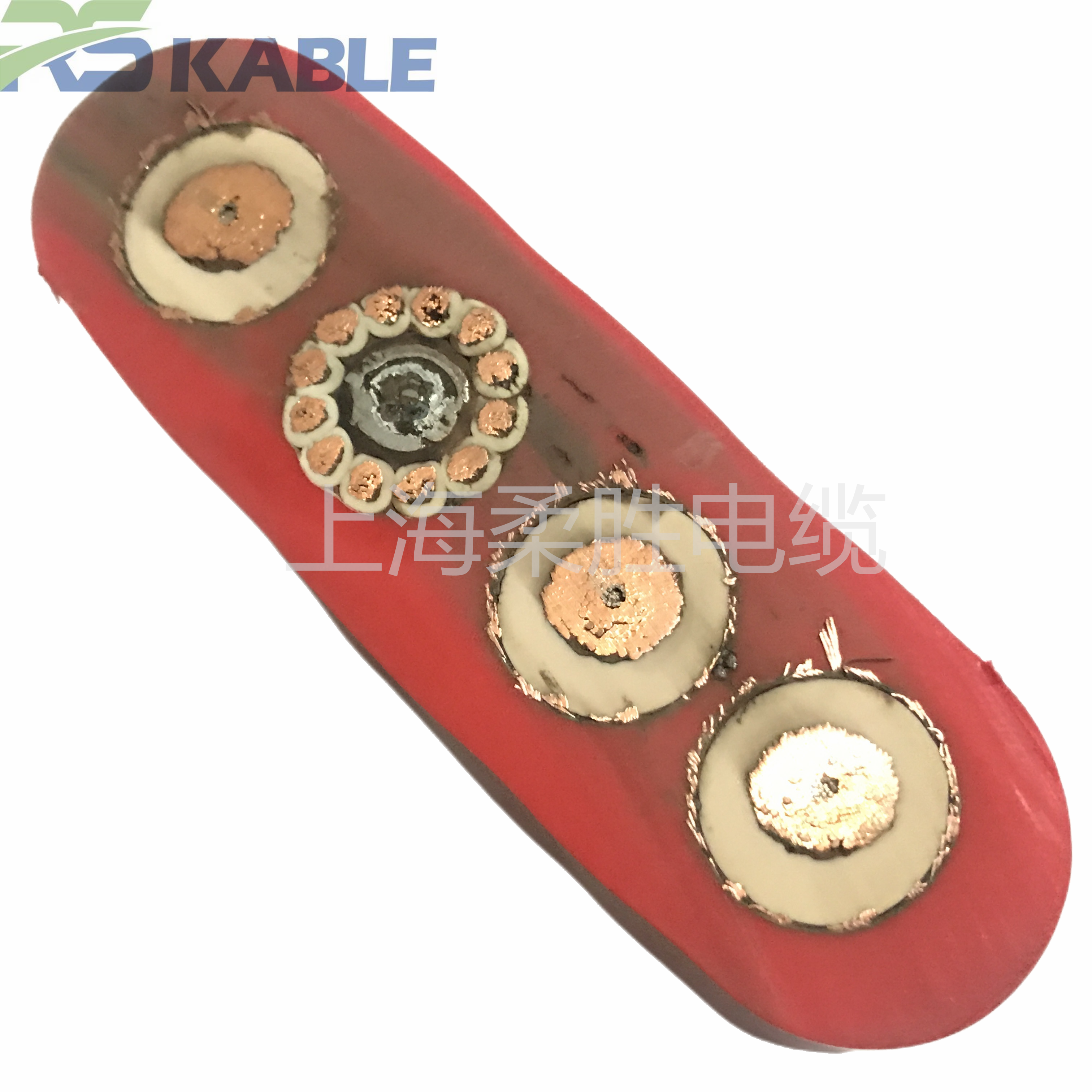
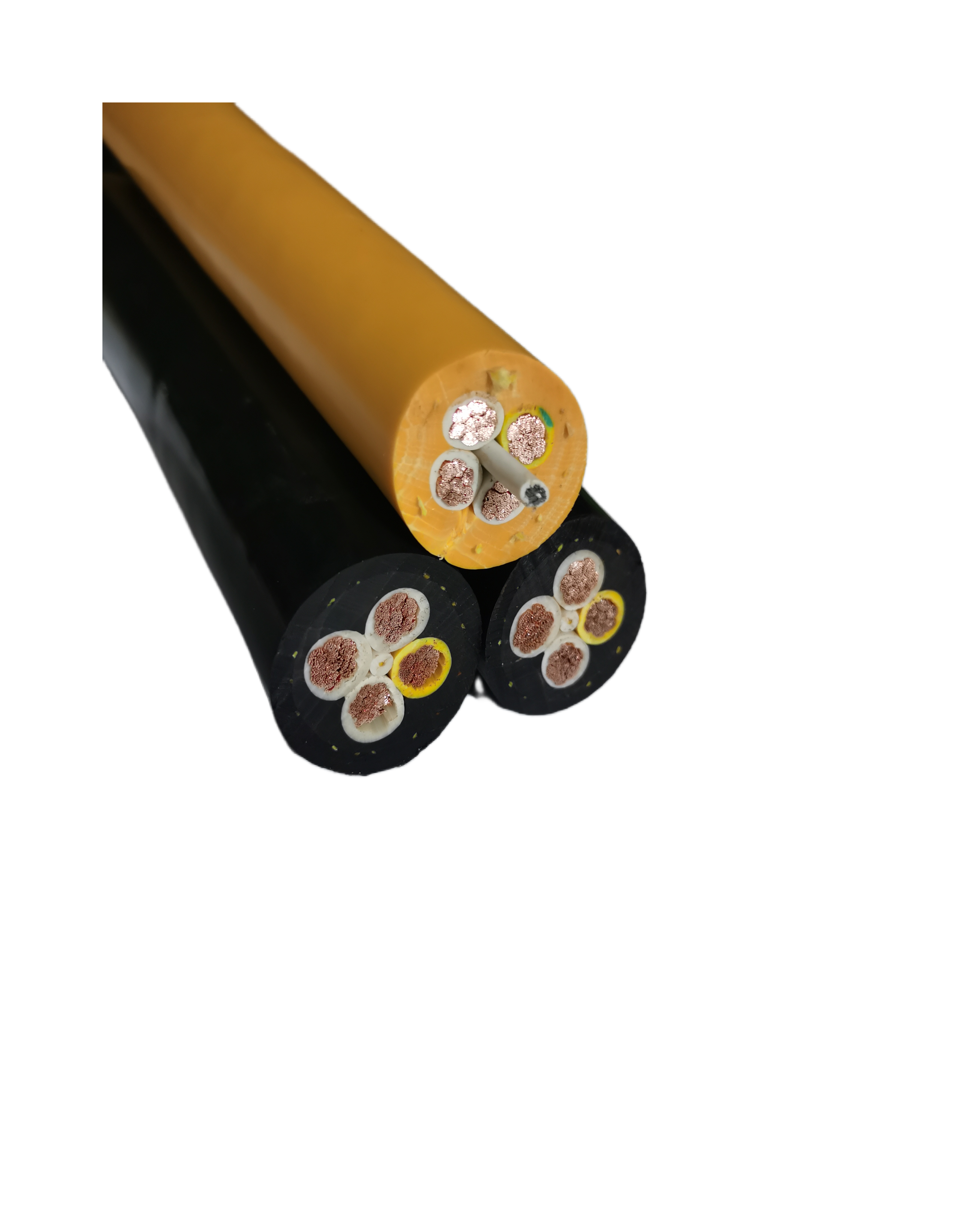
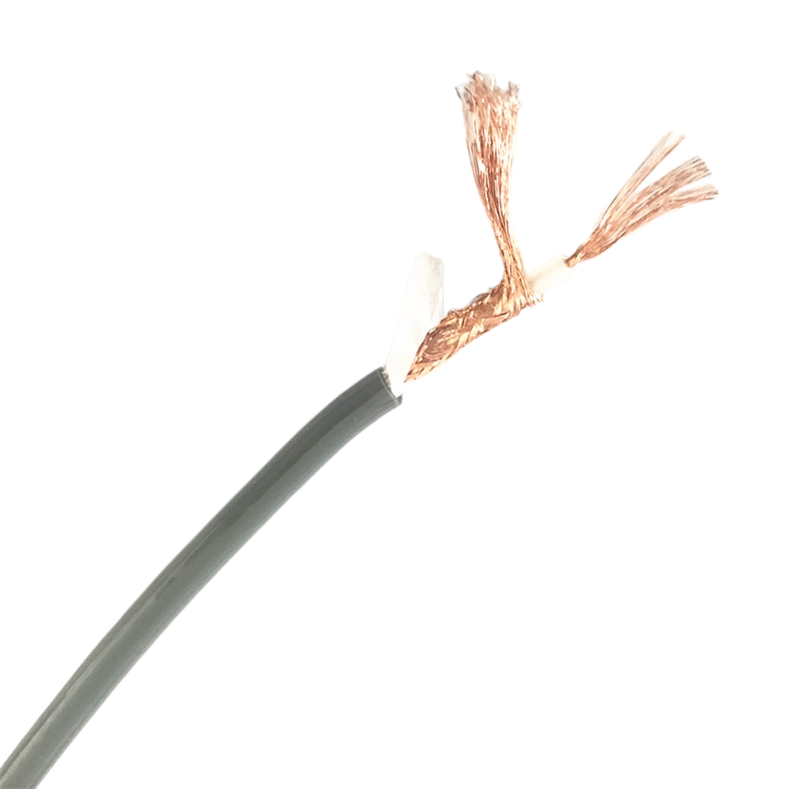
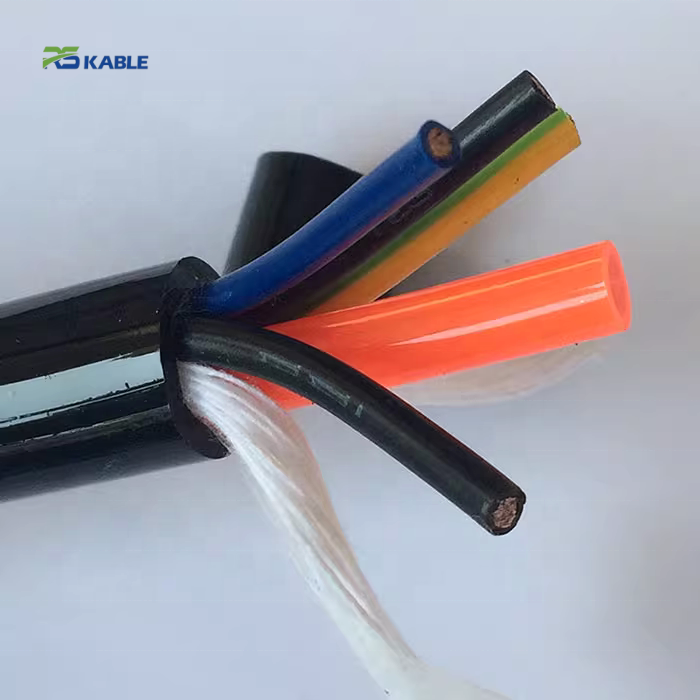
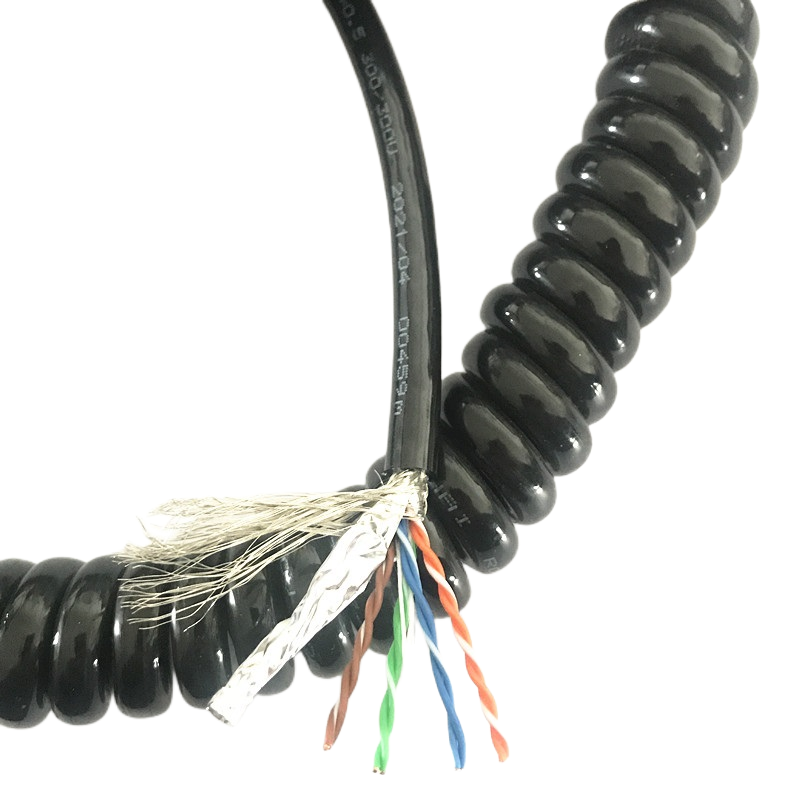
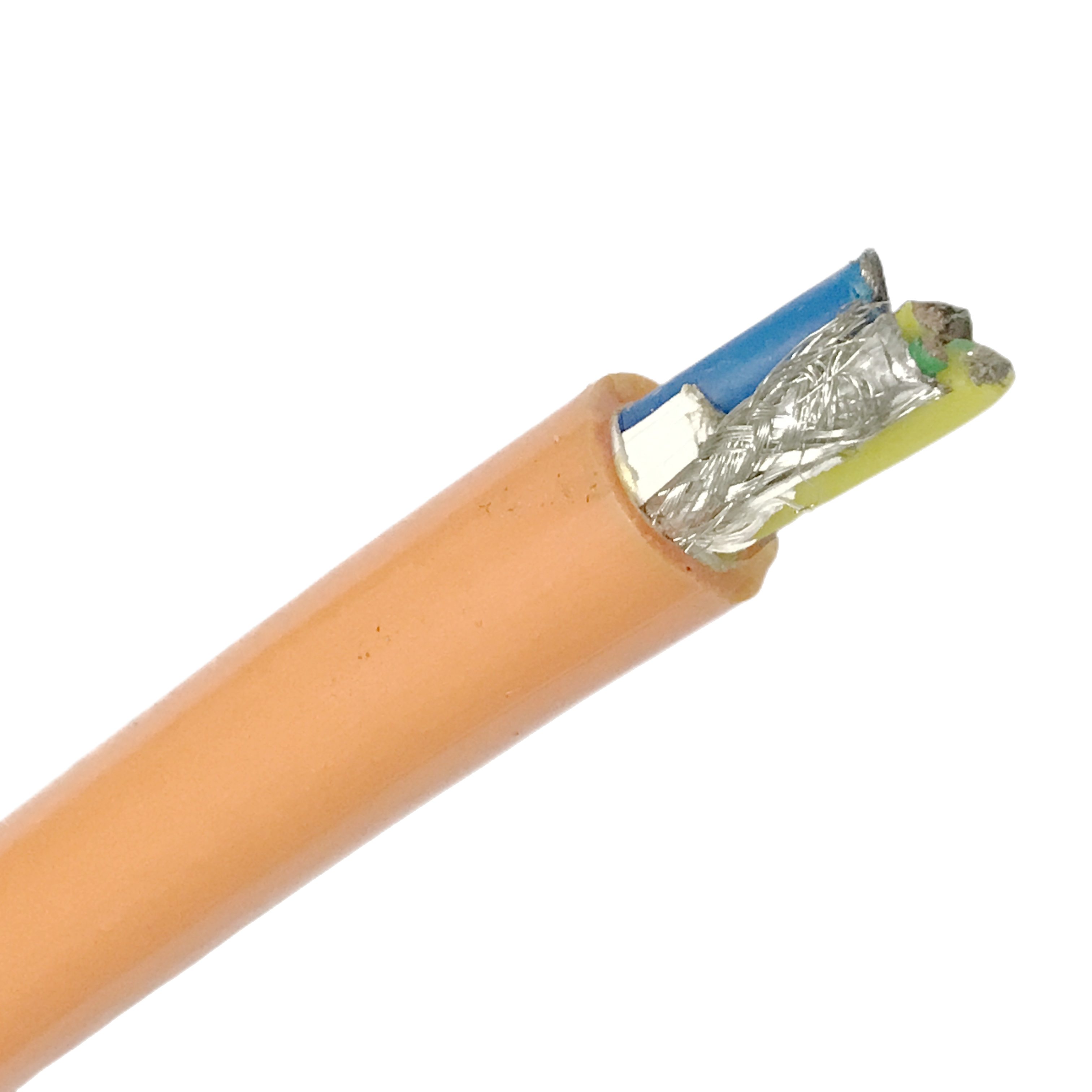
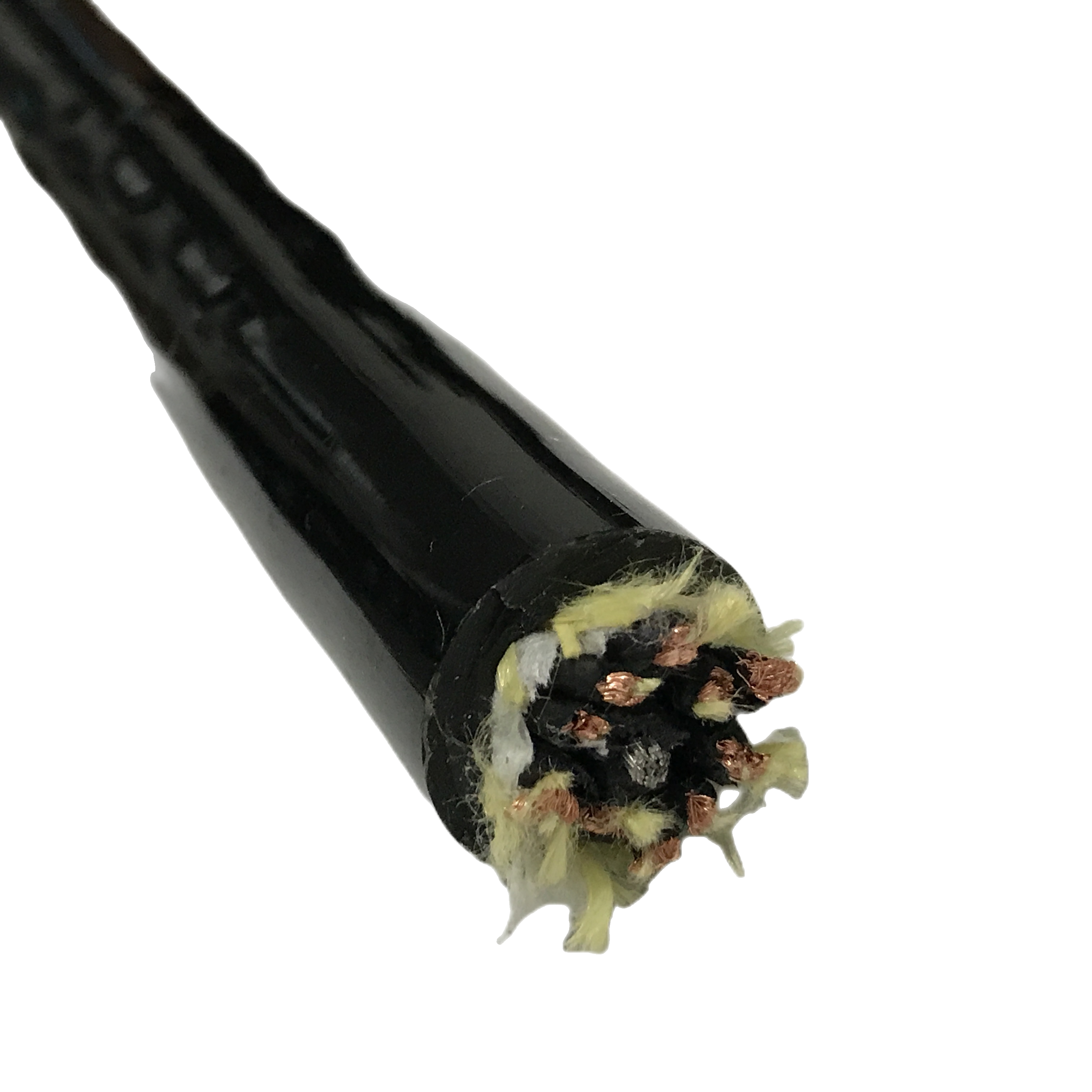
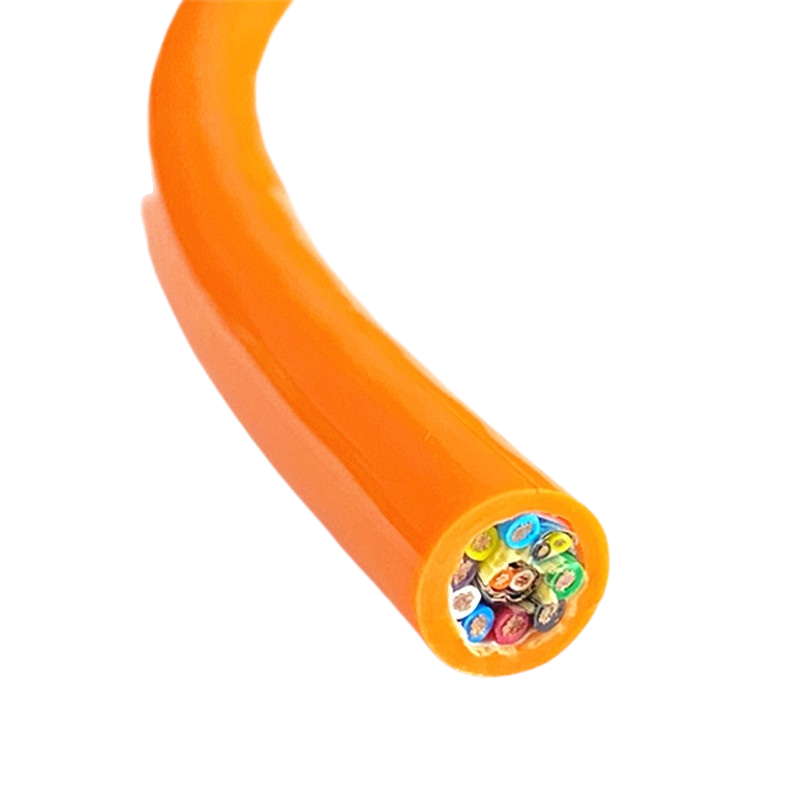
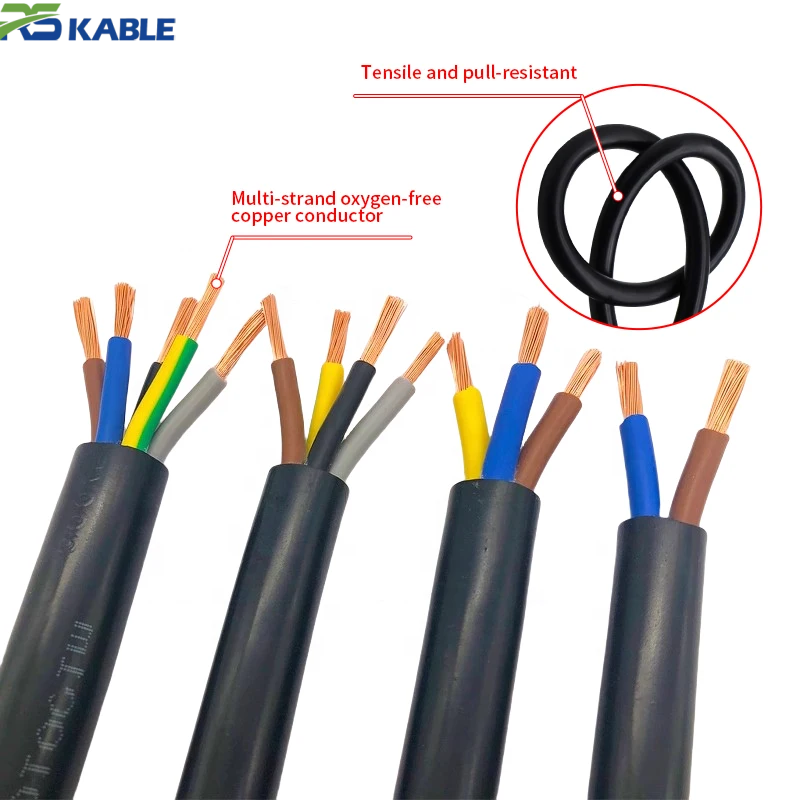
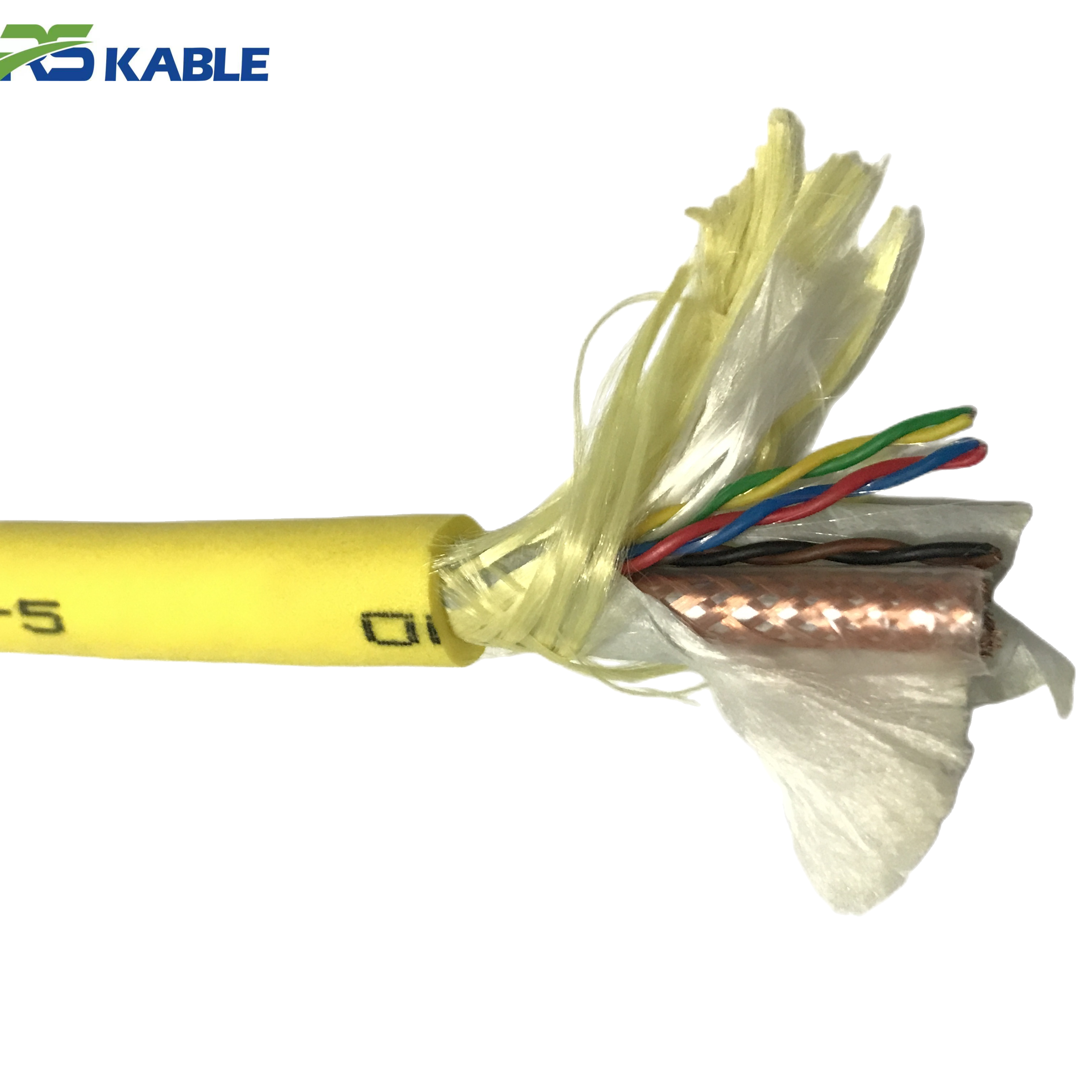
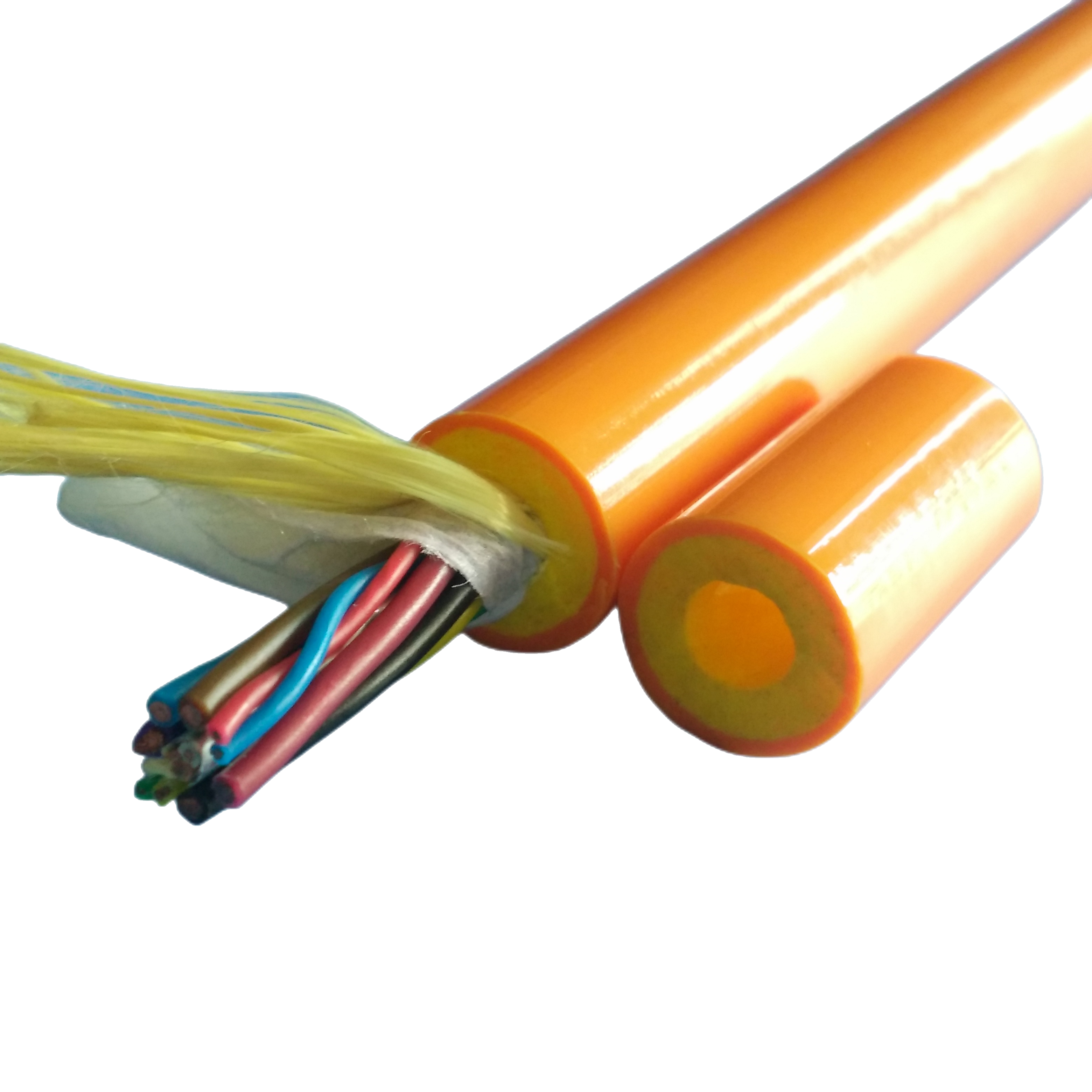
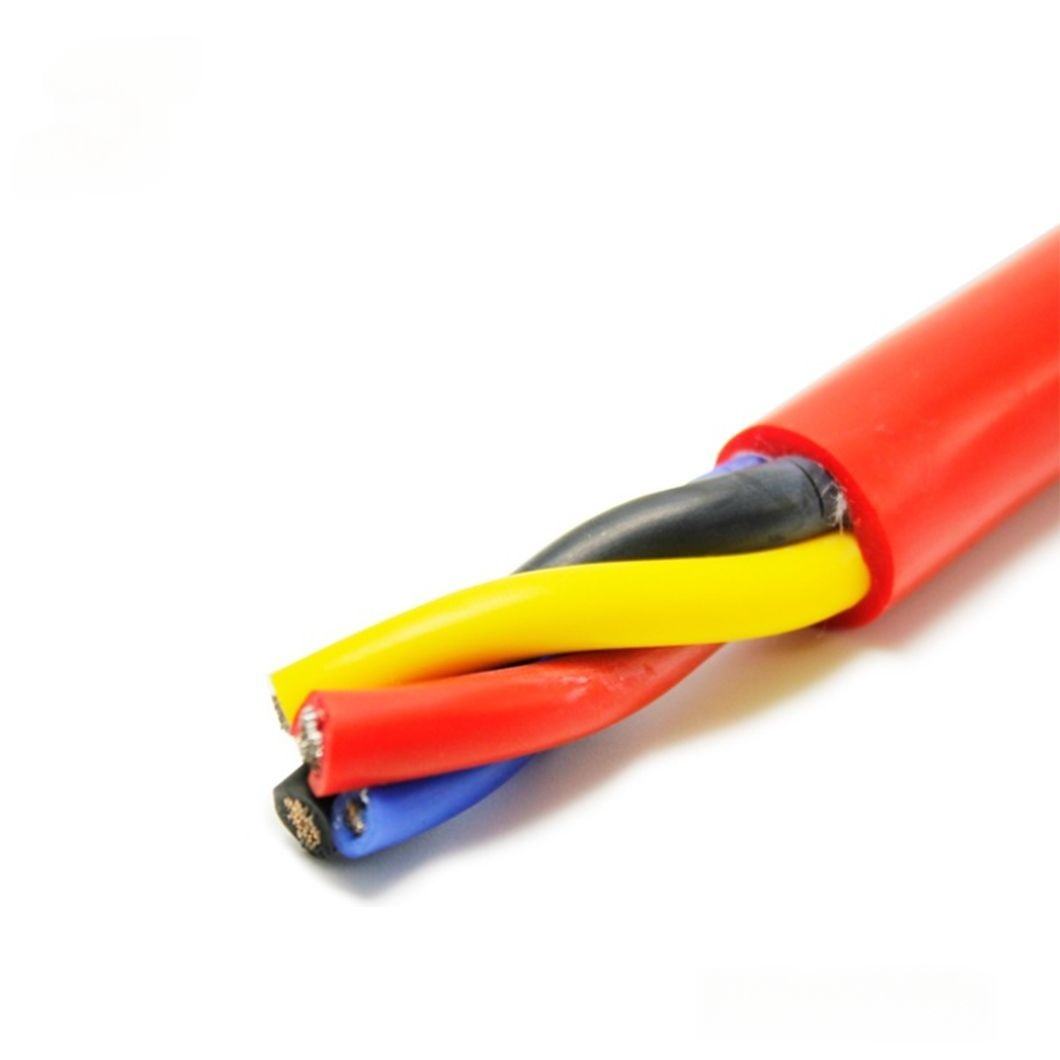
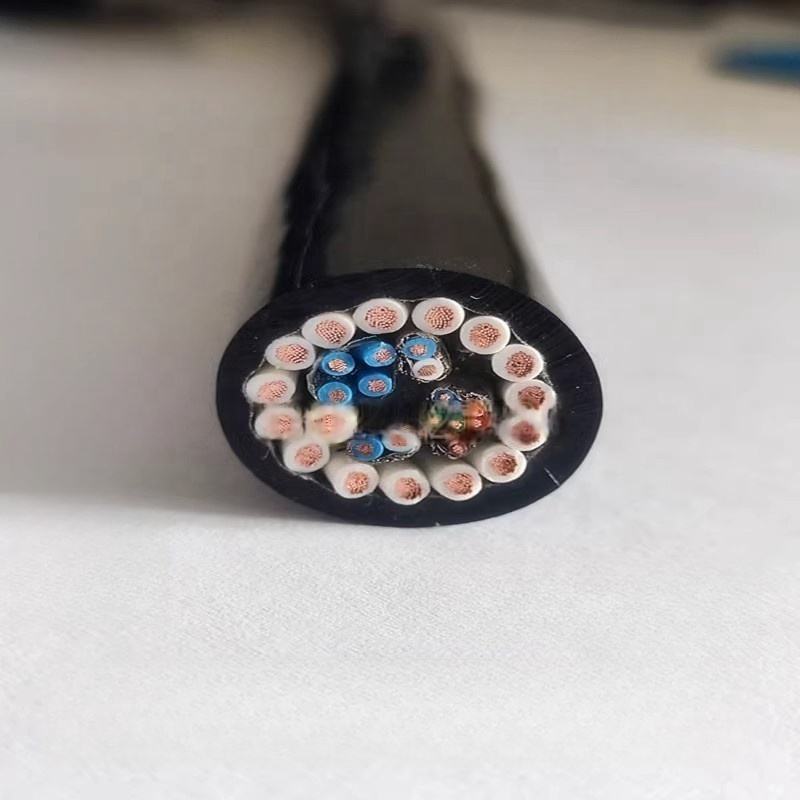
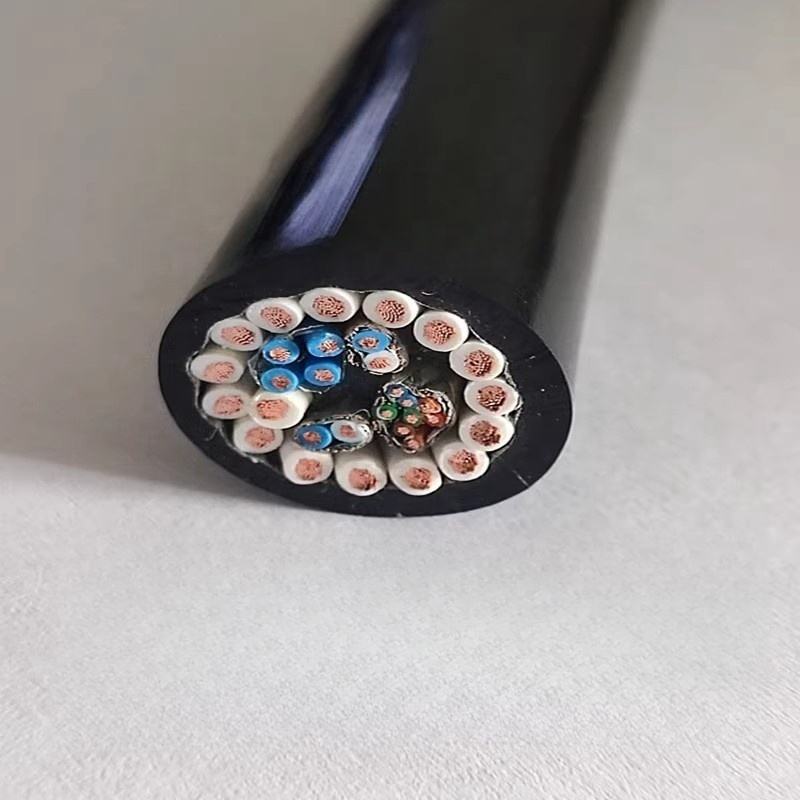
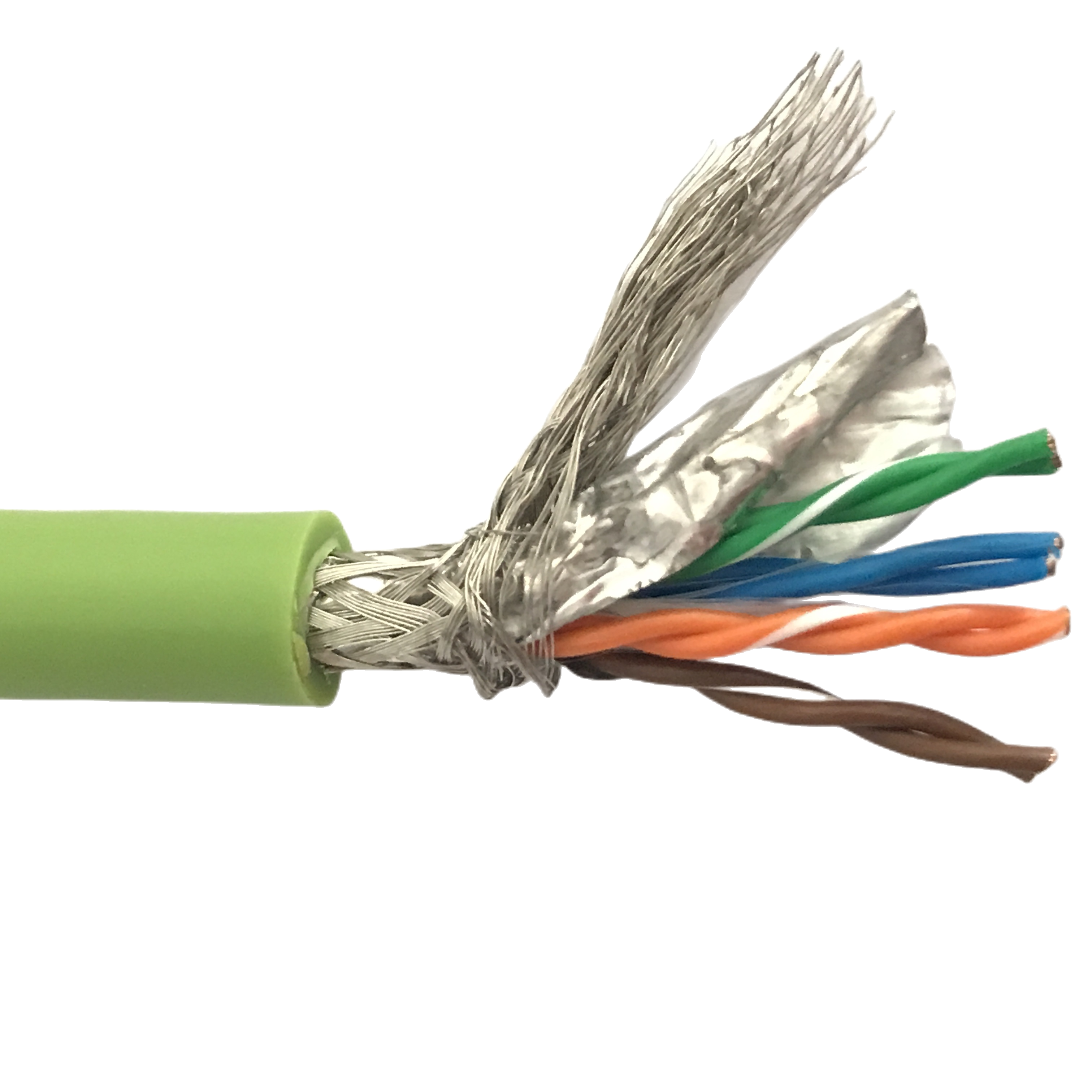
Fine-Stranded Power Conductors
Power conductors use fine-stranded copper to handle the repeated bending stress concentrated at festoon loop points, where the cable folds back on itself with each trolley pass rather than experiencing gradual, distributed bending.
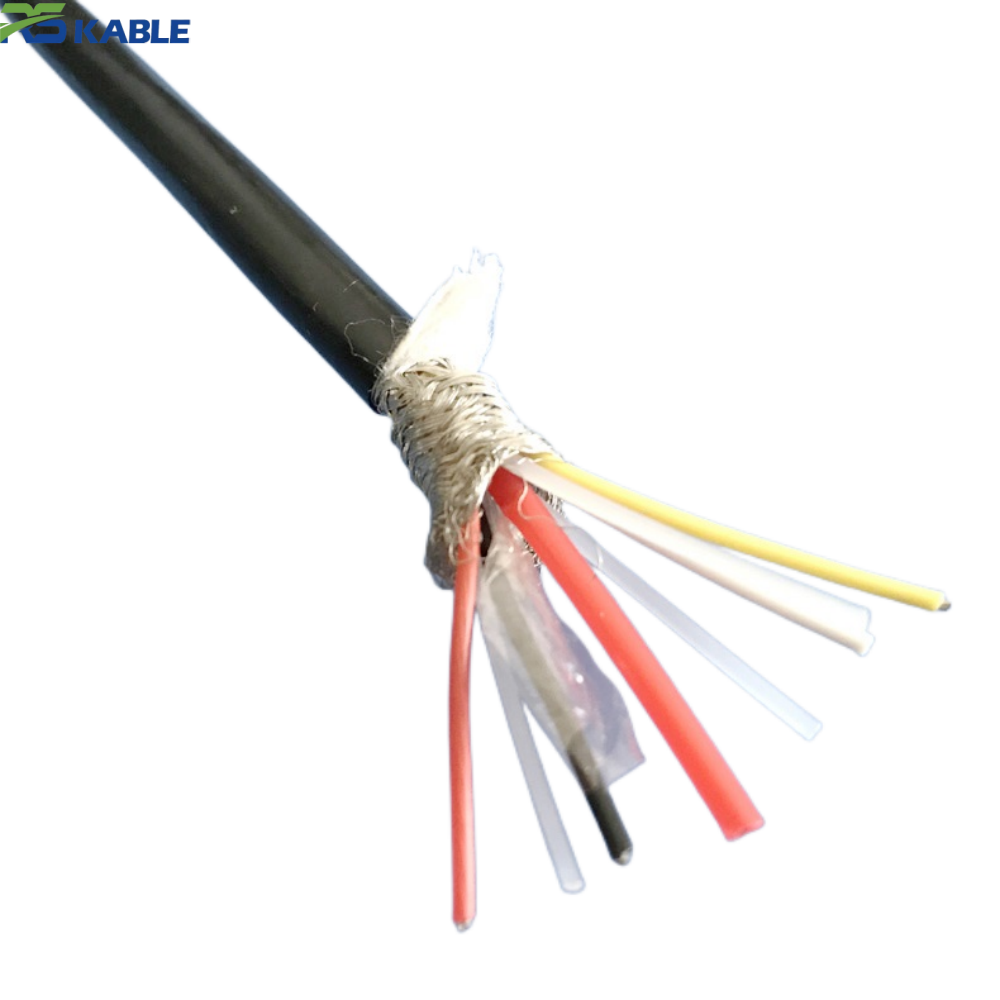
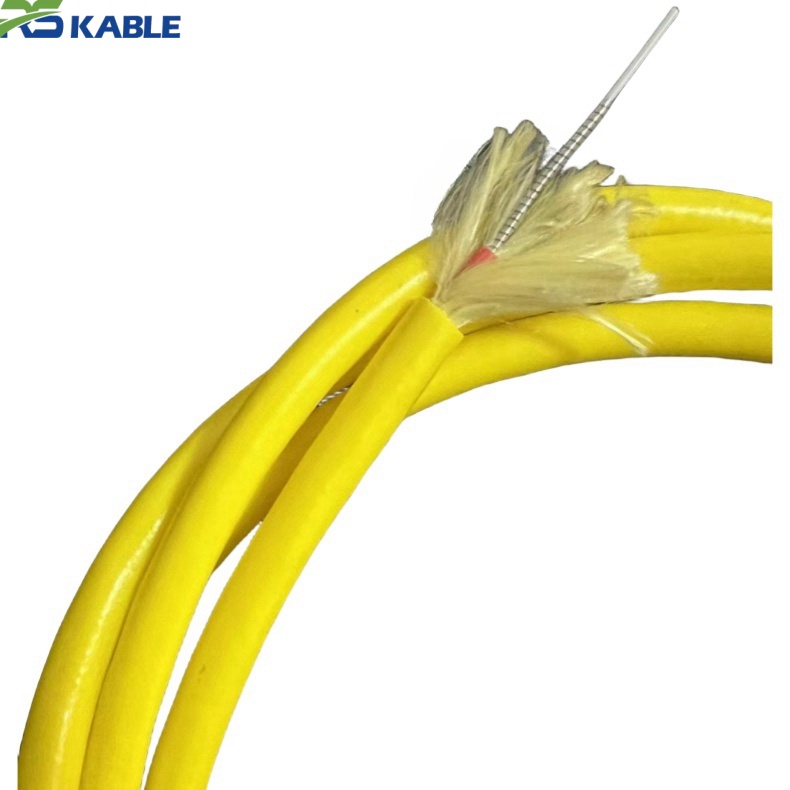
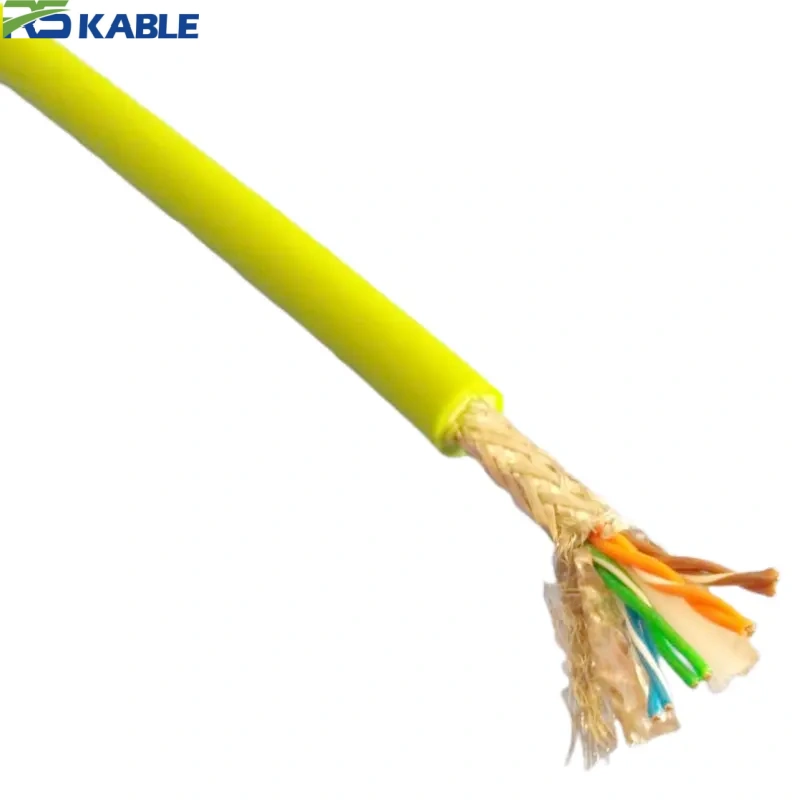
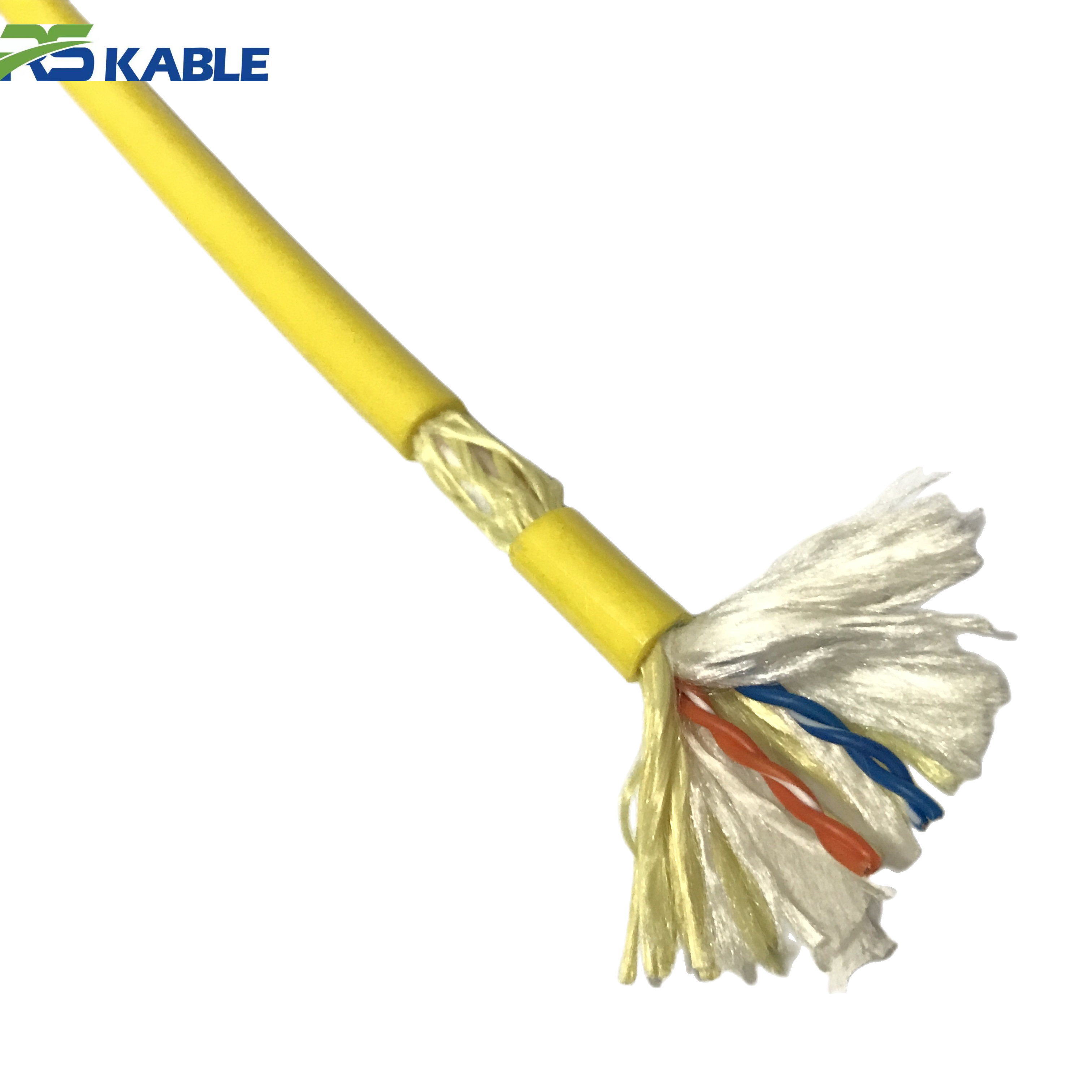
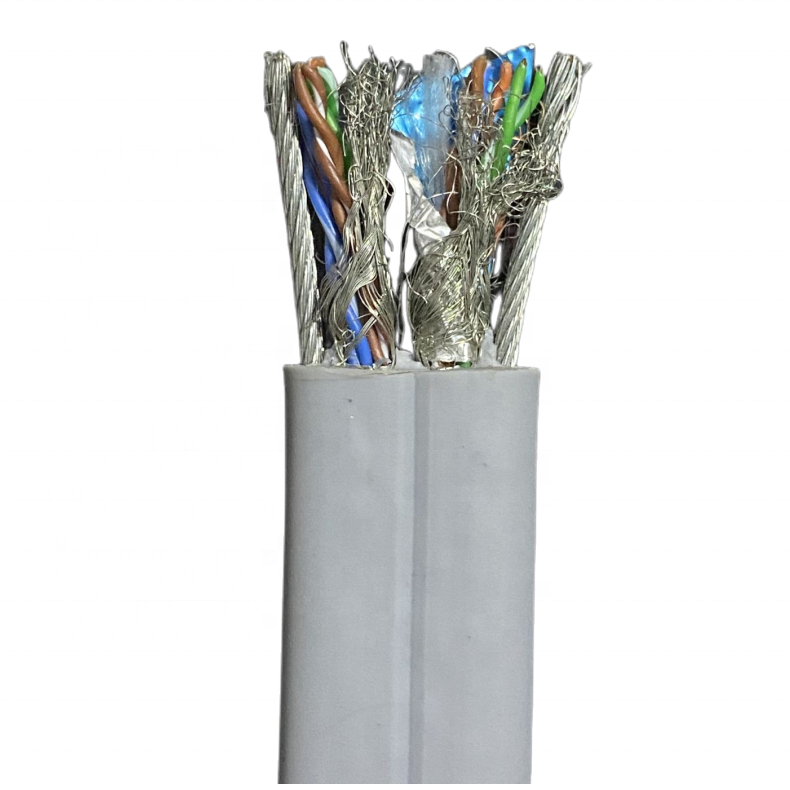
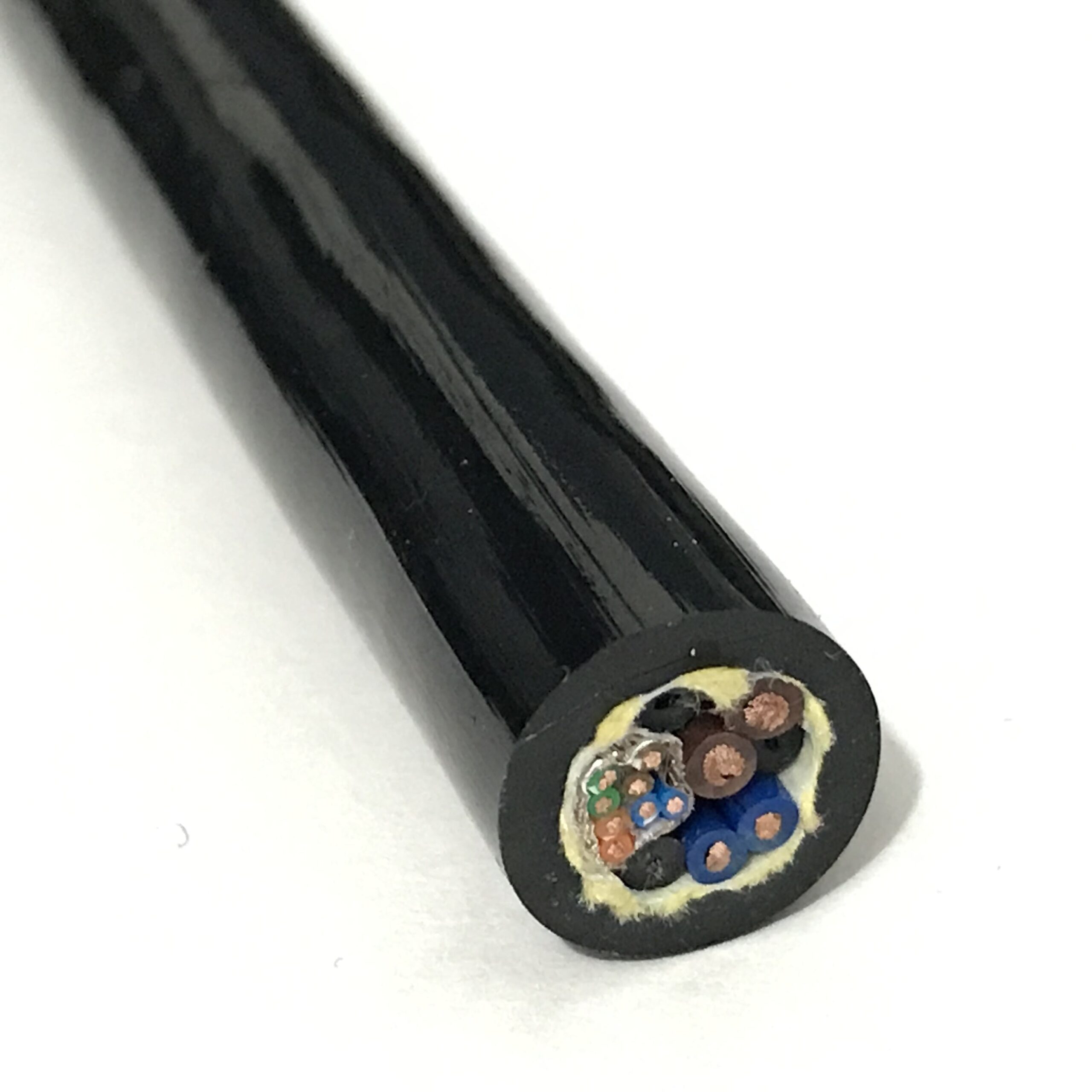
Festoon-Rated Fiber Optic Element
Standard telecom-grade fiber optic cable is generally not built to survive the sharp, repeated bending at festoon loop points. The fiber element in this construction uses a buffer and core placement specifically selected to tolerate the tight bend radius and high cycle count characteristic of festoon operation, rather than the gentler bending assumptions of fixed-installation fiber cable.
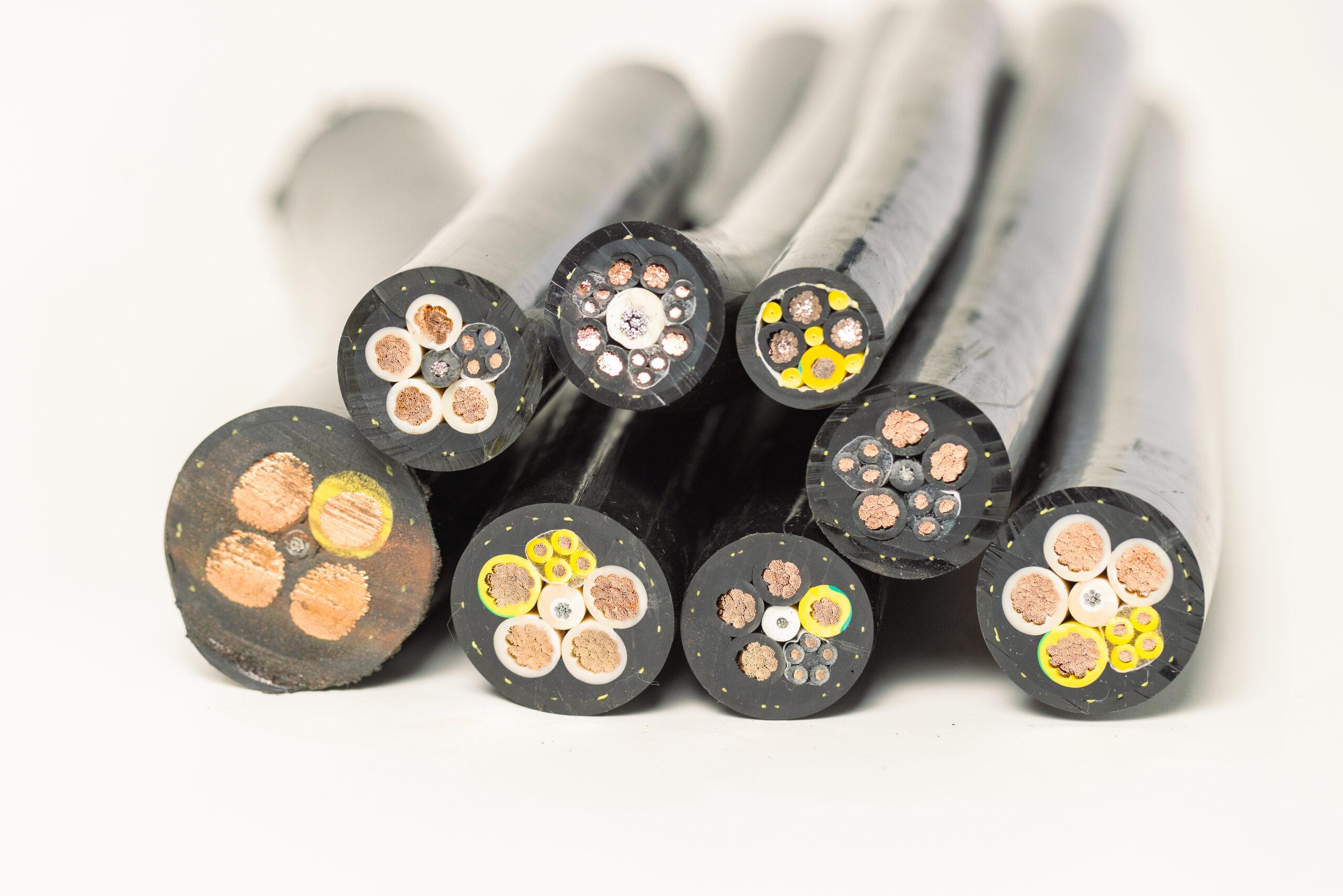
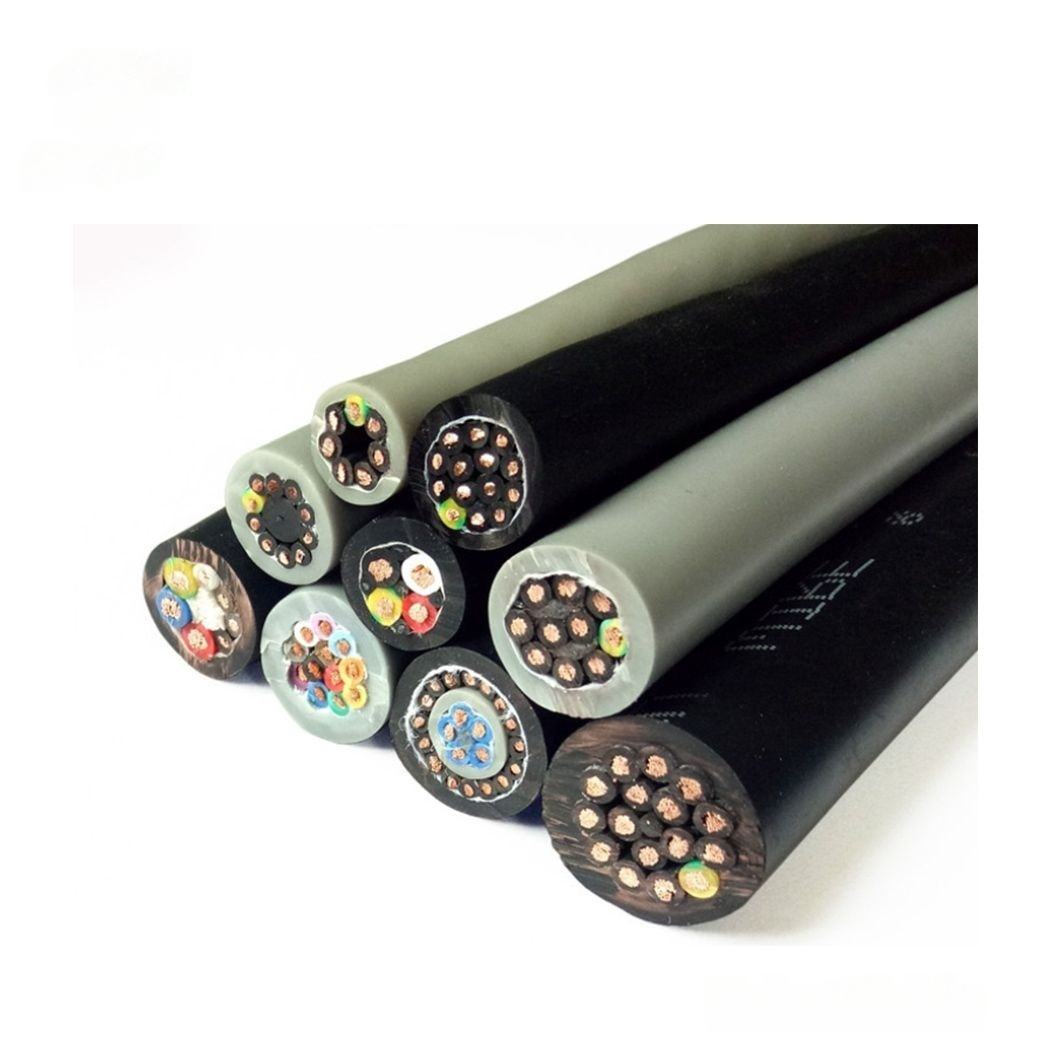
Core Arrangement for Loop-Point Stress Distribution
The internal arrangement of power conductors and fiber elements is designed to reduce stress concentration at the specific point where the cable loops during trolley travel — this differs from drag chain cable design, where stress is distributed along a longer travel path rather than concentrated at a single loop point.
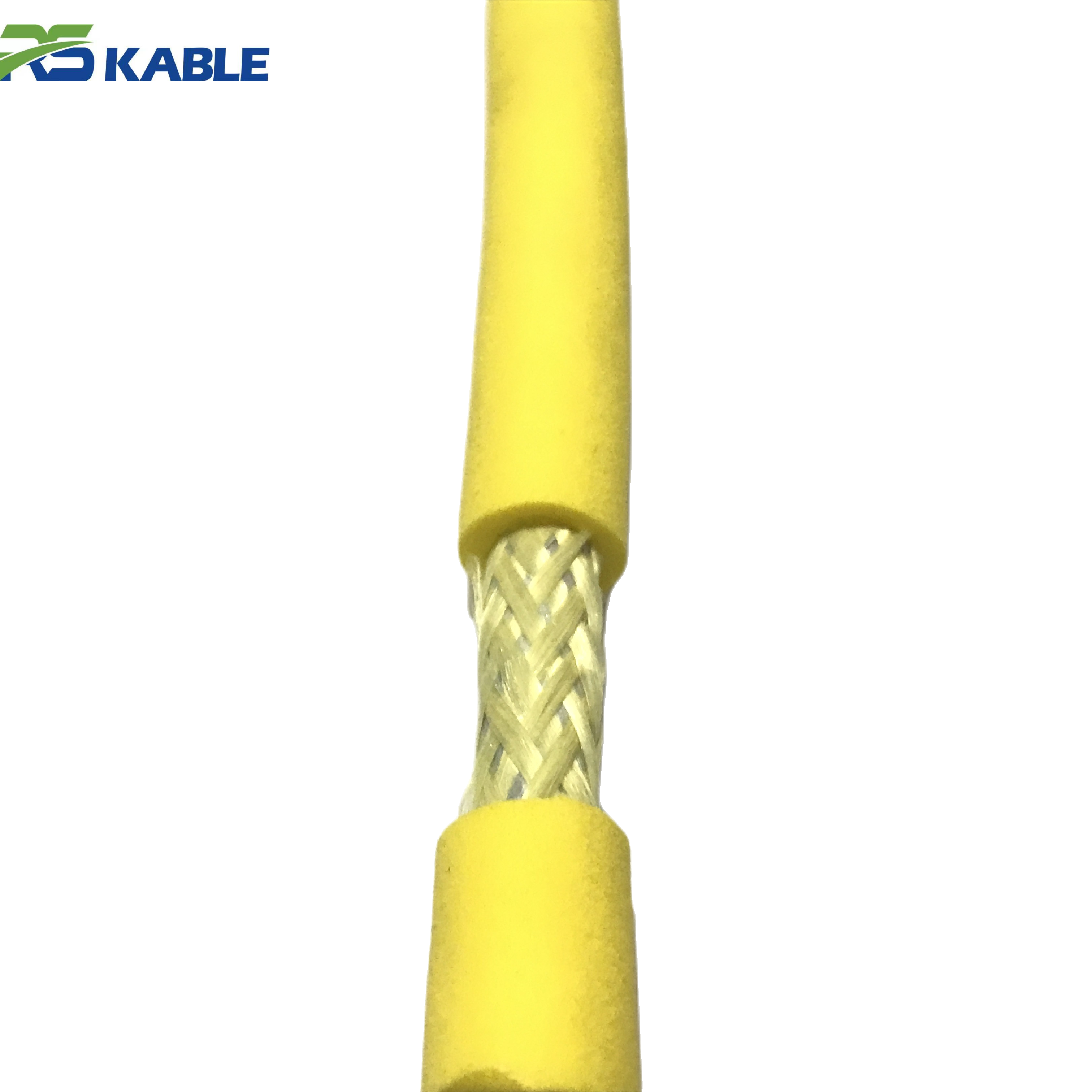
Abrasion-Resistant TPU Jacket
TPU jacket material is selected for its combination of flexibility, oil resistance, and abrasion resistance against repeated contact with C-track clips, adjacent trolleys, and festoon hardware — conditions distinct from cable carrier abrasion, which typically involves contact with chain link walls rather than trolley clips.
Weight-Balanced Construction
Festoon cable weight directly affects loop sag and the mechanical load on trolley clips and C-track hardware. Conductor and jacket sizing balance current-carrying and bandwidth requirements against added weight per meter, since excess weight increases stress at attachment points across the full festoon span.
Why Festoon-Specific Construction Extends Cable Life
A festoon cable’s service life is not defined by general flexibility alone. Service life depends on how the cable handles the specific, concentrated bending pattern of loop-point travel, repeated over many thousands of cycles per shift.
Reduced Fatigue at Loop Points
Unlike drag chain cable, where bending stress distributes along a travel path, festoon cable bending concentrates at the loop point with each trolley pass. Conductor and fiber construction suited to this concentrated stress pattern reduces the risk of premature fatigue failure specifically at that point.
Better Fiber Performance Under Repeated Bending
Standard fiber optic cable not designed for festoon service can experience signal attenuation increases or even fiber breakage from the tight, repeated bending at loop points. Festoon-rated fiber construction addresses this bending pattern directly rather than relying on fiber specifications developed for fixed installation.
Lower Risk of Trolley Clip Abrasion Failure
Repeated contact with C-track clips and trolley hardware at consistent points along the cable accumulates wear differently than cable-carrier abrasion. TPU jacket construction addresses this specific wear pattern.
Better Fit for High-Cycle Crane Operations
Cranes operating continuously across long shifts repeat the same festoon travel pattern thousands of times. In this type of operation, festoon-specific cable construction reduces maintenance frequency and crane downtime compared to adapting a drag chain or general-purpose cable to festoon service.
Festoon Application Boundary
This cable is suitable for:
- C-track and monorail festoon trolley systems
- repeated loop-point bending at defined trolley spacing
- combined power and fiber-optic data circuits within one festoon run
- long-span crane installations with multiple trolley points
This cable requires separate confirmation for:
- drag chain travel with linear reciprocating motion rather than festoon looping
- fixed installation where festoon-specific loop optimization is unnecessary
- extremely long single-span festoon runs where cable weight and sag require project-specific engineering review
- outdoor installations with prolonged direct UV exposure
This boundary matters because festoon bending stress is fundamentally different from drag chain bending stress — a cable optimized for one is not automatically optimized for the other.
Typical Applications
The TPU Festoon Fiber Optic Cable is commonly used in:
- overhead bridge crane festoon systems
- gantry crane power and data trolleys
- container yard crane installations
- steel mill and foundry crane systems requiring camera monitoring
- automated warehouse crane and shuttle systems
- port and terminal crane festoon networks
- crane systems integrating PLC and sensor network communication
Typical Working Conditions
- repeated festoon loop-point bending across long operating shifts
- C-track or monorail trolley travel
- exposure to oil mist, dust, and industrial debris
- high-EMI environments from crane motors and drives
- long-span installations with multiple trolley attachment points
TPU Festoon Fiber Cable vs Standard Copper-Only Festoon Cable
| Comparison Item | TPU Festoon Fiber Cable | Standard Copper-Only Festoon Cable |
|---|---|---|
| Data Bandwidth | High, via integrated fiber optic | Limited to copper signal bandwidth |
| EMI Immunity for Signal Circuits | High — fiber is immune to electrical noise | Signal circuits vulnerable to crane motor EMI |
| Suitability for Camera/Video Feeds | Well suited | Limited, especially over long runs |
| Cost | Higher | Lower |
| Best Use | Cranes with camera monitoring, sensor networks, PLC data | Basic crane power and low-bandwidth control signals |
For cranes without camera or high-bandwidth data requirements, a standard copper-only festoon cable is often the more cost-effective choice.
TPU Jacket vs Standard PVC Jacket for Festoon Use
| Comparison Item | TPU Jacket | PVC Jacket |
|---|---|---|
| Abrasion Resistance at Trolley Clips | Higher | Moderate |
| Oil Resistance | Better | Usually lower |
| Cold-Weather Flexibility | Better | Stiffens at lower temperatures |
| Weight | Generally lighter for comparable durability | Heavier for comparable abrasion resistance |
| Recommended Use | High-cycle festoon systems, industrial environments | Lighter-duty festoon applications |
For high-cycle crane operations where trolley clip abrasion and long-term flexibility are priorities, TPU jacket construction is generally preferred over standard PVC.
TPU Festoon Fiber Optic Cable
Selection Guide
Correct selection depends on the actual festoon span, trolley spacing, and data requirement, not power circuit count alone.
1. Confirm Function
Identify whether the festoon run needs power only, or power combined with fiber-optic data/video circuits.
2. Confirm Festoon Span and Trolley Spacing
Total span length and number of trolley points determine cable weight distribution and loop-point stress, which affects construction selection.
3. Confirm Power Circuit Requirements
Select conductor size and core count according to crane motor power demand and control circuit needs.
4. Confirm Fiber Bandwidth Requirement
Camera feeds, sensor networks, and PLC communication have different bandwidth needs that determine multimode versus single-mode fiber selection.
5. Confirm C-Track or Monorail Hardware
Trolley clip design and C-track geometry influence jacket abrasion resistance requirements and cable diameter limits.
6. Confirm Environmental Exposure
Oil mist, dust, and outdoor UV exposure influence jacket material selection.
7. Confirm Cycle Rate and Duty Profile
Shift duration and festoon travel frequency affect expected loop-point fatigue life and should be reviewed against the selected construction.
Customization and Supply
Custom construction is available for project-based crane and festoon applications.
Available Options
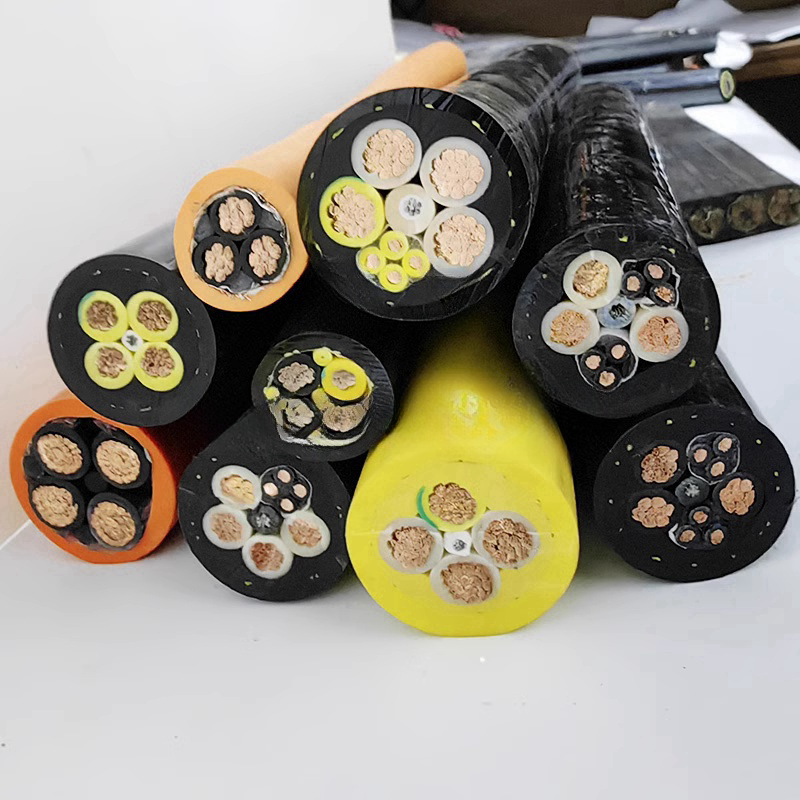
- power core count and conductor size
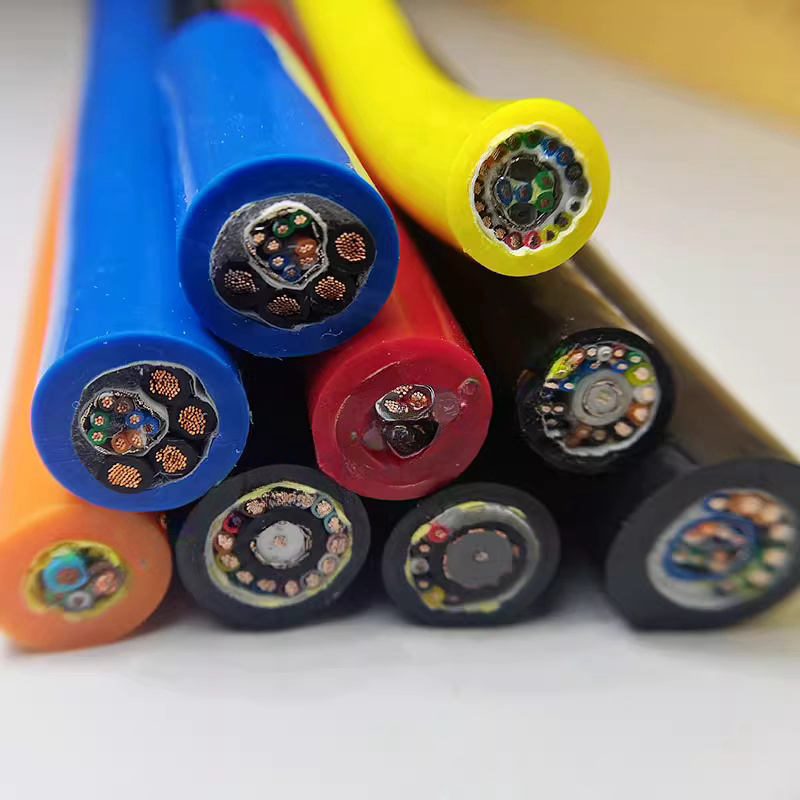
- fiber count and type (multimode/single-mode)
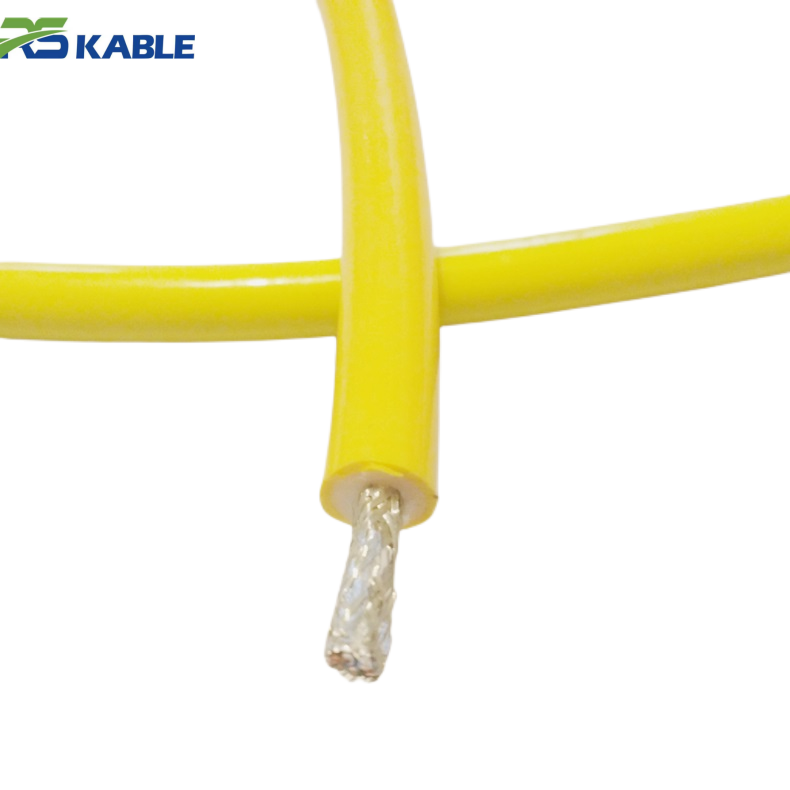
- shield structure for power/control circuits
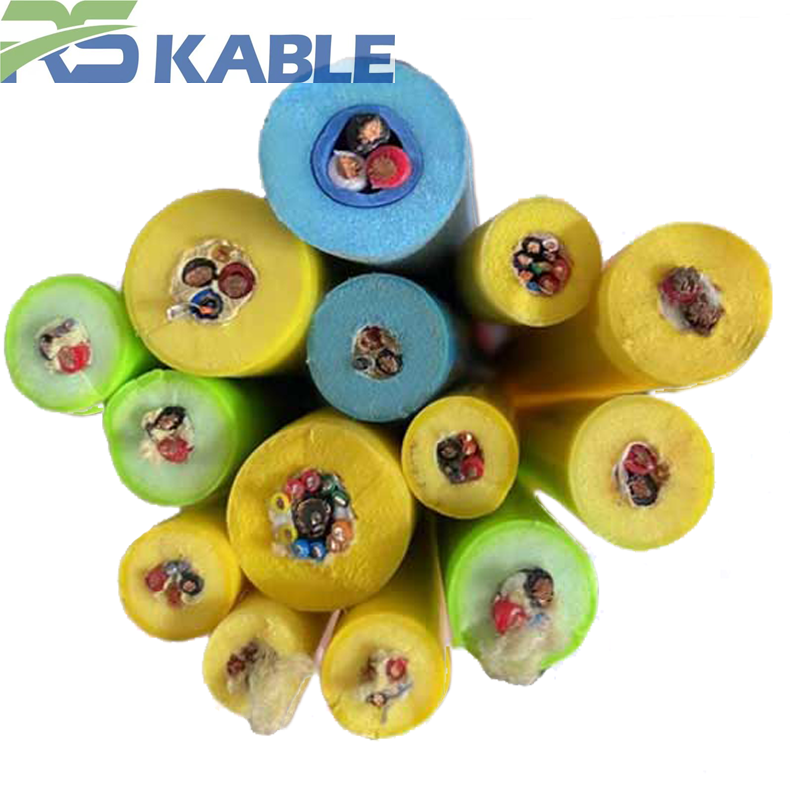
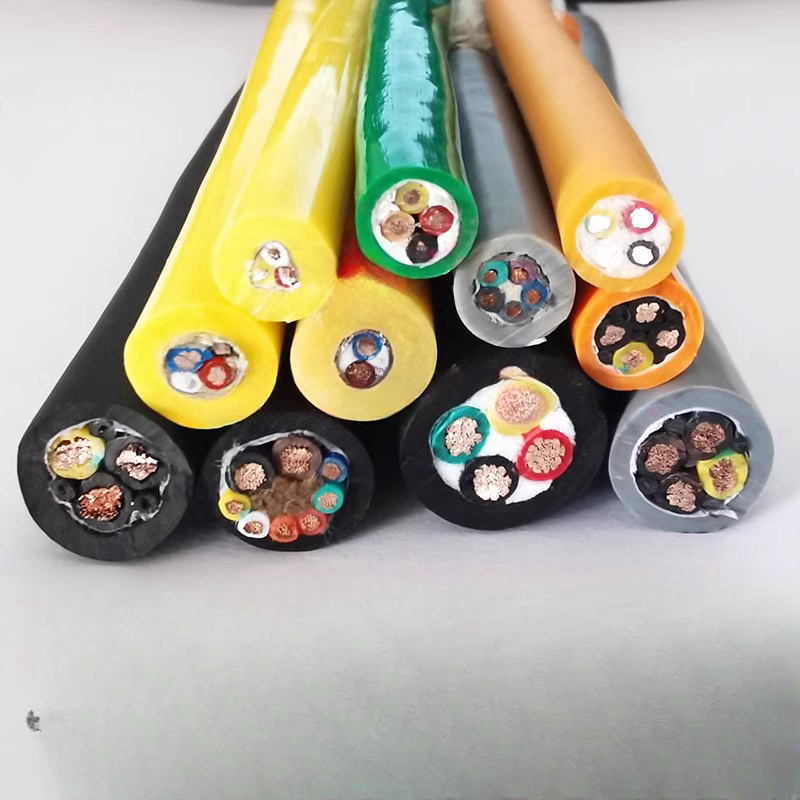
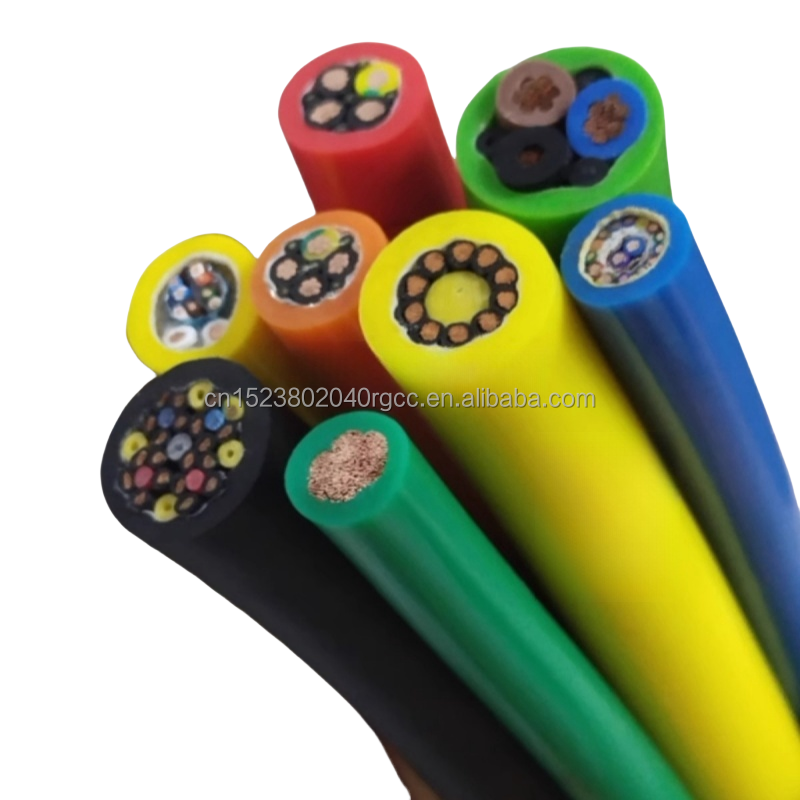
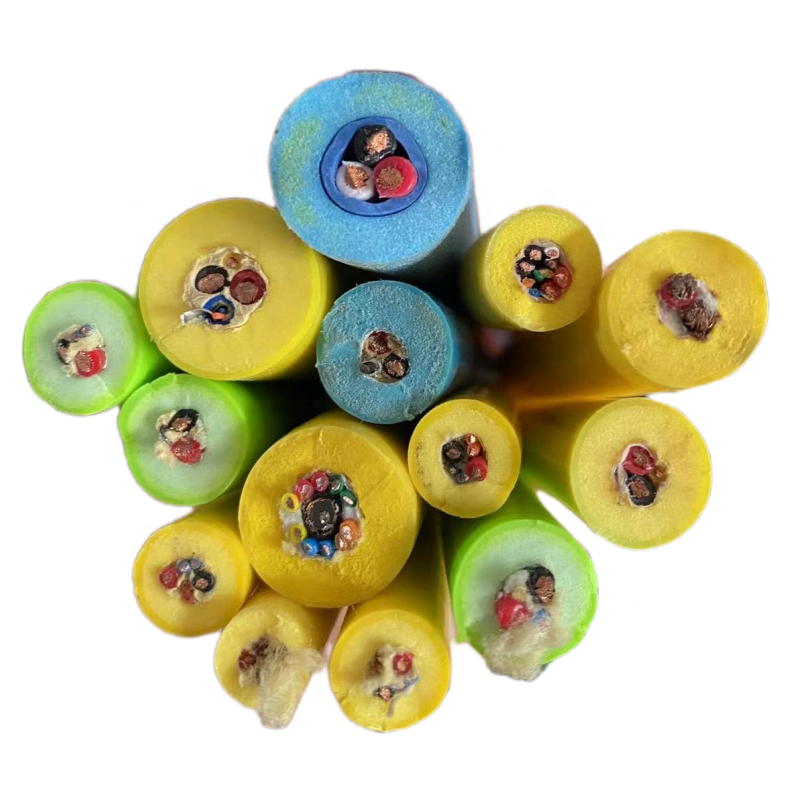
- jacket type and color
- cable marking
- cut length or reel supply
Supply Support
- model matching based on festoon span and data requirement
- sample supply for evaluation
- drawing and structure confirmation before production
- OEM and project supply
- industrial batch production
Ordering Information
For faster quotation and model selection, provide:
- festoon span length and trolley spacing
- power circuit requirement (core count, conductor size)
- fiber count and bandwidth requirement
- C-track/trolley hardware type
- installation environment
- quantity demand
Inquiry Example
8 power cores at 1.5 mm² + 4-fiber multimode, TPU jacket, 40-meter festoon span, 15 trolley points, gantry crane with camera monitoring system
Call to Action
Request a Quote for TPU Festoon Fiber Optic Cable Send the application details for model selection, structure confirmation, and pricing.
FAQ
What is a festoon fiber optic cable used for?
It is used for combined crane power transmission and high-bandwidth fiber-optic data circuits (camera feeds, sensor networks, PLC communication) in overhead crane and gantry crane festoon trolley systems.
Why can’t standard telecom fiber optic cable be used in a festoon system?
Standard fiber optic cable is typically built for fixed installation with gentle, distributed bending assumptions. Festoon operation concentrates bending stress at a specific loop point, repeated thousands of times per shift, which can cause attenuation increases or fiber breakage in cable not specifically rated for this bending pattern.
Is this cable suitable for drag chain use instead of festoon systems?
Not as a standard construction. Festoon bending is concentrated at a loop point, while drag chain bending distributes along a travel path — these are different fatigue problems, and a cable optimized for festoon service isn’t automatically suited to drag chain duty.
Does adding fiber optic capability significantly increase cost over copper-only festoon cable?
Yes, integrated fiber adds cost, but it is generally justified when camera monitoring, sensor networks, or other high-bandwidth data needs to travel alongside crane power in a high-EMI environment where copper signal transmission would be unreliable.
What determines the correct trolley spacing for a festoon installation?
Trolley spacing affects cable weight distribution and loop-point stress; it should be confirmed against the total festoon span and cable weight per meter rather than assumed from a standard spacing value.
Can this cable be used outdoors on a crane exposed to direct sunlight?
This requires separate confirmation of jacket UV resistance for prolonged direct exposure; standard TPU compounds may need additional UV-stabilized formulation for long-term outdoor festoon service.
Is custom construction available for specific crane configurations?
Yes. Power core count, conductor size, fiber count and type, shielding, and jacket material can be matched to project-specific festoon and crane requirements.
Other Related Products
(For related crane and festoon cable products, please refer to our Reeling Cable and Custom Special Cable category pages.)
[Request a Quotation] · [Ask an Engineer Before You Spec It] · [Download Technical Datasheet]