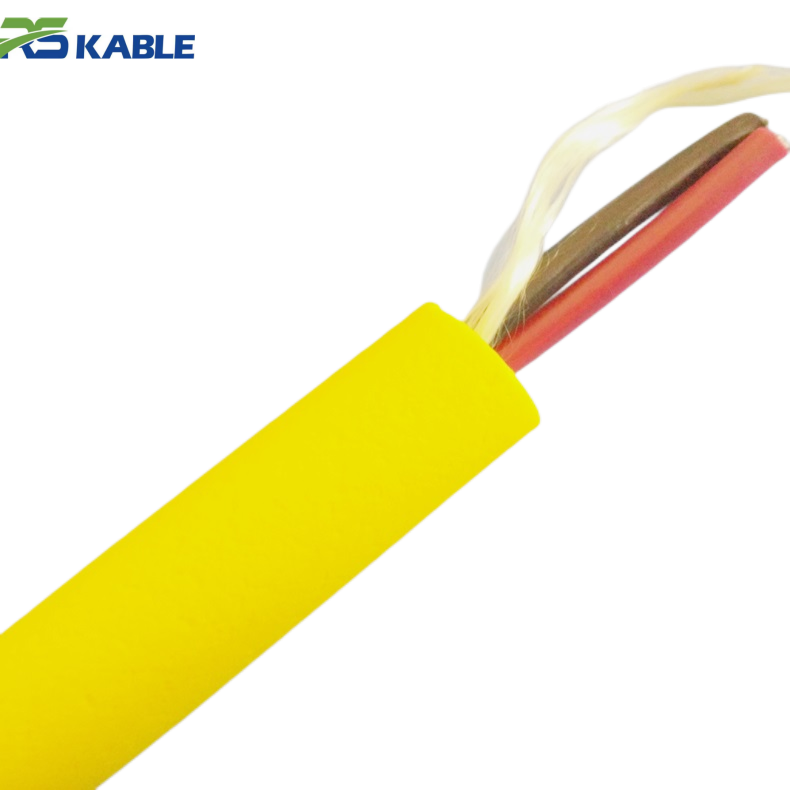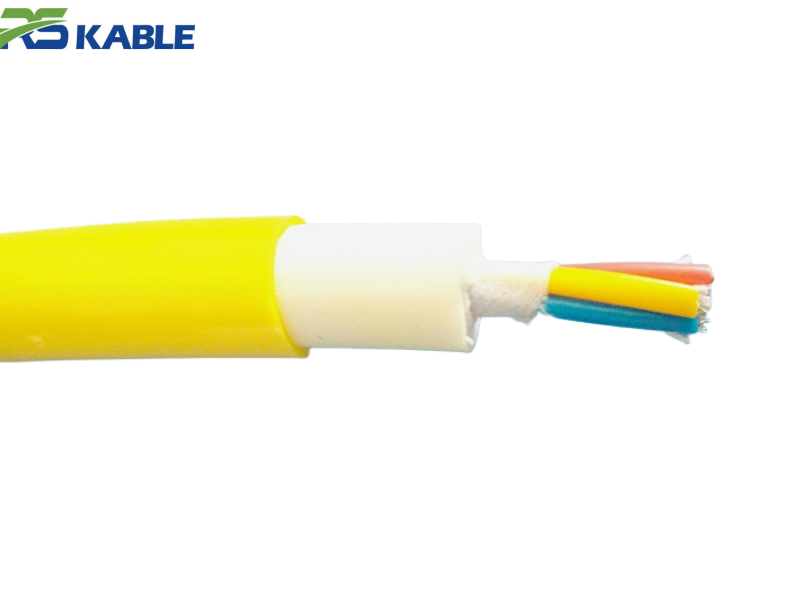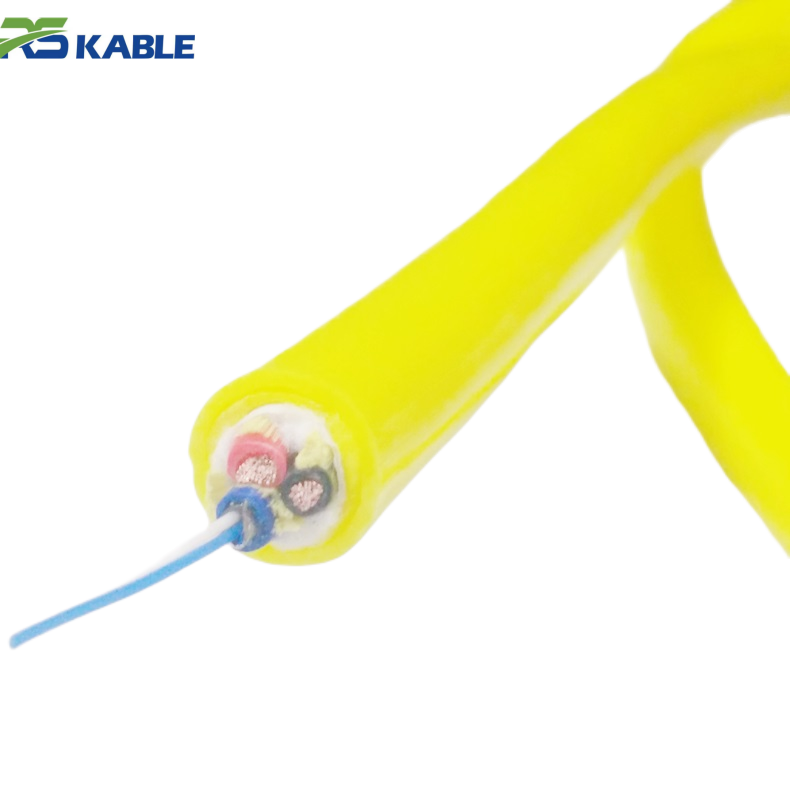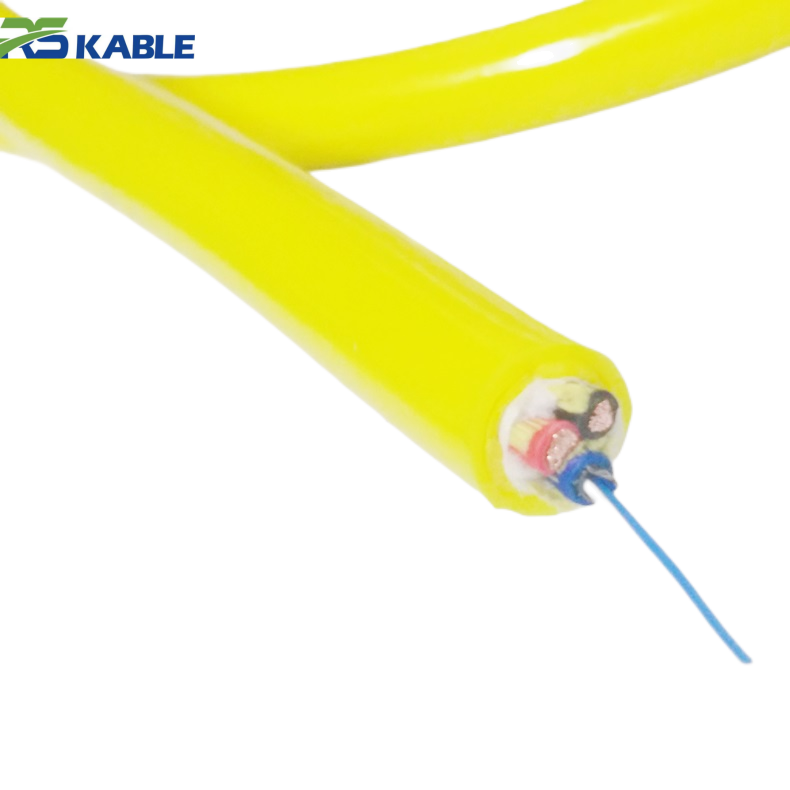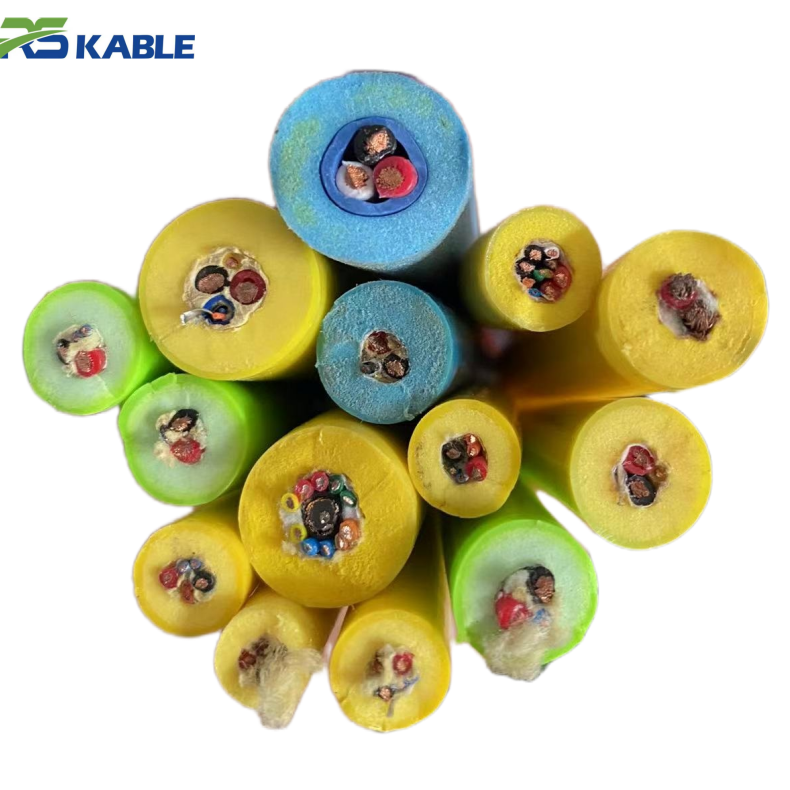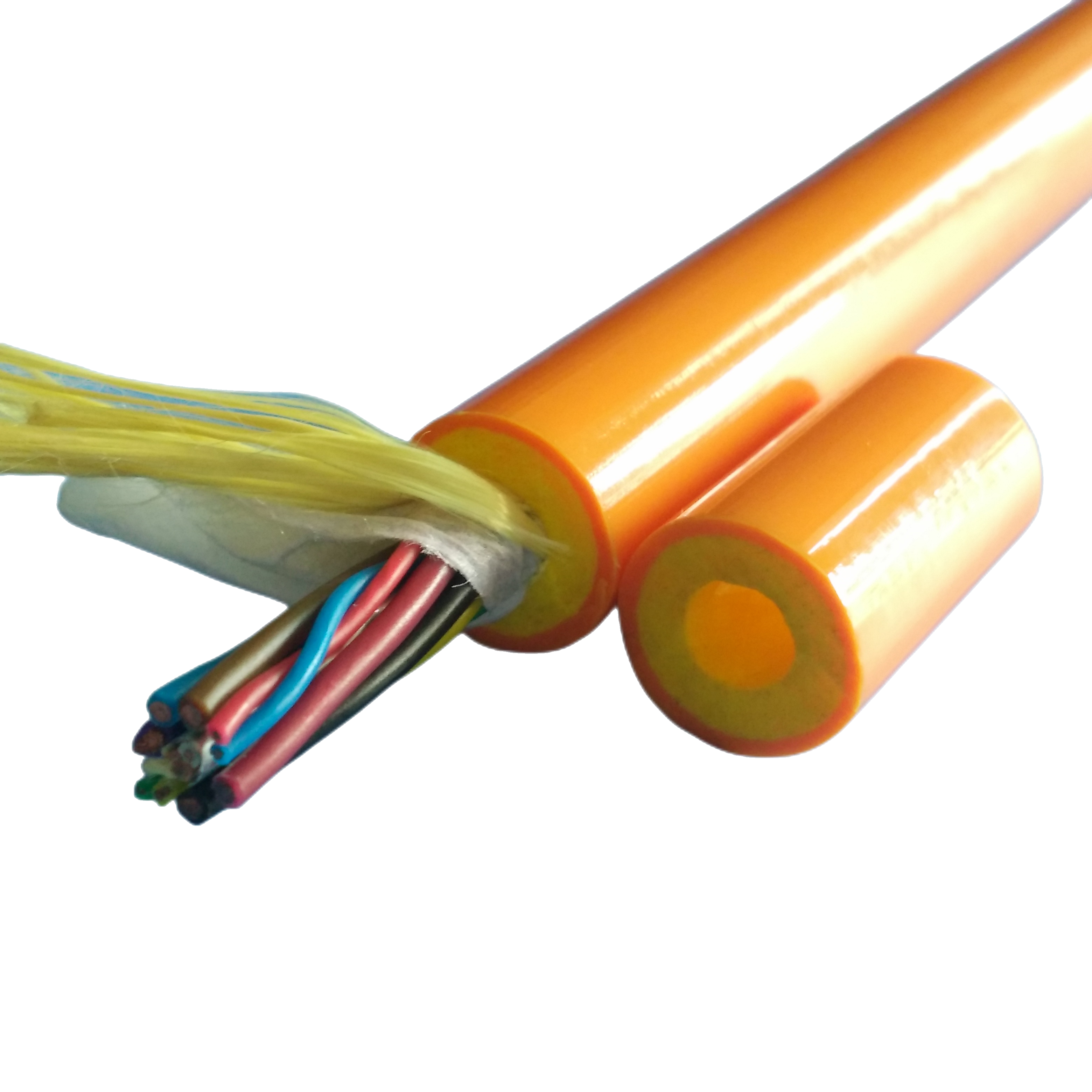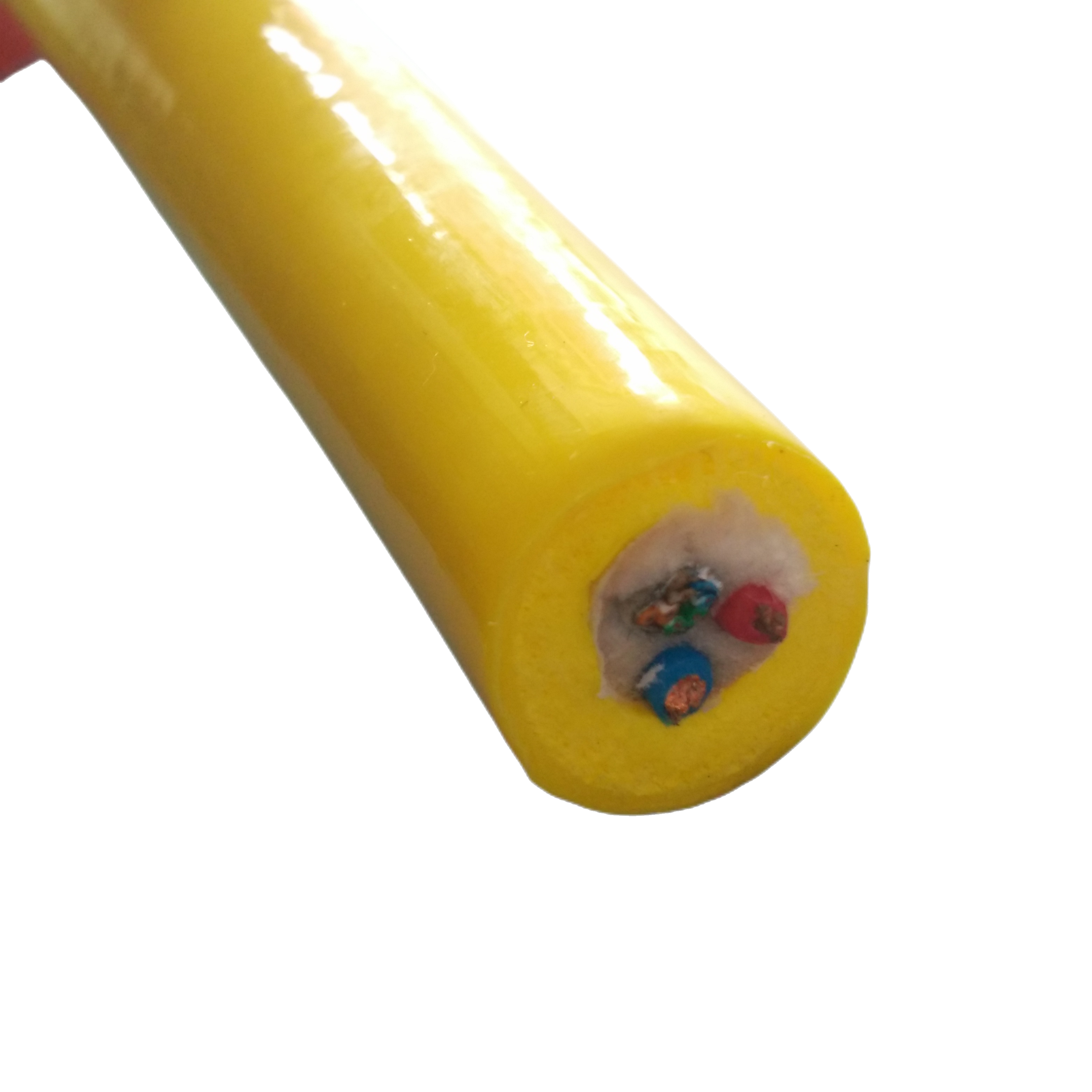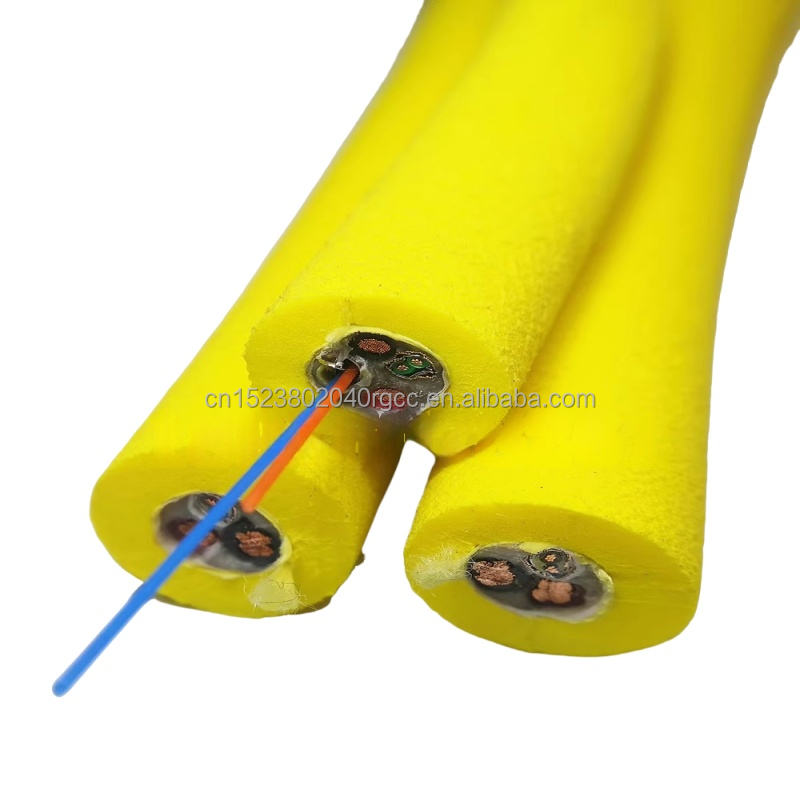



Neutral Buoyancy 8-Core Ethernet Cable 4×2×26AWG | Underwater ROV Communication Cable
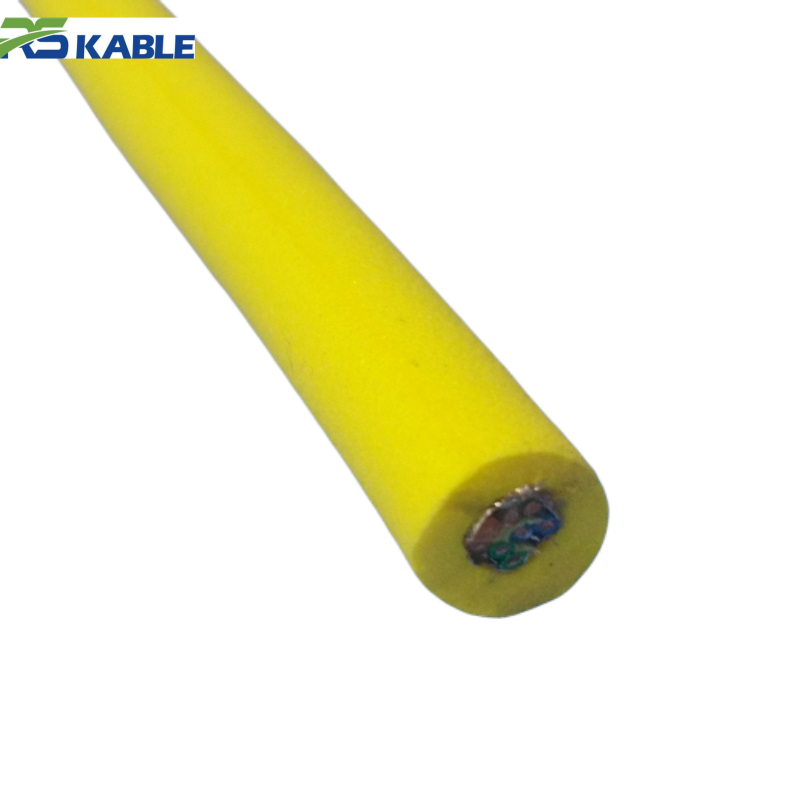
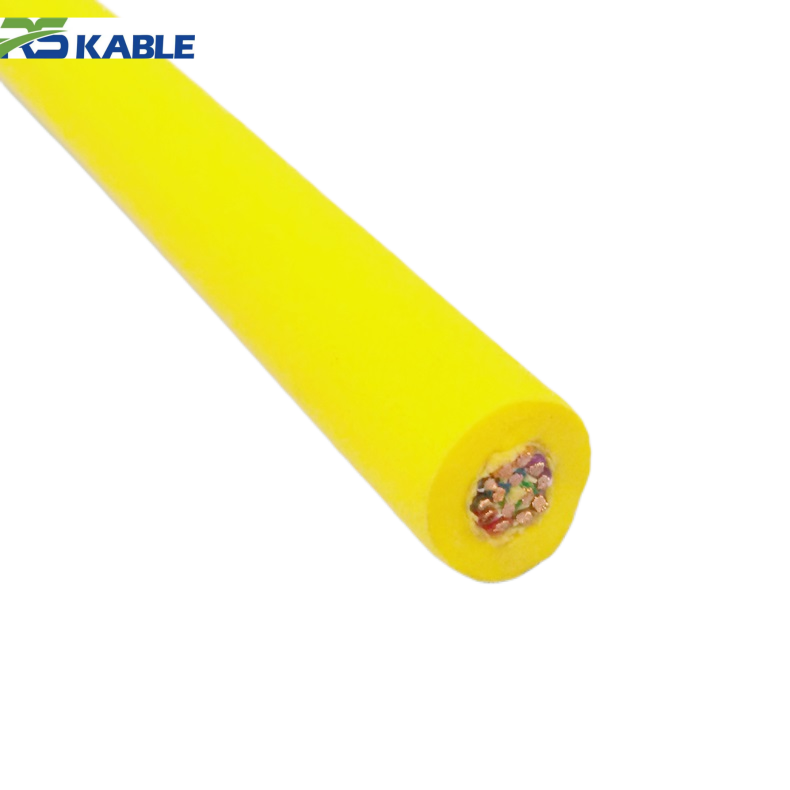
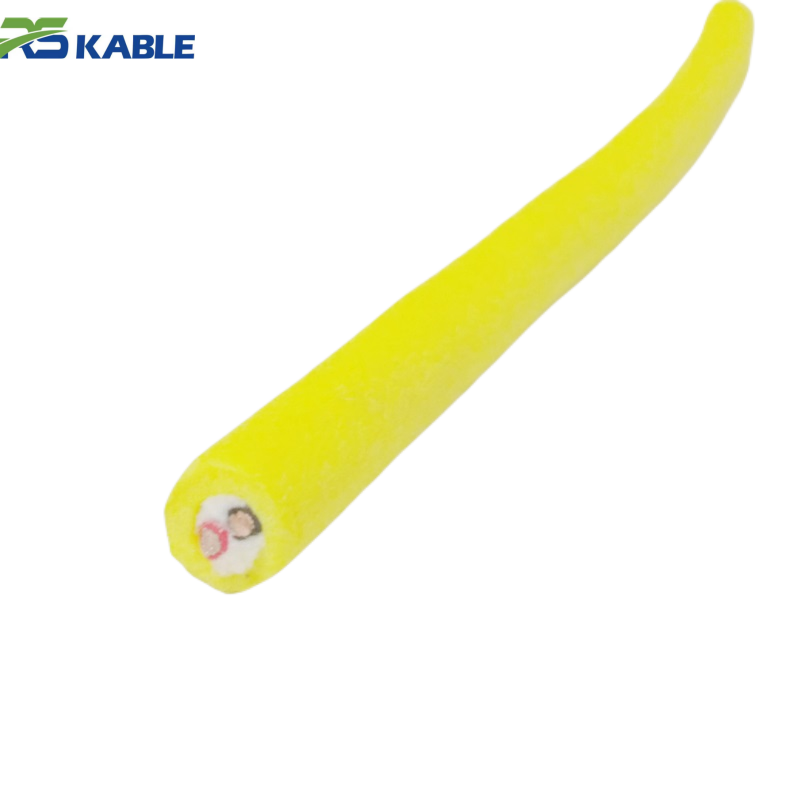
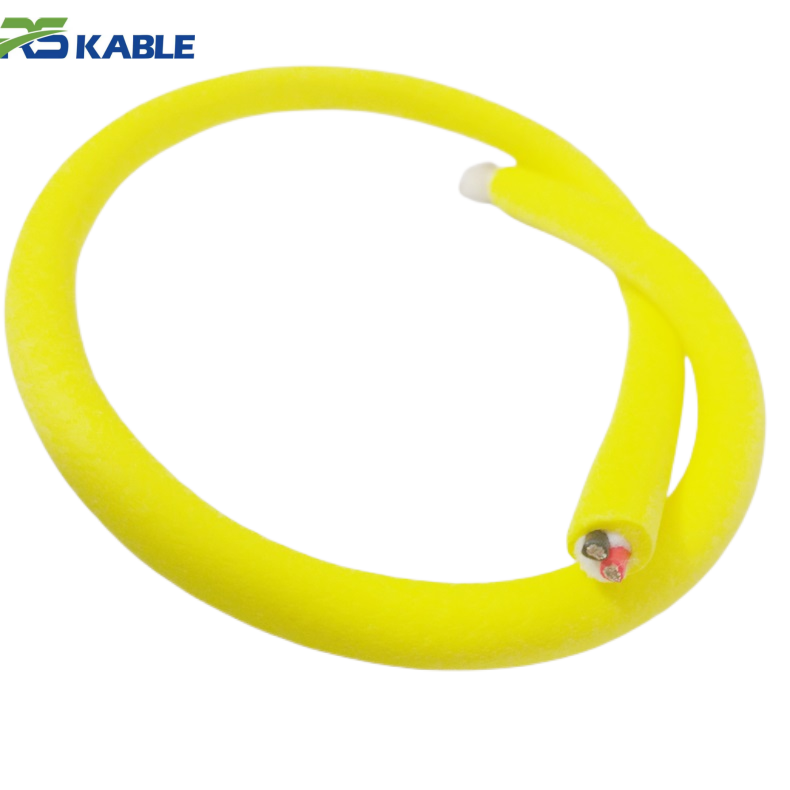
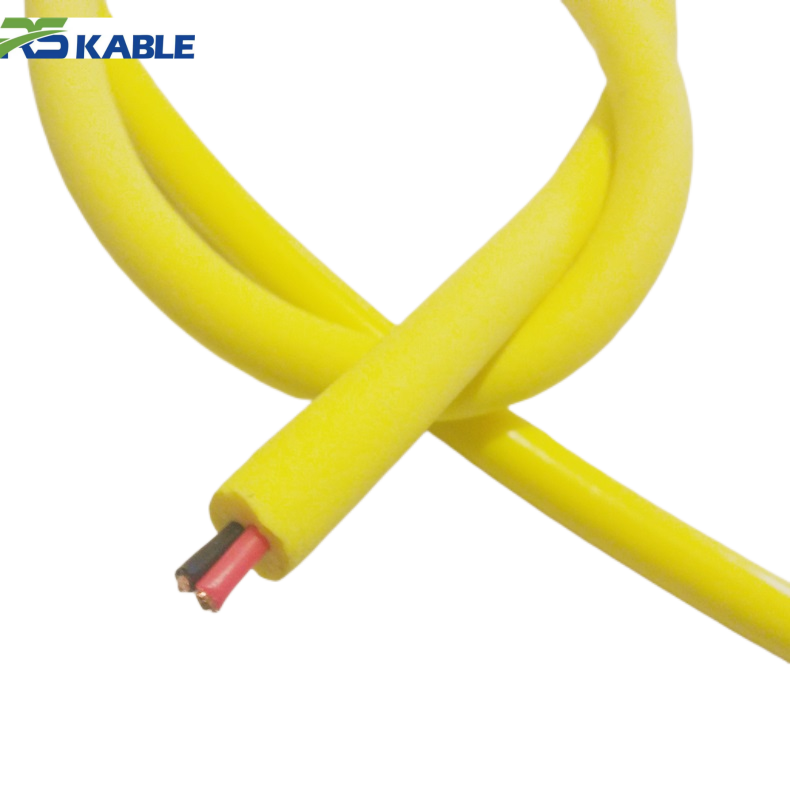
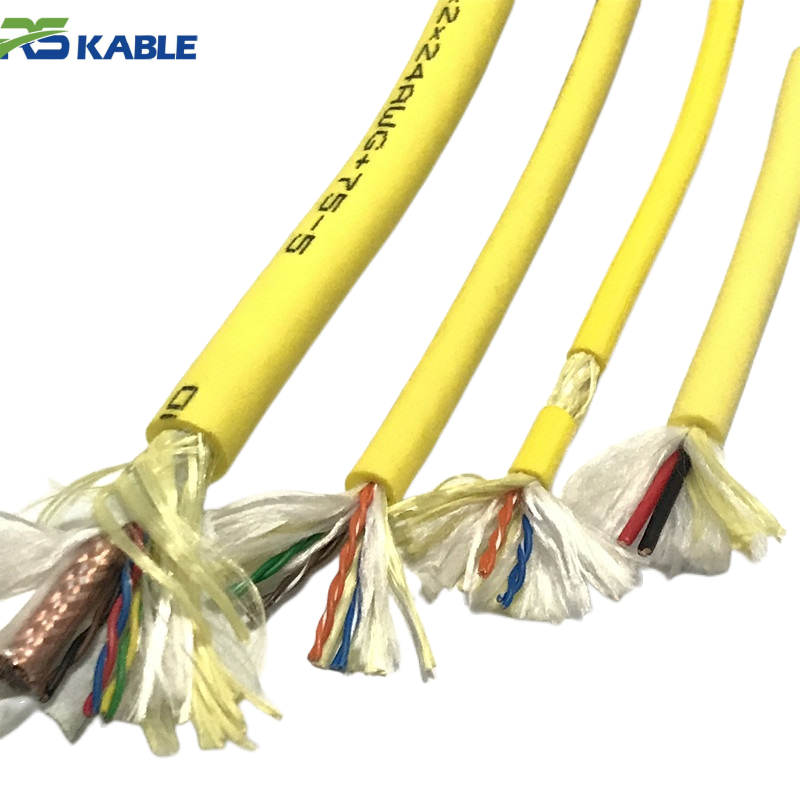
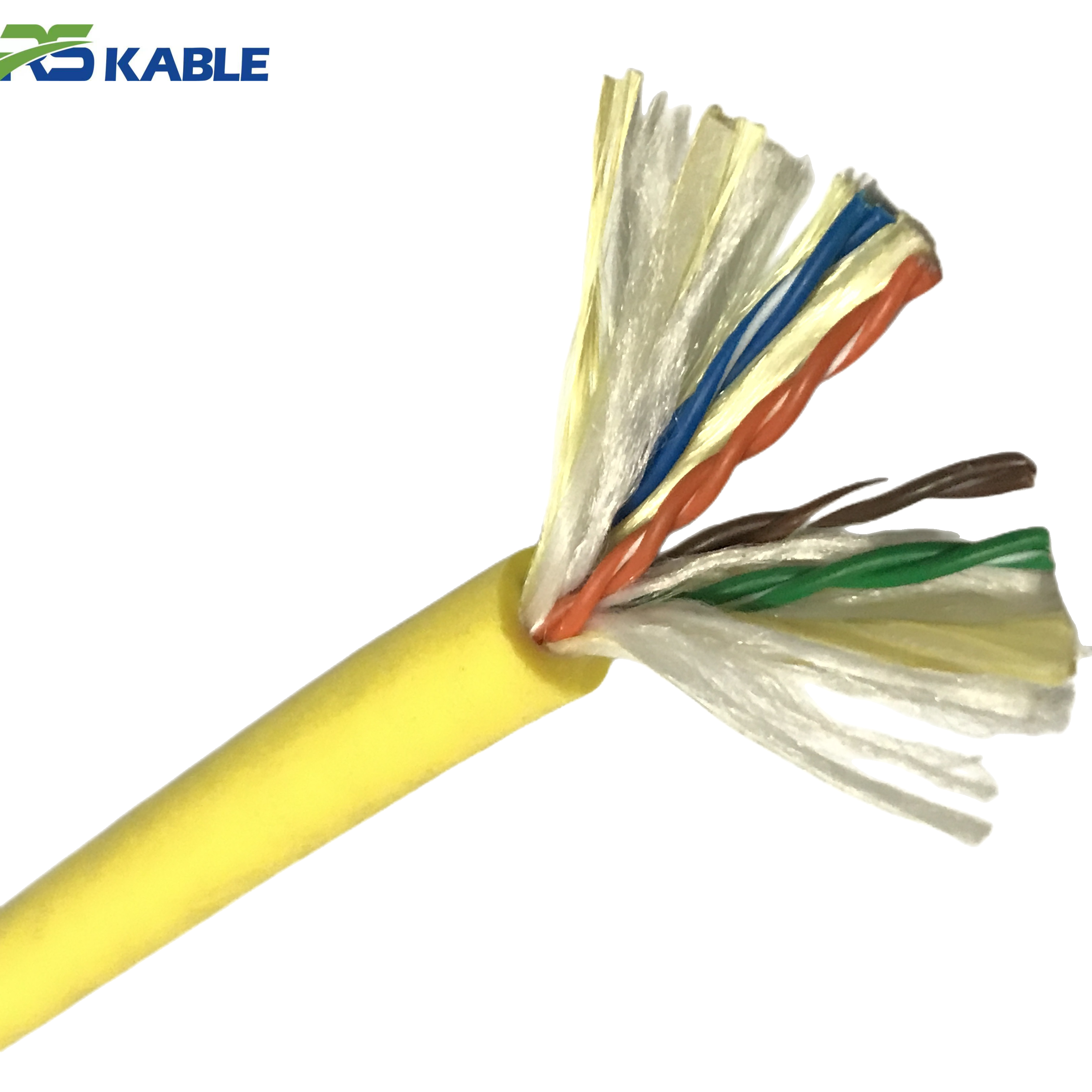
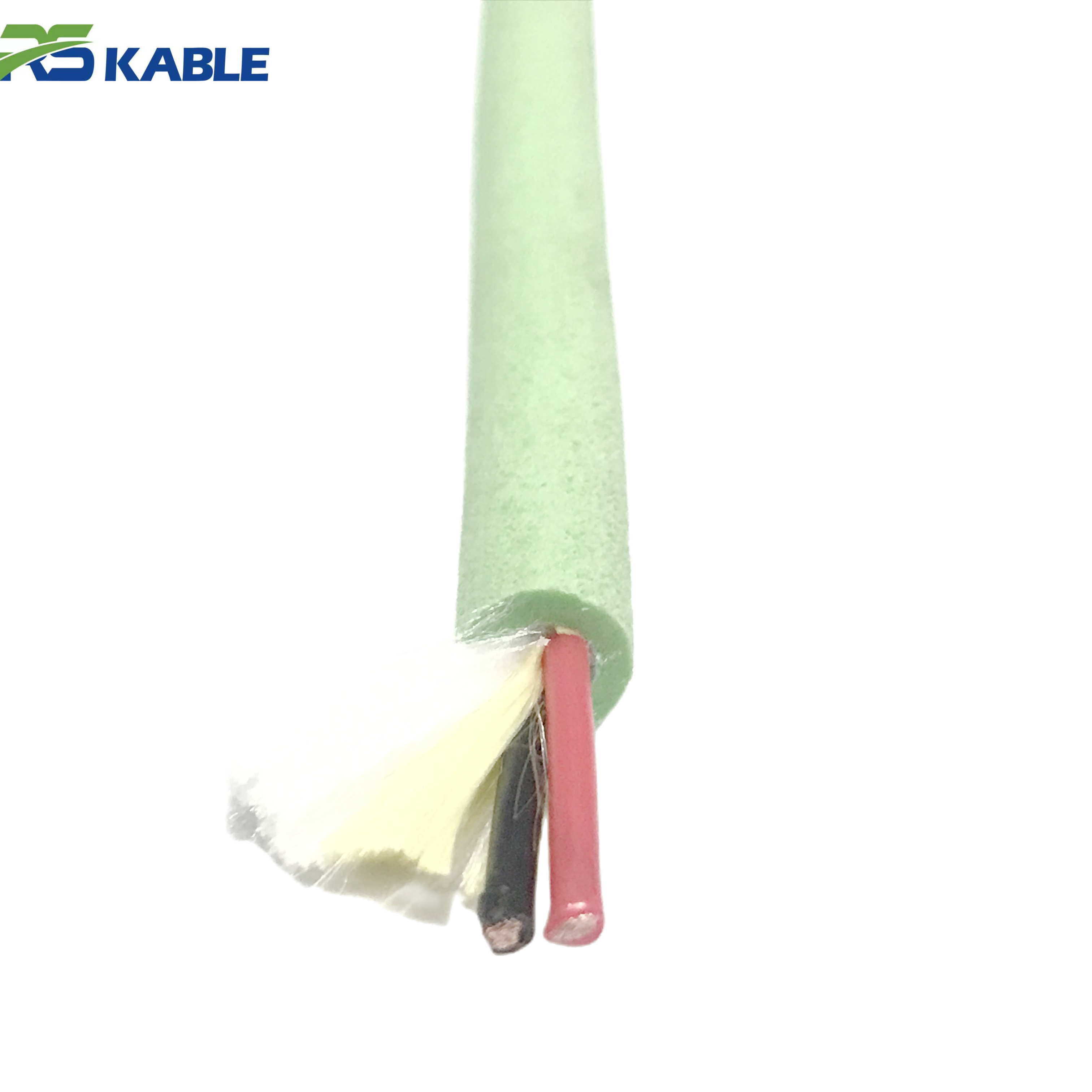
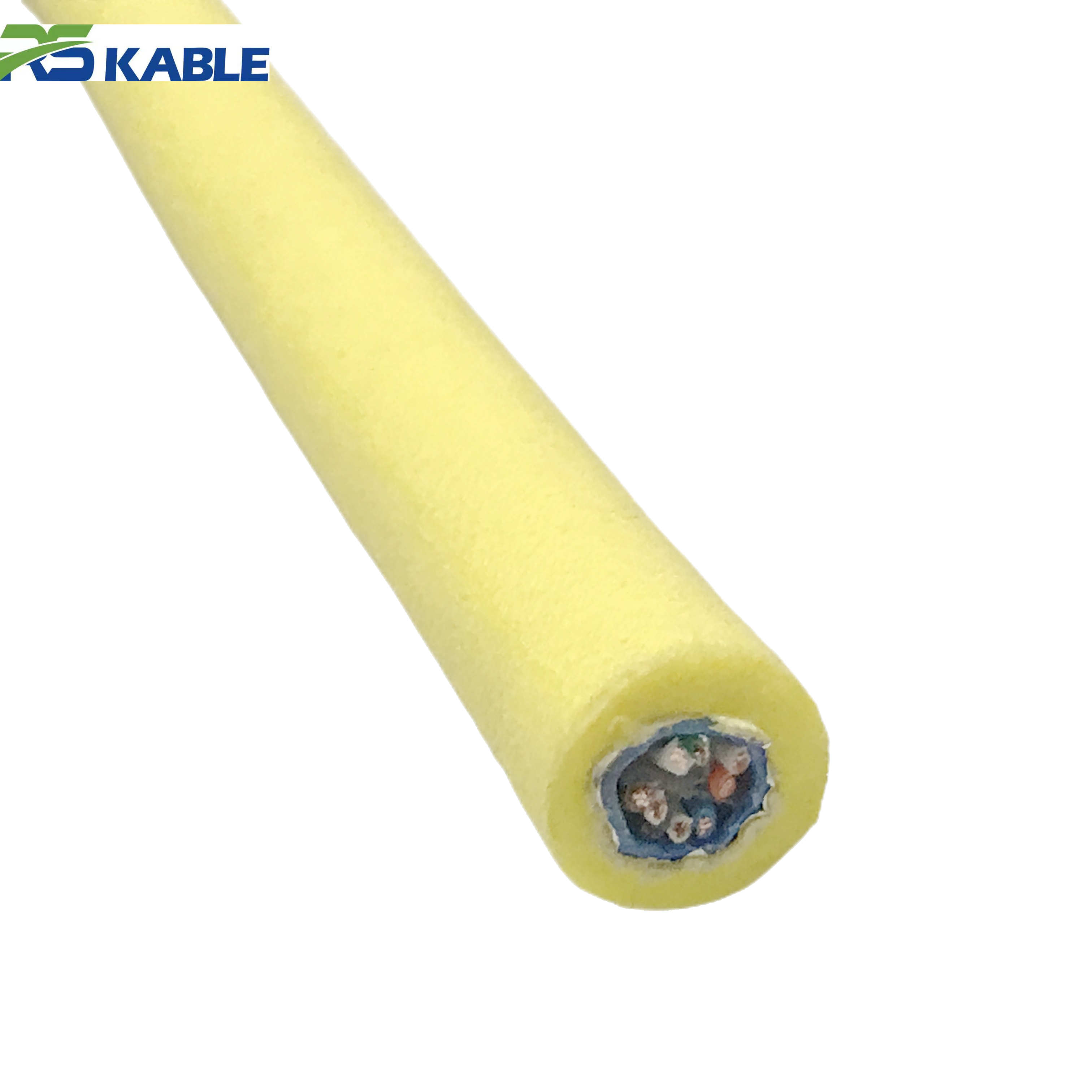
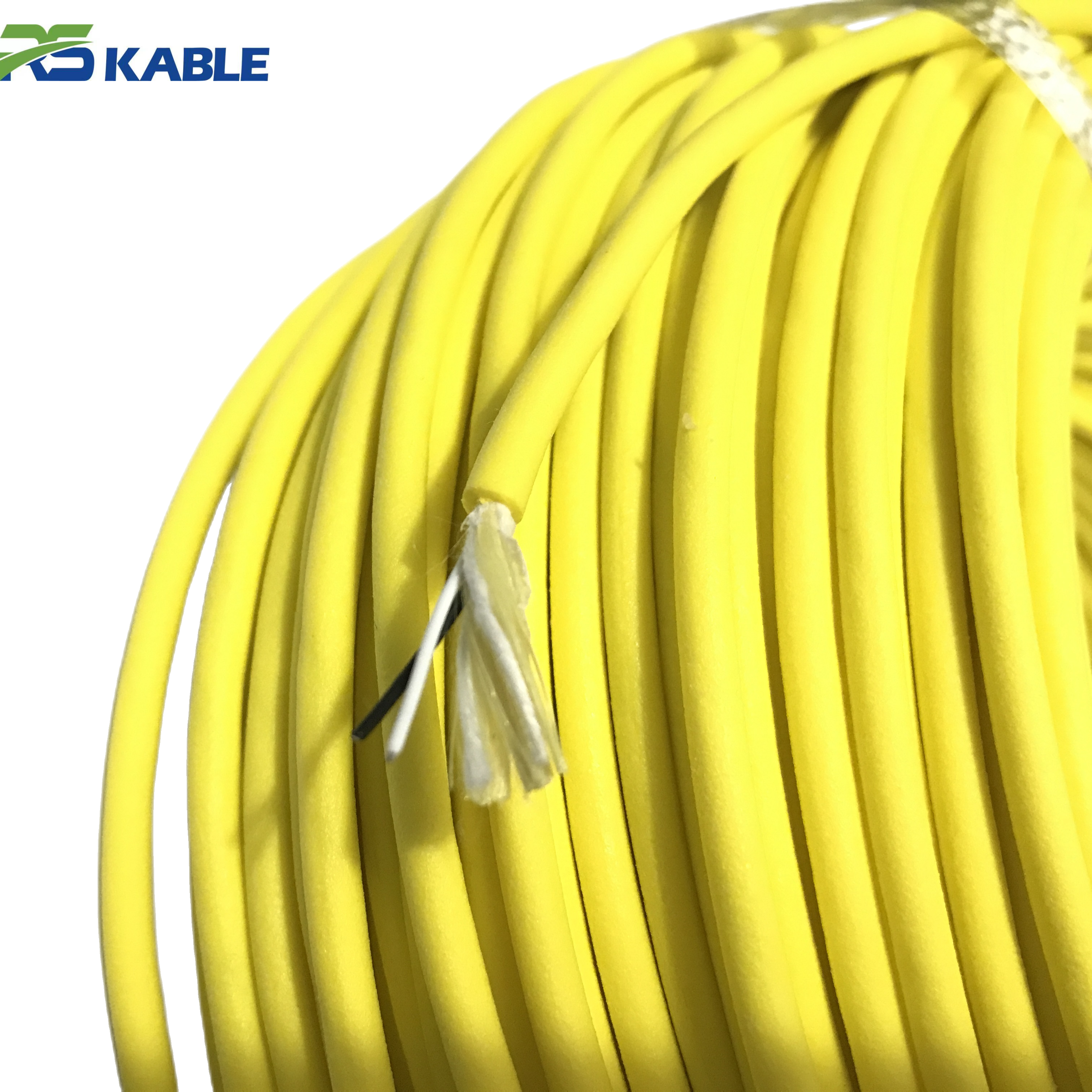
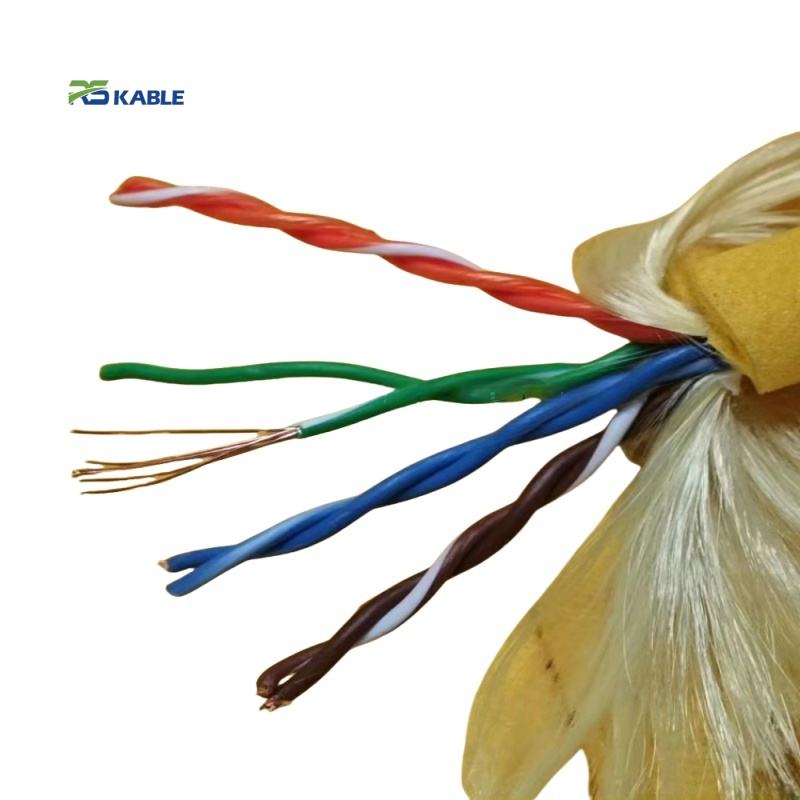
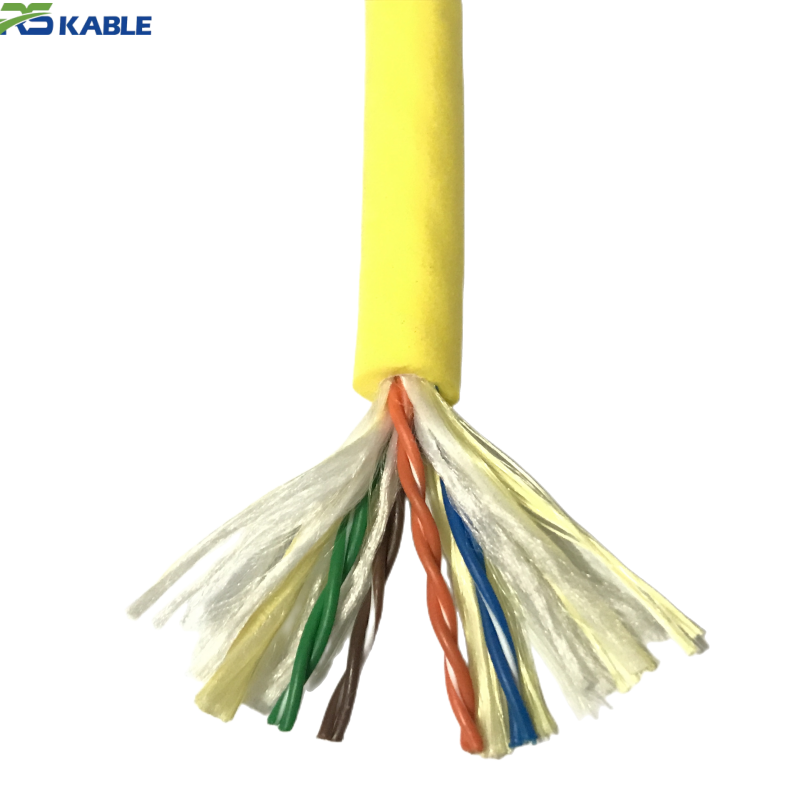
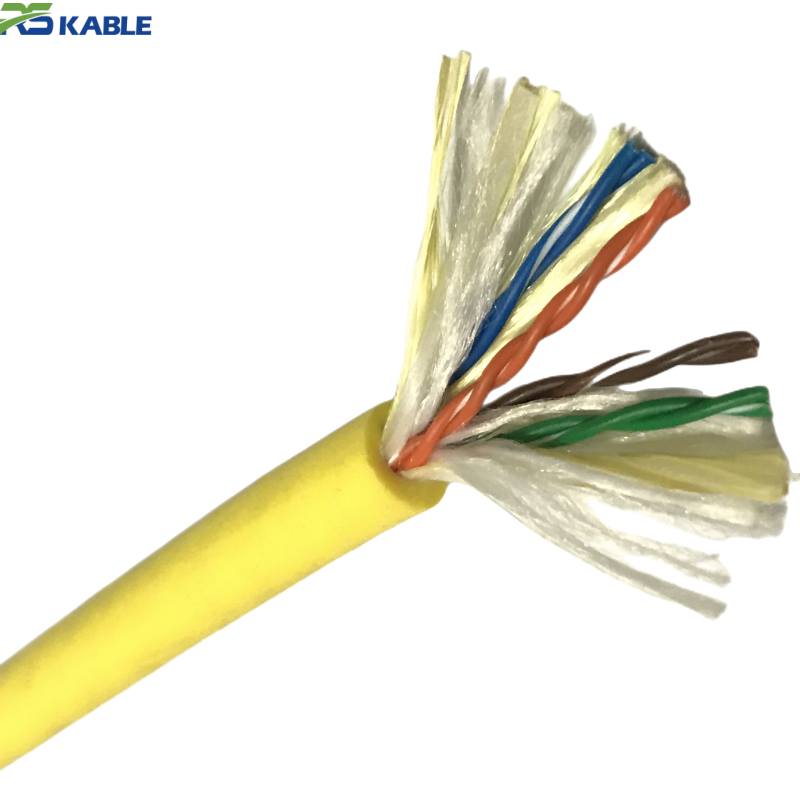
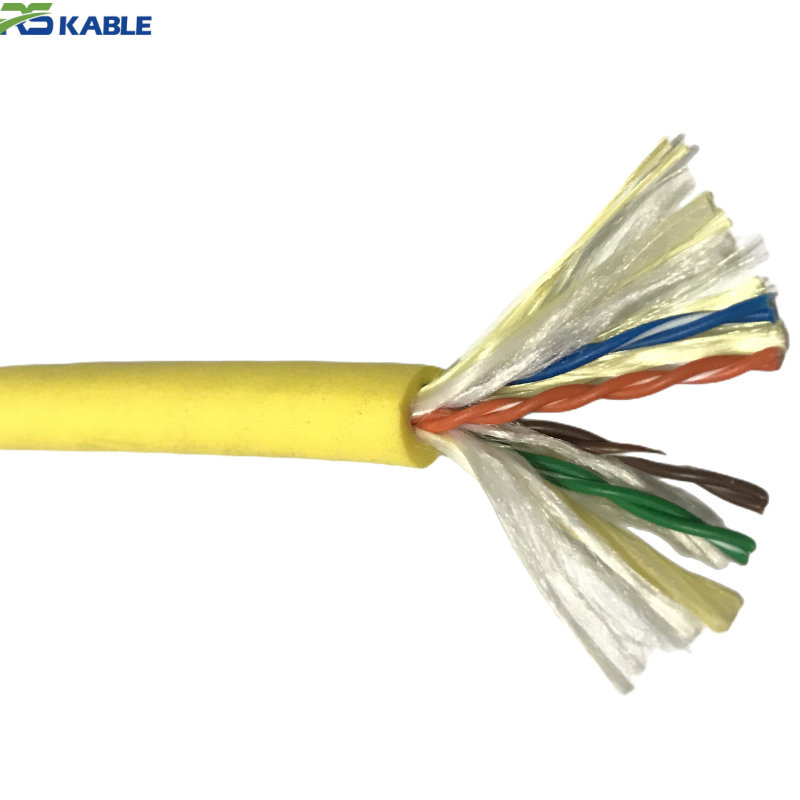
The RST-NBE-826 series is a 4×2×26AWG neutral buoyancy Ethernet cable built for underwater ROV communication links between the control pod, cameras, and sensor payloads. Its neutral-buoyancy PU jacket keeps the tether clear of the vehicle’s operating path, while the Cat5e/Cat6-equivalent twisted-pair core holds signal integrity through continuous subsea handling.
Key benefits:
Neutral Buoyancy 8-Core Ethernet Cable 4×2×26AWG | Underwater ROV Communication Cable
The Neutral Buoyancy 8-Core Ethernet Cable is a 4-pair, 26AWG data cable built for underwater network links between an ROV’s control pod, cameras, and sensor payloads. Its 4×2×26AWG twisted-pair core follows standard Ethernet cabling geometry, while the neutral-buoyancy jacket keeps the tether from sinking into the ROV’s operating path during survey and inspection work. This construction is intended for engineers specifying subsea Ethernet backbones where both signal integrity and cable handling behavior matter.
What This Cable Is Built For
Underwater ROV systems increasingly route camera, sonar, and sensor data over Ethernet rather than dedicated analog lines, which means the data cable inside the tether has to behave like a network cable and a subsea cable at the same time. A standard indoor Ethernet cable is not built for continuous water contact, tensile handling during launch and recovery, or the buoyancy behavior that keeps a tether out of a vehicle’s own thruster wash. This product addresses those three requirements together: a 4×2×26AWG twisted-pair core for data integrity, a neutral-buoyancy jacket for handling, and a construction suited to repeated subsea deployment.
Product Series and Core Attributes
| Model | Core Configuration | Category Equivalent | Shielding | Jacket / Buoyancy | Typical Use |
|---|---|---|---|---|---|
| RST-NBE-826-C5E | 4×2×26AWG | Cat5e-equivalent twist geometry | Unshielded | Neutral-buoyancy PU | Standard ROV Ethernet link, camera/sensor data |
| RST-NBE-826-C6 | 4×2×26AWG | Cat6-equivalent twist geometry | Unshielded | Neutral-buoyancy PU | Higher-bandwidth video/data links |
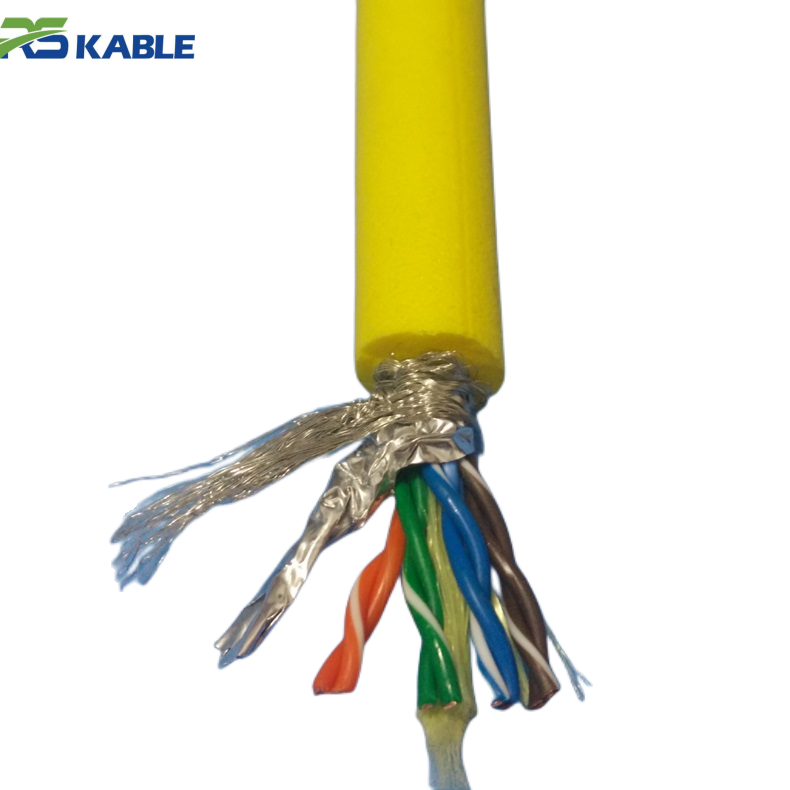
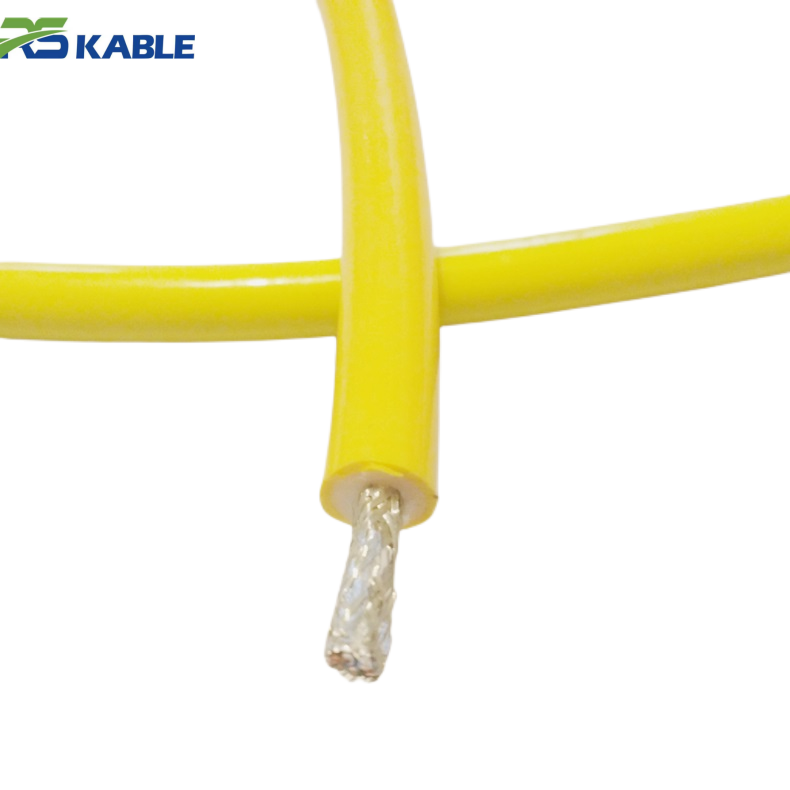
| RST-NBE-826-SH | 4×2×26AWG | Cat5e-equivalent twist geometry | Overall foil + drain wire | Neutral-buoyancy PU | Routing near thruster motor drive circuits |
| RST-NBE-826-C | Custom | Project-specified | Project-specified | Project-matched | Non-standard ROV or subsea vehicle integration |
Applications and Use Scenarios
The Neutral Buoyancy 8-Core Ethernet Cable is used wherever an ROV, AUV, or fixed subsea system needs a network-grade data link that also has to survive continuous submersion and handling:
- ROV control pod to camera and sensor payload Ethernet links
- Subsea Ethernet backbone between distributed sensor nodes
- Underwater manipulator arm data and telemetry wiring
- Fixed subsea monitoring stations requiring network connectivity
- AUV internal payload-to-controller data links
- Underwater inspection systems transmitting HD video over IP
In each case, the cable functions as an underwater ROV communication cable first and a standard Ethernet cable second — the twisted-pair geometry follows Ethernet convention, but the jacket, buoyancy, and handling behavior are engineered for subsea use rather than structured indoor cabling.
Technical Parameters
| Parameter | Specification |
|---|---|
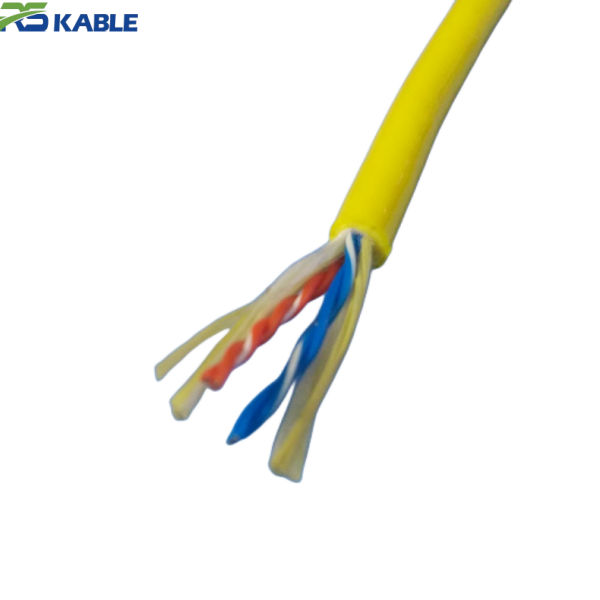
| Core configuration | 4×2×26AWG (4 twisted pairs, 8 conductors total) |
| Conductor | Tinned copper, 7×34 fine stranding per conductor |
| Insulation | Foamed or solid polyethylene, individually twisted pairs |
| Category equivalent | Cat5e or Cat6 twist geometry (model-dependent) |
| Shielding | Unshielded (UTP) standard; overall foil + drain wire on SH variant |
| Jacket material | Neutral-buoyancy polyurethane compound |
| Net buoyancy | Approximately neutral (0 ± 1 g/m), tunable by jacket formulation |
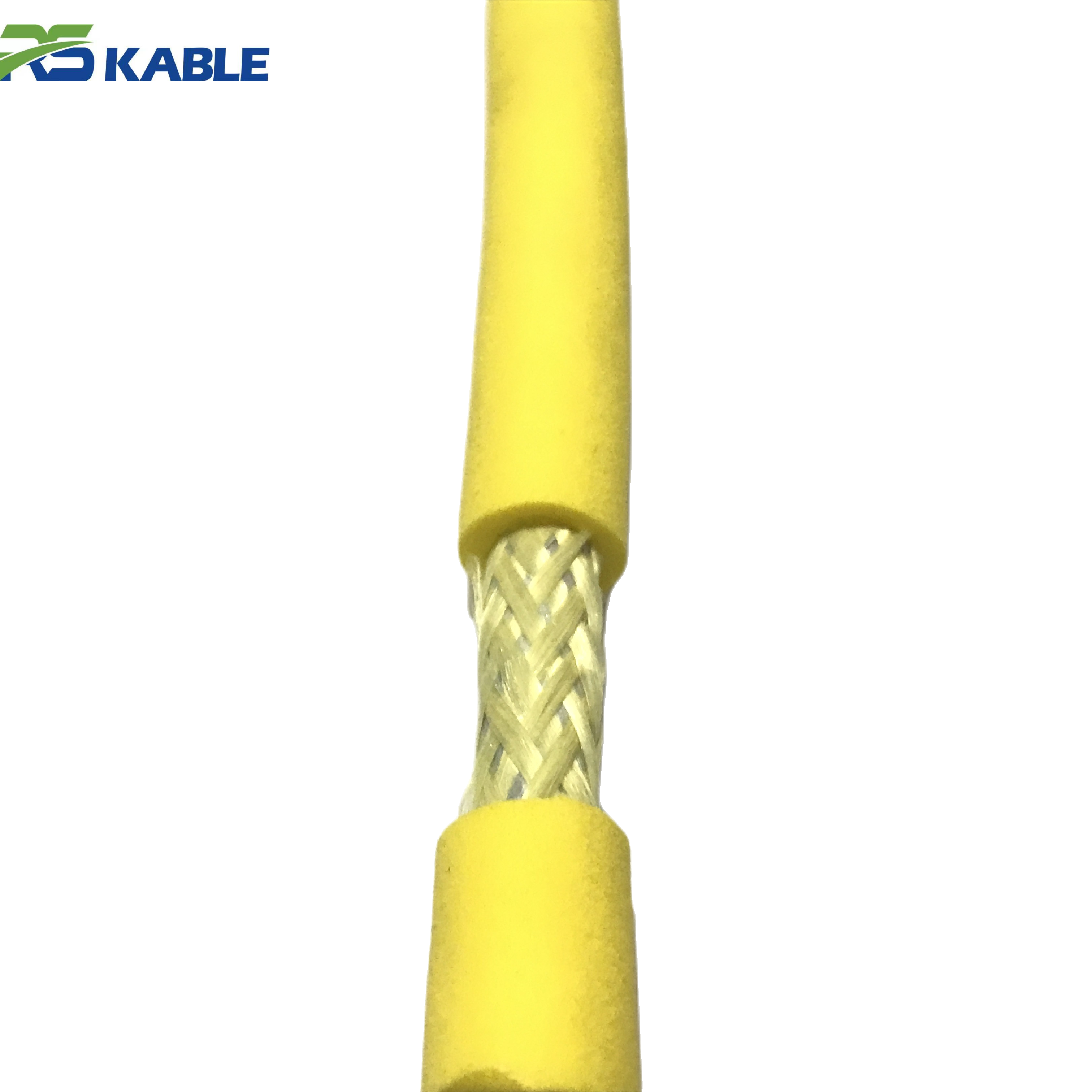
| Strength member | Aramid braid, sized to expected tensile handling load |
| Outer diameter | Approximately 6.5–7.5 mm, model-dependent |
| Data rate (rated) | Up to 100 Mbps (Cat5e-equivalent) or up to 1 Gbps (Cat6-equivalent) |
| Recommended max run length | Confirmed against actual underwater attenuation for the deployed length and connector interface |
| Operating temperature | -20°C to 60°C |
| Depth rating | Confirmed according to jacket thickness and project depth class |
Underwater attenuation on twisted-pair Ethernet does not track dry-cable specification sheets exactly, so recommended maximum run length should be confirmed for gigabit-rate links on longer tethers rather than assumed from the terrestrial standard alone.
Construction Detail
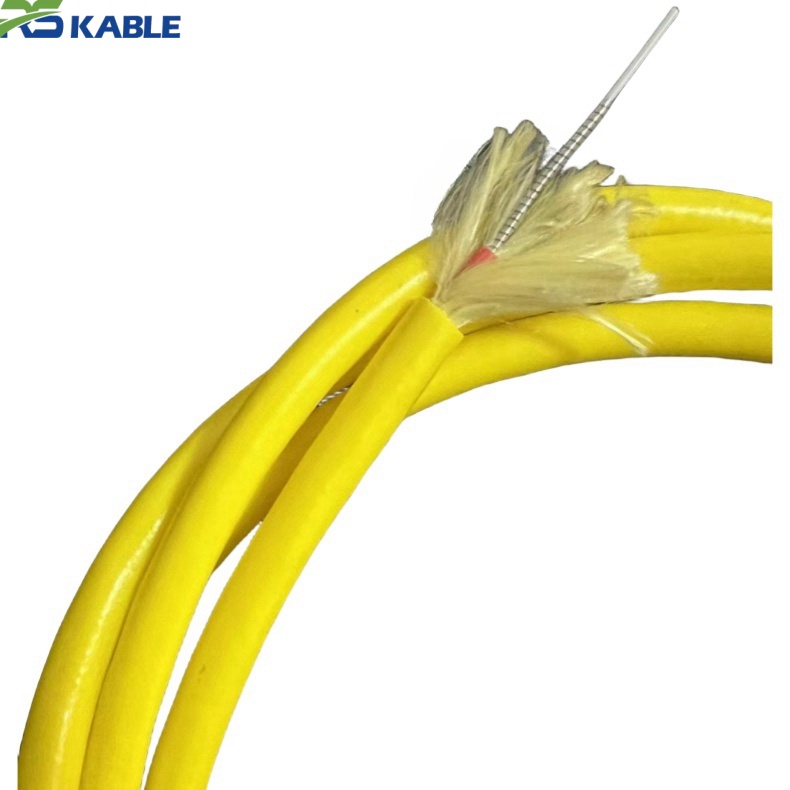
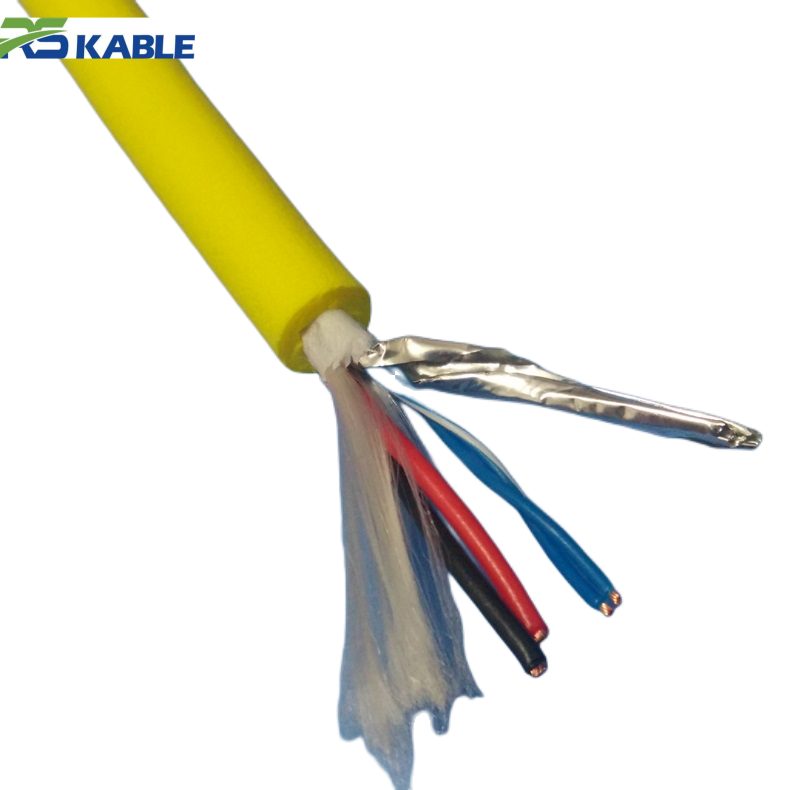
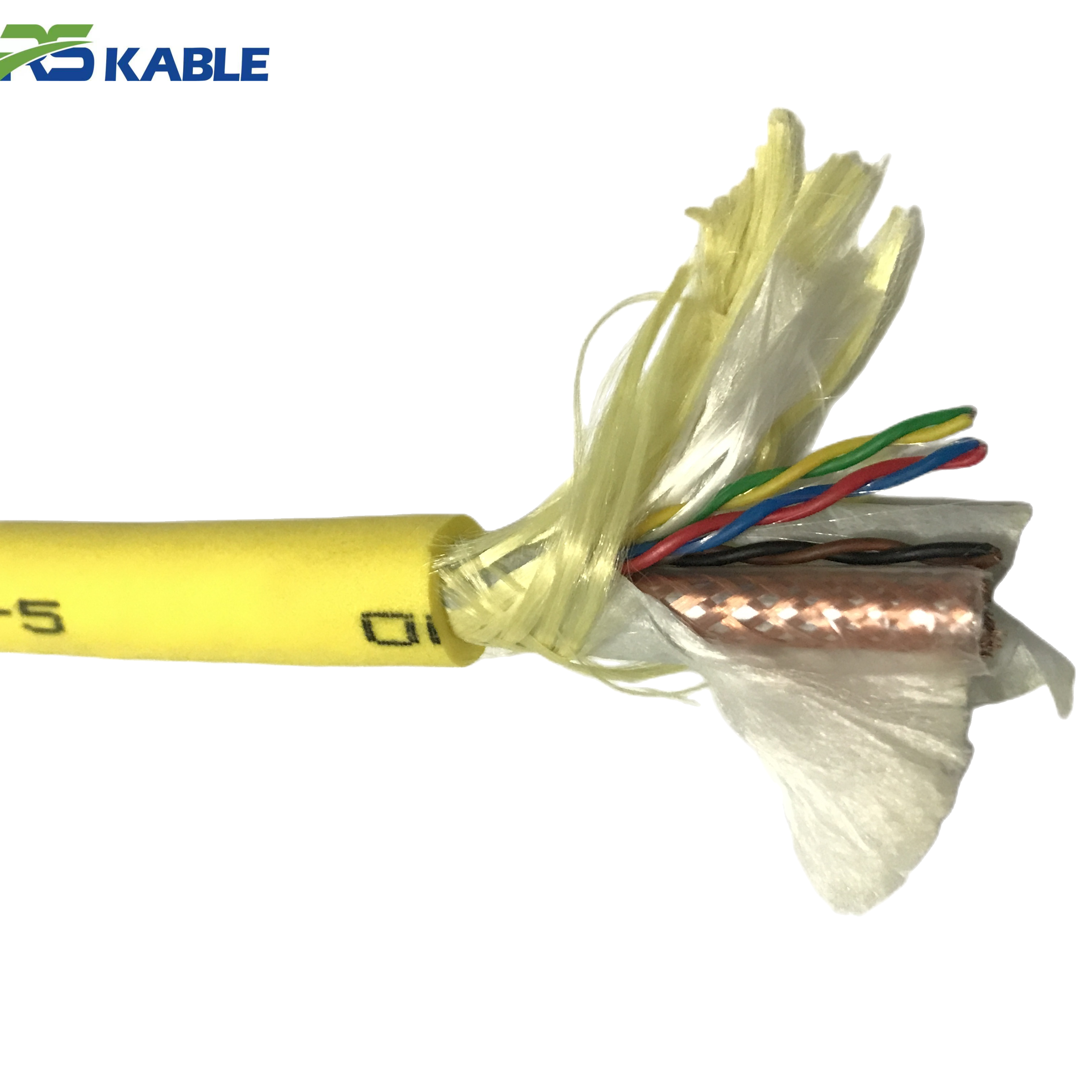
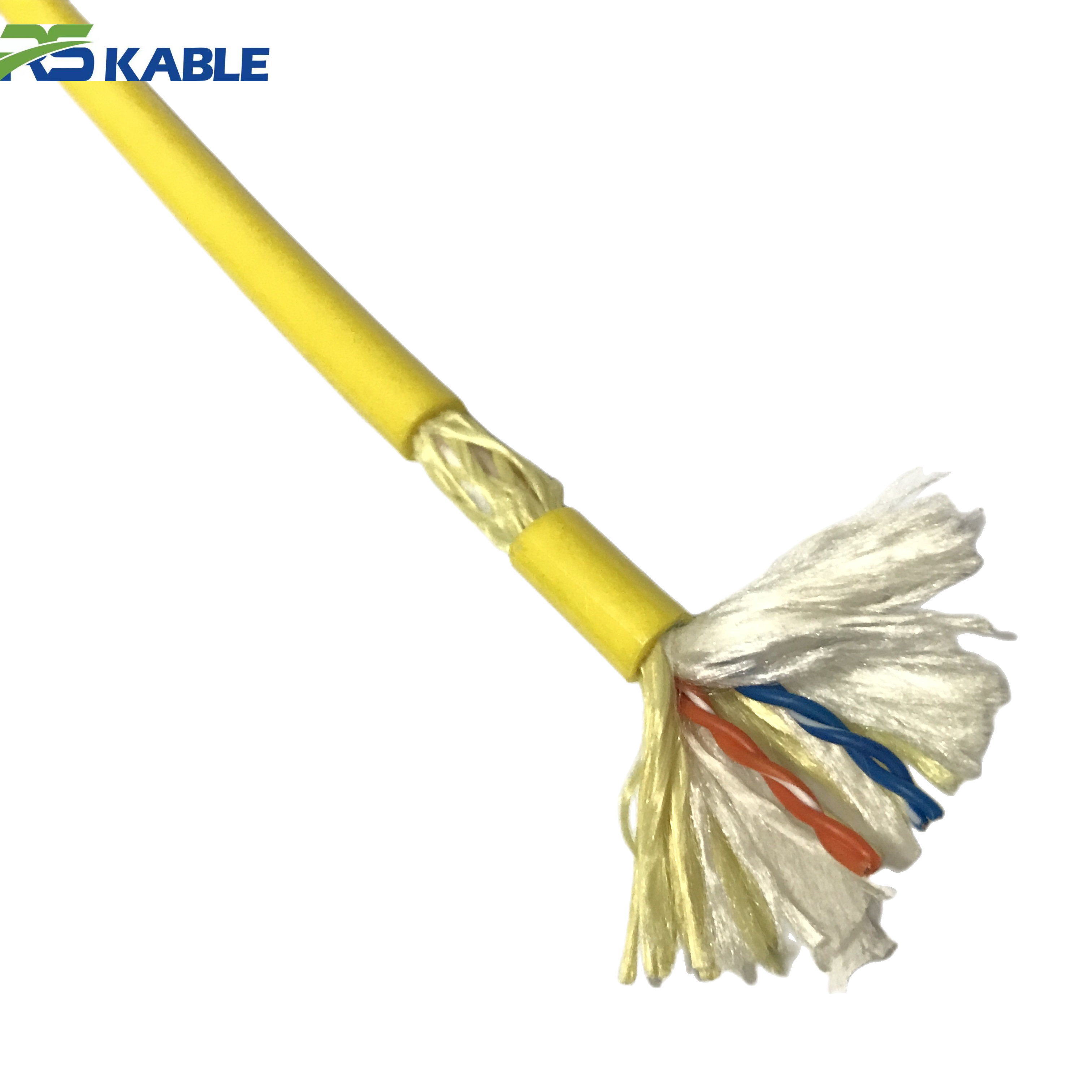
Each of the four pairs is twisted at a controlled lay length consistent with Cat5e or Cat6 practice to maintain crosstalk performance and characteristic impedance. The four pairs are then cabled together with a torque-neutral lay to reduce twisting during deployment and retrieval, surrounded by an aramid braid strength member sized to the cable’s expected tensile handling load. The outer neutral-buoyancy polyurethane jacket is formulated to bring the finished assembly close to the density of seawater, reducing the tendency of the tether to sink into the ROV’s own operating envelope during a survey run.
Standards Framework
The twisted-pair geometry follows the general category conventions described in TIA/EIA-568 structured cabling practice, adapted for a round, jacketed subsea construction rather than a flat indoor patch cable. Insulation and jacket material qualification follows the general testing philosophy of IEC 60092-350 for offshore and shipboard cable materials. These references describe the engineering approach the cable is built against; a project-specific type approval or test certificate should be requested separately where a classification society or client specification requires it.
Underwater ROV Communication Cable vs Standard Indoor Ethernet Cable
| Metric | Neutral Buoyancy 8-Core Ethernet Cable | Standard Indoor Cat5e/Cat6 Cable |
|---|---|---|
| Water contact rating | Continuous submersion | Not rated for water contact |
| Buoyancy behavior | Neutral, engineered to stay clear of ROV path | Not buoyancy-controlled, typically sinks |
| Tensile handling | Aramid-reinforced for deployment/retrieval loads | Not rated for repeated tensile handling |
| Jacket material | Neutral-buoyancy polyurethane | PVC or LSZH, not water- or buoyancy-optimized |
| Recommended use | ROV, AUV, and subsea network links | Fixed indoor structured cabling |
Ordering and Specification Guide
| Field | What to Provide |
|---|---|
| Bandwidth requirement | Cat5e-equivalent (100 Mbps) or Cat6-equivalent (up to 1 Gbps) |
| Required cable length | Measured from control pod to farthest payload connection |
| Shielding requirement | Unshielded, or shielded if routed near thruster/motor drive circuits |
| Depth/pressure class | Confirmed operating depth for jacket and pressure-handling selection |
| Connector interface | Underwater-mateable Ethernet connector or dry-mate termination |
| Tensile handling profile | Expected load during launch, recovery, and general handling |
Inquiry Example
4×2×26AWG, Cat5e-equivalent, unshielded, neutral-buoyancy PU jacket, underwater-mateable Ethernet connector, 40 meters, ROV camera payload link
Request a Quote
Send the application details above — bandwidth requirement, length, and connector interface — for model matching, structure confirmation, and pricing on the Neutral Buoyancy 8-Core Ethernet Cable.
FAQ
What does 4×2×26AWG mean on this Ethernet cable?
It describes four twisted pairs (4×2, meaning four groups of two conductors) with each conductor sized at 26AWG — the same pair-count logic used in standard Cat5e/Cat6 cabling, adapted here into a round, jacketed subsea construction.
Why does an underwater ROV communication cable need to be neutrally buoyant?
A cable that sinks tends to trail into the ROV’s own operating path, increasing drag and the risk of the tether crossing into the thruster wash or catching on structure. A neutral-buoyancy jacket keeps the cable closer to a fixed position relative to the vehicle instead of sagging into the work area.
Can this cable run true gigabit Ethernet underwater?
The Cat6-equivalent variant is built to support up to 1 Gbps, but actual achievable rate depends on run length and connector interface, since underwater cable behavior does not always match a dry terrestrial specification sheet at longer lengths. Confirming maximum length for the specific data rate needed is recommended before finalizing an order.
Is shielding necessary for ROV Ethernet wiring?
Not always. Standard unshielded (UTP) construction is adequate for most ROV camera and sensor links. Shielding becomes more relevant when the Ethernet cable is routed in close proximity to thruster motor drive wiring, where switching noise can affect signal integrity.
What depth rating does this cable support?
Depth rating is confirmed according to jacket thickness and the specific project’s pressure requirements rather than a single fixed figure across all variants — shallow-water ROV links and deeper working-class ROV links call for different jacket and pressure-handling specifications.
Is custom length or connector termination available?
Yes. Length, connector interface, shielding, and category equivalent (Cat5e vs Cat6 twist geometry) can all be matched to the specific ROV or subsea vehicle integration.
Technical content reviewed by the cable engineering team prior to publication. Figures represent typical specifications for this construction class; request a project-specific test certificate for classification-society submissions or long gigabit-rate runs.