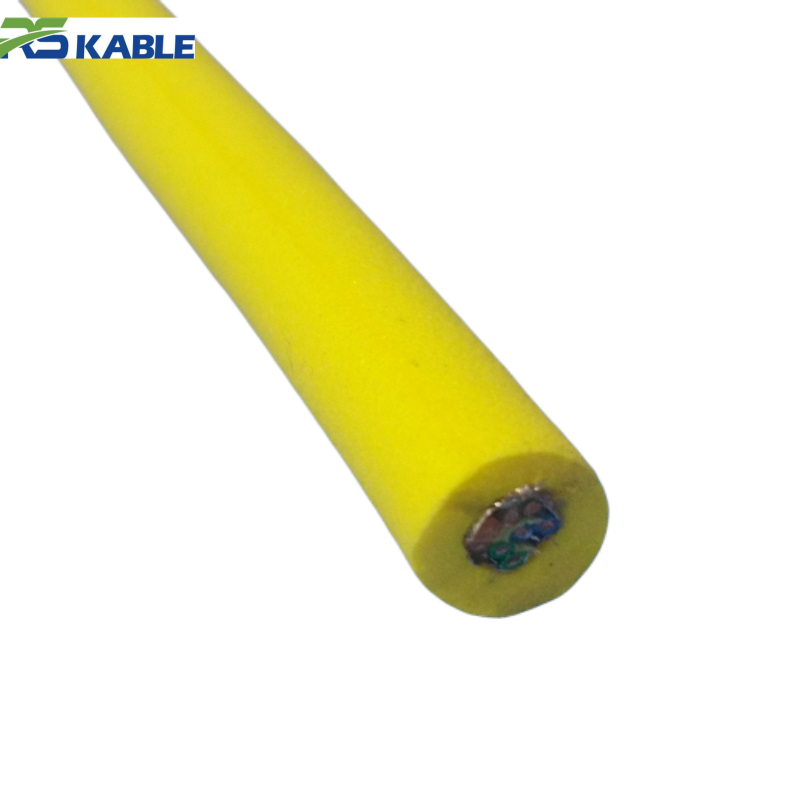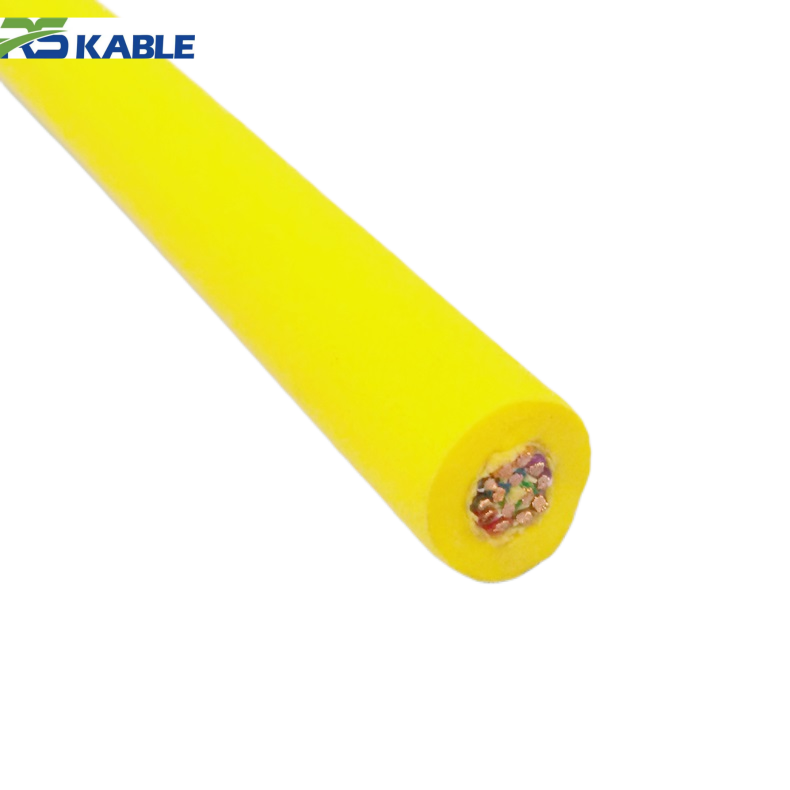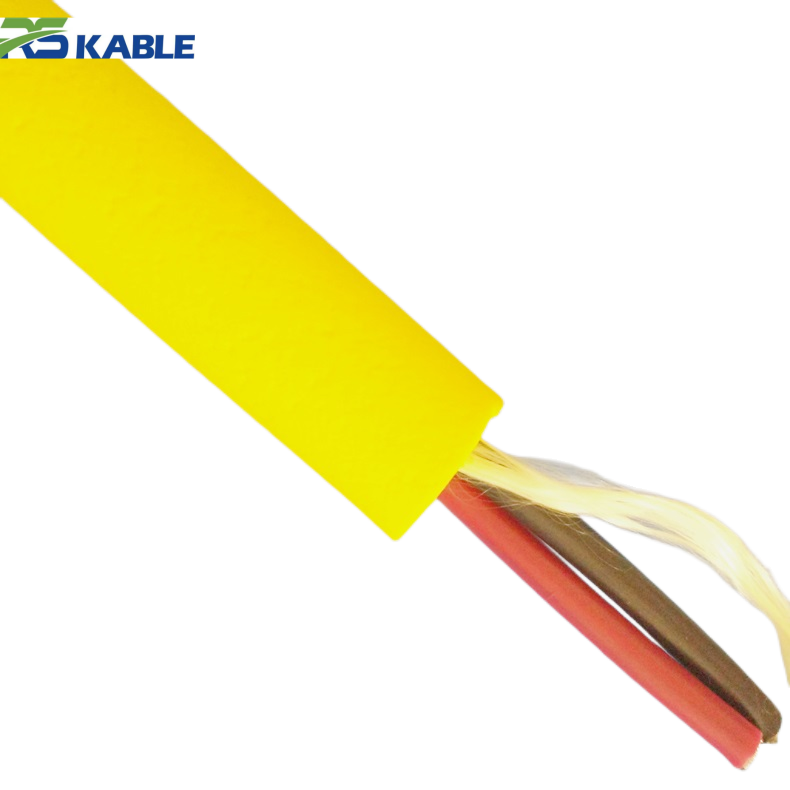



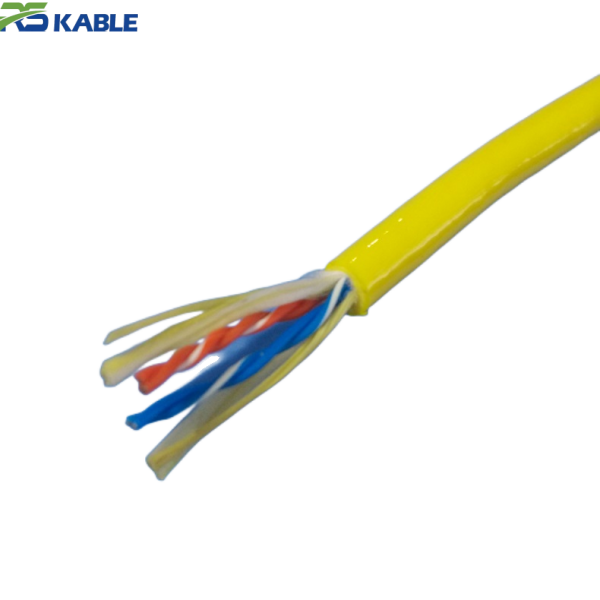
4-Core Neutral Buoyancy Ethernet Cable 2×2×26AWG | Underwater ROV Communication Cable
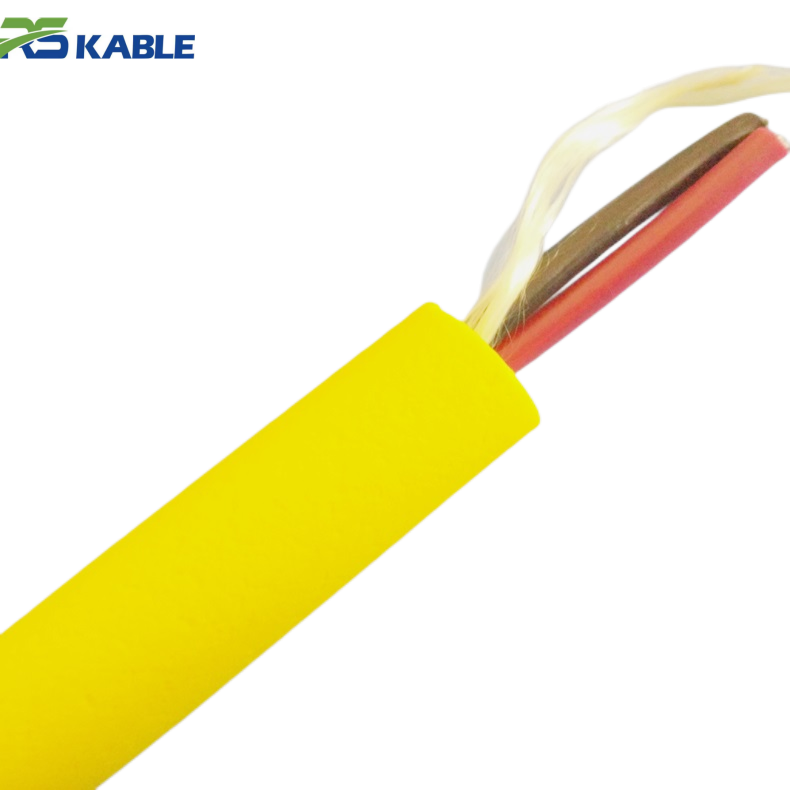
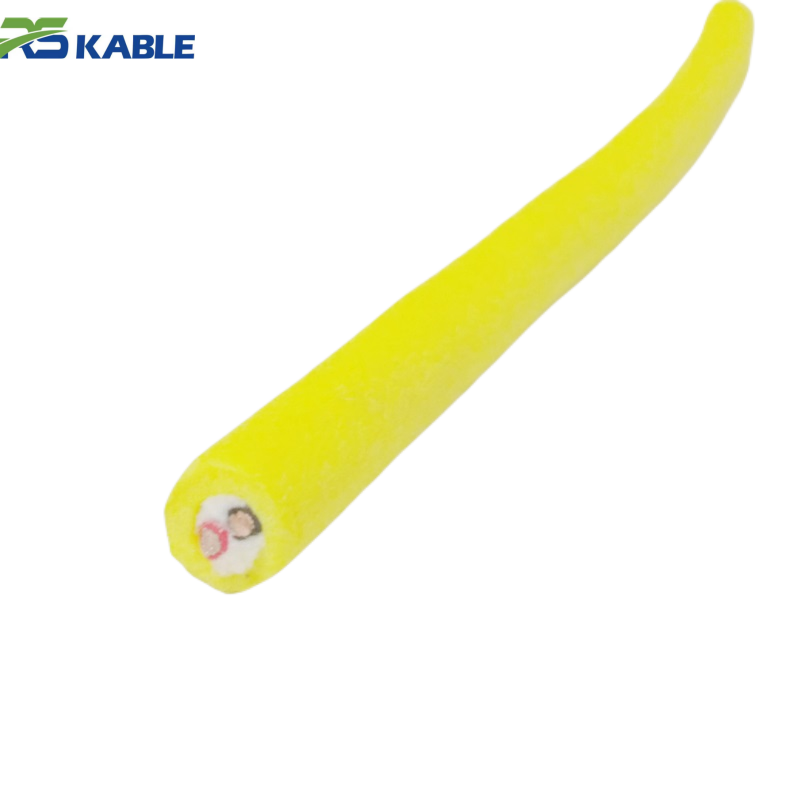
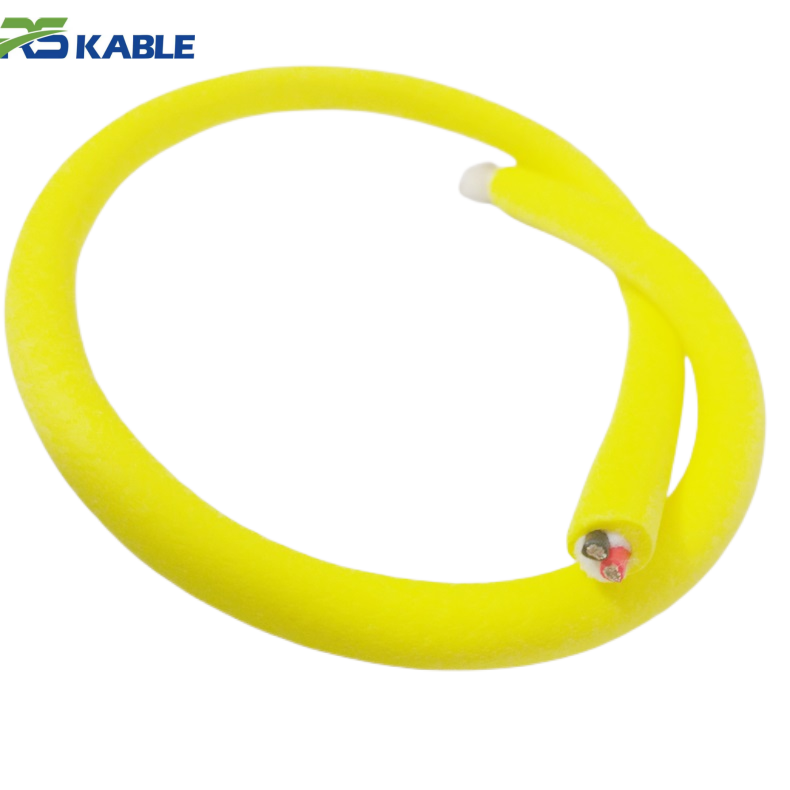
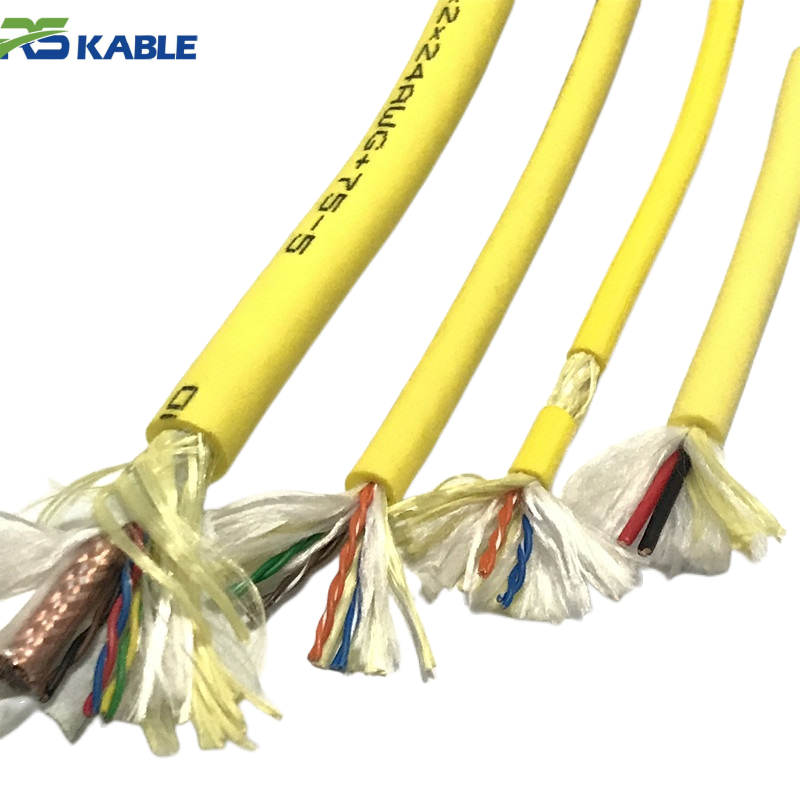
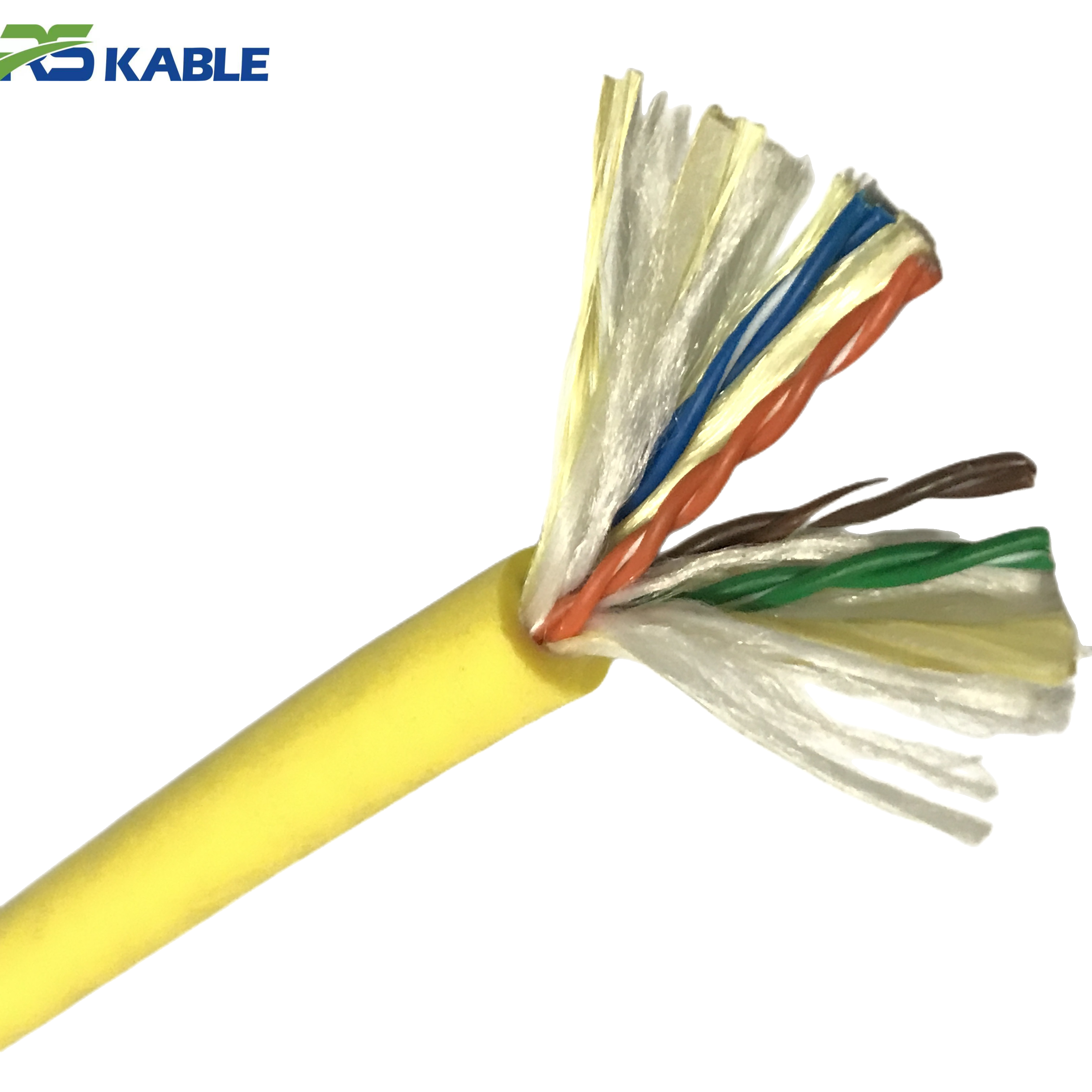
The RST-NBE-426 series is a 2×2×26AWG neutral buoyancy Ethernet cable built for compact underwater ROV communication links. Its smaller-diameter neutral-buoyancy jacket keeps the cable clear of the vehicle’s operating path, while the Cat5e-equivalent twisted-pair core delivers a reliable 100 Mbps link where diameter budget matters more than bandwidth.
Key benefits:
4-Core Neutral Buoyancy Ethernet Cable 2×2×26AWG | Underwater ROV Communication Cable
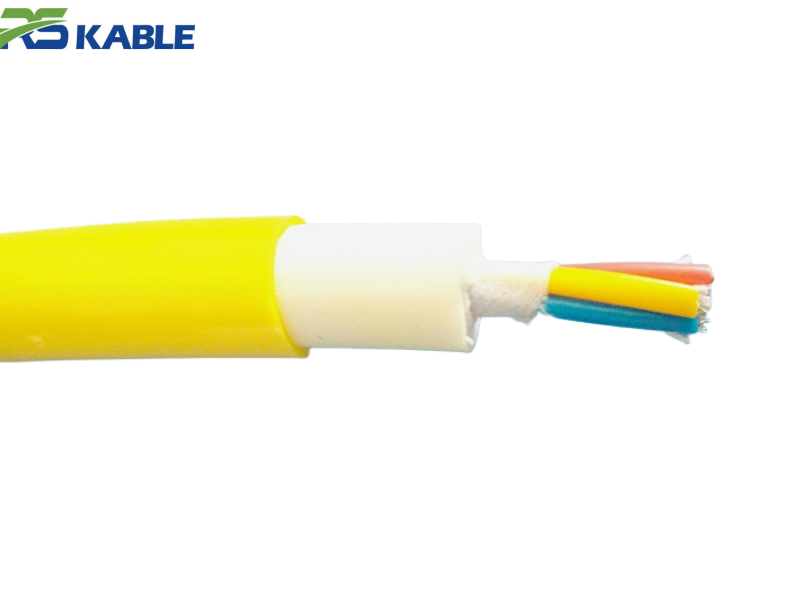
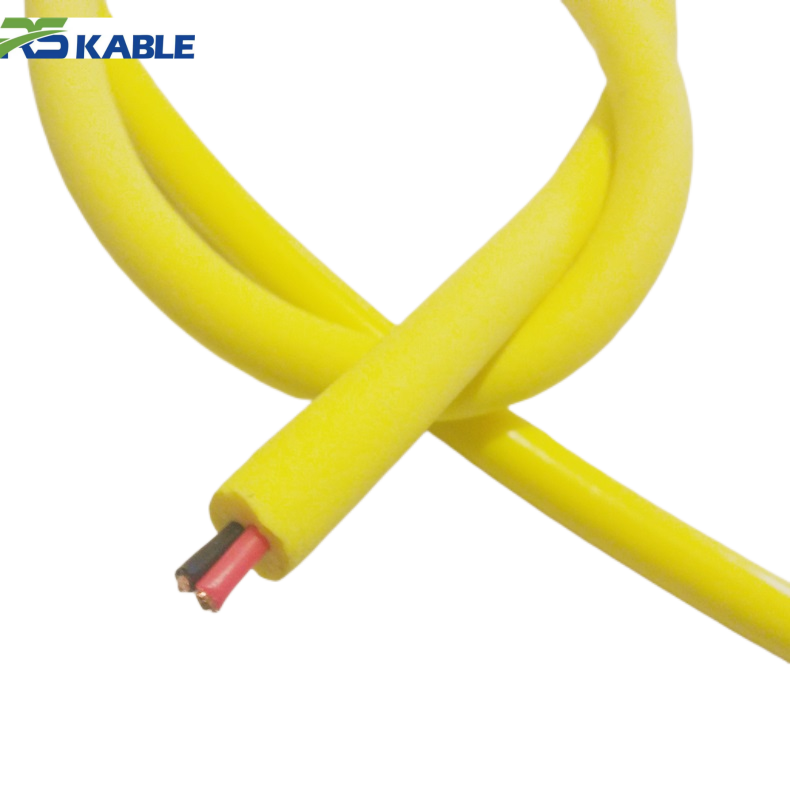
The 4-Core Neutral Buoyancy Ethernet Cable is a 2-pair, 26AWG data cable built for underwater ROV links where a single camera or sensor connection needs network-grade signal integrity without the diameter and weight of a full 4-pair tether. Its 2×2×26AWG twisted-pair core follows Fast Ethernet cabling geometry, while the neutral-buoyancy jacket keeps the cable clear of the vehicle’s operating path during deployment. This construction is intended for engineers specifying a compact underwater ROV communication cable where a single 100 Mbps link is sufficient and cable diameter is a real constraint in the harness.
What This Cable Is Built For
Not every ROV payload link needs gigabit bandwidth, and building every subsea Ethernet run as a full 4-pair cable adds diameter and weight that a harness budget cannot always absorb — particularly on smaller observation-class vehicles or where several data cables have to fit through the same strain-relief boot. Fast Ethernet (100BASE-TX) only uses two of the four pairs defined in the full Ethernet standard, so a 2-pair, 4-core construction delivers a genuine 100 Mbps link at meaningfully smaller diameter and lower weight than a 4-pair cable carrying the same single connection. This product is built around that trade-off: full network-cable signal integrity on the two pairs that matter for 100BASE-TX, in a smaller neutral-buoyancy package.
Product Series and Core Attributes
| Model | Core Configuration | Category Equivalent | Shielding | Jacket / Buoyancy | Typical Use |
|---|---|---|---|---|---|
| RST-NBE-426-STD | 2×2×26AWG | Cat5e-equivalent, 100BASE-TX capable | Unshielded | Neutral-buoyancy PU | Single camera or sensor Ethernet link |
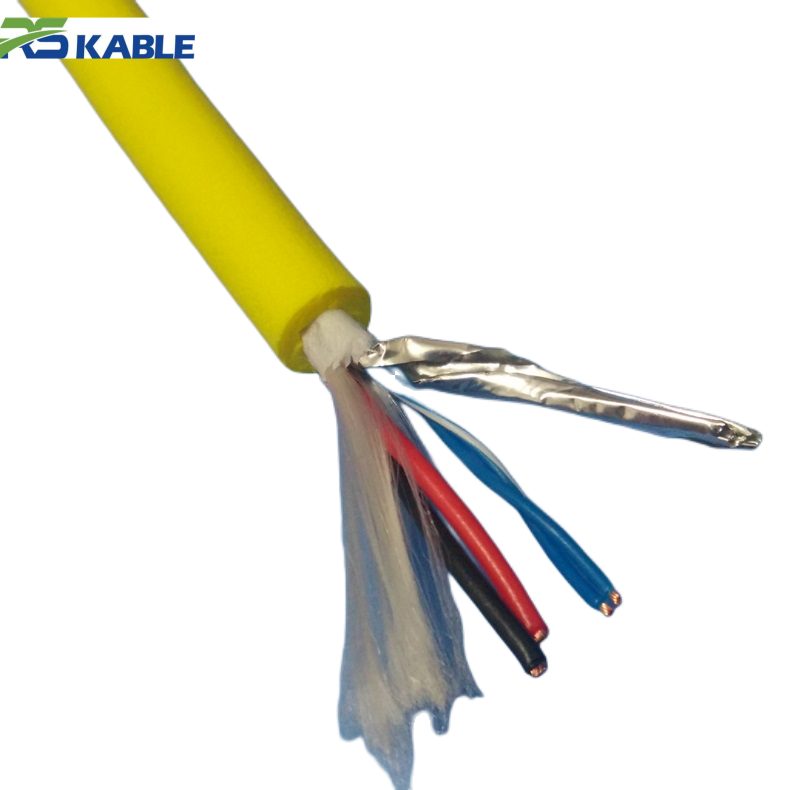
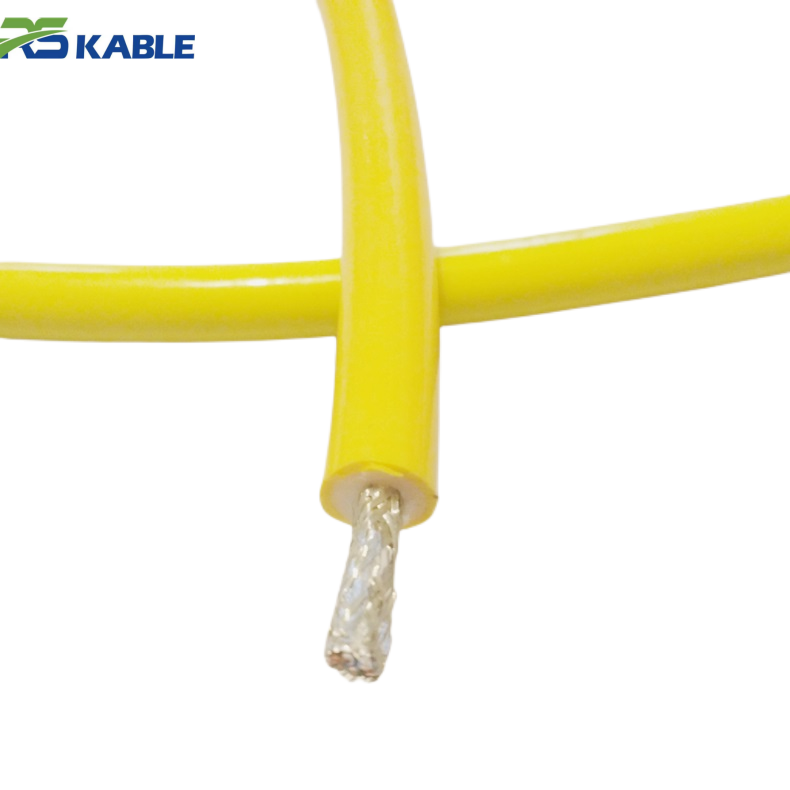
| RST-NBE-426-SH | 2×2×26AWG | Cat5e-equivalent, 100BASE-TX capable | Overall foil + drain wire | Neutral-buoyancy PU | Routing near thruster motor drive circuits |
| RST-NBE-426-C | Custom | Project-specified | Project-specified | Project-matched | Non-standard ROV or subsea vehicle integration |
Applications and Use Scenarios
The 4-Core Neutral Buoyancy Ethernet Cable is used wherever an ROV, AUV, or fixed subsea system needs a single 100 Mbps network link without the diameter of a full 4-pair cable:
- Single ROV camera Ethernet link
- Secondary or backup communications link alongside a primary data cable
- Compact multi-cable ROV harnesses where total diameter budget is limited
- Small observation-class ROV or AUV payload connections
- Individual distributed subsea sensor node links
In each case, the cable functions as an underwater ROV communication cable sized specifically for one Fast Ethernet connection — the twisted-pair geometry follows standard Ethernet convention on two pairs, while the jacket, buoyancy, and diameter are optimized for a single-link role rather than a multi-device backbone.
Technical Parameters
| Parameter | Specification |
|---|---|
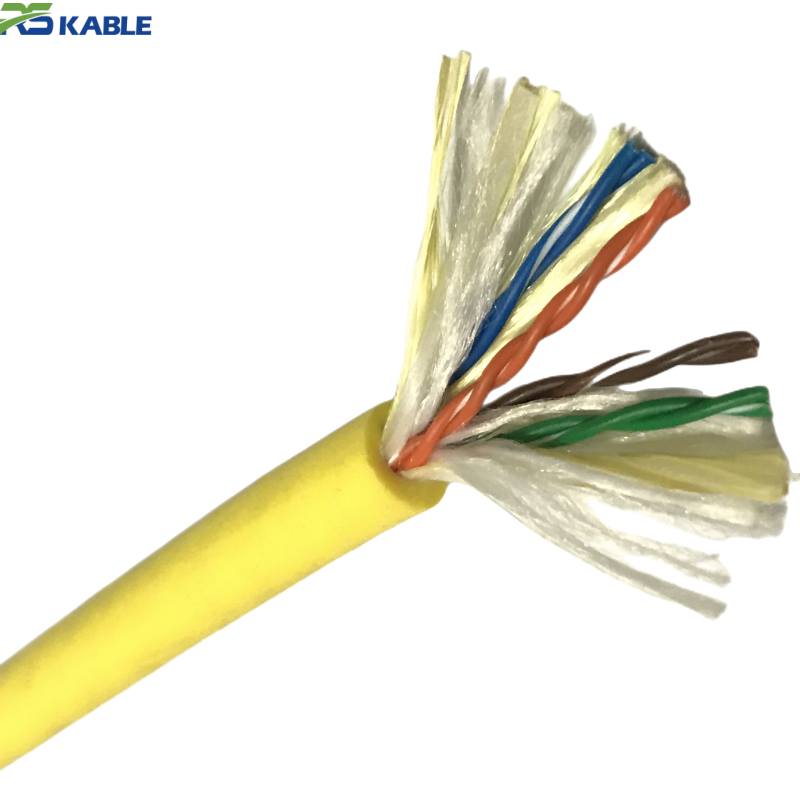
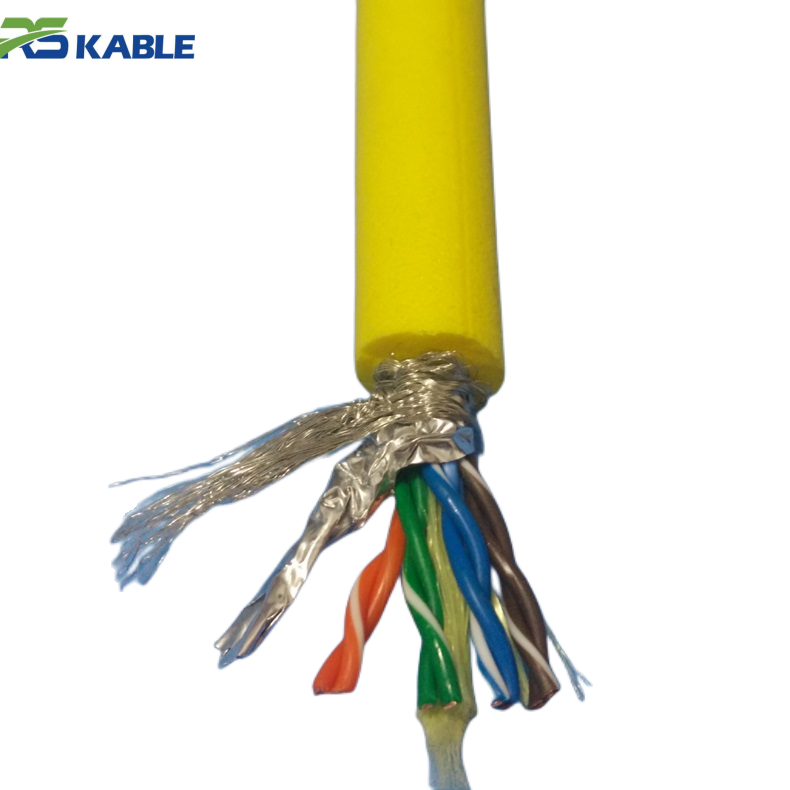
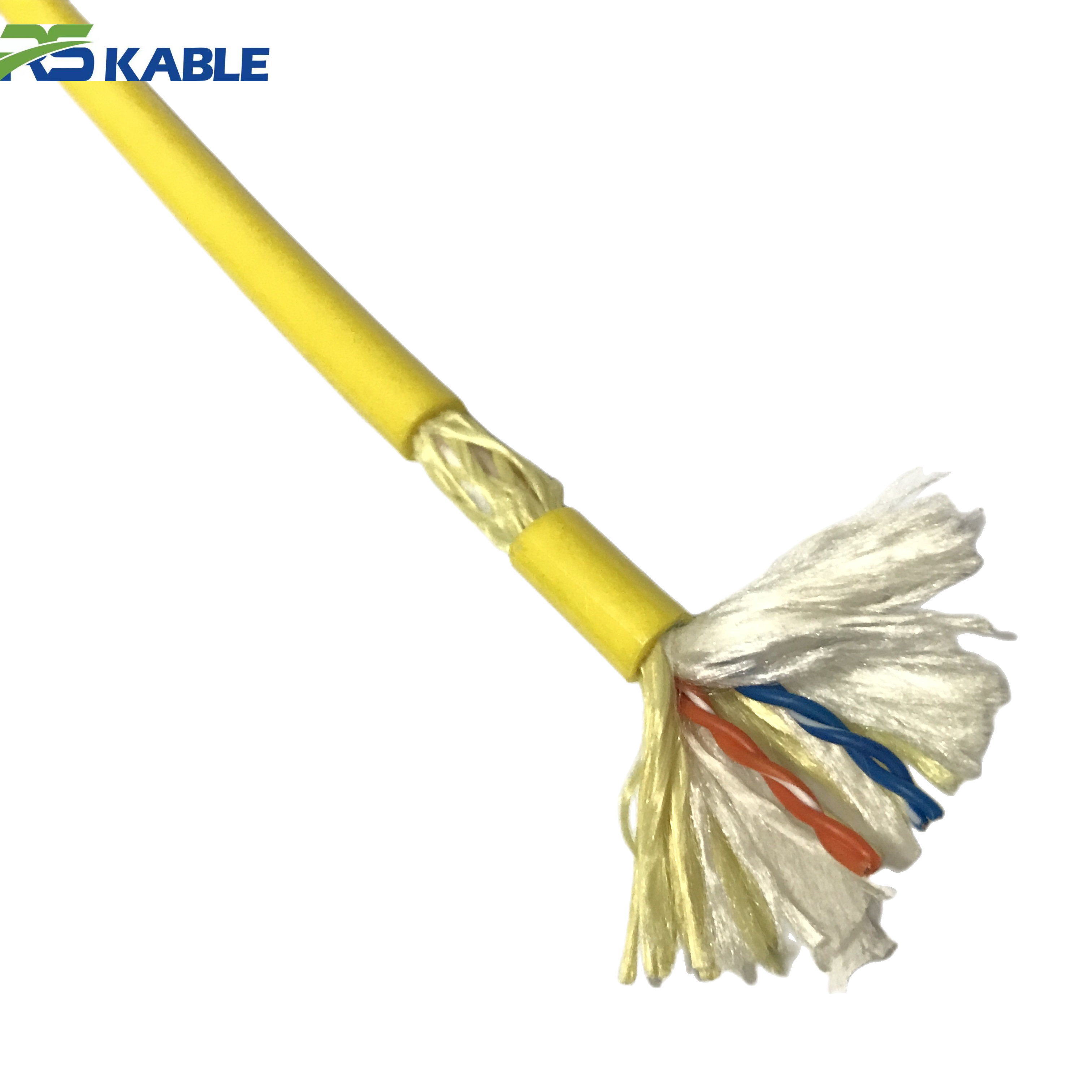
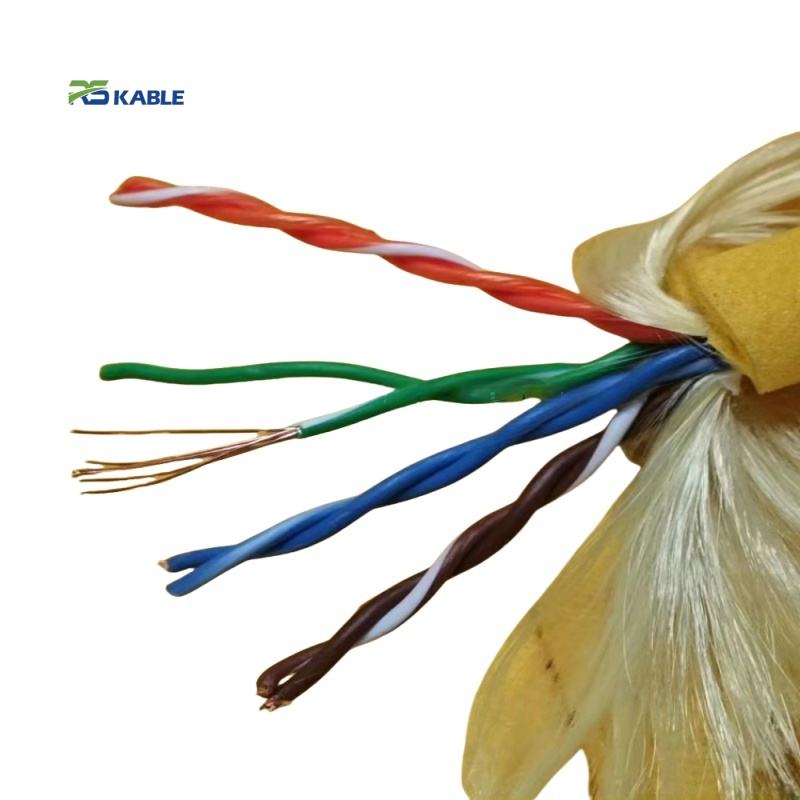
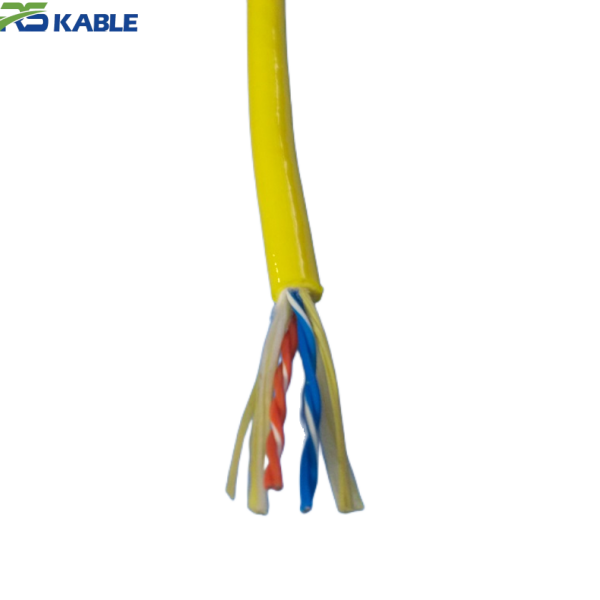
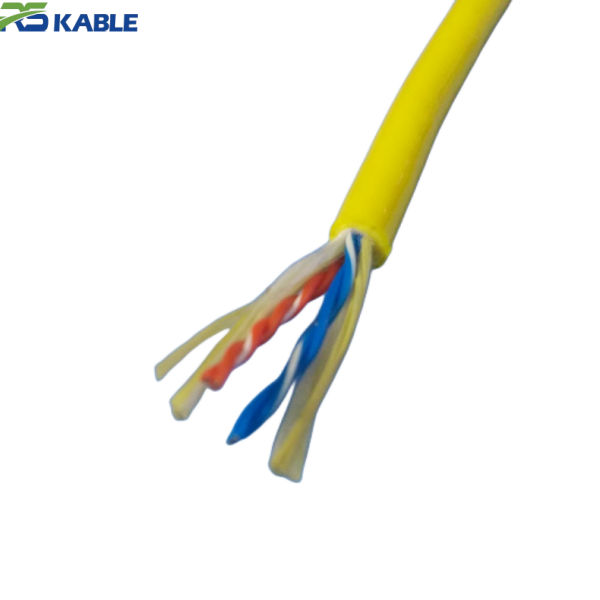
| Core configuration | 2×2×26AWG (2 twisted pairs, 4 conductors total) |
| Conductor | Tinned copper, 7×34 fine stranding per conductor |
| Insulation | Foamed or solid polyethylene, individually twisted pairs |
| Category equivalent | Cat5e-equivalent twist geometry |
| Data rate | Up to 100 Mbps (100BASE-TX); not gigabit capable, since 1000BASE-T requires all 4 pairs |
| Shielding | Unshielded (UTP) standard; overall foil + drain wire on SH variant |
| Jacket material | Neutral-buoyancy polyurethane compound |
| Net buoyancy | Approximately neutral (0 ± 1 g/m), tunable by jacket formulation |
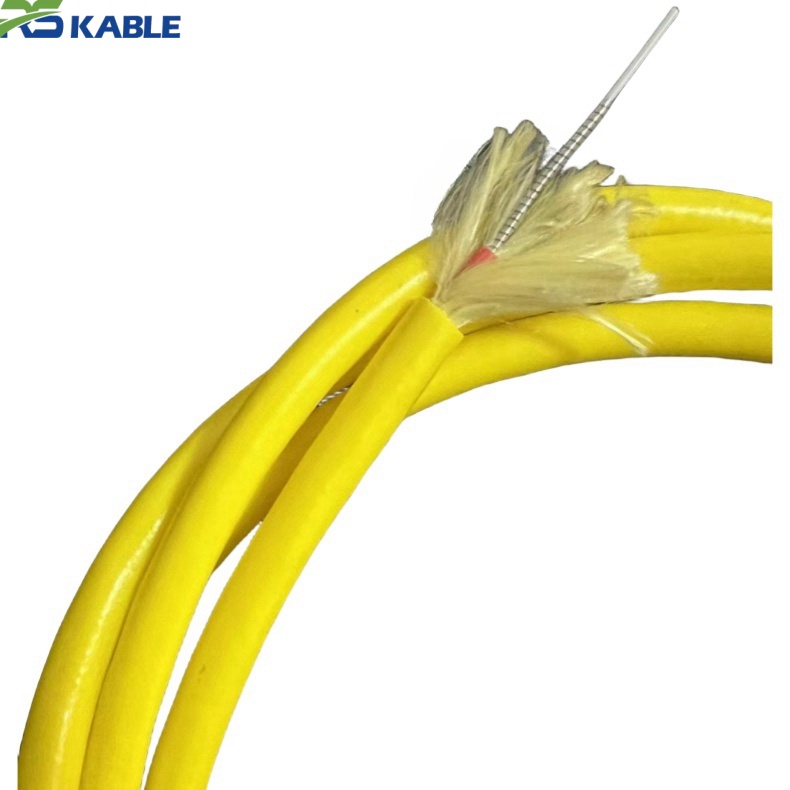
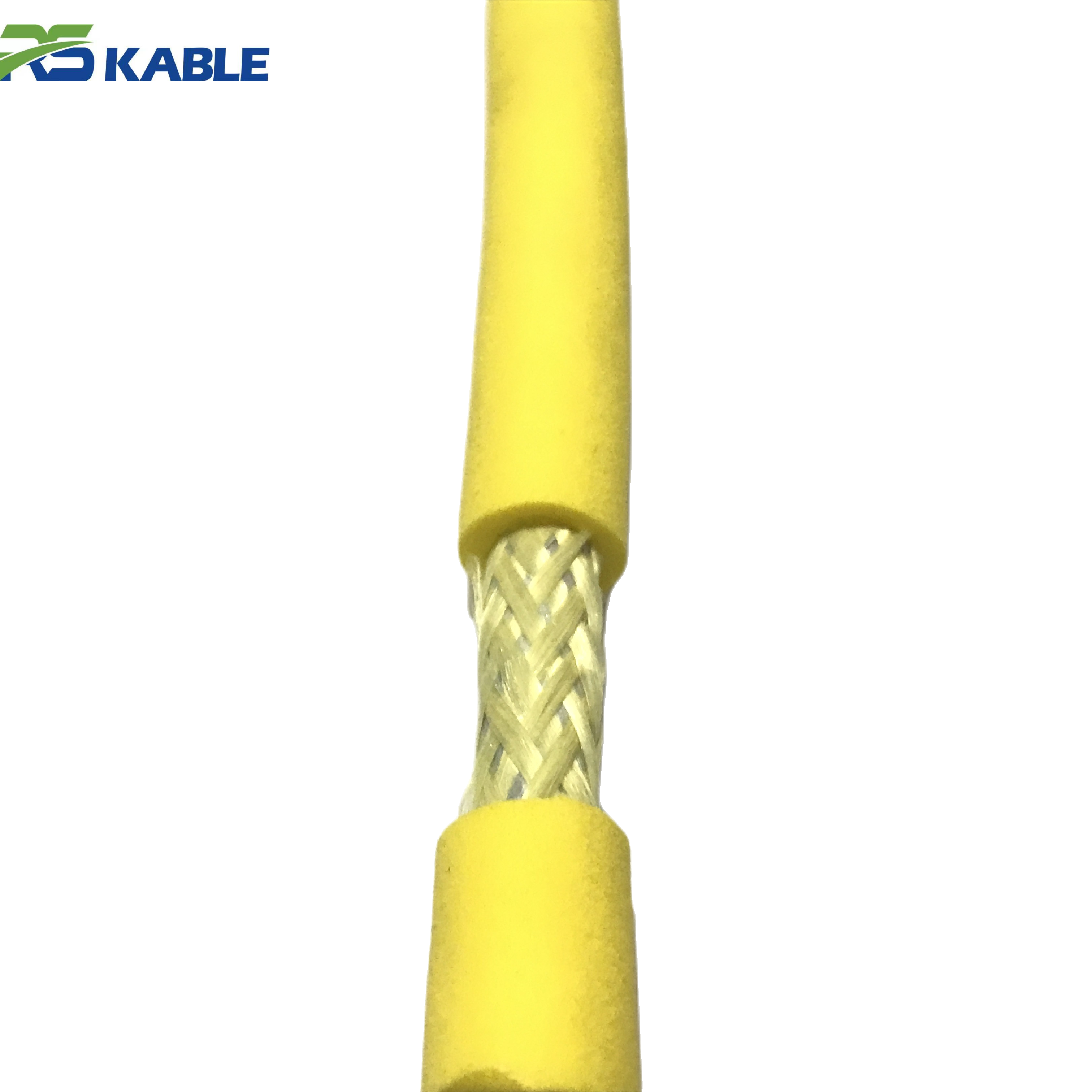
| Strength member | Aramid braid, sized to expected tensile handling load |
| Outer diameter | Approximately 4.5–5.5 mm, smaller than the 4-pair 8-core equivalent |
| Operating temperature | -20°C to 60°C |
| Depth rating | Confirmed according to jacket thickness and project depth class |
The 2-pair design is a deliberate bandwidth-for-diameter trade-off. Where a gigabit link is required, the 4-pair 8-Core Neutral Buoyancy Ethernet Cable (2×4×26AWG) should be specified instead, since 1000BASE-T Ethernet cannot run over only two pairs regardless of conductor quality.
Construction Detail
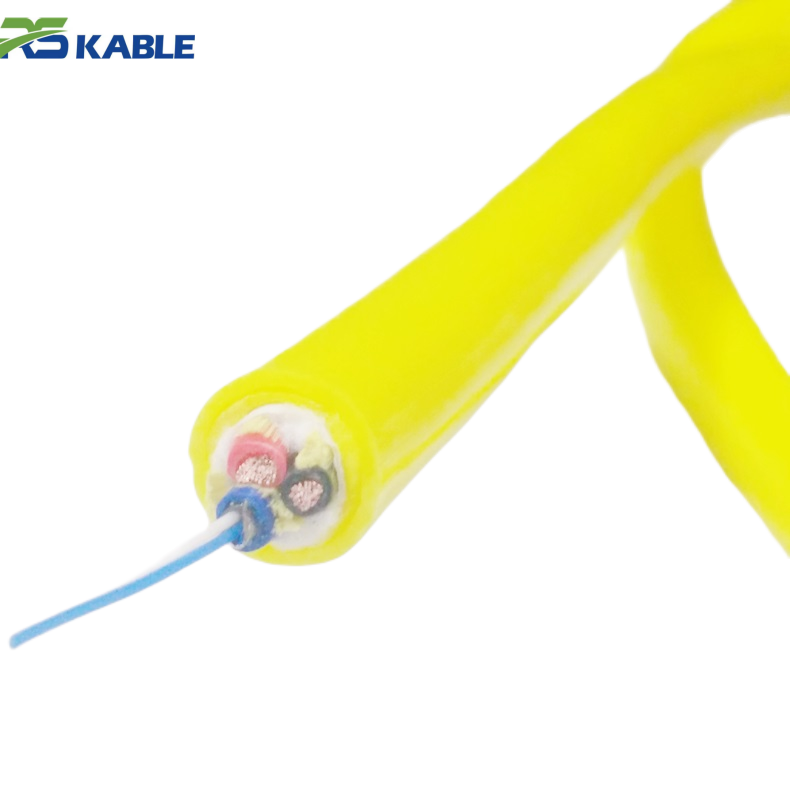
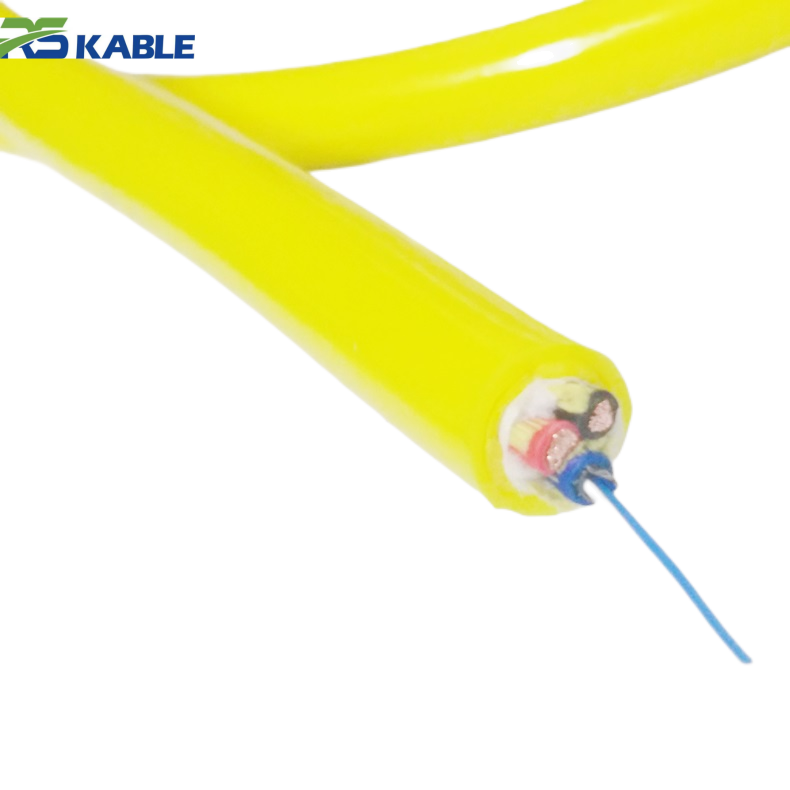
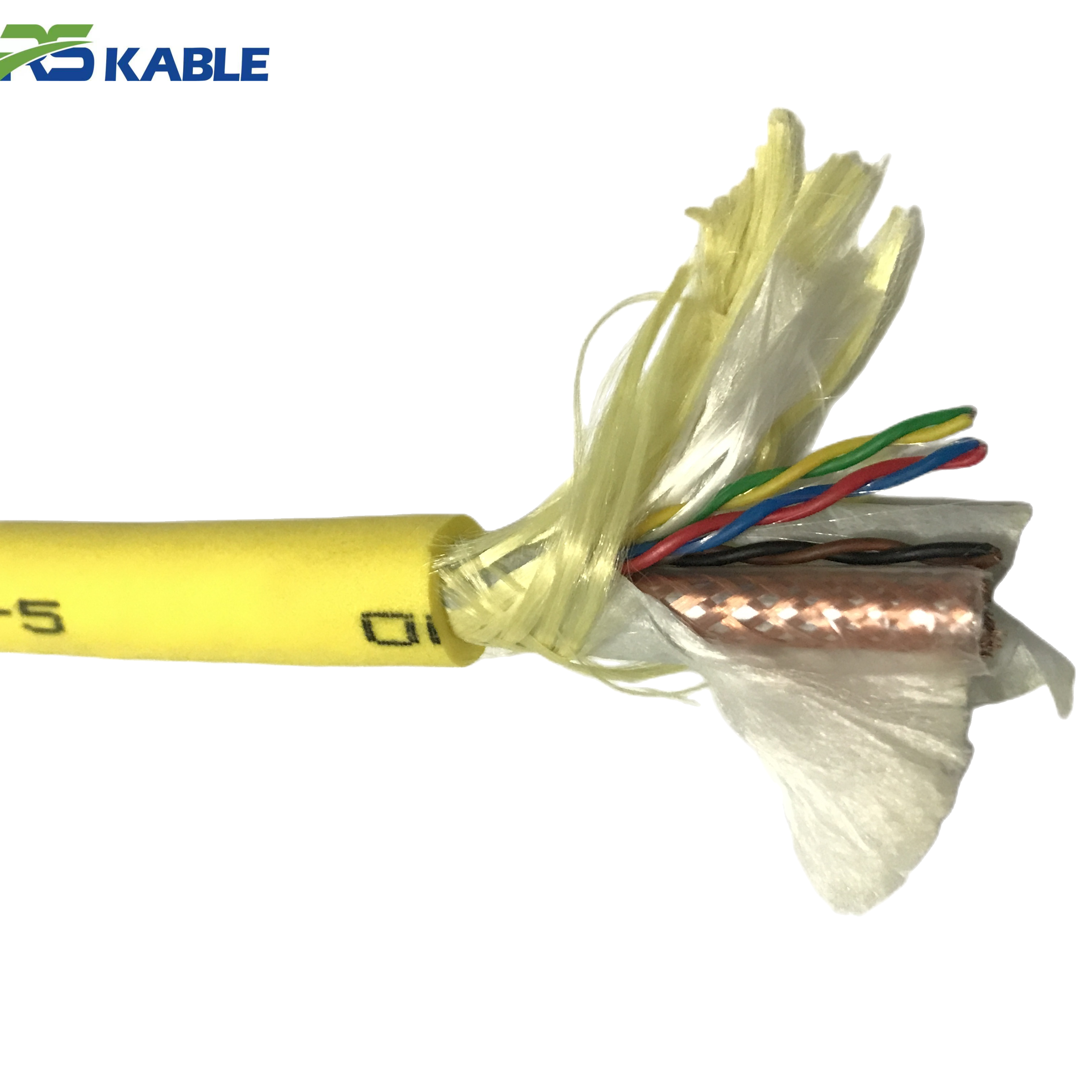
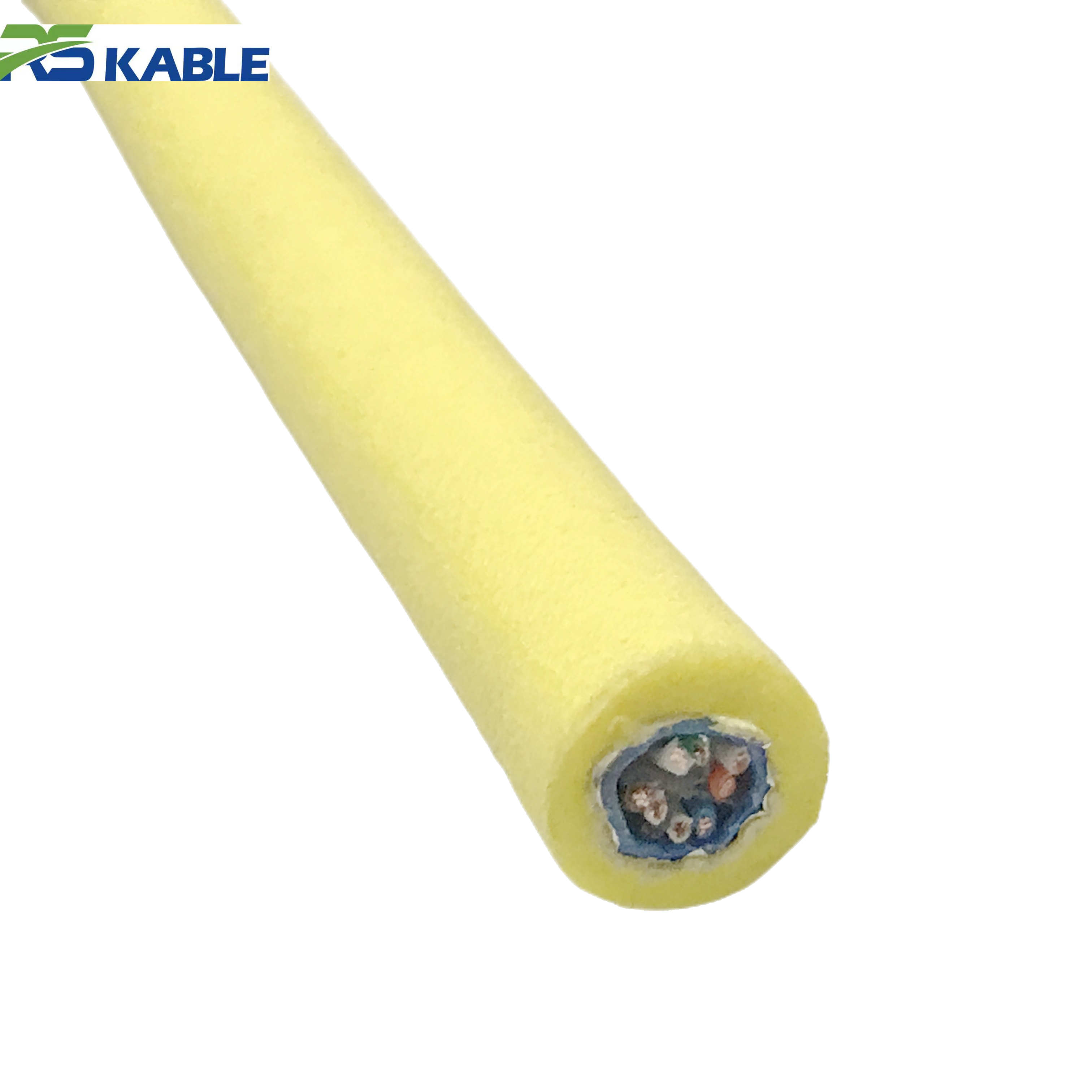
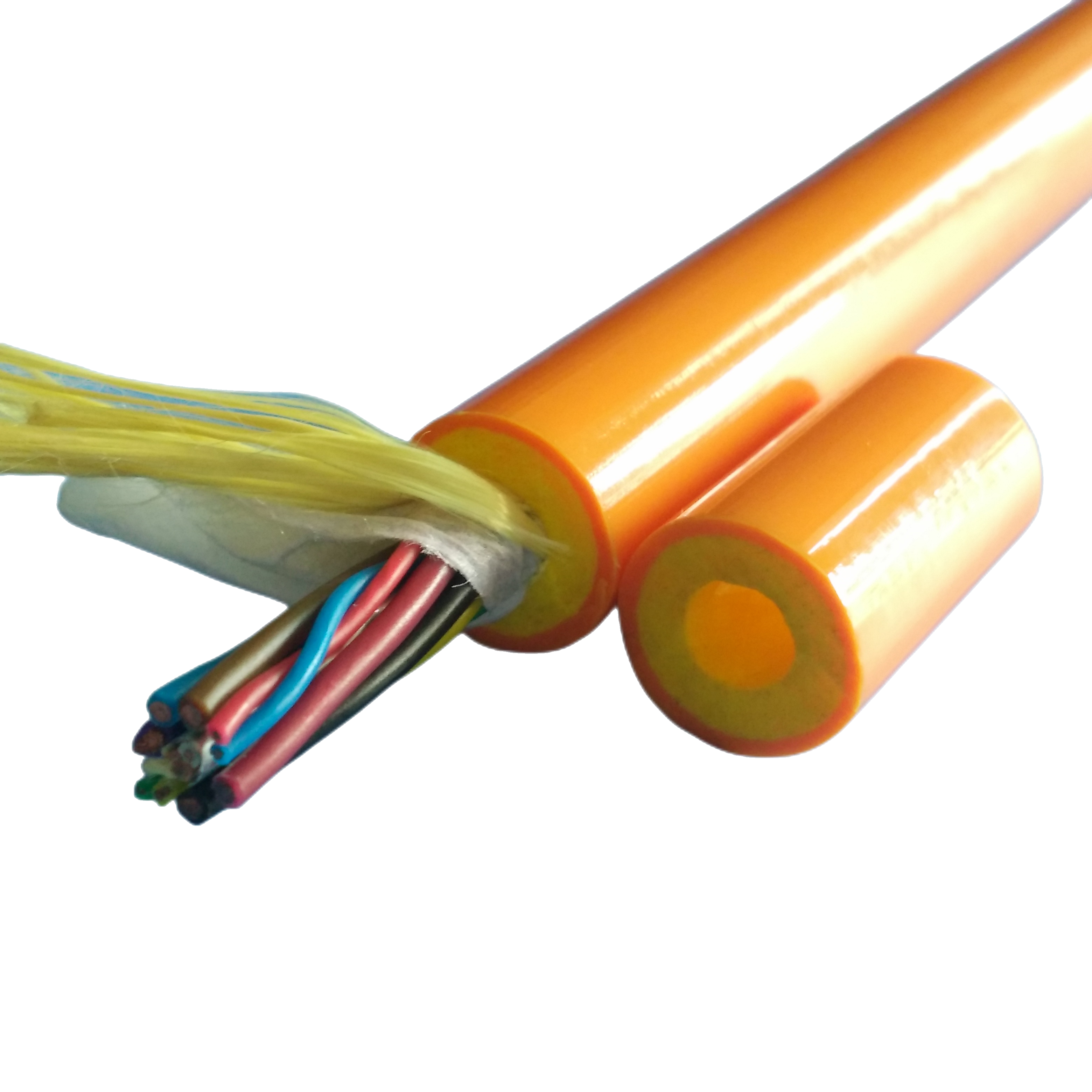
Each of the two pairs is twisted at a controlled lay length consistent with Cat5e practice to maintain crosstalk performance and characteristic impedance on the pairs actually used for 100BASE-TX transmission. The two pairs are cabled together with a torque-neutral lay to reduce twisting during deployment and retrieval, surrounded by an aramid braid strength member sized to the cable’s expected tensile handling load. The outer neutral-buoyancy polyurethane jacket brings the finished assembly close to the density of seawater while keeping overall diameter smaller than a 4-pair construction, which matters directly when several cables share a single strain-relief boot or connector shell.
Standards Framework
The twisted-pair geometry follows the general category conventions described in TIA/EIA-568 structured cabling practice for the two pairs used in 100BASE-TX, adapted for a round, jacketed subsea construction rather than a flat indoor patch cable. Insulation and jacket material qualification follows the general testing philosophy of IEC 60092-350 for offshore and shipboard cable materials. These references describe the engineering approach the cable is built against; a project-specific type approval or test certificate should be requested separately where a classification society or client specification requires it.
4-Core vs 8-Core Neutral Buoyancy Ethernet Cable
| Metric | 4-Core (2×2×26AWG) | 8-Core (4×2×26AWG) |
|---|---|---|
| Pair count | 2 pairs | 4 pairs |
| Maximum data rate | 100 Mbps (100BASE-TX) | Up to 1 Gbps (1000BASE-T) |
| Outer diameter | Smaller, ≈4.5–5.5 mm | Larger, ≈6.5–7.5 mm |
| Best use | Single link, diameter-constrained harness | Higher-bandwidth link or multi-device backbone |
| Buoyancy design | Neutral, tuned for smaller cross-section | Neutral, tuned for larger cross-section |
Underwater ROV Communication Cable vs Standard Indoor Ethernet Cable
| Metric | 4-Core Neutral Buoyancy Ethernet Cable | Standard Indoor Cat5e Cable |
|---|---|---|
| Water contact rating | Continuous submersion | Not rated for water contact |
| Buoyancy behavior | Neutral, engineered to stay clear of ROV path | Not buoyancy-controlled, typically sinks |
| Tensile handling | Aramid-reinforced for deployment/retrieval loads | Not rated for repeated tensile handling |
| Jacket material | Neutral-buoyancy polyurethane | PVC or LSZH, not water- or buoyancy-optimized |
| Recommended use | Compact ROV or subsea single-link connections | Fixed indoor structured cabling |
Ordering and Specification Guide
| Field | What to Provide |
|---|---|
| Bandwidth requirement | Confirm 100 Mbps is sufficient; specify the 8-Core variant if gigabit is required |
| Required cable length | Measured from control pod to the payload connection point |
| Shielding requirement | Unshielded, or shielded if routed near thruster/motor drive circuits |
| Depth/pressure class | Confirmed operating depth for jacket and pressure-handling selection |
| Connector interface | Underwater-mateable Ethernet connector or dry-mate termination |
| Diameter constraint | Confirm if the cable must fit through an existing strain-relief boot alongside other cables |
Inquiry Example
2×2×26AWG, Cat5e-equivalent, unshielded, neutral-buoyancy PU jacket, underwater-mateable Ethernet connector, 25 meters, single ROV camera link
Request a Quote
Send the application details above — bandwidth requirement, length, and diameter constraint — for model matching, structure confirmation, and pricing on the 4-Core Neutral Buoyancy Ethernet Cable.
FAQ
What does 2×2×26AWG mean on this Ethernet cable?
It describes two twisted pairs (2×2, meaning two groups of two conductors) with each conductor sized at 26AWG, giving four conductors total — enough for a 100BASE-TX Fast Ethernet link but not for gigabit Ethernet, which needs all four pairs.
Can I get gigabit speeds with this 4-core cable?
No. 1000BASE-T gigabit Ethernet requires all four twisted pairs. This 2-pair construction is built for 100 Mbps (100BASE-TX) links; the 8-Core Neutral Buoyancy Ethernet Cable (2×4×26AWG) should be specified where gigabit bandwidth is needed.
Why choose this over the 8-core version if it’s not gigabit capable?
Smaller diameter and lighter weight for a single 100 Mbps link. Where a harness only needs one camera or sensor connection and diameter budget is tight — especially through a shared strain-relief boot — the smaller 4-core construction is the more efficient choice than routing a full 4-pair cable for a link that will only use two of its pairs.
Why does this underwater ROV communication cable need to be neutrally buoyant?
A cable that sinks tends to trail into the ROV’s own operating path, increasing drag and the risk of the tether crossing into the thruster wash or catching on structure. A neutral-buoyancy jacket keeps the cable closer to a fixed position relative to the vehicle instead of sagging into the work area.
Is shielding necessary for this cable?
Not always. Standard unshielded (UTP) construction is adequate for most single-link camera or sensor connections. Shielding becomes more relevant when the cable is routed in close proximity to thruster motor drive wiring, where switching noise can affect signal integrity.
Is custom length or connector termination available?
Yes. Length, connector interface, and shielding can be matched to the specific ROV or subsea vehicle integration.
Technical content reviewed by the cable engineering team prior to publication. Figures represent typical specifications for this construction class; request a project-specific test certificate for classification-society submissions.