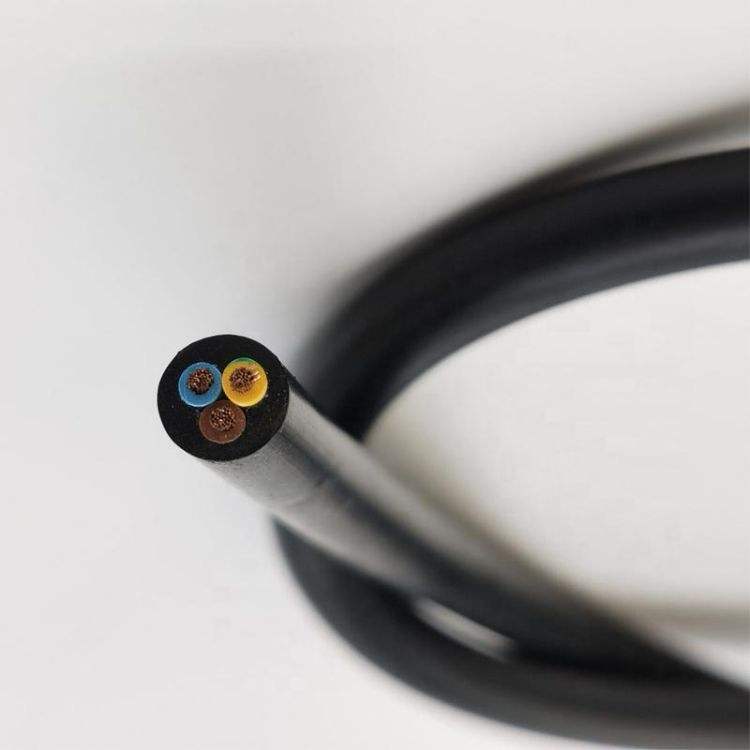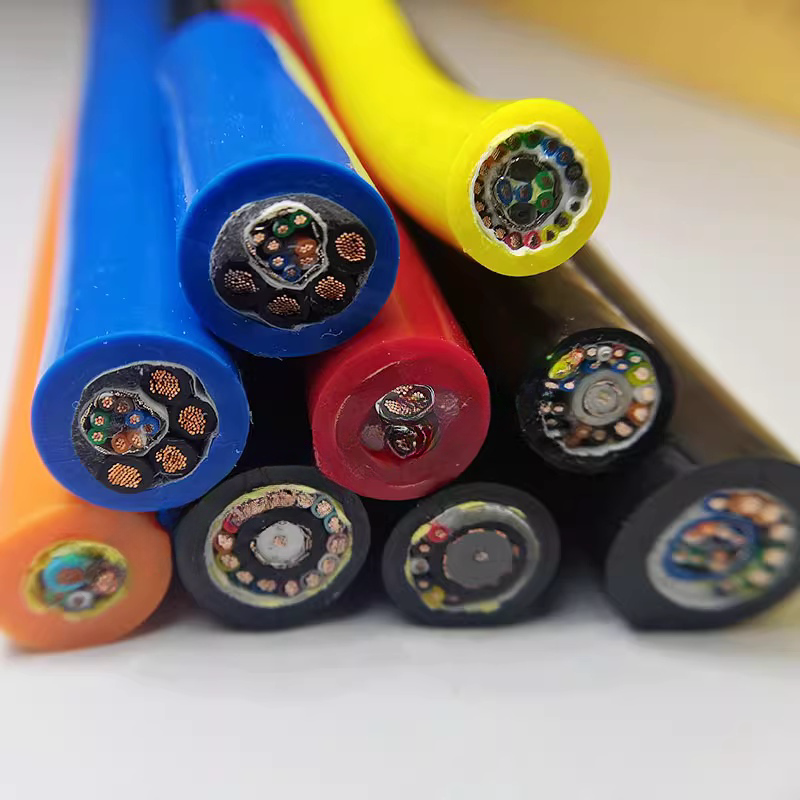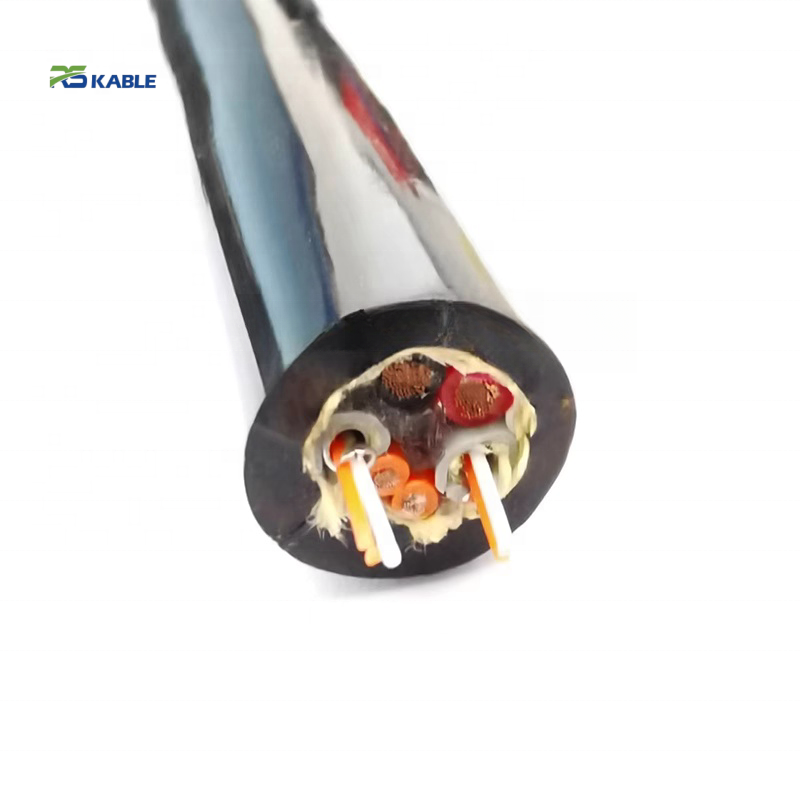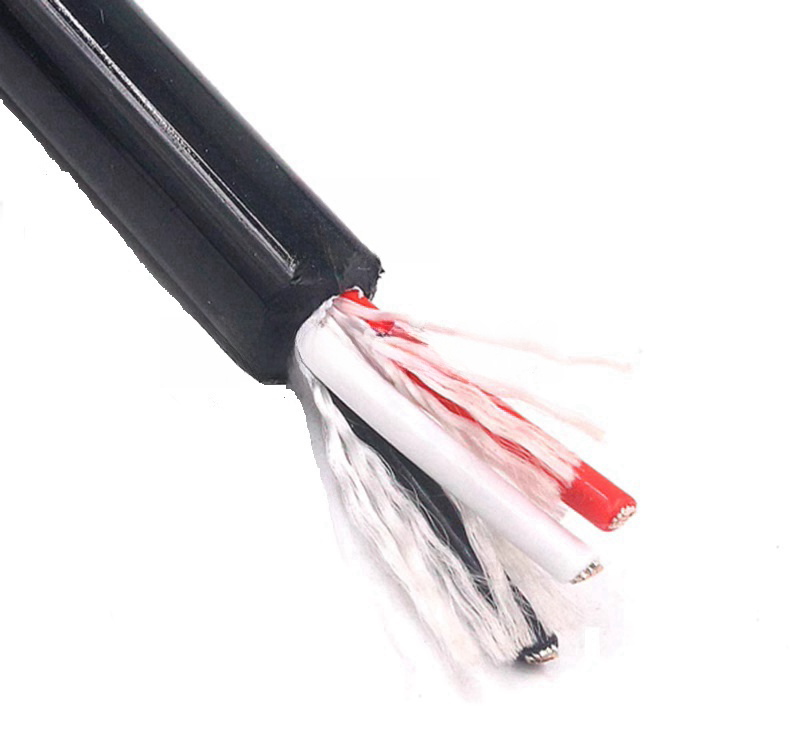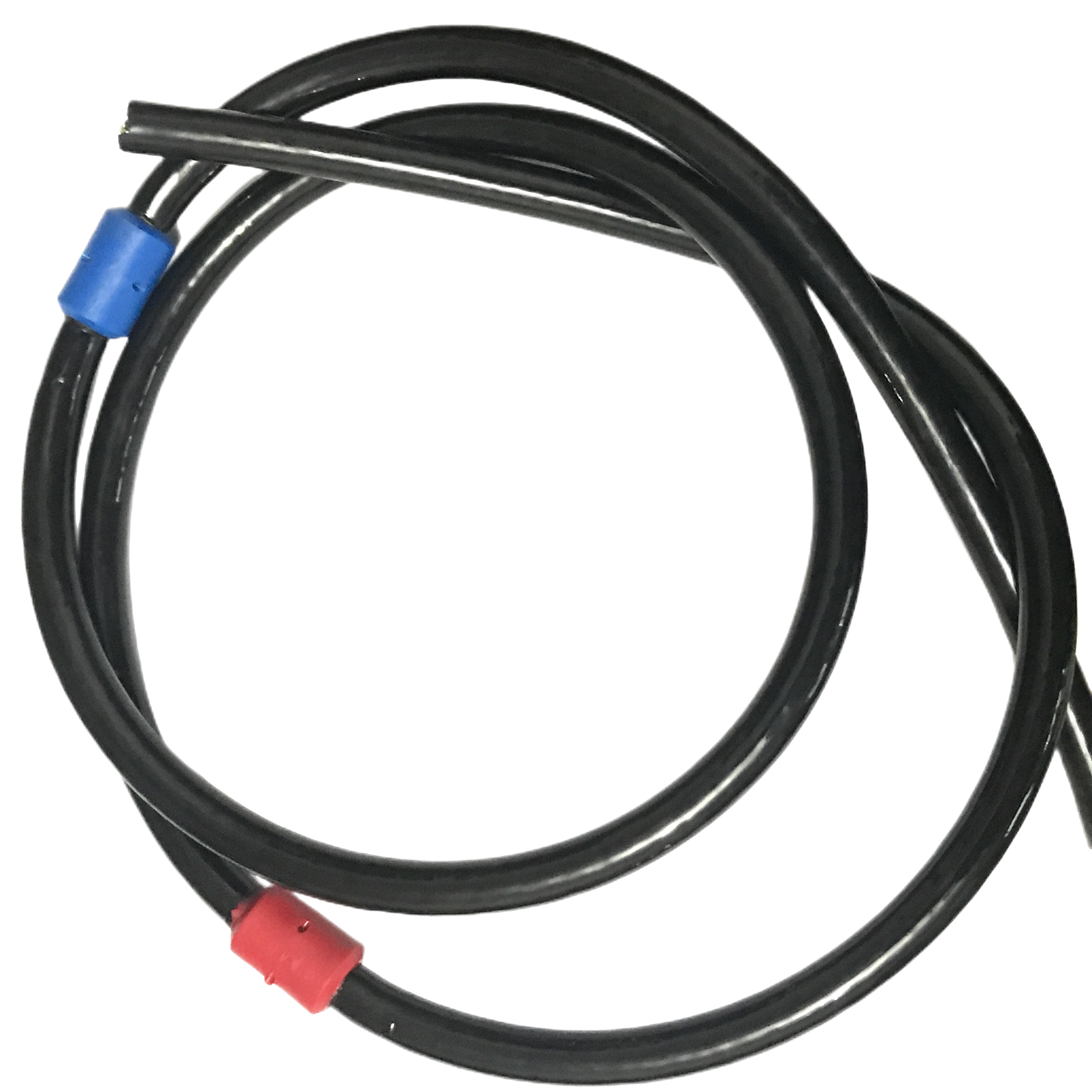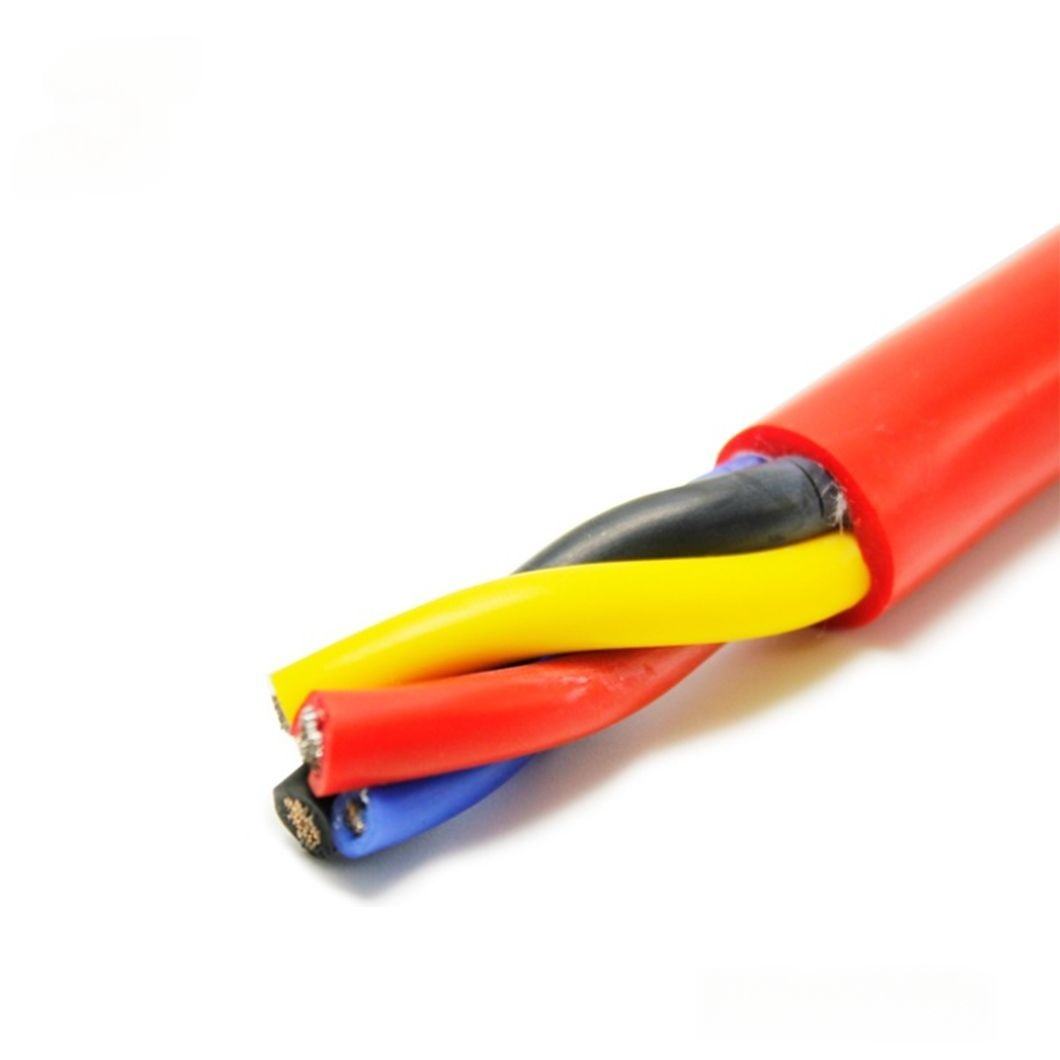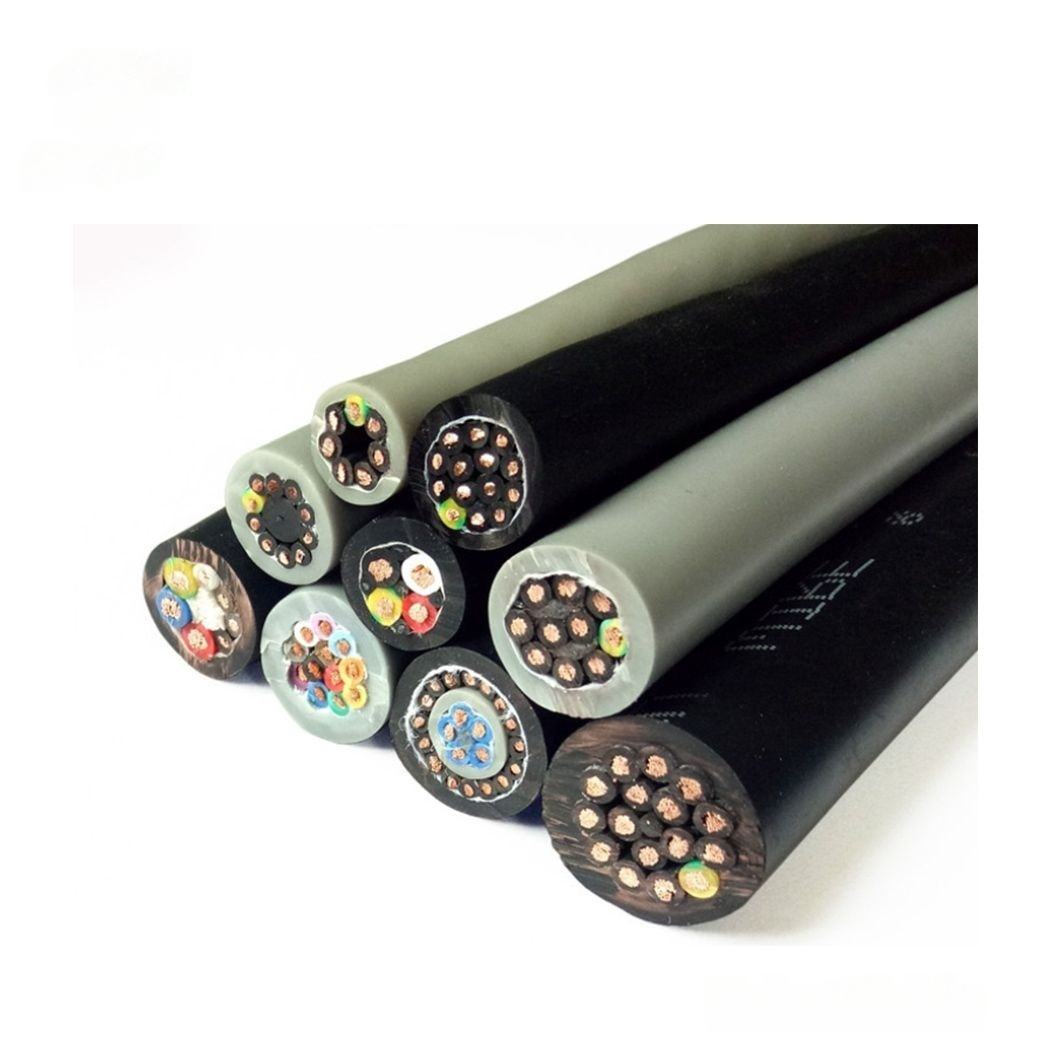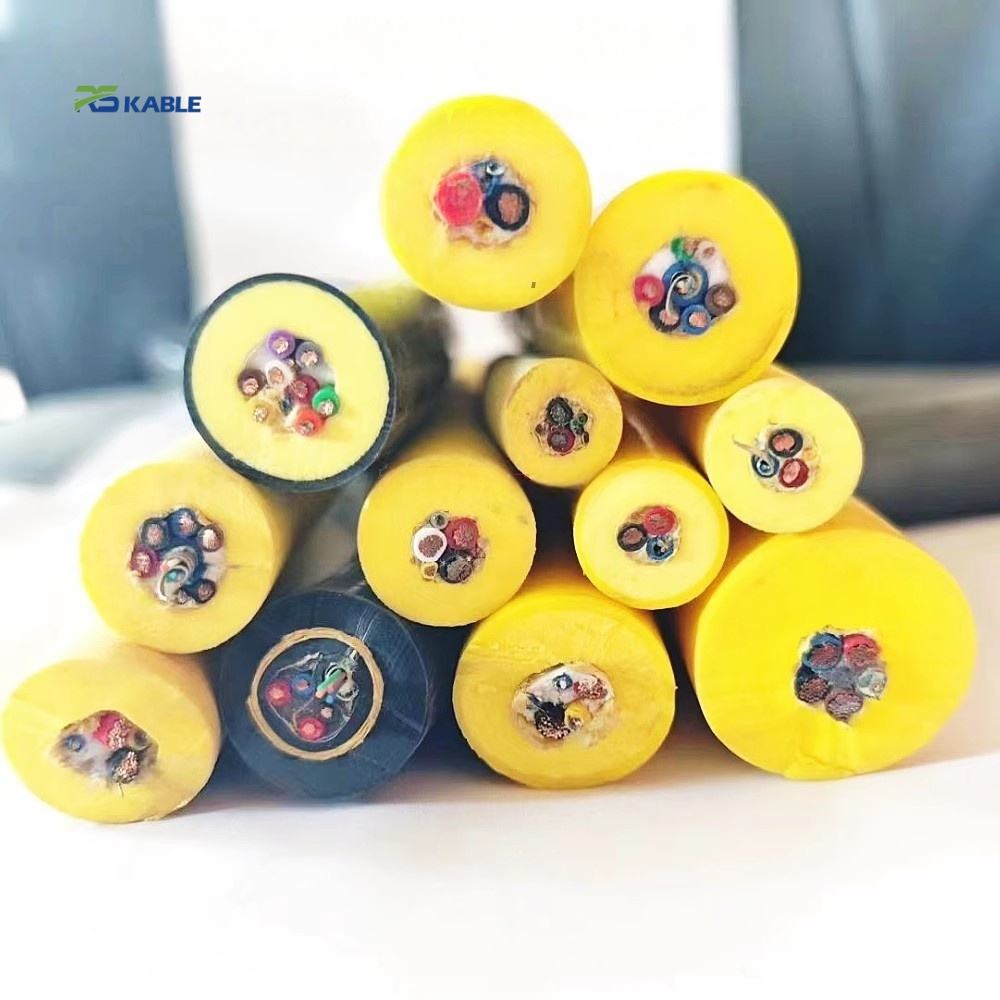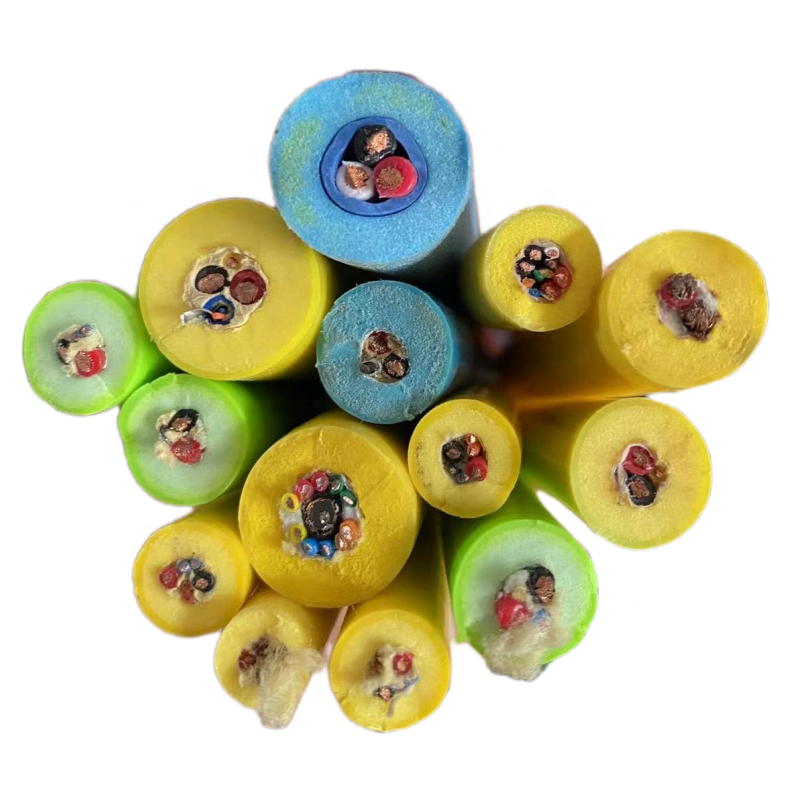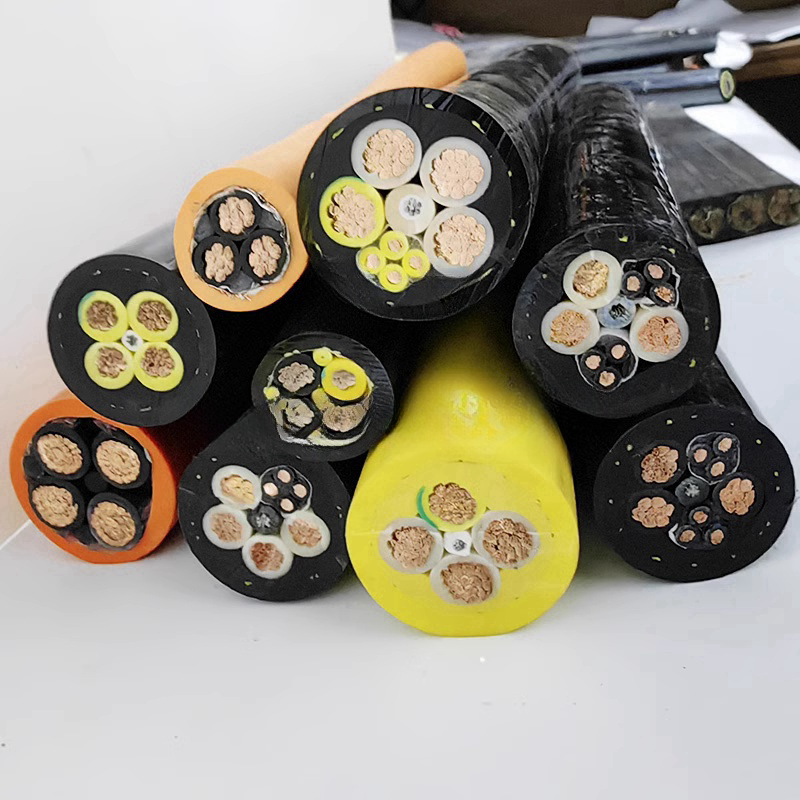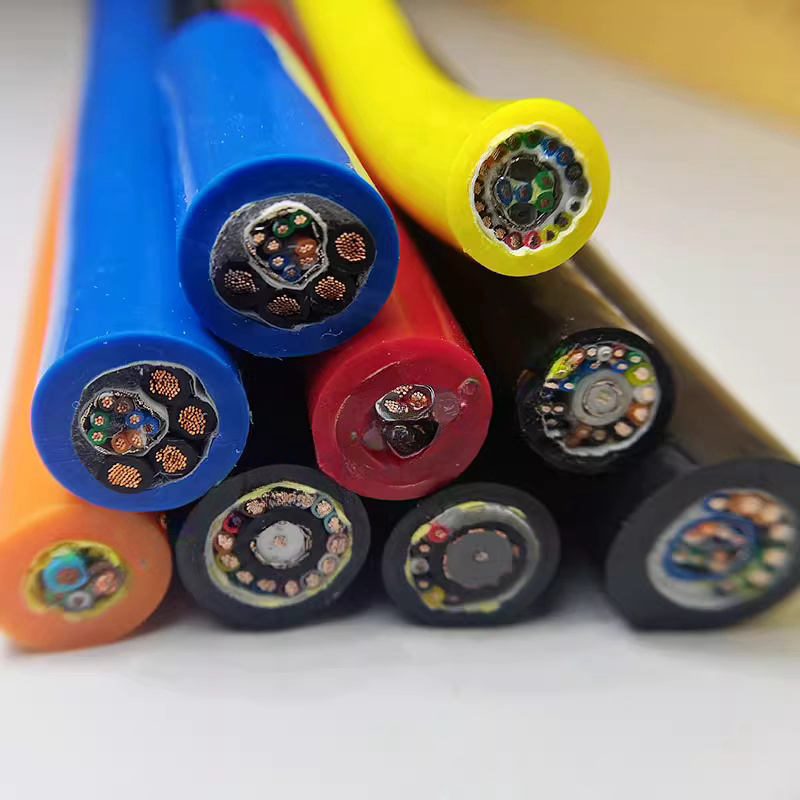



PUR Twisted Pair Robot Cable for Robotics with Stable Signal and Abrasion Resistant Design
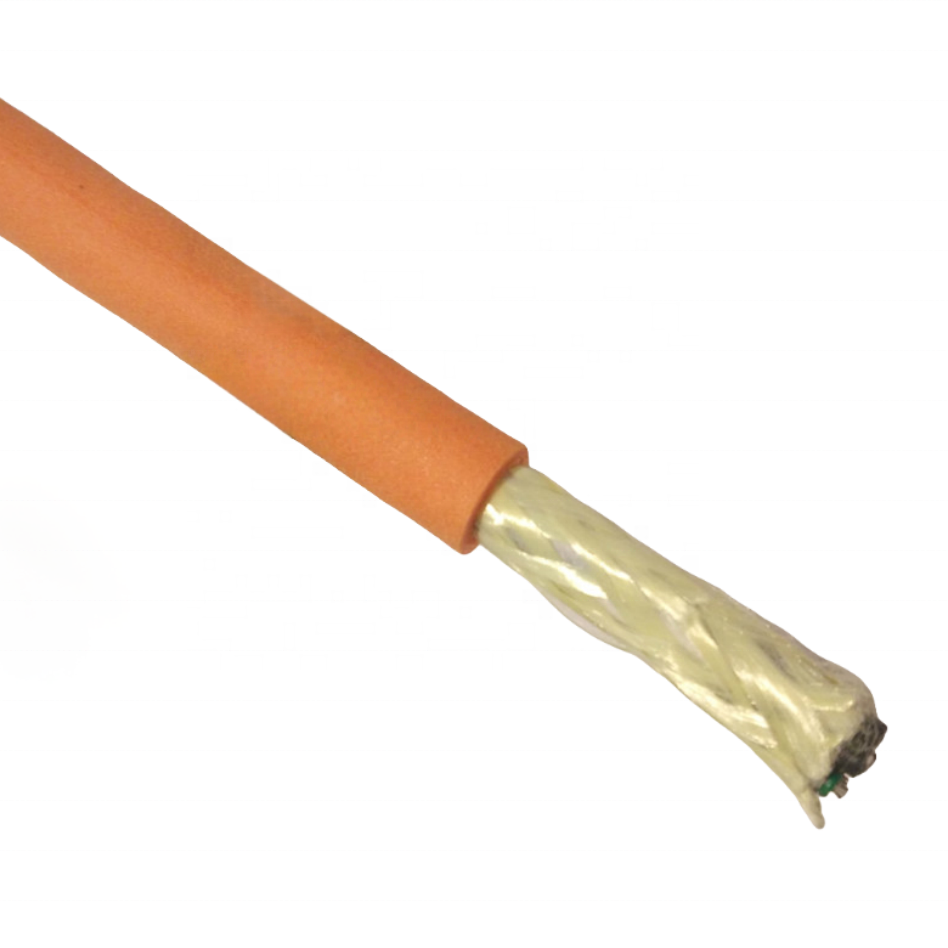
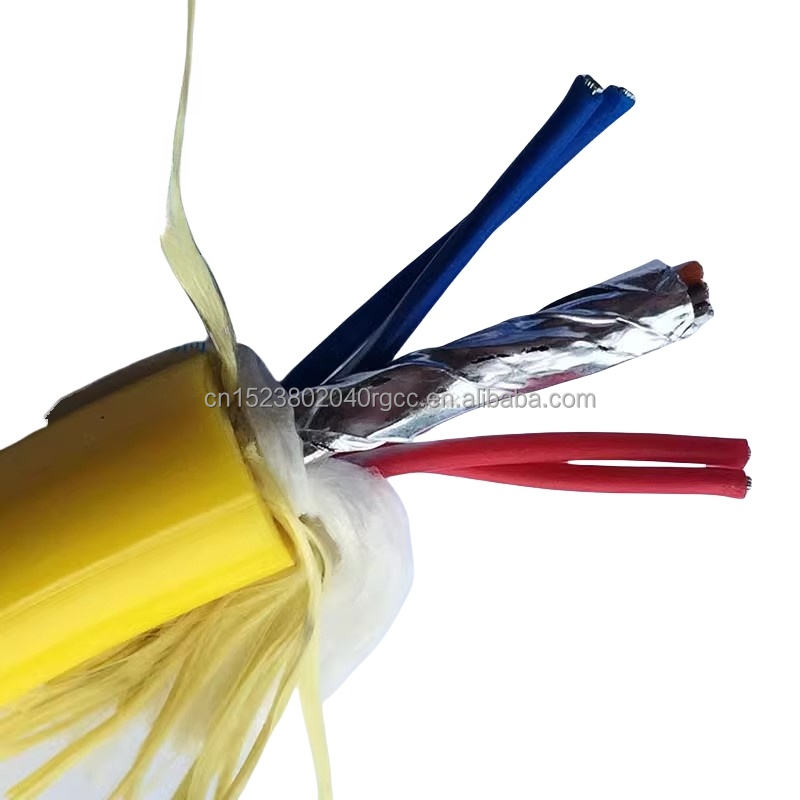
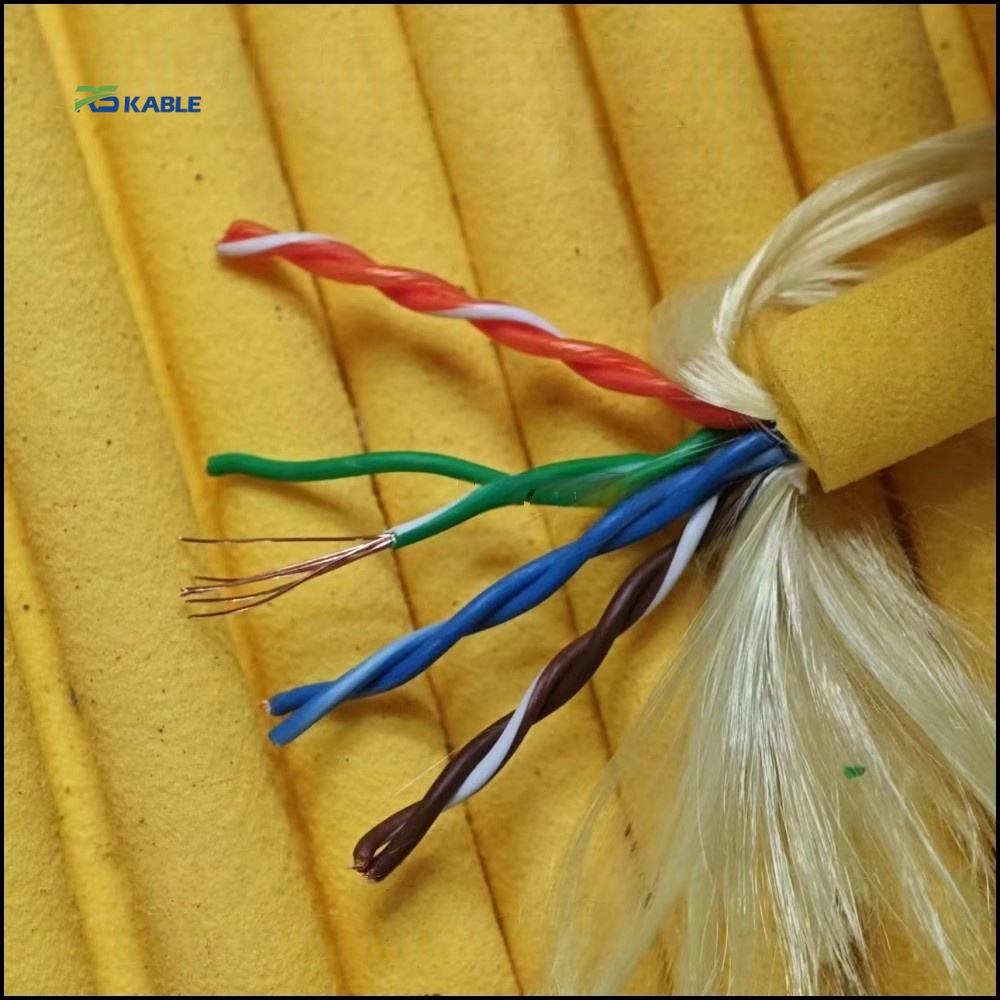
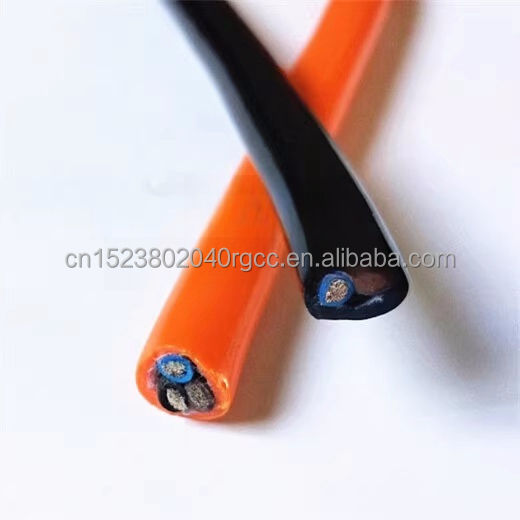
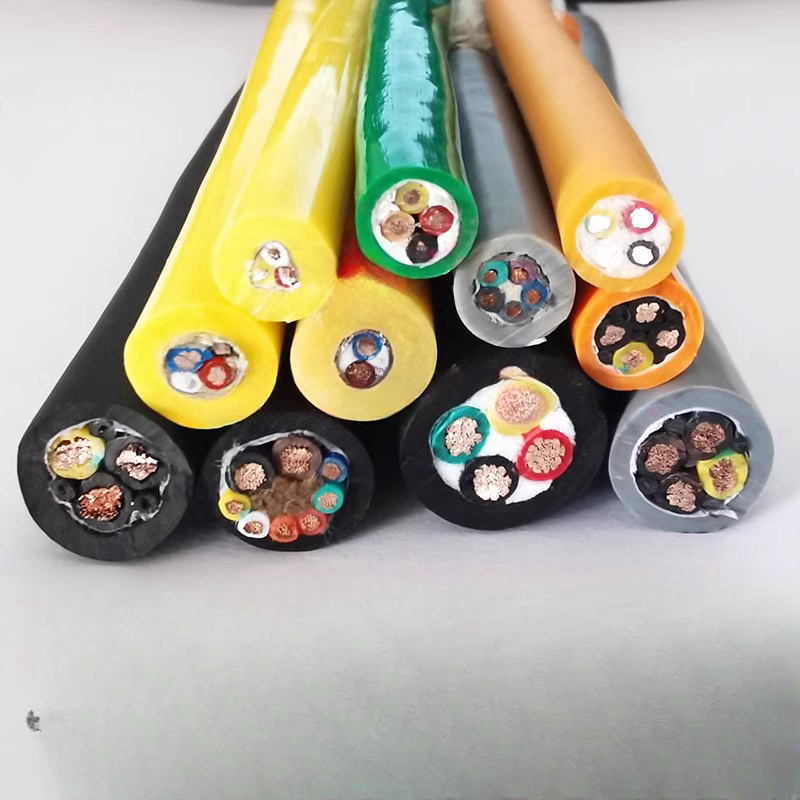
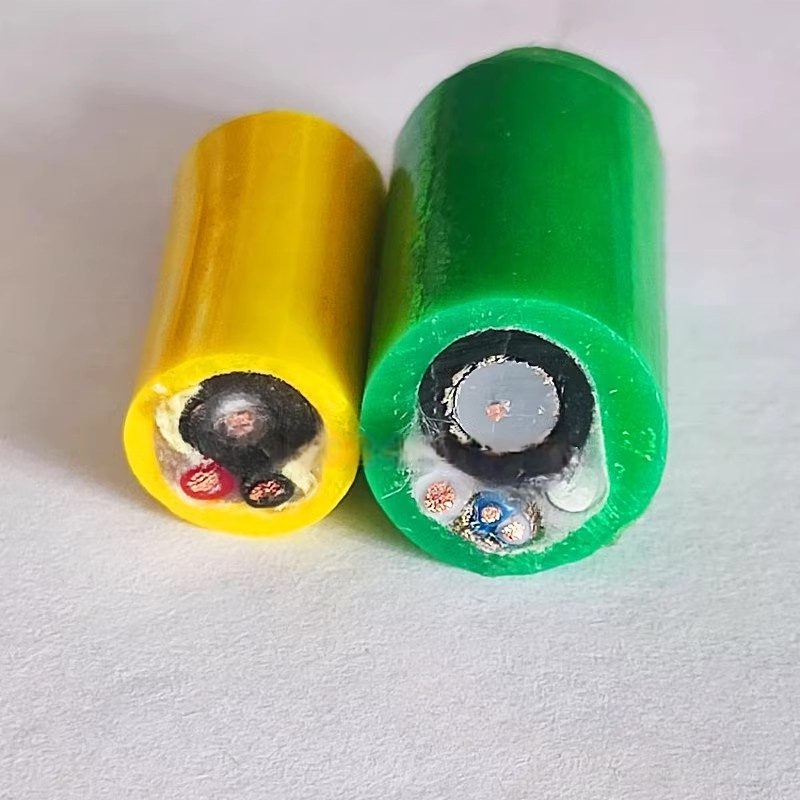
The RST-TPR series is a PUR twisted pair robot cable designed for robotic arms, automation systems, and moving industrial equipment. Its twisted pair structure helps maintain stable signal transmission in dynamic applications, while the high-flex conductor design supports repeated bending during continuous movement. The abrasion resistant PUR jacket provides reliable protection against wear, oil, and mechanical stress in demanding industrial environments.
Key Benefits:
✅ Stable signal transmission for robotic and automation systems
✅ Twisted pair design to reduce circuit interference
✅ High flexibility for repeated bending and dynamic routing
✅ PUR jacket with strong abrasion and oil resistance
✅ Suitable for signal, control, sensor, and feedback applications
PUR Twisted Pair Robot Cable for Robotics with Stable Signal and Abrasion Resistant Design
The PUR Twisted Pair Robot Cable for Robotics with Stable Signal and Abrasion Resistant Design is intended for robotic arms, moving automation units, cable carrier systems, and other industrial installations where the cable is exposed to repeated motion and where signal quality must remain stable during operation. It is used for low-voltage signal, control, sensor, and feedback circuits in applications where ordinary multi-core cable may not provide sufficient pair balance, motion performance, or jacket durability.
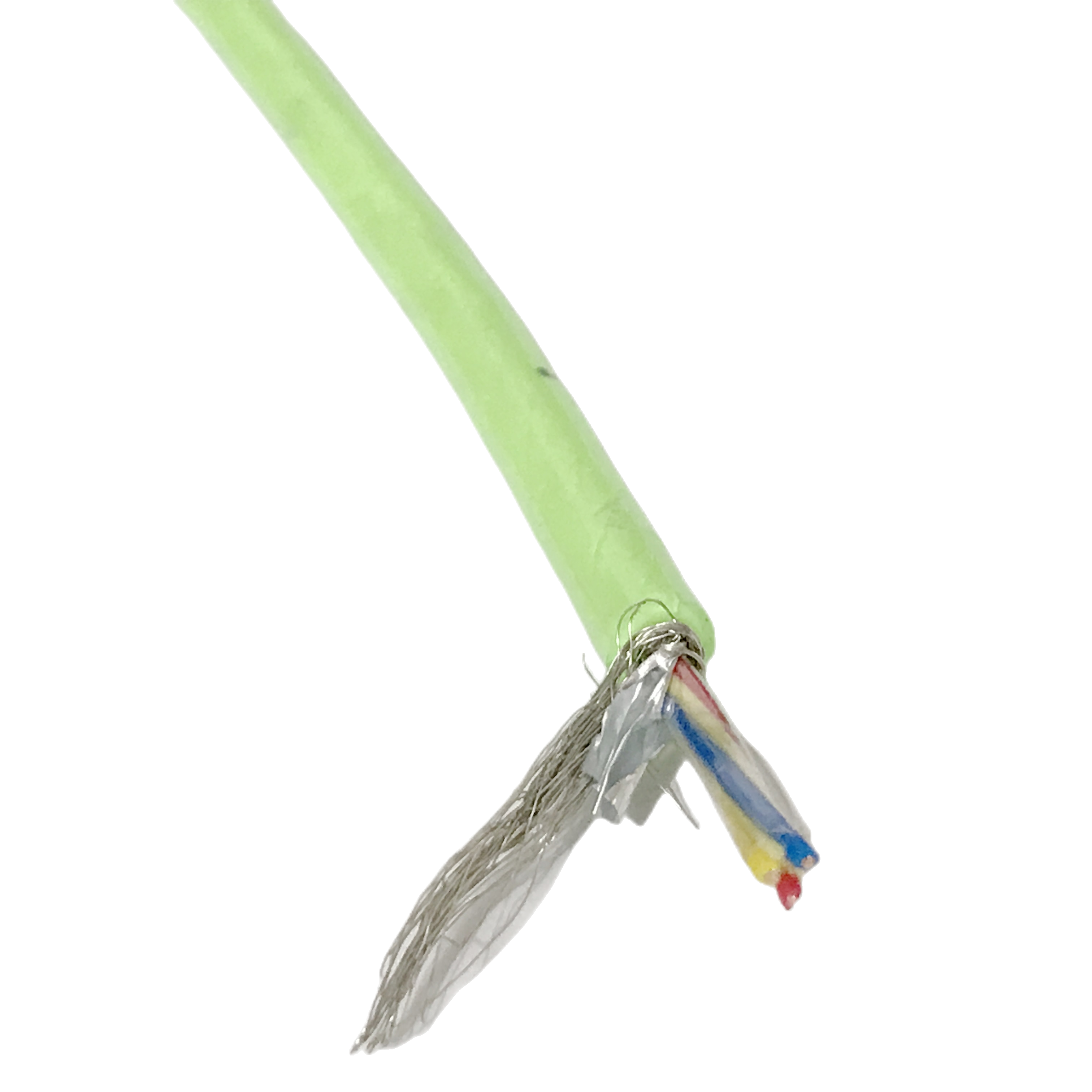
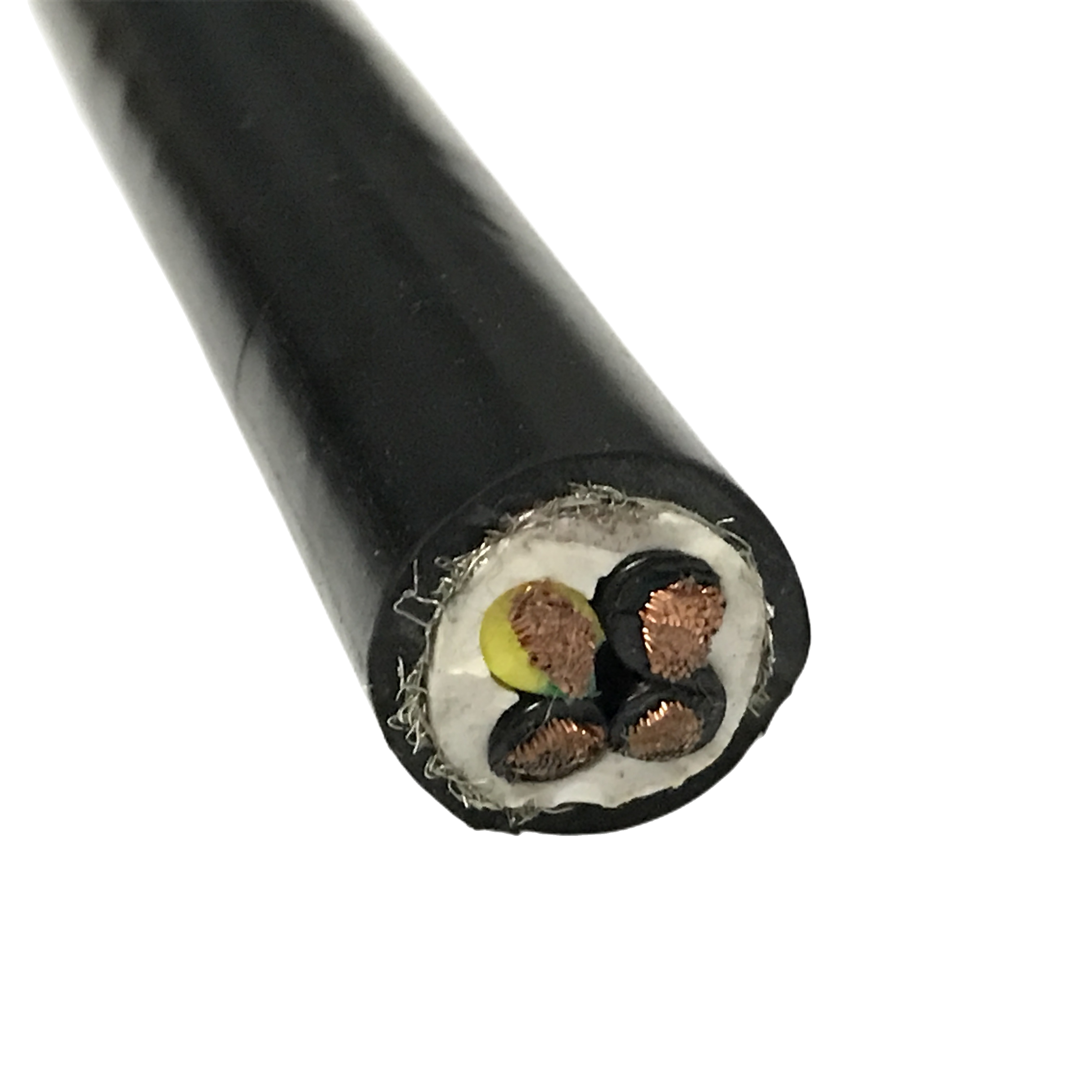
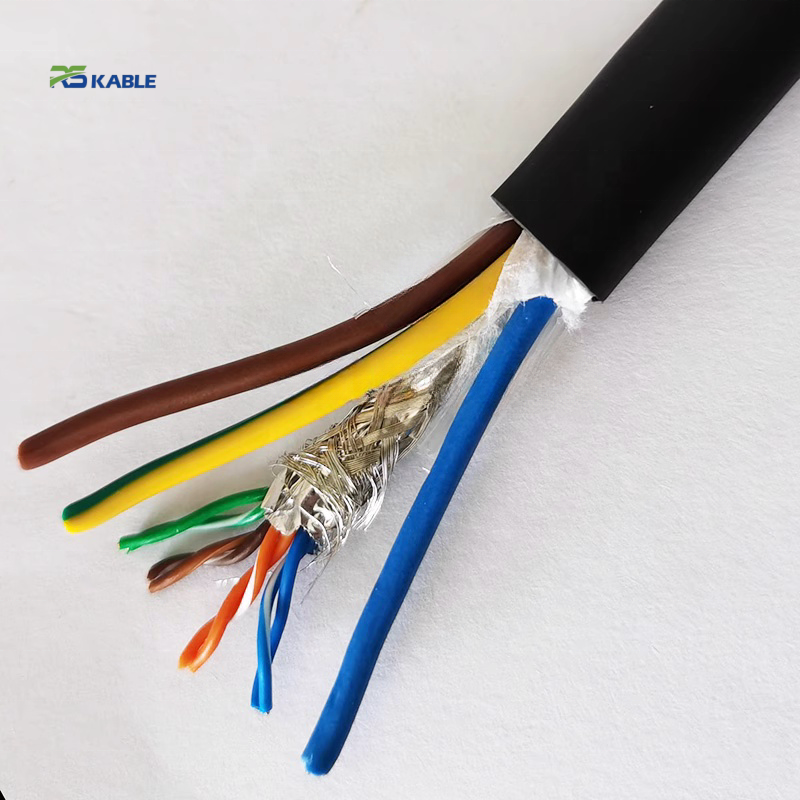
This cable uses a twisted pair conductor layout to reduce coupling between adjacent circuits and to support more stable signal transmission in compact robotic routing. Flexible fine-stranded copper conductors help the cable adapt to repeated bending, while the PUR outer jacket improves resistance to abrasion, oil, and mechanical wear in moving industrial environments. For installations exposed to motors, drives, switching equipment, or mixed cable routing, shielded constructions are available.
The result is a cable structure better suited to robotic motion than standard general-purpose signal cable, especially where cable life and transmission stability are both important in day-to-day machine operation.
Product Summary
Product Type: PUR twisted pair robot signal cable
Typical Use: Signal, control, sensor, and low-voltage feedback transmission in moving robotic systems
Key Design Points: Twisted pair geometry, flexible conductor structure, abrasion resistant PUR jacket, optional shielding
Typical Installation: Robotic arms, moving machine sections, cable carriers, automated handling systems, packaging machinery, CNC auxiliary systems
Main Advantages
Stable Signal Transmission in Moving Installations
Twisted pair construction helps maintain more stable electrical behavior in signal circuits by controlling conductor spacing within each pair. In robot routing with multiple circuits in limited space, this helps reduce coupling between adjacent conductors and improves suitability for signal-sensitive applications.
High Flexibility for Robotic Motion
The conductor structure is designed for repeated bending and dynamic routing. In robotic arms, moving assemblies, and cable carriers, flexibility is critical to reducing internal stress during operation.
Abrasion Resistant PUR Jacket
The PUR outer sheath is selected for industrial movement conditions where cables may contact guides, cable tracks, equipment edges, or other surfaces during service. Compared with standard jacket materials used in general control wiring, PUR is better suited to motion applications where abrasion resistance and wear life are important.
Better Fit for Compact Automation Layouts
This cable is suitable for installations where multiple signal circuits must be routed through limited space without sacrificing flexibility or signal reliability.
Product Series and Typical Models
Series Name: RST-TPR-PUR
Series Category: Twisted pair robot cable for signal and control transmission
| Product Model | Product Name | Typical Pair Count | Typical Application | Jacket | Shielding |
|---|---|---|---|---|---|
| RST-TPR-PUR-1P | PUR twisted pair robot cable, 1 pair | 1 pair | Compact sensor or single-loop signal transmission | PUR | Optional |
| RST-TPR-PUR-2P | PUR twisted pair robot cable, 2 pairs | 2 pairs | Robotic arm signal routing, moving control loops | PUR | Optional |
| RST-TPR-PUR-4P | PUR twisted pair robot cable, 4 pairs | 4 pairs | Multi-circuit automation and I/O signal routing | PUR | Recommended |
| RST-TPR-PUR-8P | PUR twisted pair robot cable, 8 pairs | 8 pairs | Higher circuit-count robotic and automation systems | PUR | Recommended |
| RST-TPR-PUR-C | Custom PUR twisted pair robot cable | Custom | Project-based robotic and industrial applications | PUR | Custom |
Technical Parameters
The values below are typical configuration items used for selection. Final cable design should be confirmed according to signal type, movement condition, routing layout, conductor size, and shielding requirement.
| Item | Typical Description |
|---|---|
| Product Name | PUR Twisted Pair Robot Cable |
| Conductor Material | Fine-stranded bare copper |
| Typical Conductor Sizes | 0.14 mm² / 0.20 mm² / 0.25 mm² / 0.34 mm² / custom |
| Pair Count | 1 pair to multi-pair constructions |
| Core Arrangement | Twisted pair |
| Insulation Type | Low-capacitance insulation for signal and control transmission |
| Shield Options | Unshielded, foil shield with drain wire, foil + braid, or project-based structure |
| Outer Jacket | PUR |
| Jacket Characteristics | Abrasion resistant, oil resistant, flexible, suitable for moving industrial service |
| Motion Type | Repeated bending, dynamic routing, cable carrier movement |
| Typical Installation | Robotic arms, automation equipment, moving cable routes, sensor loops |
| Application Scope | Signal, control, sensor, feedback, and general low-voltage data transmission |
| Temperature Range | Subject to final construction and project requirement |
| Outer Diameter | Depends on pair count, conductor size, and shield structure |
| Minimum Bend Radius | Confirmed according to final cable diameter and motion condition |
| Supply Format | Cut length, coil, reel, project supply |
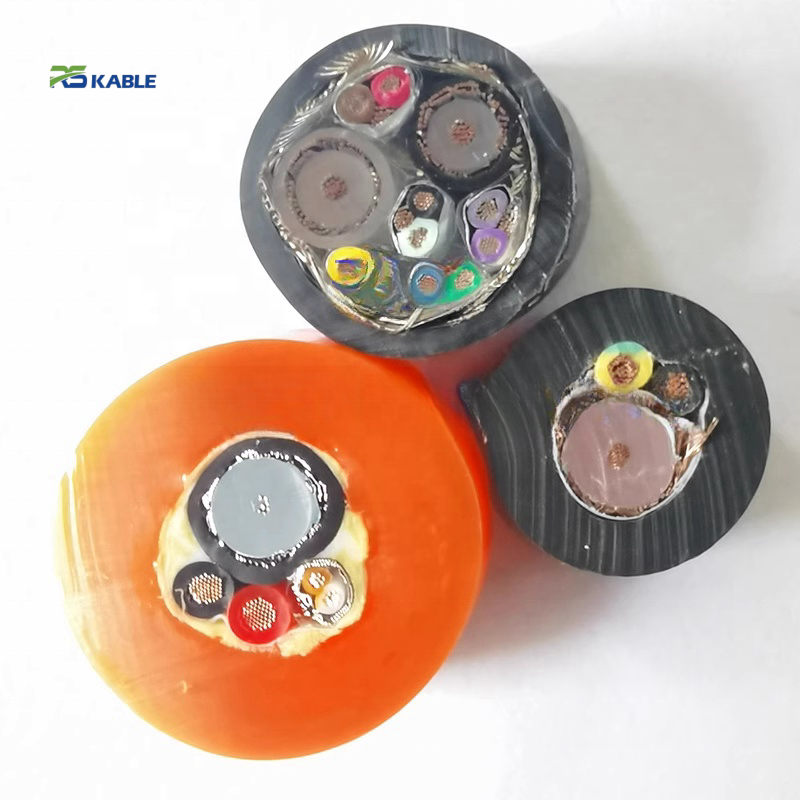
Cable Construction
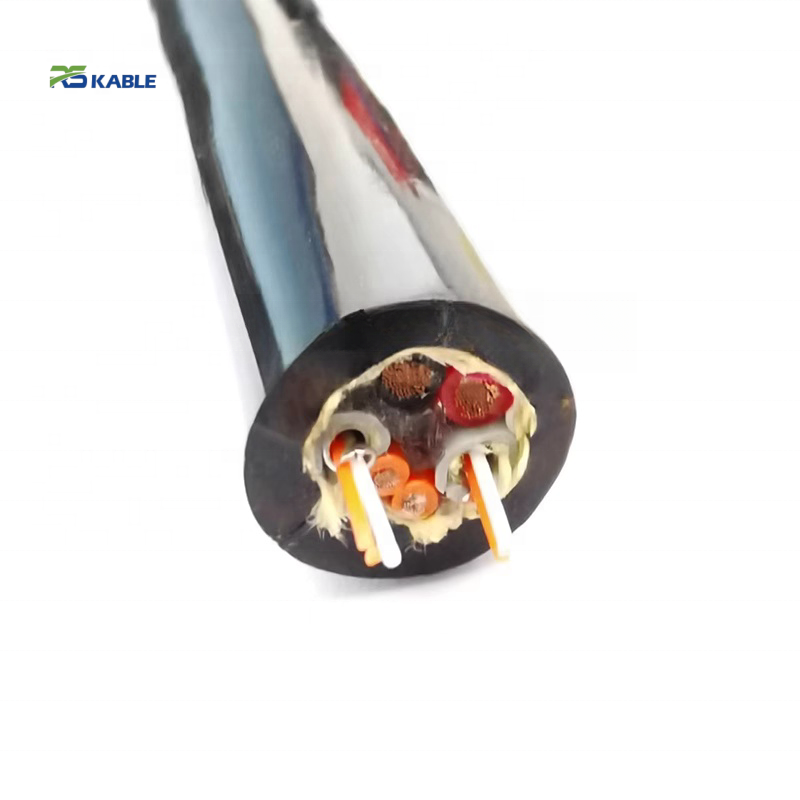
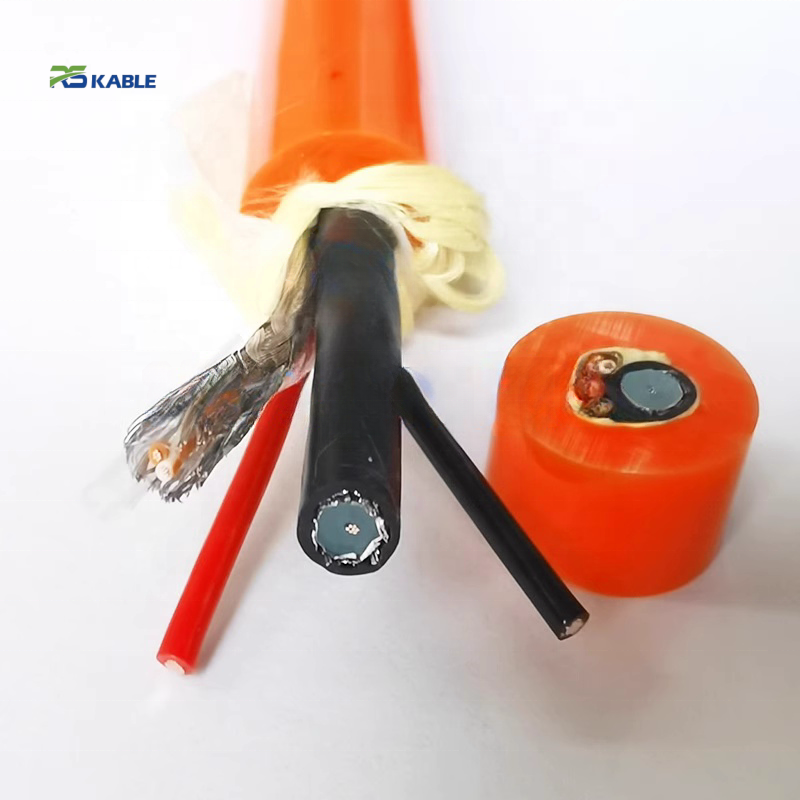
A robot signal cable should not be selected by jacket material alone. For moving signal transmission, the internal pair structure is as important as the outer sheath.
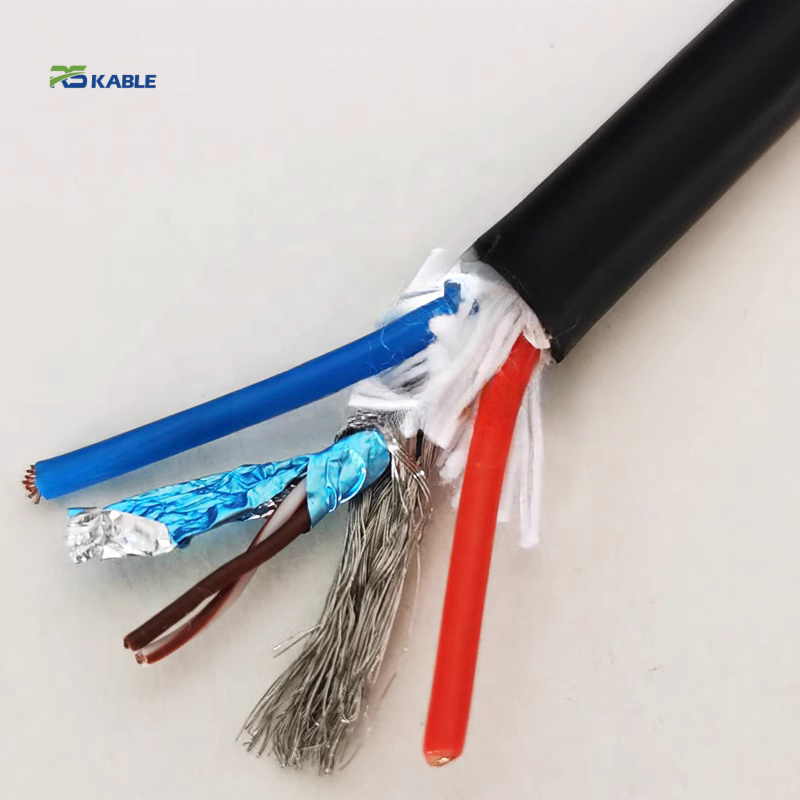
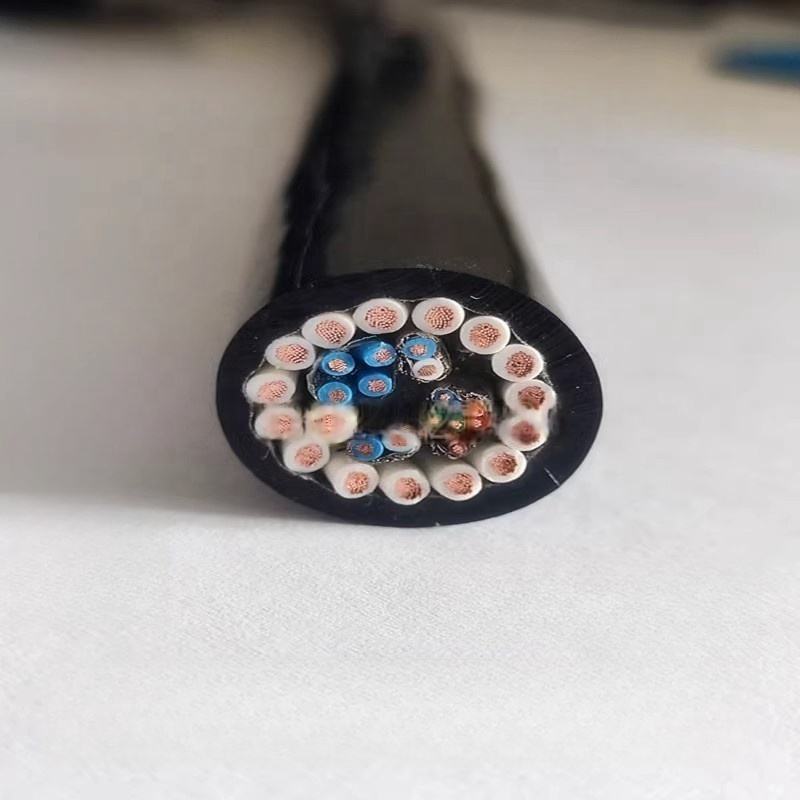
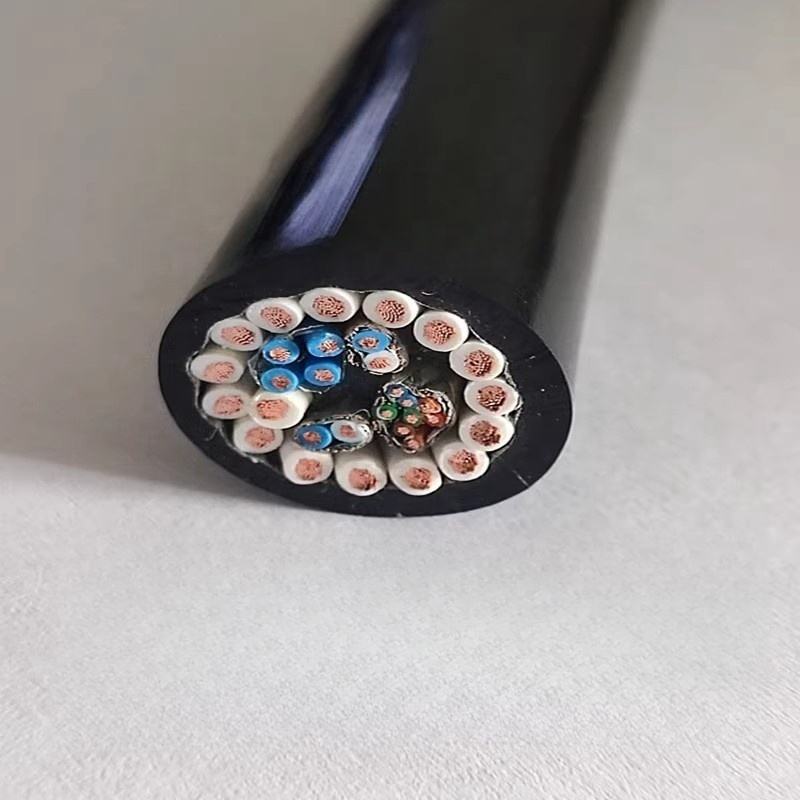
Fine-Stranded Copper Conductors
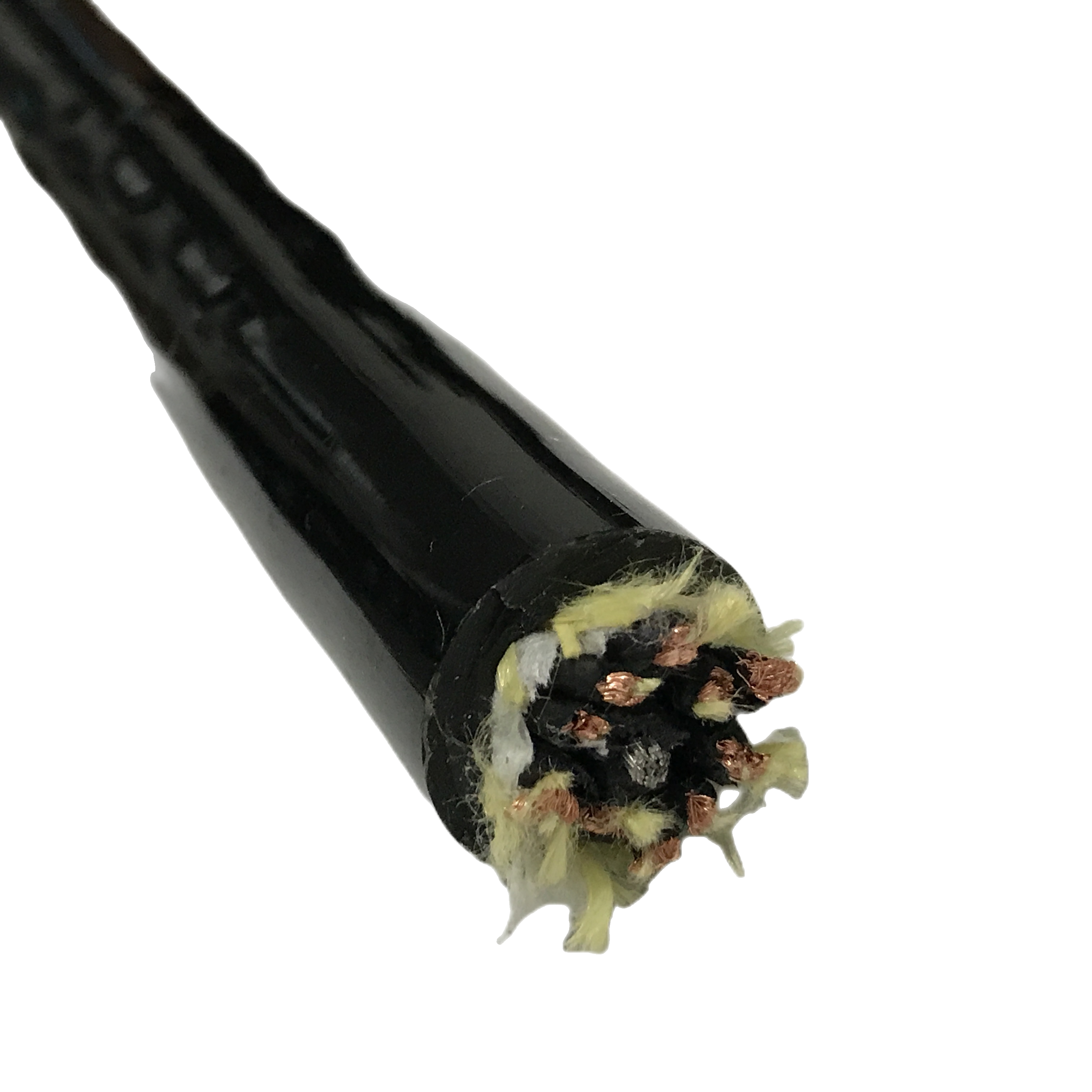
Fine-stranded copper conductors improve flexibility and reduce stress concentration during repeated motion. This conductor structure is more suitable for robotic routing than solid or less flexible conductor designs used in static wiring.
Twisted Pair Geometry
Each circuit pair is twisted to support better pair balance and to reduce interference between adjacent signal paths. This is important in compact cable constructions where multiple circuits run in parallel and where signal quality must be maintained under movement.
Low-Capacitance Insulation
Low-capacitance insulation helps keep the cable more suitable for control, sensor, and low-voltage signal circuits. In longer or more signal-sensitive installations, insulation characteristics can influence transmission consistency.
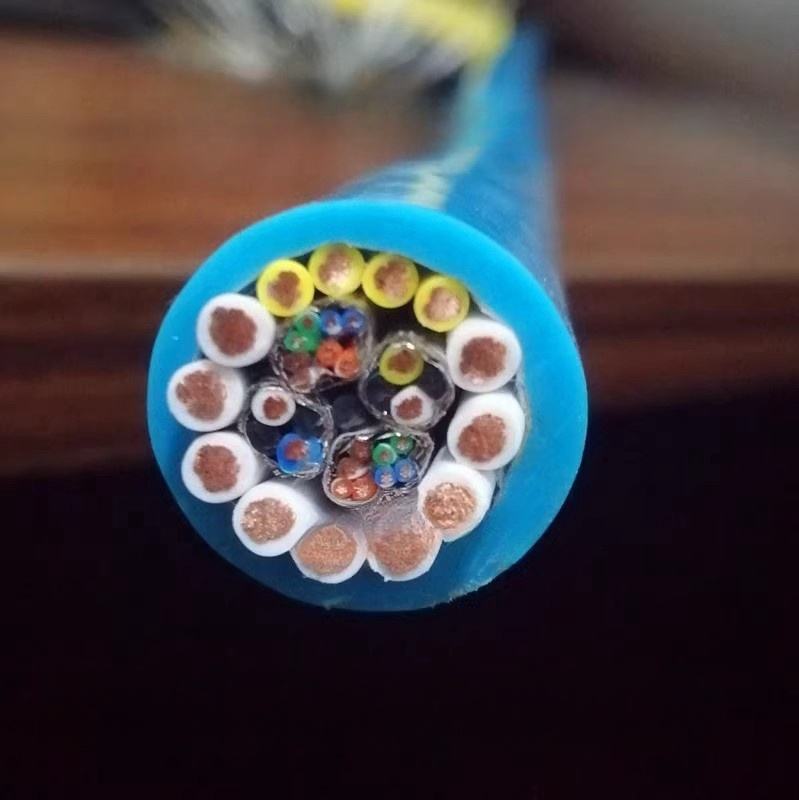
Optional Shielding Structure
Where the cable is installed near servo motors, variable-frequency drives, power circuits, or switching devices, shielded construction is recommended. Depending on the environment, the cable can be supplied with overall foil shielding, drain wire, or combined shielding structures for improved EMI performance.
PUR Outer Jacket
The PUR outer jacket is selected for moving industrial service where abrasion, dragging contact, and oil exposure are common. It is suitable for robotic motion systems and automation lines where standard PVC jacket materials may wear more quickly.
Why Twisted Pair Design Improves Signal Stability
Signal stability in robotic systems is affected by both electrical interference and mechanical movement. A cable may pass basic continuity checks and still perform poorly in service if adjacent circuits couple too easily or if the internal structure shifts under repeated motion.
Reduced Coupling Between Adjacent Circuits
Twisted pair construction helps control the electrical relationship between the two conductors within a circuit and reduces the tendency of adjacent cores to interfere with that circuit. This becomes more useful as pair count increases and routing space becomes tighter.
Better Suitability for Sensor and Control Circuits
This cable is commonly selected for sensor loops, control signals, moving I/O connections, and other low-voltage circuits in robotics and automation where signal quality matters more than simple conductor count.
Improved Suitability for Dynamic Routing
In moving installations, conductor position and mechanical stress can change over time. A flexible twisted pair construction is better suited to signal transmission under repeated bending than a standard parallel-core signal cable intended mainly for static use.
Typical Applications
The PUR twisted pair robot cable for robotics is suitable for moving industrial systems where signal integrity and jacket durability are both required.
Common Applications
-
robotic arm signal transmission
-
moving sensor connections
-
automation control loops
-
low-voltage feedback circuits
-
I/O signal routing in moving assemblies
-
packaging equipment
-
cable carrier systems
-
pick-and-place units
-
material handling systems
-
CNC machine auxiliary signal circuits
Typical Working Conditions
-
repeated bending motion
-
compact routing inside robotic systems
-
movement through cable carriers or guided paths
-
installations exposed to abrasion risk
-
environments with oil mist or coolant splash
-
routing near motors, drives, or power circuits
Application Boundary
This cable is intended for general low-voltage signal and control transmission in moving robotic and automation systems.
It is suitable for:
-
sensor signals
-
control loops
-
moving I/O circuits
-
low-voltage feedback circuits
-
general signal transmission in robotic systems
It should be evaluated separately for:
-
protocol-specific industrial Ethernet applications
-
defined-impedance communication systems
-
high-speed fieldbus systems
-
applications requiring certified protocol compliance
Where a communication protocol has fixed electrical requirements, final suitability should be confirmed against the relevant impedance, capacitance, shielding, and transmission specification.
Twisted Pair Robot Cable vs Standard Multi-Core Signal Cable
| Comparison Item | Twisted Pair Robot Cable | Standard Multi-Core Signal Cable |
|---|---|---|
| Pair Balance | Controlled by twisted pair geometry | Not specifically controlled |
| Crosstalk Control | Better | Lower |
| Suitability for Moving Signal Circuits | Better when designed for robotic motion | More dependent on installation |
| Use in Sensor / Control Signal Routing | Recommended | Acceptable for simpler circuits |
| Best Fit | Robotic and dynamic low-voltage signal routing | General-purpose signal wiring |
A standard multi-core signal cable may be acceptable for basic control loops, but it is usually not the preferred choice where stable paired transmission is required in moving robotic systems.
PUR Jacket vs PVC Jacket
| Comparison Item | PUR Jacket | PVC Jacket |
|---|---|---|
| Abrasion Resistance | Higher | Moderate |
| Oil Resistance | Better | Usually lower |
| Dynamic Durability | Better suited to repeated motion | More suitable for lighter-duty use |
| Service Life in Robotic Routing | Typically better | More installation-dependent |
| Recommended Use | Robotics, moving automation, cable carriers | Standard industrial control wiring |
For dynamic signal cable in robotics systems, PUR is generally preferred where abrasion resistance and longer wear life are important.
Selection Guide
Correct cable selection depends on actual working condition, not only on pair count.
1. Confirm Signal Type
Identify whether the cable carries sensor signals, control circuits, moving I/O, or general low-voltage feedback. If the application involves a defined communication protocol, the protocol requirement should be checked separately.
2. Confirm Pair Count and Conductor Size
Select pair count according to the number of circuits and spare capacity. Conductor size should match current, voltage drop, terminal compatibility, and installation requirement.
3. Confirm Shielding Need
If the cable runs near servo motors, drives, inverters, or power circuits, shielded construction is generally recommended.
4. Confirm Motion Type
Repeated bending, cable carrier travel, and compact robotic routing place different stresses on the cable. A cable intended for moving service should be matched to the actual motion condition.
5. Confirm Environmental Exposure
Abrasion, oil, coolant, and installation temperature all affect the final jacket and structure selection.
6. Confirm Routing Space
Outer diameter and minimum bending space should be checked before final model confirmation, especially in compact robot joints and narrow motion channels.
Customization and Supply
Custom supply is available for project-based robotic and automation installations.
Available Options
-
pair count
-
conductor size
-
shield structure
-
drain wire option
-
jacket color
-
cable marking
-
outer diameter target
-
cut length or reel supply
Supply Support
-
application-based model matching
-
sample supply for evaluation
-
drawing and structure confirmation
-
OEM and project production
-
industrial batch supply
Ordering Information
To speed up quotation and model selection, the following information is recommended:
-
application type
-
pair count
-
conductor size
-
shield requirement
-
cable length
-
motion type
-
installation environment
-
quantity demand
Inquiry Example
4 pairs, 0.20 mm², overall foil shield with drain wire, PUR jacket, robotic arm moving installation, 300 meters
Call to Action
Request a Quote for PUR Twisted Pair Robot Cable
Send the application details for model recommendation, drawing confirmation, and pricing support.
FAQ
What is a PUR twisted pair robot cable used for?
It is used for low-voltage signal, control, sensor, and feedback transmission in robotic and automation systems where the cable is exposed to movement.
Why is twisted pair construction important in robotic signal cable?
Twisted pair construction helps improve pair balance and reduce coupling between adjacent circuits, which supports more stable signal transmission in compact moving installations.
Is this cable suitable for robotic arms?
Yes. It is intended for repeated bending and moving routing in robotic arms and automation equipment, subject to the selected construction and installation condition.
Is shielding required?
Not always. For simple short-distance low-noise circuits, unshielded construction may be acceptable. In installations near motors, drives, or power wiring, shielded construction is usually preferred.
Can this cable be used in cable carriers?
Yes, it can be supplied for dynamic routing and cable carrier use according to the selected structure and movement condition.
Is this cable suitable for Ethernet or protocol-specific communication?
Not automatically. Protocol-specific applications should be checked against the required electrical specification before selection.
Why choose PUR instead of PVC?
PUR offers better abrasion resistance, oil resistance, and wear durability in moving industrial environments.
Is custom construction available?
Yes. Pair count, conductor size, shield design, jacket color, marking, and supply format can be matched to project needs.