


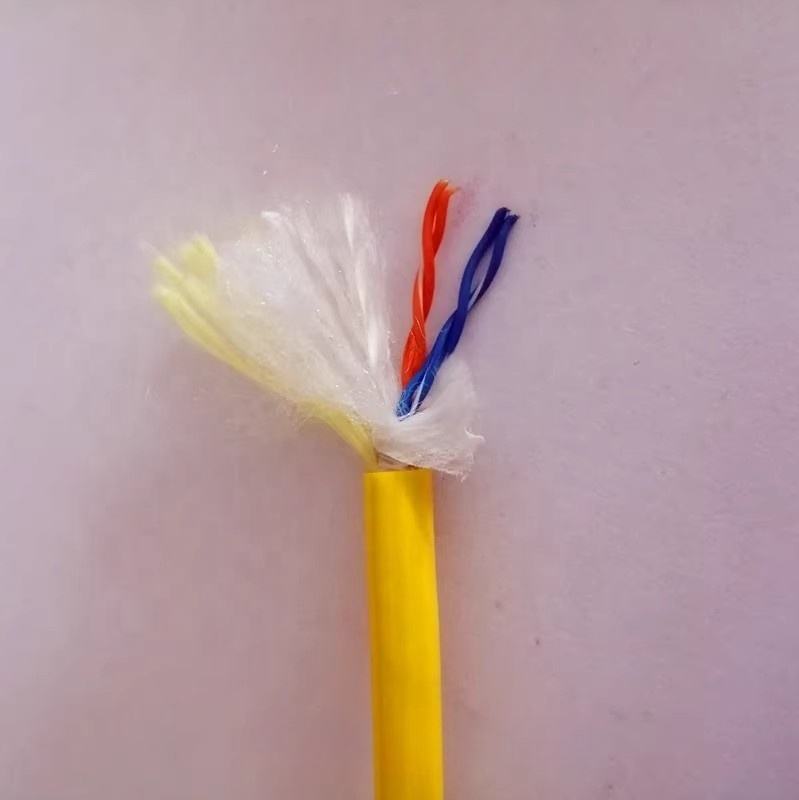
PUR Twisted Pair Robot Cable for Data Transmission with Low Crosstalk and High Flexibility
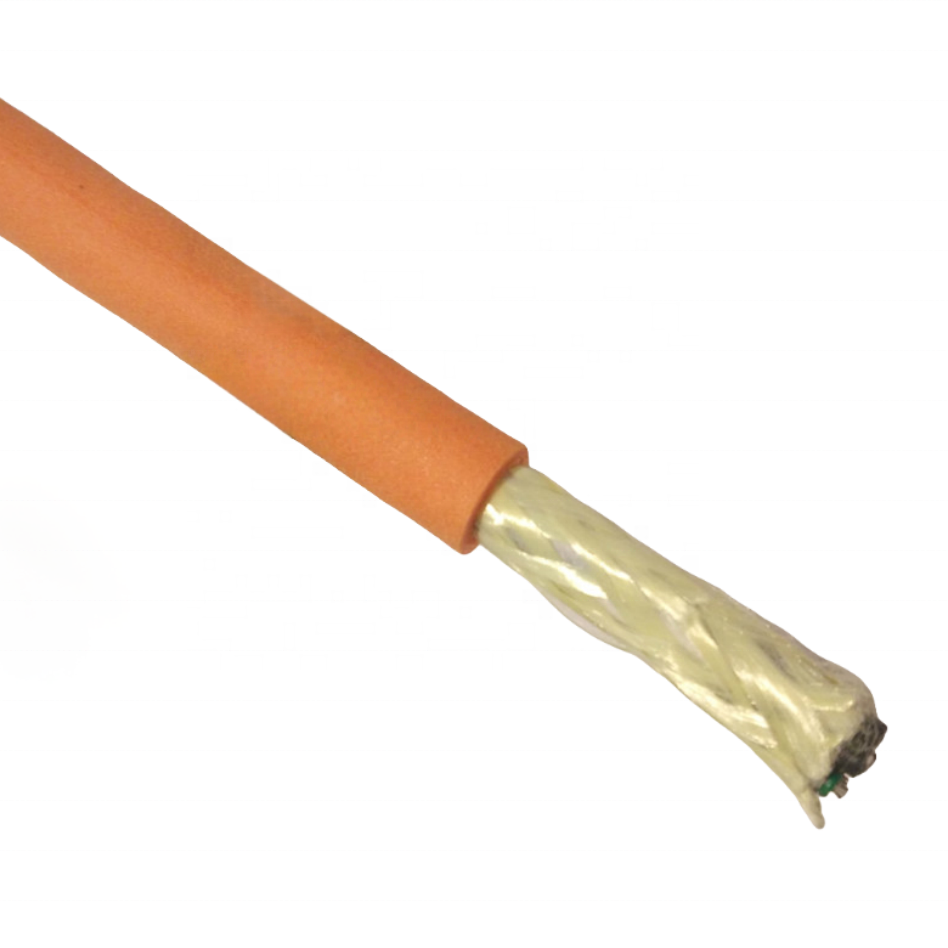
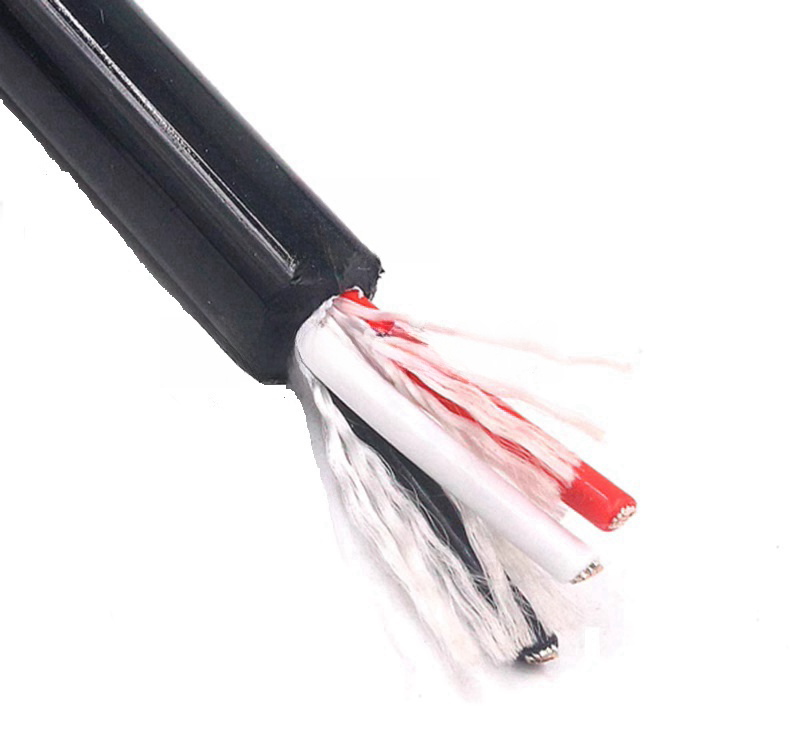
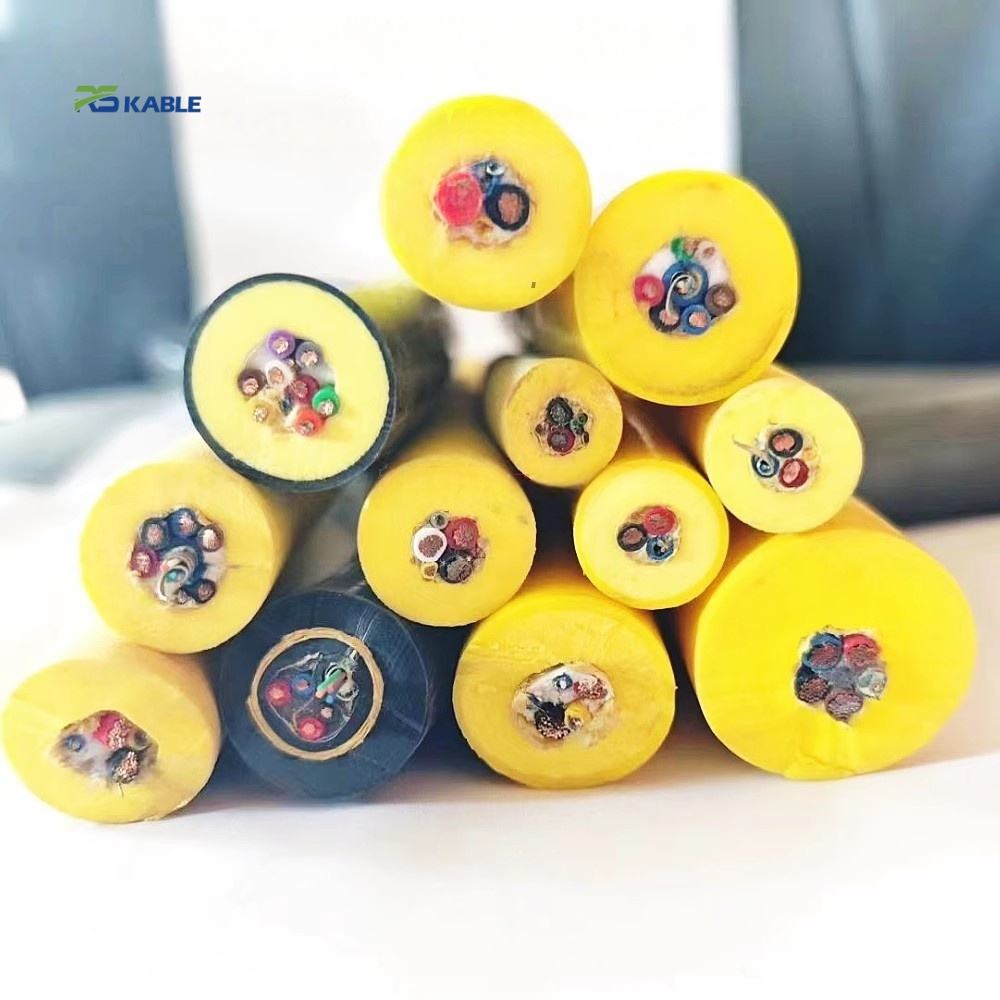
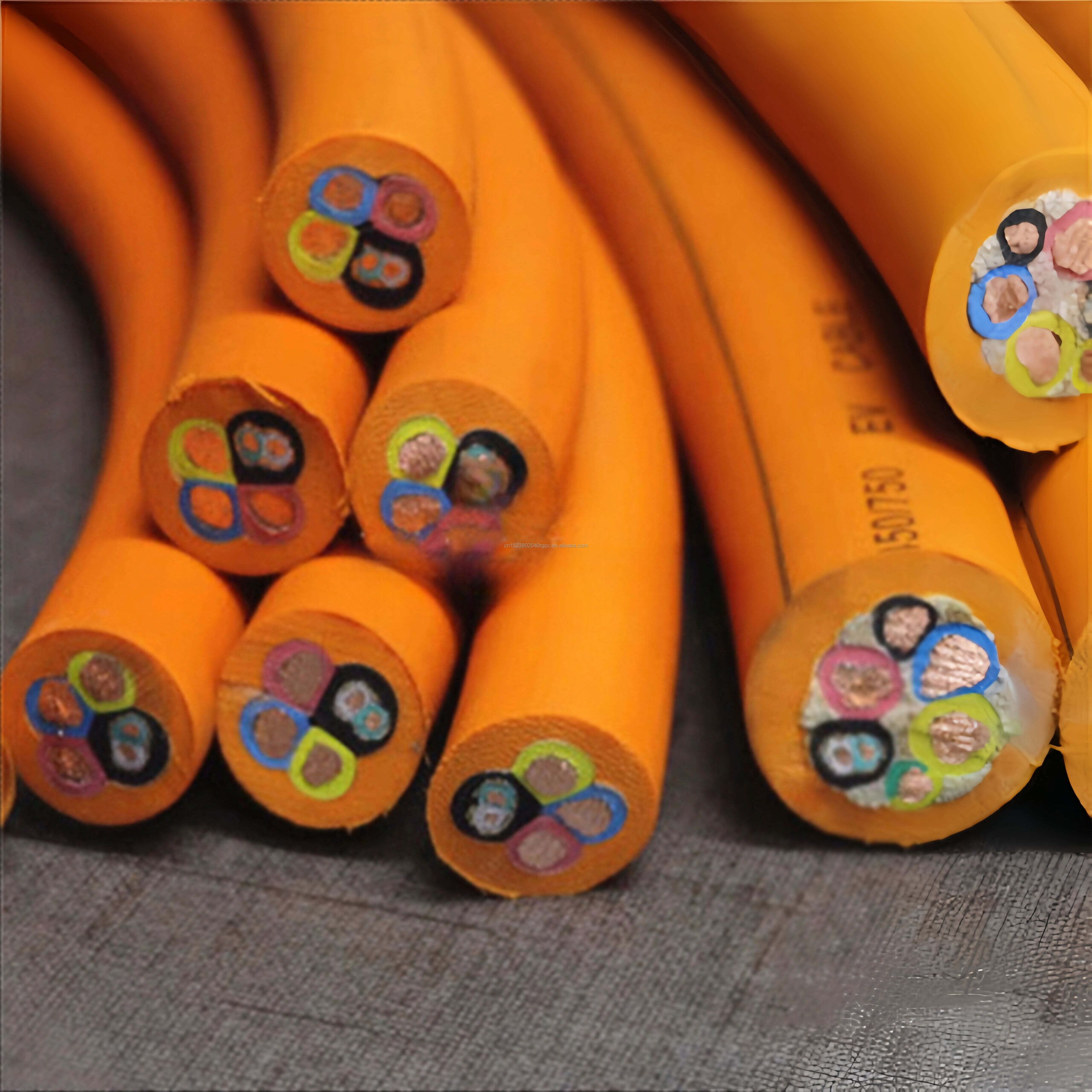
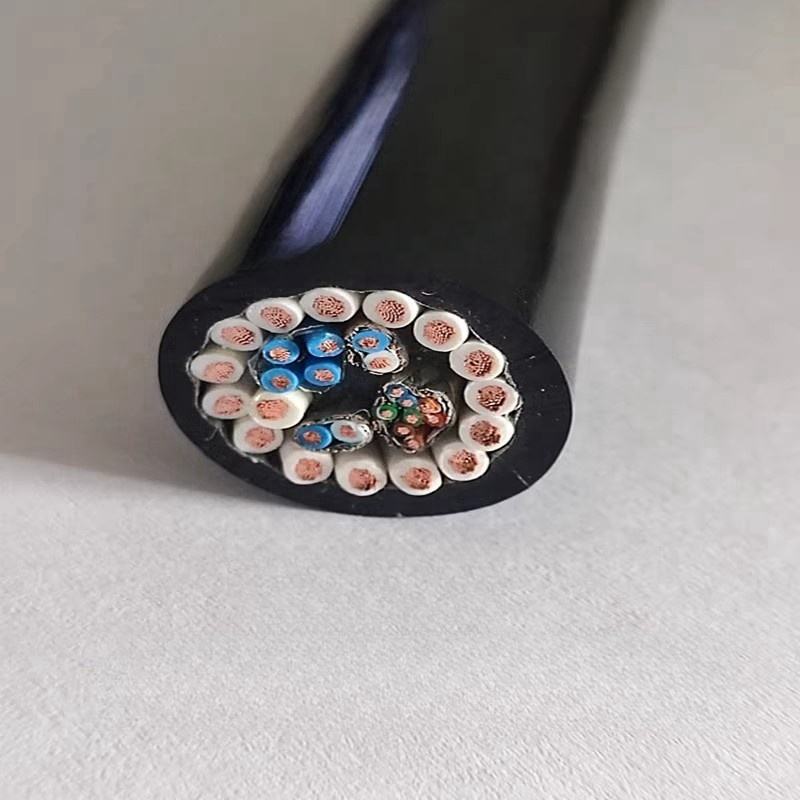
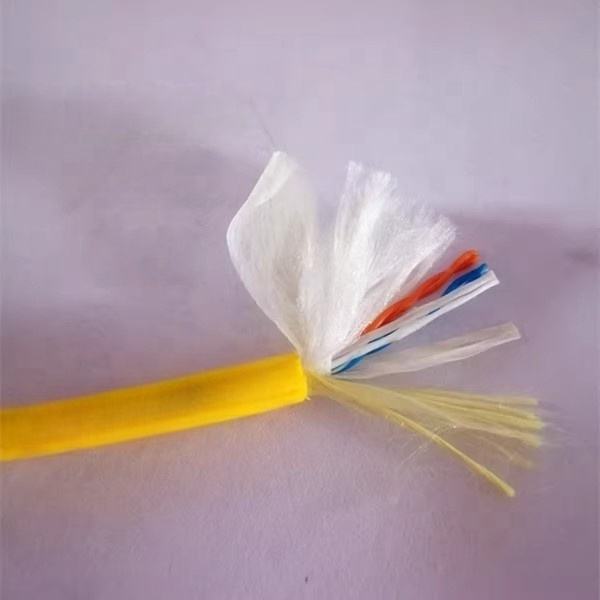
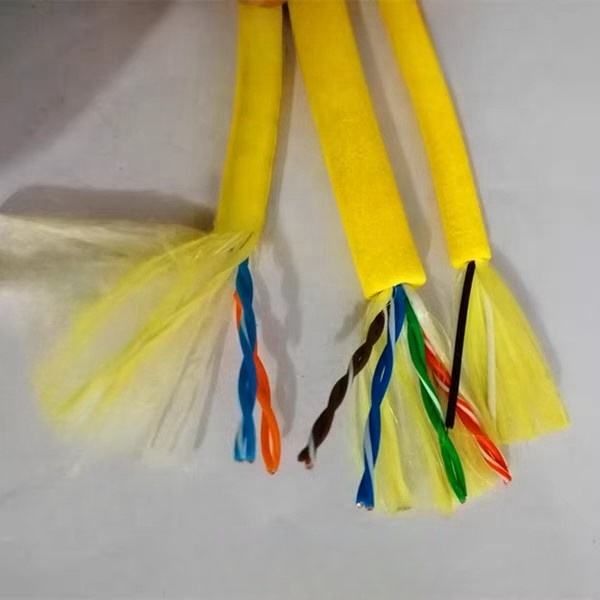
The RST-TP series is a PUR twisted pair robot cable for data transmission in robotic arms and automation systems. Its twisted pair design helps reduce crosstalk, while the high-flex construction supports continuous movement. The PUR jacket provides strong resistance to abrasion, oil, and wear in industrial environments.
Key Benefits:
✅ Low crosstalk for stable data transmission
✅ High flexibility for dynamic motion
✅ PUR jacket for abrasion and oil resistance
✅ Suitable for robotics and automation systems
PUR Twisted Pair Robot Cable for Data Transmission with Low Crosstalk and High Flexibility
The PUR Twisted Pair Robot Cable for Data Transmission with Low Crosstalk and High Flexibility is designed for moving industrial installations where stable signal transmission must be maintained under repeated bending, compact routing, and continuous machine motion. It is typically used in robotic arms, automated handling systems, cable carrier assemblies, moving sensor circuits, and control systems where ordinary multi-core cable may not provide sufficient transmission stability.
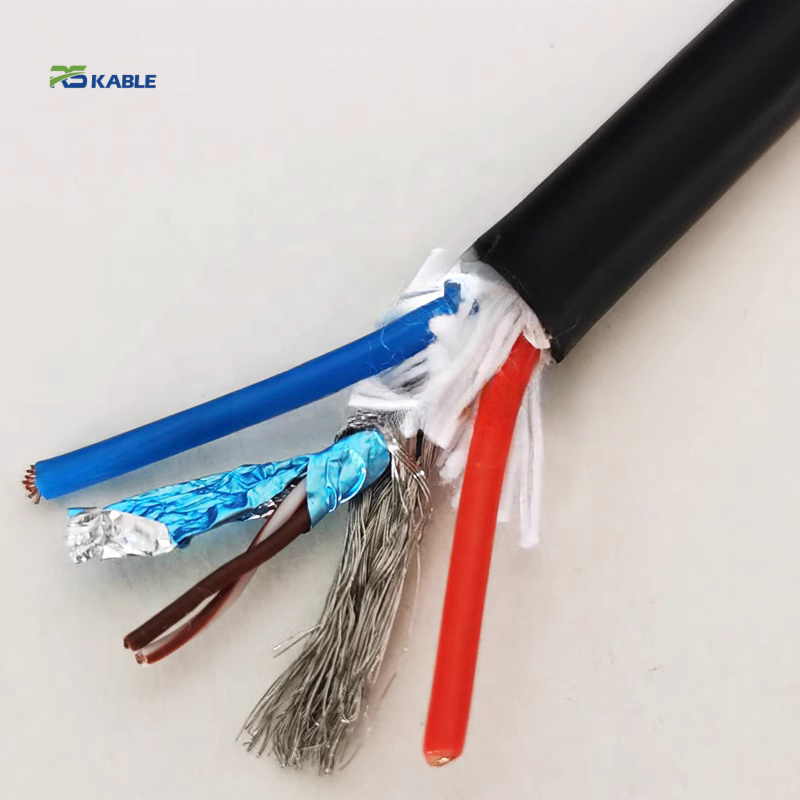
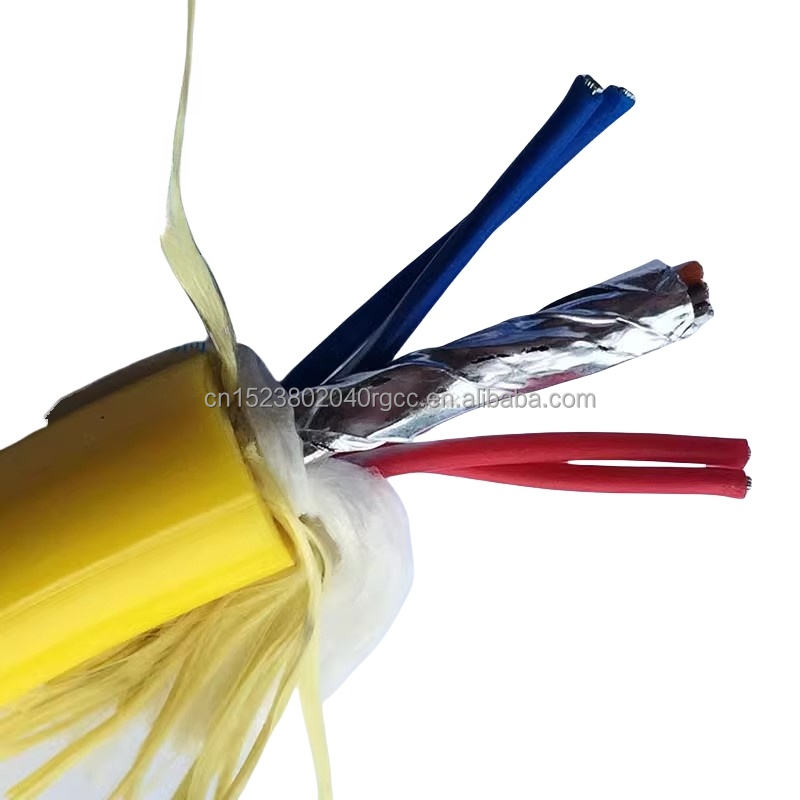
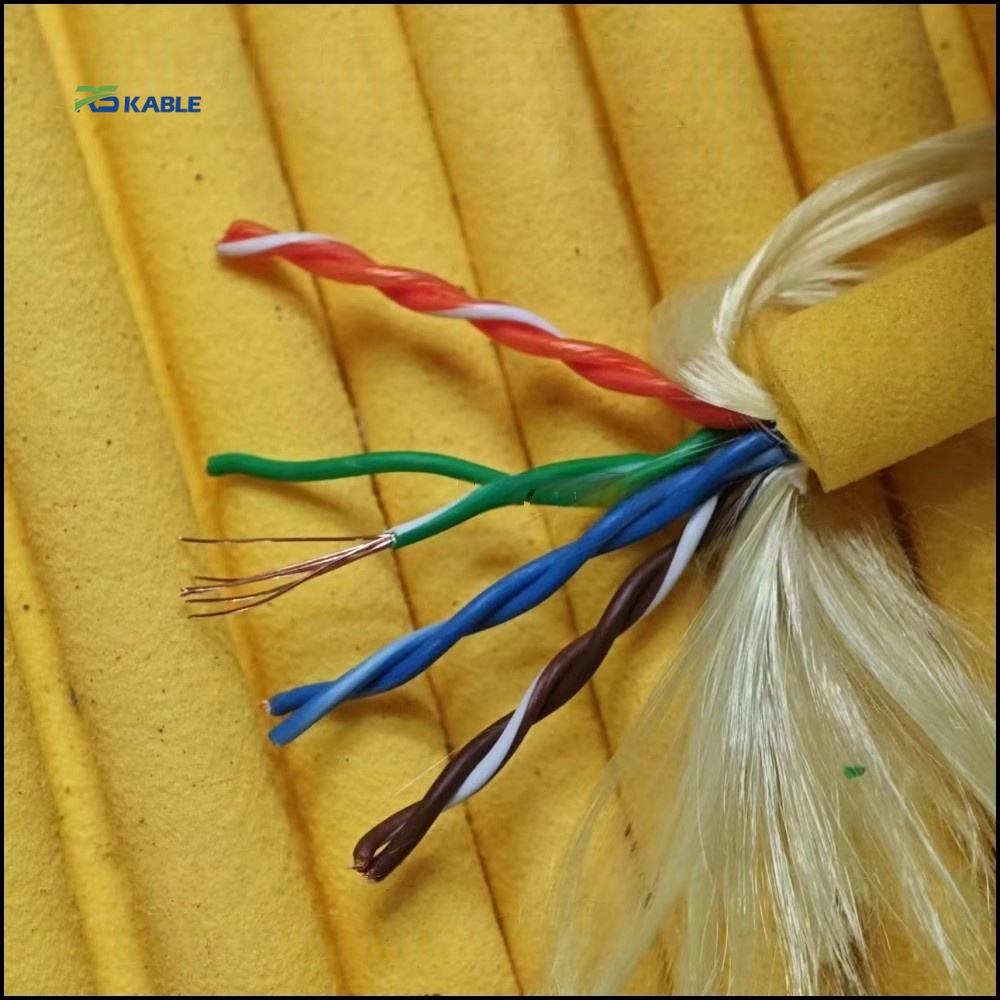
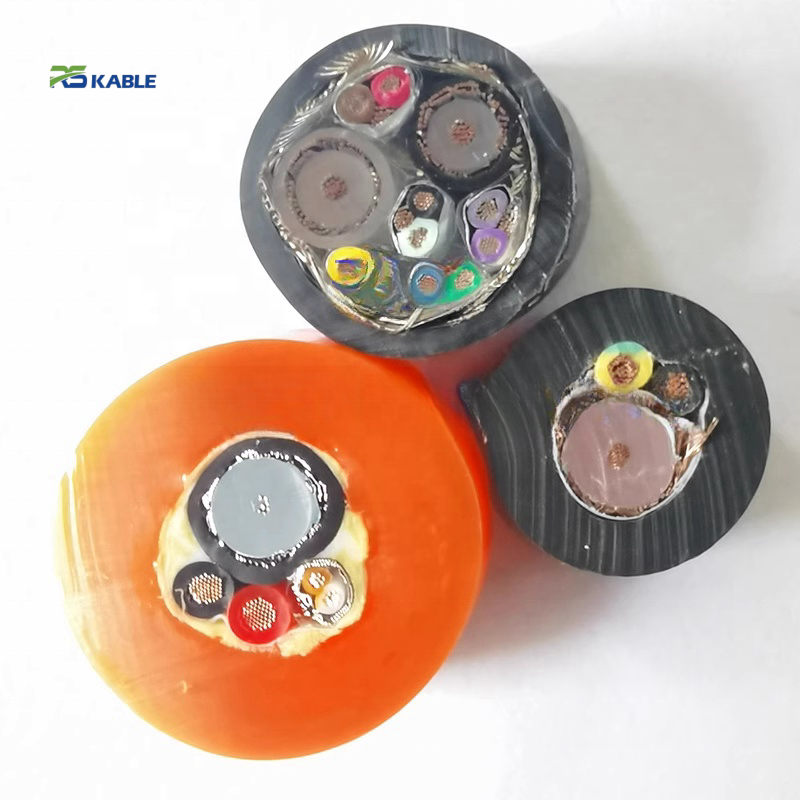
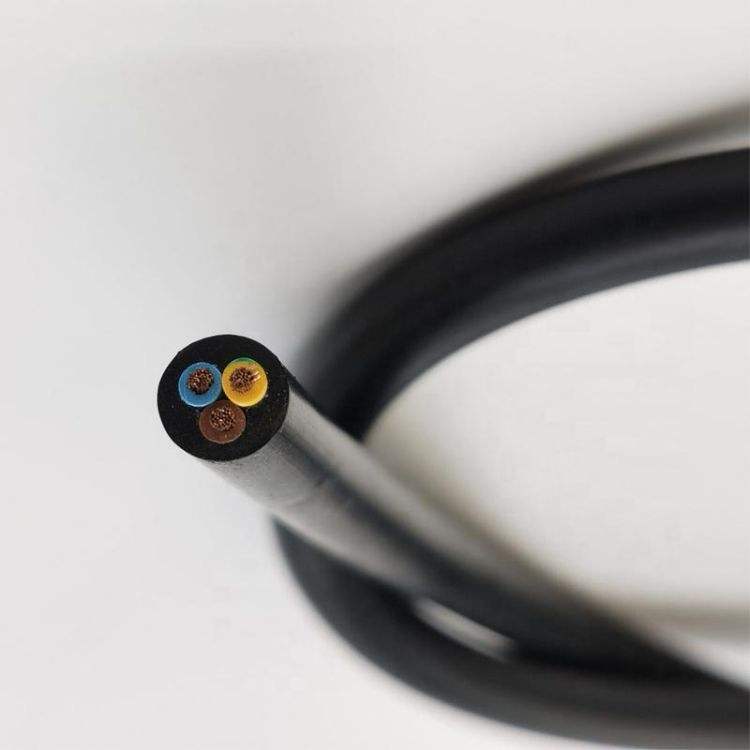
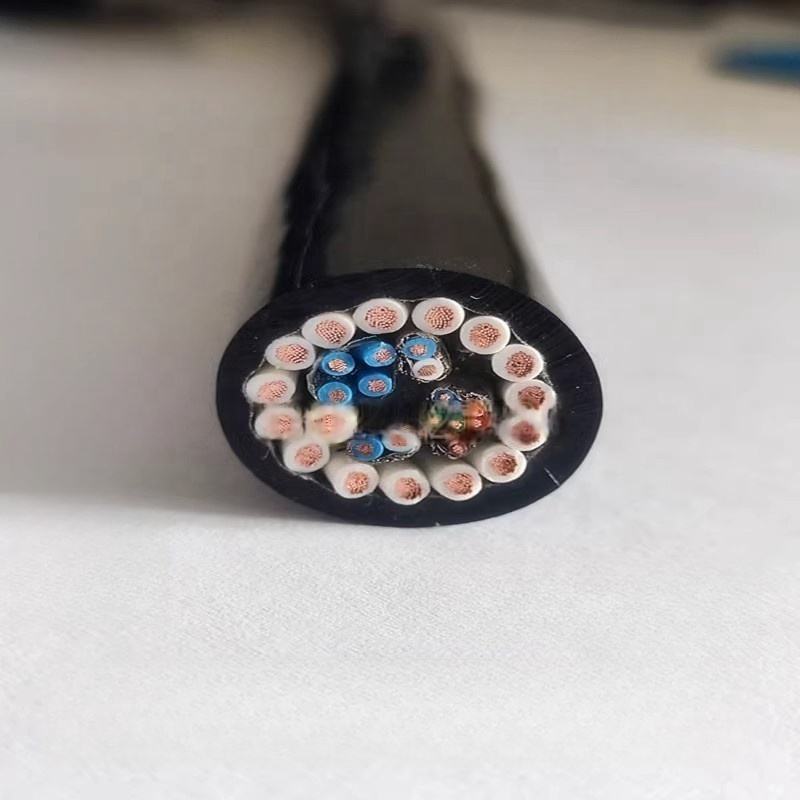
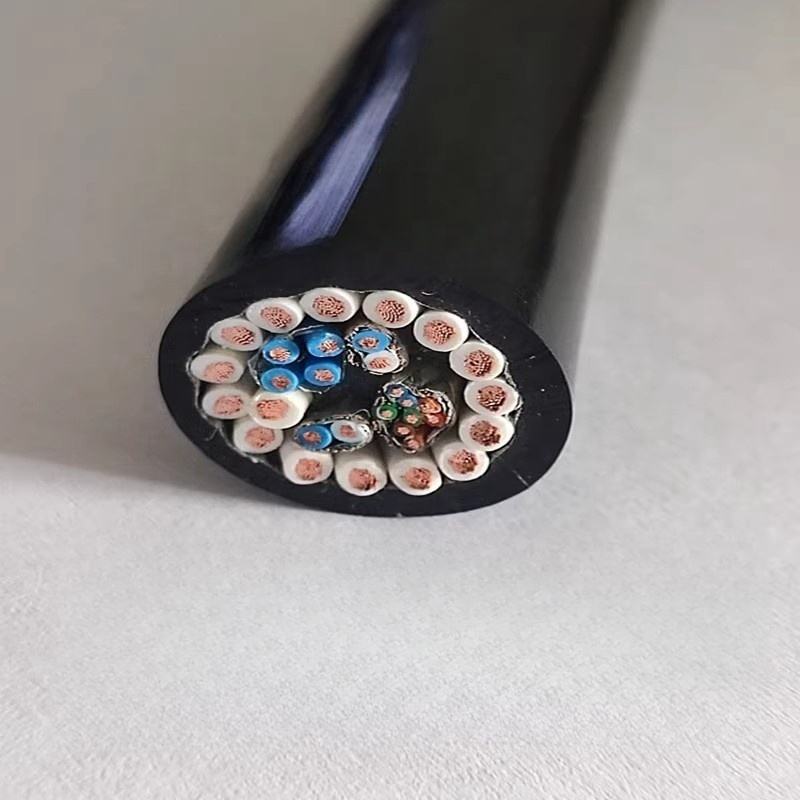
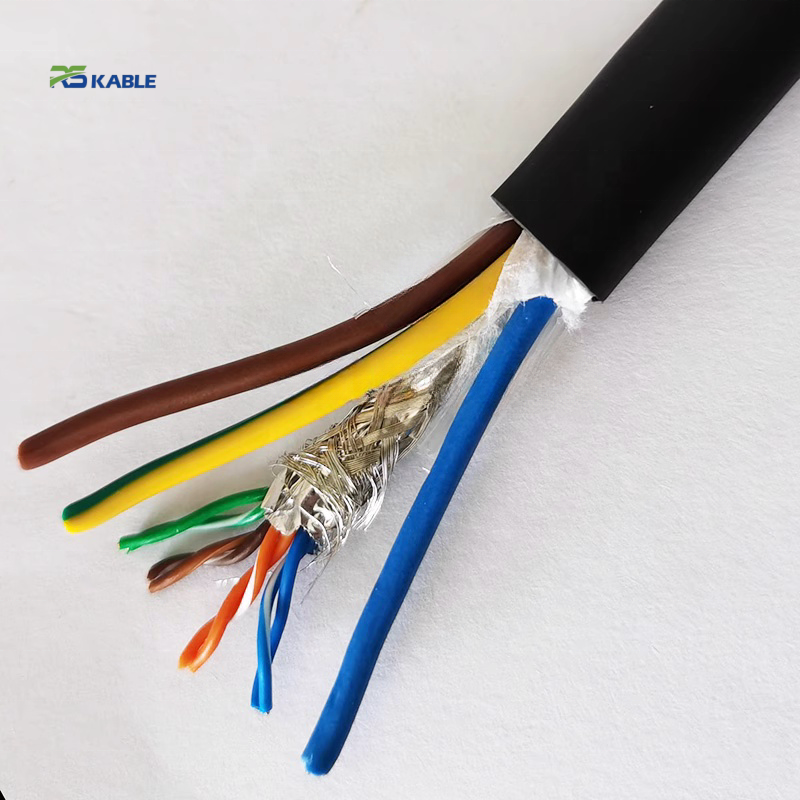
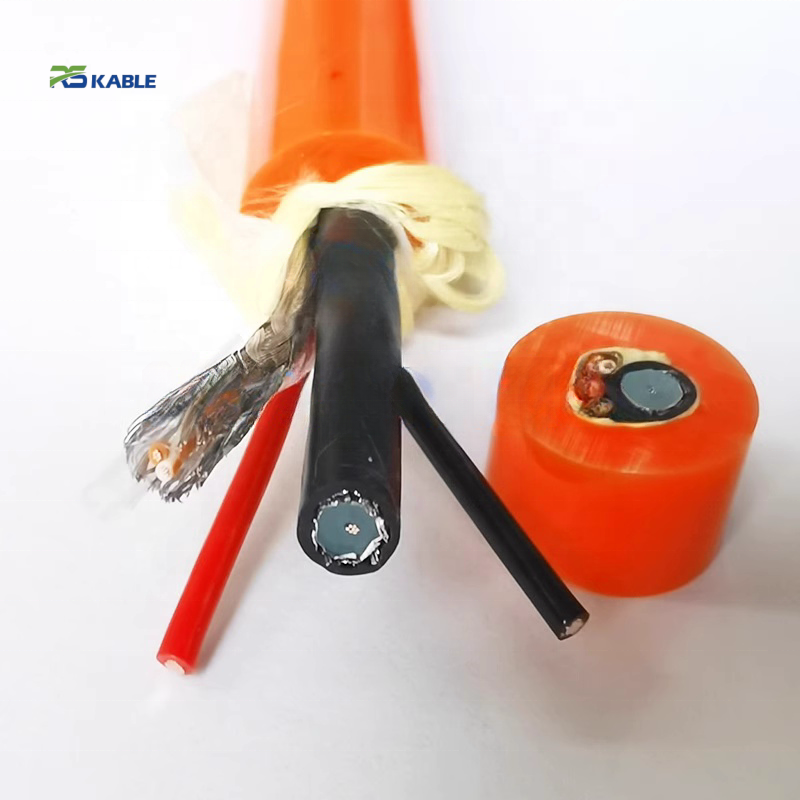
This cable combines a twisted pair conductor layout, flexible stranded copper conductors, low-capacitance insulation, and a wear-resistant PUR outer jacket. The twisted pair structure helps reduce coupling between adjacent circuits, while the flexible construction supports repeated movement in dynamic applications. For installations exposed to motors, drives, switching equipment, and other sources of electrical noise, shielded constructions are also available.
The PUR twisted pair robot cable is intended for low-voltage data, signal, and control transmission in robotic and automation environments where low crosstalk, high flexibility, and mechanical durability are all required.
Key Features
-
Twisted pair construction for improved signal balance and reduced crosstalk
-
High-flex cable design for repeated bending and moving cable routes
-
PUR outer jacket for abrasion resistance, oil resistance, and long service life
-
Optional overall shielding for installations with EMI exposure
-
Suitable for sensor, control, encoder-related, and low-voltage communication circuits
-
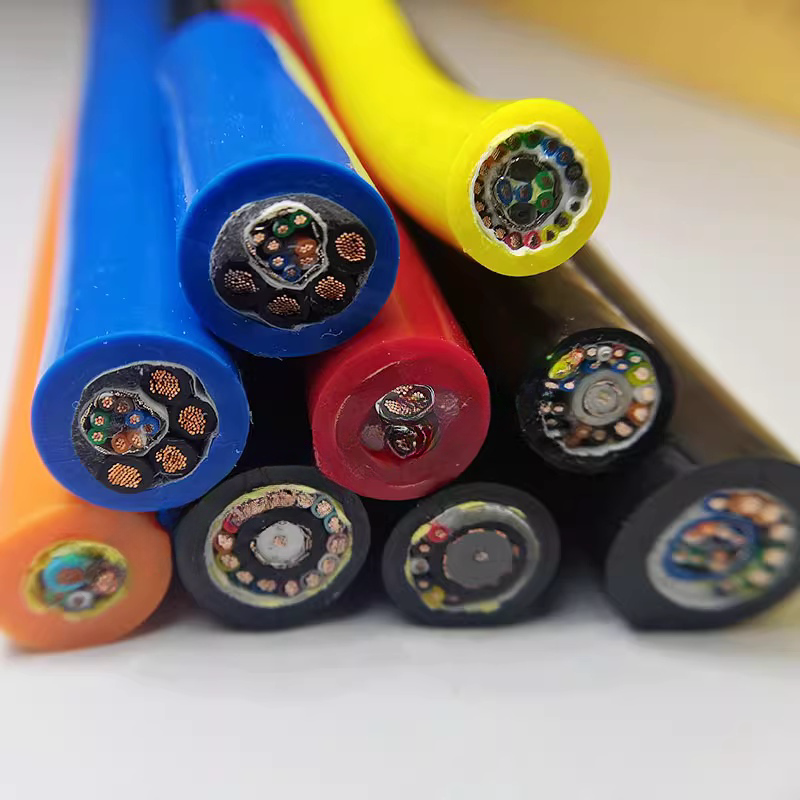
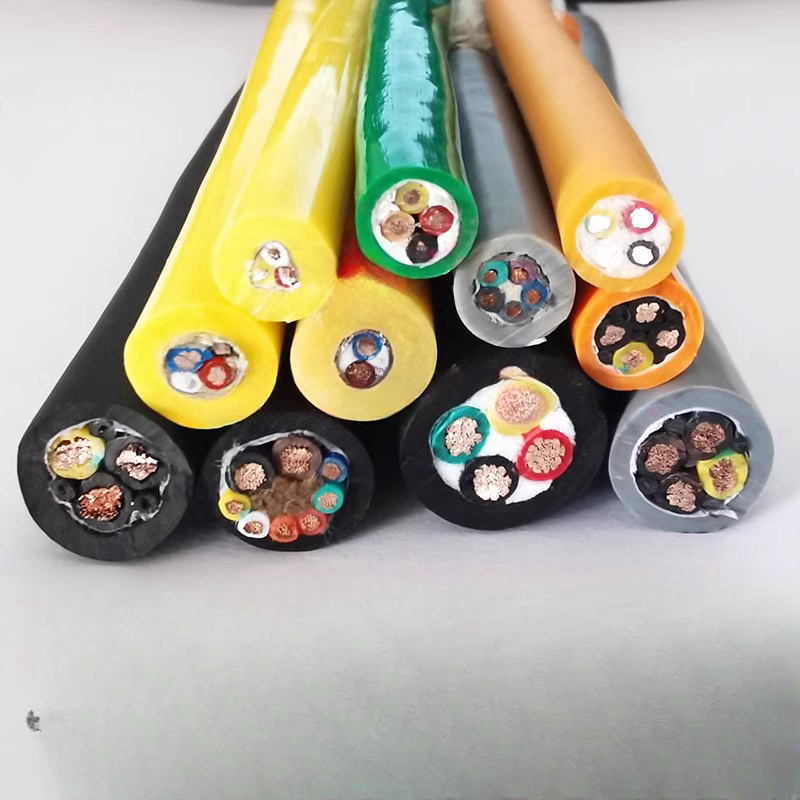
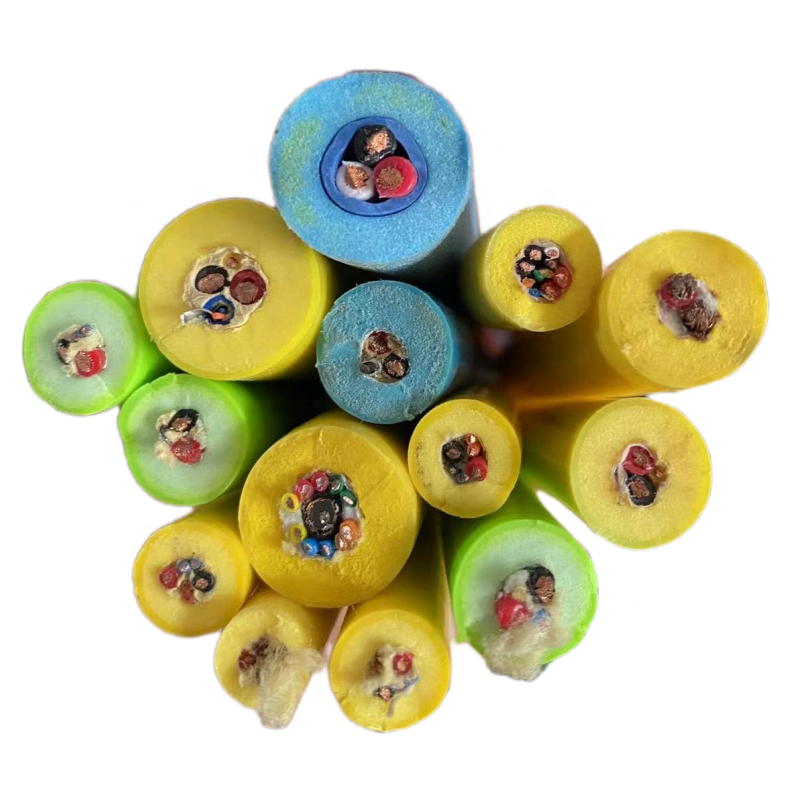
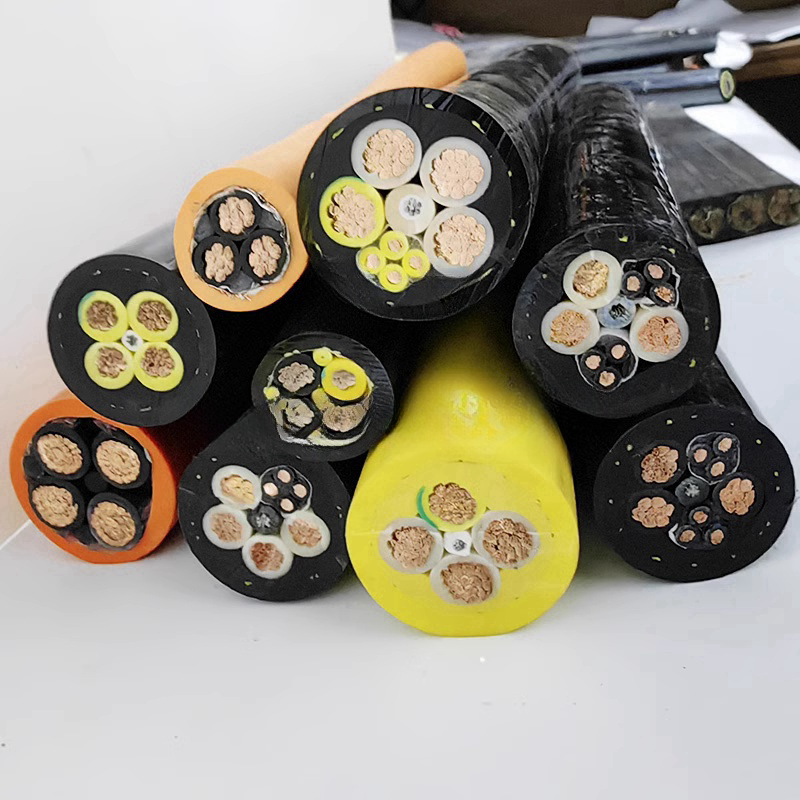
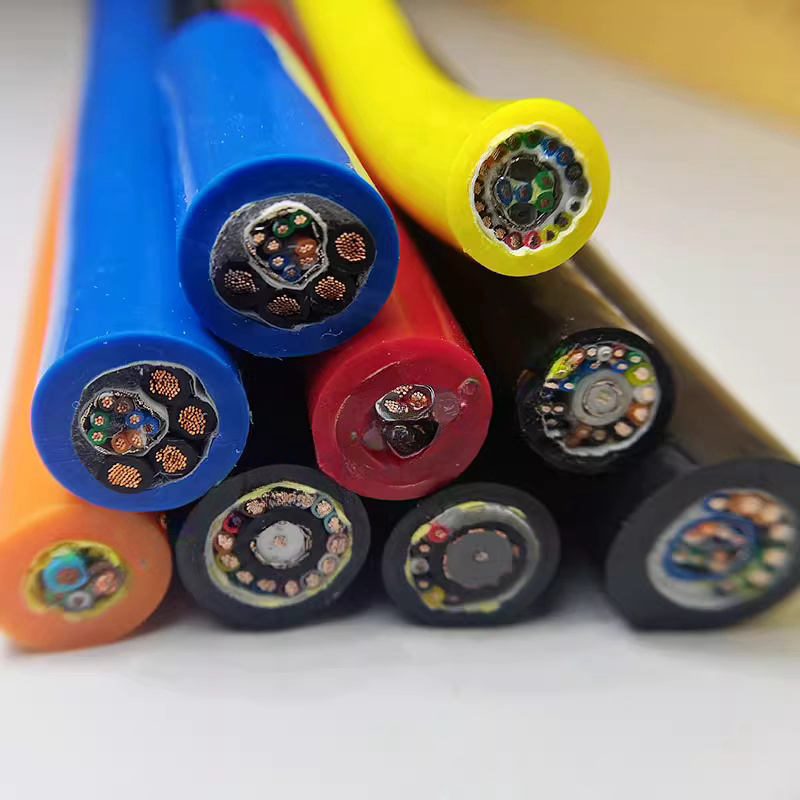
Available in multiple pair counts and conductor sizes for project-based selection
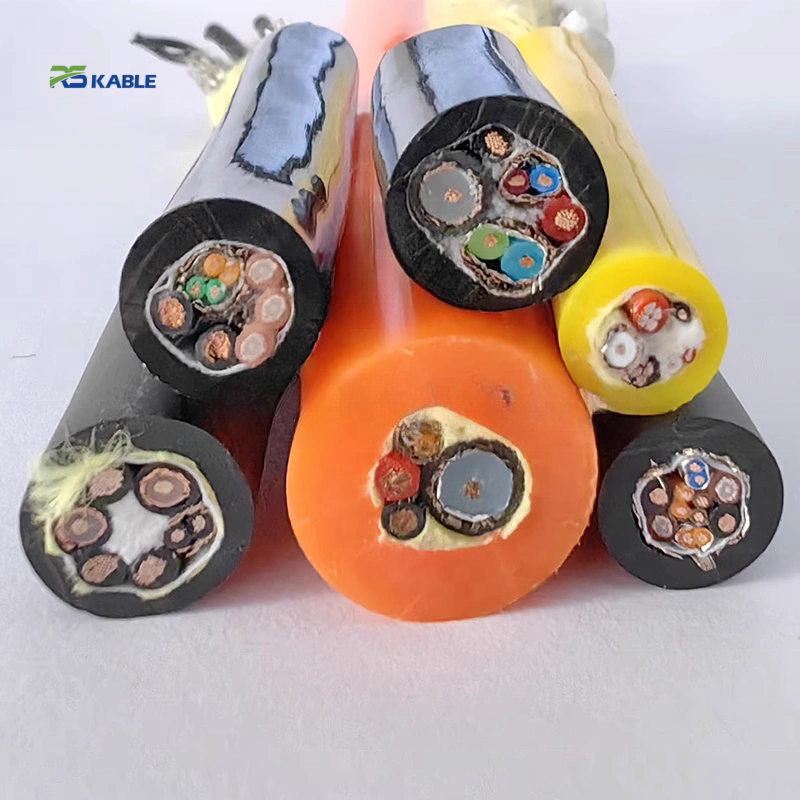
Product Series Information
Series Name: RST-DP-PUR-TP
Product Type: High-flex twisted pair robot data cable
Typical Use: Moving signal and data transmission in robotic and automation systems
| Product Model | Product Name | Core Attribute | Typical Application | Jacket | Shield Option |
|---|---|---|---|---|---|
| RST-DP-PUR-TP-2P | PUR twisted pair robot cable, 2 pairs | Compact flexible data cable | Sensors, control signals, compact robot routing | PUR | Unshielded / shielded |
| RST-DP-PUR-TP-4P | PUR twisted pair robot cable, 4 pairs | Multi-pair low-voltage data cable | Robotic arms, I/O signal routing, moving assemblies | PUR | Unshielded / shielded |
| RST-DP-PUR-TP-6P | PUR twisted pair robot cable, 6 pairs | Higher circuit-count data cable | Automation equipment, control cabinets to moving units | PUR | Shielded preferred |
| RST-DP-PUR-TP-C | Custom twisted pair robot cable | Project-based construction | Custom robotics and special automation systems | PUR | Custom shielding available |
Typical Technical Parameters
The following values are typical reference items for selection. Final construction should be confirmed according to conductor size, pair count, shielding requirement, and motion condition.
| Item | Typical Description |
|---|---|
| Product Name | PUR Twisted Pair Robot Cable |
| Conductor | Fine-stranded bare copper |
| Typical Conductor Size | 0.14 mm² / 0.20 mm² / 0.25 mm² / custom |
| Pair Configuration | 1 pair to multi-pair constructions |
| Core Design | Twisted pair |
| Insulation | Low-capacitance polyolefin or application-matched insulation |
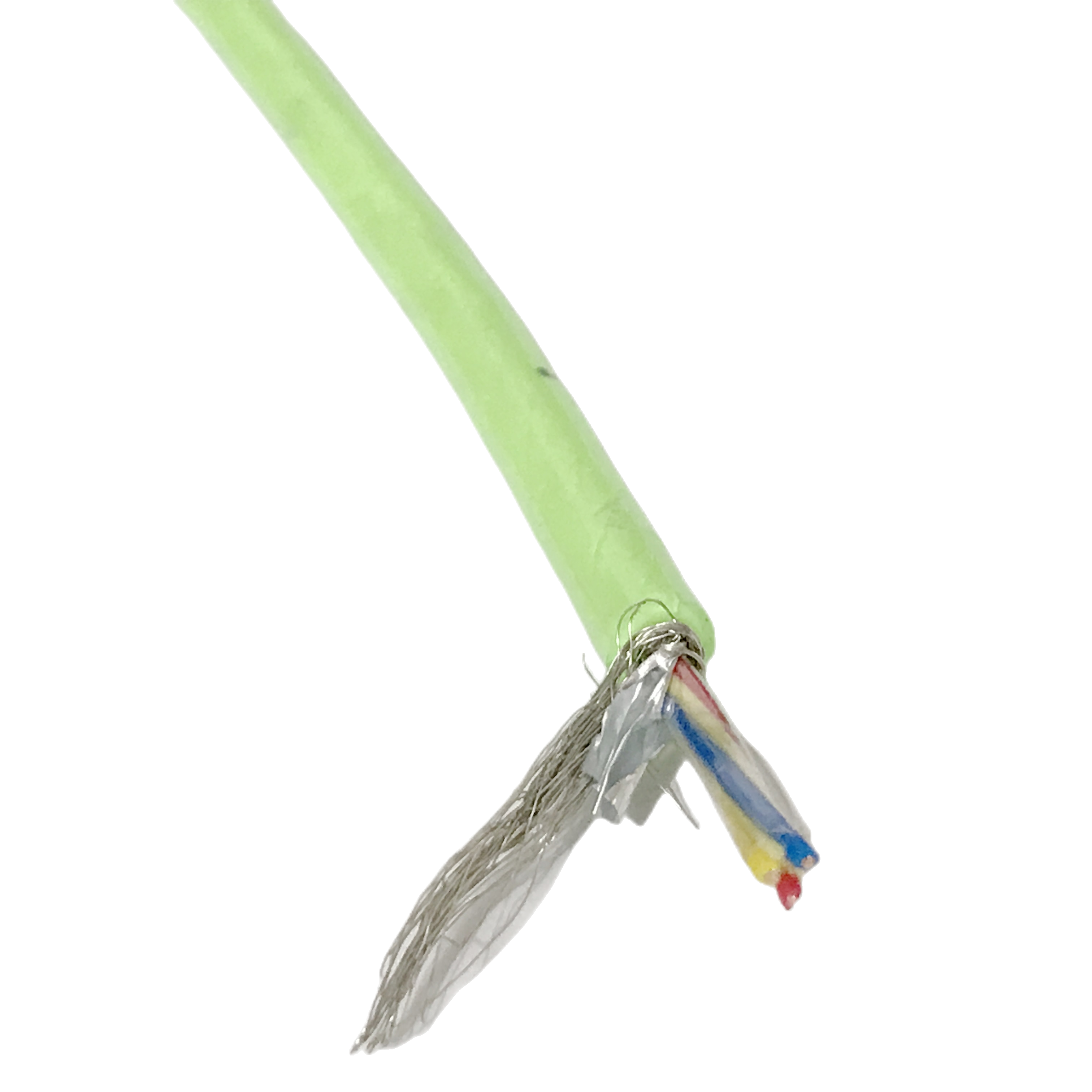
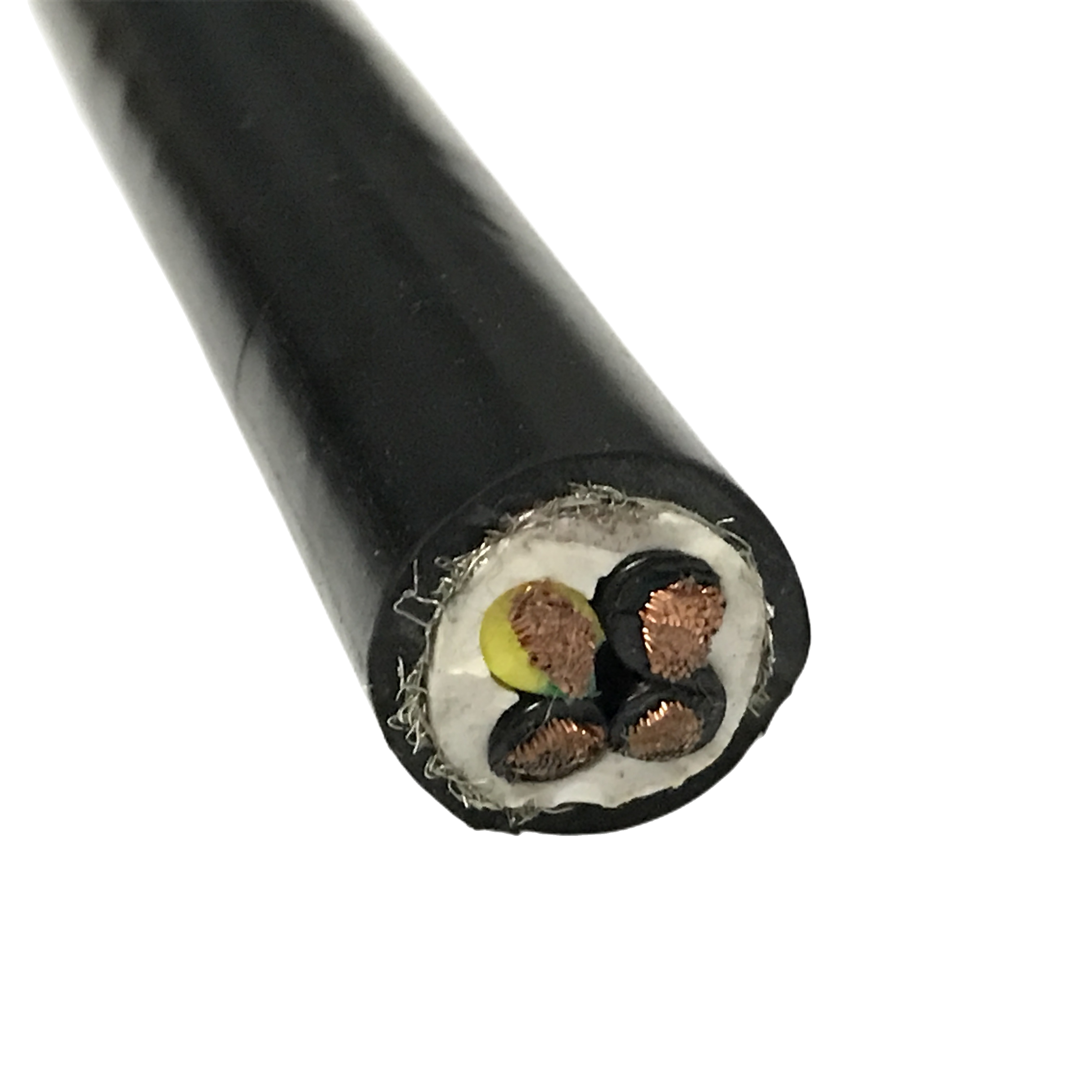
| Shielding | Unshielded, overall foil shield with drain wire, or foil + braid |
| Outer Jacket | PUR |
| Jacket Characteristics | Abrasion resistant, oil resistant, flexible, suitable for industrial motion |
| Motion Type | Repeated bending, dynamic routing, cable carrier movement |
| Typical Temperature Range | -40 °C to +80 °C, depending on construction |
| Minimum Bend Radius | Depends on cable diameter and installation condition |
| Application Scope | Data, signal, sensor, encoder-related, and control transmission |
| Supply Format | Cut length, coil, reel, OEM/project supply |
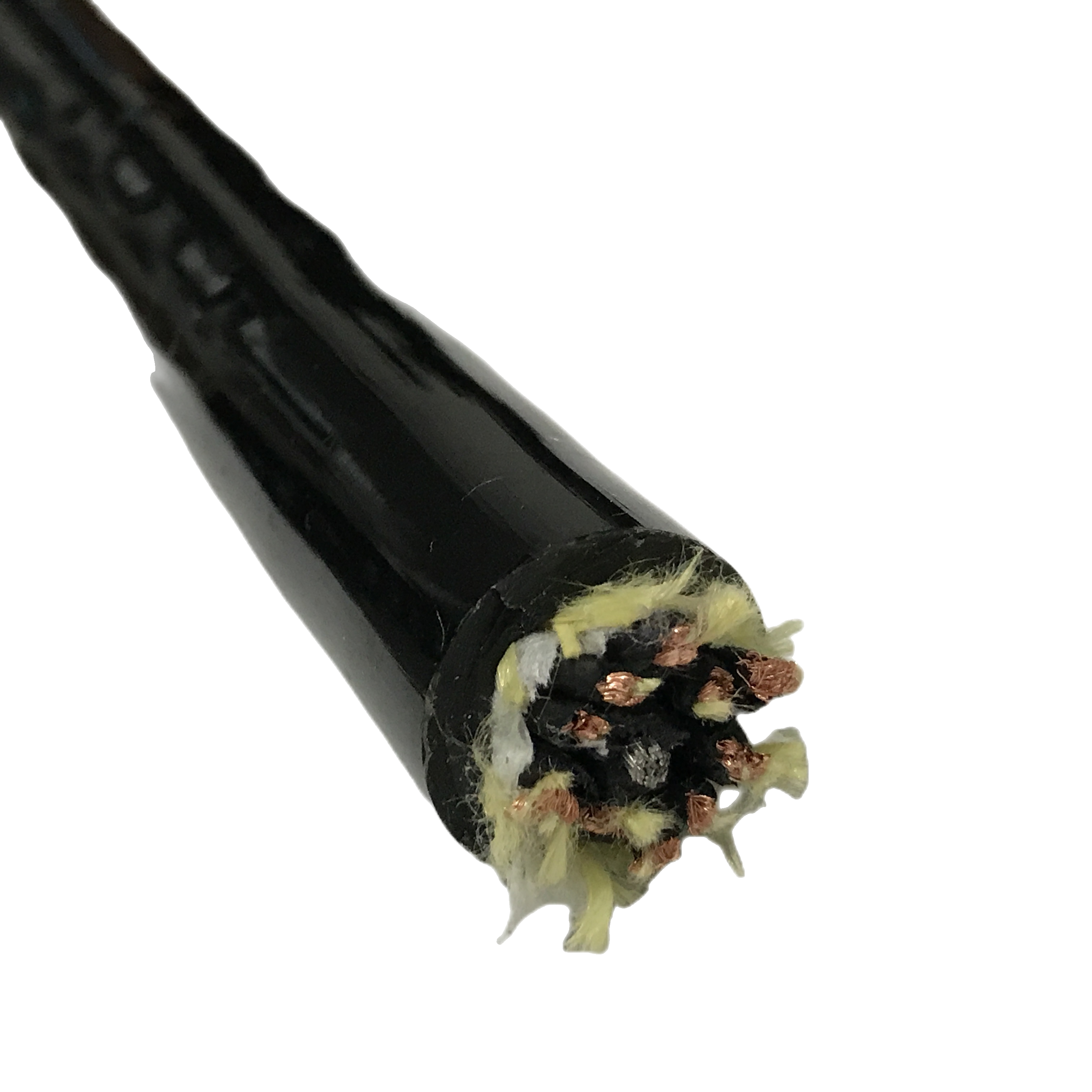
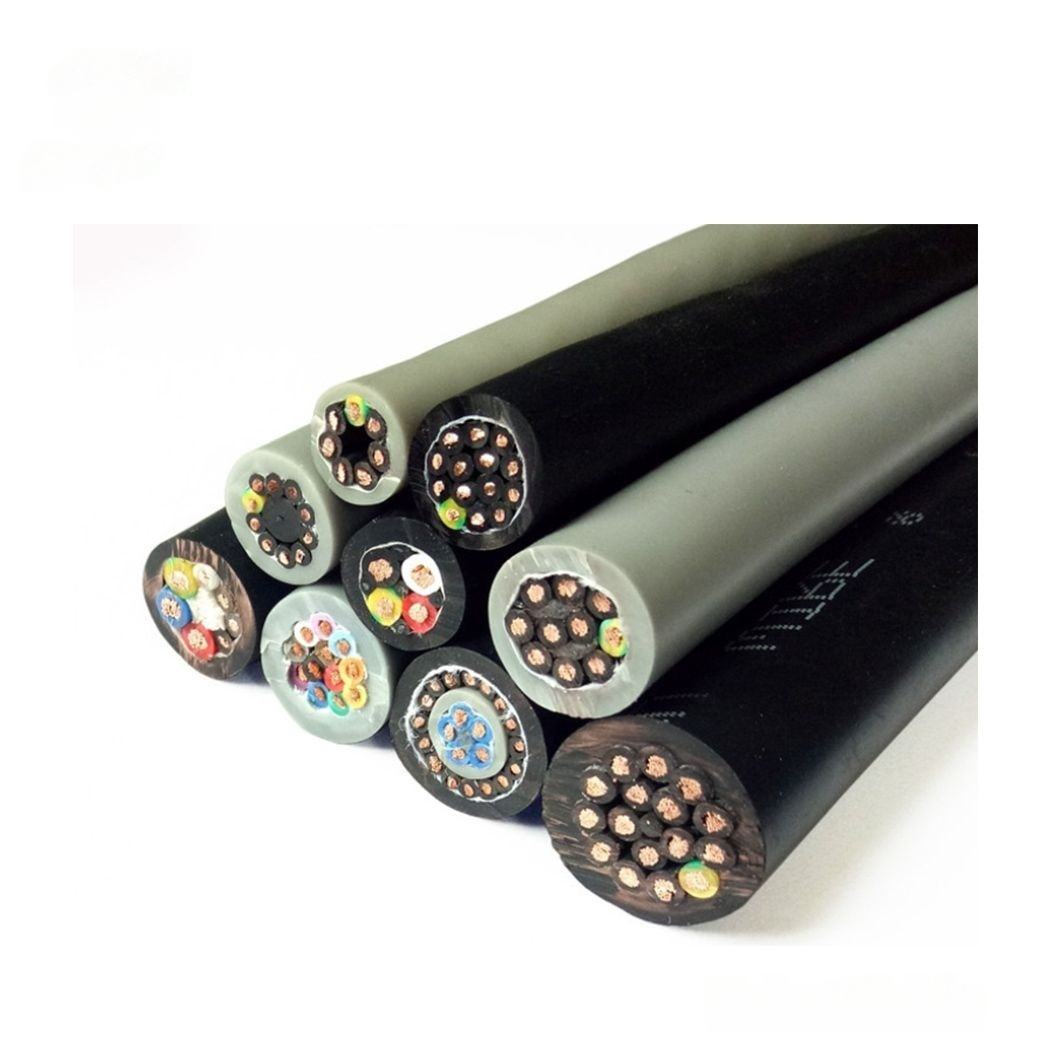
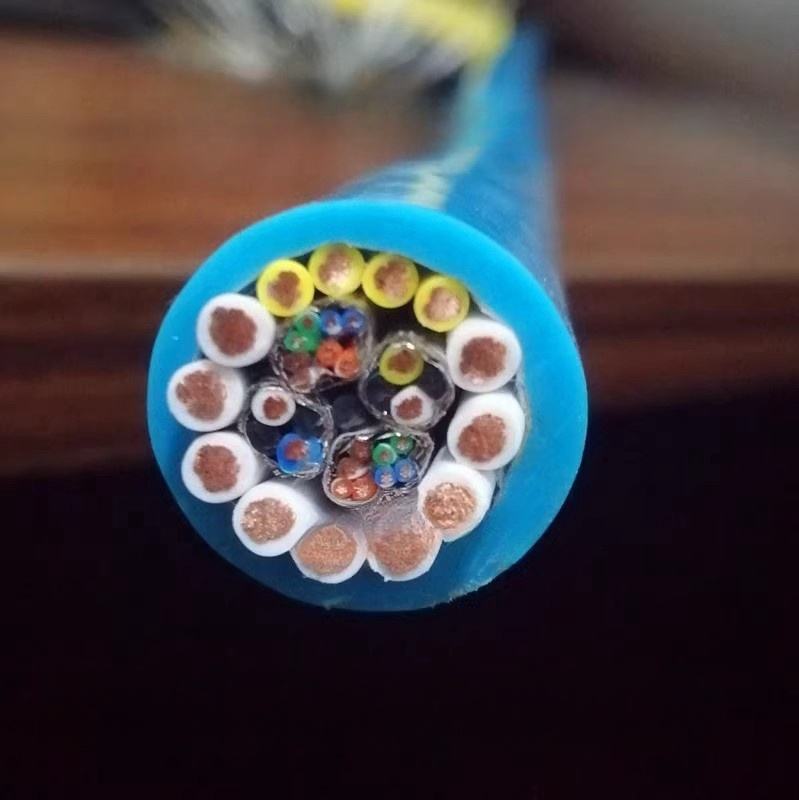
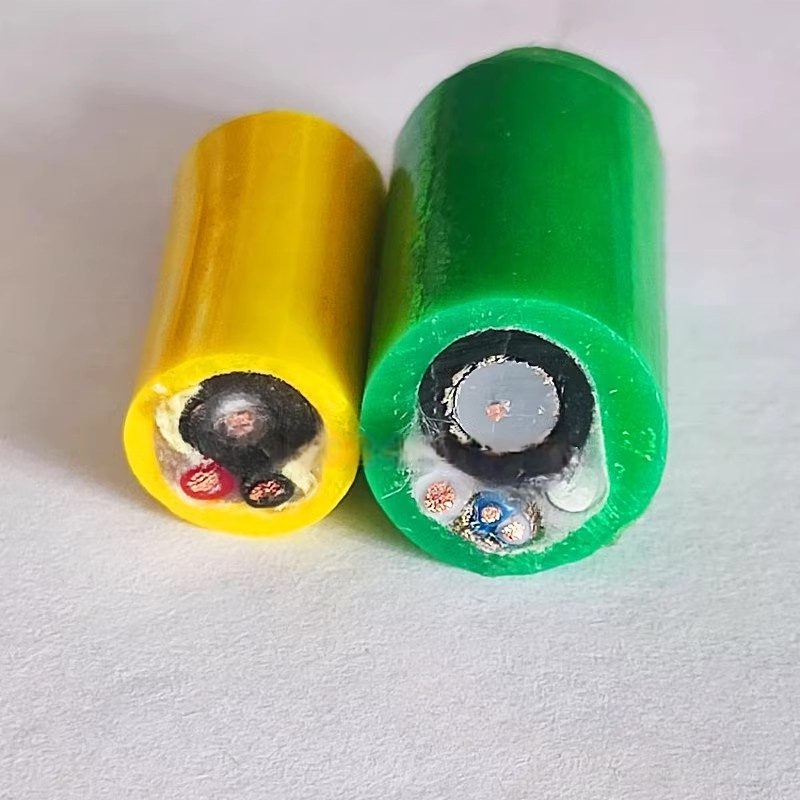
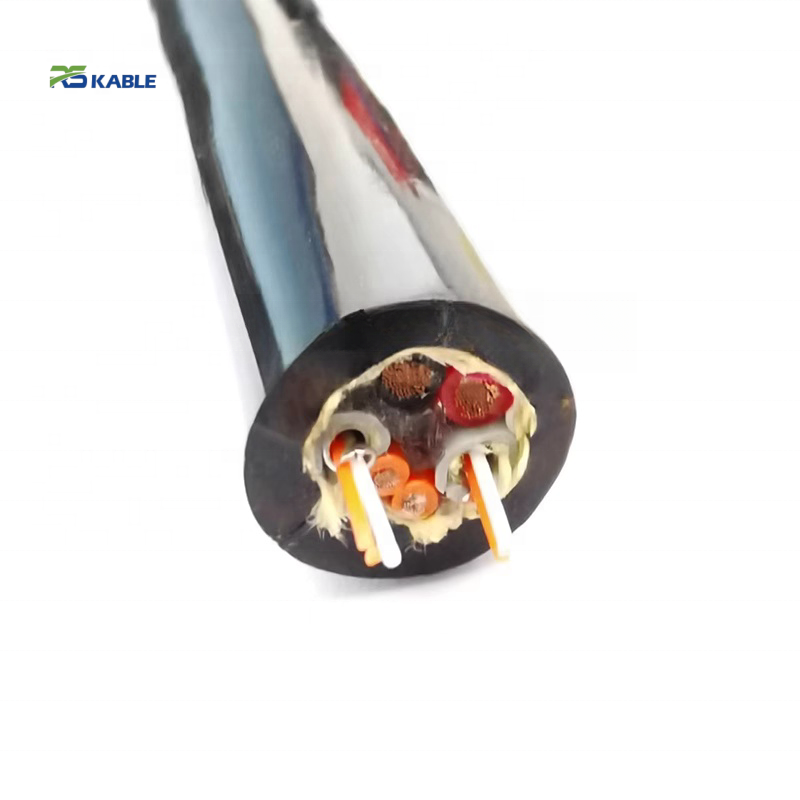
Cable Construction
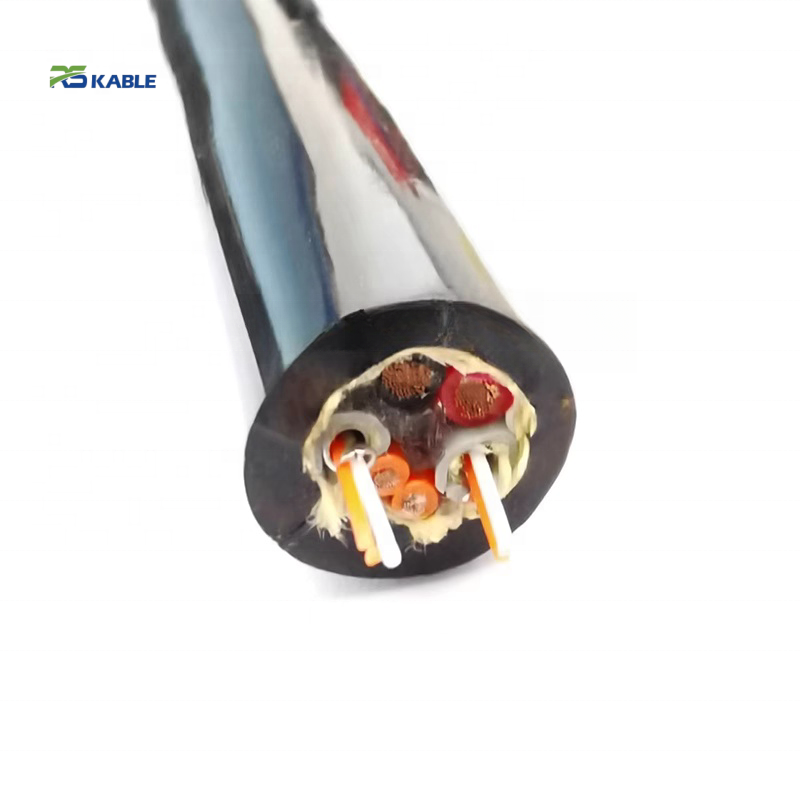
A real robot data cable is defined by its internal structure as much as by its jacket material. For moving signal applications, the stability of the pair geometry is critical.
Fine-Stranded Copper Conductors
Fine-stranded conductors improve flexibility and reduce internal stress during repeated movement. This makes the cable better suited to robotic routing and moving assemblies than standard rigid-core data cable.
Twisted Pair Geometry
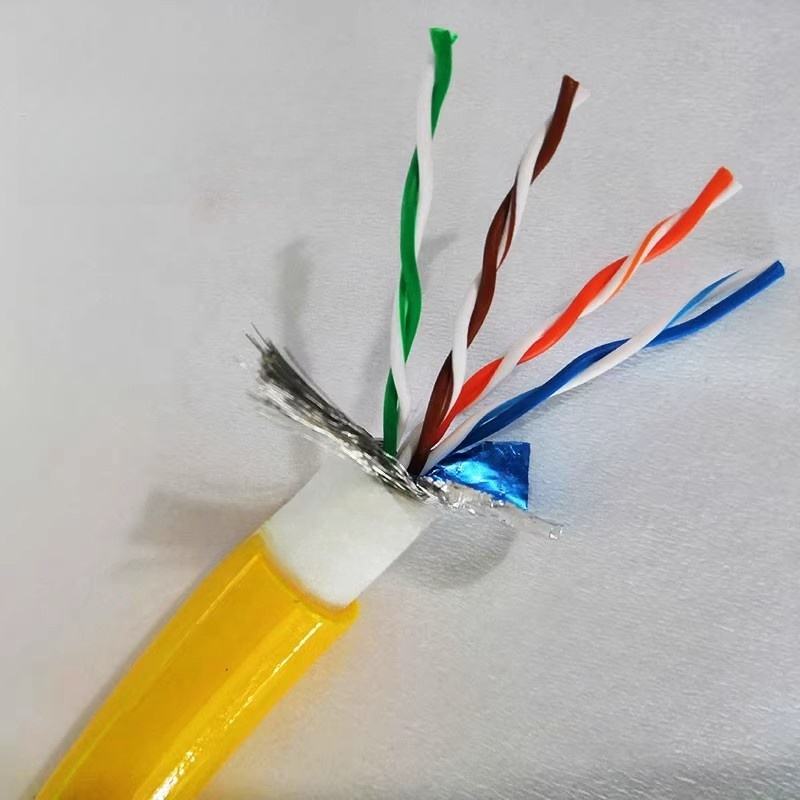
Each circuit pair is twisted to help control conductor spacing and reduce electromagnetic coupling between adjacent wires. In low-voltage signal and communication applications, this helps improve transmission balance and lower crosstalk.
Low-Capacitance Insulation
Low-capacitance insulation is used to support more stable signal transmission. This is particularly important in longer runs or installations carrying sensitive control and feedback signals.
Optional Shielding
For installations near servo motors, variable-frequency drives, power lines, or switching devices, shielded constructions are recommended. Typical shield options include foil with drain wire or foil plus braid, depending on the required EMC performance.
PUR Outer Jacket
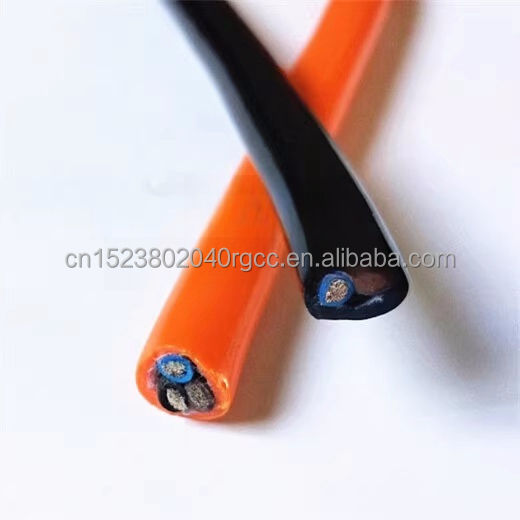
The PUR sheath is selected for industrial motion environments where cables may contact guides, chain systems, machine edges, oil mist, or coolant splash. Compared with standard jacket materials, PUR generally provides better abrasion resistance and better durability in dynamic routing.
Why Twisted Pair Construction Is Used for Robot Data Cable
In moving automation systems, signal quality is affected by both electrical and mechanical factors. A data cable may be electrically correct on paper but still perform poorly if the pair structure becomes unstable during motion or if adjacent cores introduce excessive coupling.
Lower Crosstalk
Twisted pair design reduces the tendency of adjacent circuits to interfere with each other. This becomes more important as the number of circuits increases and cable routing becomes more compact.
Better Signal Integrity in Motion
Repeated bending can shift conductor position over time. A properly designed flexible twisted pair construction helps maintain pair balance during movement and is more suitable for robot data transmission than a general-purpose parallel-core cable.
More Suitable for Mixed Automation Signals
This cable is commonly used for low-voltage signal and data transmission in sensors, control loops, moving I/O units, encoder-related circuits, and serial communication lines used in automation equipment.
Typical Applications
The PUR twisted pair robot cable is suitable for dynamic industrial installations where stable data or signal transmission is required under movement.
Common Applications
-
robotic arm signal transmission
-
moving sensor connections
-
control and feedback circuits
-
encoder-related signal wiring
-
I/O signal routing in automation systems
-
cable carrier and drag-chain assemblies
-
moving sections of packaging machinery
-
CNC machine auxiliary data circuits
-
pick-and-place equipment
-
material handling and transfer systems
Recommended Working Conditions
-
repeated bending motion
-
dynamic routing in limited space
-
installations with abrasion risk
-
environments with oil mist or coolant splash
-
systems requiring low crosstalk between adjacent circuits
-
applications exposed to electrical noise from motors and drives
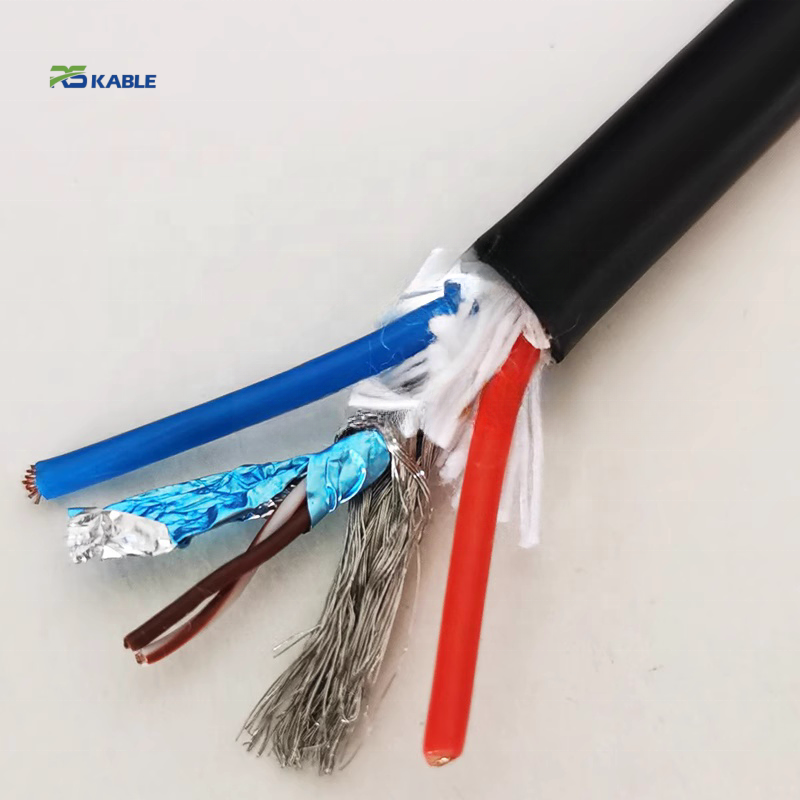
Shielded vs Unshielded Twisted Pair Robot Cable
| Selection Factor | Shielded Construction | Unshielded Construction |
|---|---|---|
| EMI Resistance | Better | Limited |
| Recommended Near Motors and Drives | Yes | Not preferred |
| Signal Stability in Noisy Environments | Better | More installation-dependent |
| Cost | Higher | Lower |
| Typical Use | Servo equipment, mixed-power routing, industrial automation | Simple short-distance low-noise circuits |
For installations in robotic cells, machine tools, or servo-driven equipment, shielded construction is usually the safer choice.
Twisted Pair Robot Cable vs Standard Multi-Core Cable
| Comparison Item | Twisted Pair Robot Cable | Standard Multi-Core Cable |
|---|---|---|
| Crosstalk Control | Better | Lower |
| Pair Balance | Controlled by pair twisting | Not specifically controlled |
| Suitability for Data/Signal Transmission | Better | More general-purpose |
| Use in Dynamic Automation Systems | Better when properly designed | Varies by construction |
| Best Fit | Signal and data circuits in moving systems | General control wiring |
A standard multi-core cable may be acceptable for simple control loops, but it is usually not the preferred choice where low crosstalk and balanced signal transmission are required.
PUR Jacket vs PVC Jacket
| Comparison Item | PUR Jacket | PVC Jacket |
|---|---|---|
| Abrasion Resistance | Higher | Moderate |
| Oil Resistance | Better | Usually lower |
| Dynamic Durability | Better in moving applications | More suitable for lighter-duty use |
| Service Life in Robotic Routing | Typically longer | More installation-dependent |
| Typical Use | Robotics, cable carriers, dynamic automation | Standard industrial control wiring |
For moving data cable in robotic equipment, PUR is generally preferred over standard PVC when wear resistance and service life are important.
Selection Guide
Selection should be based on signal type, movement pattern, routing space, and electrical environment rather than conductor count alone.
1. Confirm Signal Type
Identify whether the cable will carry sensor signals, control signals, encoder-related feedback, serial communication, or other low-voltage data circuits.
2. Confirm Pair Count
Select the required number of pairs based on current design and spare capacity.
3. Confirm Shielding Requirement
Where the cable is routed near motors, drives, switching devices, or power cables, shielded construction should be considered.
4. Confirm Motion Condition
Repeated bending, drag-chain travel, and compact robotic routing all place different demands on cable construction. A cable suitable for one motion type is not automatically suitable for all motion types.
5. Confirm Environmental Exposure
Oil, coolant, abrasion, and installation temperature influence jacket material and overall structure selection.
6. Confirm Protocol Requirements
For Ethernet, PROFINET, EtherCAT, or other protocol-specific applications, conductor geometry, impedance, shielding design, and electrical characteristics should be matched to the required protocol. A general twisted pair robot cable should not be used as a direct substitute unless the electrical specification is confirmed.
Customization and Supply
Custom construction is available for project-based automation applications.
Available Options
-
pair count
-
conductor size
-
shield type
-
outer diameter target
-
jacket color
-
core identification
-
cable marking
-
cut length or reel packing
Supply Support
-
application-based model selection
-
sample supply for evaluation
-
drawing and specification confirmation
-
OEM/project production
-
batch supply for industrial orders
Ordering Information
The following information is recommended for quotation:
-
application type
-
number of pairs
-
conductor size
-
shielding requirement
-
cable length
-
movement type
-
installation environment
-
quantity demand
Inquiry Reference Format
Example:
4 pairs, 0.20 mm², overall foil shield, PUR jacket, robotic arm application, moving installation, 200 meters
FAQ
What is a twisted pair robot cable used for?
It is used for low-voltage data, signal, and control transmission in moving industrial systems such as robotic arms, automation units, and cable carrier installations.
Why is twisted pair construction important?
Twisted pair construction helps reduce crosstalk and improves signal balance, which is especially important in multi-circuit data and control cable.
Is this cable suitable for high-speed Ethernet?
Not necessarily. High-speed Ethernet and protocol-specific communication systems require defined electrical characteristics such as impedance and shielding performance. Suitability should be confirmed against the target protocol.
Is shielding always required?
No. In simple short-distance low-noise circuits, unshielded construction may be acceptable. In robotic and servo environments, shielding is usually recommended.
Can this cable be used in drag chains?
It can be supplied for dynamic routing and cable carrier applications, subject to the selected construction and movement condition.
What is the difference between this cable and a standard control cable?
This cable uses twisted pairs and a motion-oriented structure to improve transmission stability and reduce crosstalk in moving applications.
Why choose PUR instead of PVC?
PUR provides better abrasion resistance, oil resistance, and dynamic durability in moving industrial installations.
Is custom construction available?
Yes. Pair count, conductor size, shielding, jacket color, marking, and supply format can be matched to project requirements.