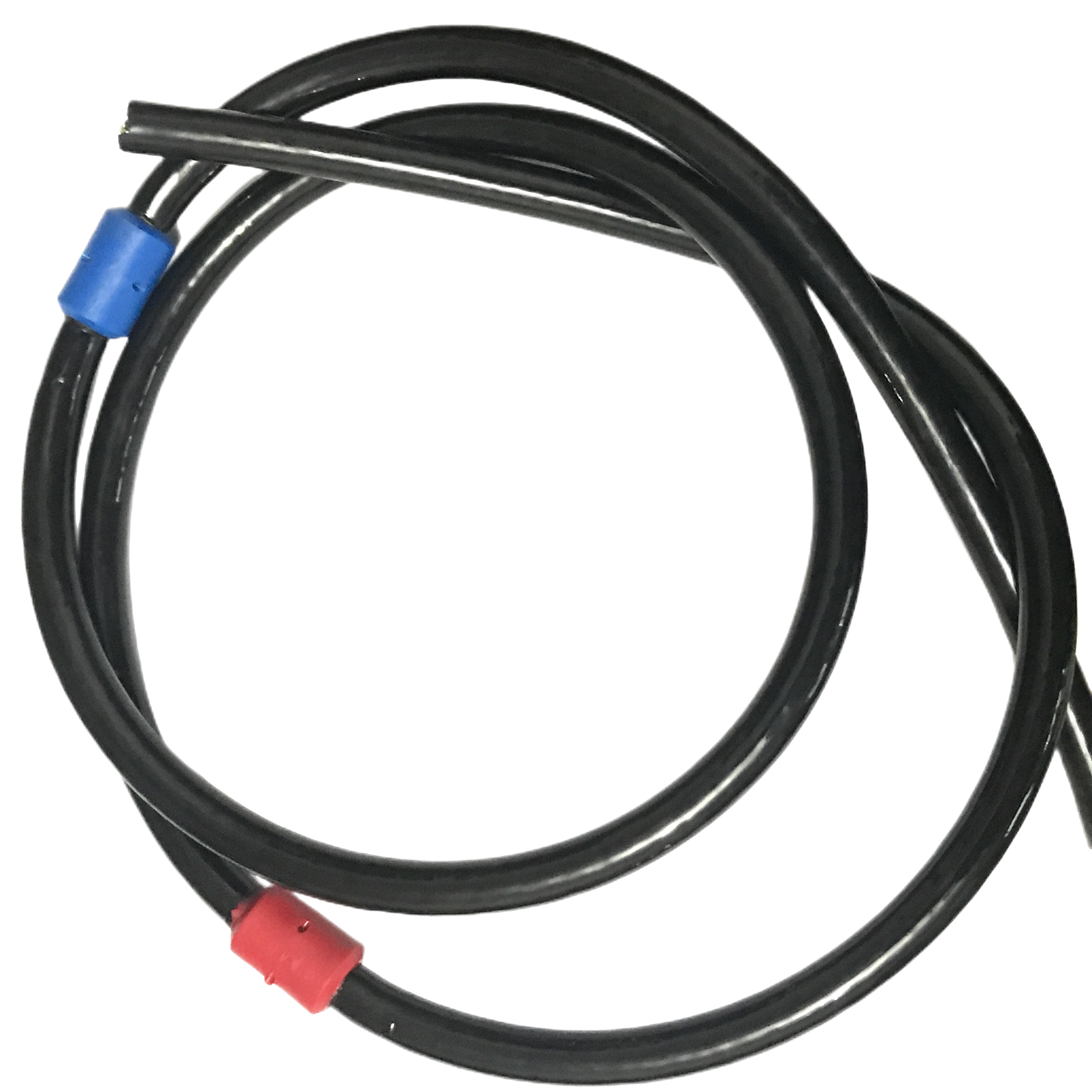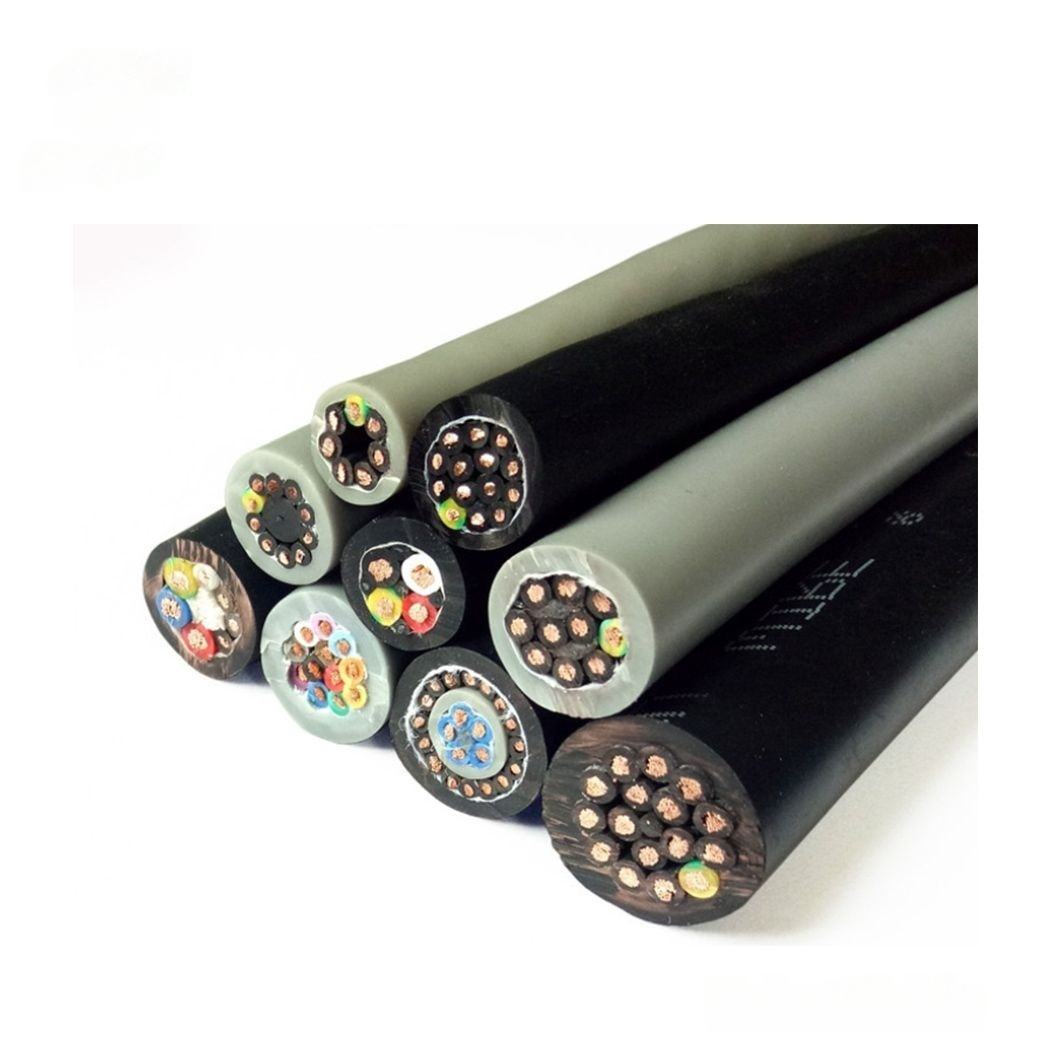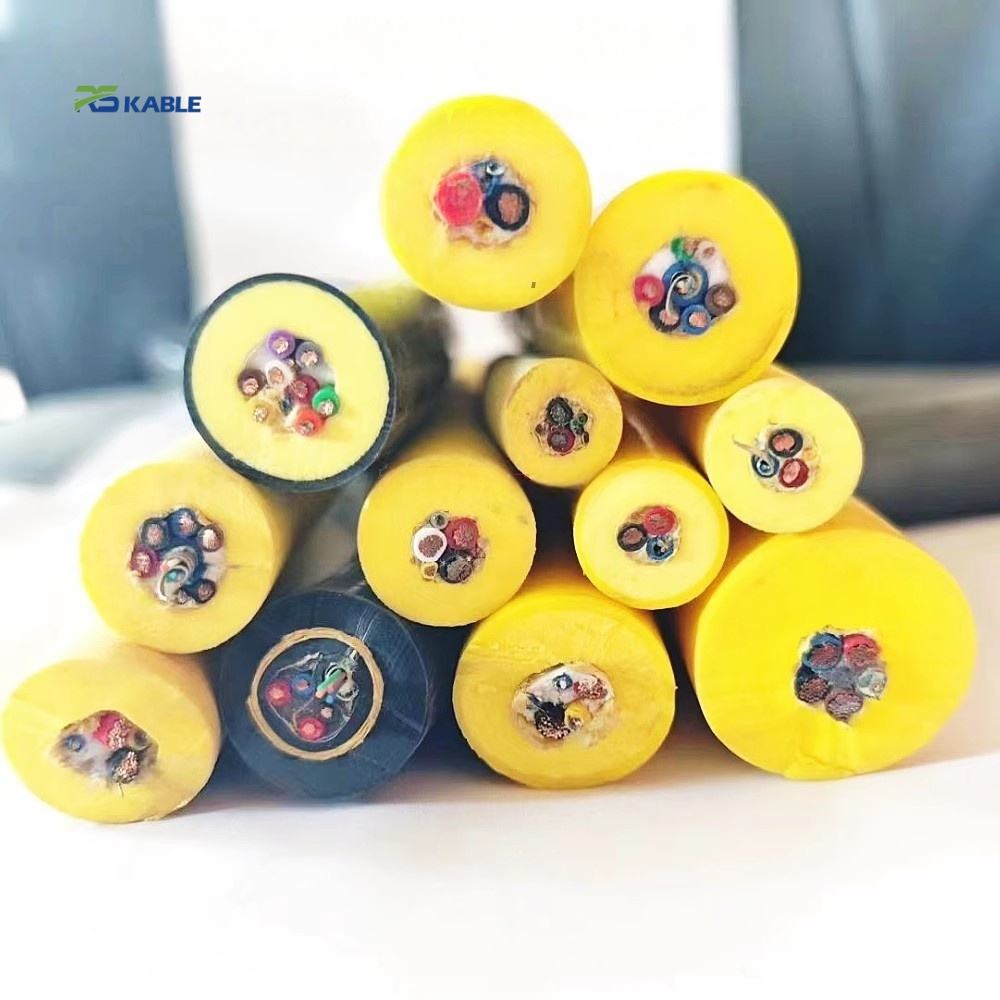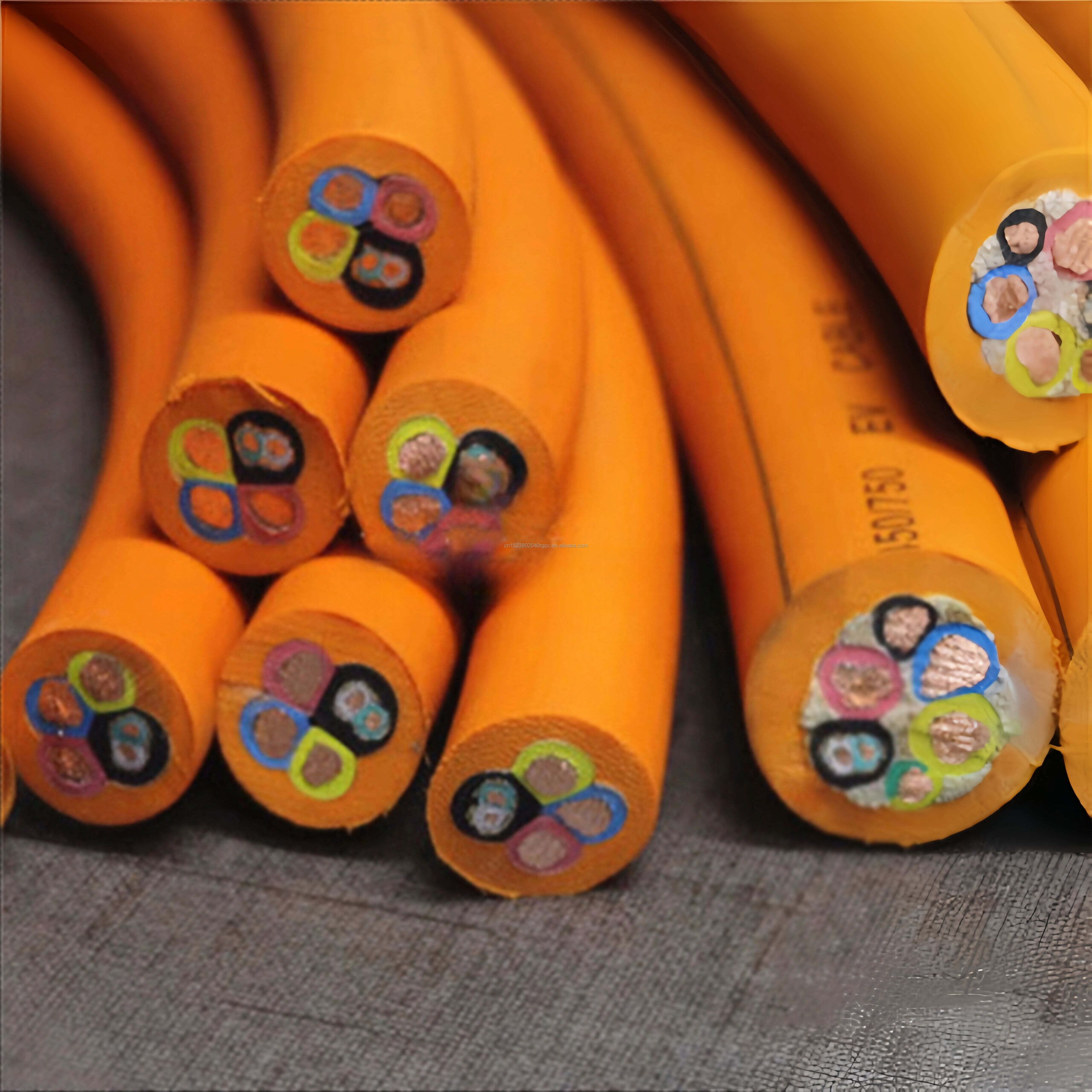



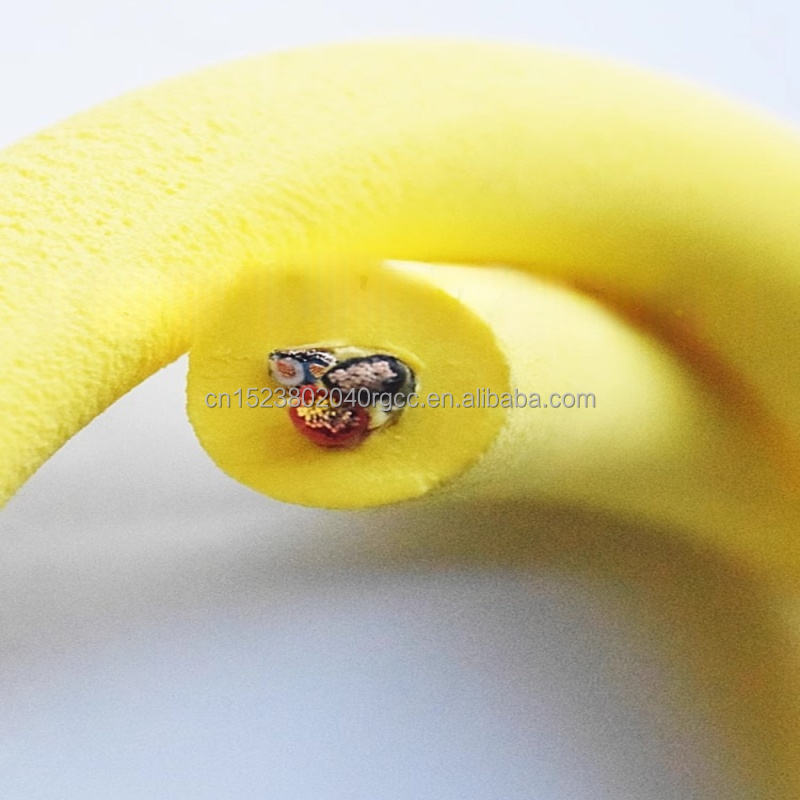
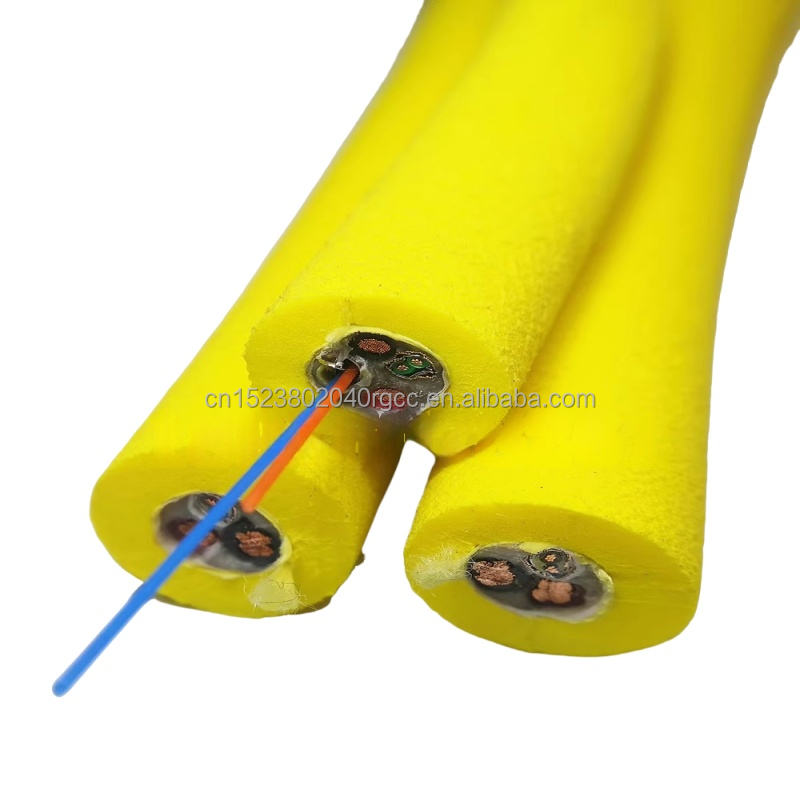
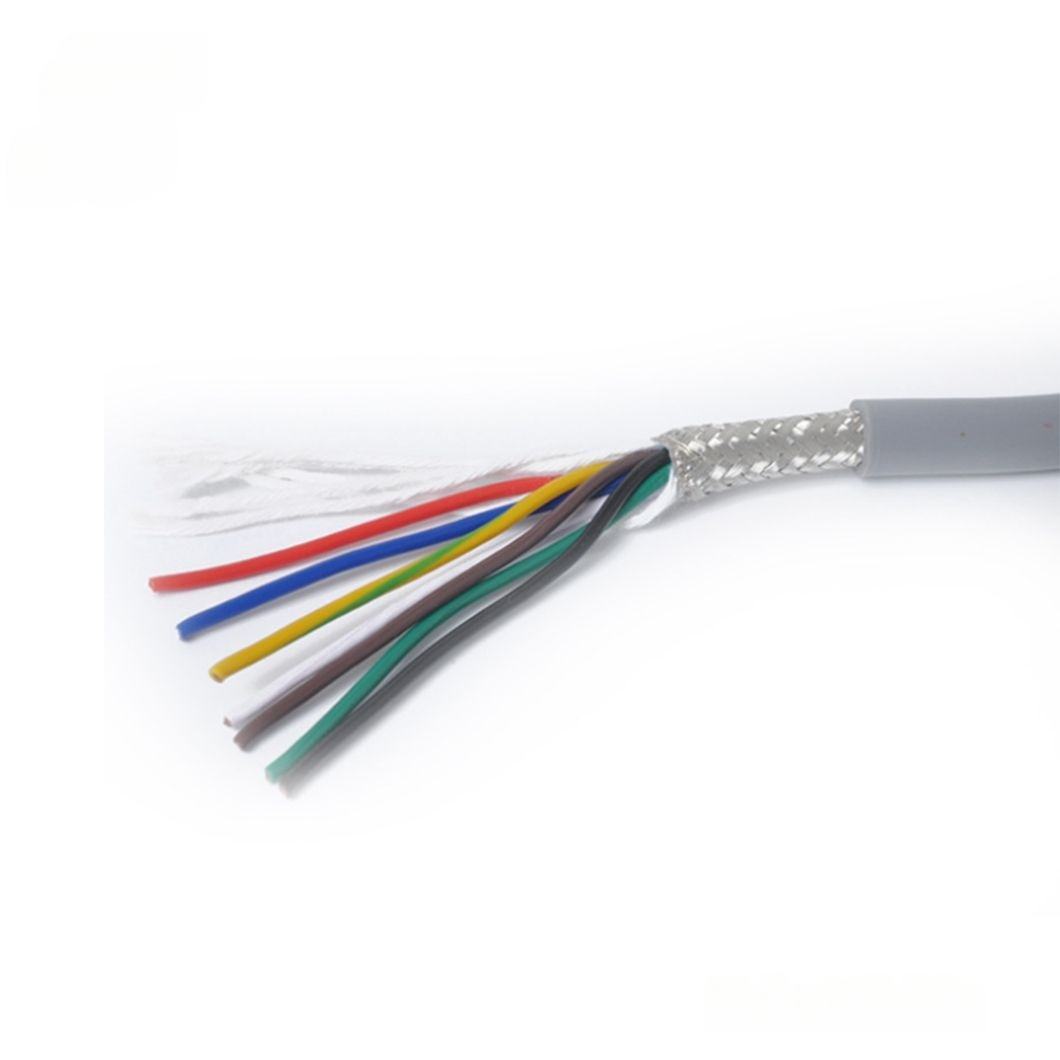
PUR Shielded Robot Cable for Robotics Systems with EMI Protection and High Flex Performance
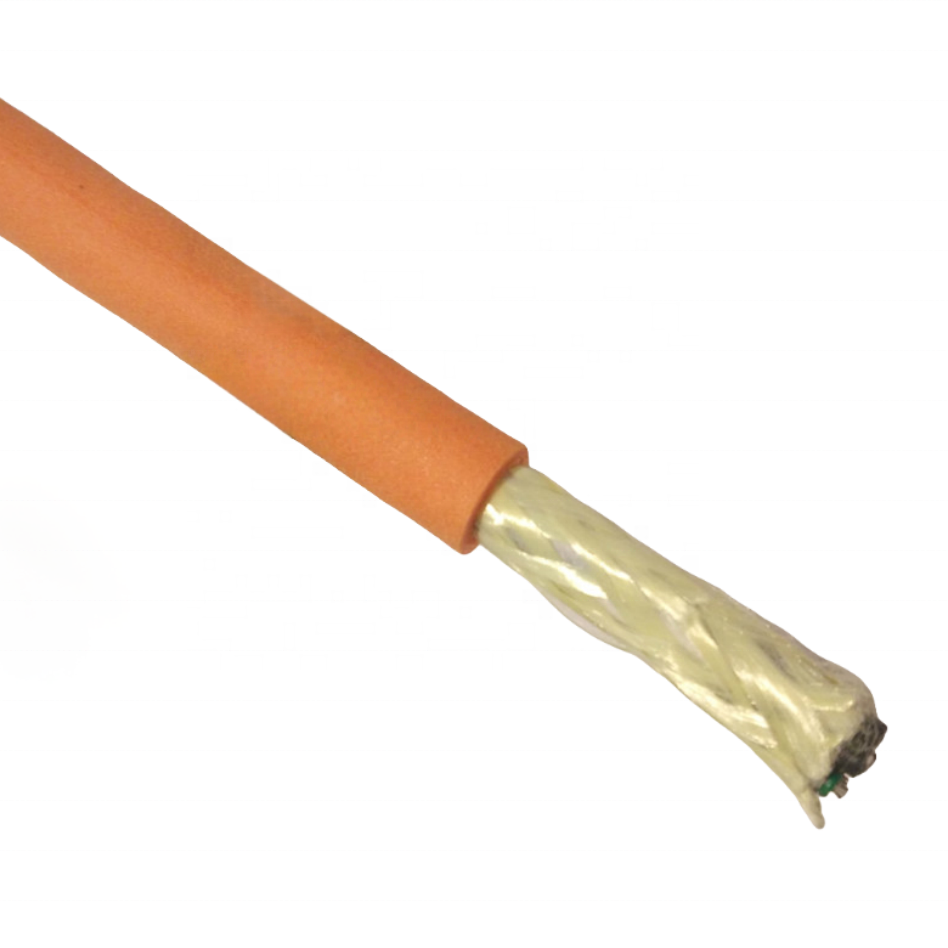
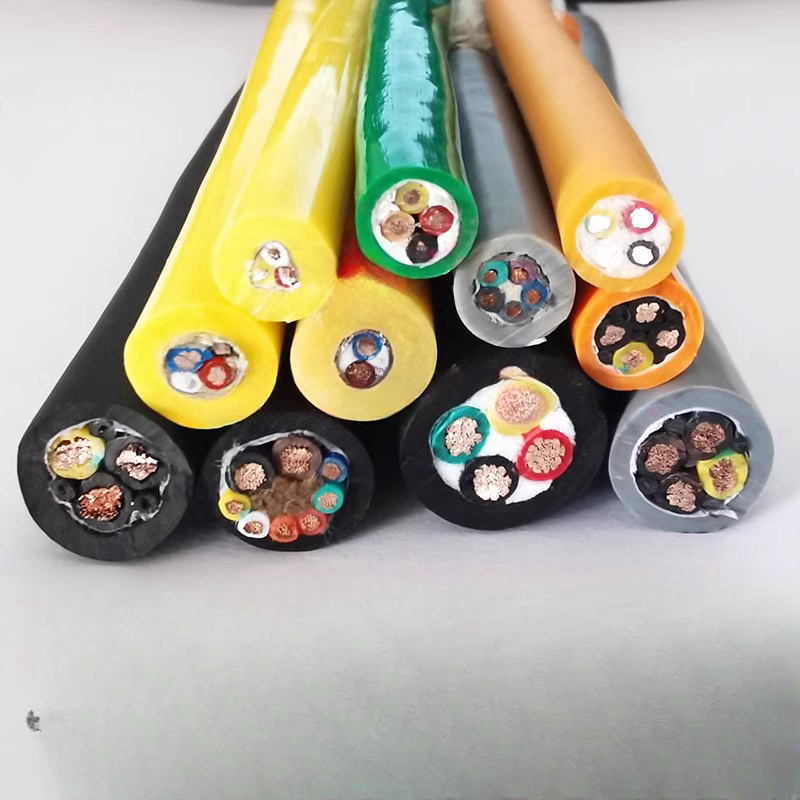
The RST-SR series is a shielded high-flex PUR robot cable engineered for robotic arms, servo systems, and continuous-motion automation equipment. Its EMI-resistant shielding design, abrasion-resistant PUR jacket, and fine-stranded Class 6 conductors help ensure stable signal transmission and long service life in demanding industrial environments.
Key Benefits:
✅ Designed for continuous bending and dynamic routing in robotic systems
✅ Shielded construction helps reduce EMI in motor- and drive-intensive environments
✅ PUR outer jacket offers strong resistance to abrasion, oil, and mechanical wear
✅ Class 6 conductors for improved flexibility and motion durability
✅ -40 °C to +90 °C working range · CE / UL options · power, signal, and hybrid variants
PUR Shielded Robot Cable for Robotics Systems with EMI Protection and High Flex Performance
The PUR Shielded Robot Cable for Robotics Systems with EMI Protection and High Flex Performance is designed for robotic arms, automated production lines, servo-driven equipment, and other motion-based industrial systems where cable reliability directly affects equipment stability and service life. With a flexible conductor structure, industrial-grade shielding, and a durable PUR outer jacket, this cable supports stable signal and control transmission in applications exposed to repeated bending, vibration, abrasion, oil, and electrical interference.
In modern automation environments, robotic cables are expected to do more than connect components. They must maintain signal integrity near motors and drives, fit into compact routing spaces, resist jacket wear in moving assemblies, and reduce the risk of premature failure caused by continuous motion. The PUR Shielded Robot Cable for Robotics Systems with EMI Protection and High Flex Performance is developed for these working conditions and is suitable for installations that require high flexibility, anti-interference performance, and dependable long-term operation.
This product is widely used as a shielded robot cable, high flex robotic cable, robotic arm cable, automation control cable, and EMI-protected motion cable for industrial machinery and smart manufacturing systems.
Key Features
-
High-flex construction for repeated movement in robotic and automated systems
-
Shielded design to help reduce electromagnetic interference in control and signal applications
-
PUR outer jacket with strong resistance to abrasion, oil, and mechanical wear
-
Suitable for robotic arms, servo systems, moving cable routes, and automation units
-
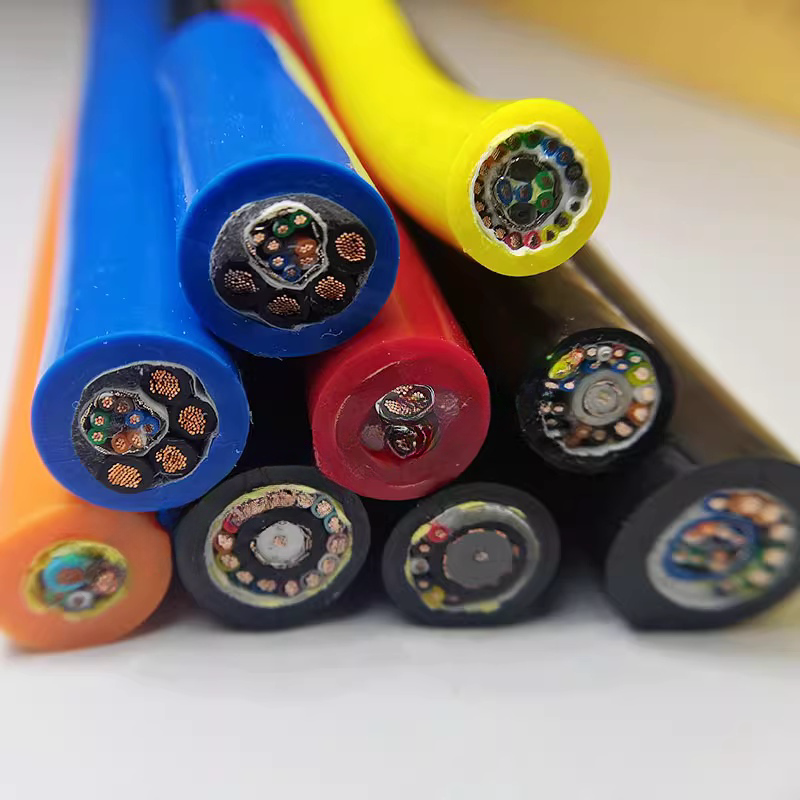
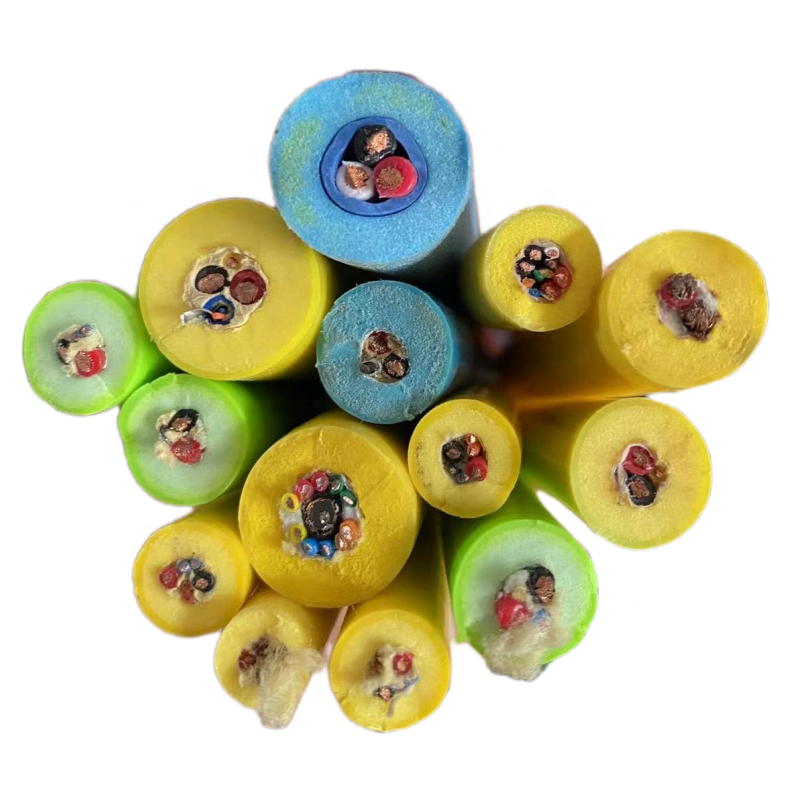
Available in multiple core counts, conductor sizes, and shielding structures
-
Designed for dynamic industrial environments where cable durability and signal stability are both required
Product Specification Table
Product Series: RST-RC-PUR-S
Product Type: Shielded high-flex robot cable
Typical Installation: Robotics systems, servo equipment, moving automation assemblies
| Product Model | Core Attribute | Product Use / Application | Conductor | Shielding Structure | Jacket Material | Structure / Performance |
|---|---|---|---|---|---|---|
| RST-RC-PUR-S-04 | 4-core shielded flexible cable | Robotic arm control and sensor routing | Fine-stranded copper | Foil or braid shield | PUR | High flex, EMI-resistant, wear-resistant |
| RST-RC-PUR-S-08 | 8-core shielded signal cable | Automation control and feedback systems | Fine-stranded copper | Overall shield | PUR | Stable transmission in dynamic routing |
| RST-RC-PUR-S-12 | 12-core robot control cable | Multi-signal robotic applications | Fine-stranded copper | Foil + braid optional | PUR | Flexible construction for repeated bending |
| RST-RC-PUR-SP | Shielded power + signal hybrid cable | Servo and robotic motion systems | Flexible copper conductor | Overall or combined shield | PUR | Suitable for mixed control applications |
| RST-RC-PUR-TW | Torsion-optimized shielded cable | Selected robot joint and rotating sections | Flexible copper conductor | Braided shield | PUR | Designed for dynamic motion conditions |
Note: Final cable construction, voltage class, bending radius, outside diameter, and motion capability are determined by the selected model and working condition.
Technical Parameters
| Item | Description |
|---|---|
| Product Name | PUR Shielded Robot Cable |
| Main Material | PUR outer jacket, flexible copper conductor |
| Conductor Type | Fine-stranded copper conductor |
| Shield Type | Foil shield, braid shield, or combined shield structure |
| Application Type | Signal, control, feedback, and selected hybrid power/control applications |
| Jacket Performance | Abrasion resistant, oil resistant, durable in industrial movement conditions |
| Motion Type | Repeated bending, continuous movement, selected torsional applications |
| Installation Environment | Robotic systems, automation cells, machine tools, moving cable routes |
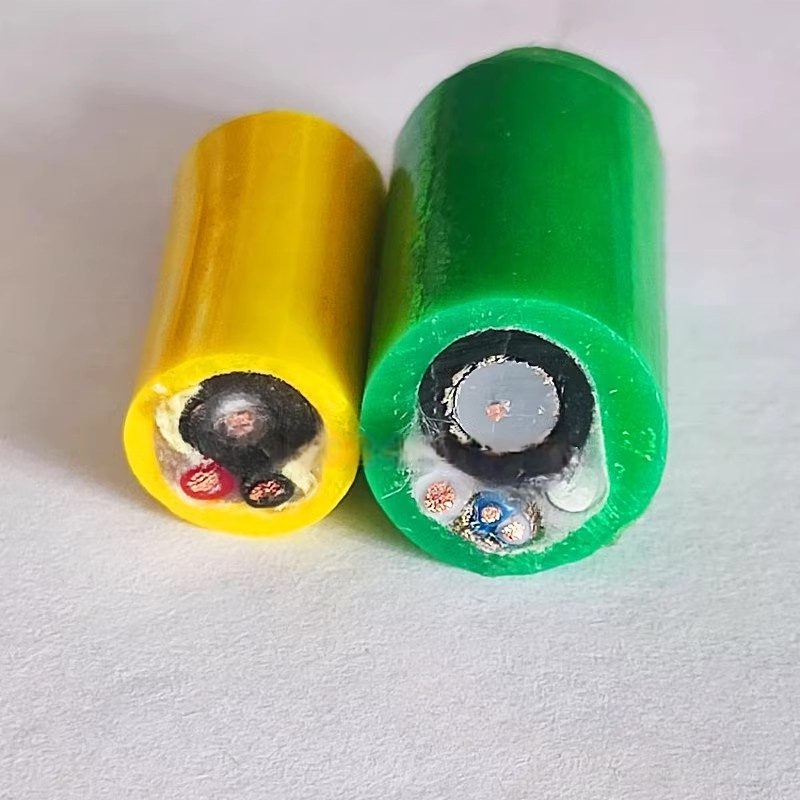
| Custom Options | Core count, conductor size, shielding design, jacket color, cable marking, packaging |
| Supply Format | Cut length, coil, reel, project-based supply |
Why PUR Shielded Robot Cable Is Preferred in Robotics Systems
Robotic and automated systems place cables under constant mechanical and electrical stress. A standard control cable may function in static installations, but it is often not sufficient for continuous motion environments where repeated bending, cable drag, and electromagnetic noise are part of normal operation.
Motion Resistance for Dynamic Installations
Robotic systems repeatedly bend and move cables during operation. Flexible conductor construction helps reduce internal stress and improves suitability for dynamic use. This is important in robotic arms, gantry systems, cable tracks, and compact automation equipment where cable routing is tight and movement is frequent.
EMI Protection for Stable Operation
Motors, drives, switching devices, and nearby power circuits can generate electromagnetic interference that affects signal transmission. Shielding helps reduce the influence of external noise and supports more reliable control, feedback, and communication performance in industrial systems.
PUR Jacket for Harsh Industrial Use
PUR is widely used in moving cable applications because it offers stronger resistance to wear, abrasion, oil contamination, and repeated mechanical contact than many standard jacket materials. For robotics systems in machining, packaging, assembly, and material handling environments, PUR provides a more durable outer layer for long-term service.
Better Fit for Modern Automation Equipment
Robotics systems require cables that are flexible, compact, and durable. Shielded PUR robotic cable is well suited for installations where movement, interference control, and mechanical protection must all be considered during product selection.
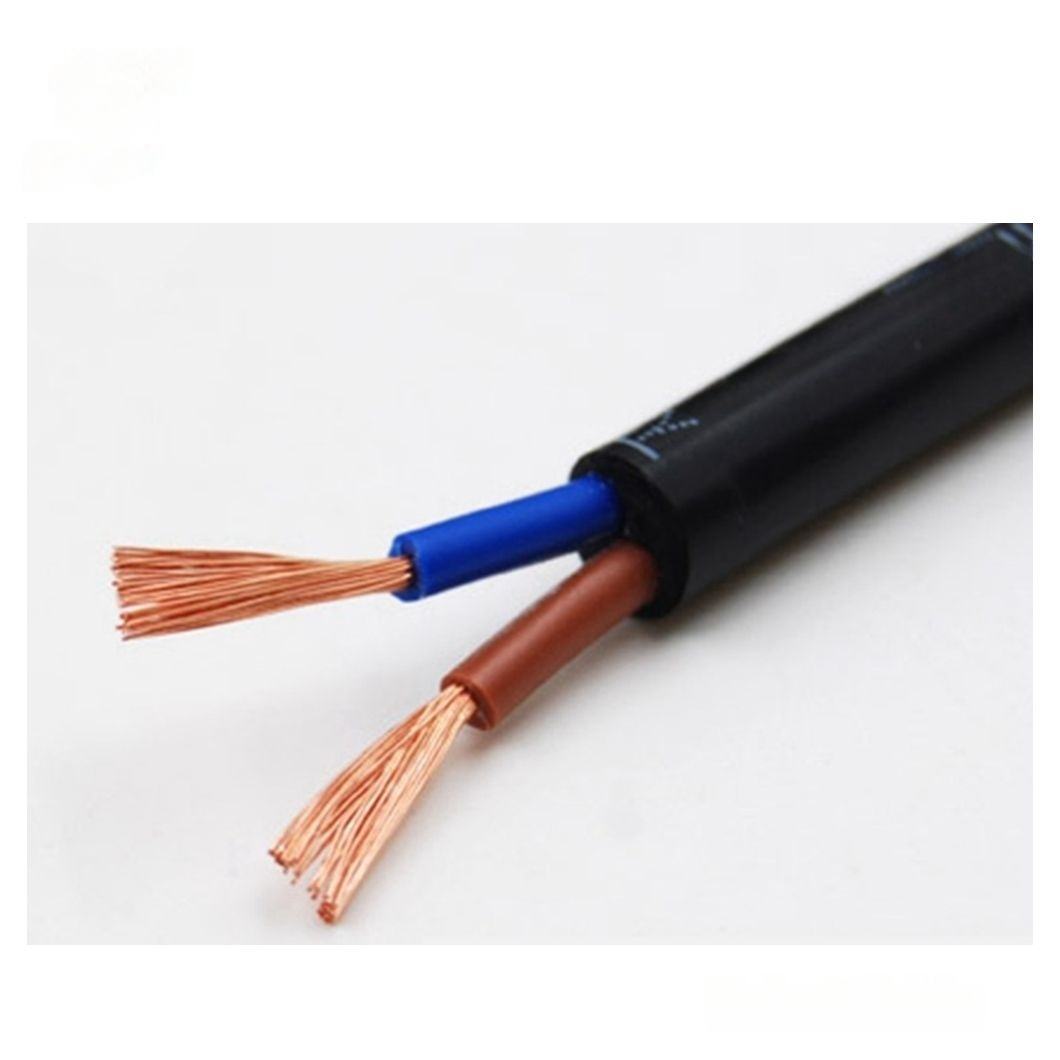
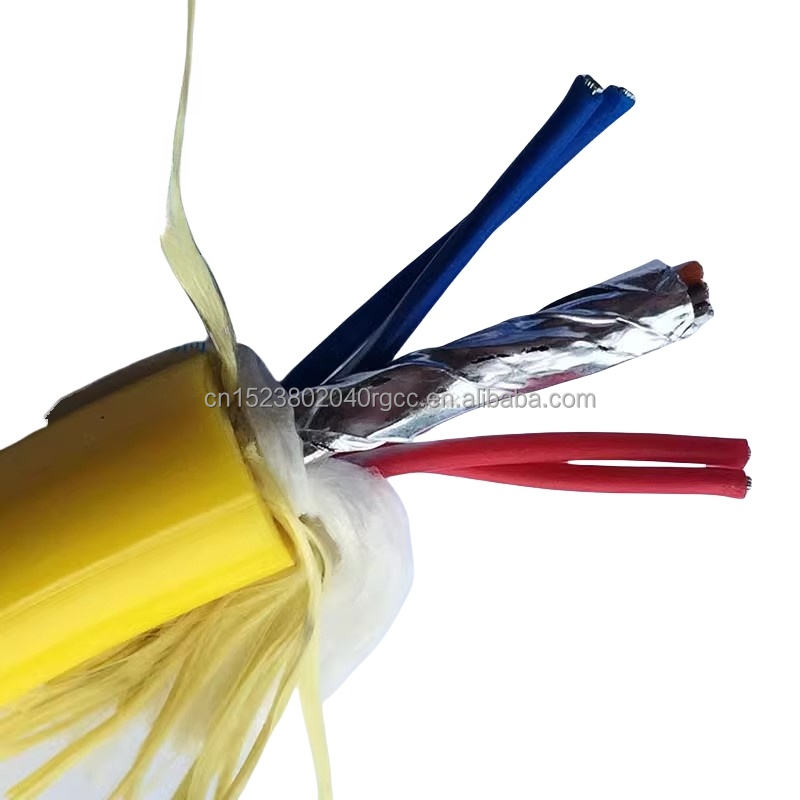
Product Structure
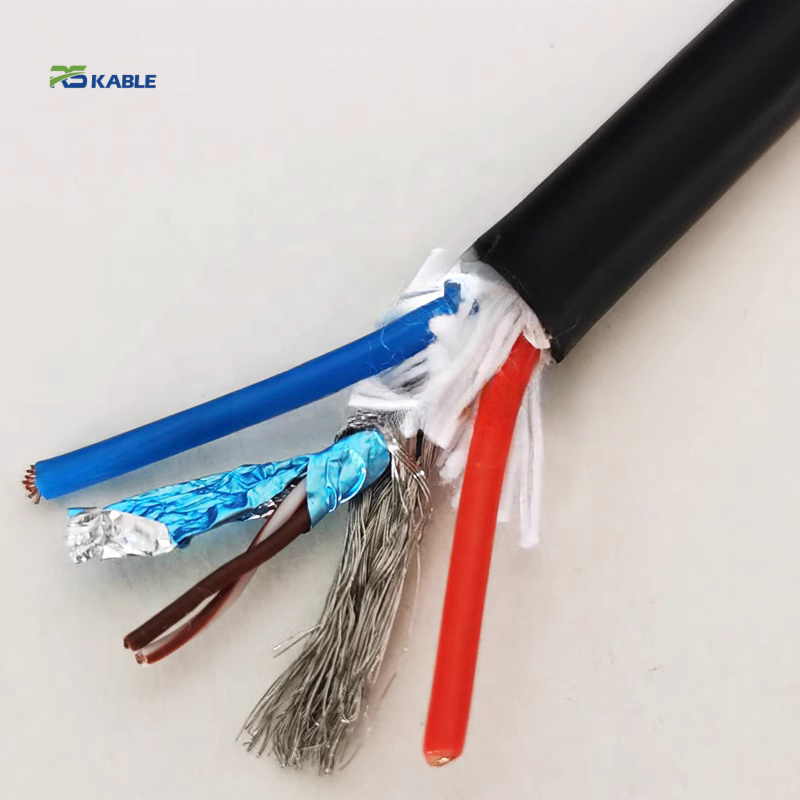
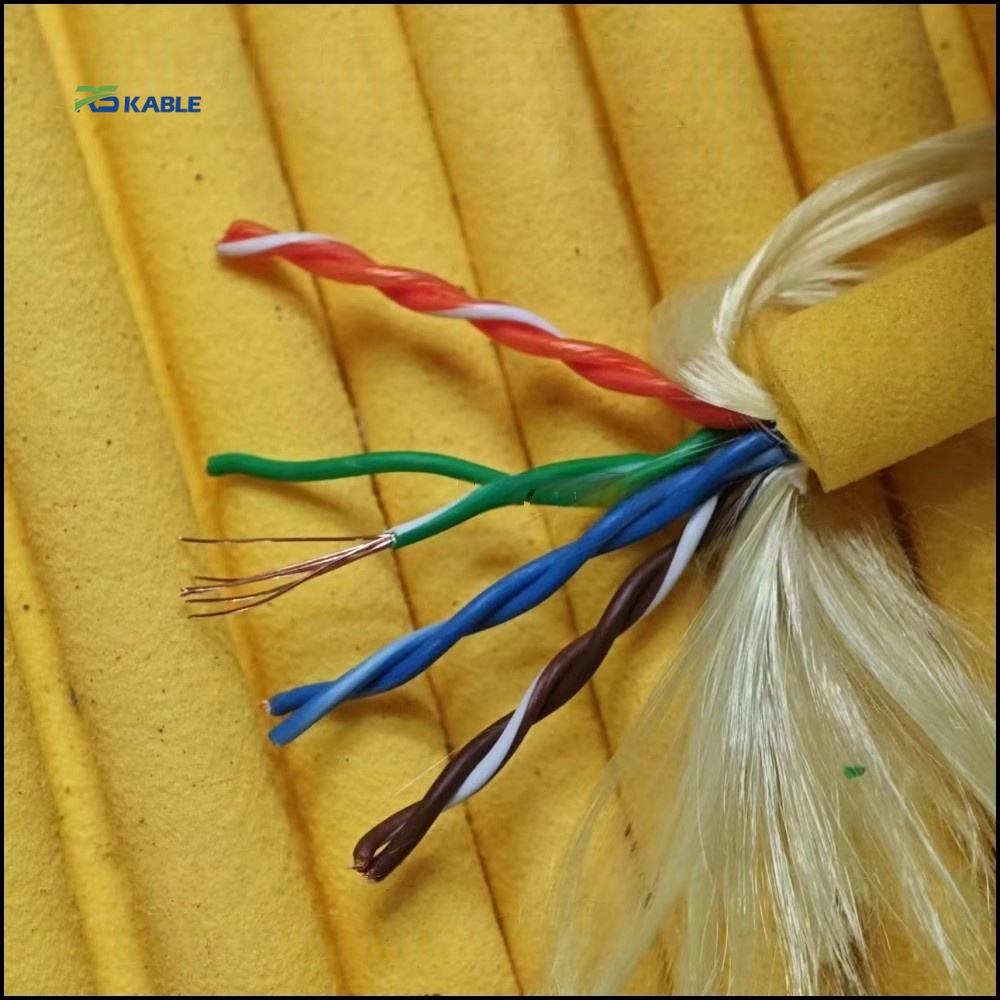
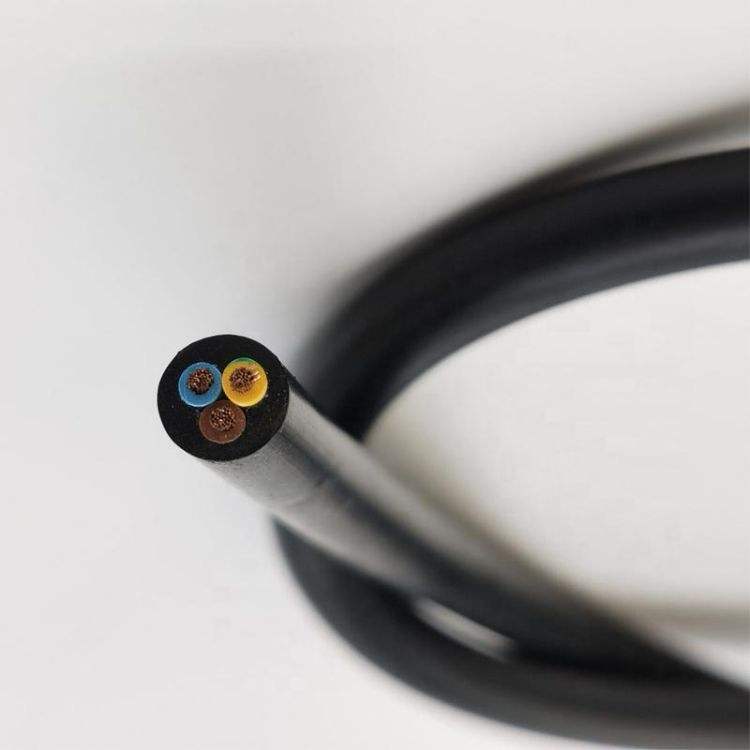
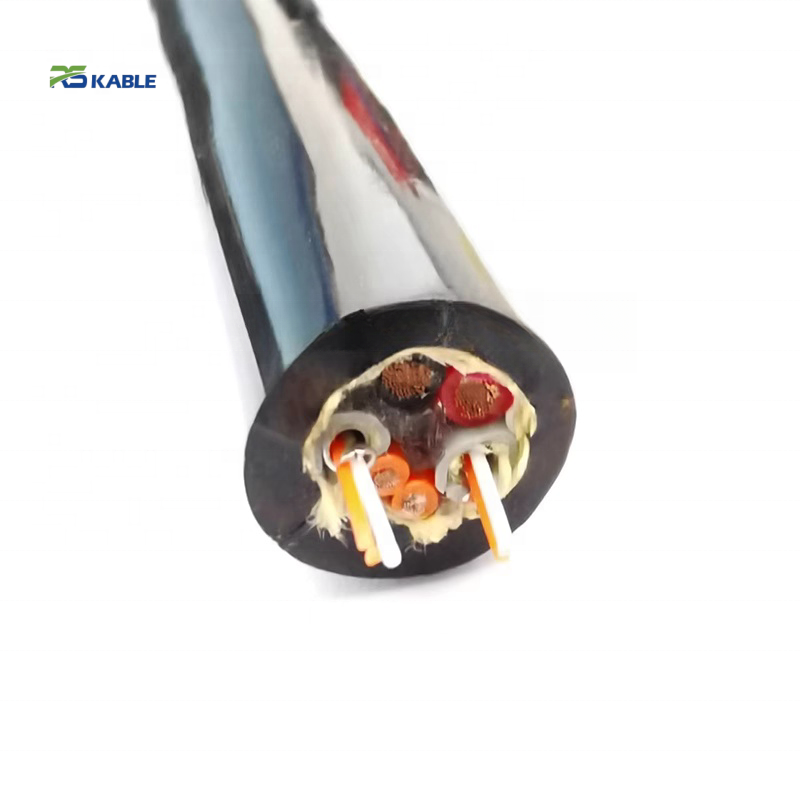
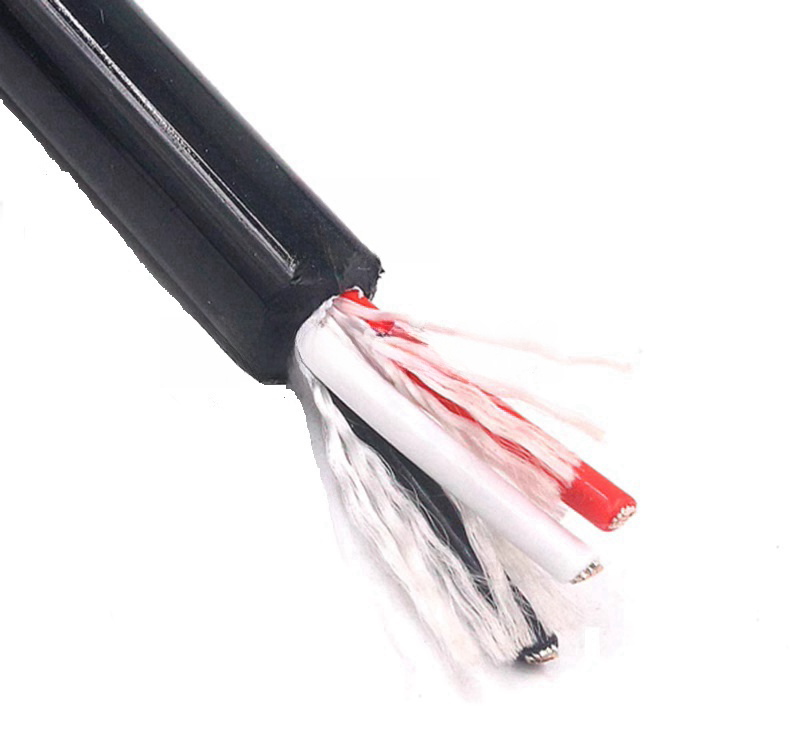
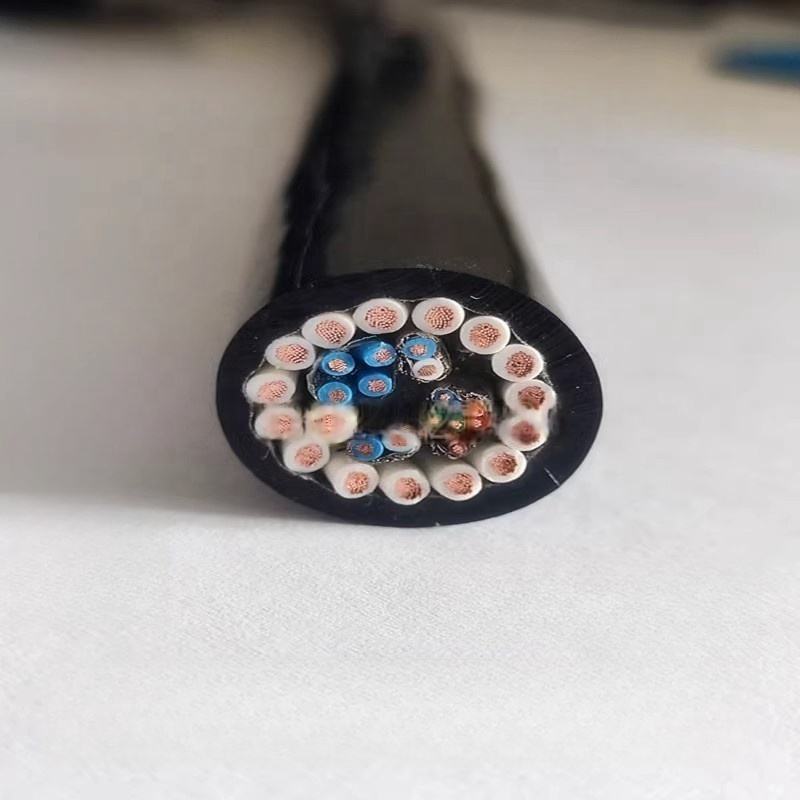
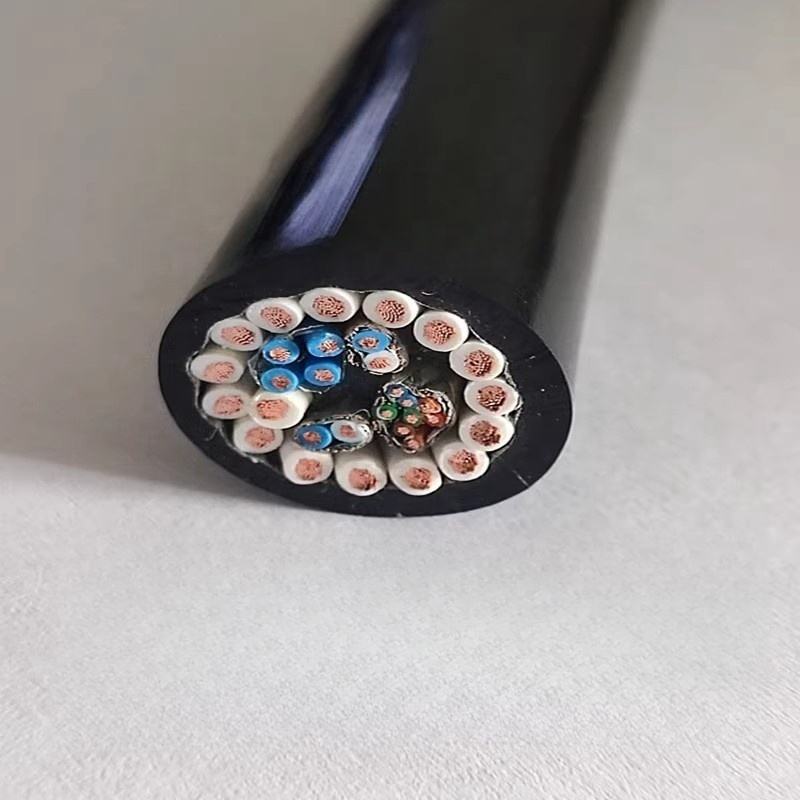
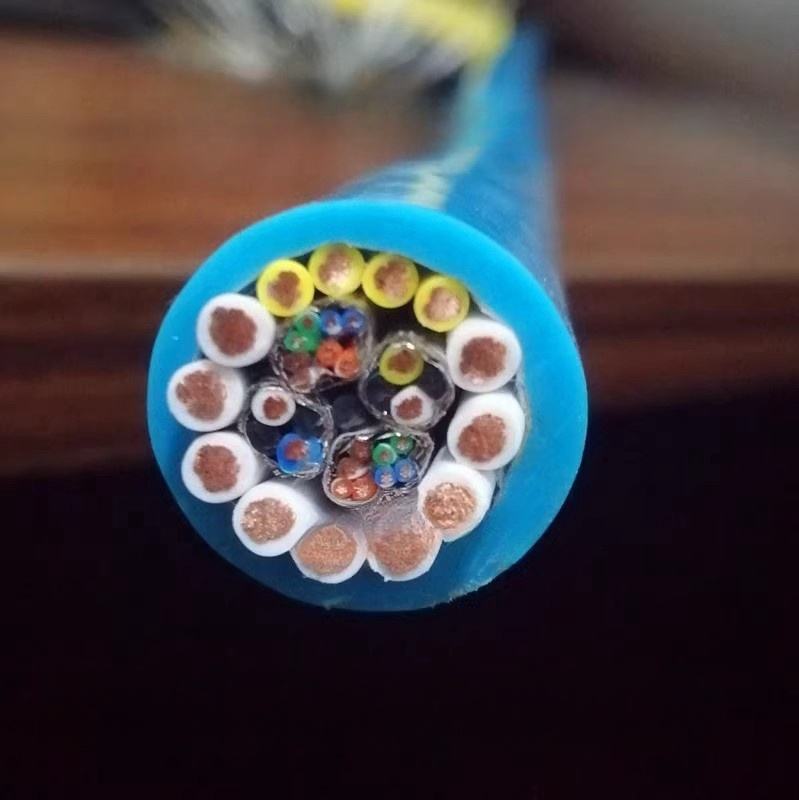
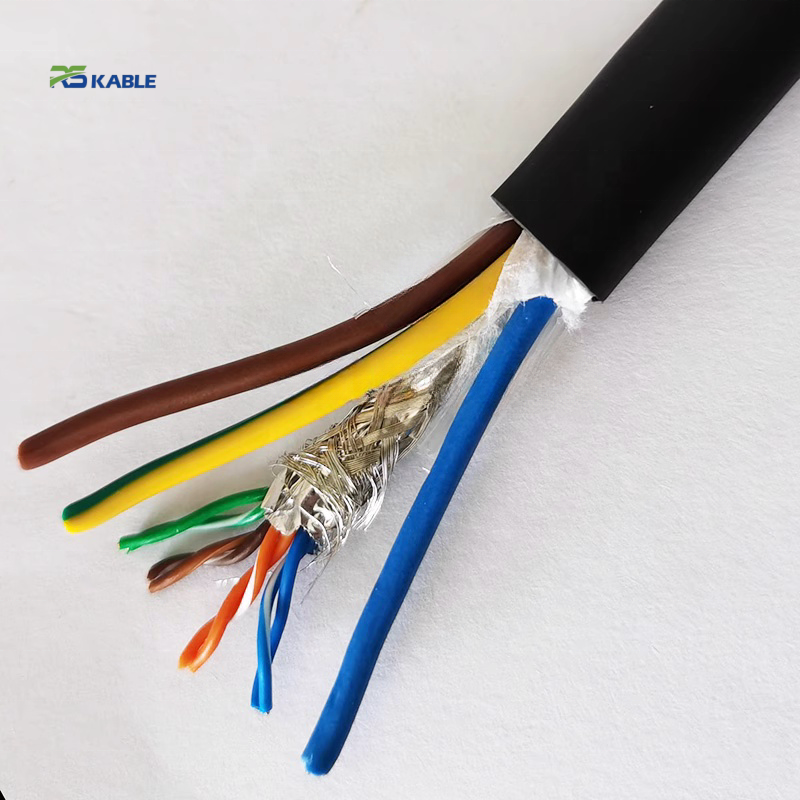
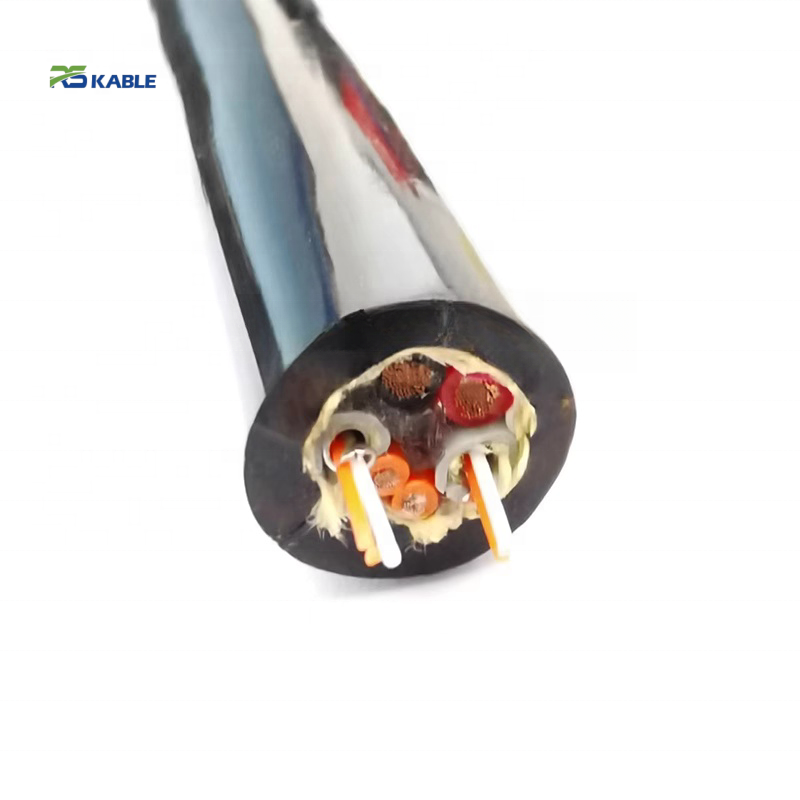
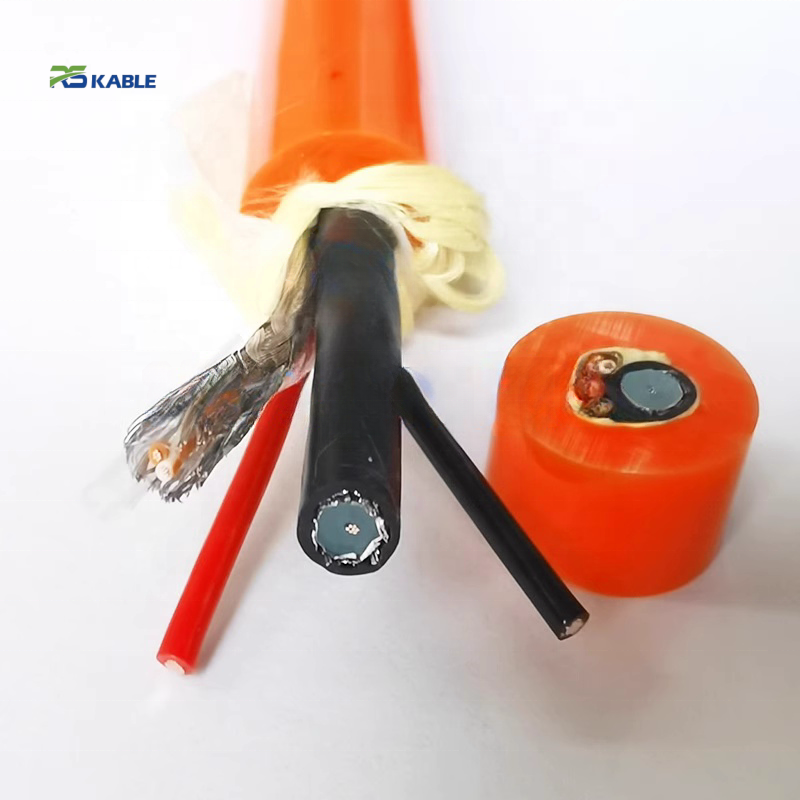
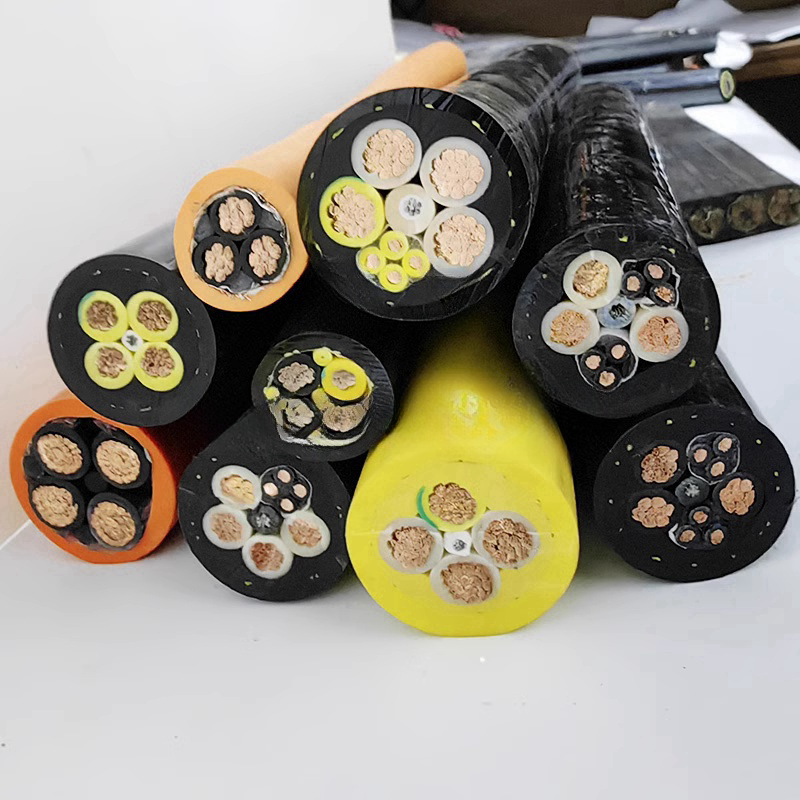
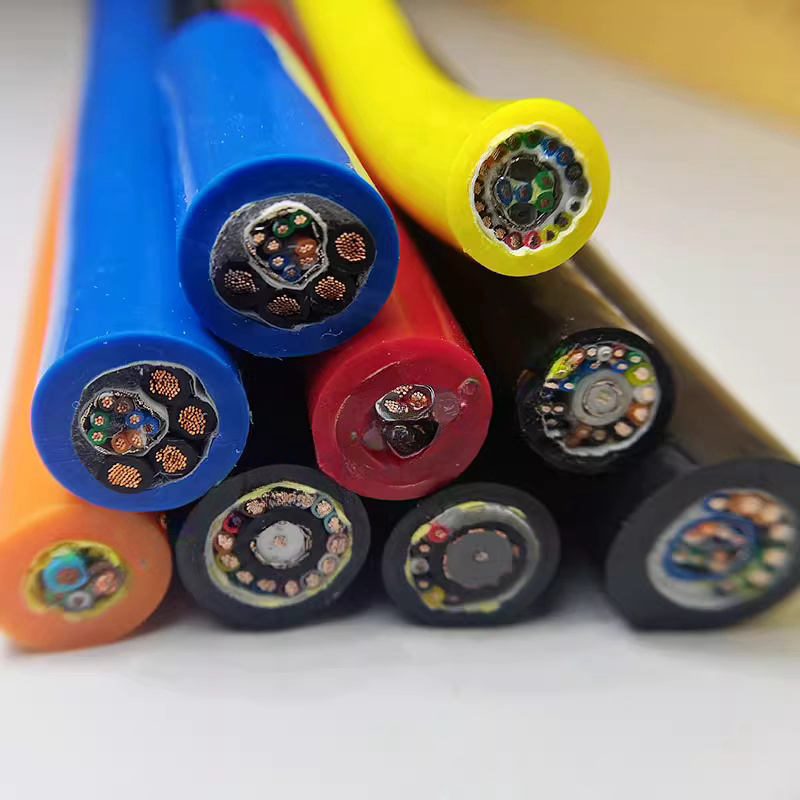
Flexible Copper Conductor
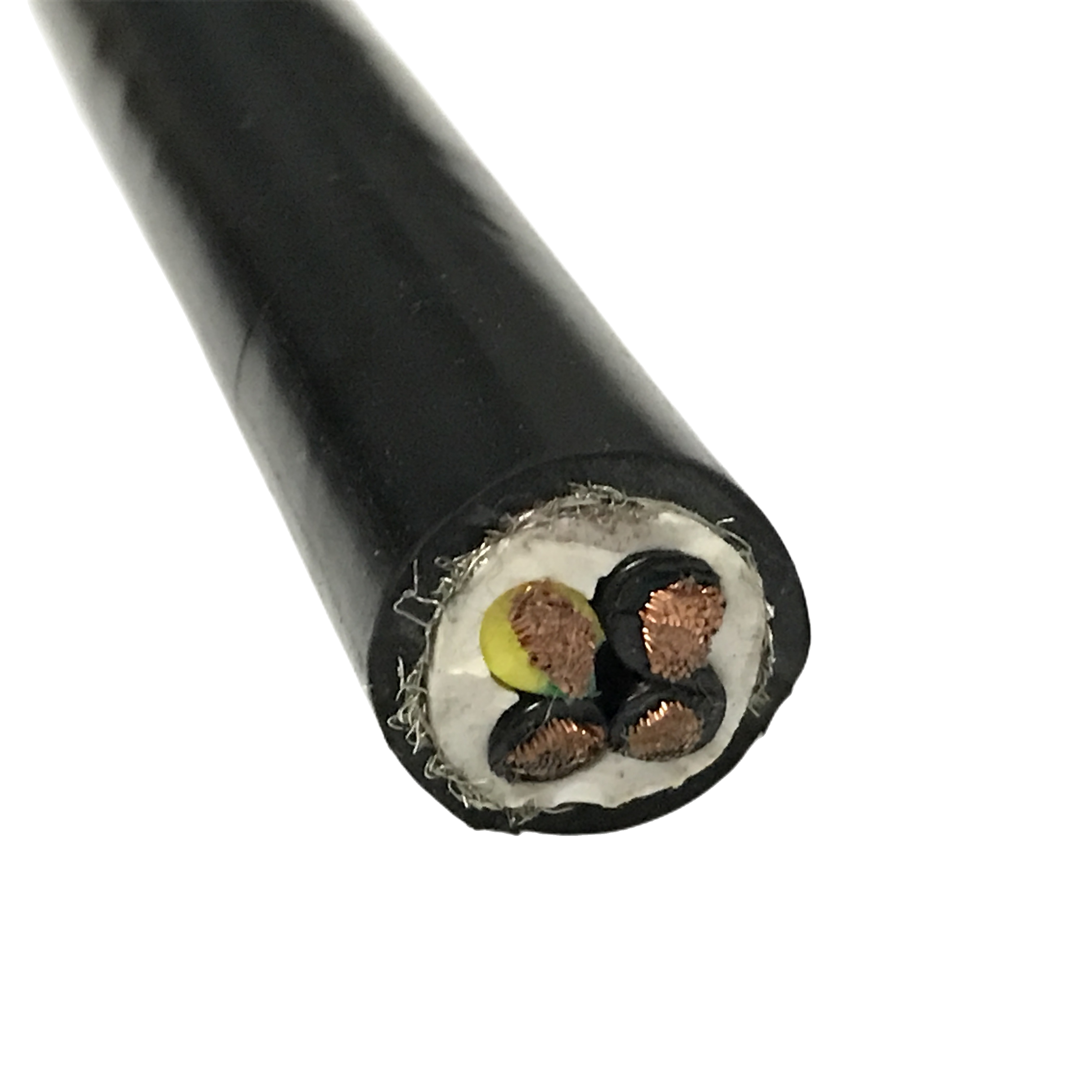
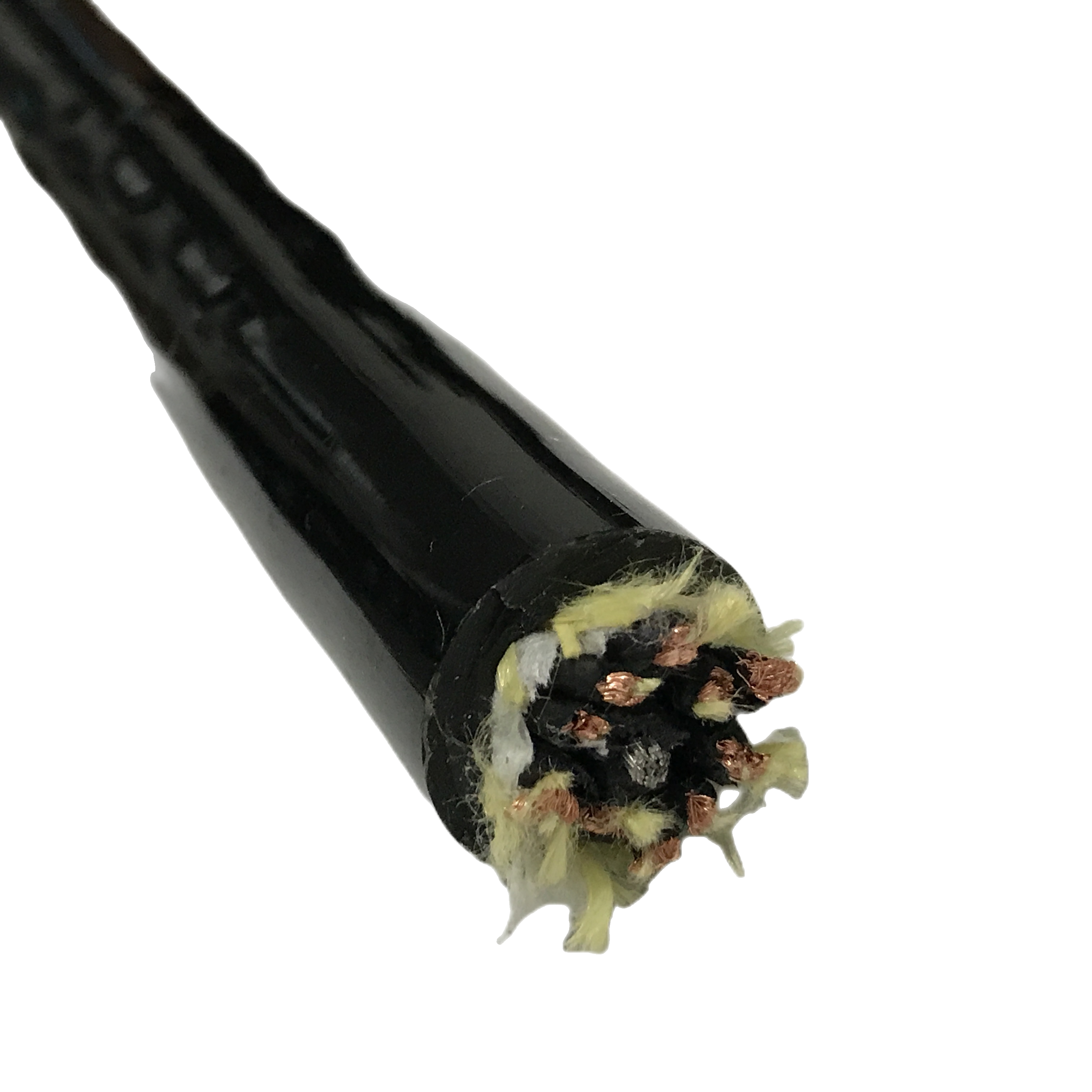
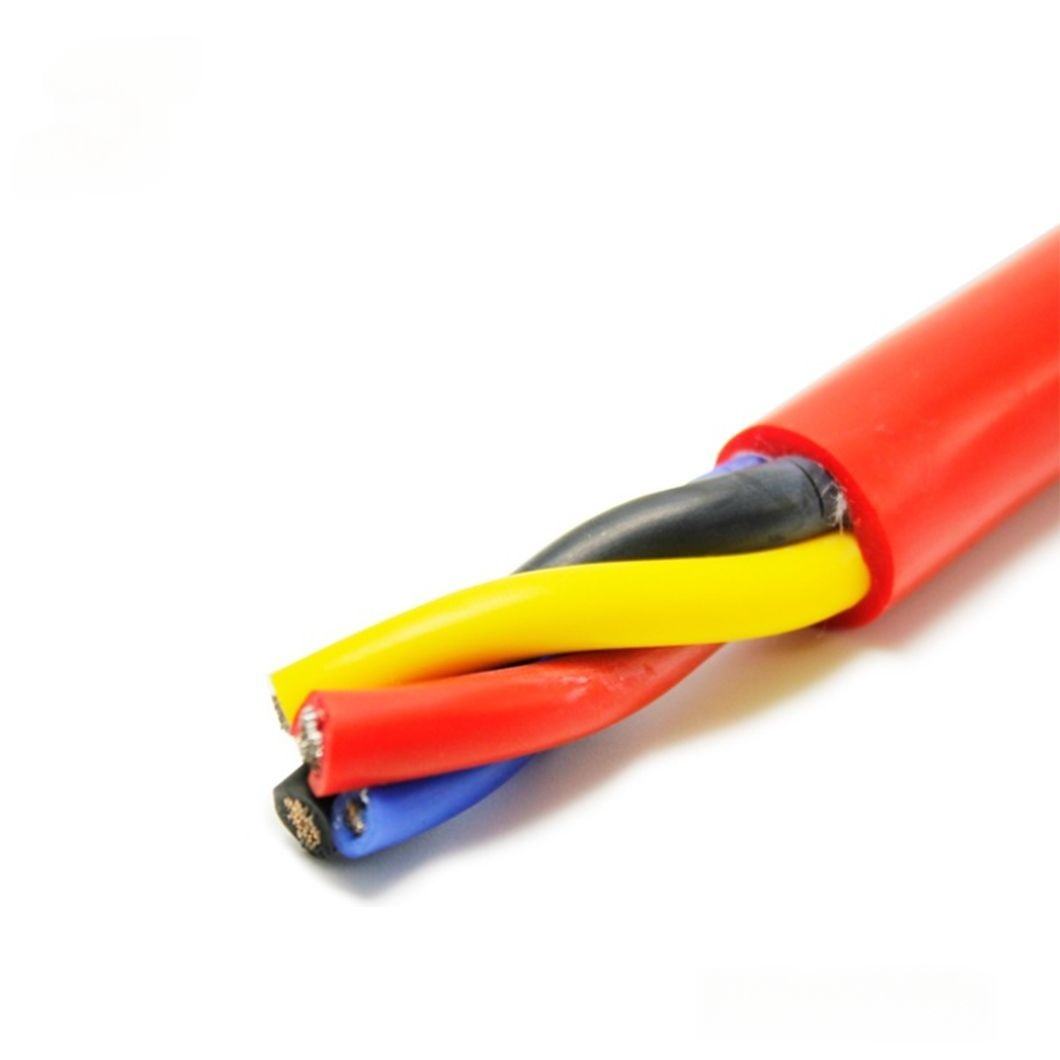
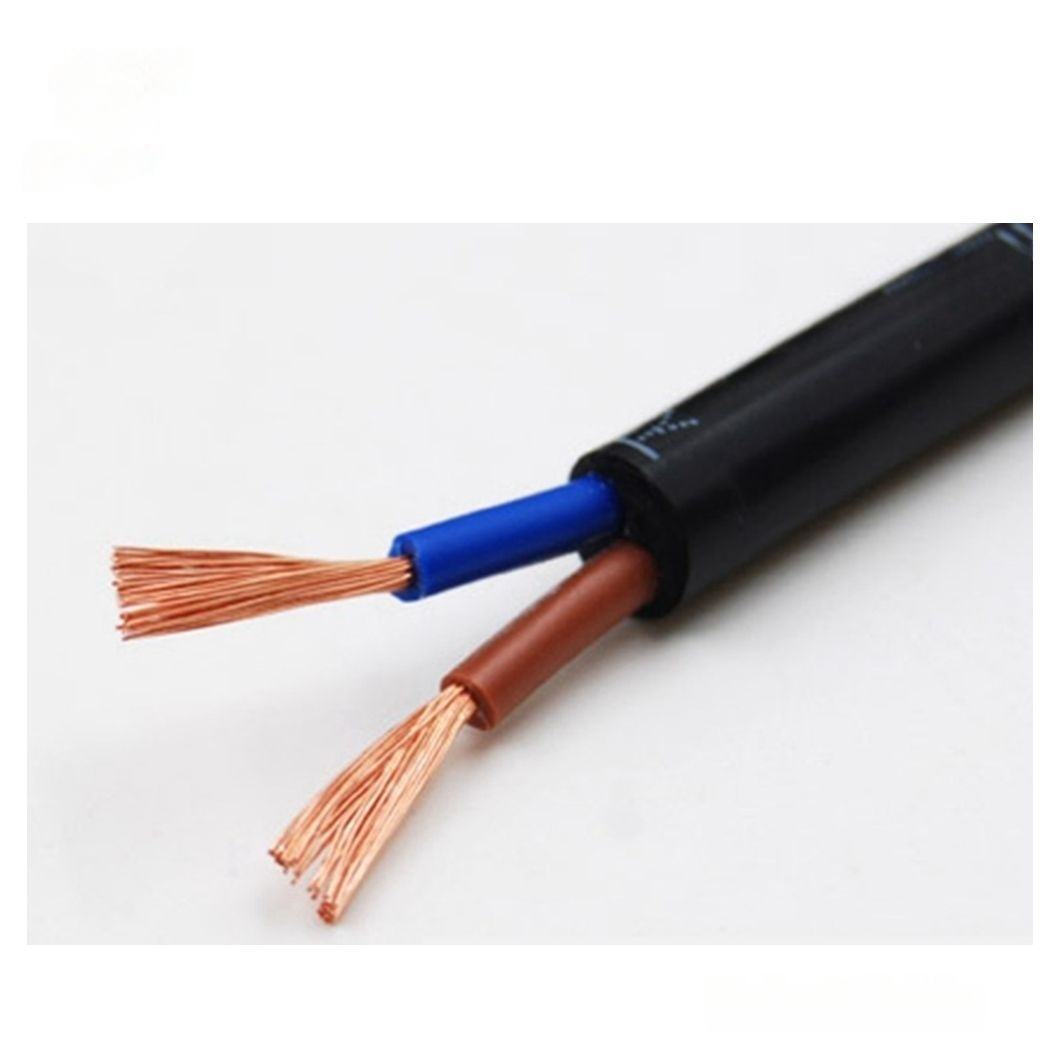
Fine-stranded copper conductors improve cable flexibility and help the cable adapt to repeated movement in robotic and automation equipment.
Core Insulation
Core insulation is matched to the electrical function of the cable, including signal, control, feedback, or hybrid transmission requirements.
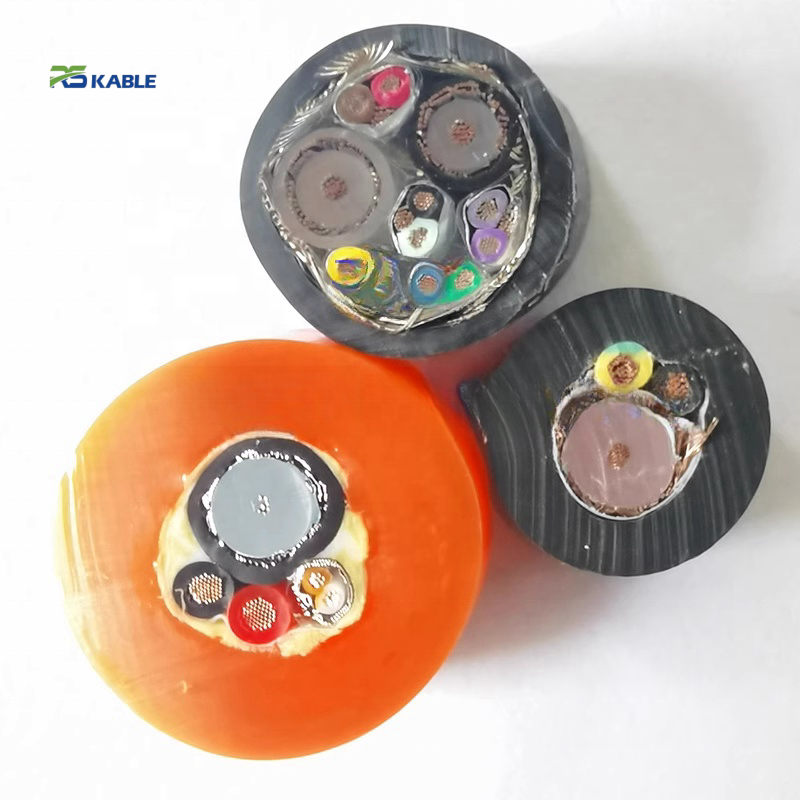
Shielding Layer
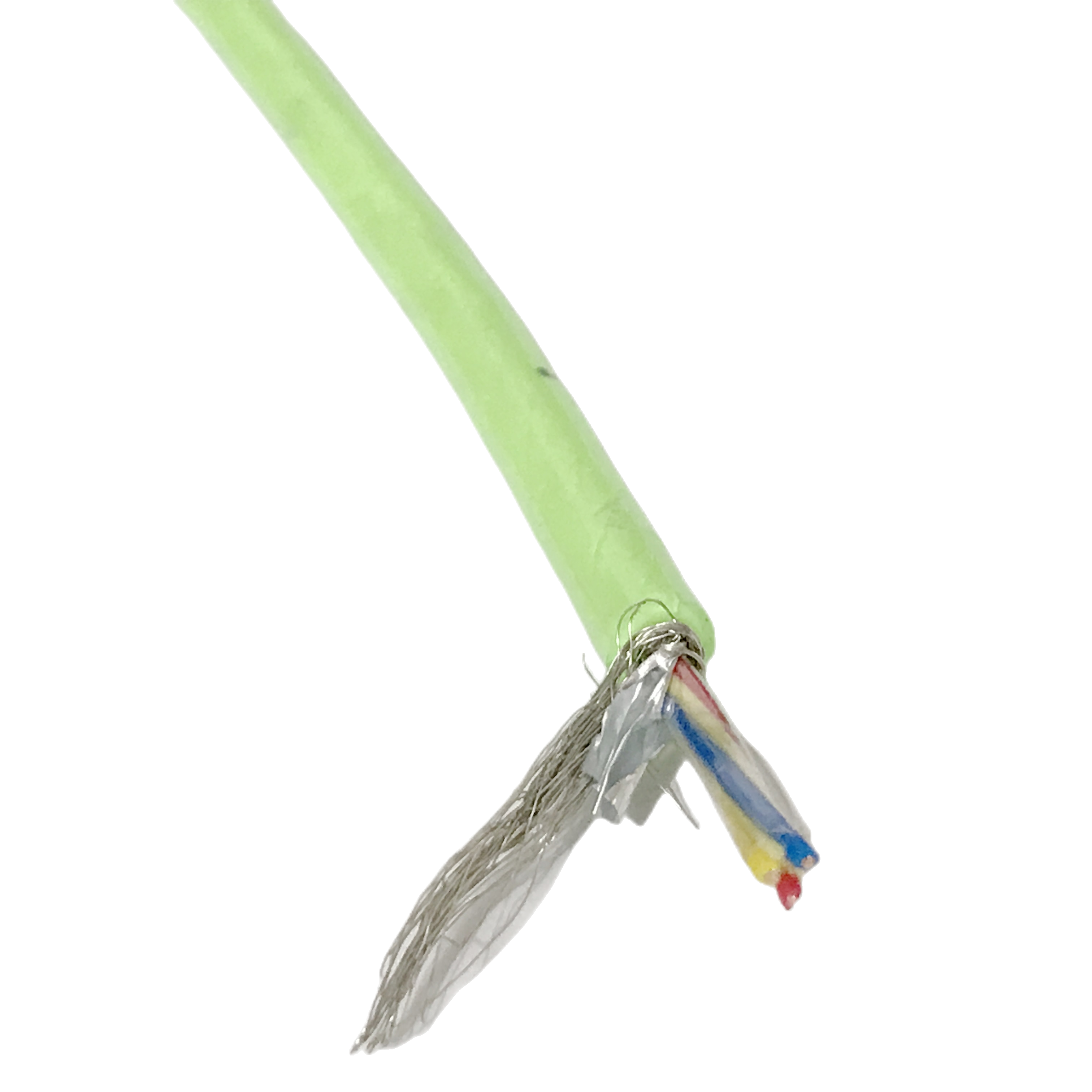
Shielding structures may include foil, braided copper, or combined shielding depending on EMC requirements and installation conditions.
PUR Outer Jacket
The PUR outer sheath provides protection against abrasion, oil, dragging, and general industrial wear while maintaining the flexibility required for moving cable systems.
Typical Applications
This cable is suitable for industrial systems where motion and signal stability are both critical.
Common Application Scenarios
-
robotic arms
-
pick-and-place robots
-
servo-driven systems
-
automated assembly lines
-
CNC equipment
-
packaging machinery
-
material handling systems
-
cable track installations
-
machine tool control circuits
-
moving sensor and feedback connections
Recommended Working Conditions
-
repeated bending movement
-
dynamic routing in confined spaces
-
electrically noisy environments
-
installation near motors and drives
-
exposure to oil mist, coolant splash, and surface abrasion
The PUR Shielded Robot Cable for Robotics Systems with EMI Protection and High Flex Performance is particularly suitable for dynamic automation projects where cable durability and transmission reliability are essential to stable machine operation.
Shielded vs Unshielded Robot Cable
| Selection Factor | Shielded Robot Cable | Unshielded Robot Cable |
|---|---|---|
| EMI Protection | Better | Limited |
| Signal Stability | Better in noisy environments | Suitable for simple low-noise circuits |
| Recommended Use | Robots, servo systems, mixed-power environments | Basic control circuits |
| Application Reliability | Higher for signal-sensitive systems | More dependent on installation conditions |
In robotic systems with motors, drives, encoder signals, or close cable routing, shielded construction is generally the better engineering choice.
PUR vs PVC Jacket for Robot Cable
| Comparison Item | PUR Jacket | PVC Jacket |
|---|---|---|
| Abrasion Resistance | Higher | Moderate |
| Oil Resistance | Better | Usually lower |
| Durability in Dynamic Use | Better suited to demanding motion systems | More suitable for standard industrial wiring |
| Typical Use | Robotics, cable tracks, automation motion | General control and fixed wiring |
For moving industrial applications, PUR is often preferred when stronger mechanical protection and longer service life are required.
Selection Guide
Choosing the correct robot cable requires confirmation of actual working conditions rather than conductor count alone.
Key Selection Points
Motion Type
Confirm whether the cable is used in repeated bending, cable track travel, torsional motion, or mixed movement.
Electrical Function
Identify whether the cable is used for signal, control, feedback, sensor connection, or hybrid power/control transmission.
Interference Level
If the cable runs close to motors, drives, or power wiring, shielding becomes more important.
Environment
Oil, abrasion, coolant exposure, and limited routing space all influence jacket and structure selection.
Routing Space
Minimum bending space and installation path should be considered before finalizing the cable model.
Customization and Supply
Project requirements vary by machine design, routing layout, and application condition. Custom supply is available for standard and project-based needs.
Available Custom Options
-
core count
-
conductor size
-
shield type
-
jacket color
-
cable marking
-
packaging format
-
cut length or reel supply
-
application-based structure adjustment
Supply Support
-
model selection support
-
sample evaluation
-
drawing and specification confirmation
-
OEM and project-based production
-
industrial quantity supply
Ordering Information
To speed up quotation and model matching, the following information is recommended during inquiry:
-
application type
-
core count
-
conductor size
-
cable length
-
shielding requirement
-
motion type
-
installation environment
-
quantity demand
Call to Action
Request a Quote for PUR Shielded Robot Cable
Send the application details to receive model recommendation, technical confirmation, and pricing support.
FAQ
What is a PUR shielded robot cable used for?
A PUR shielded robot cable is used in robotic and automation systems where continuous movement and signal stability are required. It is commonly used in robotic arms, servo systems, moving control units, and dynamic machinery.
Why is shielding important in robotics applications?
Shielding helps reduce electromagnetic interference from motors, drives, and nearby power circuits. This supports more stable signal transmission in control, sensor, and feedback systems.
Why choose PUR instead of standard PVC?
PUR offers better abrasion resistance, oil resistance, and mechanical durability in dynamic industrial environments. It is generally more suitable for robotic and moving cable applications.
Can this cable be used in drag chain systems?
Selected constructions are suitable for drag chain and repeated-bending use. Final suitability depends on cable design, travel length, and actual operating conditions.
Is this cable suitable for torsional motion?
Some constructions can be optimized for torsional applications. Continuous twist performance should be confirmed during model selection.
What is the difference between robot cable and servo cable?
Robot cable is usually selected for repeated movement and flexible routing in robotic systems. Servo cable is often used for servo motor power or feedback transmission. The final choice depends on system design and cable function.
What information is needed for quotation?
Useful information includes conductor count, conductor size, cable length, shielding requirement, motion type, and installation environment.
Is customization available?
Yes. Customization is available for conductor structure, core count, shielding design, jacket color, printing, and packaging format.