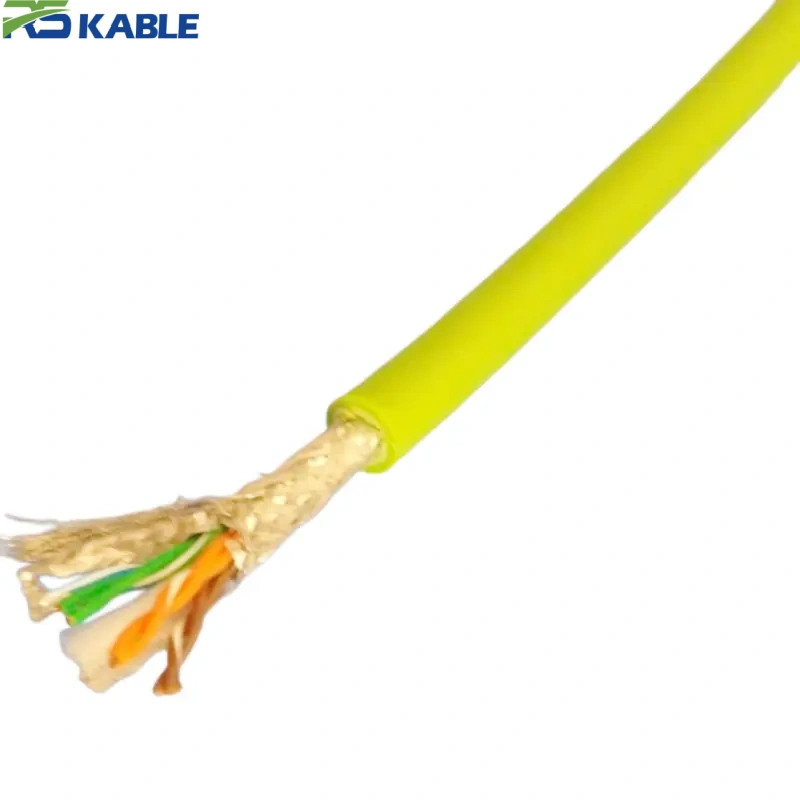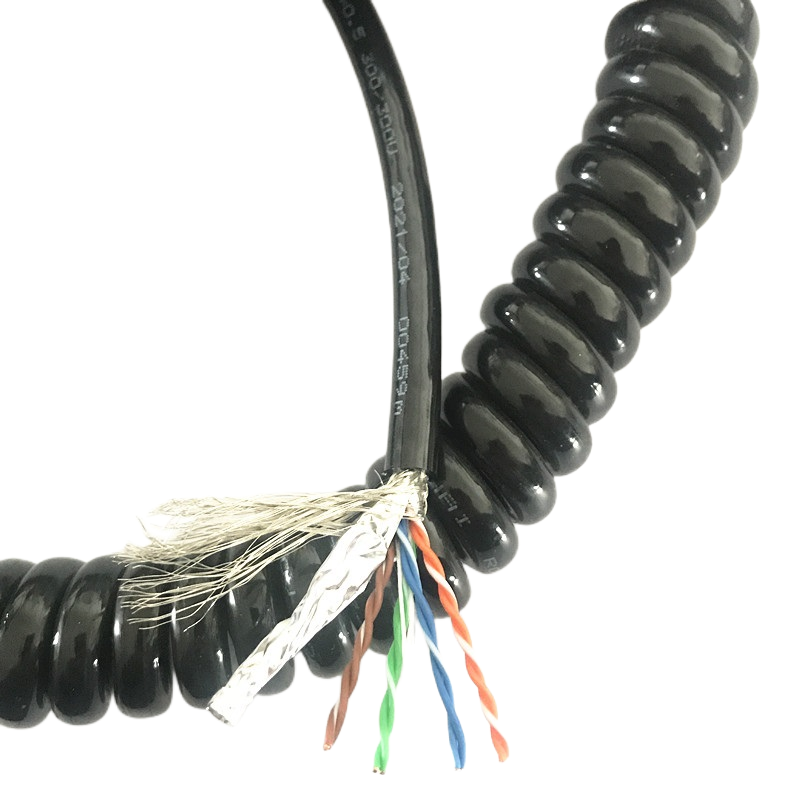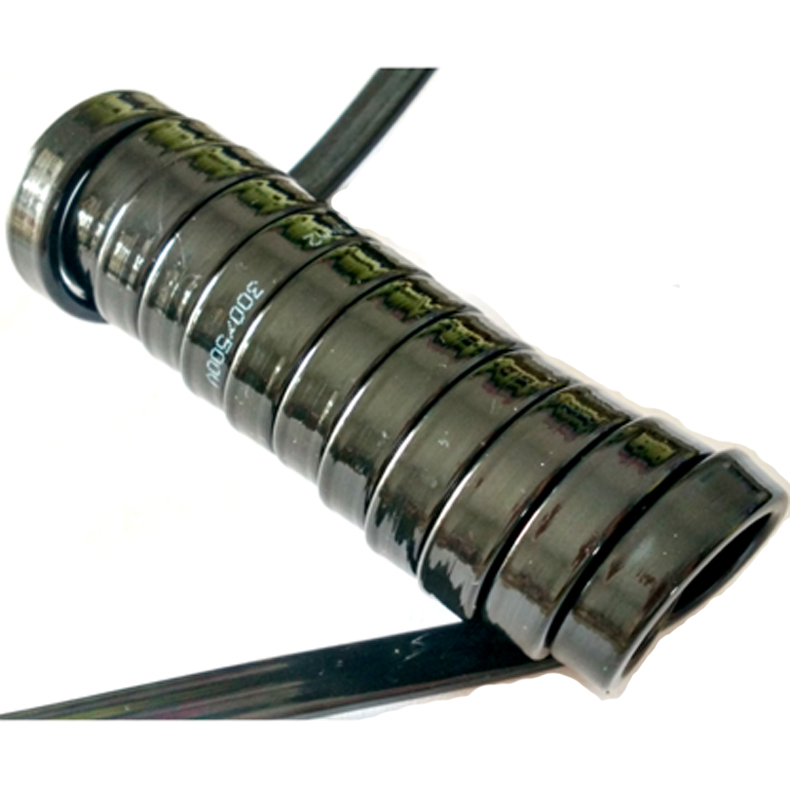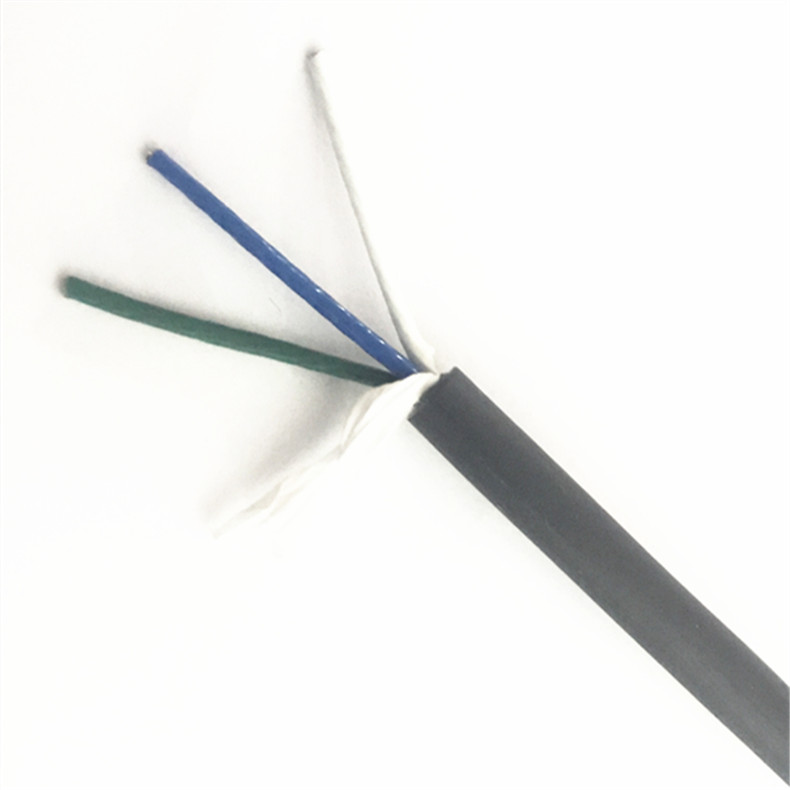



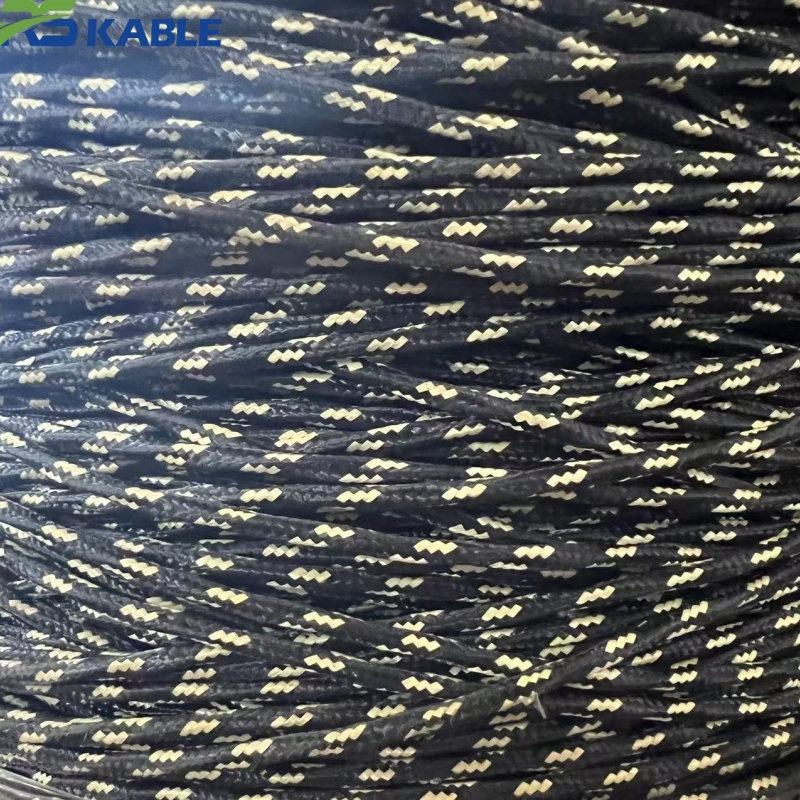
Tethered Drone Cable | High-Flex Power and Data Cable for UAV Systems
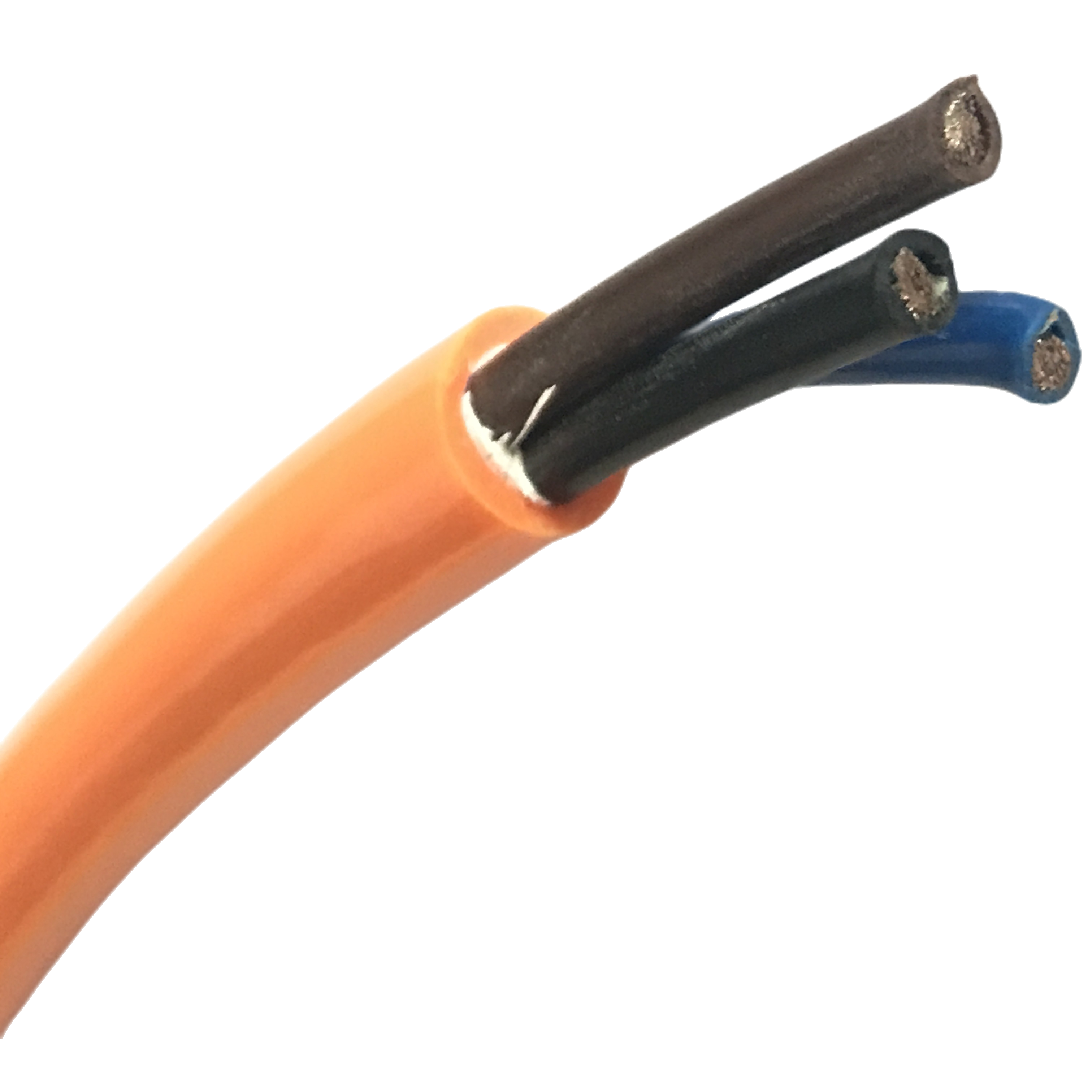
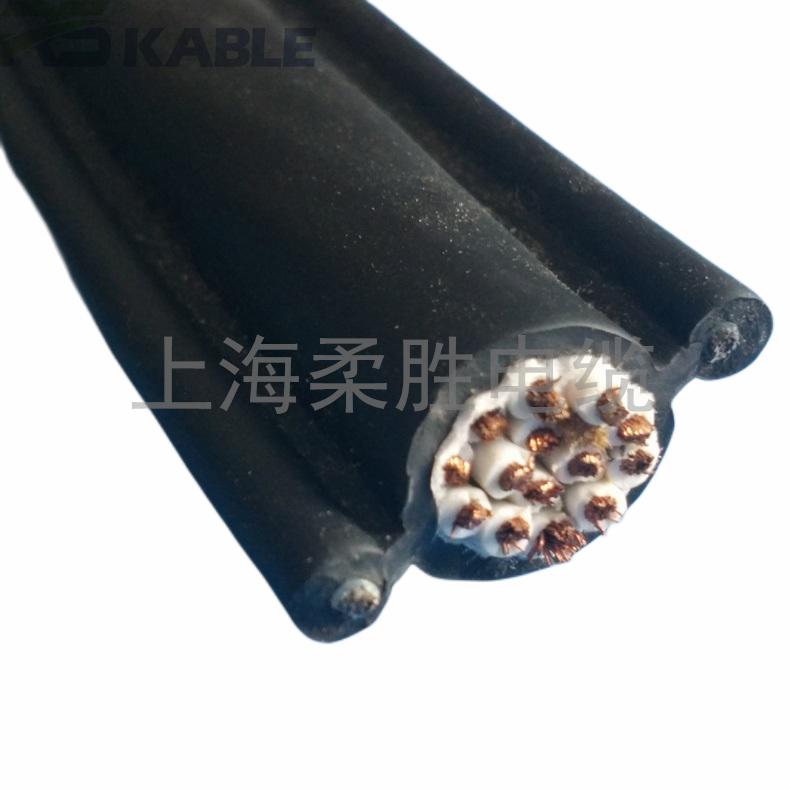
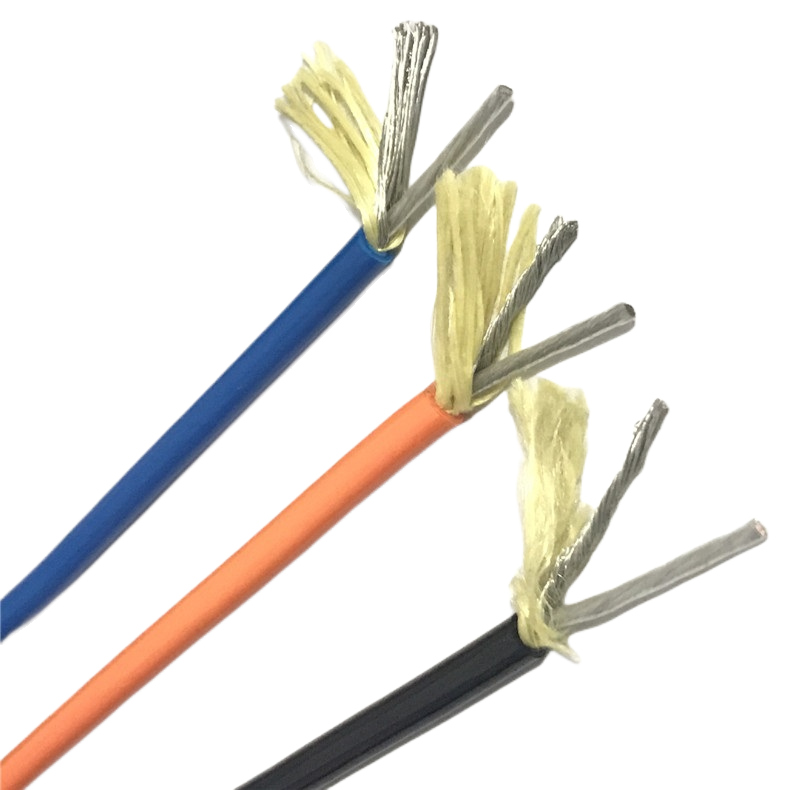
Tethered Drone Cable is a high-flex power and data cable built for UAV platforms requiring both continuous ground power and onboard Ethernet, RS-485, or video telemetry. Its isolated core arrangement keeps power-line switching noise from coupling into data or video circuits, while the reel-matched jacket withstands repeated ground-station spooling.
Key Benefits:
✅ Isolated core placement prevents power-line noise from degrading data or video signal
✅ Hybrid configurations support Ethernet, RS-485, or analog video alongside power
✅ Reel-matched construction accounts for added diameter from combined circuits
✅ Aramid tensile member carries mechanical load independent of power/data cores
Tethered Drone Cable | High-Flex Power and Data Cable for UAV Systems
The Tethered Drone Cable for UAV Systems is built for platforms where ground power and data don’t travel as two separate lines — they share one tether, one jacket, and one reel. That combination solves a real problem (one connector, one spool, less to tangle) but introduces one most power-only tether designs never have to think about: the power conductor’s switching noise sitting a few millimeters from a data or video pair for the tether’s entire length.
A power-only tether can be optimized almost purely around weight and voltage drop. A combined power-and-data tether has to solve that same weight problem while also keeping the power circuit from bleeding noise into whatever data protocol shares the jacket — Ethernet, RS-485 telemetry, or an analog video feed, each of which reacts to that noise differently. This cable is built around that second problem specifically, using core placement and optional shielding to keep the two circuits from interfering with each other over the length of a working tether, rather than treating “power and data in one cable” as a simple matter of bundling both into the same jacket.
Tethered Drone Cable
Designed For
This cable is intended for:
- tethered UAV platforms combining ground power with Ethernet, RS-485, or video telemetry
- persistent surveillance and inspection drones needing a reliable data link, not just power
- installations where power-line noise has previously caused video or data dropout
- repeated ground-station reel spooling
- missions where a single combined tether is preferred over separate power and data lines
This cable should be evaluated separately for:
- power-only tethers with no onboard data requirement — a lighter, simpler construction without the isolation overhead is usually the better fit
- fiber-optic-only data requirements where copper data conductors aren’t needed at all
- untethered internal airframe wiring
- marine or submerged tethered platforms
Product Summary
| Item | Description |
|---|---|
| Product Type | Combined power and data tethered UAV cable |
| Main Use | DC power transmission with integrated Ethernet, RS-485, or video telemetry |
| Typical Installations | Persistent surveillance drones, inspection UAVs, communications-relay platforms |
| Core Design | Isolated power and signal core placement, optional shield barrier |
| Conductor Type | Fine-stranded tinned copper (power), twisted pair or coax (data/video) |
| Jacket Type | Lightweight, abrasion-resistant, reel-matched |
| Tensile Member | Aramid fiber core |
| Supply Form | Cut length, reel, project supply |
Typical Product Series
Series Name: RST-TDC-UAV Series Category: Combined power and data tether cable for UAV systems
| Product Model | Product Name | Power Cores | Data Configuration | Typical Use |
|---|---|---|---|---|
| RST-TDC-02E | Power + Ethernet tether | 2C power | 1× shielded twisted pair (Ethernet) | Data-linked surveillance drones |
| RST-TDC-02V | Power + analog video tether | 2C power | 1× coax (video) | Legacy analog video payloads |
| RST-TDC-02R | Power + RS-485 tether | 2C power | 1× shielded twisted pair (RS-485) | Sensor telemetry platforms |
| RST-TDC-HY | Power + Ethernet + video hybrid | 2C power | Ethernet pair + coax | Multi-payload inspection drones |
| RST-TDC-C | Custom power/data tether | Custom | Custom | Project-specific tethered systems |
Technical Parameters
| Parameter | Typical Range / Description |
|---|---|
| Power Conductor | Fine-stranded tinned copper, sized per length/current/voltage-drop analysis |
| Data Conductor | Shielded twisted pair (Ethernet/RS-485) or coax (video), per protocol |
| Core Isolation | Physical separation and/or shield barrier between power and data cores |
| Tensile Member | Aramid fiber core, sized to expected load profile |
| Jacket Material | Lightweight, abrasion-resistant, reel-matched compound |
| Noise Coupling Performance | Confirmed per project — core placement and shielding selected against the specific data protocol’s noise sensitivity |
| Temperature Range | Confirmed according to final jacket and project condition |
| Minimum Bend Radius | Confirmed according to cable diameter and reel drum size |
| Weight per Meter | Depends on power conductor size, data configuration, and tensile member |
| Supply Format | Cut length, reel, OEM and project supply |
Tethered Drone Cable
Cable Construction
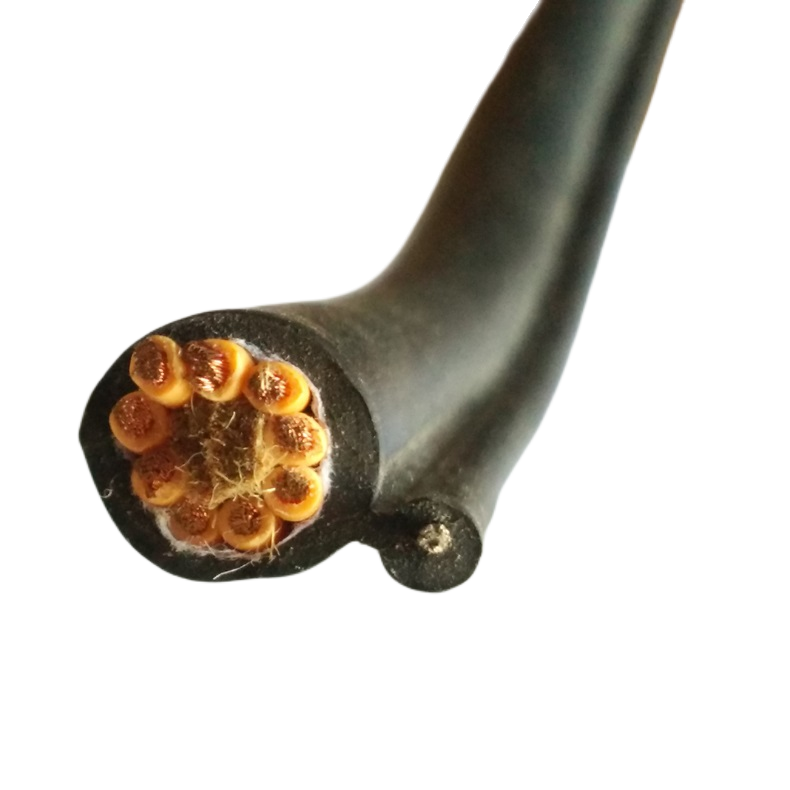
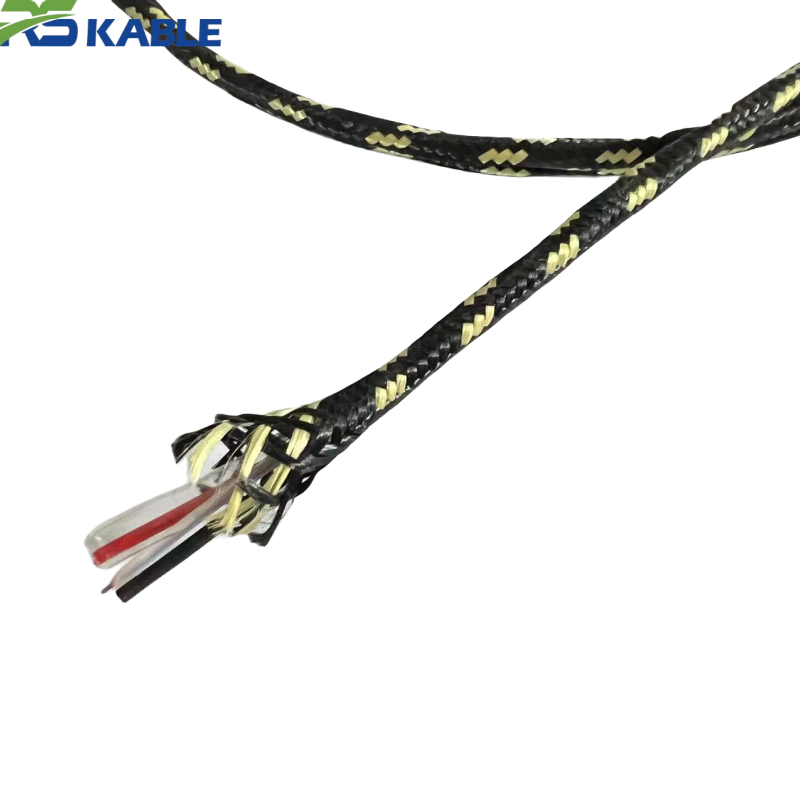
Fine-Stranded Power Conductor
Power conductor sizing follows the same weight-versus-voltage-drop logic as any tether cable, balanced against the drone’s peak and continuous current draw over the tether’s full length.
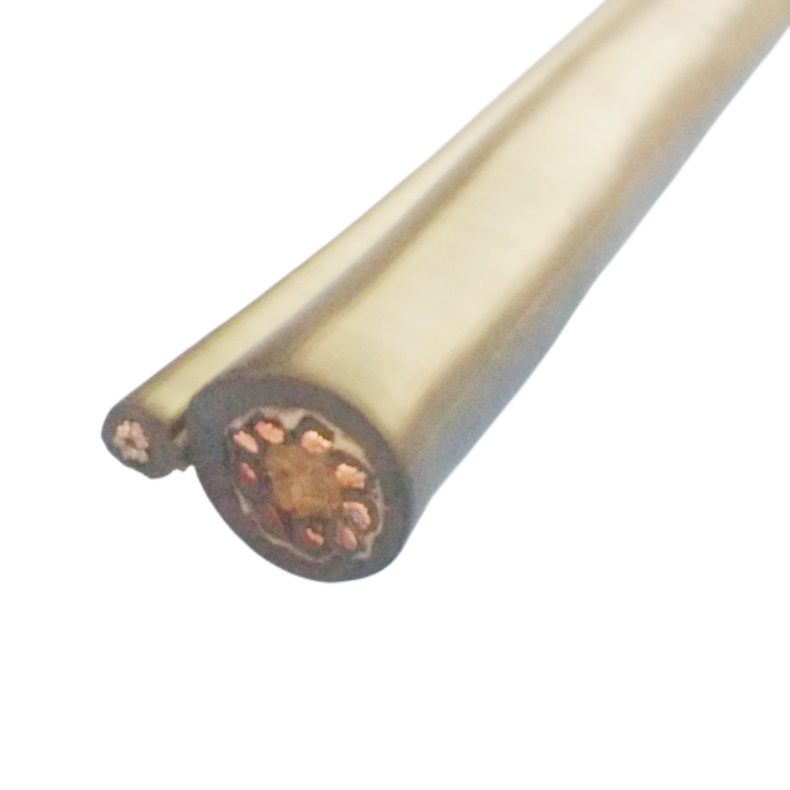
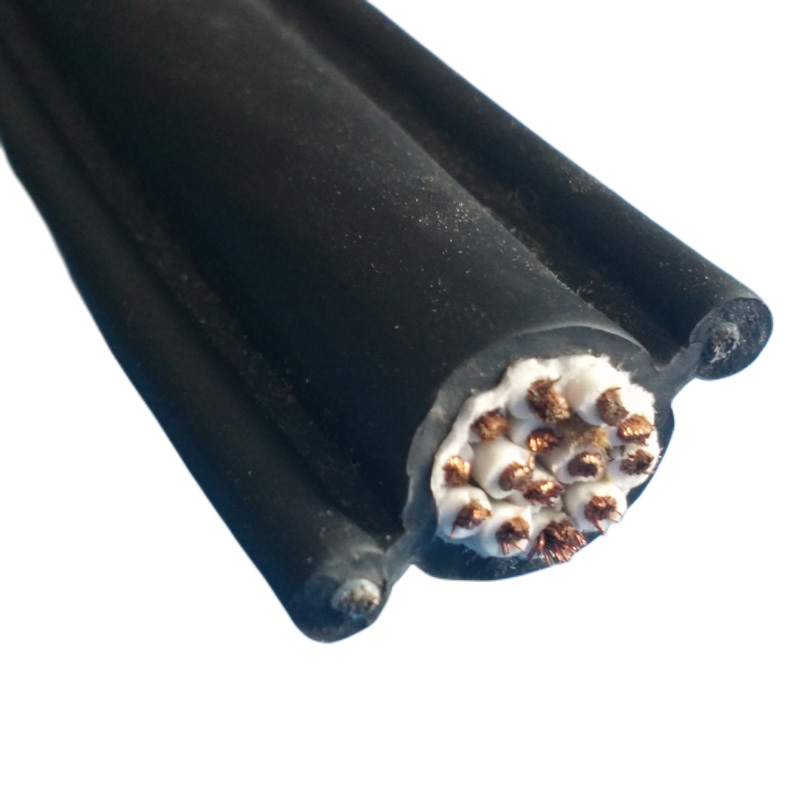
Isolated Data Core
Ethernet pairs, RS-485 pairs, or coax video conductors are placed with deliberate separation from the power core, and shielded independently where the data protocol’s noise sensitivity calls for it. This placement decision is the core difference between a genuine power-and-data tether and a power tether with a data line simply bundled alongside it.
Optional Shield Barrier
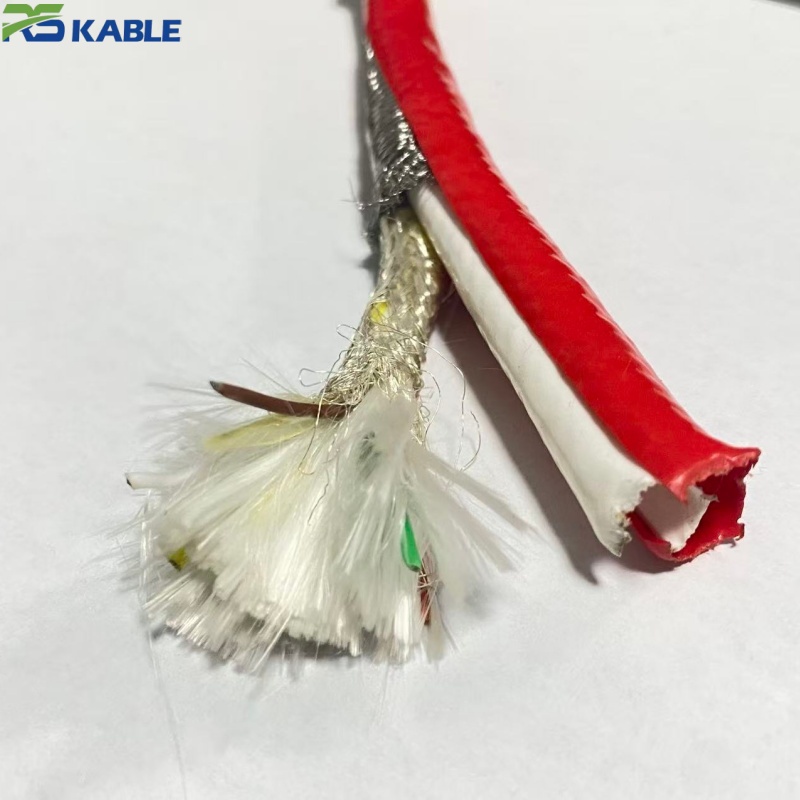
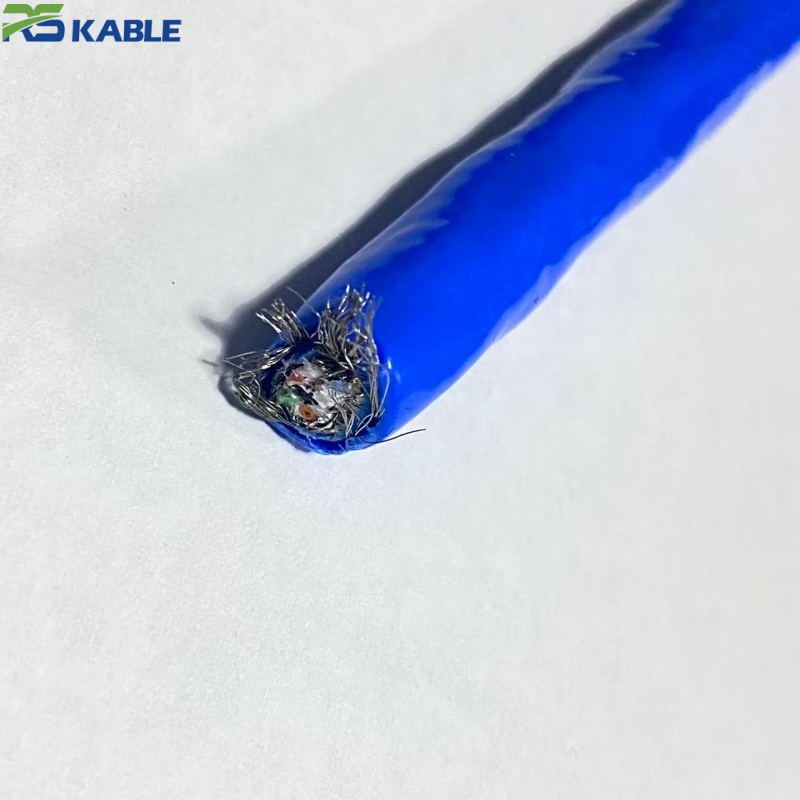
For installations where power-line switching noise has been a known issue, an additional shield layer between the power and data cores — beyond the data conductor’s own shielding — further reduces coupled interference.
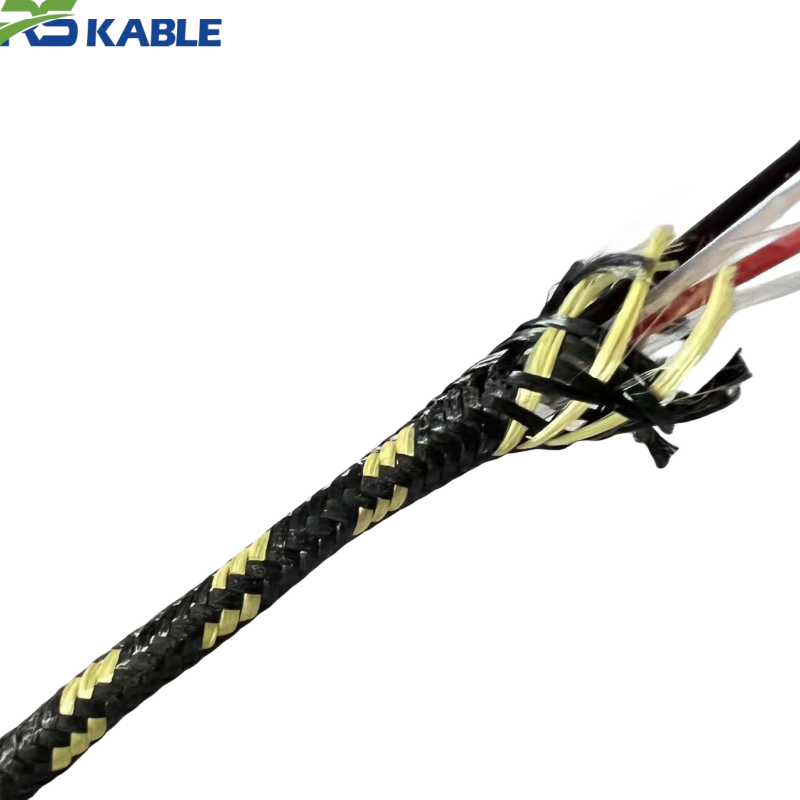
Aramid Fiber Tensile Member
Mechanical load from the drone’s weight and wind resistance is carried by the tensile member, not the power or data conductors, regardless of how many circuits share the jacket.
Reel-Matched Jacket
Jacket construction accounts for the added diameter and stiffness of a combined power-and-data core when matching to the ground station’s reel drum geometry — a power-only tether’s jacket spec doesn’t automatically transfer to a thicker, multi-circuit build.
Why Core Isolation Matters More Than Core Count
Noise Doesn’t Care How Well the Power Side Is Designed
A perfectly sized, well-insulated power conductor can still ruin a video feed if it sits too close to the video coax for the tether’s full length. Isolation is a placement and shielding decision, not a byproduct of good power-circuit design.
Different Data Protocols Tolerate Noise Differently
Analog video degrades gradually and visibly under noise; Ethernet tends to fail more abruptly once error rates cross a threshold; RS-485 telemetry can silently corrupt data without an obvious symptom. Core isolation needs to be matched to which of these is actually sharing the tether.
Reel Geometry Changes Once Data Joins Power
A tether that’s fine on a given reel drum as a power-only build can exceed that reel’s practical bend radius once a shielded data pair and extra jacket thickness are added — reel compatibility isn’t automatic just because the power side was already validated.
Combined Tethers Simplify the System, Not the Engineering
One connector and one spool is a real operational benefit, but it doesn’t reduce the engineering work — it just moves the complexity into core placement and shielding instead of into two separate cable runs.
Application Boundary
Suitable for:
- tethered UAV platforms genuinely requiring both power and onboard data/video
- installations where power-line noise has affected data reliability
- ground stations with reel geometry confirmed against the combined cable’s diameter
Requires separate confirmation for:
- power-only missions with no data requirement — added isolation is unnecessary cost
- fiber-optic data requirements, which follow a different isolation logic than copper data pairs
- extremely long tethers where signal integrity may need active repeaters regardless of cable isolation quality
Typical Applications
- persistent surveillance and monitoring drones with live video feed
- tethered communications-relay platforms
- industrial inspection UAVs with sensor telemetry
- public safety and emergency response tethered drones
Typical Working Conditions
- continuous ground power with simultaneous data/video transmission
- repeated reel spooling
- outdoor exposure including wind and weather
- proximity between power and data circuits within a shared jacket
Combined Power/Data Tether vs Separate Power and Data Lines
| Comparison Item | Combined Power/Data Tether | Separate Power and Data Lines |
|---|---|---|
| Ground Station Complexity | One connector, one reel | Two connectors, two reels or bundled handling |
| Tangle Risk | Lower | Higher, independent lines can twist separately |
| Noise Isolation | Requires deliberate core design | Naturally isolated by physical separation |
| Weight | Slightly higher per data circuit added | Can be optimized independently per line |
| Best Use | Simplified ground operations, moderate data needs | Maximum isolation, complex multi-sensor payloads |
Frequently Asked Questions
Why does a combined power/data tether need special core placement?
Because the power circuit’s switching noise can couple into a data or video pair sitting close to it for the tether’s full length, even if both circuits are individually well-built. Placement and shielding are what actually prevent that interference.
Does every tethered drone need a combined power/data cable?
No. If the platform’s telemetry runs over a separate wireless link, a power-only tether is lighter and simpler. Combined construction is worth it specifically when onboard wired data or video is required.
Can this cable support both Ethernet and analog video at once?
Yes, in a hybrid configuration with a shielded Ethernet pair and a separate coax video core, isolated from the power circuit and from each other.
Does adding a data line significantly change the tether’s weight?
Some, though less than doubling a power-only tether’s weight in most configurations — the added weight comes primarily from the data conductor’s own shielding and the jacket thickness increase, not from the power side.
How is reel compatibility confirmed for a combined tether?
By checking the combined cable’s actual outer diameter and stiffness against the ground station’s reel drum diameter, rather than assuming a power-only tether’s reel rating carries over automatically.
Getting a Working Quote
The details that matter: power circuit requirement (voltage, current, tether length), data protocol needed (Ethernet, RS-485, analog video, or a combination), reel/ground-station geometry, and whether power-line noise has been a known issue in a prior build.
[Request a Quotation] · [Ask an Engineer Before You Spec It] · [Download Technical Datasheet]
Other Related Products
(For related tethered and UAV cable products, please refer to our Drone Tether Cable and Custom Special Cable category pages.)