


Cold Storage Cable | Low-Temperature Resistant Cable for Refrigeration Warehouses
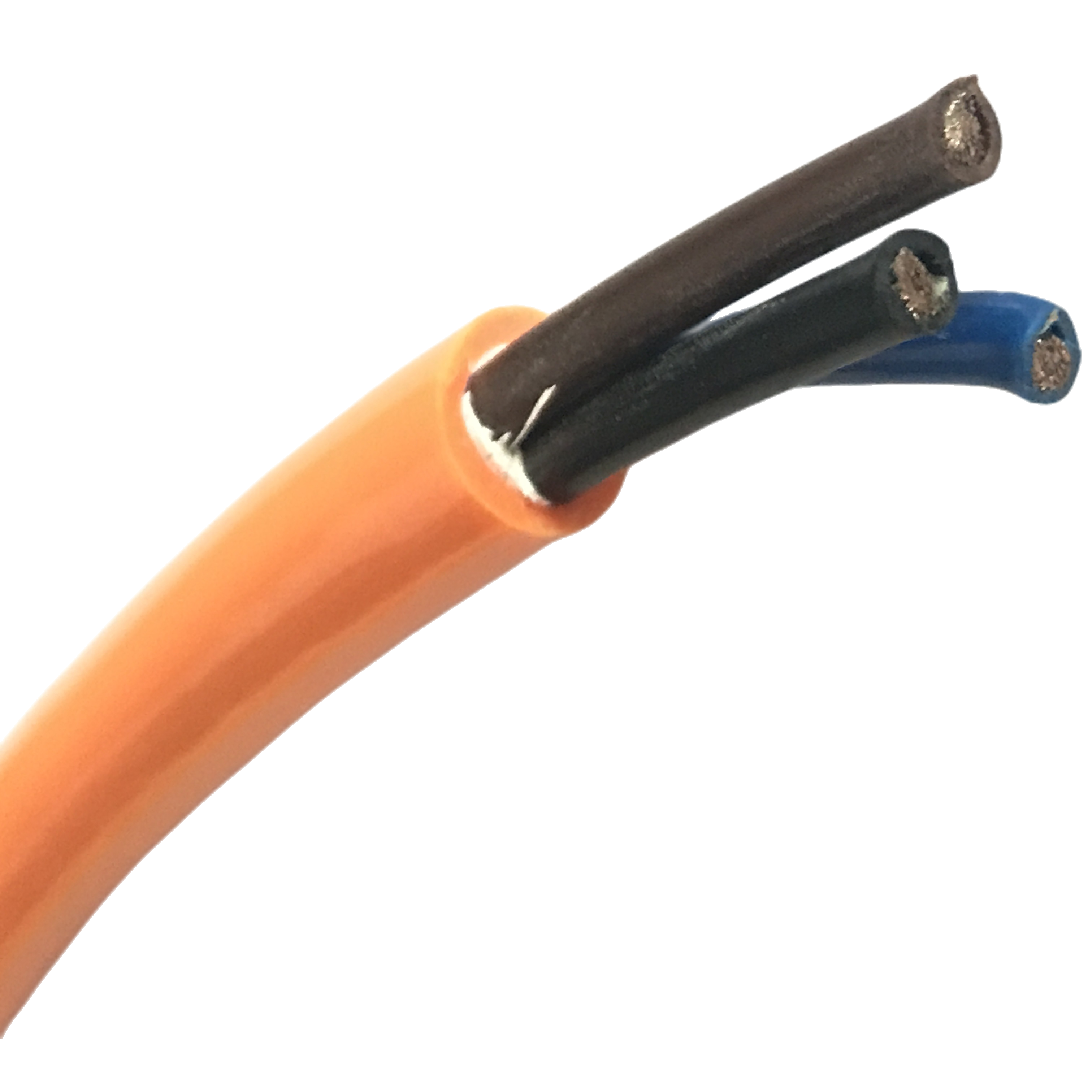
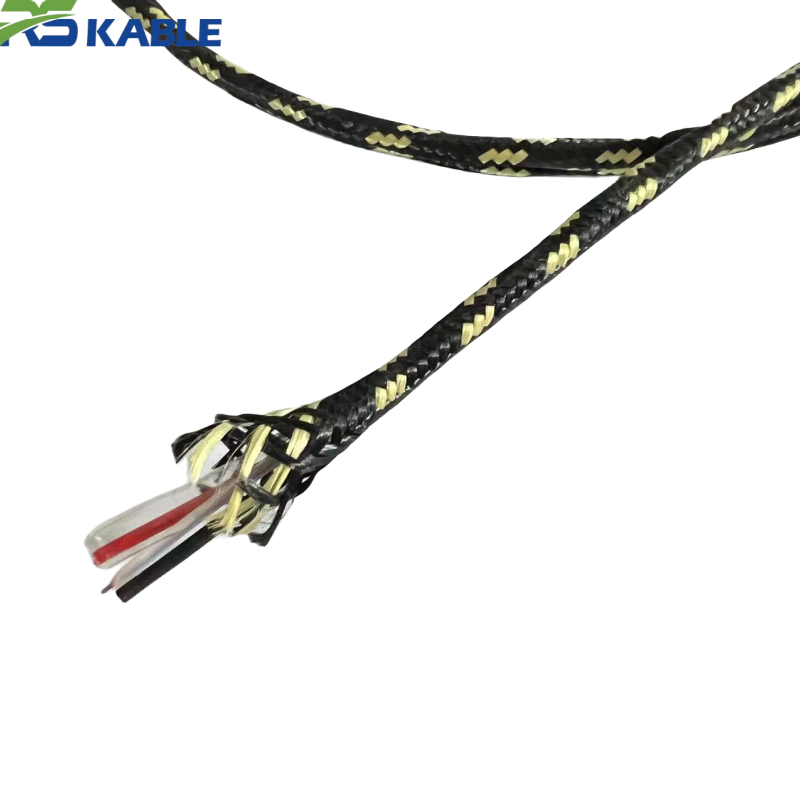
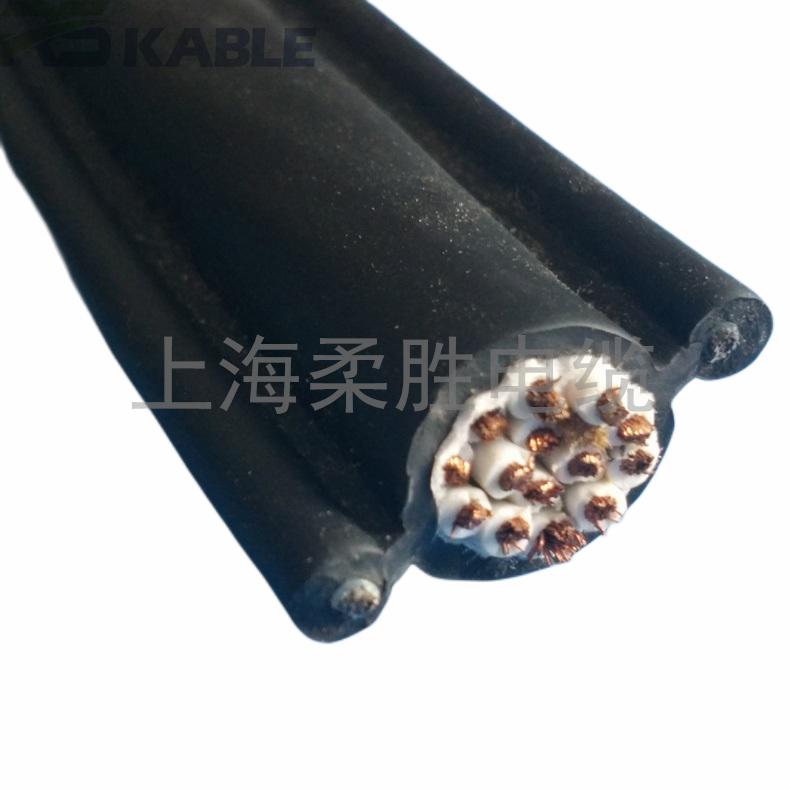
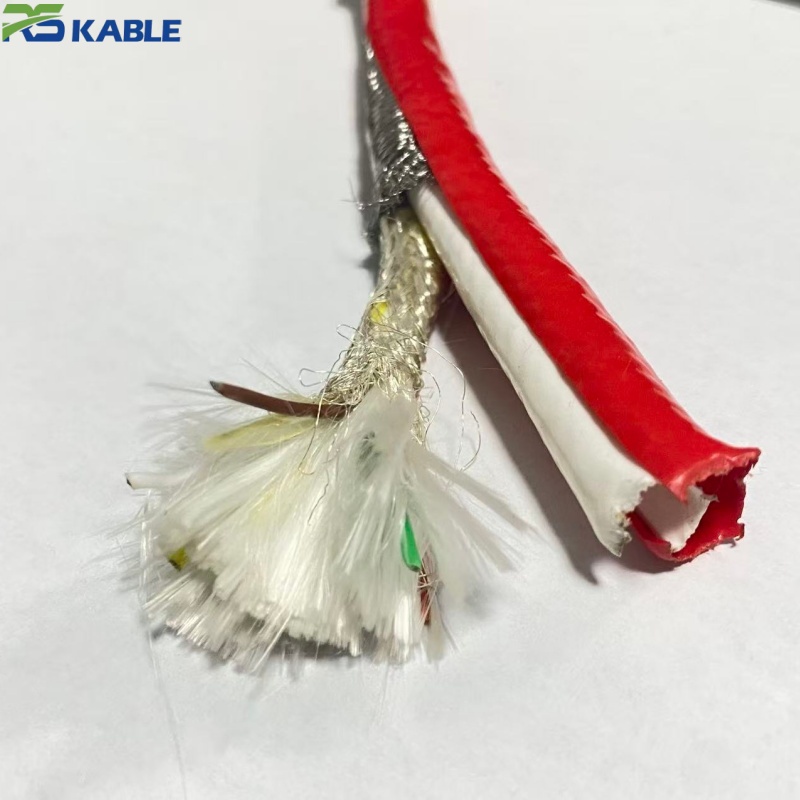
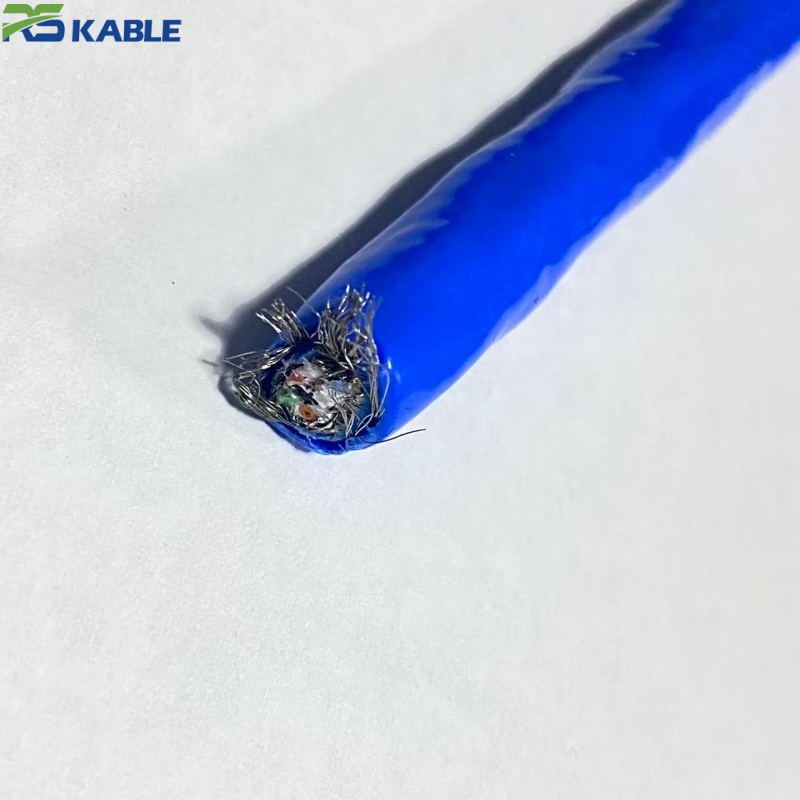
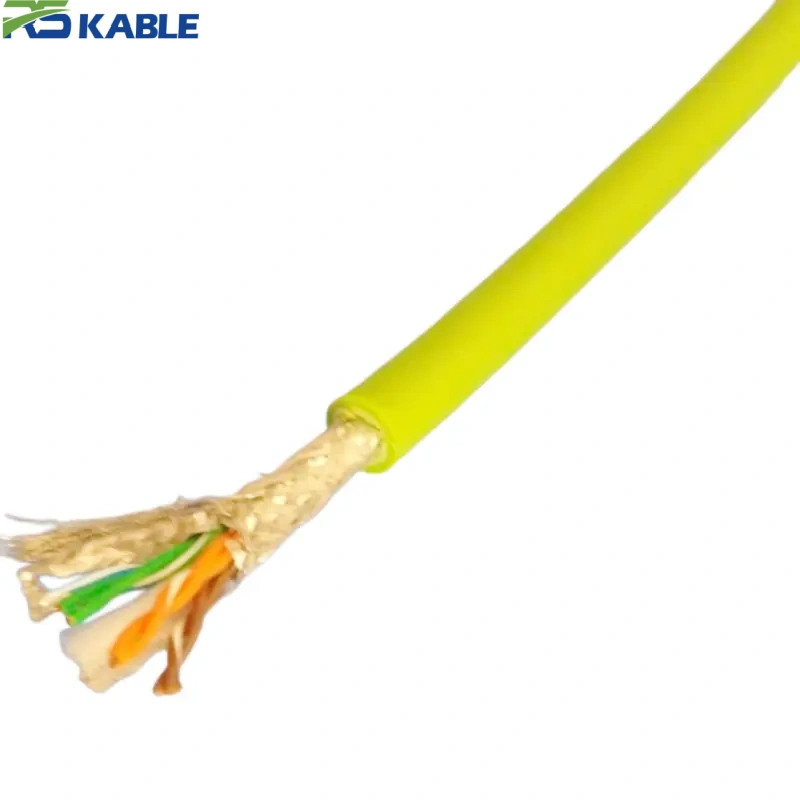
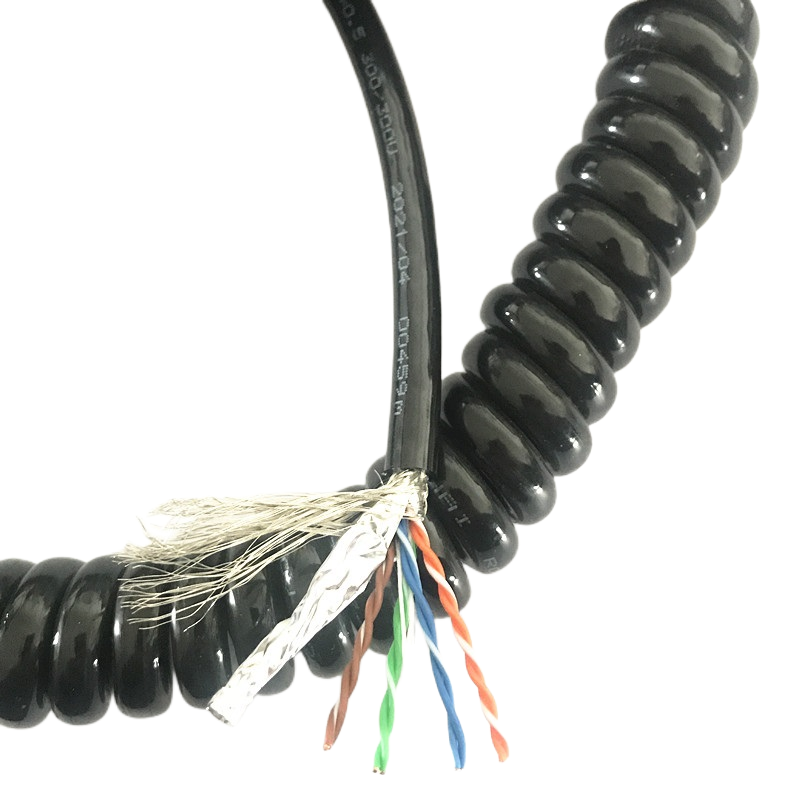
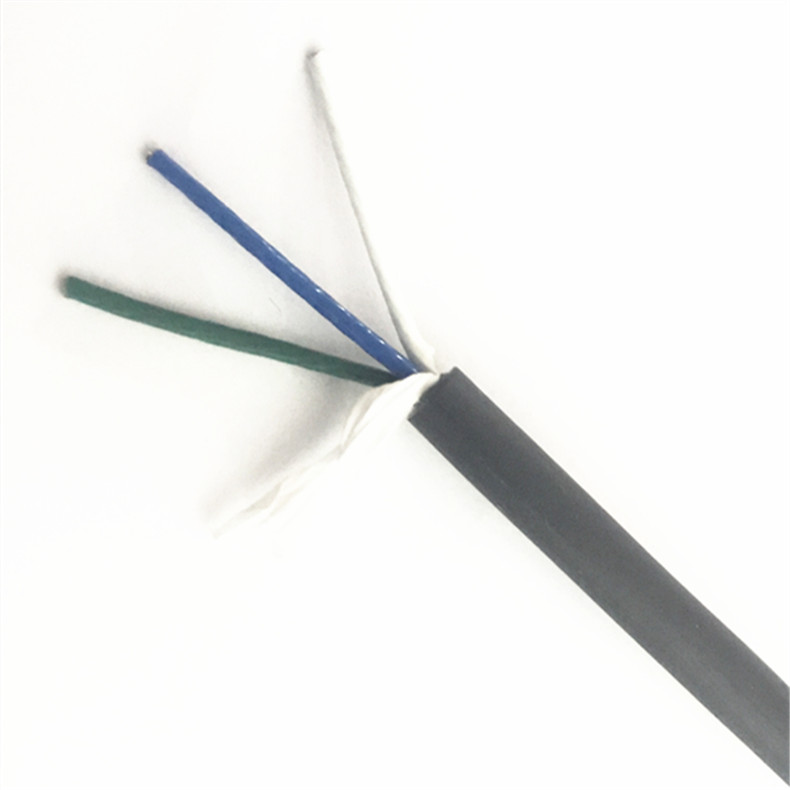
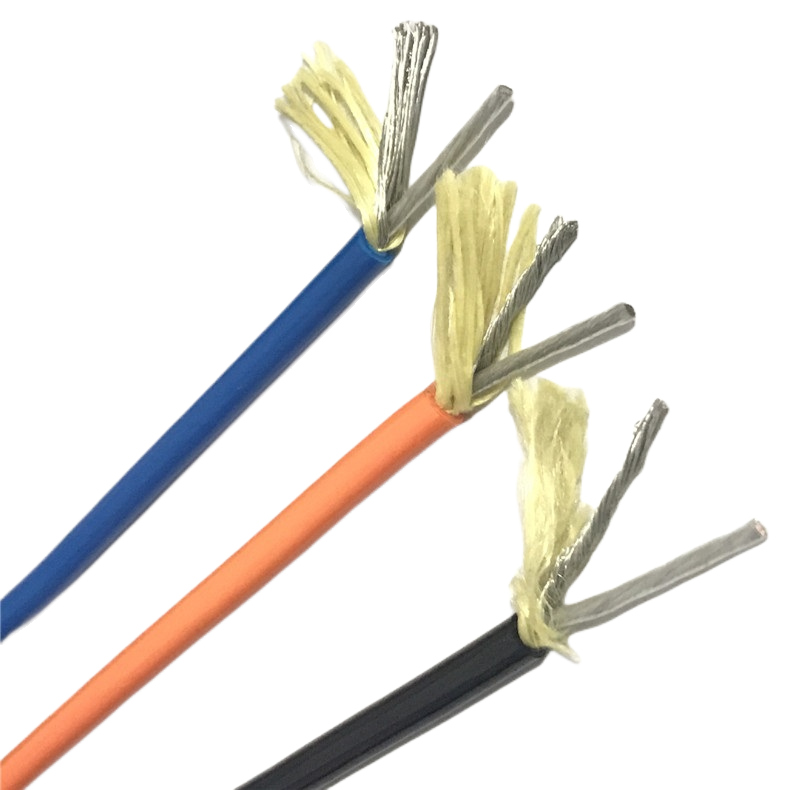
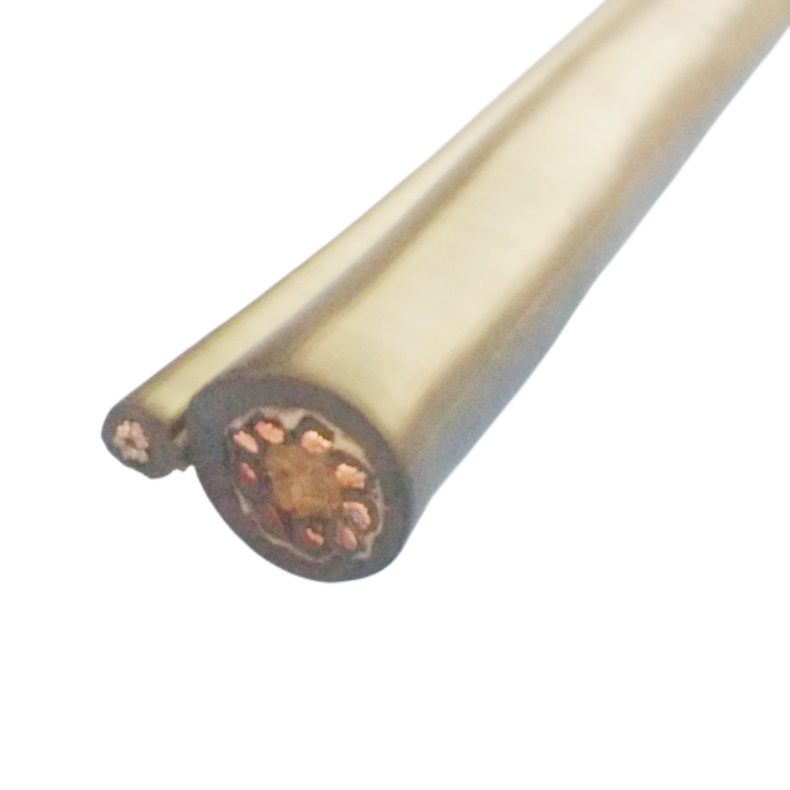
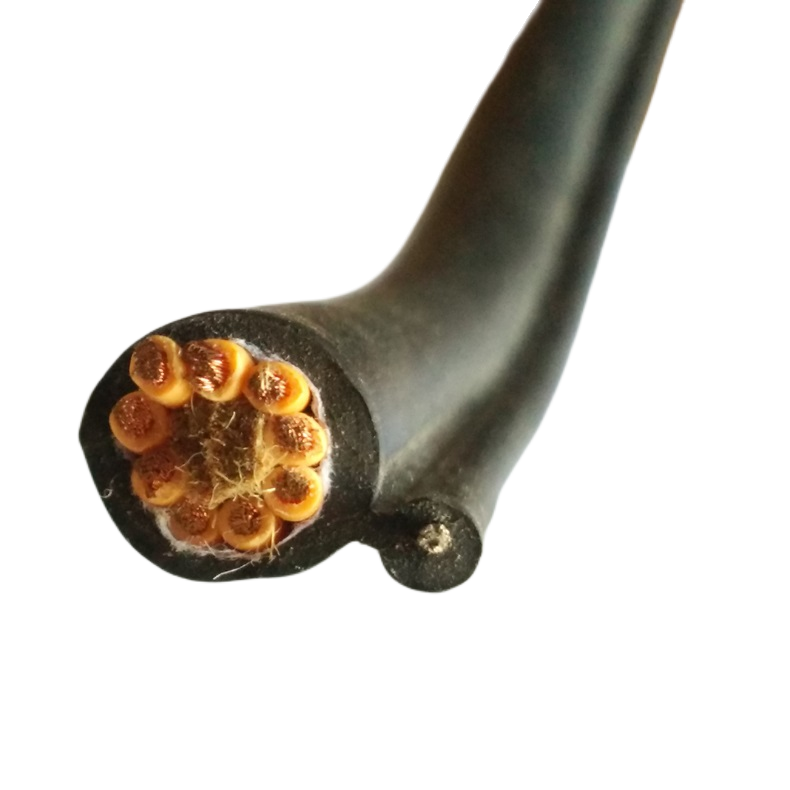
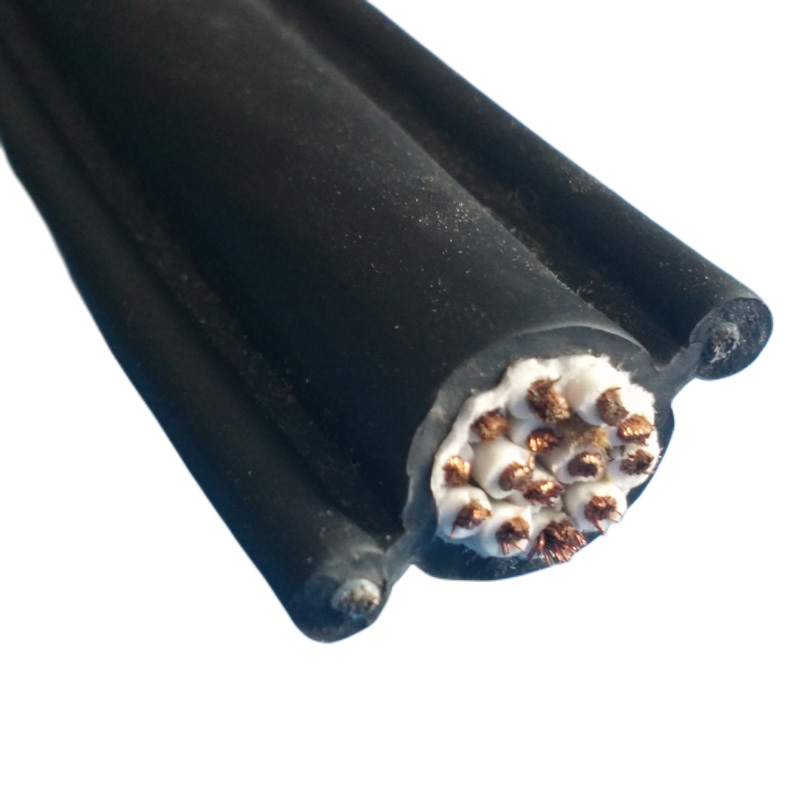
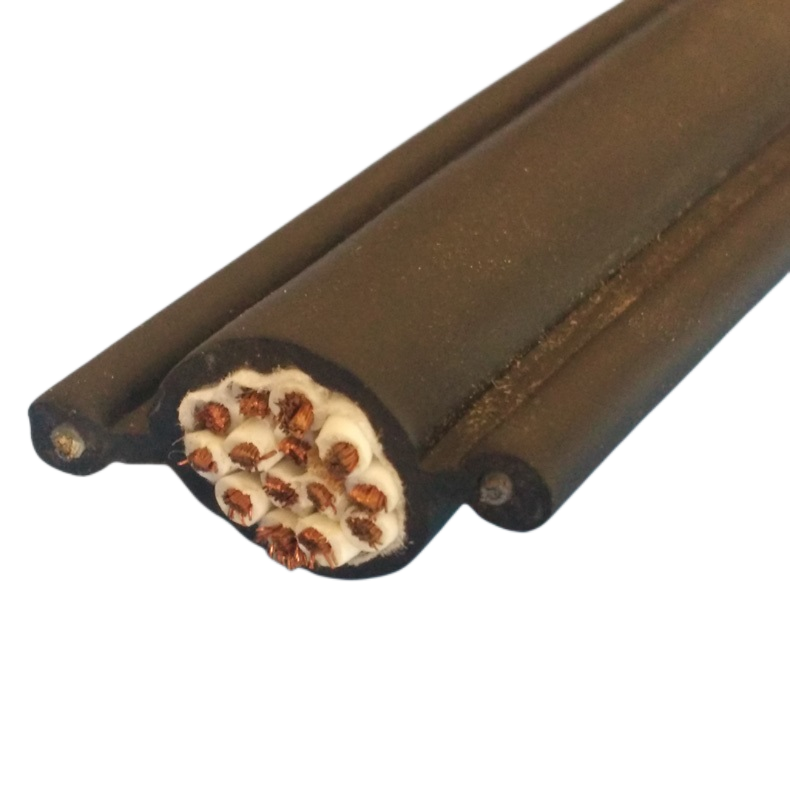
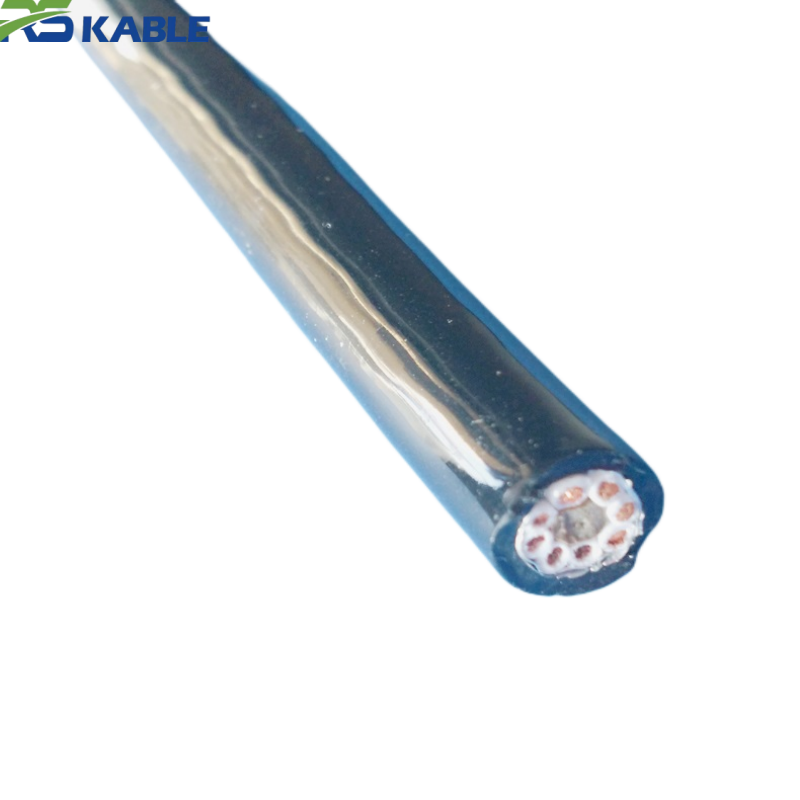
Cold Storage Cable is a low-temperature resistant cable for refrigeration warehouses built for power, control, and signal wiring in blast freezers and cold chain facilities. Its cold-flexible jacket resists cracking from repeated freeze-thaw cycling at doors and dock areas, with an ammonia-resistant variant available for facilities using ammonia-based refrigeration.
Key Benefits:
✅ Cold-flexible jacket resists embrittlement at sustained sub-zero temperatures
✅ Freeze-thaw cycling resistance for cable routed near doors and dock traffic
✅ Ammonia-resistant option for facilities using ammonia refrigeration systems
✅ Temperature range matched to facility type — refrigerated, frozen, or blast freezer
Cold Storage Cable | Low-Temperature Resistant Cable for Refrigeration Warehouses
The Cold Storage Cable for Refrigeration Warehouses is built around a stress pattern that’s easy to underestimate: it isn’t just sustained cold that damages cable in a cold storage facility — it’s the repeated cycling between cold and relatively warmer, humid air every time a dock door, freezer door, or forklift passage opens. That temperature swing draws moisture-laden air into the space, which condenses on cold cable surfaces and then refreezes as conditions return to steady-state, subjecting the jacket to repeated freeze-thaw stress that a cable rated only for a single sustained low temperature was never tested against.
A second, less obvious factor in many industrial cold storage facilities is refrigerant exposure. Large-scale cold storage warehouses commonly use ammonia-based refrigeration systems, and cable routed near evaporator coils or refrigeration piping can face ammonia vapor exposure in the event of a minor leak — a chemical resistance requirement that has nothing to do with the cable’s cold-temperature rating and needs to be addressed separately in facilities using this refrigerant type.
This cable’s construction addresses both factors: a cold-flexible compound selected specifically to resist embrittlement through repeated freeze-thaw cycling, not just a single cold-soak temperature rating, and — where specified — a jacket compound resistant to ammonia and common refrigerant exposure.
Cold Storage Cable
Designed For
This cable is intended for:
- power and lighting circuits inside refrigerated warehouses and cold storage facilities
- control and sensor wiring for refrigeration equipment, temperature monitoring, and door systems
- installations experiencing repeated temperature cycling from door and dock traffic
- facilities using ammonia or other refrigerants requiring chemical-resistant cable near equipment
- fixed or lightly-moving installation in sustained sub-zero environments
This cable should be evaluated separately for:
- continuous dynamic flexing applications such as drag chains or robotic joints — this is a fixed-installation cable, not a continuous-flex construction
- extreme sub-zero applications below standard cold storage ranges (such as cryogenic or ultra-low-temperature research freezers) — confirm construction against your specific minimum temperature
- outdoor installations with direct UV exposure in addition to cold — confirm jacket compound suitability separately
- direct burial or submersion applications
Product Summary
| Item | Description |
|---|---|
| Product Type | Cold-flexible, low-temperature resistant cable |
| Main Use | Power, control, and signal wiring for refrigerated warehouses and cold storage facilities |
| Typical Installations | Cold storage warehouses, blast freezers, refrigerated distribution centers, food processing cold rooms |
| Conductor Type | Stranded tinned copper |
| Jacket Material | Cold-flexible PVC, PUR, or rubber compound, per project requirement |
| Ammonia-Resistant Option | Available for facilities using ammonia-based refrigeration |
| Supply Form | Cut length, coil, reel |
Cold Storage Cable Temperature Rating
Cold storage cable is typically specified against the facility’s actual minimum sustained temperature, which varies meaningfully by application:
| Facility Type | Typical Temperature Range |
|---|---|
| Standard refrigerated warehouse | 0°C to 4°C |
| Frozen storage warehouse | -18°C to -25°C |
| Blast freezer | -30°C to -40°C |
| Ultra-low temperature / cryogenic storage | Below -40°C — requires separate confirmation |
Cable rated for one range isn’t automatically suitable for a colder one — jacket flexibility and impact resistance both decline as temperature drops, and construction should be confirmed against your facility’s actual coldest operating point, not just its typical average.
Technical Parameters
| Parameter | Typical Range / Description |
|---|---|
| Conductor Material | Stranded tinned copper |
| Jacket Material | Cold-flexible PVC, PUR, or rubber compound |
| Cold Flex Temperature | Confirmed per project — construction selected to remain flexible, not just electrically functional, at your facility’s minimum temperature |
| Freeze-Thaw Cycling Resistance | Jacket compound selected to resist repeated condensation/freeze cycling from door and dock traffic |
| Chemical Resistance | Ammonia-resistant compound available for facilities using ammonia refrigeration |
| Core Count | Per application — power, lighting, control, or sensor circuits |
| Minimum Bend Radius | Confirmed according to cable diameter and minimum handling temperature |
| Application Scope | Power, control, and signal wiring in cold storage and refrigeration facilities |
| Supply Format | Cut length, coil, reel, project supply |
Cold Storage Cable
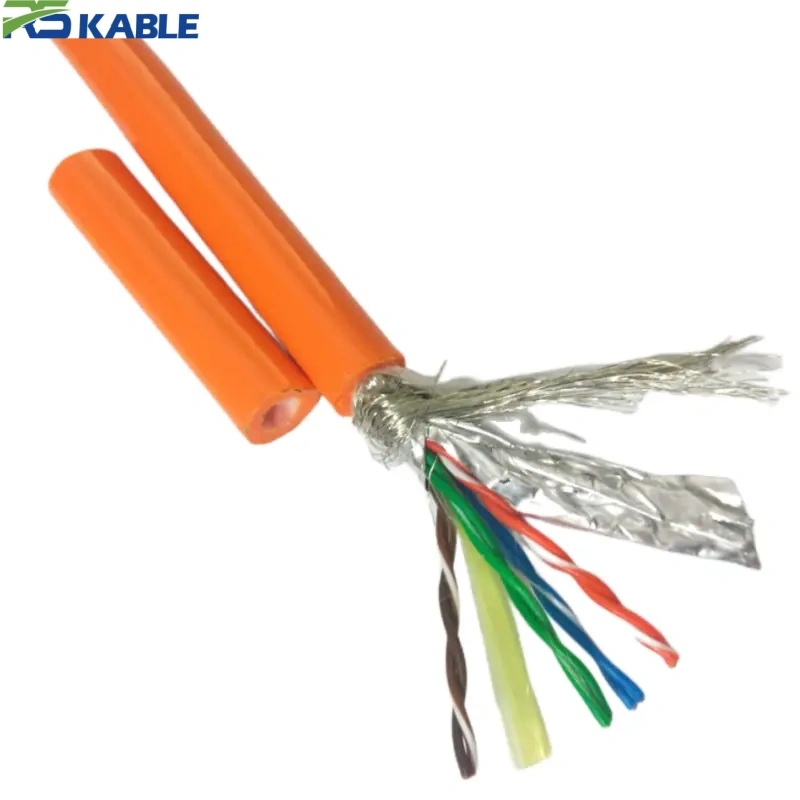
Cable Construction
Stranded Tinned Copper Conductor
Tinned copper resists the oxidation that can accelerate in the condensation-prone, humid-then-freezing cycle typical of cold storage environments, particularly at any point where jacket integrity might be compromised over time.
Cold-Flexible Jacket Compound
Standard PVC becomes progressively stiffer and more prone to cracking as temperature drops, particularly during handling or installation in cold conditions. Cold storage cable uses a compound formulated specifically to remain flexible at the facility’s actual minimum temperature, not just electrically functional at that temperature.
Freeze-Thaw Cycling Resistance
The repeated condensation-and-refreeze cycle at cable surfaces near frequently opened doors or dock areas is a distinct stress pattern from simple sustained cold exposure. Jacket compound selection accounts for this repeated cycling, not just a single cold-soak temperature rating.
Ammonia and Refrigerant-Resistant Option
For facilities using ammonia-based refrigeration — common in large industrial cold storage warehouses — a jacket compound resistant to ammonia vapor exposure is available for cable routed near refrigeration equipment and piping.
Why Freeze-Thaw Resistance Matters More Than a Single Cold Rating
Sustained Cold Exposure Isn’t the Only Stress Cold Storage Cable Faces
A cable can be adequately rated for a facility’s steady-state temperature and still develop jacket cracking over time from the repeated condensation-and-refreeze cycling that happens every time a door opens and warmer, humid air enters the space.
Door and Dock Traffic Creates a Predictable Wear Pattern
Cable routed near frequently used doors, dock levelers, or forklift traffic zones experiences more temperature cycling than cable in the steady interior of a cold room, and this location-specific exposure is worth accounting for during installation planning, not just general facility temperature.
Chemical Exposure Is a Separate Consideration From Cold Resistance
Ammonia resistance and cold-temperature flexibility are unrelated properties. A cable well-suited to sustained cold can still degrade from ammonia exposure if the jacket compound wasn’t selected with that specific chemical resistance in mind — this needs to be checked separately for ammonia-refrigerated facilities.
Handling Temperature Matters as Much as Operating Temperature
A cable installed or handled during a cold winter delivery, before the facility’s climate control fully stabilizes the installation environment, can experience colder handling conditions than its steady-state operating temperature — bend radius and flexibility should be confirmed at the coldest likely handling condition, not just the facility’s typical operating range.
Application Boundary
Suitable for:
- fixed and lightly-moving power, control, and signal wiring in cold storage facilities
- standard refrigerated warehouse through blast freezer temperature ranges
- facilities with repeated door/dock temperature cycling
- ammonia-refrigerated facilities, with the appropriate jacket option specified
Requires separate confirmation for:
- continuous dynamic flexing applications
- ultra-low-temperature or cryogenic storage below standard blast freezer ranges
- outdoor installations with combined UV and cold exposure
- direct burial or submersion applications
Typical Applications
- refrigerated warehouse power and lighting circuits
- blast freezer control and monitoring wiring
- cold chain distribution center equipment wiring
- food processing cold room installations
- refrigeration equipment control and sensor circuits
- cold storage door system and dock leveler wiring
Typical Working Conditions
- sustained sub-zero to moderately refrigerated temperatures
- repeated temperature cycling from door and dock traffic
- humidity and condensation exposure at temperature transition points
- potential ammonia or refrigerant vapor exposure near equipment
- fixed or lightly-moving installation routing
Cold Storage Cable vs Standard PVC Cable
| Comparison Item | Cold Storage Cable | Standard PVC Cable |
|---|---|---|
| Cold-Temperature Flexibility | Remains flexible at sustained sub-zero temperatures | Stiffens and cracks below approximately -15°C |
| Freeze-Thaw Cycling Resistance | Formulated for repeated condensation/freeze cycling | Not typically evaluated for this specific stress pattern |
| Ammonia/Refrigerant Resistance | Available as a specified option | Not addressed unless separately specified |
| Cost | Higher | Lower |
| Best Use | Refrigerated warehouses, blast freezers, cold chain facilities | General-purpose, moderate-temperature wiring |
Standard Cold Storage Cable vs Ammonia-Resistant Variant
| Comparison Item | Standard Cold Storage Cable | Ammonia-Resistant Variant |
|---|---|---|
| Cold-Temperature Performance | Equivalent | Equivalent |
| Ammonia Vapor Resistance | Not specifically addressed | Formulated for ammonia exposure |
| Recommended Use | General cold storage wiring away from refrigeration equipment | Wiring routed near ammonia refrigeration systems and piping |
| Cost | Lower | Higher |
The ammonia-resistant variant is recommended specifically for cable routed near refrigeration equipment in ammonia-based systems — general warehouse wiring away from this equipment typically doesn’t require it.
Cold Storage Cable
Selection Guide
1. Confirm Your Facility’s Actual Minimum Temperature
Standard refrigerated, frozen storage, and blast freezer facilities have meaningfully different temperature ranges — confirm your specific operating minimum rather than assuming a general “cold storage” rating covers it.
2. Confirm Function
Identify whether the cable carries power, lighting, control, or sensor circuits.
3. Confirm Refrigerant Type
Ammonia-based refrigeration systems require chemical-resistant cable near equipment; facilities using other refrigerants may not need this specific protection.
4. Confirm Proximity to Doors and Dock Traffic
Cable routed near frequently opened doors or dock areas experiences more freeze-thaw cycling and should be specified with this in mind.
5. Confirm Installation Handling Conditions
Cable installed during cold weather or before facility climate stabilization may face colder handling conditions than the facility’s steady-state operating temperature.
6. Confirm Core Count and Cross-Section
Select based on the specific power, lighting, or control load requirements.
Customization and Supply
Available Options
- core count and conductor size
- jacket compound (standard cold-flexible or ammonia-resistant)
- shield structure for control/sensor circuits
- cable marking
- cut length, coil, or reel supply
Supply Support
- model matching based on facility temperature range and refrigerant type
- sample supply for evaluation
- drawing and structure confirmation before production
- OEM and project supply
- industrial batch production
Ordering Information
For faster quotation and model selection, provide:
- facility type and minimum operating temperature (refrigerated, frozen, or blast freezer)
- refrigerant type in use (ammonia or other)
- application (power, lighting, control, or sensor)
- proximity to doors, dock areas, or refrigeration equipment
- cable length
Inquiry Example
4-core power cable, cold-flexible PVC jacket, -30°C blast freezer environment, ammonia refrigeration system, routing near evaporator coil area, 50 meters
Call to Action
Request a Quote for Cold Storage Cable Send the application details for model selection, structure confirmation, and pricing.
Frequently Asked Questions
What temperature rating do I need for cold storage cable?
This depends on your facility type — standard refrigerated warehouses, frozen storage, and blast freezers all operate in meaningfully different temperature ranges. Confirm your actual minimum sustained temperature rather than assuming a general “cold storage” cable covers all of these.
Does cold storage cable need to resist ammonia?
Only if your facility uses ammonia-based refrigeration and the cable is routed near equipment or piping where vapor exposure is possible. General warehouse wiring away from refrigeration equipment typically doesn’t need this specific protection.
Why does cable near warehouse doors fail more often than cable in the steady interior?
Cable near frequently opened doors experiences repeated condensation and refreezing as warmer, humid air enters the space, which is a different and often more damaging stress pattern than simple sustained cold exposure in a stable interior environment.
Can standard PVC cable be used in a refrigerated warehouse?
It’s often used, but it’s more prone to jacket cracking at sustained cold temperatures and especially during cold-weather handling or installation, compared to cable specifically formulated for cold flexibility.
Is this cable suitable for a cryogenic freezer well below standard blast freezer temperatures?
This needs separate confirmation. Standard cold storage cable is built for typical refrigerated-through-blast-freezer ranges; ultra-low-temperature or cryogenic applications should be checked against a construction specifically rated for that range.
Does installation temperature matter if the facility will be climate-controlled once running?
Yes. Cable installed during cold-weather delivery or before the facility’s refrigeration and climate control fully stabilize can face colder handling conditions than the eventual steady-state operating environment, which affects bend radius and installation flexibility.
Other Related Products
(For related low-temperature and specialty cable products, please refer to our Wide Temperature Range Cable and Custom Special Cable category pages.)
[Request a Quotation] · [Ask an Engineer Before You Spec It] · [Download Technical Datasheet]