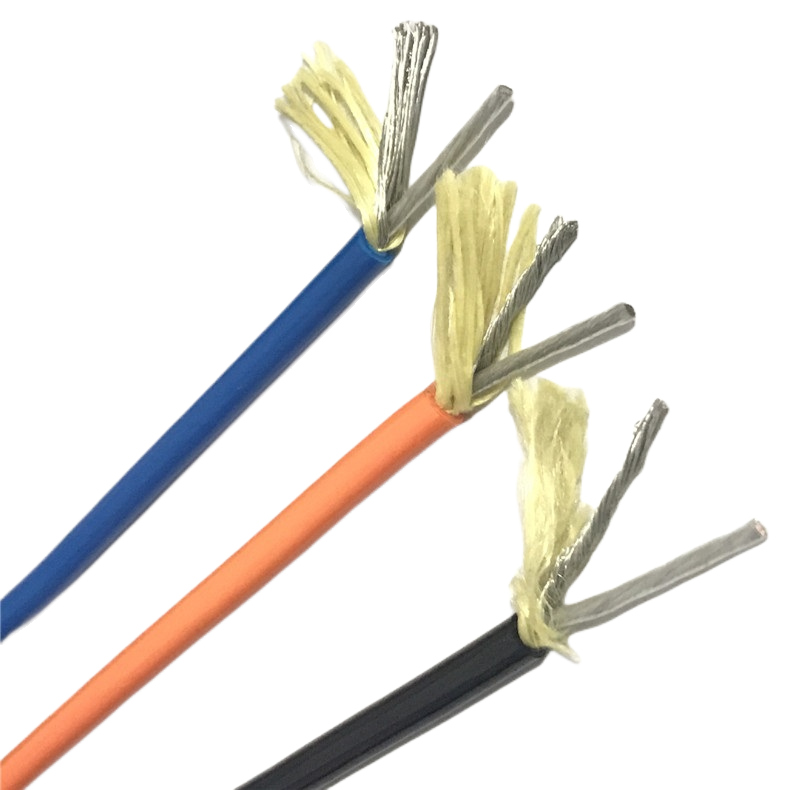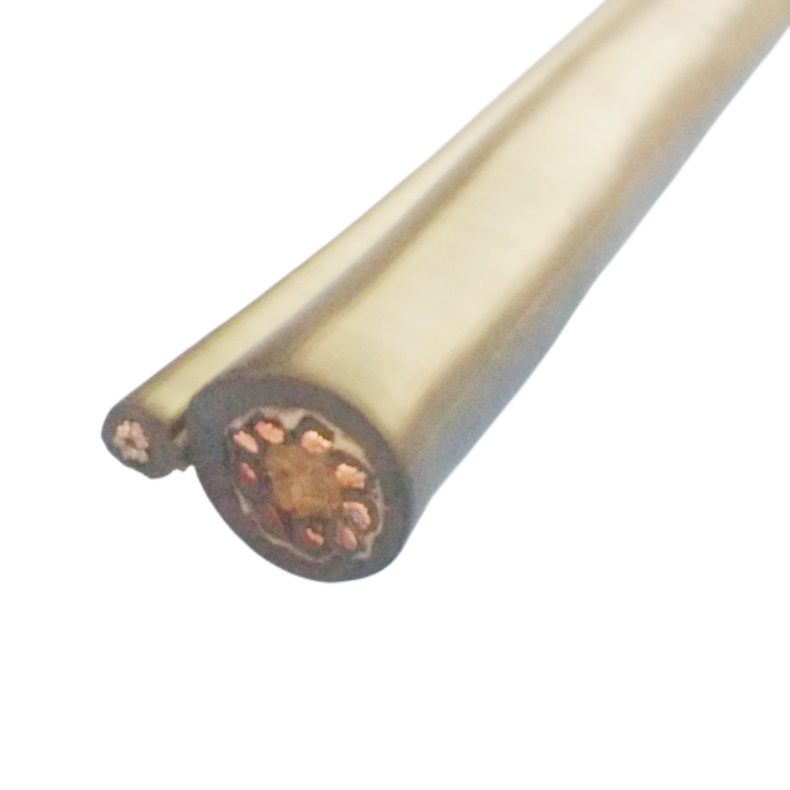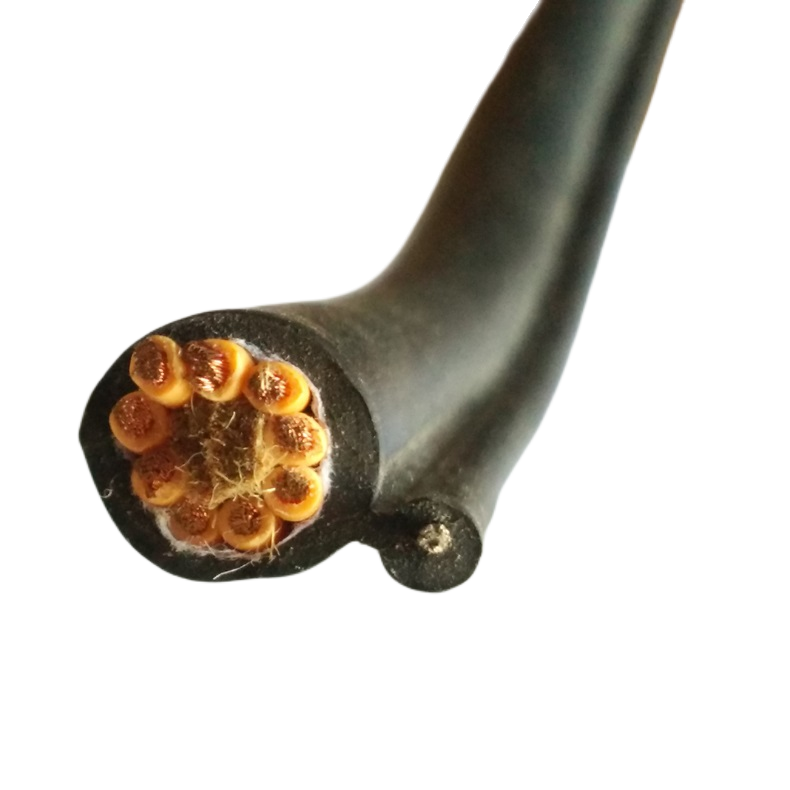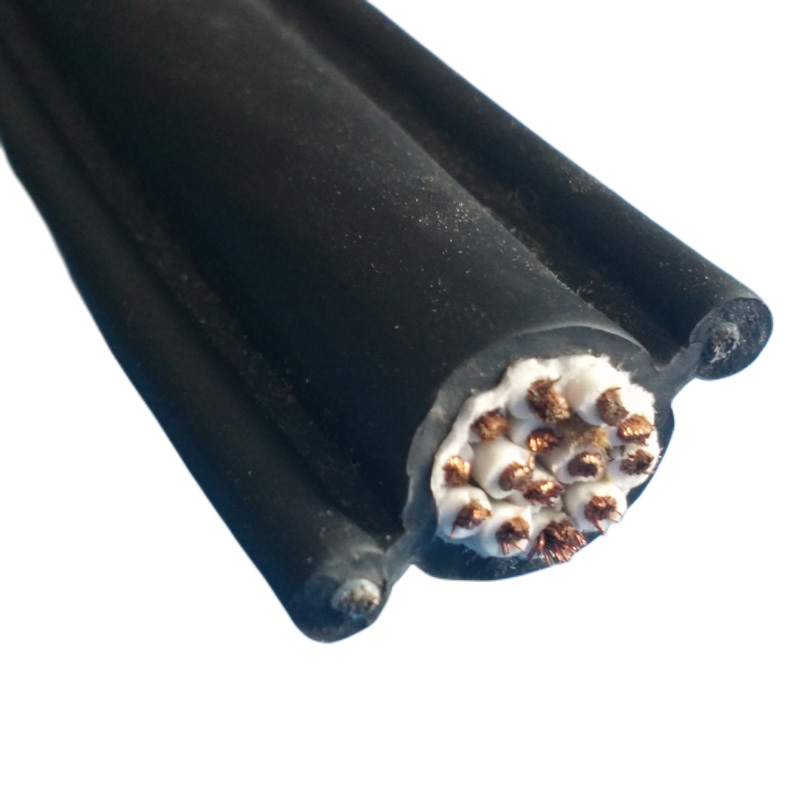



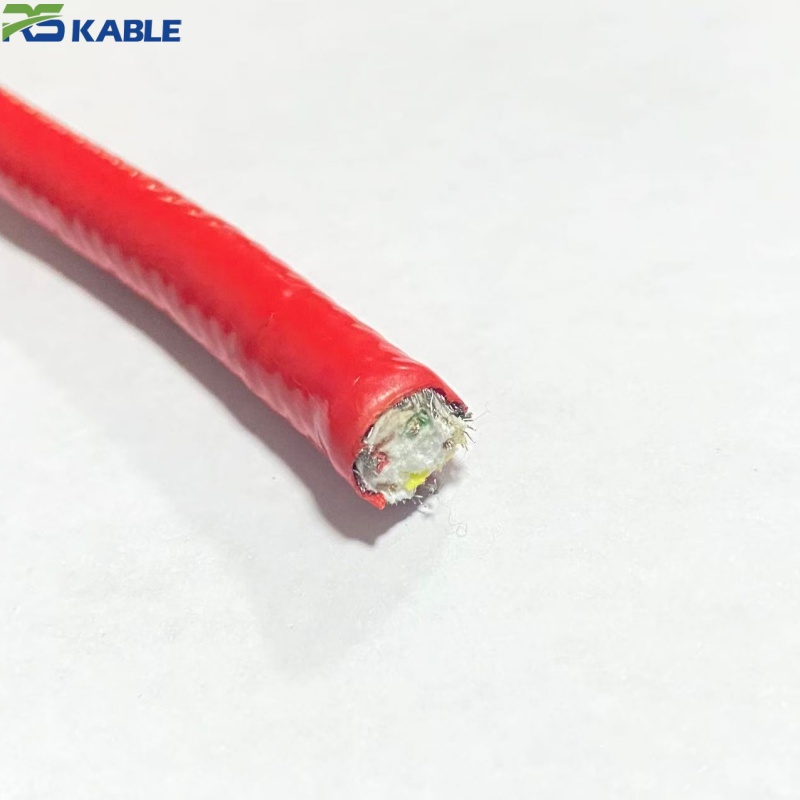
Wide Temperature Range Cable | High and Low Temperature Resistant Cable for Extreme Environments
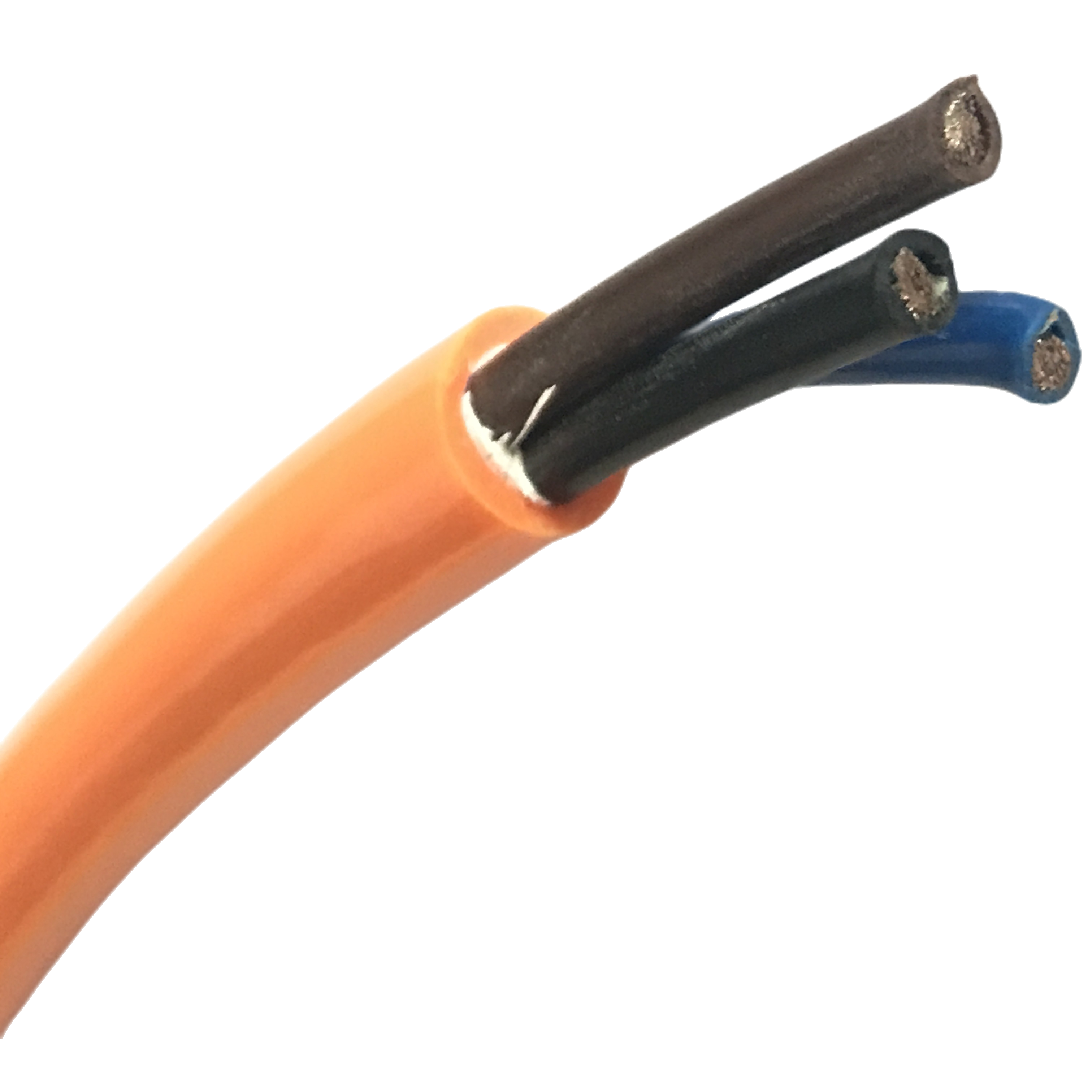
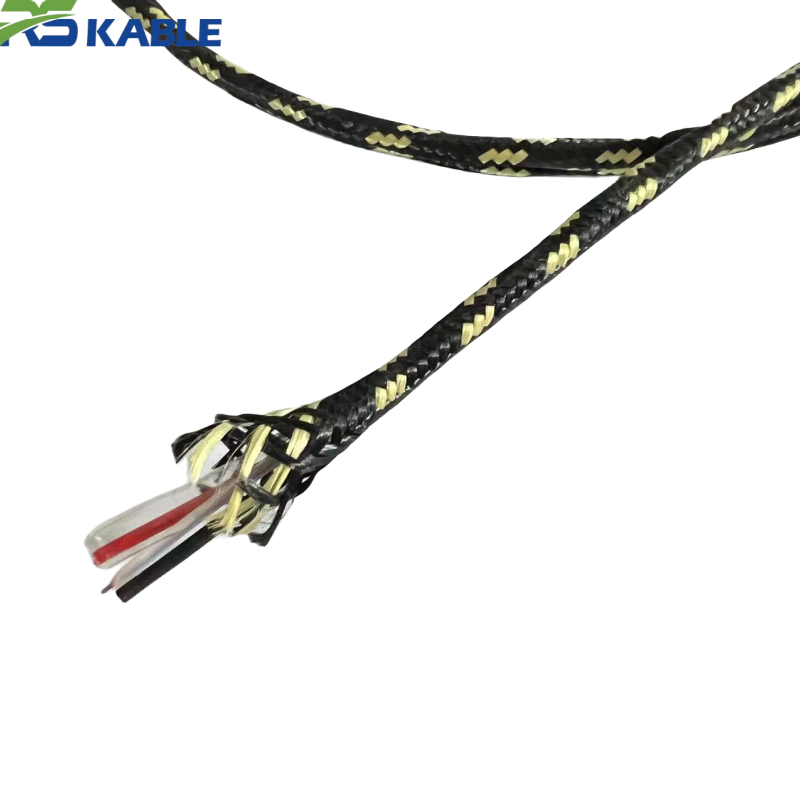
Wide Temperature Range Cable is a high and low temperature resistant cable built for outdoor equipment, arctic installations, and mobile machinery operating across seasonal temperature extremes. Its balanced insulation formulation resists cold-temperature embrittlement while maintaining stability under sustained heat, avoiding the common trade-off between the two.
Key Benefits:
✅ Balanced compound formulation resists both heat degradation and cold embrittlement
✅ Cold-startup handling design prevents cracking during sub-zero flexing
✅ Arctic and desert-grade variants available for climate-specific bias
✅ Consistent performance across genuine seasonal temperature swings
Wide Temperature Range Cable | High and Low Temperature Resistant Cable for Extreme Environments
The Wide Temperature Range Cable for Extreme Environments is developed for installations where a cable must perform reliably across a genuinely wide operating temperature window — not just resist one extreme, but remain functional as conditions swing between both. It is intended for power, control, and signal circuits in outdoor equipment, arctic and polar research installations, desert industrial sites, and mobile machinery that operates across seasonal temperature swings within a single service life.
Most cable insulation and jacket compounds are optimized for one end of the temperature spectrum. Materials formulated for high-temperature resistance are often heavily crosslinked or filled, which tends to make them stiffer and more prone to cracking as temperatures drop toward freezing and below. Materials formulated for low-temperature flexibility typically use plasticizers or softer polymer blends that improve cold performance but degrade faster under sustained heat. A cable that only needs to handle one extreme can be optimized in one direction without much conflict — but a cable that needs to handle both, in the same installation, requires a compound formulated specifically to balance these two competing requirements rather than simply combining the two approaches.
This is the core engineering problem this cable line addresses: not maximum heat resistance alone, and not maximum cold flexibility alone, but a genuinely balanced formulation that performs adequately at both extremes, for installations where the temperature swing itself — not just the peak or minimum value — is the defining condition.
Wide Temperature Range Cable
Designed For
This cable is intended for:
- outdoor equipment exposed to genuine seasonal temperature swings, not just one fixed extreme
- arctic, polar, and cold-climate research or industrial installations
- desert and high-ambient-heat installations with significant day-night temperature variation
- mobile machinery and vehicles operating across varied climate zones
- applications where cable flexibility at startup in cold conditions matters as much as stability during hot operation
This cable should be evaluated separately for:
- applications requiring only one temperature extreme, where a single-purpose high-temperature or cold-flexible cable may offer better performance at that specific extreme for lower cost
- continuous dynamic flexing in drag chains or robotic joints, where flex-cycle-rated construction is a separate consideration from temperature range alone
- direct chemical exposure requiring specific compound compatibility beyond standard temperature-range formulation
- direct burial or continuous submersion applications
Product Summary
| Item | Description |
|---|---|
| Product Type | Wide temperature range power/control/signal cable |
| Main Use | Reliable performance across both high-heat and sub-zero operating conditions |
| Typical Installations | Outdoor equipment, arctic/polar installations, desert industrial sites, mobile machinery |
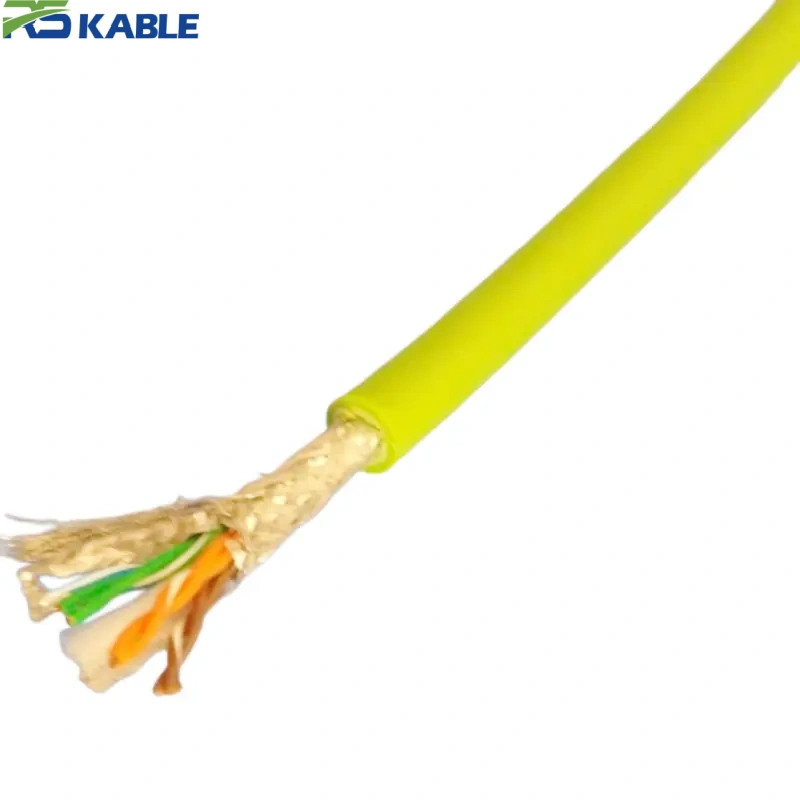
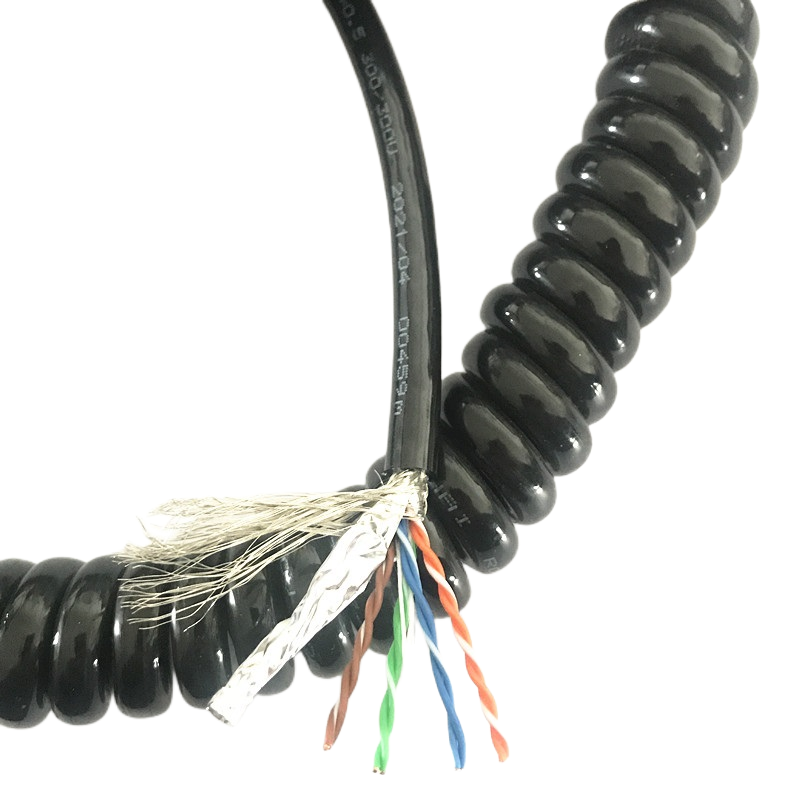
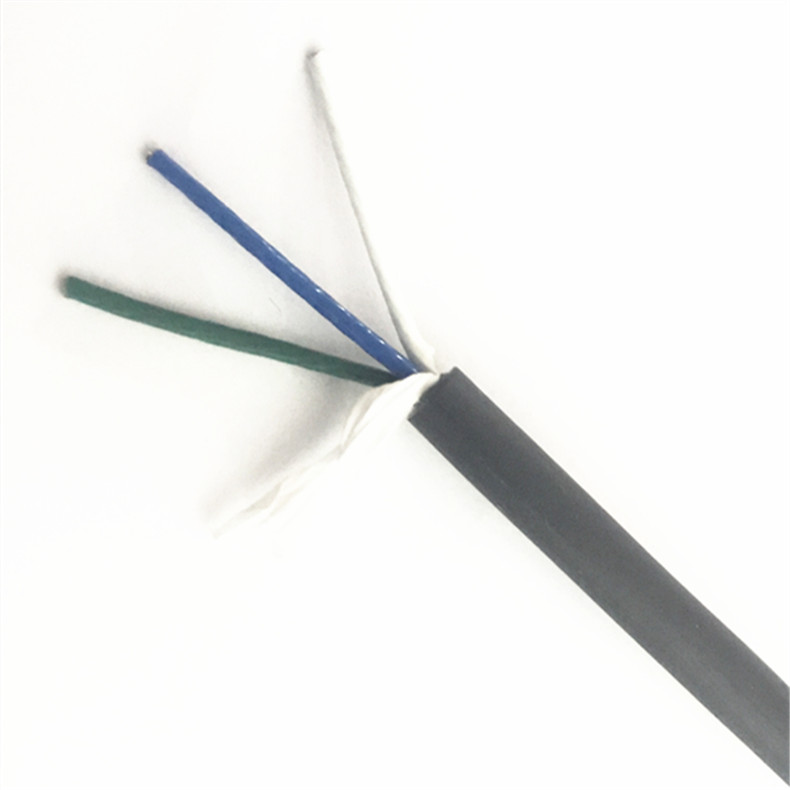
| Conductor Type | Fine-stranded tinned copper |
| Insulation | Specially formulated compound balancing high-temperature and low-temperature performance |
| Jacket Type | Cold-flexible, heat-resistant compound (TPE, specialized PVC, or elastomer blend depending on project) |
| Movement Type | Fixed installation or moderate flexing, subject to confirmation |
| Supply Form | Cut length, coil, reel |
Typical Product Series
Series Name: RST-WTR Series Category: Wide temperature range cable for extreme and variable environments
| Product Model | Product Name | Temperature Range Focus | Typical Use | Jacket |
|---|---|---|---|---|
| RST-WTR-STD | Standard wide-range cable | Moderate swing (e.g. -40°C to +105°C) | General outdoor equipment | Cold-flexible PVC blend |
| RST-WTR-ARC | Arctic-grade wide-range cable | Extended low-temperature bias | Polar and arctic installations | Cold-flexible elastomer |
| RST-WTR-DES | Desert-grade wide-range cable | Extended high-temperature bias with cold-night tolerance | Desert industrial sites | Heat-resistant, cold-tolerant blend |
| RST-WTR-SH | Shielded wide-range cable | Custom | EMI-sensitive circuits in variable climate | Shielded, cold-flexible |
| RST-WTR-C | Custom wide-range cable | Project-specific | Project-based extreme environment applications | Project-matched |
Technical Parameters
The values below are typical selection items. Final design should be confirmed according to the actual high and low temperature extremes expected, not a single assumed value — this is a project-specific consideration for this product line more than most.
| Parameter | Typical Range / Description |
|---|---|
| Conductor Material | Fine-stranded tinned copper |
| Insulation Material | Balanced-formulation compound (project-specific selection) |
| Jacket Material | Cold-flexible, heat-resistant compound — specific formulation depends on the actual temperature range needed |
| High-Temperature Rating | Confirmed per project — typically in the range supported by standard industrial cable compounds |
| Low-Temperature Rating | Confirmed per project — cold-flexibility formulated specifically to avoid embrittlement, not just a nominal minimum rating |
| Shielding | Optional |
| Movement Condition | Fixed or lightly-moving installation, subject to confirmation |
| Minimum Bend Radius | Confirmed per cable diameter and installation type, with attention to bend radius at the coldest expected temperature |
| Outer Diameter | Depends on conductor size, core count, and jacket construction |
| Application Scope | Power, control, and signal transmission across wide seasonal or operational temperature swings |
| Supply Format | Cut length, coil, reel, project supply |
Wide Temperature Range Cable
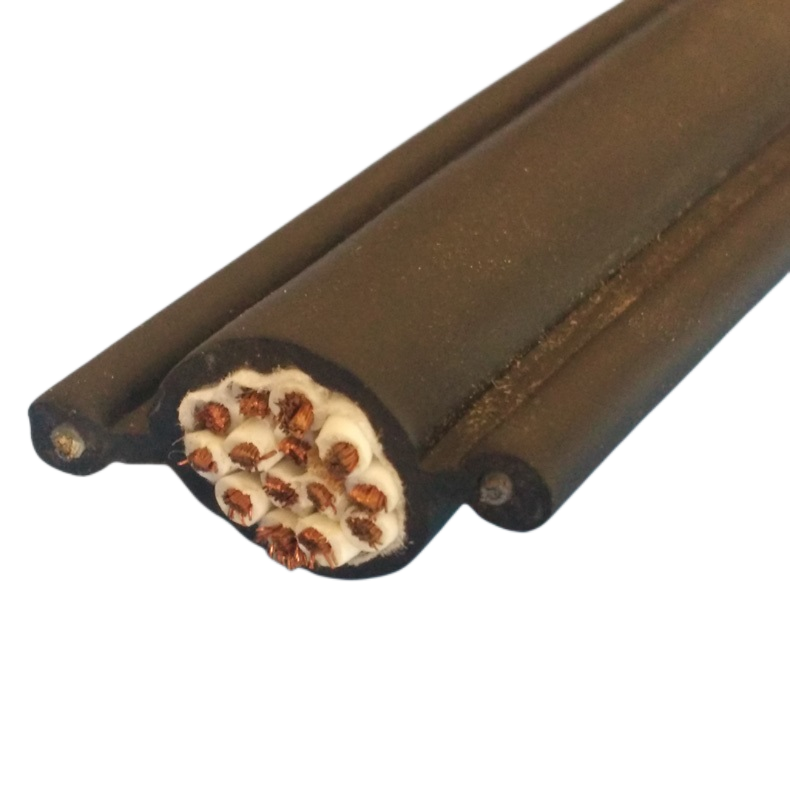
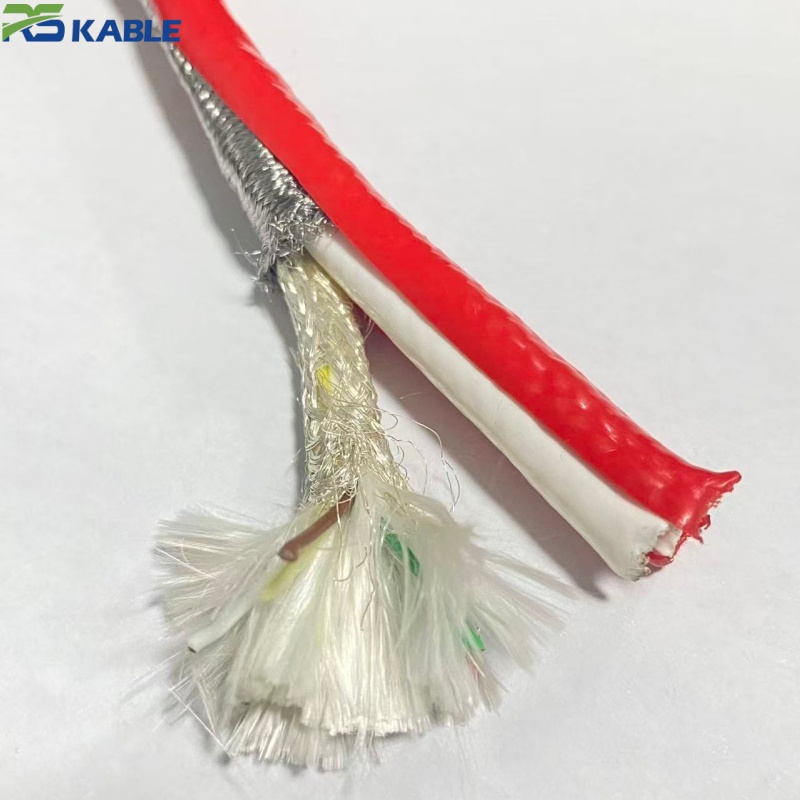
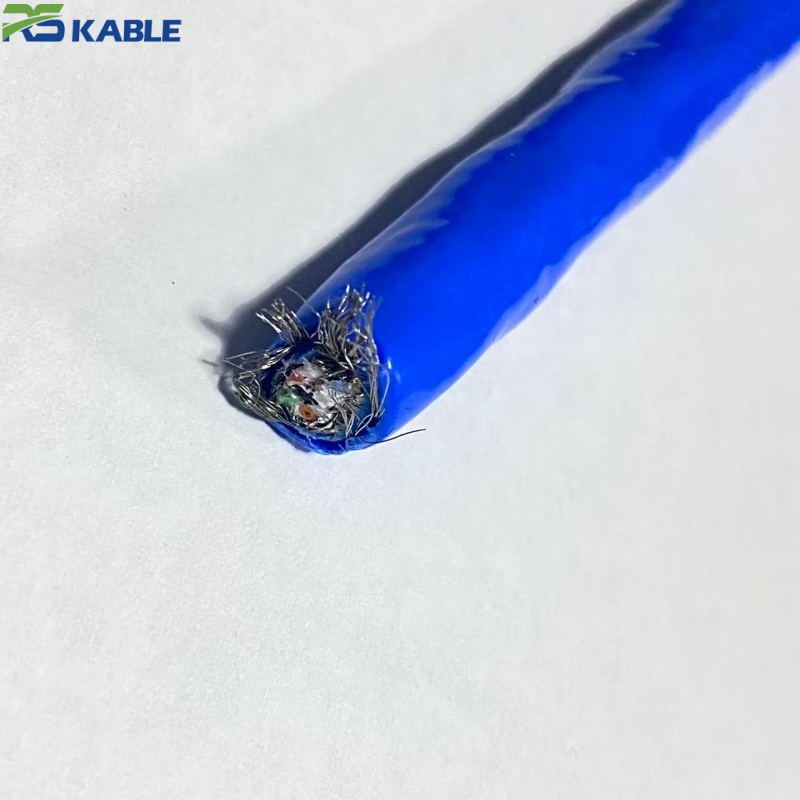
Cable Construction
Fine-Stranded Tinned Copper Conductor
Conductor stranding is selected to remain flexible and resist fatigue across the full temperature range, since conductor performance at the coldest expected temperature is as relevant as its performance at the hottest.
Balanced Insulation Formulation
Rather than selecting an insulation compound optimized purely for maximum heat resistance, this construction uses a formulation specifically balanced to avoid brittleness at low temperatures while still providing adequate thermal stability at the high end of the expected range — a deliberate compromise rather than a maximum-performance approach at either extreme.
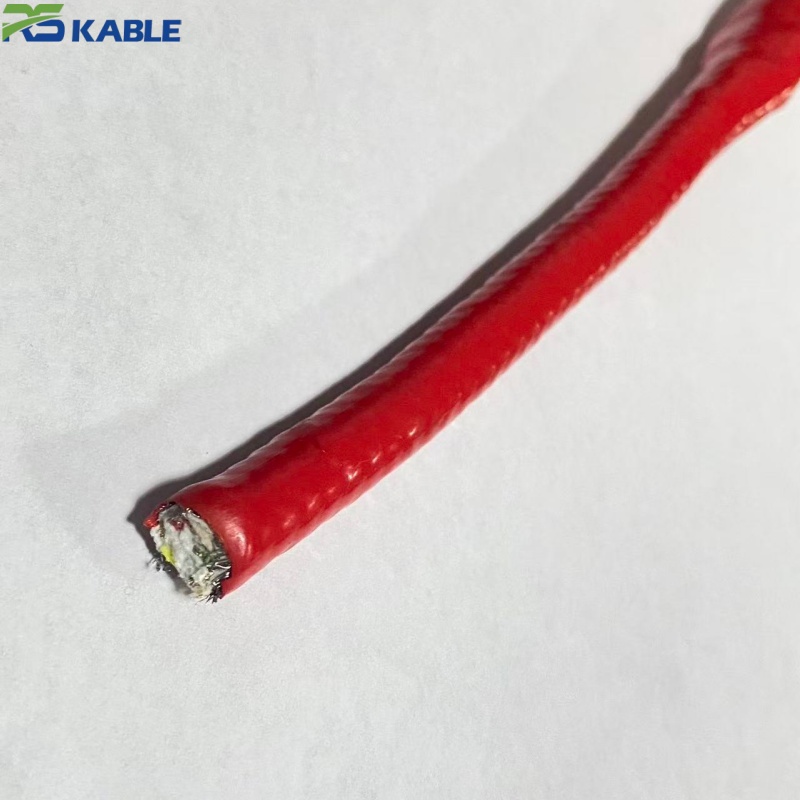
Cold-Flexible, Heat-Resistant Jacket
Jacket compound selection is the area where the high/low temperature trade-off is most visible. A compound pushed too far toward heat resistance risks cracking in cold startup conditions; a compound pushed too far toward cold flexibility risks softening or degrading under sustained heat. The jacket formulation for this product line is selected specifically to perform adequately across both conditions rather than excelling at only one.
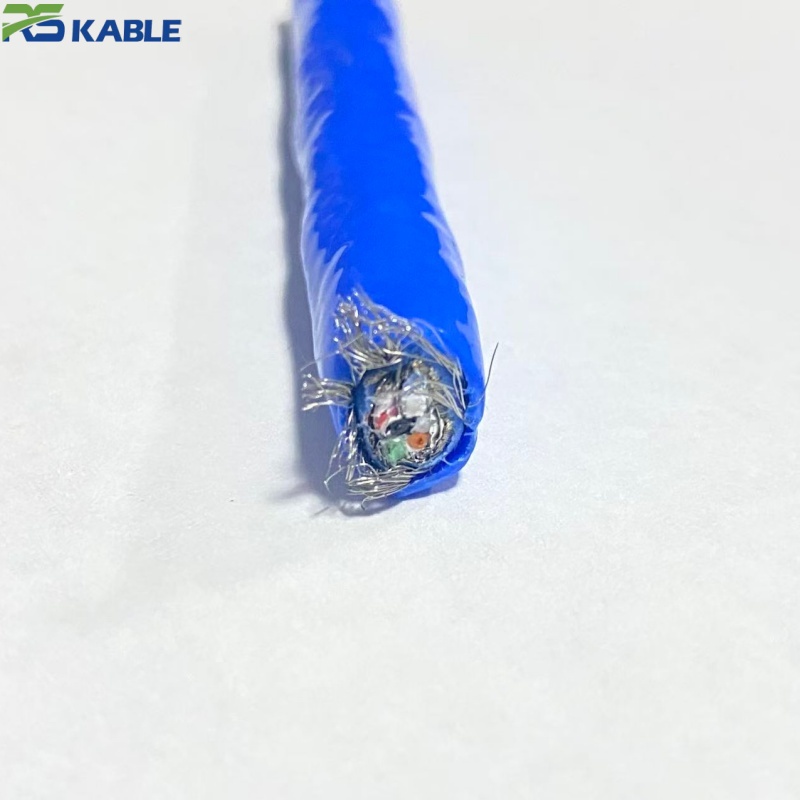
Optional Shielding
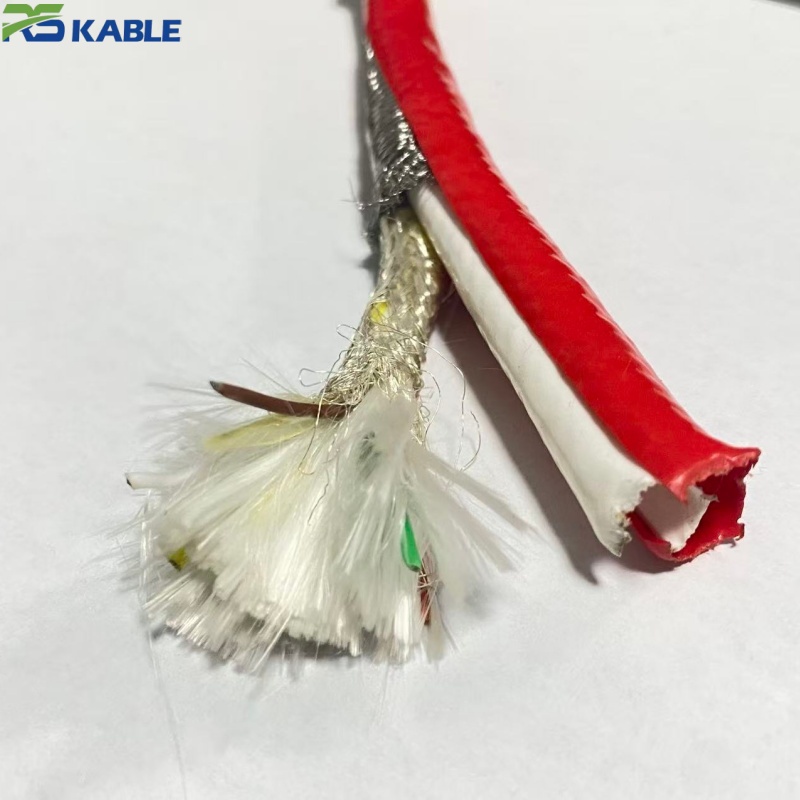
Where signal circuits require EMI protection, shielded construction is available without compromising the temperature-range balance of the overall cable.
Bend Radius Consideration at Cold Temperatures
Cable stiffens as temperature drops, even in cold-flexible formulations, and effective minimum bend radius at the coldest expected installation temperature is typically larger than the room-temperature figure — this should be checked specifically for installations with cold-startup handling requirements.
Why Balanced Formulation Matters More Than Peak Performance at One Extreme
A wide temperature range cable’s value is not measured by how well it performs at its hottest or coldest rated point alone — it’s measured by whether it performs adequately across the full swing an installation actually experiences.
Avoiding the Single-Extreme Optimization Trap
A cable optimized purely for high-temperature resistance can fail earlier than expected in a cold-climate installation, even if its heat rating looks impressive on paper — because cold-temperature embrittlement was never part of the original design consideration.
Reduced Risk of Cold-Startup Cracking
Cables handled or flexed during cold startup — coiling, uncoiling, or connecting equipment in sub-zero conditions — are at highest risk of jacket cracking if the compound wasn’t specifically formulated for low-temperature flexibility, not just cold-temperature electrical function.
Better Fit for Genuinely Variable Climate Installations
Outdoor and mobile equipment that experiences both summer heat and winter cold within the same service life benefits more from a genuinely balanced compound than from a cable optimized for only the more severe of the two extremes.
More Predictable Long-Term Performance Across Seasons
A cable selected without confirming both temperature extremes can perform well for part of the year and show accelerated degradation during the opposite season — balanced formulation reduces this seasonal inconsistency.
Wide Temperature Range Application Boundary
This cable is suitable for:
- installations experiencing genuine temperature swings across both high and low extremes
- outdoor, arctic, desert, and seasonally variable climate equipment
- cold-startup handling and installation conditions
- fixed or lightly-moving installation routing
This cable requires separate confirmation for:
- applications requiring only one temperature extreme, where single-purpose cable may be more cost-effective
- continuous dynamic flexing applications, which require flex-cycle-rated construction as a separate consideration from temperature range
- direct chemical exposure requiring specific compound compatibility
- direct burial or submersion use
This boundary matters because a genuinely balanced wide-temperature-range cable is a specific engineering trade-off, not simply “the highest heat rating we offer” — specifying it for an application with only one temperature extreme adds unnecessary cost without addressing an actual requirement.
Typical Applications
The Wide Temperature Range Cable is commonly used in:
- outdoor industrial equipment with seasonal temperature exposure
- arctic and polar research station power and instrumentation
- desert oilfield and mining equipment
- mobile machinery and vehicles operating across varied climate zones
- outdoor lighting and signage systems
- seasonal construction and infrastructure equipment
- off-grid and remote power systems in variable climates
Typical Working Conditions
- seasonal temperature swings across both high and low extremes
- cold-startup handling and installation
- outdoor exposure including wind, moisture, and UV
- fixed or lightly-moving installation routing
- long-term exposure to variable climate conditions
Wide Temperature Range Cable vs Single-Extreme Rated Cable
| Comparison Item | Wide Temperature Range Cable | Single-Extreme Rated Cable |
|---|---|---|
| Performance Across Full Seasonal Swing | Balanced, consistent across both extremes | Strong at its rated extreme, weaker at the opposite condition |
| Cold-Startup Handling | Formulated to resist embrittlement | May crack if optimized only for heat resistance |
| Sustained Heat Stability | Adequate, though not maximized | May be superior if optimized specifically for heat |
| Cost | Moderate premium for balanced formulation | Often lower if only one extreme is genuinely needed |
| Best Use | Genuinely variable climate installations | Installations with one consistent, known temperature extreme |
For installations with a single, well-defined temperature extreme, a single-purpose rated cable optimized for that specific condition may outperform a balanced wide-range cable at lower cost.
Arctic-Grade vs Desert-Grade Formulation
| Comparison Item | Arctic-Grade (Cold-Biased) | Desert-Grade (Heat-Biased) |
|---|---|---|
| Low-Temperature Flexibility | Optimized for extreme cold | Adequate, but not the primary design focus |
| High-Temperature Stability | Adequate, but not the primary design focus | Optimized for sustained heat and solar loading |
| Best Fit | Polar/arctic installations with occasional moderate warmth | Desert installations with occasional cold nights |
Even within “wide temperature range” cable, formulation is generally biased toward whichever extreme is more severe or more frequent in the actual installation, rather than treating both extremes as equally weighted by default.
Wide Temperature Range Cable
Selection Guide
Correct selection depends on the actual temperature swing the installation experiences, not a single peak or minimum figure.
1. Confirm Function
Identify whether the cable carries power, control, or signal circuits.
2. Confirm Both Temperature Extremes
Document the actual highest and lowest temperatures the cable will experience, including seasonal variation — not just the more severe of the two.
3. Confirm Whether Both Extremes Are Genuinely Relevant
If the installation only experiences one extreme in practice, a single-purpose cable may be more cost-effective than a balanced wide-range formulation.
4. Confirm Cold-Startup Handling Requirements
If the cable will be coiled, uncoiled, or connected during cold startup conditions, bend radius at the coldest expected temperature should be checked specifically.
5. Confirm Shielding Requirement
EMI environment determines whether shielded construction is needed for signal circuits.
6. Confirm Installation Type
Fixed, lightly-moving, or dynamic flexing installation type affects construction beyond temperature range alone.
7. Confirm Environmental Exposure Beyond Temperature
UV, moisture, and chemical exposure should be checked separately from temperature range formulation.
Customization and Supply
Custom formulation is available for project-based extreme and variable-climate applications.
Available Options
- temperature range bias (cold-biased, heat-biased, or balanced)
- shield structure
- jacket color and marking
- core count and conductor size
- cut length, coil, or reel supply
Supply Support
- model matching based on documented temperature extremes
- sample supply for evaluation
- drawing and structure confirmation before production
- OEM and project supply
- industrial batch production
Ordering Information
For faster quotation and model selection, provide:
- highest and lowest expected operating temperature
- whether cold-startup handling/flexing is required
- application type (power, control, or signal)
- shielding requirement
- installation type (fixed, lightly-moving, dynamic)
- cable length
Inquiry Example
Wide temperature range cable, 4-core power, cold-flexible jacket rated for -50°C startup handling and +90°C sustained operation, arctic research station power distribution, 80 meters
Call to Action
Request a Quote for Wide Temperature Range Cable Send the application details for model selection, structure confirmation, and pricing.
FAQ
What makes a cable suitable for both high and low temperature extremes?
A balanced insulation and jacket formulation that avoids the common trade-off where heat-resistant compounds become brittle in cold, and cold-flexible compounds degrade under sustained heat. This is a deliberate formulation choice, not simply combining two single-purpose ratings.
Do we need this cable, or would a standard high-temperature cable work?
If your installation only experiences one temperature extreme in practice, a single-purpose cable optimized for that specific condition is often more cost-effective. This cable is intended for genuine seasonal or operational swings across both extremes.
Why does cold-startup handling matter separately from the low-temperature rating?
A cable can have an adequate low-temperature electrical rating but still crack if flexed or coiled during cold startup, since bend radius requirements typically increase as the cable stiffens in cold conditions. This needs to be checked specifically, not assumed from the temperature rating alone.
Is this cable biased toward heat resistance or cold flexibility?
Standard formulations aim for balance, but arctic-grade and desert-grade variants are available when one extreme is more severe or more frequent in the actual installation — this should be confirmed against your specific climate profile.
Can this cable handle continuous flexing in addition to temperature swings?
This needs separate confirmation. Temperature range formulation and flex-cycle rating are different engineering considerations, and dynamic flexing applications should be evaluated against a construction specifically rated for that duty.
What temperature range can this cable actually cover?
This depends on the specific formulation selected for the project. Both the high and low extremes should be documented and confirmed rather than assumed from a general “wide range” description.
Is custom formulation available for unusual climate combinations?
Yes. Temperature range bias, shielding, and construction details can be matched to specific project climate profiles rather than limited to standard catalog options.
Does this cable resist UV and moisture in addition to temperature extremes?
This should be confirmed separately, since UV and moisture resistance are independent of temperature-range formulation and may require additional compound considerations for outdoor installations.
Other Related Products
(For related extreme-environment and specialty cable products, please refer to our Marine-Resistant Cable and Custom Special Cable category pages.)
[Request a Quotation] · [Ask an Engineer Before You Spec It] · [Download Technical Datasheet]