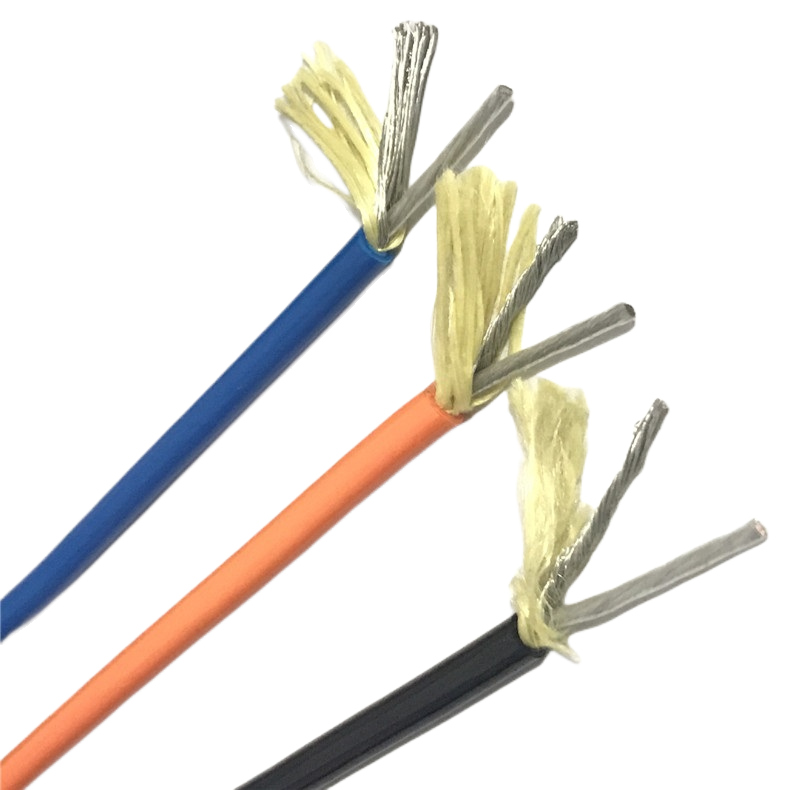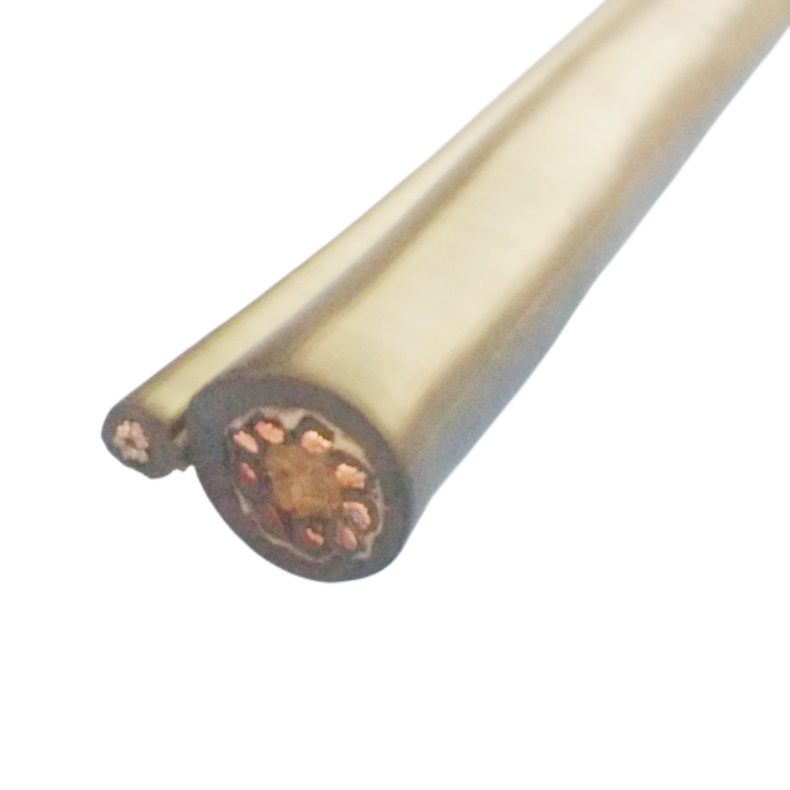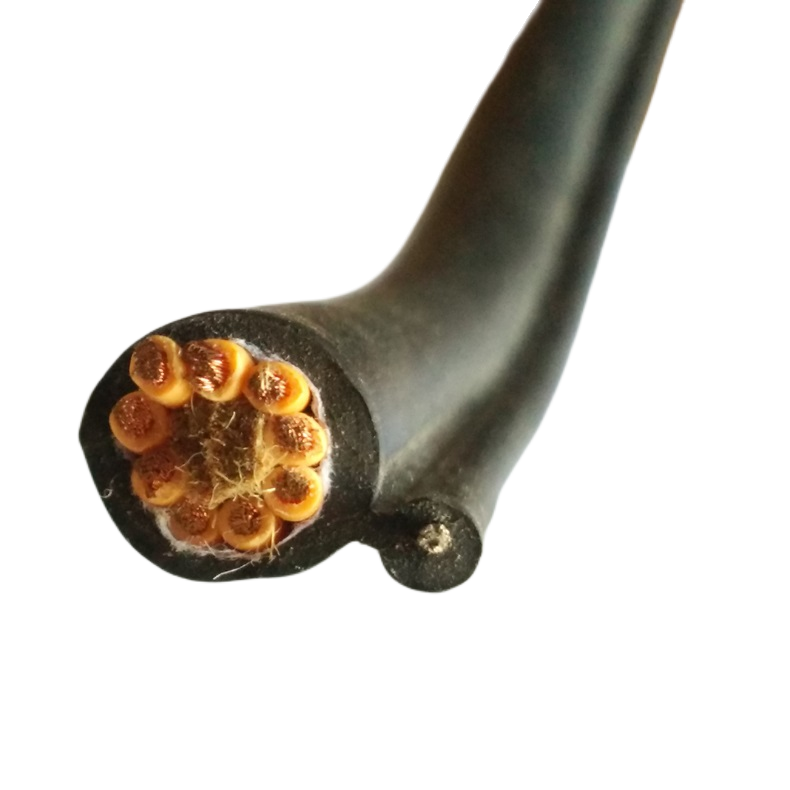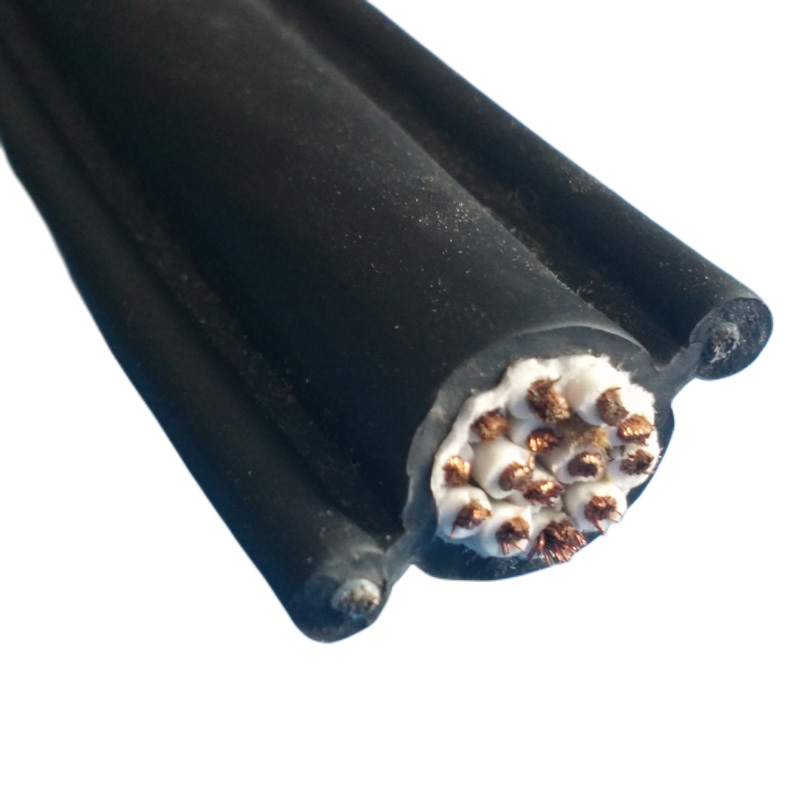



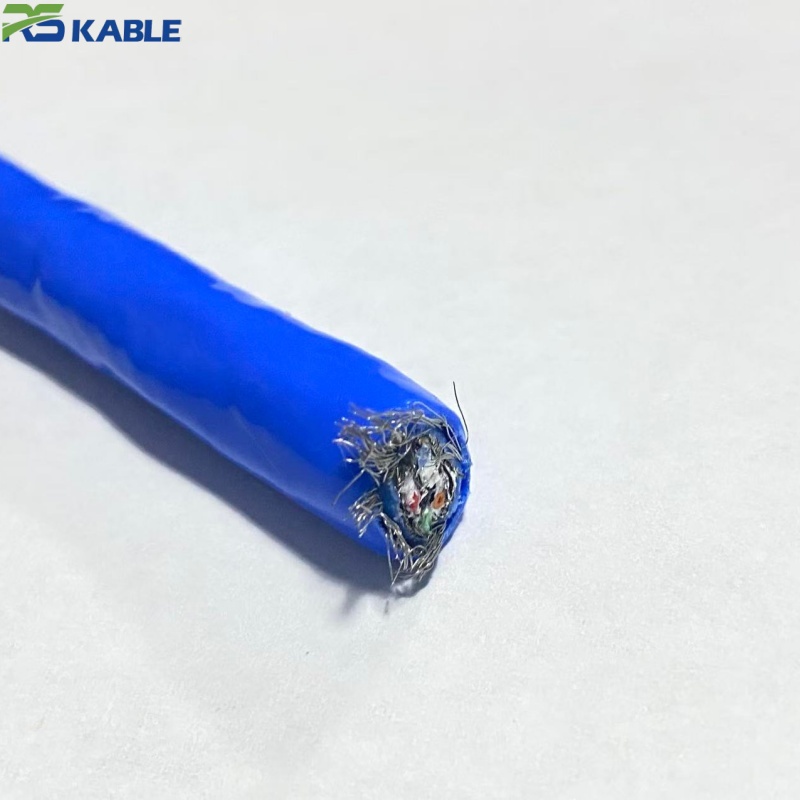
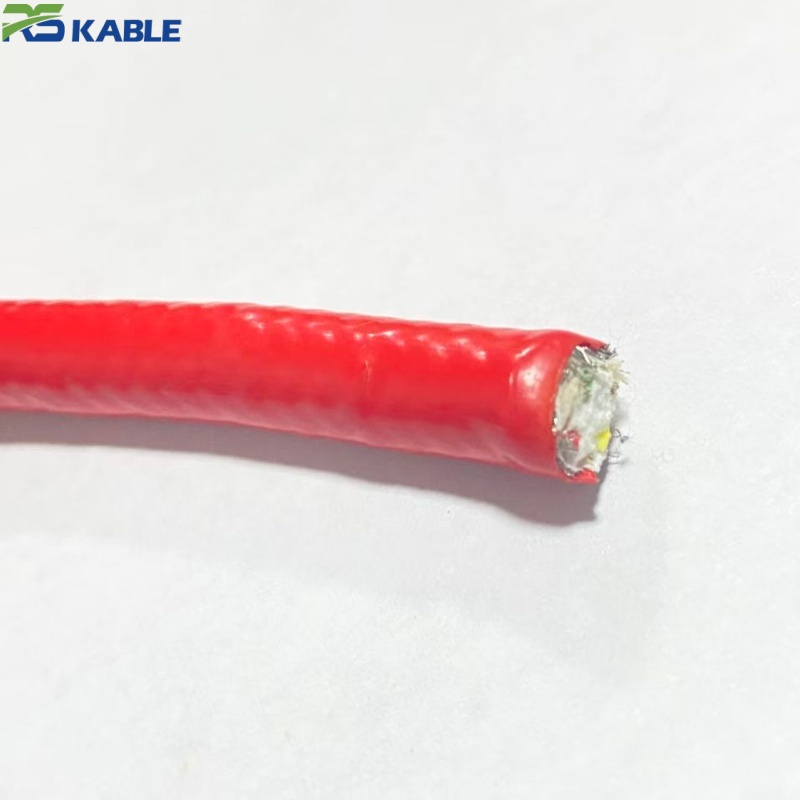
-60°C to +200°C Temperature Resistant Cable | High and Low Temperature Resistant Cable for Extreme Environments
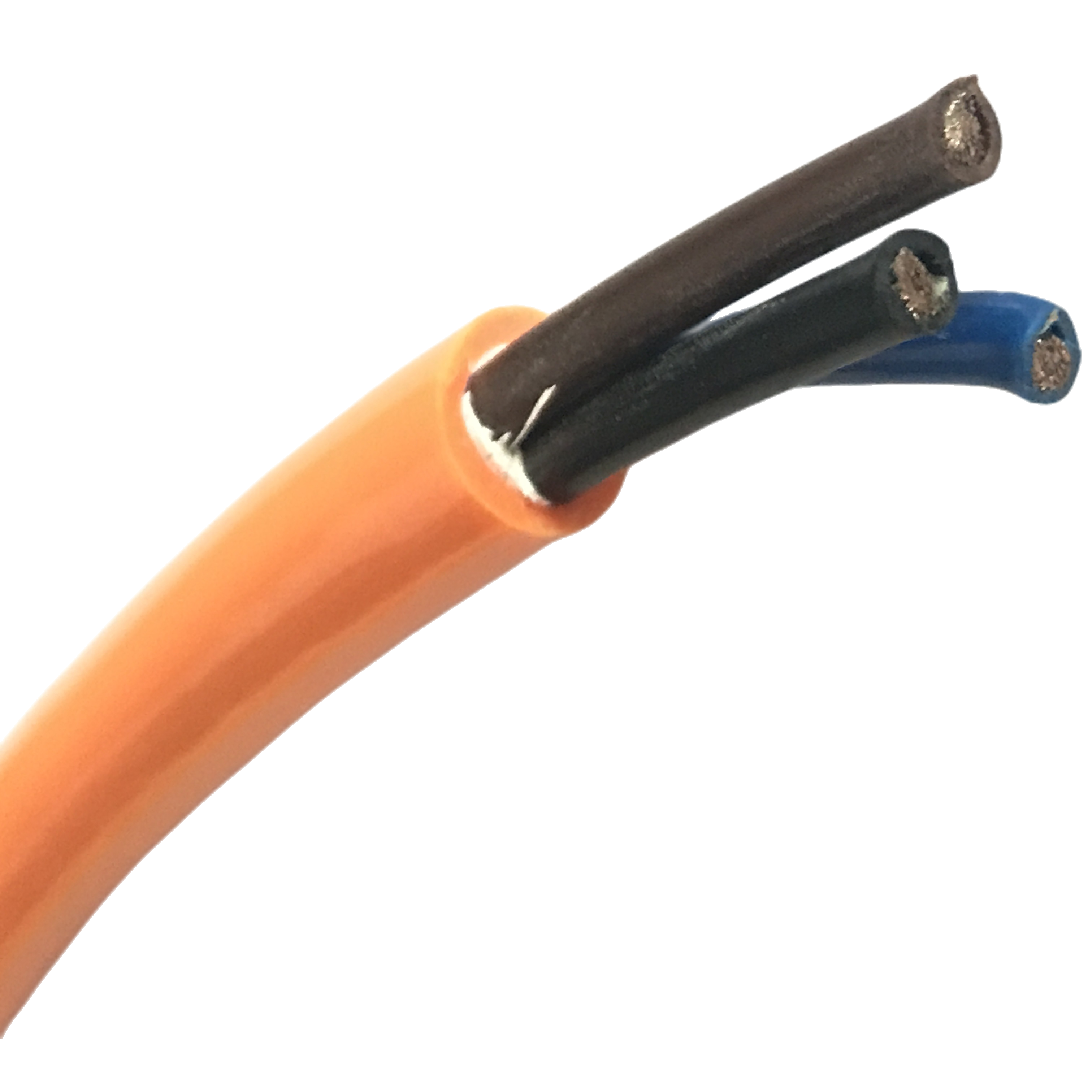
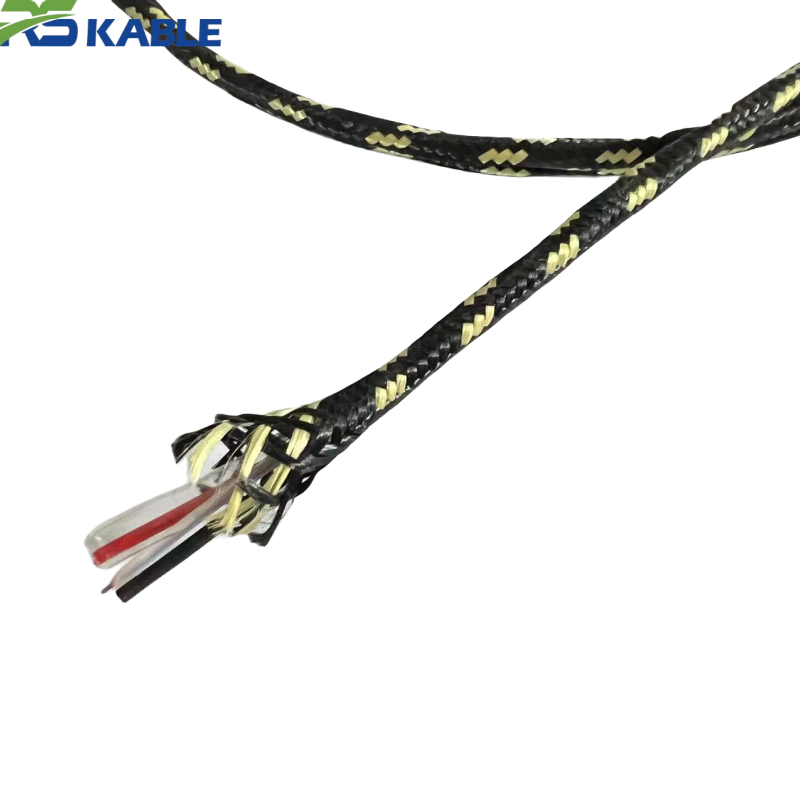
-60°C to +200°C Temperature Resistant Cable is a silicone rubber cable certified to DIN EN 50305 for arctic, industrial, and seasonally variable installations. Unlike compound-balanced alternatives, its siloxane backbone achieves both cold flexibility and heat stability without the typical trade-off between the two.
Key Benefits:
✅ -60°C to +200°C certified range per DIN EN 50305, not a general approximation
✅ No heat-vs-cold compromise — silicone’s structure avoids the usual trade-off
✅ Stays flexible at deep cold without embrittlement risk
✅ Standard, repeatable rating, not project-specific formulation balancing
-60°C to +200°C Temperature Resistant Cable | High and Low Temperature Resistant Cable for Extreme Environments
The -60°C to +200°C Temperature Resistant Cable is built specifically around silicone rubber insulation and jacket construction, and it’s worth being direct about why silicone earns this specific, certified range rather than a general “wide temperature” claim. Most polymer jacket and insulation compounds face a genuine trade-off between heat resistance and cold flexibility: heavily crosslinked or filled compounds that resist high heat tend to stiffen and crack in cold conditions, while compounds formulated for cold flexibility tend to soften or degrade under sustained heat.
Silicone rubber’s siloxane (Si-O-Si) backbone behaves differently from the carbon-based polymer chains in PVC, PU, or standard rubber compounds. That backbone remains flexible at low temperatures where organic polymer chains stiffen, while also resisting the thermal breakdown that limits organic compounds at high temperatures. This isn’t a formulation compromise between two competing goals — it’s closer to silicone simply not facing the same trade-off other materials do, which is why -60°C to +200°C is a standard, repeatable rating for silicone cable rather than a specialty formulation requiring project-specific balancing.
This distinction matters for specification: if your application genuinely needs a guaranteed, certified -60°C to +200°C range (per DIN EN 50305) rather than a general-purpose compromise between two extremes, silicone construction is the more direct and typically more cost-effective path to that specific number, compared to attempting to formulate a balanced non-silicone compound to hit the same range.
-60°C to +200°C Temperature Resistant Cable
Designed For
This cable is intended for:
- installations requiring a specific, certified -60°C to +200°C operating range rather than a general wide-temperature approximation
- arctic and extreme cold-climate installations where cold-startup flexibility is critical
- high-heat industrial equipment (furnaces, ovens, near motor housings) requiring sustained thermal stability
- applications experiencing both extremes within the same installation or duty cycle
- projects where DIN EN 50305 compliance is a specification requirement
This cable should be evaluated separately for:
- applications where a lower-cost compound-balanced solution (rather than silicone) would meet a less extreme temperature range adequately
- continuous dynamic flexing in drag chains or robotic joints — this general-purpose construction is not automatically drag-chain-rated; a dedicated high-flex silicone line should be specified for that duty
- direct chemical exposure requiring specific compound compatibility beyond standard silicone resistance
- direct burial or continuous submersion applications
Product Summary
| Item | Description |
|---|---|
| Product Type | Silicone rubber insulated cable, -60°C to +200°C rated |
| Main Use | Power, control, and signal transmission across a certified extreme temperature range |
| Typical Installations | Arctic/polar equipment, high-heat industrial equipment, outdoor installations with wide seasonal swings |
| Conductor Type | Fine-stranded tinned copper, IEC 60228 Class 5/6 |
| Insulation | Silicone rubber |
| Jacket Type | Silicone rubber |
| Temperature Certification | -60°C to +200°C per DIN EN 50305 |
| Supply Form | Cut length, coil, reel |
Typical Product Series
Series Name: RST-SIL-WTR Series Category: -60°C to +200°C silicone rubber cable for extreme temperature environments
| Product Model | Product Name | Core Config | Typical Use | Shield |
|---|---|---|---|---|
| RST-SIL-WTR-02 | 2-core silicone extreme-temp cable | 2C | Basic power circuits | None |
| RST-SIL-WTR-04 | 4-core silicone extreme-temp cable | 4C | Multi-circuit power/control | Optional |
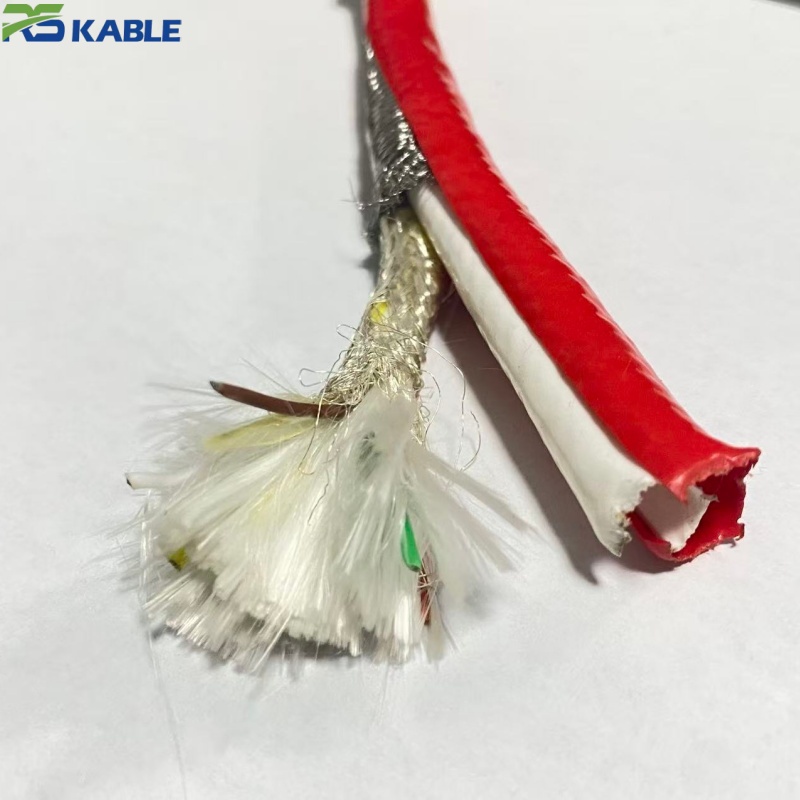
| RST-SIL-WTR-SH | Shielded silicone extreme-temp cable | Custom | EMI-sensitive signal circuits | Braided |
| RST-SIL-WTR-HV | Higher-voltage silicone extreme-temp cable | Custom | Higher-voltage power distribution | Optional |
| RST-SIL-WTR-C | Custom silicone extreme-temp cable | Custom | Project-specific requirements | Custom |
Technical Parameters
| Parameter | Typical Range / Description |
|---|---|
| Conductor Material | Fine-stranded tinned copper |
| Conductor Design | IEC 60228 Class 5/6 |
| Insulation Material | Silicone rubber |
| Jacket Material | Silicone rubber |
| Temperature Rating | -60°C to +200°C per DIN EN 50305 |
| Rated Voltage | 300/300V – 450/750V depending on cross-section |
| Test Voltage | 1500V – 2500V depending on cross-section |
| Minimum Bend Radius | 6 × outer diameter (fixed/lightly-moving installation) |
| Halogen-Free | Per VDE 0472-815 |
| Environmental Compliance | RoHS 2.0, REACH, lead-free |
| Application Scope | Power, control, and signal transmission across the full certified temperature range |
| Supply Format | Cut length, coil, reel, project supply |
-60°C to +200°C Temperature Resistant Cable
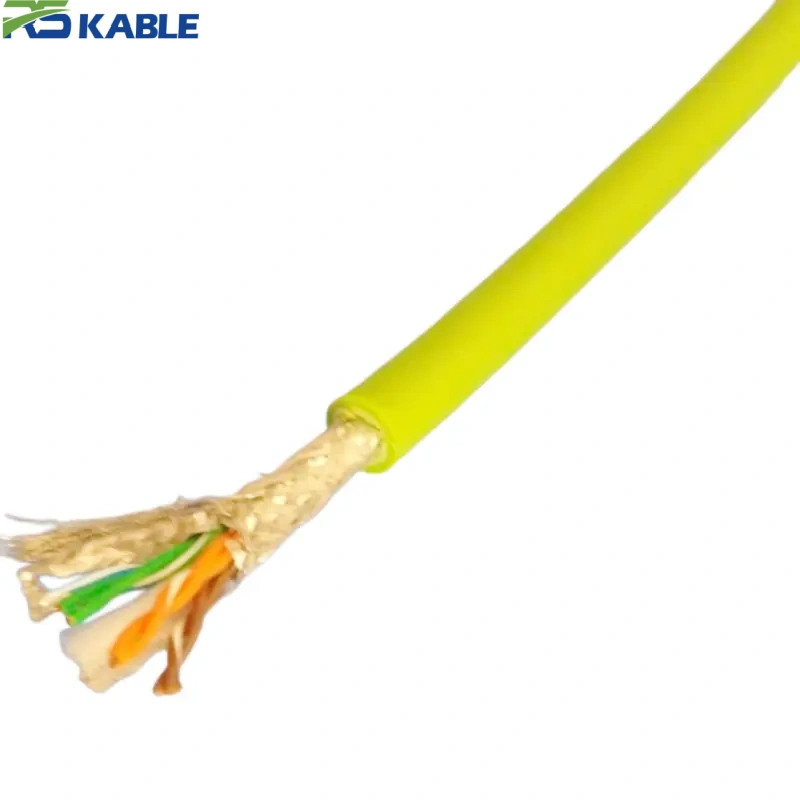
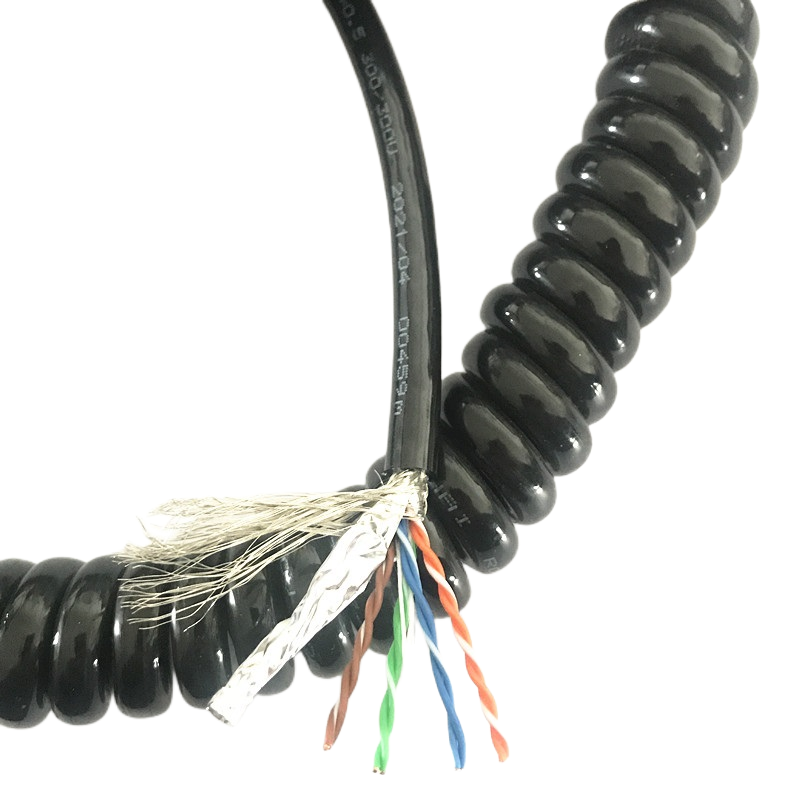
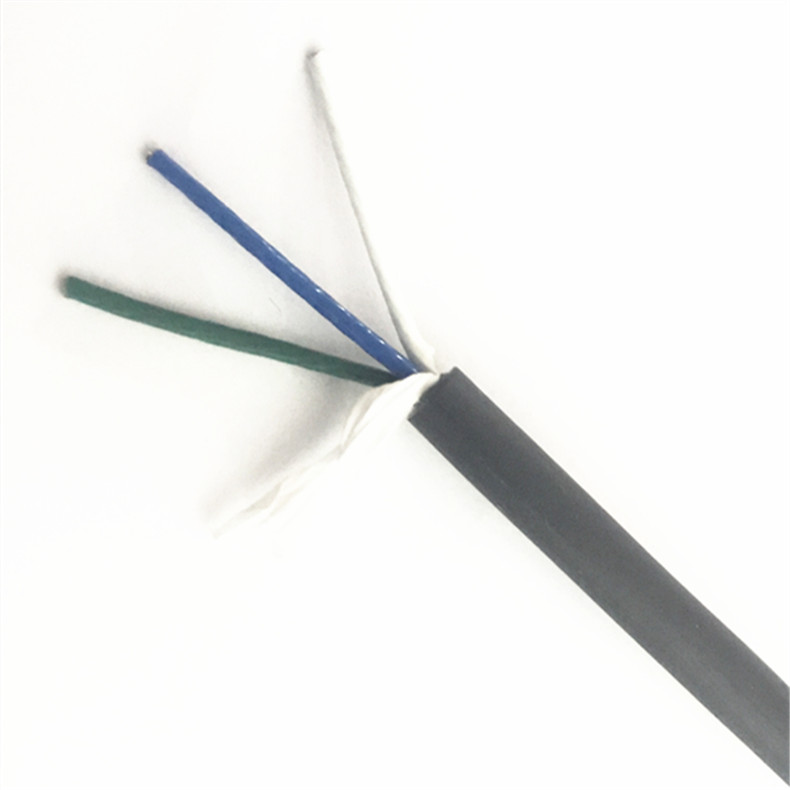
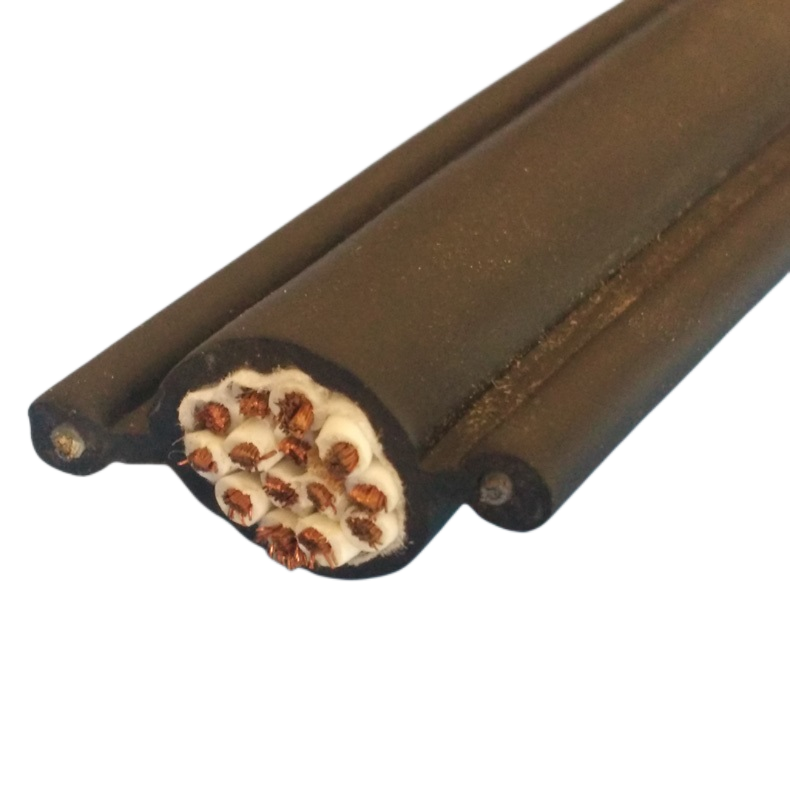
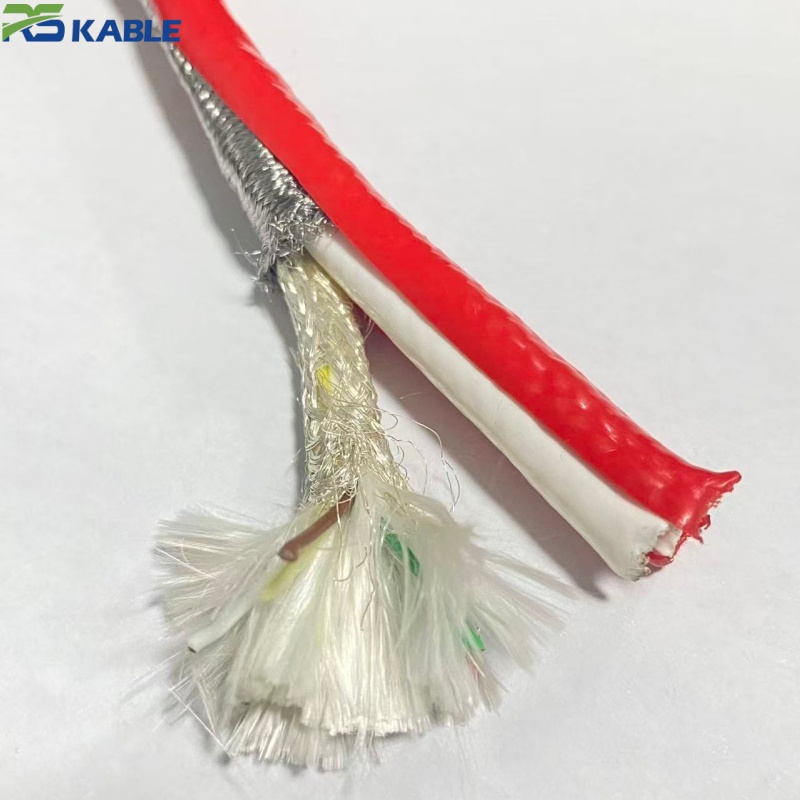
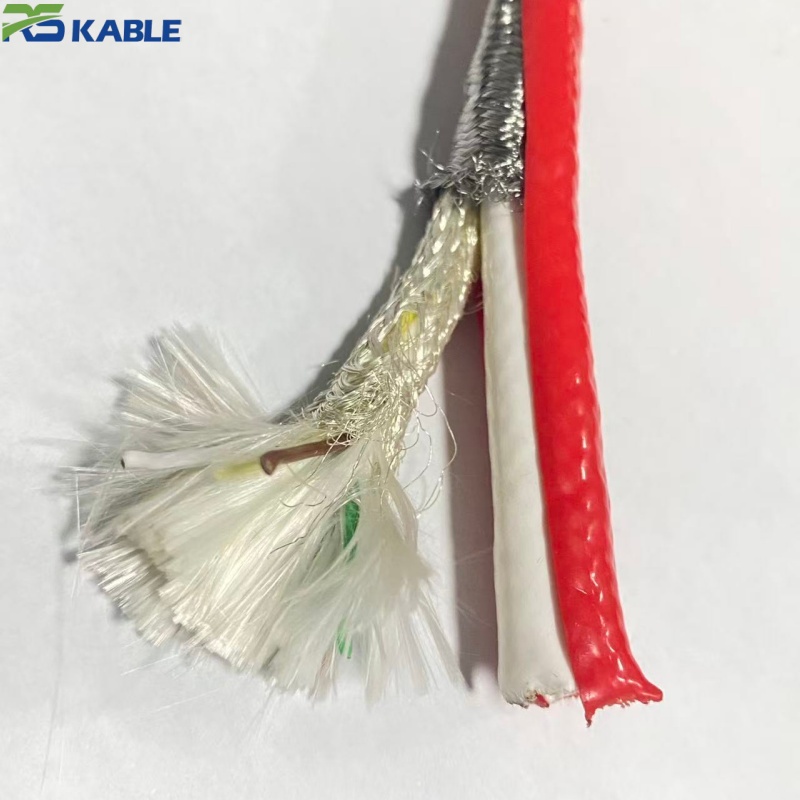
Cable Construction
Fine-Stranded Tinned Copper Conductor
Conductor stranding remains flexible and corrosion-resistant across the full rated temperature range, complementing the silicone insulation rather than becoming the limiting factor at either extreme.
Silicone Rubber Insulation
The siloxane backbone provides dielectric stability across the -60°C to +200°C range without the crosslinking-versus-flexibility trade-off that limits many organic polymer insulation compounds to a narrower certified window.
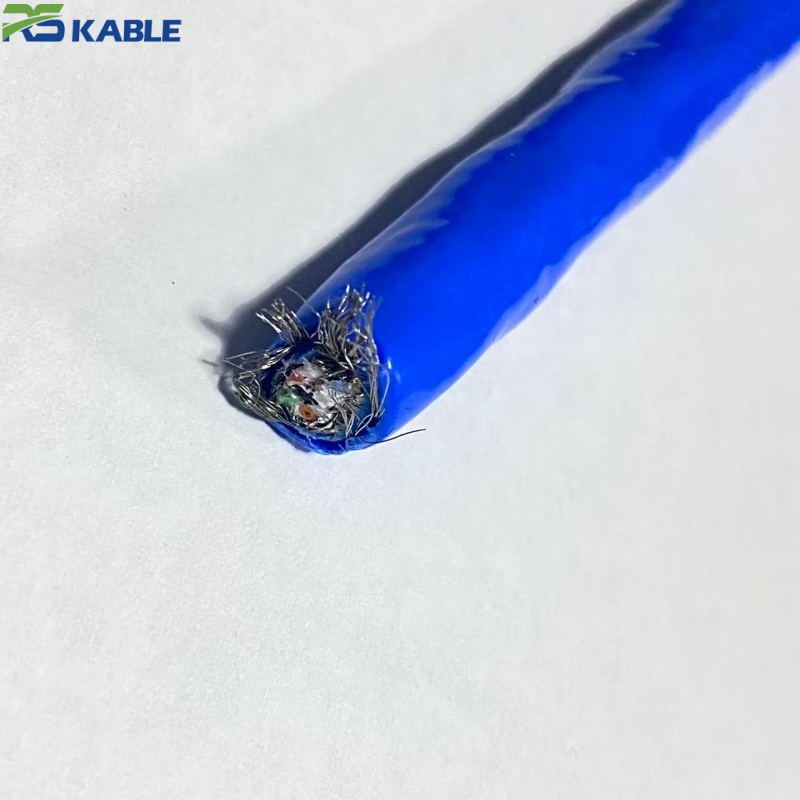
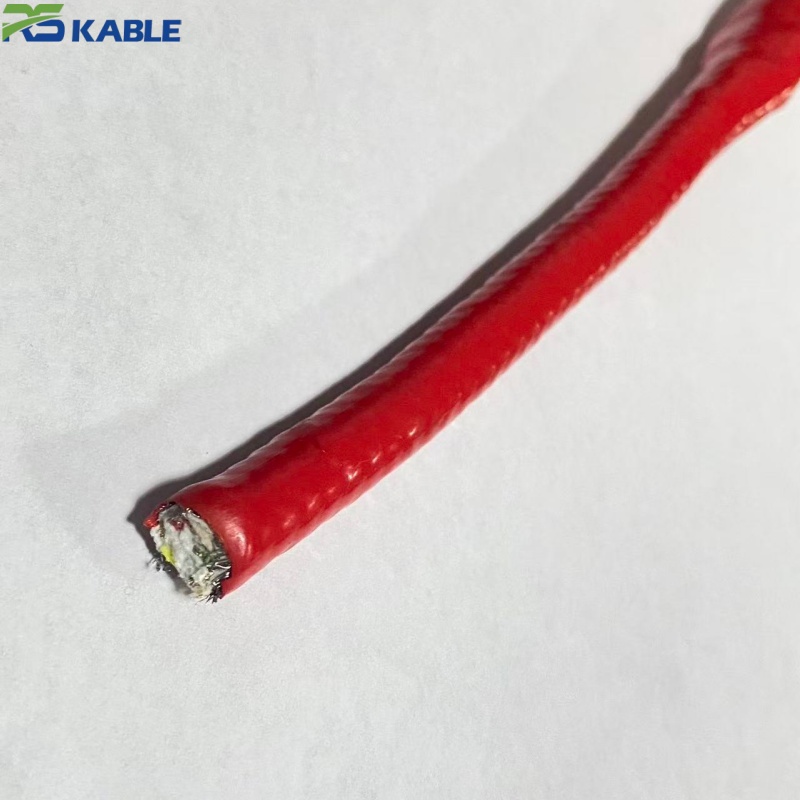
Silicone Rubber Jacket
Matching the jacket material to the insulation avoids the mismatch risk seen when a high-temperature insulation is paired with a jacket rated for a narrower range — a common oversight when adapting non-silicone constructions toward wider temperature claims.
Ventilation Consideration for Sustained High-Temperature Use
Although rated to +200°C, silicone cable installed in poorly ventilated or sealed enclosures may show accelerated mechanical aging when continuously exposed above +100°C. This applies specifically to sustained high-temperature service, not to silicone’s cold-temperature performance, which does not carry the same caveat.
Why Silicone Reaches This Range Without the Usual Trade-off
Most cable compounds require choosing a point along a spectrum between cold flexibility and heat resistance. Silicone’s chemistry places it differently on that spectrum.
No Crosslinking-Density Compromise
Organic polymers often need heavy crosslinking to resist high heat, which directly increases cold-temperature stiffness. Silicone’s inherent thermal stability doesn’t depend on this same crosslinking approach, avoiding the direct link between heat resistance and cold brittleness.
Consistent Flexibility From Deep Cold to Sustained Heat
The same siloxane backbone that resists high-temperature breakdown remains flexible well below freezing, which is why silicone cable doesn’t require a separate “cold-biased” or “heat-biased” variant the way a balanced organic-compound cable typically does.
A Certified Standard Range, Not a Custom Balance
Because -60°C to +200°C is silicone’s standard, repeatable performance window per DIN EN 50305, this rating doesn’t require the same project-specific formulation balancing that a non-silicone wide-range cable often needs to hit a comparable window.
Extreme Temperature Application Boundary
This cable is suitable for:
- installations requiring a certified -60°C to +200°C range under DIN EN 50305
- arctic and cold-climate cold-startup handling
- sustained high-heat industrial equipment with adequate ventilation
- fixed or lightly-moving installations across both temperature extremes
This cable requires separate confirmation for:
- sealed, poorly ventilated enclosures with continuous operation above +100°C, where mechanical aging should be anticipated
- continuous dynamic flexing applications — a dedicated high-flex silicone construction should be specified for that duty
- direct chemical exposure requiring specific compound compatibility
- direct burial or submersion use
Typical Applications
The -60°C to +200°C Temperature Resistant Cable is commonly used in:
- arctic and polar research station power and instrumentation
- high-temperature industrial equipment (furnaces, ovens, motor-adjacent wiring)
- outdoor equipment with wide seasonal temperature swings
- aerospace ground support equipment
- oil & gas equipment in extreme climate regions
- off-grid power systems in variable climates
Typical Working Conditions
- genuine seasonal or operational swings across both temperature extremes
- cold-startup handling and installation
- sustained high-heat exposure with adequate ventilation
- fixed or lightly-moving installation routing
Silicone -60°C to +200°C Cable vs Compound-Balanced Wide-Range Cable
| Comparison Item | Silicone -60°C to +200°C Cable | Compound-Balanced (Non-Silicone) Wide-Range Cable |
|---|---|---|
| Basis for Wide-Range Performance | Inherent to silicone’s molecular structure | Achieved through formulation balancing/compromise between two extremes |
| Certification Consistency | Standard, repeatable per DIN EN 50305 | Often project-specific, varies by formulation |
| Cold Flexibility at Extreme Low End | Strong, not a compromise | Adequate, but typically a deliberate trade-off against heat performance |
| Cost | Moderate | Varies, sometimes lower for less extreme ranges |
| Best Use | Applications needing this specific certified range | Applications with a defined but less extreme temperature swing |
For a genuinely certified -60°C to +200°C requirement, silicone construction is generally the more direct path; for less extreme or more cost-sensitive ranges, a compound-balanced alternative may be worth evaluating.
-60°C to +200°C Temperature Resistant Cable
Selection Guide
1. Confirm the Actual Certified Range Needed
Determine whether your project genuinely requires -60°C to +200°C, or a narrower range that a lower-cost alternative could satisfy.
2. Confirm Function
Identify whether the cable carries power, control, or signal circuits.
3. Confirm Ventilation at the High-Temperature End
Sealed or poorly ventilated enclosures with sustained operation above +100°C should be checked against expected service life.
4. Confirm Cold-Startup Handling
If the cable will be handled or flexed during cold startup, confirm bend radius expectations at the coldest temperature.
5. Confirm Shielding Requirement
EMI environment determines whether shielded construction is needed.
6. Confirm Installation Type
Fixed, lightly-moving, or dynamic flexing installation type determines whether this general construction or a dedicated high-flex silicone line is appropriate.
7. Confirm Voltage and Cross-Section Requirements
Core count, cross-section, and voltage rating should be confirmed against the specific circuit load.
Customization and Supply
Available Options
- core count and cross-section
- shield structure
- jacket color and marking
- cut length, coil, or reel supply
Supply Support
- model matching based on documented temperature and voltage requirements
- sample supply for evaluation
- drawing and structure confirmation before production
- OEM and project supply
- industrial batch production
Ordering Information
For faster quotation and model selection, provide:
- confirmation that -60°C to +200°C is genuinely required for the application
- core count and cross-section
- shielding requirement
- installation type and ventilation conditions at the high-temperature end
- cable length
Inquiry Example
Silicone cable, 4-core, 1.5 mm², braided shield, -60°C to +200°C per DIN EN 50305, arctic research station power distribution with occasional near-generator heat exposure, 60 meters
Call to Action
Request a Quote for -60°C to +200°C Temperature Resistant Cable Send the application details for model selection, structure confirmation, and pricing.
FAQ
Why does silicone reach -60°C to +200°C without the trade-off other materials face?
Silicone’s siloxane backbone provides both high-temperature stability and low-temperature flexibility through the same molecular structure, rather than requiring the crosslinking-versus-flexibility compromise that limits many organic polymer compounds to a narrower certified range.
Is -60°C to +200°C the actual guaranteed range, or a general marketing claim?
This is a certified range per DIN EN 50305, not an approximate or general “wide temperature” claim — this is the specific distinction between this cable and a general-purpose compound-balanced alternative.
Can this cable be used continuously above 100°C in a sealed enclosure?
It’s rated to +200°C, but sustained operation above +100°C in a sealed or poorly ventilated enclosure can accelerate mechanical aging of the jacket over time. Adequate ventilation is recommended for continuous high-temperature service.
Is this cable suitable for continuous flexing in a drag chain?
Not as a standard construction. This is a general-purpose extreme-temperature cable; continuous dynamic flexing applications should be specified against a dedicated high-flex silicone drag-chain line instead.
Do we need this specific silicone construction, or would a general wide-temperature-range cable work?
If your application genuinely requires the full -60°C to +200°C certified range, silicone is generally the more direct and reliable path. If your actual temperature swing is less extreme, a compound-balanced alternative may be more cost-effective.
Does cold-temperature performance require any special handling precautions?
Bend radius should be checked at the coldest expected handling temperature, since any cable — including silicone — stiffens somewhat as temperature drops, even though silicone resists true embrittlement better than most alternatives.
Is custom construction available?
Yes. Core count, cross-section, shielding, and jacket marking can be matched to specific project requirements.
Other Related Products
(For related extreme-temperature and specialty cable products, please refer to our Wide Temperature Range Cable and Custom Special Cable category pages.)
[Request a Quotation] · [Ask an Engineer Before You Spec It] · [Download Technical Datasheet]