


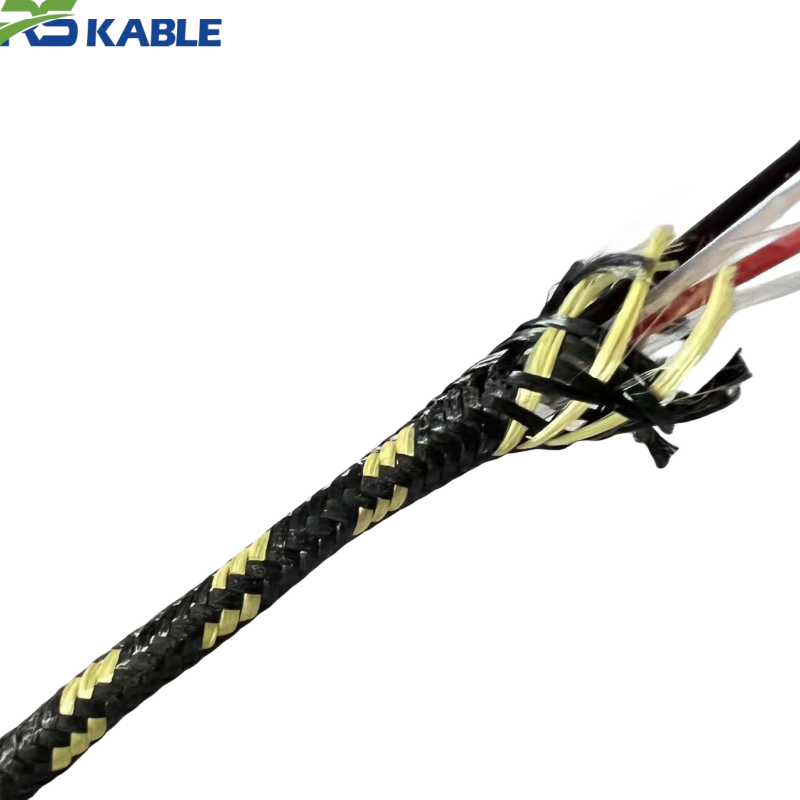
Drone Tether Cable | High-Flex Lightweight Cable for Industrial UAV Systems
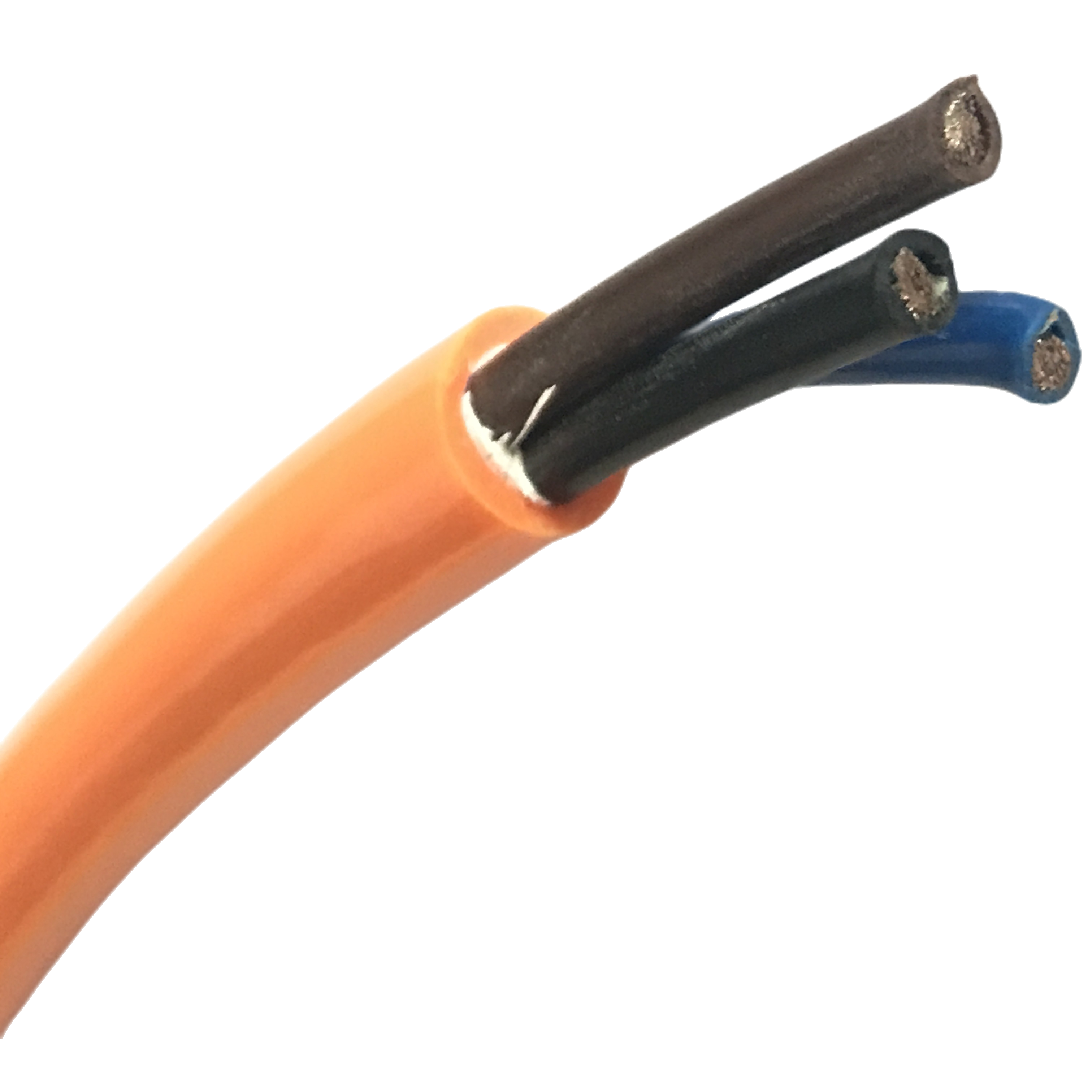
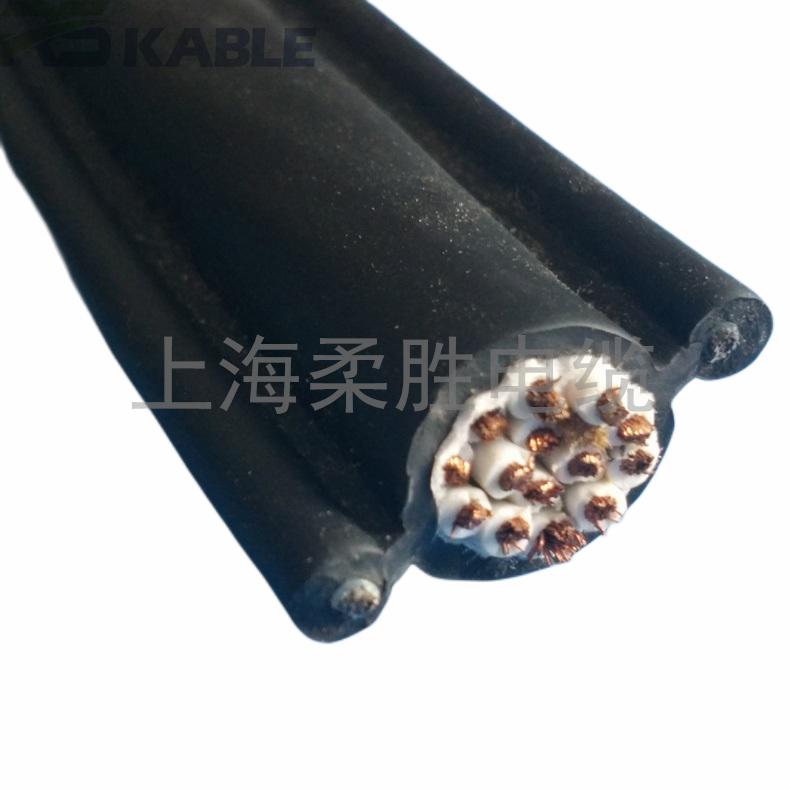
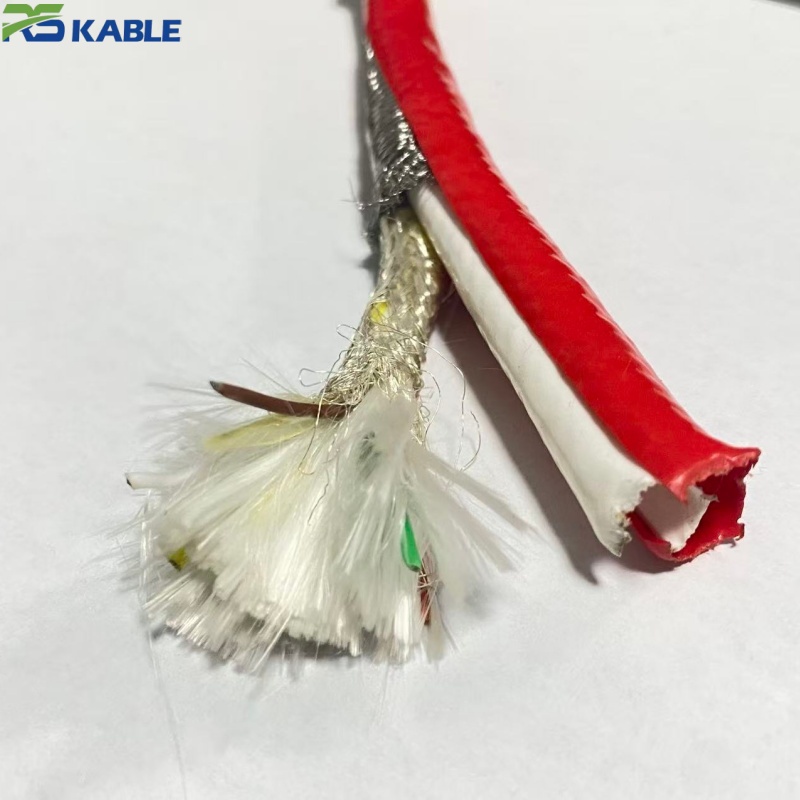
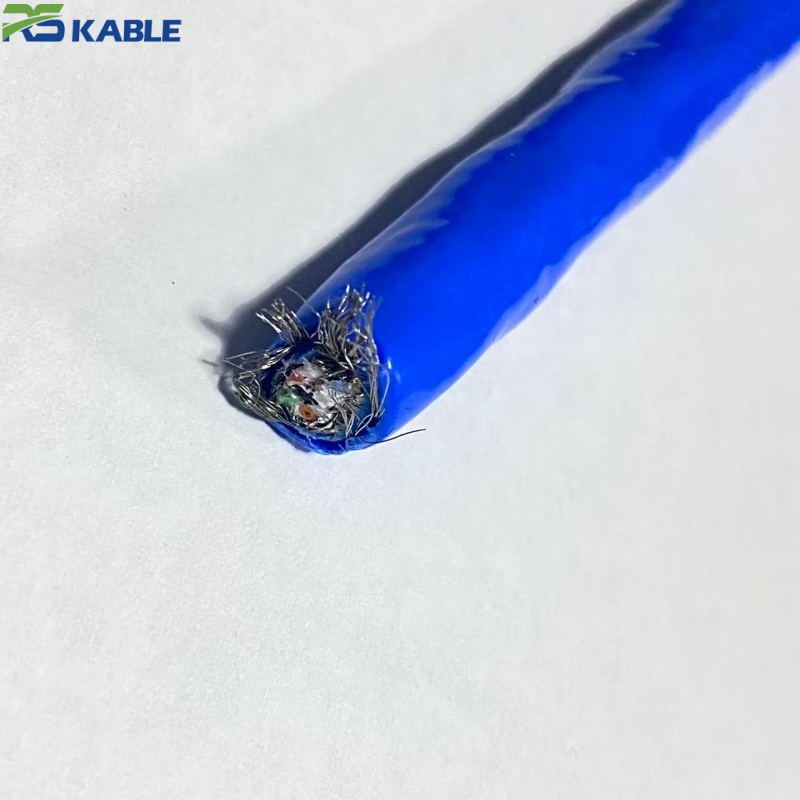
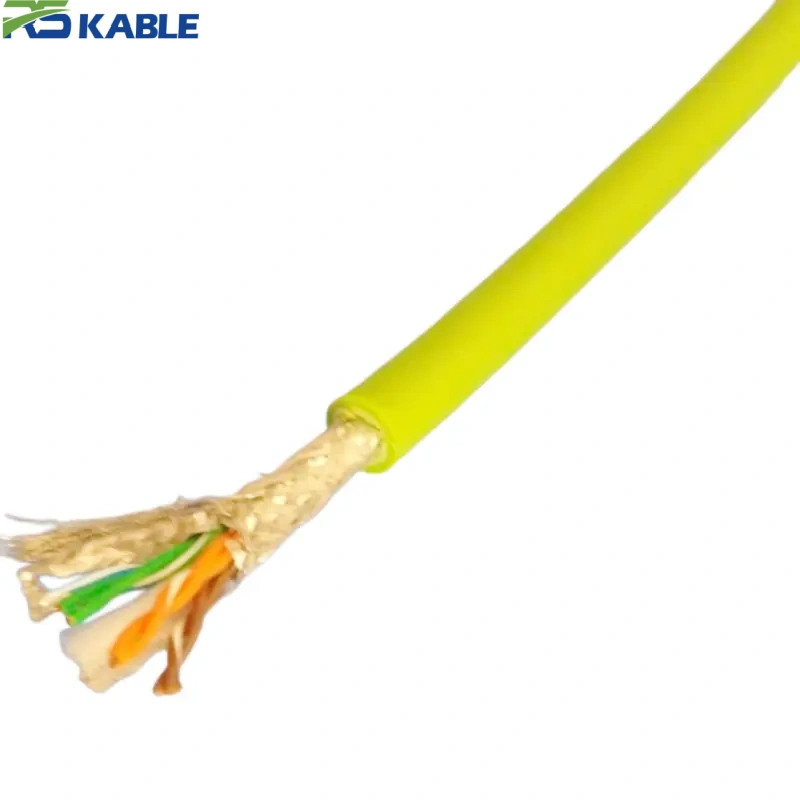
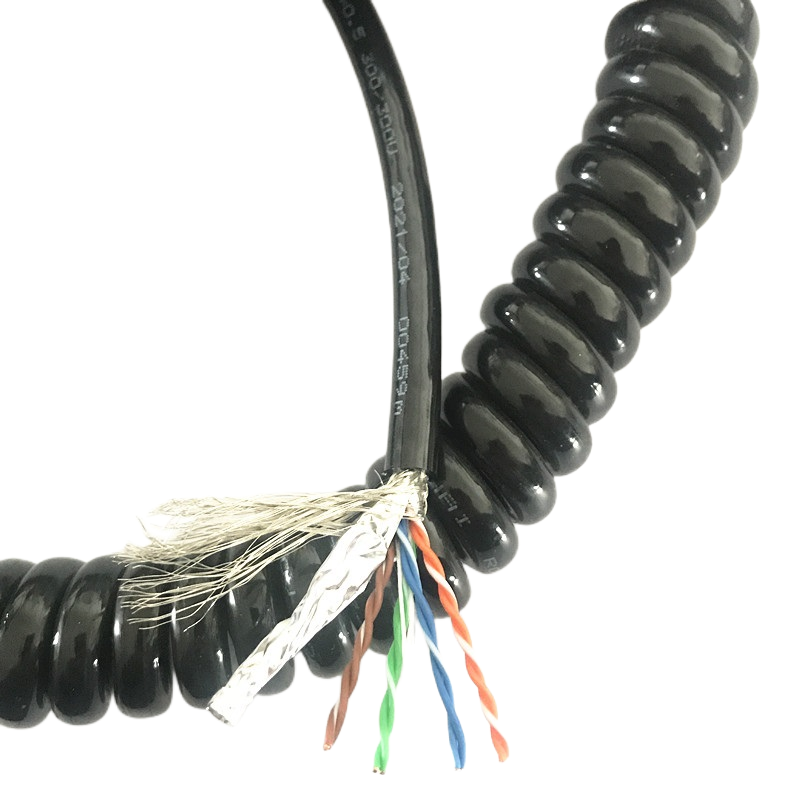
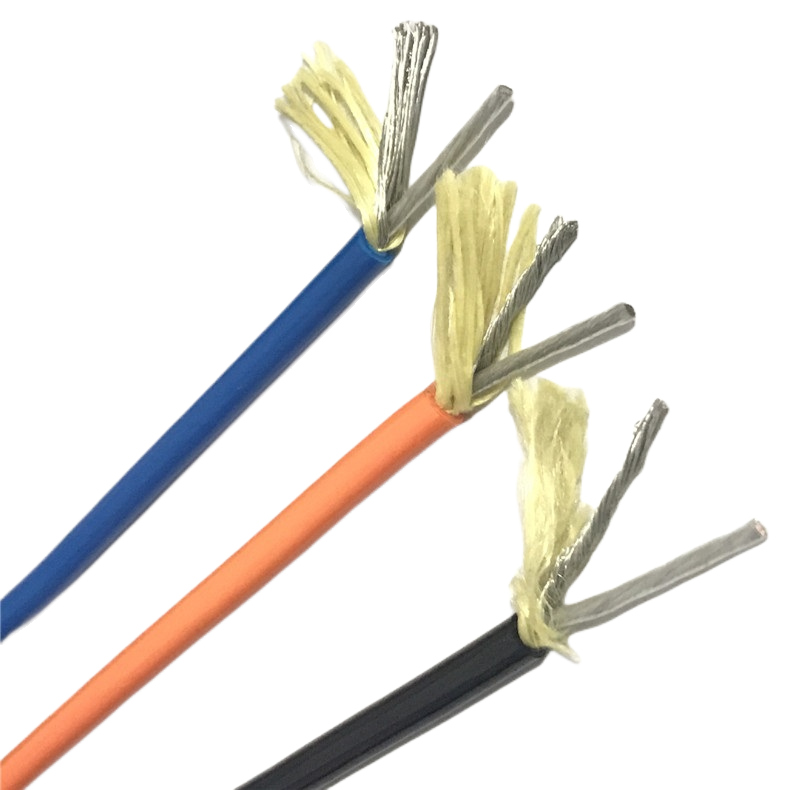
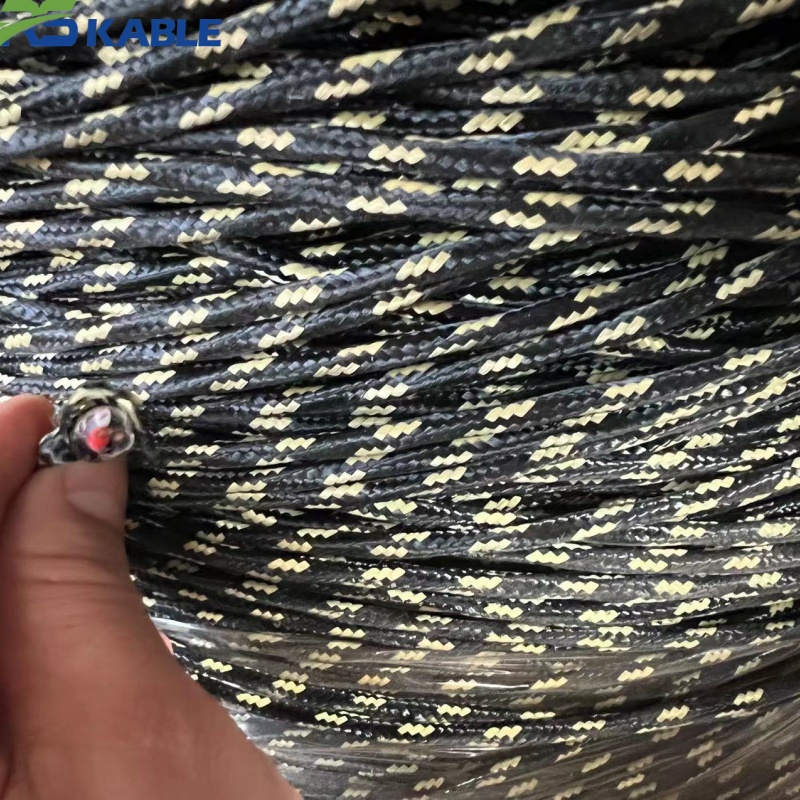
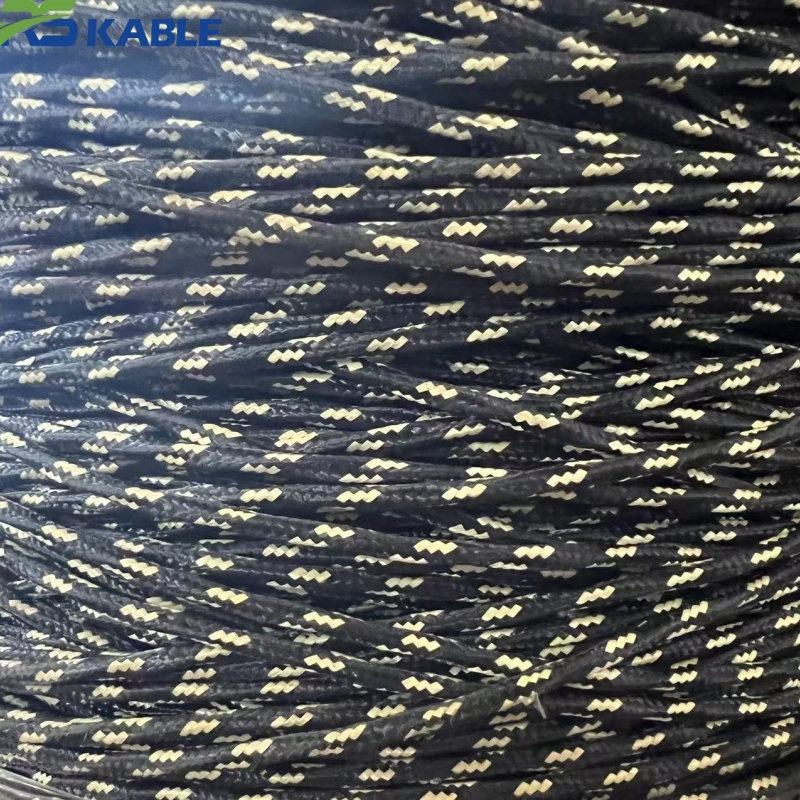
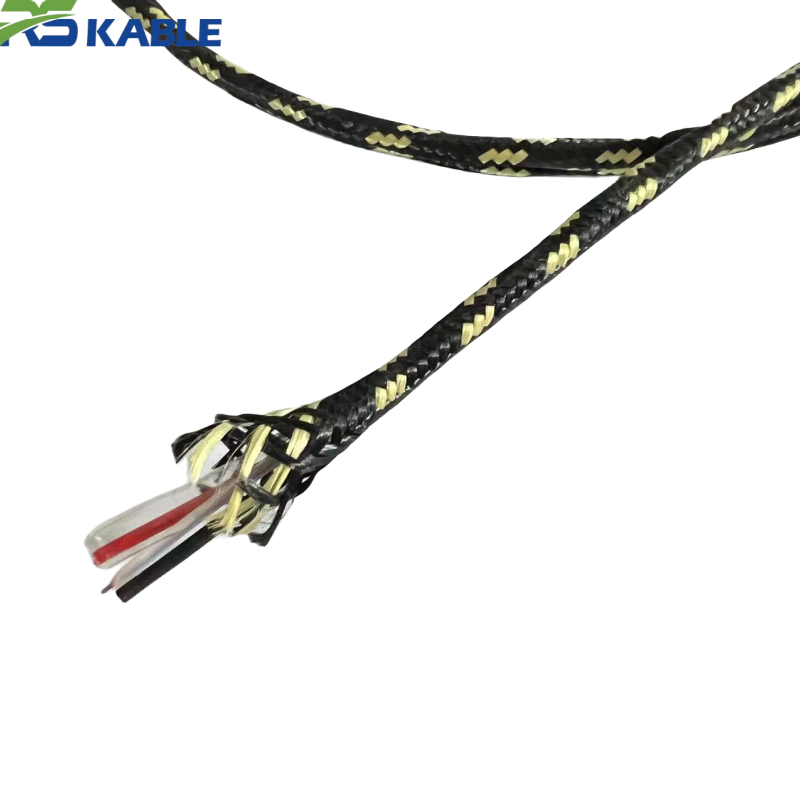
Drone Tether Cable is a high-flex lightweight cable built for tethered industrial UAV power delivery and persistent surveillance drone platforms. Its fine-stranded conductor and aramid tensile core balance low weight with reliable power transmission, while the abrasion-resistant jacket withstands repeated reel spooling.
Key Benefits:
✅ Lightweight construction preserves drone flight endurance and payload margin
✅ Aramid tensile member handles sustained in-flight load
✅ Abrasion-resistant jacket withstands repeated reel spooling
✅ Conductor sizing matched to tether length for reliable ground power delivery
Drone Tether Cable | High-Flex Lightweight Cable for Industrial UAV Systems
The Drone Tether Cable for Industrial UAV Systems is developed for tethered drones used in persistent surveillance, communications relay, industrial inspection, and extended-endurance flight platforms where a ground-based power supply replaces or supplements onboard battery power. It is intended for power transmission and selected telemetry circuits in applications where standard aerial or ground cable is not suitable for the combined weight, flex, and voltage-drop demands of tethered flight.
In tethered drone systems, cable performance issues usually trace back to one of three problems: excess tether weight reducing flight endurance and lift margin, voltage drop over tether length reducing power delivered at the drone, or jacket abrasion damage from repeated reel spooling. This cable is designed to address those risks through a lightweight fine-stranded conductor, a tensile-reinforced core structure, and a reel-matched abrasion-resistant jacket.
The result is a drone tether cable better suited to tethered flight systems than repurposed ground or aerospace cable, especially in applications where flight duration, payload margin, and ground power reliability are directly affected by tether weight and construction.
Designed For
This cable is intended for:
- tethered UAV power delivery over extended flight duration
- repeated spooling on ground-side reels or winches
- persistent surveillance, inspection, and communications-relay drone platforms
- lightweight routing where payload margin is a limiting factor
- long-cycle operation where ground power reliability must be maintained
This cable should be evaluated separately for:
- untethered high-current motor drive wiring inside the drone airframe itself
- protocol-specific high-speed video/data transmission requiring defined impedance
- applications requiring integrated fiber-optic telemetry alongside power
- direct submersion or marine-tethered platforms
Product Summary
| Item | Description |
|---|---|
| Product Type | Drone tether cable |
| Main Use | Tethered UAV power transmission and selected telemetry circuits |
| Typical Installations | Persistent surveillance drones, inspection UAVs, communications-relay platforms, tethered multirotor systems |
| Core Design | Lightweight tensile-reinforced core construction |
| Conductor Type | Fine-stranded tinned copper |
| Jacket Type | Abrasion-resistant, reel-matched lightweight jacket |
| Movement Type | Repeated reel spooling, in-flight tension load |
| Supply Form | Cut length, reel, project supply |
Typical Product Series
Series Name: DT-LW-UAV Series Category: Lightweight tether cable for industrial UAV systems
| Product Model | Product Name | Typical Conductor Config | Typical Use | Tensile Member | Jacket |
|---|---|---|---|---|---|
| DT-LW-UAV-02 | Drone tether cable, 2-conductor power | 2C power | Power-only tethered flight | Aramid fiber | Lightweight PU |
| DT-LW-UAV-04 | Drone tether cable, 4-conductor power+signal | 2C power + 2C signal | Power with basic telemetry | Aramid fiber | Lightweight PU |
| DT-LW-UAV-SH | Shielded drone tether cable | Custom | Power with EMI-sensitive telemetry | Aramid fiber | Lightweight PU, shielded |
| DT-LW-UAV-HD | Heavy-duty drone tether cable | Custom | Longer tether length, higher load | Reinforced aramid | Abrasion-optimized PU |
| DT-LW-UAV-C | Custom drone tether cable | Custom | Project-based tethered flight systems | Custom | Project-matched |
Technical Parameters
The values below are typical selection items. Final design should be confirmed according to tether length, drone power draw, tensile load profile, and reeling mechanism.
| Parameter | Typical Range / Description |
|---|---|
| Conductor Material | Fine-stranded tinned copper |
| Typical Conductor Sizes | Selected per length/current/voltage-drop analysis — not a fixed catalog gauge |
| Tensile Member | Aramid fiber core, sized to expected load profile |
| Shielding | Unshielded standard; shielded pair option for telemetry circuits |
| Jacket Material | Lightweight, abrasion-resistant compound matched to reel geometry |
| Jacket Characteristics | Abrasion resistant, flexible, low-weight-per-meter |
| Movement Condition | Repeated reel spooling, sustained in-flight tension |
| Temperature Range | Confirmed according to final jacket and project condition |
| Minimum Bend Radius | Confirmed according to cable diameter and reel drum size |
| Weight per Meter | Depends on conductor size, tensile member, and jacket construction |
| Application Scope | Power transmission, selected telemetry and signal circuits |
| Supply Format | Cut length, reel, OEM and project supply |
Cable Construction
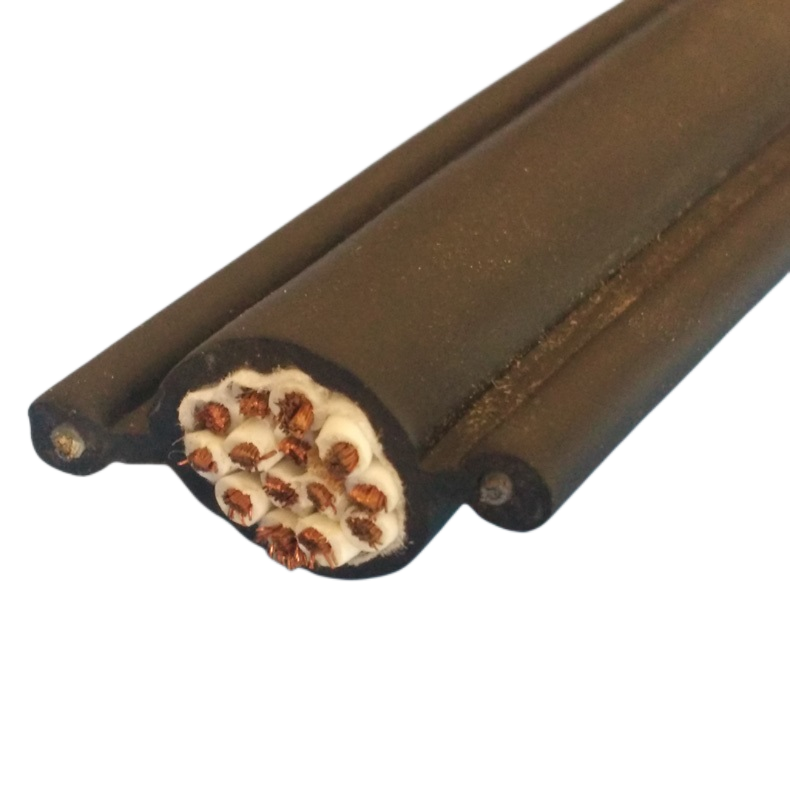
Fine-Stranded Lightweight Conductors
A tether cable depends first on the weight-to-conductivity balance. Fine-stranded tinned copper conductors are selected to carry required current with the least added weight, since every gram in the tether directly reduces available drone lift and flight endurance.
Tensile-Reinforced Core Structure
In tethered flight, mechanical load (drone weight, wind resistance, tether angle) is carried by the tether itself in addition to power conductors. An aramid fiber tensile member is sized to the expected load profile to reduce mechanical strain directly on the copper conductors.
Fillers and Core Stability
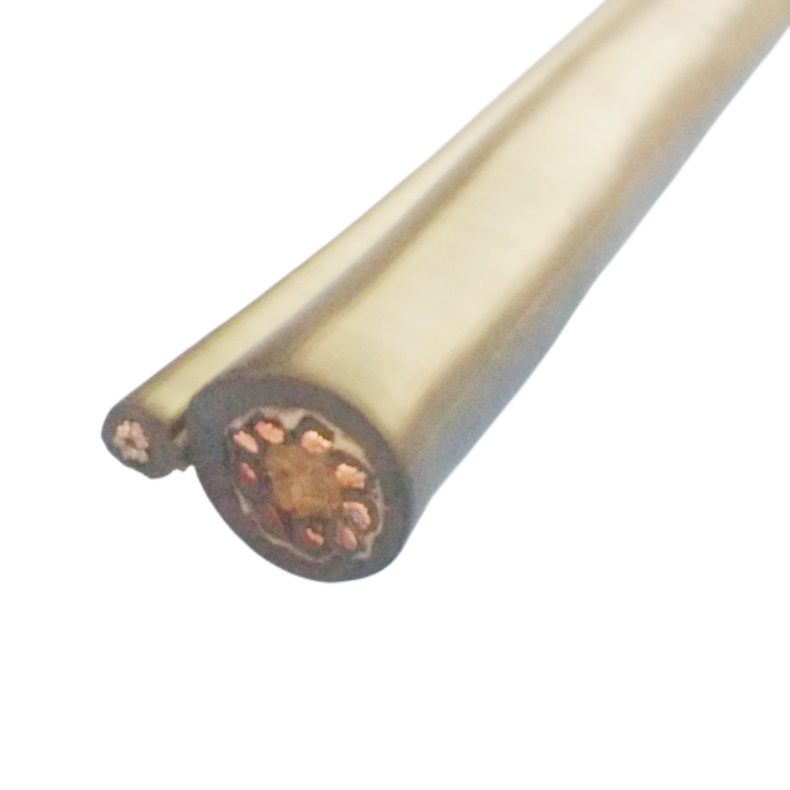
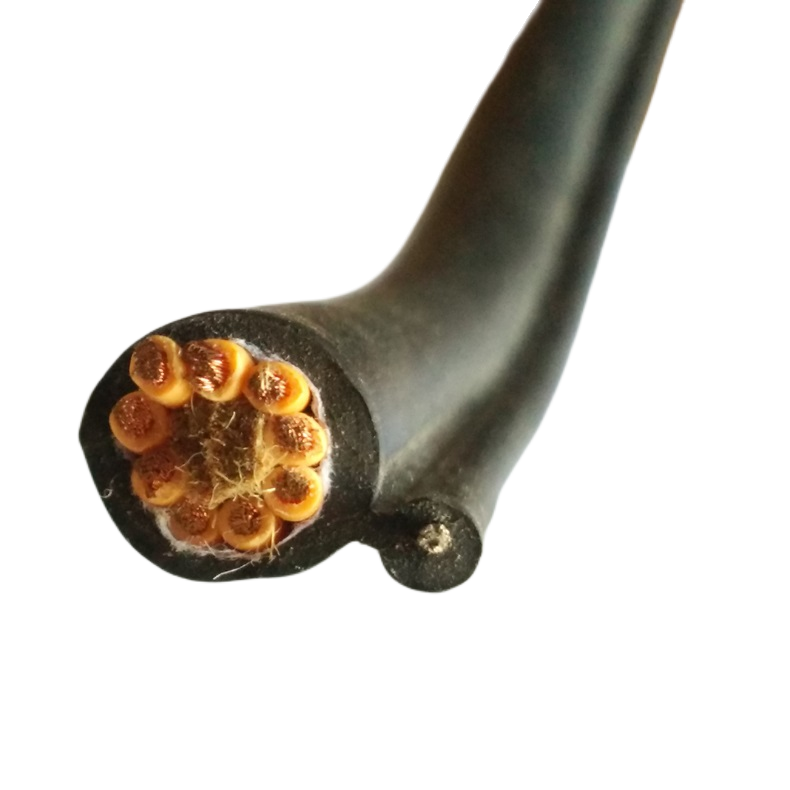
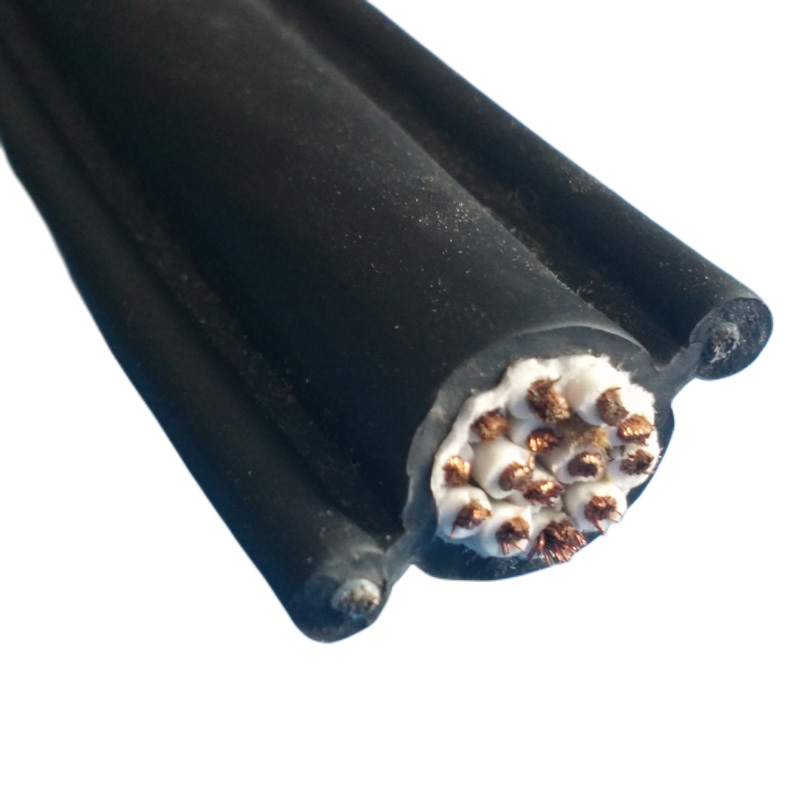
Where required by construction, internal support elements help the cable maintain a stable round profile during repeated reeling and in-flight tension, reducing local stress concentration at the reel’s guide points.
Optional Shielding
For tethered systems carrying telemetry or video signal alongside power, shielded conductor pairs are available. Shielding is recommended when stable signal transmission is required alongside the power circuit within the same jacket.
Reel-Matched Outer Jacket
The outer jacket is selected for repeated spooling on a ground-side reel or winch, where abrasion at consistent wrap points accumulates over the tether’s service life. Jacket construction is matched to the specific reel drum diameter and expected reeling cycle count.
Why Lightweight Construction Extends Tether Service Life
A long-service-life tether cable is not defined by low weight alone. Service life depends on how the whole structure handles repeated reeling and sustained tension in the actual installation.
Reduced Flight Endurance Penalty
Excess tether weight directly reduces available flight time and payload margin. A lightweight conductor and jacket structure helps preserve drone performance across the full tether length.
Better Voltage Delivery Over Length
Conductor sizing balanced against tether length and expected current draw helps maintain acceptable voltage at the drone end, reducing the risk of under-voltage faults during peak power demand.
Lower Risk of Reel Abrasion Failure
Cables that spool repeatedly on a ground-side reel are exposed to accumulated wear at consistent contact points. A jacket matched to the reel’s guide geometry helps reduce wear-related failure over the tether’s operating life.
Better Fit for Extended-Duration Flight Operations
Persistent surveillance and long-endurance tethered platforms operate for extended hours and repeat the same spooling cycle many times. In this type of operation, correct tether construction reduces maintenance frequency and improves system uptime.
Tethered Flight Application Boundary
This cable is suitable for:
- power delivery over a defined tether length with known current draw
- repeated reel spooling and unspooling
- persistent surveillance and inspection drone platforms
- applications where sustained tension load is within the tensile member’s rated capacity
- combined power and basic telemetry circuits within one jacket
This cable requires separate confirmation for:
- untethered high-current wiring inside the drone airframe
- tether lengths or current draws exceeding standard voltage-drop tolerance without a compensating ground supply
- integrated fiber-optic telemetry alongside power
- marine or submerged tethered operation
This boundary matters because not every “lightweight cable” is suitable for every tethered flight configuration.
Typical Applications
The Drone Tether Cable for Industrial UAV Systems is commonly used in:
- persistent surveillance and monitoring drones
- tethered communications-relay platforms
- industrial inspection UAVs
- extended-endurance multirotor systems
- powered-tether public safety and emergency response drones
- tethered mapping and survey platforms
- ground-to-air power delivery systems
Typical Working Conditions
- extended flight duration with continuous ground power
- repeated reel spooling and unspooling
- sustained in-flight tensile load
- outdoor exposure including wind and weather conditions
- compact ground-station reel/winch space
Drone Tether Cable vs Standard Aerospace Wire
| Comparison Item | Drone Tether Cable | Standard Aerospace Wire |
|---|---|---|
| Weight-to-Conductivity Optimization | Purpose-balanced for tethered flight | Not weight-optimized for this use case |
| Tensile Load Handling | Integrated aramid tensile member | Typically no dedicated tensile member |
| Reel Spooling Durability | Matched to reel geometry | Not designed for repeated reeling |
| Voltage Drop Consideration | Sized against tether length and load | Not typically evaluated for tether length |
| Best Use | Tethered UAV systems | Fixed aircraft internal wiring |
Standard aerospace wire may carry current adequately in short runs, but it is not typically suited to the combined weight, tensile, and reeling demands of a tethered drone system.
Lightweight PU Jacket vs Standard PVC Jacket
| Comparison Item | Lightweight PU Jacket | Standard PVC Jacket |
|---|---|---|
| Weight per Meter | Lower | Higher |
| Abrasion Resistance | Higher | Moderate |
| Flexibility at Reel | Better for repeated spooling | More installation-dependent |
| Cold-Weather Flexibility | Better | Stiffens at lower temperatures |
| Recommended Use | Tethered drones, reel-spooled systems | General industrial wiring |
For tethered drone systems, lightweight PU jacket construction is generally preferred when flight endurance and reel durability are priorities.
Selection Guide
Correct selection depends on the actual tether length, power requirement, and flight duration target — not conductor gauge alone.
1. Confirm Function
Identify whether the tether carries power only, or power combined with telemetry/signal circuits.
2. Confirm Tether Length and Flight Profile
Operating tether length, expected flight duration, and typical flight maneuvers create different load and voltage-drop conditions. The cable should be matched to the actual operating profile.
3. Confirm Drone Power Draw
Select conductor size according to both steady-state and peak current draw, since peak draw during maneuvering typically exceeds hover baseline.
4. Confirm Tensile Load Requirement
Expected wind conditions, tether angle range, and drone weight determine the tensile member sizing needed.
5. Confirm Ground Supply Voltage Compensation
The ground power supply’s output voltage should be checked against expected voltage drop over the full tether length at peak current.
6. Confirm Reel/Winch Geometry
Reel drum diameter and expected reeling cycle count influence jacket construction and minimum bend radius requirements.
7. Confirm Signal Requirements
If telemetry or video signal shares the tether, shielding and conductor pair arrangement should be reviewed against the system’s EMI environment.
Customization and Supply
Custom construction is available for project-based tethered UAV applications.
Available Options
- conductor size and configuration
- tensile member sizing
- shield structure
- jacket type and color
- outer diameter target
- cut length or reel supply
Supply Support
- model matching based on tether length and power profile
- sample supply for evaluation
- drawing and structure confirmation before production
- OEM and project supply
- industrial batch production
Ordering Information
For faster quotation and model selection, provide:
- tether operating length
- drone steady-state and peak current draw
- expected tensile load profile (wind, tether angle)
- reel/winch drum diameter and cycle count
- signal/telemetry requirement
- quantity demand
Inquiry Example
2 power conductors + 2 signal conductors, aramid tensile member, lightweight PU jacket, 100-meter tether, reel-spooled ground station, persistent surveillance drone
Call to Action
Request a Quote for Drone Tether Cable Send the application details for model selection, structure confirmation, and pricing.
FAQ
What is a drone tether cable used for?
It is used for power transmission and selected telemetry circuits in tethered UAV systems where a ground-based power supply extends flight duration beyond onboard battery capacity.
Is this cable suitable for repeated reel spooling?
Yes. It is intended for guided spooling on ground-side reels or winches, subject to final jacket construction and reel geometry matching.
Can it carry both power and telemetry signal?
Yes, with shielded conductor pairs available within the same jacket. Whether this is preferable to a separate wireless telemetry link is a system-level design decision.
Why does lightweight construction matter for tether cable?
Every gram of tether weight directly reduces drone flight endurance and payload margin, so conductor and jacket weight are balanced against required current-carrying capacity rather than maximized for conductivity alone.
Is a tensile member required?
Yes, for any tether carrying mechanical load from the drone’s weight and wind resistance. Tensile member sizing should match the expected load profile rather than being maximized by default.
What is the difference between this cable and standard aerospace wire?
This cable is designed specifically for the combined weight, tensile, and reeling demands of tethered flight, while standard aerospace wire is generally intended for fixed internal aircraft wiring without those requirements.
Why choose lightweight PU jacket for tethered drone systems?
Lightweight PU generally provides better abrasion resistance for reel spooling and lower weight per meter than standard PVC, both of which directly benefit tethered flight performance.
Is custom construction available?
Yes. Conductor configuration, tensile member sizing, shielding, jacket type, and supply format can be matched to project requirements.
Other Related Products
(For related tethered and high-flex cable products, please refer to our Drag Chain Cable, Reeling Cable, and Custom Special Cable lines.)
[Request a Quotation] · [Ask an Engineer Before You Spec It] · [Download Technical Datasheet]