


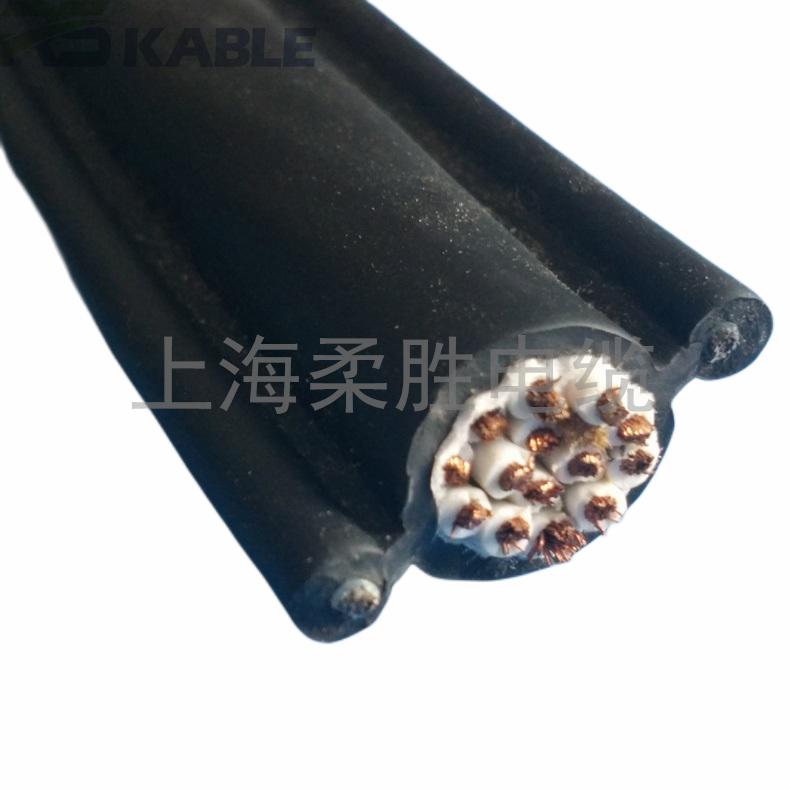
Crane Pendant Control Cable | Flexible Cable for Industrial Hoist and Crane Control Systems
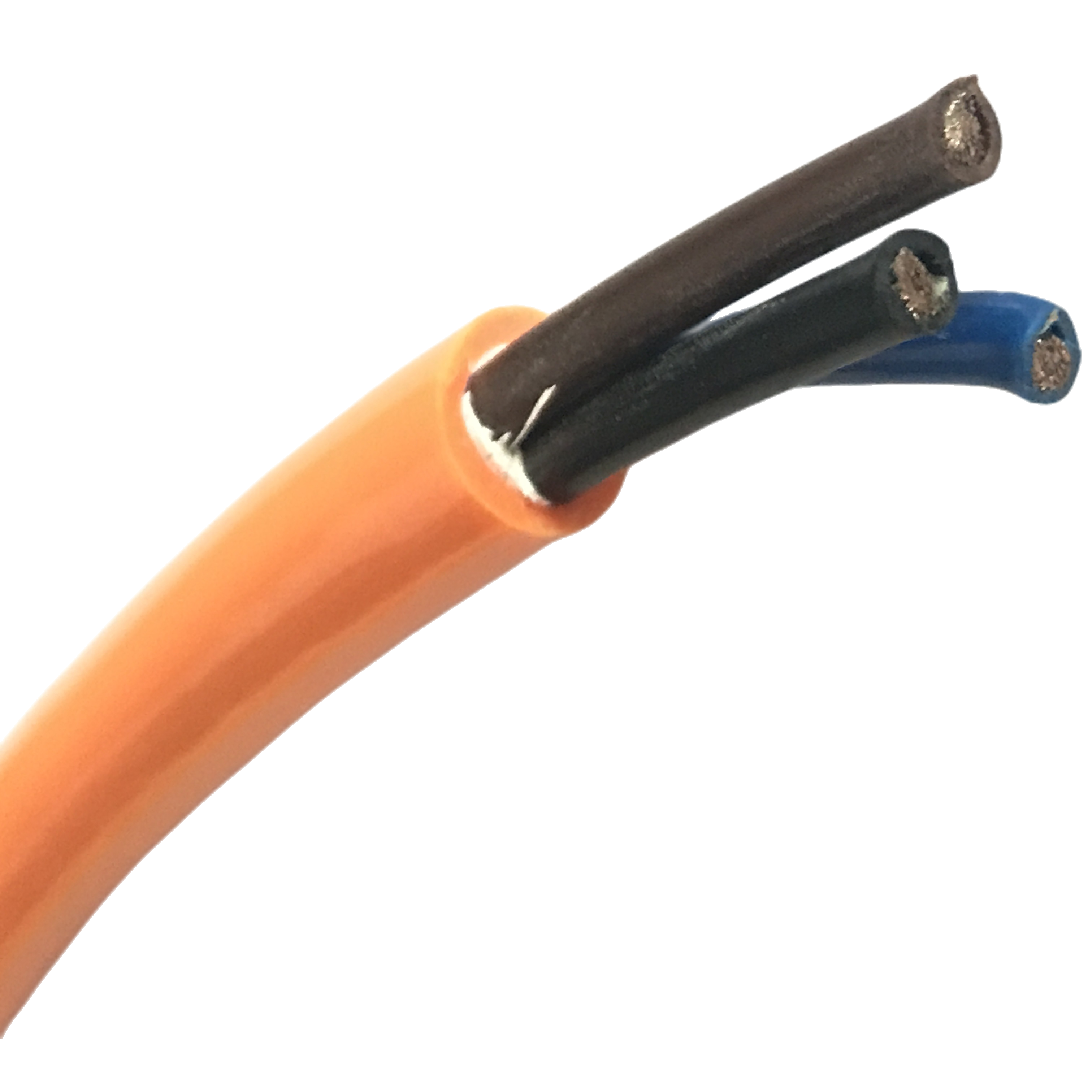
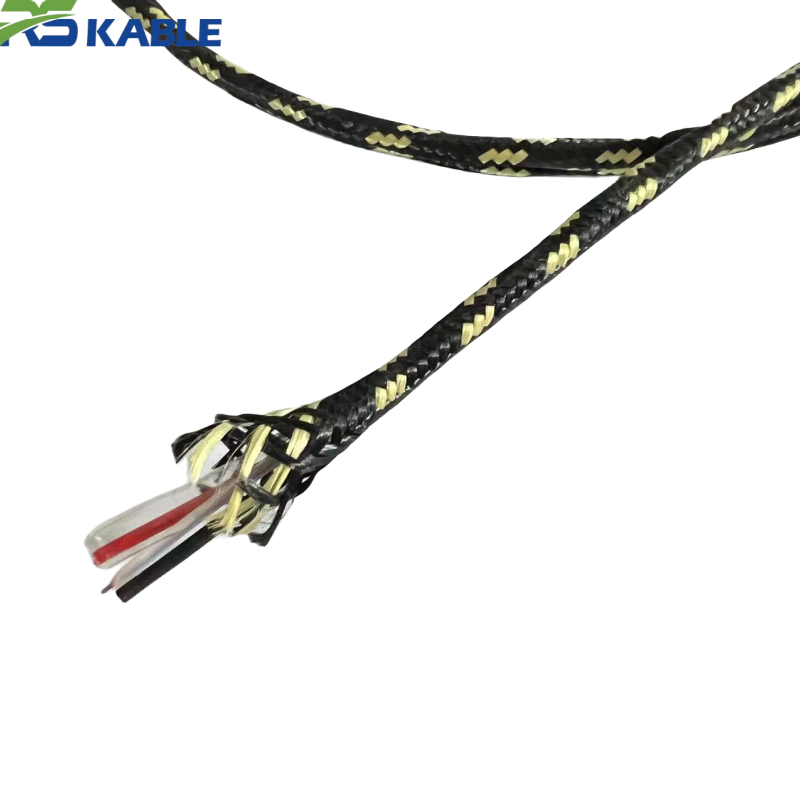
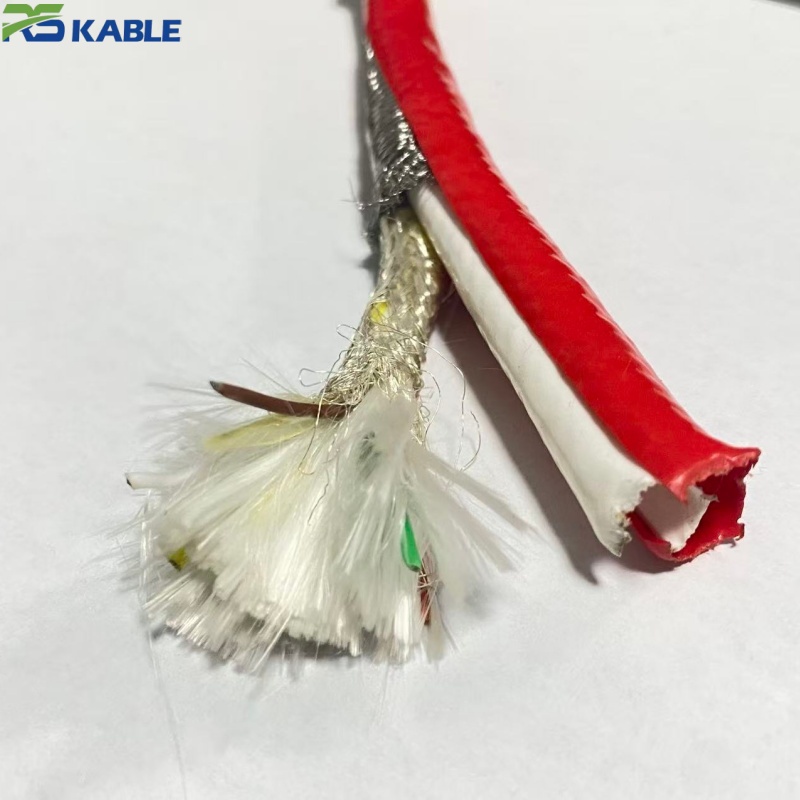
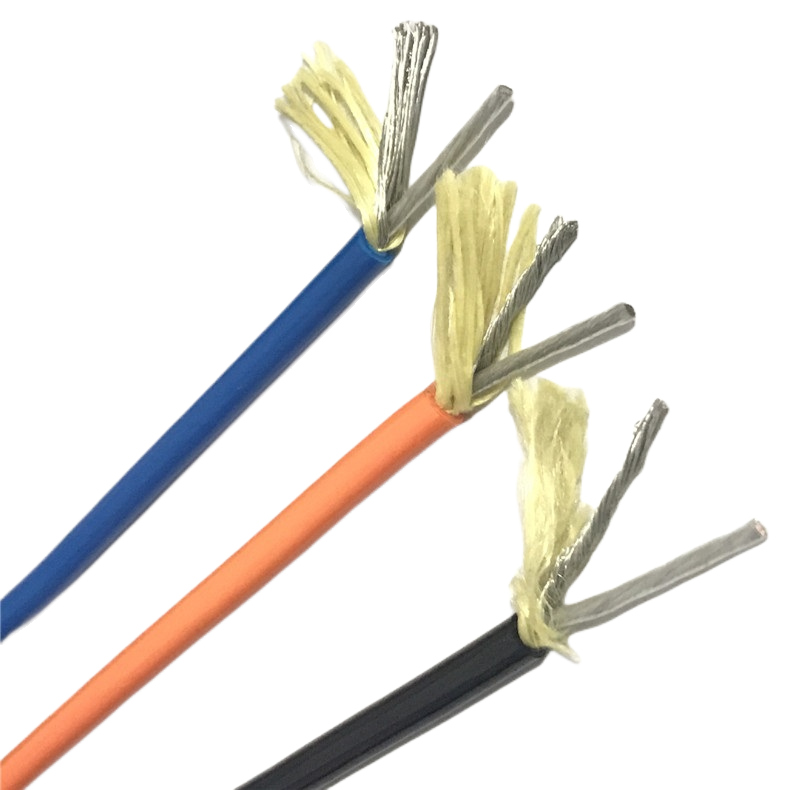
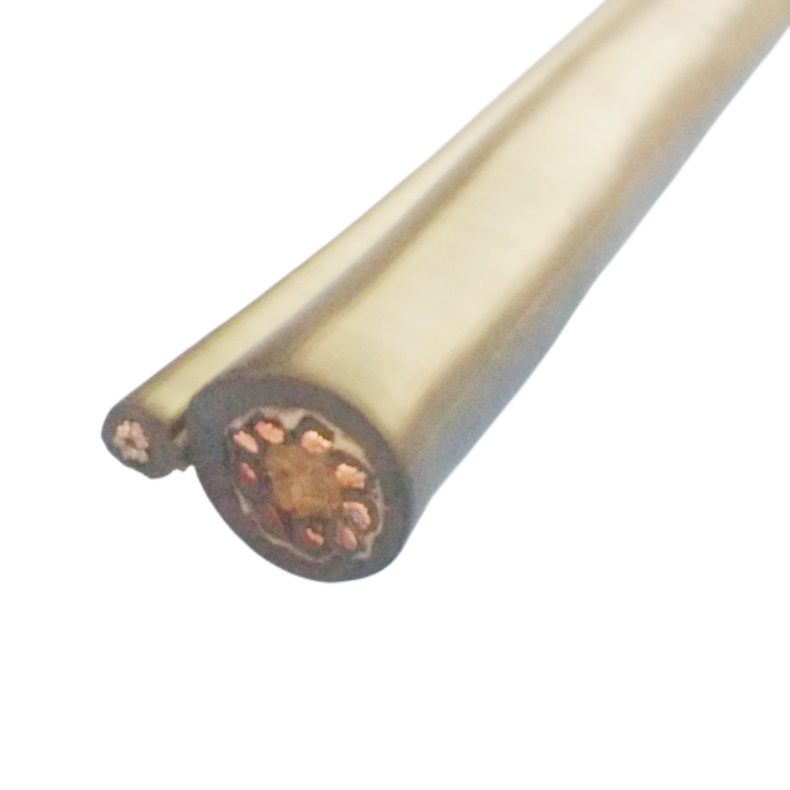
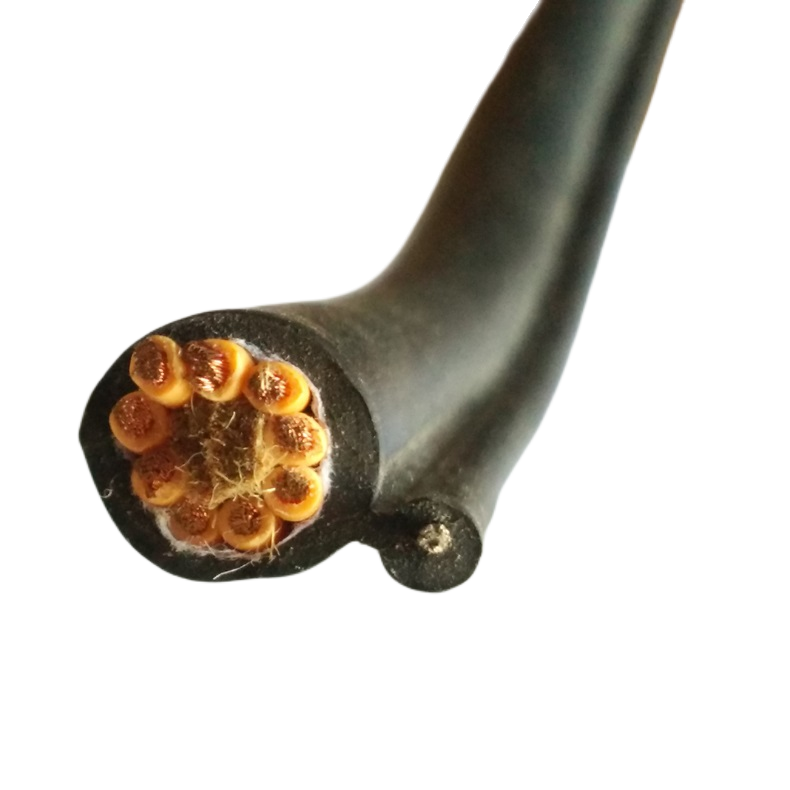
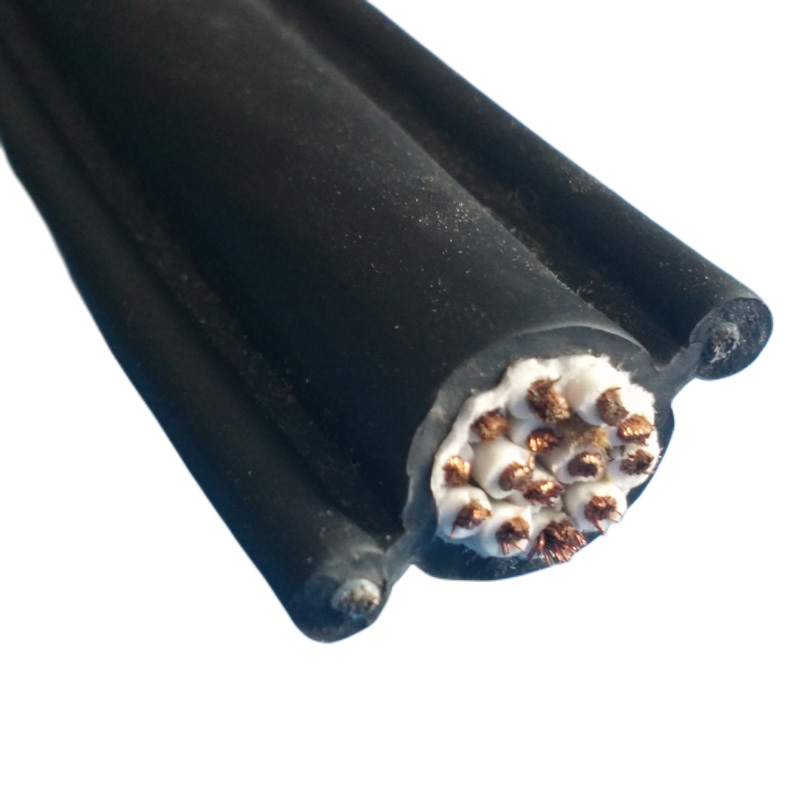
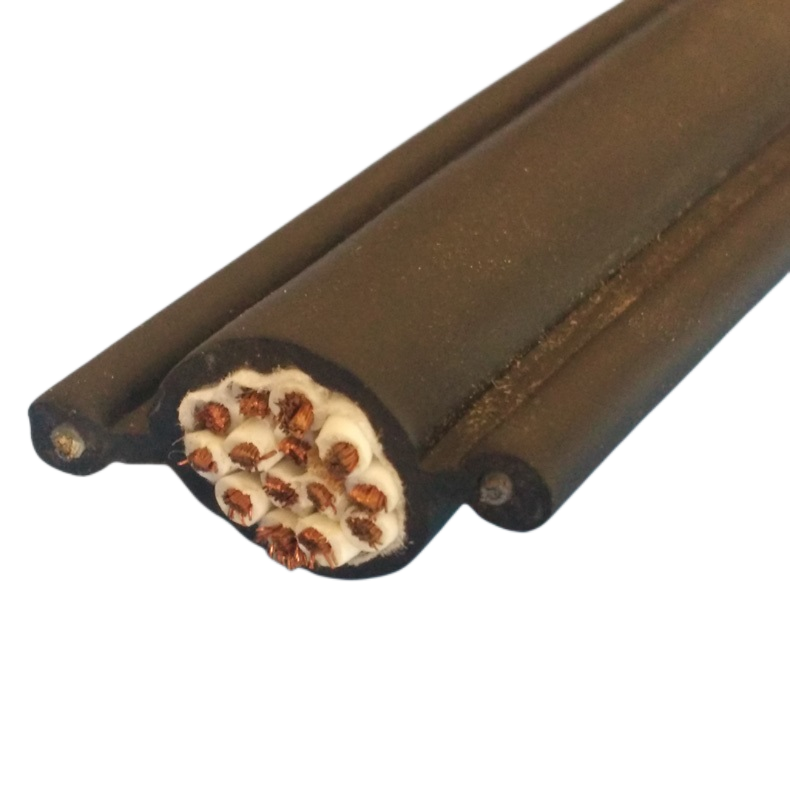
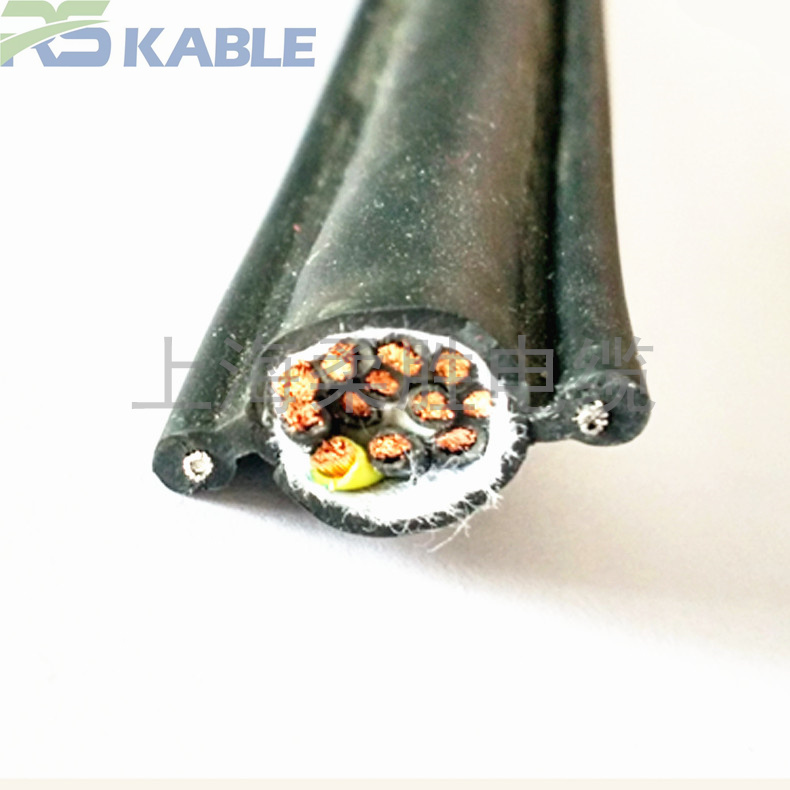
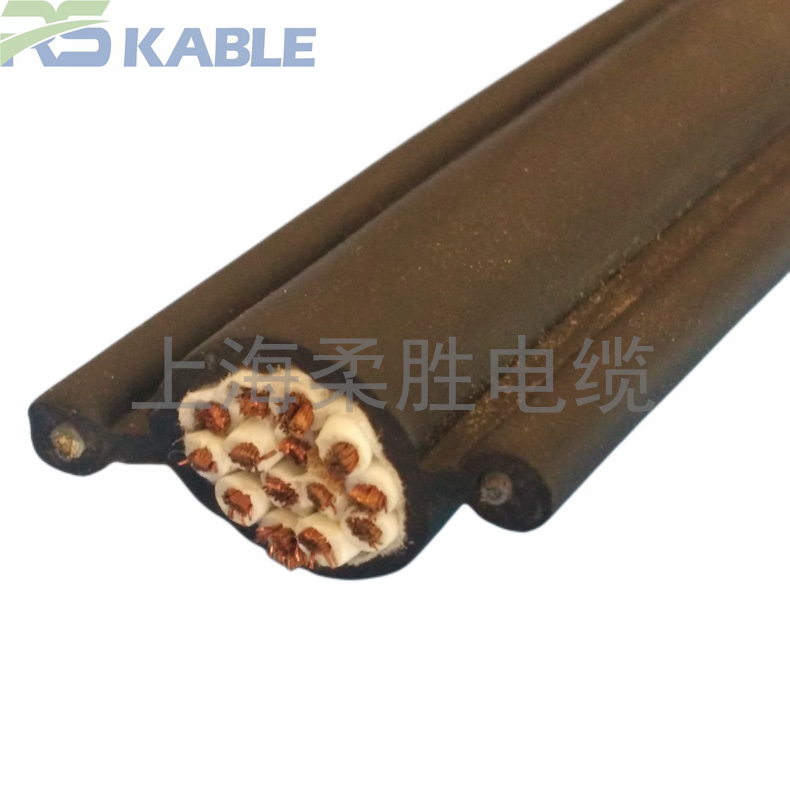
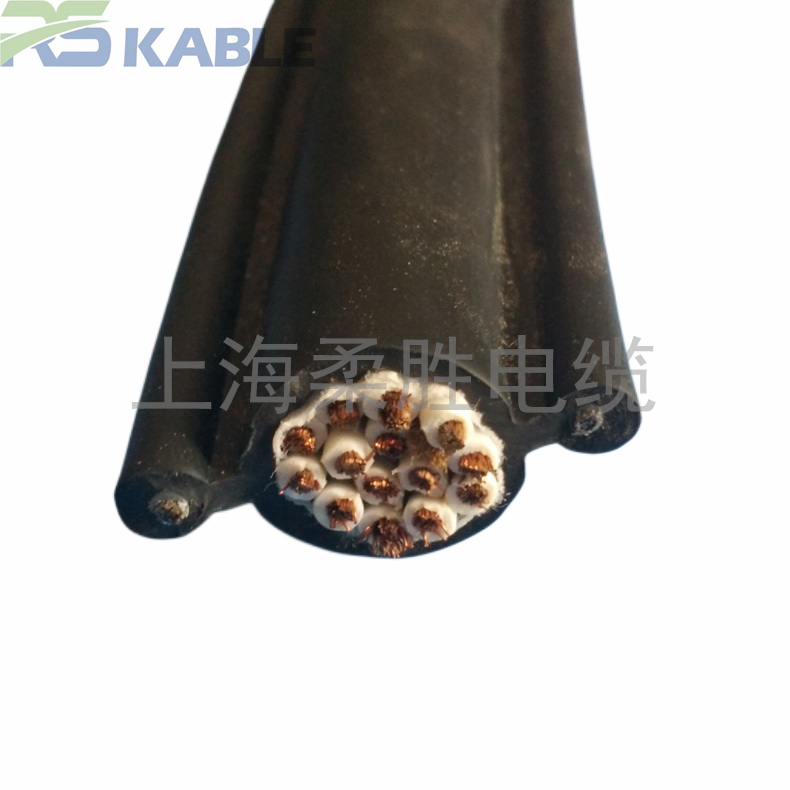
Crane Pendant Control Cable is a flexible cable for industrial hoist and crane control systems built for hand-held pendant stations that must support their own suspended weight. Its weight-bearing strain-relief core protects conductors from fatigue, while the abrasion-resistant jacket withstands daily hand-operated flexing at the grip point.
Key Benefits:
✅ Weight-bearing reinforcement core protects conductors from strain-point fatigue
✅ Durable jacket withstands daily hand contact and shop-floor wear
✅ Multi-function core configurations for hoist, trolley, and bridge control
✅ Optional shielding for installations near VFDs and motor drives
Crane Pendant Control Cable | Flexible Cable for Industrial Hoist and Crane Control Systems
The Crane Pendant Control Cable for Industrial Hoist and Crane Control Systems runs between a crane or hoist’s control panel and the hand-held pendant station an operator carries throughout the day. It is intended for push-button control, signal, and low-voltage circuits in installations where the cable has to do two jobs at once: hold up the physical weight of the pendant, and survive the handling that comes with constant use.
Pendant cable rarely fails from any single cause. Most failures trace back to conductor fatigue right at the strain-relief point, where the pendant’s weight and the operator’s handling motion both concentrate stress in the same small section of cable. Jacket wear from daily hand contact and incidental knocks against machine structure is the second common cause. A third, less obvious cause is internal core displacement — the cable’s own suspended weight gradually shifting an internal structure that was never built to hang. This cable addresses all three through a dedicated strain-relief reinforcement core, fine-stranded conductors suited to repeated flexing, and a jacket compound chosen specifically for the wear pattern pendant stations actually see.
Put simply, a pendant station asks more of a cable than either a fixed installation or a guided cable-carrier run does — it has to hang, and it has to be handled, at the same time, every day. That combination is what this construction is built around.
Crane Pendant Control Cable
Designed For
This cable is intended for:
- hand-held pendant control stations on overhead hoists and gantry cranes
- push-button, signal, and low-voltage control circuits between panel and pendant
- installations where the cable must support the pendant’s own suspended weight
- repeated daily flexing and handling at the pendant grip point
- shop-floor environments with incidental contact, dust, and moderate oil exposure
Look elsewhere for:
- continuous drag-chain travel along a linear guided path — this is a suspended, hand-operated cable, not a chain-routed construction
- high-current motor power circuits — pendant cables are generally sized for control-level current, not crane hoist motor power
- outdoor cranes with prolonged direct UV exposure, unless jacket compound suitability has been separately confirmed
- installations needing integrated fiber-optic or high-speed data transmission alongside pendant control
Product Summary
| Item | Description |
|---|---|
| Product Type | Crane pendant control cable |
| Main Use | Push-button control, signal, and low-voltage circuits for pendant stations |
| Typical Installations | Overhead hoists, gantry cranes, jib cranes, monorail hoists |
| Core Design | Strain-relief-oriented multi-core construction with weight-bearing reinforcement |
| Conductor Type | Fine-stranded tinned copper |
| Jacket Type | PUR or rubber-compound jacket, abrasion and oil resistant |
| Movement Type | Suspended service, repeated flexing at strain-relief and grip points |
| Supply Form | Cut length, coil, reel, project supply |
Typical Product Series
Series Name: RST-PC-CR Series Category: Pendant control cable for crane and hoist systems
| Product Model | Product Name | Typical Core Count | Typical Use | Reinforcement | Jacket |
|---|---|---|---|---|---|
| RST-PC-CR-04 | Pendant control cable, 4 cores | 4C | Basic hoist up/down control | Standard strain relief | PUR |
| RST-PC-CR-08 | Pendant control cable, 8 cores | 8C | Multi-function pendant (hoist + trolley + bridge) | Standard strain relief | PUR |
| RST-PC-CR-12 | Pendant control cable, 12 cores | 12C | Multi-speed, multi-motion pendant stations | Reinforced strain relief | PUR |
| RST-PC-CR-SH | Shielded pendant control cable | Custom | EMI-sensitive control near VFDs | Reinforced strain relief | PUR, shielded |
| RST-PC-CR-C | Custom pendant control cable | Custom | Project-based crane control applications | Custom | Project-matched |
Technical Parameters
Treat the figures below as a starting point rather than a fixed spec — pendant weight, suspension length, and shielding needs vary enough between installations that most orders end up adjusting at least one of these.
| Parameter | Typical Range / Description |
|---|---|
| Conductor Material | Fine-stranded tinned copper |
| Typical Conductor Sizes | 0.75 mm², 1.0 mm², 1.5 mm², larger sizes on request |
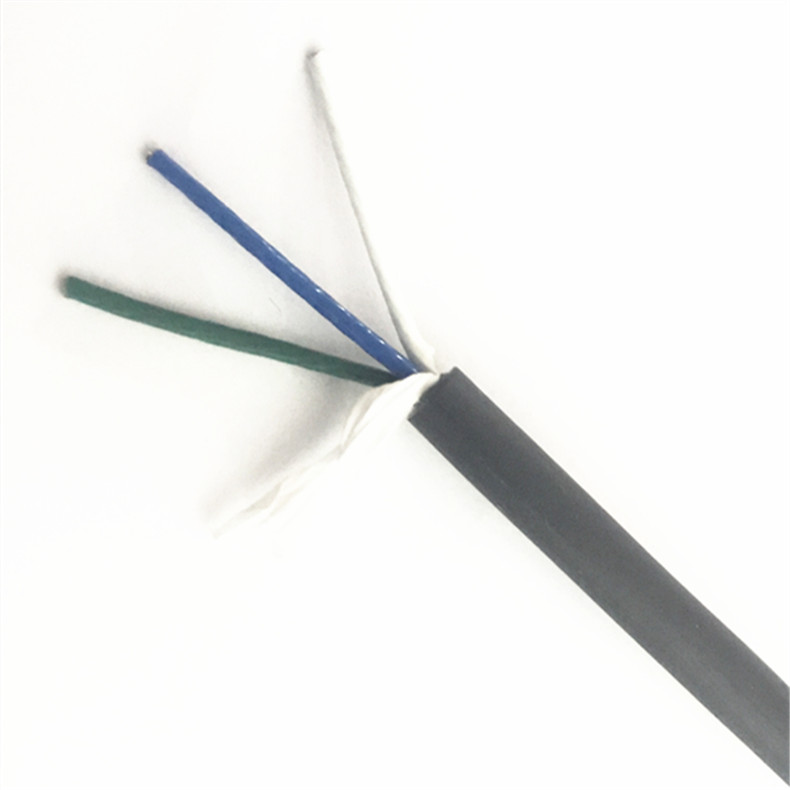
| Core Count | 4C to multi-core custom constructions |
| Weight-Bearing Reinforcement | Textile or steel-wire strain-relief core, sized to pendant weight |
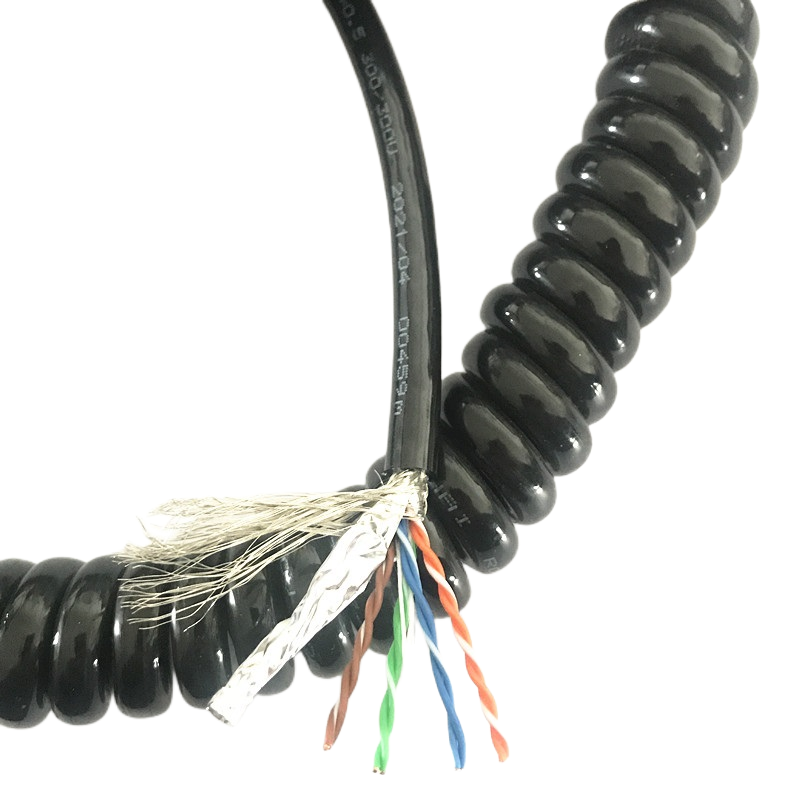
| Shielding | Unshielded, overall foil shield, or braid, per project requirement |
| Jacket Material | PUR or rubber compound, abrasion and oil resistant |
| Jacket Characteristics | Abrasion resistant, oil resistant, suitable for daily hand contact |
| Movement Condition | Suspended service, repeated flexing at strain-relief and grip points |
| Temperature Range | Confirmed according to final jacket and project condition |
| Minimum Bend Radius | Confirmed according to cable diameter and suspension length |
| Outer Diameter | Depends on conductor size, core count, and reinforcement structure |
| Application Scope | Push-button control, signal, and low-voltage pendant circuits |
| Supply Format | Cut length, coil, reel, OEM and project supply |
Crane Pendant Control Cable
Cable Construction
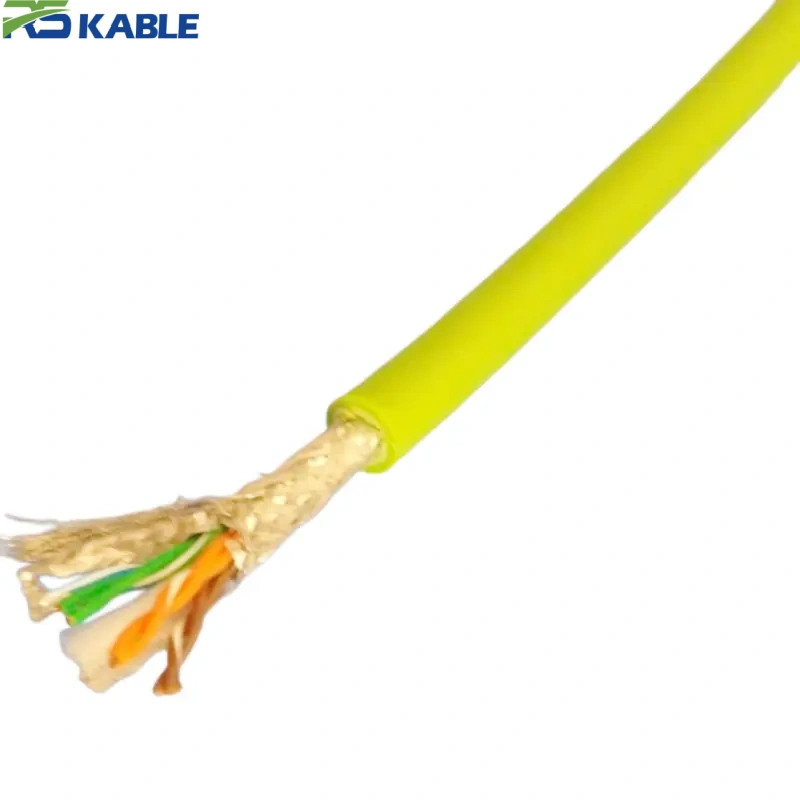
Fine-Stranded Conductors
Everything starts with how the conductor handles bending. Fine-stranded tinned copper spreads the stress from daily handling across more, thinner strands, so no single strand carries the brunt of the fatigue that builds up at the point an operator flexes the cable most.
Weight-Bearing Strain Relief Core
Fixed control cable never has to think about its own weight. A pendant cable does — it hangs, sometimes for years, and that suspended load has to go somewhere other than the copper. A textile or steel-wire reinforcement core takes on that job, so the electrical conductors are carrying signal, not the pendant’s mass.
Core Arrangement for Suspended Stability
Gravity pulling steadily downward and an operator’s hand pulling unpredictably sideways create a different internal stress pattern than either a stationary cable or one guided through a fixed track experiences. The core layout here is built around that specific combination rather than borrowed from a fixed-installation design.
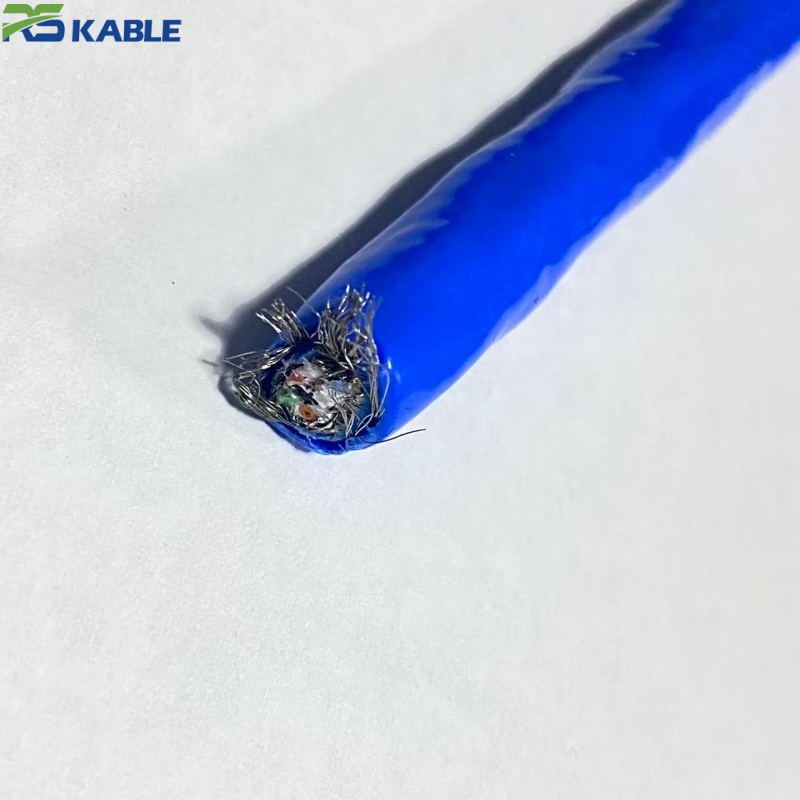
Optional Shielding
Control circuits routed near VFDs or motor drives pick up noise the same way any unshielded conductor would. Shielded construction is available where that’s a real concern for the specific installation.
Durable Outer Jacket
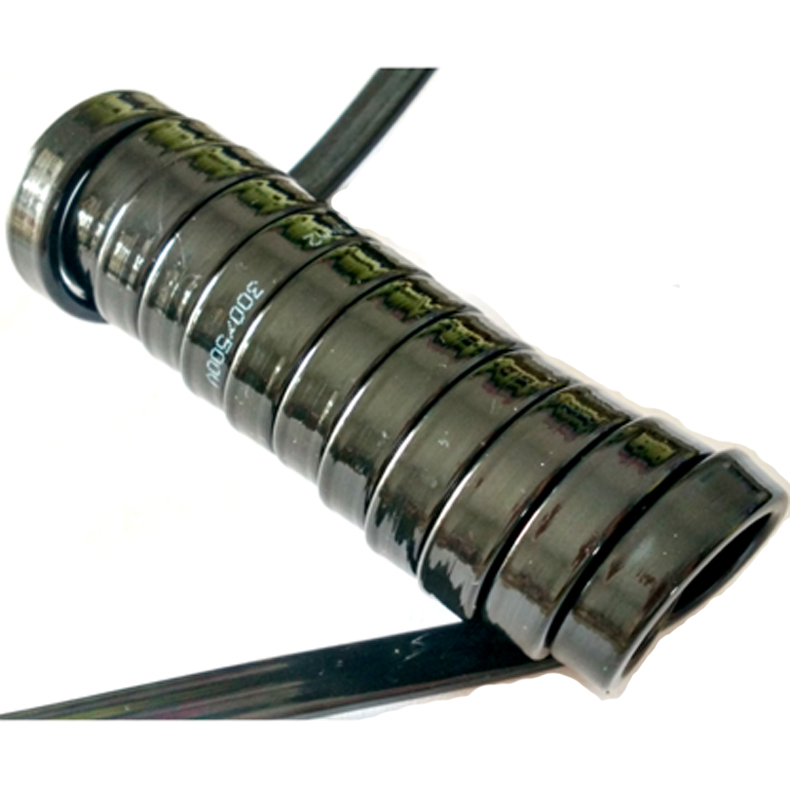
Ask where a pendant cable actually wears out, and it’s almost always at the grip point first — daily hand contact, the occasional knock against a machine frame, shop-floor grit working into the jacket surface over months. The outer compound here is chosen with that specific wear pattern in mind, not a generic abrasion rating.
Why This Construction Holds Up Where Others Don’t
Fatigue Concentrates at One Point — So Reinforcement Goes There Too
Without a dedicated weight-bearing core, the pendant’s suspended mass transfers straight into the conductors at the strain-relief point, and that’s exactly where fatigue failure shows up first. Putting the reinforcement where the stress actually concentrates addresses the problem at its source rather than over-building the whole cable.
Suspended Load Plus Handling Is Its Own Category
A pendant cable isn’t a fixed cable that happens to hang, and it isn’t a cable-carrier cable that happens to be handled by a person — it’s a distinct combination of static suspended load and dynamic daily use. Construction built around that combination outperforms cable adapted from either neighboring category.
Wear Shows Up Where Hands Actually Touch the Cable
Jacket failure on a pendant cable rarely starts somewhere random. It starts at the grip point, because that’s where the cable interacts with the operator and the environment the most. A jacket compound matched to that specific contact pattern lasts longer than a generic abrasion-resistant material selected without that detail in mind.
Daily-Shift Use Rewards the Right Construction Choice
A pendant station handled every shift, every day, for years puts a cable through a volume of handling that a lightly-used control cable never sees. Getting the construction right up front means fewer mid-life replacements and less unplanned downtime on the crane itself.
Where This Cable Belongs, and Where It Doesn’t
Suited to:
- suspended pendant control stations carrying their own weight
- repeated daily flexing and handling at the grip and strain-relief points
- push-button, signal, and low-voltage control circuits
- shop-floor environments with moderate dust, oil, and incidental contact
Needs a different construction for:
- continuous drag-chain travel along a guided linear path
- high-current motor power transmission
- outdoor installations with prolonged direct UV exposure
- integrated high-speed data or fiber-optic requirements
A cable engineered for suspended, hand-operated service and one engineered for guided linear travel are solving genuinely different mechanical problems, even though both get called “flexible cable” on a spec sheet.
Typical Applications
The Crane Pendant Control Cable is commonly used in:
- overhead bridge crane pendant stations
- gantry crane hoist control
- jib crane and monorail hoist control
- workshop and warehouse lifting equipment
- foundry and steel mill overhead handling systems
- assembly line hoist and lifting stations
Typical Working Conditions
- daily suspended, hand-operated use
- repeated flexing at the strain-relief and grip points
- shop-floor dust, oil mist, and incidental contact
- indoor industrial environments, with some outdoor exposure
- routing near motor drives and control panels
Crane Pendant Control Cable vs Standard Control Cable
| Comparison Item | Crane Pendant Control Cable | Standard Control Cable |
|---|---|---|
| Suspended Weight-Bearing Capability | Built-in reinforcement core | Not designed for suspended load |
| Grip-Point Handling Durability | Higher, jacket suited to daily hand contact | More installation-dependent |
| Strain-Relief Fatigue Resistance | Higher | Limited without added reinforcement |
| Service Life in Pendant Use | Typically longer | Usually shorter, premature failure at strain point |
| Best Use | Hand-held pendant control stations | Fixed or lightly-moving control wiring |
A standard control cable can be pressed into pendant service and will often work for a while — but without weight-bearing reinforcement, the strain-relief point tends to become the failure point sooner than expected.
PUR Jacket vs Rubber Jacket for Pendant Use
| Comparison Item | PUR Jacket | Rubber Compound Jacket |
|---|---|---|
| Abrasion Resistance | Higher | Moderate |
| Oil Resistance | Better | Good |
| Grip-Point Wear Life | Typically longer | More installation-dependent |
| Cold-Weather Flexibility | Good | Generally good, compound-dependent |
| Recommended Use | High-cycle daily pendant handling, oil-exposed shop floors | Moderate-duty pendant stations |
Where a pendant station is in near-constant hands-on use across every shift, PUR generally earns its keep at the grip point; for lighter, occasional-use stations, rubber compound often performs adequately at lower cost.
Crane Pendant Control Cable
Selection Guide
Start With Function
Identify whether the cable carries push-button control, signal, or a combination for a multi-function pendant.
Weigh the Pendant Before Anything Else
The pendant station’s actual weight and the suspended cable length are what size the reinforcement core — get this wrong and nothing else on the spec sheet matters much.
Count the Functions, Not Just the Wires
Core count follows directly from what the pendant does — hoist up/down, trolley travel, bridge travel, and speed selection each typically need their own core.
Check What’s Nearby
VFDs and motor drives running near the control run are the usual reason to add shielding; isolated circuits often don’t need it.
Think About How Often It’s Actually Handled
A station worked continuously across multiple daily shifts wears differently than one used occasionally — jacket selection should reflect the real handling frequency, not a worst-case assumption or a best-case hope.
Account for the Environment
Shop-floor dust, oil mist, and any outdoor exposure all feed into jacket material selection.
Match the Hardware at Both Ends
The strain-relief fitting at the panel and pendant ends needs to match the cable’s reinforcement structure and diameter — this is easy to overlook until the parts don’t fit.
Customization and Supply
Custom construction is available for project-based crane and hoist control applications.
Available Options
- core count
- conductor size
- reinforcement core sizing
- shield structure
- jacket type and color
- cable marking
- cut length or reel supply
Supply Support
- model matching based on pendant weight and handling frequency
- sample supply for evaluation
- drawing and structure confirmation before production
- OEM and project supply
- industrial batch production
Ordering Information
For faster quotation and model selection, provide:
- pendant station weight
- suspension/cable length
- core count and function list (hoist, trolley, bridge, speed selection)
- shielding requirement
- handling frequency (shifts per day)
- installation environment
Inquiry Example
8 cores, 1.0 mm², reinforced strain-relief core, PUR jacket, 3-meter suspension length, multi-function overhead bridge crane pendant, continuous daily use
Call to Action
Request a Quote for Crane Pendant Control Cable Send the application details for model selection, structure confirmation, and pricing.
FAQ
What is a crane pendant control cable used for?
It carries push-button control, signal, and low-voltage circuits between a crane or hoist’s control panel and the hand-held pendant station an operator uses to run lifting, trolley, and bridge movement.
Why does this cable need a reinforcement core?
Because the cable is holding up the pendant’s own weight in addition to carrying electrical circuits. Without that reinforcement, the mechanical load lands on the conductors instead — exactly where it shouldn’t.
Could I use this cable in a drag chain instead of a pendant application?
That’s not what it’s built for. Pendant cable is designed around suspended, hand-operated service, which loads the cable very differently than guided linear travel in a drag chain does.
Can one cable handle a multi-function pendant with several control buttons?
Yes — core count simply scales with the number of functions on the pendant. Hoist, trolley, bridge, and speed selection each typically get a dedicated core.
Do I need shielding?
Only if the run is near VFDs or motor drives. Simple push-button circuits away from those sources usually get by fine unshielded.
How is this different from ordinary control cable?
Ordinary control cable isn’t built to carry its own weight. This construction adds a dedicated reinforcement core and a jacket suited to daily hand contact — two things a fixed-installation cable was never asked to do.
Does pendant weight actually change what cable I need?
Yes, more than people expect. A heavier multi-function pendant on a longer drop needs meaningfully more robust reinforcement than a light single-function pendant on a short one.
Can this be built to a custom spec?
Core count, conductor size, reinforcement sizing, shielding, and jacket type are all adjustable — most orders end up custom to some degree once actual pendant weight and use pattern are factored in.
Other Related Products
(For related control and flexible cable products, please refer to our Reeling Cable and Custom Special Cable category pages.)
[Request a Quotation] · [Ask an Engineer Before You Spec It] · [Download Technical Datasheet]