


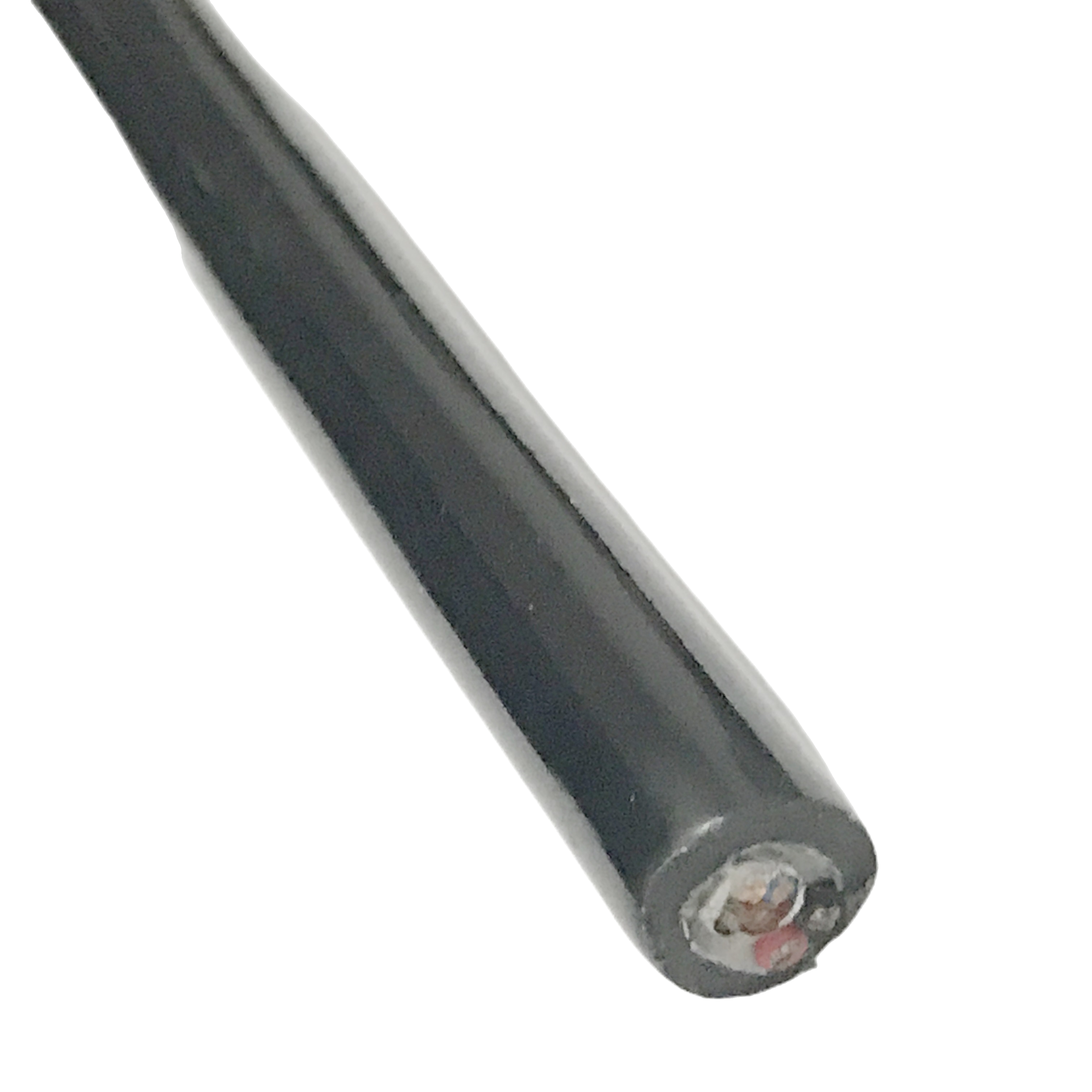
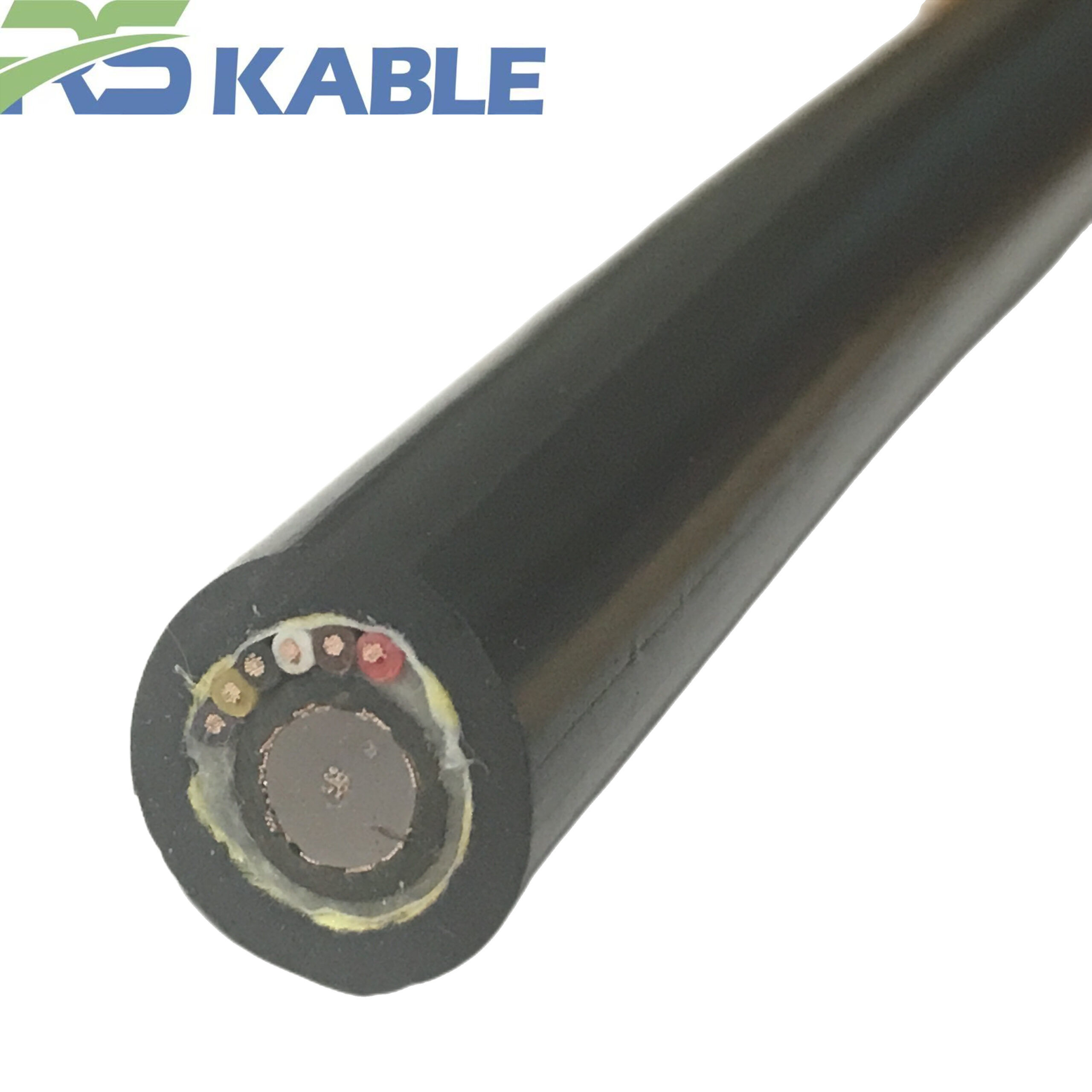
Liquid Nitrogen Cable | Flexible Cryogenic Cable for Ultra-Low Temperature Applications
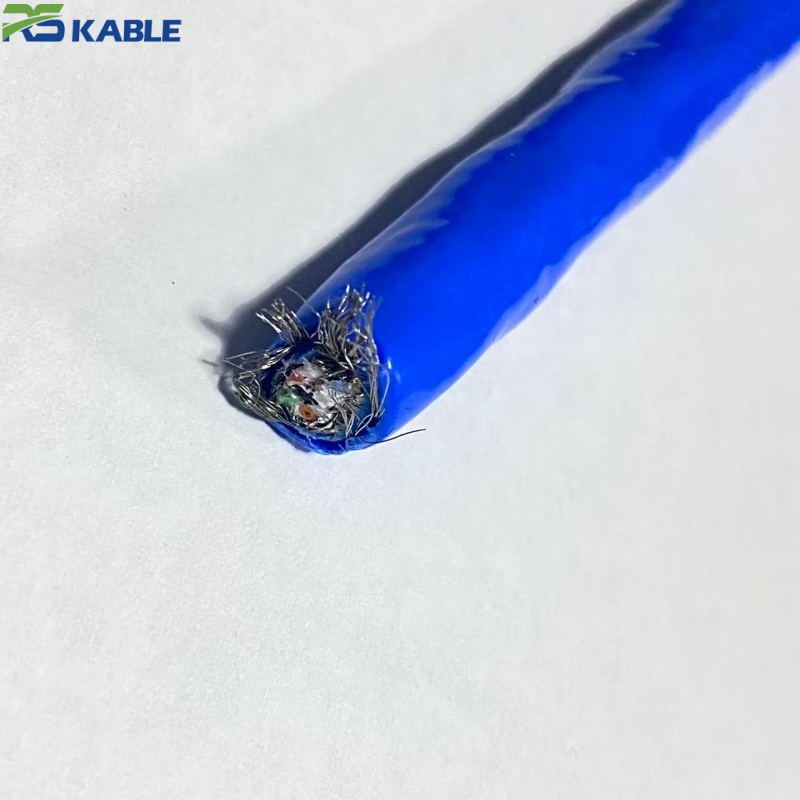
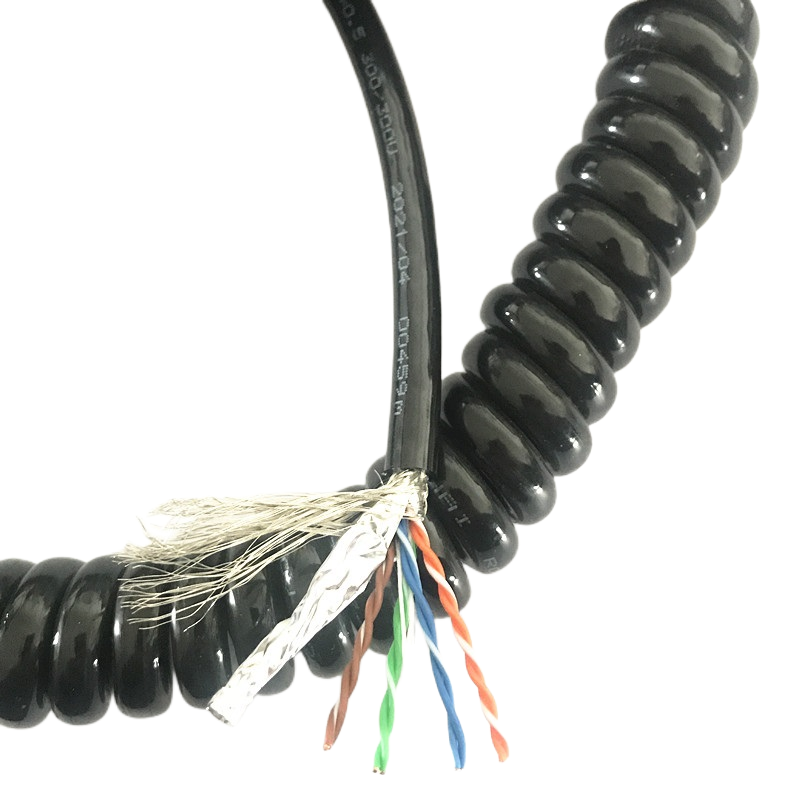
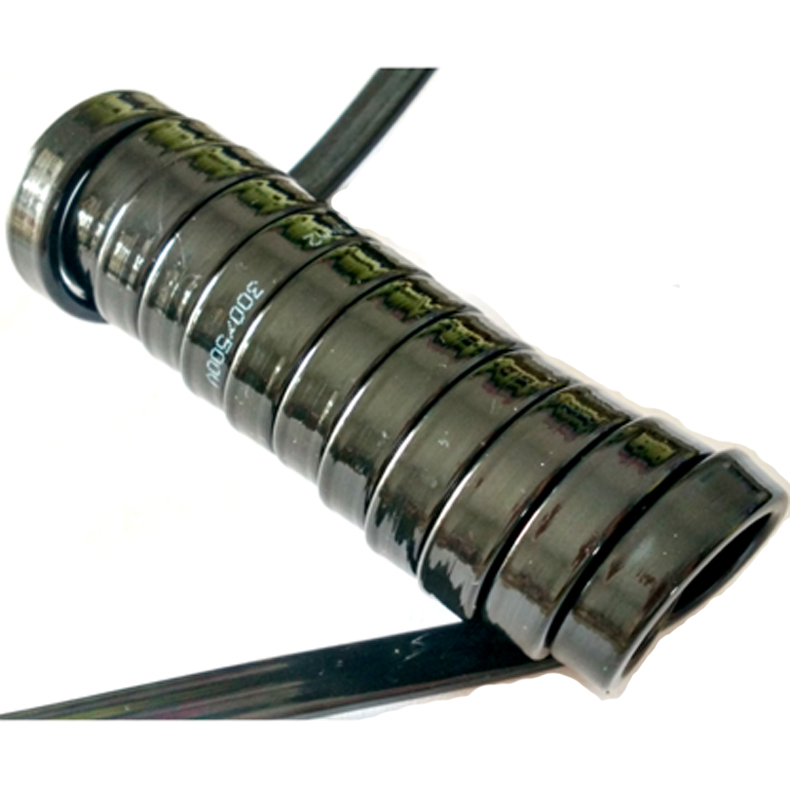
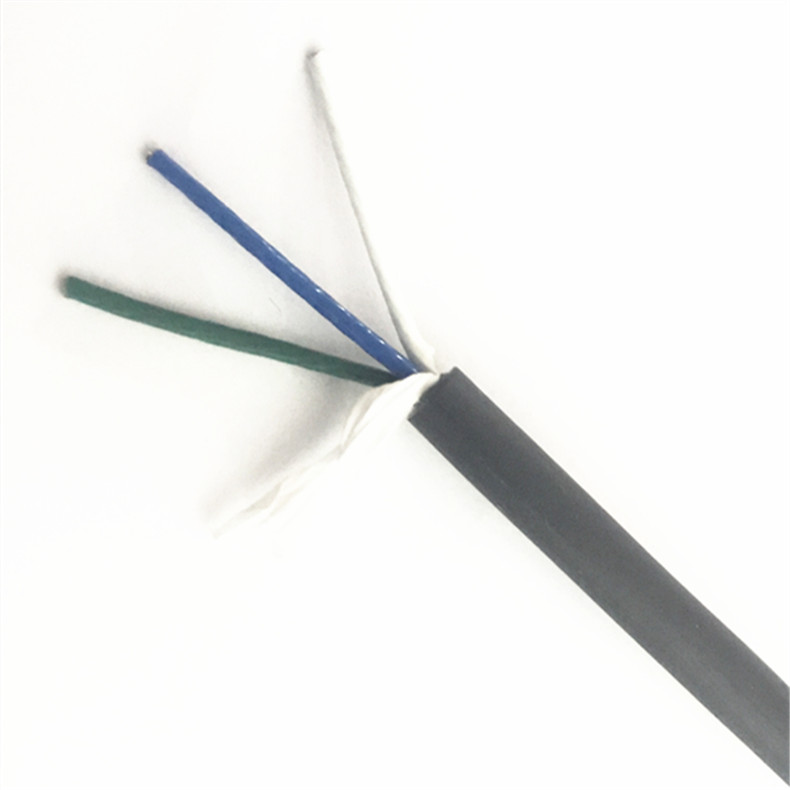
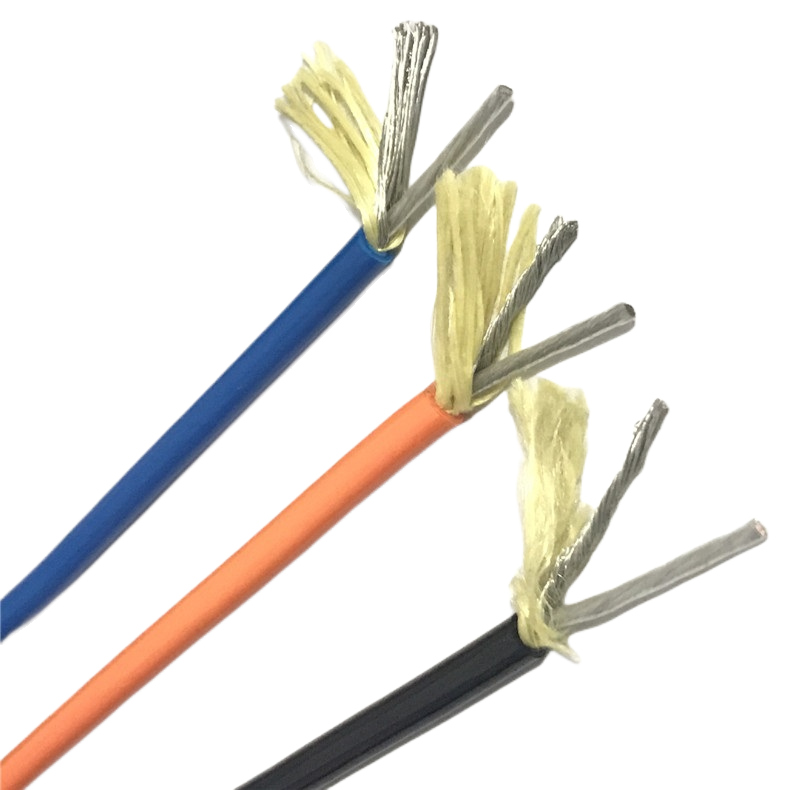
The RST-CRYO series is a flexible cryogenic cable designed for liquid nitrogen (LN2) systems, cryostats, and ultra-low temperature instrumentation. Its cryogenic-grade conductor structure supports stable performance during repeated cool-down and warm-up cycles, while the low-temperature-stable outer jacket helps resist cracking, embrittlement, and thermal shock.
Key benefits:
Liquid Nitrogen Cable | Flexible Cryogenic Cable for Ultra-Low Temperature Applications
The Liquid Nitrogen Cable for Ultra-Low Temperature Applications is developed for cryostats, LN2 storage and transfer systems, cryocoolers, superconducting instrumentation, and other equipment where the cable is exposed to sustained or repeated exposure to temperatures at or near -196°C. It is intended for signal, control, sensor, and selected low-power circuits in applications where standard-temperature cable is not suitable for cryogenic service.
In cryogenic equipment, cable failure usually begins with one of three problems: insulation cracking from low-temperature embrittlement, conductor stiffness change caused by unsuitable conductor material, or jacket failure caused by repeated thermal cycling between ambient and cryogenic temperature. This cable is designed to reduce those risks through a cryogenic-grade conductor design, low-temperature-stable insulation, and a durable outer jacket selected for sustained cryogenic service.
The result is a liquid nitrogen cable better suited to cryogenic systems than standard instrumentation cable, especially in applications where cable reliability, maintenance interval, and system uptime are directly affected by low-temperature routing conditions.
Liquid Nitrogen Cable
Designed For
This cable is intended for:
- static or limited-flex routing inside cryostats and dewars
- sensor and instrumentation leads in LN2 systems
- control wiring for cryogenic valves and actuators
- compact routing spaces where low-temperature flexibility matters
- long-cycle cryogenic operation where downtime must be reduced
This cable should be evaluated separately for:
- continuous dynamic flexing at cryogenic temperature
- high-current superconducting magnet power leads
- vacuum feedthrough and ultra-high vacuum outgassing requirements
- direct mechanical loading during LN2 immersion
Product Summary
| Item | Description |
|---|---|
| Product Type | Flexible cryogenic liquid nitrogen cable |
| Main Use | Cryogenic signal, control, sensor, and selected low-power transmission |
| Typical Installations | Cryostats, LN2 transfer lines, cryocoolers, superconducting instrumentation, cryo-chambers |
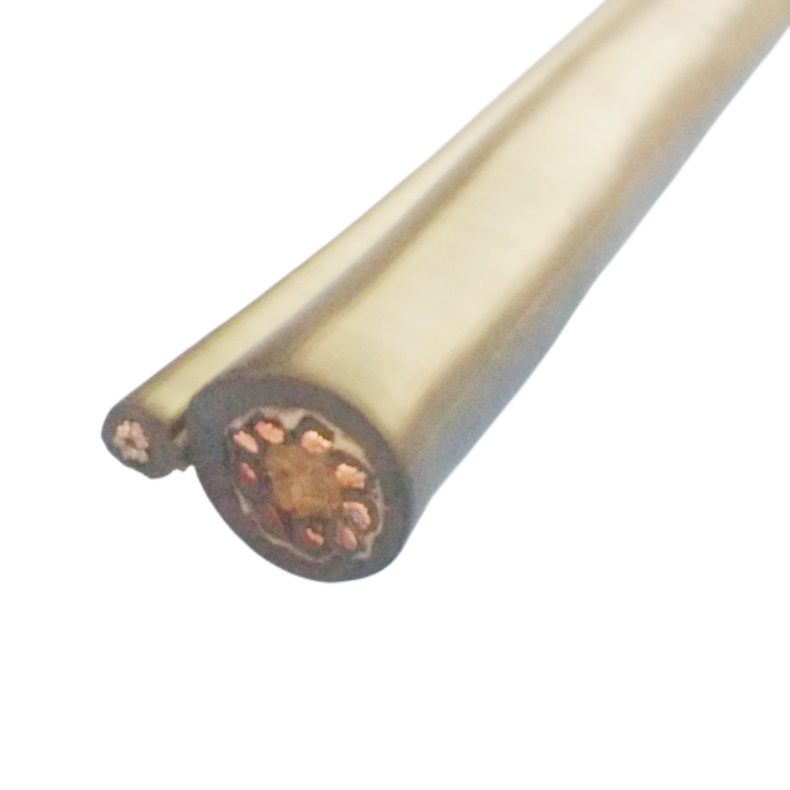
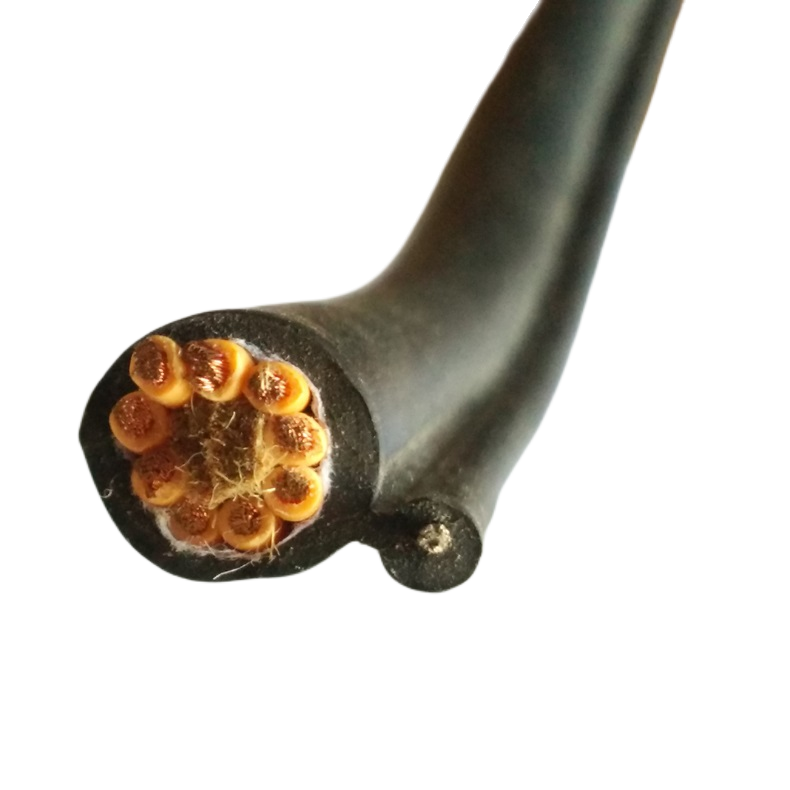
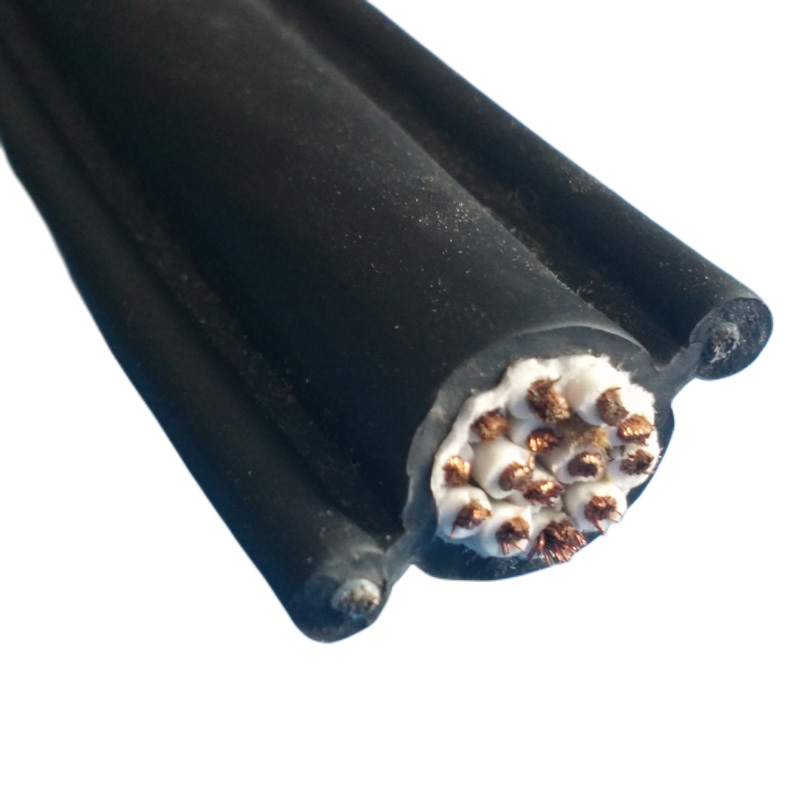
| Core Design | Cryogenic-stable multi-core construction |
| Conductor Type | Silver-plated fine-stranded oxygen-free copper |
| Jacket Type | FEP / PTFE or application-matched cryogenic-grade jacket |
| Movement Type | Static or limited flex, repeated thermal cycling |
| Supply Form | Cut length, coil, reel, project supply |
Typical Product Series
Series Name: RST-CRYO-LN2 Series Category: Flexible cable for liquid nitrogen and cryogenic instrumentation systems
| Product Model | Product Name | Typical Core Count | Typical Use | Shield Option | Jacket |
|---|---|---|---|---|---|
| RST-CRYO-LN2-04 | Cryogenic LN2 cable, 4 cores | 4C | Cryostat control and sensor loops | Optional | FEP |
| RST-CRYO-LN2-08 | Cryogenic LN2 cable, 8 cores | 8C | Instrumentation and feedback routing | Optional | FEP |
| RST-CRYO-LN2-12 | Cryogenic LN2 cable, 12 cores | 12C | Multi-circuit cryogenic monitoring assemblies | Recommended | FEP / PTFE |
| RST-CRYO-LN2-SP | Cryogenic hybrid signal-power cable | Custom | Selected signal and low-power combined circuits | Optional | FEP / PTFE |
| RST-CRYO-LN2-C | Custom cryogenic cable | Custom | Project-based ultra-low temperature applications | Custom | FEP / PTFE / project-matched |
Technical Parameters
The values below are typical selection items. Final design should be confirmed according to core count, conductor size, minimum service temperature, thermal cycling frequency, and shielding requirement.
| Parameter | Typical Range / Description |
|---|---|
| Conductor Material | Silver-plated fine-stranded oxygen-free copper |
| Typical Conductor Sizes | 0.14 mm², 0.20 mm², 0.25 mm², 0.34 mm², 0.50 mm², larger sizes on request |
| Core Count | 2C to multi-core custom constructions |
| Core Arrangement | Cryogenic-stable stranded core layout |
| Insulation Material | FEP or PTFE, selected for low-temperature stability |
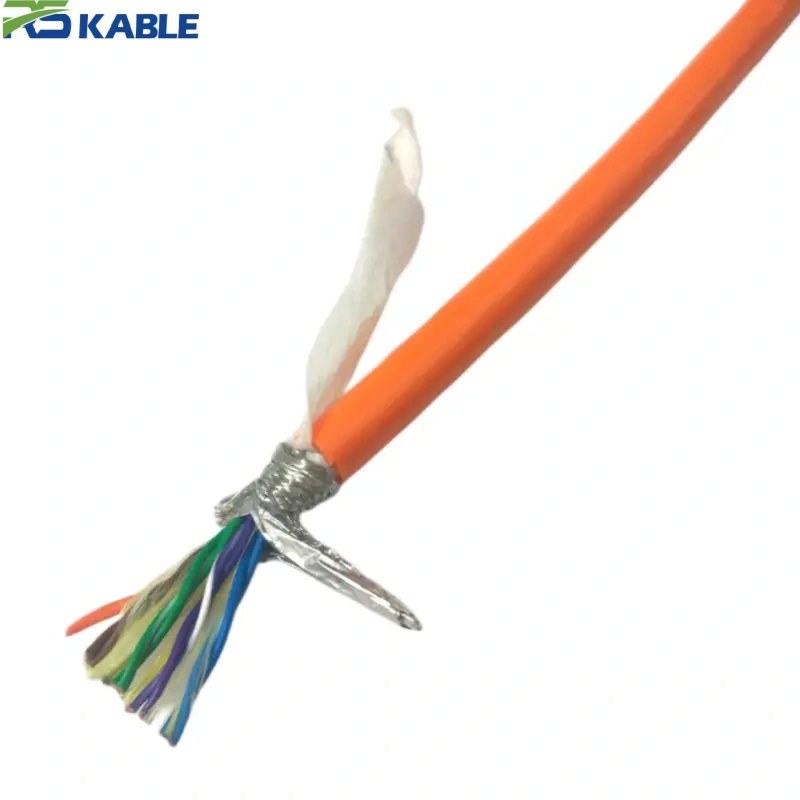
| Shielding | Unshielded, overall foil shield, braid, or project-based shield structure |
| Jacket Material | FEP, PTFE, or application-matched cryogenic-grade compound |
| Jacket Characteristics | Crack resistant, embrittlement resistant, suitable for sustained cryogenic service |
| Service Condition | Sustained LN2 exposure, repeated cool-down/warm-up thermal cycling |
| Temperature Range | Down to -196°C, upper limit confirmed according to final jacket and project condition |
| Minimum Bend Radius | Confirmed according to cable diameter and service temperature |
| Outer Diameter | Depends on conductor size, core count, and shield structure |
| Application Scope | Signal, control, sensor, feedback, and selected low-power circuits |
| Supply Format | Cut length, coil, reel, OEM and project supply |
Liquid Nitrogen Cable
Cable Construction
Cryogenic-Grade Conductor
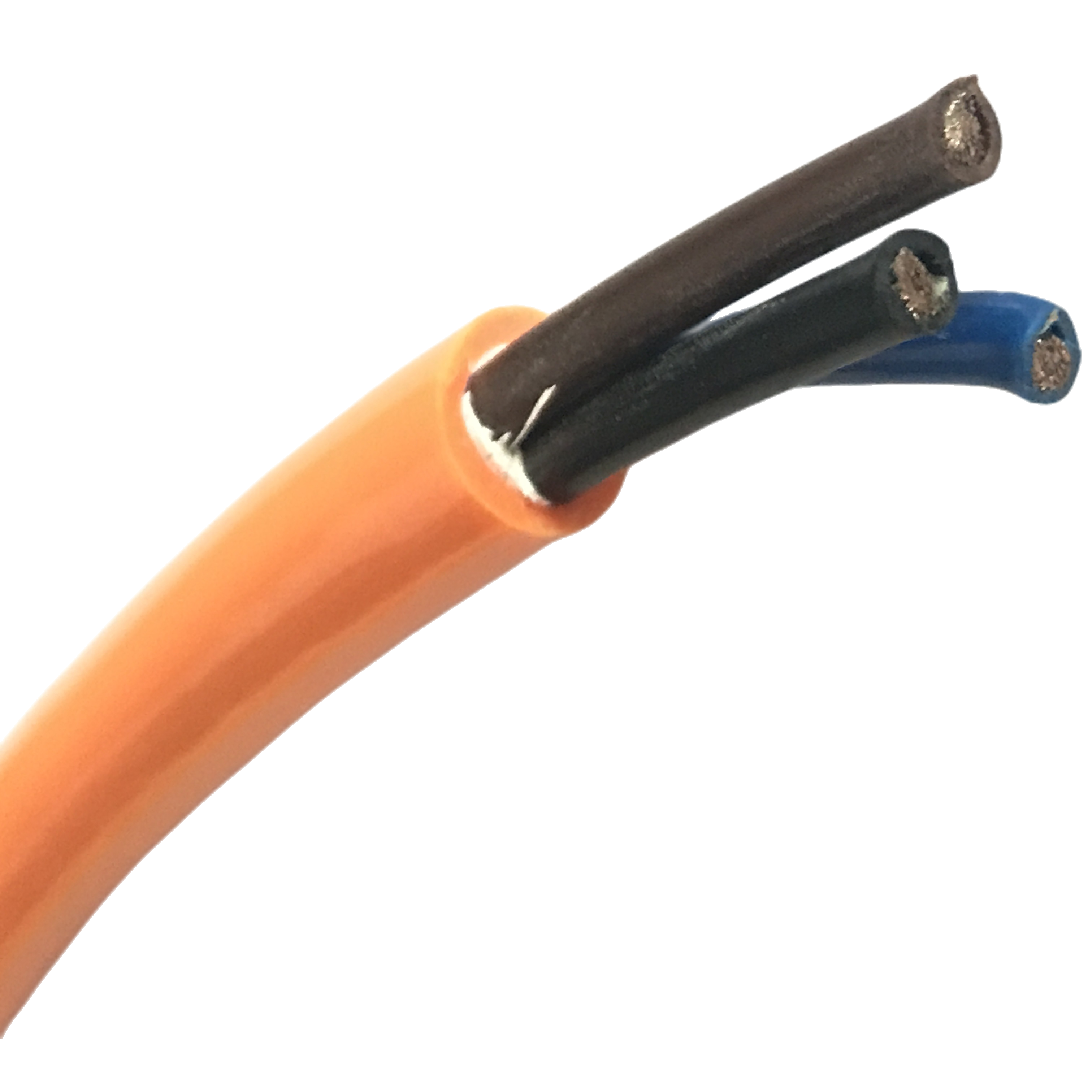
A reliable cryogenic cable depends first on conductor design. Silver-plated fine-stranded oxygen-free copper maintains conductivity and resists stiffening at ultra-low temperature, helping reduce the risk of conductor fatigue during repeated thermal cycling.
Low-Temperature-Stable Insulation
In cryogenic service, insulation stability matters as much as conductor performance. FEP or PTFE insulation is selected to resist cracking and maintain dielectric performance as the cable moves between ambient and LN2 temperature.
Fillers and Binding for Thermal-Cycling Stability
Where required by construction, internal support elements are used to help keep the cable round, reduce local stress points, and improve stability during repeated cool-down and warm-up cycles.
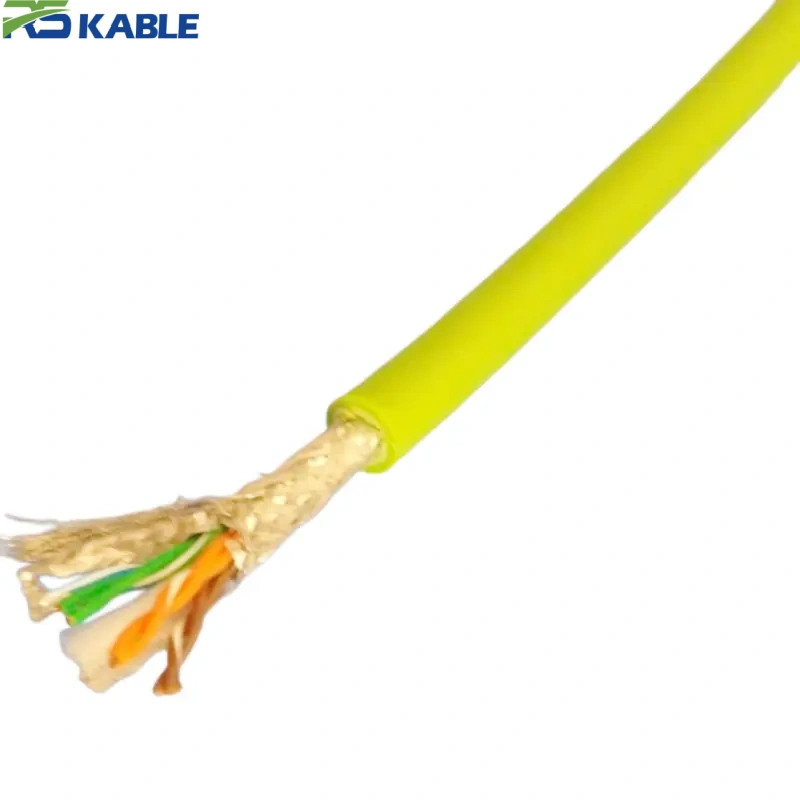
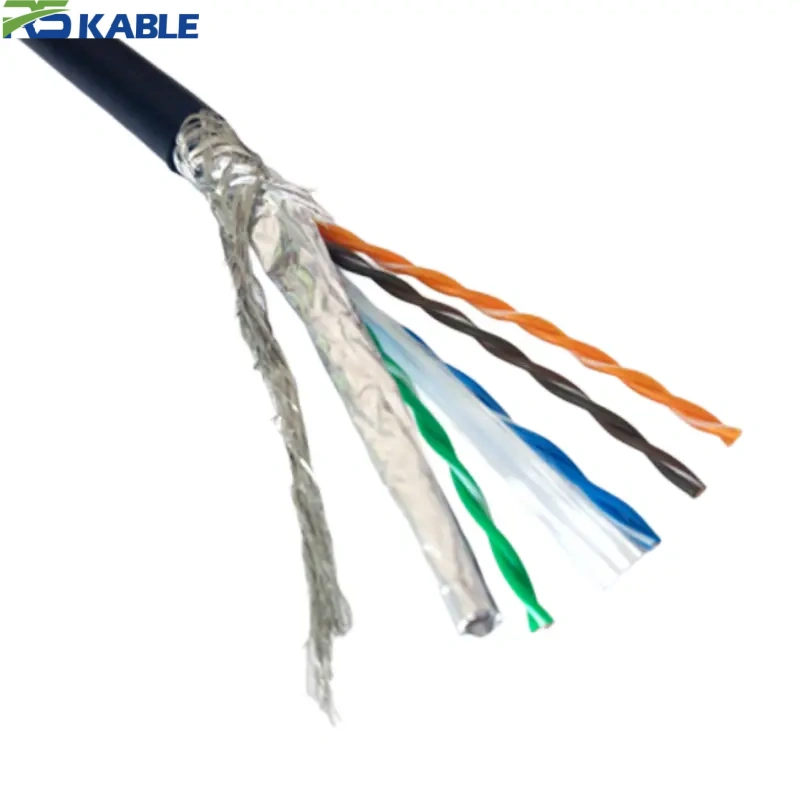
Optional Shielding
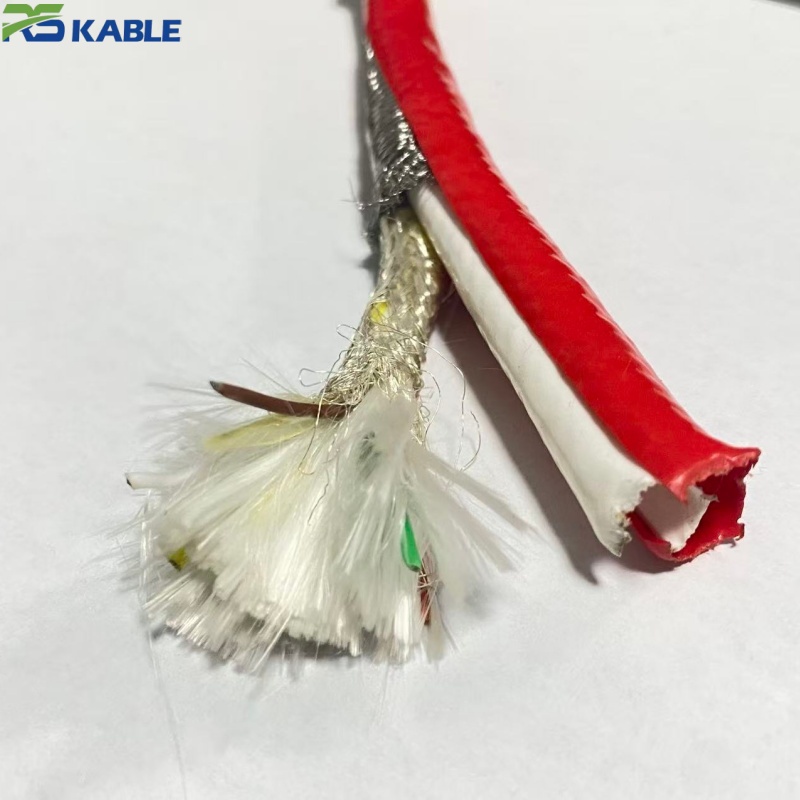
For installations near cryocooler drives, sensor electronics, or parallel instrumentation routing, shielded versions are available. Shielding is recommended when stable sensor or control signal transmission is required in electrically noisy cryogenic environments.
Durable Outer Jacket
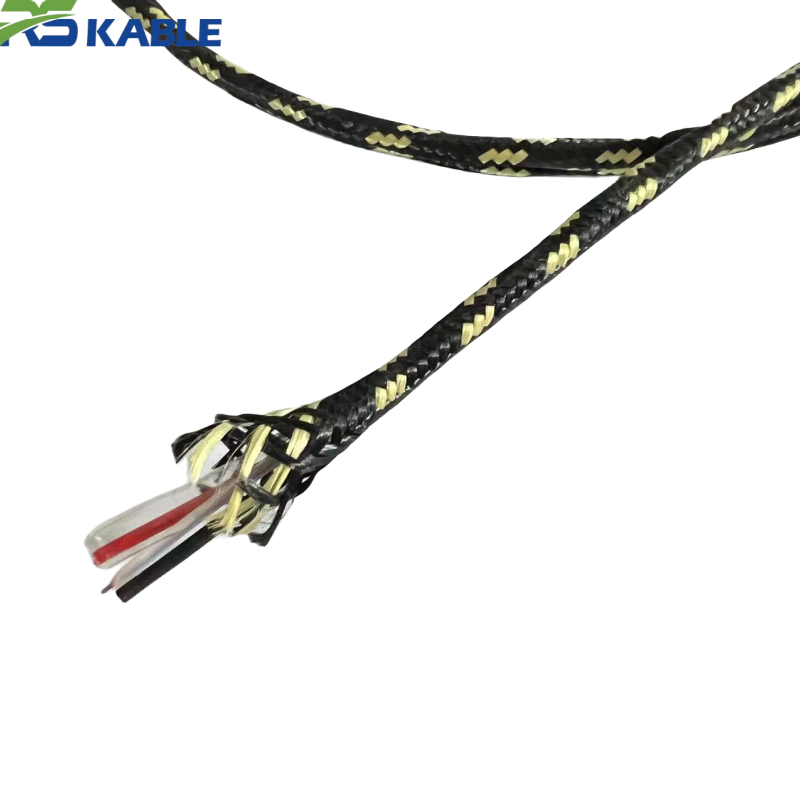
The outer jacket is selected for sustained cryogenic service where embrittlement, thermal shock, and condensation are common. In cryogenic systems, jacket performance has a direct effect on service life because cracking often becomes the first visible sign of cable failure.
Why Cryogenic-Grade Construction Extends Cable Life
A reliable low-temperature cable is not defined by cold resistance alone. Service life depends on how the whole structure handles repeated thermal stress in the actual installation.
Reduced Insulation Cracking Risk
Repeated exposure to LN2 temperature creates cyclic stress in standard insulation materials. A cryogenic-grade insulation structure helps reduce cracking risk during long operating cycles.
Better Stability During Thermal Cycling
When a cable moves repeatedly between ambient and cryogenic temperature, internal stress can shorten life if the structure is not designed for thermal cycling. A cryogenic-stable core layout helps the cable remain more stable across repeated cool-down and warm-up events.
Lower Risk of Jacket Embrittlement Failure
In cryogenic instrumentation and transfer systems, the cable jacket may be exposed to sustained cold, condensation, and handling. A durable cryogenic jacket helps reduce embrittlement-related failure in these low-temperature conditions.
Better Fit for Long-Cycle Cryogenic Equipment
Cryogenic systems often operate continuously or repeat cool-down cycles over long service periods. In this type of equipment, the correct cable structure can reduce maintenance frequency and improve system uptime.
Ultra-Low Temperature Application Boundary
This cable is suitable for:
- sustained exposure to LN2 temperature (-196°C) in static or limited-flex routing
- repeated cool-down and warm-up thermal cycling
- sensor and instrumentation leads inside cryostats and dewars
- control wiring for cryogenic valves and actuators
- applications where the main stress is thermal cycling rather than continuous dynamic flexing
This cable requires separate confirmation for:
- continuous dynamic flexing at cryogenic temperature
- high-current superconducting magnet power leads
- ultra-high vacuum feedthrough and outgassing-sensitive applications
- direct mechanical loading during LN2 immersion
- protocol-specific high-speed data transmission at cryogenic temperature
This boundary matters because not every “cold-resistant cable” is suitable for every type of cryogenic service.
Typical Applications
The Liquid Nitrogen Cable for Ultra-Low Temperature Applications is commonly used in:
- LN2 storage and transfer systems
- cryostats and cryocoolers
- superconducting magnet instrumentation
- semiconductor cryo-etch and deposition chambers
- biobanking and cryopreservation equipment
- space environment simulation chambers
- cryogenic valve and sensor wiring
- vacuum-jacketed pipeline monitoring
- scientific research cryogenic test rigs
- laboratory-scale cryogenic process equipment
Typical Working Conditions
- sustained exposure to -196°C environments
- repeated cool-down and warm-up thermal cycling
- compact installation space inside dewars or cryostats
- occasional handling-related flexing
- condensation and moisture exposure at interface zones
- mixed routing near cryocooler drives and sensor electronics
Liquid Nitrogen Cable vs Standard Instrumentation Cable
| Comparison Item | Liquid Nitrogen Cable | Standard Instrumentation Cable |
|---|---|---|
| Intended Service Temperature | Down to -196°C | Ambient to moderate cold |
| Thermal Cycling Suitability | Better | Limited |
| Insulation Cracking Resistance | Better | Usually lower |
| Jacket Embrittlement Resistance | Better | More installation-dependent |
| Service Life in Cryogenic Systems | Typically longer | Usually shorter |
| Best Use | Cryostats and cryogenic instrumentation systems | General ambient-temperature wiring |
A standard instrumentation cable may work in a lightly cooled application, but it is usually not the preferred choice for sustained service at LN2 temperature.
FEP/PTFE Jacket vs Standard PVC/PUR Jacket
| Comparison Item | FEP / PTFE Jacket | Standard PVC / PUR Jacket |
|---|---|---|
| Low-Temperature Flexibility | Higher | Usually lower |
| Cracking Resistance at LN2 Temp | Better | Usually lower |
| Thermal Cycling Durability | Better for sustained cryogenic service | More suitable for ambient-temperature use |
| Service Life in Cryo Routing | Typically longer | More installation-dependent |
| Recommended Use | Cryostats, LN2 systems, cryogenic instrumentation | General industrial wiring |
For cryogenic systems, FEP or PTFE is generally preferred when low-temperature stability and longer service life are required.
Liquid Nitrogen Cable
Selection Guide
Correct selection depends on the actual service temperature and thermal cycling condition, not only on core count.
1. Confirm Function
Identify whether the cable carries signal, control, sensor, feedback, or selected low-power circuits.
2. Confirm Temperature Profile
Determine the minimum service temperature, thermal cycling frequency, and whether continuous or intermittent LN2 exposure applies.
3. Confirm Core Count and Conductor Size
Select the number of cores and conductor size according to circuit design, current demand, voltage drop, and terminal requirements.
4. Confirm Shielding Requirement
Where the cable is routed near cryocooler drives, sensor electronics, or power circuits, shielded construction is recommended for signal-sensitive circuits.
5. Confirm Routing Space
The minimum available bend space and overall diameter limit should be checked before final model confirmation.
6. Confirm Environmental Exposure
Condensation, moisture, vacuum condition, and thermal cycling frequency all influence jacket selection and final structure.
7. Confirm Handling and Installation Method
Routing path, feedthrough type, and installation method should be reviewed because service life in cryogenic use is strongly affected by installation layout.
Customization and Supply
Custom construction is available for project-based cryogenic applications.
Available Options
- core count
- conductor size
- shield structure
- jacket type
- jacket color
- cable marking
- outer diameter target
- cut length or reel supply
Supply Support
- model matching based on service temperature and routing condition
- sample supply for evaluation
- drawing and structure confirmation before production
- OEM and project supply
- industrial batch production
Ordering Information
For faster quotation and model selection, provide:
- application type
- core count
- conductor size
- shield requirement
- cable length
- minimum service temperature
- installation environment
- quantity demand
Inquiry Example
8 cores, 0.34 mm², overall shield, FEP jacket, LN2 dewar instrumentation routing, -196°C service, 100 meters
Call to Action
Request a Quote for Liquid Nitrogen Cable Send the application details for model selection, structure confirmation, and pricing.
FAQ
What is a liquid nitrogen cable used for?
It is used for signal, control, sensor, and selected low-power transmission in cryogenic systems where the cable is exposed to sustained or repeated LN2 temperature.
Is this cable suitable for cryostats and dewars?
Yes. It is intended for static or limited-flex routing inside cryostats and dewars, subject to final structure and installation condition.
Can it be used for superconducting magnet instrumentation?
Yes, for sensor and low-power signal routing. High-current superconducting magnet power leads should be confirmed separately.
Why does cryogenic-grade construction improve service life?
It helps reduce insulation cracking, improves structural stability during repeated thermal cycling, and lowers the risk of early failure in cryogenic routing.
Is shielding required?
Not always. For simple low-noise circuits, unshielded construction may be acceptable. Near cryocooler drives or sensor electronics, shielded construction is usually preferred.
What is the difference between this cable and standard instrumentation cable?
This cable is designed specifically for sustained cryogenic service and repeated thermal cycling, while standard instrumentation cable is generally intended for ambient-temperature installation.
Why choose FEP or PTFE for cryogenic systems?
FEP and PTFE generally provide better low-temperature flexibility, cracking resistance, and thermal cycling durability than standard PVC or PUR at LN2 temperature.
Is custom construction available?
Yes. Core count, conductor size, shielding, jacket type, marking, and supply format can be matched to project requirements.