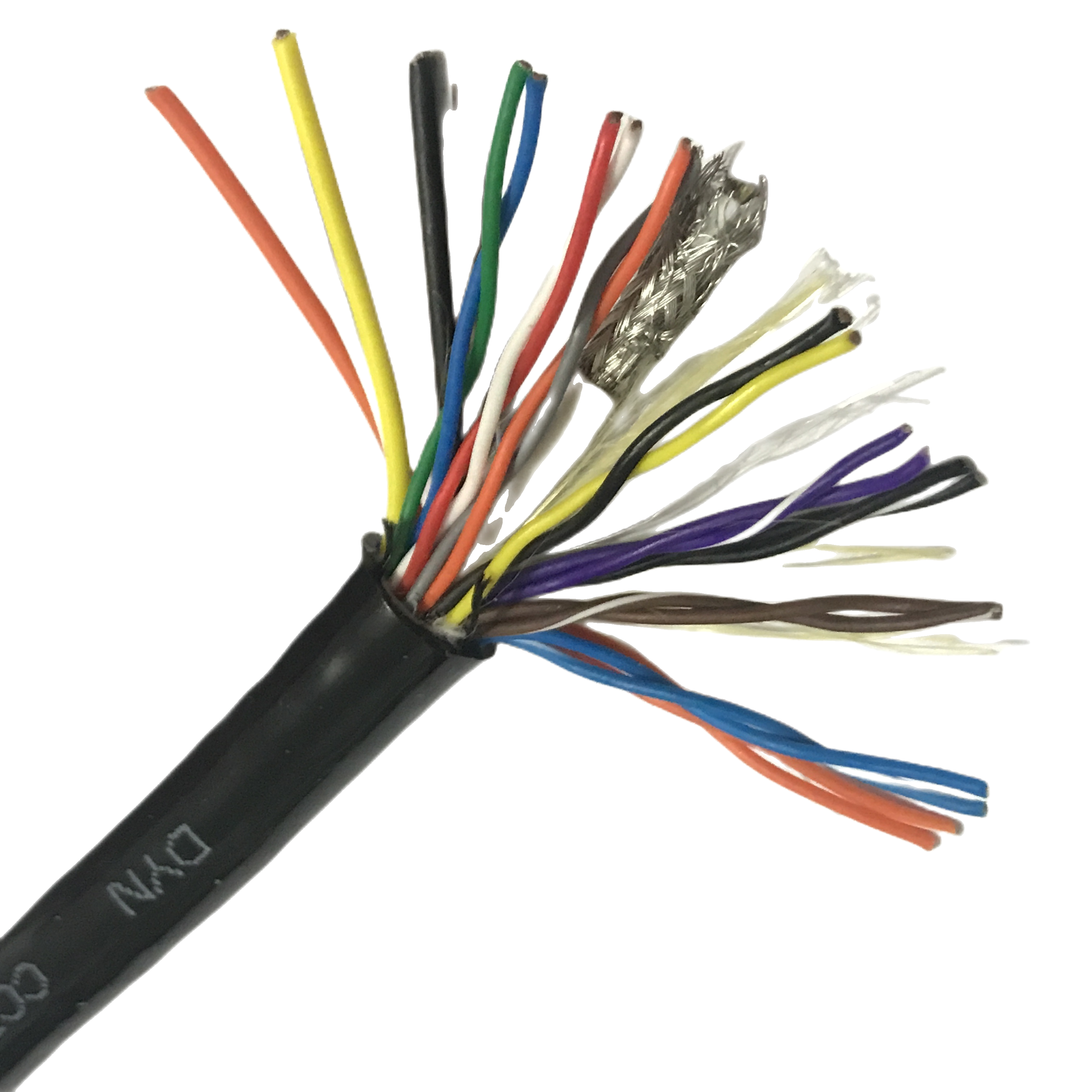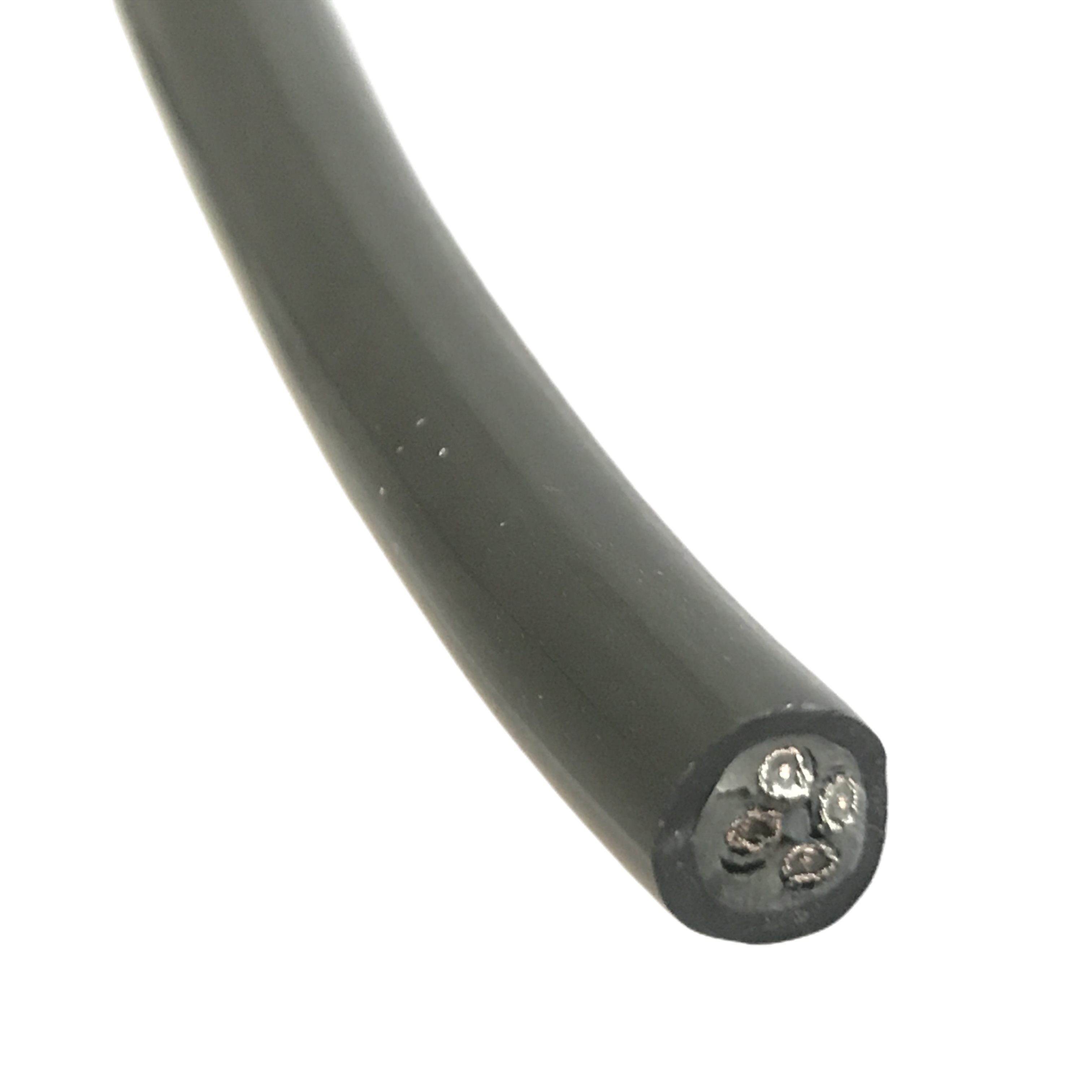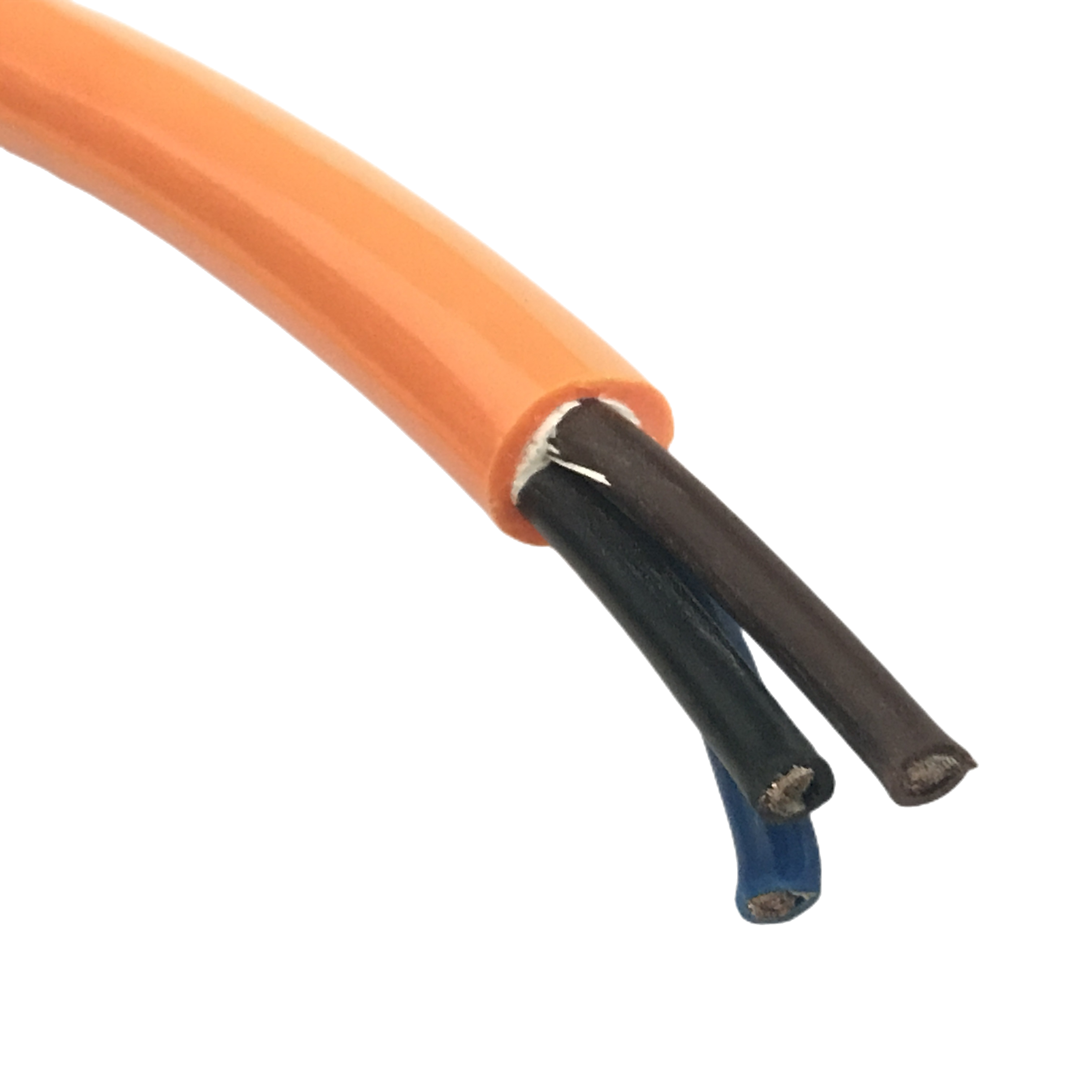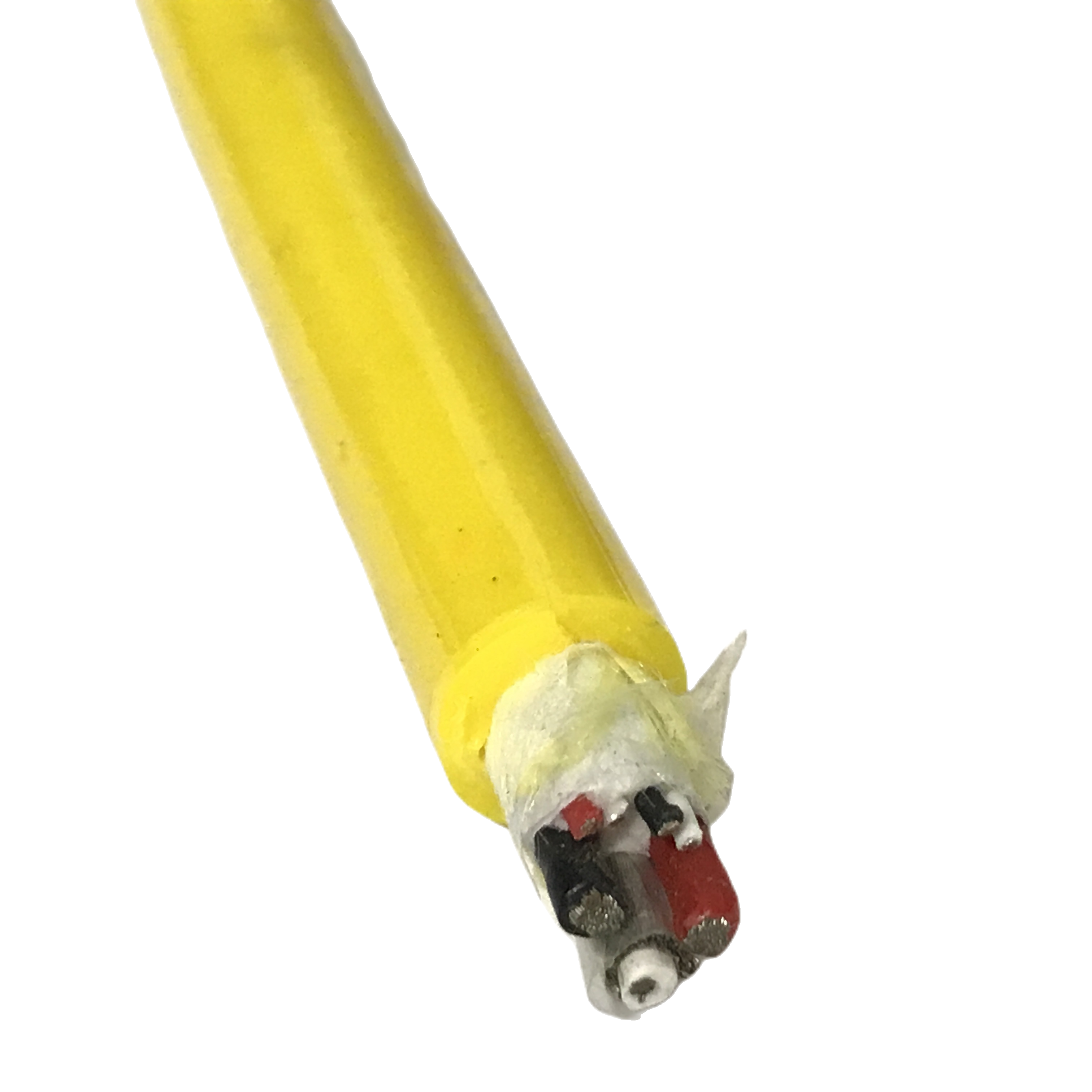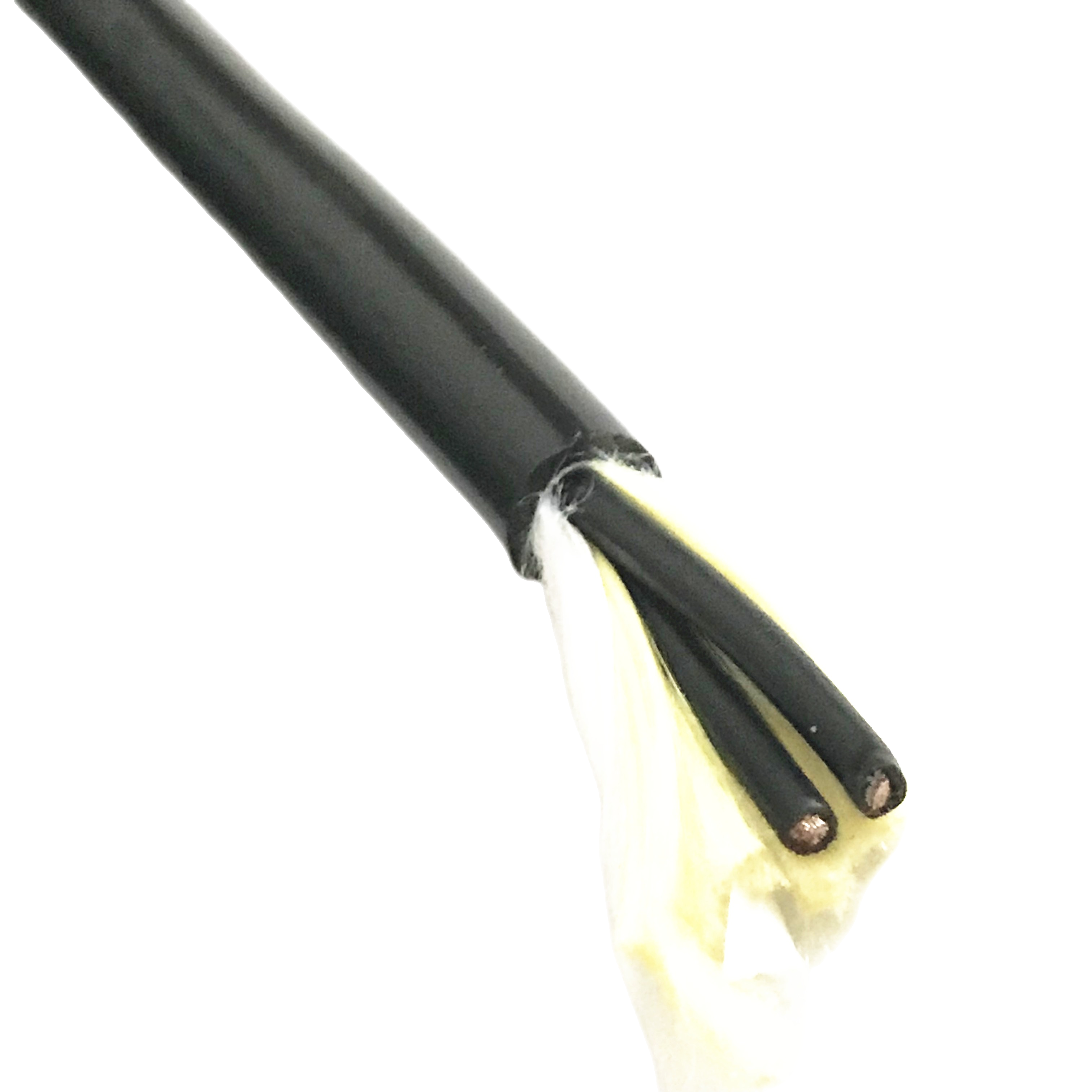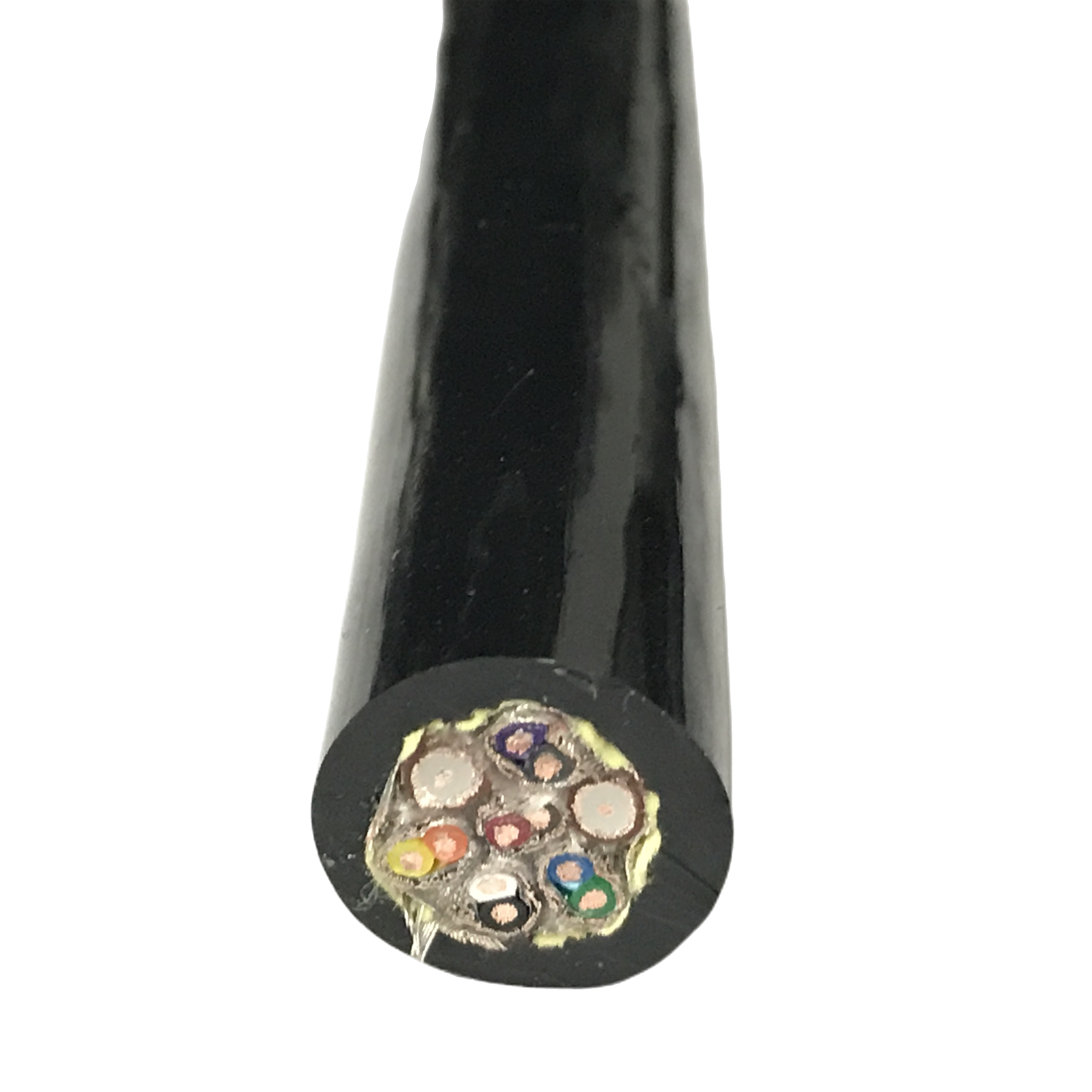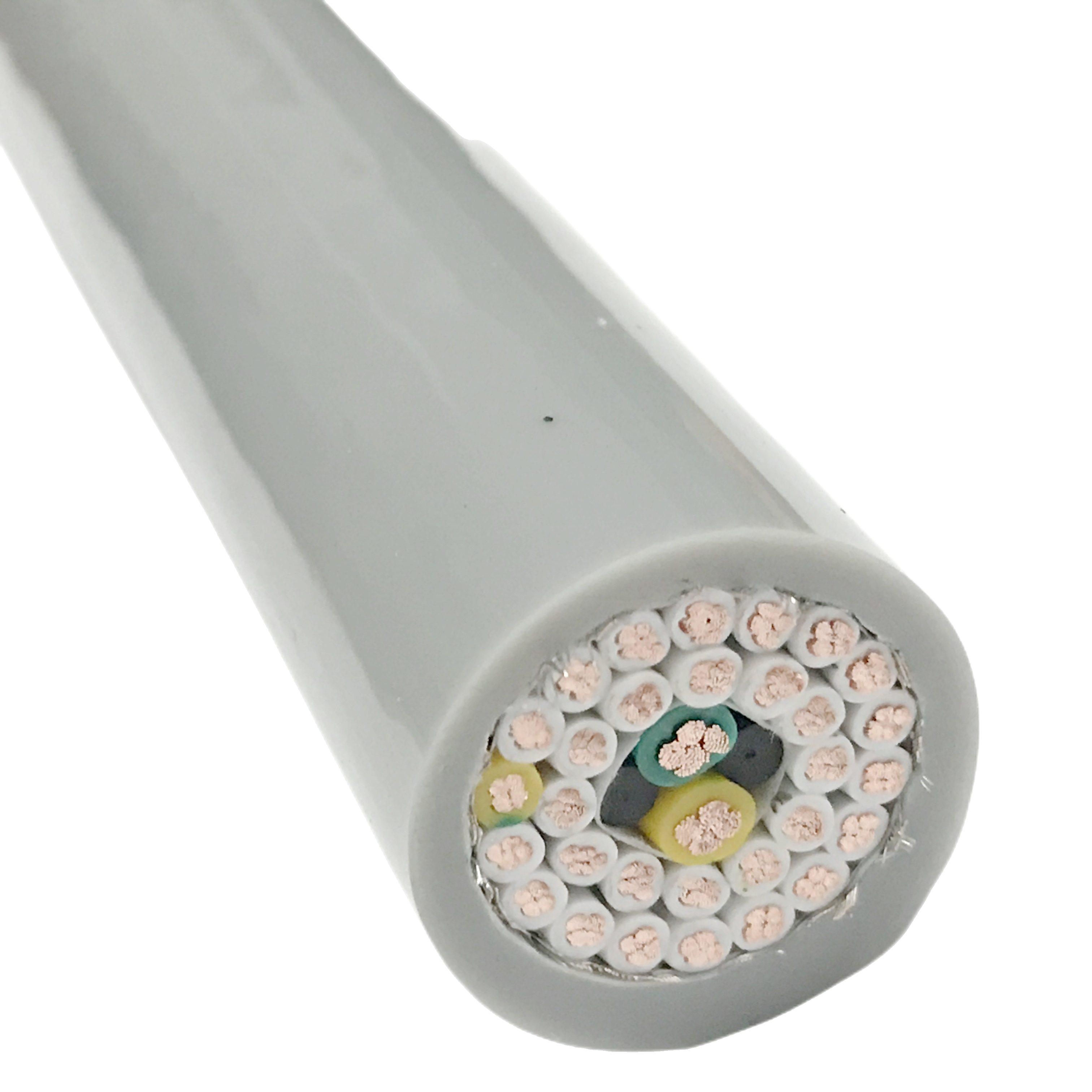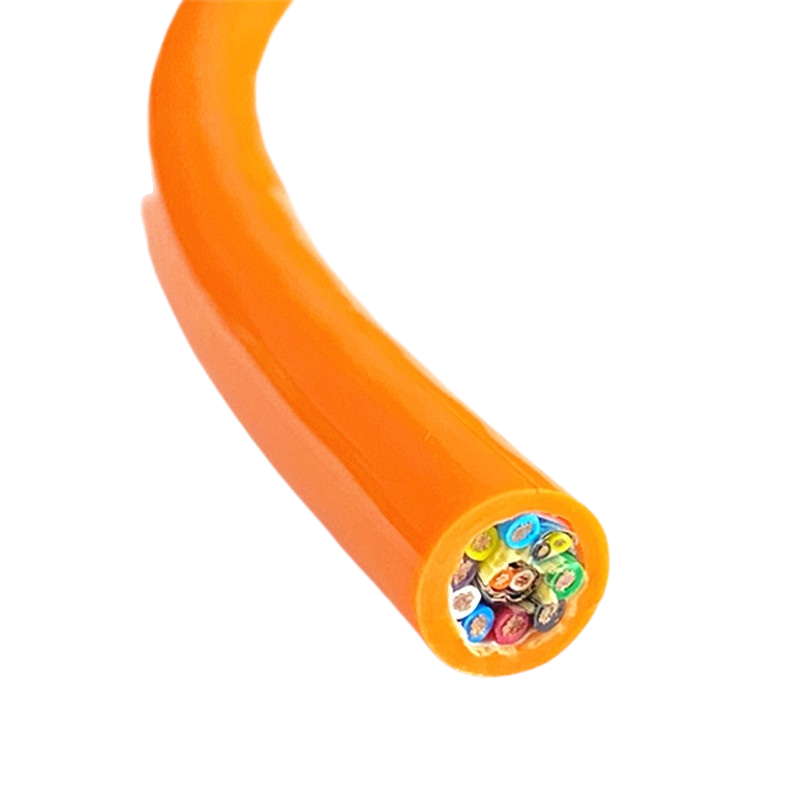



UV Curing Cable | High Temperature Resistant Cable for UV Curing Equipment
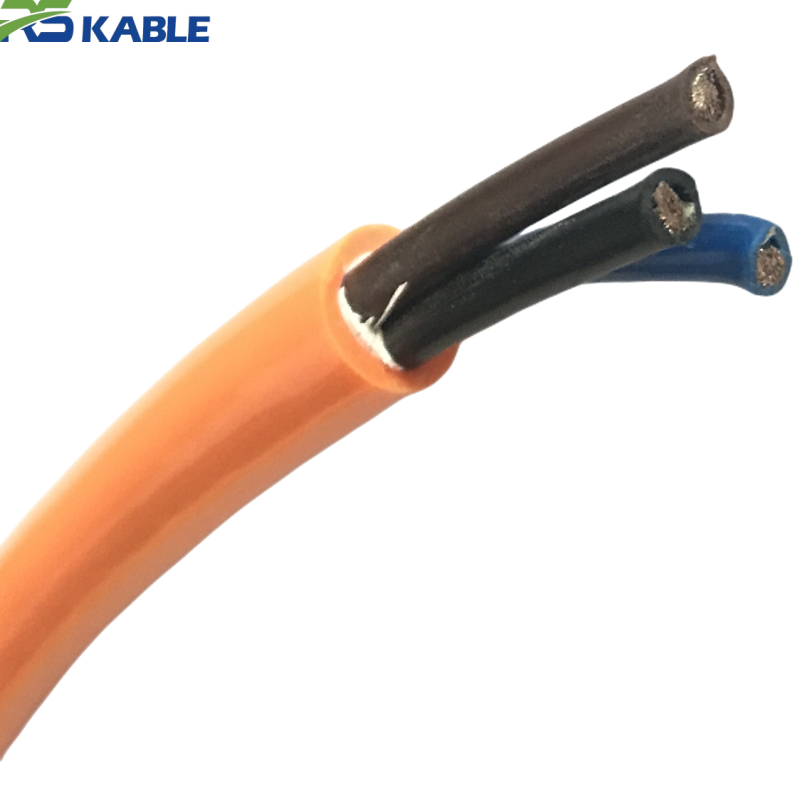
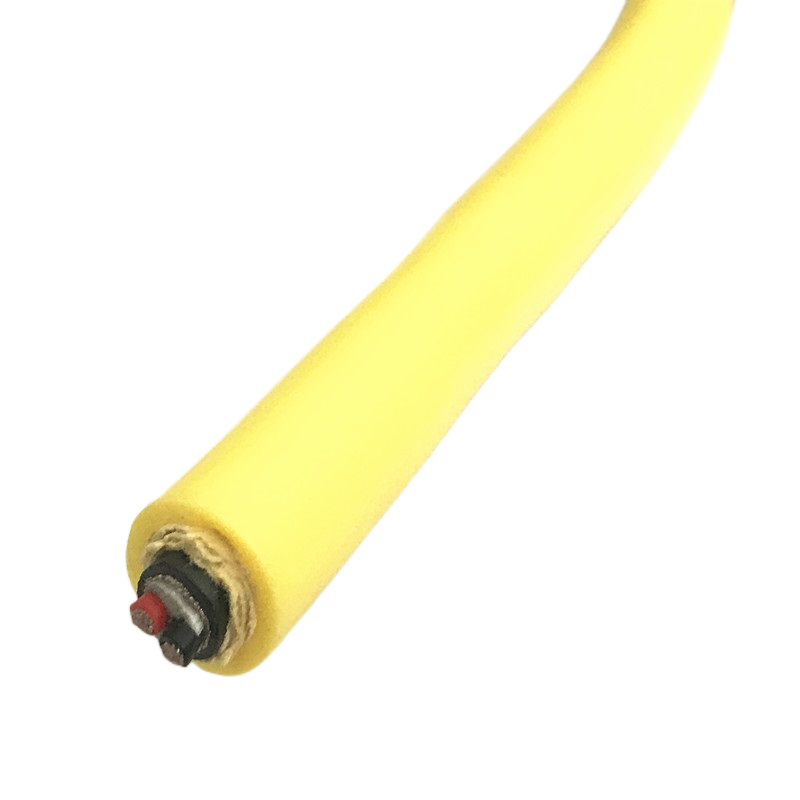
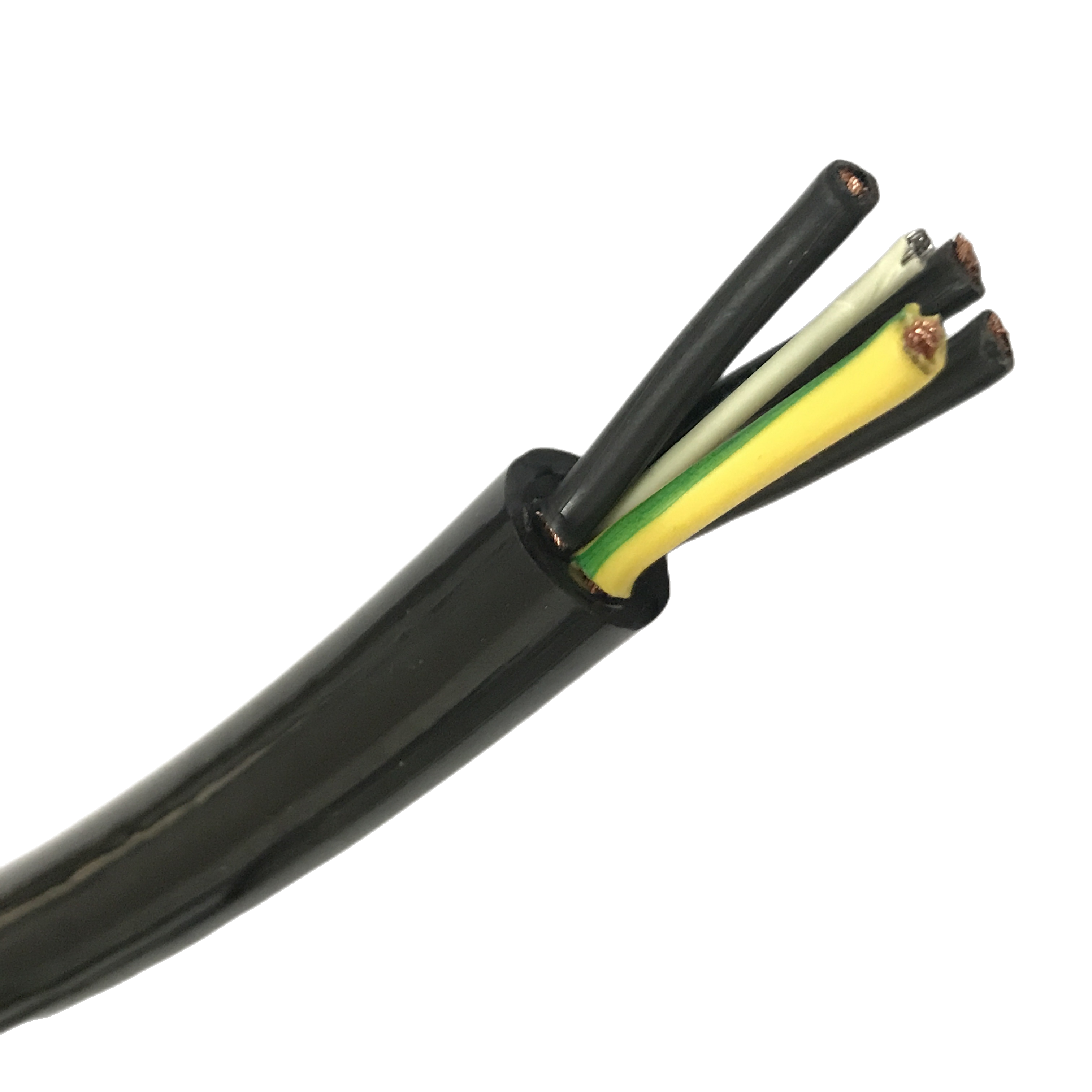
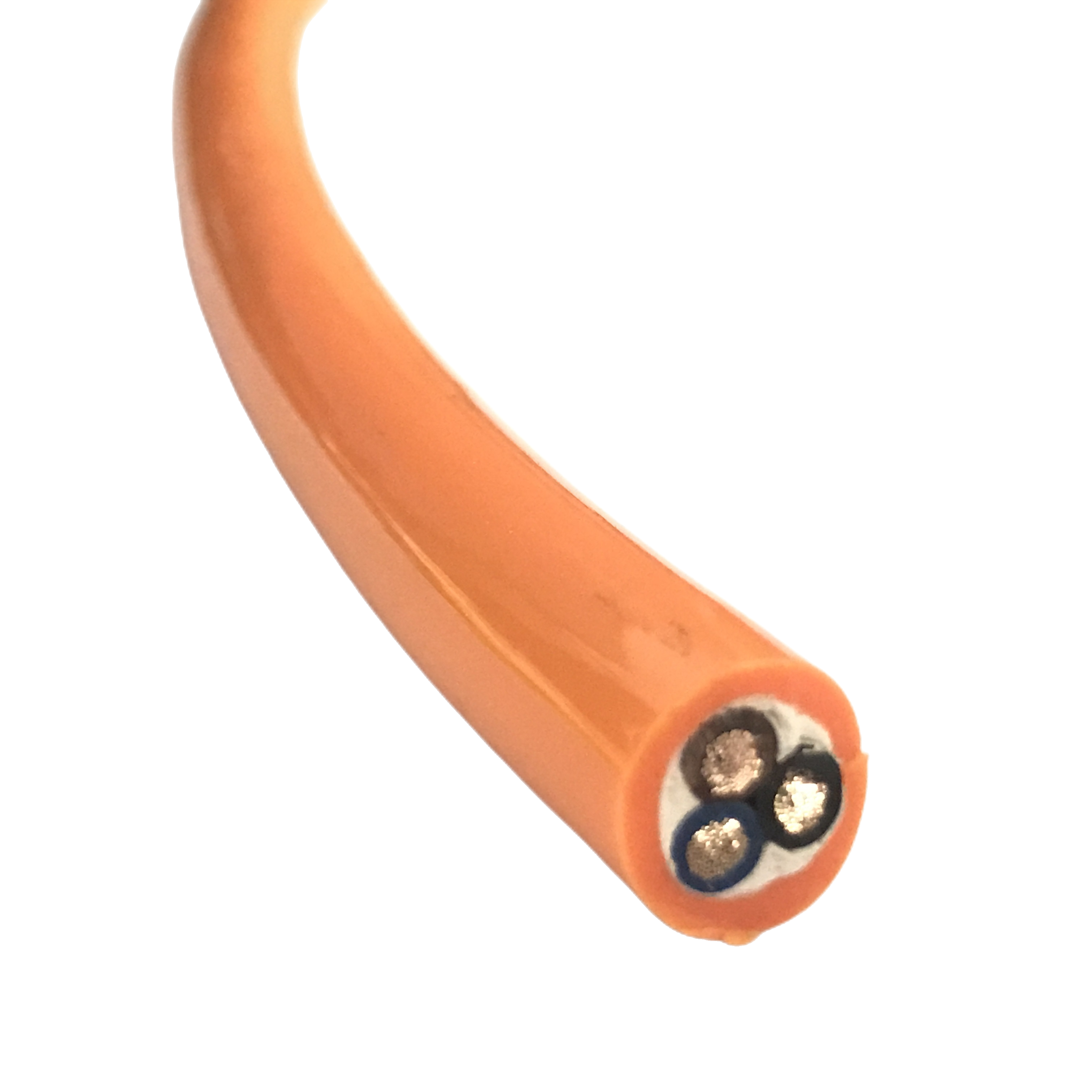
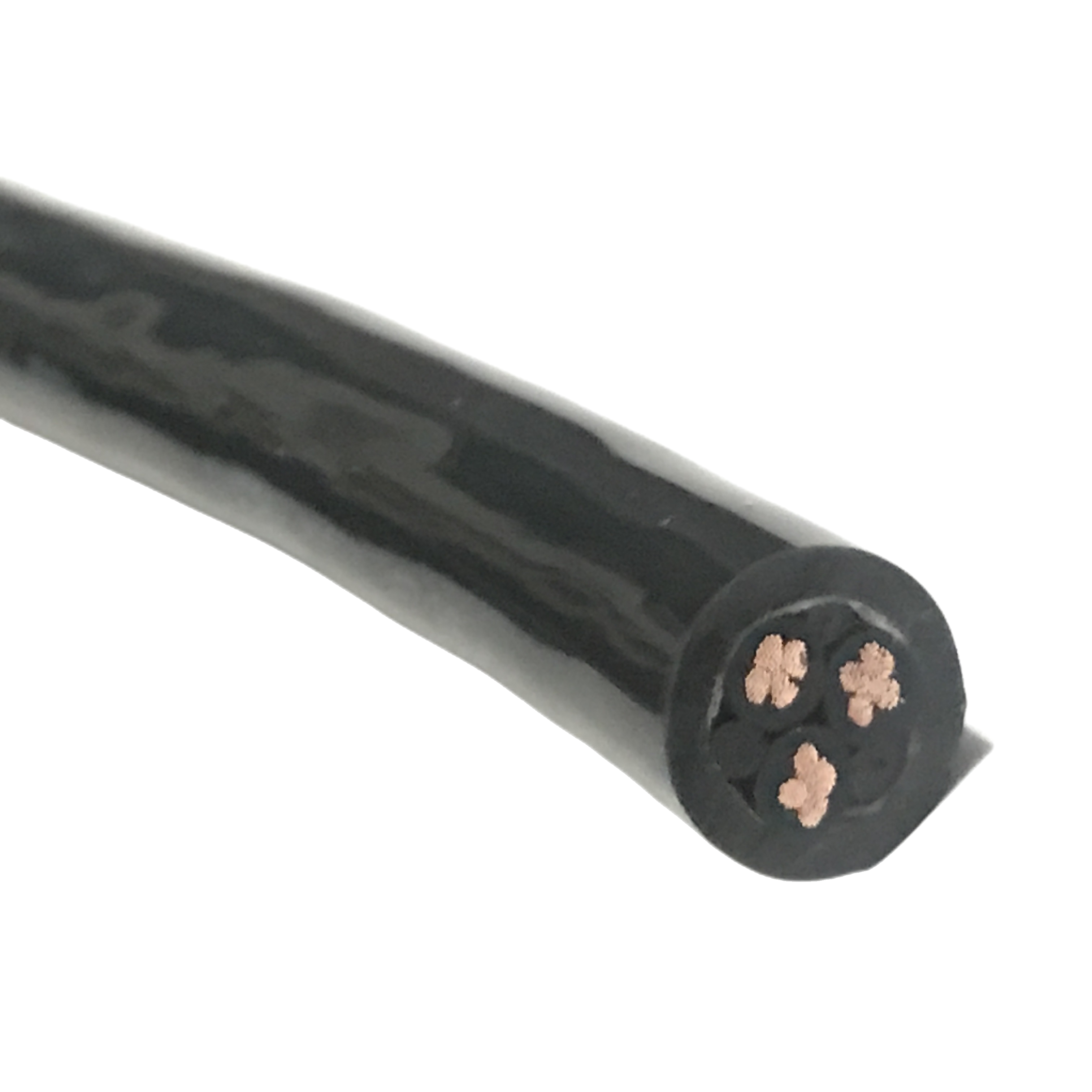
UV Curing Cable is a high temperature resistant cable built for power and control wiring near mercury-vapor UV lamps and UV curing chambers. Its ozone-resistant insulation withstands the ozone generated by UV-C lamp output, while the UV-stabilized jacket resists concentrated in-chamber UV exposure beyond standard outdoor ratings.
Key Benefits:
✅ Ozone-resistant compound prevents cracking from mercury-vapor lamp byproducts
✅ UV-stabilized construction withstands concentrated in-chamber exposure
✅ High temperature rating for sustained heat near lamp housings
✅ LED and mercury-vapor variants matched to actual ozone exposure levels
UV Curing Cable | High Temperature Resistant Cable for UV Curing Equipment
The UV Curing Cable for UV Curing Equipment is built for a specific combination of stresses that standard high-temperature cable doesn’t fully account for. UV curing equipment — particularly mercury-vapor lamp systems — doesn’t just run hot. The UV-C portion of the lamp’s output converts atmospheric oxygen into ozone in the immediate vicinity of the lamp, and that ozone attacks the double bonds in standard rubber and many elastomer compounds, causing surface cracking that has nothing to do with heat exposure and everything to do with chemistry most heat-resistant cable specs don’t mention.
Cable routed near UV curing lamps faces three things at once: sustained heat from the lamp housing, direct UV exposure (both from the primary lamp output and reflected UV within the curing chamber), and ozone concentration well above ambient levels. A cable rated for high temperature alone can still fail from ozone cracking or UV photodegradation well before its thermal rating would suggest a problem — this is the gap this construction is built to close.
UV Curing Cable
Designed For
This cable is intended for:
- power wiring for mercury-vapor and LED UV curing lamp systems
- control circuits inside UV curing tunnels, ovens, and chambers
- installations with elevated ozone concentration from UV-C lamp output
- wiring exposed to direct or reflected UV within a curing chamber
- printing, coating, adhesive curing, and industrial UV process equipment
This cable should be evaluated separately for:
- general high-temperature applications with no ozone or direct UV exposure — standard heat-resistant cable is often sufficient and more cost-effective
- continuous dynamic flexing in drag chains or robotic joints
- direct chemical exposure beyond ozone and standard process conditions
- LED-only UV systems with negligible ozone generation, where UV-stabilization may still be needed but ozone resistance may be a lower priority — confirm against the specific lamp technology
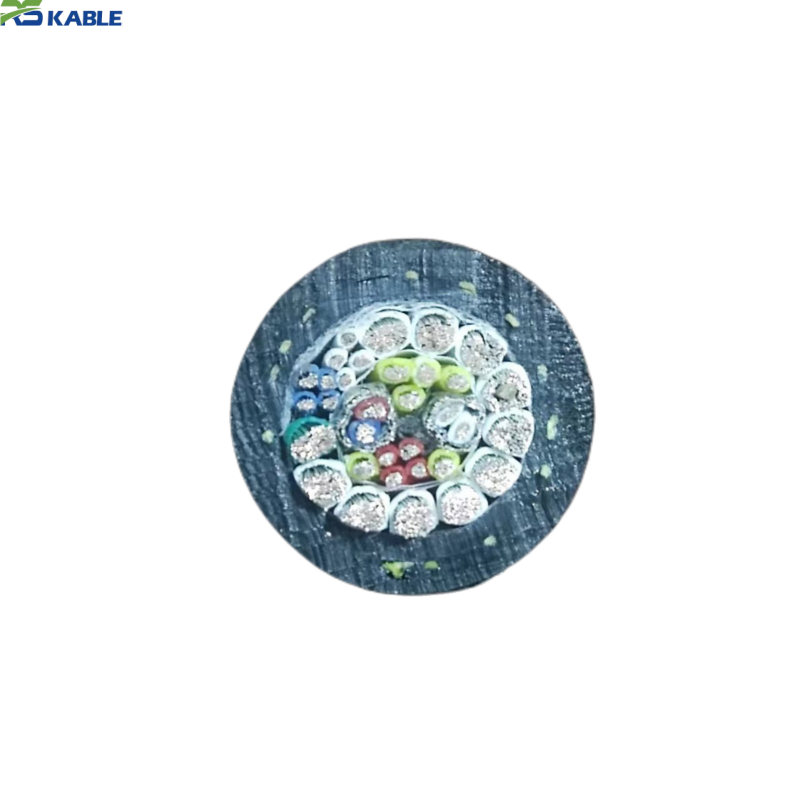
Product Summary
| Item | Description |
|---|---|
| Product Type | Ozone-resistant, UV-stabilized high temperature cable |
| Main Use | Power and control wiring for UV curing lamp systems and curing chambers |
| Typical Installations | Mercury-vapor UV curing lines, UV ovens, printing/coating UV curing tunnels |
| Conductor Type | Fine-stranded tinned copper |
| Insulation | Ozone-resistant, high-temperature compound (silicone or EPDM-based) |
| Jacket Type | UV-stabilized, ozone-resistant compound |
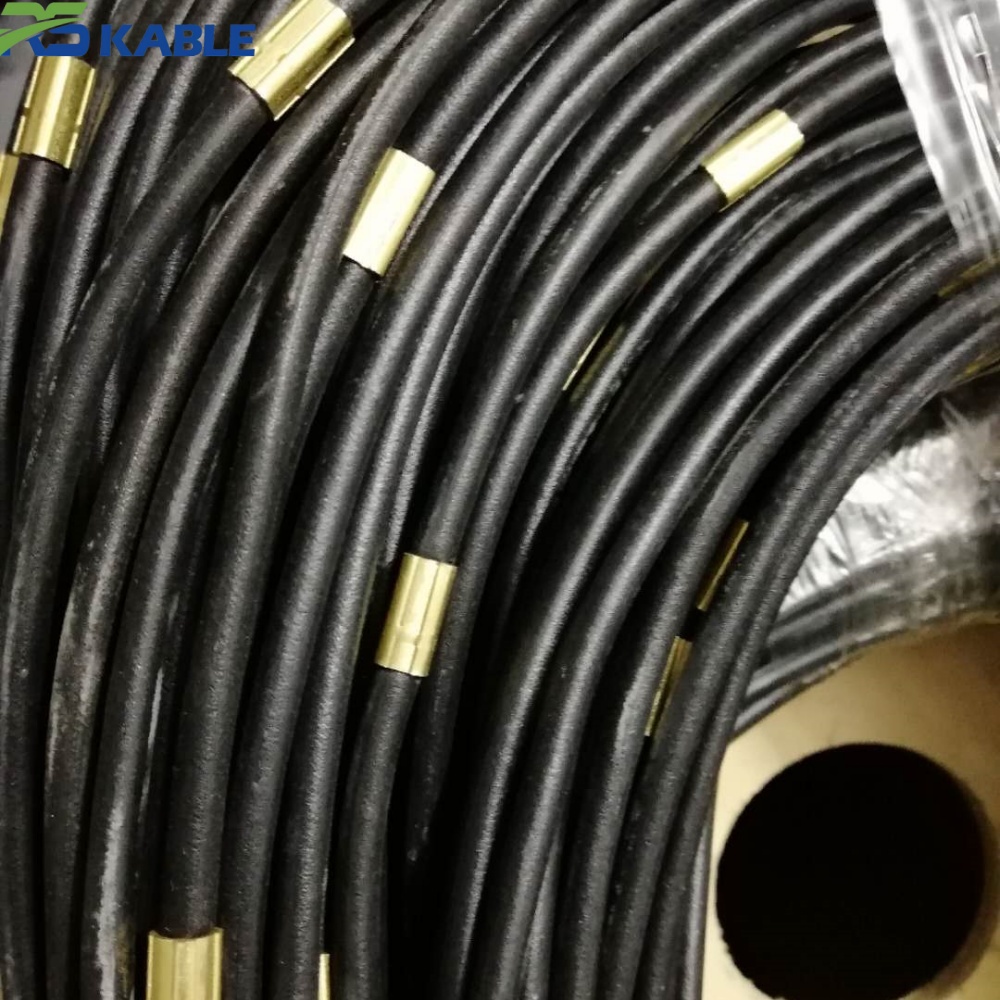
| Supply Form | Cut length, coil, reel |
Typical Product Series
Series Name: RST-UVC Series Category: Ozone-resistant UV curing equipment cable
| Product Model | Product Name | Typical Use | Insulation | Jacket |
|---|---|---|---|---|
| RST-UVC-STD | Standard UV curing lamp power cable | Mercury-vapor lamp power supply | Silicone | UV-stabilized silicone |
| RST-UVC-CTL | UV curing control circuit cable | Chamber control and interlock wiring | Silicone or EPDM | UV-stabilized, ozone-resistant |
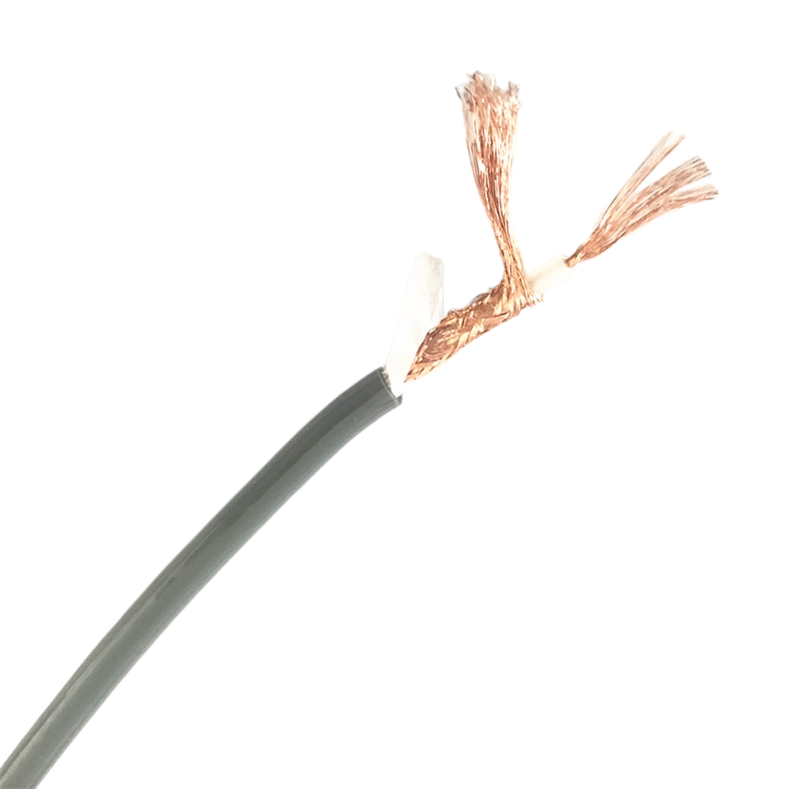
| RST-UVC-SH | Shielded UV curing signal cable | Sensor feedback near lamp ballast noise | Silicone | Shielded, UV-stabilized |
| RST-UVC-LED | LED UV system cable | LED-based curing systems | Standard high-temp compound | UV-stabilized |
| RST-UVC-C | Custom UV curing cable | Project-specific curing equipment | Custom | Custom |
Technical Parameters
| Parameter | Typical Range / Description |
|---|---|
| Conductor Material | Fine-stranded tinned copper |
| Insulation Material | Silicone or EPDM-based, selected for ozone resistance |
| Jacket Material | UV-stabilized, ozone-resistant compound |
| Ozone Resistance | Resistant to elevated ozone concentration from mercury-vapor UV-C output |
| UV Resistance | Stabilized against direct and reflected UV exposure within a curing chamber, not just ambient sunlight |
| Temperature Rating | Confirmed according to final insulation/jacket construction and lamp housing proximity |
| Minimum Bend Radius | Confirmed according to cable diameter and installation type |
| Outer Diameter | Depends on conductor size, core count, and jacket construction |
| Application Scope | Power and control wiring for UV curing lamp systems |
| Supply Format | Cut length, coil, reel, project supply |
UV Curing Cable
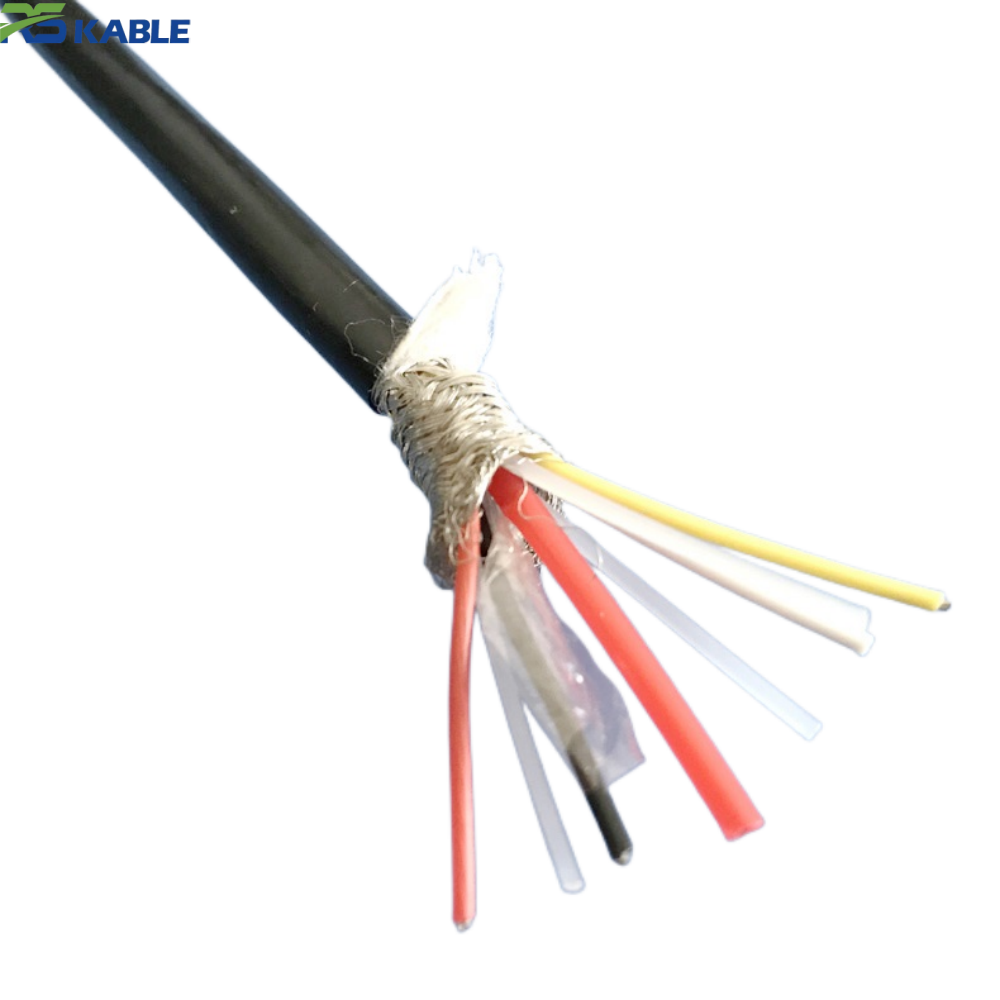
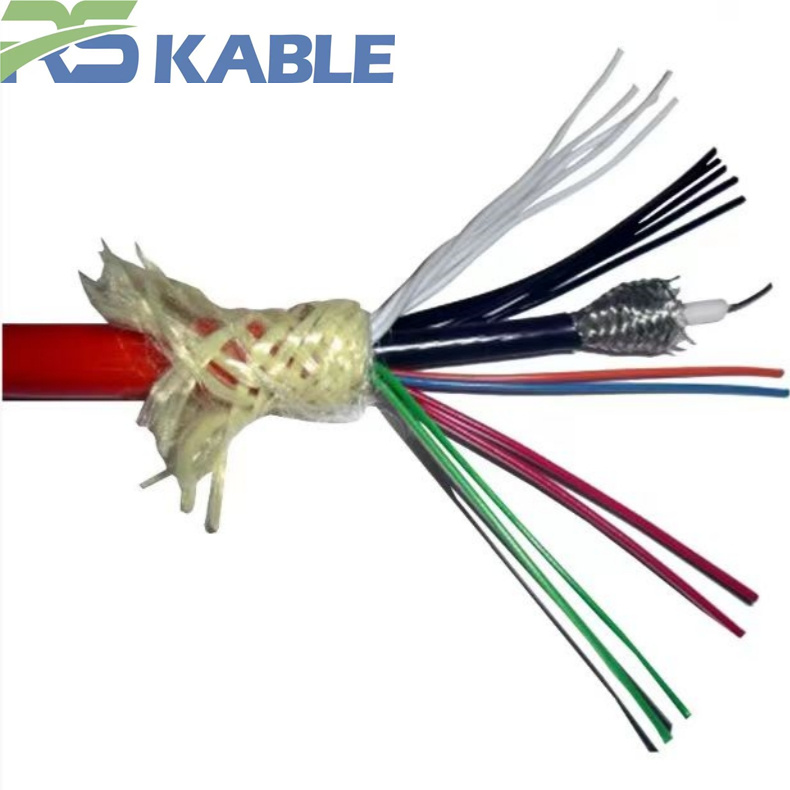
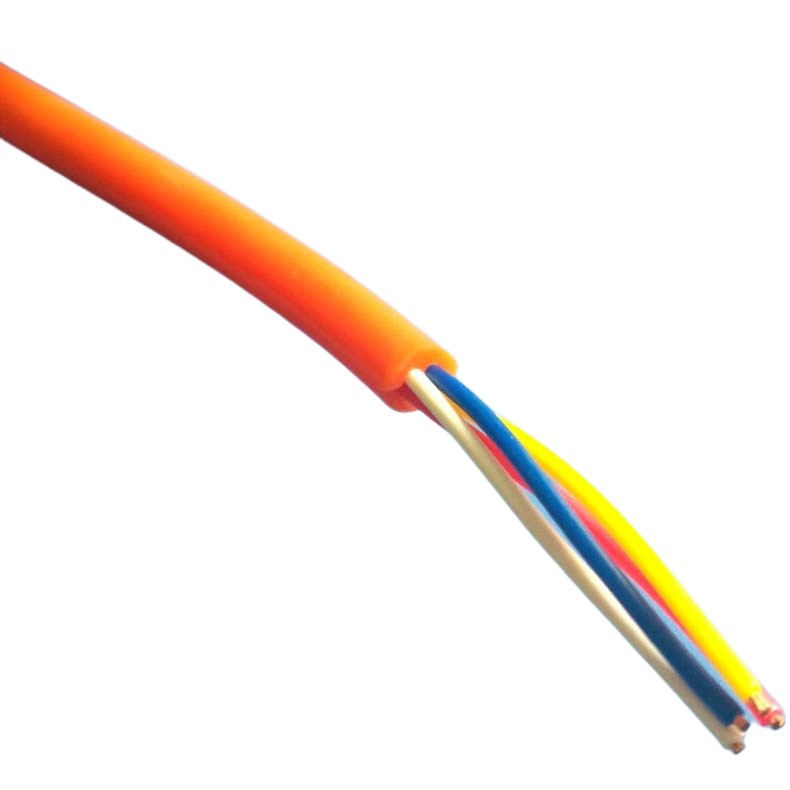
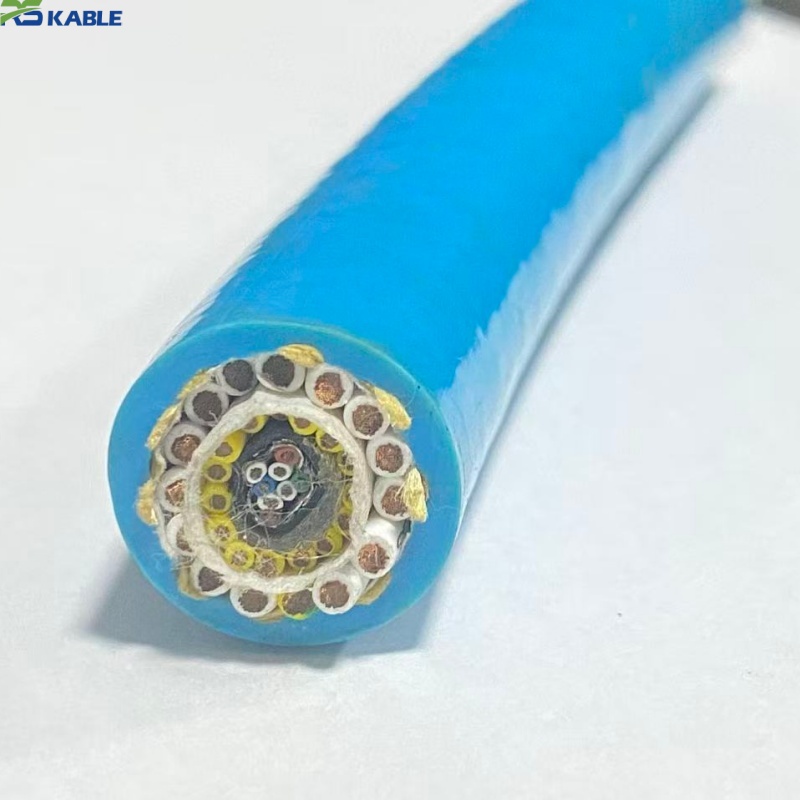
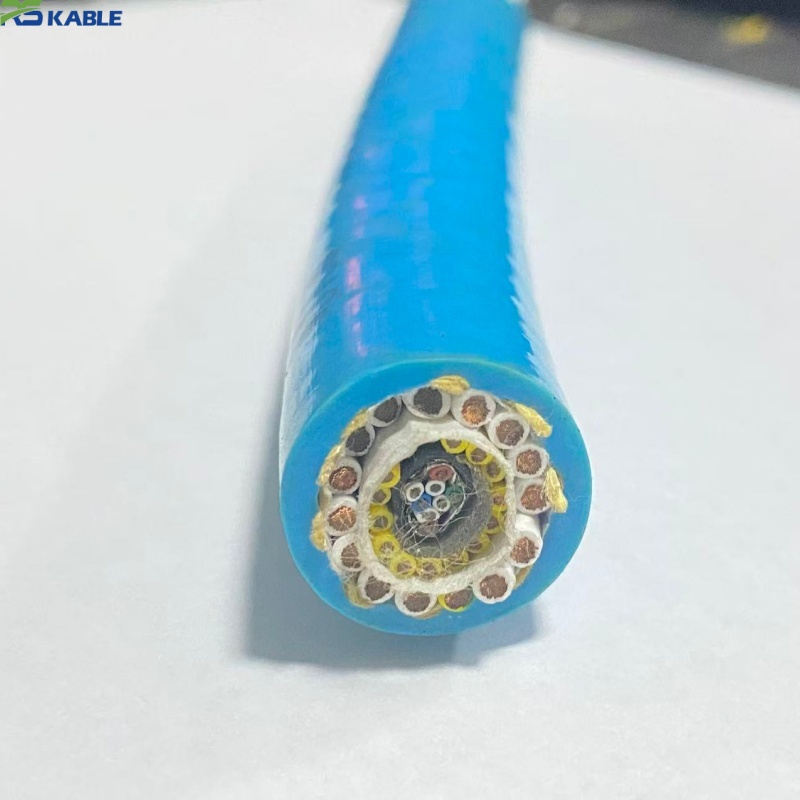
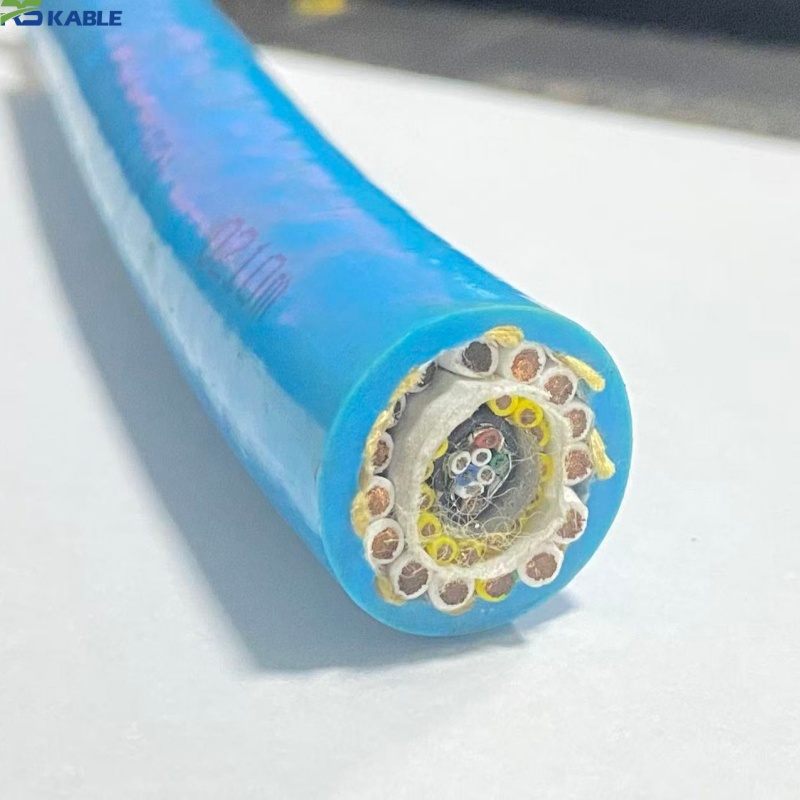
Cable Construction
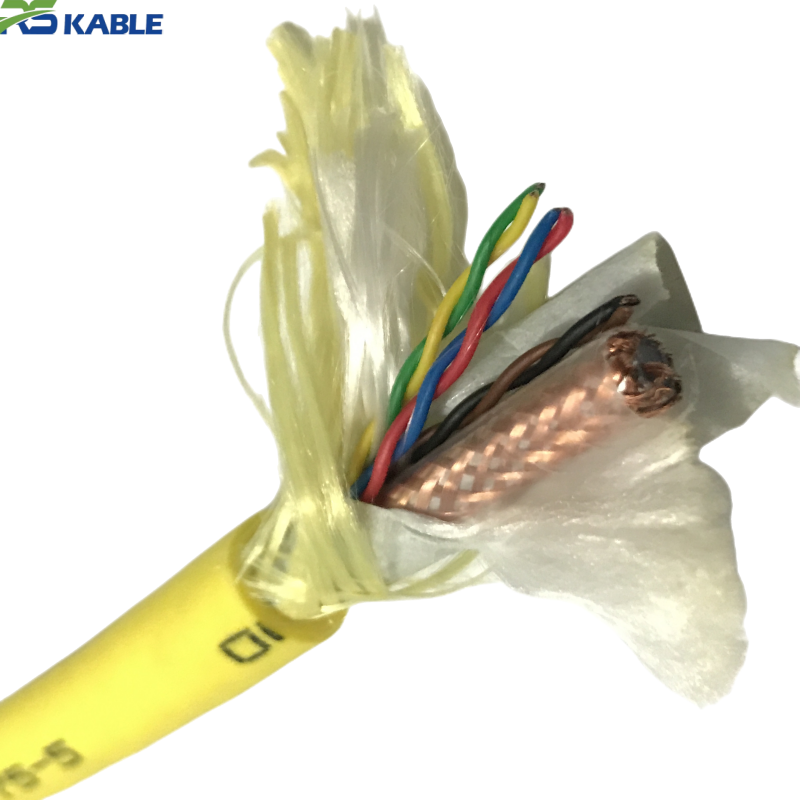
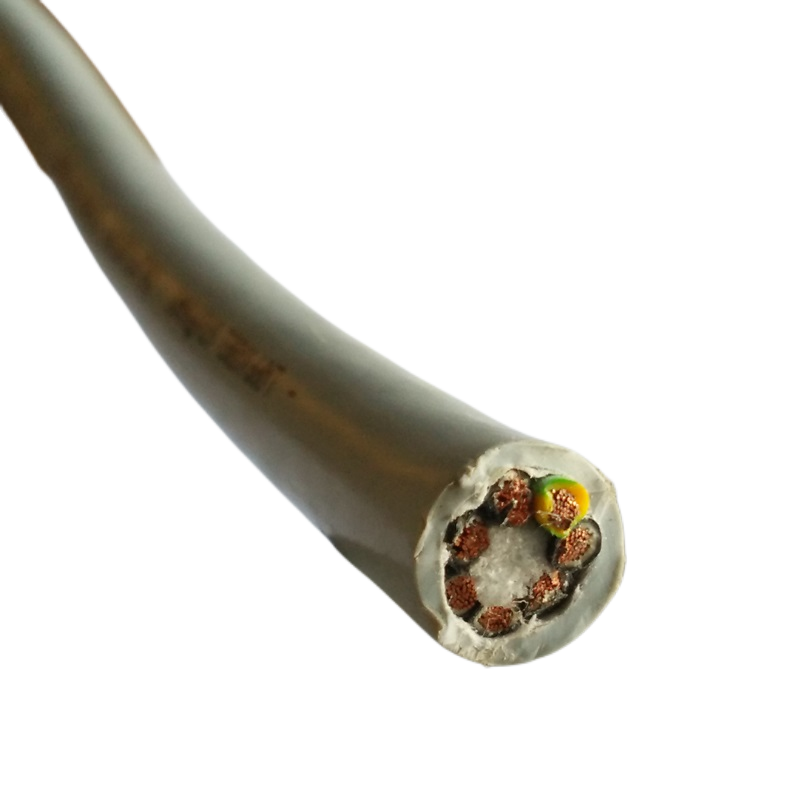
Fine-Stranded Copper Conductor
Standard fine-stranded tinned copper conductor, sized against the lamp ballast or control circuit’s actual current draw.
Ozone-Resistant Insulation
Standard rubber and many general-purpose elastomer insulations contain carbon-carbon double bonds that ozone attacks directly, causing surface cracking that starts fine and deepens over time — often before the material’s temperature rating would suggest any problem. Silicone and EPDM-based compounds resist this specific attack mechanism, which is why they’re selected here rather than standard rubber, independent of the temperature question entirely.
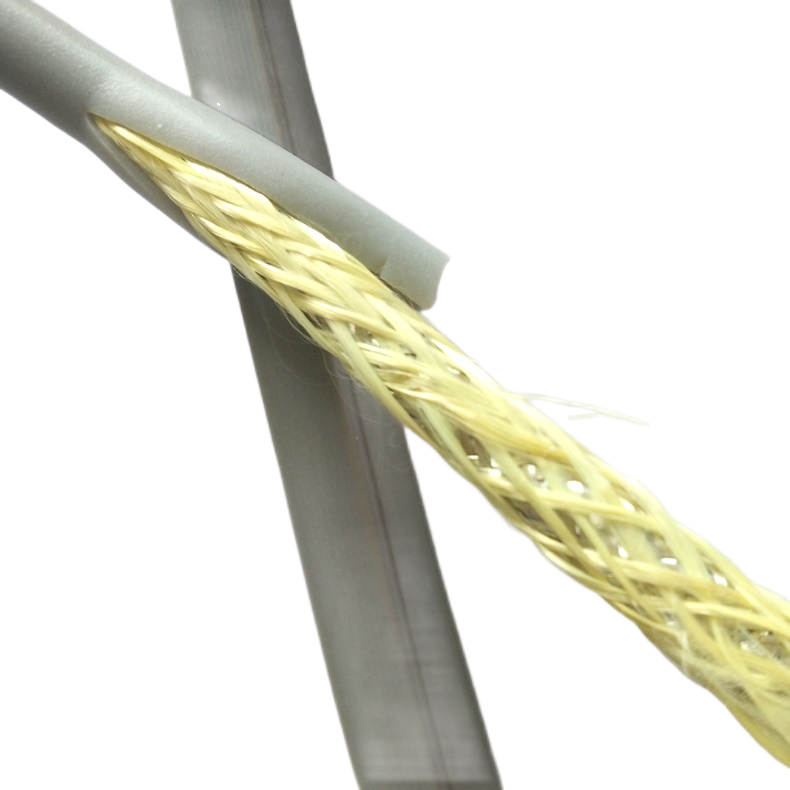
UV-Stabilized Jacket
UV exposure inside a curing chamber is not the same as ambient outdoor sunlight — lamp output and reflected UV within an enclosed chamber can be significantly more concentrated. Jacket compound here is stabilized specifically against this level of exposure, not just general outdoor-rated UV resistance.
Heat Resistance as the Third Factor, Not the Only One
Temperature rating still matters for lamp-adjacent wiring, but it’s addressed alongside ozone and UV resistance rather than as the sole design consideration — a cable that only solves the heat problem can still fail from ozone cracking or UV photodegradation.
Why Ozone Resistance Is a Separate Problem From Heat Resistance
Ozone Cracking Doesn’t Care About Temperature Rating
A cable can be well within its rated temperature range and still develop surface cracks from ozone exposure, because the two failure mechanisms are chemically unrelated. Checking a spec sheet’s temperature number alone doesn’t tell you whether the material resists ozone.
UV Exposure Inside a Chamber Is More Concentrated Than Outdoors
General “UV-resistant” or “outdoor-rated” cable is typically tested against ambient sunlight exposure, not the concentrated, close-proximity UV output of a curing lamp. Cable rated for outdoor use isn’t automatically rated for in-chamber UV curing exposure.
The Three Stresses Compound, Not Just Add
Heat, ozone, and UV exposure acting together on the same jacket surface can degrade material faster than any single factor would predict in isolation — this is why lamp-adjacent wiring in curing equipment sometimes fails well before its individual temperature or UV ratings would suggest.
LED Systems Change the Equation, But Don’t Eliminate It
LED UV curing systems generate substantially less ozone than mercury-vapor lamps, since they don’t produce the same UV-C output. Direct UV exposure and heat near the LED array remain relevant, even where ozone resistance becomes a lower priority.
Application Boundary
Suitable for:
- wiring near mercury-vapor UV curing lamps with elevated ozone exposure
- control and power circuits inside UV curing chambers and tunnels
- installations with combined heat, UV, and ozone exposure
Requires separate confirmation for:
- general high-temperature wiring with no UV or ozone exposure
- continuous dynamic flexing applications
- LED-only systems where ozone resistance priority may differ from mercury-vapor installations
Typical Applications
- mercury-vapor UV curing lamp power and control wiring
- printing and coating UV curing tunnels
- adhesive and resin UV curing equipment
- UV sterilization equipment with similar ozone exposure characteristics
- LED UV curing array wiring
Typical Working Conditions
- sustained heat near lamp housings
- elevated ozone concentration from UV-C output
- direct and reflected UV exposure within enclosed chambers
- fixed or lightly-moving installation routing
UV Curing Cable vs Standard High-Temperature Cable
| Comparison Item | UV Curing Cable | Standard High-Temperature Cable |
|---|---|---|
| Ozone Resistance | Specifically formulated for it | Not addressed unless separately specified |
| UV Resistance (chamber-level exposure) | Stabilized for concentrated in-chamber exposure | Typically rated for ambient outdoor exposure only |
| Temperature Resistance | Adequate for lamp-adjacent routing | May be equal or higher, but doesn’t address ozone/UV |
| Best Use | UV curing lamp and chamber wiring | General high-heat applications without ozone/UV exposure |
A cable with an excellent temperature rating but no ozone resistance can still fail early in UV curing service — the temperature number alone doesn’t predict performance in this specific environment.
Frequently Asked Questions
Why does UV curing equipment need special cable if it’s already rated for high temperature?
Because ozone cracking and UV photodegradation are separate failure mechanisms from heat damage. A cable can be well within its temperature rating and still crack from ozone exposure generated by the UV lamp itself.
Does LED UV curing equipment need the same cable as mercury-vapor systems?
Not necessarily to the same degree. LED systems generate far less ozone, so ozone resistance may be a lower priority, though heat and direct UV exposure near the LED array are still relevant considerations.
Is standard outdoor UV-resistant cable sufficient for UV curing chamber wiring?
Not always. Outdoor UV ratings are typically based on ambient sunlight exposure, which is generally less concentrated than direct or reflected UV inside an enclosed curing chamber.
What does ozone cracking actually look like, and how is it different from heat damage?
Ozone cracking typically appears as fine, spreading surface cracks on the jacket, often perpendicular to any mechanical stress on the cable, distinct from the softening or discoloration typical of heat degradation.
Can this cable be used in applications without ozone or UV exposure?
It can, but if your installation doesn’t have ozone or concentrated UV exposure, a standard high-temperature cable is likely more cost-effective, since the ozone and UV-resistant formulation adds cost that isn’t necessary outside this specific application.
Getting a Working Quote
The details that matter: lamp type (mercury-vapor or LED), proximity of the cable run to the lamp or chamber, expected ambient temperature at the installation point, and whether the routing is inside an enclosed curing chamber or in an adjacent control area.
[Request a Quotation] · [Ask an Engineer Before You Spec It] · [Download Technical Datasheet]
Other Related Products
(For related high-temperature and specialty cable products, please refer to our FEP Cable and Custom Special Cable category pages.)