


2×2×20AWG Shielded Diver Telephone Cable | Underwater Communication Cable for Diving Systems
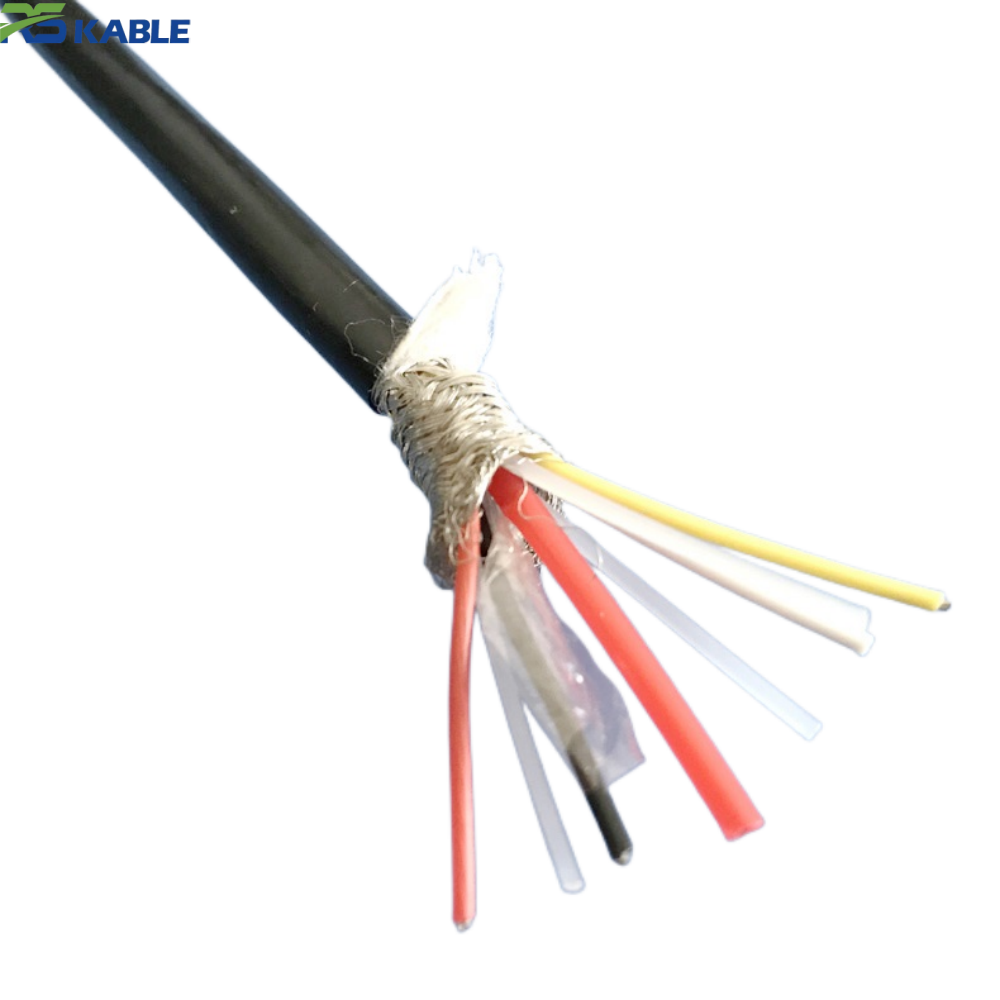
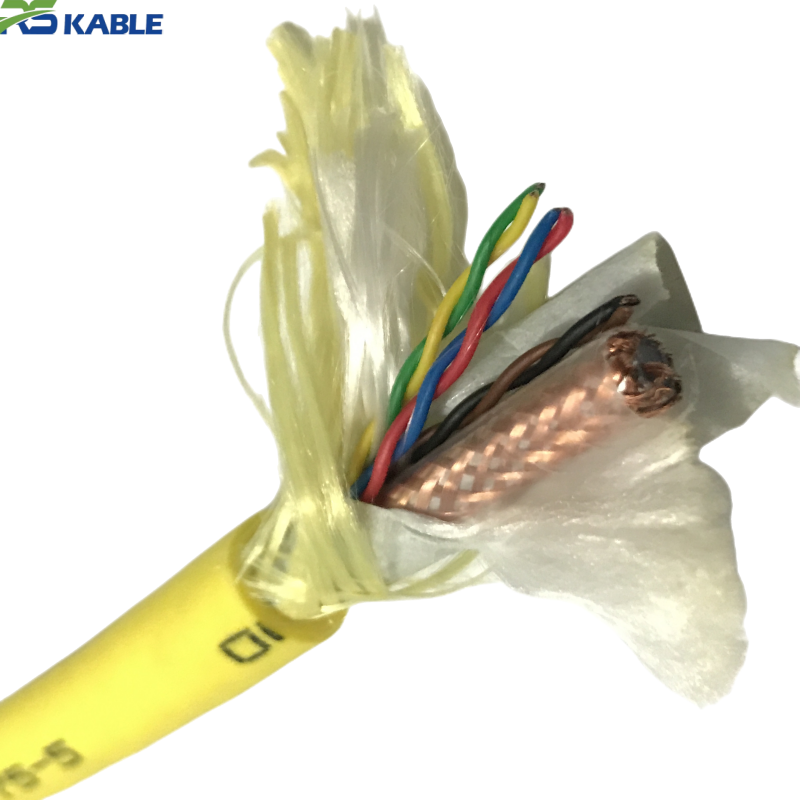
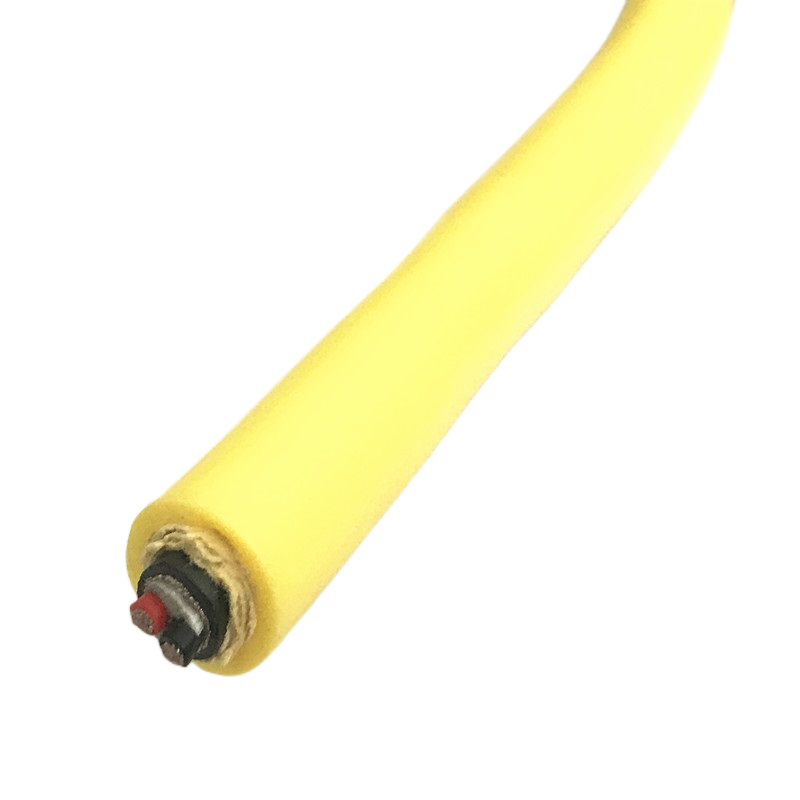
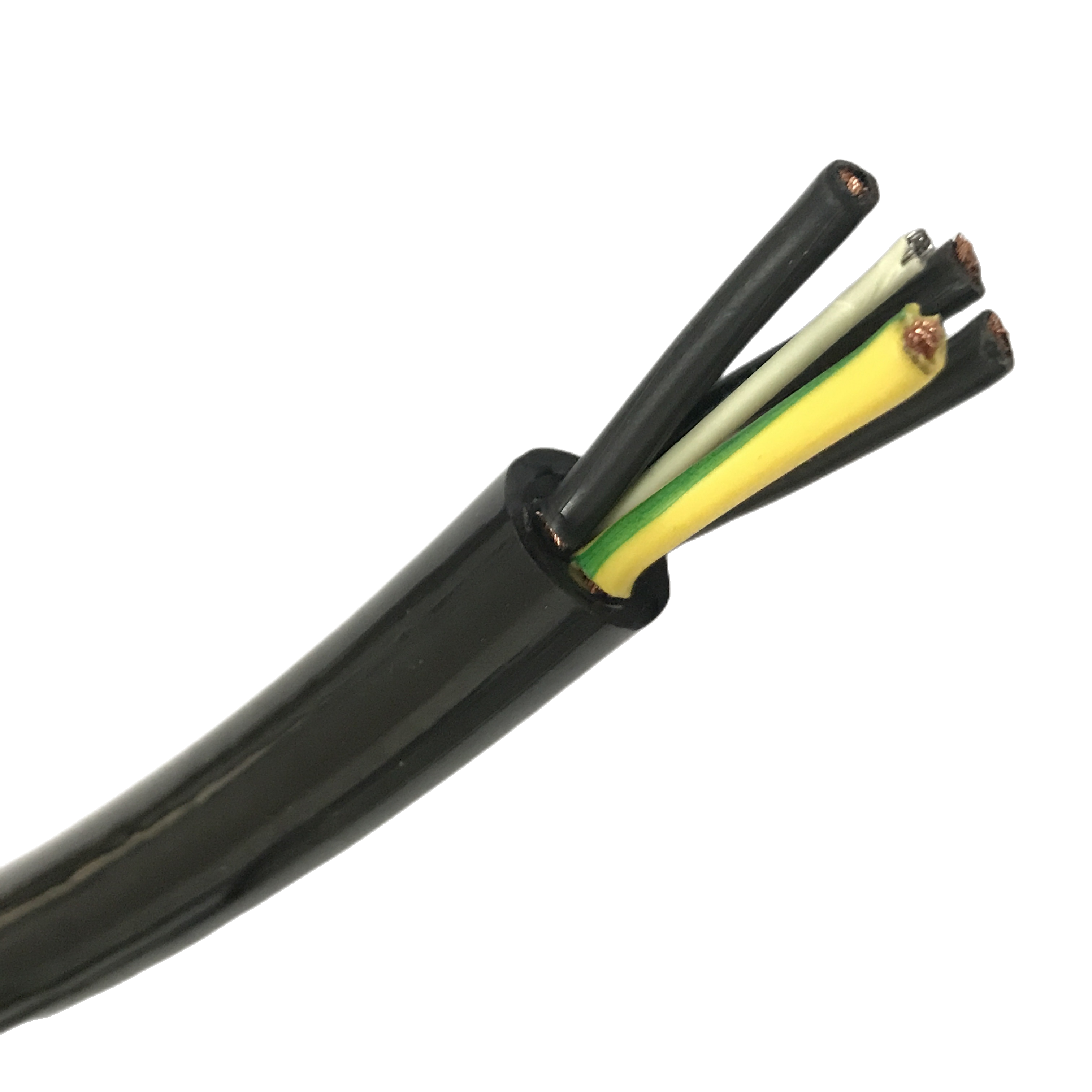
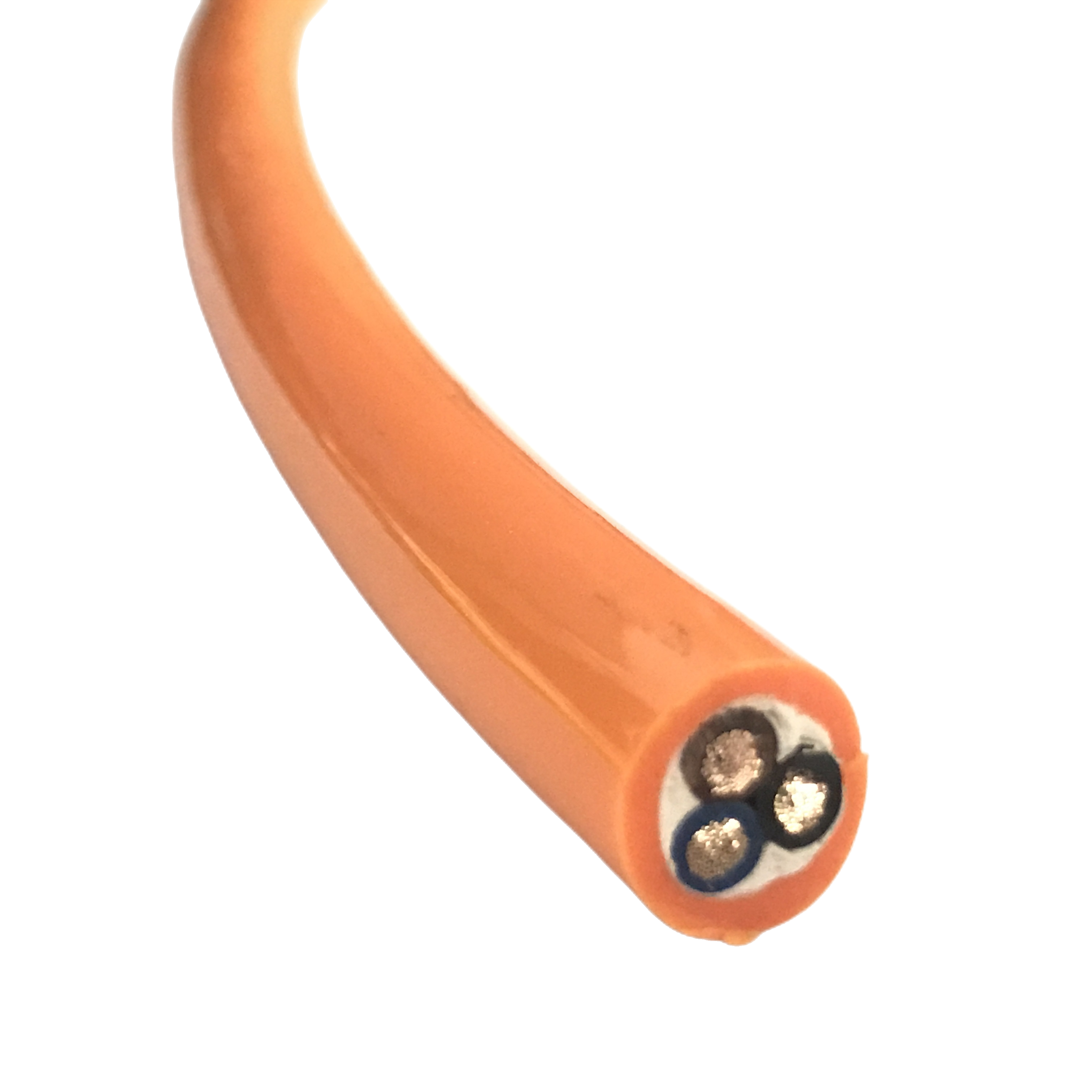
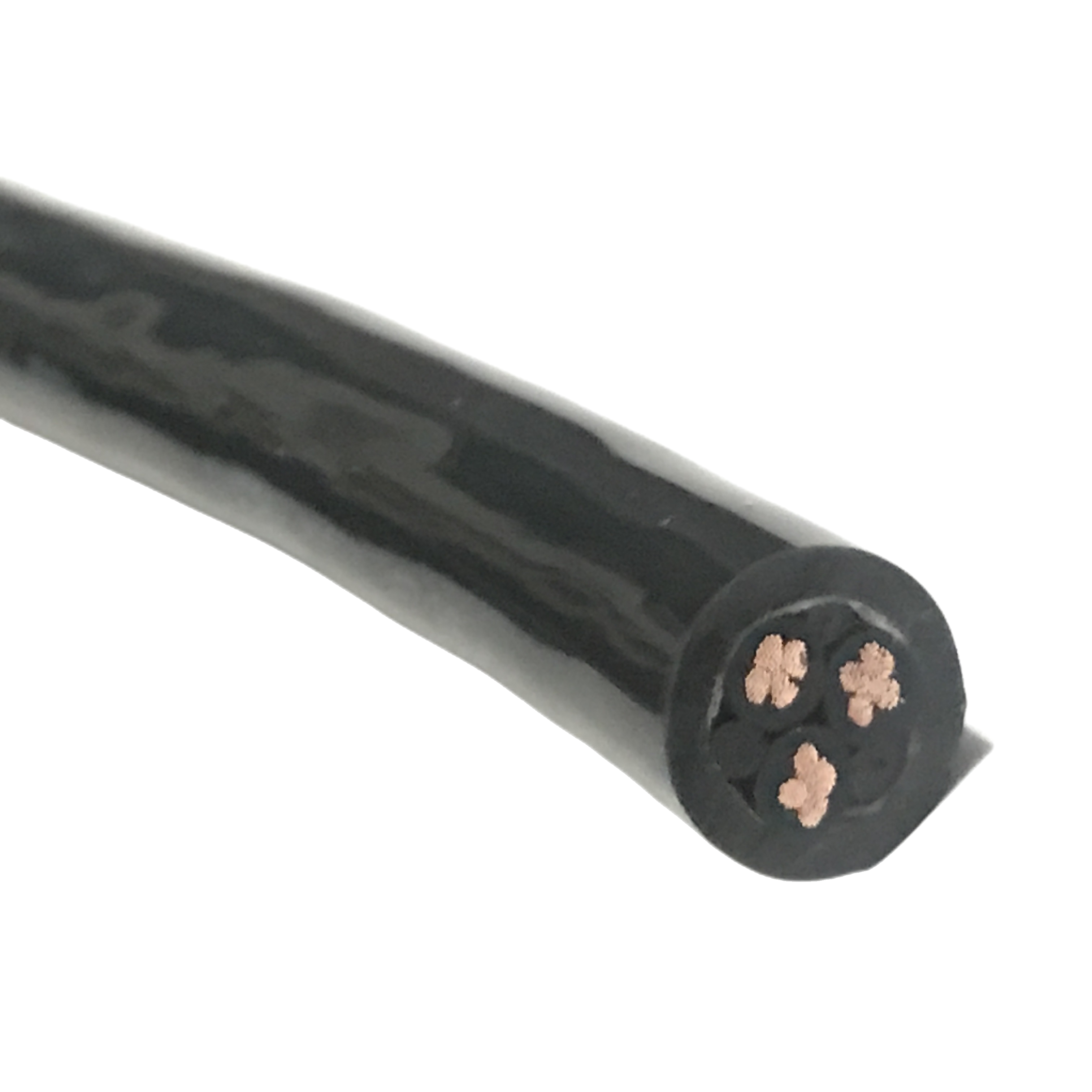
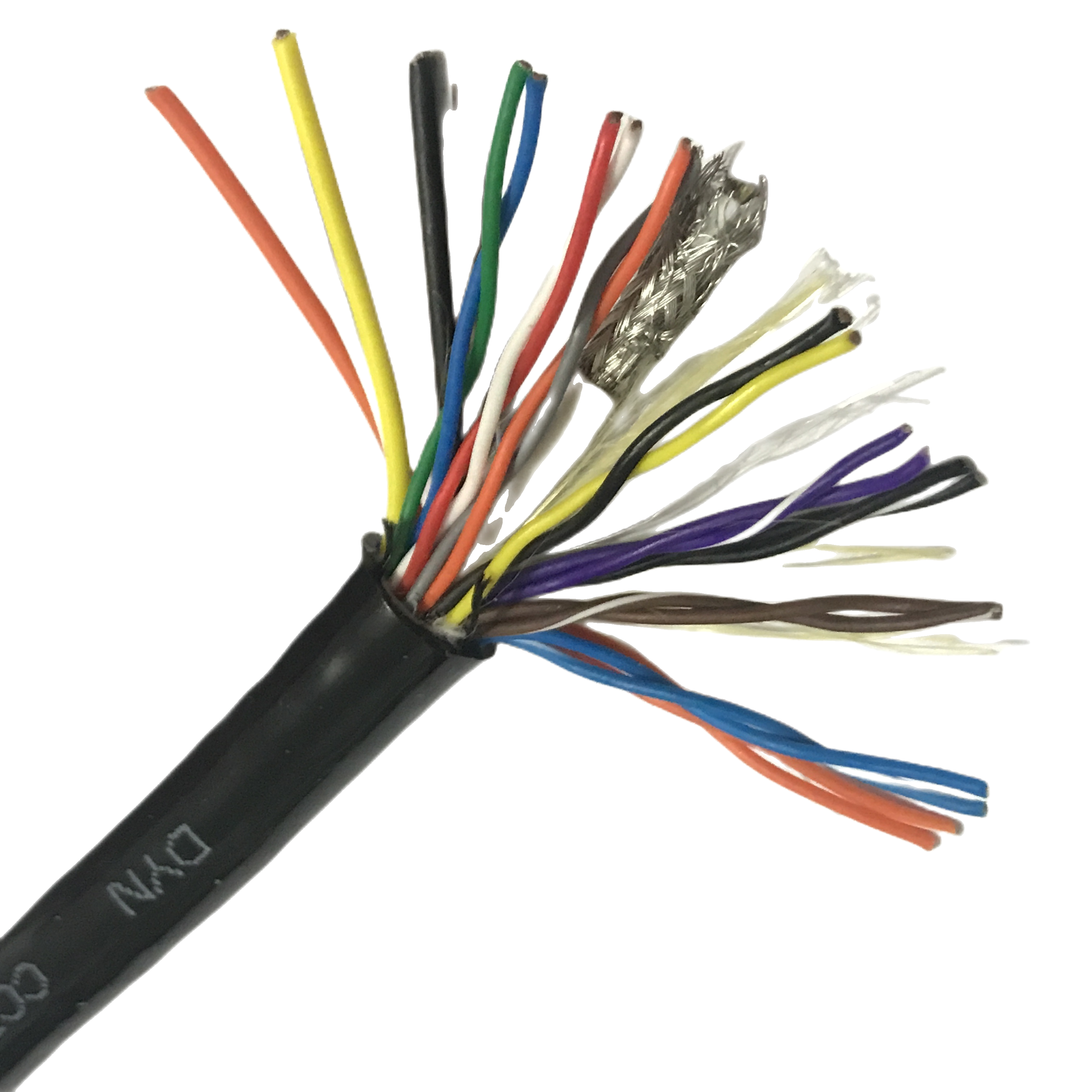
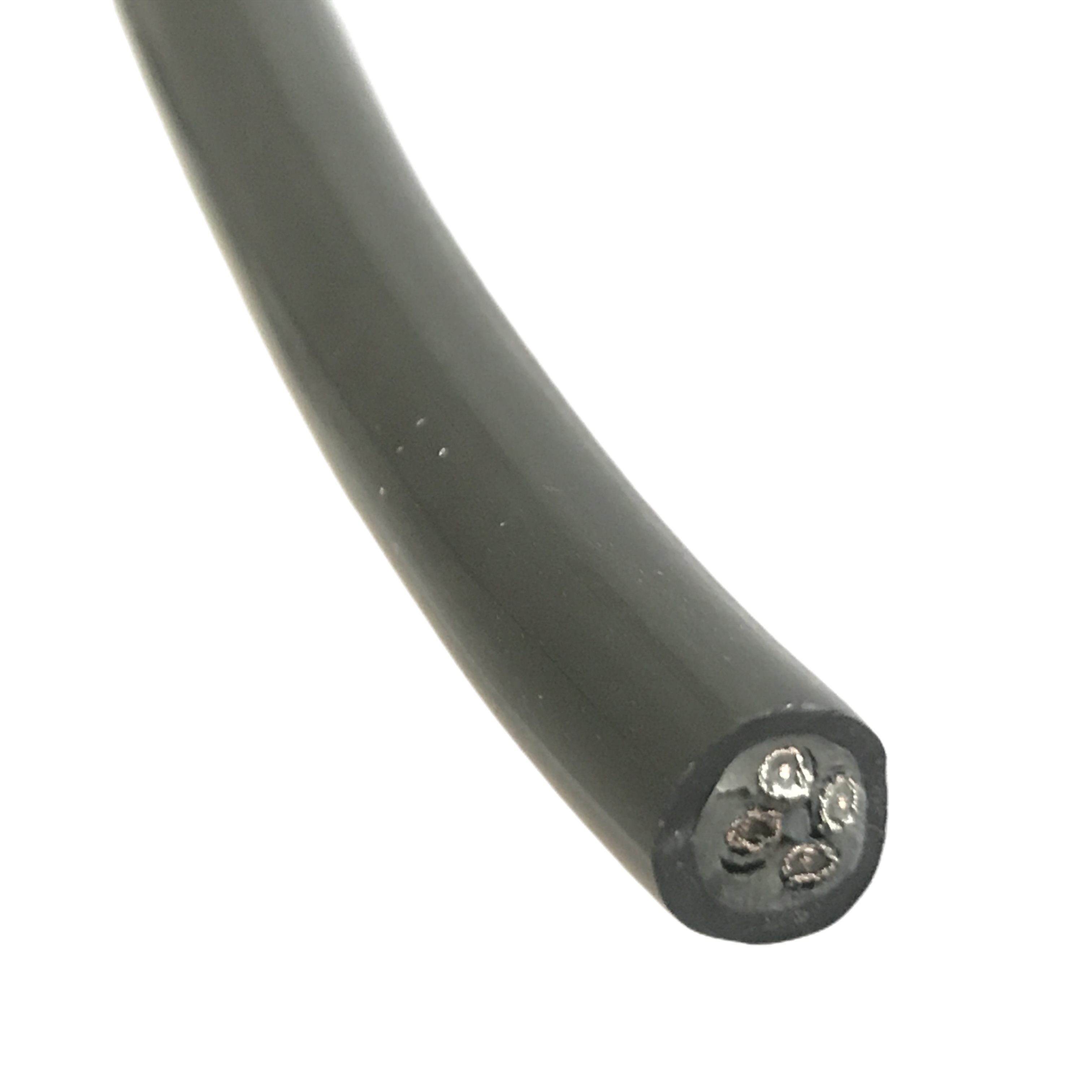
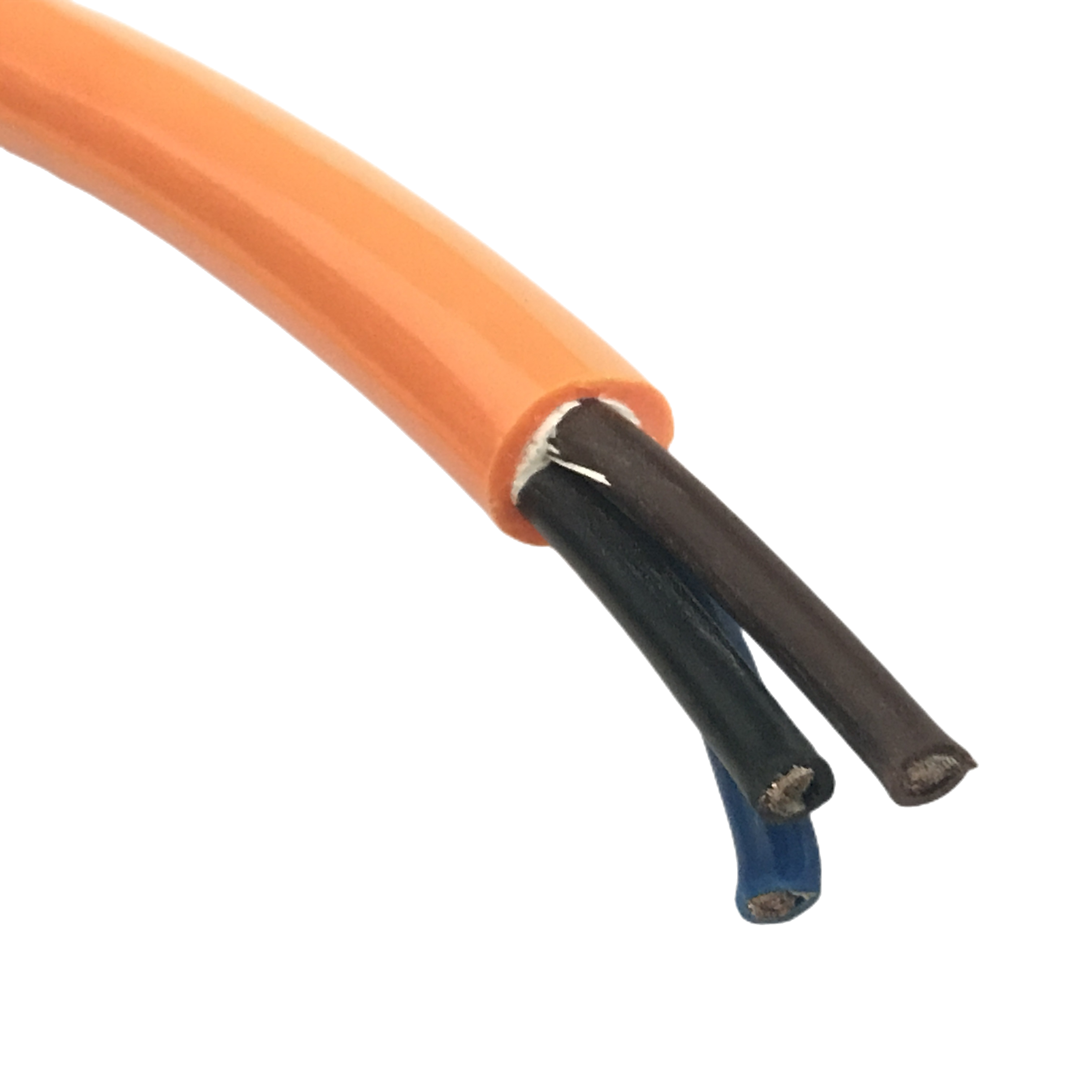
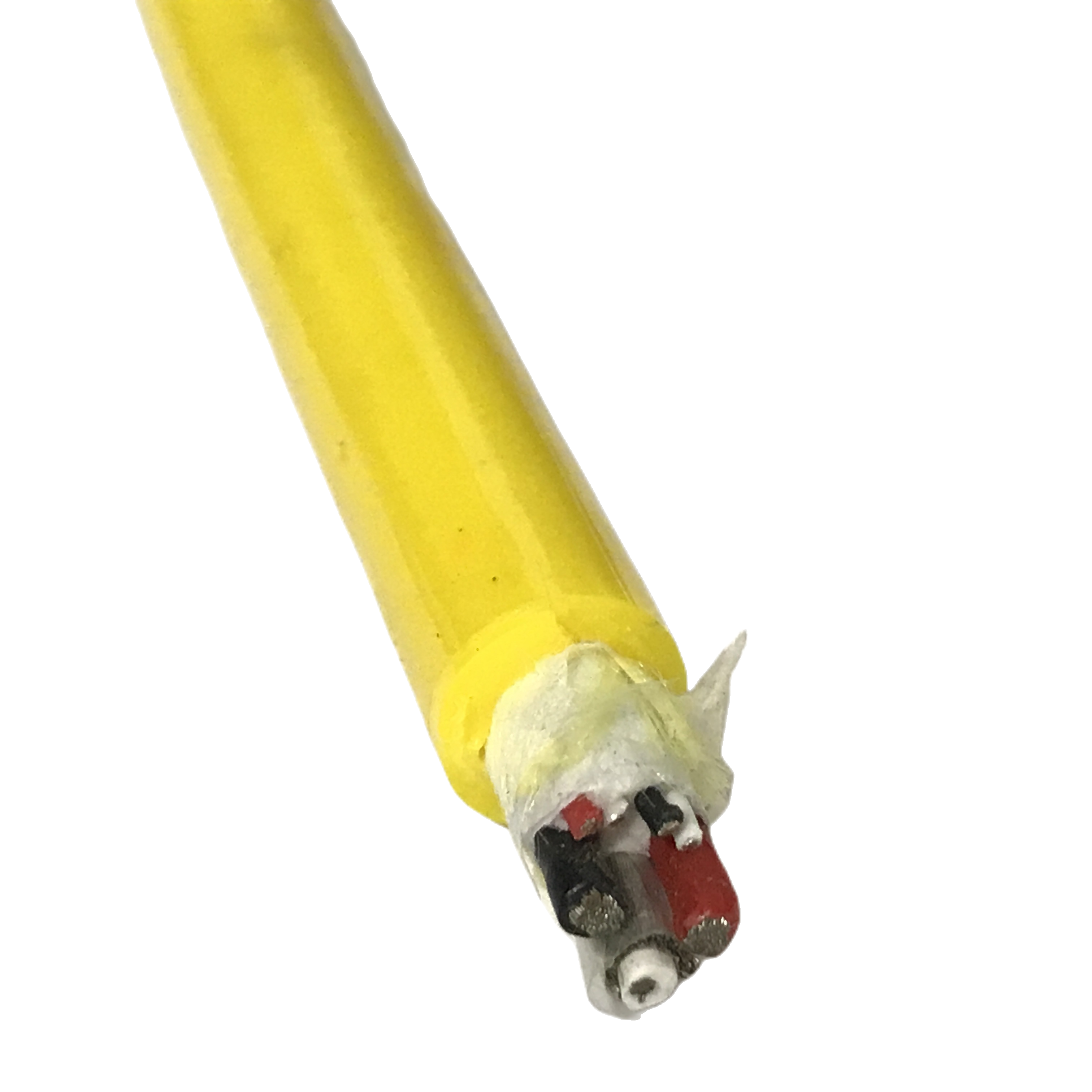
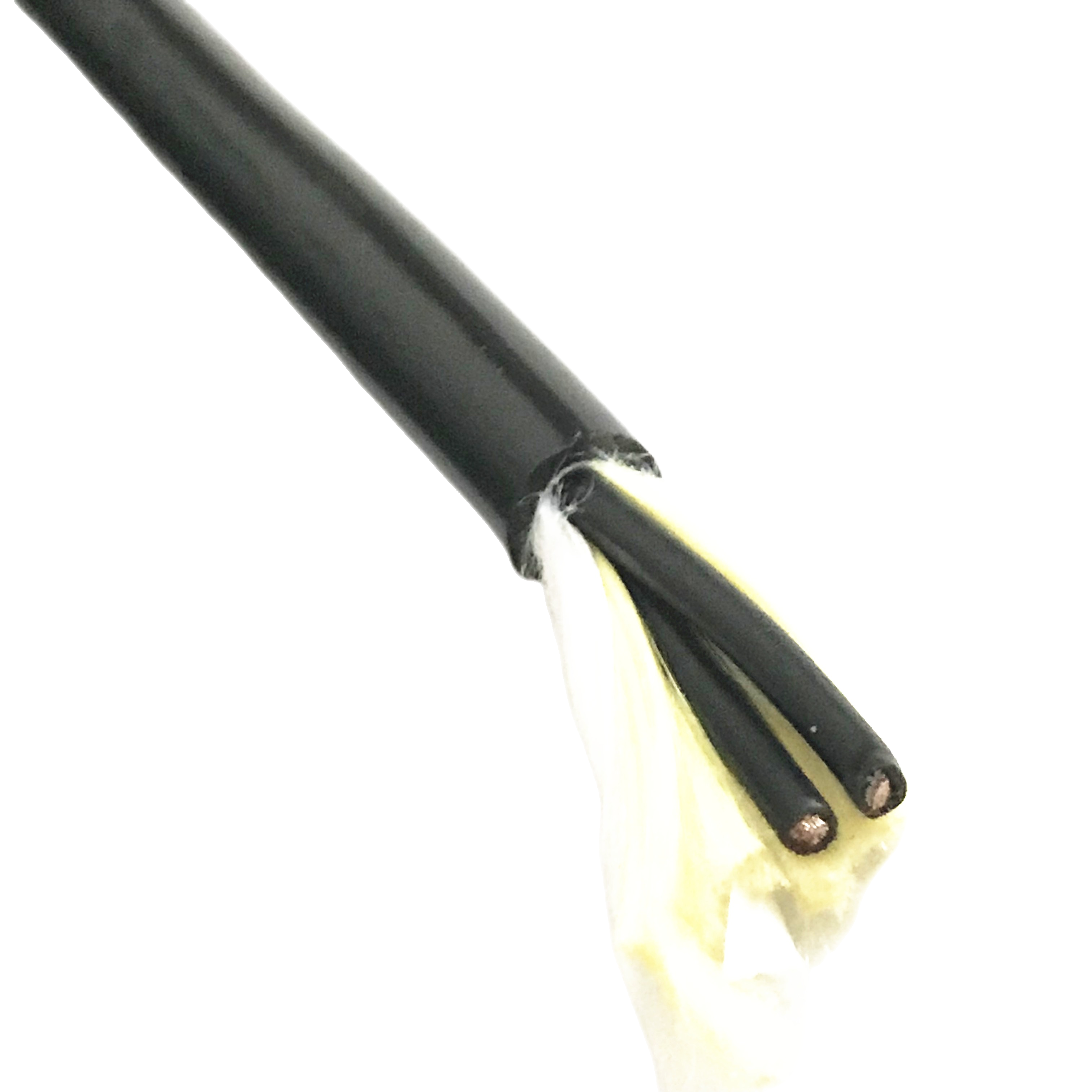
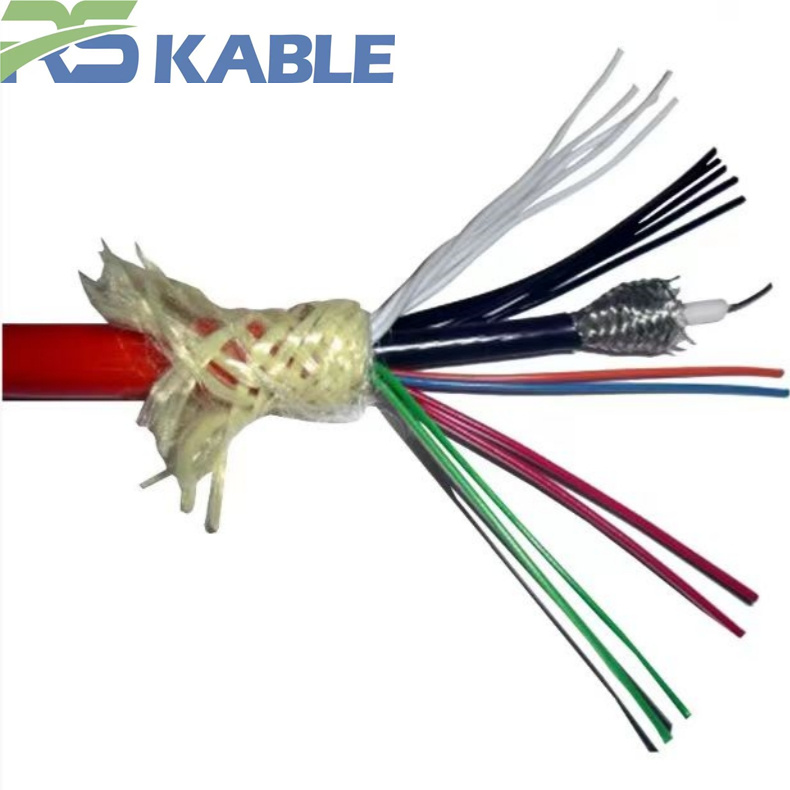
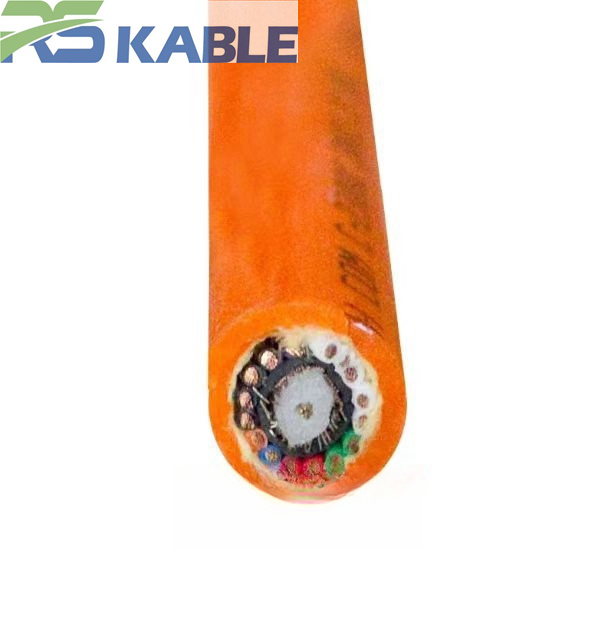
The 2×2×20AWG Shielded Diver Telephone Cable is the electrical communication core for surface-supplied diver umbilicals, carrying voice and auxiliary signal circuits between a diver’s mask or helmet and the surface communication box. Its shielded twisted-pair construction reduces crosstalk and noise pickup, while the abrasion-resistant PU jacket handles continuous submersion and umbilical bundling. This is a component cable for integration into a certified umbilical assembly, not a standalone certified life-support product.
Key benefits:
2×2×20AWG Shielded Diver Telephone Cable | Underwater Communication Cable for Diving Systems
This 2-pair, 20AWG shielded cable is built as the electrical communication core for surface-supplied diver umbilicals, carrying voice and auxiliary signal circuits between a diver’s full-face mask or helmet and the surface communication box. It is a component cable intended for integration into a complete diver umbilical assembly rather than a standalone certified life-support product — final umbilical assemblies should be built and tested by qualified personnel against the diving equipment standards applicable in the operating jurisdiction before they are put into service.
Audio Circuit Performance
| Metric | Typical Value |
|---|---|
| Conductor DC resistance | ≤ 28 Ω/km per conductor at 20°C |
| Loop resistance (pair) | ≤ 56 Ω/km |
| Mutual capacitance | ≈ 50 nF/km |
| Voice-band frequency response | Adequate across the standard 300 Hz–3,400 Hz telephone voice band at typical umbilical lengths |
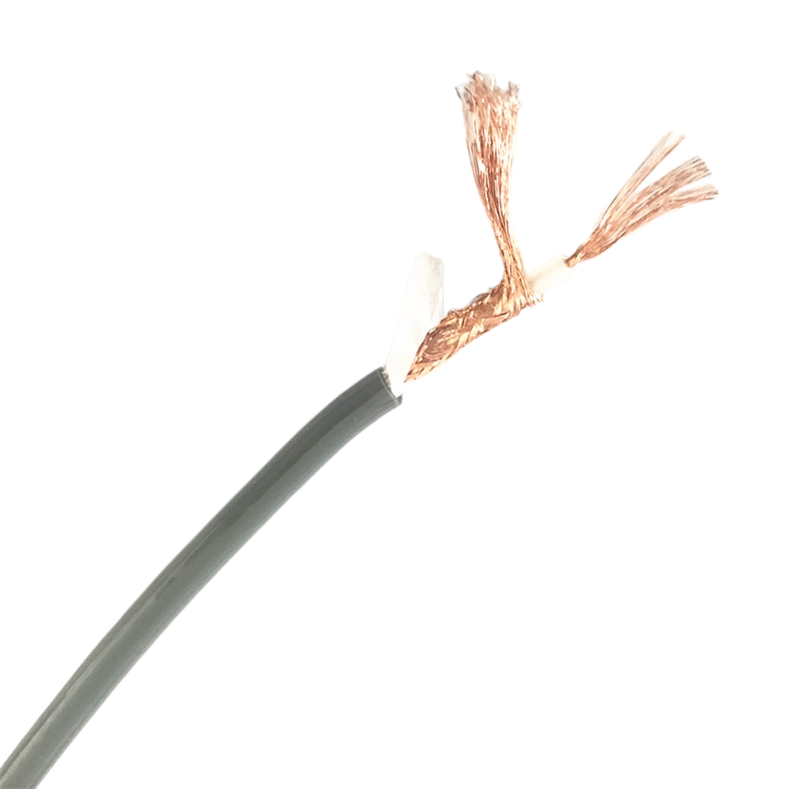
| Shield coverage | ≥ 85%, overall foil with drain wire |
| Insulation resistance | ≥ 100 MΩ·km at 500 V DC |
Loop resistance is the practical limit on usable cable length for most analog diver communication boxes — voice signal quality degrades gradually as loop resistance rises with length, well before the conductor’s current-carrying capacity becomes relevant. The maximum acceptable length for a given system should be confirmed against the specific surface communication box in use rather than assumed from the cable’s specification alone.
Circuit Allocation
| Pair | Typical Function |
|---|---|
| Pair 1 | Primary voice/microphone circuit between diver and surface |
| Pair 2 | Auxiliary circuit — commonly a secondary communication channel, alarm/signal line, or system-specific function per the surface unit manufacturer |
Pair 2’s exact function depends on the surface communication system it connects to; some systems use it as a genuine backup voice channel, others reserve it for a signal or alarm circuit specific to that manufacturer’s box. This should be confirmed against the system documentation rather than assumed to be a generic spare.
Mechanical and Environmental Data
| Test | Typical Result |
|---|---|
| Jacket material | Polyurethane, oil and abrasion resistant |
| Outer diameter | Confirmed according to whether the cable is supplied as a standalone core or pre-bundled into a full umbilical |
| Tensile handling | Cable is not a load-bearing element; umbilical tensile load should be carried by a dedicated strength member, not this conductor |
| Operating temperature | -10°C to 60°C |
| Water contact rating | Continuous submersion at the diver end of the umbilical |
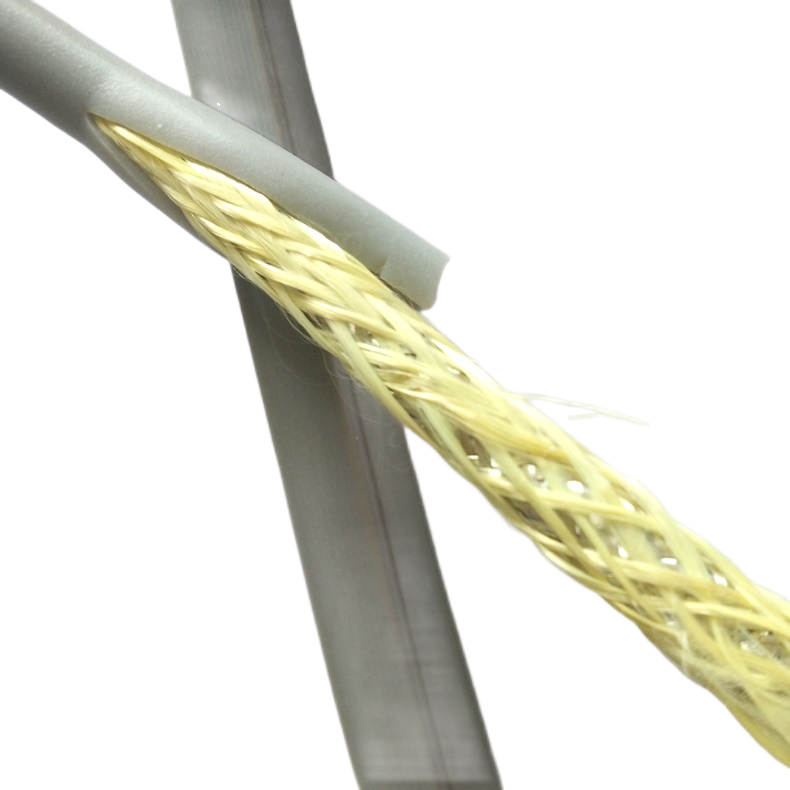
This cable is not rated as the load-bearing or lifting element of a diver umbilical. Where the finished umbilical assembly needs to support the diver’s weight, tending forces, or emergency retrieval, a separate strength member — commonly Dyneema line or a wire rope core — must be incorporated into the umbilical bundle; this comms cable should never be relied upon alone to bear that load.
Construction
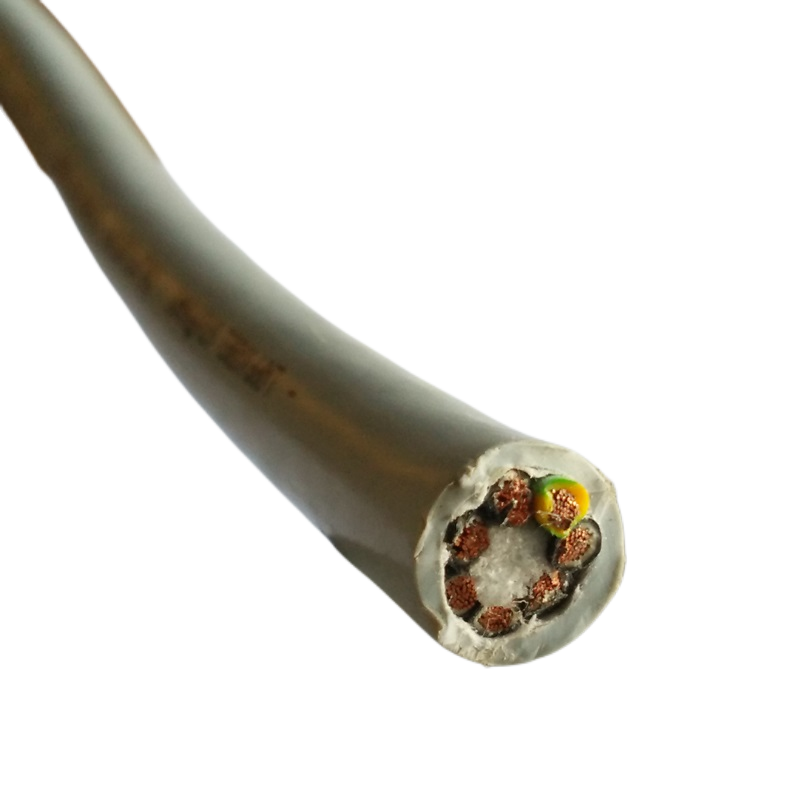
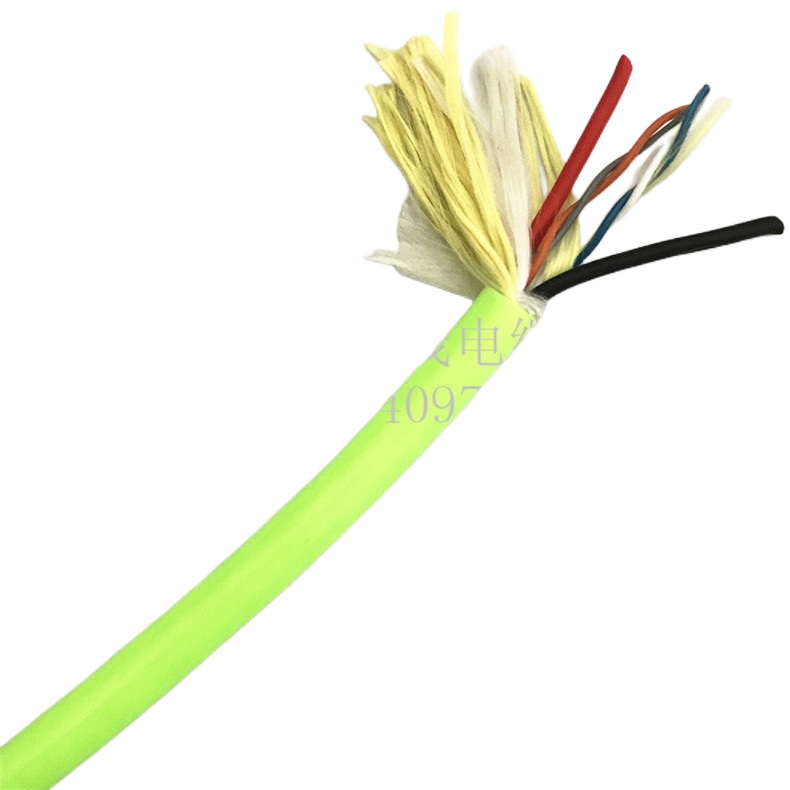
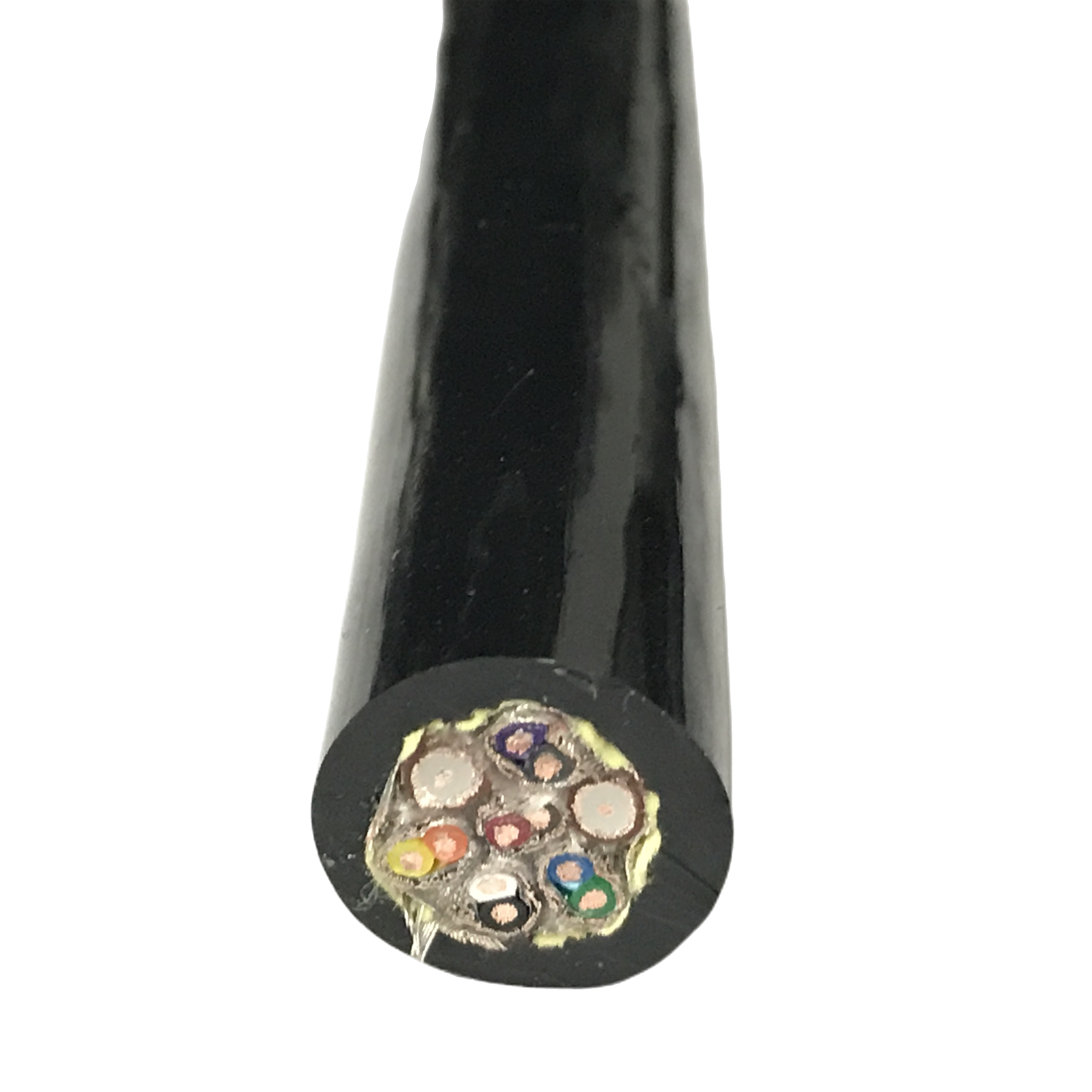
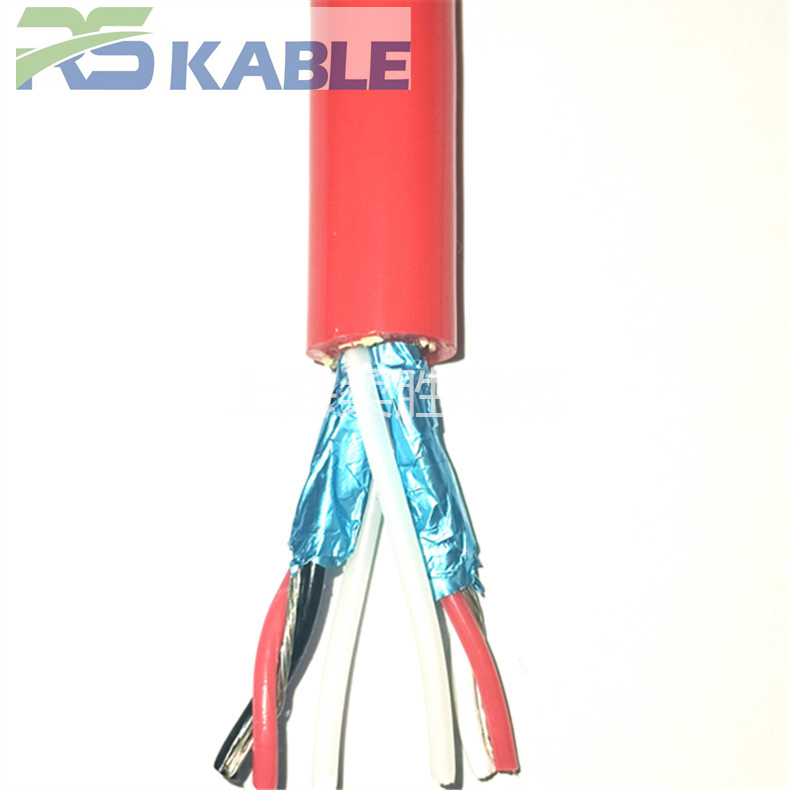
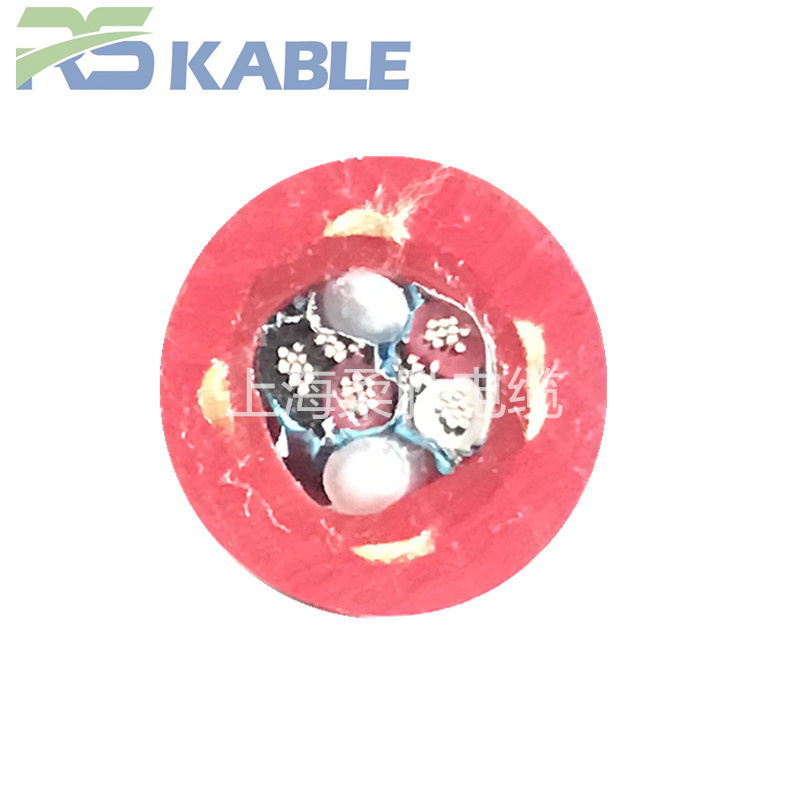
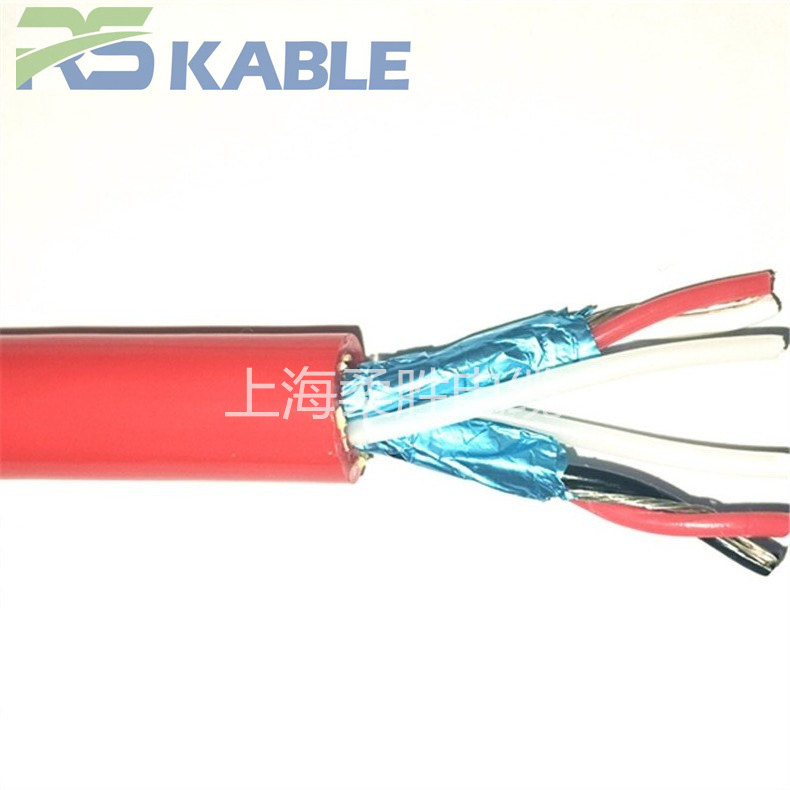
The two twisted pairs are individually shielded or grouped under an overall foil shield with a drain wire, reducing the risk of crosstalk between the primary voice circuit and the auxiliary circuit, and limiting noise pickup from adjacent umbilical components such as gas supply hoses or, where relevant, nearby ROV or vessel electrical systems. The polyurethane jacket is selected for the abrasion and handling conditions typical of umbilical bundling and deployment, where the comms core is routed alongside gas hoses, pneumofathometer tubing, and the umbilical’s strength member.
Standards and Safety Framework
Diver communication is life-safety equipment, and the applicable framework depends on the diving mode and jurisdiction. Commercial and military surface-supplied diving equipment is commonly qualified against standards such as EN 15333-1 (surface supplied diving equipment) in Europe, and industry guidance including IMCA D 018 (examination, testing, and certification of diving equipment) and the consensus standards published by bodies such as ADCI in other regions. This cable is supplied as a raw electrical component built to support integration into umbilical assemblies qualified against those frameworks — it does not carry a standalone diving-equipment certification, and the completed umbilical assembly must be tested and certified as a whole by a qualified diving equipment technician before use in any actual dive.
Field Note: Surface-Supplied Diving Support Vessel
A diving contractor building umbilicals in-house for surface-supplied air diving operations reported that voice clarity complaints on longer umbilical runs were most often traced to loop resistance at the upper end of the cable’s rated length rather than to shielding or noise issues, and were resolved by either shortening the effective run or moving to a lower-resistance conductor size for longer-reach jobs. This reflects one contractor’s reported field experience rather than a controlled test, and the correct conductor size for a given job should be selected against the specific surface unit and required umbilical length rather than assumed from a single length figure.
Comparative Notes: Diver Telephone Cable vs Standard Instrumentation Twisted Pair
| Metric | Diver Telephone Cable (this product) | Standard Instrumentation Twisted Pair |
|---|---|---|
| Shielding for voice-band noise rejection | Engineered specifically for voice-frequency crosstalk and noise | General-purpose, not voice-band optimized |
| Continuous submersion rating | Rated for the diver-end umbilical environment | Not typically rated for continuous submersion |
| Jacket suited to umbilical bundling | Yes, abrasion-resistant PU | Depends on specific product |
| Intended integration | Component core for a certified diver umbilical assembly | General instrumentation and control wiring |
Ordering Matrix
| If your application involves… | Then specify… |
|---|---|
| A longer umbilical run where loop resistance may affect voice clarity | Confirm maximum length against your specific surface communication box before ordering |
| A specific function for the auxiliary pair (backup voice, alarm, signal) | Confirm with the surface unit manufacturer’s documentation |
| Integration into a full umbilical bundle with gas hose and strength member | Specify whether the cable is supplied standalone or pre-bundled |
| A jurisdiction with a specific diving equipment certification requirement | Confirm the standard your finished umbilical assembly must be tested and certified against |
| Any load-bearing or lifting function in the umbilical | Specify the separate strength member required — this cable must not be used as a load-bearing element |
FAQ
Is this cable itself certified as diving life-support equipment?
No. It is a raw electrical component intended for integration into a diver umbilical assembly. The completed umbilical, including this cable, gas supply hose, and strength member, must be tested and certified as a whole by a qualified diving equipment technician against the applicable standard before use in any actual dive.
What limits the maximum usable length of this cable in a diving communication system?
Loop resistance is typically the limiting factor — voice signal quality degrades gradually as resistance rises with cable length. The maximum acceptable length depends on the specific surface communication box in use and should be confirmed against that equipment rather than the cable specification alone.
Can this cable be used as part of the umbilical’s load-bearing structure?
No. This cable is not rated as a load-bearing element. A dedicated strength member, commonly Dyneema line or a wire rope core, must carry the umbilical’s tensile load, tending forces, and any emergency retrieval load.
What is the second pair (Pair 2) normally used for?
Its function depends on the surface communication system — some manufacturers use it as a genuine backup voice channel, others reserve it for a signal or alarm circuit. This should be confirmed against the specific system’s documentation rather than assumed.
Does this cable come pre-assembled into a full umbilical, or as a standalone core?
Both options are available. Specify at the ordering stage whether you need the comms core alone for integration into your own umbilical build, or a cable pre-bundled with gas hose and strength member components.
Is custom shielding or conductor size available for longer umbilical runs?
Yes. Shielding configuration and conductor size can be adjusted to reduce loop resistance on longer runs; this should be discussed against your specific surface unit and required length before ordering.
Technical content reviewed by the cable engineering team prior to publication. This product is a component cable; final diver umbilical assemblies must be tested and certified as a complete system against the diving equipment standard applicable to your operation before use.