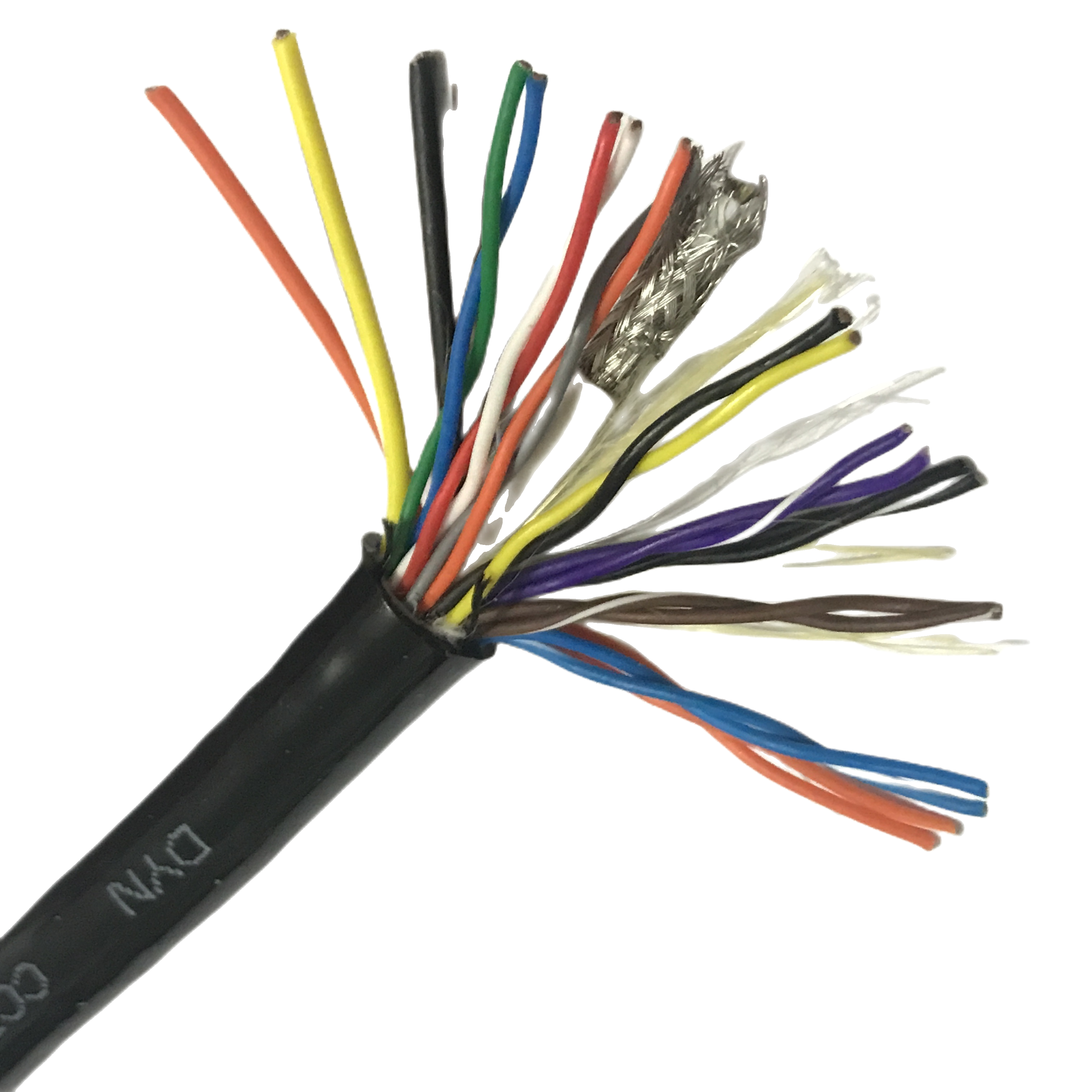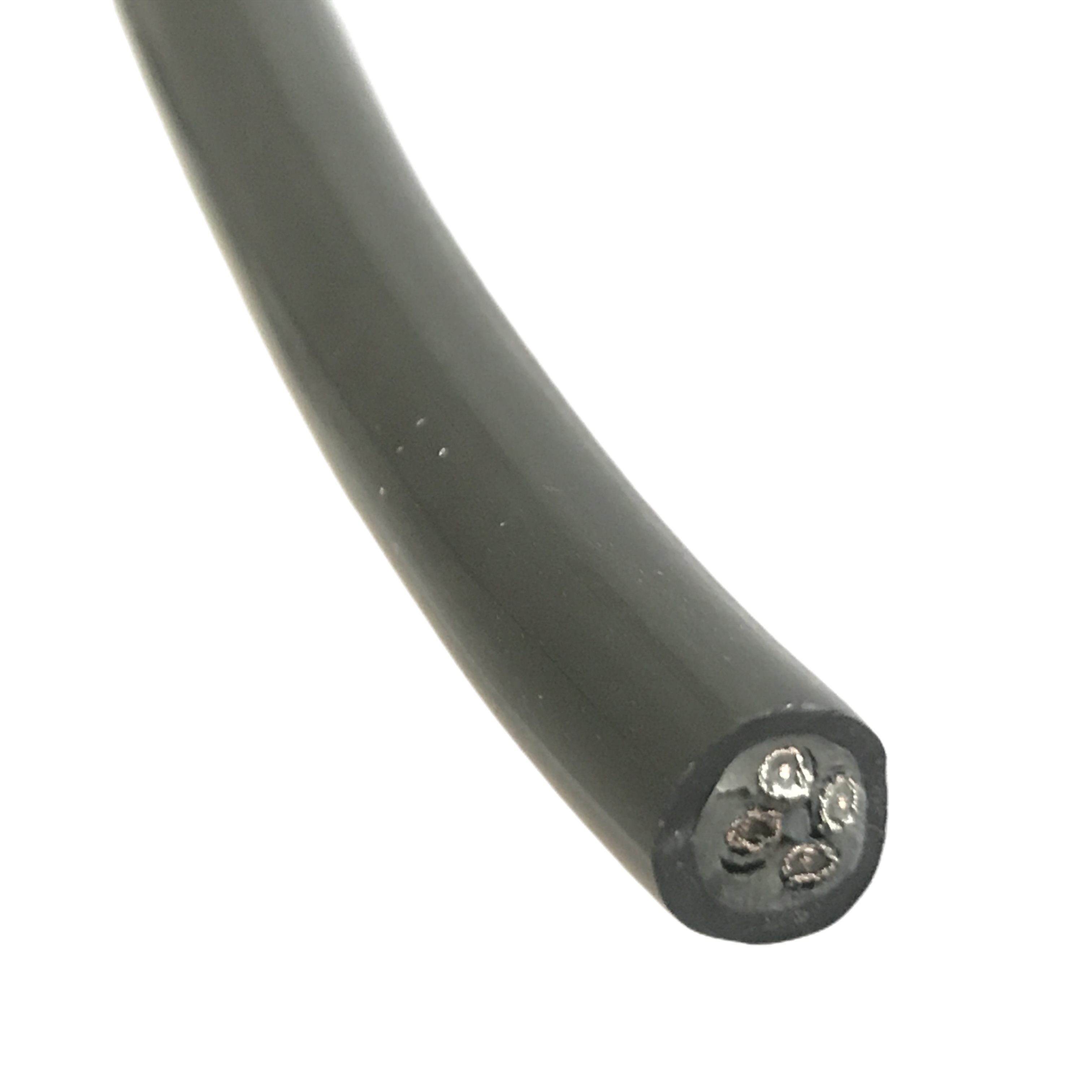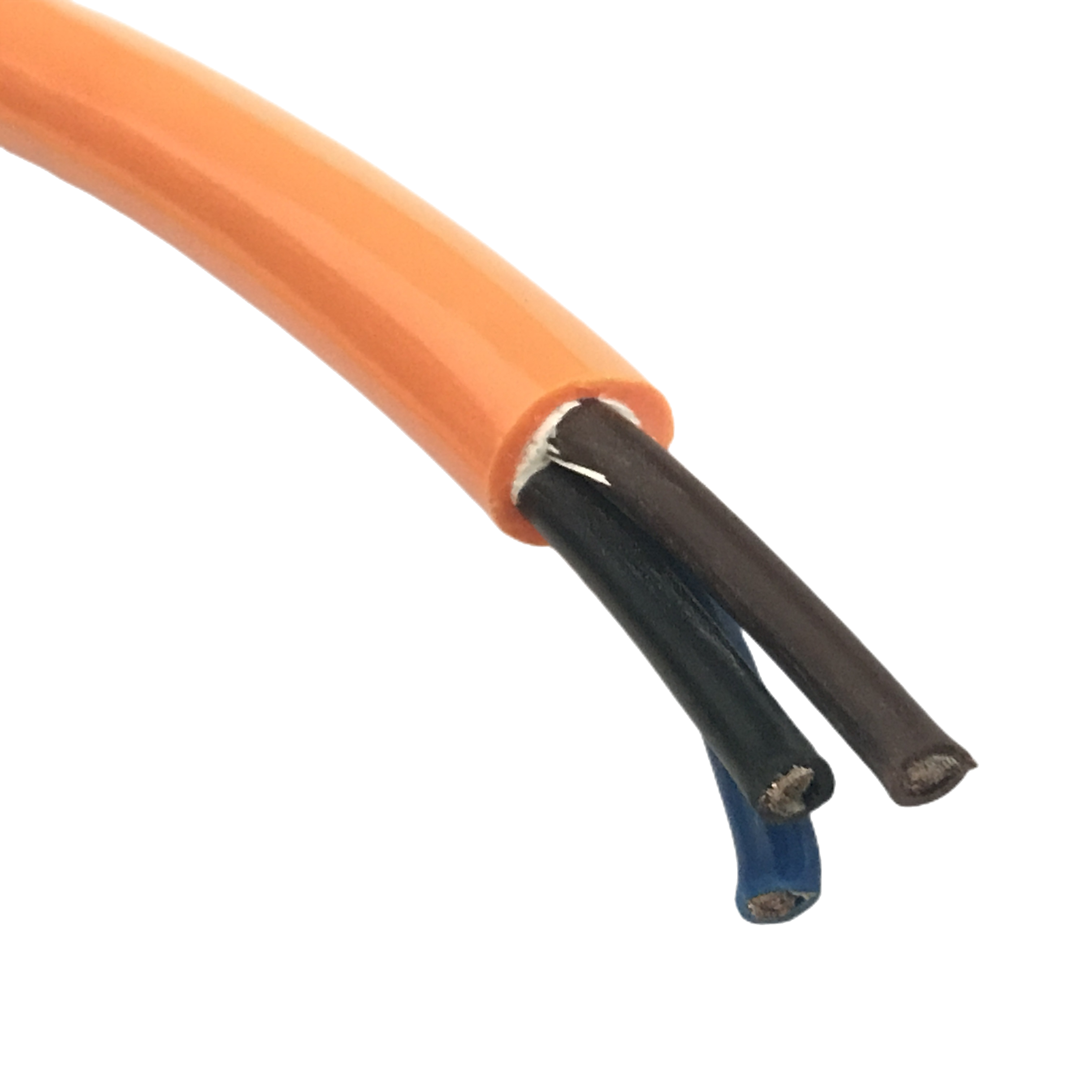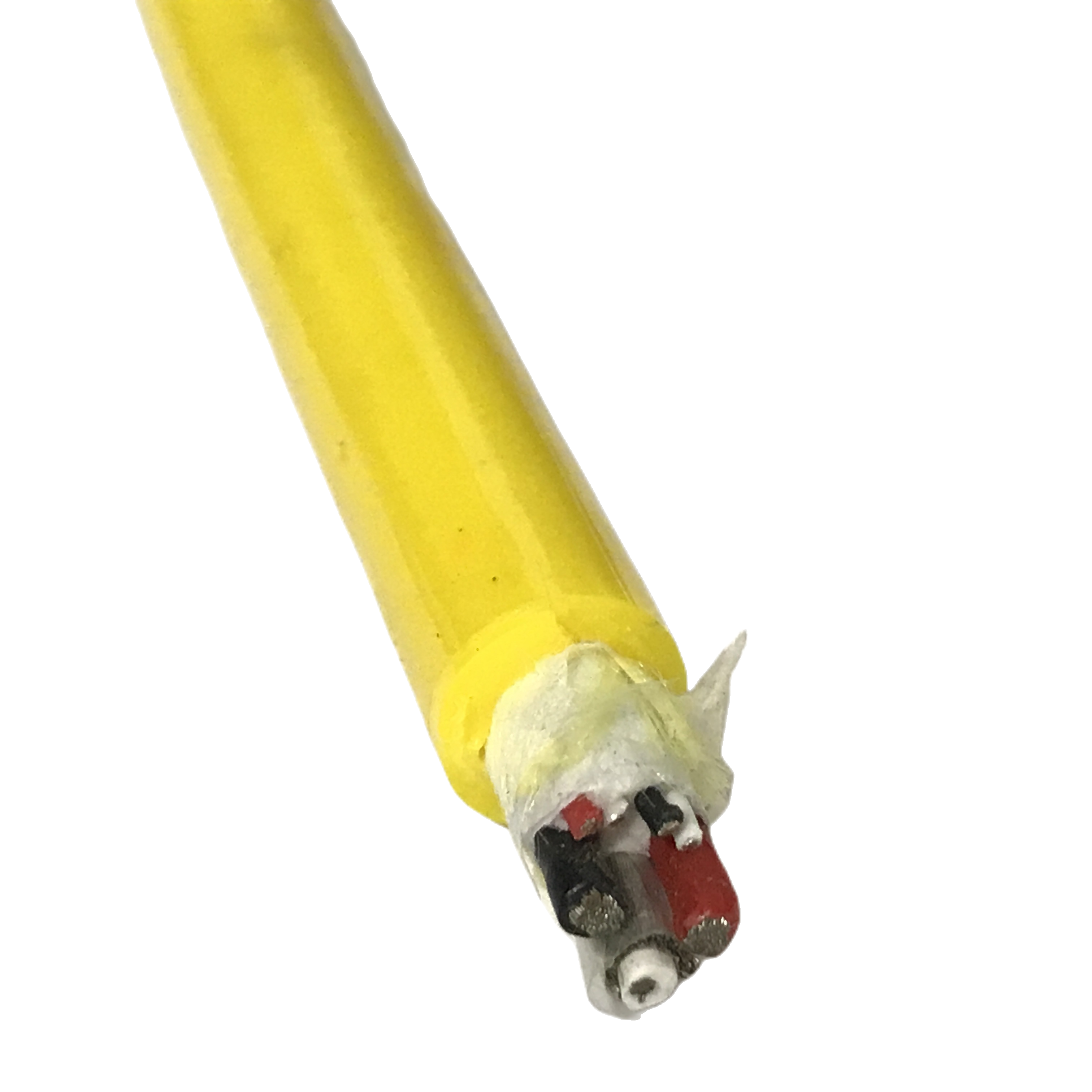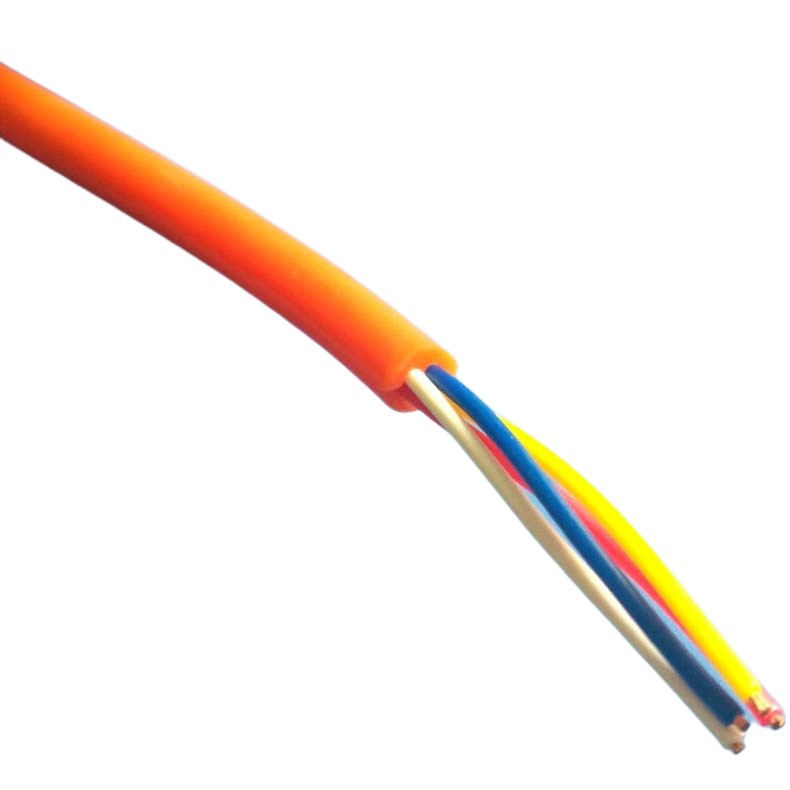



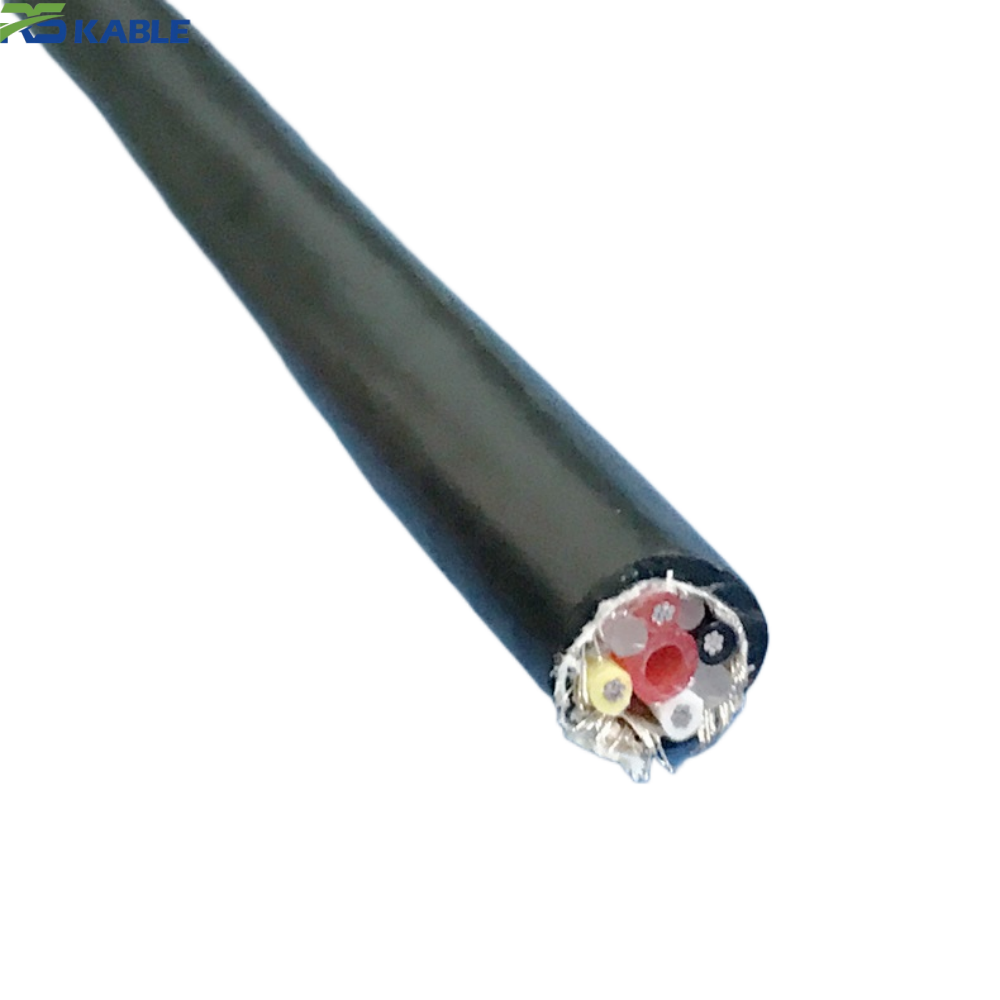
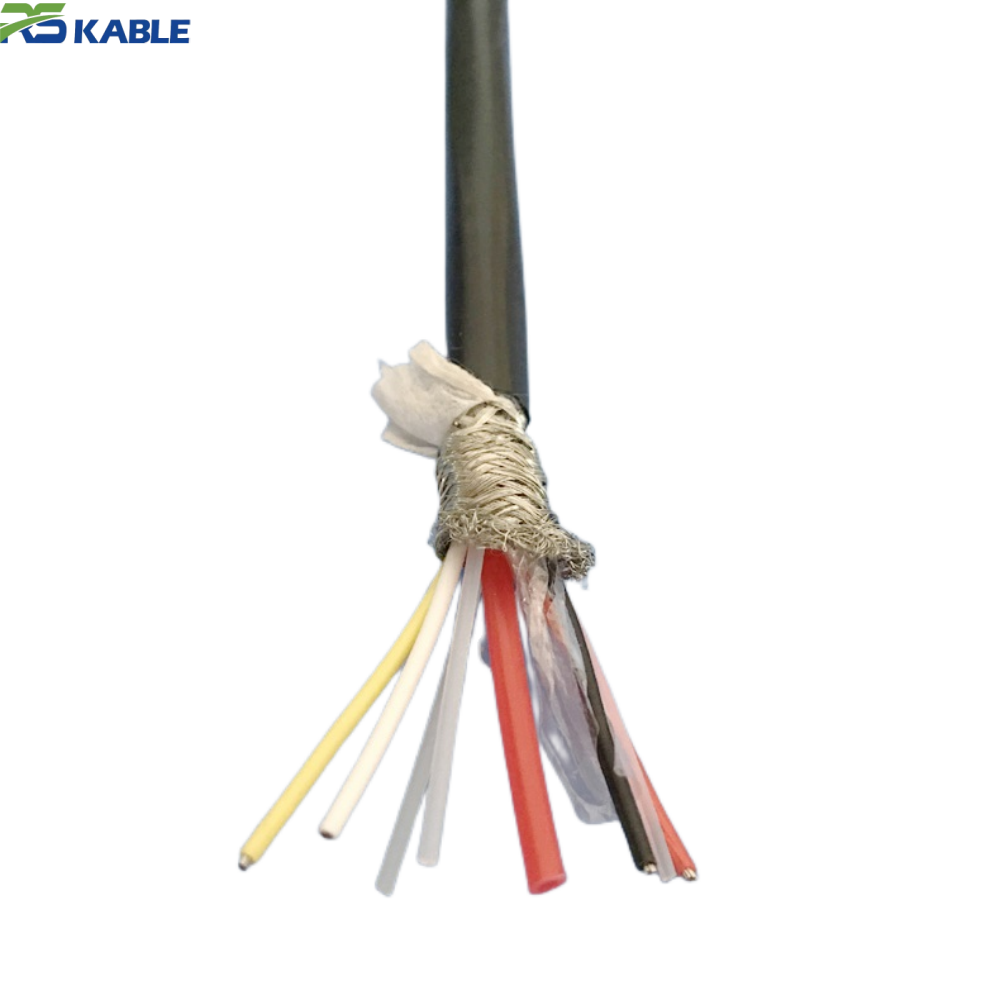
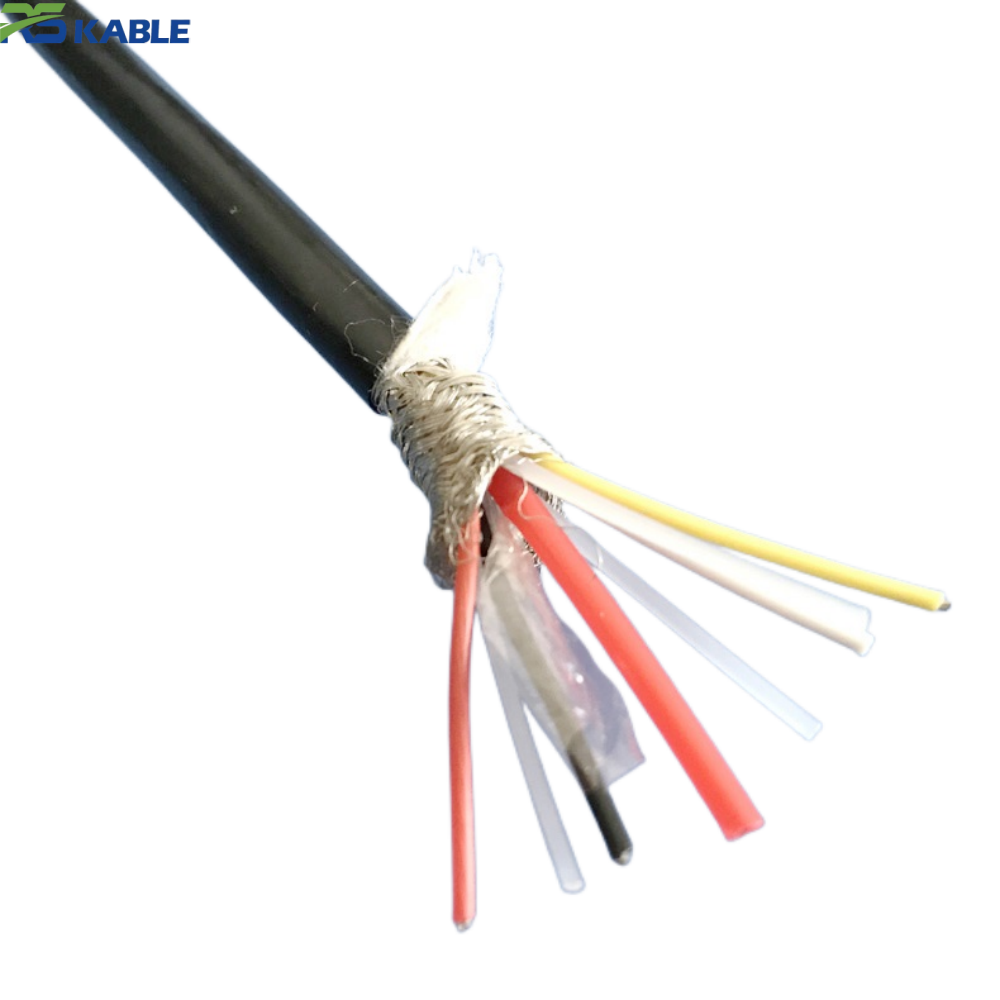
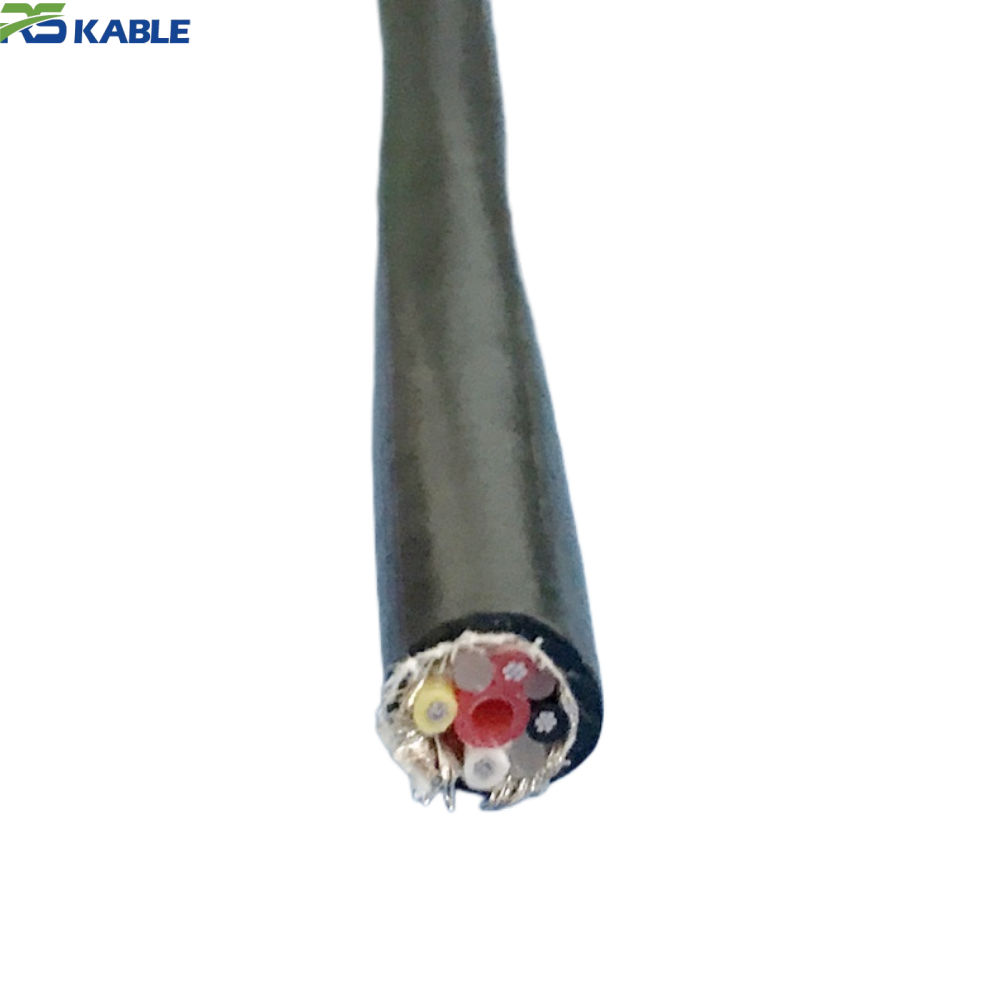
Bubbler Level Transmitter Cable | Flexible Cable for Liquid Level Measurement Systems
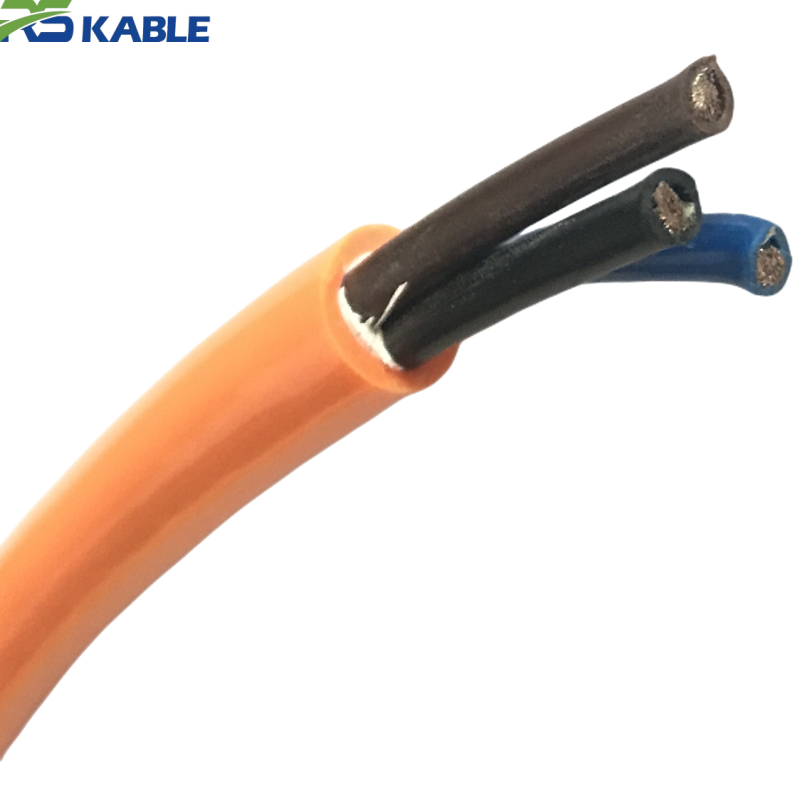
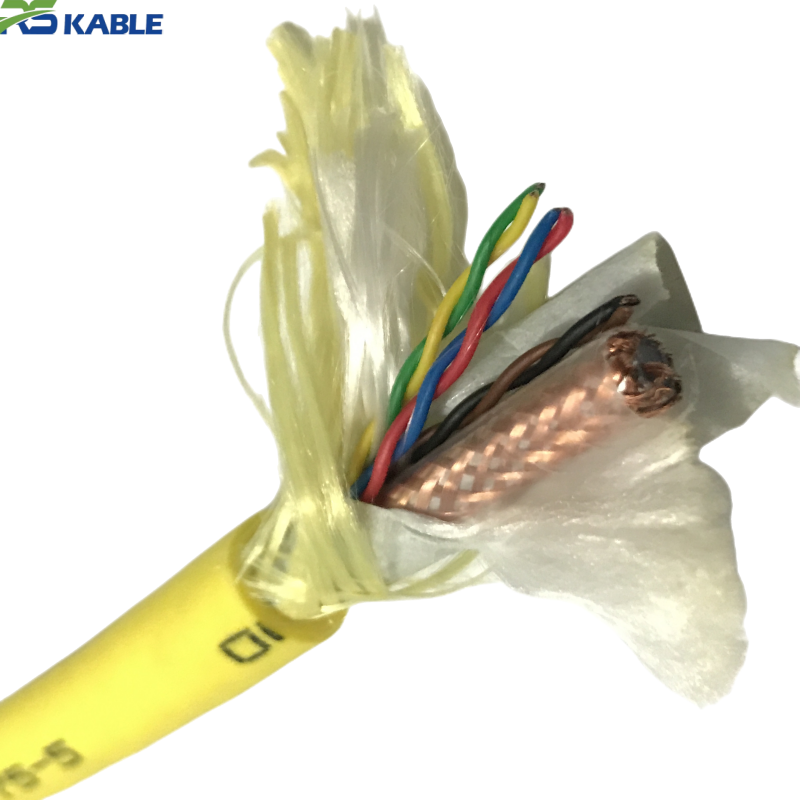
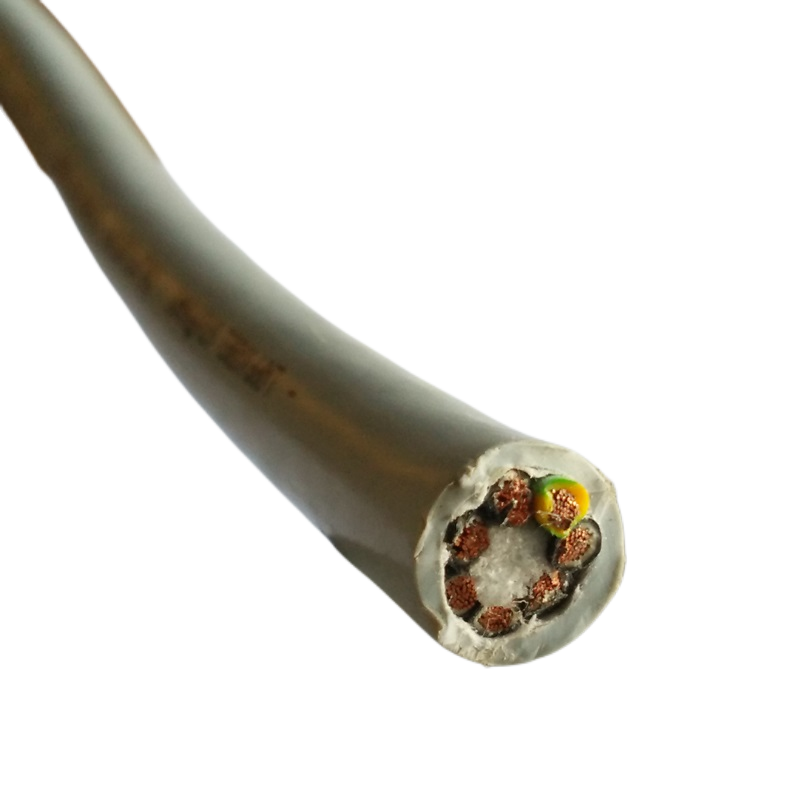
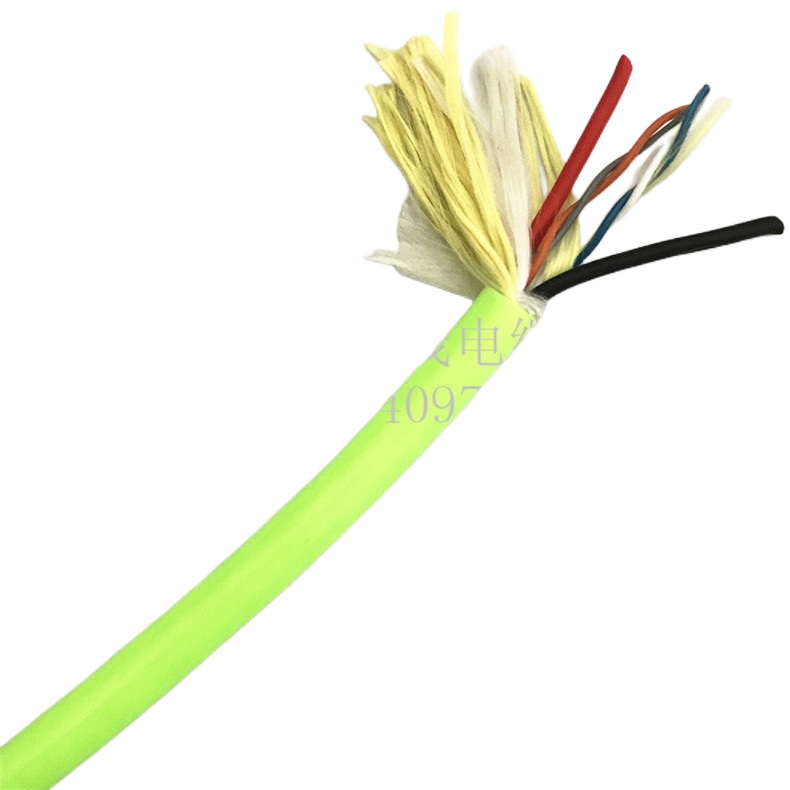
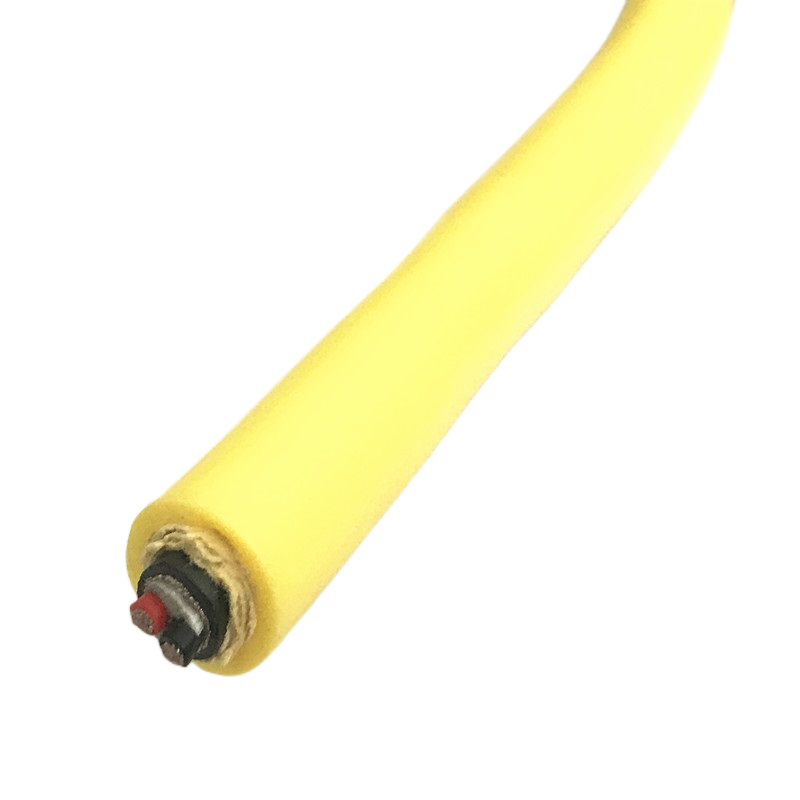
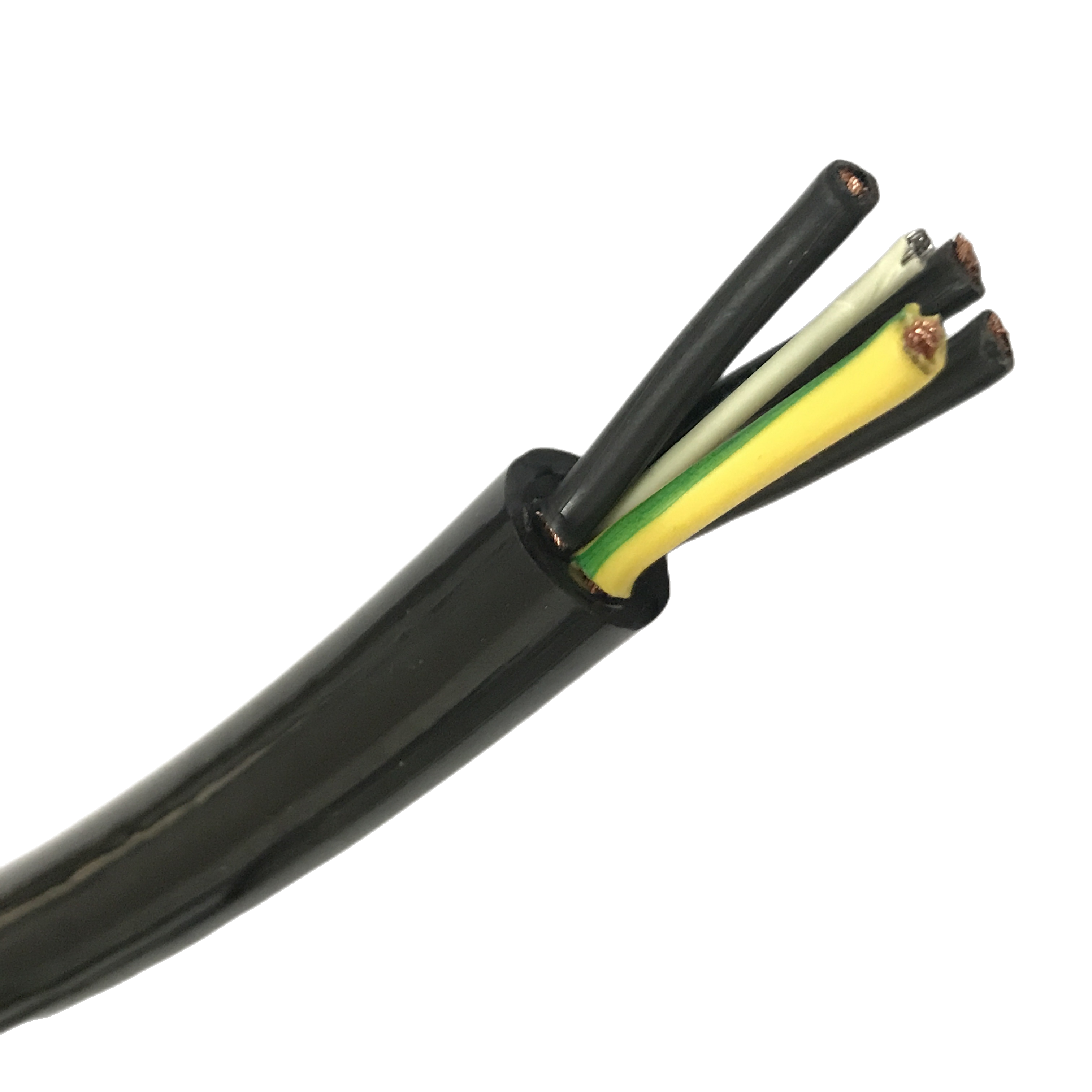
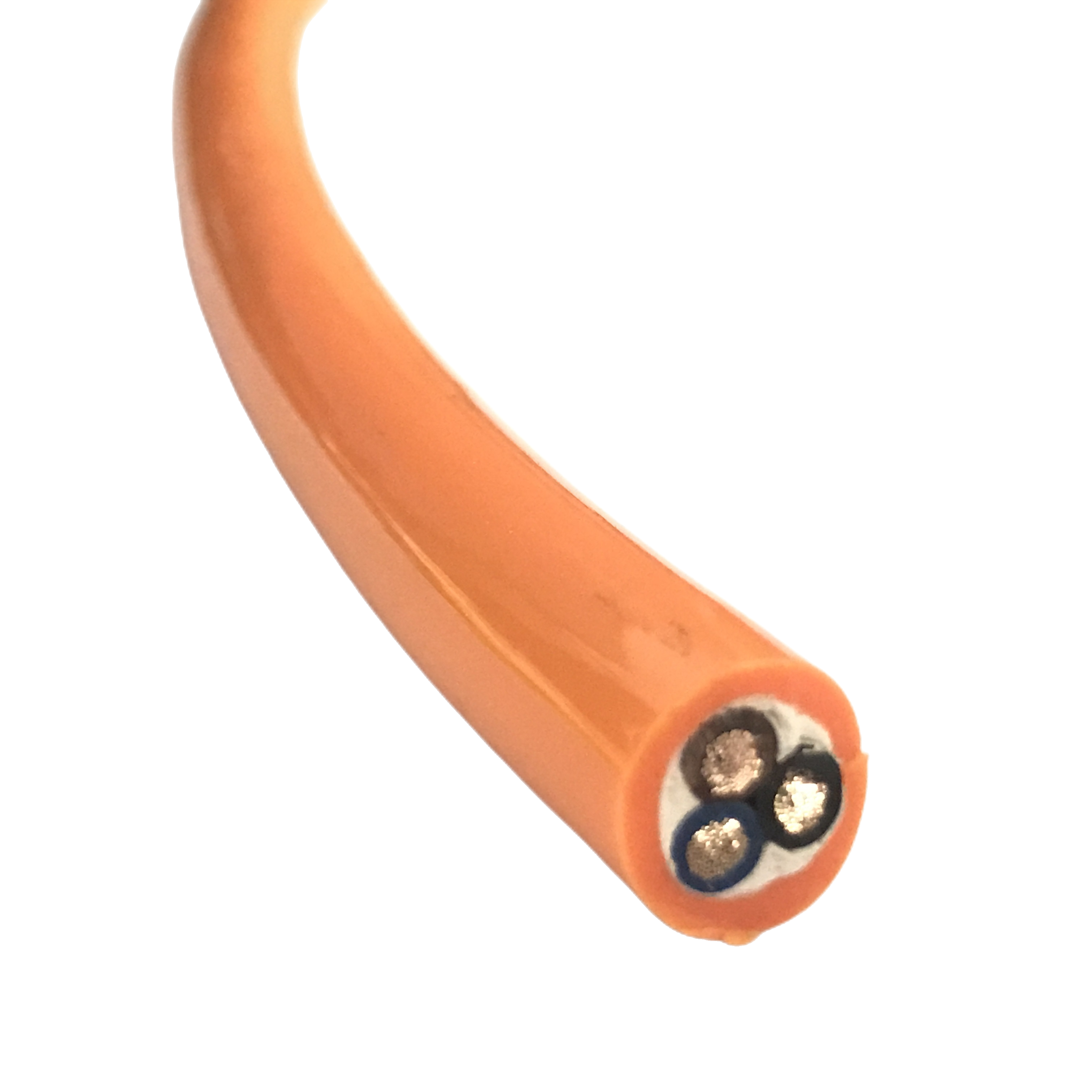
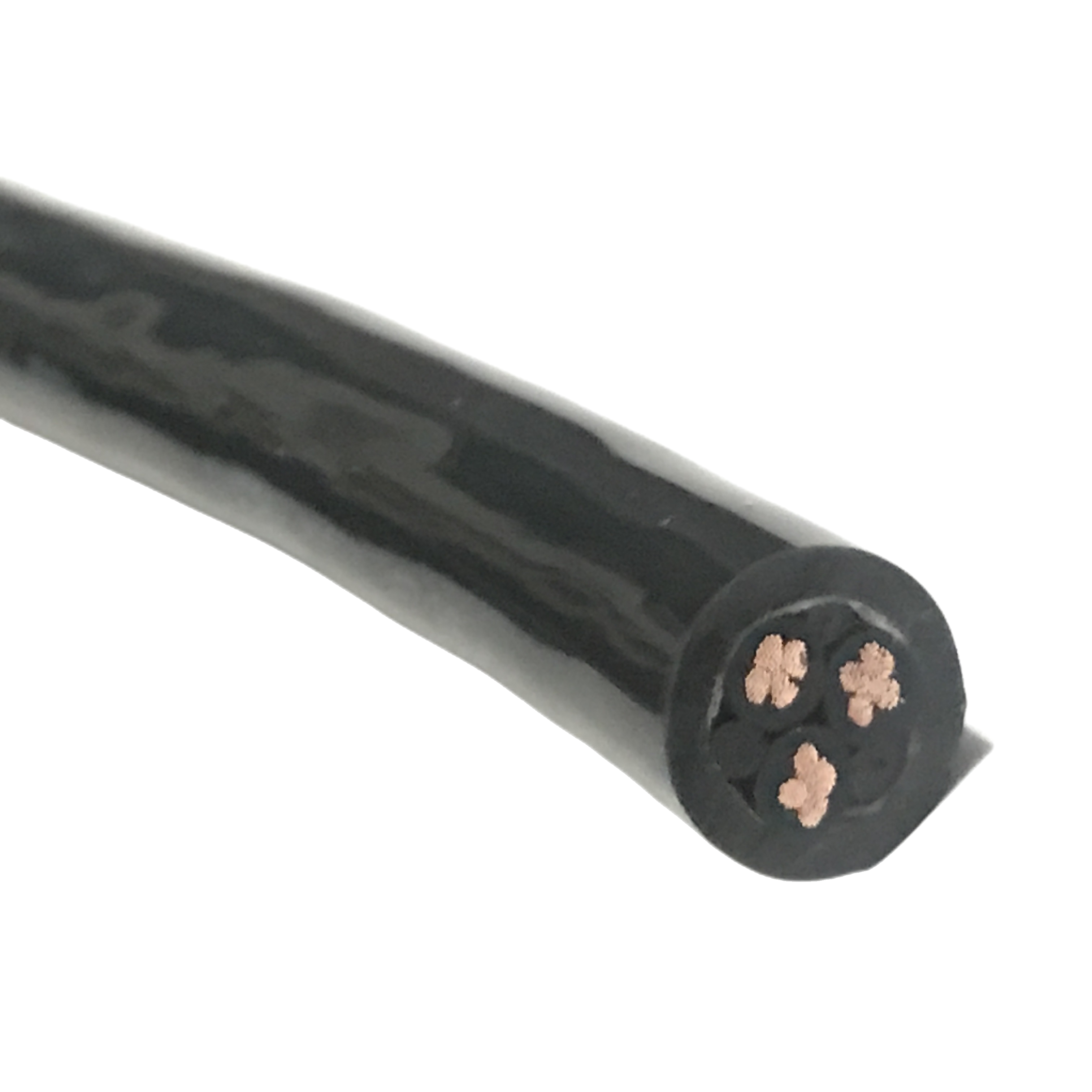
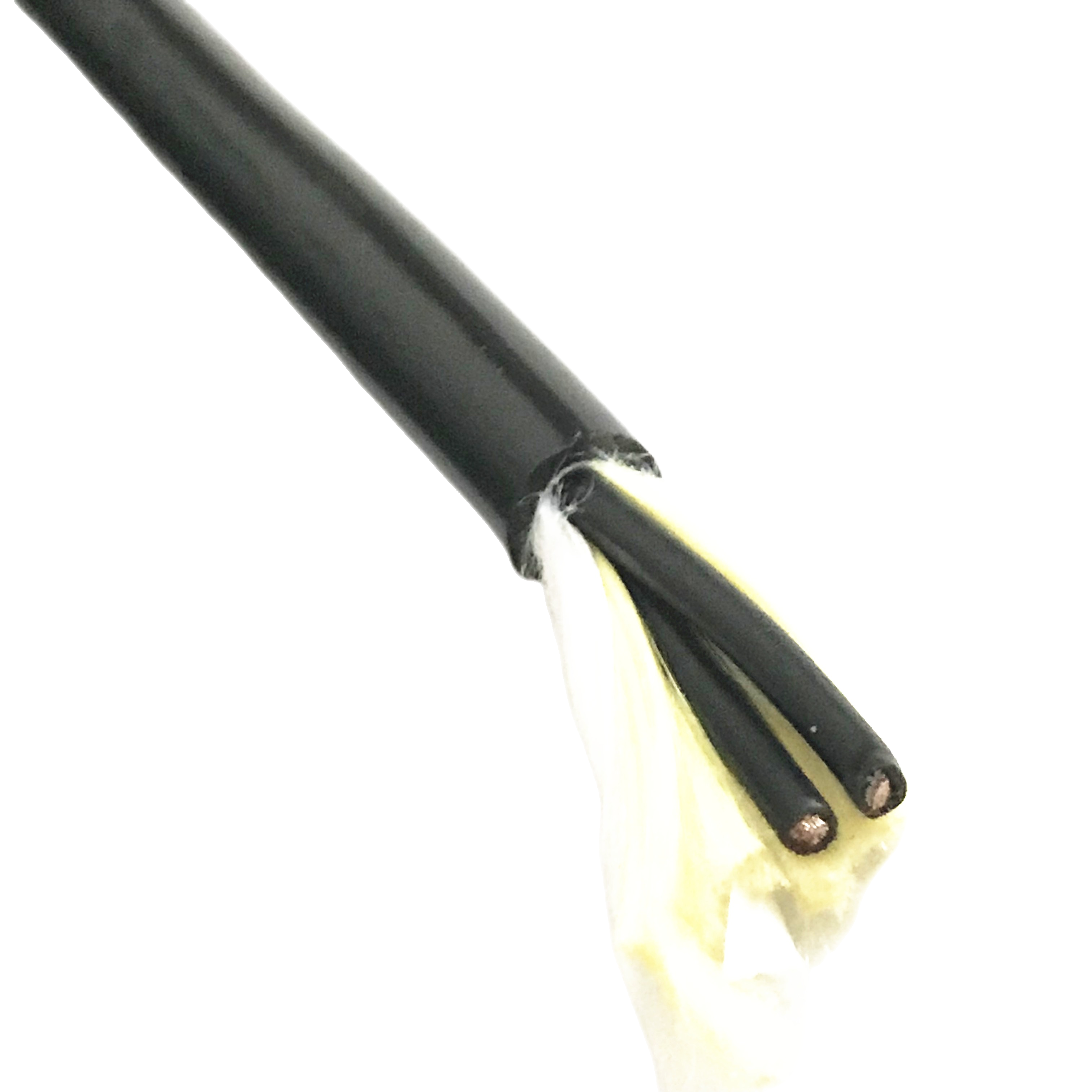
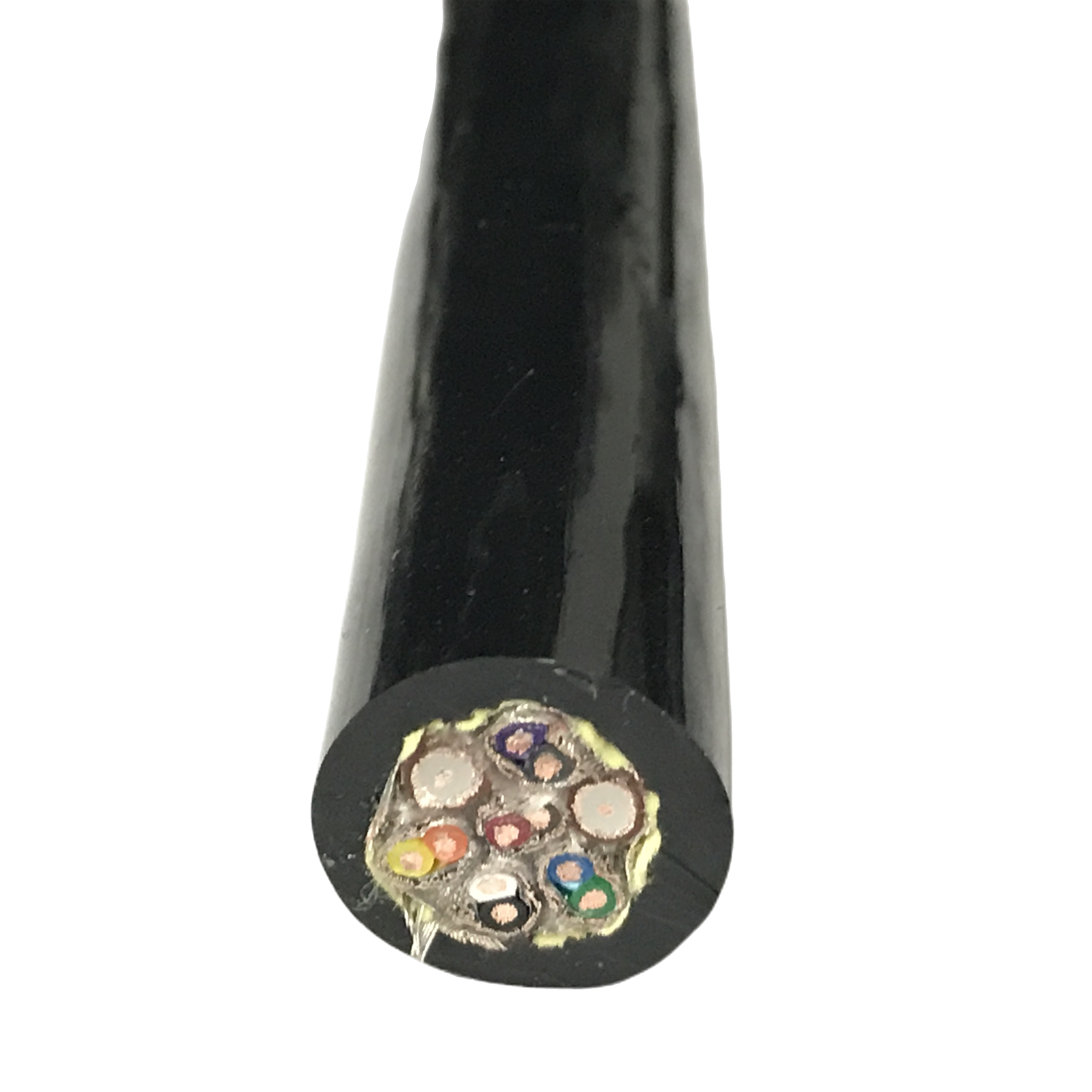
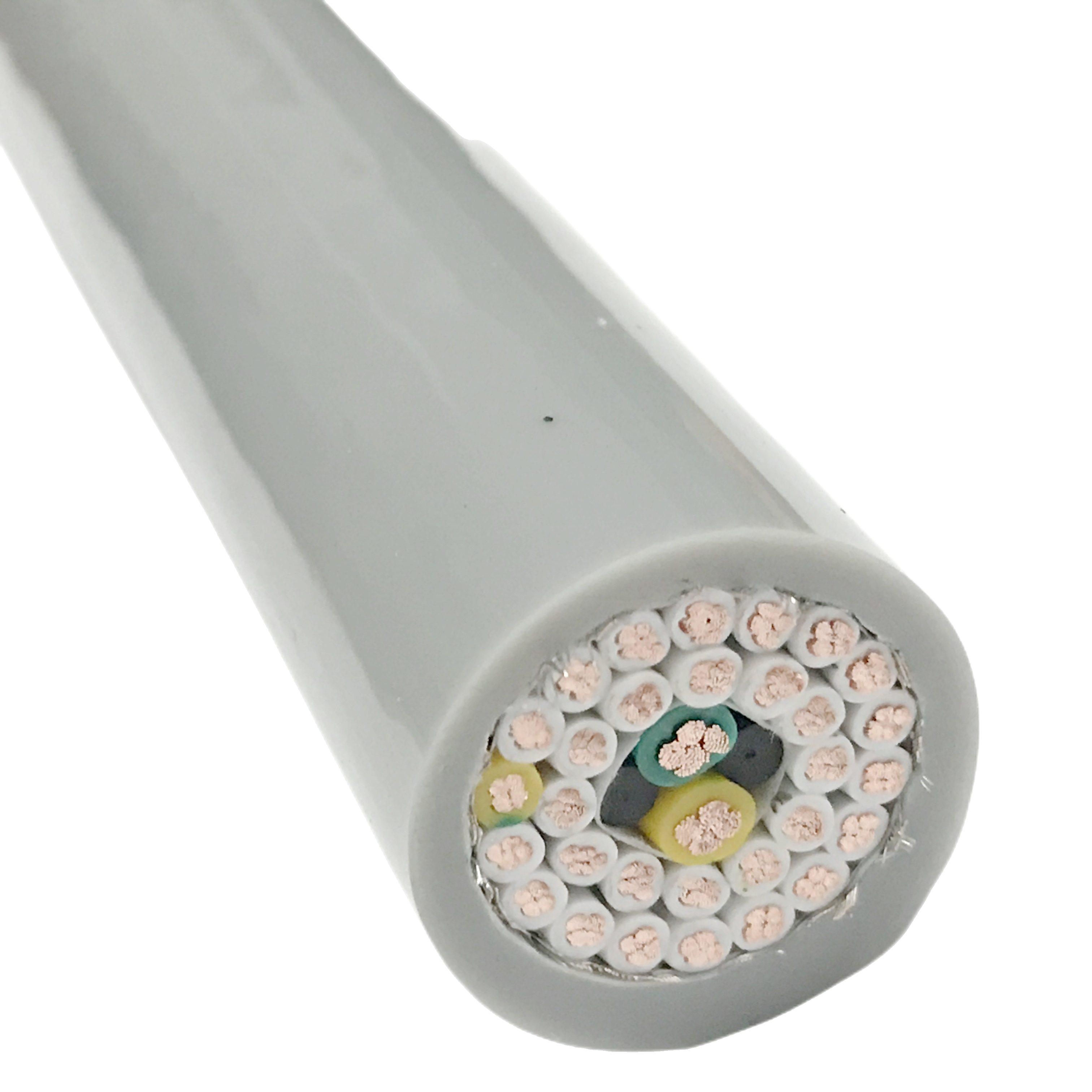
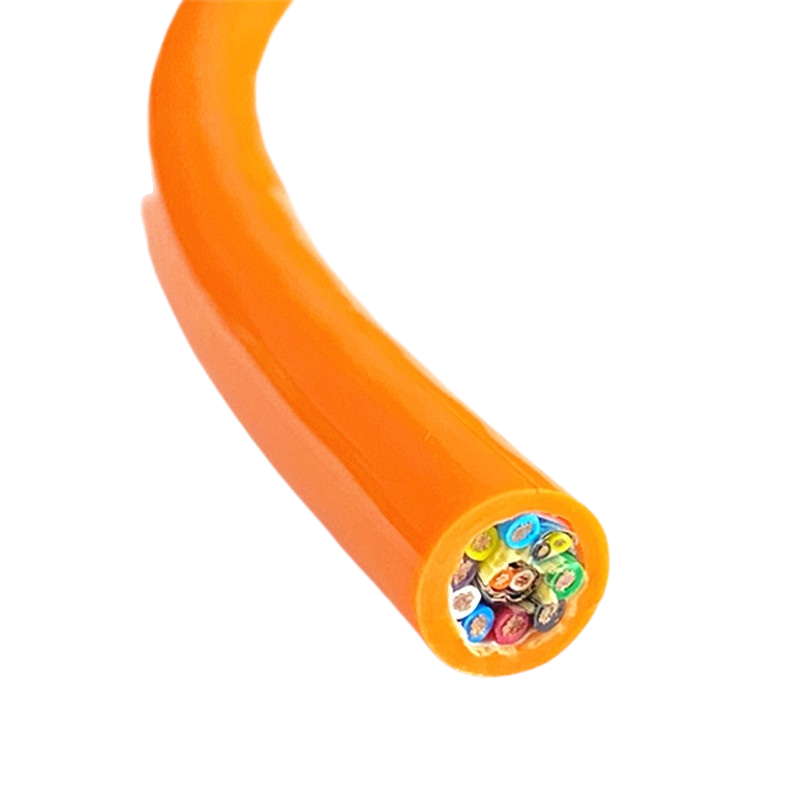
Bubbler Level Transmitter Cable is a flexible cable for liquid level measurement systems combining the air-purge tube and 4-20mA signal line between a bubbler-type transmitter and its control system. Tube diameter is sized against total air-path length to limit response lag, while the H2S-resistant conductor finish withstands corrosive wastewater wet well environments.
Key Benefits:
✅ Tube diameter matched to air-path length to minimize response lag
✅ Low-permeability tube compound limits long-term moisture ingress
✅ H2S-resistant conductor finish for wastewater wet well service
✅ Submersion-rated jacket for wet well and tank installations
Bubbler Level Transmitter Cable | Flexible Cable for Liquid Level Measurement Systems
Manufacturing Reference — Build Decisions Behind This Bubbler System Cable
Decision 1 — Tube diameter sized against total air-path length, not a standard default
The purge air tube’s response time depends on the total volume of air between the transmitter and the open end of the dip tube — which means cable run length and dip tube depth both factor into how quickly a pressure reading stabilizes after a level change. Defaulting to one standard tube diameter regardless of that total length is the most common way we see response lag become a field complaint that gets misdiagnosed as a transmitter problem.
Decision 2 — Low-permeability tube compound to limit long-term moisture ingress
Air tube moisture contamination is a slower, quieter problem than most people expect from a sealed line — it typically isn’t a connection leak, it’s gradual diffusion of ambient humidity across the tube wall material itself over months or years, made worse on longer runs simply because there’s more tube surface area for it to happen across. Compound selection for the tube wall is chosen specifically to minimize this diffusion rate, not just to hold pressure without leaking, which is a lower bar than what long-term accuracy actually requires.
Decision 3 — Conductor finish and connection sealing selected for H2S exposure, not just electrical rating
Standard cable specification asks whether a conductor meets voltage, current, and temperature requirements. For wastewater wet well installations, that’s the wrong first question. Hydrogen sulfide generated by anaerobic activity in wastewater corrodes standard copper conductors and connection points over time, through a chemical mechanism that has nothing to do with whether the cable is otherwise electrically well-suited to a straightforward 4-20mA loop.
Conductor finish and connector sealing on the version of this cable intended for wet well service are selected specifically against H2S resistance, which is a different specification exercise than sizing for current and voltage — that part is usually the easy half of the job.
Decision 4 — Where we draw the line on what this cable is for
This cable handles the connection between transmitter and control system. It doesn’t extend to dip tube material selection, transmitter diaphragm specification, or purge air supply sizing — those are decisions that belong to the transmitter manufacturer and system integrator, not the cable. We mention this directly because bubbler system troubleshooting sometimes gets pointed at “the cable” as a catch-all when the actual issue sits upstream in the air supply or transmitter itself, and a cable spec page that implies it covers the whole measurement system sets the wrong expectation.
Construction
| Element | Detail |
|---|---|
| Pneumatic tube | Low-permeability compound, diameter selected against total air-path length |
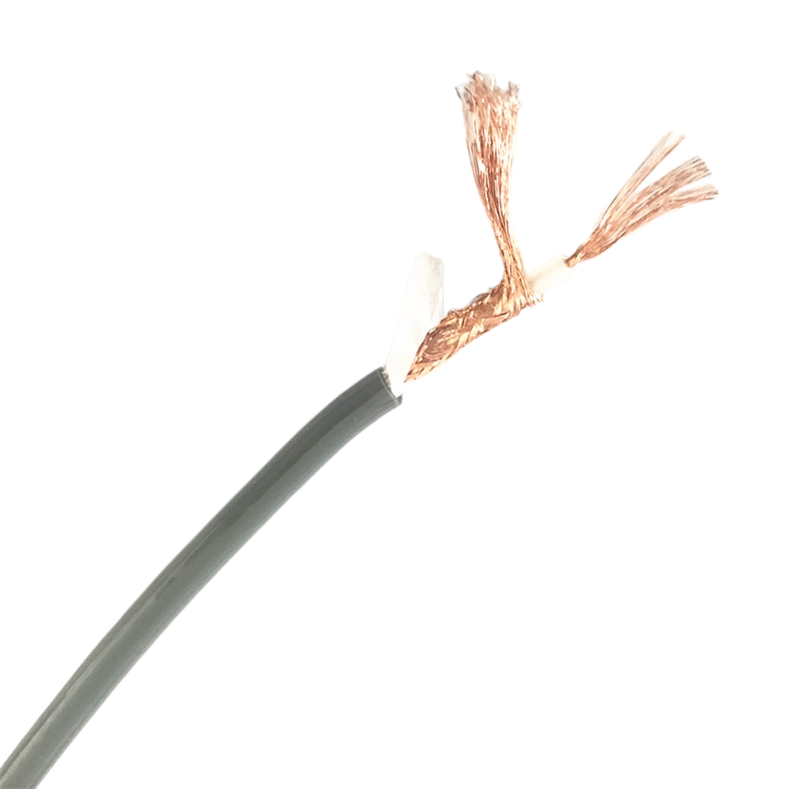
| Electrical conductor | Tinned copper, sized for 4-20mA or equivalent loop current |
| Wet-well variant conductor finish | Selected for H2S resistance, independent of the standard electrical rating |
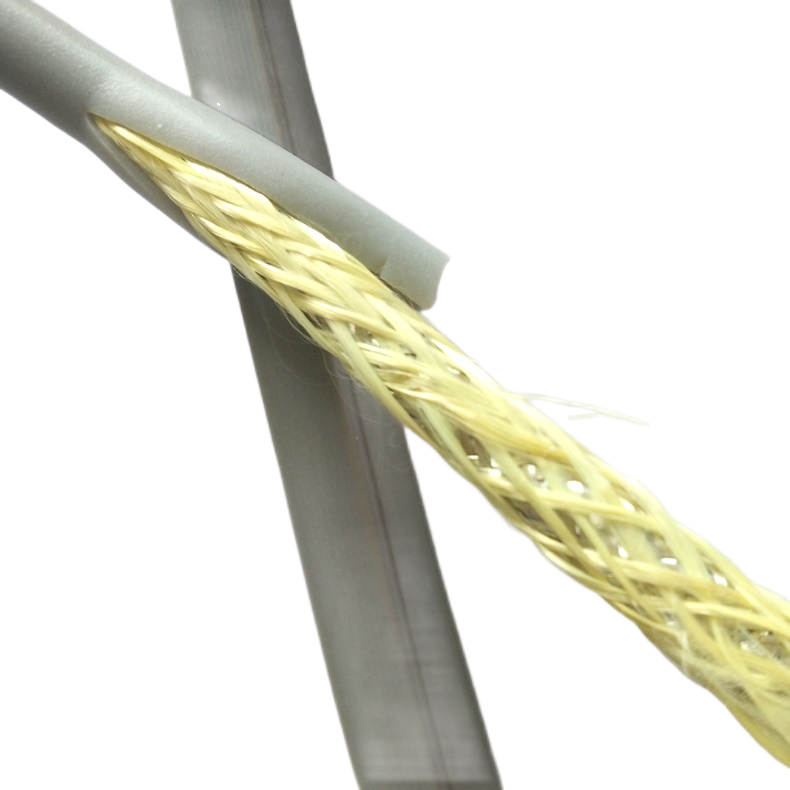
| Jacket | Submersion-rated, corrosion-resistant compound |
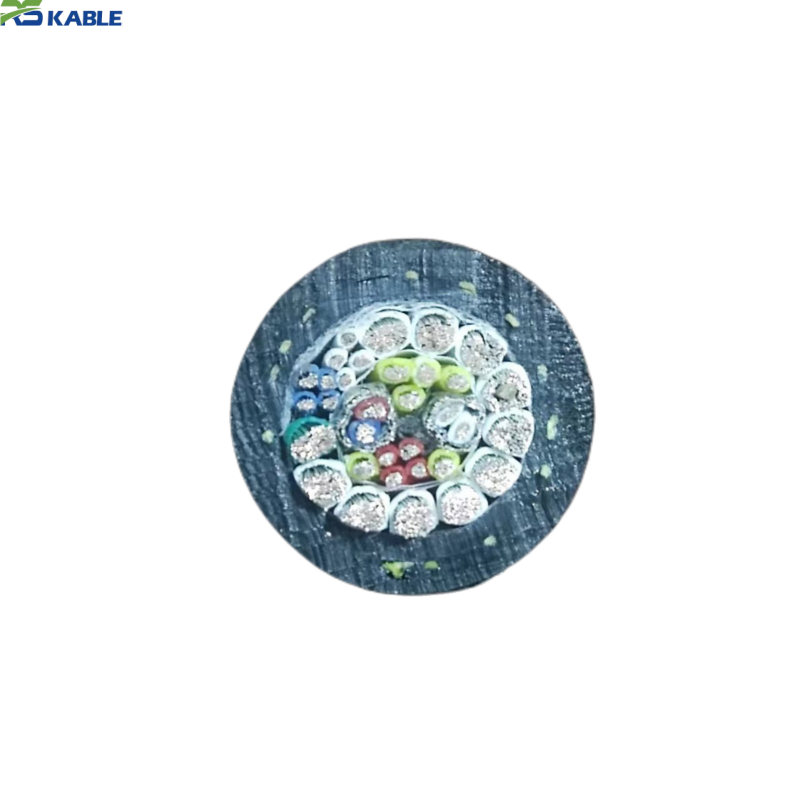
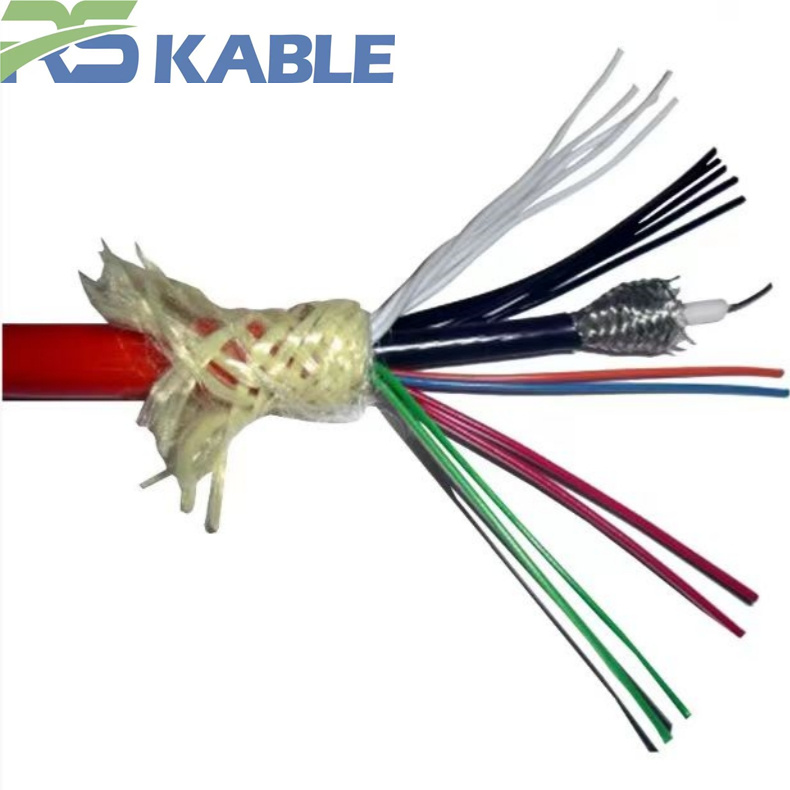
| Configuration | Combined tube + signal conductor within one jacket, or separately jacketed on request |
What we’d need from you to size this correctly
Rather than a generic checklist, these are the specific numbers that change the actual construction:
Total air-path length — cable run from transmitter to wet well or tank, plus dip tube depth. This is the number that drives tube diameter selection, not just cable length alone.
Required response time — how quickly your control system needs a stable reading after a level change. A slower-response application can tolerate a smaller tube diameter than a fast pump-staging control loop can.
Environment — specifically, whether H2S or similar corrosive gas exposure is a known condition. Clean water tanks and wastewater wet wells are different specification problems, not variations on the same one.
Frequently Asked Questions
Is response lag in our bubbler system a transmitter problem or a cable/tube problem?
Check tube diameter against total air-path length before assuming it’s the transmitter. Undersized tube diameter relative to a long air path is a common, often-overlooked cause of response lag that gets misdiagnosed as a transmitter fault.
Can a sealed air tube really accumulate moisture over time?
Yes — not usually through an obvious leak, but through gradual diffusion across the tube wall material, which becomes more relevant on longer runs simply because there’s more surface area for it to occur across.
Why does H2S resistance matter separately from the cable’s electrical rating?
Because H2S corrosion is a chemical degradation mechanism, not an electrical one. A conductor can be entirely appropriate for a 4-20mA loop electrically and still fail from sulfide exposure in a wet well over time if the conductor finish wasn’t selected with that specifically in mind.
Does this cable cover the transmitter and dip tube too?
No. This is specifically the cable connecting the transmitter to the control system. Dip tube material, transmitter specification, and purge air supply sizing are separate decisions made by the transmitter manufacturer and system integrator.
Do clean water applications need the H2S-resistant construction?
Generally not. That protection is built for wastewater and similar environments with anaerobic biological activity. Specifying it for a clean water tank adds cost without addressing a risk that isn’t present there.
Getting a working quote
The numbers that actually determine the build: total air-path length, required response time, and whether H2S or corrosive gas exposure applies to your installation.
[Request a Quotation] · [Ask an Engineer Before You Spec It] · [Download Technical Datasheet]