


Inclinometer Cable | Flexible Signal Cable for Inclinometer Monitoring Systems
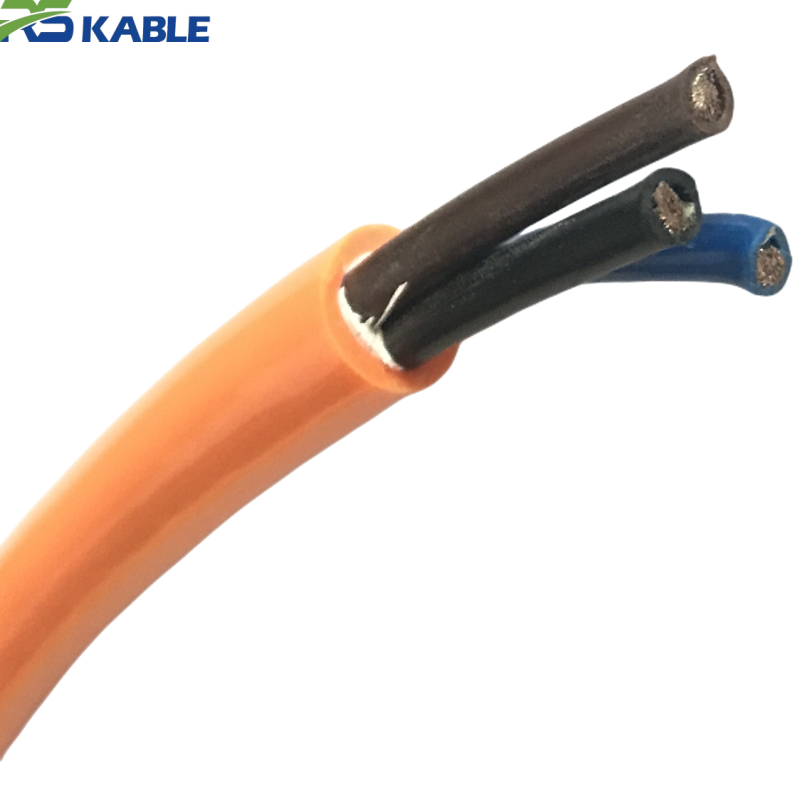
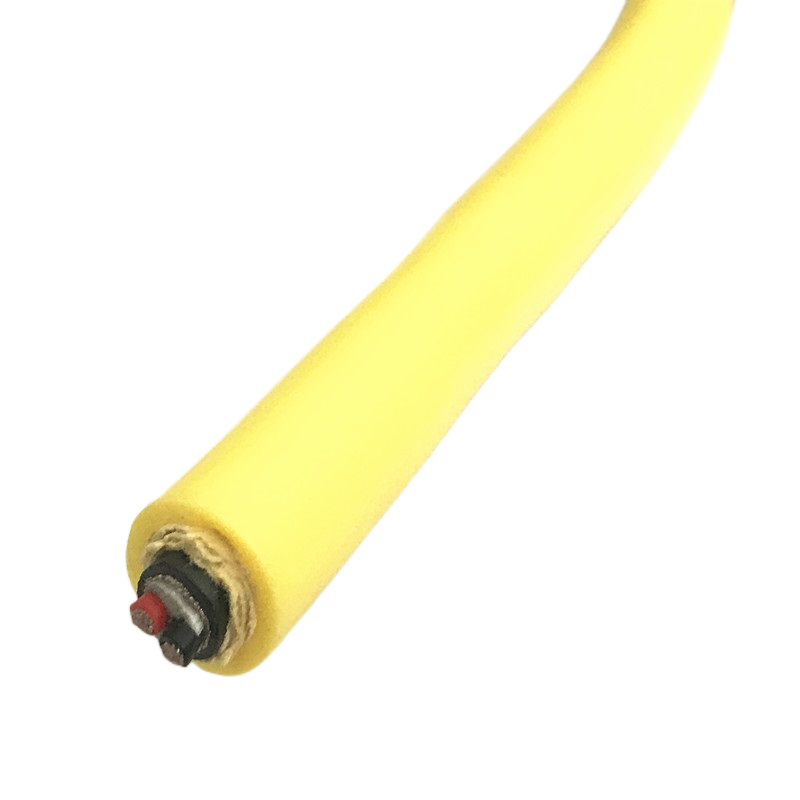
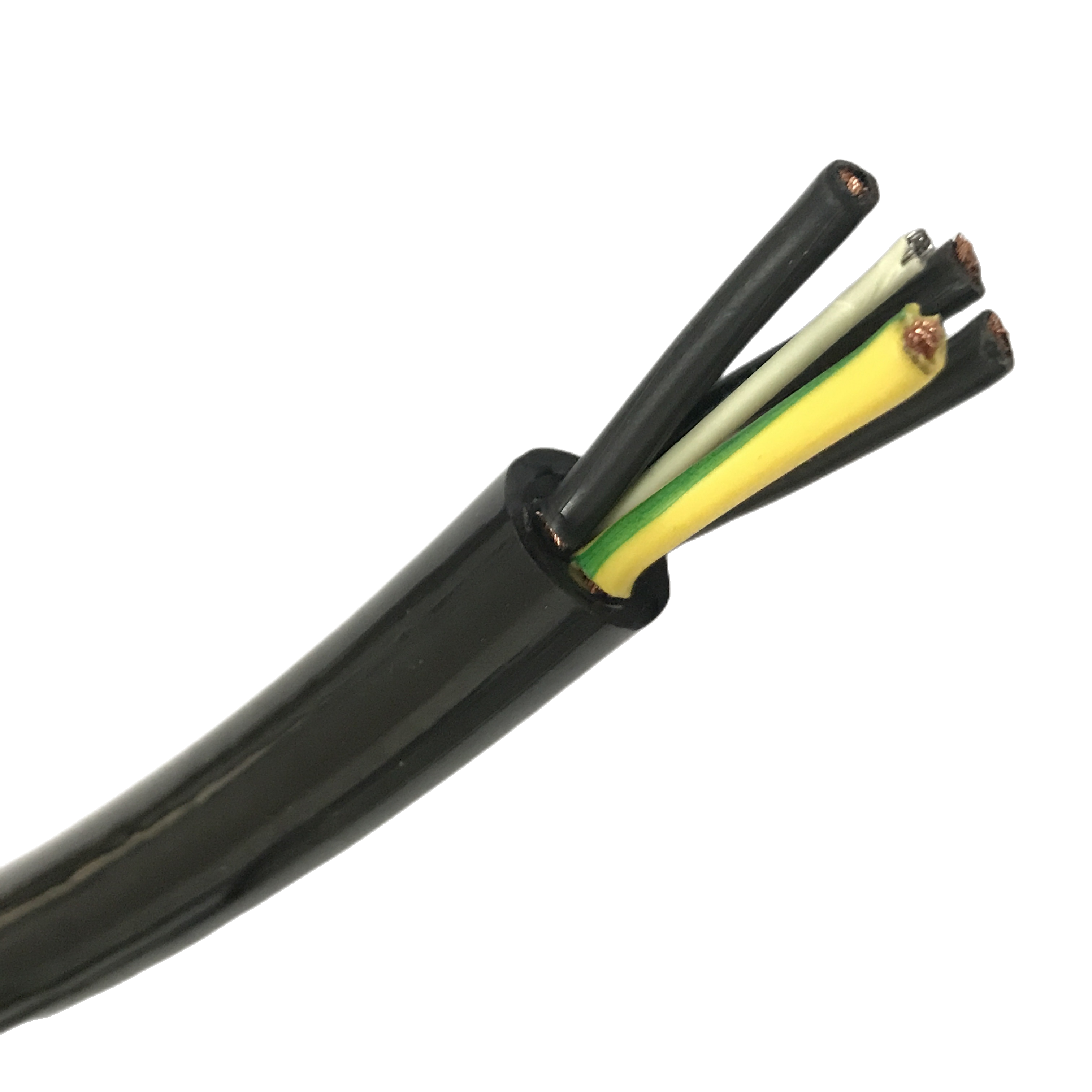
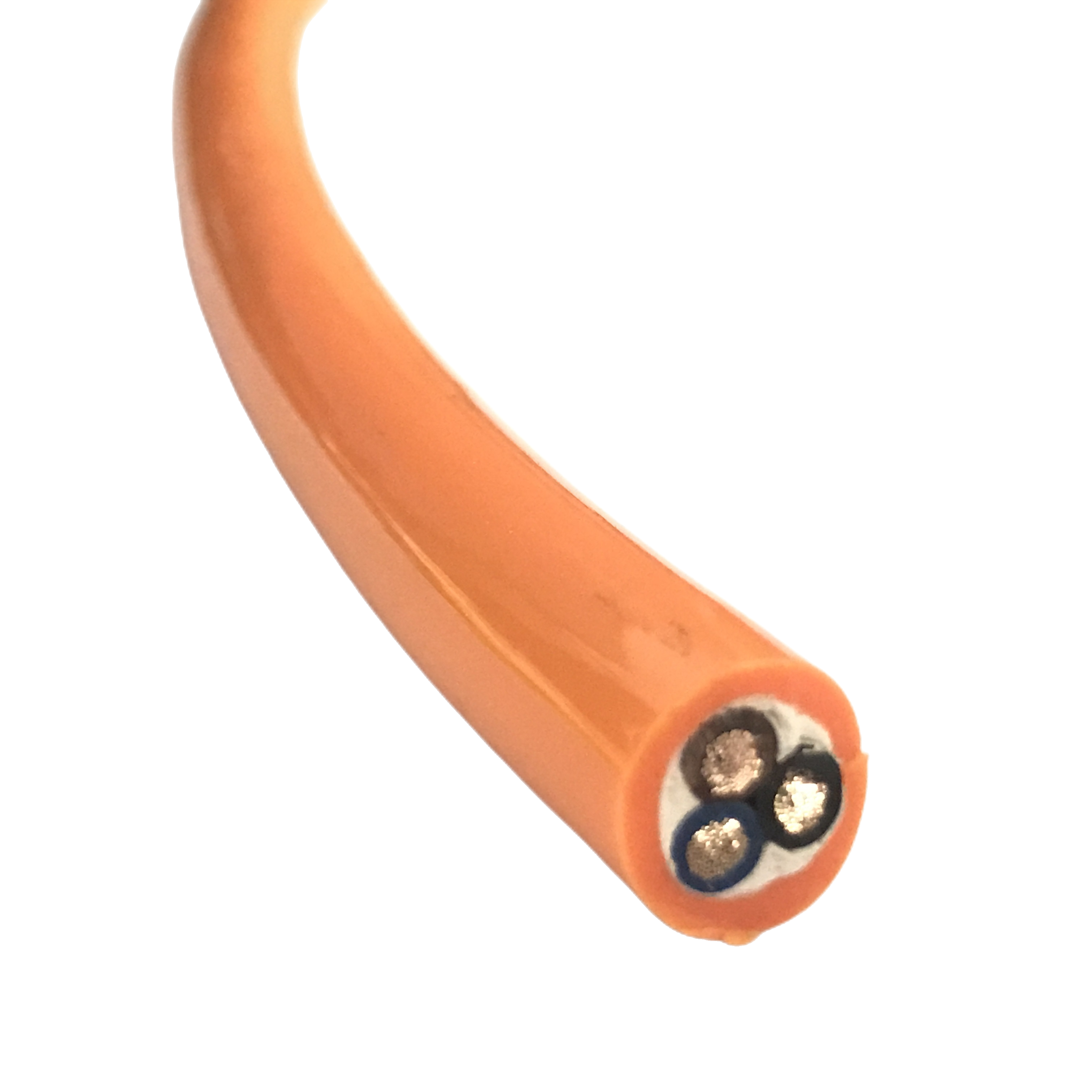
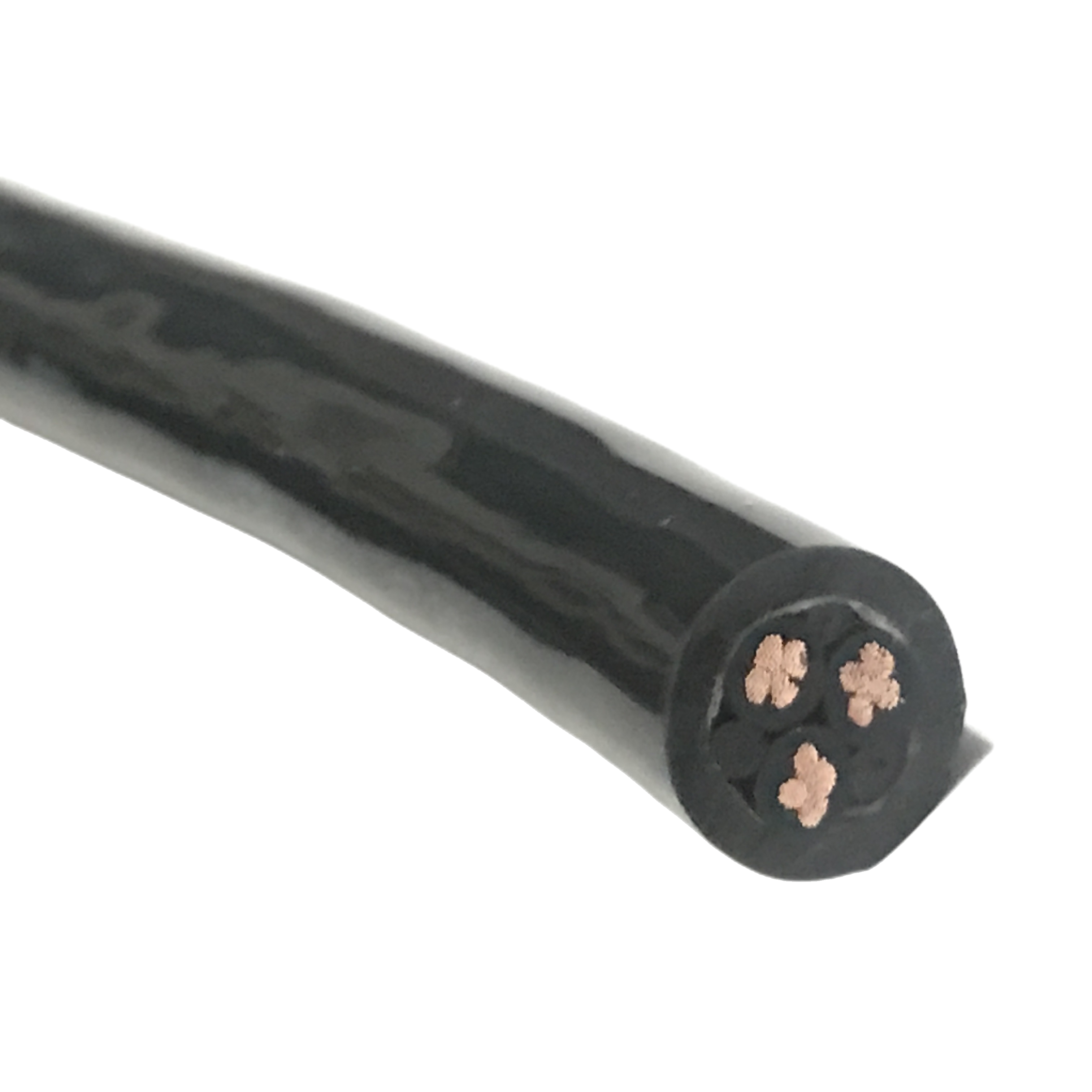
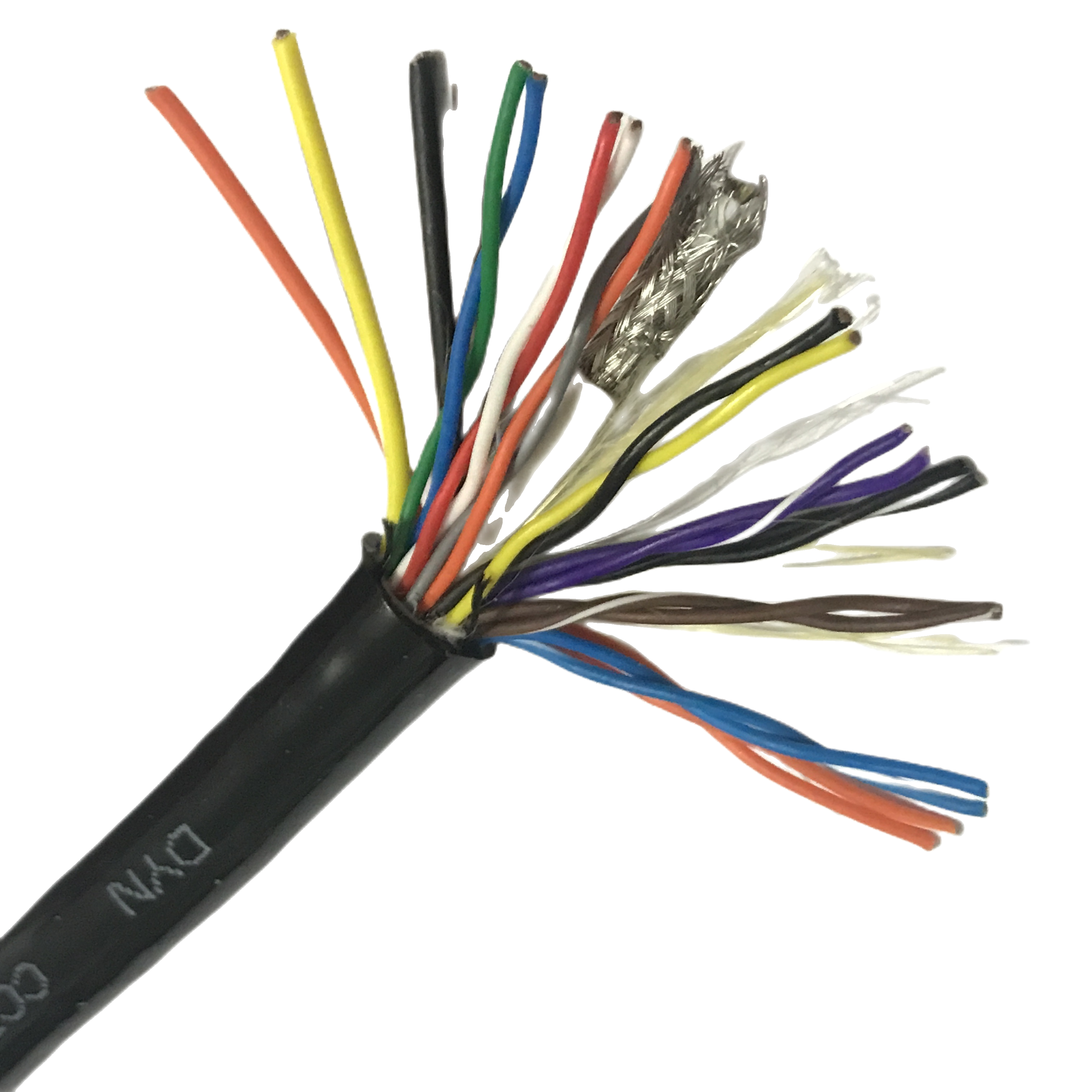
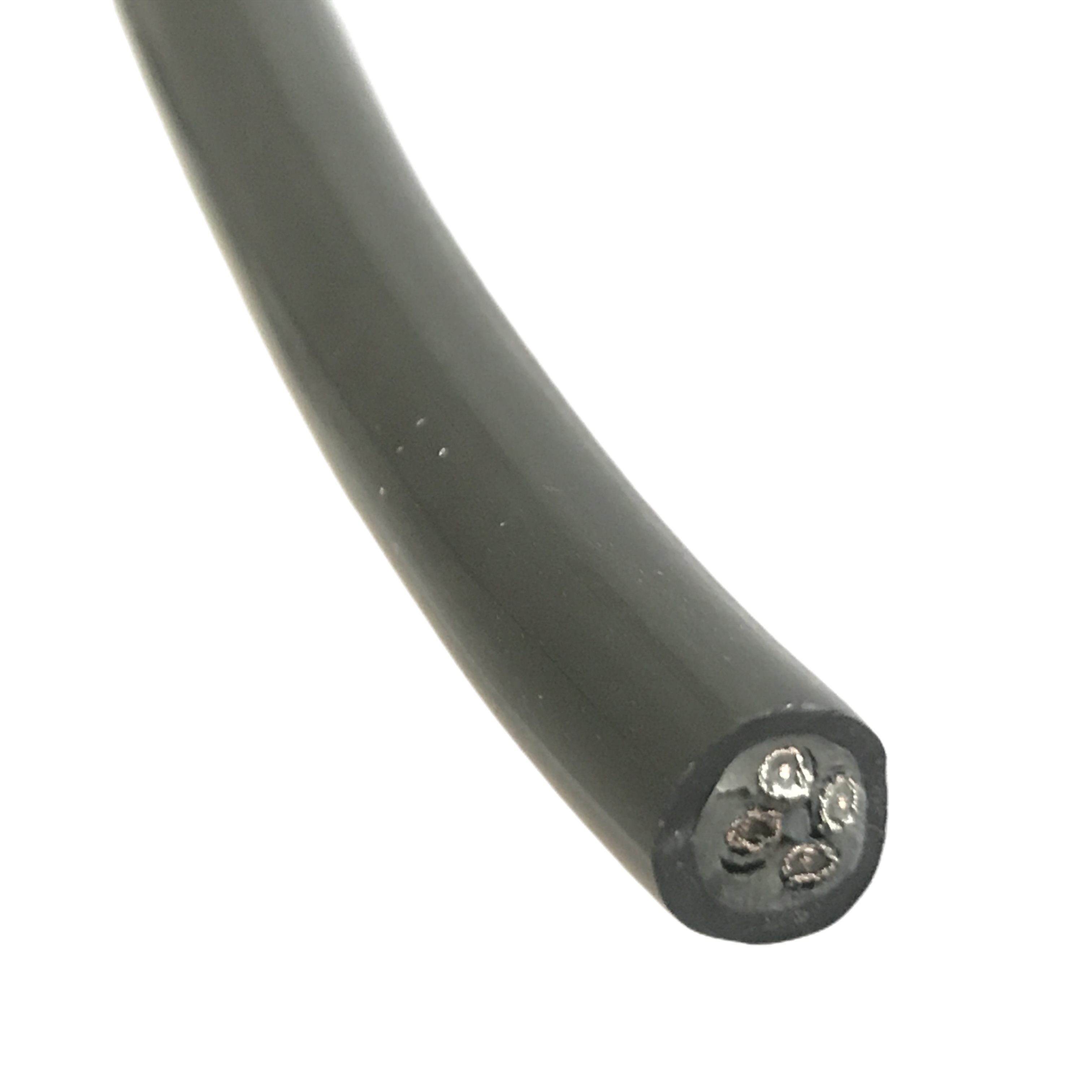
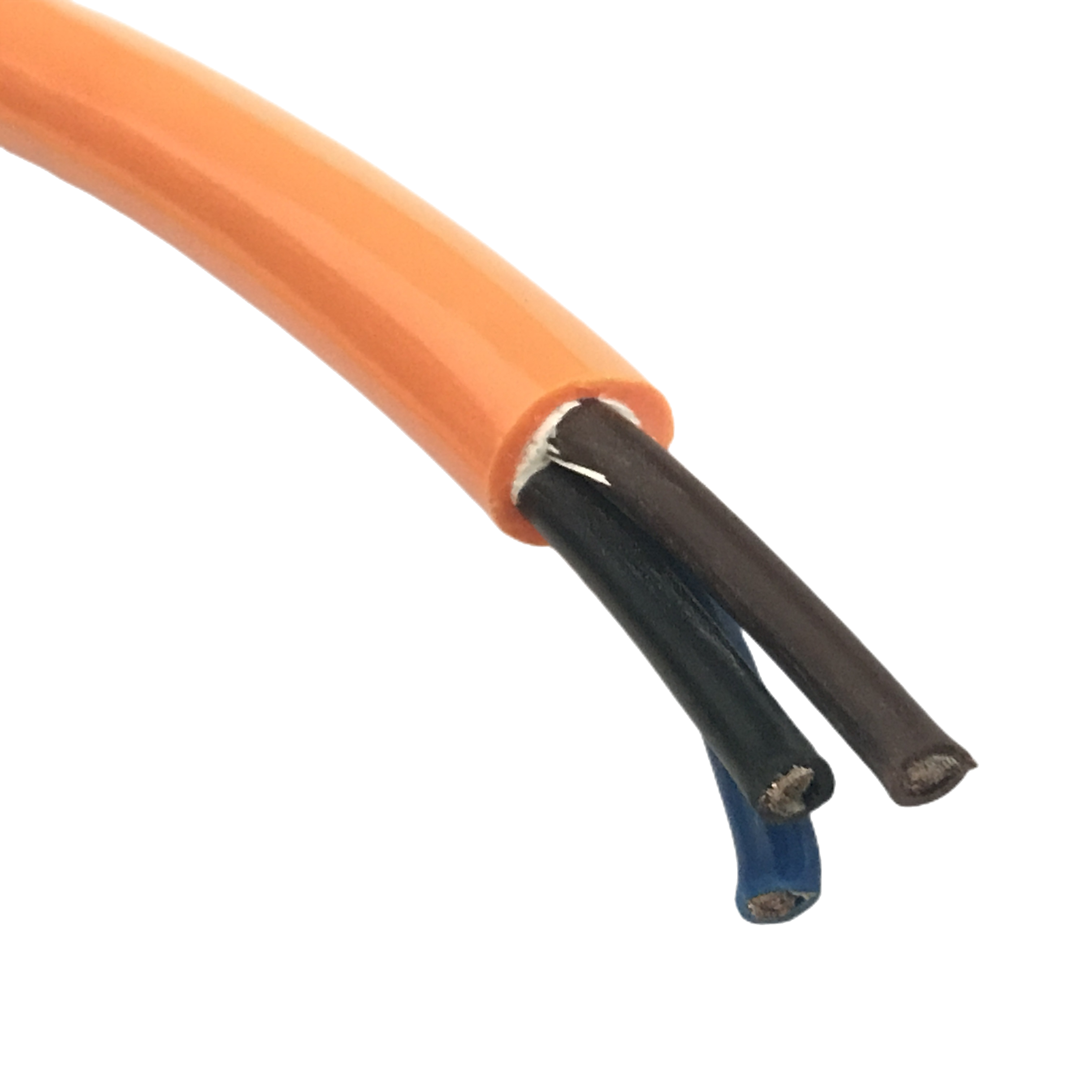
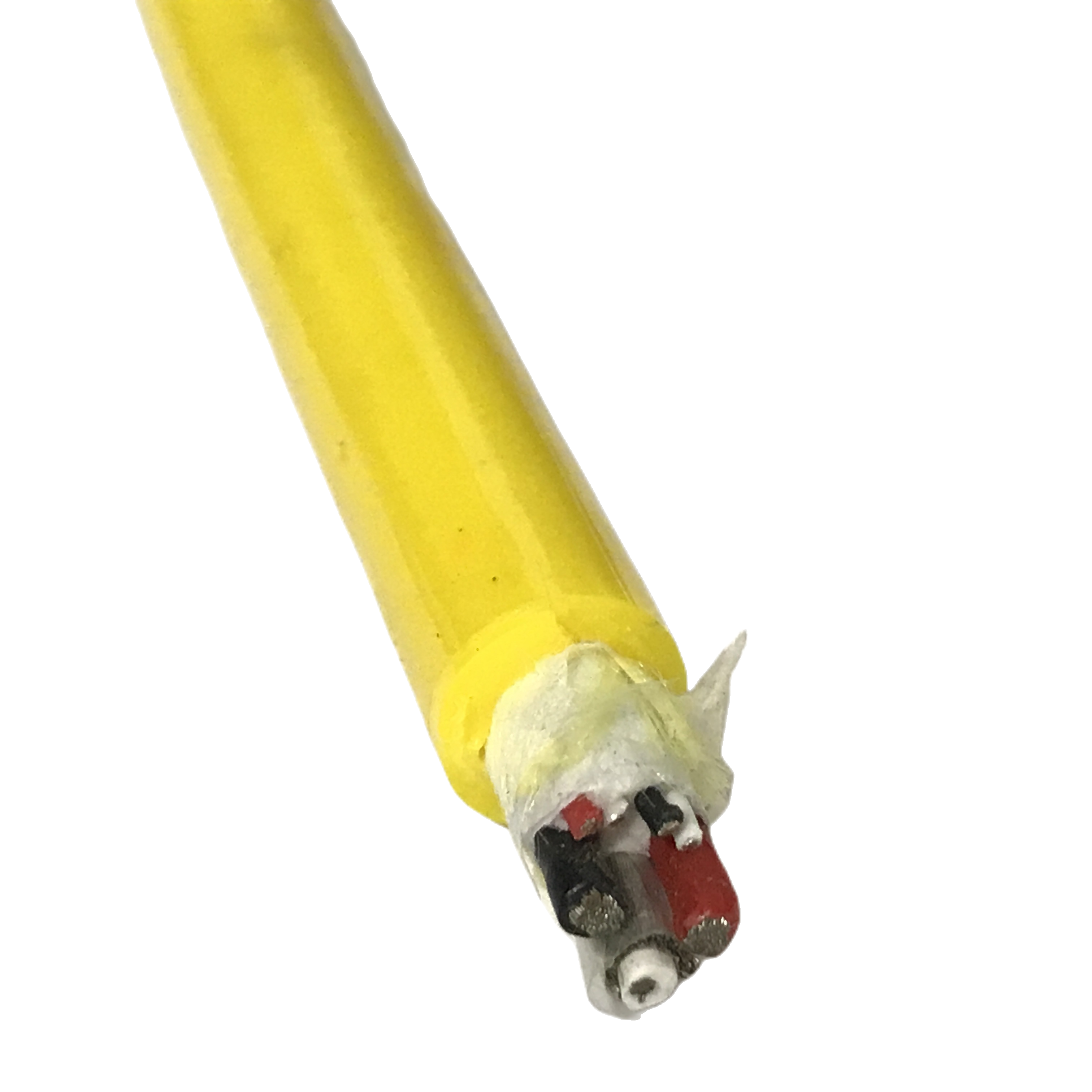
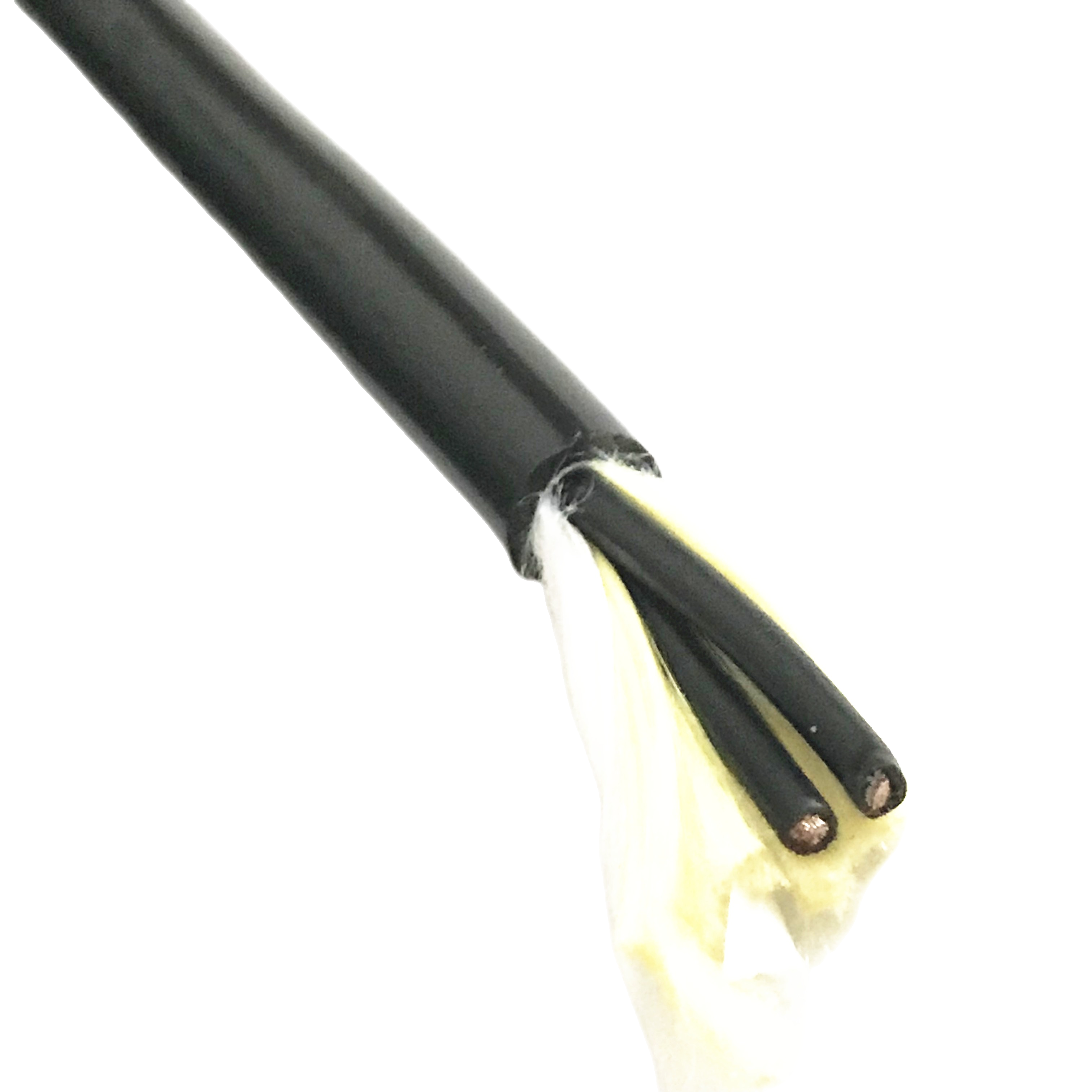
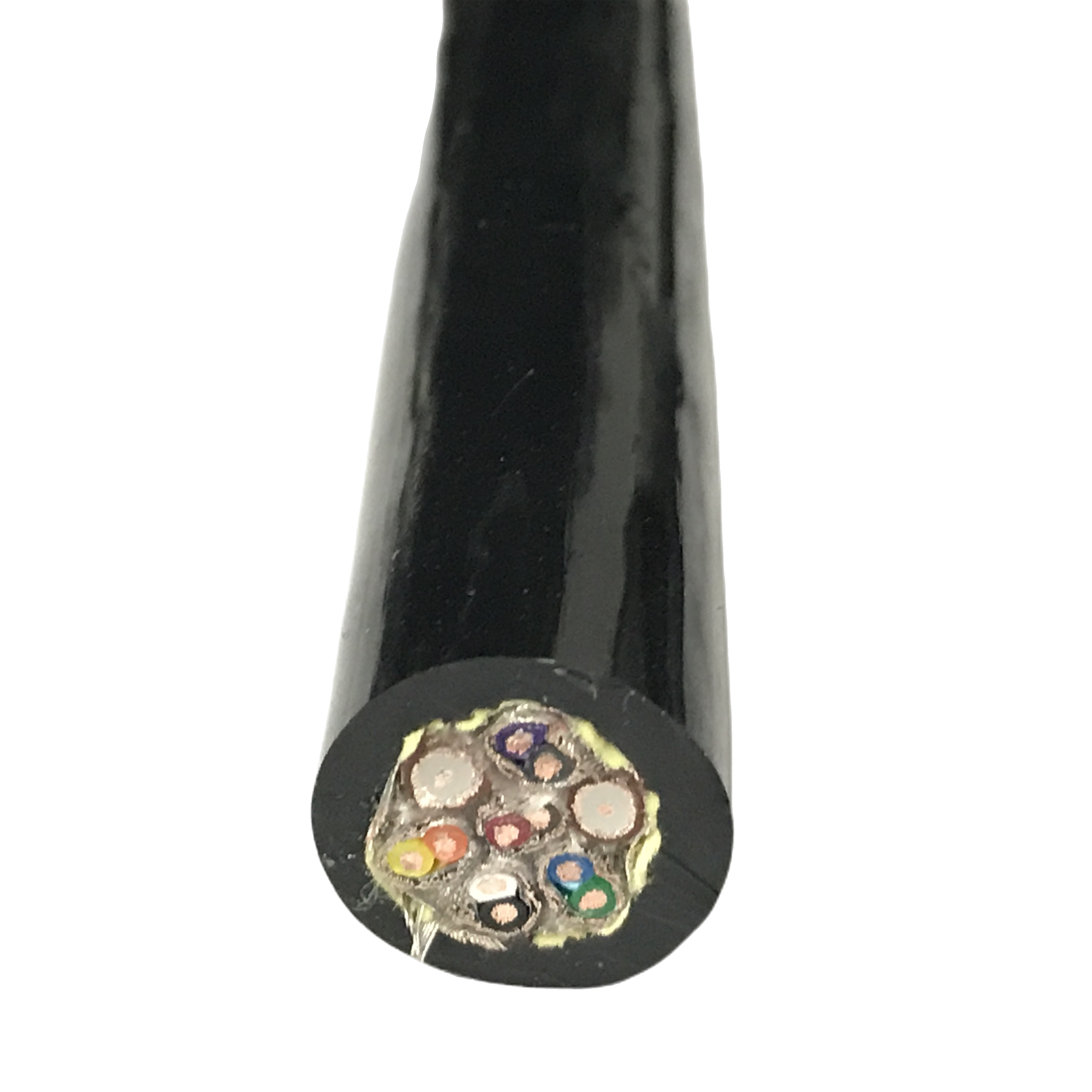
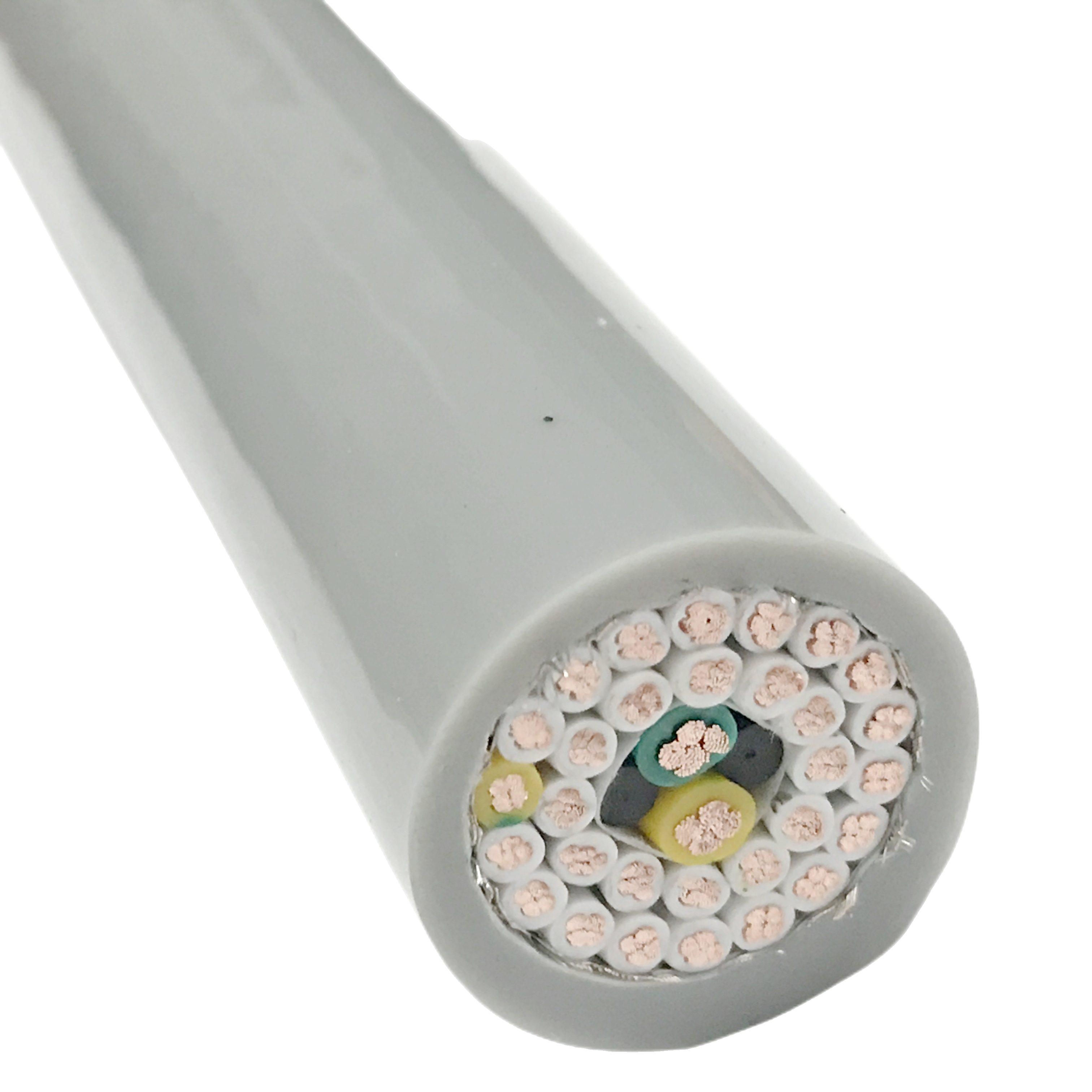
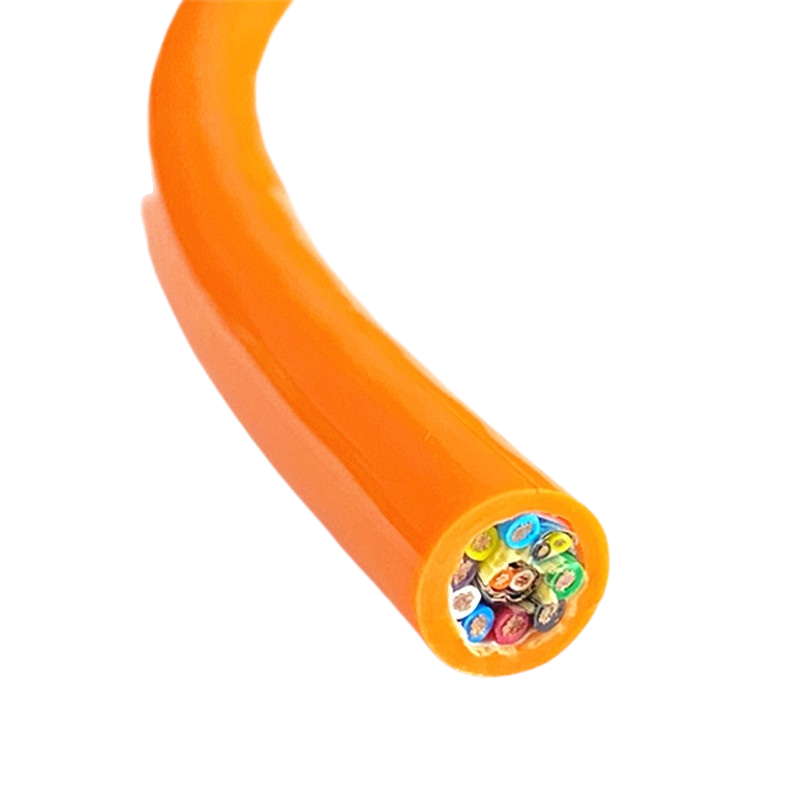
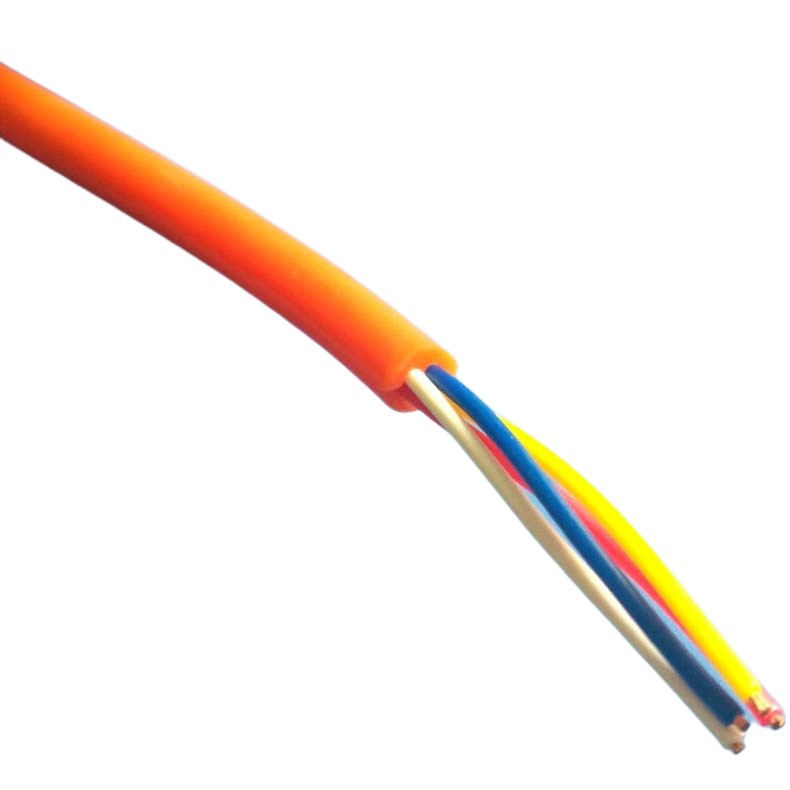
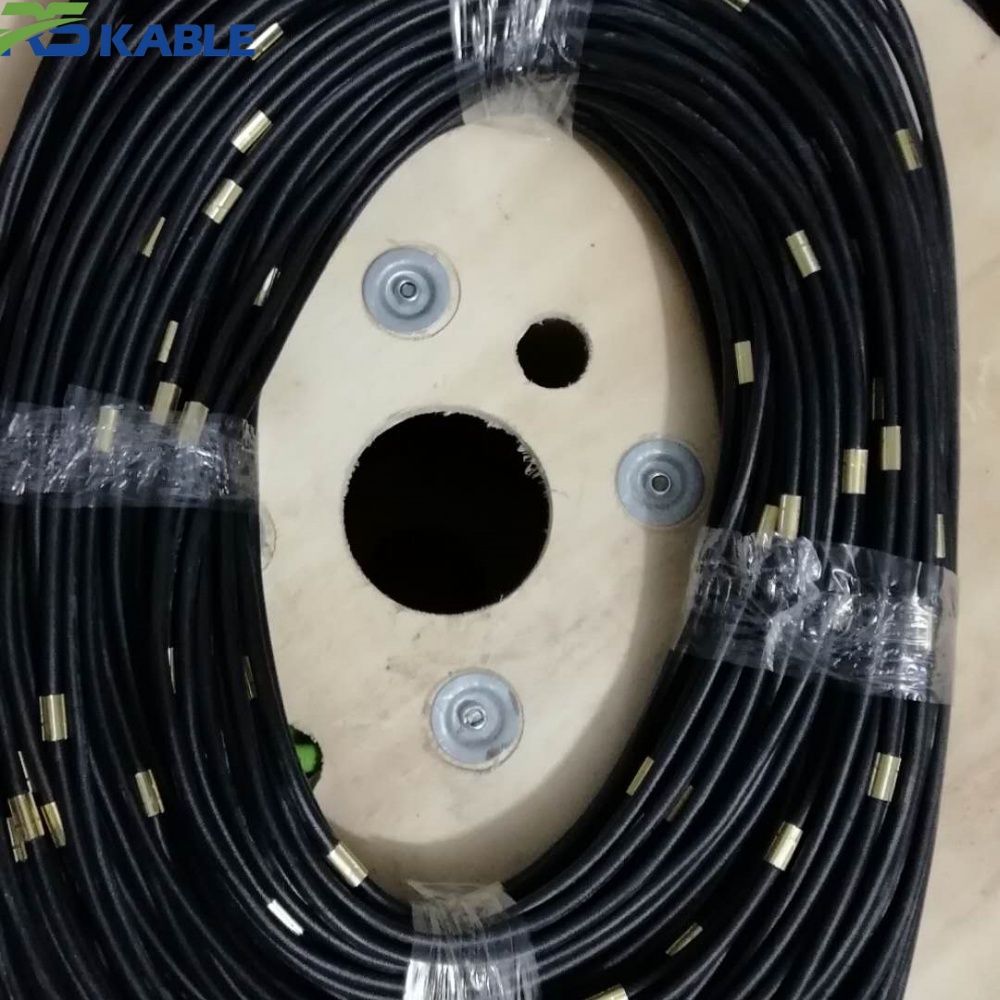
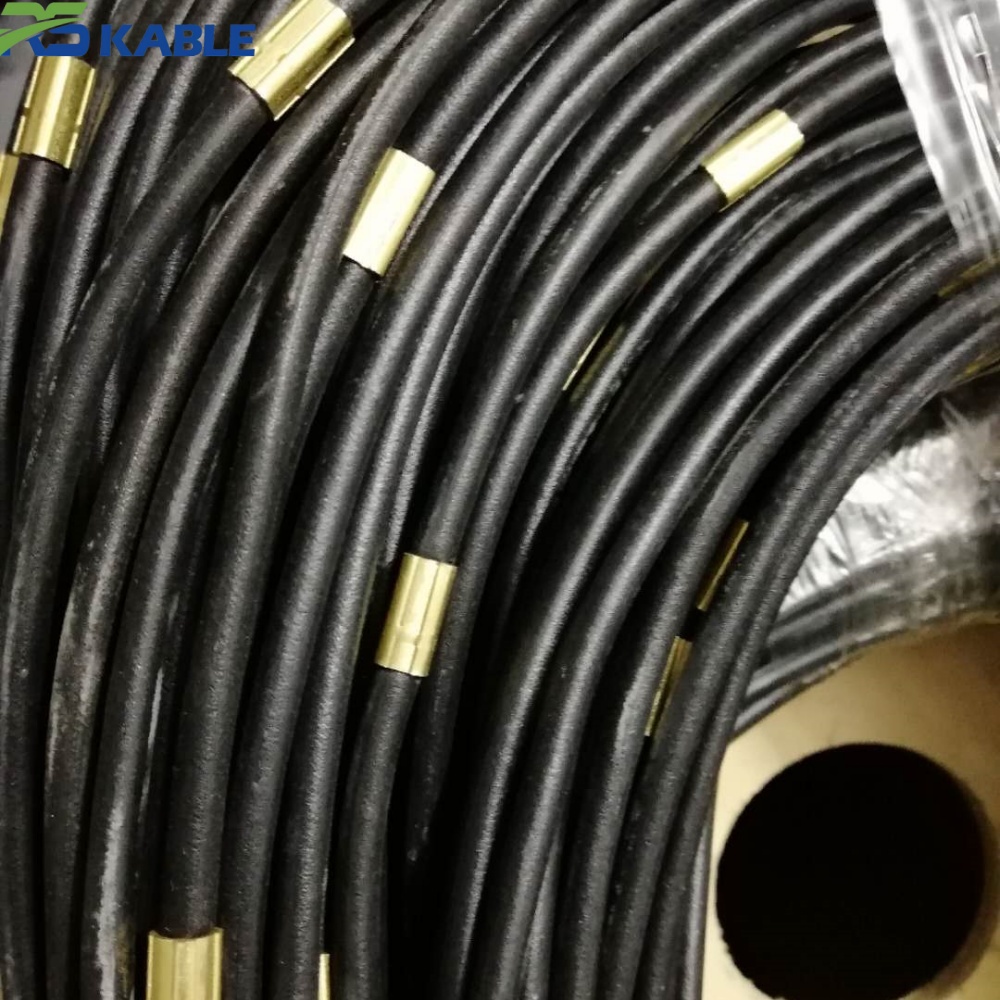
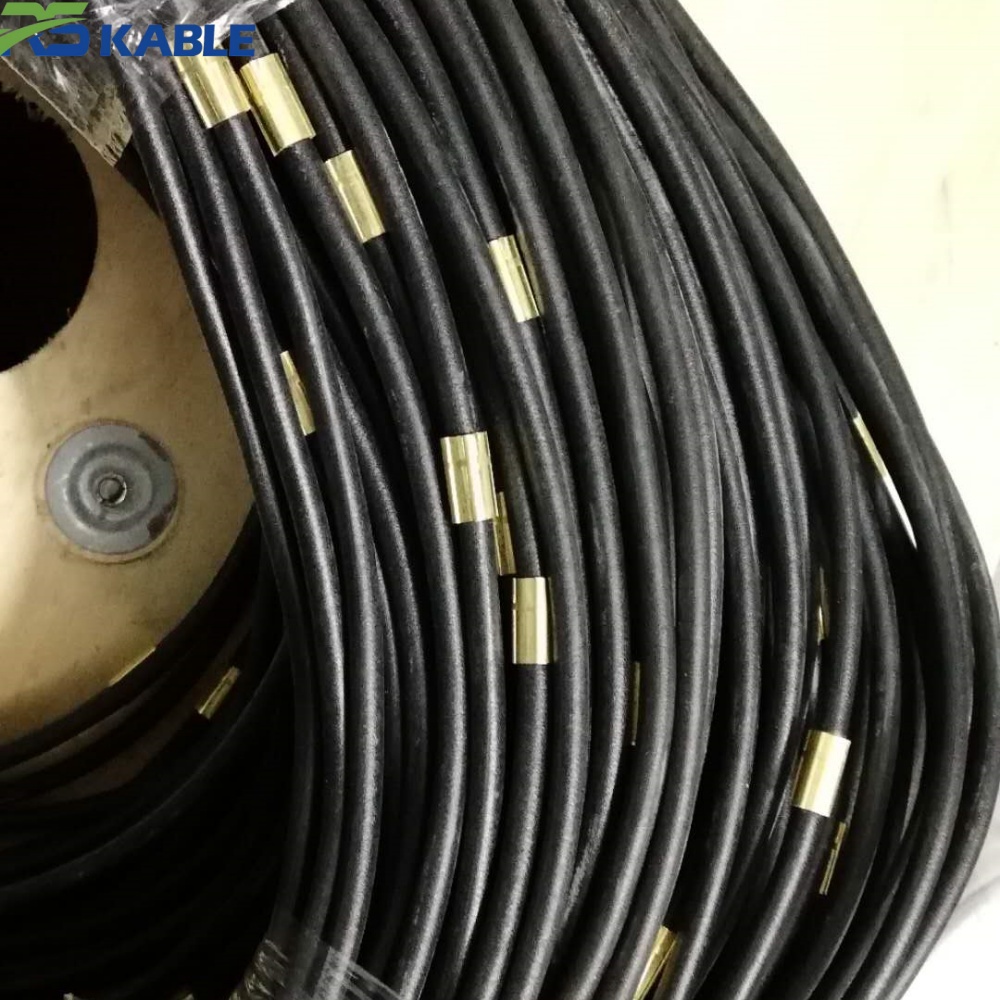
Inclinometer Cable is a flexible signal cable for inclinometer monitoring systems built for borehole slope stability and structural deformation monitoring with multi-year, often-inaccessible service life. Its water-blocking core limits moisture migration after an eventual jacket breach, while conductor sizing is matched to the actual sensor-to-logger distance for reliable signal accuracy.
Key Benefits:
✅ Water-blocking core limits long-term moisture migration in buried installations
✅ Signal integrity engineered for real field distances, not just bench-test lengths
✅ Abrasion-resistant jacket withstands borehole casing pull-through during installation
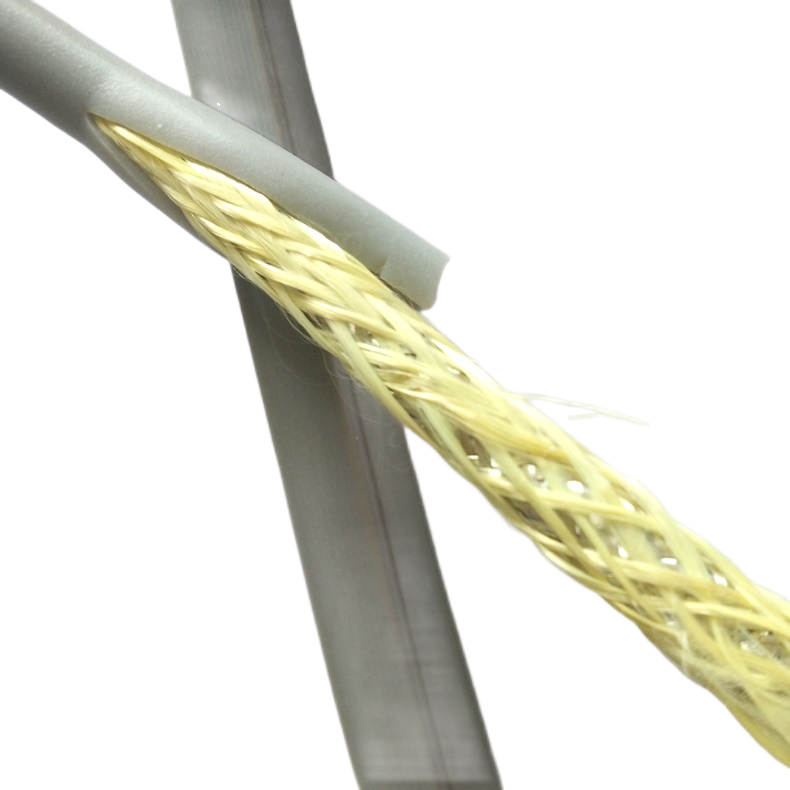
✅ Optional armor for rodent-prone or mechanically exposed burial sites
Inclinometer Cable | Flexible Signal Cable for Inclinometer Monitoring Systems
Application Note — Cable Reliability in Long-Term Borehole and Structural Monitoring
The failure that shows up on year three, not day one
Most cable problems announce themselves quickly. Install it, power it up, and within days or weeks you know whether it works. Inclinometer cable breaks that pattern in a way that makes it a genuinely different engineering problem than most signal cable.
A borehole inclinometer installation gets commissioned, tests clean, and then sits — often literally buried — for years, feeding readings back to a data logger on a schedule that might be monthly or even less frequent. The cable that carried a clean signal on day one is the same cable that has to carry an equally clean signal on day nine hundred, sitting in groundwater the entire time, with nobody able to walk out and visually inspect it.
When something does go wrong — readings drift, noise creeps in, a channel goes dead — the instinct is rarely to blame the cable first. It’s usually the sensor, or a genuine geological event, or simply “instrumentation drift” as a catch-all explanation. The cable is the thing nobody looks at, partly because it’s buried and inaccessible, and partly because cable failure isn’t the first thing anyone associates with a slope monitoring program going sideways.
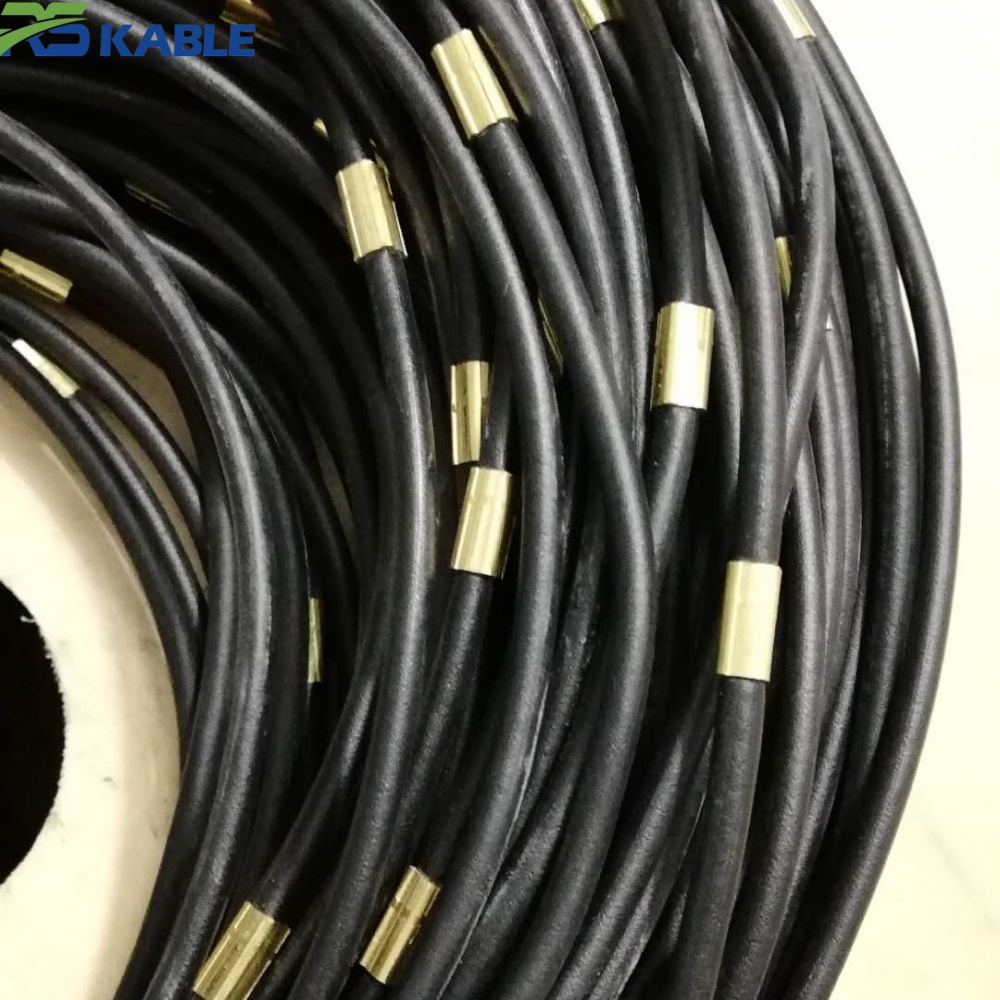
Why moisture is the problem that matters most, and why it’s slow
A jacket breach in inclinometer cable rarely causes an immediate, obvious failure. What it causes is a slow one. Water finds its way in at a single weak point — a pinhole, a nick from installation, a seam that wasn’t quite perfect — and then migrates along the cable core over time, gradually degrading insulation resistance and introducing noise long before the channel goes fully dead.
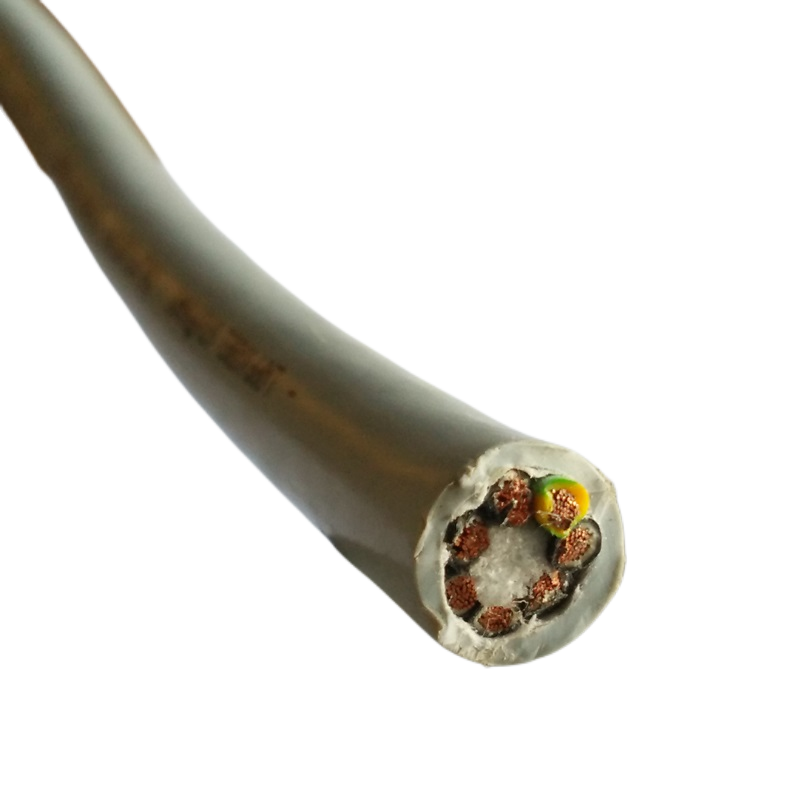
This is why a compound-filled, water-blocking core matters more here than it does in most cable applications. The goal isn’t just keeping water out on day one — every reasonably made jacket does that. The goal is limiting how far water can travel once it inevitably finds a way past the jacket at some point over a multi-year service life, because it eventually will. Containing that migration to a small, localized area is the difference between a cable that degrades gradually over a decade and one that fails catastrophically the first time a single defect appears.
The second problem: signal accuracy doesn’t stay constant over distance
Borehole inclinometers aren’t always installed a few meters from their data logger. Cable runs of 50, 80, sometimes well over 100 meters aren’t unusual, and low-level analog sensor signals are considerably more sensitive to conductor resistance and cable capacitance over that kind of distance than a robust digital circuit would be.
This matters practically because a cable that performs fine in a short bench test can introduce measurable signal degradation once installed at its actual field length — and if that degradation wasn’t accounted for during specification, it shows up as a mysterious accuracy problem in the field data, one that’s easy to misattribute to sensor calibration drift rather than the cable run itself.
Construction
| Element | Detail |
|---|---|
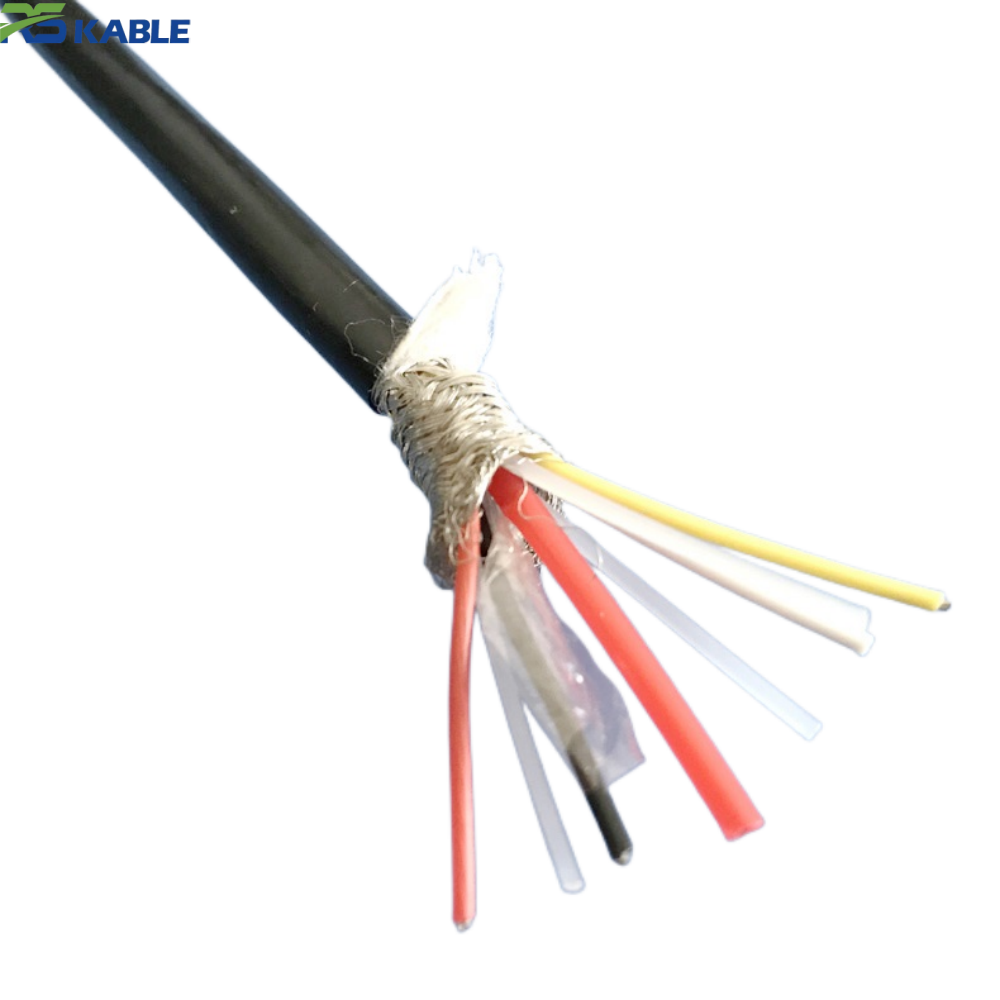
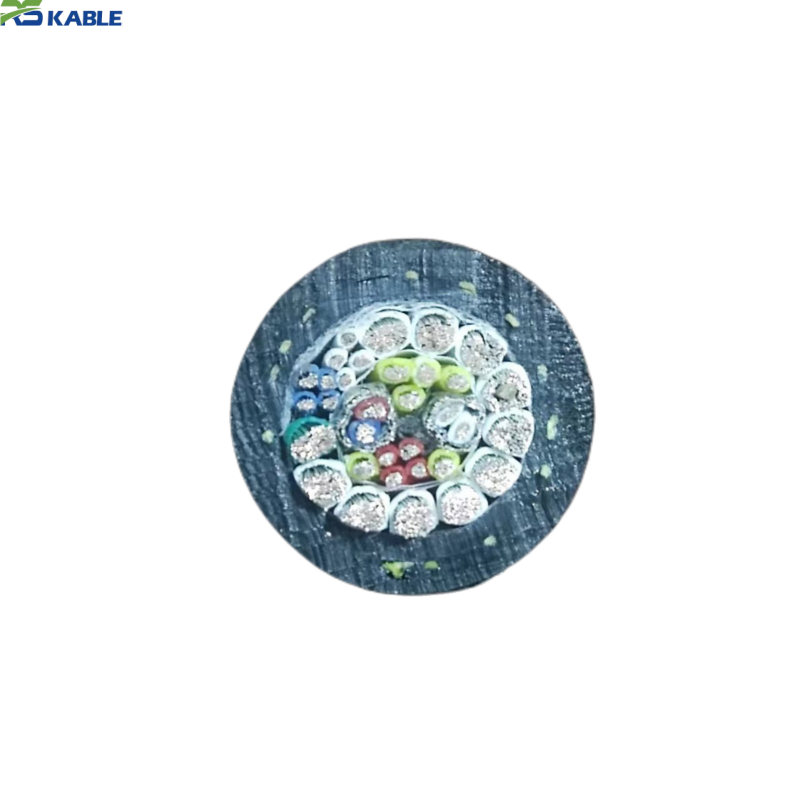
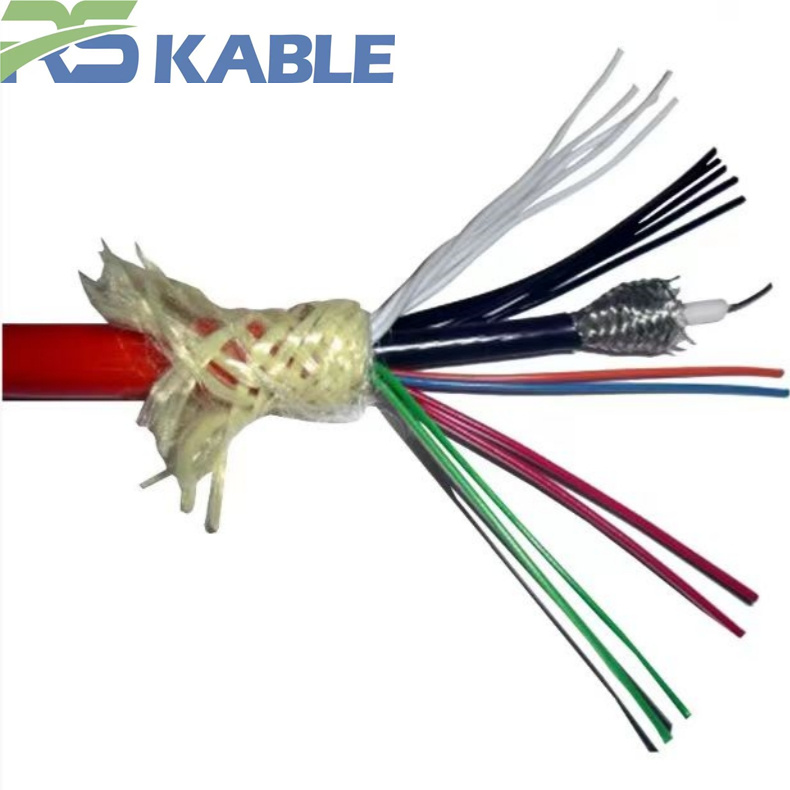
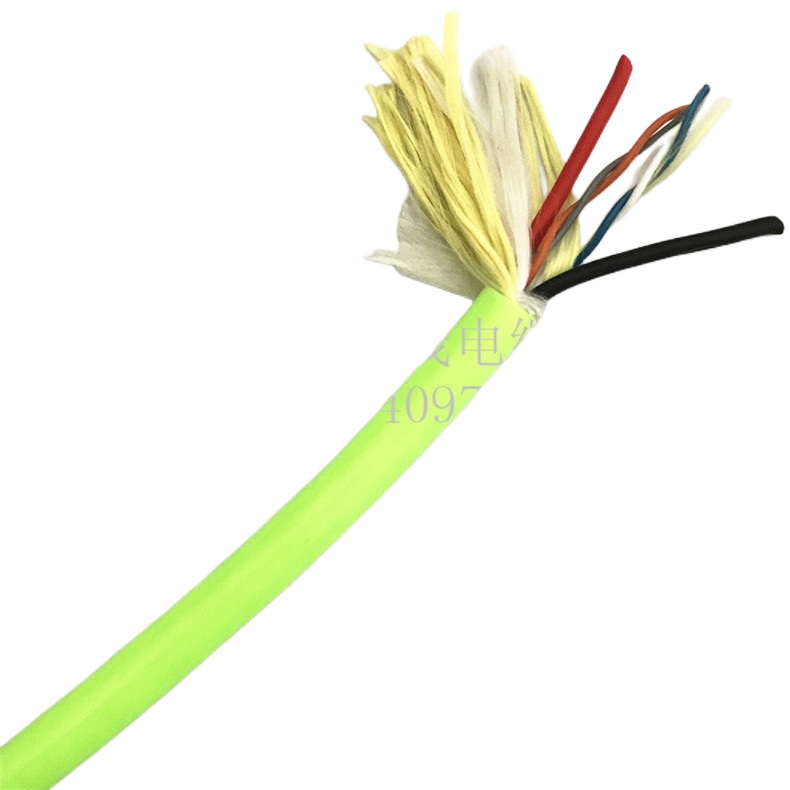
| Conductor | Tinned copper, twisted pair or multi-conductor |
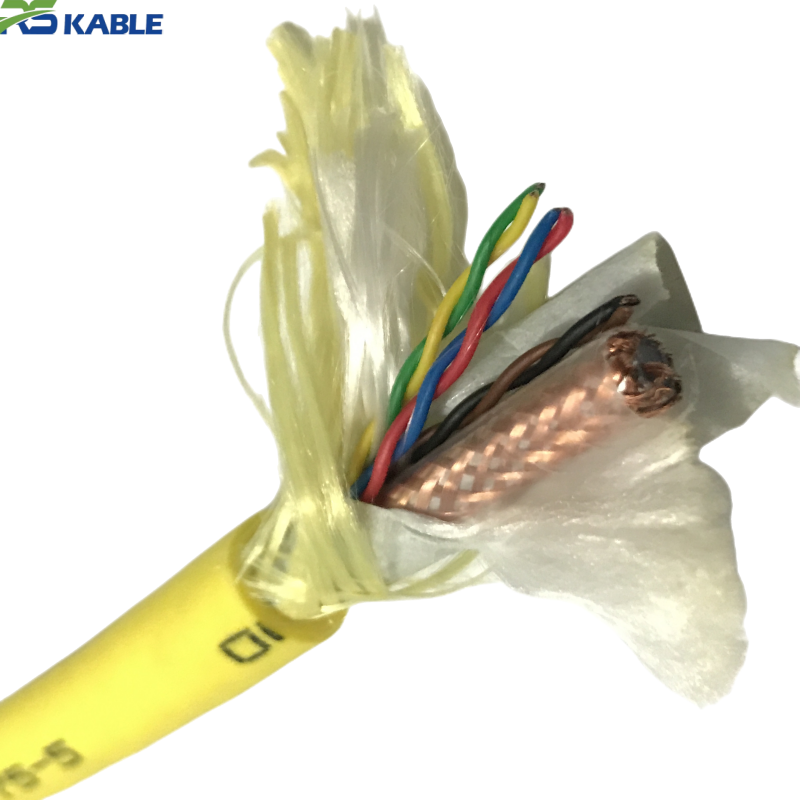
| Core | Water-blocking compound fill |
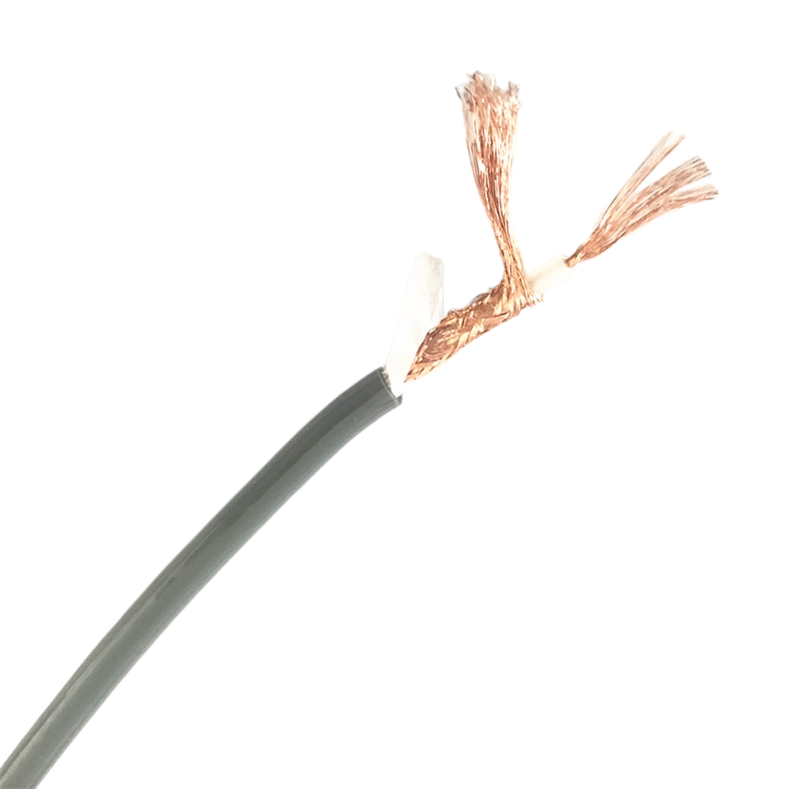
| Shielding | Individual pair or overall, depending on configuration |
| Jacket | Abrasion-resistant, direct-burial-rated compound |
| Configuration | Single-sensor, multiplexed chain, or digital bus, per installation |
Conductor sizing is checked against the specific sensor-to-logger distance rather than assumed from a standard gauge, since signal accuracy over the actual installed run length is the more meaningful design constraint than a generic specification.
A monitoring program scenario, described generally
A pattern worth describing without presenting it as a specific verified case: a slope monitoring program shows stable inclinometer readings for the first two years, then gradually develops increasing noise on one channel over the following several months — not a sudden failure, but a slow degradation that shows up first as slightly wider scatter in the data, easy to dismiss as normal variation until it clearly isn’t.
Investigation in situations like this often points to localized moisture ingress at a single point along the buried run — sometimes near where the cable was pulled through casing during installation, a point that experienced more mechanical stress than the rest of the run. The lesson isn’t that installation pull-through is inherently risky; it’s that the point of maximum installation stress is also the point most likely to develop the jacket weakness that leads to years-later moisture ingress, which is exactly why abrasion resistance during installation and long-term water-blocking construction need to be addressed together, not treated as separate specifications.
Where this construction earns its cost, and where it doesn’t
This level of construction — water-blocking core, abrasion-rated jacket, signal integrity engineered for real field distances — earns its place specifically in installations with multi-year service expectations and limited or no physical access after installation. That describes most borehole inclinometer work.
It’s arguably over-specified for short, easily accessible monitoring runs where a cable could realistically be inspected or replaced without major disruption. In those situations, standard instrumentation cable at lower cost may perform adequately, since the core value proposition here — tolerating years of inaccessible, buried service — isn’t being asked of the cable in the first place.
Frequently Asked Questions
Our readings have gotten noisier over the past several months after years of being stable. Could this be the cable?
It’s a legitimate possibility worth checking before assuming a purely geological or sensor-side cause. Gradual signal degradation that develops slowly, rather than appearing suddenly, is a recognizable pattern for cable-related moisture ingress — and it’s often overlooked specifically because cable is buried and out of sight.
Does a well-made jacket really need water-blocking core fill on top of that?
Yes, because the water-blocking core isn’t there to prevent the jacket from ever being breached — it’s there for what happens after a breach eventually occurs, which over a long enough service life, is a realistic scenario for any buried cable regardless of jacket quality.
How much does cable length actually affect inclinometer signal accuracy?
It depends on the specific sensor’s signal type, but low-level analog circuits are meaningfully more sensitive to conductor resistance and capacitance over distance than robust digital circuits are. This should be checked against your actual installed run length, not assumed from a bench test at a shorter distance.
Is pull-through installation through borehole casing actually risky for the cable?
The installation process itself concentrates mechanical stress at certain points along the run, and those points can become the location where a jacket weakness eventually develops — which is part of why abrasion resistance during installation matters as much as long-term moisture resistance, rather than being a separate consideration.
Do all inclinometer installations need this level of cable construction?
Not necessarily. Short, accessible runs where inspection or replacement is realistic may not need the full water-blocking and abrasion-rated construction that a genuinely long-term, inaccessible borehole installation requires.
Getting a working quote
The details that matter most: sensor type and signal format, number of sensors or chain configuration, actual cable run length from sensor to logger, installation method, and any site-specific risk factors like known rodent activity or unusually aggressive soil chemistry.
[Request a Quotation] · [Ask an Engineer Before You Spec It] · [Download Technical Datasheet]