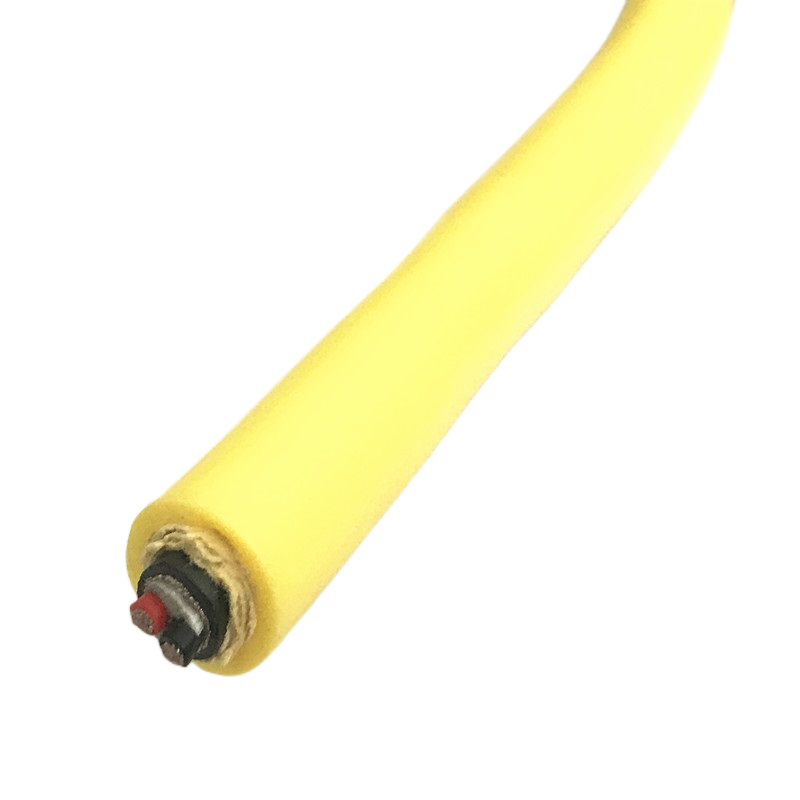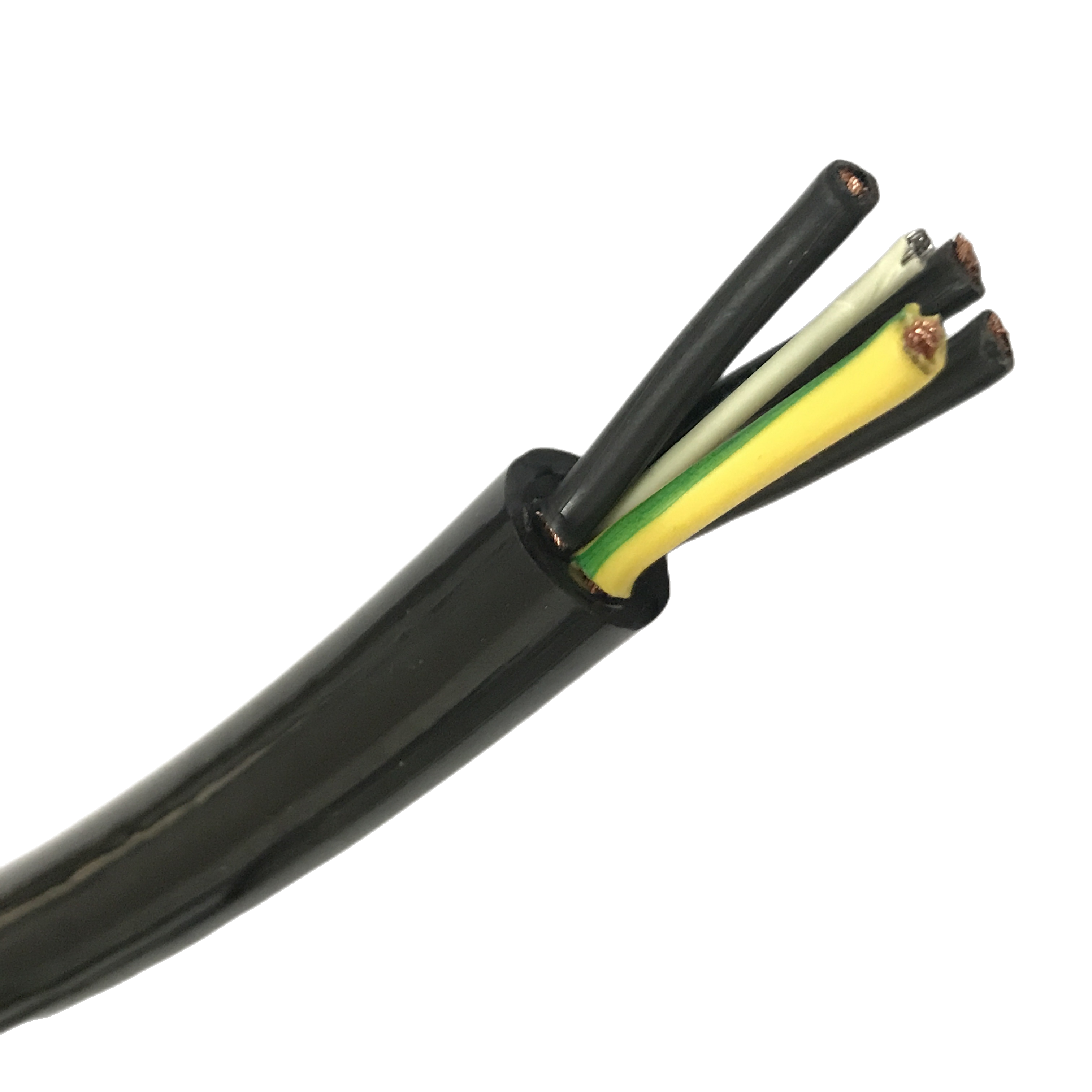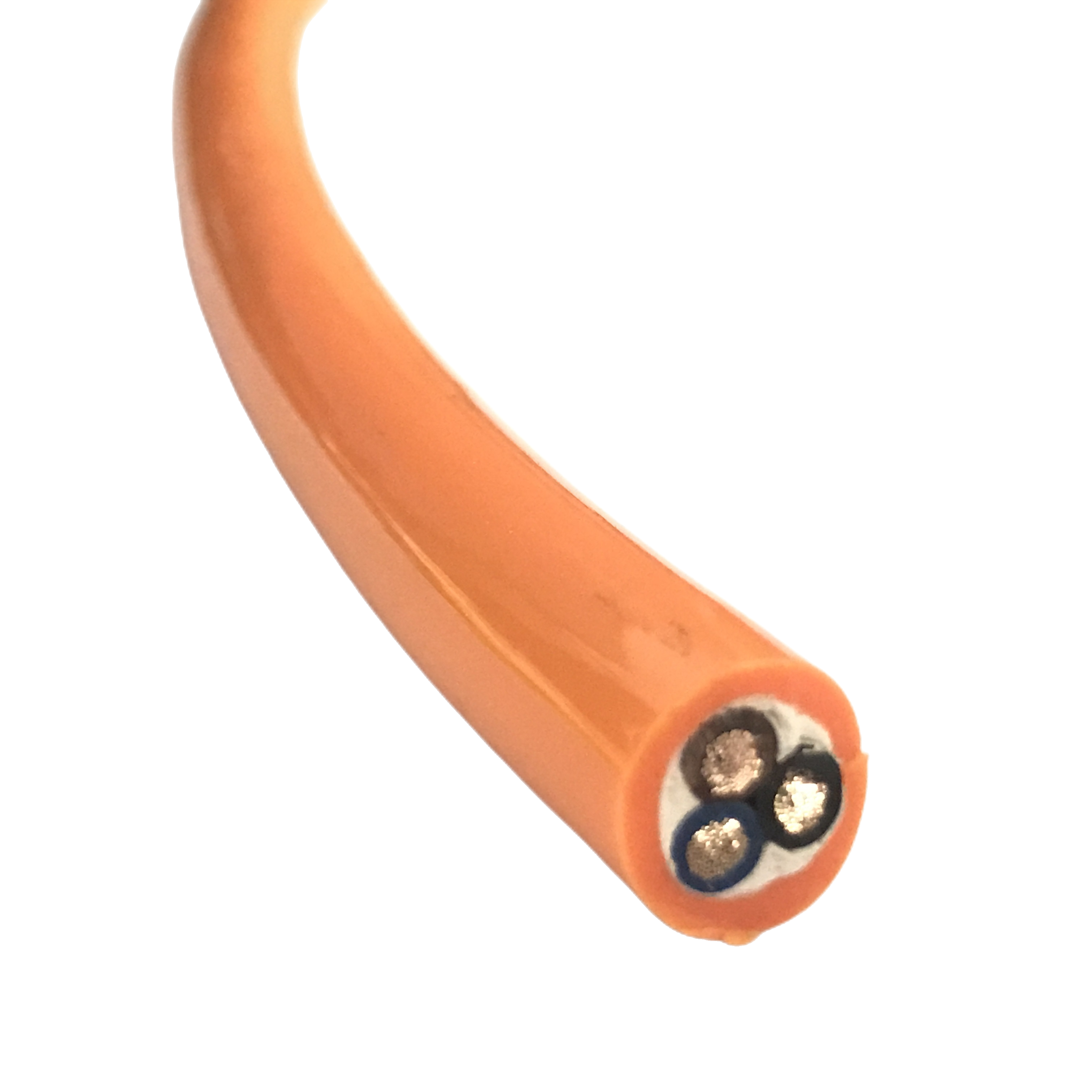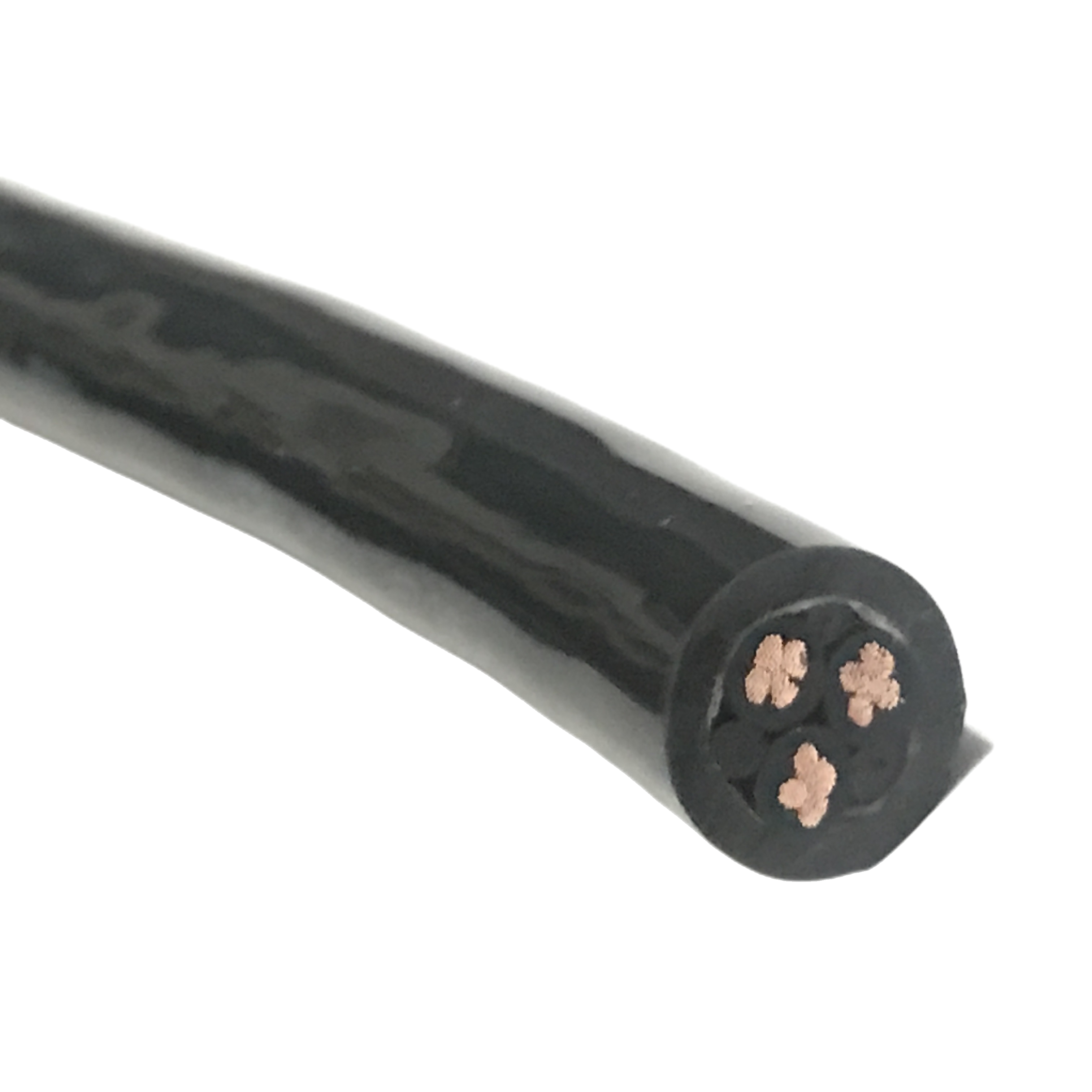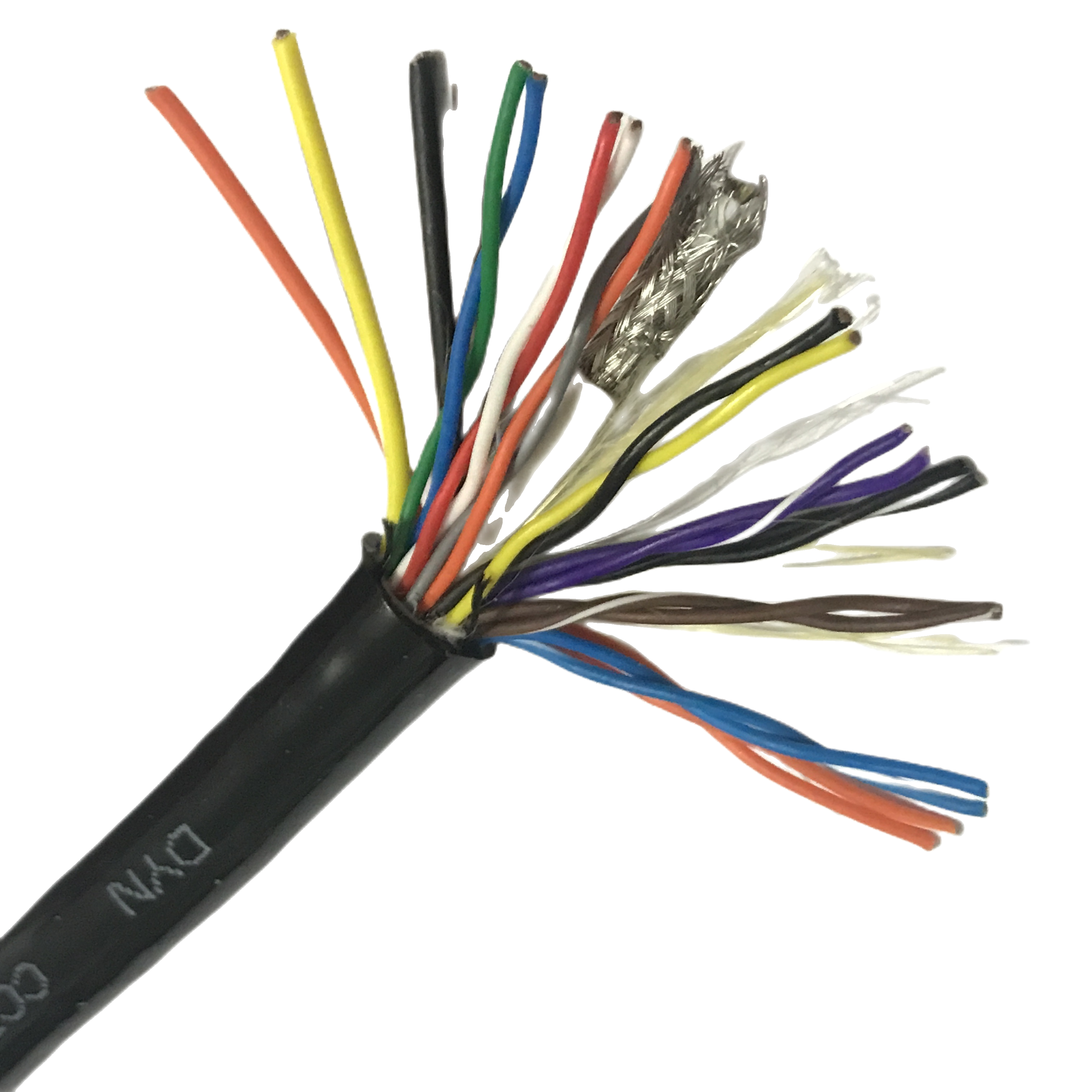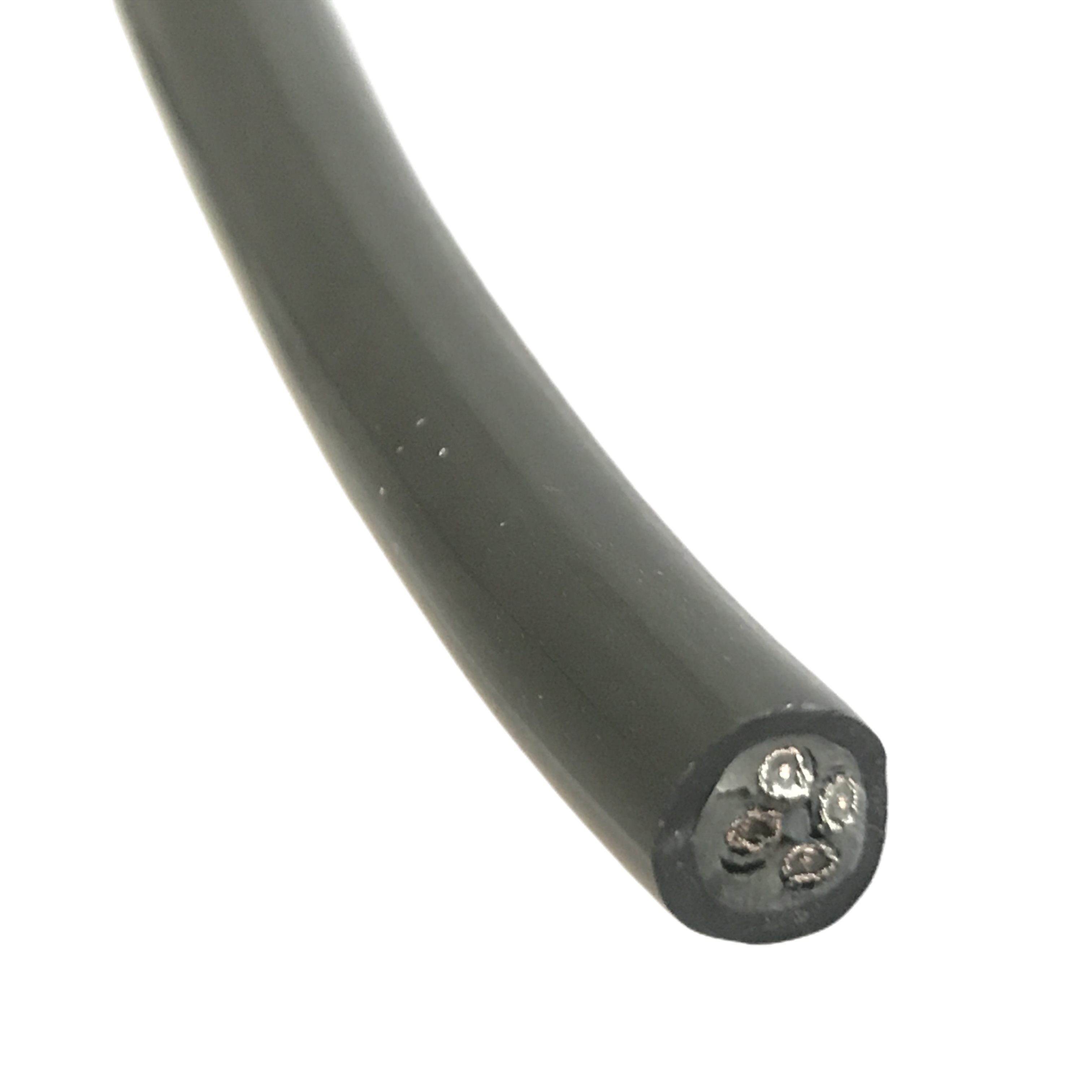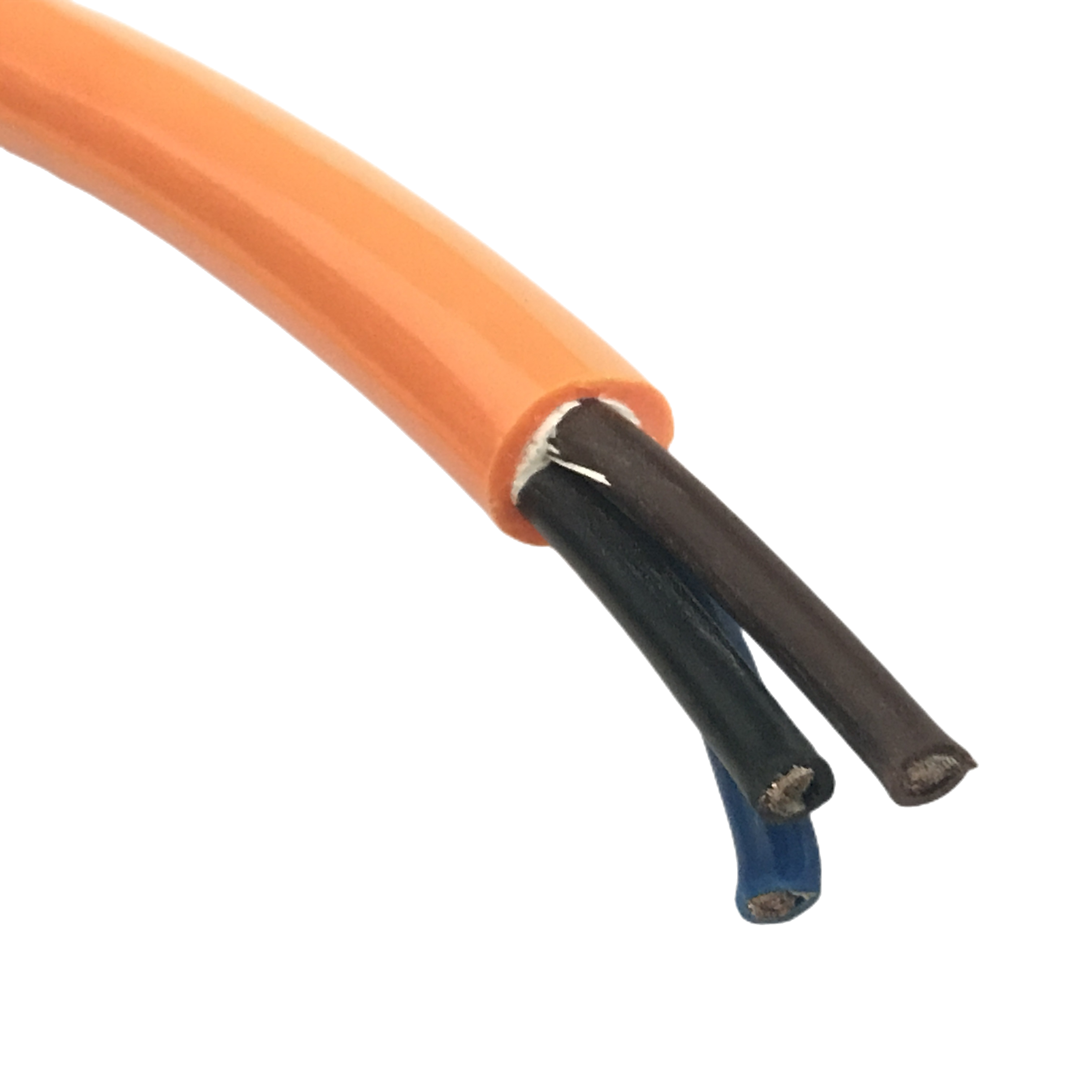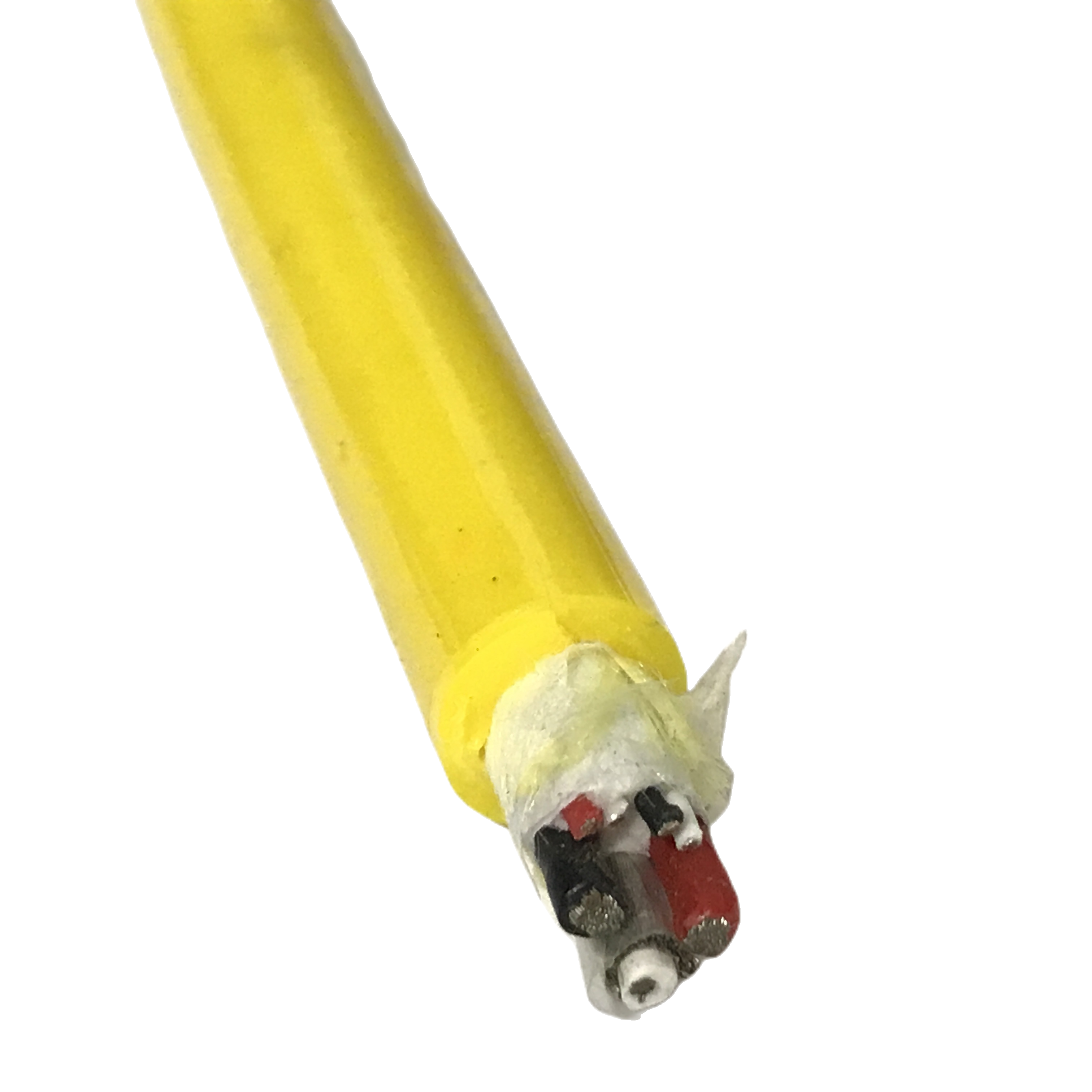



Radiation-Resistant Cable | Durable Electrical Cable for High-Radiation Industrial Applications
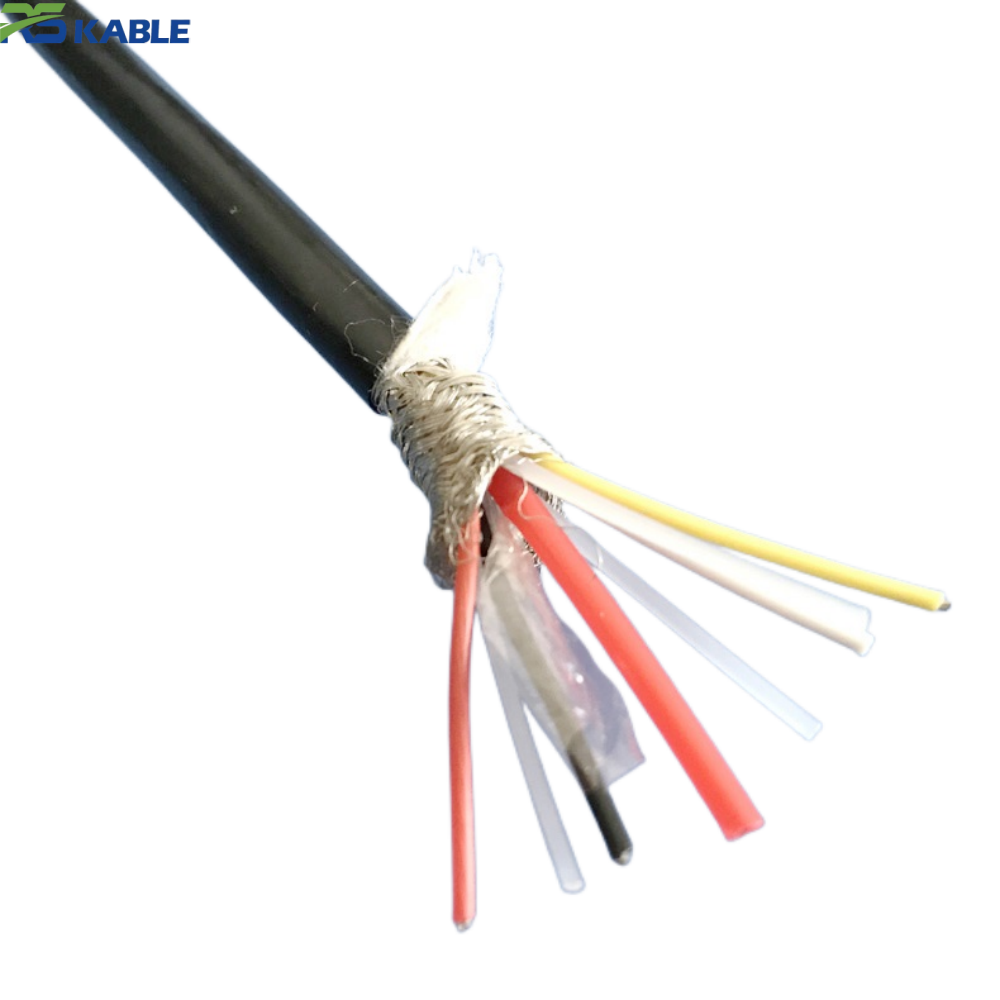
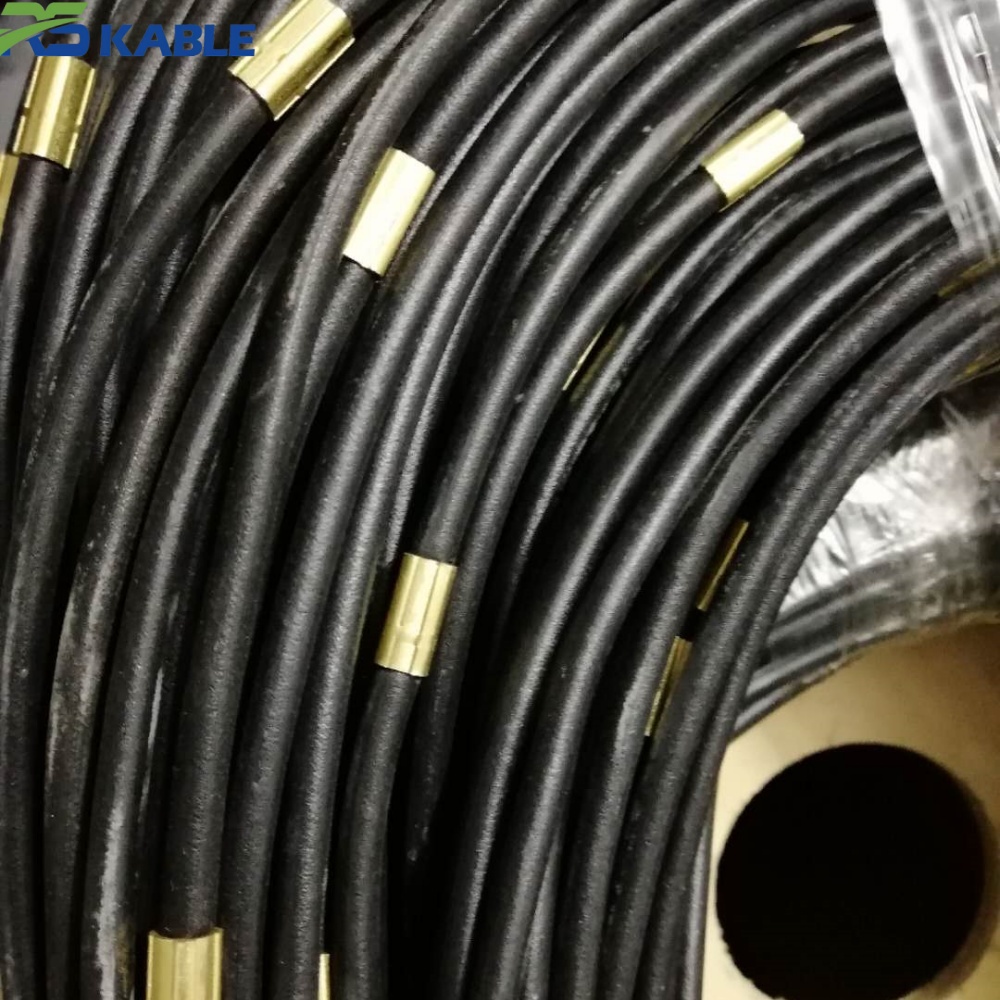
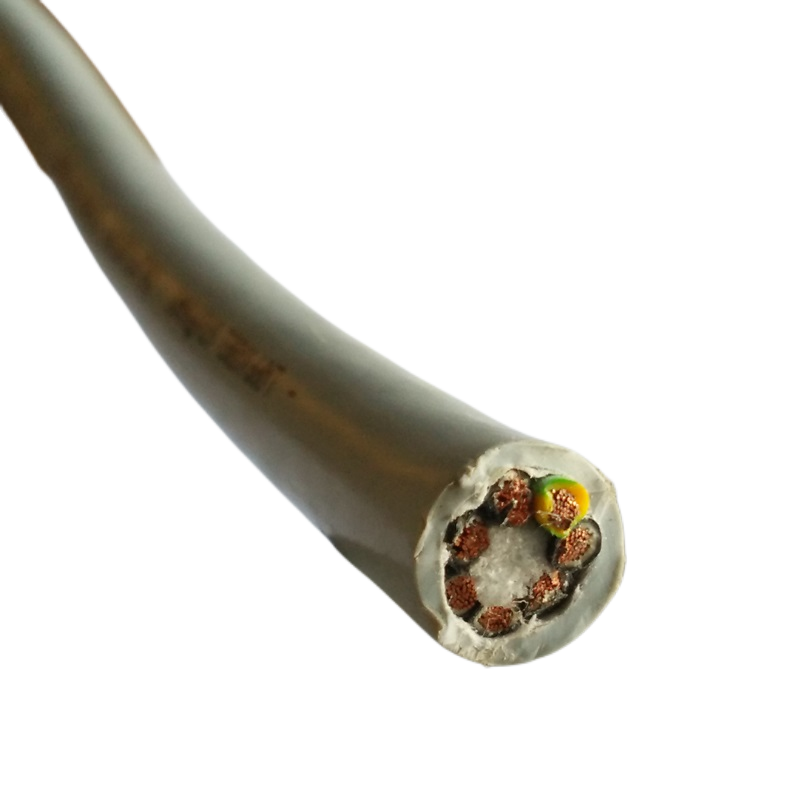
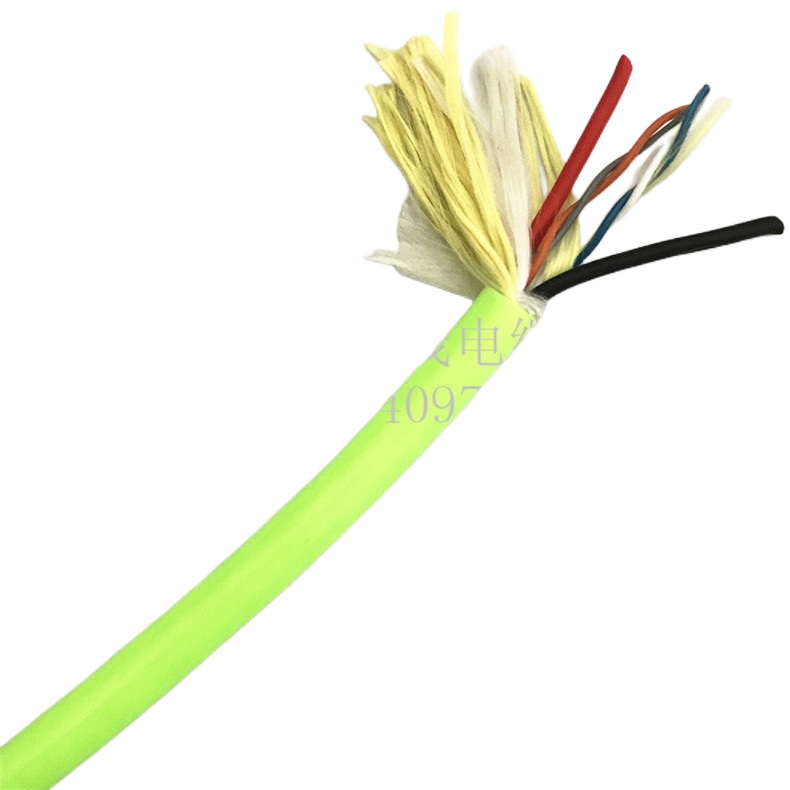
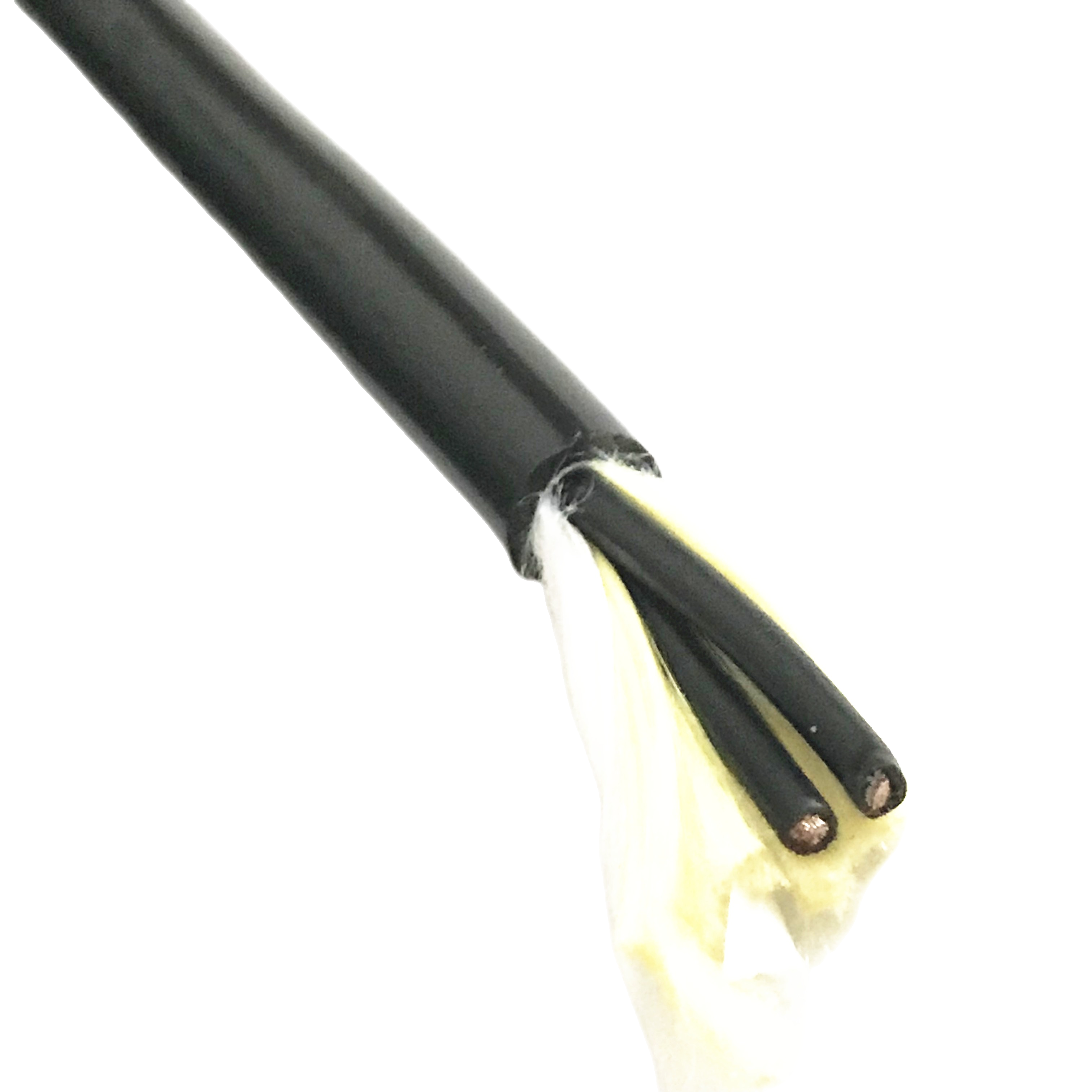
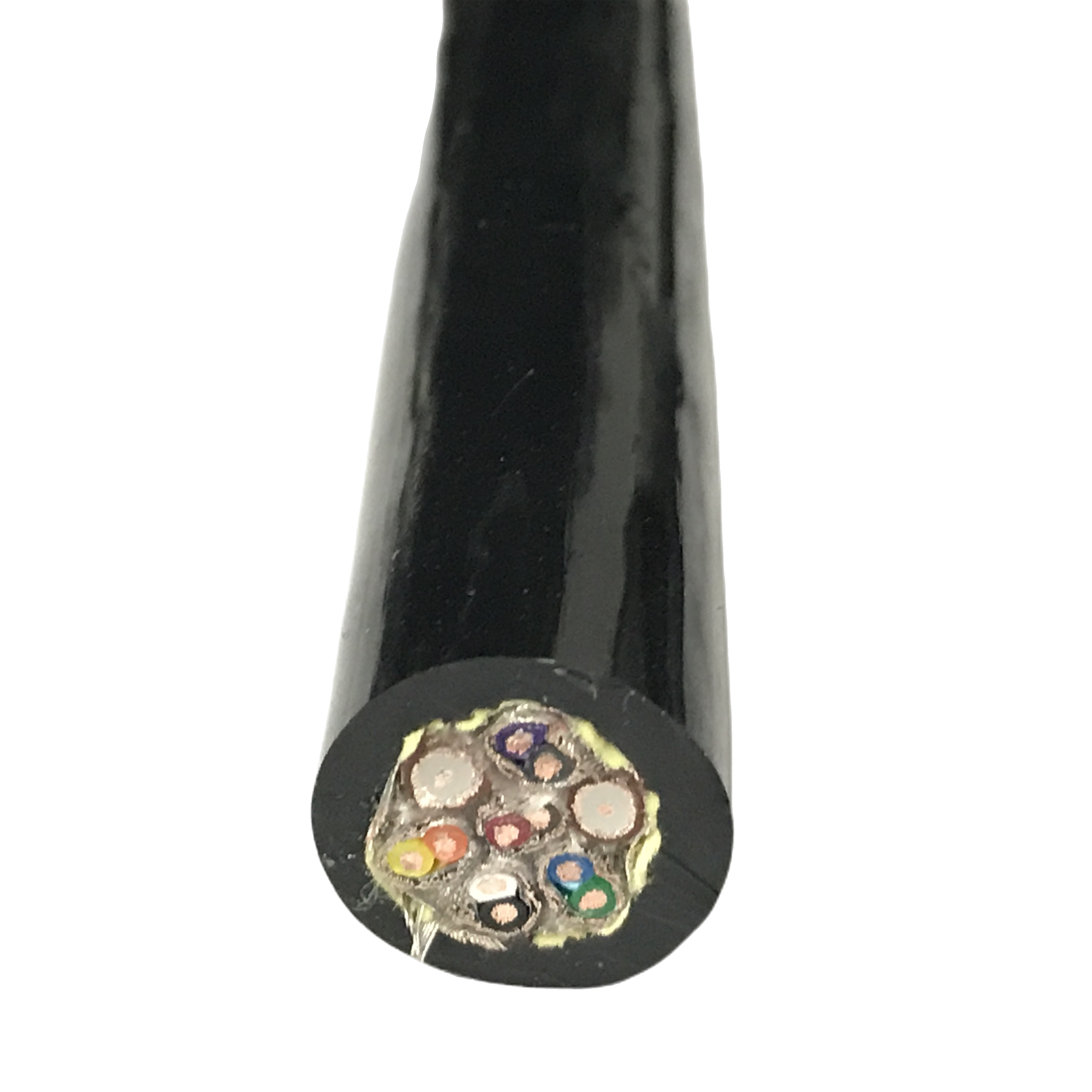
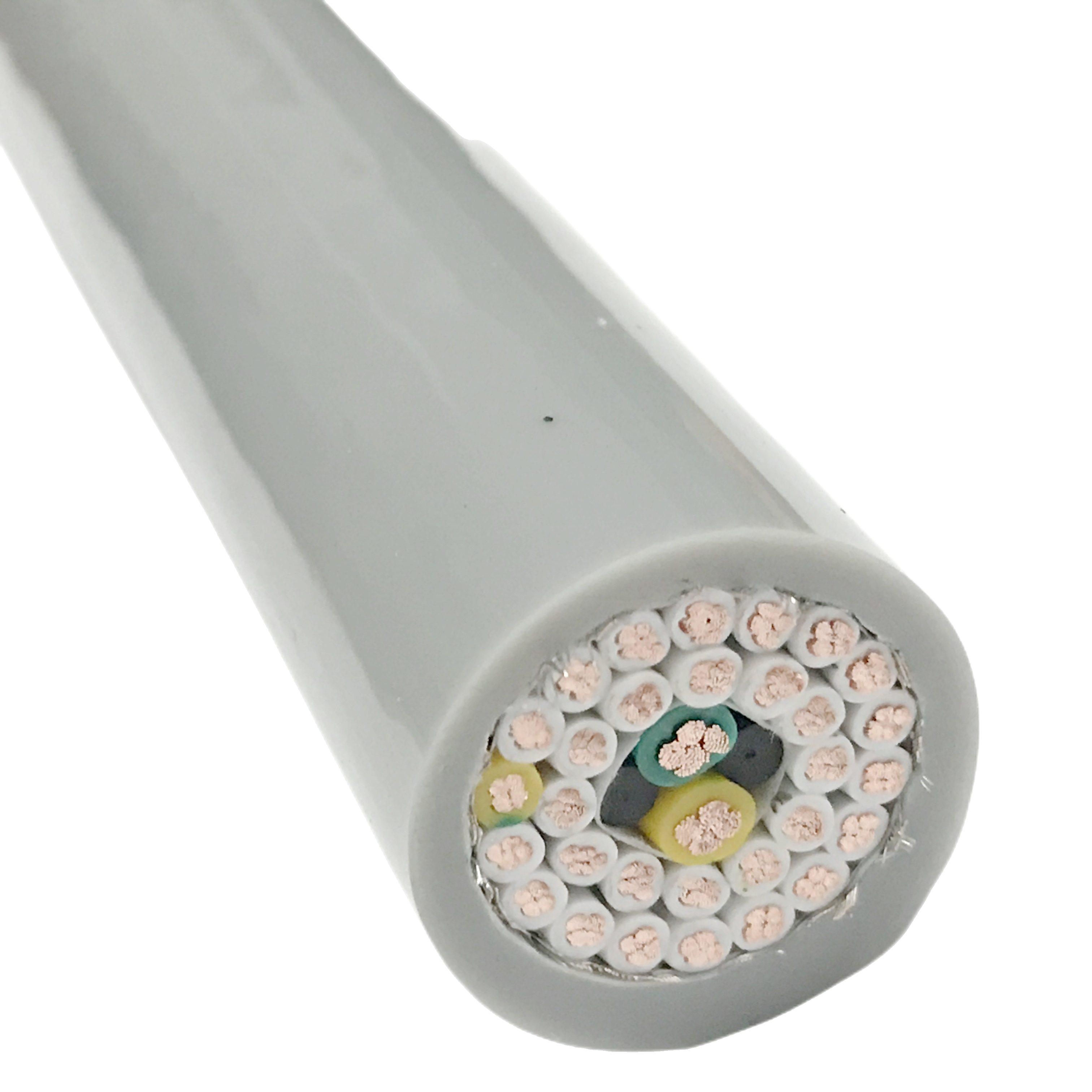
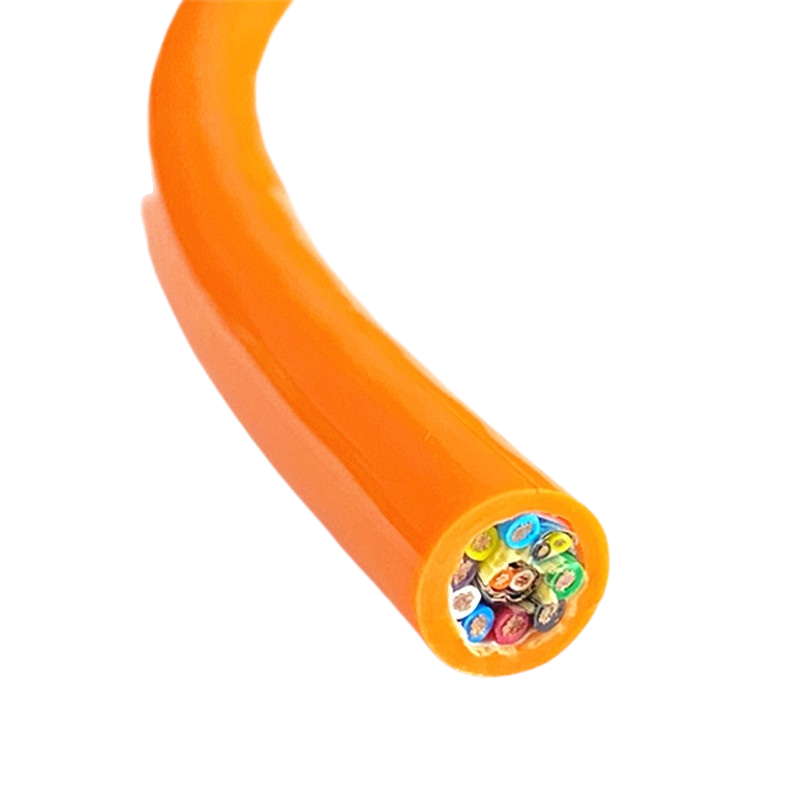
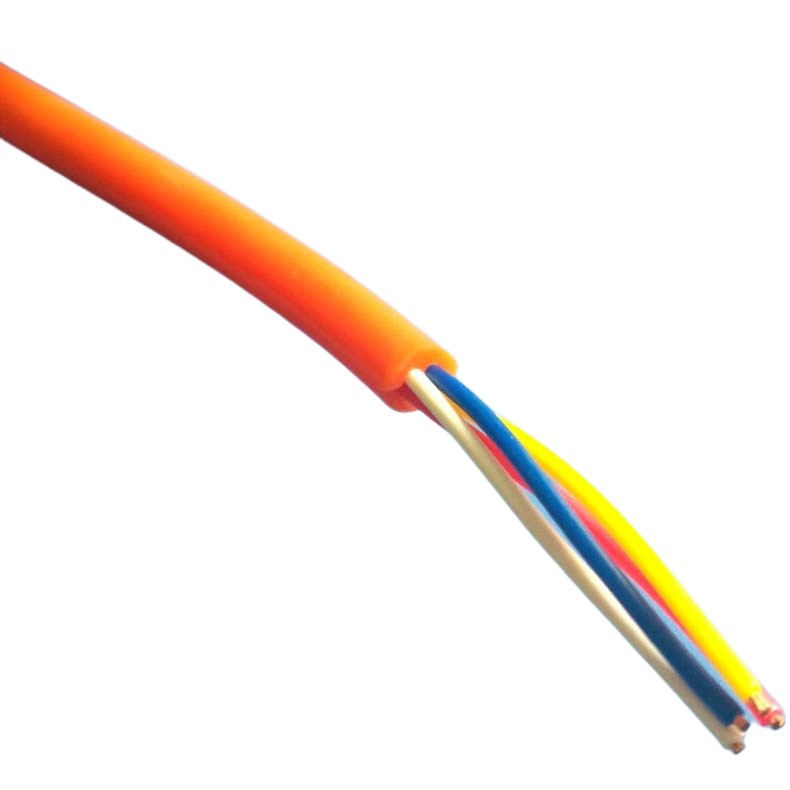
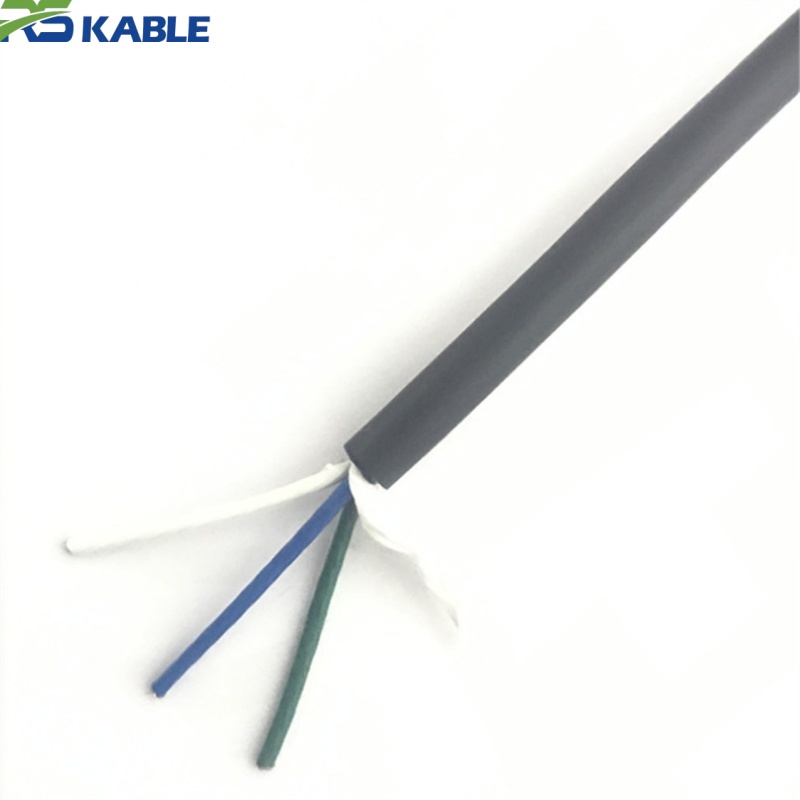
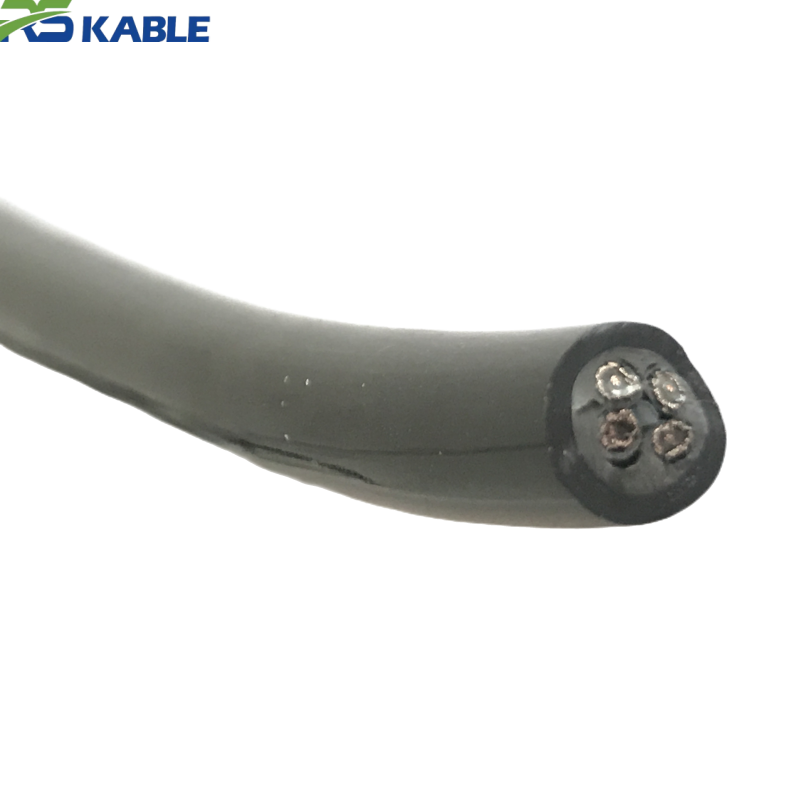
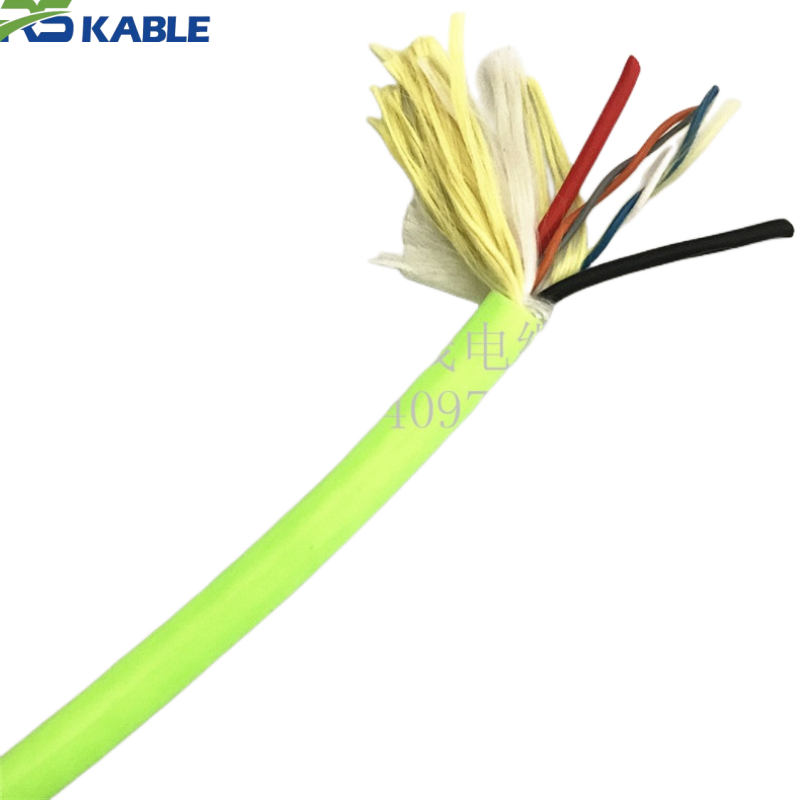
Radiation-Resistant Cable is a durable electrical cable for high-radiation industrial applications using EPR or XLPE insulation selected for cumulative radiation dose tolerance rather than heat resistance alone. Construction is matched to your facility’s documented dose-rate profile, with qualification testing available against IEC 60544 or IEEE 383 standards.
Key Benefits:
✅ Insulation selected for cumulative dose tolerance, not assumed from heat resistance alone
✅ EPR and XLPE options commonly tolerate significantly higher radiation doses than fluoropolymers
✅ Construction matched to documented dose-rate and temperature profile together
✅ Qualification testing available against IEC 60544 or IEEE 383 standards
Radiation-Resistant Cable | Durable Electrical Cable for High-Radiation Industrial Applications
Technical Reference — Insulation Selection by Cumulative Radiation Dose
The gap between “extreme environment” and “radiation environment”
Insulation materials get grouped into a loose category of “extreme environment” performers — PTFE, FEP, silicone, high-grade EPR — as if resistance to one kind of stress implies resistance to all of them. Radiation exposure breaks that grouping apart more clearly than most other stress types.
PTFE is the clearest example. It has an excellent reputation for heat and chemical resistance, and that reputation is well earned. But PTFE degrades through chain scission — its long molecular chains breaking apart under ionizing radiation — at cumulative doses that are, by most commonly cited references in radiation-hardening literature, on the order of 10⁴ to 10⁵ rad (roughly 100 to 1,000 Gray) before embrittlement becomes a practical concern. Cross-linked polyethylene (XLPE) and radiation-qualified EPR formulations, by contrast, are commonly cited as tolerating cumulative doses on the order of 10⁷ to 10⁸ rad in many nuclear-grade qualifications — several orders of magnitude higher.
That gap is large enough to matter in practice. A cable insulated with PTFE and installed in a radiation-controlled area expecting a multi-year service life can reach a degrading dose long before a comparable EPR or XLPE construction would show equivalent damage — even though PTFE would still be well within its temperature rating the entire time.
Typical order-of-magnitude reference ranges
The figures below are commonly cited general reference ranges from radiation-hardening and nuclear cable qualification literature. They vary by specific formulation, dose rate, and test method, and should be treated as a starting orientation — not a substitute for qualification testing against your specific facility’s documented exposure profile and applicable standard (commonly IEC 60544 for radiation resistance testing, or IEEE 383 for nuclear power plant cable qualification).
| Insulation Material | Typical Cumulative Dose Before Significant Degradation | Relative Radiation Tolerance |
|---|---|---|
| PTFE | ~10⁴–10⁵ rad | Lower — degrades via chain scission at comparatively modest doses |
| FEP | ~10⁵–10⁶ rad | Moderate — somewhat better than PTFE, still limited relative to crosslinked materials |
| Silicone rubber | ~10⁶–10⁷ rad | Moderate to good, formulation-dependent |
| EPR (radiation-qualified) | ~10⁷–10⁸ rad | High — common choice for nuclear-qualified cable |
| XLPE | ~10⁷–10⁸ rad | High — commonly used where both dose tolerance and reasonable flexibility are needed |
These ranges illustrate why insulation selection driven by a “toughest material available” instinct, without checking radiation-specific data, can land on exactly the wrong material for a radiation-dominant environment.
Why dose rate and cumulative dose are both relevant
Two installations with the same total cumulative dose over a service life can experience meaningfully different degradation if that dose accumulates at different rates — a high dose rate over a short period can sometimes stress a material differently than the same total dose spread across years, depending on whether the dominant degradation mechanism has time-dependent recovery effects. This is a detail worth raising with your material supplier rather than assuming cumulative dose alone tells the full story, particularly for applications near the upper tolerance limit of a given material.
Construction
| Element | Detail |
|---|---|
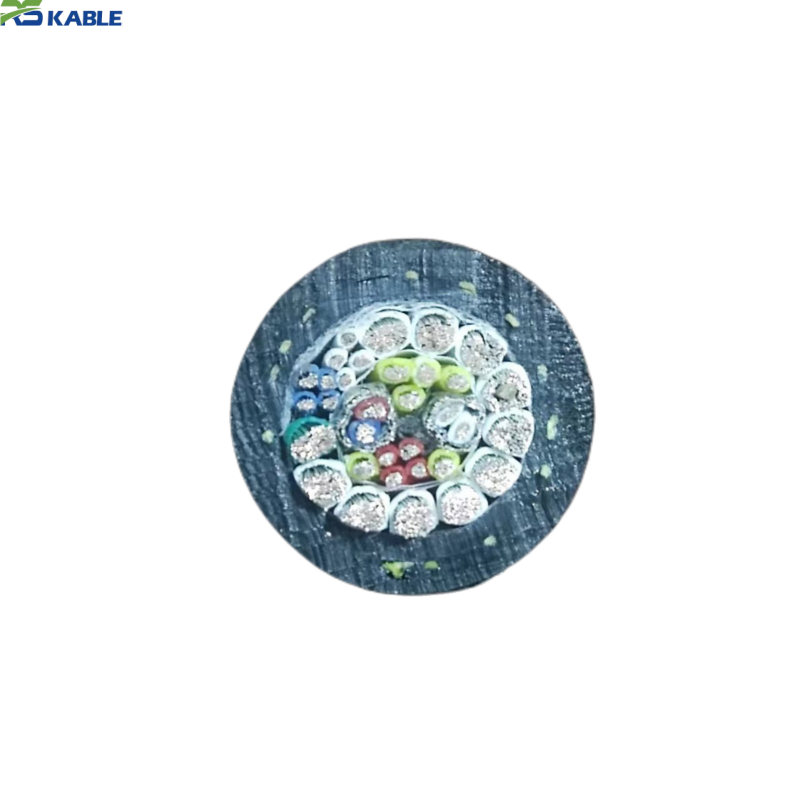
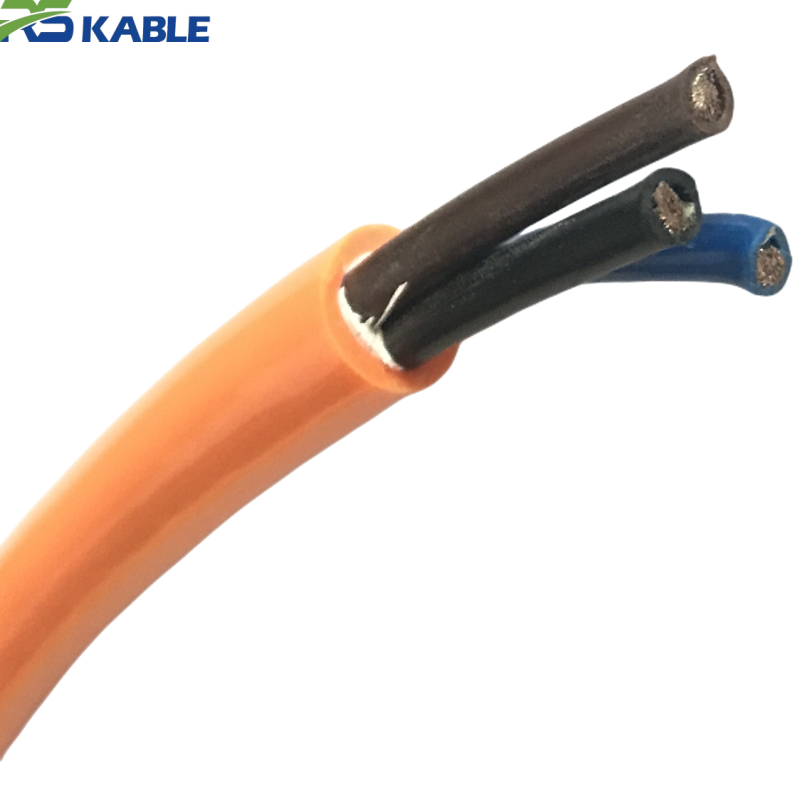
| Conductor | Tinned or nickel-plated copper, per temperature and application requirement |
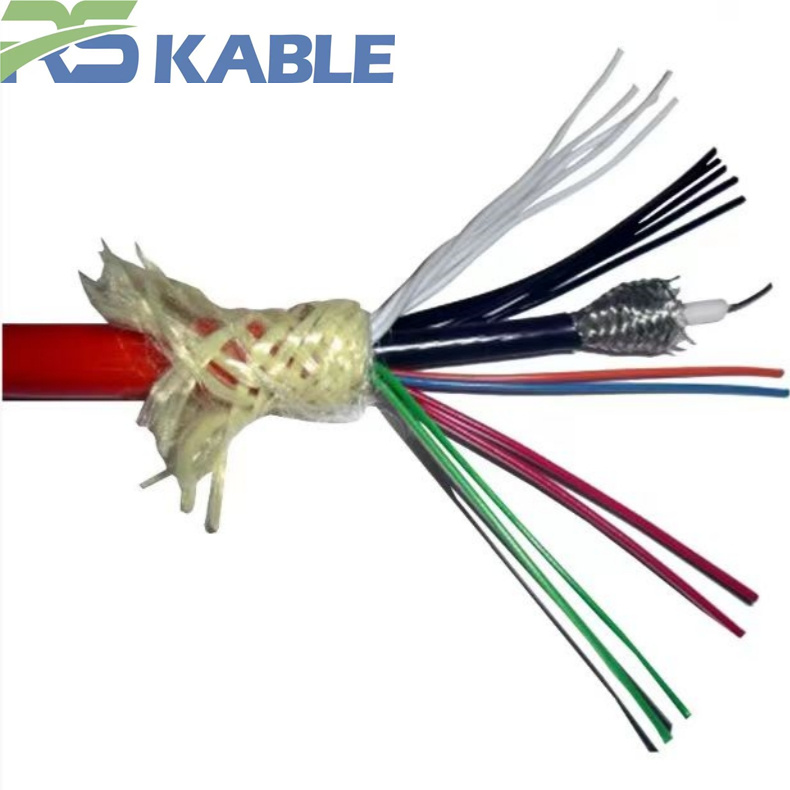
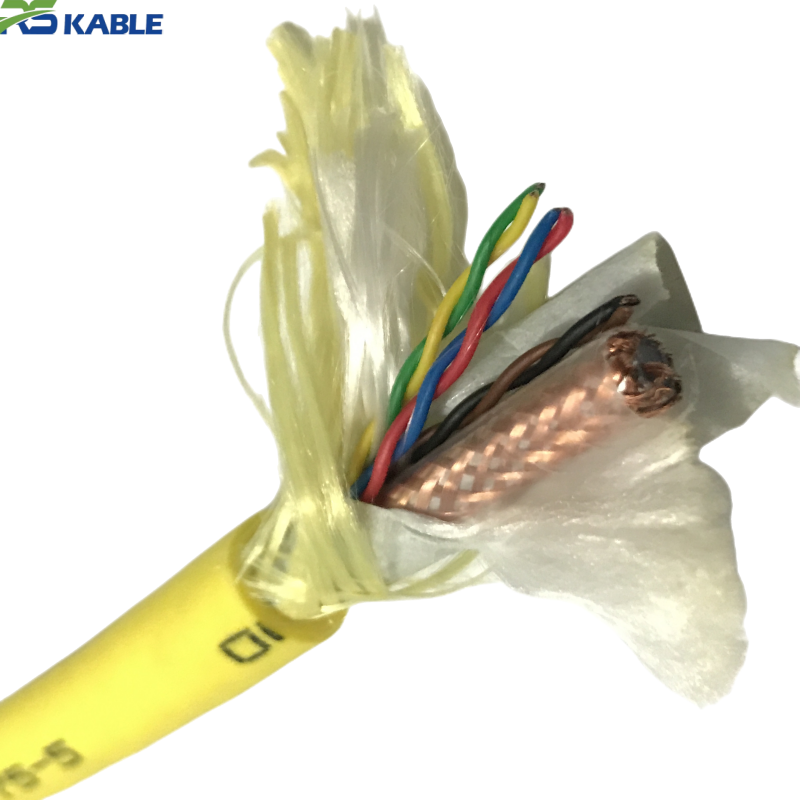
| Insulation | Radiation-resistant compound (commonly XLPE, EPR, or CSPE-based), selected against cumulative dose target |
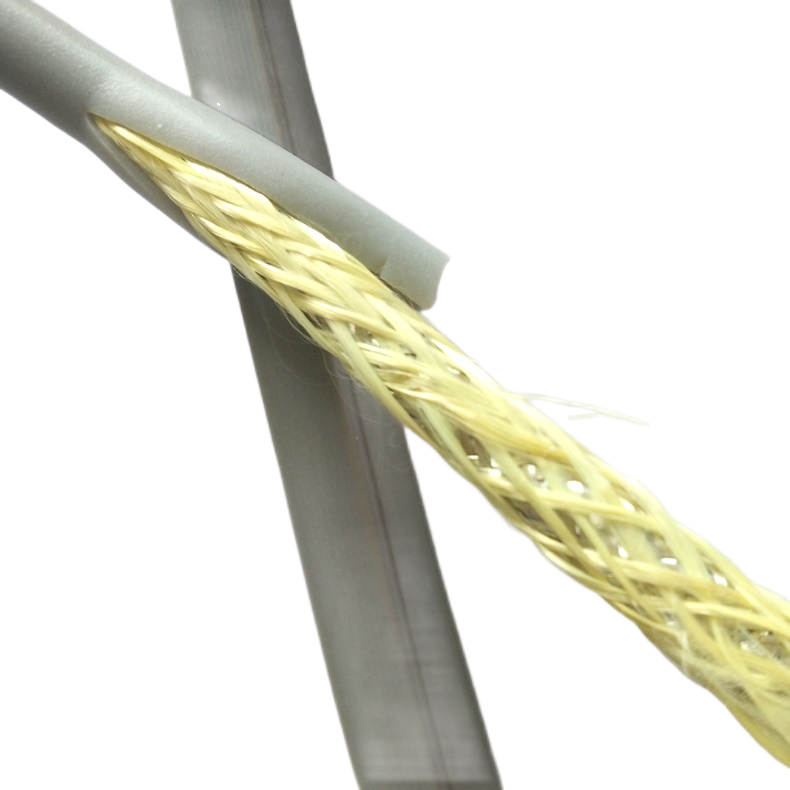
| Jacket | Radiation and chemical-resistant compound, matched to insulation |
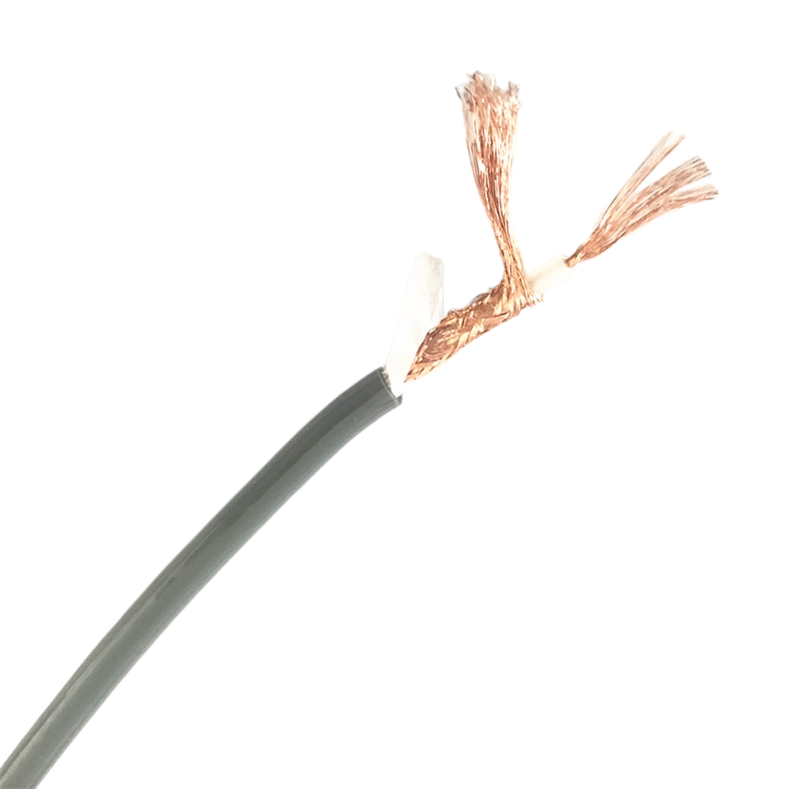
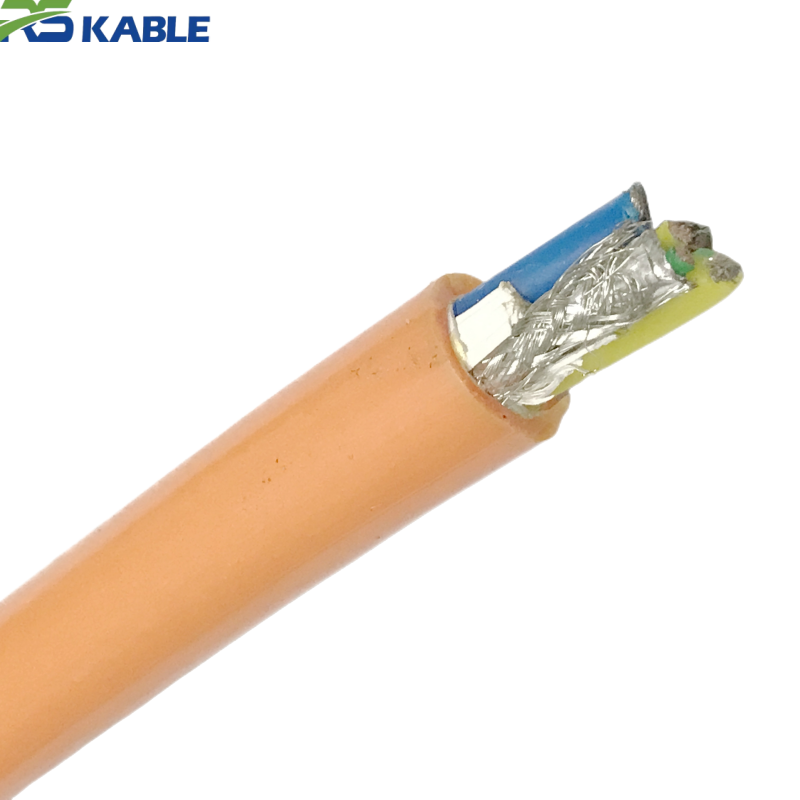
| Shielding | Available per EMI requirement |
| Qualification Reference | Confirmed per project — testing against IEC 60544 or equivalent standard recommended for critical applications |
A specification scenario, worked through
An instrumentation cable run inside a nuclear facility’s radiation-controlled area needs to survive elevated ambient temperature near process equipment, alongside a documented cumulative dose expectation in the range of several times 10⁷ rad over its multi-year service life.
A fluoropolymer construction selected on temperature grounds alone would be reaching its practical radiation tolerance ceiling well before that cumulative dose target, based on the general reference ranges above — a mismatch that wouldn’t show up in a temperature-only specification review. An EPR or XLPE-based construction, checked against both the facility’s documented dose-rate and its temperature profile, is the more defensible starting point, with final selection confirmed through qualification testing rather than reference-range estimates alone.
Where this level of specification matters, and where it’s overkill
Radiation-specific insulation selection, checked against actual cumulative dose targets, matters for nuclear facility radiation-controlled areas, radiography and sterilization equipment, and particle accelerator instrumentation — environments with a genuine, documented radiation dose profile.
It’s unnecessary rigor for general industrial heat or chemical exposure without meaningful radiation dose, where standard high-temperature construction remains the more appropriate and cost-effective choice.
Frequently Asked Questions
Why does PTFE, known for extreme durability, have comparatively low radiation tolerance?
Radiation resistance depends on a polymer’s specific molecular response to ionizing radiation, not its general reputation for toughness. PTFE degrades via chain scission at cumulative doses considerably lower than crosslinked materials like EPR or XLPE, despite its strong performance in heat and chemical resistance categories.
Are the dose figures in the reference table exact values I can specify against?
No — treat them as general orientation from commonly cited radiation-hardening literature, not precise specification values. Actual tolerance varies by specific formulation, dose rate, and test method. Qualification testing against a standard like IEC 60544 or IEEE 383 is recommended for critical applications.
Does dose rate matter separately from total cumulative dose?
It can. Two installations with identical cumulative dose totals may not degrade identically if the dose accumulates at different rates, particularly near a material’s upper tolerance limit. This is worth discussing directly with your material supplier for dose-sensitive applications.
If our application involves both heat and radiation, which should drive material selection?
Both need to be checked against the specific material’s actual tolerance for each, since the two properties don’t correlate. This sometimes means accepting a lower continuous temperature rating in exchange for adequate radiation dose tolerance.
Do we need radiation-qualified cable for general industrial heat exposure without a nuclear or radiography application?
No. This level of specification is relevant only where cumulative radiation dose is a genuine, documented condition.
Getting a working quote
The details that matter most: documented or estimated cumulative radiation dose and dose rate over the cable’s service life, ambient and process temperature, and whether qualification testing to a specific standard (IEC 60544, IEEE 383, or equivalent) is required for your project.
[Request a Quotation] · [Ask an Engineer Before You Spec It] · [Download Technical Datasheet]