


Lead-Weighted Polyurethane Reeling Cable | Heavy-Duty Underwater Cable for Winch Systems
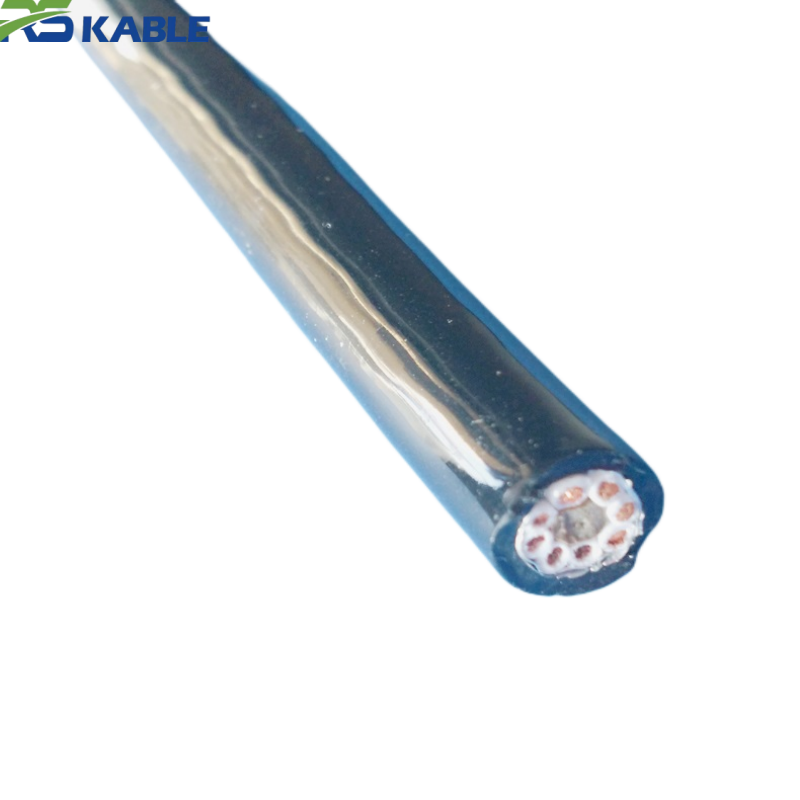
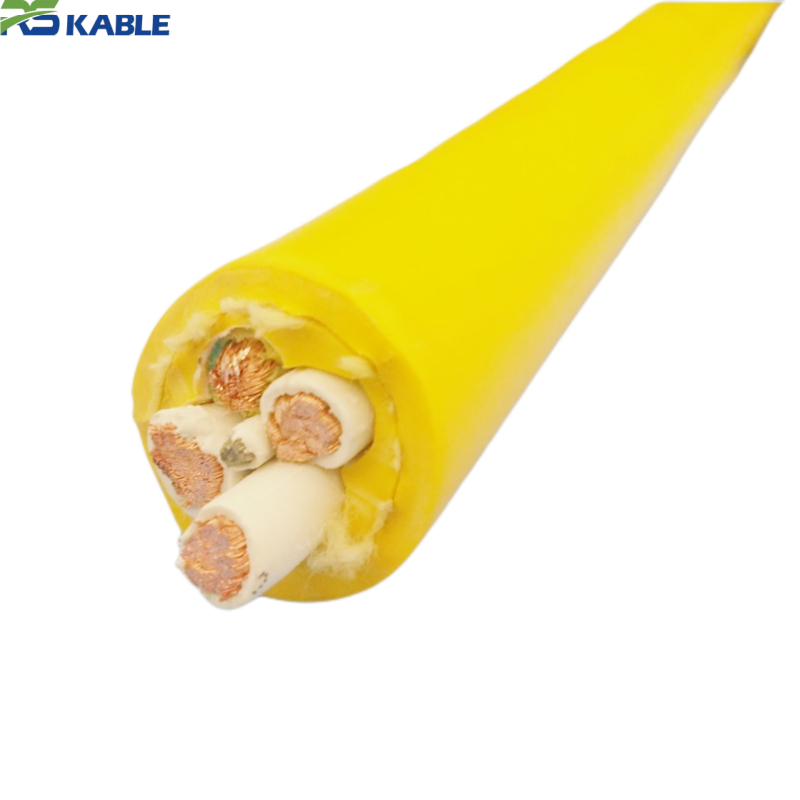
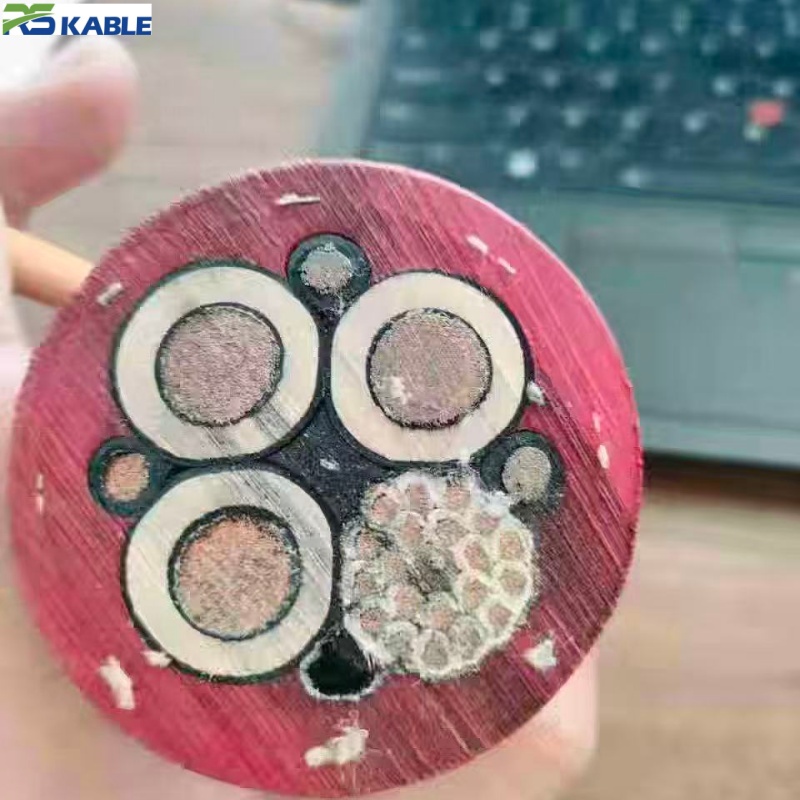
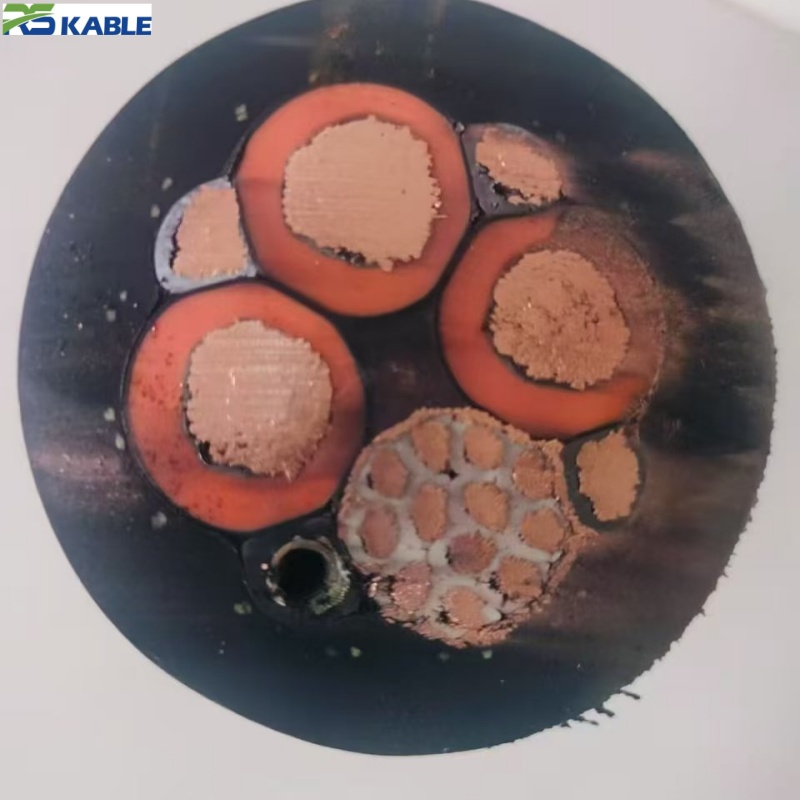
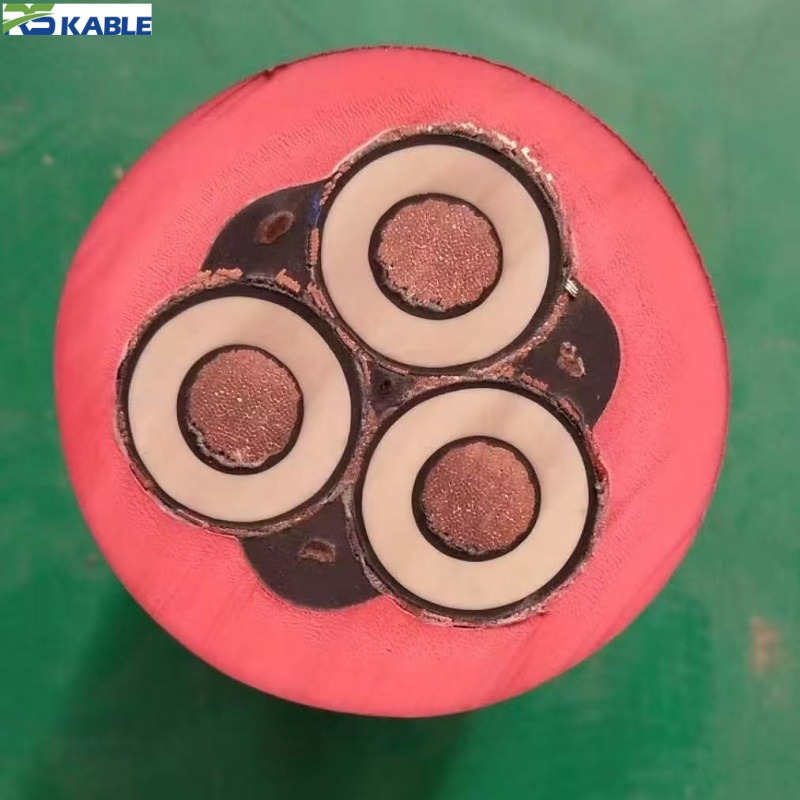
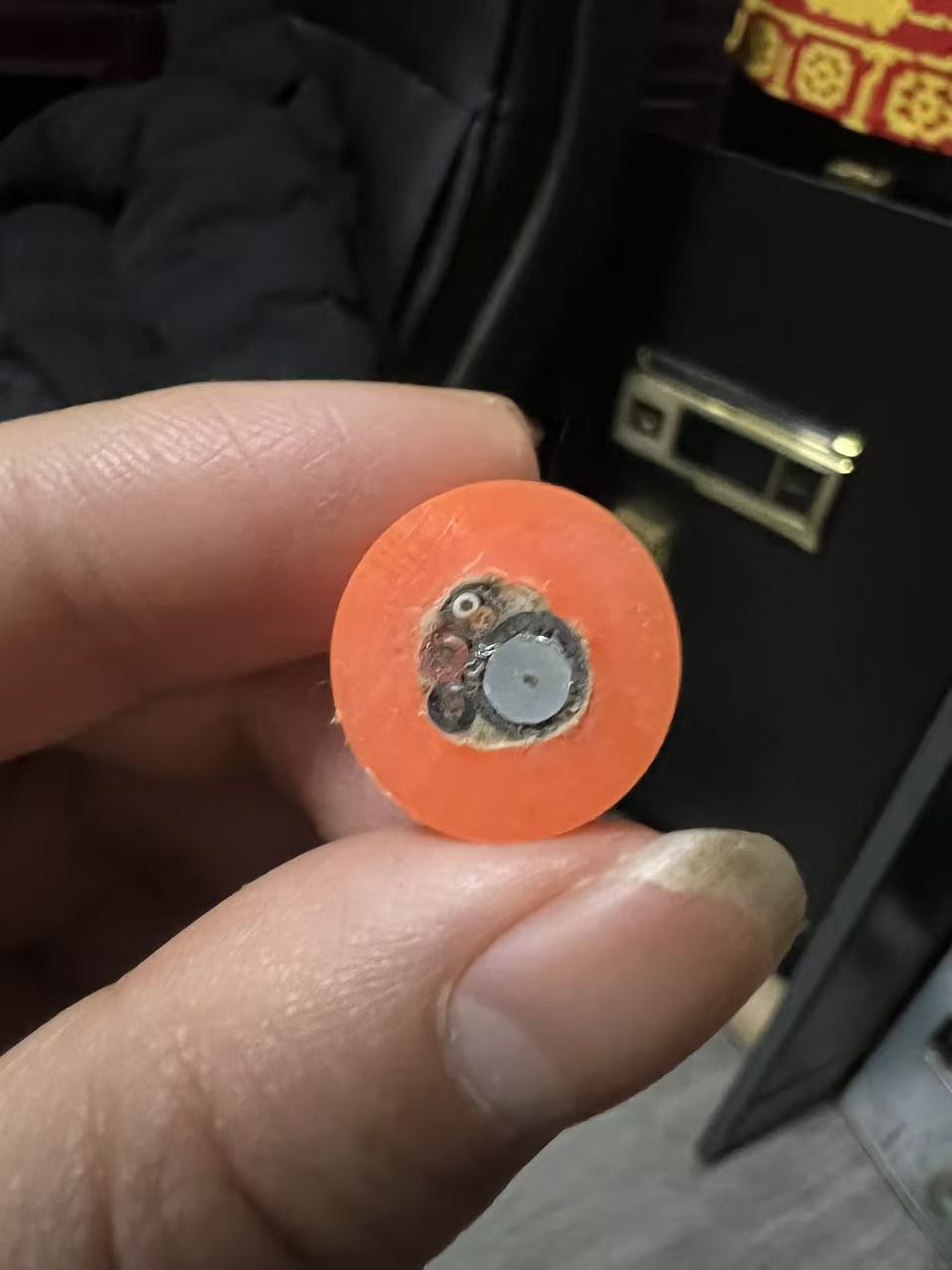
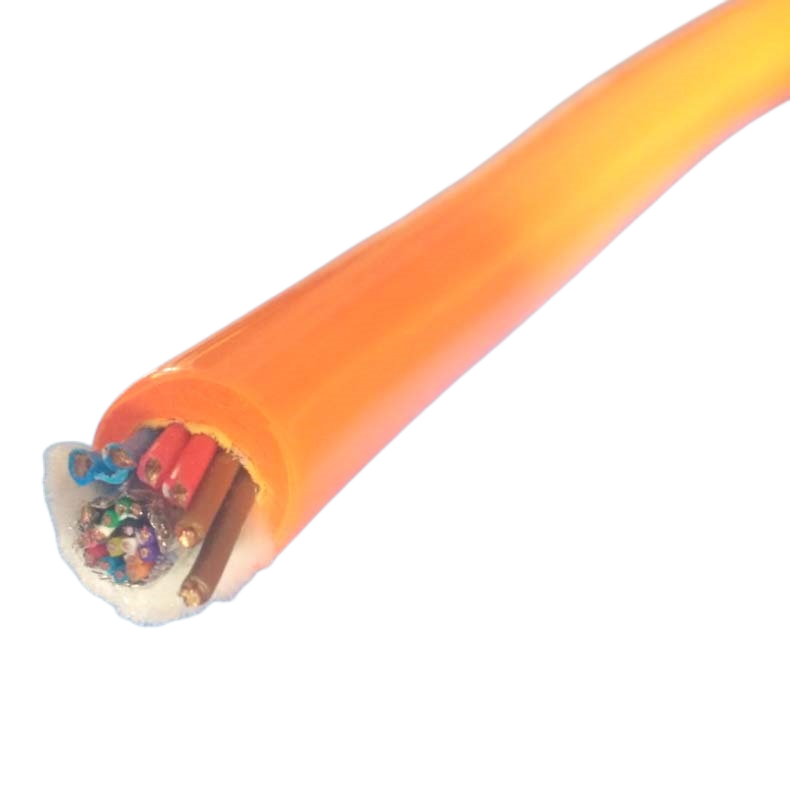
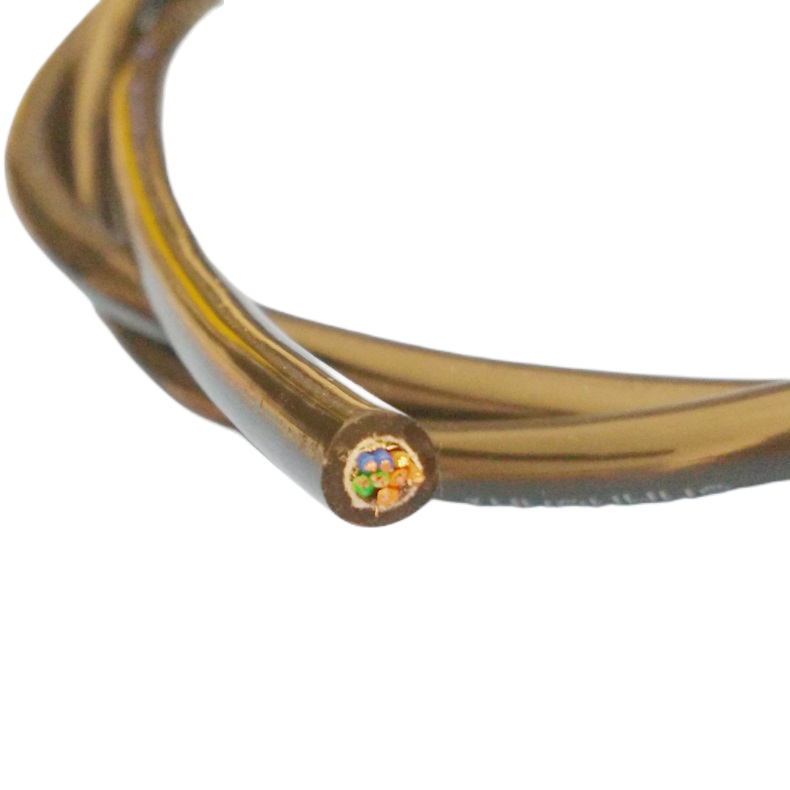
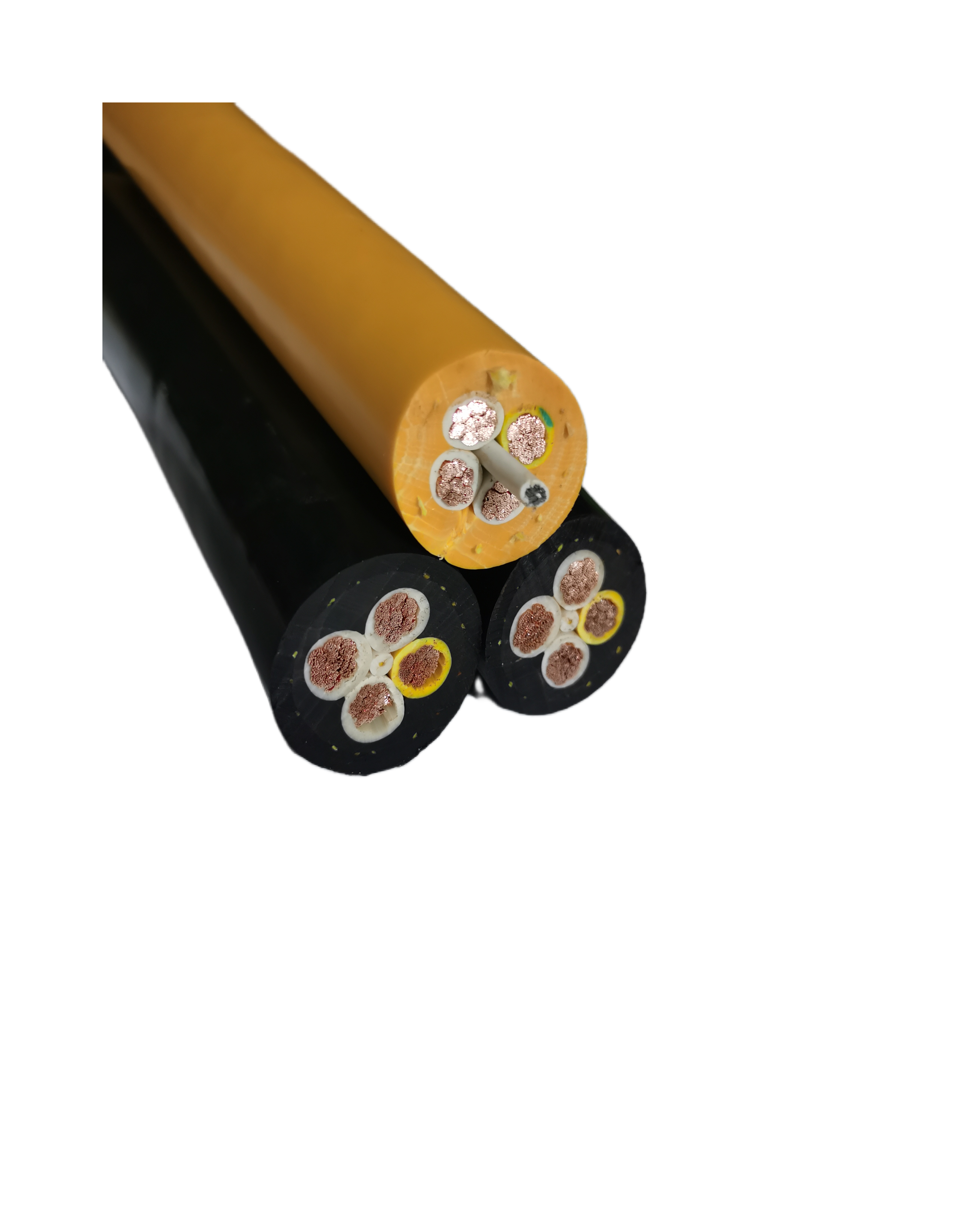
The LW-PUR series is a lead-weighted polyurethane reeling cable designed for ROV tethers, seabed survey equipment, and underwater winch systems. Its integrated lead-weighted jacket provides controlled negative buoyancy so the cable sinks predictably and spools evenly under tension, while the reeling-duty strength member resists crush and torsional stress across multi-layer winding. This cable is engineered for marine contractors and underwater equipment integrators who need predictable cable behavior, not just electrical performance.
Key Benefits:
✅ Controlled negative buoyancy for predictable sink rate and clean spooling
✅ Reeling-duty construction rated for multi-layer drum tension and crush load
✅ Configurable sink rate matched to your winch and depth requirements
✅ Consistent outer diameter for even drum winding at high retrieval speed
Lead-Weighted Polyurethane Reeling Cable | Heavy-Duty Underwater Cable for Winch Systems
A cable that floats or drifts in the current is a cable that fouls, snags, or feeds out unevenly on the drum. This lead-weighted polyurethane reeling cable is engineered with controlled negative buoyancy so it sinks predictably and spools cleanly — built for winch-deployed underwater equipment where cable behavior in the water matters as much as electrical performance.
Buoyancy Control: Why Weighting Matters
Underwater cable doesn’t just carry signal and power — it also has to behave predictably as it pays out and reels back in. Uncontrolled buoyancy causes real problems on deployment:
| Cable Type | Behavior in Water | Common Problem |
|---|---|---|
| Standard PU jacket (unweighted) | Near-neutral or slightly positive | Drifts, fouls on structure, uneven spooling |
| Foam-filled / buoyant jacket | Positive buoyancy | Floats to surface — wrong for seabed work |
| Lead-weighted PU (this cable) | Controlled negative buoyancy | Sinks predictably, spools evenly under tension |
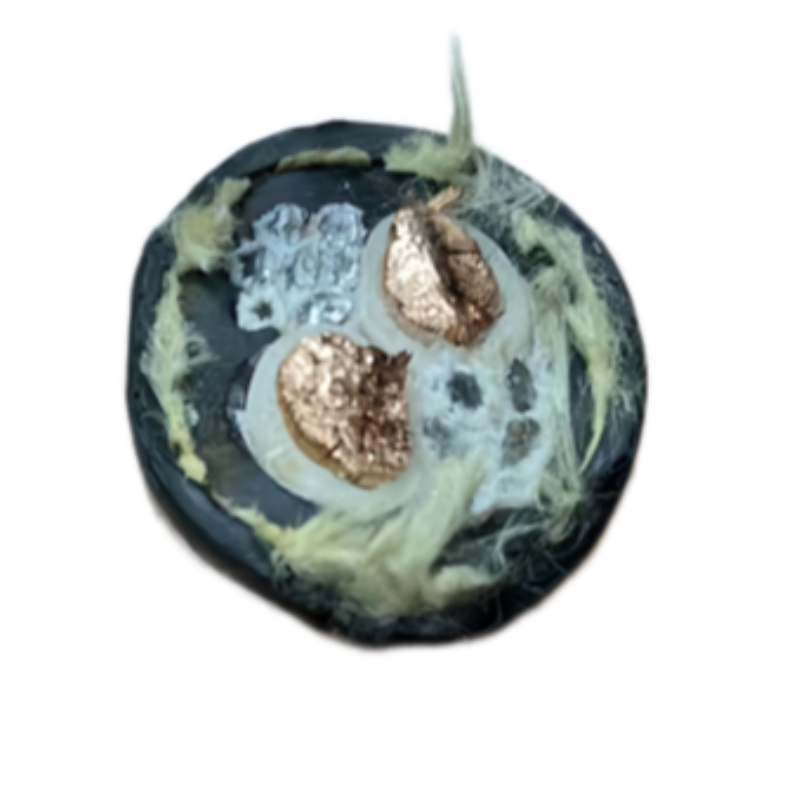
The lead weighting is integrated into the jacket compound during extrusion — not added as an external sleeve — so the cable maintains a consistent diameter and doesn’t create high spots on the winch drum.
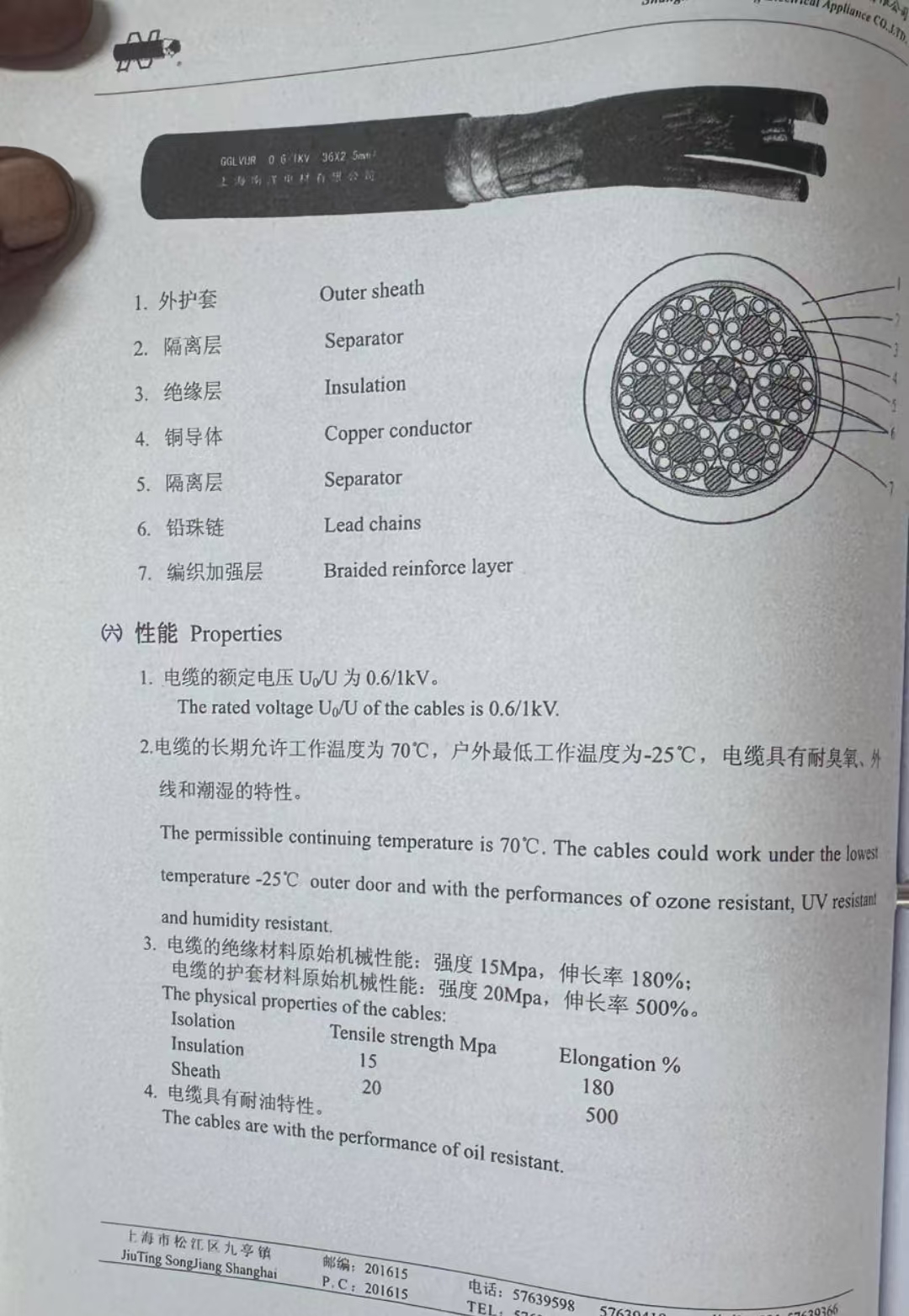
Technical Specification
| Attribute | Details |
|---|---|
| Model | LW-PUR Series |
| Jacket | Lead-weighted polyurethane |
| Buoyancy | Negative (configurable sink rate) |
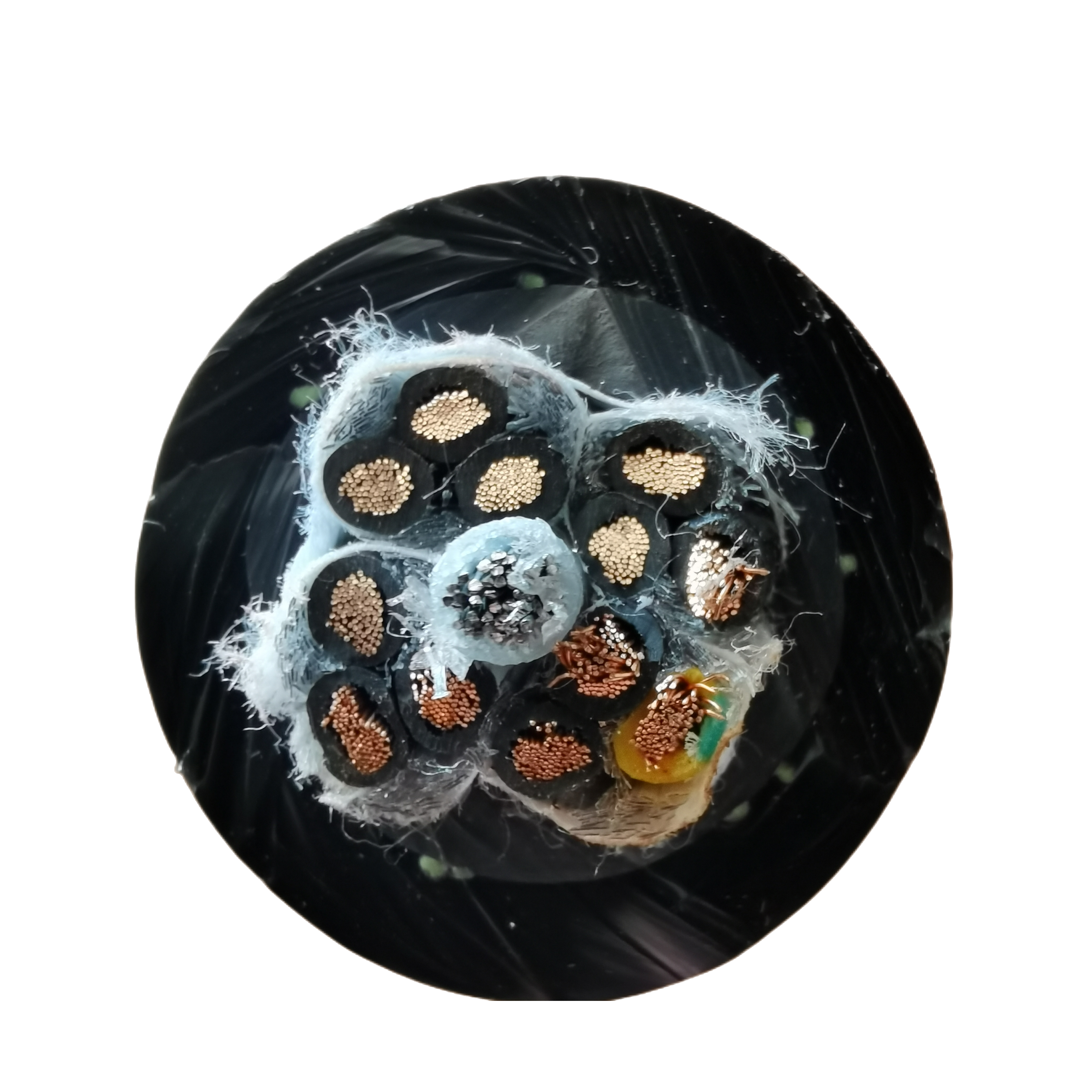
| Armor / Strength Member | Steel or synthetic braid, reeling-duty rated |
| Crush Resistance | Rated for multi-layer drum winding tension |
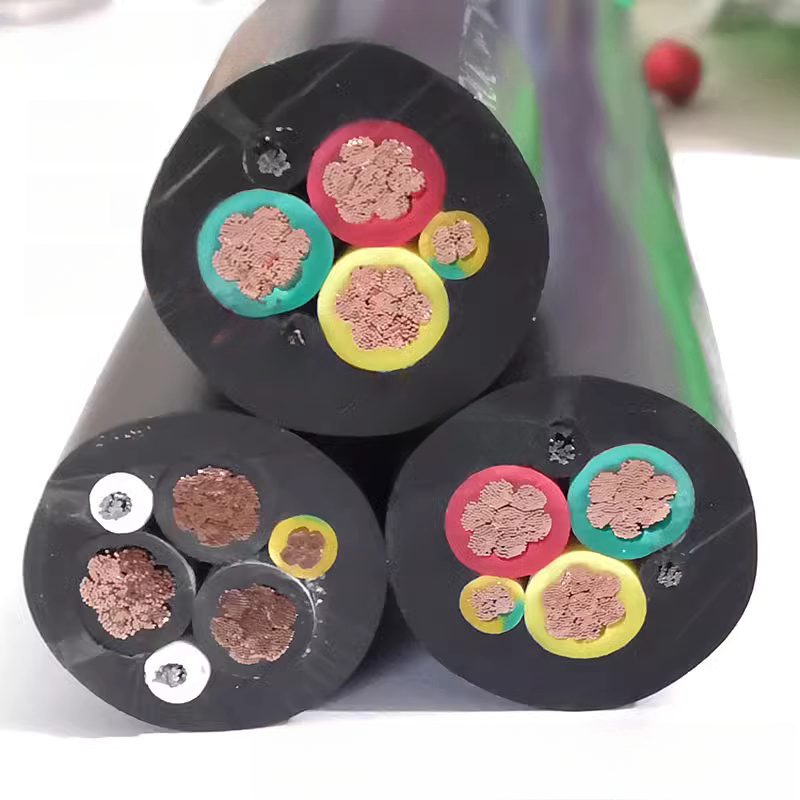
| Conductor Configuration | Power, signal, or hybrid power/signal (project-specific) |
| Temperature Range | -20°C to +80°C |
| Water Depth Rating | Configuration-dependent, up to deep-water ratings |
| Outer Diameter Tolerance | Held tight for consistent drum spooling |
Winch & Reeling Compatibility
Cable that isn’t built for reeling will crush, flatten, or shift under the tension of multi-layer winding. Before specifying a drum or winch, these factors need to match the cable:
- Minimum bend radius under tension — must clear the drum’s inner diameter without exceeding the cable’s rated bend limit
- Crush resistance across layers — lower layers bear the compressive load of every layer wound above them
- Consistent outer diameter — variation causes uneven layering and can lead to cable damage during high-speed retrieval
- Torsional stability — prevents twisting during deployment that could weaken armor or strength members over repeated cycles
Our engineering team reviews drum diameter, layer count, and maximum tension as part of every reeling cable quote — this isn’t a one-size-fits-all product.
Share Your Winch Specifications →
Where This Cable Is Deployed
| Application | Why Negative Buoyancy Matters |
|---|---|
| ROV tether and tow cables | Predictable sink rate keeps the cable clear of thrusters and structure |
| Seabed survey equipment | Cable stays on or near the bottom instead of drifting with current |
| Underwater winch & deployment systems | Even spooling reduces drum wear and deployment failures |
| Dredging & marine construction | Withstands abrasion and tension in high-load working environments |
| Offshore mooring and anchor handling support | Controlled sink behavior aids handling in variable current conditions |
Testing Before It Leaves the Factory
- Tensile and crush testing to confirm reeling-duty performance under multi-layer winding
- Buoyancy verification to confirm sink rate matches specification
- Continuity and insulation testing on all conductors
- Abrasion and seawater immersion testing on the outer jacket
Test reports and material certificates are available for engineering review or client documentation requirements.
Request Test Data
Custom Build Options
| Option | Available Configurations |
|---|---|
| Sink rate / buoyancy level | Configurable based on target application |
| Strength member | Steel armor or synthetic braid |
| Conductor configuration | Power only, signal only, or hybrid |
| Length | Built to reel capacity, custom lengths available |
| Termination | Custom end fittings for winch/reel interface |
Discuss Your Deployment Requirements →
Frequently Asked Questions
How is the lead weighting added to the cable? The weighting compound is integrated directly into the polyurethane jacket during extrusion, keeping the outer diameter consistent for clean drum spooling — it isn’t an external add-on.
Can the sink rate be adjusted for our application? Yes. Buoyancy level is configurable based on your target sink rate and operating depth — let us know your requirements and we’ll recommend a specification.
Will this cable work with our existing winch drum? In most cases, yes, but drum diameter, layer count, and maximum tension all affect the right cable build. Share your winch specifications and our team will confirm compatibility.
What’s the difference between this and a standard armored cable? Standard armored cable is built for strength and abrasion resistance but doesn’t control buoyancy. This cable adds engineered negative buoyancy on top of reeling-duty construction, so it behaves predictably in the water, not just under load.
Is this cable suitable for deep-water deployment? Depth rating depends on configuration — armor type, conductor design, and termination all factor in. Contact us with your target depth for a suitable build.
Do you provide crush and tensile test data? Yes — tensile, crush, and buoyancy test reports are available on request for engineering qualification or client documentation.
Get a Reeling Cable Built for Your System
Send us your winch drum diameter, tension rating, and target depth — our engineers will confirm the right buoyancy and construction before you order.
Request a Quote | Ask About Your Winch Setup | Download Datasheet
Manufactured with engineered buoyancy control and reeling-duty construction for ROV operators, marine contractors, and underwater equipment integrators.