


PUR Reeling Cable for Scraper Machines | Flexible Polyurethane Cable for Mining Equipment
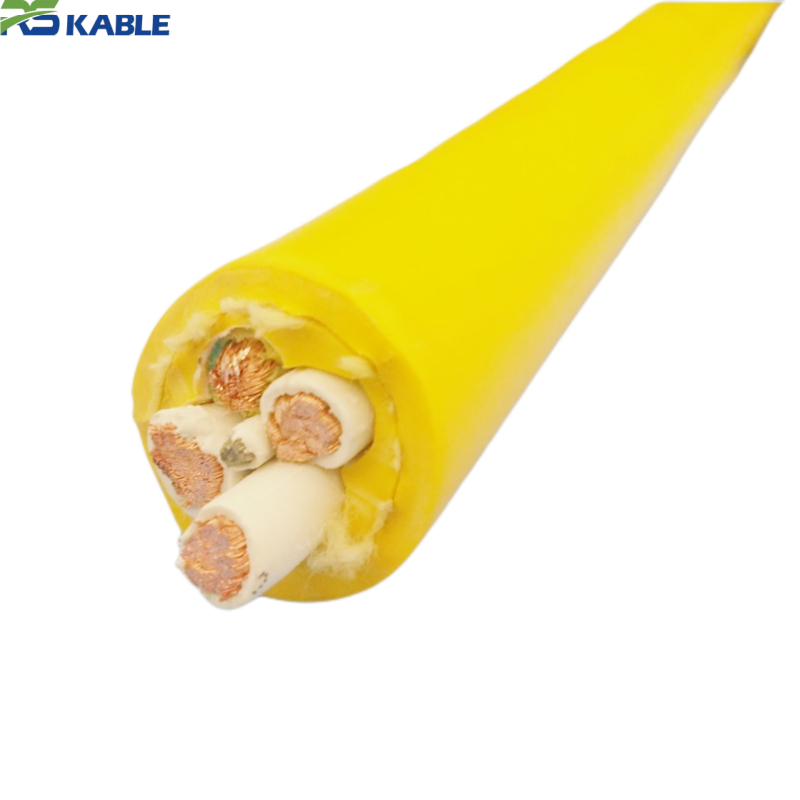
The RST-PUR-SC series is a flexible polyurethane reeling cable built for scraper winch reeling drums in mining equipment. Its PUR sheath resists abrasion, oil, and coolant far better than standard rubber or PVC, while the Class 5/6 flexible conductor tolerates the high reeling-cycle counts typical of continuous scraper winch duty.
Key benefits:
PUR Reeling Cable for Scraper Machines | Flexible Polyurethane Cable for Mining Equipment
This flexible polyurethane-sheathed cable is built for the reeling drums on mining scraper winches, where the cable spools in and out at high frequency as the scraper drags material across the floor — a duty cycle that puts far more reeling cycles on the cable per shift than a crane festoon system sees, combined with constant contact with rock dust, oil, and coolant common to mining floors. The PUR jacket is the specification decision that matters most here, and the performance data below leads with why.
Reeling Cycle and Abrasion Performance
| Metric | PUR Jacket (this product) | Standard Rubber/PVC Jacket |
|---|---|---|
| Rated reeling cycle life | Up to ≈ 3,000,000 cycles | Typically 500,000–800,000 cycles in the same duty |
| Relative abrasion resistance | Requires roughly 3–4× the abrasion exposure to reach comparable surface wear | Baseline |
| Coefficient of friction (cable-to-drum/guide contact) | Lower, feeds more smoothly through guides and rollers | Higher, more drag-related wear at guide contact points |
| Oil and coolant resistance | Better, PUR resists swelling from mining machinery fluids | More prone to swelling and softening |
| Cold-weather flexibility | Retained to lower temperatures than standard rubber | Stiffens more at low temperature |
Cycle-life figures are typical values for continuous scraper winch duty; actual service life depends on drum diameter, line speed, and the specific abrasive content of the material being handled, and should be confirmed against your operation’s duty cycle rather than assumed as a fixed guarantee.
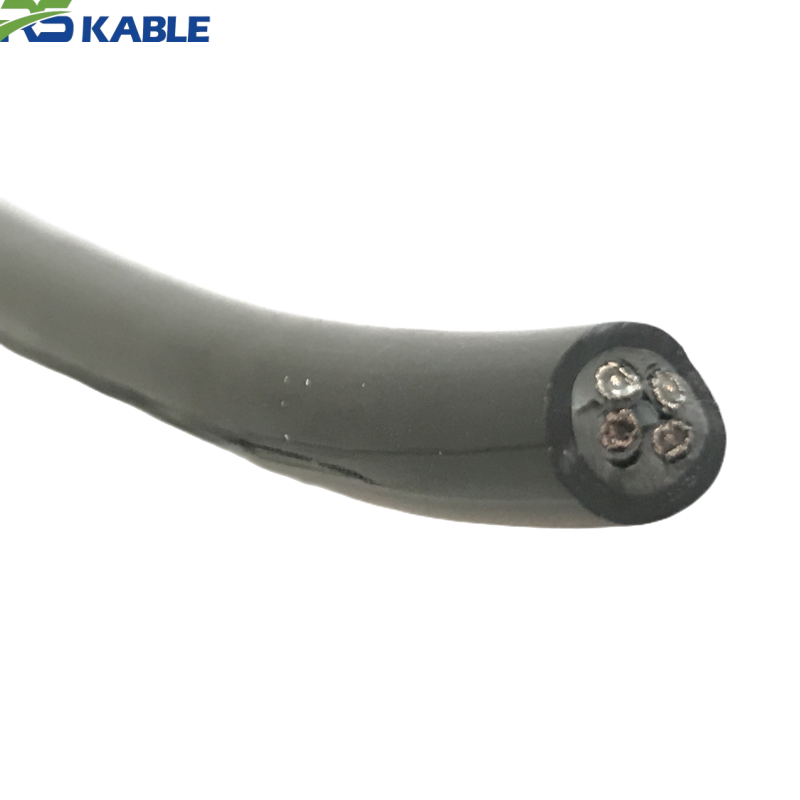
Cross-Section and Load Capacity
| Cross-Section | Typical Ampacity (free air) | Typical Suitable Scraper Winch Motor Range | Model |
|---|---|---|---|
| 4×2.5 mm² | ≈ 32 A | Small scraper winch motors | RST-PUR-SC-2504 |
| 4×4 mm² | ≈ 42 A | Mid-size scraper winch motors | RST-PUR-SC-0404 |
| 4×6 mm² | ≈ 54 A | Larger scraper winch motors | RST-PUR-SC-0604 |
| 4×10 mm² | ≈ 73 A | High-duty scraper conveyor systems | RST-PUR-SC-1004 |
| Custom | Project-specified | Non-standard motor ratings | RST-PUR-SC-C |
Ampacity figures assume free-air reeling drum service; drum-wound sections run hotter than free-hanging sections of the same cable, so the specific motor’s rated current and expected ambient temperature at the drum should be confirmed before finalizing cross-section.
Electrical and Material Specification
| Parameter | Typical Value |
|---|---|
| Rated voltage | 0.6/1 kV (U0/U) |
| Conductor | Flexible stranded copper, IEC 60228 Class 5 or Class 6 |
| Insulation | EPR or equivalent flexible rubber compound |
| Outer sheath | Polyurethane (PUR) |
| Core count | 4 (typically 3 phase + earth, project-configurable) |
| Insulation resistance | ≥ 100 MΩ·km at 500 V DC |
| Flame retardance | Tested to general IEC 60332 single-cable flame propagation methodology |
Mechanical Data
| Metric | Typical Value |
|---|---|
| Minimum bend radius (dynamic, reeling) | 6× overall diameter |
| Minimum bend radius (static) | 4× overall diameter |
| Recommended minimum reeling drum diameter | Confirmed against cable overall diameter and rated reeling cycle life |
| Tensile handling | Sized for self-weight and normal reeling tension; not a load-bearing or towing element |
| Operating temperature | -30°C to 90°C (conductor rating), sheath retains flexibility at the low end of this range better than standard rubber |
This cable is not designed to tow or drag the scraper mechanism itself. The scraper’s own chain, rope, or hydraulic drive carries the mechanical working load; the cable is sized only for its own reeling tension and self-weight.
Construction
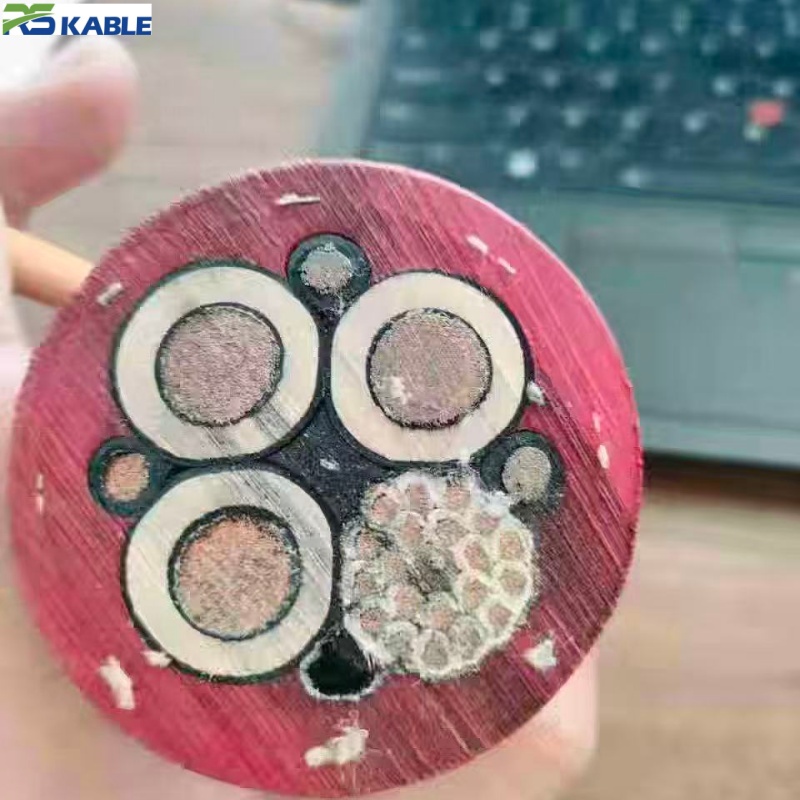
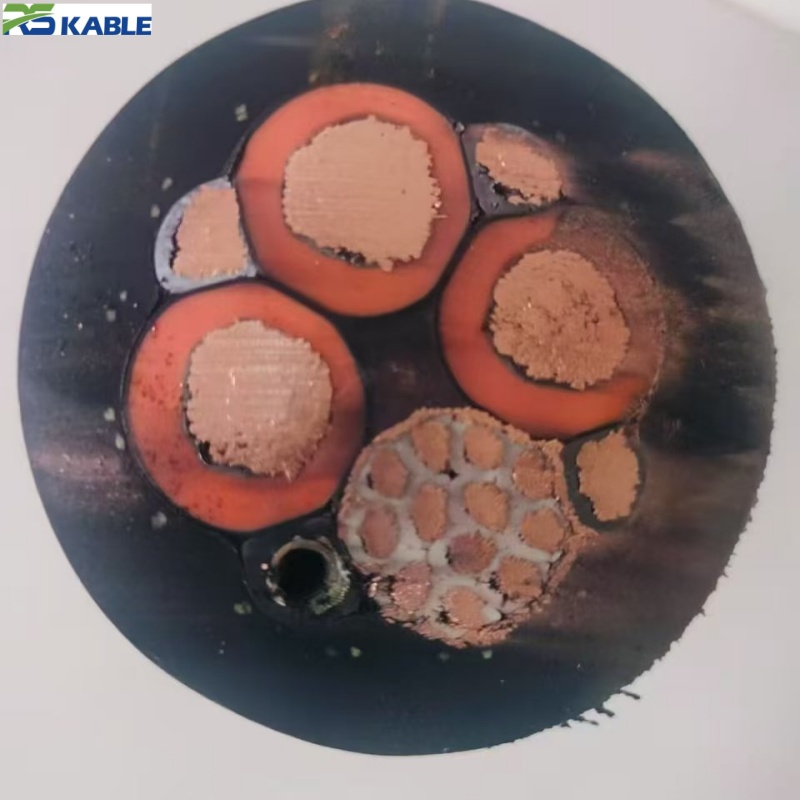
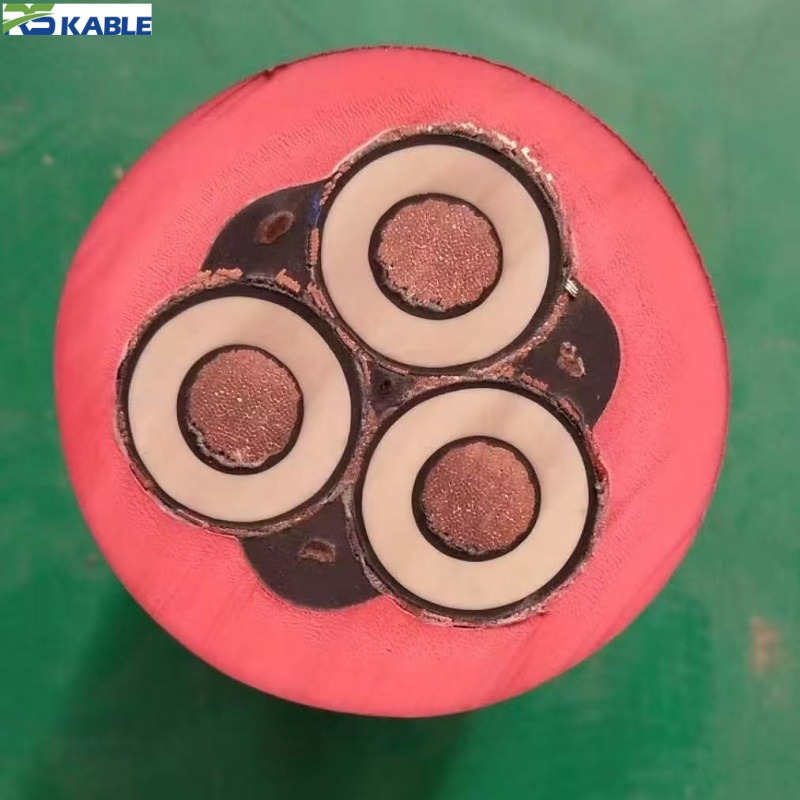
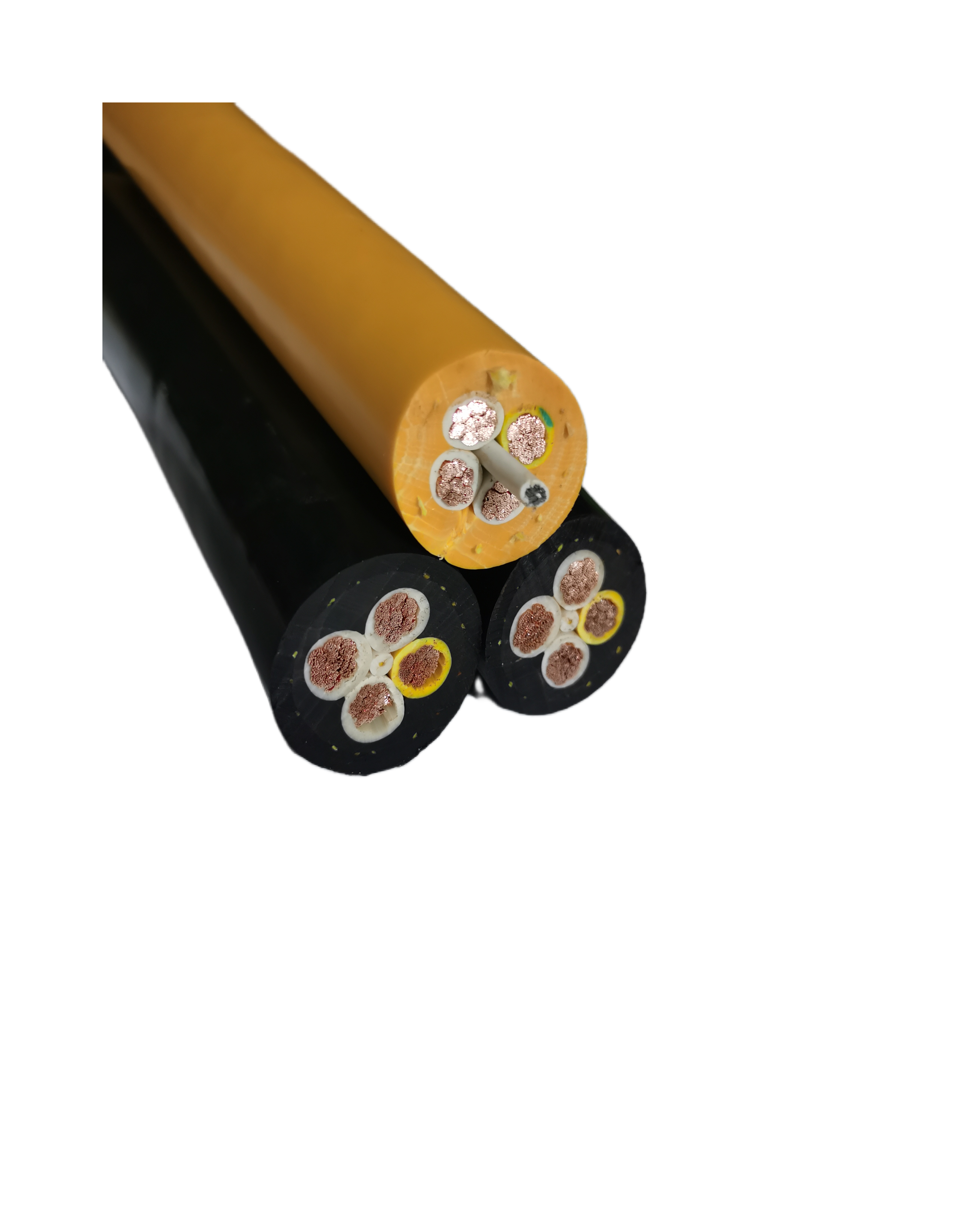
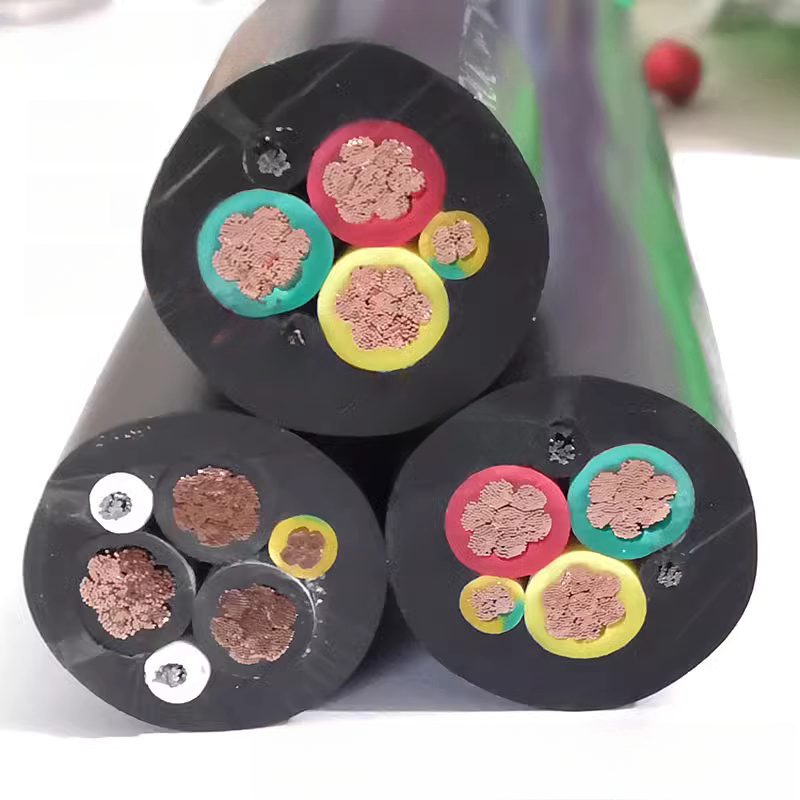
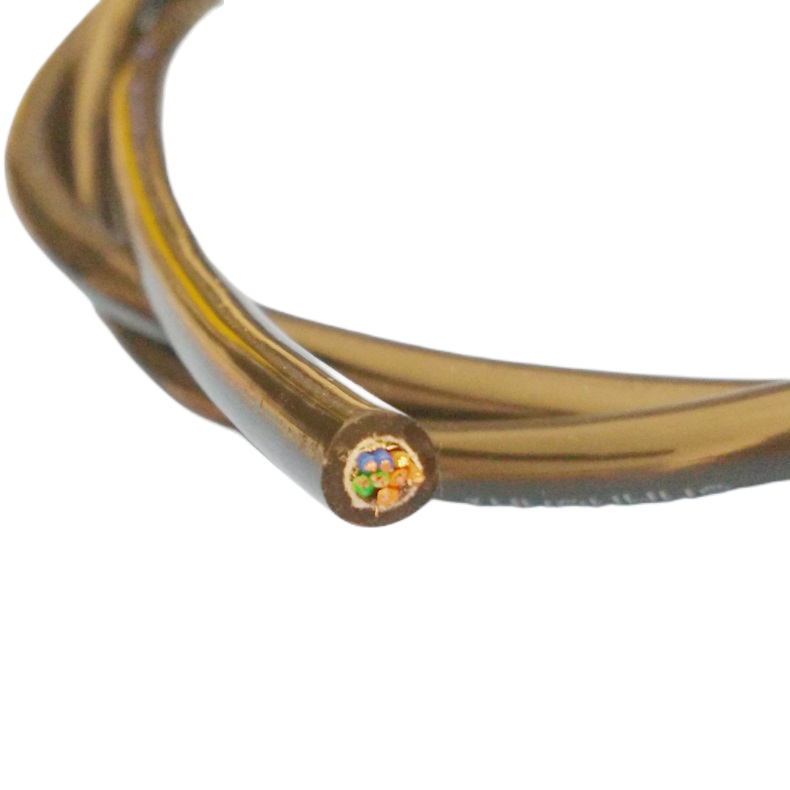
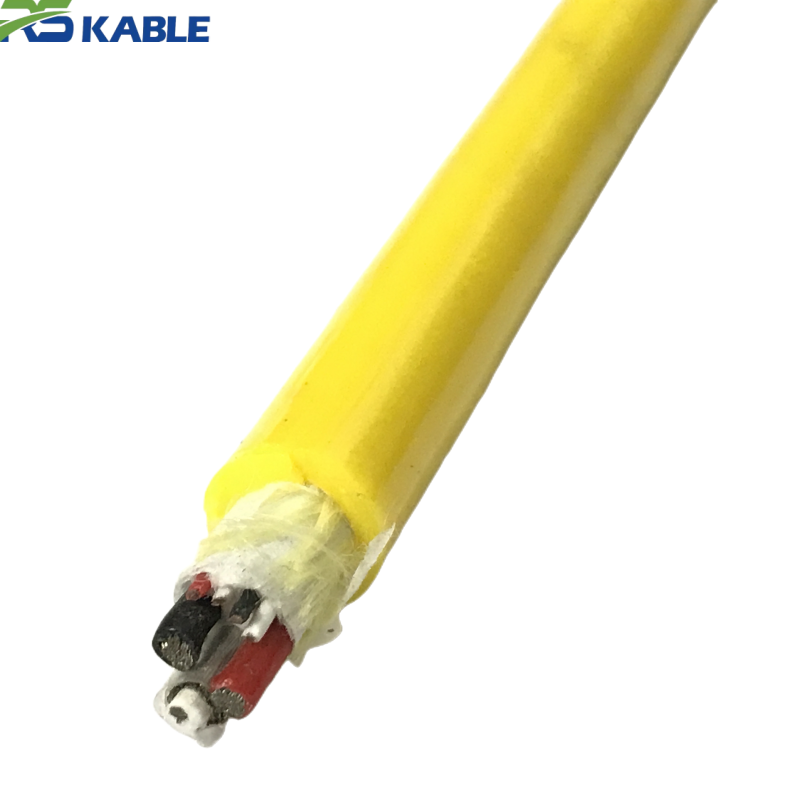
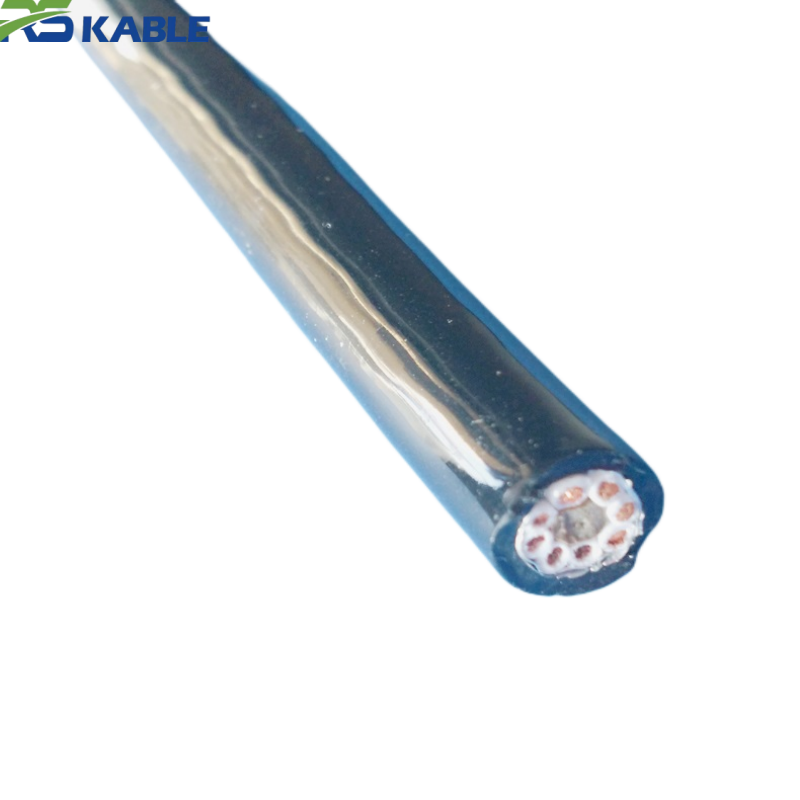
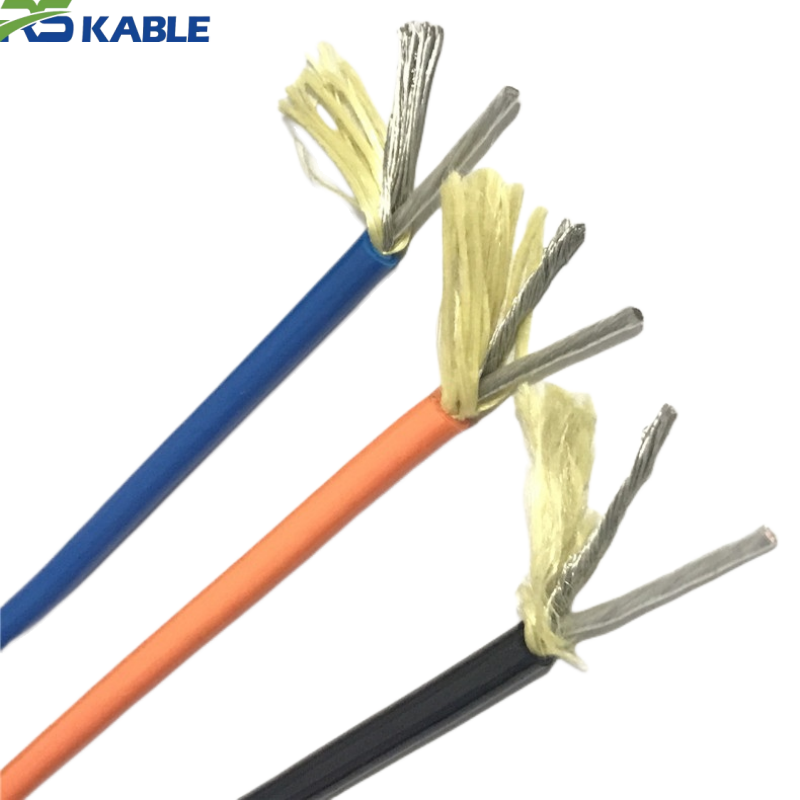
Flexible Class 5 or Class 6 stranded copper conductors are insulated with an EPR-type compound selected for flexibility under high reeling-cycle duty, then cabled together and covered by the polyurethane outer sheath. PUR is specified here rather than standard rubber or PVC specifically because scraper winch duty combines two demands rubber handles less well together: very high reeling-cycle counts and sustained abrasive contact with rock dust and machinery fluids at the drum and guide rollers. A rubber-jacketed cable in the same duty typically shows surface wear and cracking at the guide contact points well before the conductor itself reaches end of life; PUR’s abrasion and chemical resistance shifts that failure point significantly further out.
Standards Framework
The polyurethane-sheathed flexible cable construction follows the general conventions of the H07BQ-F designation recognized under EN 50525-2-31 for PUR-sheathed flexible cables, and conductor stranding follows IEC 60228 flexible conductor classes. Flame-propagation performance is evaluated against the general test methodology of IEC 60332. Where an installation falls under a specific mining safety jurisdiction — such as MSHA-regulated underground coal mining equipment in the United States — the finished cable and its intended application should be confirmed against that jurisdiction’s specific approval requirements, since these are typically installation- and equipment-specific rather than covered by a single general cable specification.
Field Note: Underground Scraper Winch Retrofit
A mining operator running scraper winches on continuous multi-shift duty reported that standard rubber-jacketed reeling cables required replacement roughly every 4–6 months due to surface abrasion and cracking at the guide roller contact points, with several unplanned production stoppages attributed to cable failure during that period. After switching to a PUR-jacketed cable of this type on the same winches, reported cable replacement intervals extended to roughly 18–24 months across the operation’s logged maintenance records, with no cable-related unplanned stoppages logged in the same follow-up period. This reflects one operator’s reported maintenance pattern rather than a controlled comparative trial, and actual results depend on the specific material being handled, drum design, and duty cycle.
Ordering Matrix
| If your application involves… | Then specify… |
|---|---|
| A specific scraper winch motor’s rated current | Confirm against the ampacity table above, accounting for drum ventilation |
| Very high reeling-cycle duty (multi-shift, continuous operation) | Confirm expected cycles against the rated reeling cycle life above |
| Sustained oil, coolant, or chemical exposure on the mining floor | Confirm the specific fluids involved for sheath compound verification |
| A regulated mining jurisdiction (e.g., MSHA-regulated underground coal) | Confirm the specific approval requirement your installation must meet |
| Small guide rollers or a tight reeling drum diameter | Confirm minimum bend radius fits your drum and roller geometry |
FAQ
Why is PUR preferred over rubber or PVC for scraper winch reeling cable?
Scraper winch duty combines very high reeling-cycle counts with sustained abrasive and chemical exposure at the drum and guide rollers. PUR handles both demands better than standard rubber or PVC, which is why the failure point shifts significantly further out in reported field use.
How do I know which cross-section to order?
Match the cable’s ampacity to your scraper winch motor’s rated current, with margin for drum-wound sections running hotter than free-hanging sections. If your motor’s rated current is close to a given cross-section’s ampacity limit, the next size up is the safer specification.
Can this cable be used to tow or drag the scraper mechanism itself?
No. The scraper’s own chain, rope, or hydraulic drive must carry the mechanical working load. This cable is sized only for its own reeling tension and self-weight, not for towing duty.
Is this cable approved for underground coal mining use?
Approval requirements for regulated mining jurisdictions, such as MSHA-regulated underground coal mining in the United States, are typically specific to the installation and equipment combination rather than covered by a single general cable specification. Confirm your jurisdiction’s specific requirement before finalizing an order for a regulated installation.
What limits the cable’s service life in scraper winch duty?
In most reported field cases, sheath abrasion and cracking at guide roller contact points is the practical limit rather than conductor fatigue — which is the specific problem the PUR sheath is selected to address.
Is a custom cross-section or core configuration available?
Yes. Cross-section, core count, and sheath compound can be matched to specific scraper winch motor ratings and mining floor conditions beyond the four standard sizes listed.
Technical content reviewed by the cable engineering team prior to publication. Figures represent typical performance for this construction class; request a project-specific test certificate for regulated mining jurisdictions or high-duty-cycle installations.