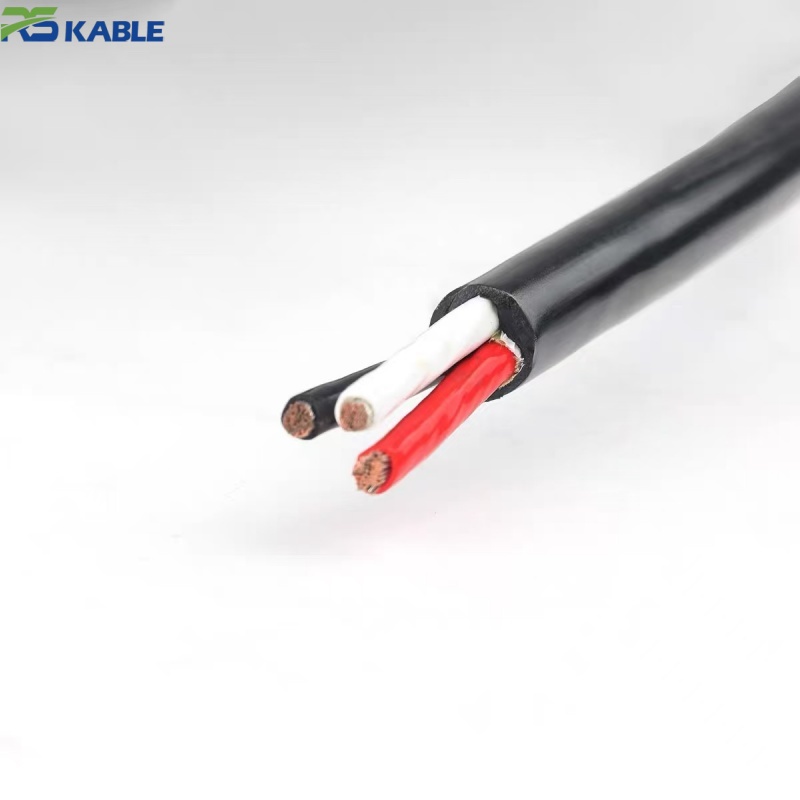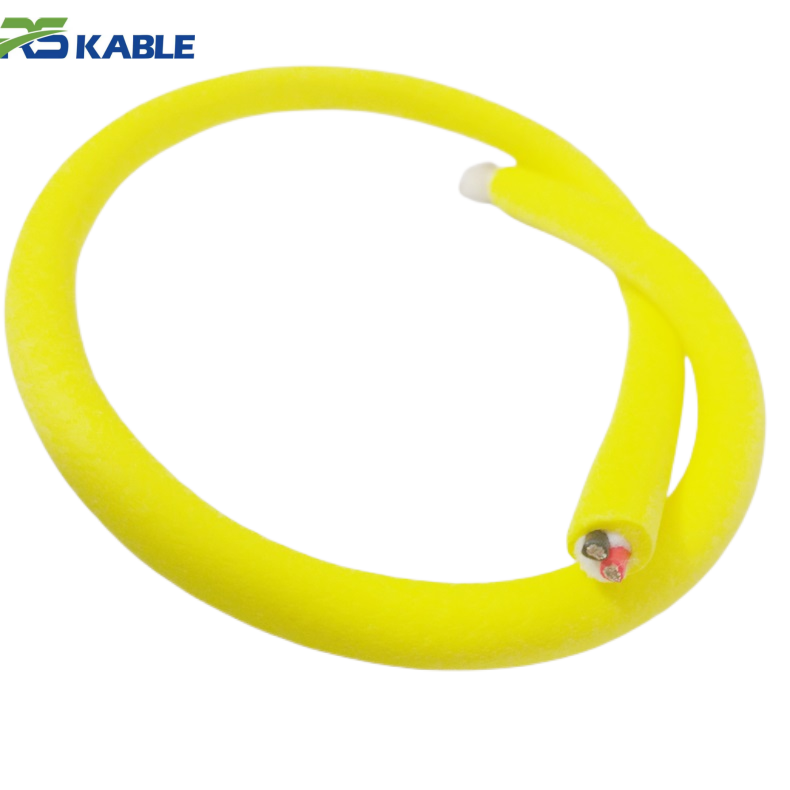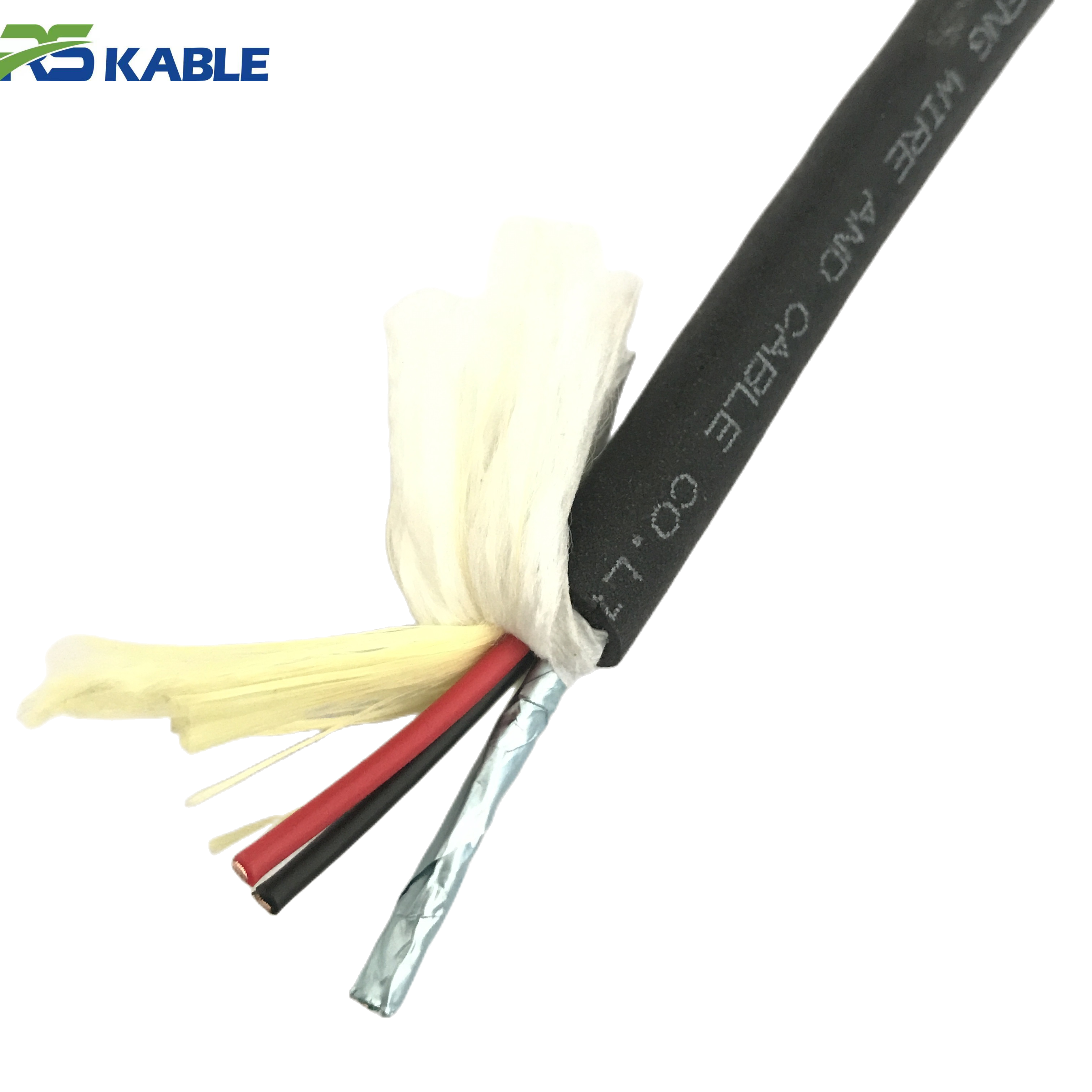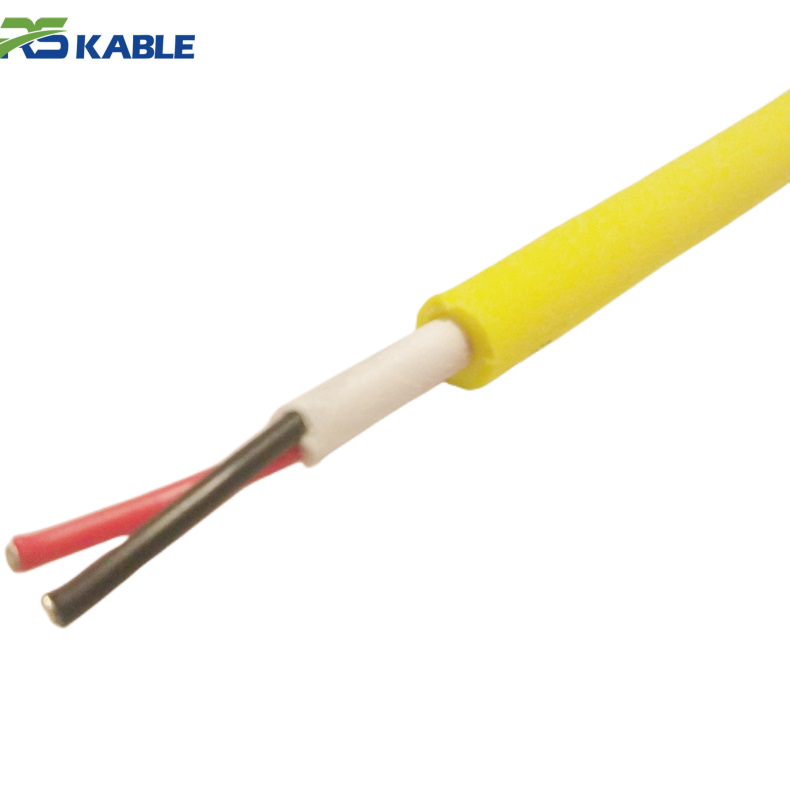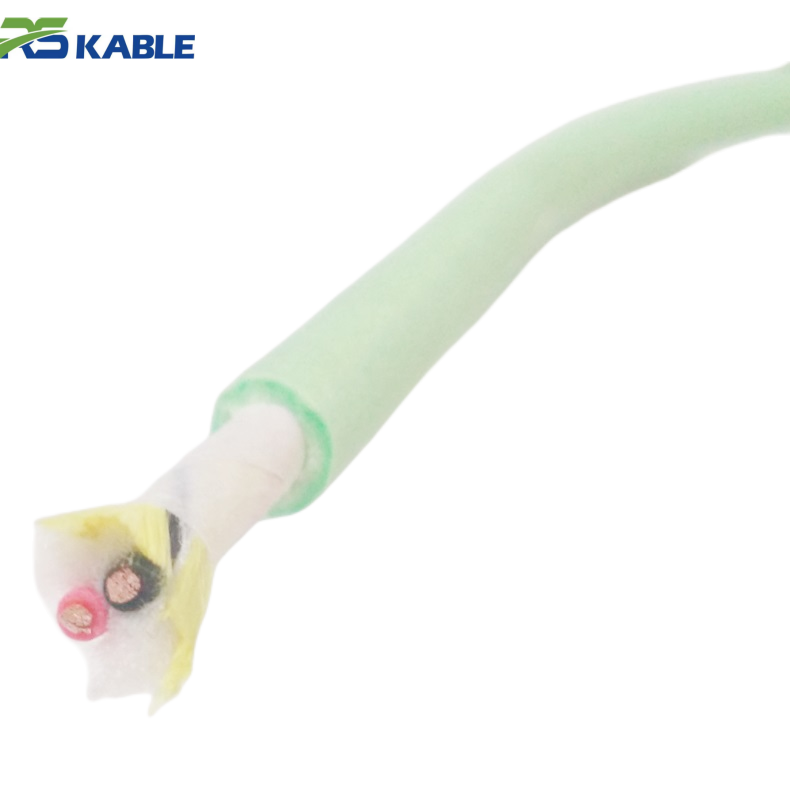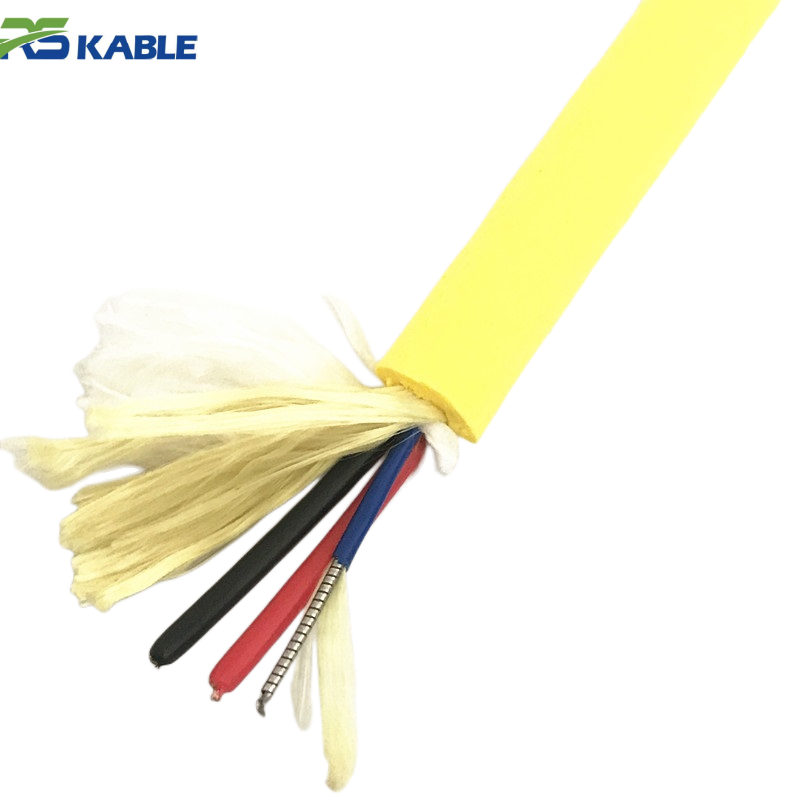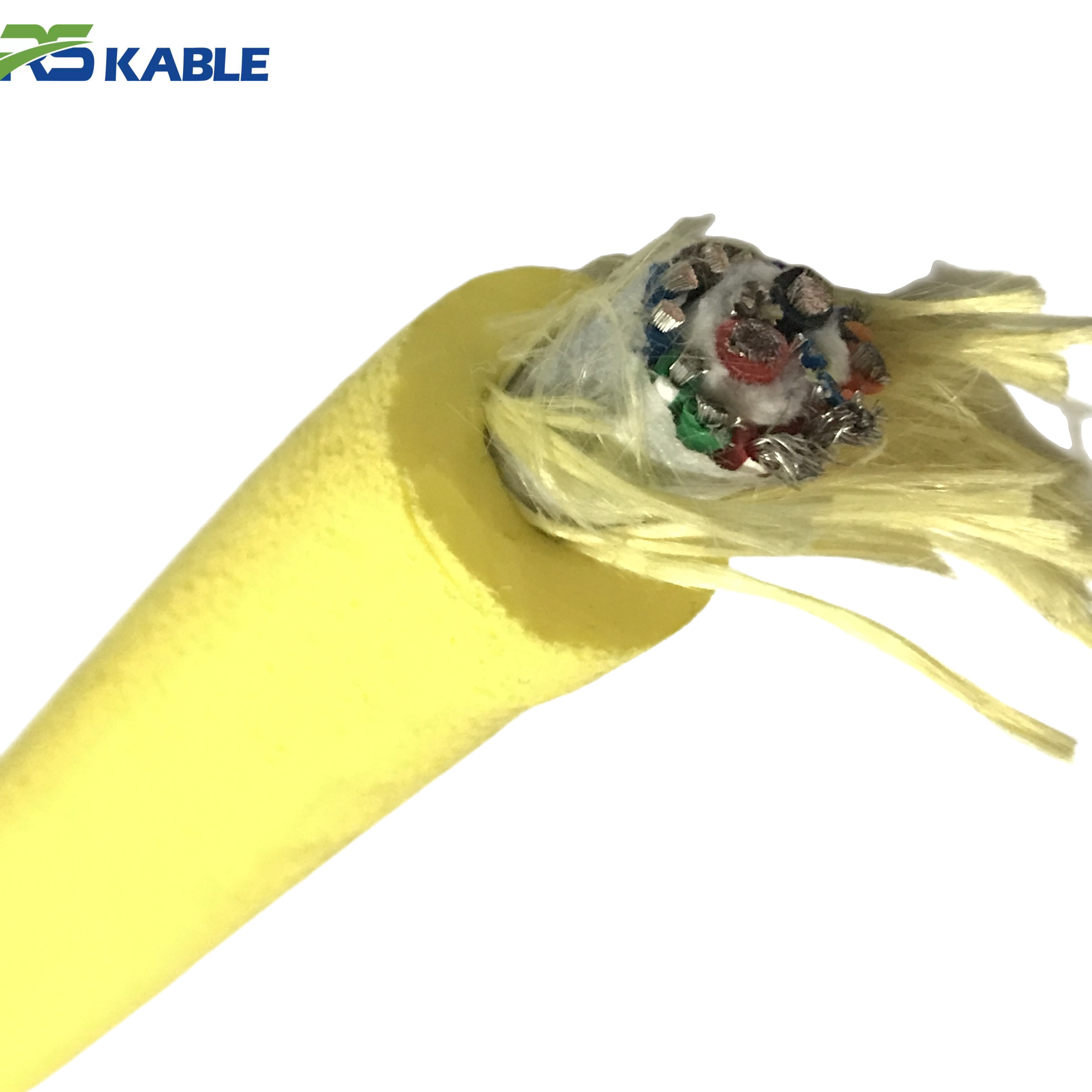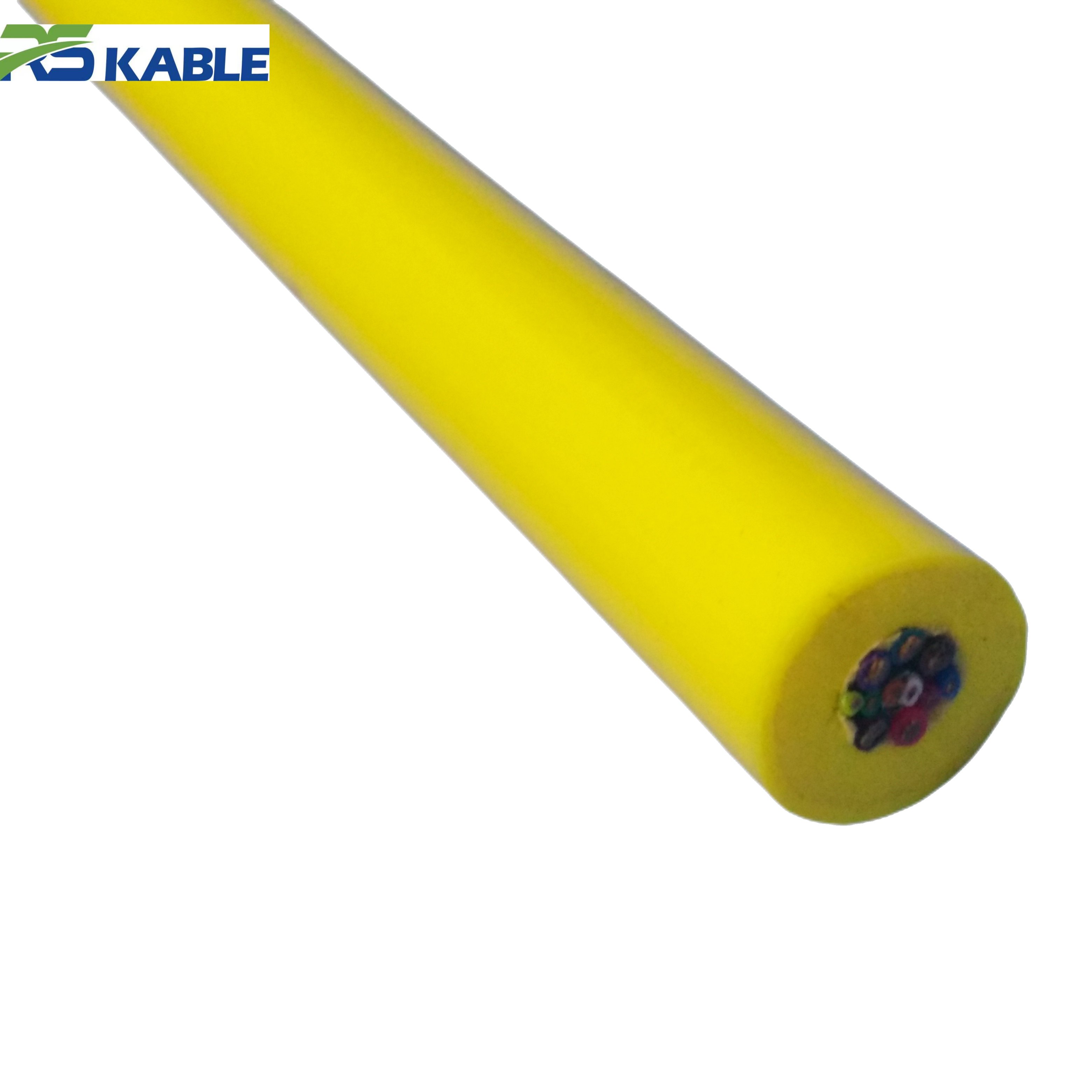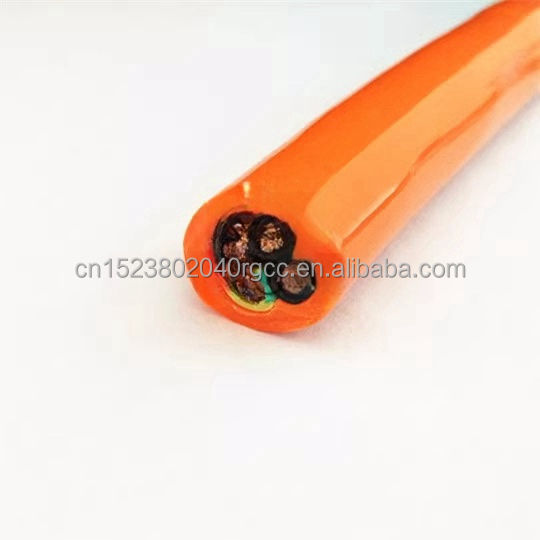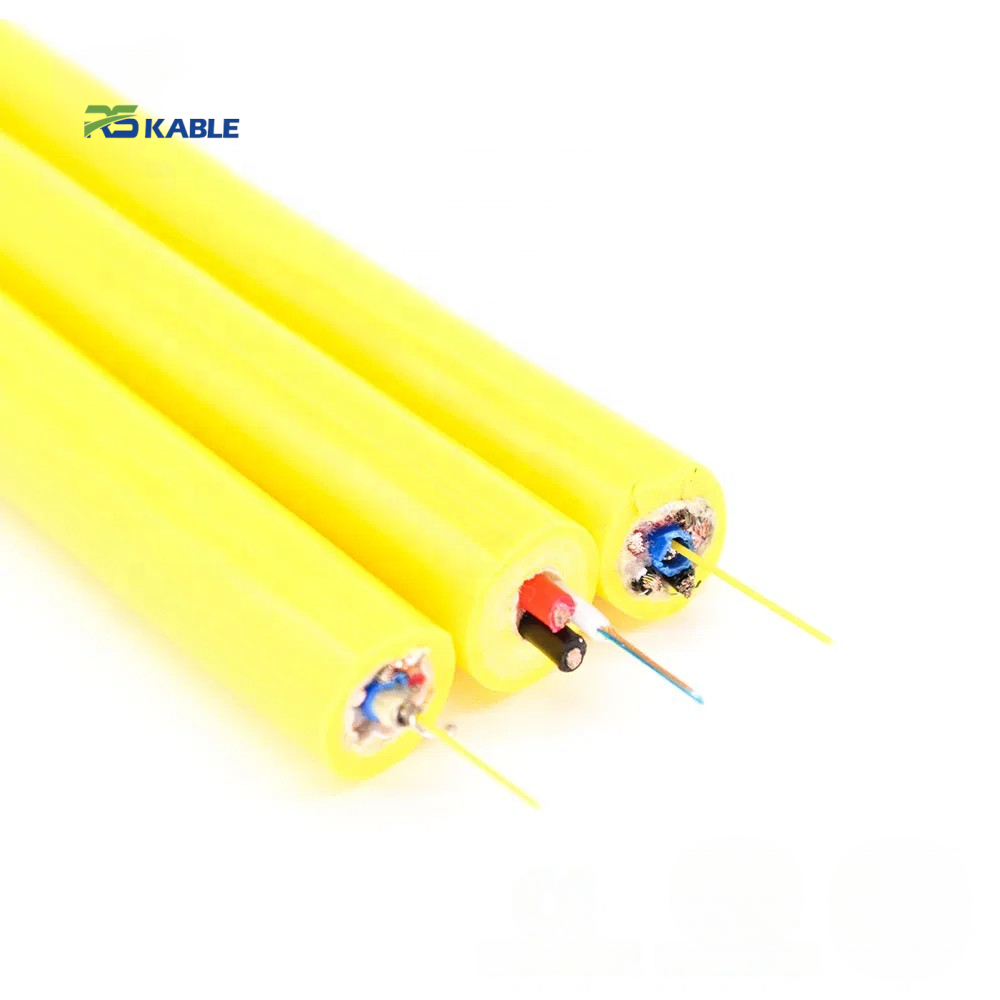



ROV Steel Wire Armored Watertight Umbilical Cable | Heavy Duty Subsea Tether Cable
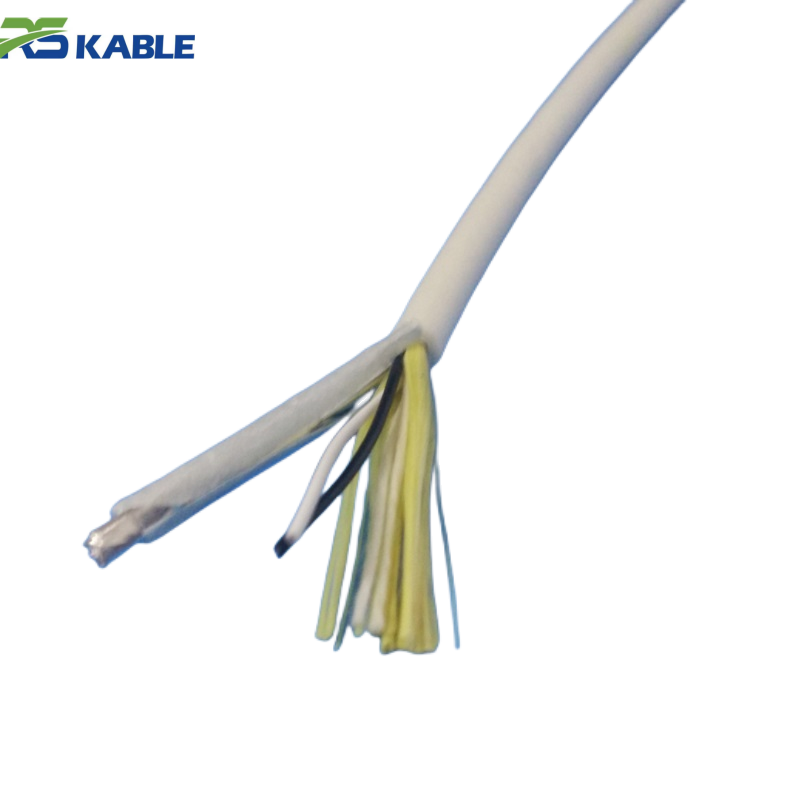
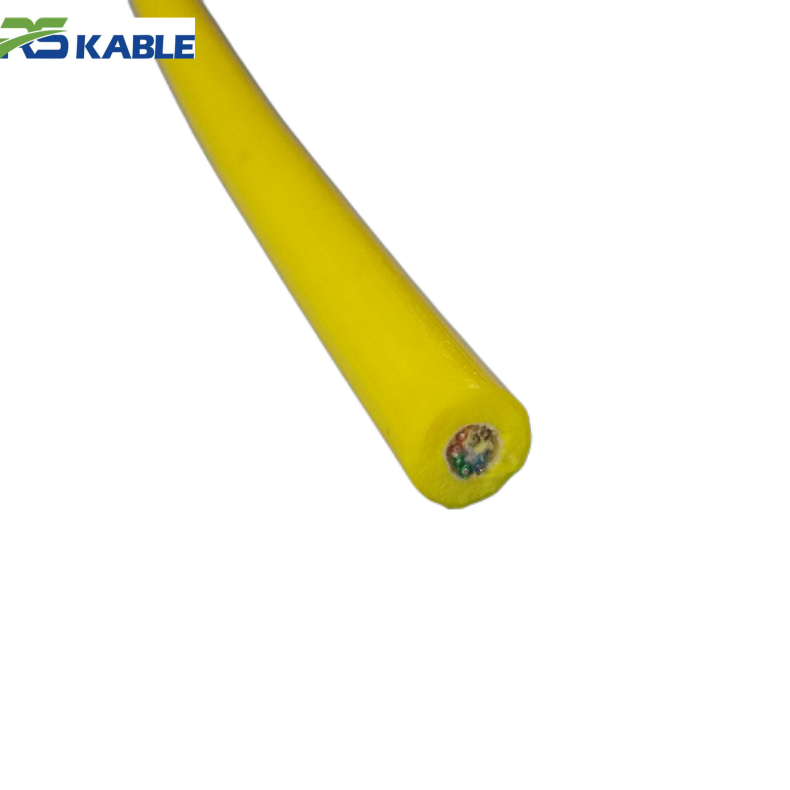
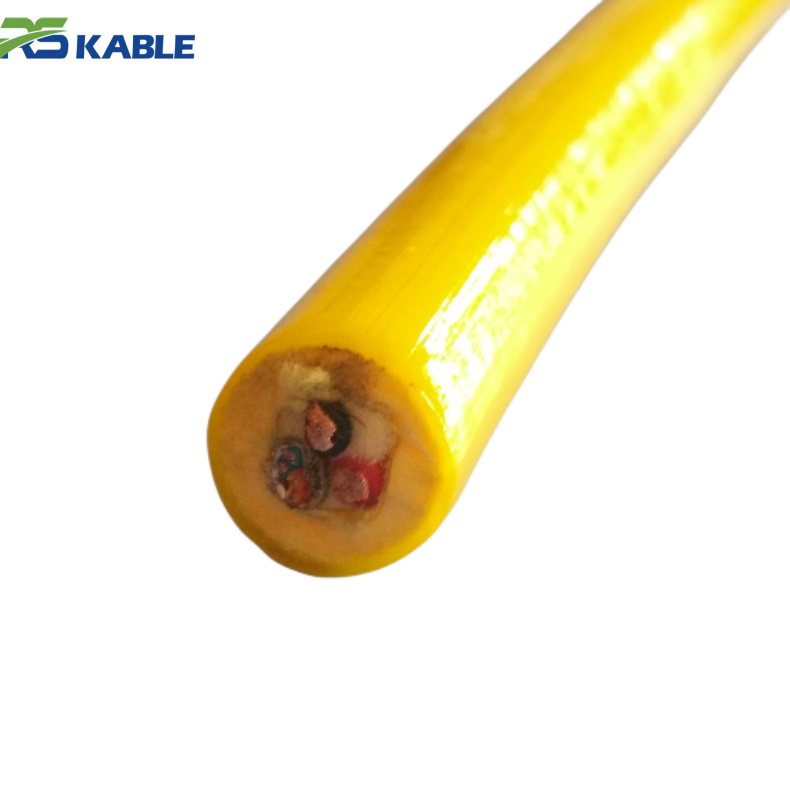
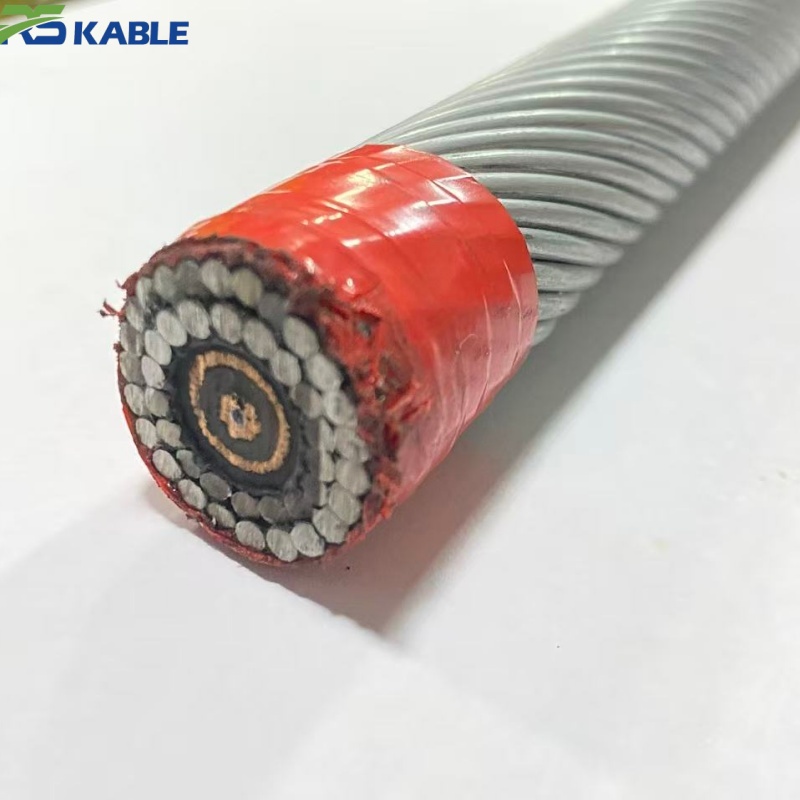
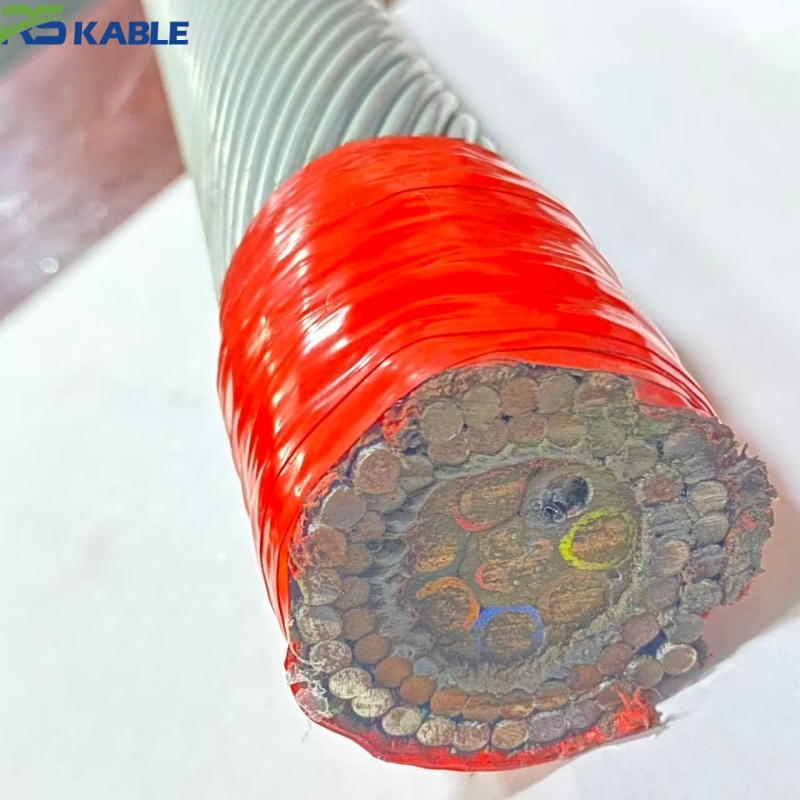
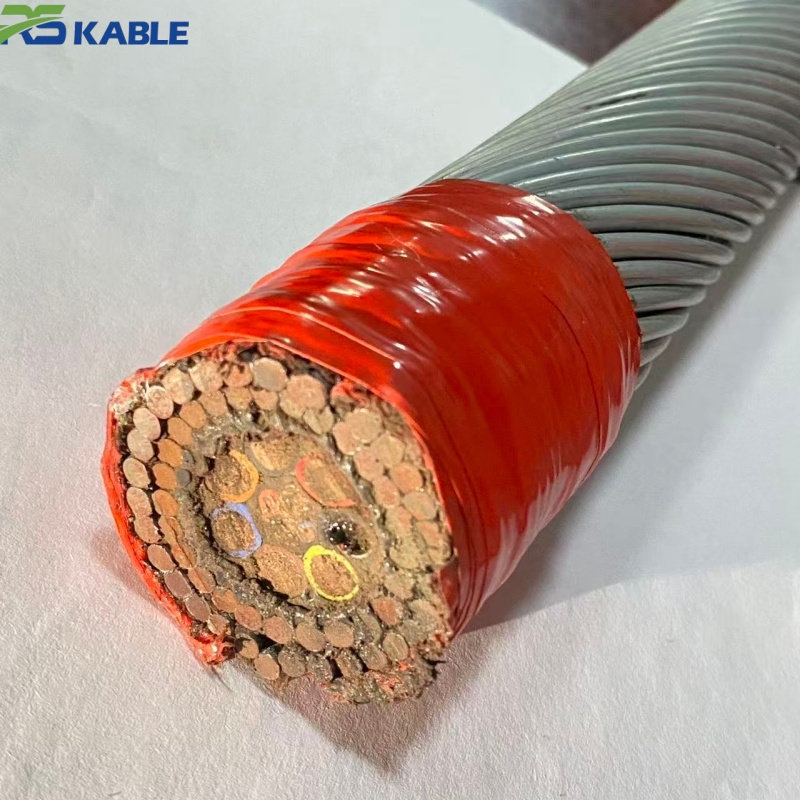
ROV Steel Wire Armored Watertight Umbilical Cable is a heavy duty subsea tether cable built for deep-sea ROV recovery, heavy payload towing, and debris-heavy work sites. Its double-layer counter-helical steel wire armor delivers high tensile strength for recovery loads, while the watertight compound-filled core resists water ingress at depth.
Key Benefits:
✅ Double-layer steel wire armor for maximum tensile and recovery load capacity
✅ Counter-helical winding cancels rotational torque under tension
✅ Watertight core design contains water ingress from localized jacket damage
✅ Heavy-duty jacket resists seabed debris and structure abrasion
ROV Steel Wire Armored Watertight Umbilical Cable | Heavy Duty Subsea Tether Cable
The ROV Steel Wire Armored Watertight Umbilical Cable is developed for remotely operated vehicles, subsea construction tooling, and heavy-payload towed systems where standard neutral-buoyancy or Kevlar-reinforced umbilicals do not provide sufficient tensile strength or abrasion resistance for the mission profile. It is intended for power, control, and video/data circuits in applications where the ROV or towed payload experiences significant recovery loads, strong current drag, or contact with seabed debris and structures.
In heavy-duty subsea deployment, cable failure usually begins with one of three problems: armor wire fatigue from repeated tension-release cycling during deployment and recovery, water ingress at termination points under sustained hydrostatic pressure, or jacket abrasion from dragging contact with seabed structures or vessel hull surfaces. This cable is designed to reduce those risks through a double-layer counter-helically wound steel wire armor, a watertight compound-filled core structure, and a heavy-duty abrasion-resistant outer jacket.
The result is a steel wire armored umbilical cable better suited to heavy-duty subsea operations than standard neutral-buoyancy ROV tethers, especially in applications where recovery load, current drag, and seabed contact directly affect cable service life and mission reliability.
ROV Steel Wire Armored Watertight Umbilical Cable
Designed For
This cable is intended for:
- deep-sea ROV deployment and recovery operations with significant tension load
- heavy payload towing and subsea construction tooling
- strong-current environments where drag load on the tether is substantial
- missions involving seabed debris contact or structure-heavy work sites
- long-duration deployments where cumulative armor fatigue must be managed
This cable should be evaluated separately for:
- lightweight, high-maneuverability ROV missions where neutral buoyancy is the priority
- shallow-water or short-duration inspection work where steel armor’s added weight is unnecessary
- applications requiring integrated fiber-optic high-bandwidth video where a hybrid composite umbilical may be more appropriate
- installations where minimizing drag and hydrodynamic footprint outweighs the need for maximum tensile strength
Product Summary
| Item | Description |
|---|---|
| Product Type | Steel wire armored watertight ROV umbilical cable |
| Main Use | Power transmission, control signal, and video/data telemetry for heavy-duty subsea operations |
| Typical Installations | Deep-sea ROVs, subsea construction tooling, heavy payload towed systems, offshore oil & gas support vessels |
| Core Design | Watertight compound-filled composite core |
| Conductor Type | High-purity stranded copper, shielded twisted pairs for signal circuits |
| Armor Type | Double-layer, counter-helically wound galvanized steel wire |
| Jacket Type | Heavy-duty polyurethane, abrasion and seawater resistant |
| Supply Form | Cut length, reel, project-specific length and termination |
Typical Product Series
Series Name: RST-ARM-SW Series Category: Steel wire armored umbilical cable for heavy-duty subsea operations
| Product Model | Product Name | Typical Core Config | Typical Use | Armor Layers | Jacket |
|---|---|---|---|---|---|
| RST-ARM-SW-04 | Armored ROV cable, power + control | 4C power/control | Standard heavy-duty deployment | Single-layer | PUR |
| RST-ARM-SW-08 | Armored ROV cable, power + shielded signal | 8C power/signal | Recovery operations with signal integrity needs | Double-layer | PUR |
| RST-ARM-SW-HY | Hybrid armored umbilical (power + fiber) | Custom | High-bandwidth video/data with heavy tensile load | Double-layer | PUR |
| RST-ARM-SW-HD | Heavy recovery-duty armored umbilical | Custom | Maximum tensile load, deep recovery missions | Double-layer, heavy gauge | PUR, reinforced |
| RST-ARM-SW-C | Custom armored umbilical cable | Custom | Project-based subsea deployment | Custom | Project-matched |
Technical Parameters
The values below are typical selection items. Final design should be confirmed according to depth rating, tensile load requirement, core configuration, and deployment method.
| Parameter | Typical Range / Description |
|---|---|
| Conductor Material | High-purity stranded copper |
| Signal Conductors | Shielded twisted pairs, optional integrated optical fiber |
| Core Structure | Watertight compound-filled composite core |
| Armor Construction | Double-layer, counter-helically wound galvanized steel wire |
| Breaking Strength | Project-dependent — confirmed against tensile load and safety factor requirement |
| Jacket Material | Heavy-duty polyurethane |
| Jacket Characteristics | Abrasion resistant, seawater resistant, resistant to seabed debris contact |
| Depth Rating | Confirmed according to core sealing structure and project requirement |
| Minimum Bend Radius | Confirmed according to cable diameter and armor construction |
| Outer Diameter | Depends on core count, armor layer count, and jacket thickness |
| Application Scope | Power, control, video/data telemetry for heavy-duty subsea operations |
| Supply Format | Cut length, reel, project-specific termination |
ROV Steel Wire Armored Watertight Umbilical Cable
Cable Construction
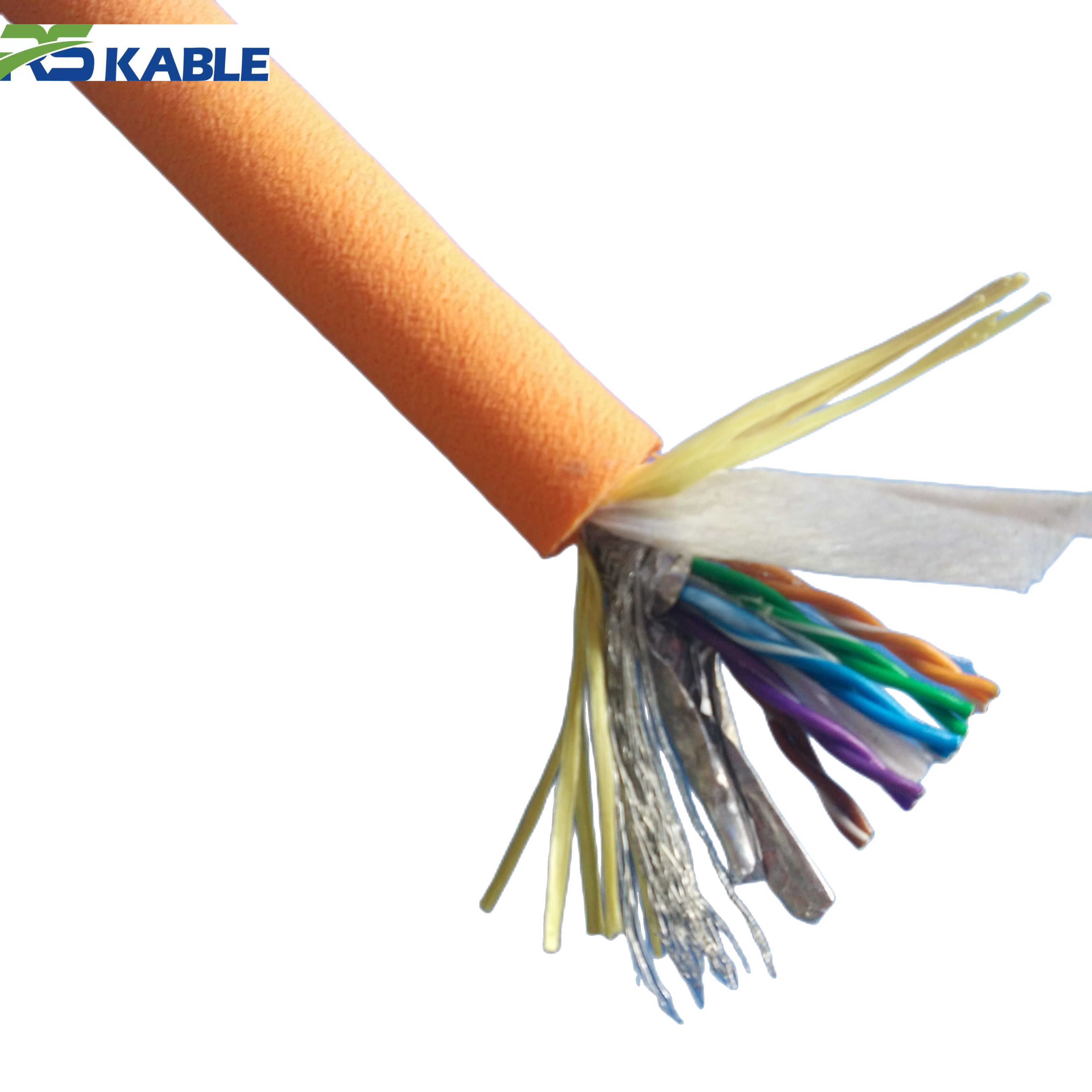
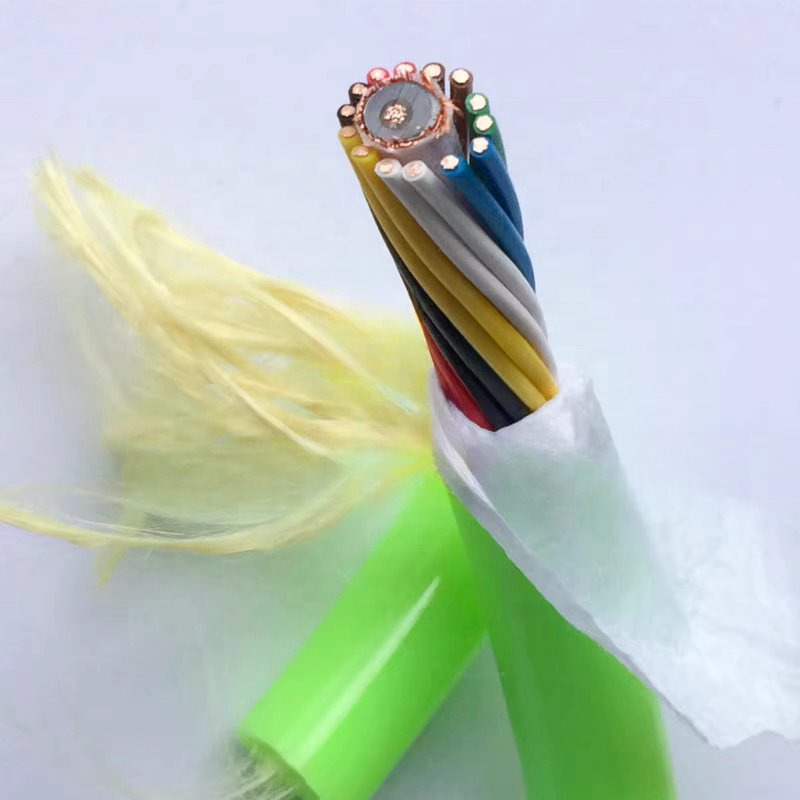
High-Purity Copper Conductors
Power and control circuits use high-purity stranded copper conductors sized against expected current draw and voltage-drop tolerance over the umbilical’s full deployed length.
Watertight Compound-Filled Core
The core structure uses a compound fill to prevent water migration along the cable’s length in the event of a localized jacket breach — a critical property for umbilicals operating at sustained depth, where even a small breach can otherwise allow water to track along the core over long distances.
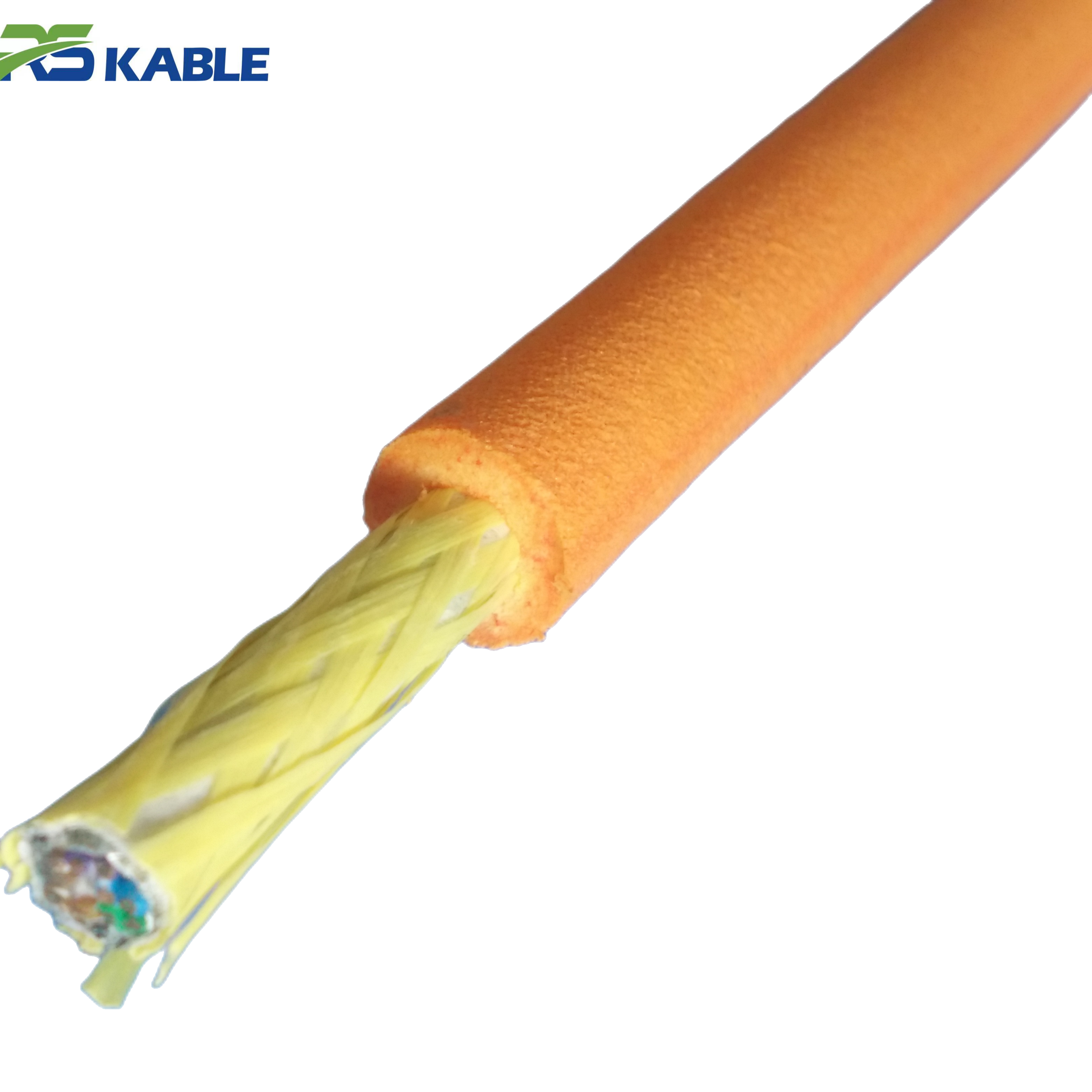
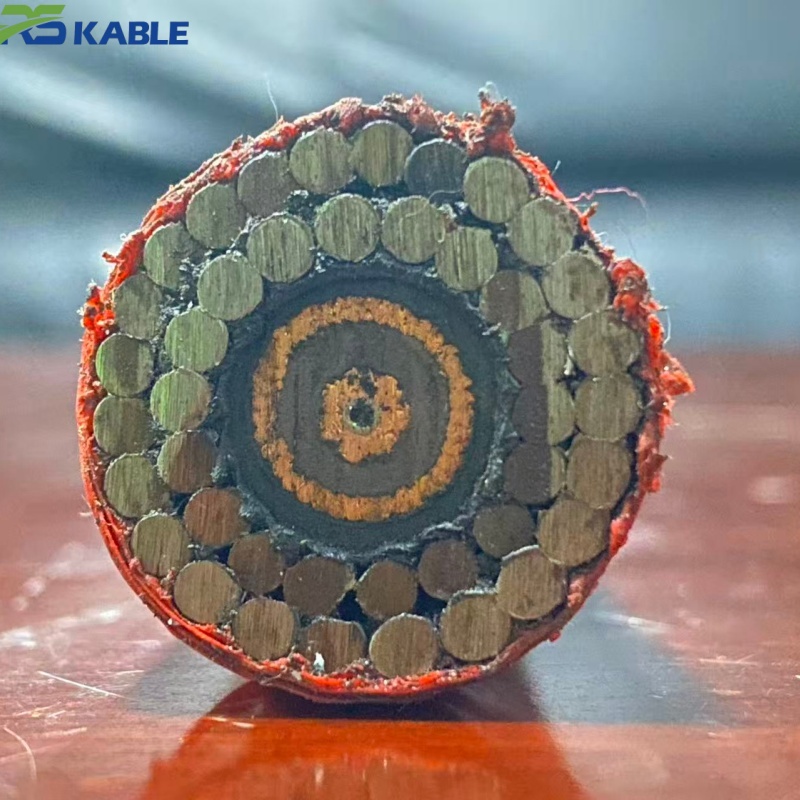
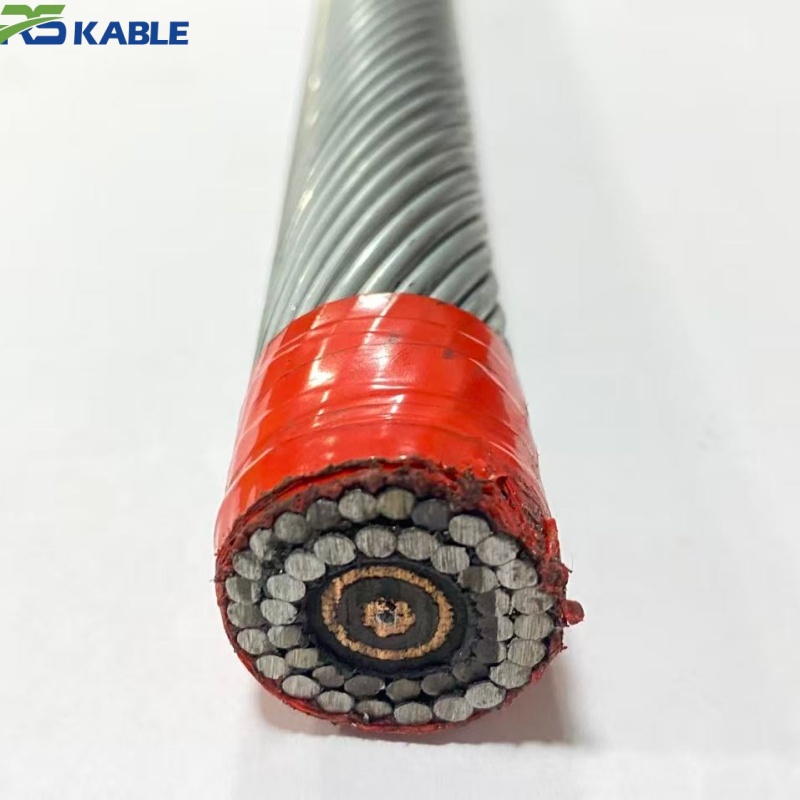
Double-Layer Steel Wire Armor
Two counter-helically wound layers of galvanized steel wire provide the tensile strength needed for recovery loads and towing operations. The counter-helical winding direction is specifically chosen to cancel out torque that would otherwise cause the cable to spin under load — an important consideration for ROV umbilicals, where uncontrolled spin during deployment or recovery can complicate handling and increase mechanical stress on the core.
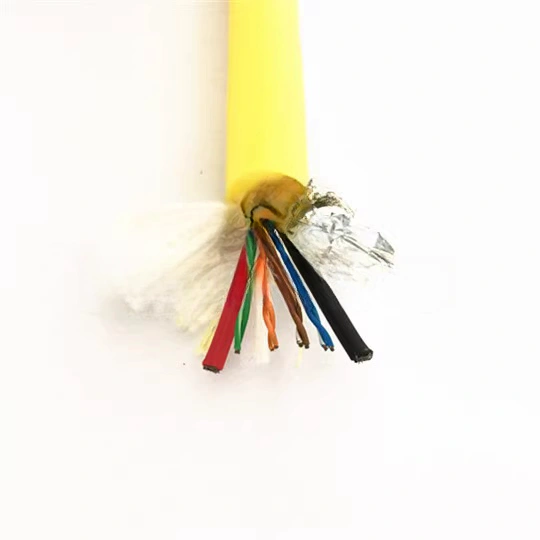
Shielded Signal Conductors
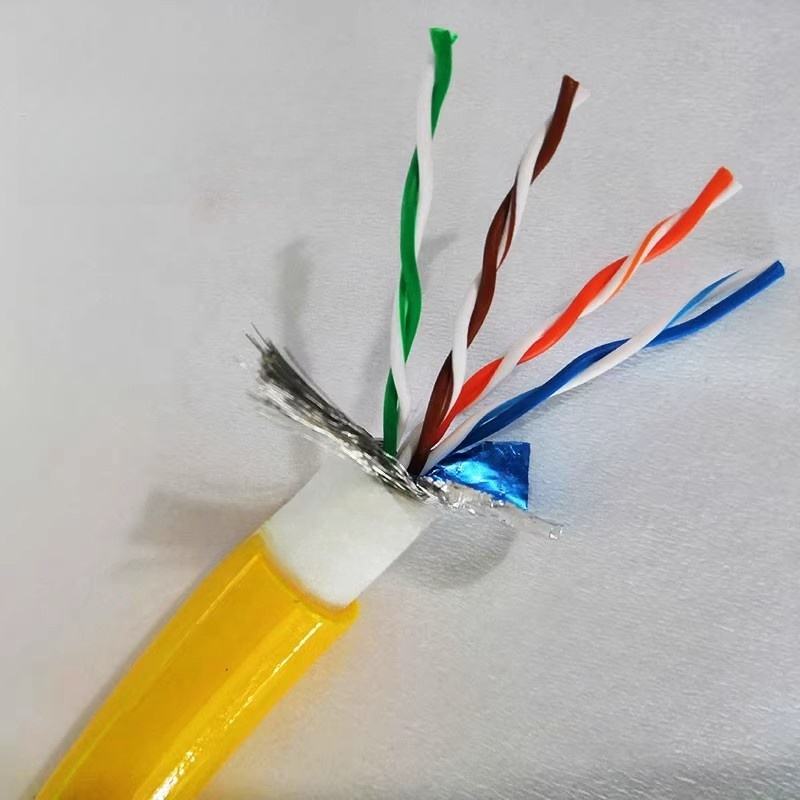
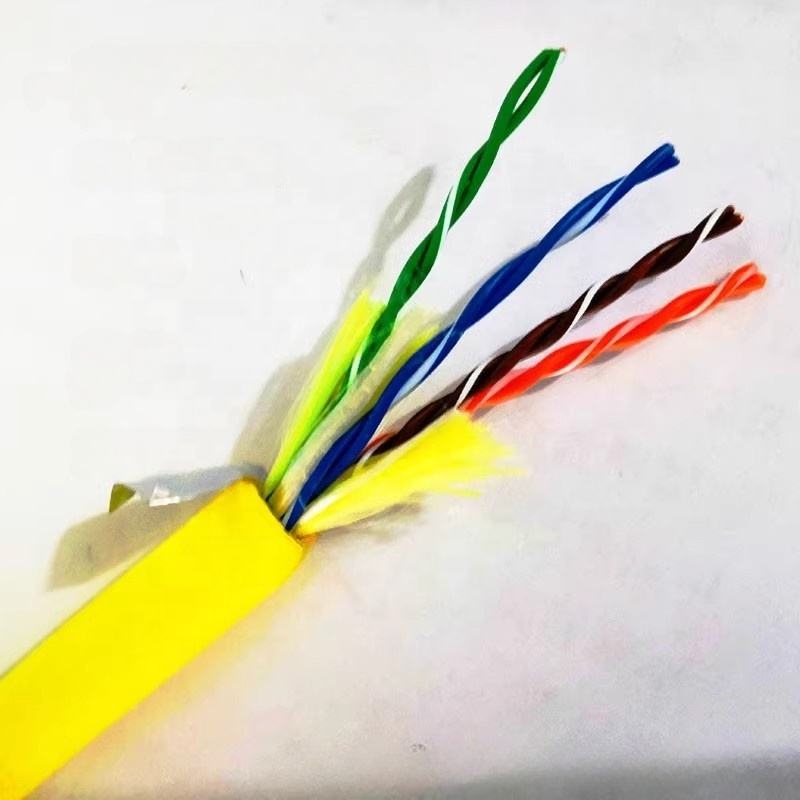
Twisted pair conductors with individual and/or overall shielding protect control and telemetry signal integrity from electrical noise generated by the ROV’s own thrusters and onboard electronics, as well as from the power conductors sharing the same umbilical.
Heavy-Duty Abrasion-Resistant Jacket
The outer jacket is selected for sustained contact with seabed debris, structures, and vessel deployment equipment (sheaves, winch drums) where abrasion resistance directly affects service life under heavy-duty operating conditions.
Why Steel Wire Armor Extends Service Life in Heavy-Duty Operations
A heavy-duty umbilical’s service life is not defined by tensile strength alone. Service life depends on how the whole structure manages tension cycling, water ingress risk, and abrasion together across the mission profile.
Reduced Core Stress During Recovery
By carrying the mechanical load of ROV weight and current drag, the steel wire armor protects the internal conductors and core structure from direct tensile stress, reducing the risk of conductor damage during high-load recovery events.
Better Resistance to Water Ingress Propagation
The watertight compound-filled core limits how far water can migrate along the cable if the outer jacket is breached, containing damage to a localized area rather than allowing it to compromise cable performance over a long section.
Lower Risk of Abrasion-Related Failure
In debris-heavy or structure-heavy work sites, the heavy-duty jacket reduces the risk of abrasion penetrating through to the armor or core during sustained seabed contact or repeated winch handling.
Better Fit for Long-Duration, High-Load Missions
Deep-sea construction support and heavy payload recovery operations impose repeated tension-release cycling over long mission durations. In this type of deployment, steel wire armor construction reduces the risk of premature tensile fatigue compared to non-armored umbilical designs.
Heavy-Duty Subsea Application Boundary
This cable is suitable for:
- deployments involving significant recovery tension load
- strong-current environments with substantial drag on the tether
- missions involving seabed debris or structure contact
- extended-duration deployments with repeated tension-release cycling
This cable requires separate confirmation for:
- missions prioritizing maximum maneuverability where cable weight is the primary constraint
- shallow-water, short-duration inspection work
- ultra-deep-water missions requiring project-specific depth-rated sealing beyond standard configurations
- installations requiring minimal hydrodynamic drag over maximum tensile strength
This boundary matters because not every “ROV cable” is suitable for every subsea mission profile — heavy-duty armored construction is a deliberate trade-off against weight and maneuverability, not a universal upgrade.
Typical Applications
The ROV Steel Wire Armored Watertight Umbilical Cable is commonly used in:
- deep-sea ROV recovery and deployment operations
- subsea construction and tooling support
- offshore oil & gas inspection and intervention
- heavy payload towed sensor systems
- salvage and recovery operations
- offshore wind subsea cable installation support
- scientific research vessels operating in strong-current environments
Typical Working Conditions
- sustained tension load during deployment and recovery
- strong current drag on the deployed tether
- seabed debris and structure contact
- repeated winch handling and reeling
- extended mission duration with cyclic load variation
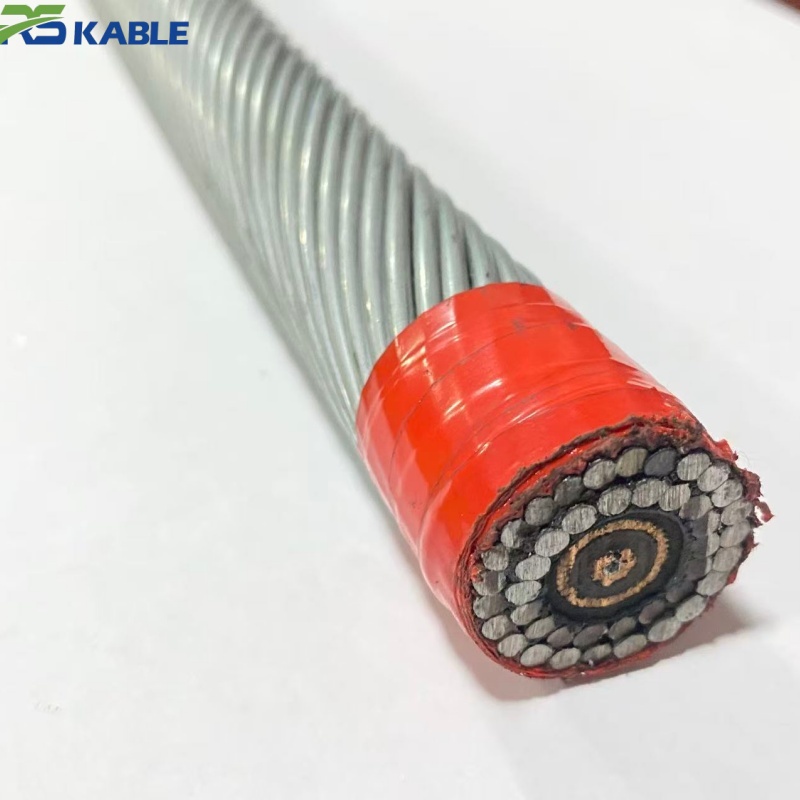
Steel Wire Armored Cable vs Standard Neutral Buoyancy ROV Cable
| Comparison Item | Steel Wire Armored Cable | Standard Neutral Buoyancy Cable |
|---|---|---|
| Tensile/Recovery Load Capacity | Significantly higher | Limited, Kevlar-dependent |
| Weight | Heavier, negative buoyancy | Lightweight, neutral buoyancy |
| Maneuverability | Reduced due to added weight | Higher, minimal drag |
| Abrasion Resistance (seabed contact) | Higher | Moderate |
| Best Use | Heavy recovery loads, debris-heavy sites | Precision inspection, maneuverability priority |
The choice between the two is a deliberate trade-off, not a simple upgrade — steel wire armor adds real mechanical capability at the cost of weight and maneuverability.
Double-Layer Armor vs Single-Layer Armor
| Comparison Item | Double-Layer Armor | Single-Layer Armor |
|---|---|---|
| Tensile Strength | Higher | Moderate |
| Torque Cancellation | Counter-helical winding cancels rotational torque | Torque cancellation less complete |
| Weight and Diameter | Higher | Lower |
| Recommended Use | Maximum recovery load, deep-sea missions | Moderate load, cost-sensitive projects |
For missions with significant recovery load or deep-water deployment, double-layer counter-helical armor is generally preferred despite the added weight and cost.
ROV Steel Wire Armored Watertight Umbilical Cable
Selection Guide
Correct selection depends on the actual mission tension profile and depth requirement, not core count alone.
1. Confirm Function
Identify whether the umbilical carries power, control, video/data telemetry, or a combination.
2. Confirm Tensile Load Profile
Expected recovery load, current drag, and deployment method determine whether single-layer or double-layer armor is required.
3. Confirm Core Count and Conductor Size
Select conductor sizing according to power circuit current demand and signal circuit requirements together.
4. Confirm Depth Rating
Operating depth determines core sealing structure and termination design requirements.
5. Confirm Shielding Requirement
ROV thruster proximity and signal sensitivity determine whether individual or overall shielding is needed for control and telemetry circuits.
6. Confirm Environmental Exposure
Seabed debris contact, structure-heavy work sites, and vessel deployment equipment all influence jacket and armor selection.
7. Confirm Deployment Method
Winch drum diameter, sheave configuration, and typical deployment/recovery cycle count affect minimum bend radius and armor fatigue life planning.
Customization and Supply
Custom construction is available for project-based heavy-duty subsea applications.
Available Options
- core count and conductor size
- armor layer configuration
- shield structure
- integrated fiber-optic option
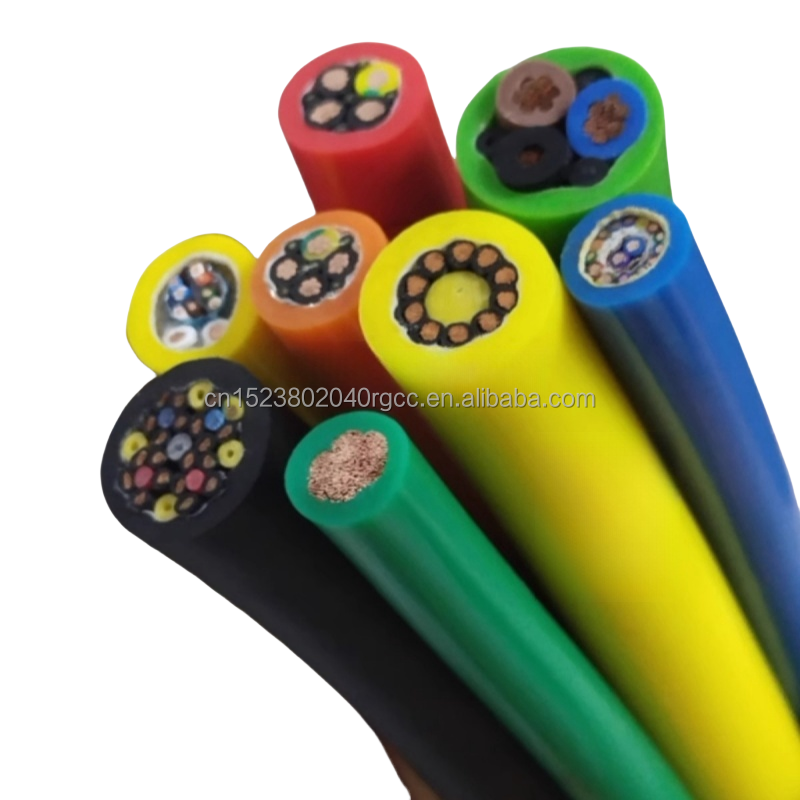
- jacket color and marking
- cut length, reel, or project-specific termination
Supply Support
- model matching based on tensile load and depth requirement
- sample supply for evaluation
- drawing and structure confirmation before production
- OEM and project supply
- industrial batch production
Ordering Information
For faster quotation and model selection, provide:
- operating depth requirement
- expected recovery/tensile load
- core count and conductor size
- shielding and fiber-optic requirement
- deployment method (winch drum diameter, sheave configuration)
- cable length
- quantity demand
Inquiry Example
8 cores, power + shielded control signal, double-layer galvanized steel wire armor, 500-meter reel, deep-sea ROV recovery operation, 1500-meter depth rating
Call to Action
Request a Quote for ROV Steel Wire Armored Umbilical Cable Send the application details for model selection, structure confirmation, and pricing.
FAQ
What is a steel wire armored ROV umbilical cable used for?
It is used for power, control, and video/data telemetry in heavy-duty subsea operations where recovery load, current drag, or seabed debris contact exceed what a standard neutral-buoyancy ROV tether is designed to handle.
Why is the armor wound in two counter-helical layers instead of one?
Counter-helical winding cancels rotational torque that would otherwise cause the cable to spin under tension, which improves handling during deployment and recovery and reduces added mechanical stress on the core.
Does steel wire armor make this cable neutral buoyancy?
No. Steel wire armor adds significant weight, making this a negative-buoyancy cable by design. Applications prioritizing maneuverability and minimal drag should evaluate a standard neutral-buoyancy umbilical instead.
Can this cable include fiber optic conductors for high-bandwidth video?
Yes, as a hybrid configuration combining power/control copper conductors with integrated optical fiber, available in the RST-ARM-SW-HY series or as a custom build.
What depth rating is this cable suitable for?
Depth rating depends on the core sealing structure and termination design, which should be confirmed against the specific project’s operating depth requirement rather than assumed from a general specification.
Is this cable suitable for standard ROV inspection missions?
It can be, but for lightweight, high-maneuverability inspection work where recovery load is not a significant factor, a standard neutral-buoyancy ROV cable is generally the more efficient choice.
How does jacket construction handle seabed debris contact?
The heavy-duty polyurethane jacket is selected specifically for abrasion resistance under sustained contact with seabed structures and debris, which is a more demanding condition than typical mid-water cable routing.
Is custom construction available?
Yes. Core count, conductor size, armor configuration, shielding, fiber-optic integration, and termination can be matched to project requirements.
Other Related Products
(For related subsea and ROV cable products, please refer to our Neutral Buoyancy Cable and ROV Cable category pages.)
[Request a Quotation] · [Ask an Engineer Before You Spec It] · [Download Technical Datasheet]