


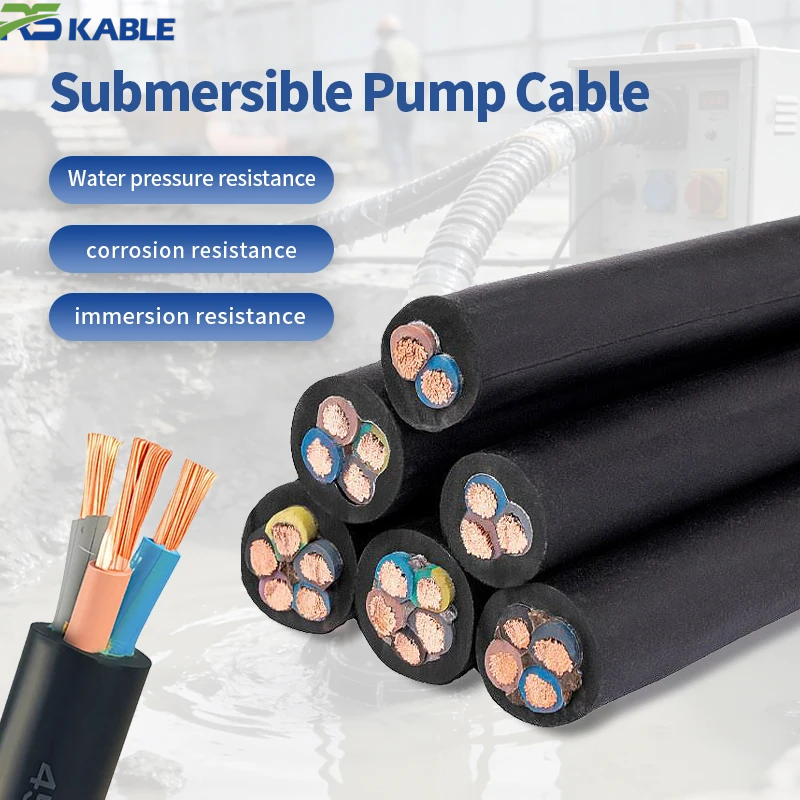
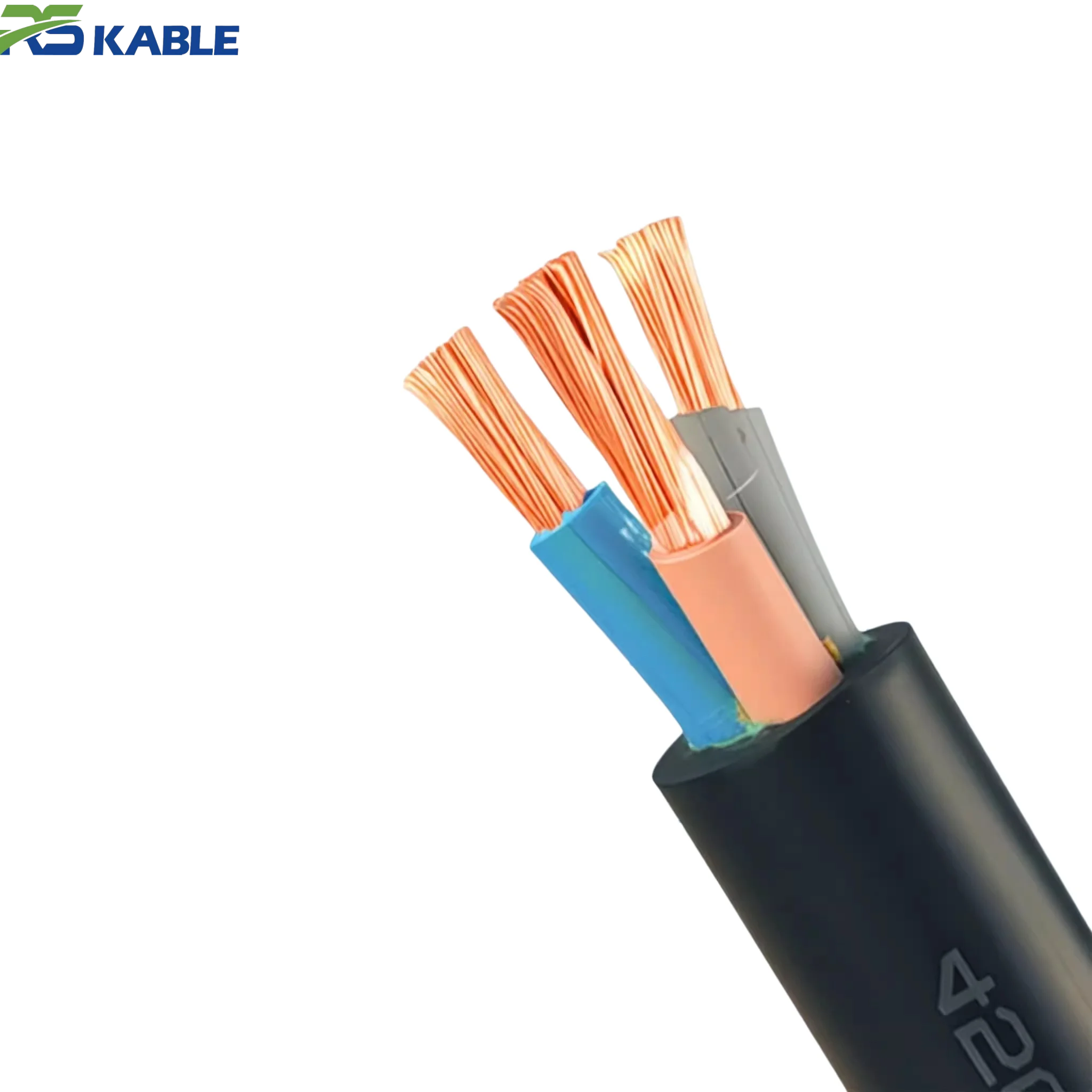
Submersible Power Cable | Waterproof Cable for Underwater Power Applications
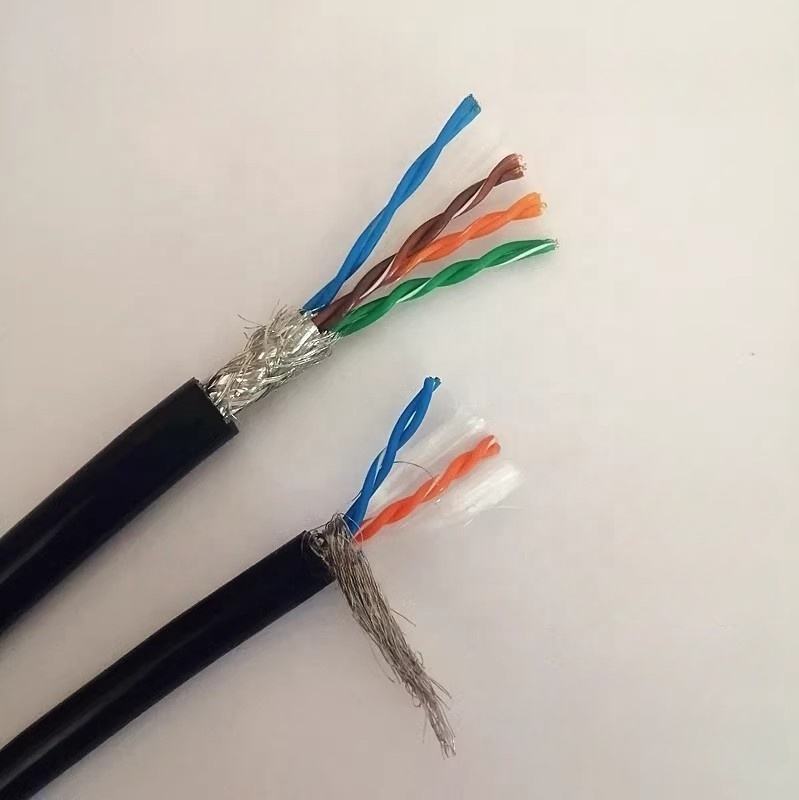
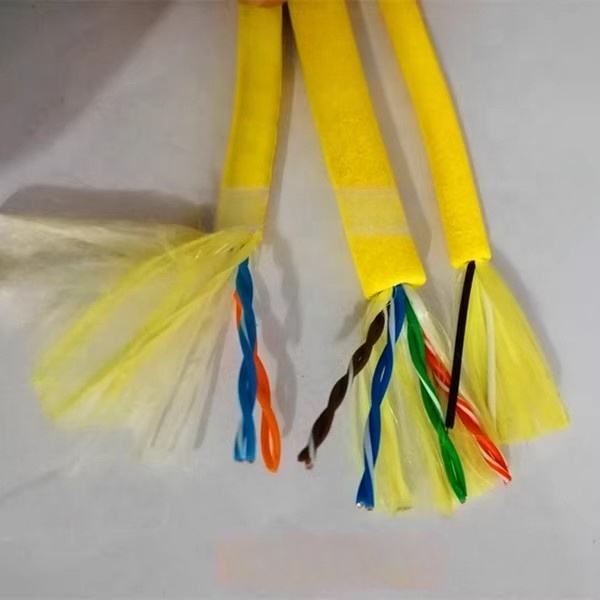
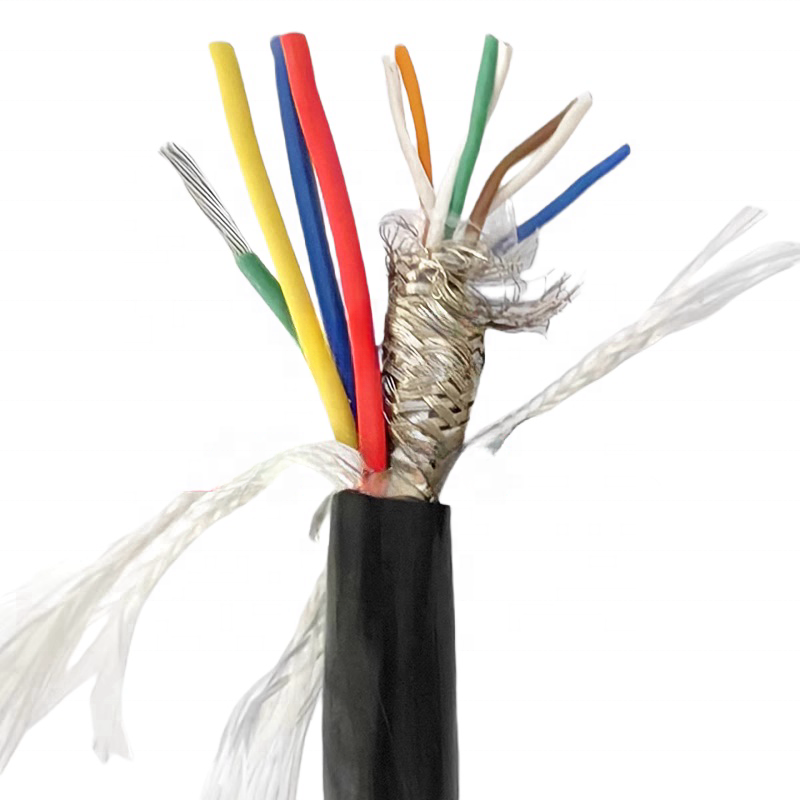
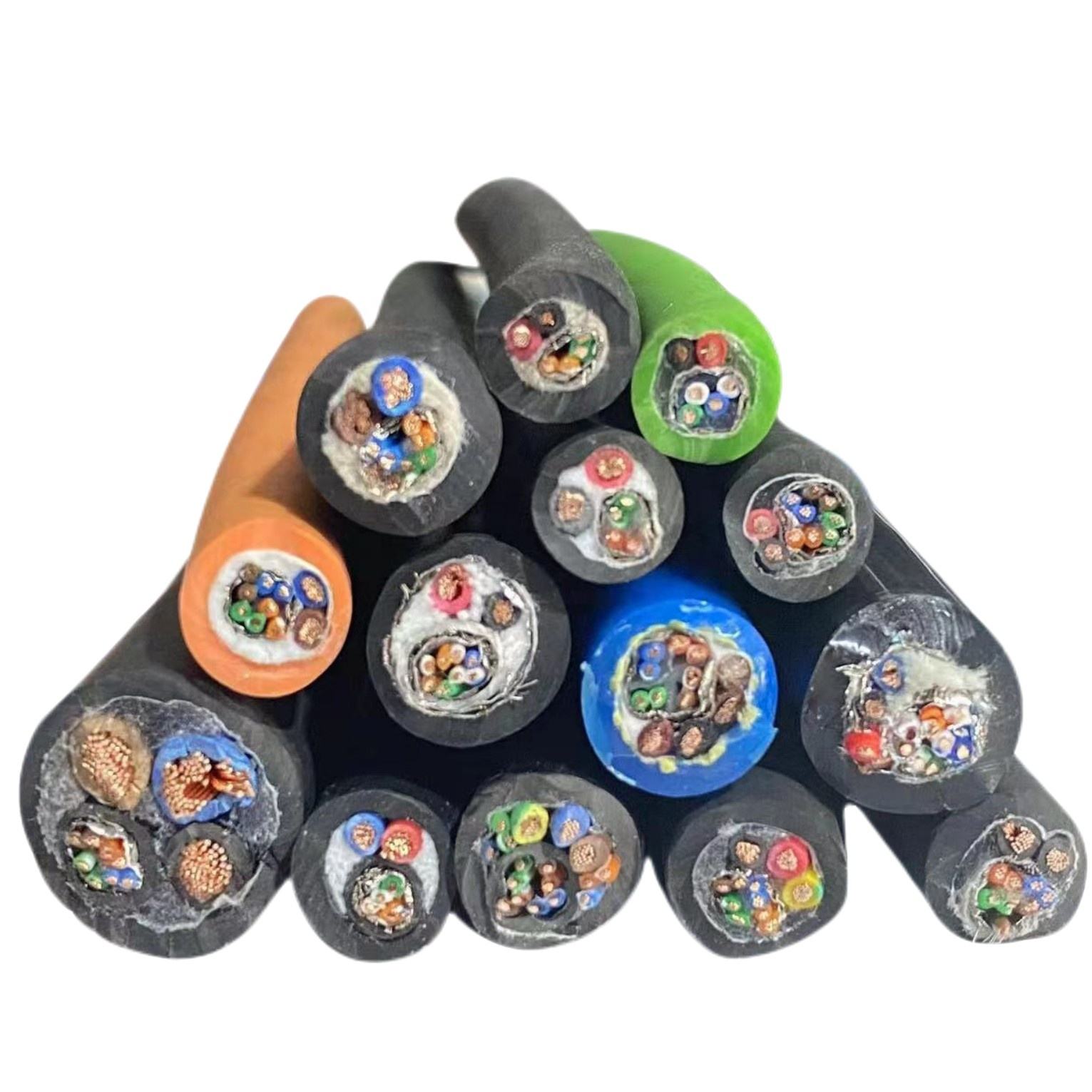
Submersible Power Cable is a waterproof cable for underwater power applications built for submersible pump motors and permanently submerged equipment. Conductor sizing accounts for motor starting current surge, not just running current, while termination-quality sealing addresses the connection point where most submersible cable failures actually occur.
Key Benefits:
✅ Conductor sized against starting current, not running current alone
✅ Submersible-rated insulation selected for low long-term moisture absorption
✅ Termination-focused design addresses the most common real-world failure point
✅ Voltage rating confirmed for submerged service, not assumed from dry ratings
Submersible Power Cable | Waterproof Cable for Underwater Power Applications
Application Note — Power Cable for Submersible Pump and Underwater Equipment Service
“Waterproof” is a rate, not a state
Submersible power cable gets marketed with a simple binary claim — waterproof or not — but the actual physics involved is closer to a rate than a state. A properly made jacket resists water penetration extremely well, but “extremely well” isn’t “perfectly, forever.” Water vapor diffuses through virtually all polymer jacket materials over time, at a rate that depends on the specific compound, water pressure, and temperature. Over months or years of continuous submersion, this slow diffusion gradually reduces insulation resistance — long before it causes an obvious fault.
This is why the submersible pump industry doesn’t treat “waterproof” as a one-time installation check. Periodic insulation resistance testing (commonly called megger testing) is standard maintenance practice specifically because insulation resistance decline is a gradual, measurable leading indicator that shows up well before an actual electrical fault does. A cable that tested fine at installation can show a meaningful, trackable decline in insulation resistance over subsequent years of submerged service — and that trend, not a single pass/fail test, is what actually predicts remaining service life.
The weak point usually isn’t the cable body
Cable body failure from water ingress along an intact jacket is comparatively rare in practice. The much more common failure point is the termination — the splice or connection where the submersible cable meets the pump motor leads or a junction box. This is where mechanical stress concentrates, where a compromised seal has the most direct path to expose conductors, and where installation quality has the most influence over long-term reliability. A premium cable with a poorly executed splice will generally fail before a standard cable with a properly sealed, potted termination.
Dry voltage rating and submerged service aren’t automatically the same number
A cable’s voltage rating is typically established for standard installation conditions, not continuous submersion. Water is a different dielectric environment than air, and the practical voltage stress a submerged cable experiences — particularly at termination points where any moisture ingress concentrates electrical stress — doesn’t always track cleanly with a dry-rated figure. This is part of why submersible-rated cable is a distinct product category rather than simply “regular cable that happens to also work underwater,” and why using standard cable in a submerged application, even within its nominal voltage rating, carries more risk than the rating alone suggests.
Motor starting current matters more here than in most power cable applications
Submersible pump motors draw a substantial current surge at startup — often several times the running current — for a brief period every time the pump cycles on. Conductor sizing that only accounts for steady-state running current can be adequate electrically most of the time while still experiencing more thermal and mechanical stress at each startup than a conductor sized with the surge current in mind. Pumps that cycle frequently see this stress repeated many times a day, which makes startup current a real factor in long-term conductor and insulation life, not just a momentary event to ignore.
Construction
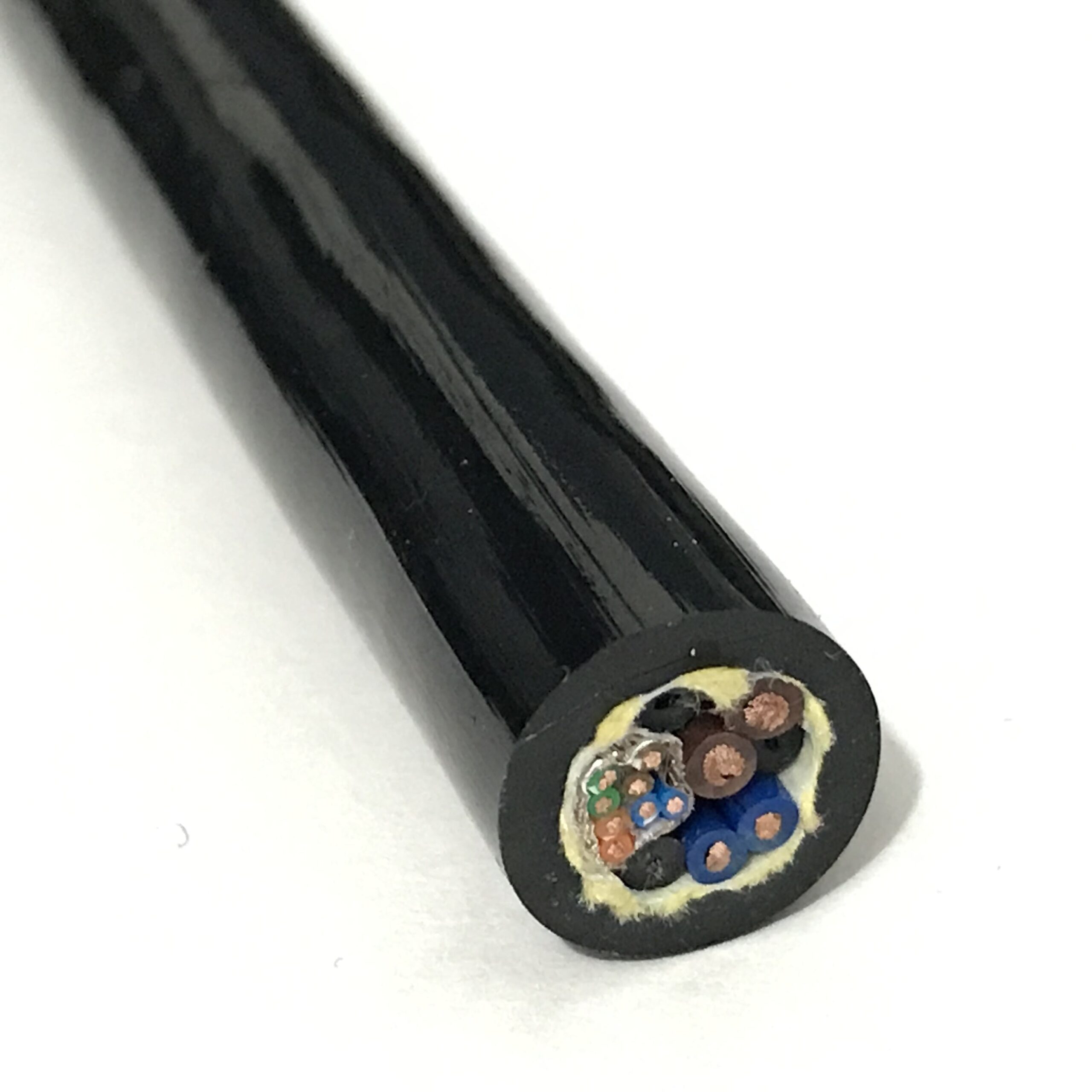
| Element | Detail |
|---|---|
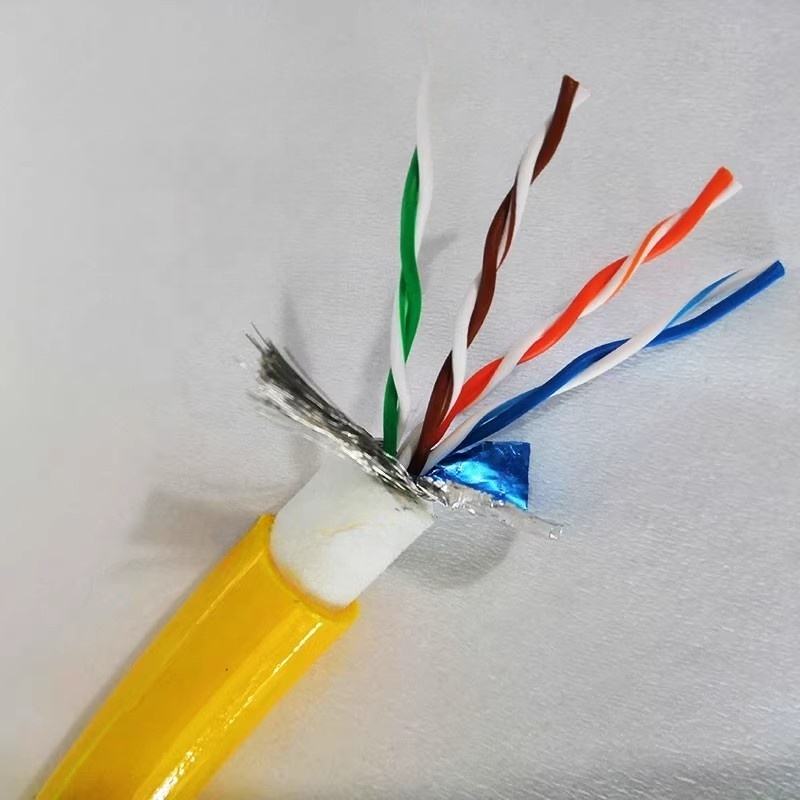
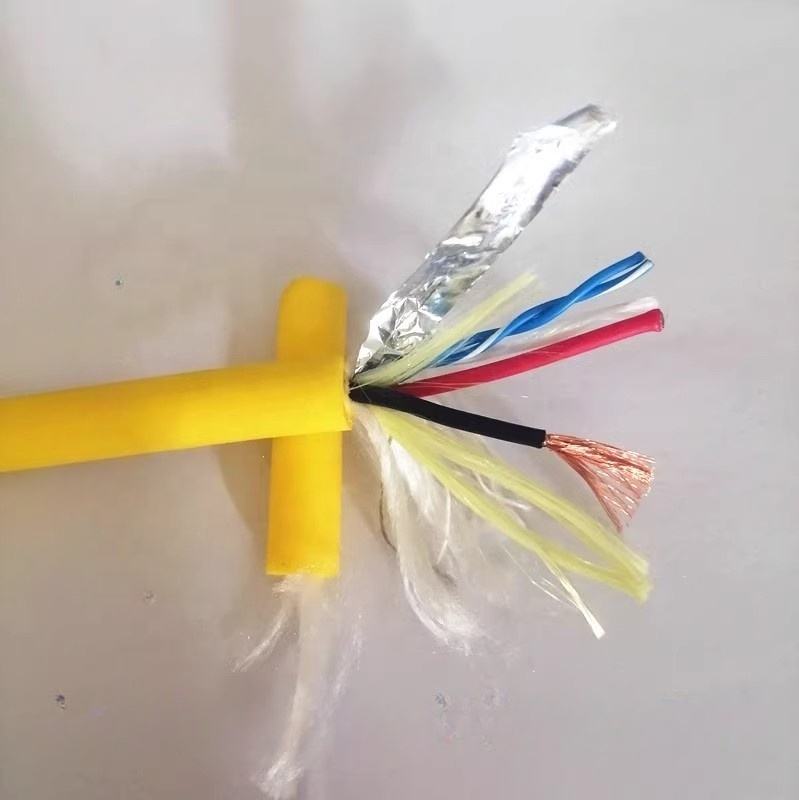
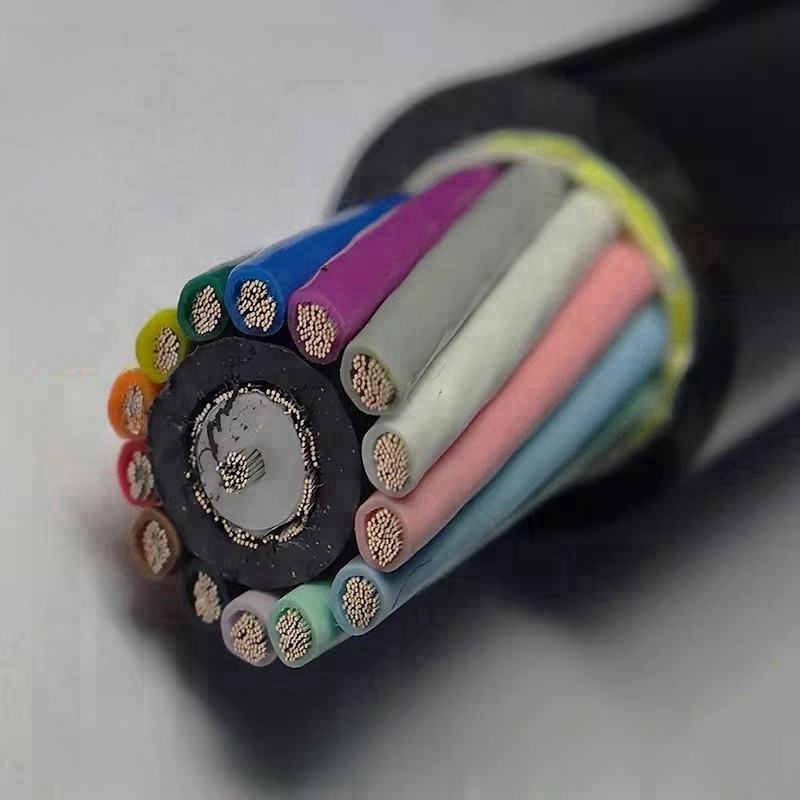
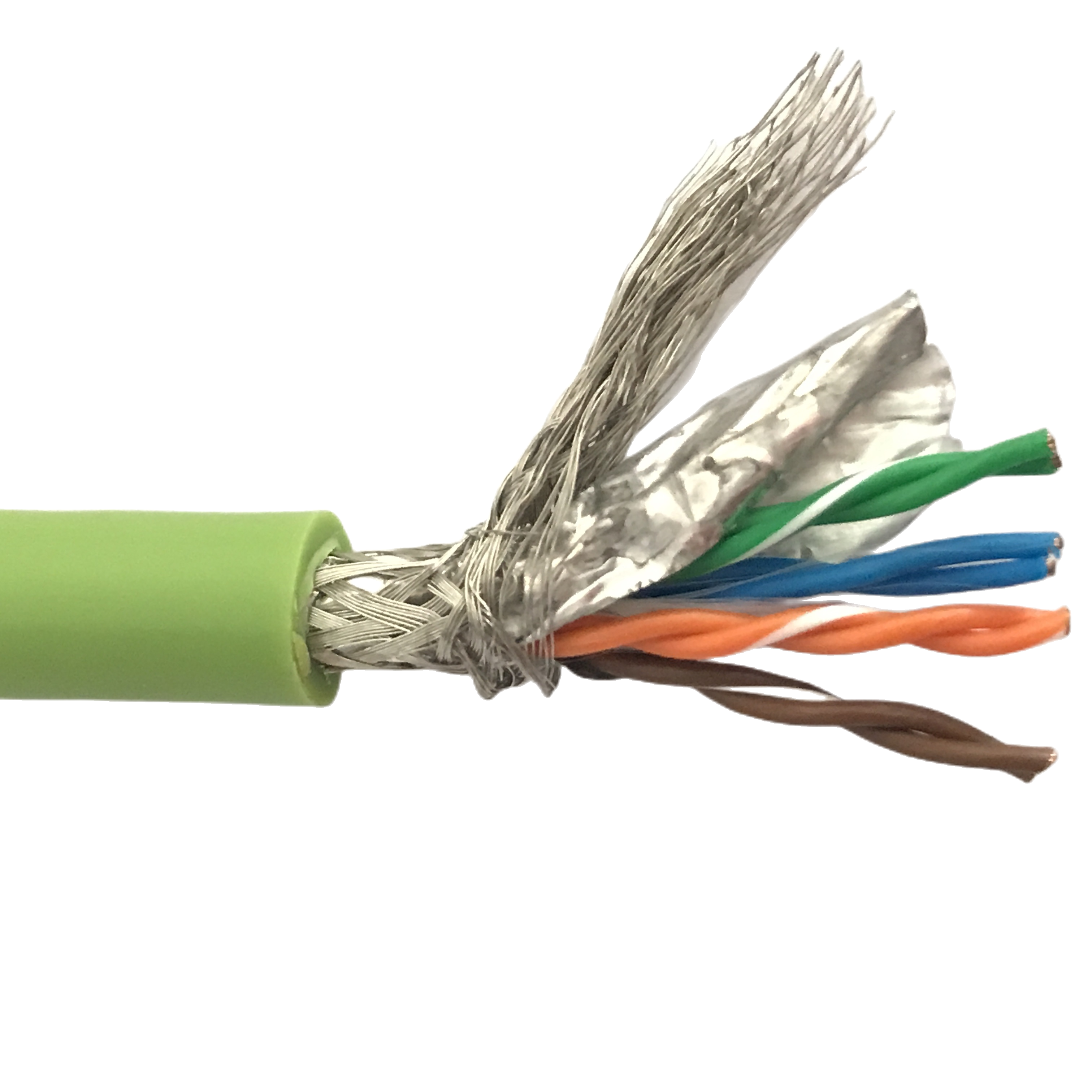
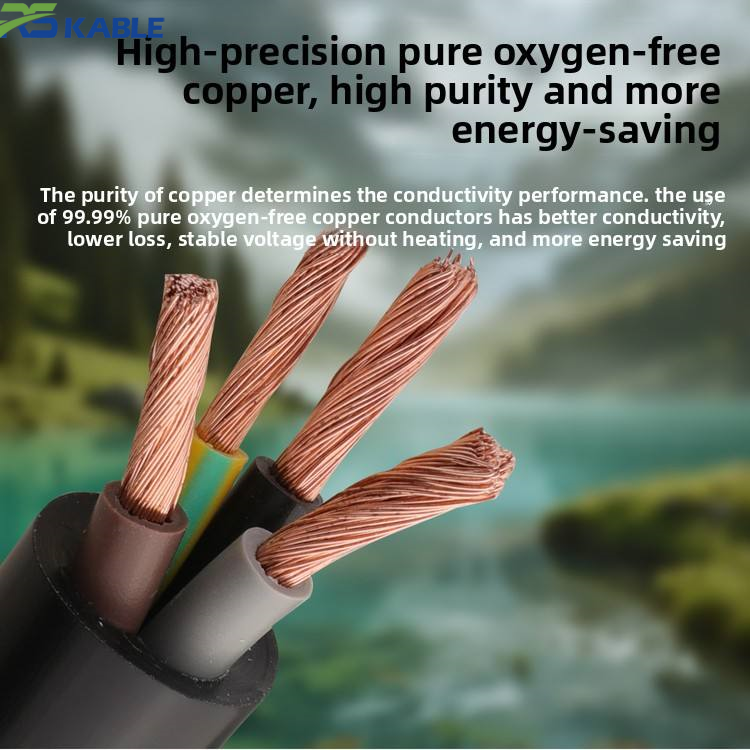
| Conductor | Stranded copper, sized against both running and starting current |
| Insulation | Water-resistant compound selected for low long-term moisture absorption rate |
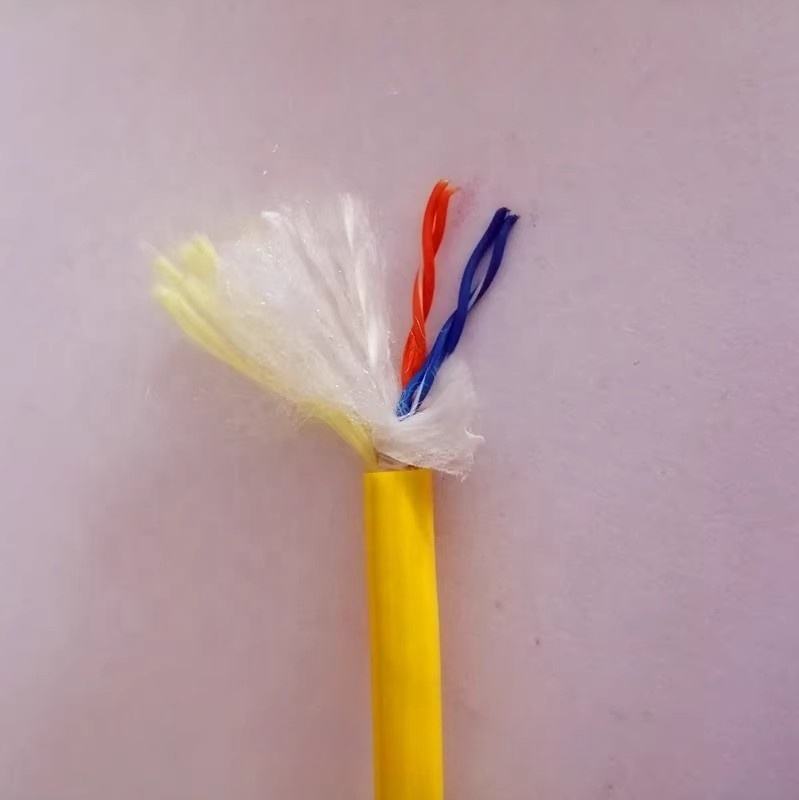
| Jacket | Submersion-rated, abrasion and oil resistant (common in wet well and industrial pump applications) |
| Termination | Potted or molded seal recommended over field-taped splices for long-term reliability |
| Voltage Rating | Confirmed for submerged service specifically, not assumed from dry-rated equivalent |
A specification and maintenance scenario, worked through
A submersible pump installation in a lift station is expected to run for years with periodic but not constant duty cycling. Two decisions matter beyond the pump manufacturer’s basic cable spec: conductor sizing against starting current rather than running current alone, and a termination method — factory-molded or properly potted field splice — rated for long-term submersion rather than a taped connection intended for short-term or dry service.
Once installed, insulation resistance testing at commissioning establishes a baseline reading. Retesting on a periodic schedule — commonly annually in many utility and industrial maintenance programs — tracks whether that reading is holding steady or declining. A stable reading over years suggests the cable and termination are performing as expected; a declining trend, even without an outright fault yet, is the signal that typically prompts proactive replacement before an unplanned failure during operation.
Where this construction matters, and where standard cable may suffice
Submersible-rated construction with termination-quality attention matters for any application involving sustained or permanent submersion — pump leads, underwater lighting, subsea instrumentation power — where periodic access for inspection is limited and failure consequences (pump downtime, flooding, contamination) are significant.
It’s less critical for equipment with brief, intermittent water exposure and easy access for inspection and replacement, where standard cable with adequate ingress protection at the connection point may be a reasonably lower-cost choice.
Frequently Asked Questions
Our submersible pump cable tested fine at installation. Does that mean it’s fine indefinitely?
Not necessarily. Insulation resistance in submerged cable typically declines gradually over years of service due to slow moisture diffusion through the jacket, even without any defect. This is why periodic insulation resistance testing, not just an initial pass, is standard practice for tracking long-term cable condition.
Where do submersible cable failures actually happen most often?
More often at the termination or splice point than along the cable body itself. Mechanical stress and seal integrity concentrate at connections, making termination quality at least as important as the cable’s own construction for long-term reliability.
Can we use standard cable for a submersible application if it’s rated for the right voltage?
This carries more risk than the voltage number alone suggests. Submerged service is a different dielectric environment than standard dry installation, and submersible-rated cable is a distinct category specifically because dry voltage ratings don’t automatically translate to long-term submerged performance.
Why does motor starting current matter for cable sizing if the pump runs fine most of the time?
Because starting current surge, repeated at every duty cycle, creates thermal and mechanical stress beyond what steady-state running current alone would suggest. Frequent cycling multiplies this effect over the cable’s service life, even if the cable performs adequately in any single moment.
How often should insulation resistance be tested on an installed submersible cable?
Practice varies by industry and criticality, but annual testing is common in many utility and industrial maintenance programs, with more frequent testing sometimes used for critical or aging installations where a declining trend has already been observed.
Getting a working quote
The details that matter most: pump or equipment running and starting current, submersion depth and duration (permanent vs. intermittent), termination method planned, and any existing insulation resistance history if this is a replacement for an aging installation.
[Request a Quotation] · [Ask an Engineer Before You Spec It] · [Download Technical Datasheet]