


Diver Communication Cable | Underwater Communication Cable for Professional Diving Systems
Diver Communication Cable is an underwater communication cable built for surface-supplied and tethered professional diving systems. Its shielded twisted-pair conductor maintains clear audio over long tether runs, while near-neutral buoyancy and an abrasion-resistant jacket keep the cable manageable during working dives.
Key Benefits:
✅ Shielded twisted-pair design reduces audio degradation over long tethers
✅ Near-neutral buoyancy for manageable diver handling in current
✅ Abrasion-resistant jacket withstands contact with hulls and structure
✅ Sealed connector interface built for repeated field connect/disconnect
Diver Communication Cable | Underwater Communication Cable for Professional Diving Systems
Application Note — Communication Cable for Surface-Supplied and Tethered Diving Systems
The problem that shows up thirty meters into a dive, not at the surface
A diver comm cable almost always tests fine on the surface. Plug it in, talk into the mask, hear it clearly through the topside speaker. The real test happens later — deep, cold, and often with a current pulling on the line.
Two things tend to go wrong at depth that never show up in a dockside check.
Audio gets muddy as the tether gets longer
Twisted-pair audio signal degrades with cable length, and the degradation isn’t linear. A voice that sounds crisp over 20 meters can turn muffled and hard to parse over 100 meters, especially once background noise from the diver’s breathing apparatus is layered on top. This is a capacitance and signal-loss issue built into the cable itself, not something that shows up from a quick continuity check.
The cable itself becomes a hazard
A stiff, poorly-buoyant cable drags on the diver, catches on structure, and adds physical fatigue over a long working dive. A cable that’s too buoyant floats up into prop wash or overhead obstructions. Getting buoyancy close to neutral — not just “waterproof” — is part of what separates a comm cable built for diving from one that just happens to be rated for wet environments.
What actually needs to be right in the cable itself
Conductor and shielding for clear audio over distance
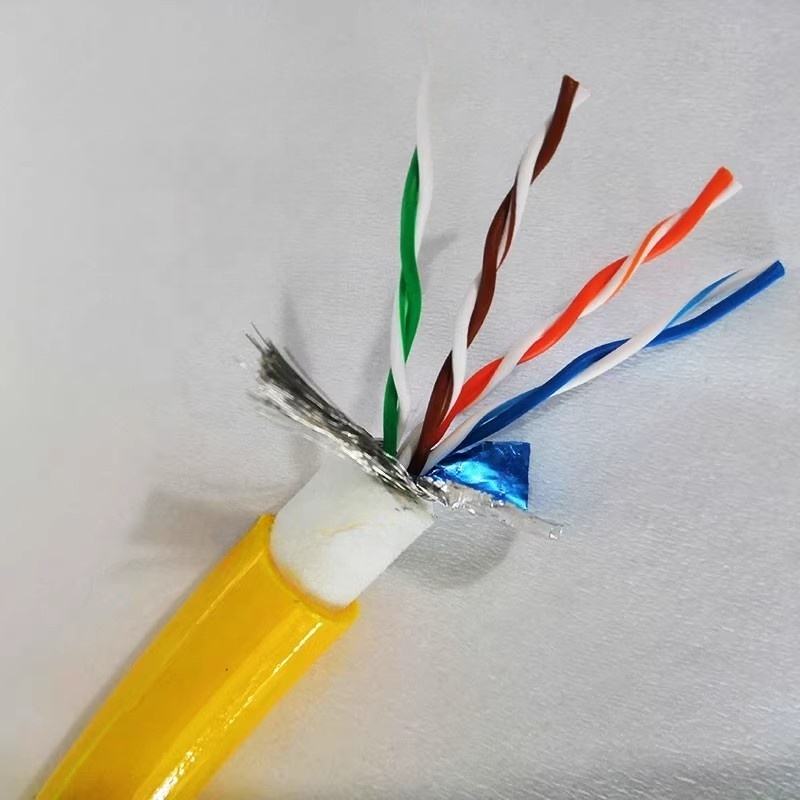
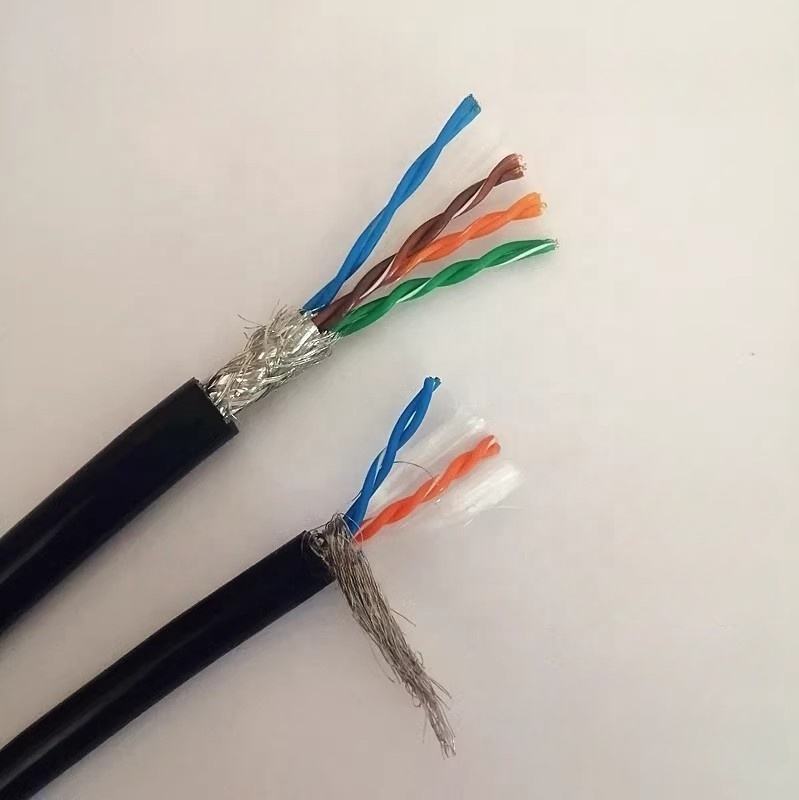
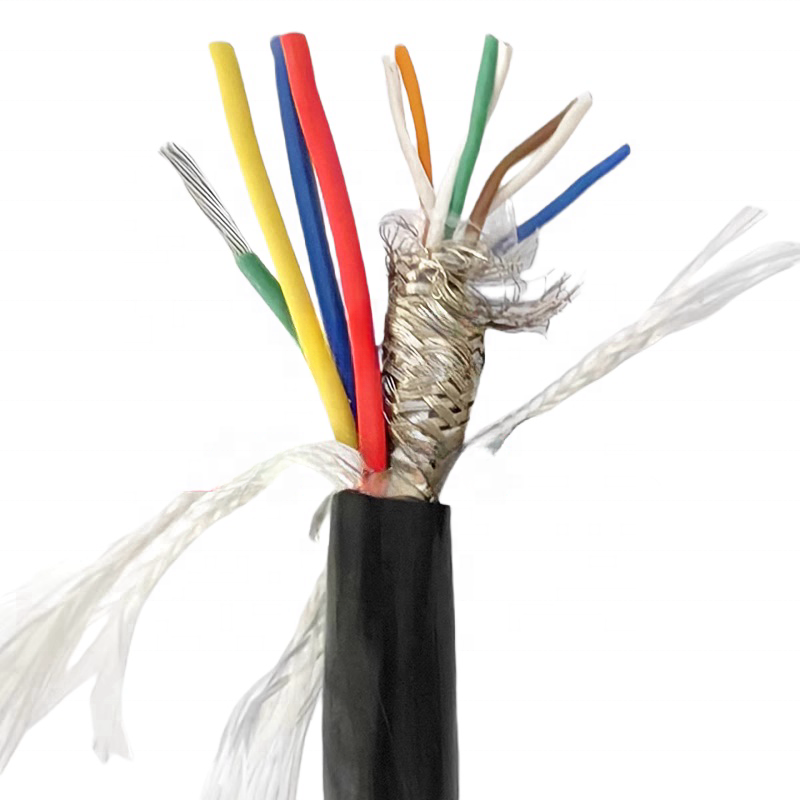
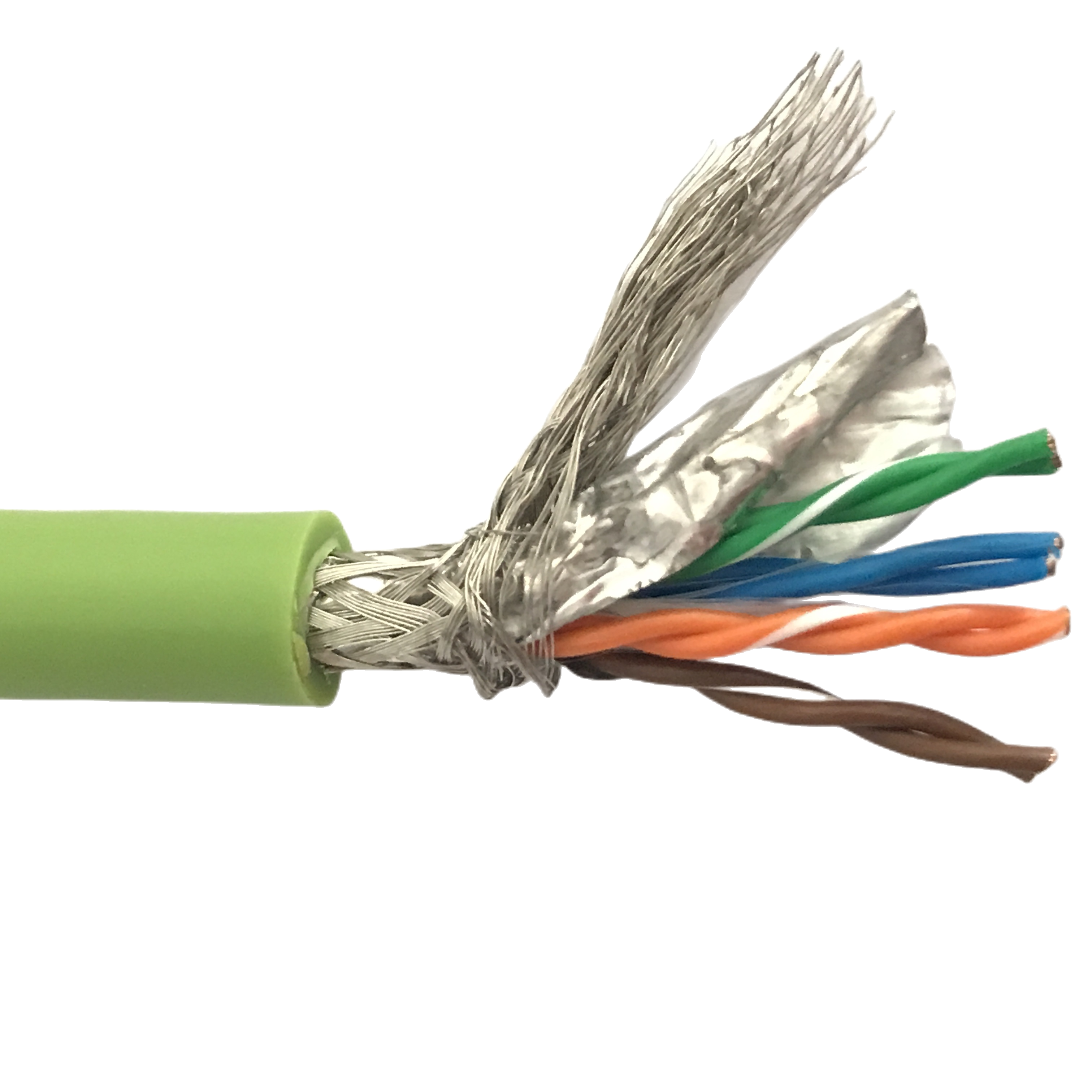
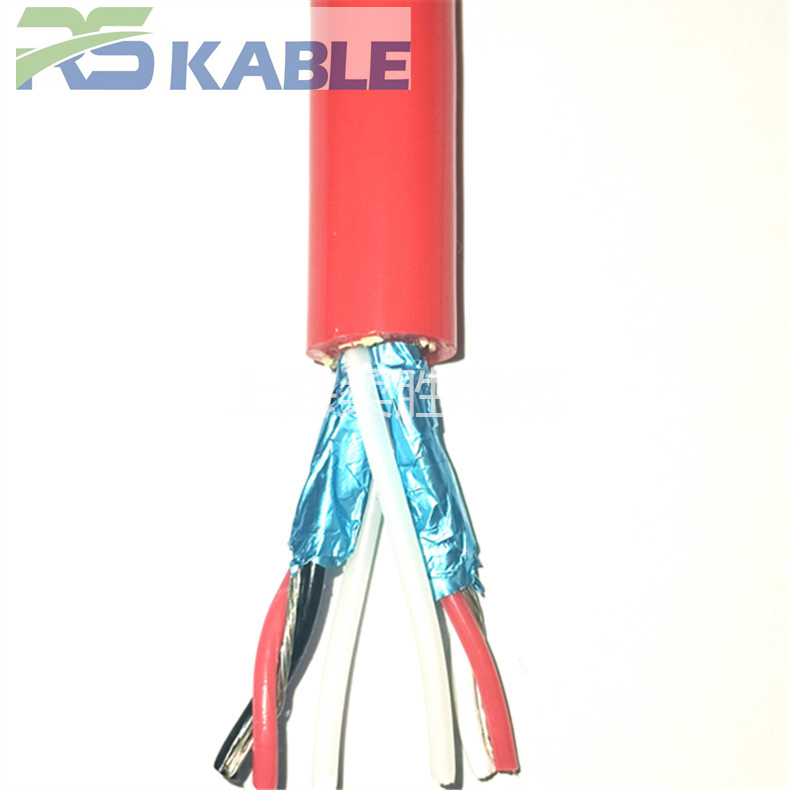
Twisted-pair construction with individual shielding reduces crosstalk between the audio circuit and any other conductors sharing the tether (power for a helmet light, depth sensor signal, or a secondary comm channel). Shield continuity matters more here than in most industrial signal cable, since audio quality — not just signal presence — is the actual performance metric.
A jacket built for repeated abrasion, not just water resistance
Being watertight is table stakes. What separates a working diver cable from a cable that merely survives immersion is jacket resistance to abrasion against boat hulls, rocks, and structure — contact a diver’s tether experiences on nearly every working dive, not just in worst-case scenarios.
Buoyancy tuned close to neutral
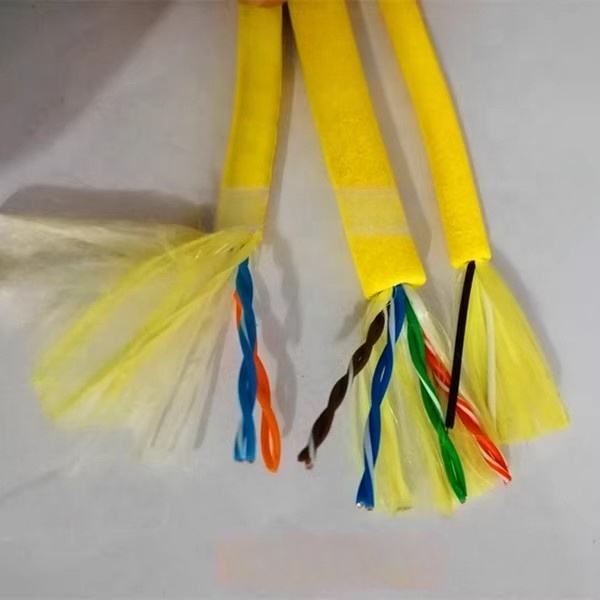
Slightly negative buoyancy is common for diver comm tethers, since a cable that sinks slightly is easier to manage than one that floats into the diver’s working space. The exact buoyancy target depends on jacket material and any tensile reinforcement inside — this is a deliberate design choice, not a side effect of whatever materials happen to be on hand.
Connector sealing that survives repeated connect/disconnect cycles
Most comm cable failures in practice trace back to the connector, not the cable body. A connector that seals well once but degrades after repeated field connect/disconnect cycles will eventually let moisture into the cable’s termination point, long before the cable itself would have failed on its own.
Construction
| Element | Detail |
|---|---|
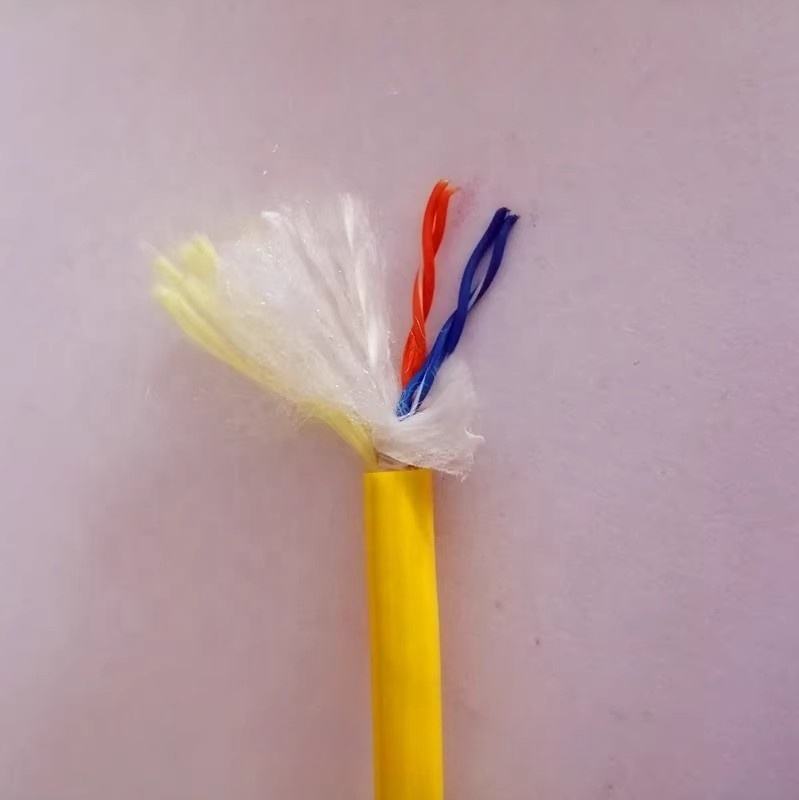
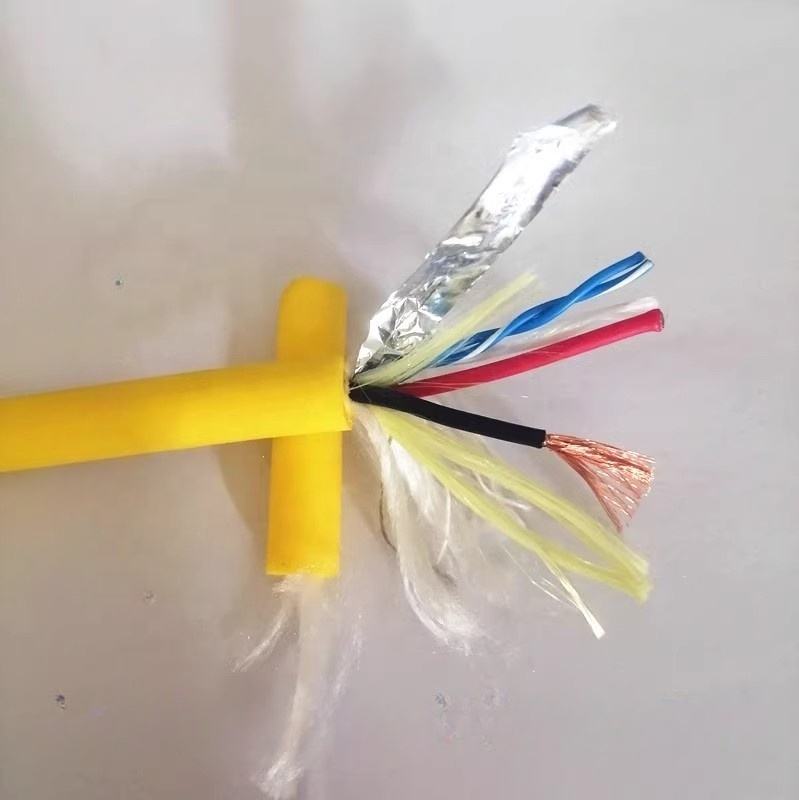
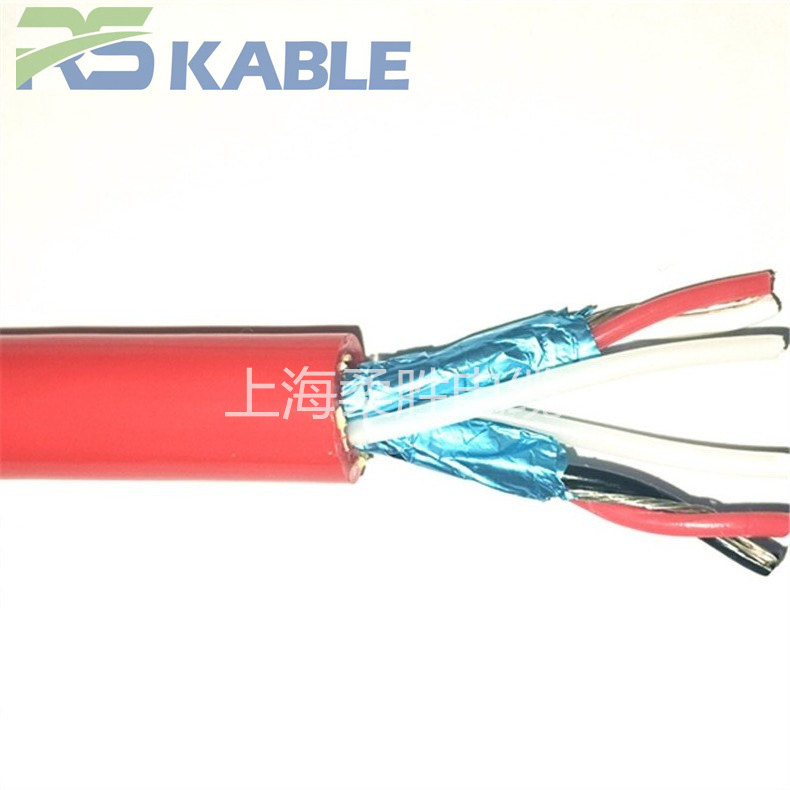
| Conductor | Tinned copper, twisted pair for audio circuit |
| Shielding | Individual pair shield, reduces crosstalk from adjacent power/signal conductors |
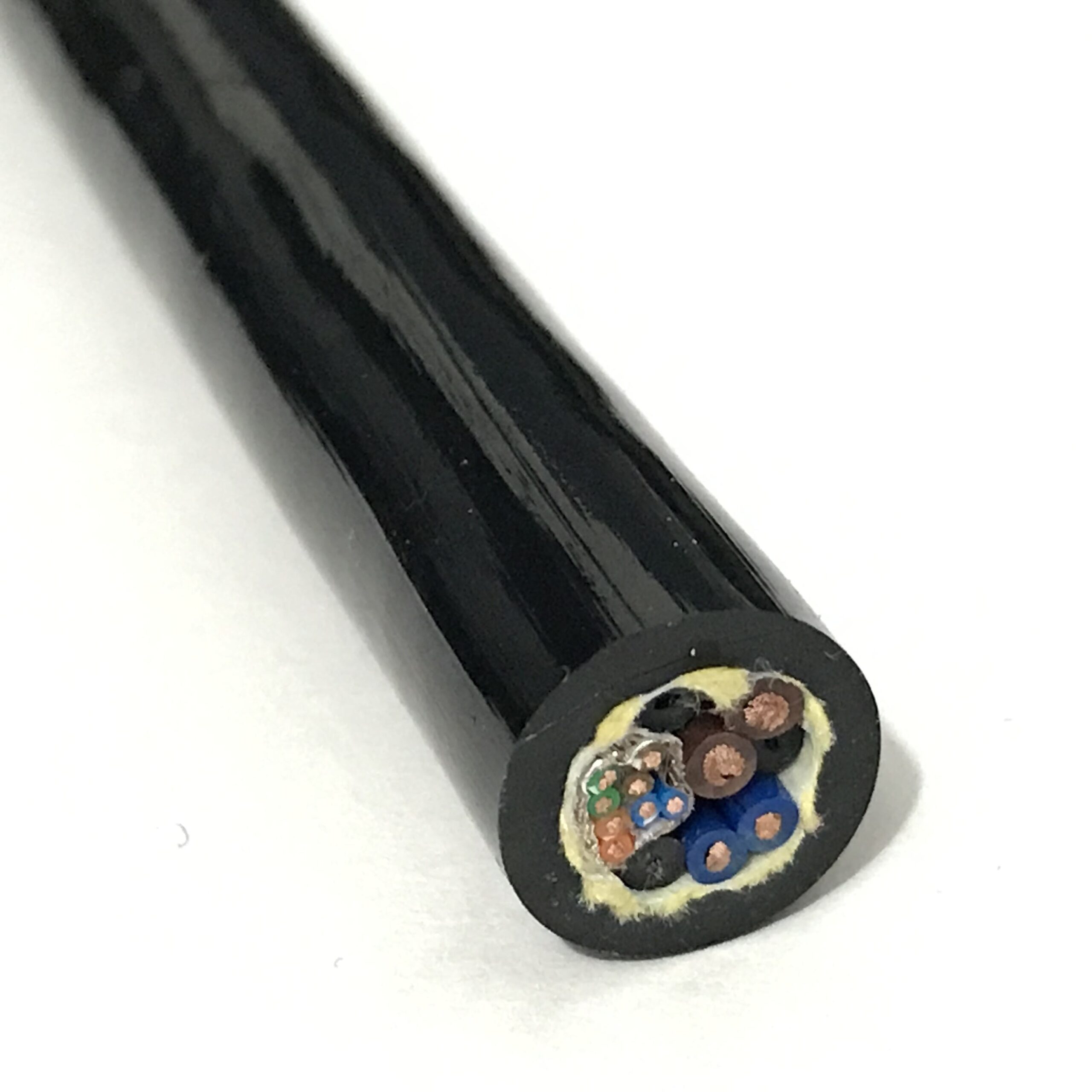
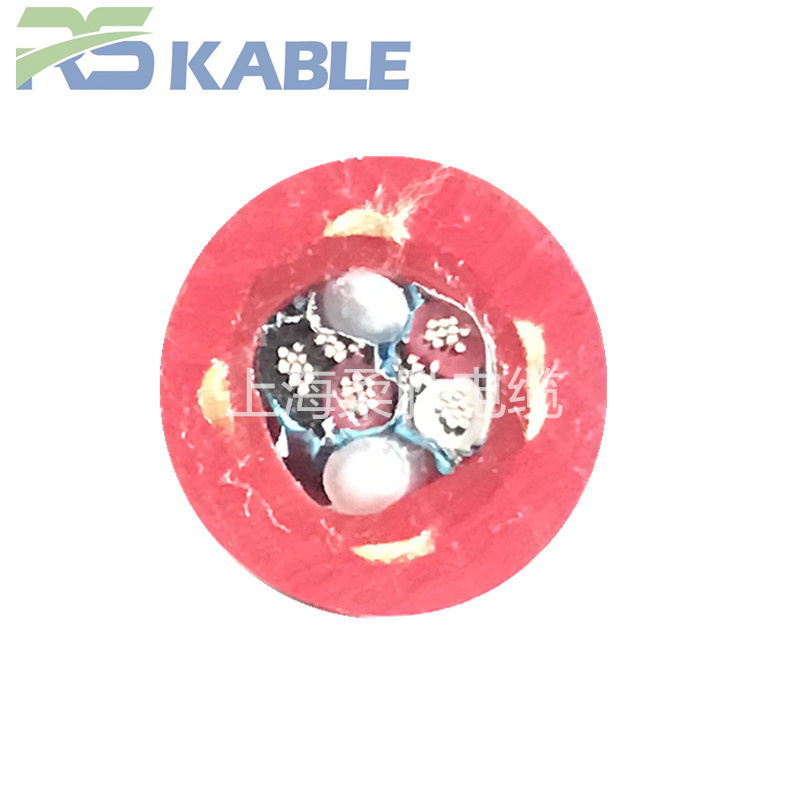
| Core structure | Water-blocking compound fill to limit water migration along the cable if the jacket is breached |
| Jacket | Polyurethane, abrasion and saltwater resistant |
| Buoyancy | Tuned near neutral to slightly negative, depending on jacket and reinforcement |
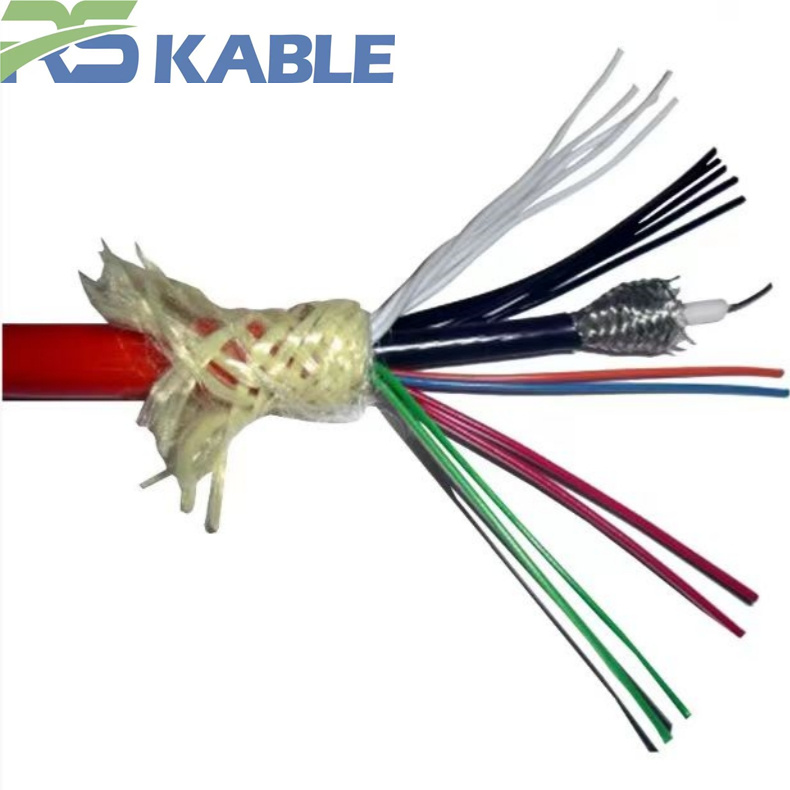
| Tensile reinforcement | Aramid fiber, sized to expected tether load |
| Connector interface | Sealed for repeated field connect/disconnect |
A tether length scenario, worked through
A commercial diving operation runs comm cable from a surface control station to divers working at 40 meters depth, with a typical tether run of 60 meters accounting for slack and diver movement.
At the surface, the same audio circuit that sounds clear on a 10-meter test cable shows measurable signal loss at 60 meters — not enough to lose the signal, but enough that a diver’s voice comes through noticeably quieter and less distinct against breathing-apparatus background noise. The practical fix isn’t a louder microphone. It’s confirming the twisted-pair shielding and conductor gauge were actually specified against the full 60-meter run, not just validated on a short bench sample.
Buoyancy is checked separately. A cable that felt neutral in a test tank at the surface can behave differently once a diver is moving through current at depth, since drag adds an apparent pull that a static buoyancy test doesn’t capture. Confirming buoyancy under a representative current condition, not just still water, is the more reliable check.
Where this cable fits, and where it doesn’t
This cable is built for professional and commercial diving communication — surface-supplied systems, tethered diver-to-diver comm, and working dives where clear audio and cable durability both matter over a real tether length, not a short test run.
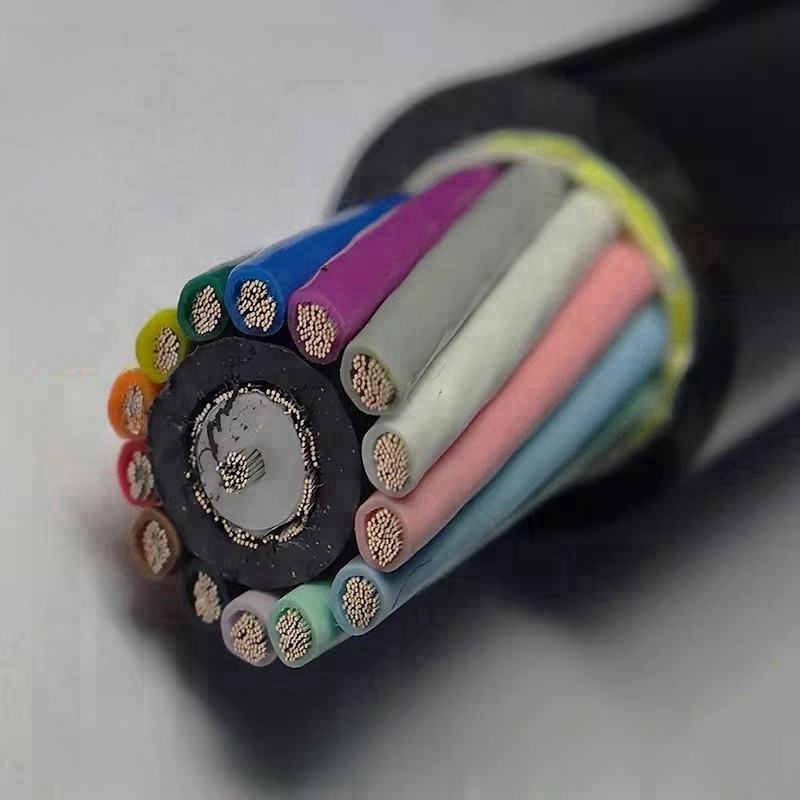
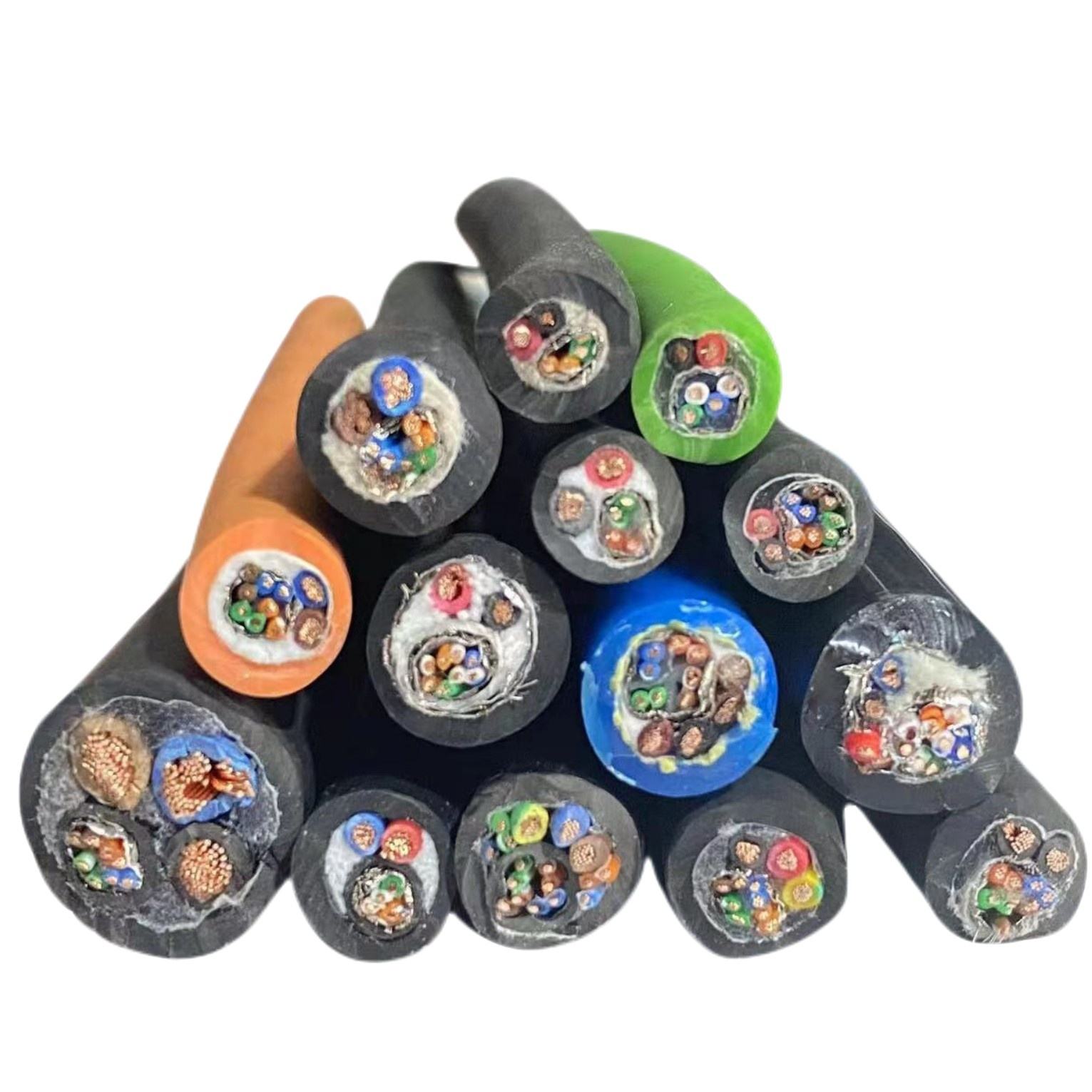
It is not the right choice for recreational diving without a surface-supplied system, since that use case typically doesn’t need a physical tether at all. It’s also not a substitute for a full diver umbilical — most working dives combine this comm cable with separate air supply and depth sensor lines, bundled or run alongside rather than replaced by the comm cable alone.
Questions that come up before ordering
Why does audio quality drop on longer tethers even though the cable tests fine electrically?
A basic continuity test confirms the circuit is intact, but doesn’t measure signal degradation from capacitance and cable length. Audio clarity over the full working tether length needs to be checked specifically, not assumed from a short bench test.
How is buoyancy actually tuned for a diver cable?
Buoyancy is a function of jacket material density and any internal tensile reinforcement. It’s adjusted during construction rather than fixed by a single material choice — a cable can be made close to neutral, slightly negative, or slightly positive depending on the diving application’s needs.
Does this cable include air supply or depth sensor lines?
Not on its own. This is a communication circuit. Most working dives run this alongside separate air and sensor lines, either bundled into a combined umbilical or routed together as separate lines, depending on the operation’s equipment setup.
What’s the most common point of failure in practice?
The connector, more often than the cable body. Repeated field connect/disconnect cycling degrades seal integrity over time faster than the cable jacket itself typically wears.
Can tether length be extended beyond 100 meters without signal issues?
It depends on conductor gauge and shielding design at that length — this should be confirmed against the specific run length rather than assumed, since audio degradation scales with distance in a way that isn’t always linear.
Getting a working quote
The details that matter most: actual working tether length (not just depth), whether the cable will be bundled with air/sensor lines or run separately, expected water conditions (current, temperature), and connector type needed at both ends.
[Request a Quotation] · [Ask an Engineer Before You Spec It] · [Download Technical Datasheet]