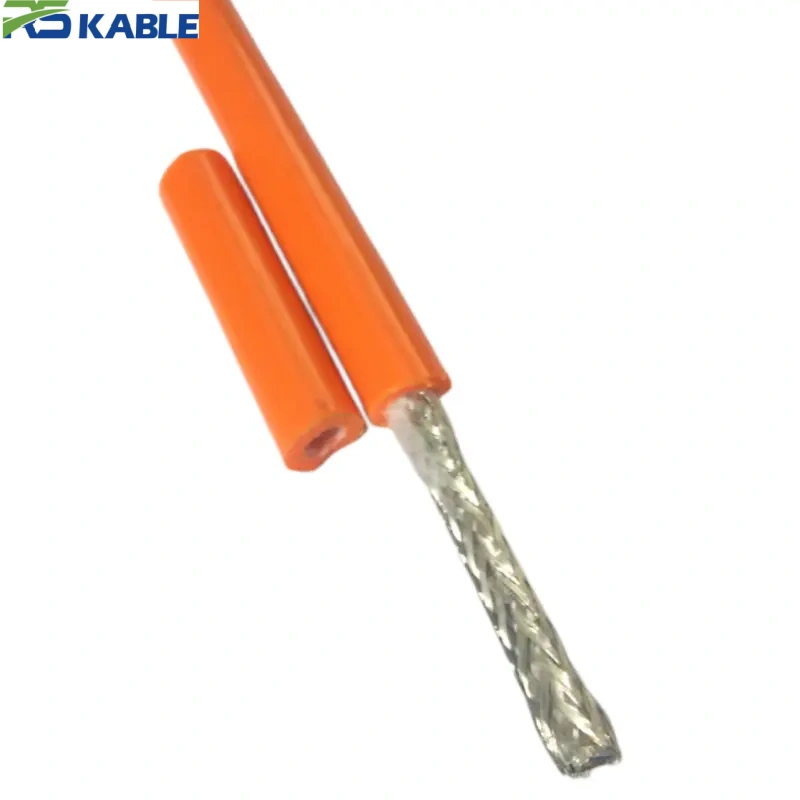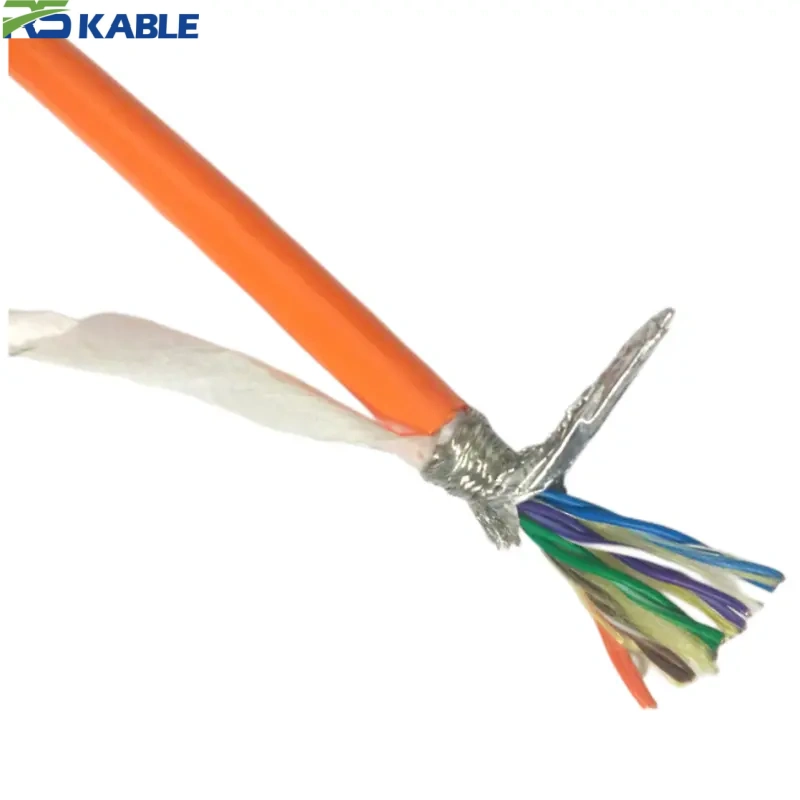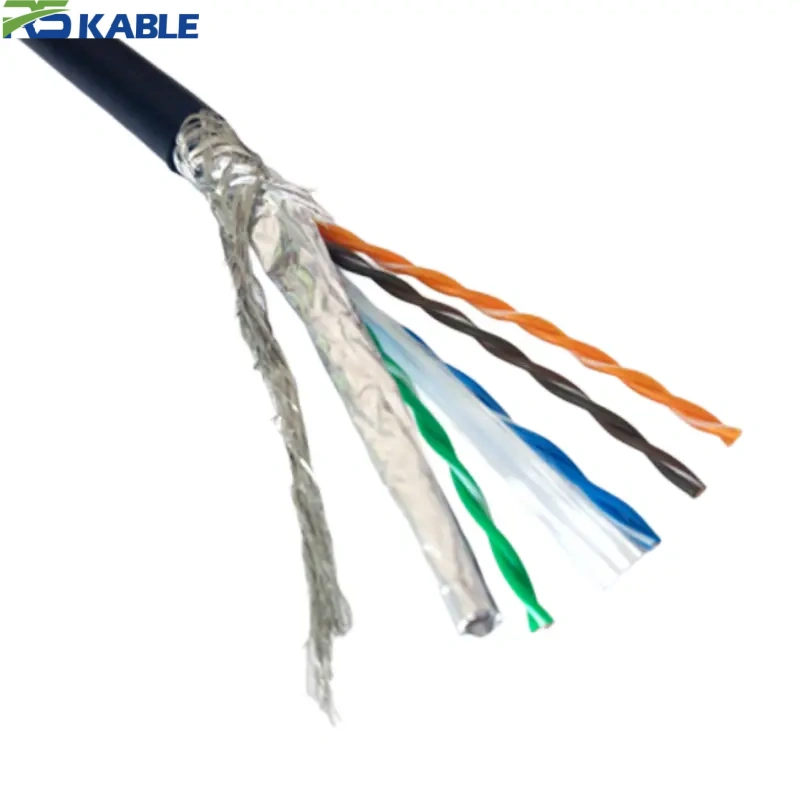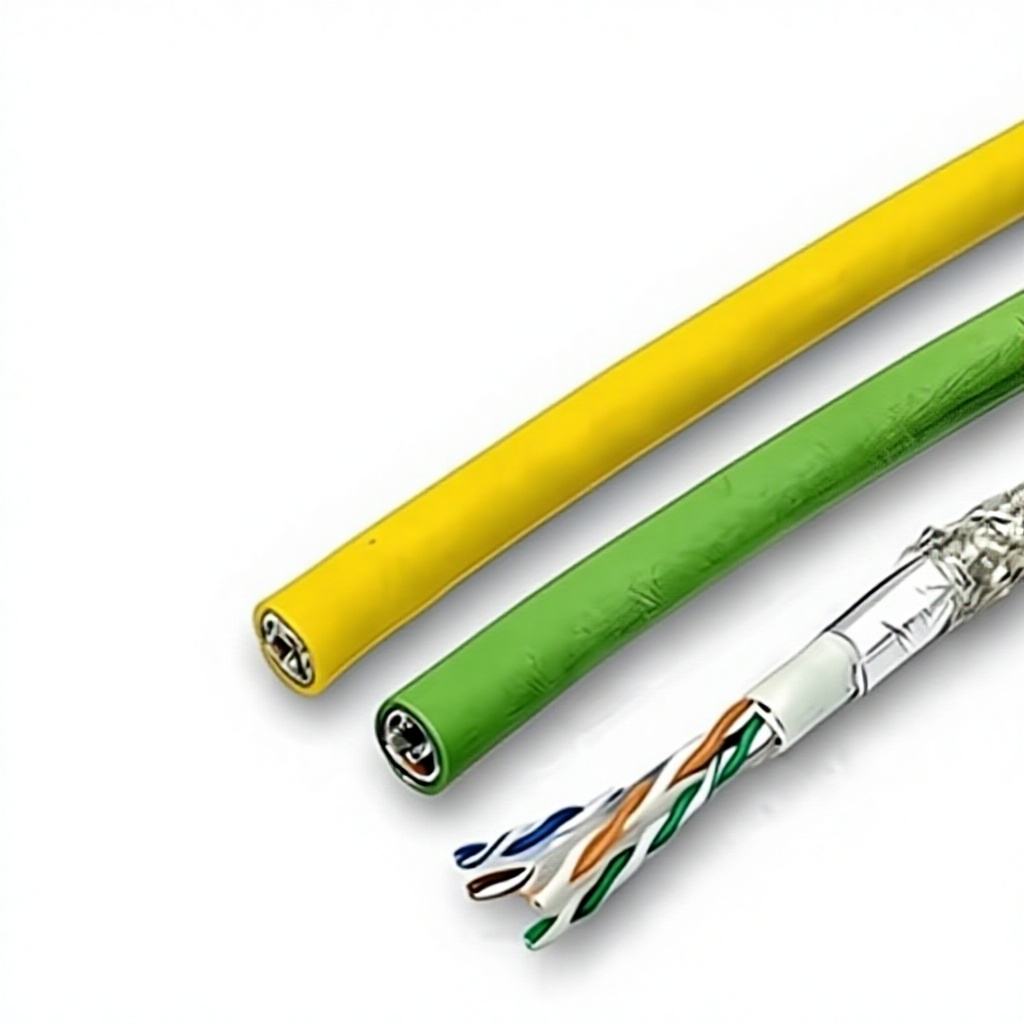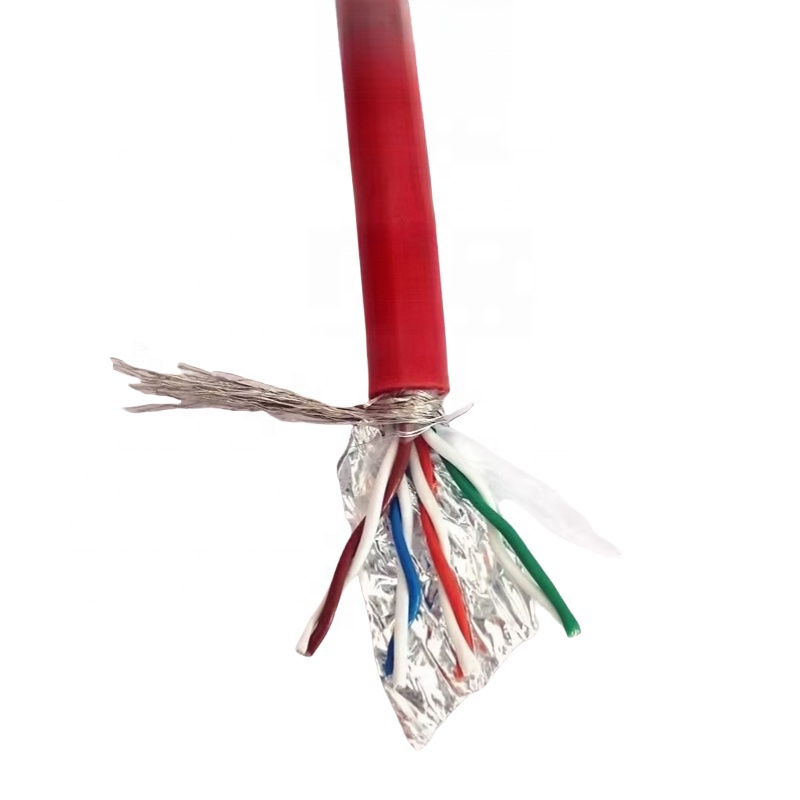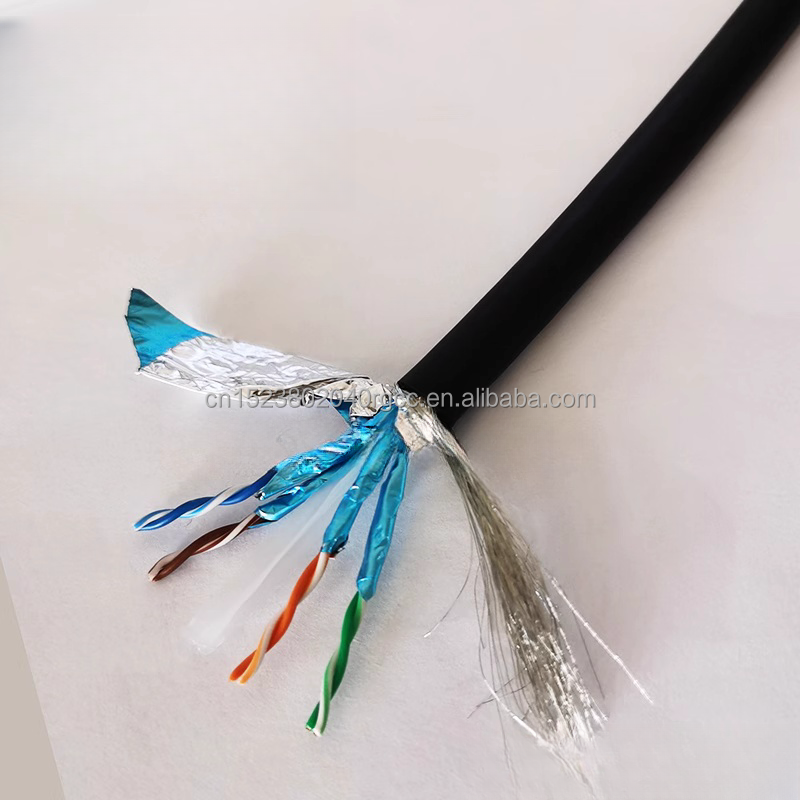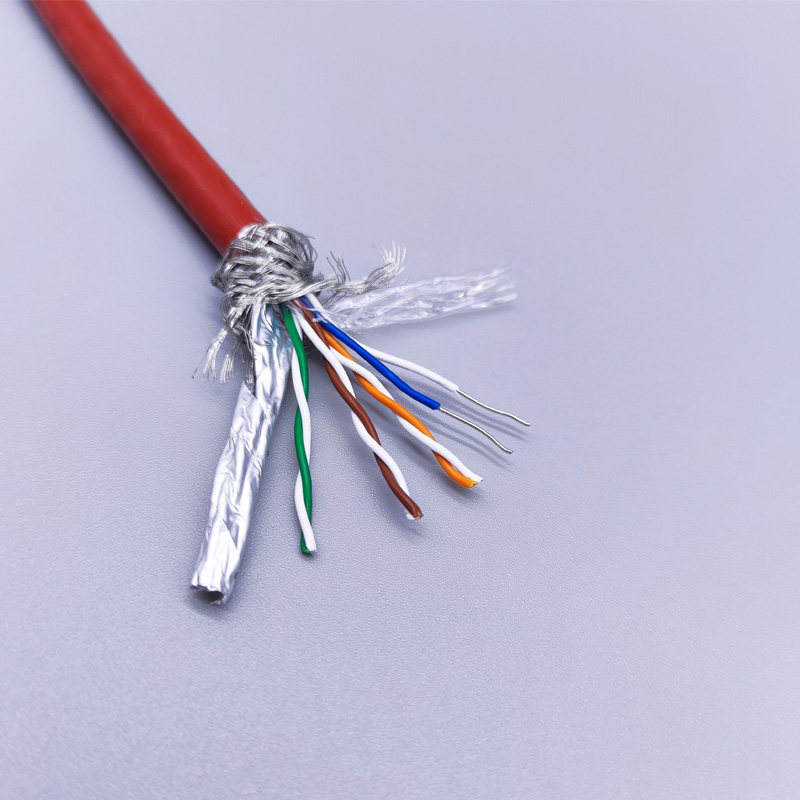



Custom PTFE Cable | Flexible Teflon Insulated Cable for Specialized Industrial Applications
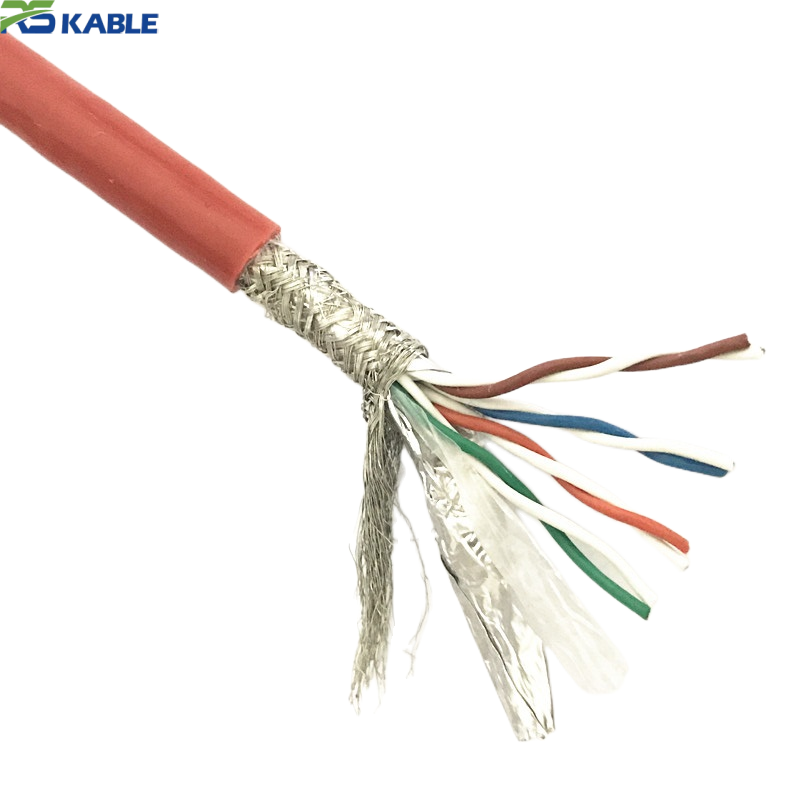
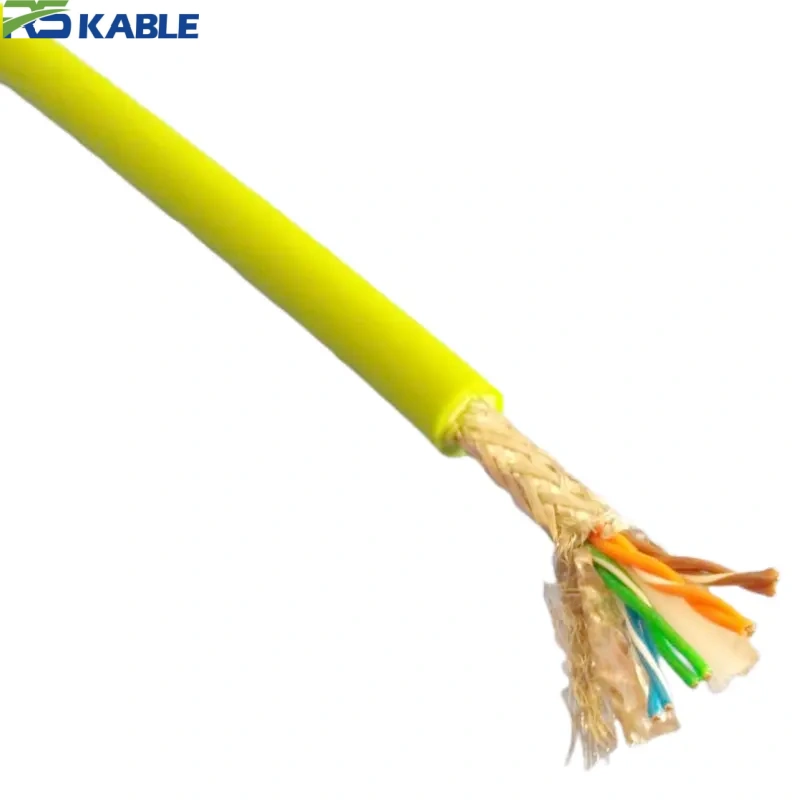
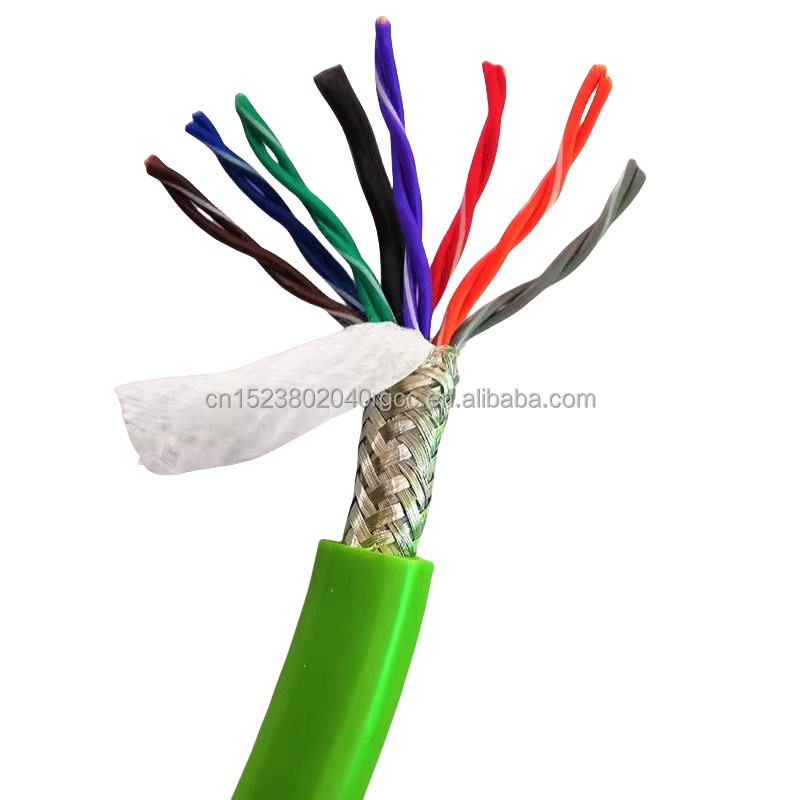
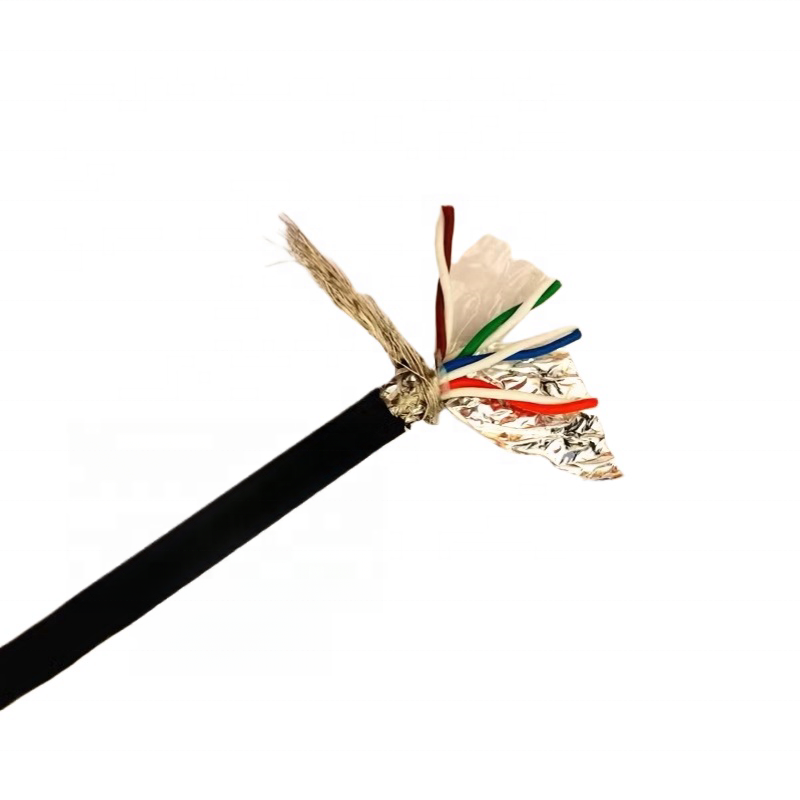
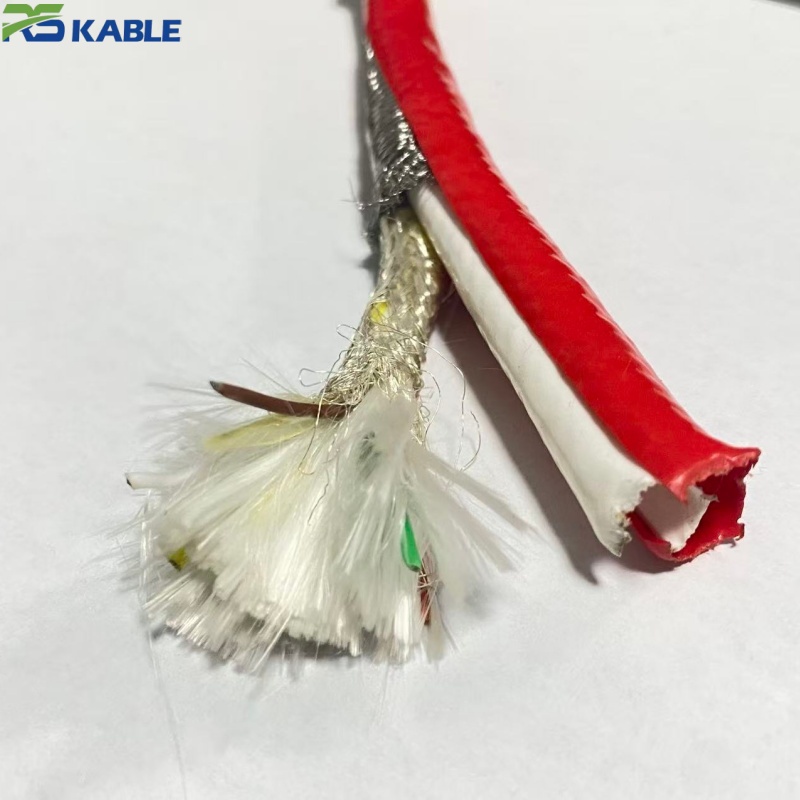
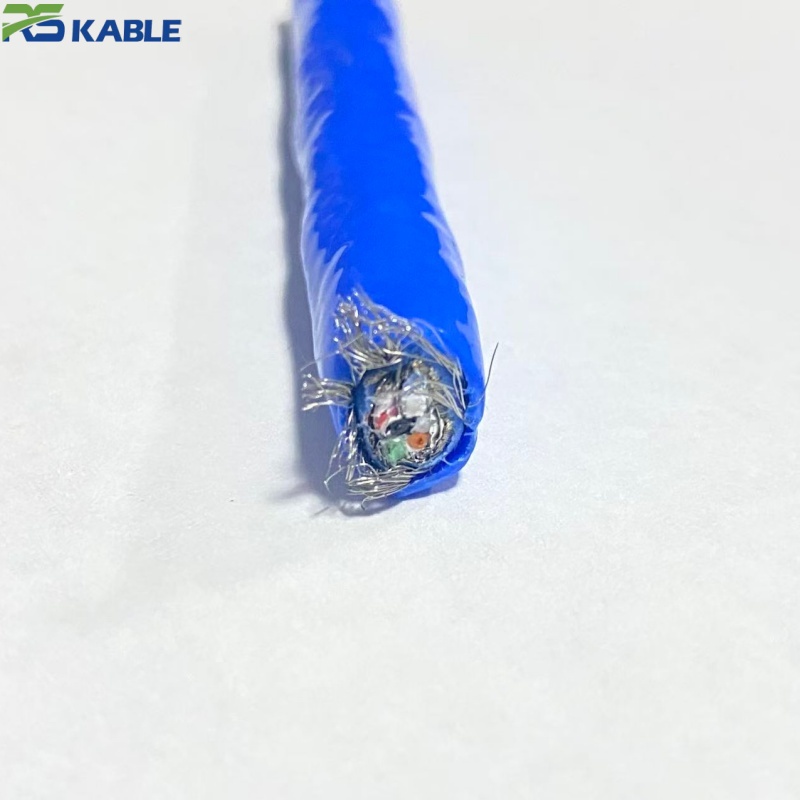
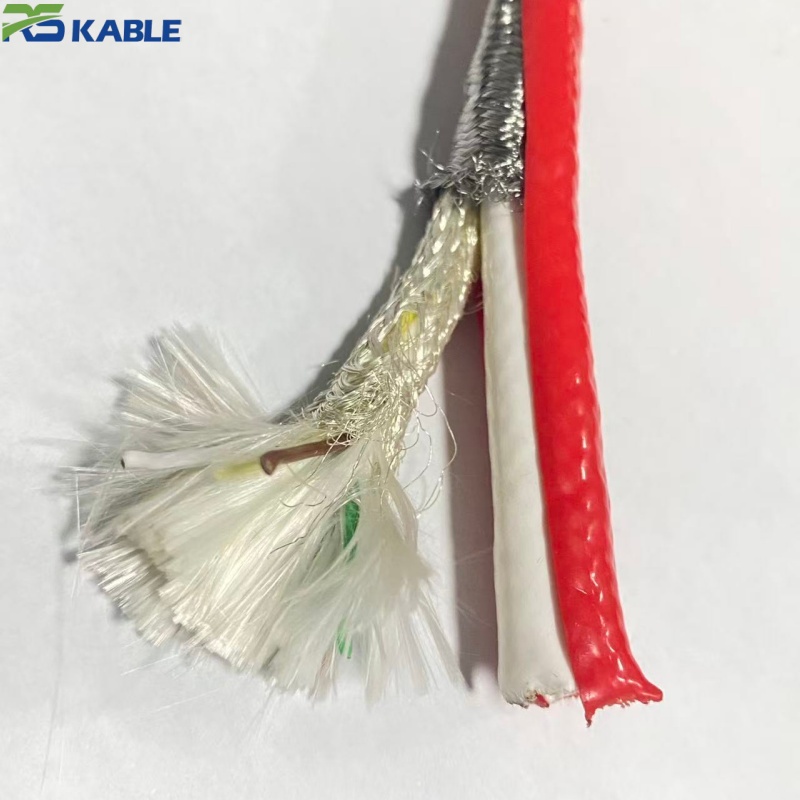
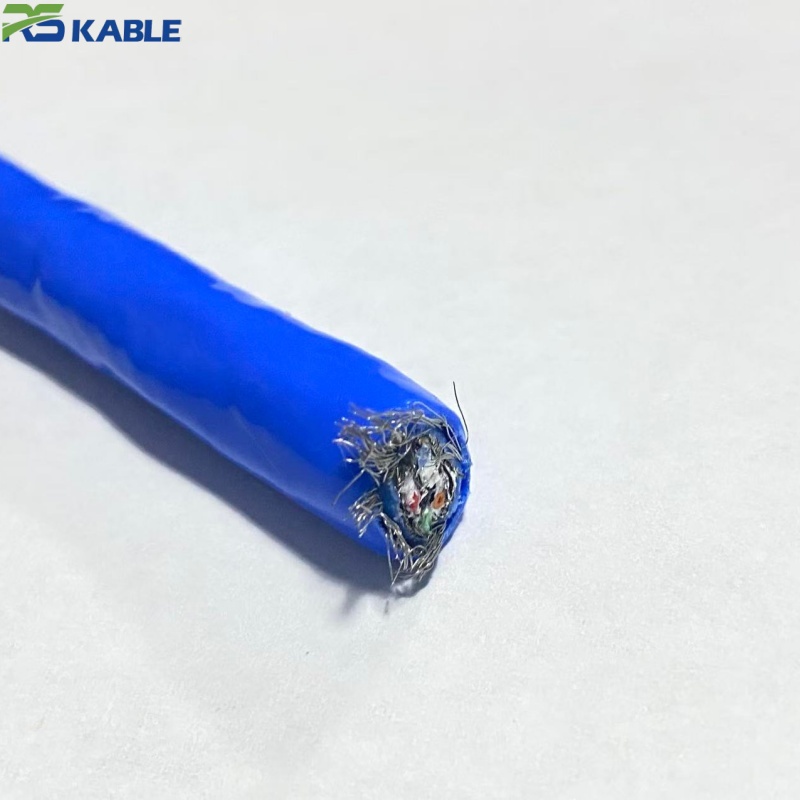
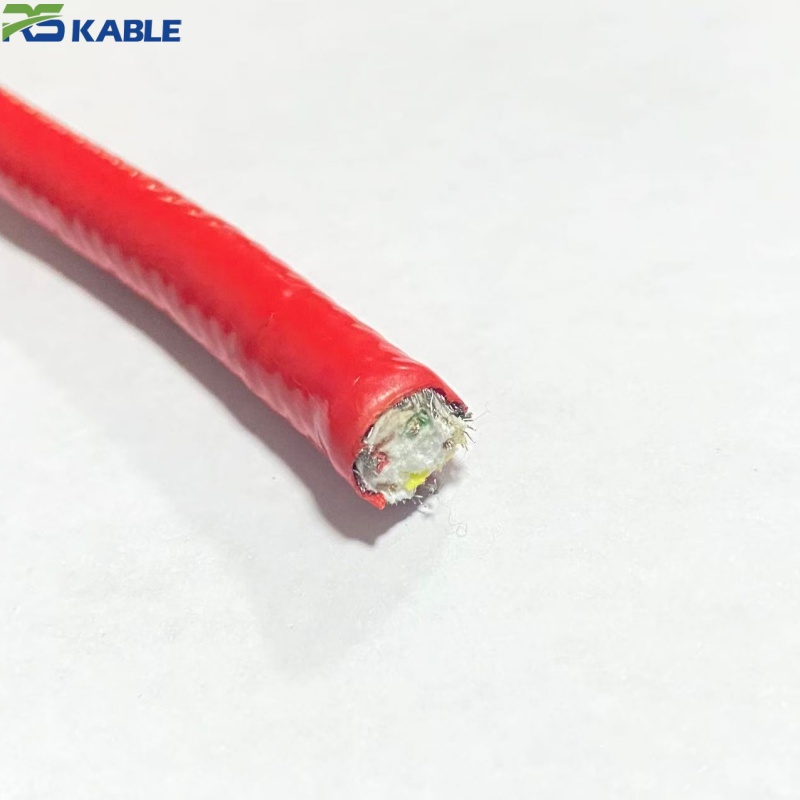
Custom PTFE Cable is a flexible Teflon insulated cable built for nuclear instrumentation, aerospace, and specialized industrial applications requiring the highest available thermal and chemical resistance. Its tape-wrapped or extruded PTFE insulation withstands continuous temperatures beyond FEP’s practical ceiling, built to project specification rather than standard catalog limits.
Key Benefits:
✅ PTFE insulation exceeds FEP’s continuous temperature capability
✅ Built-to-order construction matched to project-specific requirements
✅ Superior chemical and radiation resistance for extreme process environments
✅ Nickel or silver-plated shielding available for high-temperature EMI protection
Custom PTFE Cable | Flexible Teflon Insulated Cable for Specialized Industrial Applications
The Custom PTFE Cable for Specialized Industrial Applications is developed for installations where even FEP or silicone-insulated cable does not provide sufficient thermal margin, chemical resistance, or long-term stability under radiation or aggressive process exposure. It is intended for power, control, and signal circuits in nuclear facility instrumentation, aerospace systems operating at temperature extremes, and specialized industrial processes where cable failure carries a high consequence.
PTFE and FEP are both fluoropolymers, but they are not interchangeable, and this distinction matters more than it might first appear. FEP is melt-processable and extruded directly onto the conductor, which limits its continuous operating temperature to a lower ceiling than PTFE. PTFE cannot be melt-extruded in the same way — it is either applied as a sintered coating or, more commonly for cable insulation, wrapped as overlapping tape layers around the conductor. This manufacturing difference is the reason PTFE cable often has a visibly different insulation structure than FEP cable, and it’s also the reason PTFE tolerates a higher continuous temperature: the material itself has a higher practical service ceiling, and tape-wrapped construction avoids the thermal processing constraints that limit FEP.
The result is a PTFE cable built specifically for applications at the upper edge of what fluoropolymer-insulated cable can handle — a genuine step up from FEP construction, not a marketing variation of the same product, and one that is built to order rather than selected from a small fixed catalog because so few installations share identical requirements at this level of demand.
Custom PTFE Cable
Designed For
This cable is intended for:
- continuous operating temperatures beyond FEP’s practical thermal ceiling
- nuclear facility instrumentation and control wiring requiring radiation resistance
- aerospace systems operating at temperature extremes near engines or thermal protection systems
- process environments with the most aggressive chemical exposure conditions
- applications where project-specific construction is required rather than standard catalog specifications
This cable should be evaluated separately for:
- standard industrial temperature ranges where FEP cable already provides sufficient thermal margin at lower cost
- continuous dynamic flexing in drag chains or robotic joints — tape-wrapped PTFE insulation generally has different flex characteristics than extruded FEP or silicone, and this should be confirmed against the specific flex duty involved
- cost-sensitive applications where the premium for PTFE’s extended temperature range is unnecessary
- direct burial or continuous submersion applications
Product Summary
| Item | Description |
|---|---|
| Product Type | Custom PTFE (Teflon)-insulated industrial cable |
| Main Use | Power, control, and signal transmission at extreme temperature and chemical resistance requirements |
| Typical Installations | Nuclear facility instrumentation, aerospace high-temperature systems, specialized chemical process equipment |
| Conductor Type | Bare, tinned, nickel-plated, or silver-plated copper depending on temperature and application |
| Insulation | PTFE (polytetrafluoroethylene), tape-wrapped or sintered construction |
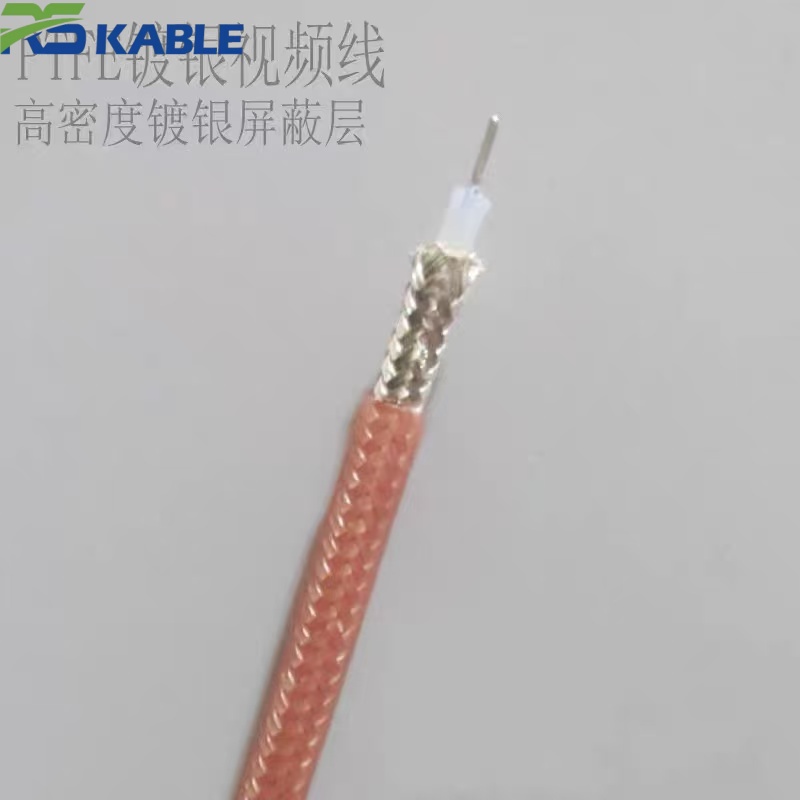
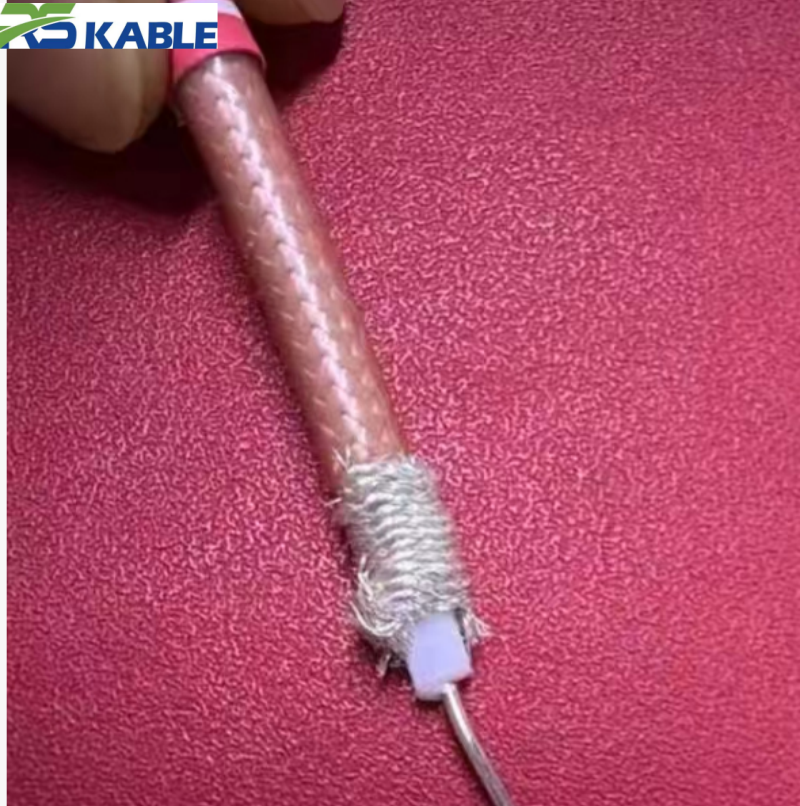
| Shield Option | Nickel-plated or silver-plated copper braid for high-temperature shielding |
| Jacket Type | PTFE, or unjacketed depending on application requirement |
| Supply Form | Project-specific — built to order rather than standard catalog length |
Typical Product Series
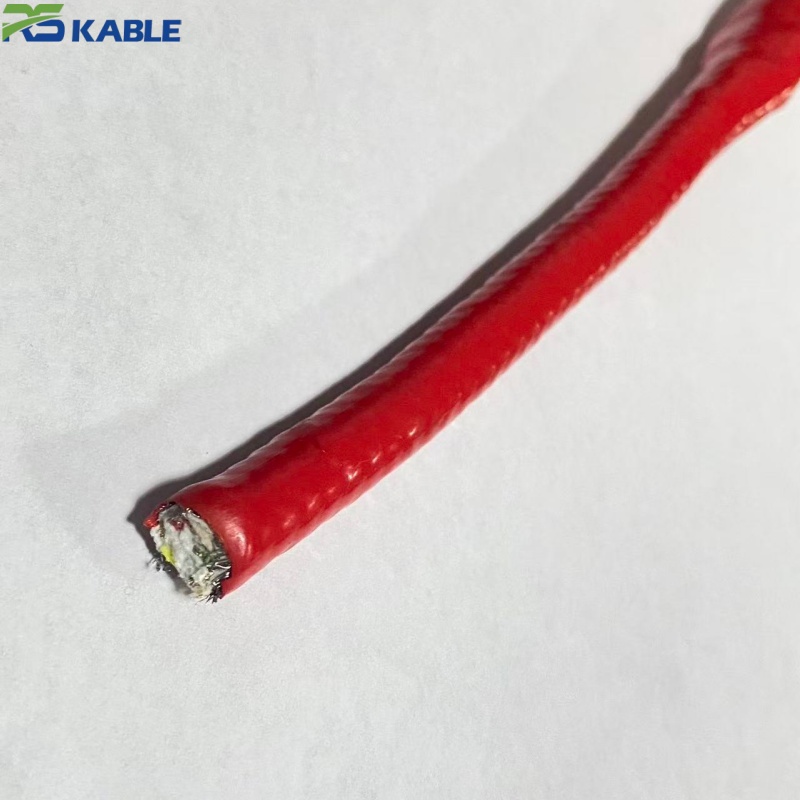
Series Name: RST-PTFE Series Category: Custom PTFE cable for extreme-temperature and specialized industrial applications
| Product Model | Product Name | Conductor | Typical Use | Insulation Construction | Shield |
|---|---|---|---|---|---|
| RST-PTFE-STD | Standard PTFE hookup wire | Tinned/nickel-plated copper | General extreme-temperature wiring | Extruded PTFE | None |
| RST-PTFE-TW | Tape-wrapped PTFE cable | Nickel-plated copper | Highest continuous temperature requirement | Tape-wrapped PTFE | Optional |
| RST-PTFE-SH | Shielded PTFE cable | Silver-plated copper | EMI-sensitive high-temperature signal circuits | Extruded or tape-wrapped | Nickel/silver-plated braid |
| RST-PTFE-NUC | Radiation-resistant PTFE cable | Nickel-plated copper | Nuclear facility instrumentation | Tape-wrapped PTFE | Optional |
| RST-PTFE-C | Fully custom PTFE cable | Custom | Project-specific specialized applications | Custom | Custom |
Technical Parameters
The values below are typical selection items. Final design should be confirmed according to continuous operating temperature, chemical/radiation exposure, and mechanical/flex requirements — as a custom-built product line, most projects require project-specific confirmation rather than a fixed catalog value.
| Parameter | Typical Range / Description |
|---|---|
| Conductor Material | Bare, tinned, nickel-plated, or silver-plated copper |
| Insulation Material | PTFE (polytetrafluoroethylene) |
| Insulation Construction | Extruded (lower gauge/simpler builds) or tape-wrapped (higher temperature ceiling, common for demanding applications) |
| Shield Construction | Nickel-plated or silver-plated copper braid (optional) |
| Jacket Material | PTFE, or unjacketed per application |
| Temperature Rating | Confirmed per project — PTFE construction is selected specifically for the highest available continuous-temperature performance among fluoropolymer options |
| Chemical Resistance | Resistant to nearly all industrial solvents, acids, and process chemicals |
| Radiation Resistance | Suitable for nuclear instrumentation applications, subject to specific dose-rate confirmation |
| Minimum Bend Radius | Confirmed per insulation construction — tape-wrapped and extruded builds differ in flex characteristics |
| Outer Diameter | Depends on conductor size, insulation construction, and shielding |
| Application Scope | Power, control, and signal transmission in extreme-temperature and high-consequence environments |
| Supply Format | Built to order — cut length, coil, or project-specific configuration |
Custom PTFE Cable
Cable Construction
Copper Conductor with Application-Specific Finish
Conductor finish is selected based on the specific temperature and application requirement: nickel-plated copper is common for the highest-temperature PTFE constructions, since nickel plating withstands processing and service temperatures that tin plating cannot, while silver-plated copper remains the choice for high-frequency signal applications.
PTFE Insulation — Extruded or Tape-Wrapped
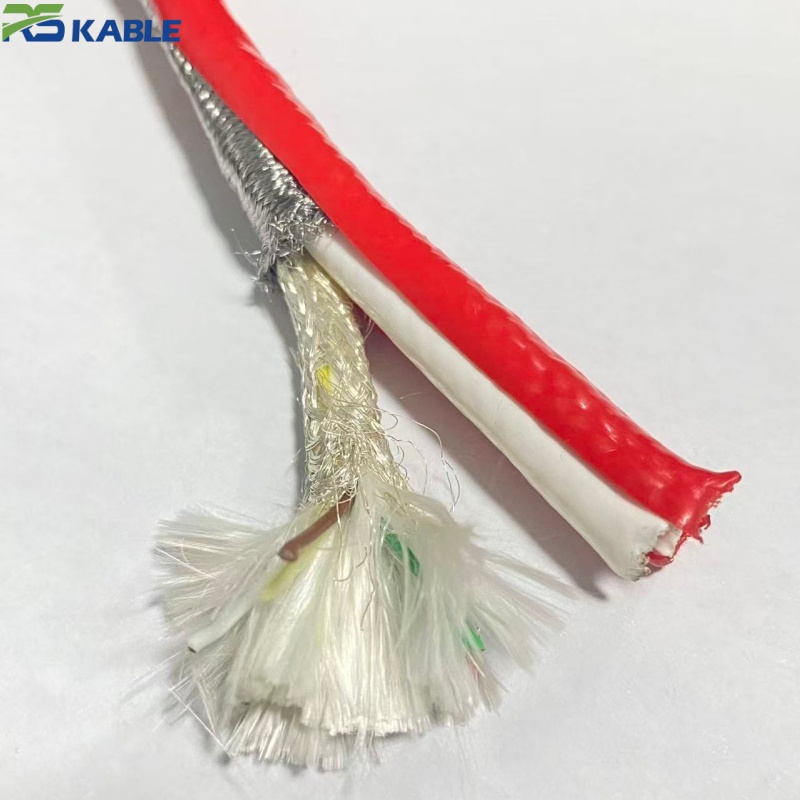
Lower-demand PTFE constructions can use extruded insulation similar in appearance to FEP cable, but for the highest continuous-temperature requirements, tape-wrapped construction — overlapping layers of PTFE tape wound around the conductor — is generally used, since it avoids the thermal processing limitations of melt-extrusion and allows PTFE’s full temperature capability to be realized.
Nickel or Silver-Plated Shield
Where shielding is required at extreme temperatures, standard tinned copper braid is not always suitable, since tin plating has a lower practical temperature ceiling than the insulation itself. Nickel-plated or silver-plated copper braid is used to match the shield’s temperature capability to the rest of the construction.
Radiation-Resistant Considerations for Nuclear Applications
PTFE’s chemical stability extends to reasonable resistance against radiation exposure, which is one reason it is specified for nuclear facility instrumentation wiring — though specific dose-rate tolerance should be confirmed against the actual exposure conditions of the installation rather than assumed universally.
Custom Construction as the Default, Not the Exception
Because applications at this level of thermal and chemical demand vary significantly from one installation to the next, most PTFE cable orders in this product line are built to project-specific requirements rather than selected from a small number of fixed part numbers.
Why PTFE Construction Matters Beyond FEP’s Capability
A cable’s suitability for extreme environments is not defined by “fluoropolymer insulation” as a single category. PTFE and FEP, while chemically related, have genuinely different performance ceilings, and understanding why matters for correct specification.
Higher Continuous Temperature Capability
PTFE’s higher melting point and different processing method (versus FEP’s melt-extrusion) allow it to maintain insulation integrity at continuous temperatures beyond FEP’s practical service range — this is the primary reason to select PTFE over FEP when project requirements call for it.
Broader Chemical Compatibility at Temperature Extremes
While both PTFE and FEP offer strong chemical resistance, PTFE’s stability holds up better under the combination of high temperature and aggressive chemical exposure simultaneously, which is common in specialized process environments.
Suitability for Radiation-Exposed Environments
PTFE’s molecular stability under radiation exposure is a documented reason for its use in nuclear facility wiring, where standard insulation materials may degrade more quickly under combined thermal and radiation stress.
Built-to-Order Flexibility for Non-Standard Requirements
Because this product line is built to project specification rather than limited to catalog parts, applications with unusual combinations of temperature, chemical exposure, shielding, and mechanical requirements can be addressed directly rather than forcing a compromise between several standard options.
Extreme-Temperature Application Boundary
This cable is suitable for:
- continuous operating temperatures beyond what FEP-insulated cable can reliably sustain
- nuclear facility instrumentation requiring radiation-resistant wiring
- aerospace and specialized industrial applications with the most demanding chemical exposure
- project-specific requirements that don’t fit standard fluoropolymer cable catalog options
This cable requires separate confirmation for:
- standard industrial temperature ranges where FEP cable provides adequate performance at lower cost
- continuous dynamic flexing applications, since tape-wrapped PTFE insulation’s flex characteristics differ from extruded constructions and need to be checked against the specific duty cycle
- budget-constrained projects where PTFE’s premium over FEP is not justified by the actual operating conditions
- direct burial or submersion applications
This boundary matters because PTFE is a genuine step up in capability over FEP, not an equivalent alternative — specifying it where FEP would suffice adds cost without a corresponding benefit, while under-specifying with FEP where PTFE is actually required risks premature insulation failure.
Typical Applications
The Custom PTFE Cable is commonly used in:
- nuclear facility instrumentation and control systems
- aerospace systems operating near engines or thermal protection structures
- specialized chemical processing equipment with extreme thermal and chemical demands
- high-temperature test and measurement equipment
- military and defense electronics requiring maximum environmental resistance
- semiconductor process equipment operating at the highest process temperatures
Typical Working Conditions
- continuous operating temperatures beyond FEP’s practical range
- radiation exposure in nuclear or specialized research environments
- combined high-temperature and aggressive chemical exposure
- project-specific mechanical and installation requirements
- long-term thermal cycling at temperature extremes
PTFE Cable vs FEP Cable
| Comparison Item | PTFE Cable | FEP Cable |
|---|---|---|
| Continuous Temperature Capability | Higher — suited to the most extreme requirements | High, but lower ceiling than PTFE |
| Manufacturing Method | Tape-wrapped or sintered (not melt-extruded) | Melt-extruded directly onto conductor |
| Chemical Resistance at Temperature Extremes | Superior | Strong, but PTFE holds up better combined with extreme heat |
| Radiation Resistance | Well-suited for nuclear applications | Less commonly specified for this use |
| Cost | Higher | Lower |
| Best Use | Applications beyond FEP’s practical ceiling | Most high-temperature industrial applications not requiring PTFE’s extended range |
For applications where FEP’s temperature range is sufficient, FEP cable is generally the more cost-effective choice — PTFE’s premium is justified specifically when project requirements exceed FEP’s practical limits.
Extruded PTFE vs Tape-Wrapped PTFE Construction
| Comparison Item | Extruded PTFE | Tape-Wrapped PTFE |
|---|---|---|
| Continuous Temperature Ceiling | Good | Higher, avoids melt-processing thermal constraints |
| Typical Use | General extreme-temperature hookup wire | Highest-demand applications, nuclear, specialized aerospace |
| Flex Characteristics | More consistent, closer to FEP behavior | Differs — should be confirmed against specific flex duty |
| Cost | Lower | Higher |
Tape-wrapped construction is generally specified when project requirements push toward PTFE’s absolute upper temperature and performance limits.
Custom PTFE Cable
Selection Guide
Correct selection depends on confirming PTFE is actually required over FEP, not assuming it by default.
1. Confirm Whether PTFE Is Actually Necessary
Check the actual continuous operating temperature and chemical exposure against FEP’s practical range first — if FEP is sufficient, it is generally the more cost-effective choice.
2. Confirm Function
Identify whether the cable carries power, control, or signal circuits.
3. Confirm Temperature and Chemical Exposure Details
Document the specific continuous temperature, peak temperature, and chemical exposure conditions for accurate construction selection.
4. Confirm Radiation Exposure, If Applicable
Nuclear or research applications should specify actual dose-rate exposure conditions rather than assuming standard PTFE resistance covers all scenarios.
5. Confirm Insulation Construction Requirement
Determine whether extruded or tape-wrapped PTFE construction is needed based on the temperature ceiling required.
6. Confirm Shielding and Conductor Finish
High-temperature shielding requires nickel or silver-plated braid rather than standard tinned copper.
7. Confirm Flex Duty, If Applicable
Tape-wrapped PTFE’s flex characteristics differ from extruded constructions and should be checked against the specific installation’s movement requirements.
Customization and Supply
This product line is built to order as standard practice, not as an exception.
Available Options
- conductor finish (bare/tinned/nickel-plated/silver-plated)
- insulation construction (extruded or tape-wrapped)
- shield structure and material
- jacket option
- project-specific length and configuration
Supply Support
- engineering consultation to confirm PTFE vs FEP suitability
- sample supply for evaluation
- drawing and structure confirmation before production
- OEM and project supply
- specialized batch production for nuclear/aerospace qualification requirements
Ordering Information
For faster quotation and model selection, provide:
- continuous and peak operating temperature
- chemical and/or radiation exposure conditions
- application type (power, control, or signal)
- shielding and conductor finish requirement
- flex duty, if applicable
- quantity and length requirement
Inquiry Example
PTFE cable, nickel-plated copper conductor, tape-wrapped insulation, silver-plated braid shield, nuclear facility instrumentation wiring, continuous 260°C service temperature, 50 meters
Call to Action
Request a Quote for Custom PTFE Cable Send the application details for engineering review, construction confirmation, and pricing.
FAQ
What is the actual difference between PTFE and FEP cable?
PTFE has a higher continuous temperature ceiling than FEP because of its molecular structure and the fact that it cannot be melt-extruded the same way FEP can — PTFE is typically applied as tape-wrapped or sintered construction, which allows it to maintain performance beyond FEP’s practical processing and service limits.
Do we actually need PTFE, or would FEP cable work for our application?
If your continuous operating temperature and chemical exposure fall within FEP’s practical range, FEP is generally the more cost-effective choice. PTFE’s premium is justified specifically when requirements exceed what FEP can reliably sustain.
Why is tape-wrapped construction used instead of extruded PTFE?
Tape-wrapped construction avoids the thermal processing constraints of melt-extrusion, allowing PTFE’s full temperature capability to be realized. It’s generally specified for the most demanding continuous-temperature requirements.
Is this cable suitable for nuclear facility instrumentation?
Yes, PTFE’s chemical and radiation stability make it a common choice for nuclear instrumentation wiring, though specific dose-rate exposure should be confirmed against your facility’s actual conditions rather than assumed as a blanket capability.
Can this cable handle dynamic flexing applications?
This needs to be confirmed against the specific insulation construction — tape-wrapped PTFE generally has different flex characteristics than extruded constructions, and neither should be assumed suitable for continuous drag-chain-level flexing without specific confirmation.
Why is this a custom/built-to-order product rather than a standard catalog item?
Applications requiring PTFE over FEP tend to have specific, varied combinations of temperature, chemical, radiation, and mechanical requirements that don’t fit neatly into a small number of standard part numbers — building to project specification produces a better match than forcing a standard option to fit.
What conductor finish should be used for the highest-temperature applications?
Nickel-plated copper is generally used for the highest-temperature PTFE constructions, since tin plating has a lower practical temperature ceiling than the insulation itself and would become the limiting factor in the assembly.
Is engineering consultation available before placing an order?
Yes. Given the specialized nature of this product line, confirming whether PTFE is genuinely required over FEP, and the correct construction details, is part of the standard ordering process.
Other Related Products
(For related high-temperature and specialty cable products, please refer to our FEP Cable and Teflon Silicone Rubber Cable category pages.)
[Request a Quotation] · [Ask an Engineer Before You Spec It] · [Download Technical Datasheet]