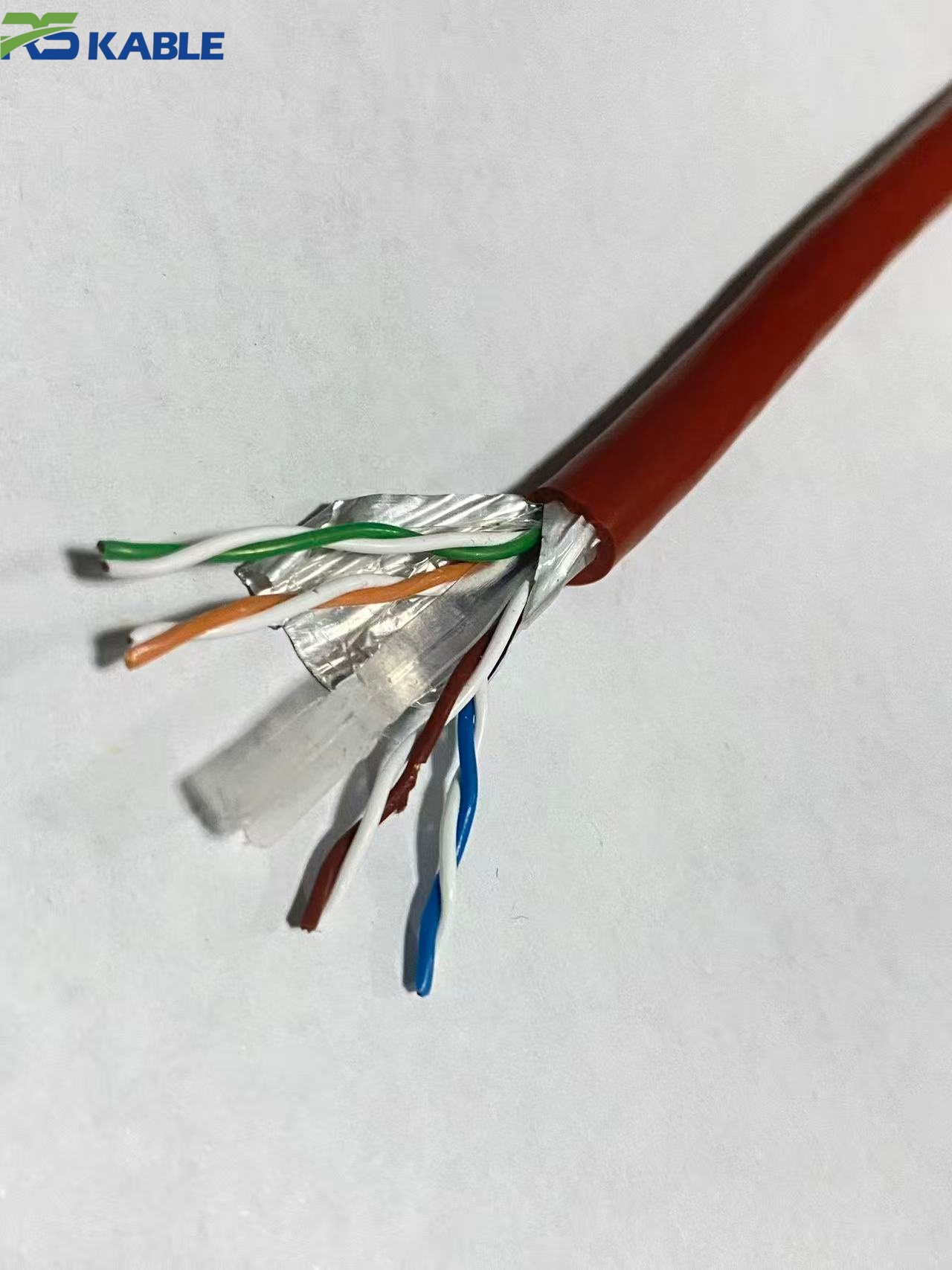


PTFE vs FEP Teflon Cable: What’s Actually the Difference?
“Teflon cable” gets used as if it describes one material. It doesn’t. Teflon is a DuPont brand name that’s been applied to more than one fluoropolymer over the decades, and in cable insulation specifically, the two you’ll actually run into are PTFE and FEP. They’re chemically related, they look similar on a spec sheet, and salespeople sometimes use the names interchangeably — but they’re processed differently, perform differently at the temperature extremes, and cost differently. Mixing them up is an easy way to either overpay for capability you don’t need or under-spec a cable that fails earlier than expected.
This article breaks down what actually separates them, so “Teflon cable” stops being a single vague category in your head.
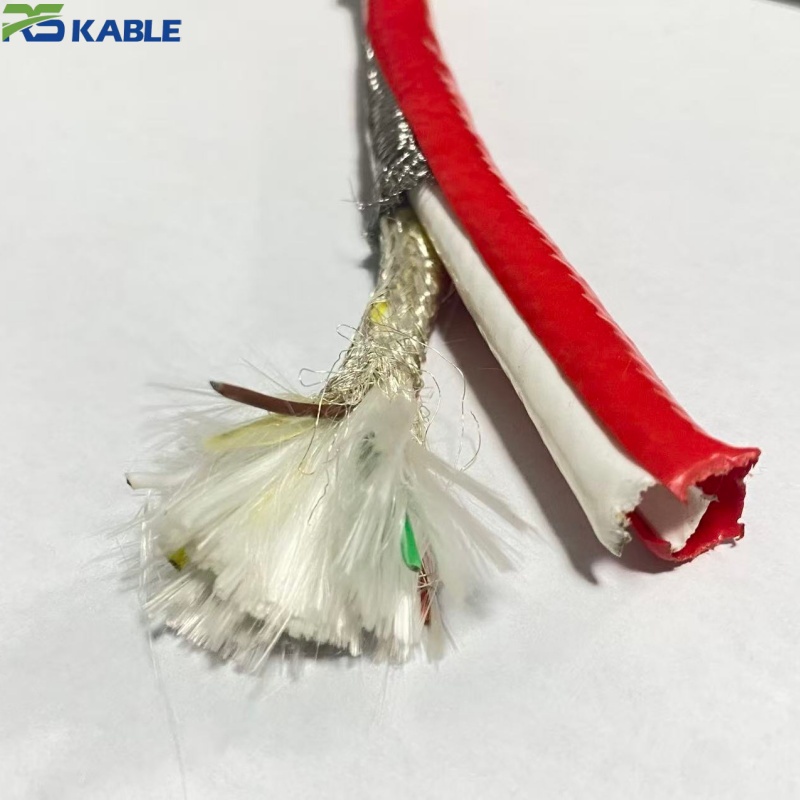
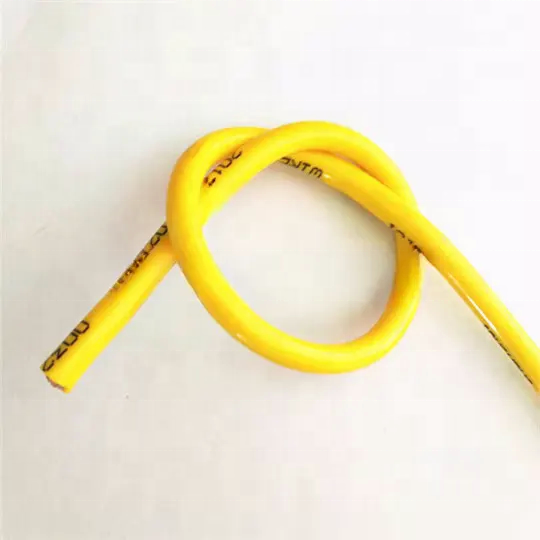
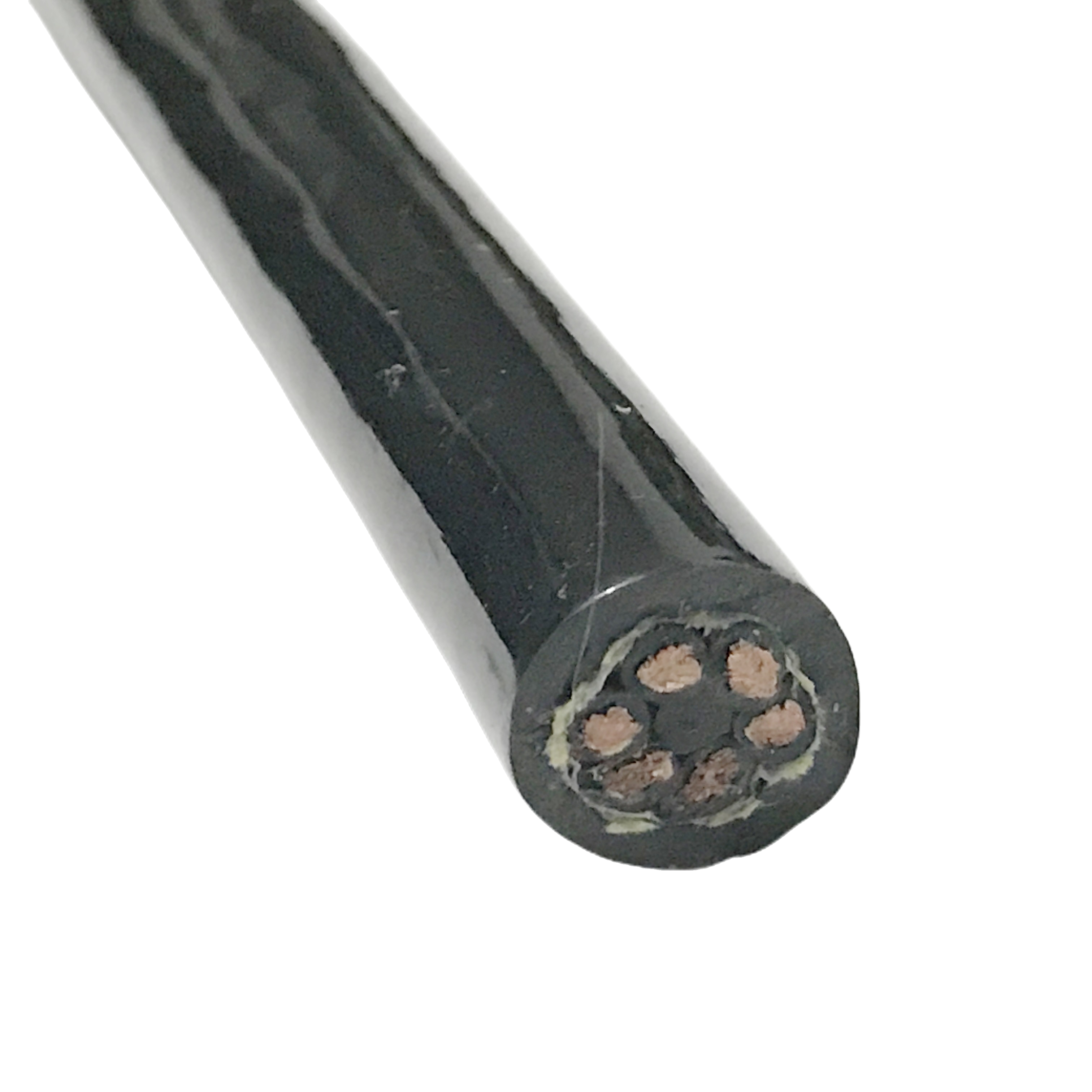
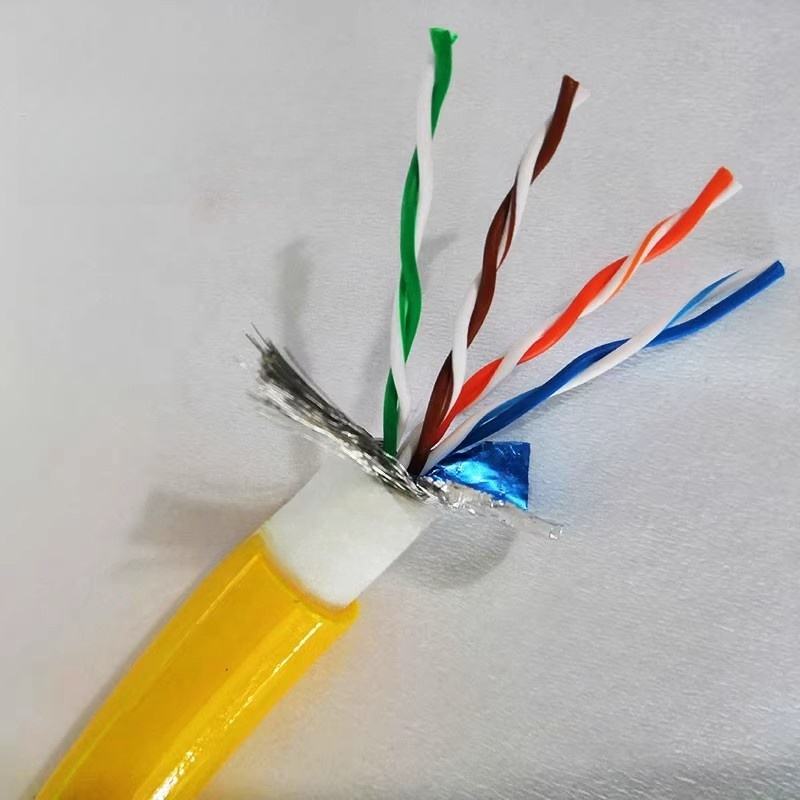
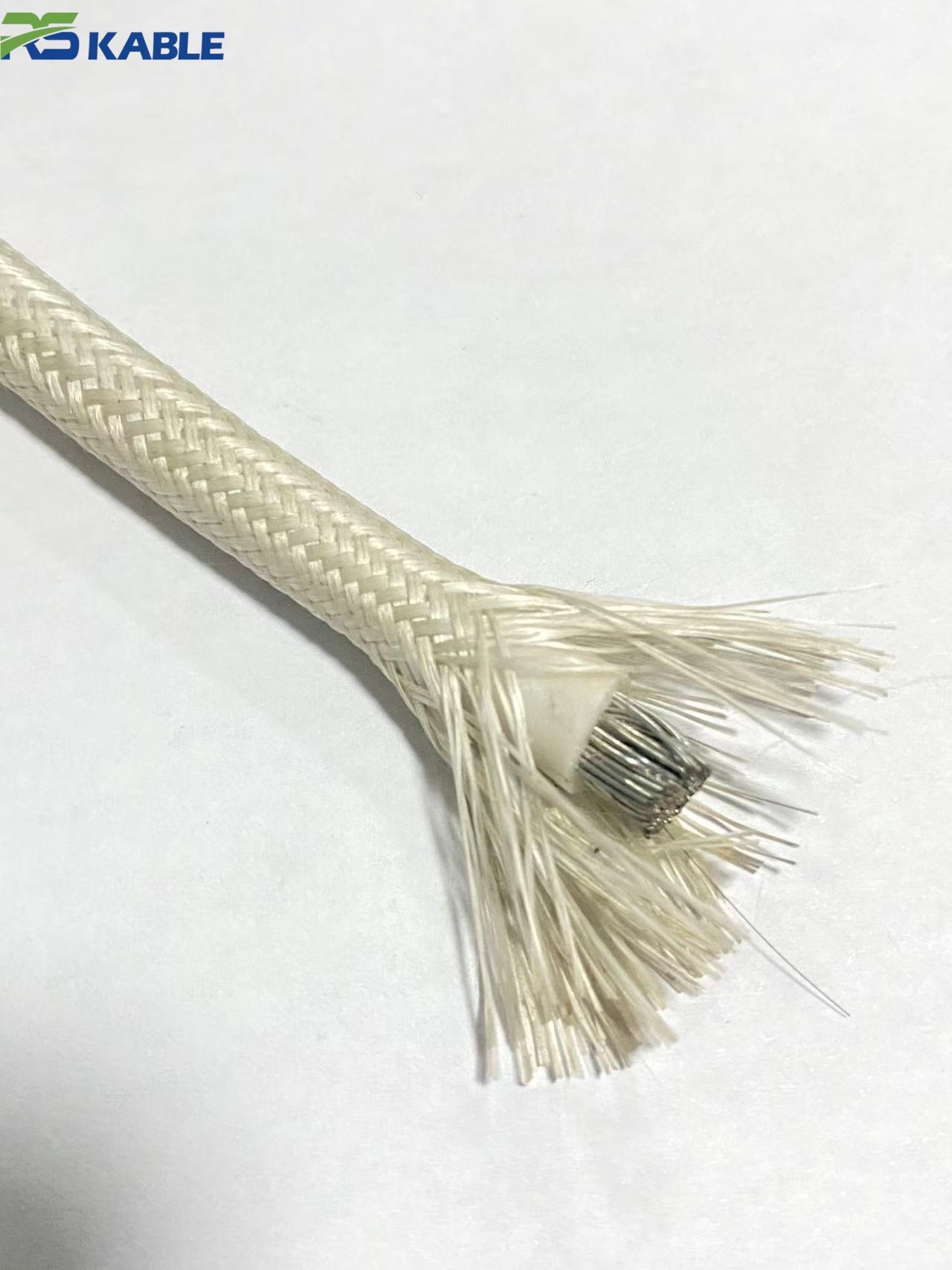
Custom PTFE Cable | Flexible Teflon Insulated Cable
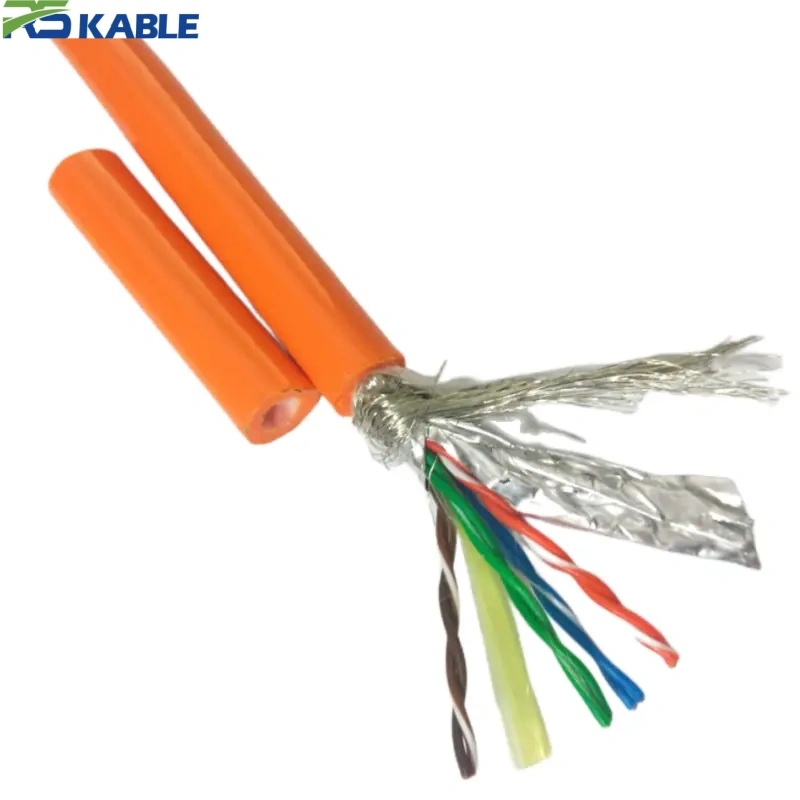
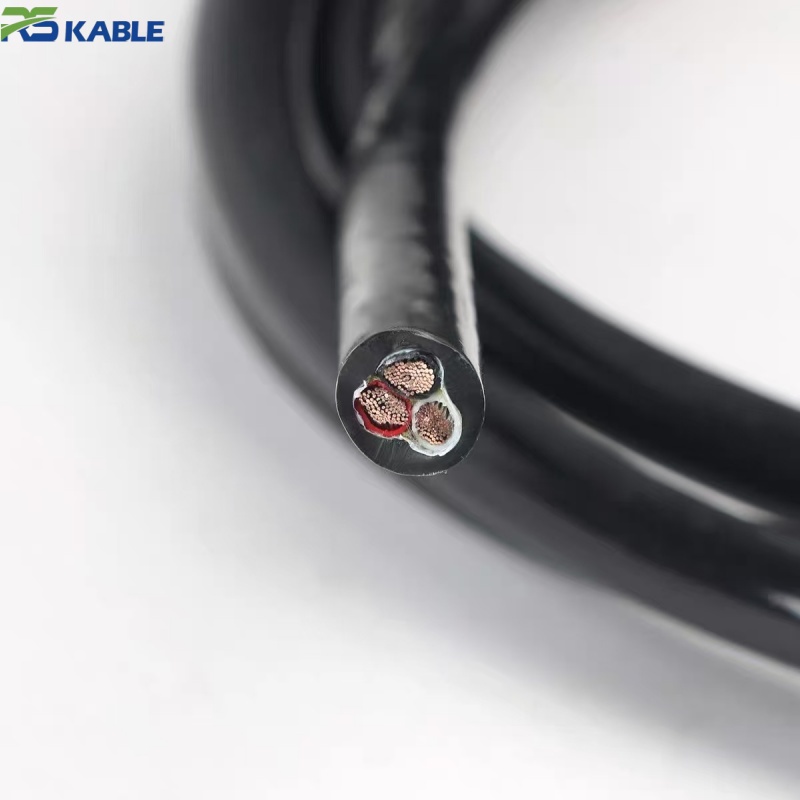
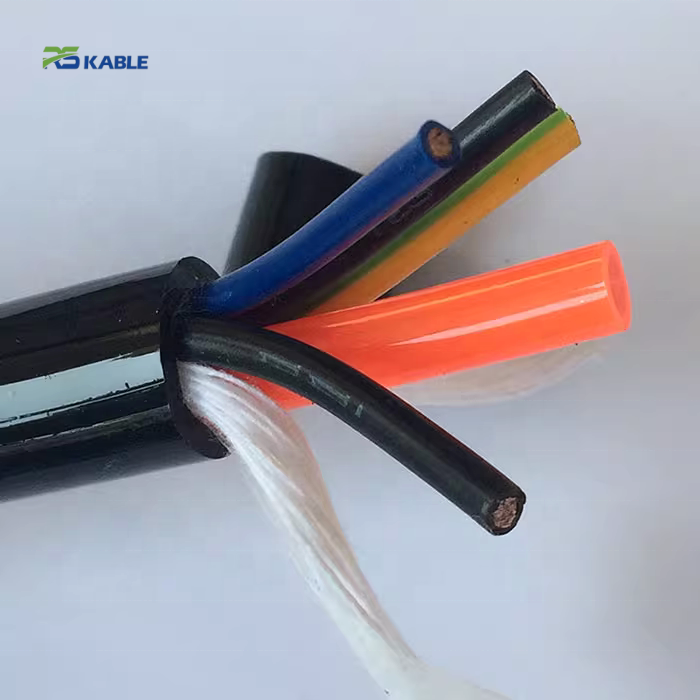
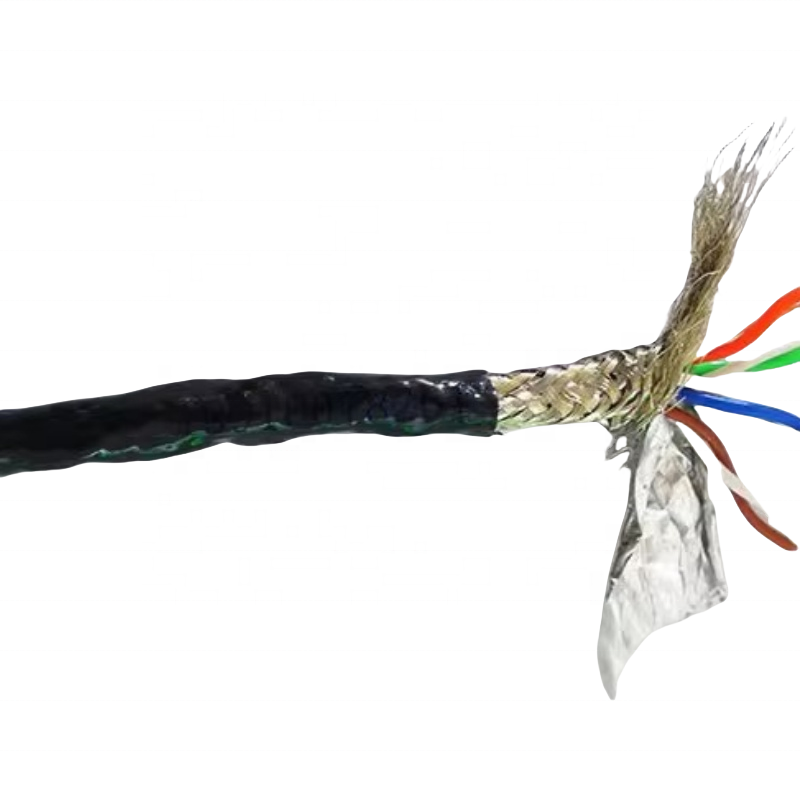
Custom PTFE Cable is a flexible Teflon insulated cable designed for extreme-temperature, chemical-resistant, and specialized industrial applications, including nuclear instrumentation, aerospace systems, and high-temperature process equipment.
Key Features: PTFE insulation, high-temperature resistance, chemical resistance, radiation resistance, optional shielding, and project-specific customization.
They’re Related, But Not the Same Polymer
PTFE (polytetrafluoroethylene) and FEP (fluorinated ethylene propylene) are both fluoropolymers — long carbon-fluorine chains that give both materials their signature chemical inertness and heat resistance. But FEP is a copolymer with a slightly different molecular structure than PTFE, and that structural difference has one practical consequence that matters more than almost anything else in cable manufacturing: FEP can be melted and processed. PTFE can’t.
Why “Can It Be Melted” Is the Question That Actually Matters
FEP softens at a workable temperature and can be melt-extruded directly onto a copper conductor — the same basic process used for PVC, PE, or most other cable insulation. This makes FEP cable relatively straightforward and economical to manufacture.
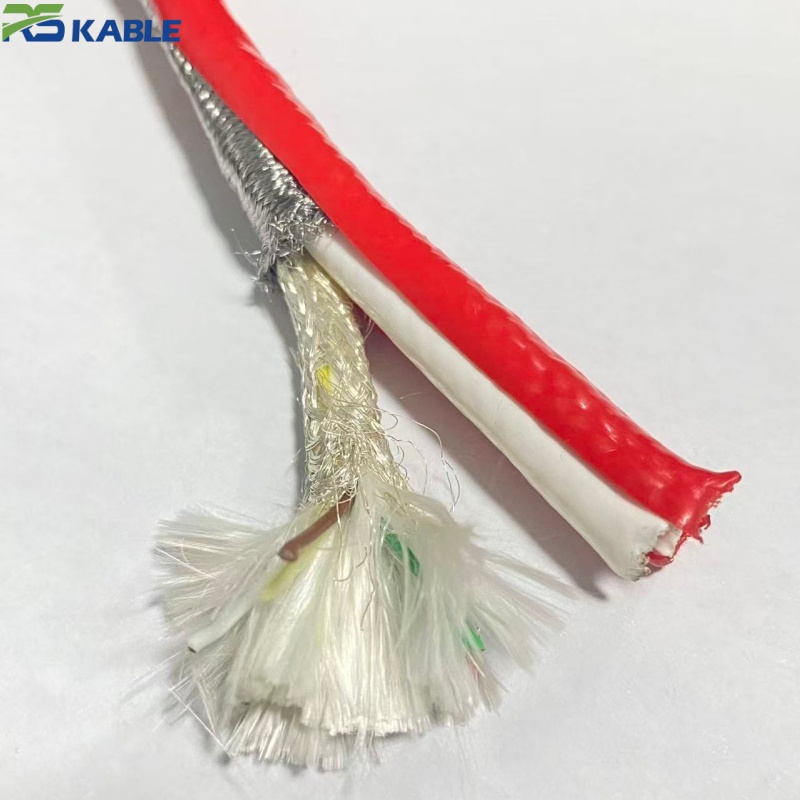
PTFE doesn’t melt in a way that allows conventional extrusion. Above its melting point, it becomes an extremely viscous gel rather than a flowable melt, so it can’t be pushed through an extruder die the way FEP can. Instead, PTFE insulation is typically applied one of two ways: as a sintered coating, or — more commonly for cable — as overlapping layers of thin PTFE tape wrapped around the conductor and then heat-treated to fuse the layers together.
This is why, if you’ve ever handled both types of cable, PTFE insulation sometimes has a subtly different surface texture or a visible spiral pattern under close inspection, while FEP insulation looks smooth and uniform like most other extruded cable. It’s not a cosmetic quirk — it’s a direct visual signature of two different manufacturing processes.
The Payoff: Why PTFE Tolerates More Heat Than FEP
Because PTFE isn’t constrained by the thermal processing requirements of melt-extrusion, it retains a higher practical continuous-service temperature ceiling than FEP. FEP is excellent — genuinely one of the better cable insulation materials available — but PTFE sits a step above it specifically at the top end of the temperature range, which is why applications operating at the true extremes (aerospace systems near engines, nuclear facility instrumentation, specialized high-temperature process equipment) often specify PTFE even though FEP would handle the vast majority of “hot” industrial applications just fine.
This is also why PTFE commands a real price premium. Tape-wrapping is a slower, more labor- and equipment-intensive process than melt-extrusion, and that manufacturing difference shows up directly in cost.
Other Differences Worth Knowing
Chemical resistance — both materials resist nearly everything in typical industrial environments, but PTFE’s resistance holds up marginally better specifically when high chemical exposure and high temperature occur together, which is a common condition in the extreme applications where PTFE gets specified in the first place.
Radiation exposure — PTFE’s stability under radiation is a documented reason it shows up in nuclear facility instrumentation wiring, though the specific dose-rate tolerance for any given application should be confirmed rather than assumed.
Flexibility — this is where it gets less intuitive. Tape-wrapped PTFE doesn’t necessarily flex the same way extruded FEP does. If your application involves any dynamic movement — not just fixed installation — the flex characteristics of the specific PTFE construction need to be checked separately from its temperature rating, since a cable built for extreme heat isn’t automatically built for extreme bending.
So Which One Do You Actually Need?
Start with your real operating temperature, not the highest number on a datasheet that sounds impressive. If your application’s continuous temperature and chemical exposure fall comfortably within FEP’s practical range, FEP is almost always the more sensible and cost-effective choice — you’re not gaining anything by over-specifying PTFE for a job FEP already handles well.
Reach for PTFE specifically when you’re pushing past FEP’s practical ceiling: sustained operation at the true upper end of fluoropolymer capability, nuclear or radiation-exposed environments, or process conditions combining extreme heat with aggressive chemical exposure at the same time.
If you’re not sure which side of that line your application falls on, that’s a legitimate question to bring to an engineer before ordering — the cost difference between the two is significant enough that guessing wrong in either direction is expensive, either in unnecessary spend or in premature cable failure.
Frequently Asked Questions
Is PTFE just a “better” version of FEP?
Not exactly — it’s more accurate to say PTFE trades processing simplicity for a higher temperature ceiling. FEP is easier and cheaper to manufacture via melt-extrusion and performs excellently for the large majority of high-temperature applications. PTFE earns its higher cost specifically at the extreme upper end of the temperature range, or in radiation-exposed environments.
Why does PTFE cable sometimes look different from FEP cable?
Because it’s often built differently. Tape-wrapped PTFE construction can have a subtly different surface appearance than smooth, melt-extruded FEP insulation — a direct visual result of the two materials’ different manufacturing processes.
Can I use FEP cable for a nuclear or radiation-exposed application?
This needs specific evaluation. PTFE’s radiation stability is a more commonly documented and specified property for this use case, and the correct choice depends on your facility’s actual dose-rate profile rather than a general assumption either way.
Does PTFE cable flex the same way FEP cable does?
Not necessarily. Tape-wrapped PTFE construction can have different flex characteristics than extruded FEP, and this should be checked separately from the temperature rating if your application involves any dynamic movement rather than fixed installation.
How much more does PTFE cable typically cost compared to FEP?
It varies by construction and specification, but PTFE generally carries a meaningful premium due to its more labor-intensive tape-wrapping manufacturing process compared to FEP’s straightforward melt-extrusion. This premium is generally justified only when the application’s temperature, chemical, or radiation requirements genuinely exceed what FEP can reliably handle.
If your application’s operating temperature and chemical exposure sit comfortably within standard high-temperature ranges, our FEP Cable is generally the more cost-effective choice. If you’re working at the true upper edge of what fluoropolymer insulation can handle — nuclear instrumentation, aerospace systems near extreme heat sources, or combined high-temperature and chemical exposure — our Custom PTFE Cable is built to project specification for exactly that range of applications.
[Request a Quotation] · [Ask an Engineer Before You Spec It]