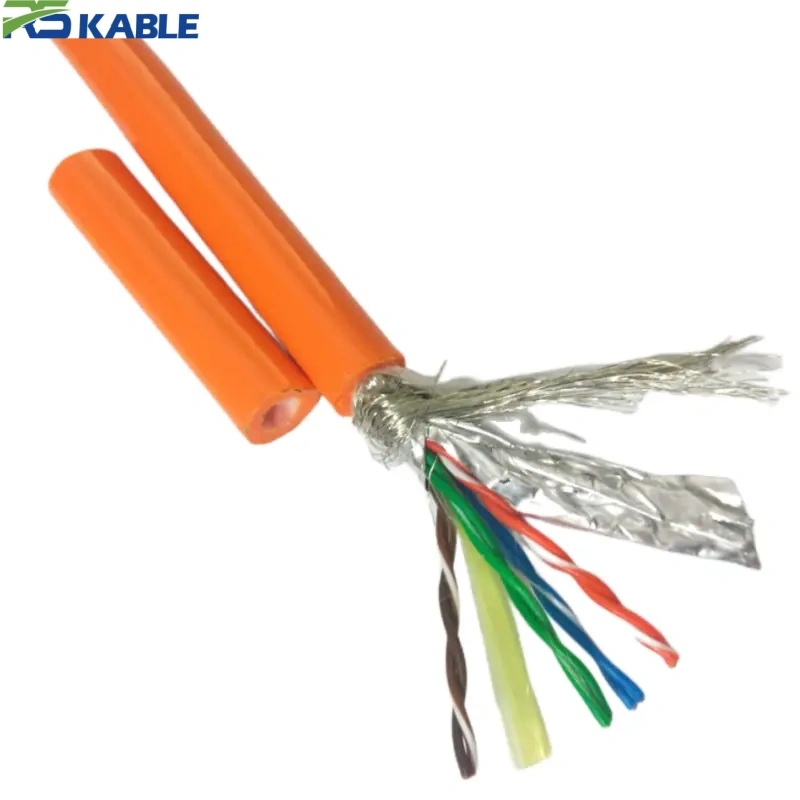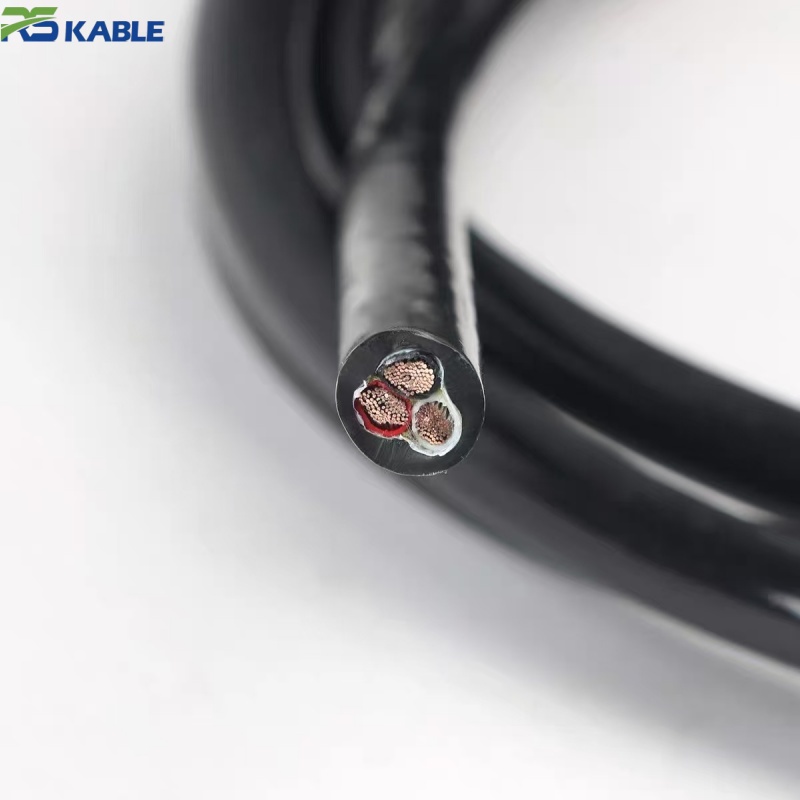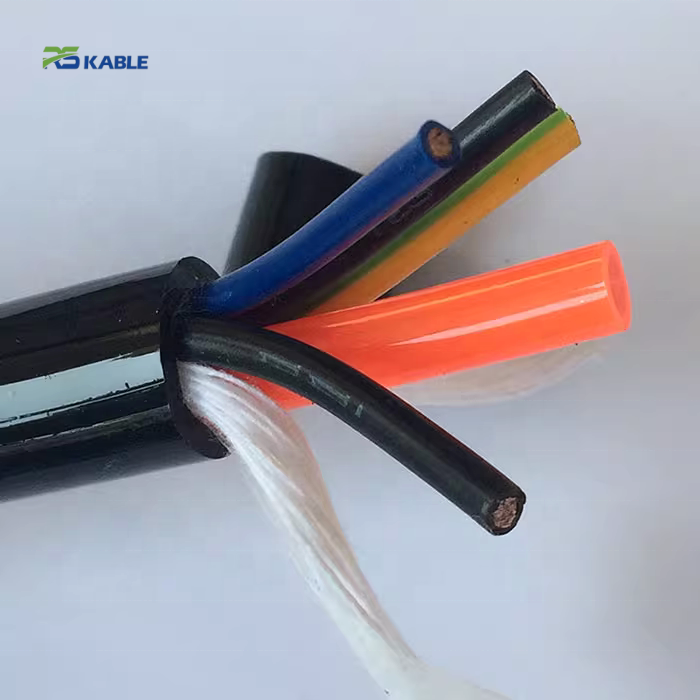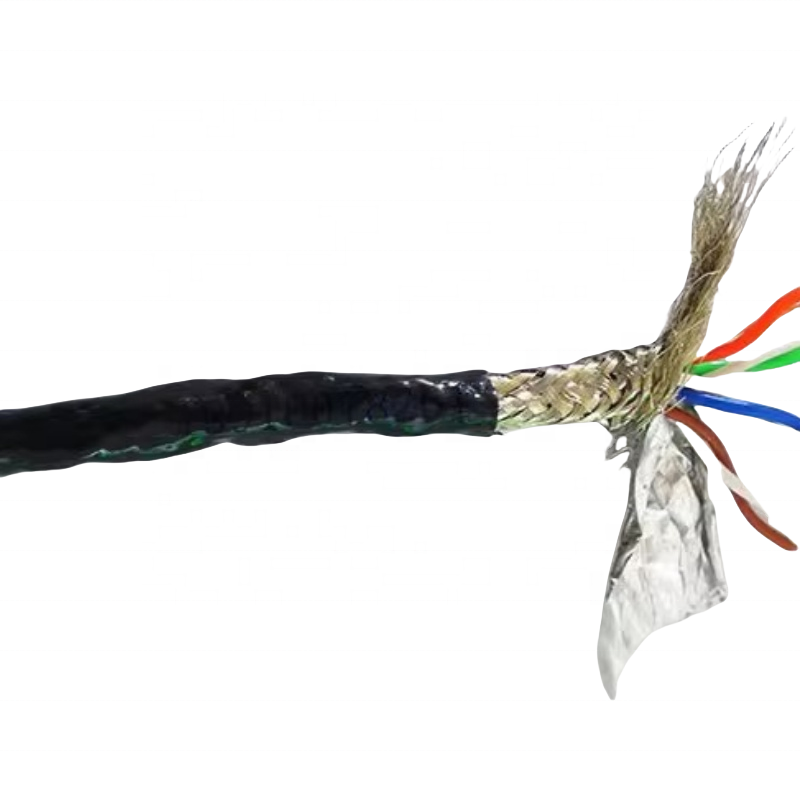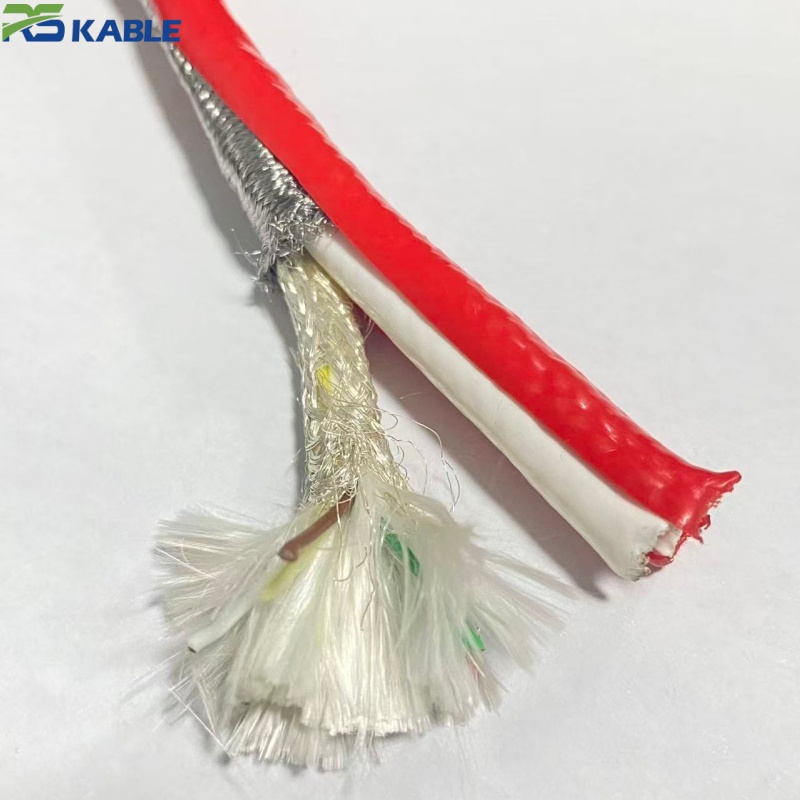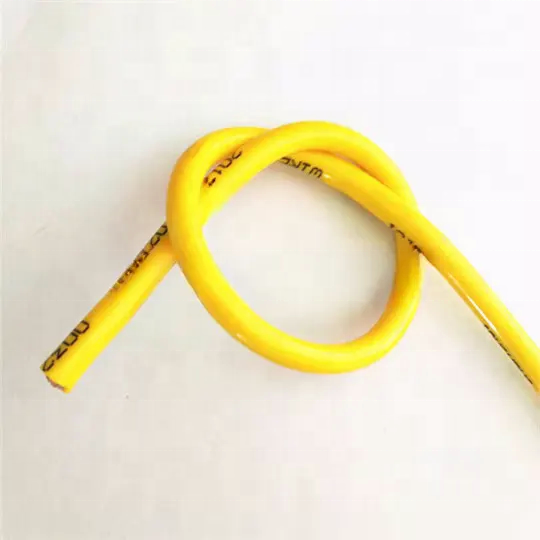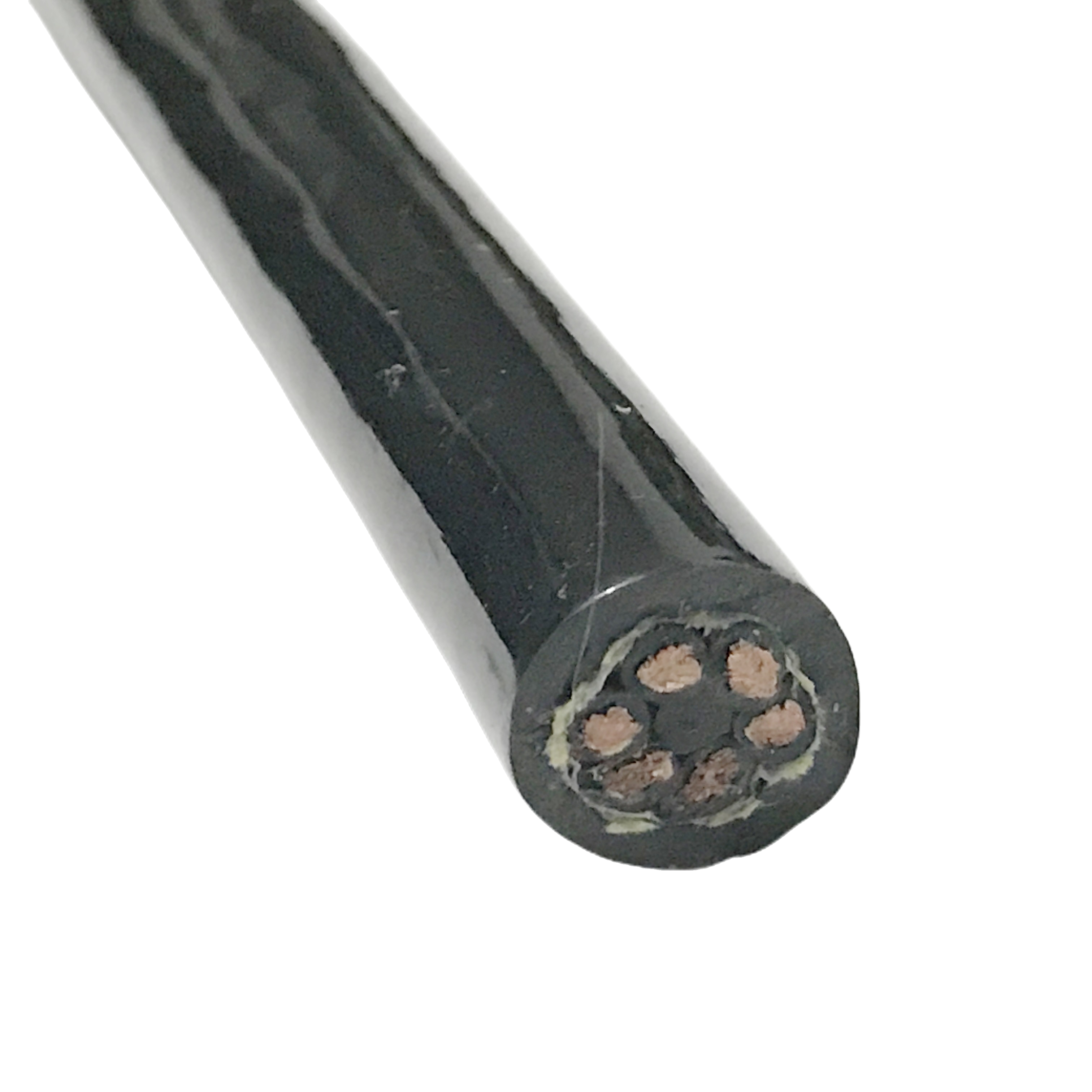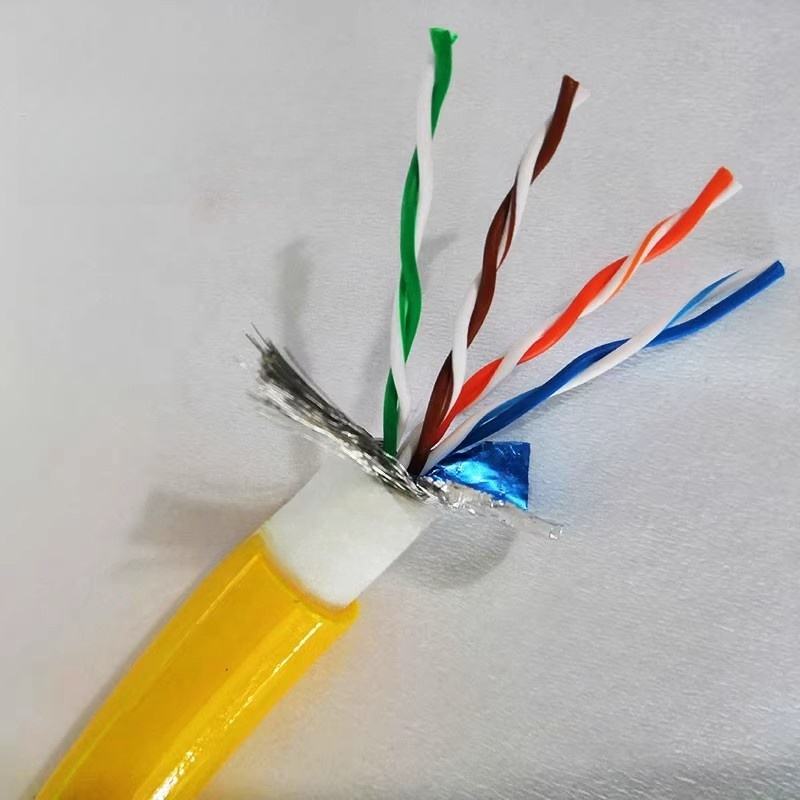


Oil Resistant Cable | Flexible PUR Cable for Drag Chains in Oily Environments
Walk through most CNC shops, injection molding facilities, or machine tool floors, and cable isn’t just flexing constantly — it’s doing so while sitting in a film of hydraulic oil, cutting fluid, or lubricant that never fully goes away. This is a specific, common combination that a lot of general “flexible cable” isn’t actually built for: oil exposure and continuous motion, at the same time, for years. This article covers what oil resistance in cable actually means, why PUR jacket material is the default answer for drag chain applications specifically, and how to make sure “oil resistant” on a spec sheet means what you think it means.
What Does “Oil Resistant” Actually Mean?
Oil resistance isn’t a single pass/fail claim — it’s a graded, standardized property, and the grading matters more than the phrase itself. In the UL system commonly referenced in North America, cable oil resistance is tested and rated as Oil Res I or Oil Res II, based on immersion testing (commonly using a standardized test oil called IRM 902, submerged for a defined period at an elevated temperature) that measures how much the jacket material degrades — swelling, softening, or loss of mechanical strength — after sustained oil contact.
In Europe, the relevant reference is typically DIN EN 60811-2-1 (sometimes alongside DIN EN 50363-4-1), which defines similar oil-immersion testing under IEC/CENELEC frameworks. For the most extreme applications — offshore drilling rigs and similarly harsh oil-and-gas environments — an even more demanding test oil, IRM 903, is used, since it contains a higher concentration of aromatic hydrocarbons that are considerably harder on cable jacket material than the standard IRM 902 test.
The practical takeaway: “oil resistant” on a datasheet should point to one of these specific standards and ratings. A vague claim without a referenced test standard doesn’t tell you much about how the cable will actually hold up against your specific oil exposure.
Why PUR Is the Default Jacket Material for Oil-Exposed Drag Chains
Polyurethane (PUR) jacket compound has a genuine, material-level advantage here: PUR is inherently oil-resistant as a base property of the polymer itself, without needing special additives to achieve that resistance. This is a meaningfully different situation from PVC, which can be formulated to achieve oil resistance, but does so through the specific plasticizer and compound additives used — meaning “PVC cable” doesn’t automatically mean oil-resistant PVC cable the way “PUR cable” much more reliably does.
This distinction matters specifically for drag chain applications because PUR also happens to offer good abrasion resistance and flex-fatigue performance — the same properties that matter for cable riding in a cable carrier through millions of reciprocating cycles. That overlap is why PUR shows up as the default recommendation for oily, continuously-moving environments rather than as a coincidence of two unrelated good properties.
Oil Resistance and Flex Life Are Different Properties — Check Both
It’s worth being direct about a common assumption that doesn’t hold up: a cable’s oil resistance rating and its flex-cycle rating are independent properties, tested and specified separately. A cable can carry an excellent Oil Res II rating for a fixed, non-moving installation and still be entirely unsuited to drag chain duty if its conductor stranding wasn’t built for continuous reciprocating flex.
For drag chain applications specifically, both properties need to be checked: oil resistance addresses whether the jacket survives sustained chemical contact, while conductor class (commonly Class 5 or Class 6 fine-strand construction per IEC 60228) and rope-lay stranding address whether the cable survives the mechanical fatigue of chain travel. A cable strong in one area and weak in the other will fail — just from a different cause than expected.
Where Oil-Resistant Drag Chain Cable Is Actually Used
- CNC machine tools — coolant and cutting fluid exposure on axis travel cabling
- Injection molding machines — hydraulic oil exposure near moving platens and ejector systems
- Machine tool automation cells — general lubricant and hydraulic fluid contact in production environments
- Packaging and material handling equipment — chain and conveyor lubrication exposure
- Automotive manufacturing lines — cutting fluid, lubricant, and hydraulic fluid across multiple process stations
A Note on “Which Oil” — Not All Oils Are the Same to a Cable Jacket
One detail that’s easy to miss: oil resistance tested against a standard mineral-oil-based test fluid doesn’t automatically guarantee equivalent resistance to every oil type your facility actually uses. Synthetic oils, bio-based cutting fluids, and specialty hydraulic fluids can have different chemical compositions than standardized test oils, and a cable rated against standard test oil may perform differently against a specific synthetic or bio-oil in your process. If your facility uses a less common oil or fluid type, it’s worth confirming compatibility specifically rather than assuming a general oil-resistance rating covers it — some manufacturers can test against your actual fluid on request.
Frequently Asked Questions
What’s the difference between Oil Res I and Oil Res II?
Both are UL-defined oil resistance ratings based on immersion testing, with Oil Res II generally representing a more demanding performance threshold than Oil Res I. The specific test conditions and acceptance criteria are defined in the relevant UL standard (such as UL 1063 for machine tool wire), and checking which rating a cable actually carries is more informative than a general “oil resistant” claim alone.
Is PUR always more oil-resistant than PVC?
PUR is inherently oil-resistant as a base material property, while PVC requires specific compounding to achieve oil resistance — meaning oil-resistant PVC does exist, but it’s a formulated exception rather than an inherent property of PVC in general. Checking the actual oil resistance rating and standard referenced is more reliable than assuming based on jacket material alone.
Does oil-resistant cable automatically work in a drag chain?
Not necessarily. Oil resistance and continuous-flex durability are separate, independently tested properties. A cable needs both an appropriate oil resistance rating and a conductor/stranding construction rated for continuous dynamic flex to perform reliably in a drag chain application specifically.
Can oil-resistant cable handle synthetic or bio-based cutting fluids?
This should be confirmed specifically rather than assumed. Standard oil-resistance testing typically uses mineral-oil-based test fluids, which don’t always predict performance against synthetic or bio-based fluids with different chemical compositions. If your facility uses one of these fluid types, checking compatibility directly is worth the extra step.
What test standard should I look for on an oil-resistant cable datasheet?
Common references include UL Oil Res I/II ratings (often tied to standards like UL 1063 for machine tool wire), and DIN EN 60811-2-1 or DIN EN 50363-4-1 in European specifications. A cable’s datasheet referencing one of these specific standards is more informative than an unreferenced “oil resistant” claim.
Is oil resistance important even if my cable isn’t in a drag chain?
Yes, if the cable will contact oil, lubricant, or hydraulic fluid regardless of whether it’s moving. Fixed-installation cable exposed to oil without adequate resistance can still experience jacket swelling, softening, or degradation over time, even without the added mechanical stress of continuous flexing.
Specifying cable for an oily, continuously-moving environment means checking two separate things — a documented oil-resistance rating against a real standard, and a flex-cycle construction built for your actual duty cycle — rather than assuming one property implies the other. If you’re specifying cable for a CNC, injection molding, or similar oil-exposed drag chain application, our engineering team can help confirm both the jacket material and conductor construction match your actual operating conditions.