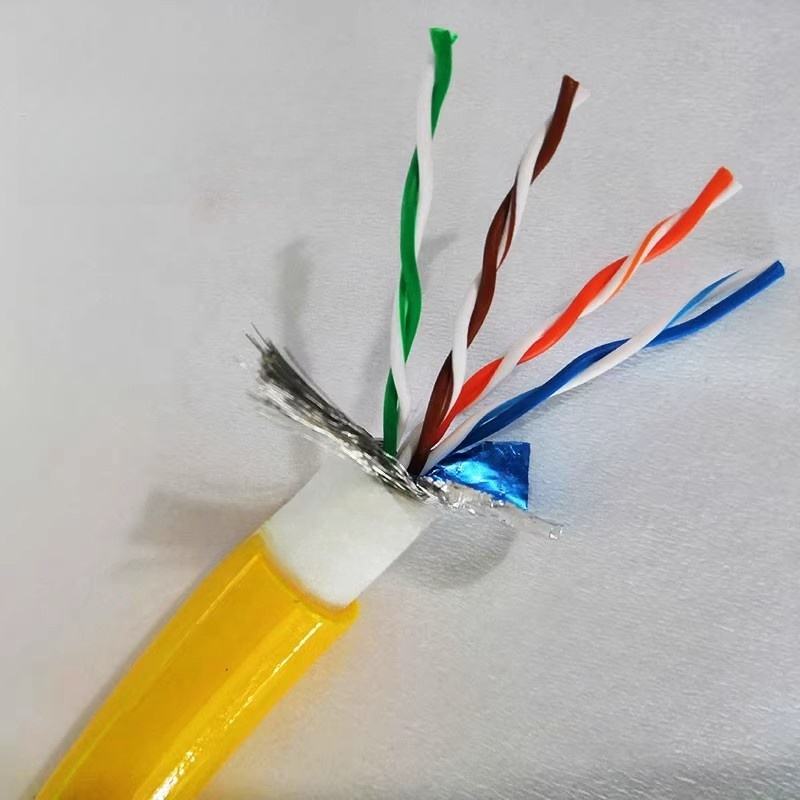


What Is Drag Chain Cable?
Drag chain cable and robot cable get lumped together constantly — both are “flexible cable for moving machines,” both use fine-stranded conductors, and both show up in the same industrial automation catalogs. But they’re built around genuinely different motion patterns, and treating them as interchangeable is one of the more common — and more expensive — specification mistakes in industrial cable selection.
This article covers what drag chain cable actually is, how a cable carrier works, what makes this construction different from cable built for a robot joint, and how to tell which one your application actually needs.
The Core Definition
Drag chain cable is flexible cable specifically engineered to travel back and forth inside a cable carrier — the segmented, articulated plastic or metal chain (often called by the genericized brand name “igus chain,” much like “Kleenex”) that guides cable and hose along a linear path as a machine axis moves. Think of a CNC machine’s Z-axis, a gantry crane’s bridge travel, or an automated storage and retrieval system’s shuttle — anywhere a cable needs to extend and retract repeatedly along a straight or curved guided path, rather than bending at a fixed joint.
The defining engineering challenge is repeated linear reciprocating travel, thousands or millions of cycles, with the cable’s bend point constantly shifting along its length as the chain extends and retracts — as opposed to a robot joint, where the flex point stays fixed at the joint itself while the cable bends the same section over and over.
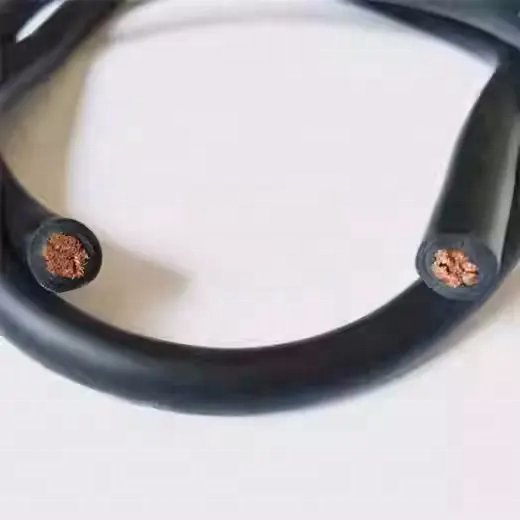
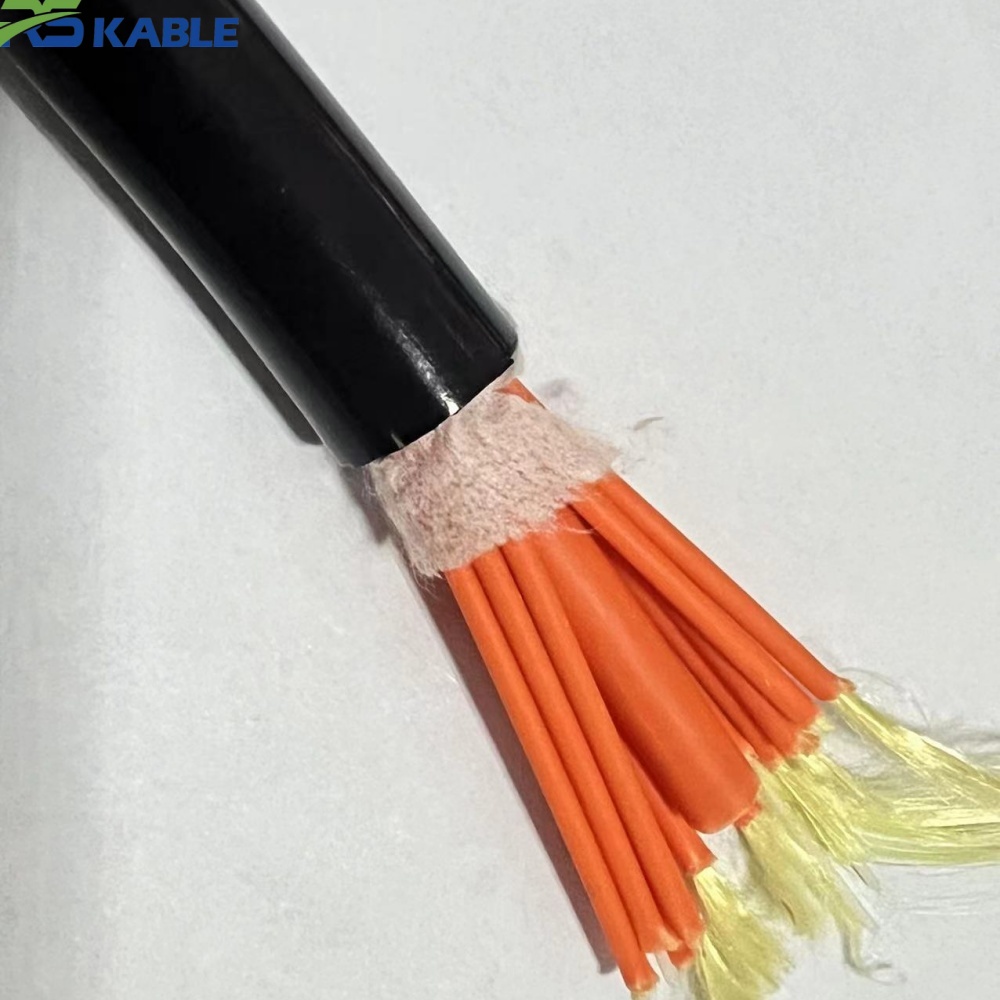
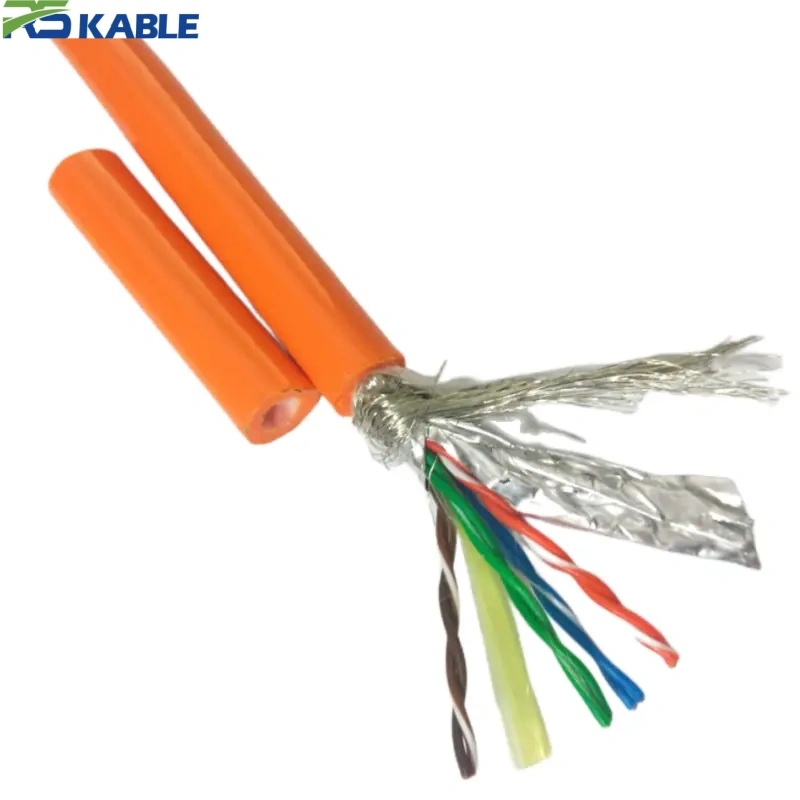
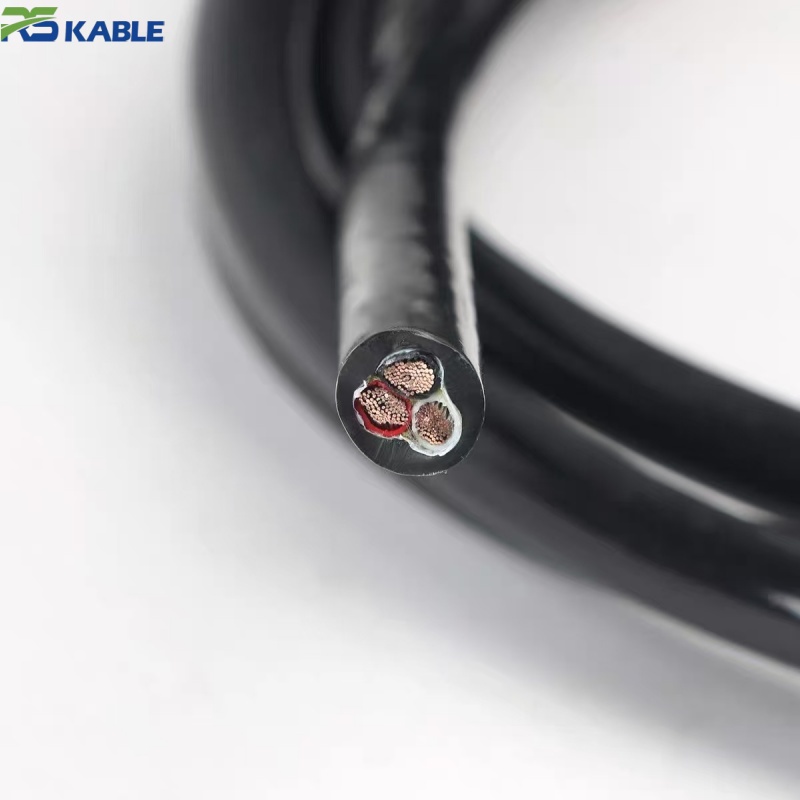
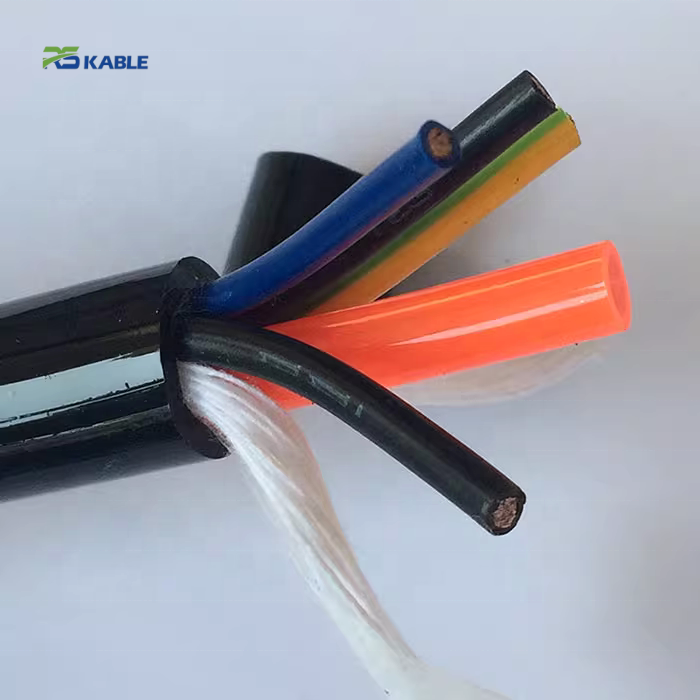
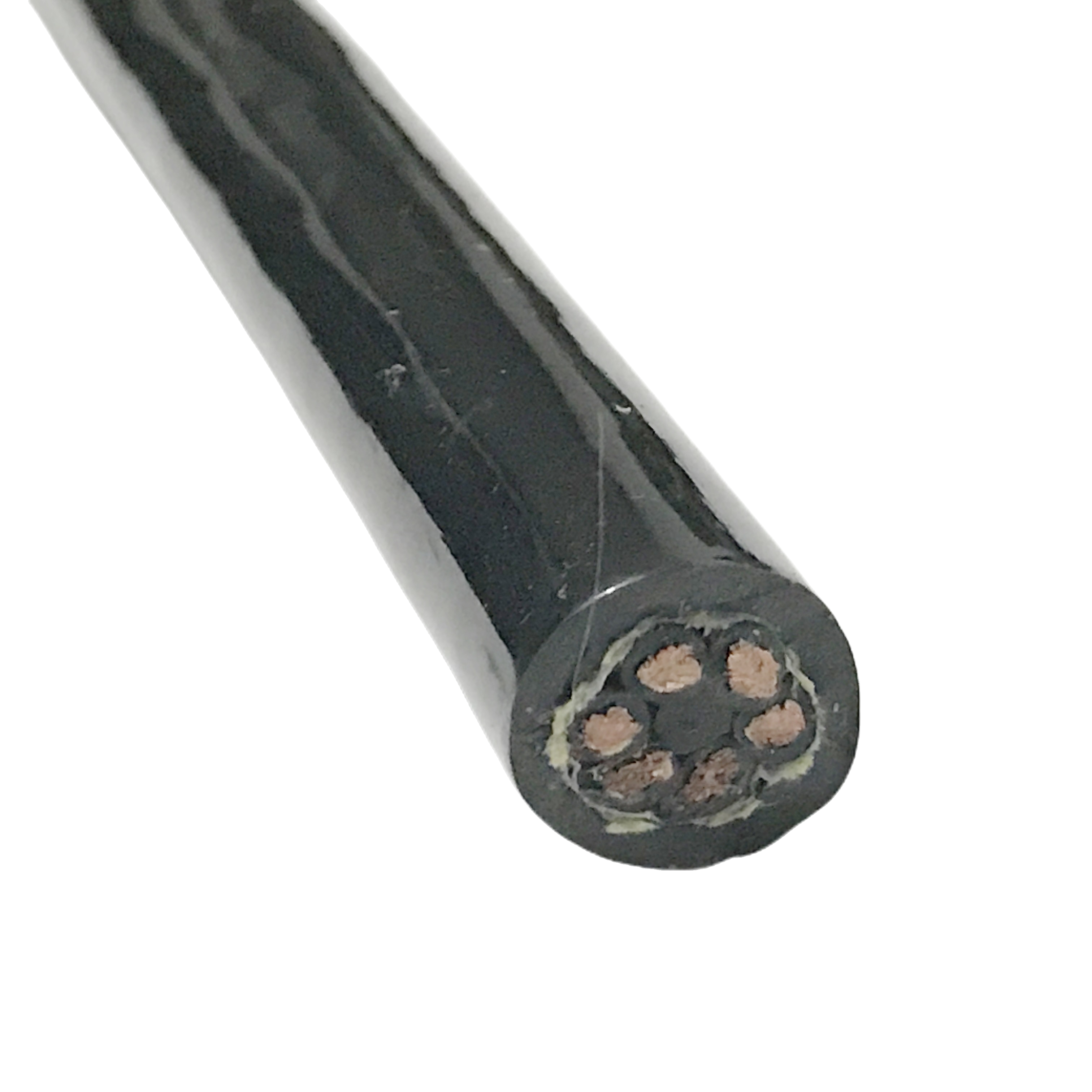
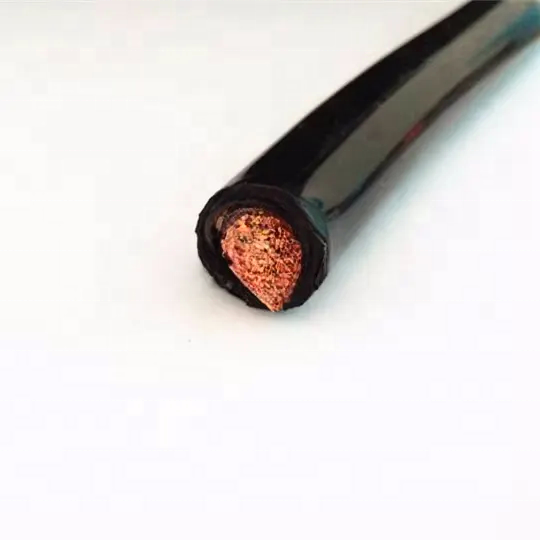
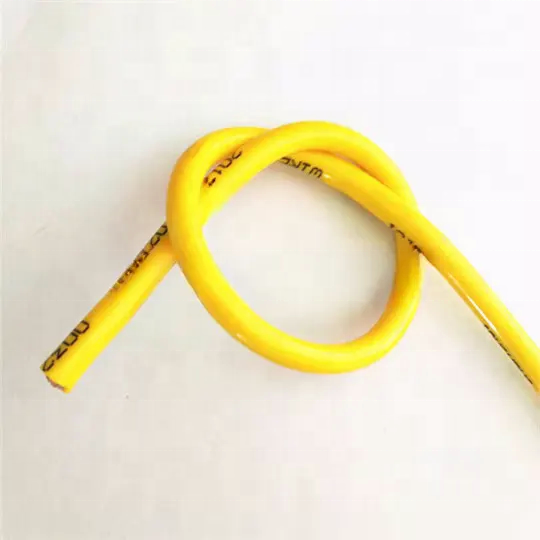
High-Flexibility TPU Polyurethane Single-Core Drag Chain Cable
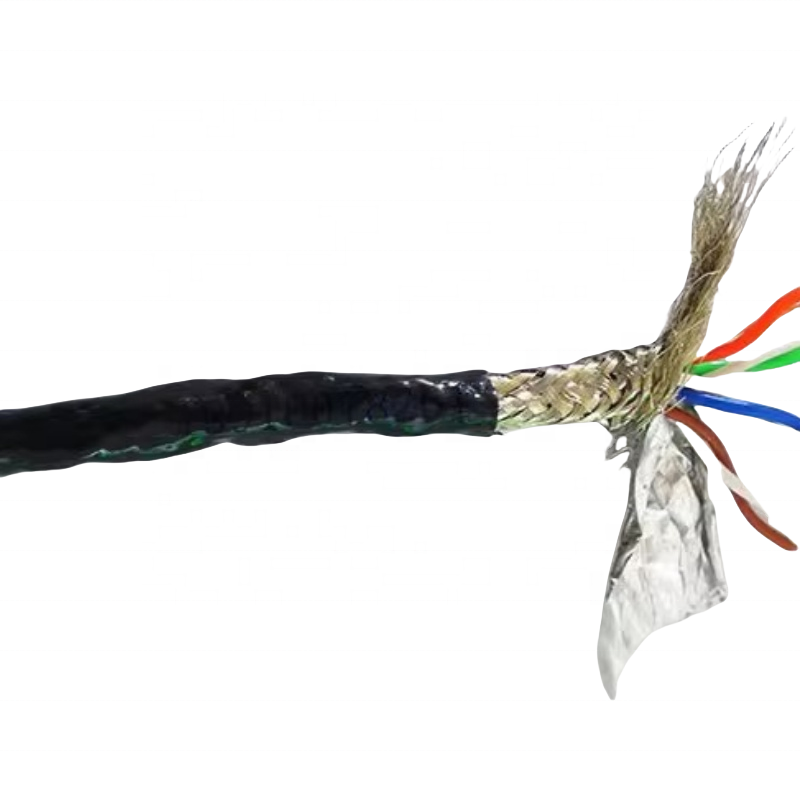
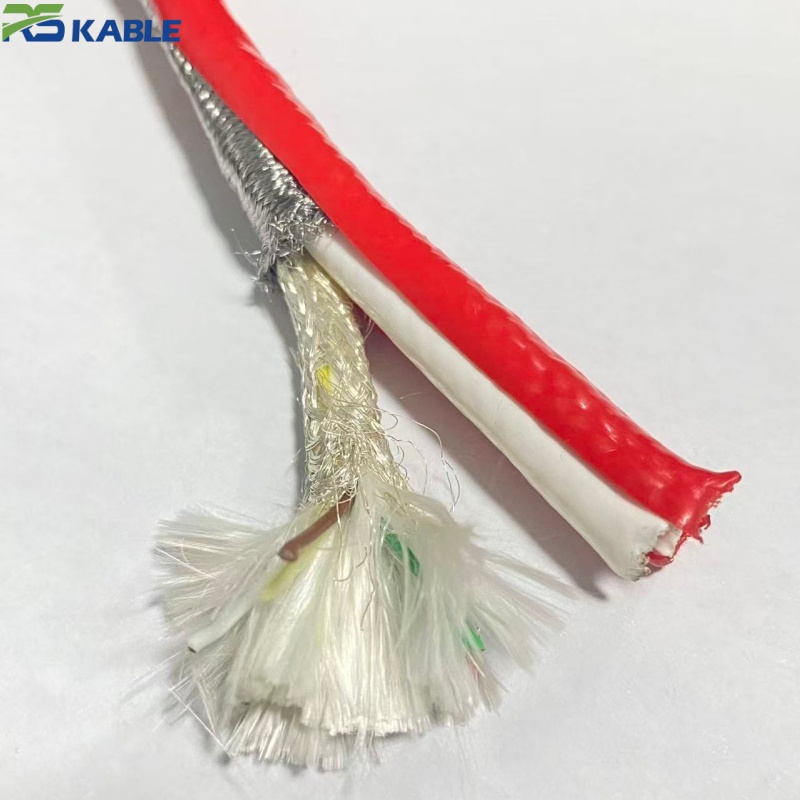
This high-flexibility TPU polyurethane single-core drag chain cable is designed for repeated motion and continuous bending in industrial robots, CNC machines, cable drag chains, and automated equipment. Its durable TPU construction provides excellent abrasion, oil, chemical, cold and heat resistance, while the single-core design offers a flexible and cost-effective solution for dynamic applications.
- 10 million flex cycles
- TPU polyurethane insulation
- Temperature range: -40°C to +80°C
- 300V voltage rating
- Copper or tinned copper conductor
- Optional shielding
- Customizable cable diameter, length and color
How This Differs From Robot Joint Cable
This is the distinction that actually matters for specification, and it’s worth being direct about it: a cable built for a robot joint and a cable built for a drag chain are solving related but different fatigue problems, even though both fall under the broader “continuous flex cable” category.
Robot joint cable experiences flex concentrated at a fixed point — the joint itself — often combined with rotational or torsional movement as the joint rotates through its range of motion.
Drag chain cable experiences flex that travels along the cable’s length as the chain extends and retracts, generally without torsional loading (assuming a standard drag chain application without a twisting component), but with the added consideration of how the cable sits and moves within the chain’s internal channel alongside other cables.
A cable optimized for one doesn’t automatically perform as well in the other role. Rope-lay conductor stranding — very fine wires twisted in a way that specifically suits the drag chain’s shifting flex point — is common in dedicated drag chain cable, and it isn’t always the same construction used in cable built primarily for fixed-joint robotic flexing.
What Determines Drag Chain Cable’s Actual Service Life
A handful of variables matter more than the headline temperature or voltage rating on a drag chain cable’s spec sheet:
Bend radius relative to the actual chain design — not just the cable’s minimum rating. Running a cable near its absolute minimum bend radius, rather than comfortably above it, shortens service life meaningfully.
Chain fill ratio — packing a chain too tightly causes cables to bind against each other during travel, creating friction wear that a static bend-radius calculation doesn’t capture.
Conductor stranding — this is the biggest hidden differentiator between cable marketed as “flexible” and cable genuinely built for drag chain duty. Fine-strand construction suitable for occasional bending is not the same as rope-lay stranding built for millions of continuous reciprocating cycles.
Jacket abrasion resistance — cable-to-cable and cable-to-chain-wall contact accumulates wear at predictable points over the chain’s travel life, and jacket compound matters more here than it does for cable that only flexes occasionally at a fixed point.
Applications
- CNC machine tools — axis travel cabling for mills, lathes, and machining centers
- Gantry and overhead crane systems — bridge and trolley travel cabling
- Automated storage and retrieval systems (AS/RS) — shuttle and crane travel cabling
- Packaging and material handling machinery — reciprocating conveyor and pick-and-place axis cabling
- Injection molding machines — moving platen and ejector cabling
Drag Chain Cable vs. Robot Joint Cable
| Comparison Item | Drag Chain Cable | Robot Joint Cable |
|---|---|---|
| Motion pattern | Linear reciprocating travel, shifting flex point | Fixed-point flex, often combined with rotation/torsion |
| Conductor stranding | Often rope-lay, built for shifting flex zones | Fine-strand, sometimes torsion-rated |
| Key failure risk | Chain fill ratio, bend radius vs. chain design, cable-to-cable abrasion | Fatigue at the fixed joint flex point, torsional stress |
| Typical installation | Guided cable carrier (drag chain) | Robot arm joint or moving axis without a carrier |
Frequently Asked Questions
Can I use robot cable in a drag chain instead of dedicated drag chain cable?
Not always reliably. The two experience different fatigue patterns — fixed-point flex with possible torsion versus shifting-point linear travel — and a cable optimized for one isn’t automatically rated for the other’s specific stress pattern. Checking the manufacturer’s rating for drag chain duty specifically, rather than assuming general “robot-rated” cable transfers over, is worth doing before specifying.
What is chain fill ratio, and why does it matter?
Fill ratio describes how much of a drag chain’s internal cross-section is occupied by cables and hoses. Overfilling a chain causes cables to bind against each other during travel, creating friction wear that shortens service life even if bend radius and cable selection are otherwise correct. A commonly used guideline keeps fill below roughly 70–75% of the chain’s interior cross-section, though this should be checked against the specific chain manufacturer’s guidance.
Does drag chain cable need to handle torsion?
Standard drag chain applications typically don’t involve torsional loading — the chain guides the cable through a linear path without twisting. If your application does involve a rotational or twisting component alongside the linear travel, this needs to be specified separately, since it changes the fatigue pattern the cable needs to handle.
Why does “rope-lay” stranding matter for drag chain cable?
Rope-lay construction uses very fine wires twisted in a specific pattern suited to a flex point that moves along the cable’s length, rather than staying fixed — which is exactly what happens as a drag chain extends and retracts. This construction detail is a major factor in why purpose-built drag chain cable outperforms general flexible cable in this specific application.
What’s the most common reason drag chain cable fails earlier than expected?
Bend radius run too close to the cable’s minimum rating, and chain overfilling, are both more common causes of premature failure than an actual manufacturing defect. Checking installed bend radius and fill ratio against the cable’s actual rating is a reasonable first diagnostic step before assuming the cable itself was faulty.
Drag chain cable and robot joint cable solve related problems with different construction choices, and the two aren’t always interchangeable even within the same general “continuous flex” category. If you’re specifying cable for a guided cable carrier application, checking rope-lay stranding and chain-specific bend radius ratings — not just a general “robot-rated” or “flexible” label — is the detail most likely to determine whether the cable meets its expected service life.
[Request a Quotation] · [Ask an Engineer Before You Spec It]