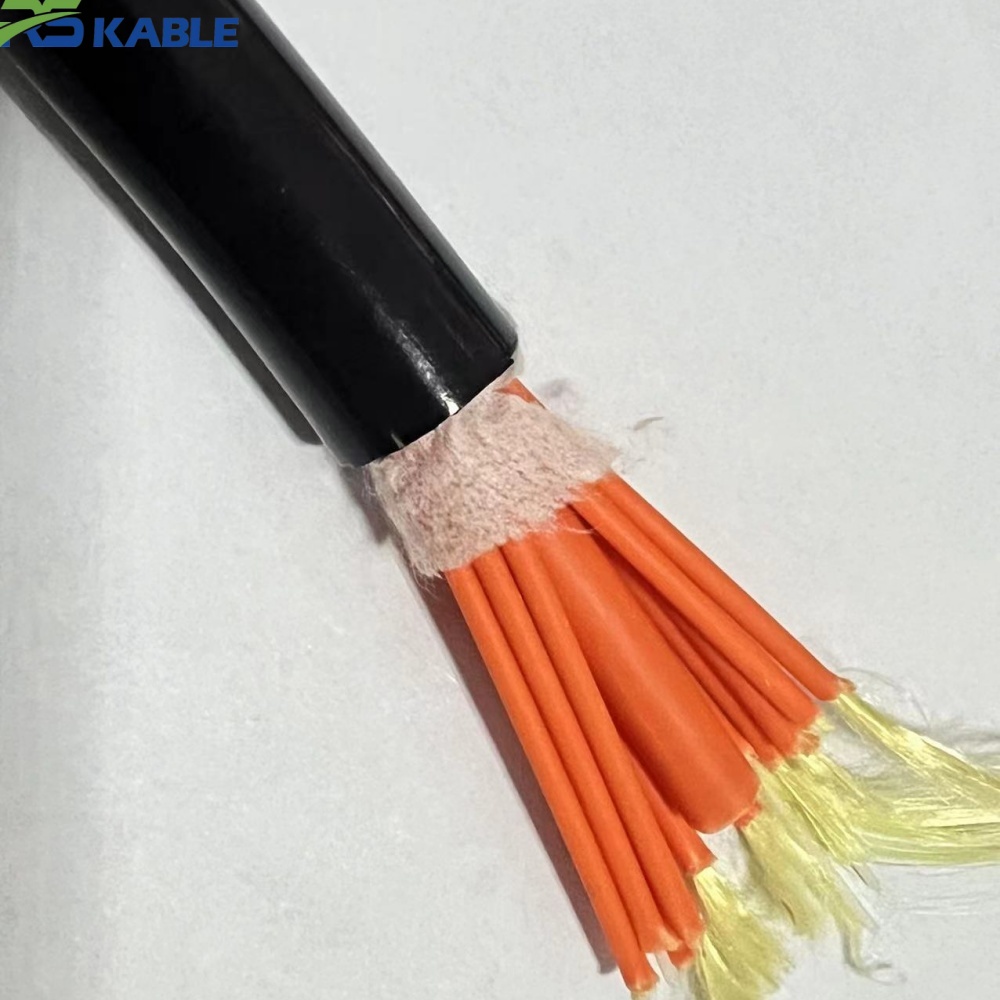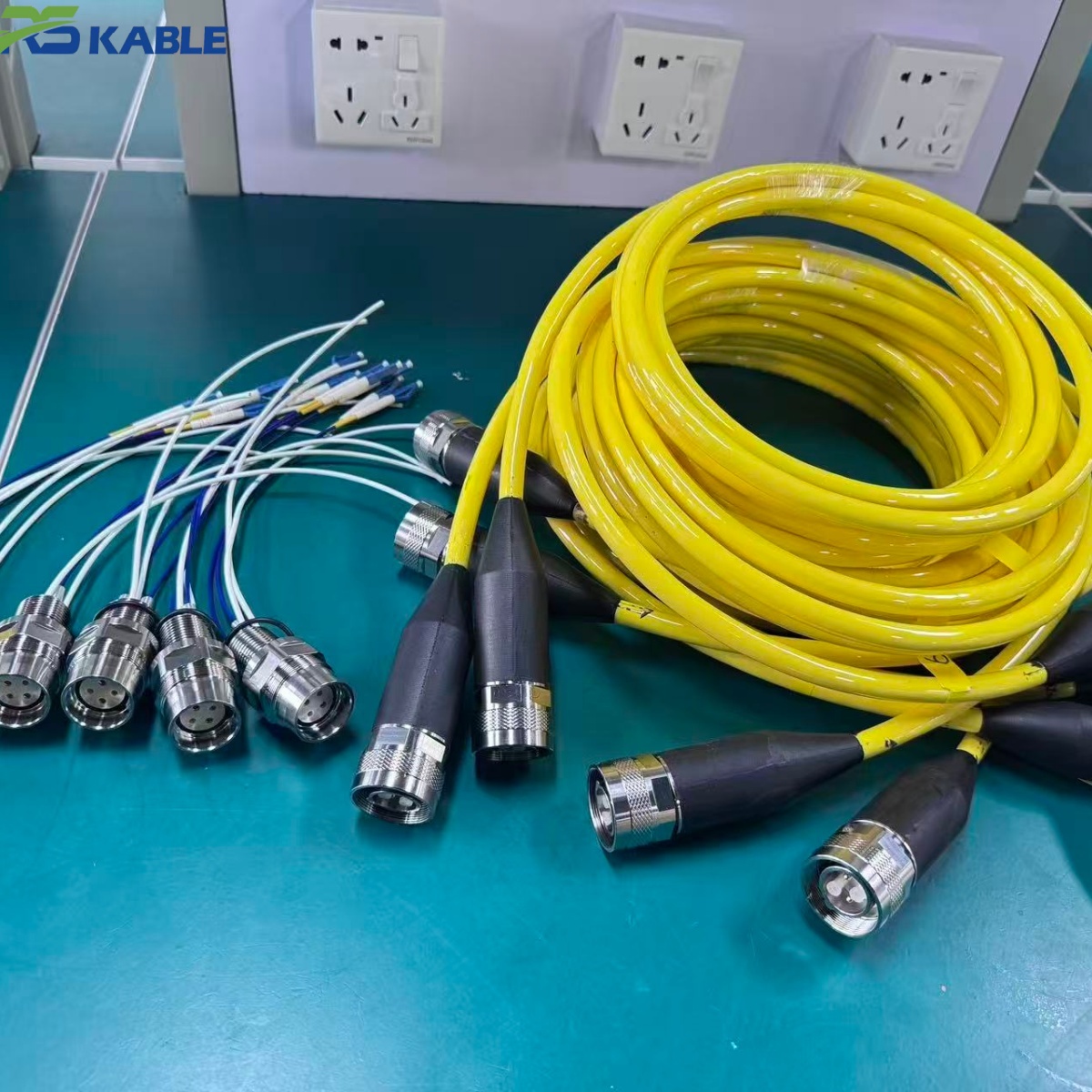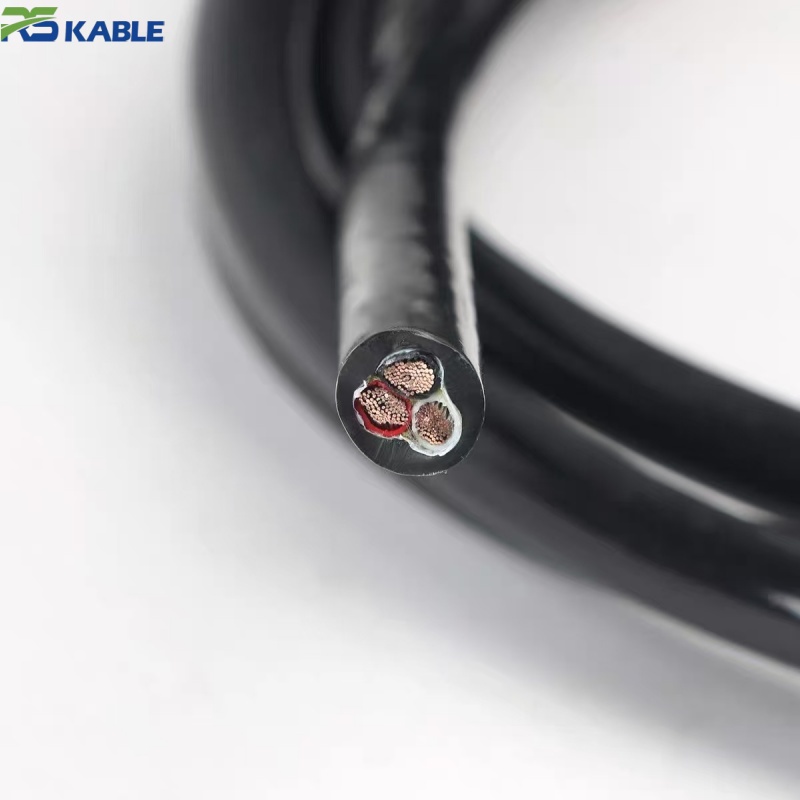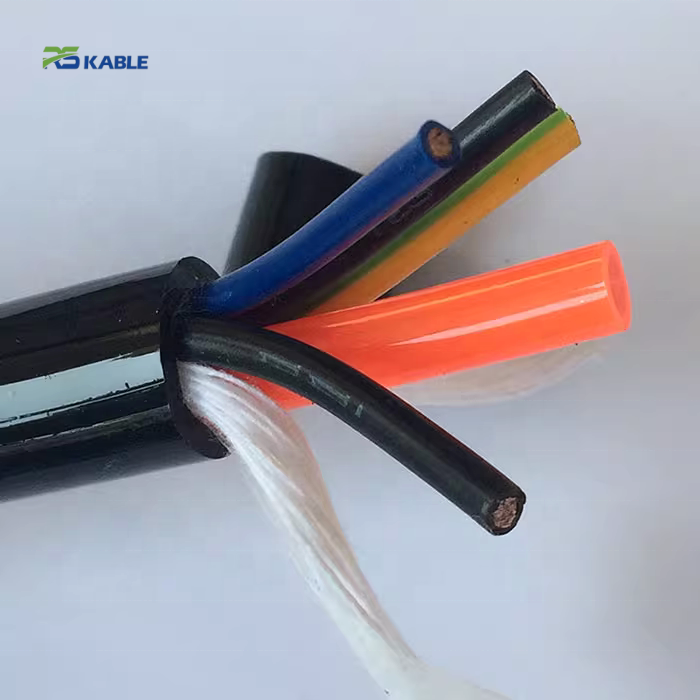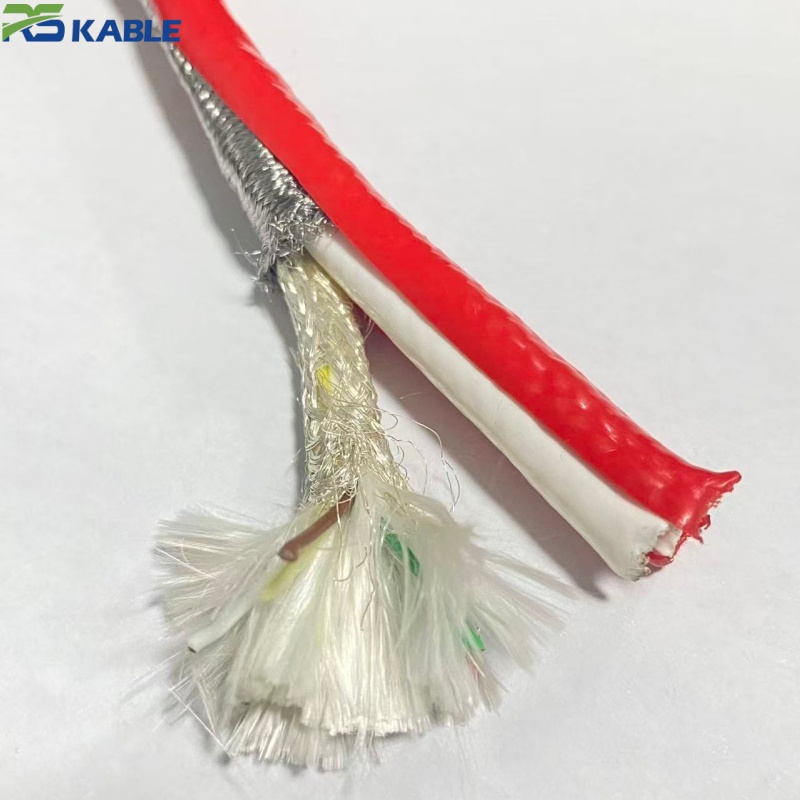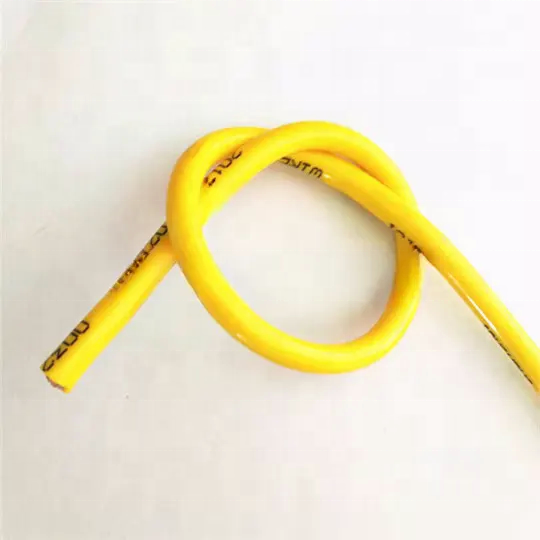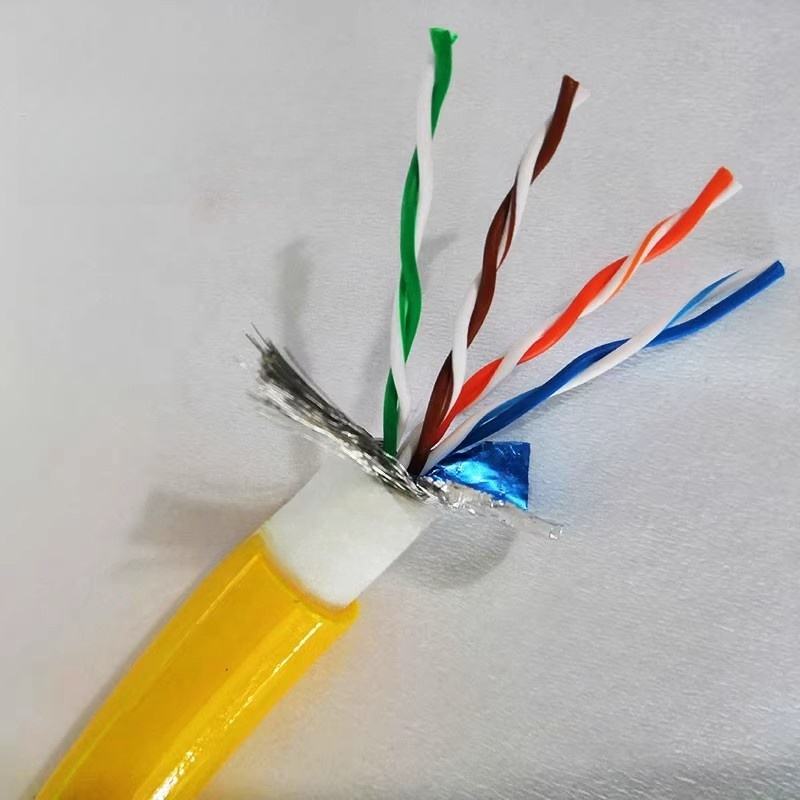


What Is Flexible Cable?
“Flexible cable” sounds like a straightforward term — cable that bends — but it’s actually one of the more loosely used phrases in the wire and cable industry, and that looseness causes real specification mistakes. A cable described as “flexible” on a datasheet might mean “easy to route during a one-time installation” or it might mean “engineered to survive millions of continuous bend cycles for years.” Those are very different products, and confusing one for the other is one of the more common ways people end up with cable that fails much sooner than expected.
This article covers what actually makes a cable flexible, why the term covers a wider range than people assume, and how to figure out which kind of “flexible” your application actually needs.
What Makes a Cable Flexible, Technically
Flexibility in cable comes primarily from conductor construction, not the insulation or jacket alone — though those matter too. The relevant standard here is IEC 60228, which defines conductor classes based on stranding:
- Class 1 — solid conductor, essentially rigid, not meant to flex
- Class 2 — stranded, but with relatively few, thicker strands — flexible enough for basic installation routing, not for repeated movement
- Class 5 — fine-stranded, meaningfully more flexible, suited to moderate, occasional flexing
- Class 6 — very fine, high-strand-count construction, built for continuous or frequent flexing over the cable’s service life
A cable’s jacket and insulation material affect how it feels and behaves — a soft PVC jacket feels flexible even over a Class 2 conductor — but the conductor class is what actually determines how the cable performs under real, repeated bending over time. This is the detail that gets lost when “flexible” is used as a marketing adjective rather than a specific technical claim.
“`html
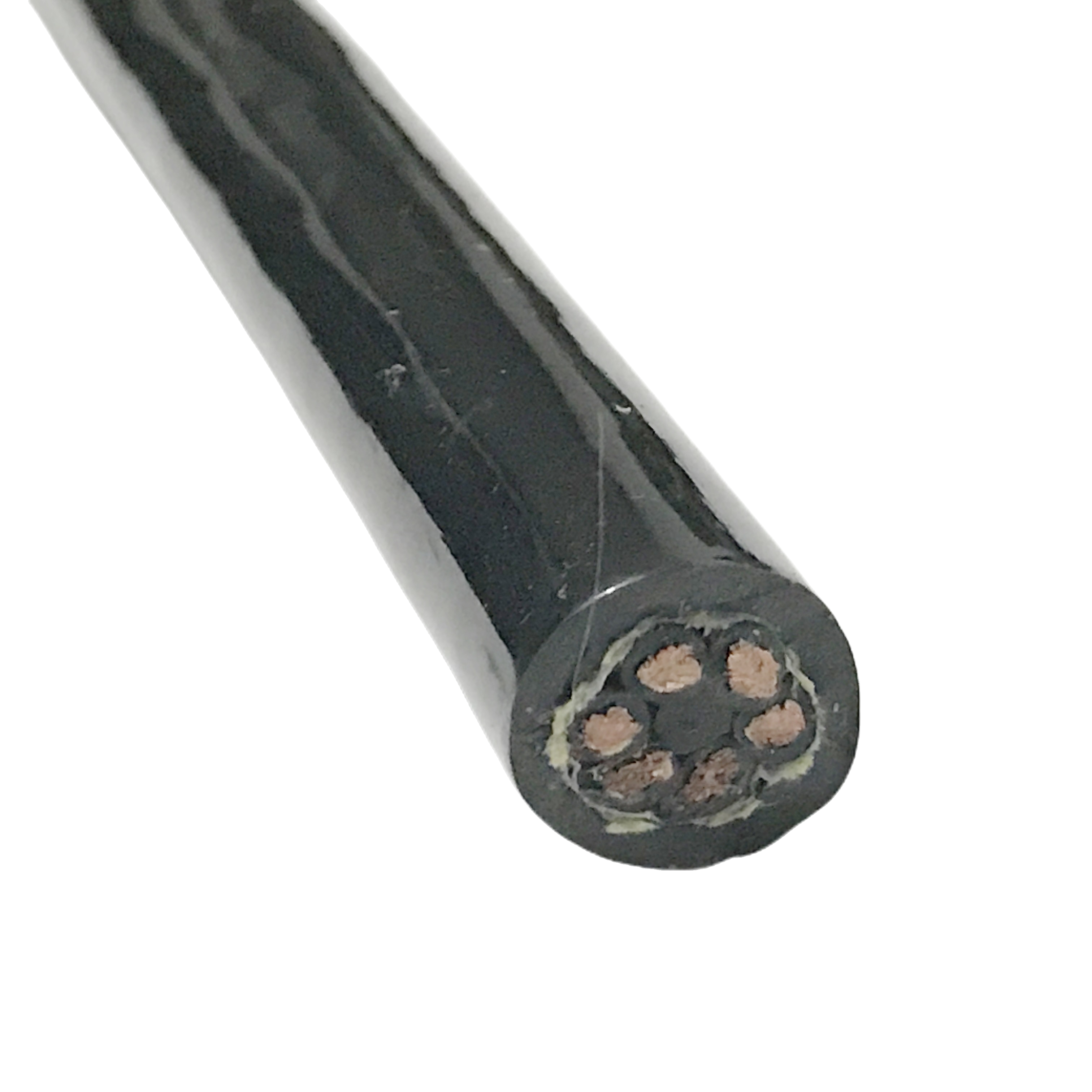
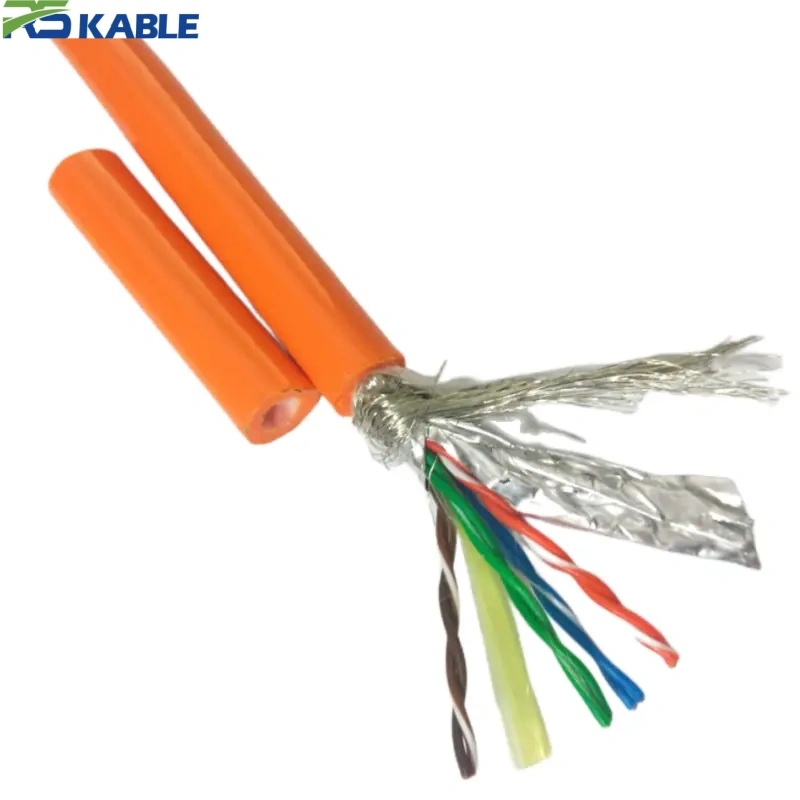
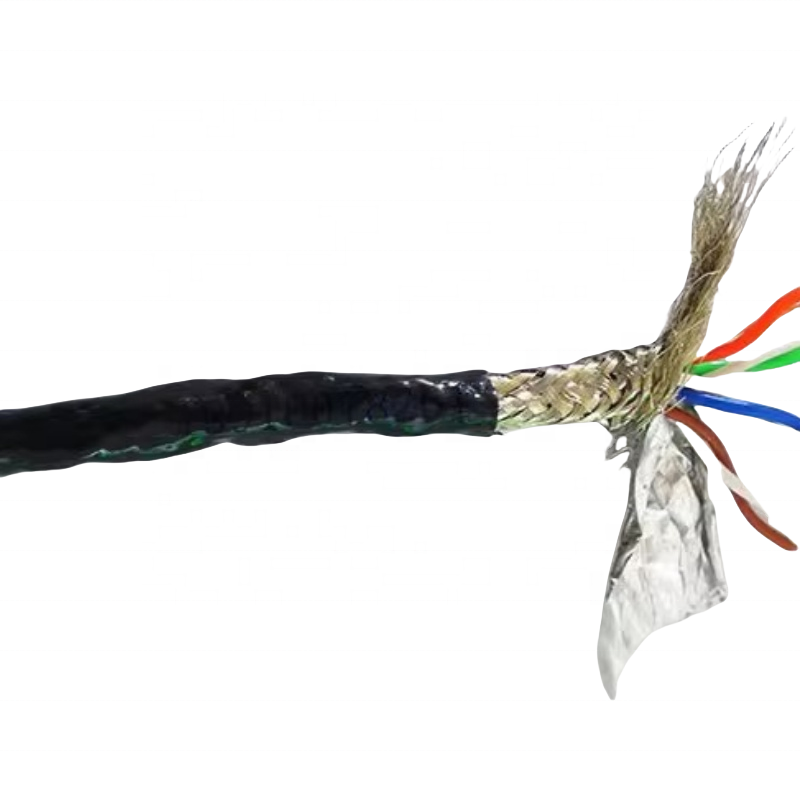
Twisted Pair Shielded Drag Chain Cable – Anti-Interference Flexible Cable for Automation Systems
The RST-TPC Series Twisted Pair Shielded Drag Chain Cable is designed for reliable signal transmission in continuous-flex applications. It features individually shielded twisted pairs and an overall high-coverage braid for strong EMI protection and stable communication performance. With Class 6 conductors and a flexible TPU jacket, it is suitable for PROFIBUS, EtherCAT, CANbus, RS-485 and encoder signals used in industrial automation, CNC machines and robotic systems.
- ≥5 million flex cycles
- 7.5× OD minimum dynamic bend radius
- Twisted pair design for reduced crosstalk
- Shielding for EMI and interference protection
- Suitable for PROFIBUS, EtherCAT, CANbus and RS-485
- Class 6 ultra-flexible conductors
The Distinction That Actually Matters: Installation Flex vs. Continuous Flex
This is the single most important thing to understand about flexible cable, and it’s the source of most real-world specification mistakes.
Installation flex describes a cable’s ability to be bent once, or occasionally, while being routed into place — through a conduit bend, around a corner, into a cabinet. Most general-purpose cable handles this fine.
Continuous flex (sometimes called dynamic flex or “flex-rated” for continuous duty) describes a cable’s ability to survive being bent the same way, thousands or millions of times, throughout its service life — the kind of motion found in robot joints, cable carriers, drag chains, and any moving machine axis.
A cable built for installation flex can look and feel just as flexible as one built for continuous flex when you handle it in a warehouse. The difference only shows up after months of actual duty-cycle movement, when a Class 2 or lightly-stranded conductor begins developing fatigue cracks at the flex point that a Class 6 conductor, built for exactly this stress, would not.
Other Things “Flexible” Sometimes Means
The term gets stretched to cover a few related but distinct properties, and it’s worth knowing which one a given datasheet is actually claiming:
Cold flexibility — remaining pliable at low temperatures, rather than stiffening or cracking. A cable can have excellent continuous-flex conductor construction and still perform poorly in cold-climate handling if the jacket compound wasn’t formulated for low-temperature flexibility specifically.
Torsional flexibility — tolerating twisting, not just bending in one plane. This matters for rotating joints and is a separate rating from straight flex-cycle life.
General handling flexibility — simply being easier to coil, route, and work with during installation, independent of any long-term duty-cycle claim.
A cable can score well on one of these and poorly on another, which is why “flexible” alone, without more specific context, doesn’t tell you enough to specify against.
Common Types of Flexible Cable by Application
- Control and instrumentation cable — moderate flexibility for cabinet wiring and installation routing, not continuous motion
- Robot and motion-control cable — Class 5/6 conductors built specifically for continuous dynamic flexing at machine joints
- Drag chain (cable carrier) cable — built for repeated linear travel through a guided carrier, a related but distinct fatigue pattern from robot-joint flexing
- Portable cord and extension cable — flexible for repeated coiling and handling by hand, a different stress pattern than machine-mounted continuous flex
- Welding cable — extremely flexible construction to handle constant manual movement during use
How to Tell Which Kind of Flexibility You Actually Need
Ask these questions before assuming “flexible cable” on a spec sheet covers your application:
Will this cable move continuously in service, or just once during installation? If it’s the former, you need a continuous-flex rating (typically Class 5 or 6 conductor), not just general flexibility.
Does the motion involve twisting, not just bending? If so, confirm torsional rating separately — a straight flex rating doesn’t guarantee torsional performance.
Will it be installed or handled in cold conditions? Confirm the jacket compound’s low-temperature flexibility specifically, since this is independent of the conductor’s flex-cycle rating.
How many cycles, roughly, will it see over its expected service life? A low-duty-cycle application doesn’t need the highest-rated construction available; a high-cycle production application shouldn’t be under-specified to save a small amount on cable cost.
Frequently Asked Questions
Is “flexible cable” the same as “flex-rated cable”?
Not necessarily. “Flexible” is often used loosely to describe general ease of handling or installation, while “flex-rated” typically refers to a specific, tested capability for continuous or repeated dynamic movement. Checking the conductor class (IEC 60228) is a more reliable way to confirm actual continuous-flex suitability than the word “flexible” alone.
What conductor class do I need for a cable that moves constantly, like on a robot arm?
Class 5 or Class 6 fine-stranded conductors are generally required for continuous dynamic flexing. Class 1 or 2 conductors, even in a soft, easy-to-bend jacket, are not built for this kind of repeated motion and will typically fatigue and fail well before a properly rated cable would.
Can a cable be flexible but not cold-flexible?
Yes. Continuous-flex conductor rating and low-temperature jacket flexibility are different properties. A cable can be excellently suited to continuous motion at room temperature and still stiffen or crack in cold-climate handling if the jacket compound wasn’t formulated for that specifically.
Does more flexible always mean better?
No. Higher flex ratings generally cost more, and specifying beyond what an application actually needs is unnecessary expense. A cabinet wiring application that never moves after installation doesn’t benefit from a continuous-flex-rated cable — general-purpose cable is the more cost-effective and entirely adequate choice there.
How do I know if my current cable is failing because it’s insufficiently flexible?
Fatigue cracking or conductor breakage that appears specifically at a bend or flex point, rather than randomly along the cable’s length, is a strong indicator that the conductor’s flex-cycle rating didn’t match the application’s actual motion demands.
Flexible cable isn’t one product — it’s a spectrum of capabilities, and matching the right point on that spectrum to your actual application is what determines whether a cable lasts for years or fails within months. If your application involves continuous motion specifically, our guide on Robot Cable covers the construction details that matter most for that use case in more depth.
[Request a Quotation] · [Ask an Engineer Before You Spec It]