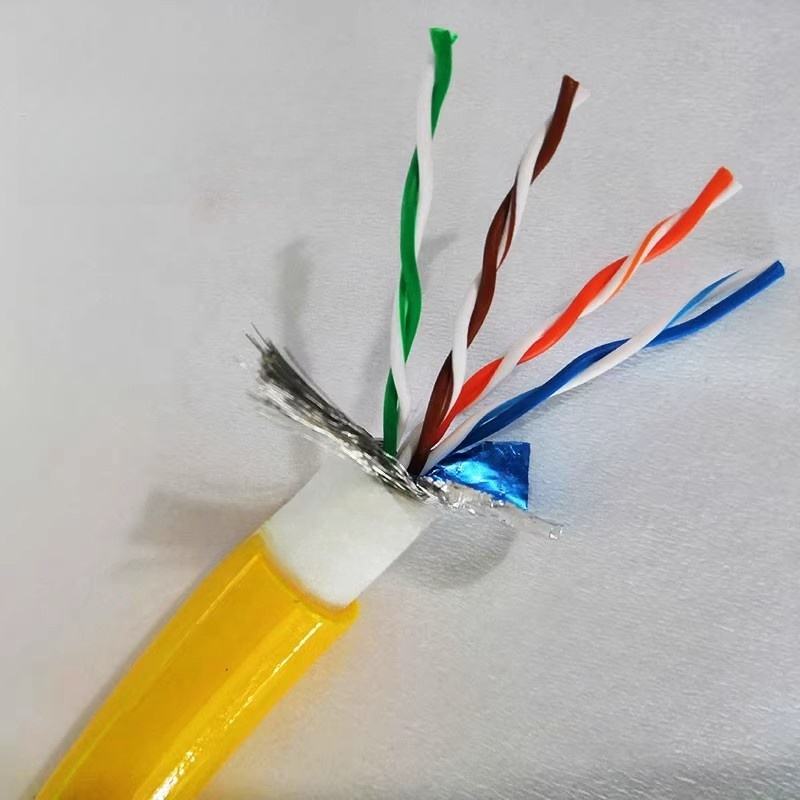


A Technical Guide for Port Cranes, Steel Mills, and Automated Warehouses
In overhead crane and festoon systems, the fiber optic cable serves as the critical communication link between the moving trolley and the stationary control system. Unlike cables used in static installations, a crane festoon fiber optic cable must withstand continuous reciprocating motion, mechanical tension, and harsh environmental exposure.
Selecting a standard fiber optic cable for this application often results in premature failure, signal attenuation, or complete system downtime. This guide provides a framework for specifying the correct high-flex cable based on the actual operating conditions of the equipment.
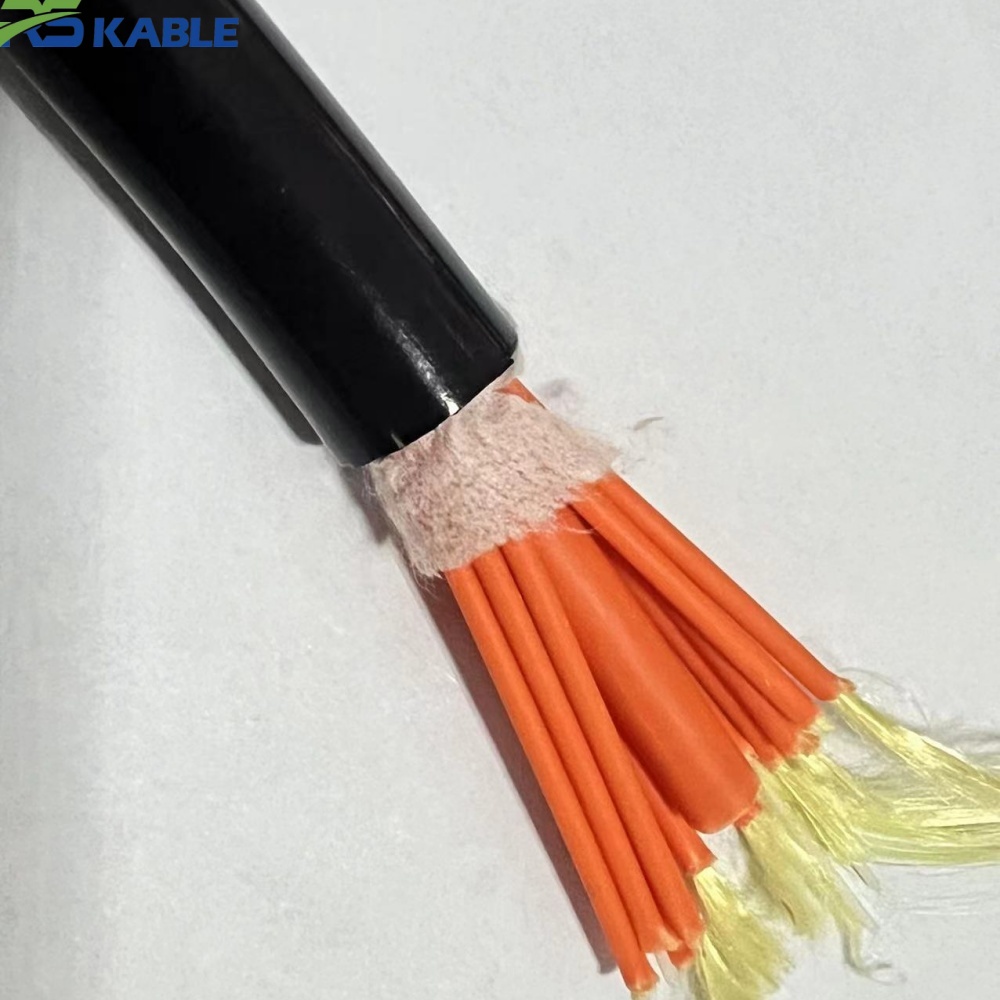
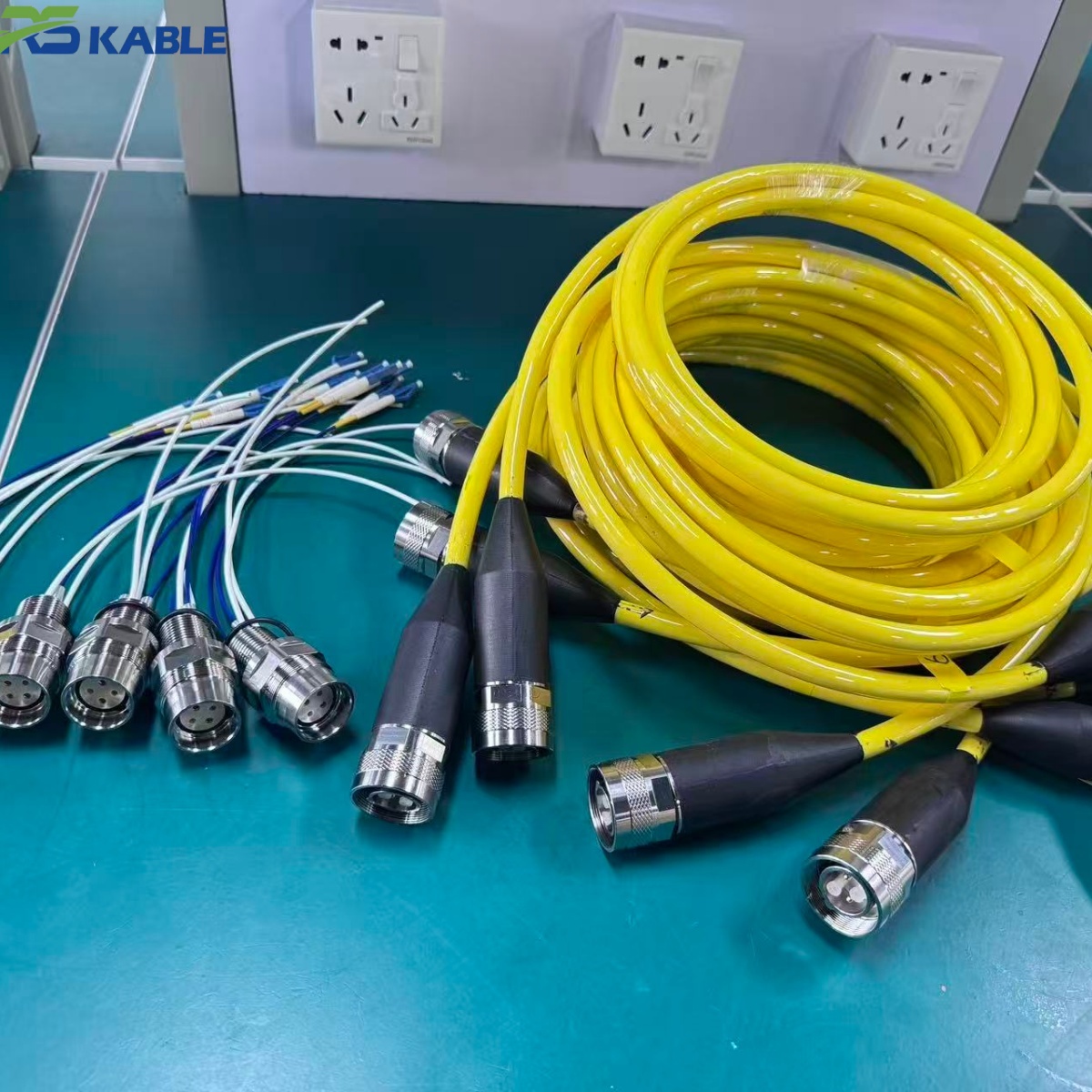
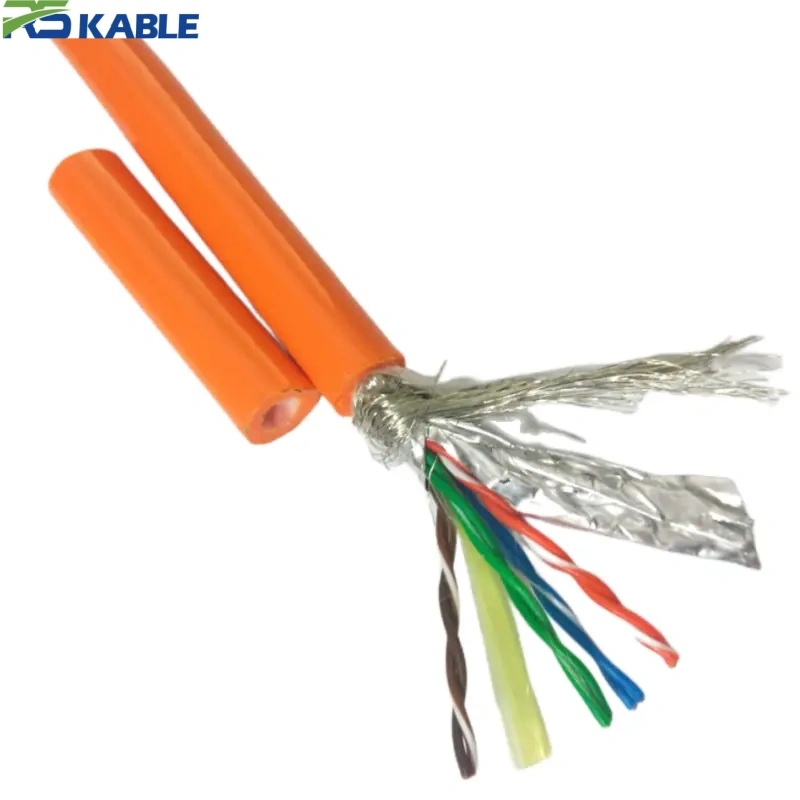
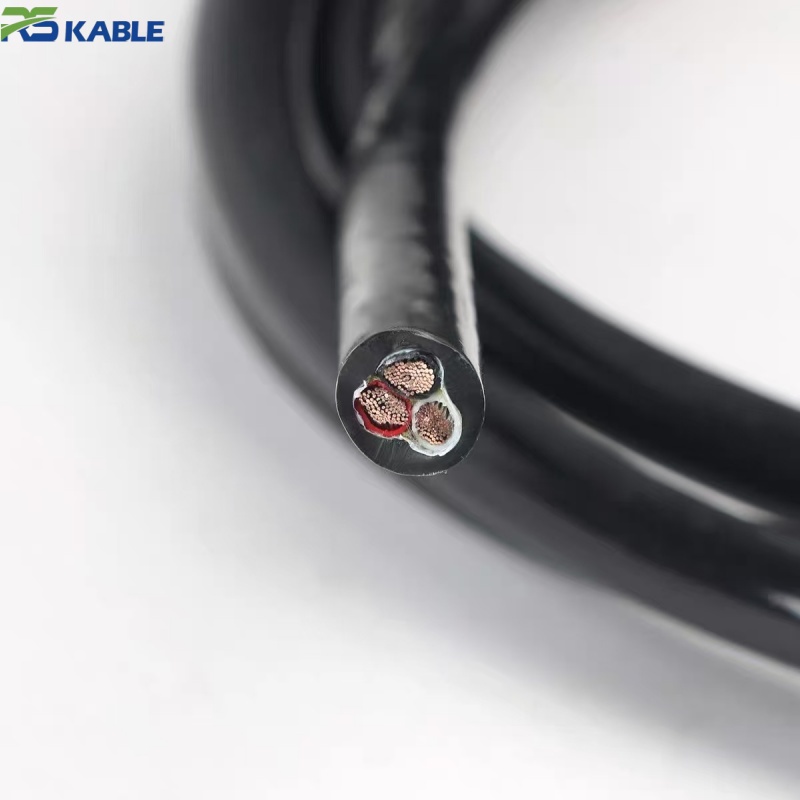
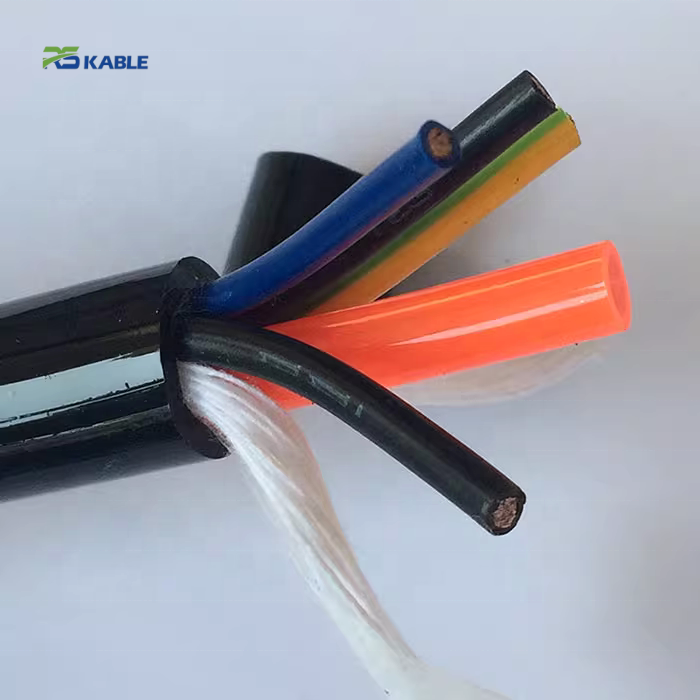
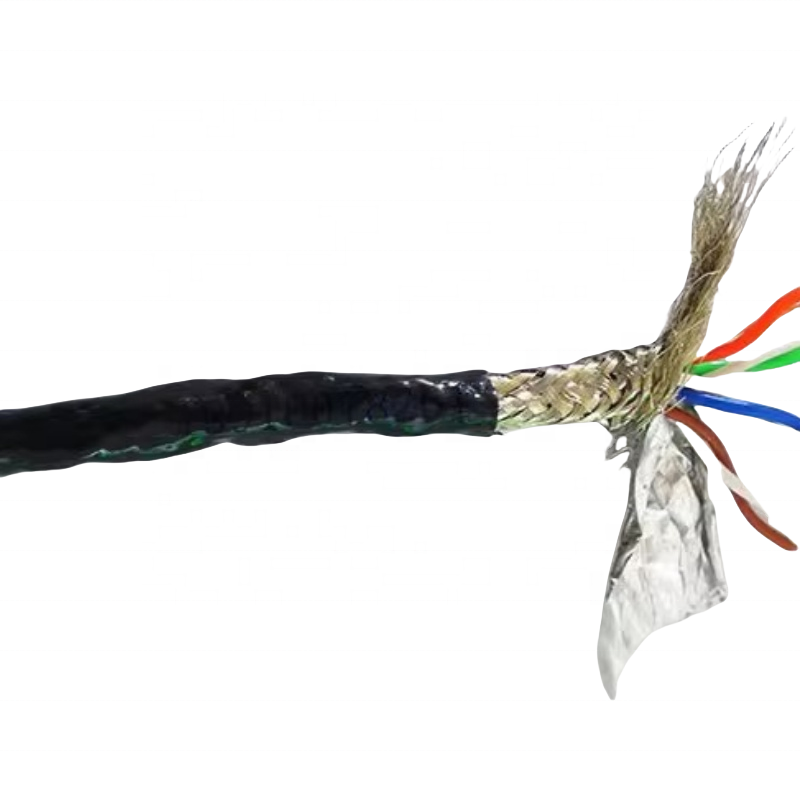
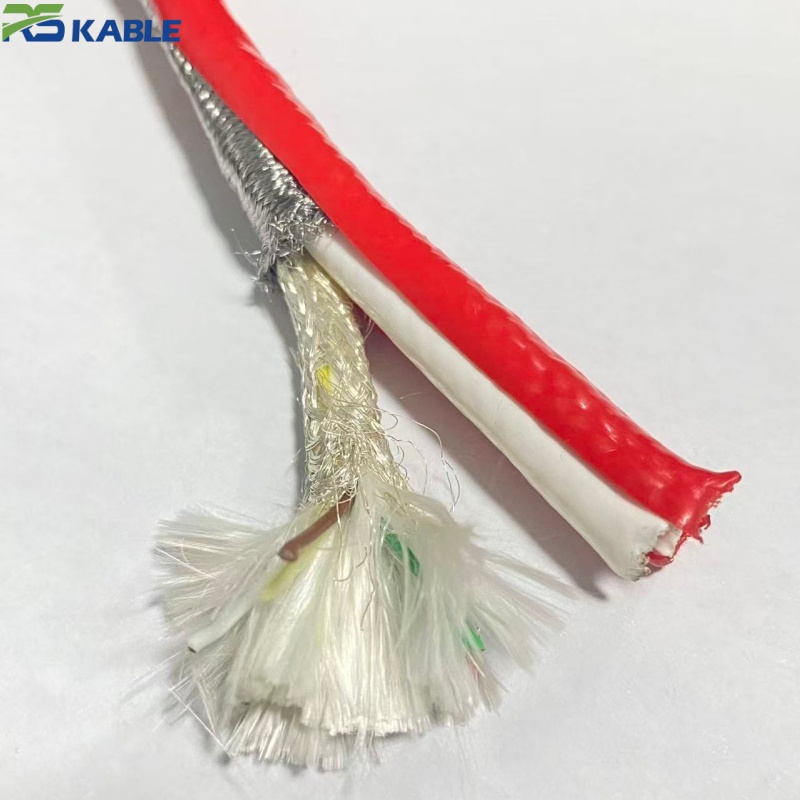
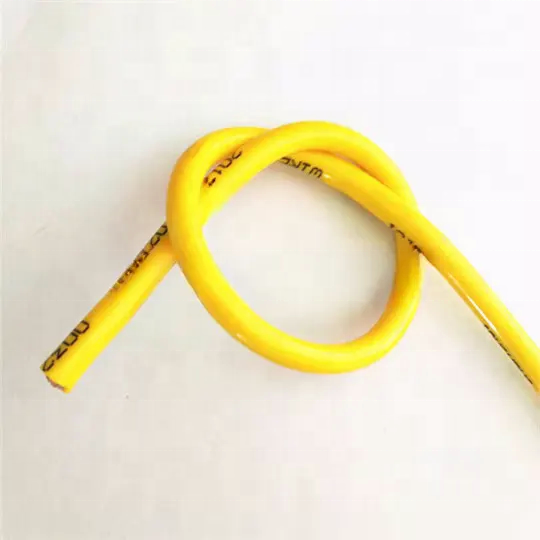
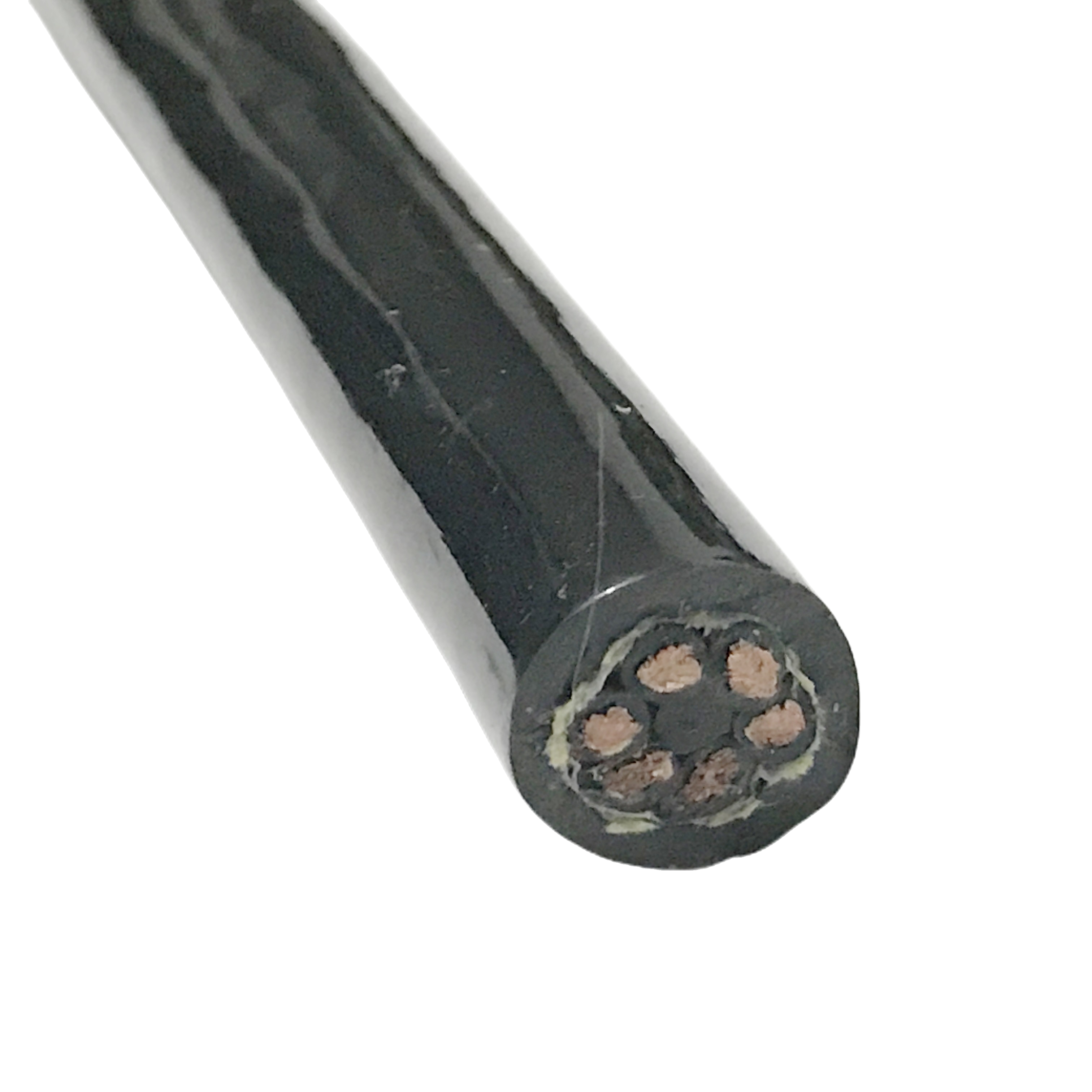
TPU Festoon Fiber Optic Cable: Flexible Crane Cable for Overhead Crane Systems
Designed for continuous flexing in overhead crane and festoon systems. Features a TPU jacket for excellent abrasion resistance, oil resistance, and low-temperature flexibility. Ideal for port cranes, steel mills, and automated warehouses.
Why Standard Fiber Optic Cables Fail in Crane Festoon Systems
Standard fiber optic cables are engineered for fixed installation. When subjected to the dynamic motion of a festoon system, they typically fail in three ways:
-
Fatigue Fracture: The optical fiber itself is made of glass. Repeated bending around sheaves and festoon loops creates micro-cracks that eventually break the fiber. Standard loose-tube constructions do not provide adequate support for the fiber under dynamic stress.
-
Jacket Abrasion: As the festoon trolley travels back and forth, the cable rubs against the trolley wheels and guides. A standard PVC jacket wears rapidly under this friction, exposing the strength members and fiber.
-
Tensile Strain: The weight of the cable and the acceleration/deceleration of the trolley create tensile loads. If these loads are transferred to the optical fiber rather than the strength members, the signal attenuation will increase, or the fiber will break.
Key Selection Criteria for Crane Festoon Fiber Optic Cable
To ensure reliable performance, the cable must be specified as a high-flex dynamic cable. The following parameters should be evaluated together.
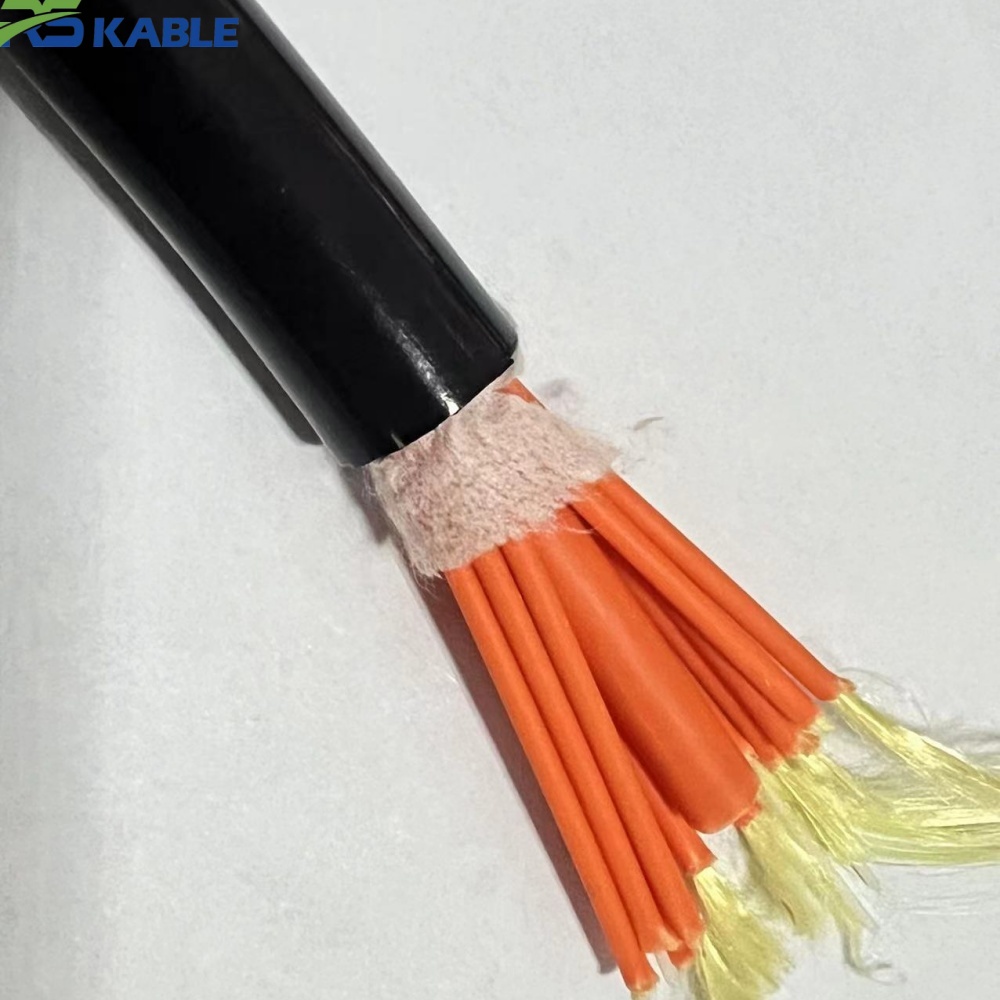
1. Dynamic Bend Radius
The bend radius is one of the most critical specifications. You must distinguish between static and dynamic bend radius.
-
Static Bend Radius: The minimum radius the cable can be bent to during installation.
-
Dynamic Bend Radius: The minimum radius the cable can be bent to while in continuous motion. This is typically 10 to 15 times the cable outer diameter (OD). The cable must be routed through the festoon system with this dynamic radius respected at all points.
2. Strength Members and Tensile Load
The cable must include a high-tensile strength member to absorb the mechanical load. Aramid yarn (Kevlar) is the standard choice for dynamic applications. The required tensile strength is determined by:
-
The weight of the cable itself.
-
The number of festoon loops.
-
The acceleration and deceleration forces of the trolley.
The strength member must be engineered so that the tensile load is not transferred to the optical fiber itself.
3. Jacket Material: PUR vs. PVC
The outer jacket must protect the cable from abrasion, oil, and UV radiation. For festoon systems, Polyurethane (PUR) is generally recommended.
-
PUR (Polyurethane): Offers excellent abrasion resistance, high tear strength, and resistance to oils and chemicals. It also remains flexible at low temperatures.
-
PVC (Polyvinyl Chloride): Lower cost, but has lower abrasion resistance and can become brittle in outdoor UV exposure or low temperatures.
4. Fiber Type and Construction
-
Fiber Count: Typically 2 to 24 fibers.
-
Fiber Type: Single-mode (SM) for long-distance transmission, or multimode (MM) for shorter distances within the crane system.
-
Construction: Tight-buffered construction is preferred over loose-tube for dynamic applications. Tight-buffered fibers provide better mechanical protection and prevent the fiber from moving inside the jacket during flexing.
5. Environmental Resistance
Consider the specific environment of the crane:
-
Temperature Range: Outdoor cranes require cables rated for -40°C to +90°C. Steel mill cranes may require higher temperature ratings.
-
UV Resistance: The jacket must be UV-stabilized to prevent degradation from sunlight.
-
Chemical Resistance: Port cranes require resistance to salt spray and marine humidity. Steel mills require resistance to oils and hydraulic fluids.
Applications: Port Cranes, Steel Mills, and Automated Warehouses
The operating environment dictates the final cable specification.
-
Port Cranes (STS/RTG): These systems operate in harsh marine environments. The cable must resist salt spray, high humidity, and UV exposure.
-
Steel Mills (Foundry Cranes): These cranes operate in high-temperature environments with exposure to molten metal, sparks, and heavy oils. The cable jacket must be resistant to heat and chemicals.
-
Automated Warehouses (AS/RS): These systems require high-speed, high-frequency motion. The cable must have a small dynamic bend radius, low friction, and a long flex life to handle millions of cycles.
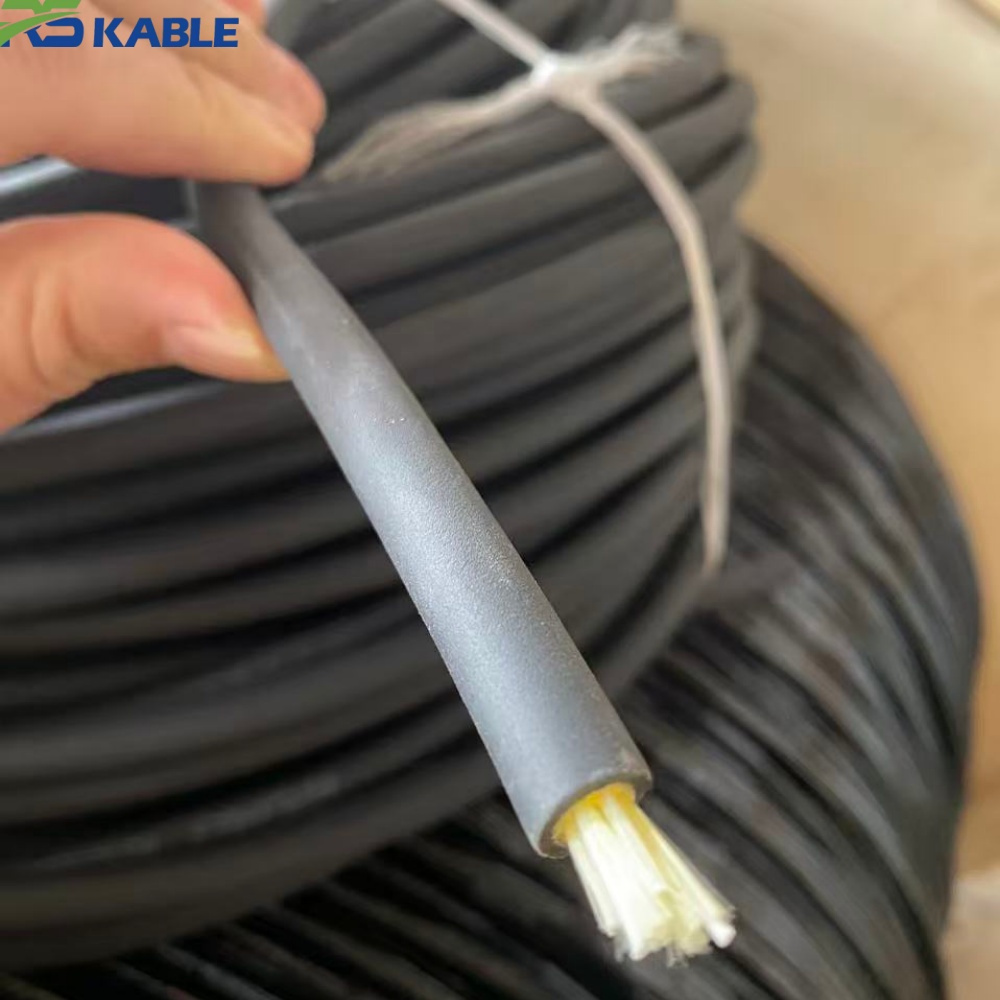
Crane Festoon Fiber Optic Cable Specification Checklist
Use the following table when preparing an RFQ or technical specification for a supplier.
| Specification | Information to Provide |
|---|---|
| Application | Port crane, steel mill, automated warehouse |
| Travel Distance | Maximum travel distance (m) |
| Operating Speed | Trolley speed (m/min) |
| Dynamic Bend Radius | Required dynamic bend radius (mm) |
| Fiber Count | 2 to 24 fibers |
| Fiber Type | Single-mode / Multimode |
| Tensile Load | Maximum tensile load (N) |
| Jacket Material | PUR / TPU / other |
| Operating Temperature | Min / Max temperature (°C) |
| Environmental Factors | UV, salt spray, oil, chemicals |
| Termination | Pre-terminated or field-installable |
Providing these parameters at the beginning of the procurement process allows the manufacturer to engineer the correct cable construction for your specific crane system.
Frequently Asked Questions (FAQ)
Q1: Can standard fiber optic cables be used in a crane festoon system?
No. Standard cables are designed for static installation. Dynamic flexing requires a high-flex design with aramid yarn strength members and a tight-buffered construction to prevent fatigue fracture.
Q2: What is the best jacket material for outdoor crane applications?
PUR (Polyurethane) is generally recommended for outdoor applications because it offers superior abrasion resistance, UV stability, and low-temperature flexibility compared to standard PVC.
Q3: How do I determine the correct dynamic bend radius?
The dynamic bend radius is typically specified by the cable manufacturer. It is usually 10 to 15 times the cable outer diameter. The festoon system’s sheaves and guides must be sized to accommodate this radius.
Q4: Can this cable be customized for a specific fiber count and connector type?
Yes. Custom configurations are common in crane and festoon applications. Fiber count, jacket material, and pre-terminated connector assemblies can be customized based on the project requirements.
Next Steps: Specifying Your Crane Festoon Fiber Optic Cable
Specifying the correct crane festoon fiber optic cable requires a system-level understanding of the dynamic forces at work. The cable must be evaluated for dynamic bend radius, tensile strength, jacket material, and environmental exposure.
For critical crane applications, the cable and termination should be designed as a complete assembly to ensure reliable performance over millions of flexing cycles.
If you are evaluating a cable for a port crane, steel mill, or automated warehouse project, please 👉 “contact our engineering team”, for a technical consultation and custom fabrication discussion.