

A fiber optic drone is an unmanned aircraft—usually an FPV (first-person view) drone—that is controlled through a hair-thin optical fiber unspooled during flight instead of a radio link. Pilot commands travel up the fiber and live HD video travels back down, so the link cannot be jammed and gives off no radio signal.
Fiber optic drones have spread fast since 2024, first on the battlefield and now into industrial inspection, tunnels, mines and other places where radio struggles. As a manufacturer of specialty electro-optical cables for ROVs and robots, we deal with the same engineering problems—tension, bend loss, abrasion—every day. This guide explains what a fiber optic drone is, how it works step by step, and where its limits are.
Key takeaways
-
-
-
- The link is a single strand of bend-insensitive single-mode fiber, typically ITU-T G.657.A2 with a coating of about 0.25 mm.
- Range equals spool length: most spools hold 5–20 km, and 40–50 km canisters exist but weigh around 4 kg.
- Strengths: immune to RF jamming, no radio emissions to detect, stable low-latency video.
- Trade-offs: spool weight, snagging on obstacles, and a one-way cable that is usually left behind.
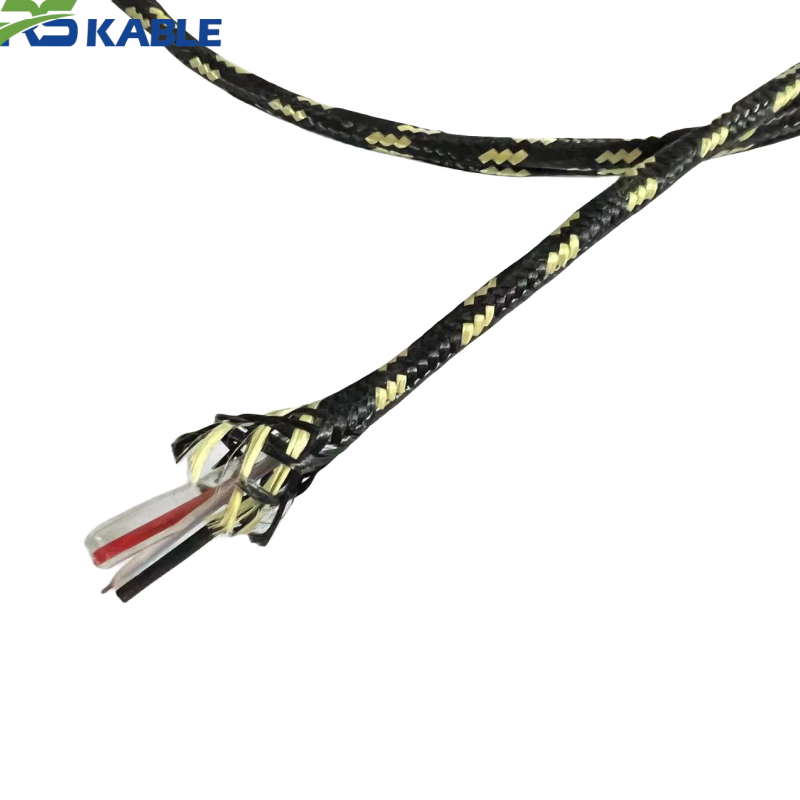
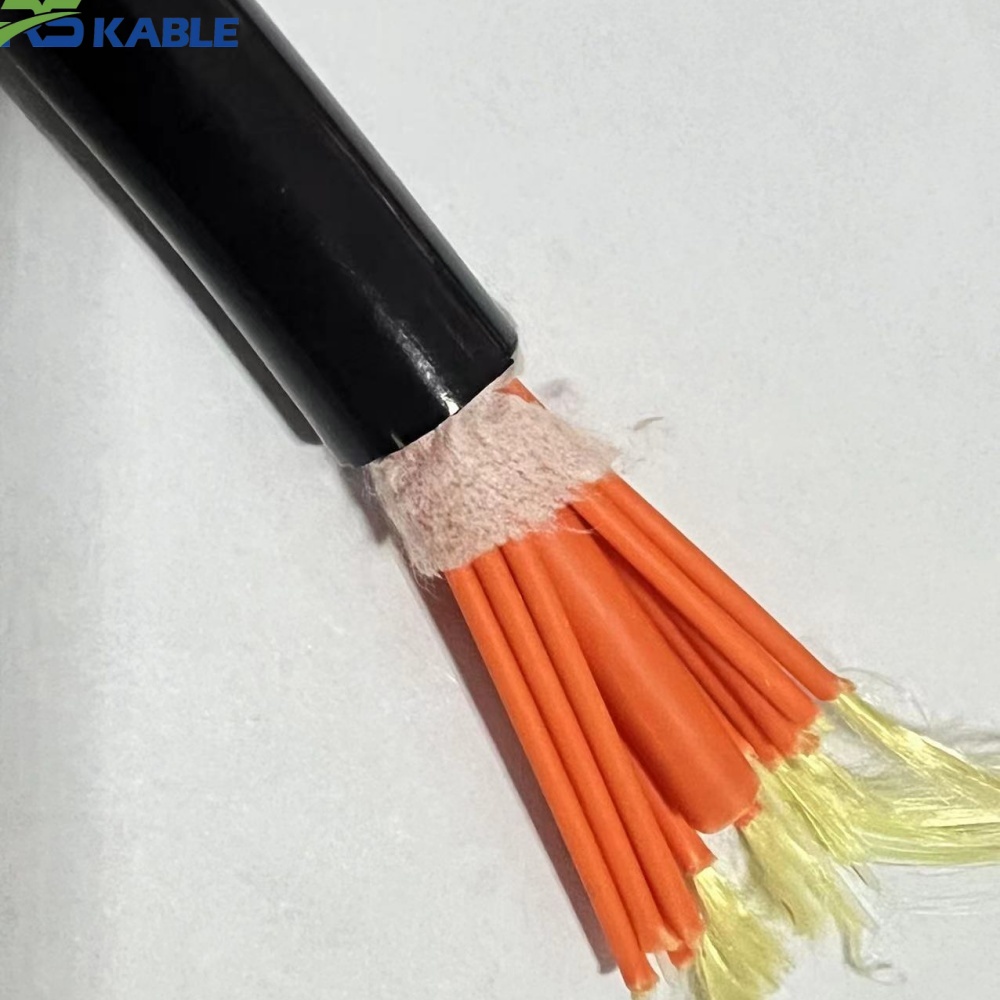
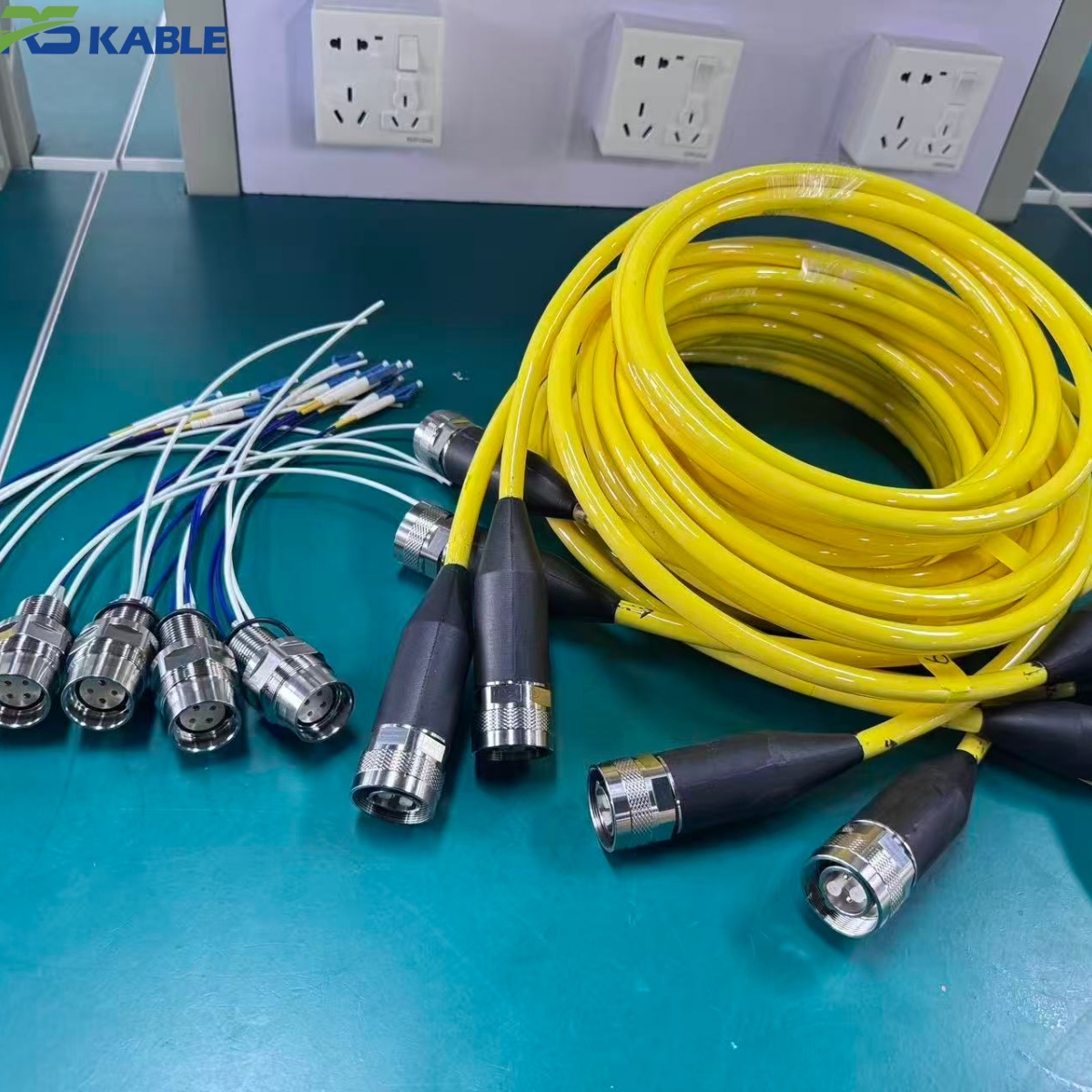
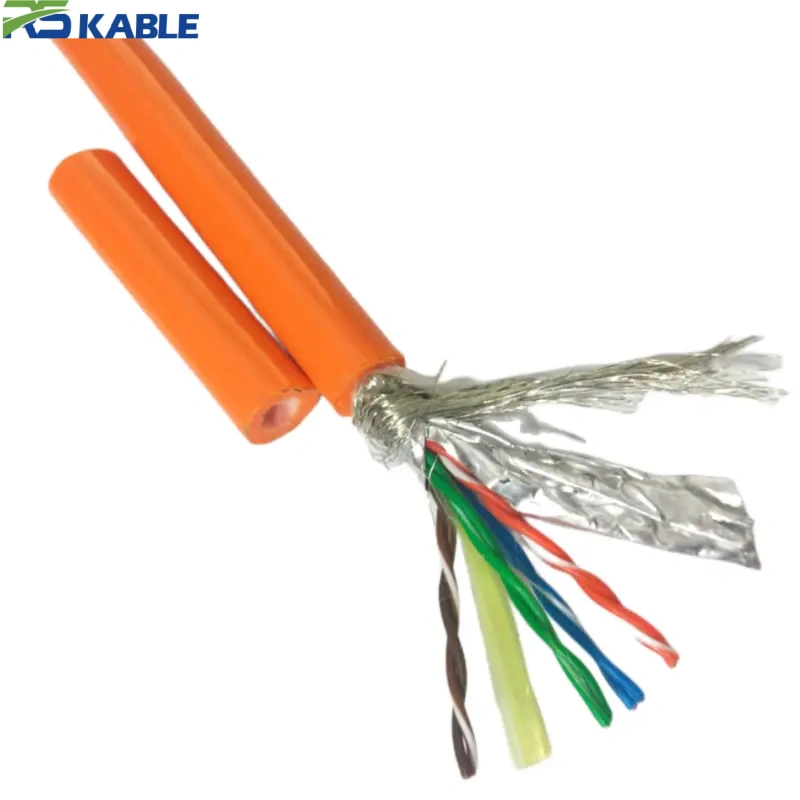
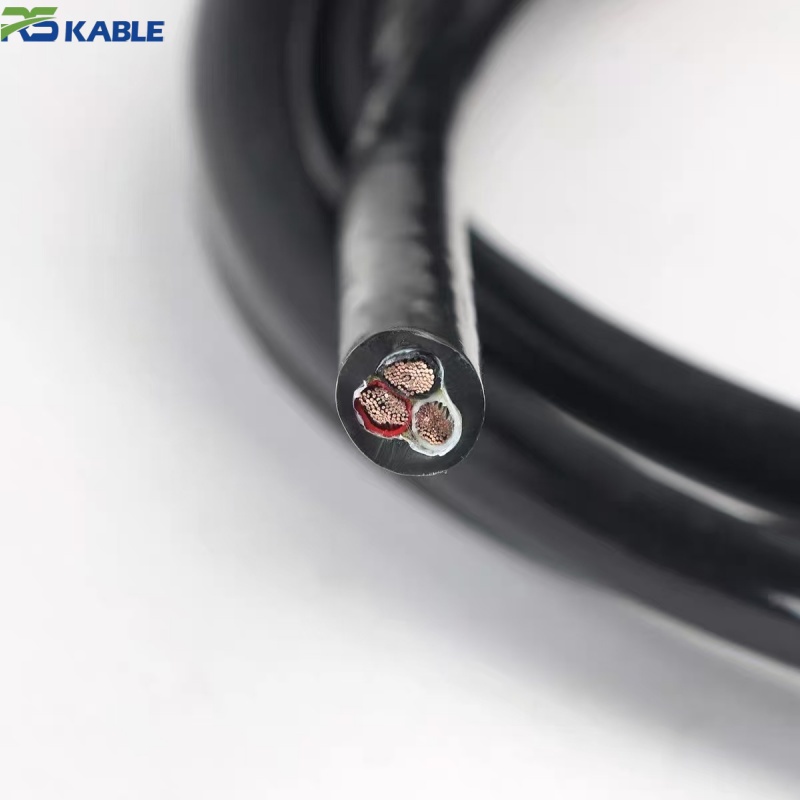
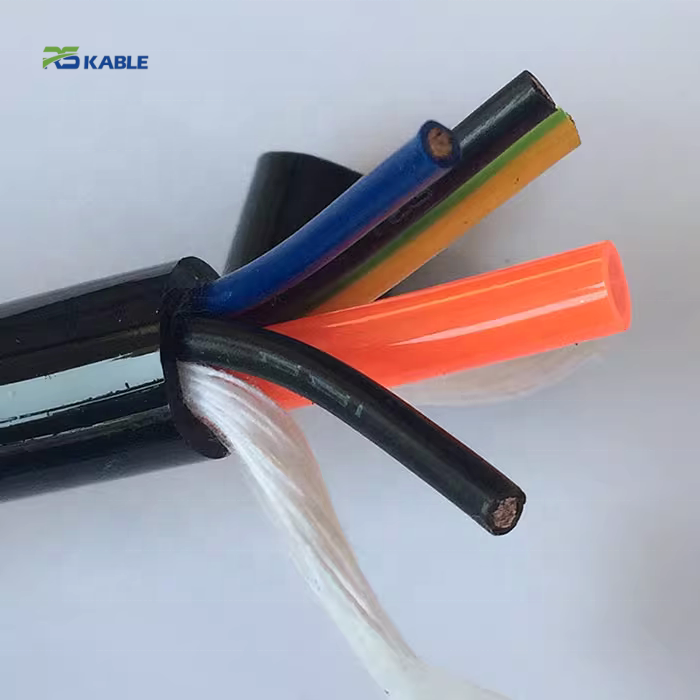
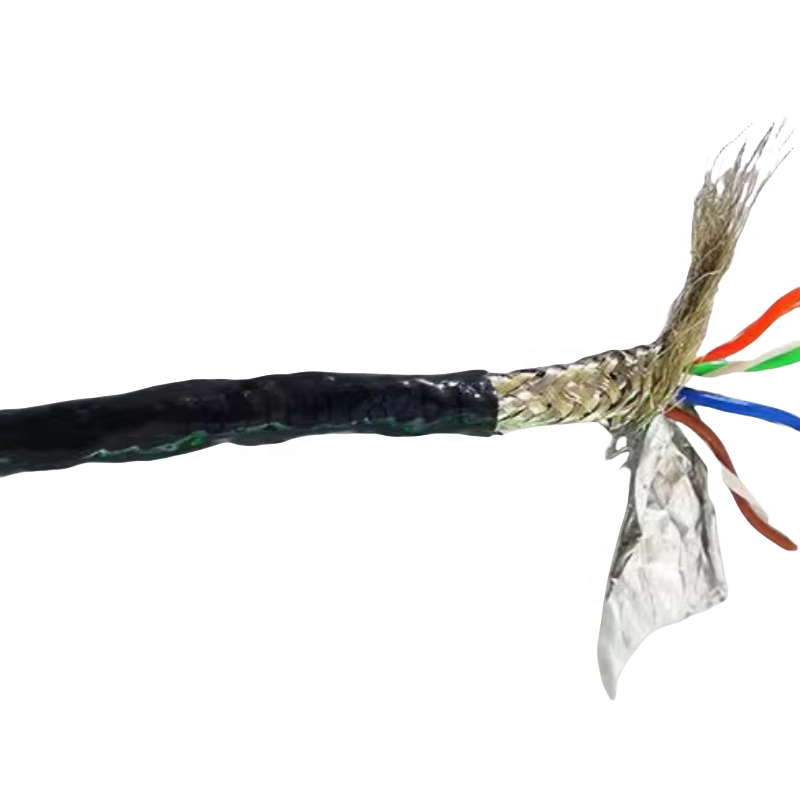
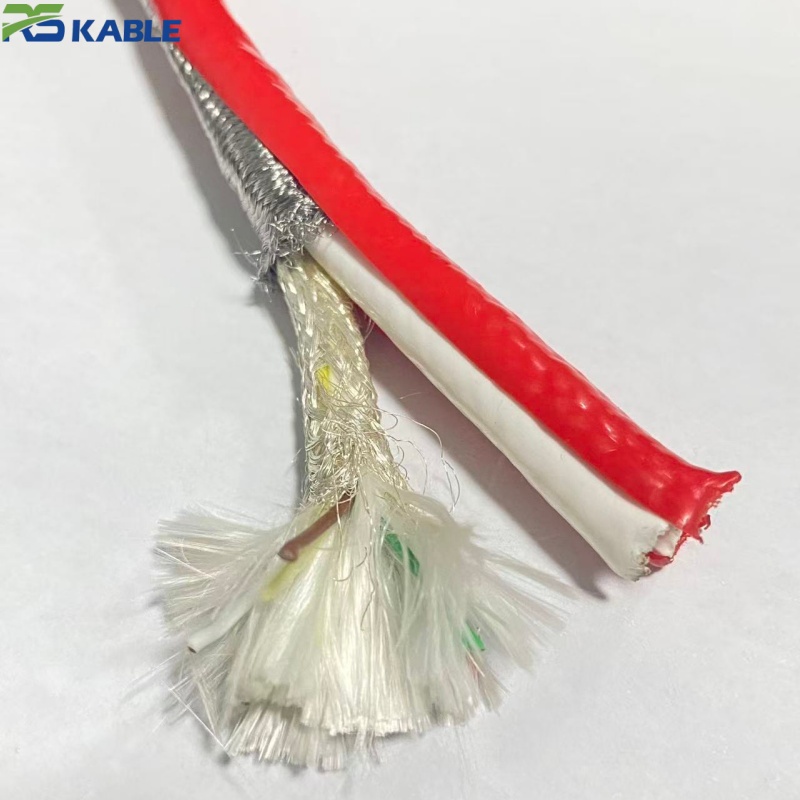
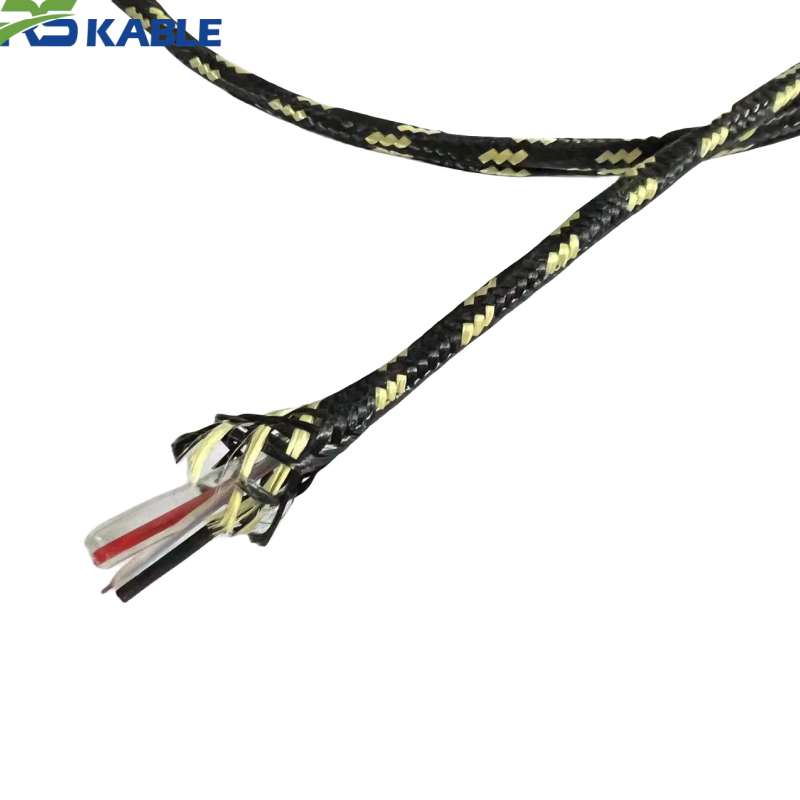
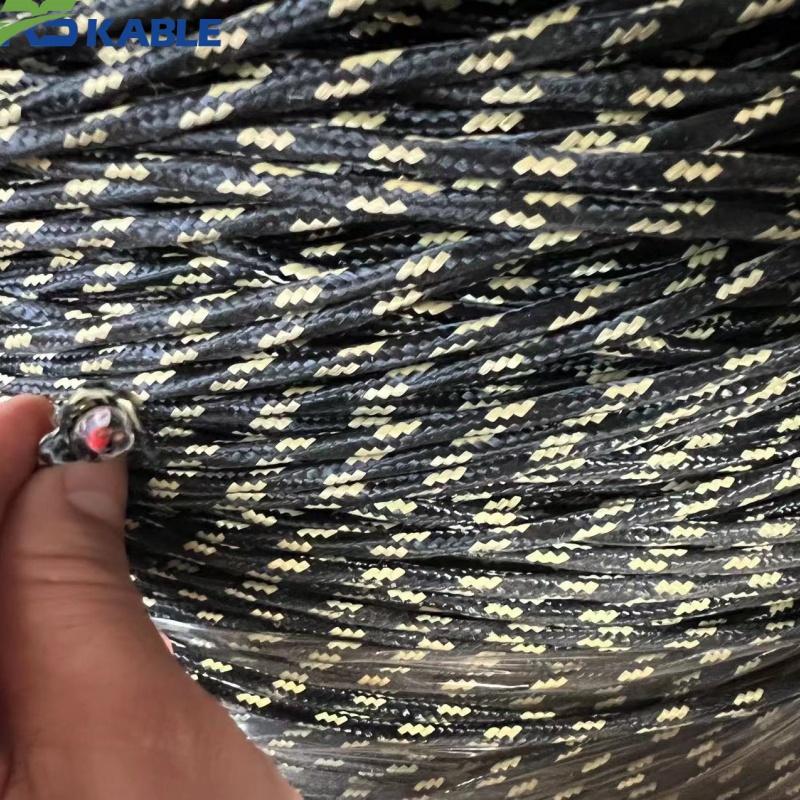
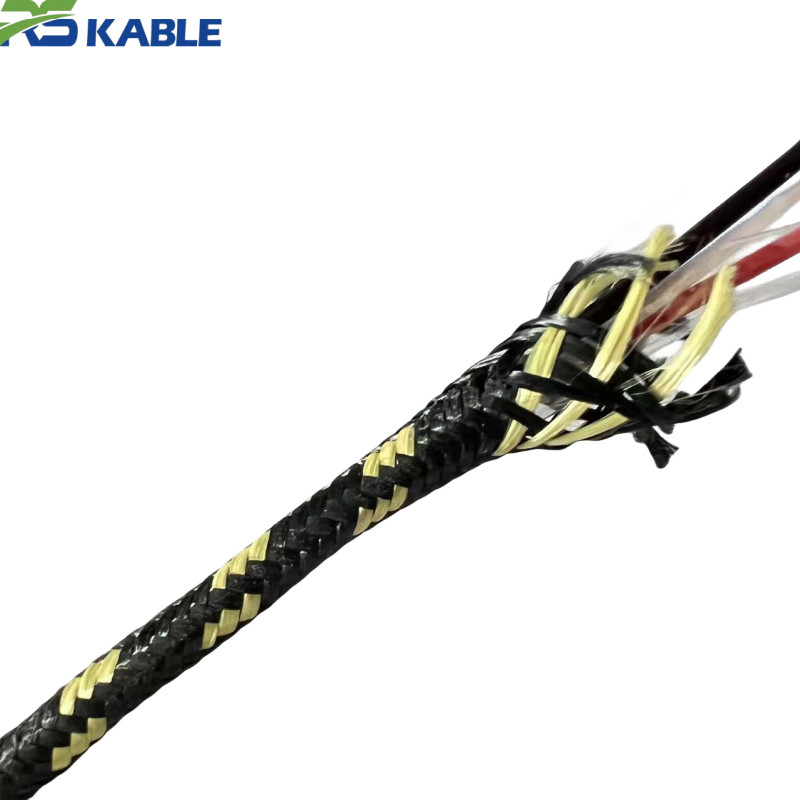
Tethered Drone Cable: High-Flex Power and Data Cable for UAV Systems
Engineered for tethered UAVs and drones. Combines high-voltage power transmission with lightweight fiber optic data telemetry in a high-tensile, abrasion-resistant TPU jacket. Designed for continuous tether deployment, secure power supply, and real-time HD video streaming in critical missions.
-
What Is a Fiber Optic Drone?
A fiber optic drone is a drone that replaces its radio control and video link with a physical optical fiber. Strip the spool off and most of them are ordinary FPV quadcopters: same frame, motors, flight controller and camera.
The difference is the communication channel. A standard FPV drone talks to its pilot over radio, typically 2.4 GHz for control and 5.8 GHz for video. A fiber optic drone carries a spool of fiber that pays out behind it as it flies, keeping a continuous light-based connection to the ground station from takeoff to landing.
That is why people also call them spool-fed drones, fiber-guided drones or wired FPV drones.
Fiber Optic Drone vs Radio-Controlled Drone
Fiber optic drone
Radio-controlled FPV drone
Control and video link
Optical fiber unspooled in flight
2.4 GHz / 5.8 GHz radio (typical)
Can it be jammed?
No, RF jammers do not affect light in a fiber
Yes, vulnerable to jamming and interference
Radio emissions
None from the link
Continuous, can be located by direction finding
Video quality
Stable HD, no breakup near obstacles
Degrades with distance, terrain and interference
Range limit
Length of fiber on the spool
Radio line of sight and power
Payload
Reduced by spool weight
Full payload available
Flight path
Cable can snag; hard to retrace route
Free to maneuver and return
How Does a Fiber Optic Drone Work?
A fiber optic drone works by converting control signals and video into light, sending them through a single optical fiber that unwinds from a spool as the drone flies. Here is the signal path step by step:
-
-
- Ground station. The pilot uses a normal radio controller and FPV goggles, but both connect to a ground media converter instead of an antenna. It turns electrical signals into light and back.
- Fiber connection. One end of the fiber is plugged into the ground converter; the rest is wound on a spool carried by the drone.
- Payout in flight. As the drone moves away, fiber unwinds from the spool under light tension and lies on the ground or hangs behind the aircraft. The drone never drags the full length—it only carries what is still on the spool.
- Uplink. Stick and switch commands travel up the fiber as light pulses.
- Onboard conversion. A small air module (often called a sky module) converts the light back into electrical signals for the flight controller.
- Downlink. The camera feed and telemetry go the opposite way through the same fiber, so the pilot sees stable, low-latency video in the goggles.
-
Latency added by the fiber itself is tiny. Light travels through glass fiber at roughly 200,000 km/s, so 10 km of fiber adds only about 0.05 ms; the converters and video system account for nearly all of the delay.
Key Components of a Fiber Optic Drone
Every fiber optic drone system has four parts: the fiber, the spool, a pair of optical converters and the airframe.
-
-
- Optical fiber. Usually one strand of bend-insensitive single-mode fiber to ITU-T G.657.A2, with a coated diameter of about 0.25 mm. Coated fiber of this size weighs roughly 60–80 g per km. Bend-insensitive fiber matters because it is wound tightly on a small spool without losing signal. For a deeper look at coatings and strength, see What Is Drone Fiber Optic Cable Made Of?.
- Spool or canister. A precision-wound reel in a housing with a smooth outlet nozzle so the fiber pays out without kinking. Supplier data gives a sense of weight: about 0.5 kg for 5 km, 0.9 kg for 10 km and 1.8 kg for 20 km of fiber (net, one supplier’s figures).
- Optical converters. A ground module at the pilot station and a light air (sky) module on the drone. Many systems work with existing analog or digital FPV video gear.
- Airframe. Typically a 7–10 inch FPV quadcopter or a larger multirotor, sized to lift the spool plus its mission payload.
-
Do Drones Use Fiber Optic Cables? Real-World Applications
Yes. Most drones still use radio, but a fast-growing group of FPV and industrial drones now use fiber optic cable wherever a radio link is unreliable or unwanted.
The technology became widely known through the war in Ukraine, where both sides use spool-fed FPV drones to get around electronic warfare. The U.S. Army’s Center for Army Lessons Learned has published a bulletin describing them as hard to detect in the electromagnetic spectrum.
The same properties are useful in civilian work:
-
-
- Tunnels, mines and underground utilities, where rock and concrete block radio signals.
- Industrial plants and substations with strong electromagnetic interference that disrupts radio video.
- Inside large steel structures such as ship hulls, tanks and boiler rooms.
- Counter-UAS testing and training, where teams need realistic fiber-guided targets.
- Long-range FPV filming in crowded RF environments such as events and cities.
-
If this sounds familiar, it is the same idea as a tethered underwater robot. Work-class ROVs have relied on fiber optic ROV cables for decades because radio does not travel through seawater.
Advantages of Fiber Optic Drones
The biggest advantage of a fiber optic drone is a link that radio interference cannot touch.
-
-
- Jamming immunity. RF jammers flood radio frequencies; they have no effect on light inside a glass fiber. Read more in Why Do Drones Use Fiber Optic Cable? Can It Be Jammed?.
- No radio signature. The link emits nothing, so the drone cannot be located by RF direction finding while it flies or waits.
- Stable, clean video. No breakup behind buildings, trees or terrain, and no interference from nearby transmitters.
- Low latency. Fiber adds almost no delay, so control feels like a short-range radio link even kilometers away.
- Secure data. The signal cannot be intercepted over the air.
-
Limitations of Fiber Optic Drones
Fiber solves the radio problem but creates mechanical ones.
-
-
- Range is capped by the spool. The drone can fly only as far as the fiber it carries—typically 5–20 km. See How Far Can Fiber Optic Drones Fly? Cable Length Explained.
- Spool weight eats payload and flight time. Longer spools are heavier; one 50 km canister on the market weighs about 4 kg with fiber.
- Snagging and breaks. Trees, wires, buildings and moving vehicles can catch or cut the fiber, ending the flight.
- Limited maneuvering. Circling back over its own route risks tangling, so most missions are planned as one-way paths.
- Cable left behind. Kilometers of fiber usually stay on the ground after each flight, raising cost and cleanup concerns.
-
What Makes a Good Drone Fiber Optic Cable?
A good drone fiber optic cable keeps signal loss low while surviving tight winding, fast payout and rough ground. When you evaluate a supplier, check these six points:
-
-
- Bend insensitivity. G.657.A2 (or B3) fiber keeps loss low on small spool diameters and sharp payout angles.
- Attenuation budget. Ask for measured loss over the full length; one supplier specifies no more than 6.5 dB over 25 km [VERIFY].
- Tensile strength and proof test. Higher proof-test levels mean fewer breaks from snags and drone acceleration.
- Coating. The coating must resist abrasion and have low friction so the fiber slides off the spool smoothly.
- Winding quality. Even, consistent tension prevents tangles and sudden stops during payout.
- Test documentation. Every spool should ship with an OTDR or loss test report.
-
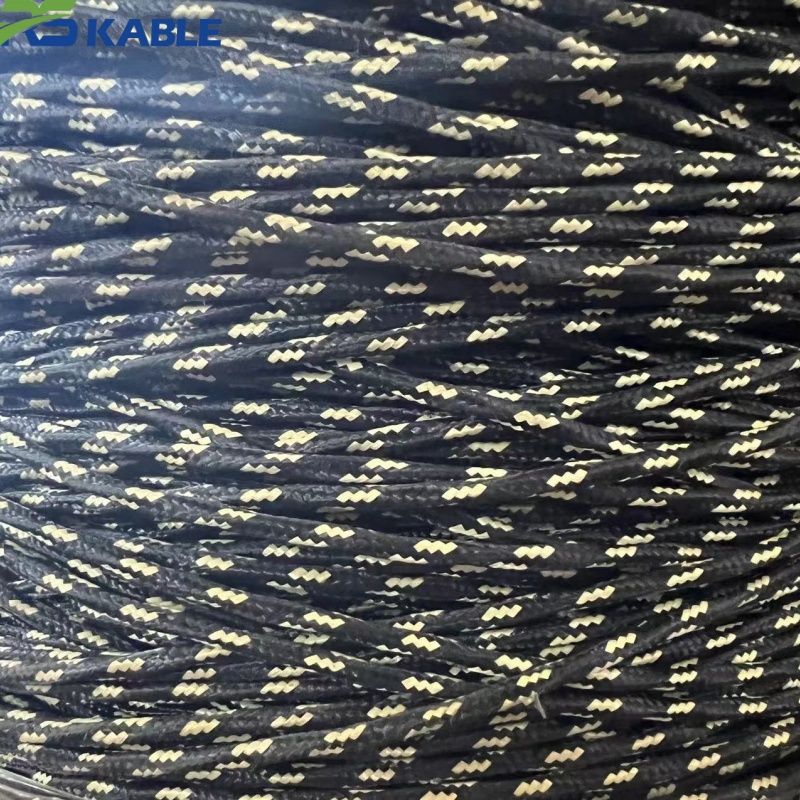
We apply the same disciplines—tension control, bend testing, abrasion-resistant jackets—to our fiber optic ROV cables and custom special cables.
Need a custom drone fiber optic cable or electro-optical tether? Get a quote — tell us your length, diameter and payout speed.
Fiber Optic Drone FAQ
Do fiber optic drones have cables? Yes. A fiber optic drone carries a single hair-thin optical fiber on a spool and stays connected to the pilot through it for the whole flight. It is a data cable, not a power cable, so the drone still runs on its own battery.
Do FPV drones use fiber optic cable? Most FPV drones use radio, but a growing number are built or converted to fly on fiber. Many fiber kits bolt onto an existing FPV frame and work with standard video systems.
How do drones fly with fiber optic cable without tangling? The fiber is precision-wound on a spool that turns or pays out from a fixed nozzle as the drone moves forward. Because the cable is released from the drone rather than pulled from the ground, it lies behind the flight path instead of dragging; tangles mainly happen when the drone circles back.
How far can a fiber optic drone fly? As far as the fiber on its spool—commonly 5–20 km, with 40–50 km spools available at a large weight cost. Full details: How Far Can Fiber Optic Drones Fly?.
Can fiber optic drones be jammed? Not through their control link, because RF jamming does not affect light in a fiber. They can still be stopped physically, for example by cutting the cable. See Why Do Drones Use Fiber Optic Cable? Can It Be Jammed?.
The Bottom Line
A fiber optic drone trades a radio link for a strand of glass: it gains jam-proof control, zero radio emissions and clean video, and pays for it with spool weight, limited range and a cable that can snag. As spools get lighter and fibers stronger, expect to see them in more inspection and industrial jobs where radio fails.
The cable is the heart of the system. If you are developing a fiber-guided drone or tether, talk to our cable engineers.
-