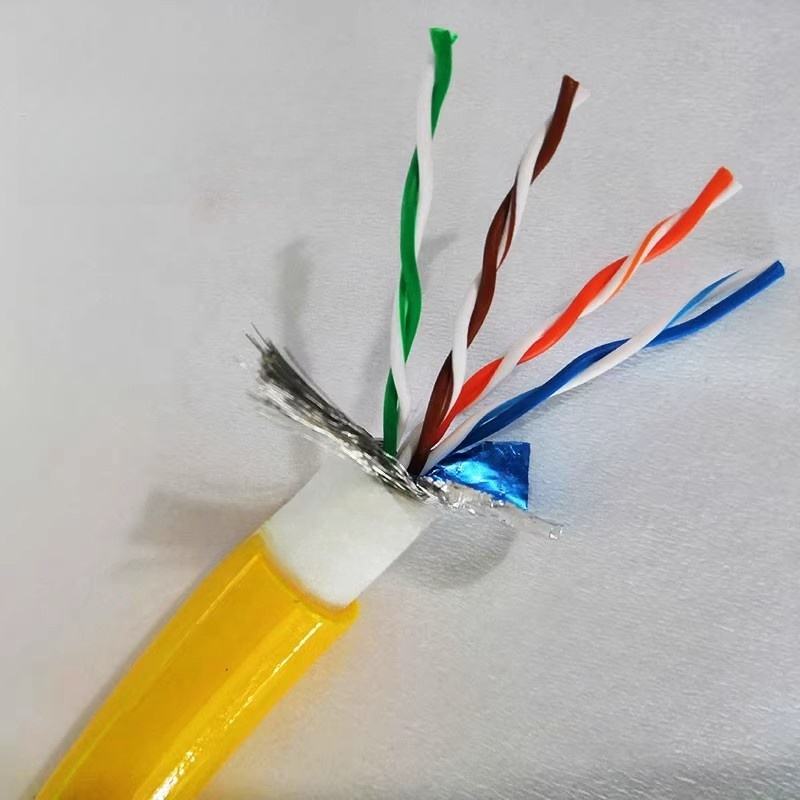


A Technical Guide to Subsea Electrical, Fiber Optic, and Fluidic Connections
Selecting the right underwater connector is an important part of subsea system design. A connector may need to transmit electrical power, data, optical signals, or hydraulic fluids while exposed to seawater, hydrostatic pressure, mechanical loading, and repeated mating.
The requirements can vary significantly between a permanently installed subsea assembly and an ROV system that is connected and disconnected repeatedly during operation.
This guide explains the main types of underwater connectors, their typical applications, the engineering parameters that should be considered during selection, and the information required when specifying a custom connector for a subsea cable or equipment assembly.
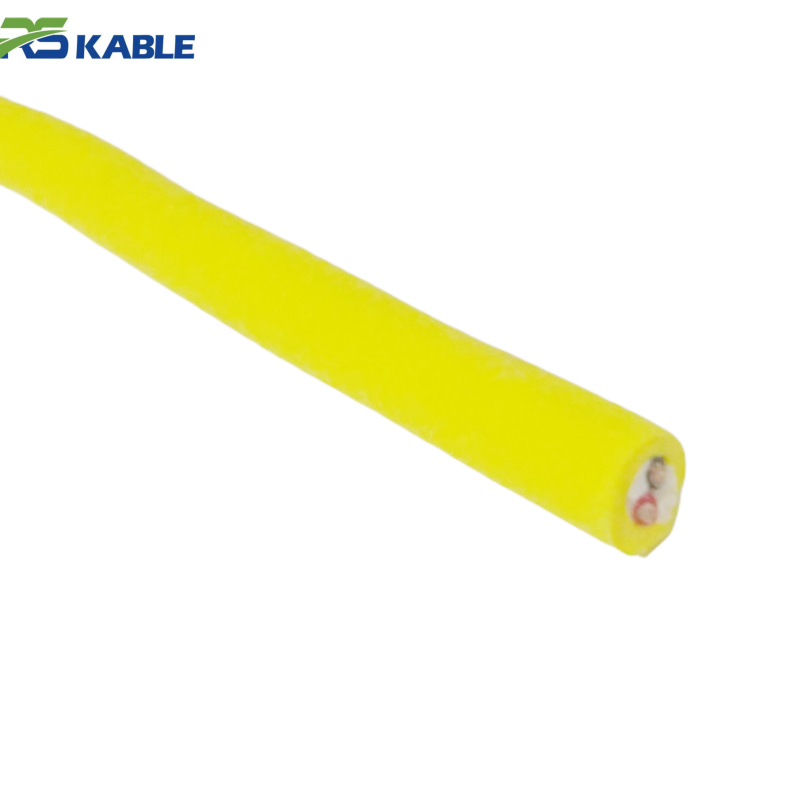
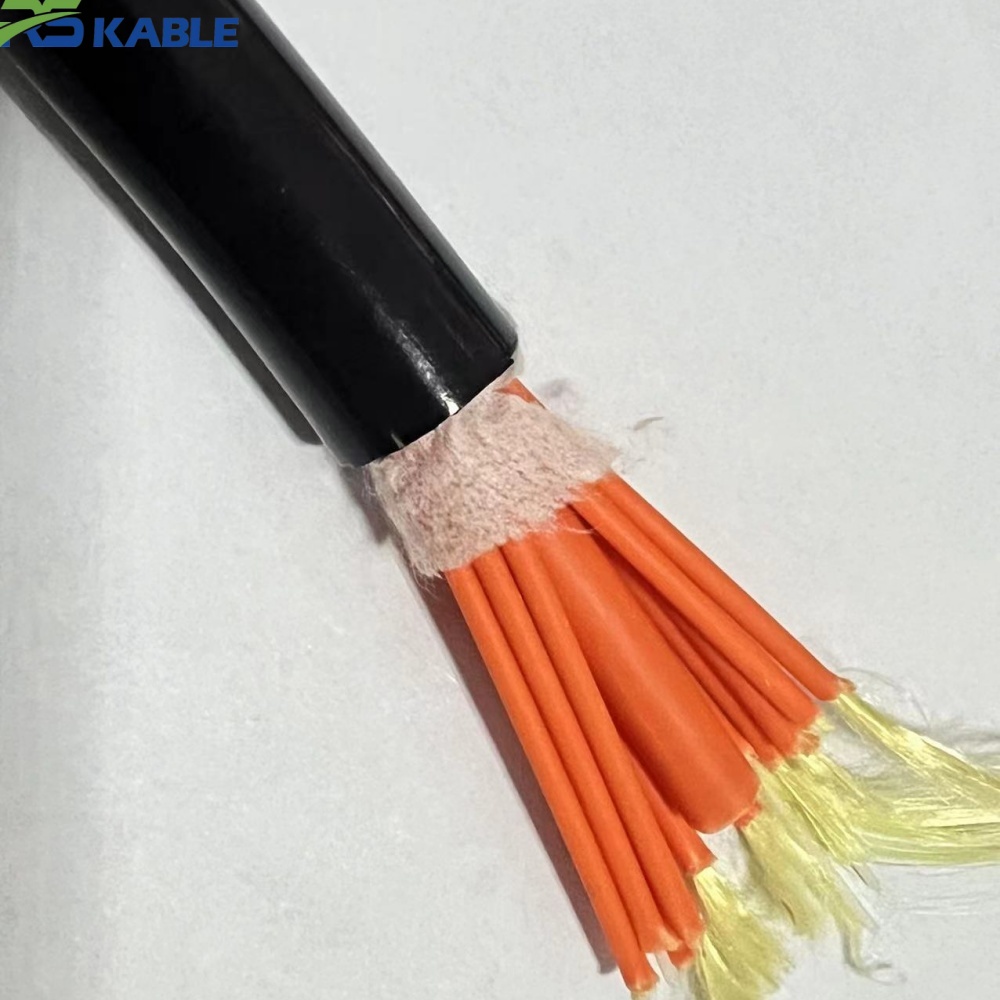
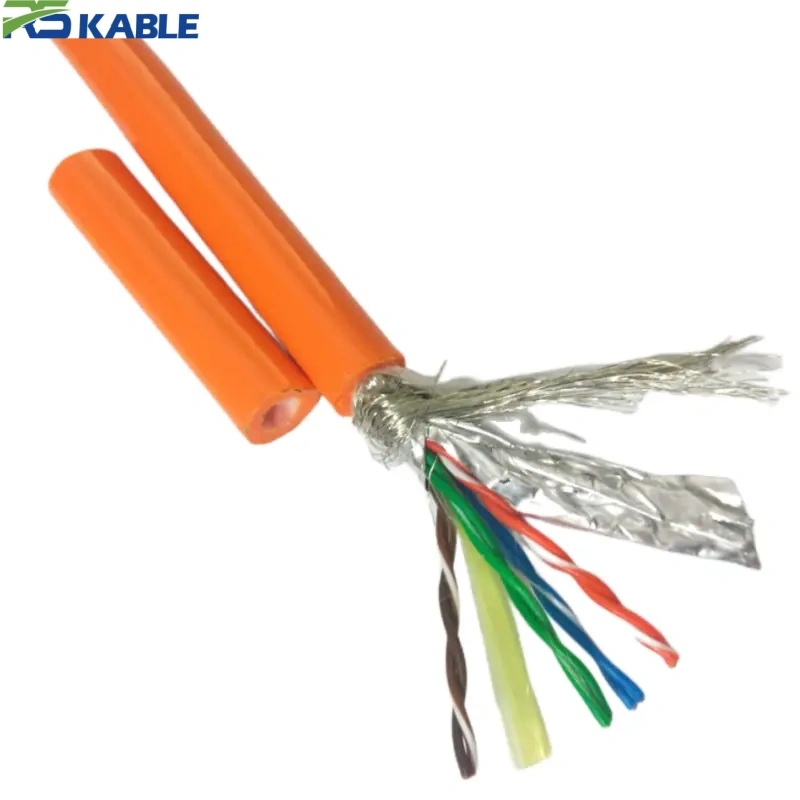
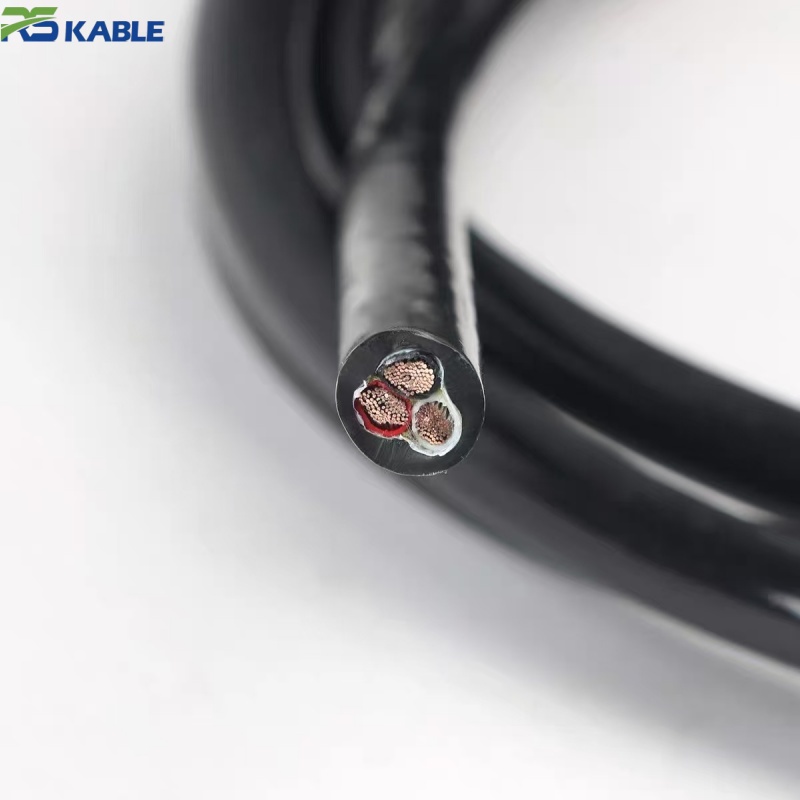
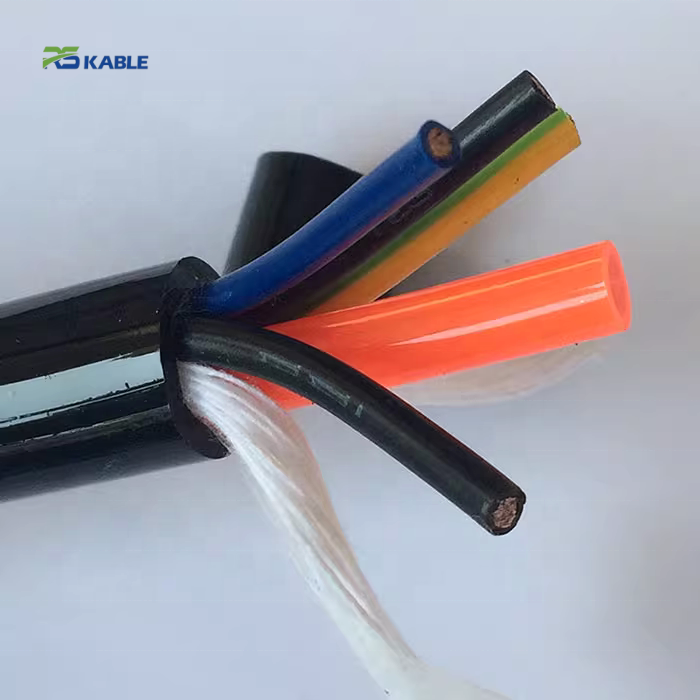
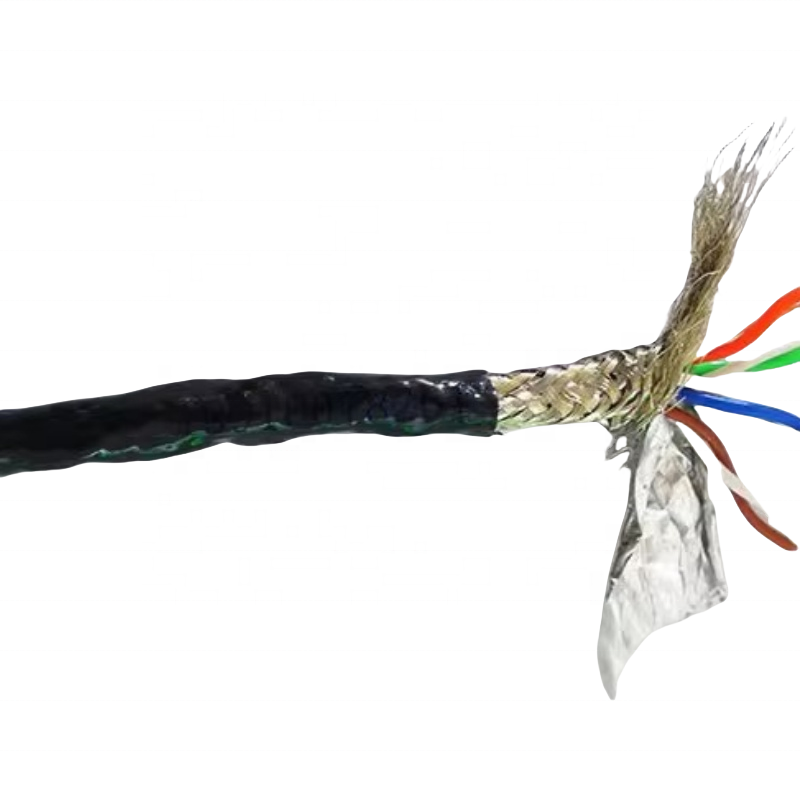
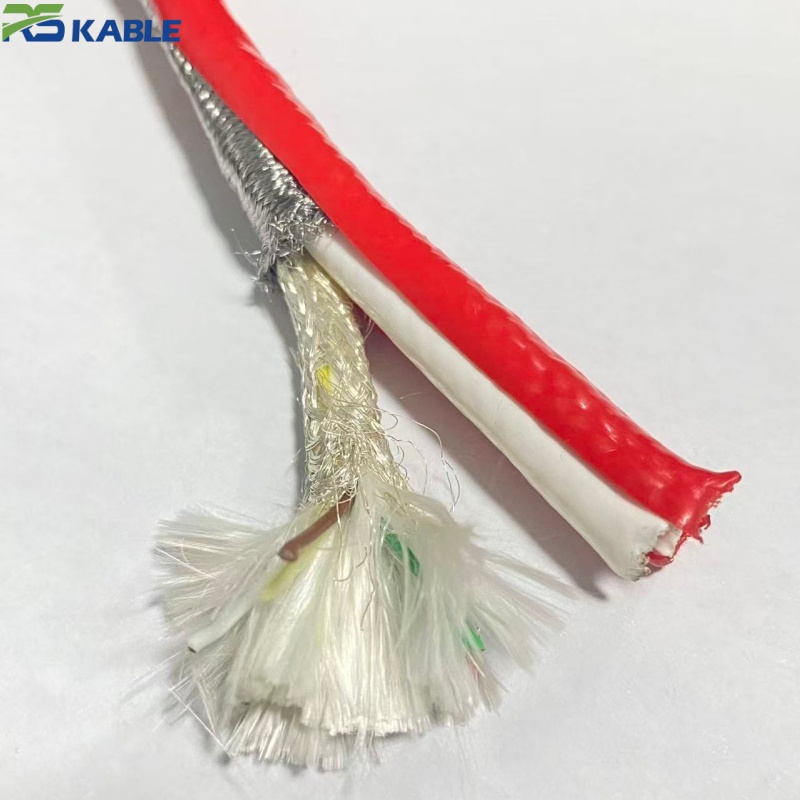
High-Accuracy Data Transmission ROV Cable
High-precision ROV cable designed for low impedance and stable signal integrity in subsea environments. It supports reliable data transmission for HD video, sonar, telemetry, and underwater inspection systems.
Types of Underwater Connectors
Underwater connectors can be classified according to the medium they transfer and the way they are mated. The main categories include electrical connectors, fiber optic connectors, fluidic connectors, and hybrid connectors that combine different transmission functions.
Electrical Underwater Connectors
Electrical underwater connectors are used to transmit power or electrical signals between subsea equipment, cables, sensors, motors, pumps, and control systems.
Typical configurations include:
-
Underwater power connector — used for subsea motors, pumps, thrusters, and other power-consuming equipment.
-
Underwater Ethernet connector — used for Ethernet-based data communication between subsea equipment and control systems.
-
Underwater coaxial connector — used for selected video, RF, and sensor applications where controlled impedance and shielding are required.
-
Underwater cable connector — used to terminate or connect subsea power, control, and instrumentation cables.
-
IP68 underwater connector — provides an ingress protection classification, but IP68 alone does not define the maximum operating depth.
For deepwater applications, the connector’s hydrostatic pressure rating must be evaluated separately from its IP rating. A connector intended for shallow-water immersion may not be suitable for high-pressure subsea service.
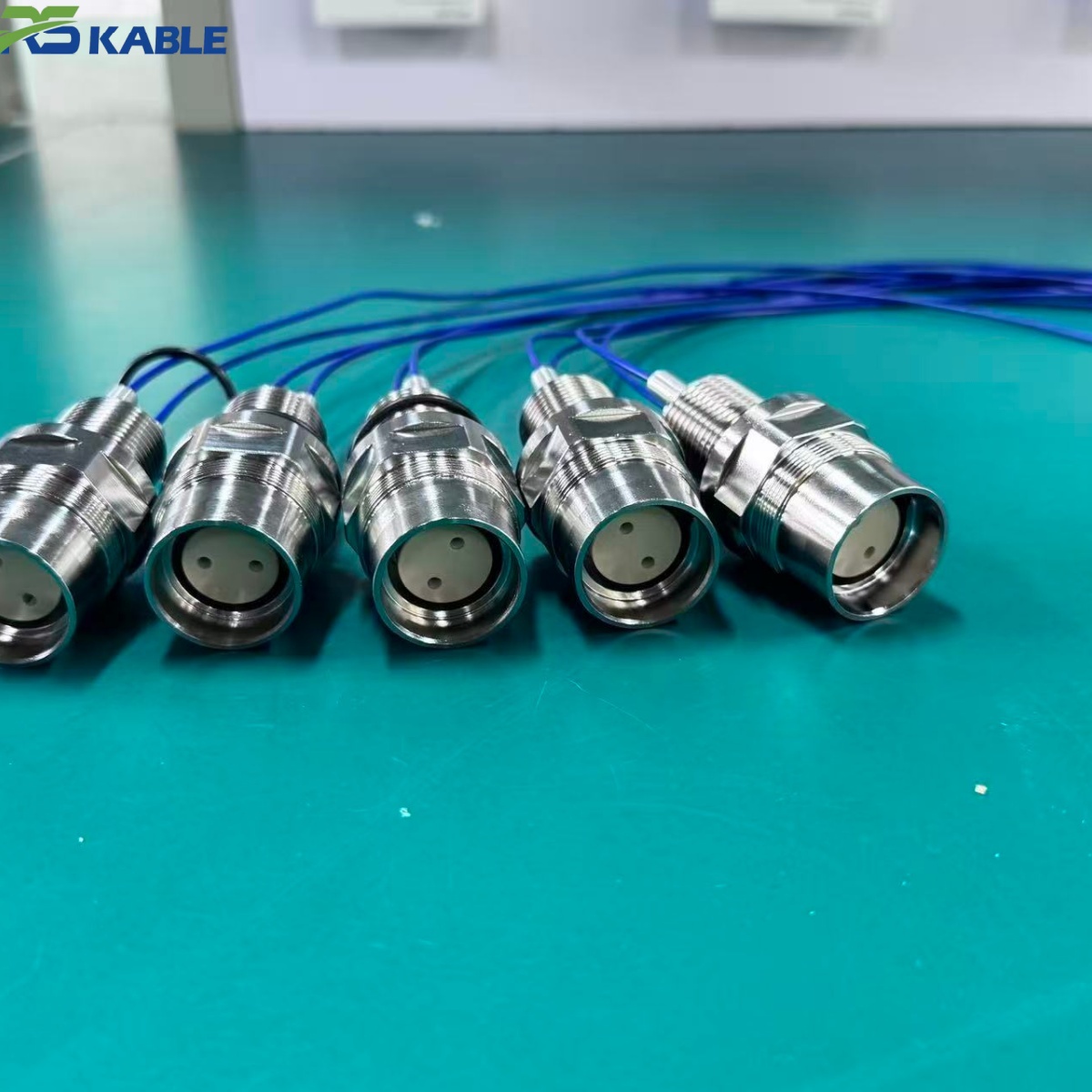
Fiber Optic Underwater Connectors
Fiber optic connectors are used when subsea systems require high-bandwidth communication, long-distance data transmission, video, or sensor data.
Compared with electrical contacts, optical interfaces are particularly sensitive to contamination, mechanical alignment, and end-face condition. Optical performance is therefore normally evaluated using parameters such as insertion loss and return loss.
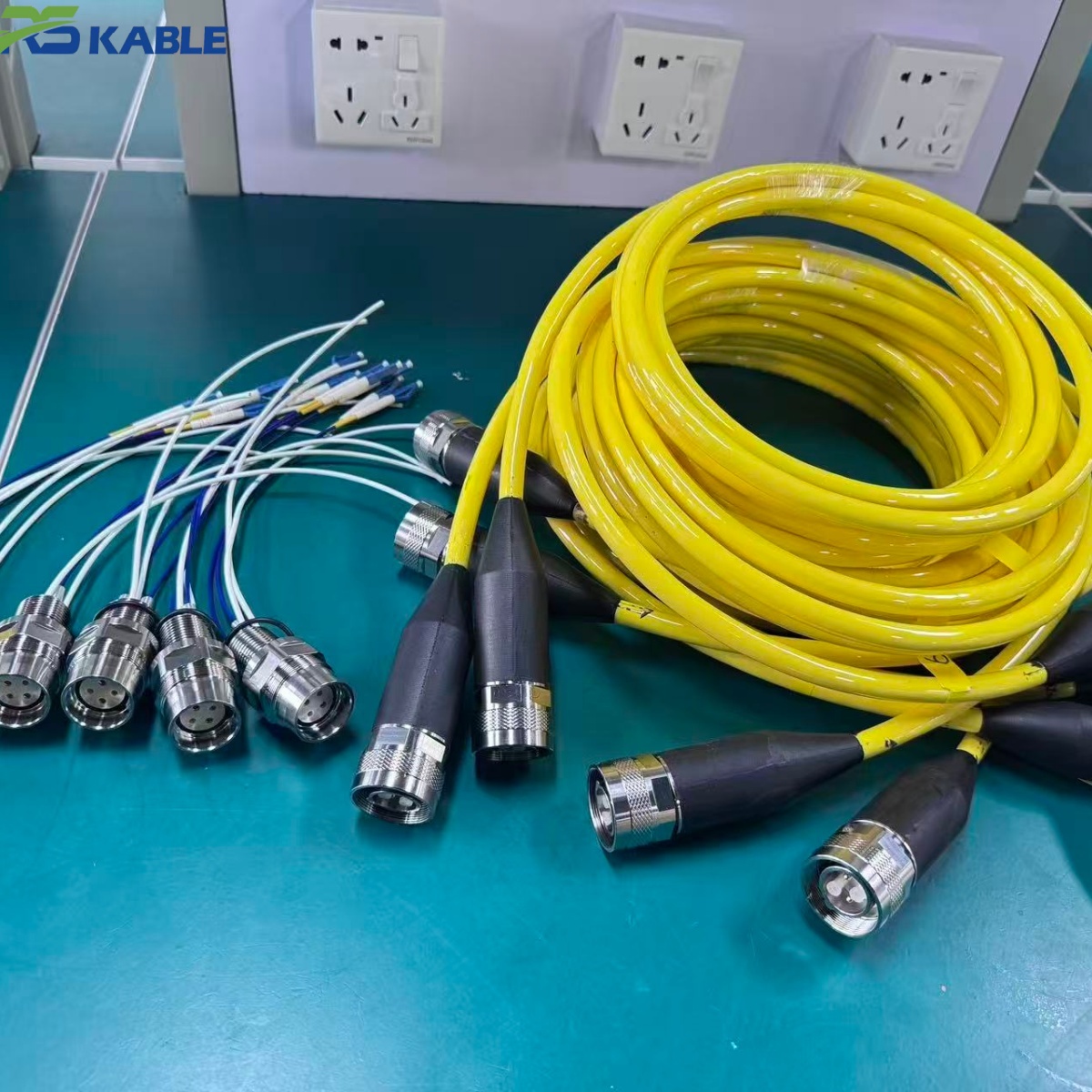
A fiber optic underwater connector may be used for dedicated optical transmission, while a fiber optic composite cable connector or hybrid connector can combine optical fibers and electrical conductors within the same assembly.
This type of connection is particularly relevant to ROV systems and other subsea applications where power and high-speed data need to be transmitted through a single cable.
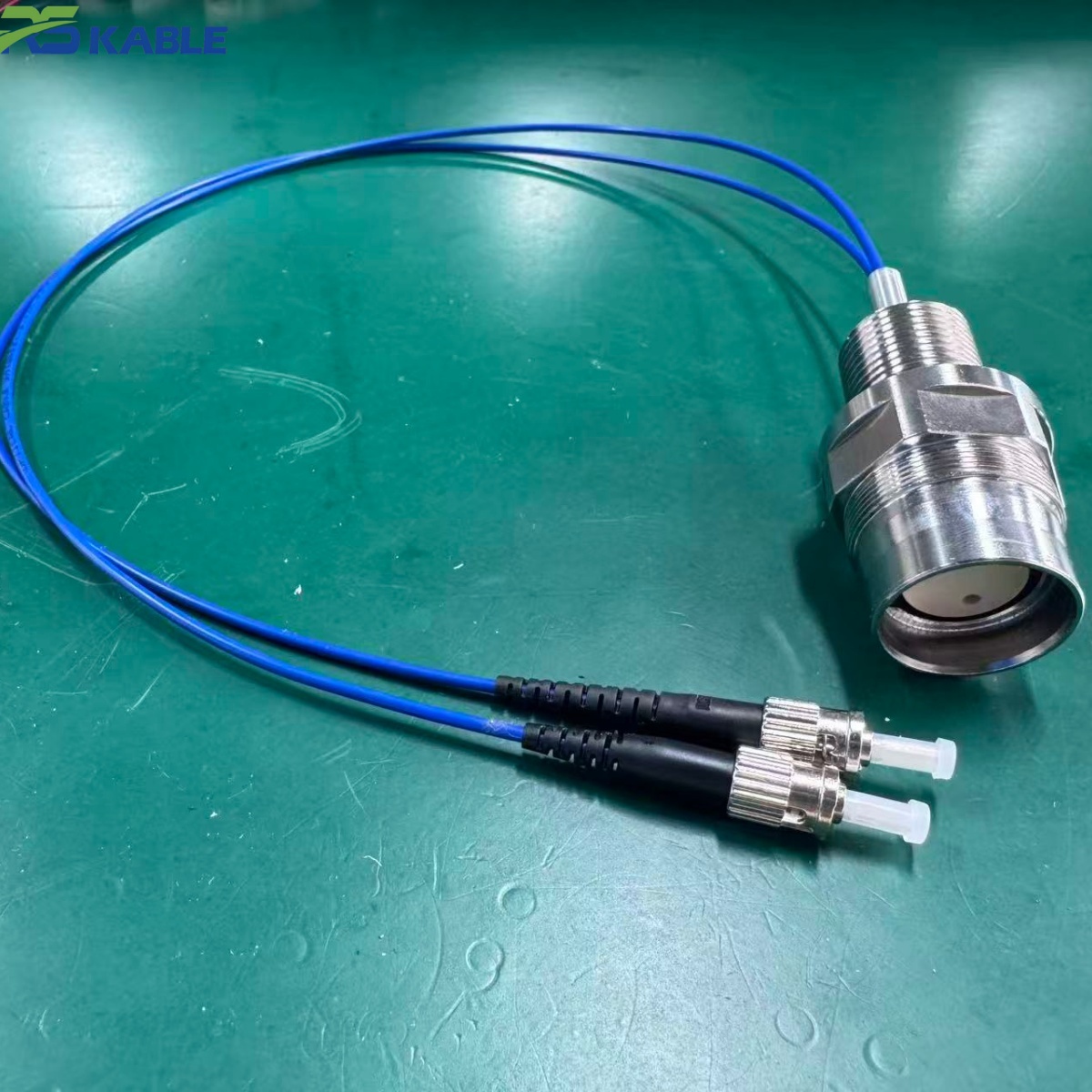
Fluidic and Circular Connectors
Fluidic connectors are used in subsea hydraulic control systems, fluid transfer, and chemical injection applications.
The connector must maintain sealing performance under external hydrostatic pressure while also remaining compatible with the fluid being transferred. Seal material, connector material, internal geometry, pressure rating, and contamination control all need to be considered.
Circular connector designs are also commonly used where multiple electrical, optical, or fluidic interfaces need to be integrated into a compact assembly.
An Underwater bulkhead connector is another configuration used to pass electrical, optical, or fluidic connections through subsea enclosures or pressure boundaries while maintaining the required sealing performance.
Wet-Mate vs. Dry-Mate Underwater Connectors
One of the first questions when selecting a subsea connector is whether it needs to be mated while submerged.
| Parameter | Dry-Mate Connector | Wet-Mate Connector |
|---|---|---|
| Mating environment | Connected before deployment | Connected or disconnected underwater |
| Typical use | Permanent installations, subsea enclosures | ROV tooling, intervention systems |
| Mating frequency | Usually limited | Often designed for repeated cycles |
| Sealing requirements | Sealed before deployment | Designed to maintain sealing during underwater mating |
| Mechanical complexity | Generally lower | Generally higher |
The distinction is particularly important for ROV applications.
A connector that is suitable for a one-time dry connection may not be appropriate for an ROV tool that is repeatedly connected and disconnected underwater. Repeated mating can affect sealing surfaces, electrical contacts, optical interfaces, locking mechanisms, and mechanical components.
The expected number of mating cycles should therefore be specified before selecting the connector.
Applications of Underwater Connectors
The operating environment and equipment configuration determine which connector characteristics are required.
ROV and AUV Systems
ROVs and AUVs may use underwater electrical connectors, fiber optic connectors, and hybrid interfaces for power, control, communication, video, and sensor signals.
ROV applications can impose additional mechanical requirements because the cable and connector assembly may experience:
-
Dynamic loading
-
Bending
-
Tension
-
Abrasion
-
Repeated mating
-
Seawater exposure
-
Mechanical vibration
For ROV umbilicals and tether systems, connector selection should therefore be considered together with the ROV cable construction rather than as a completely separate component.
Subsea Oil and Gas
Subsea production systems can use connectors for power distribution, control systems, instrumentation, hydraulic systems, and chemical injection.
Long-term seawater exposure and compatibility with process fluids make material selection and sealing performance particularly important.
Ocean Observation Systems
Cabled ocean observation systems may require electrical and optical connections for sensors, cameras, communications equipment, and monitoring instruments.
Because some installations are intended for long service periods with limited maintenance access, connector reliability and environmental protection are important design considerations.
Offshore Renewable Energy
Subsea connections can also be used in offshore wind and other marine energy systems.
These applications may expose connectors to seawater, mechanical loading, temperature variation, and long-term environmental cycling. The connector specification should therefore reflect the expected installation environment and service life.
Underwater Connector Selection Criteria
Selecting an underwater connector requires more than checking its IP rating or nominal operating depth. The connector and cable assembly should be evaluated against the actual operating conditions of the project.
1. Operating Depth and Hydrostatic Pressure
The connector should be rated for the maximum hydrostatic pressure expected during operation.
Pressure specifications may be expressed in:
-
Meters of seawater
-
Bar
-
MPa
-
Other project-specific pressure ratings
The required rating should be based on the actual operating depth and the project’s safety or qualification requirements.
Temperature can also affect material and sealing performance, so any applicable temperature derating should be considered.
2. Mating Cycles and Mechanical Durability
Determine whether the connector will be:
-
Mated once during installation
-
Connected occasionally for maintenance
-
Repeatedly mated by an ROV
-
Used in a high-cycle intervention system
Wet-mate connectors intended for repeated operation need appropriate mechanical and sealing designs for the expected number of cycles.
The mating-cycle requirement should be defined before selecting a connector because it can significantly affect the connector construction and qualification requirements.
3. Material and Corrosion Resistance
Subsea connectors are exposed to seawater and potentially other chemicals or fluids.
Material selection should consider:
-
Corrosion resistance
-
Mechanical strength
-
Seawater compatibility
-
Galvanic compatibility
-
Temperature
-
Expected service life
-
Compatibility with internal fluids
Materials such as titanium and 316L stainless steel may be used in subsea applications, but the appropriate material depends on the complete assembly and operating environment.
Material compatibility should also be considered when dissimilar metals are used within the same connector or cable assembly.
4. Electrical and Optical Requirements
For electrical connectors, the basic specification should include the required:
-
Voltage
-
Current
-
Number of contacts
-
Insulation requirements
-
Signal type
-
Impedance, where applicable
For fiber optic interfaces, the specification may include:
-
Fiber count
-
Single-mode or multimode fiber
-
Insertion loss
-
Return loss
-
Optical interface configuration
For hybrid connectors, both electrical and optical requirements need to be evaluated together.
5. Cable Compatibility
A connector cannot be evaluated independently from the cable that it terminates.
For subsea cable assemblies, the following cable characteristics should be considered:
-
Cable outer diameter
-
Number and size of conductors
-
Fiber count and fiber type
-
Shielding configuration
-
Jacket material
-
Minimum bend radius
-
Tensile requirements
-
Cable weight
-
Buoyancy requirements
-
Strain-relief design
-
Termination method
This is particularly important for ROV tether cables and fiber optic composite cables, where the connector termination must accommodate both the electrical or optical interfaces and the mechanical characteristics of the cable.
A connector may meet the required electrical specifications but still be unsuitable if the cable diameter, bend radius, tensile load, or strain-relief requirements are incompatible.
Underwater Connector Specification Checklist
Before requesting a quotation or technical proposal, it is useful to prepare a basic connector specification.
| Parameter | Information to Specify |
|---|---|
| Application | ROV, AUV, subsea sensor, hydraulic system, enclosure, etc. |
| Operating depth | Maximum operating depth |
| Hydrostatic pressure | Required pressure rating |
| Connector type | Electrical, fiber optic, fluidic, or hybrid |
| Mating method | Wet-mate or dry-mate |
| Mating cycles | Expected number of cycles |
| Voltage | Required operating voltage |
| Current | Required continuous/peak current |
| Contact count | Number of electrical contacts |
| Fiber count | Number and type of optical fibers |
| Signal type | Ethernet, coaxial, sensor, control, etc. |
| Cable OD | Finished cable outside diameter |
| Cable construction | Conductors, fibers, shielding, jacket |
| Temperature | Operating and storage temperature |
| Materials | Required connector and sealing materials |
| Fluid compatibility | Hydraulic fluid, chemicals, seawater, etc. |
| Sealing requirements | Environmental and pressure sealing requirements |
| Mechanical load | Tension, bending, vibration, or other loads |
| Testing | Pressure, insulation, optical, mating-cycle, or other tests |
Providing these parameters at the beginning of the RFQ process can significantly reduce unnecessary communication and make it easier to determine whether a standard connector or a custom design is required.
How to Specify a Custom Underwater Connector
Standard connectors are suitable for many applications, but subsea cable assemblies often require customized configurations.
A custom underwater connector may be required when the project has a specific:
-
Cable diameter
-
Contact configuration
-
Fiber count
-
Connector size
-
Mounting interface
-
Pressure rating
-
Material requirement
-
Cable termination
-
Strain-relief requirement
-
Mating mechanism
For a custom connector, engineers should provide as much information as possible about the complete application rather than specifying only the connector itself.
A useful RFQ package may include:
-
Cable datasheet
-
Connector drawing or interface dimensions
-
Electrical requirements
-
Optical requirements, if applicable
-
Operating depth
-
Temperature range
-
Expected mating cycles
-
Mechanical loading conditions
-
Required materials
-
Required qualification or inspection tests
For a fiber optic composite cable assembly, the connector specification should also identify the number of optical fibers, conductor configuration, cable outer diameter, and the required termination arrangement.
Connector and Cable Compatibility for ROV Systems
For ROV applications, the connector is only one part of the complete subsea connection system.
The cable may need to provide power, communication, video, and mechanical support at the same time. A hybrid cable can therefore contain electrical conductors and optical fibers within the same construction.
The connector termination must maintain compatibility with:
-
Cable diameter
-
Conductor arrangement
-
Fiber configuration
-
Shielding
-
Jacket material
-
Bend radius
-
Tensile load
-
Strain relief
For example, an ROV system requiring both electrical power and high-speed communication may use a fiber optic composite cable together with a corresponding hybrid underwater connector.
This approach can reduce the need for separate cable systems while allowing power and high-bandwidth data to be transmitted through the same assembly.
Underwater Connector Testing and Qualification
Testing requirements depend on the application, connector design, and project specification.
Common qualification or inspection activities may include:
-
Hydrostatic pressure testing
-
Insulation resistance testing
-
Electrical continuity testing
-
Optical performance testing
-
Mating-cycle testing
-
Dimensional inspection
-
Material verification
-
Seal inspection
For critical subsea applications, testing should be defined according to the actual operating conditions rather than relying only on a general ingress-protection rating.
Relevant industry standards may also apply depending on the equipment and application. Project engineers should confirm the applicable standards and qualification requirements before finalizing the connector design.
How to Evaluate an Underwater Connector Supplier
When comparing suppliers, the lowest purchase price should not be the only consideration.
For a subsea connector, evaluate whether the supplier can provide the technical information required for the project, including:
-
Product specifications
-
Pressure-rating information
-
Material information
-
Dimensional drawings
-
Cable termination details
-
Testing capabilities
-
Inspection records
-
Customization capabilities
-
Previous application experience
For custom or OEM projects, it is also useful to confirm whether the supplier can work from engineering drawings or cable specifications and develop the connector assembly around the actual application.
A supplier that understands both the connector and cable requirements can simplify the engineering and termination process for complete subsea cable assemblies.
Frequently Asked Questions About Underwater Connectors
What is an IP68 underwater connector?
IP68 is an ingress protection classification indicating protection against dust and immersion under conditions defined by the applicable test specification.
However, IP68 does not by itself define the maximum operating depth of a subsea connector.
For deepwater applications, the hydrostatic pressure rating should be verified separately.
Can an underwater connector carry both power and data?
Yes. Hybrid underwater connectors can be designed to combine electrical and optical interfaces within the same assembly.
This configuration can be useful for ROV systems and other subsea equipment that requires both electrical power and high-speed data communication.
The electrical and optical requirements should be specified separately when evaluating a hybrid connector.
What is the difference between wet-mate and dry-mate connectors?
A dry-mate connector is connected before the equipment is submerged, while a wet-mate connector is designed to be connected or disconnected underwater.
Wet-mate connectors are commonly considered for ROV tooling and subsea intervention systems where repeated underwater connection is required.
What information is needed for a custom underwater connector?
At minimum, provide the application, operating depth, pressure requirement, connector type, electrical or optical requirements, cable diameter, mating method, expected mating cycles, temperature range, and required materials.
For hybrid cable assemblies, the fiber count and conductor configuration should also be specified.
Does IP68 mean a connector can be used in deep water?
No. IP68 and hydrostatic pressure ratings describe different aspects of environmental performance.
A connector intended for deepwater use should have a pressure rating appropriate for the actual operating depth and application requirements.
How should an underwater connector be matched with a cable?
The connector should be compatible with the cable’s outer diameter, conductor configuration, fiber count, shielding, jacket material, bend radius, tensile requirements, and termination method.
For ROV and subsea tether applications, mechanical compatibility is just as important as electrical or optical compatibility.
Next Steps: Selecting Your Underwater Connector
Selecting an underwater connector requires a system-level approach.
The connector type, operating depth, hydrostatic pressure, mating method, mating cycles, materials, electrical or optical requirements, cable construction, and testing requirements should be considered together.
For simple subsea installations, a standard electrical or optical connector may be sufficient. ROV systems, hybrid cables, and custom subsea equipment may require a more detailed connector and cable specification.
For a custom subsea cable assembly, providing the cable construction and operating conditions together with the connector requirements gives the manufacturer a clearer basis for engineering, termination, and testing.
If you are specifying an underwater connector for an ROV cable, fiber optic composite cable, underwater cable, or other subsea application, provide the required depth, cable configuration, transmission requirements, and mating conditions for technical evaluation. Please contact us for further discussion.