

What Is Silicone Rubber Cable?
If you’ve spent any time comparing cable types for a project that involves heat, cold, or repeated bending, you’ve probably run into the term “silicone rubber cable” more than once. It shows up in datasheets for everything from kitchen appliances to industrial robots to arctic research equipment. But what actually makes a cable “silicone,” and why does it keep coming up in such a wide range of applications?
This article covers what silicone rubber cable actually is, how it’s built, where it makes sense, and where it doesn’t.
The short answer
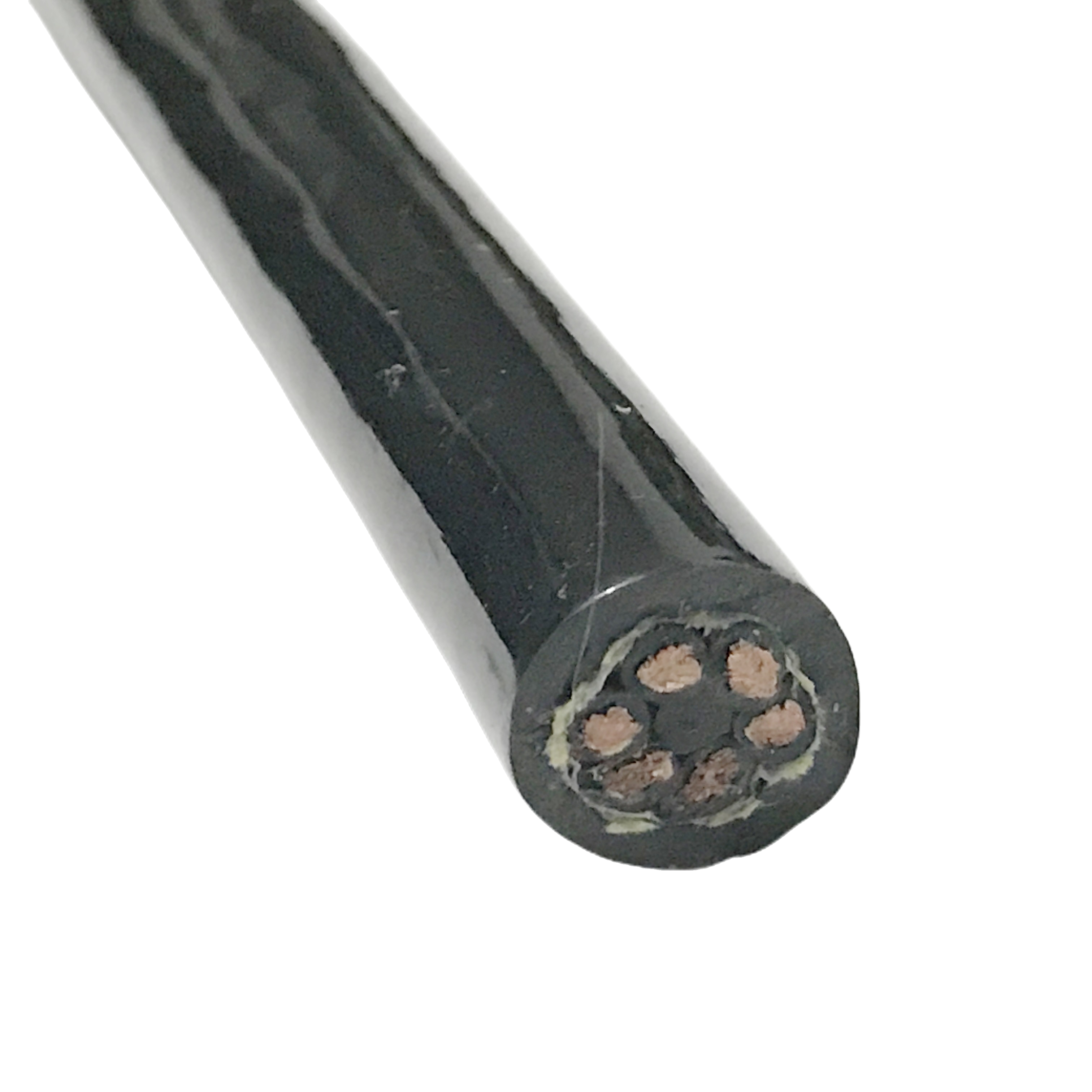
Silicone rubber cable is a cable that uses silicone rubber — instead of PVC, PE, or standard rubber compounds — as the insulation and/or outer jacket material. The conductor underneath is usually the same kind of copper you’d find in any other cable. What changes is the material wrapped around it, and that change is responsible for most of silicone cable’s distinctive properties.
What silicone rubber actually is, chemically
Most common cable insulation materials — PVC, polyethylene, standard rubber compounds — are organic polymers built around carbon-based backbones. Silicone rubber is different. Its backbone is made of alternating silicon and oxygen atoms (a siloxane structure, Si-O-Si), with organic side groups attached.
This isn’t just a chemistry footnote. That silicon-oxygen backbone is the reason silicone behaves so differently from carbon-based insulation, particularly across temperature extremes.
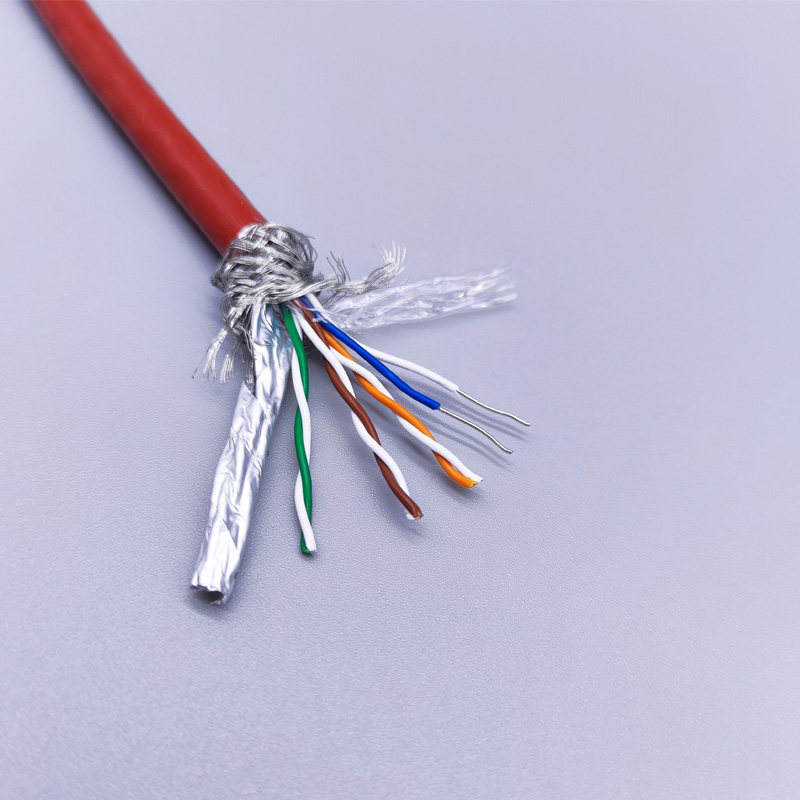
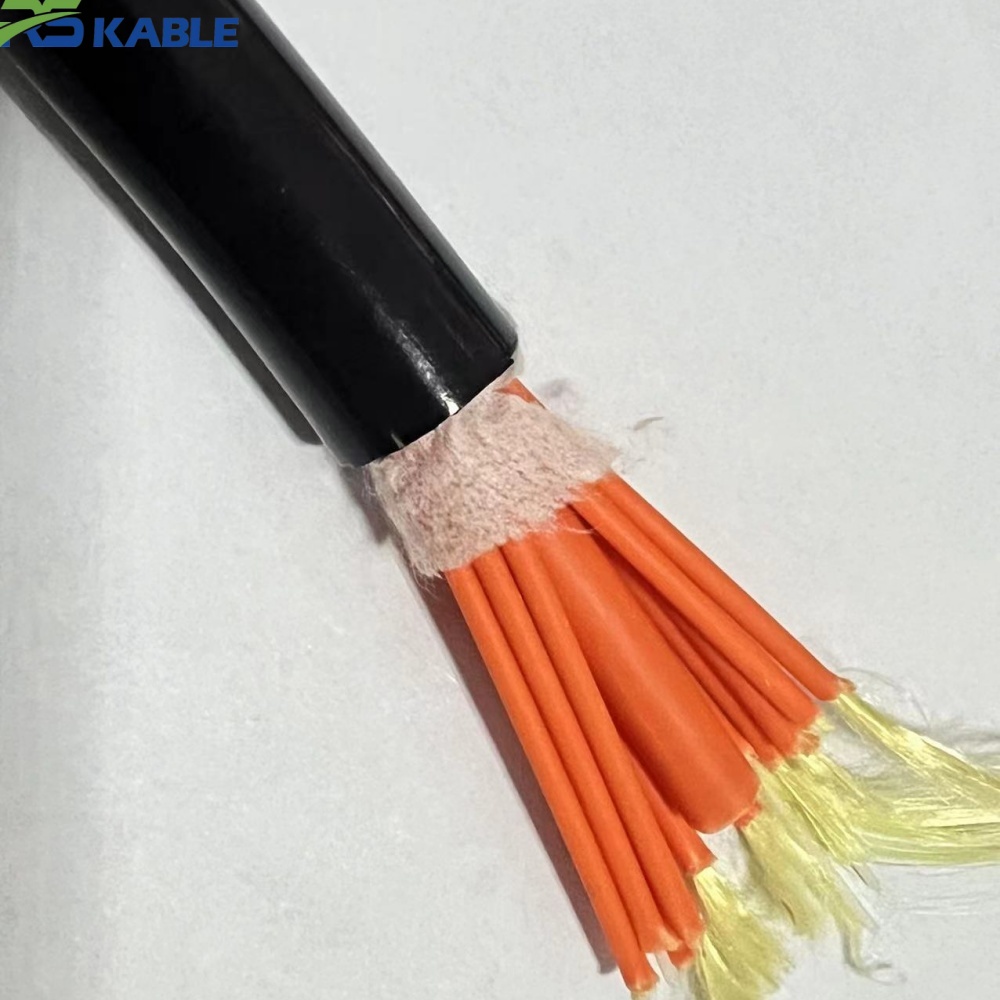
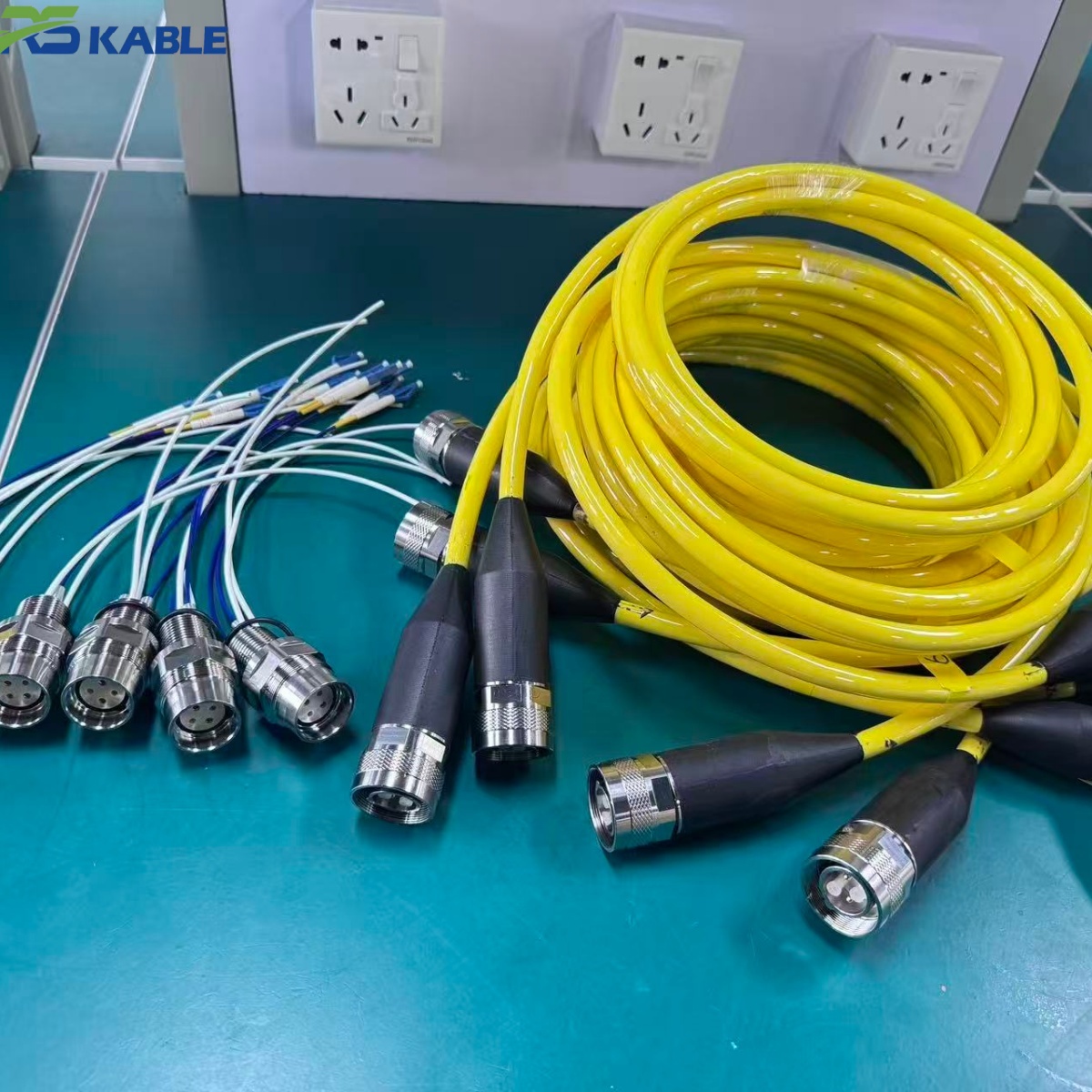
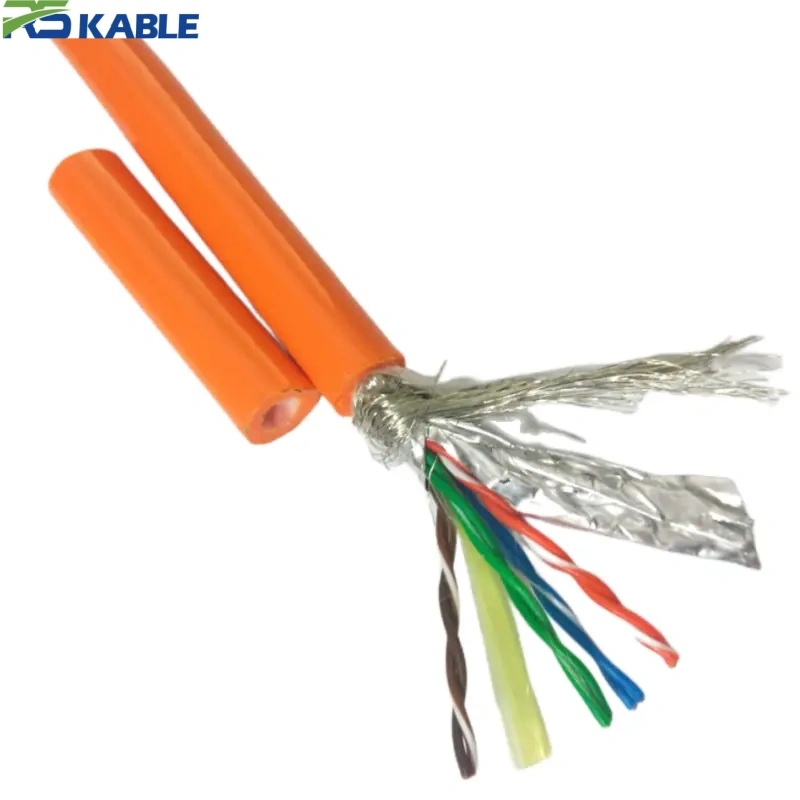
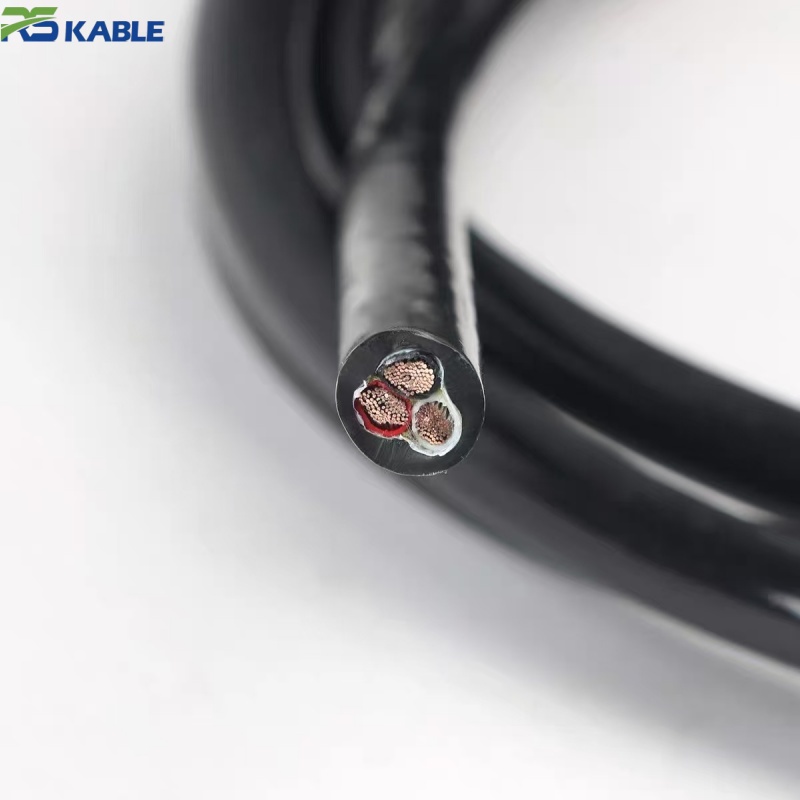
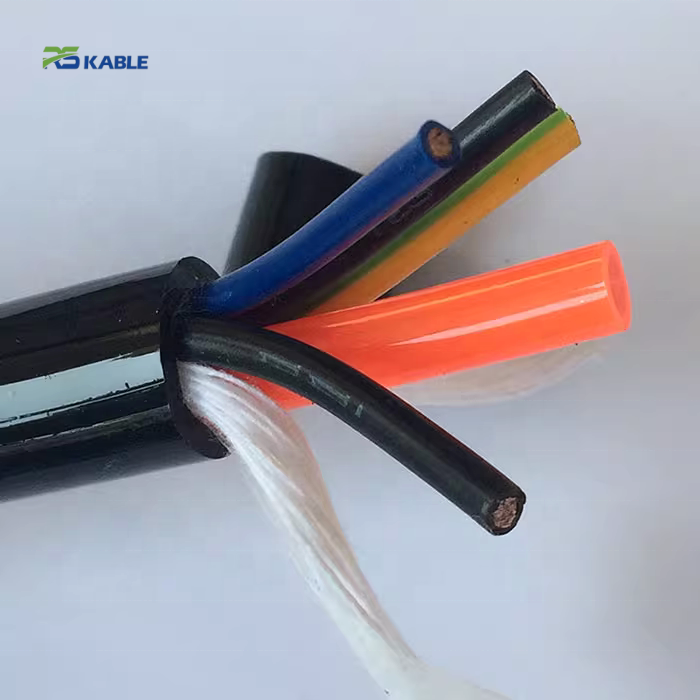
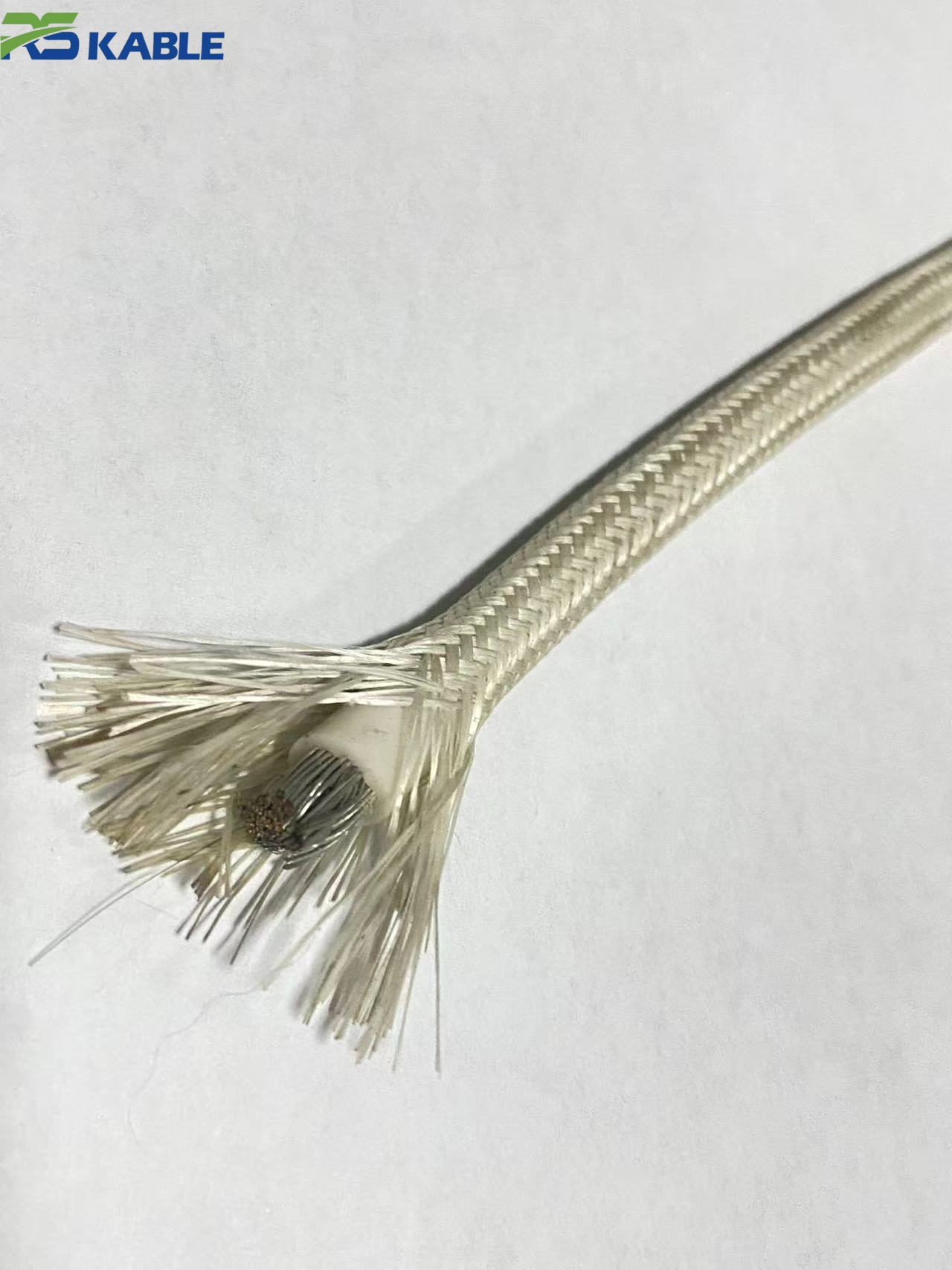
Silicone High Temperature Cable – Custom Cores, Colors, and Lengths
Silicone High Temperature Cable is designed for applications requiring excellent heat resistance, flexibility, and reliable electrical performance. With silicone rubber insulation, customizable core configurations, colors, and lengths, this flexible cable is ideal for industrial equipment, heating systems, automation machinery, and harsh temperature environments.
- High temperature resistant silicone rubber insulation
- Flexible construction for easy installation and routing
- Custom core counts, colors, and cable lengths available
- Suitable for industrial machinery and heat-related applications
Why temperature range is silicone’s signature property
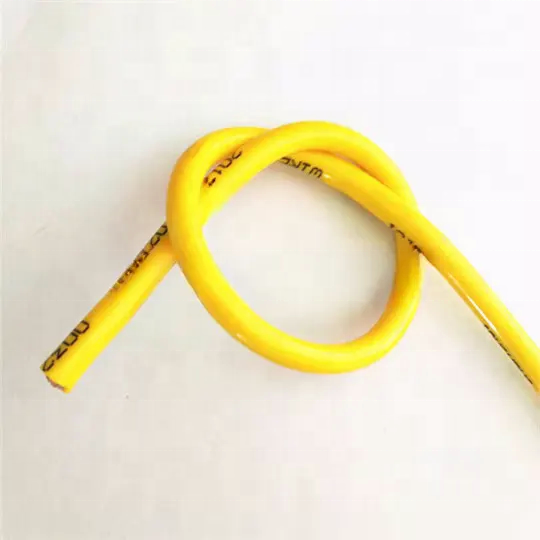
Ask anyone who specifies cable for a living what silicone rubber is “for,” and temperature resistance is usually the first answer. Silicone cable commonly carries a rating from -60°C to +200°C, and understanding why requires a quick look at what happens to other materials at those temperatures.
Carbon-based polymers used in standard cable insulation face a real trade-off. Make the compound resistant to high heat (typically by increasing crosslinking density), and it tends to stiffen and become brittle in cold conditions. Make it flexible in the cold, and it tends to soften or break down faster under sustained heat. Most non-silicone “wide temperature range” cables are built by carefully balancing this trade-off — a compromise between two competing requirements.
Silicone’s siloxane backbone doesn’t face the same trade-off in the same way. It stays flexible at temperatures where organic polymer chains stiffen, and it resists the thermal breakdown that limits organic compounds at high heat. That’s why -60°C to +200°C is a standard, repeatable rating for silicone cable (commonly certified to DIN EN 50305) rather than a specialty formulation that needs project-by-project balancing.
What silicone rubber cable is built from
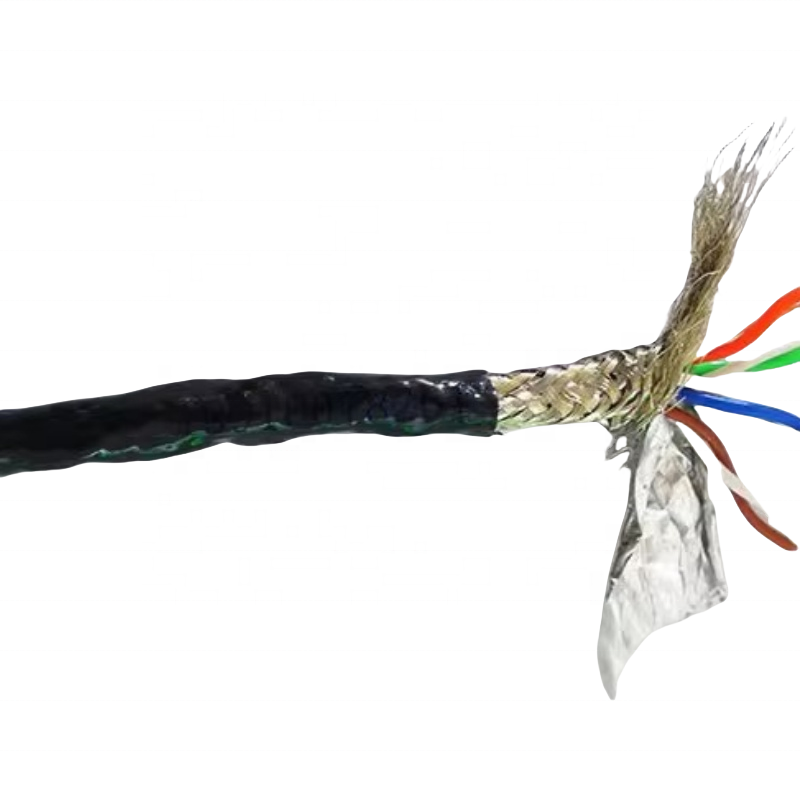
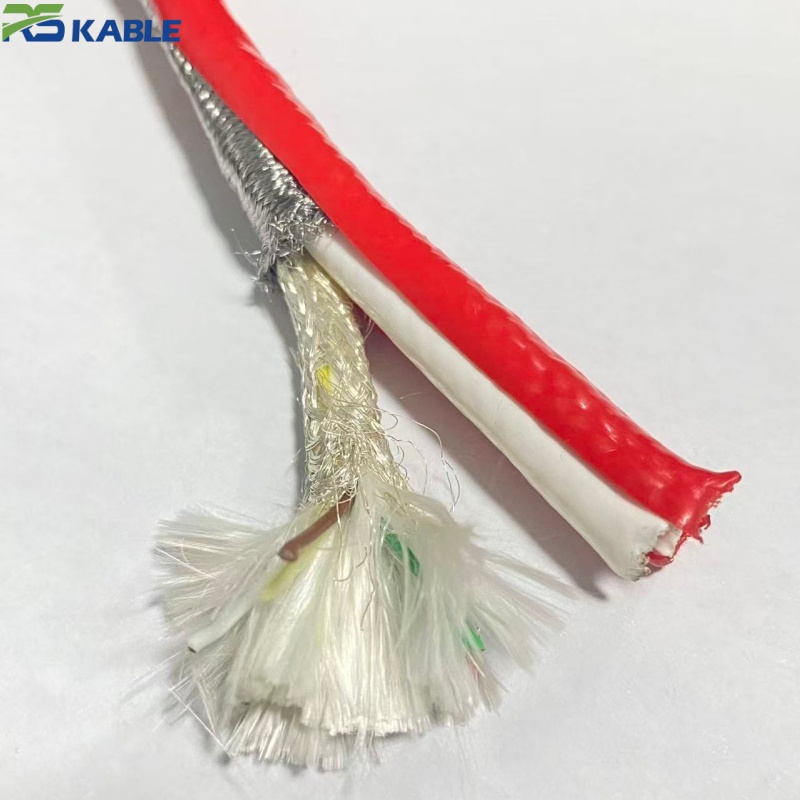
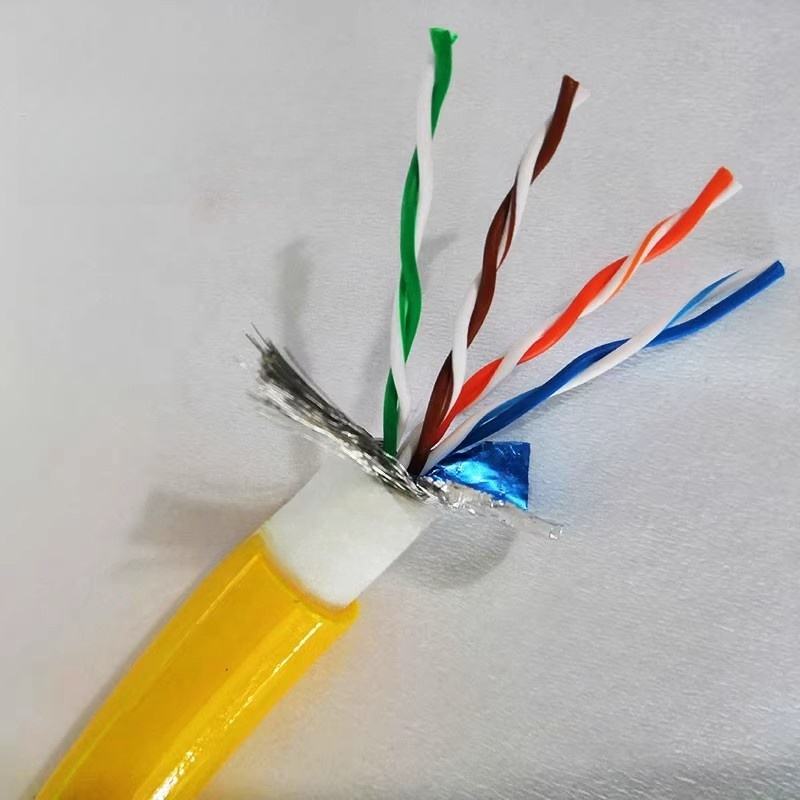
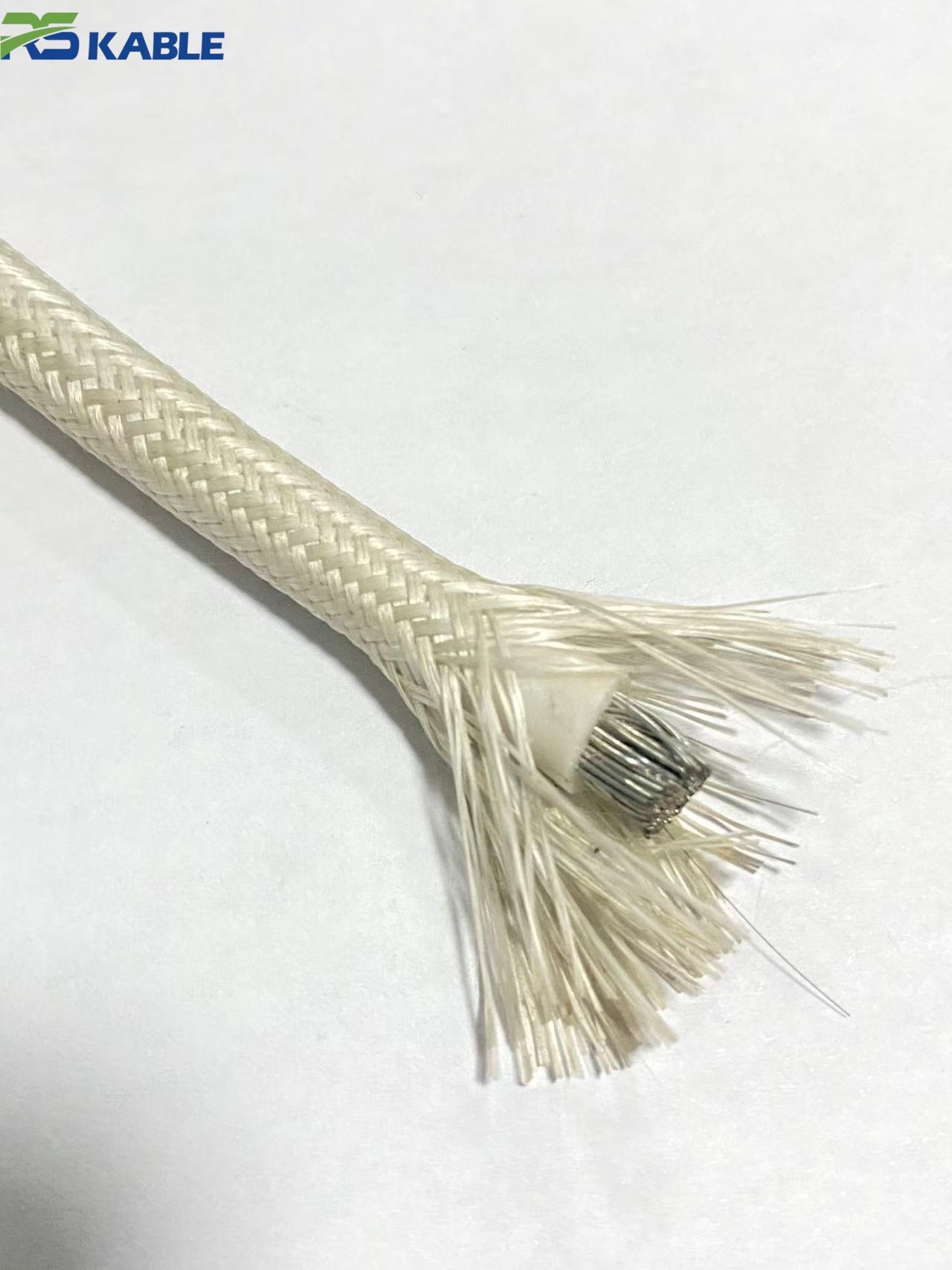
A typical silicone rubber cable has a few standard layers, though the exact construction varies by application.
Conductor. Usually fine-strand tinned copper. The fine stranding (sometimes called Class 5 or Class 6 per IEC 60228) makes the conductor itself more flexible, which matters for applications involving repeated bending.
Insulation. Silicone rubber applied over the conductor, providing the primary electrical insulation.
Shielding (optional). For applications needing protection from electromagnetic interference, a braided or foil shield sits between the insulation and the outer jacket.
Jacket. An outer layer of silicone rubber (or sometimes a different high-temperature compound) that provides mechanical protection.
Where silicone rubber cable actually gets used
The temperature range is the headline property, but it’s not the only reason silicone cable shows up in a project. A few common categories:
Heat-adjacent equipment. Ovens, electric heaters, industrial furnaces, and any equipment where wiring routes near a genuine heat source rather than just ambient room temperature.
Cold-climate installations. Arctic and polar equipment, outdoor installations in cold climates, and anything that needs to stay flexible during a cold-weather startup rather than cracking when handled.
Flexible and moving applications. Servo motors, robot wiring, and other equipment where the cable needs to bend repeatedly without fatiguing — silicone’s inherent flexibility, combined with fine-strand conductors, suits this well.
Applications wanting halogen-free construction. Many silicone cable formulations are halogen-free by default, which matters for fire safety in enclosed spaces where halogen-containing smoke would be a hazard.
Where silicone rubber cable is the wrong choice
It’s worth being direct about this, since silicone cable isn’t a universal upgrade over every other cable type.
Cost-sensitive, moderate-temperature applications. If your installation never sees temperatures outside a standard PVC cable’s comfortable range, silicone’s added cost doesn’t buy you anything you actually need.
Continuous high-cycle flexing without the right construction. General-purpose silicone cable isn’t automatically drag-chain-rated. Applications with millions of continuous bend cycles need a conductor stranding and jacket construction specifically built for that duty — not every silicone cable is built this way by default.
Sealed, poorly ventilated enclosures running continuously above 100°C. This is a detail that’s easy to miss: while silicone is rated up to +200°C, sustained operation above roughly 100°C in a sealed enclosure with poor airflow can accelerate mechanical aging of the jacket over time. The rated maximum temperature and the practical long-term operating temperature in a badly ventilated space aren’t quite the same thing.
Direct burial or continuous submersion, unless the specific construction is rated for it — general-purpose silicone cable isn’t automatically waterproof for that kind of exposure.
A quick comparison: silicone vs. standard PVC cable
| Silicone Rubber Cable | Standard PVC Cable | |
|---|---|---|
| Typical temperature range | -60°C to +200°C | Roughly -15°C to +70°C |
| Cold flexibility | Stays pliable | Stiffens, cracks below about -15°C |
| Behavior near heat sources | Stable well above PVC’s range | Softens, degrades above ~70°C |
| Halogen-free option | Common | Less common |
| Cost | Higher | Lower |
| Best fit | Heat or cold extremes, flexing applications | General-purpose, moderate-temperature wiring |
Frequently asked questions
Is silicone rubber cable waterproof?
General-purpose silicone cable resists moisture reasonably well, but “waterproof” and “submersion-rated” are specific claims that depend on the exact construction. Don’t assume submersion suitability without checking the specific product’s rating.
Does silicone rubber cable need special handling?
Not particularly, though like most cable, it will stiffen somewhat at extreme cold, so checking bend radius during cold-weather handling is a reasonable precaution even for a cold-rated cable.
Is all silicone cable rated for continuous flexing, like in a robot arm?
No. General-purpose silicone cable and drag-chain- or dynamic-flex-rated silicone cable are different constructions, even though both use silicone insulation. If your application involves millions of bend cycles, confirm the cable is specifically rated for that duty.
Why does silicone cable cost more than PVC cable?
Silicone rubber itself is a more expensive raw material than PVC, and the manufacturing process for silicone-insulated cable is generally more involved. The added cost is generally justified only when the application actually needs silicone’s temperature range or flexibility — for standard ambient-temperature wiring, it’s often unnecessary expense.
What does “halogen-free” mean, and why does it matter for silicone cable?
Halogen-free cable doesn’t release halogen-containing compounds (like chlorine) when it burns, which reduces the production of corrosive, toxic smoke in a fire. This matters most in enclosed spaces — control cabinets, ships, tunnels, public buildings — where smoke toxicity during a fire is a real safety concern.