

Silicone Cable Specifications Guide: Temperature Rating, Structure and Performance Explained
Pull up any silicone cable datasheet and you’ll see a wall of numbers. Temperature ratings, conductor classes, voltage figures, bend radius multipliers, standard references. Most of it means something specific. But datasheets rarely explain what — they just state the number and assume you already know why it matters.
This guide walks through what the numbers on a typical silicone cable spec sheet actually tell you. Just as importantly, it covers what they don’t.

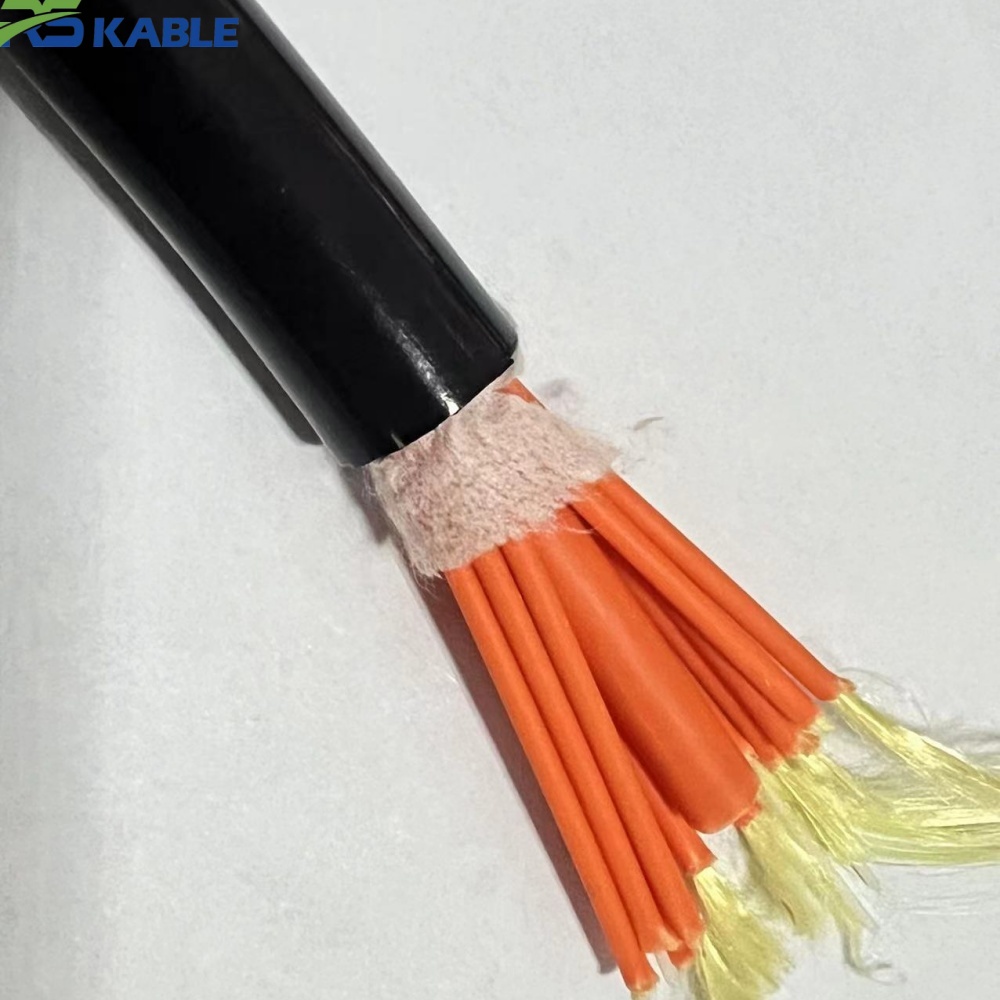
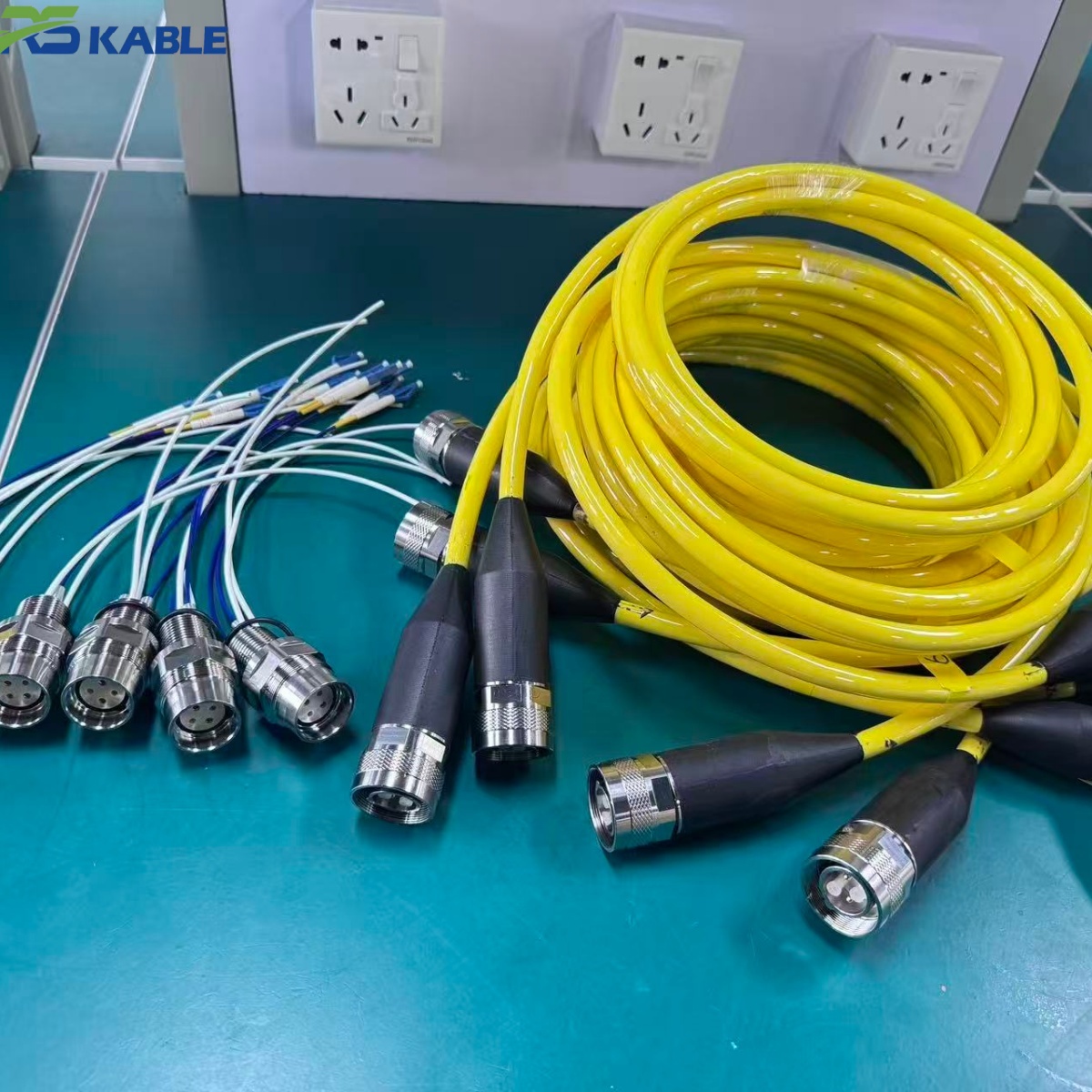
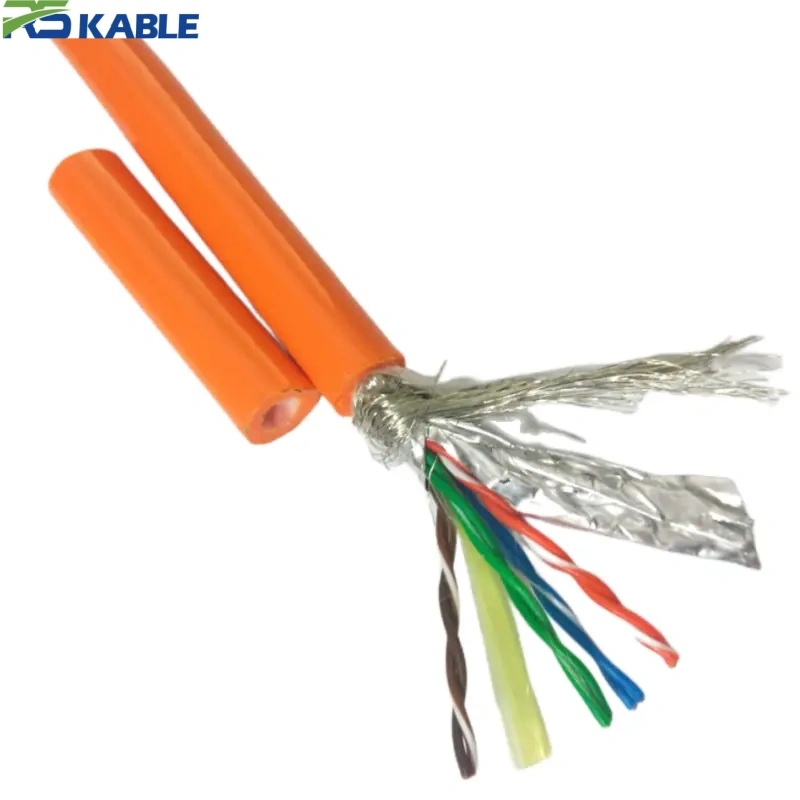
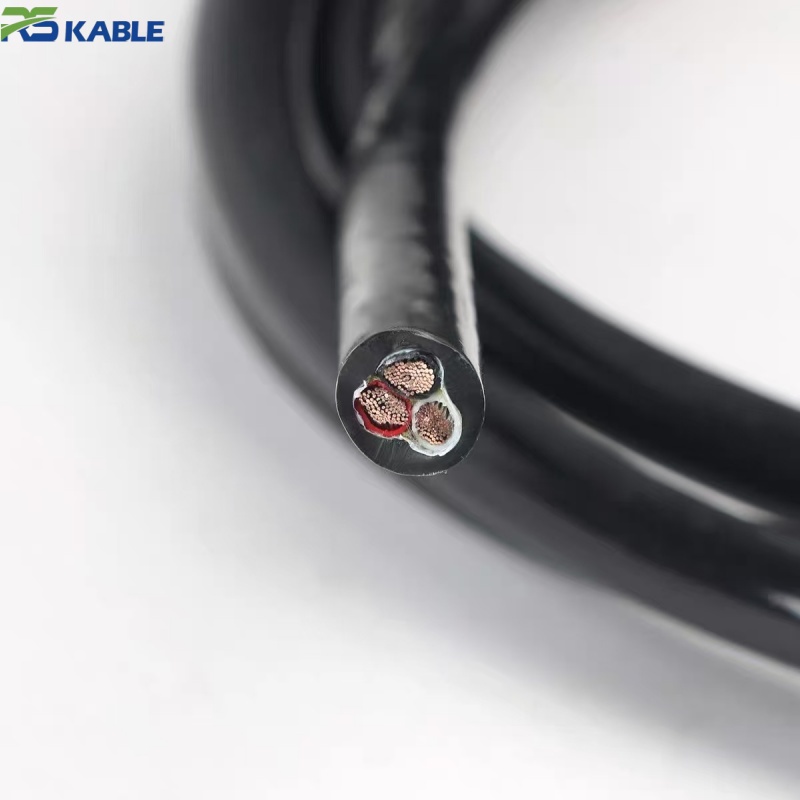
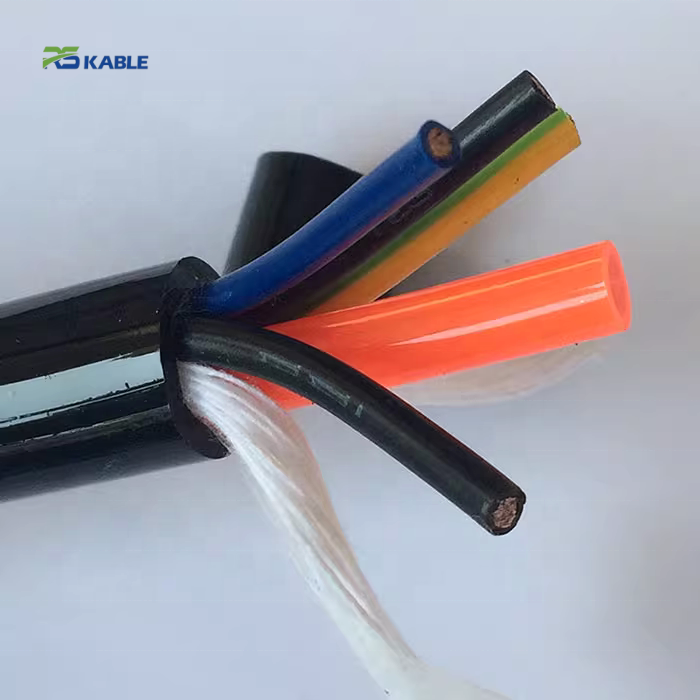
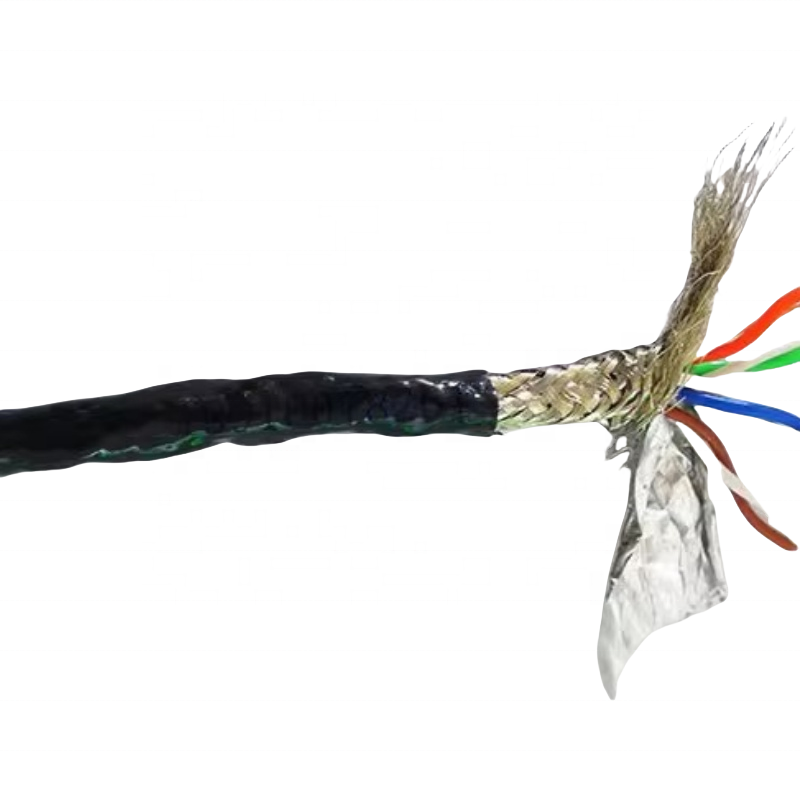
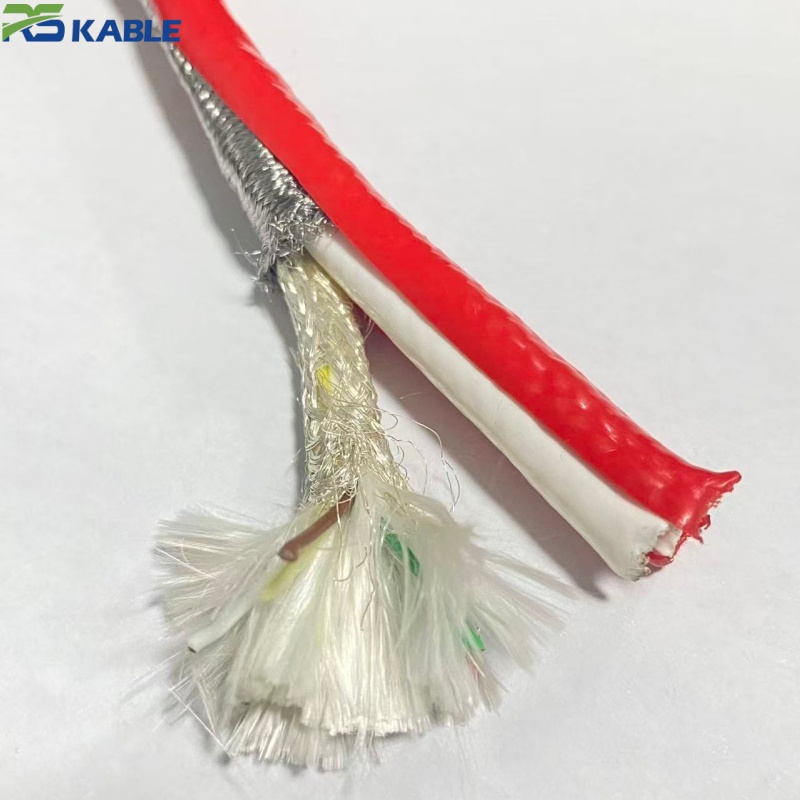
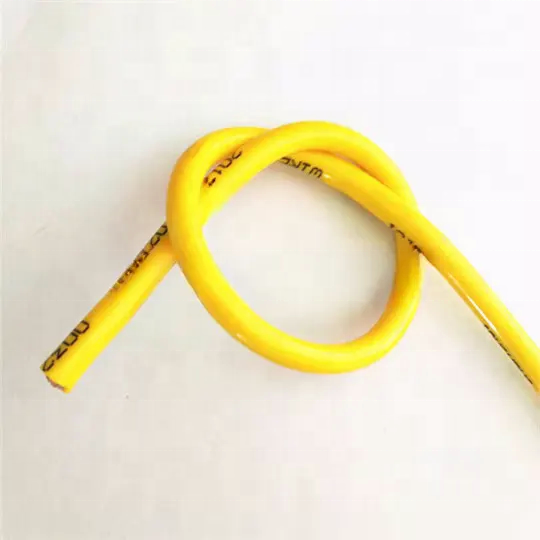
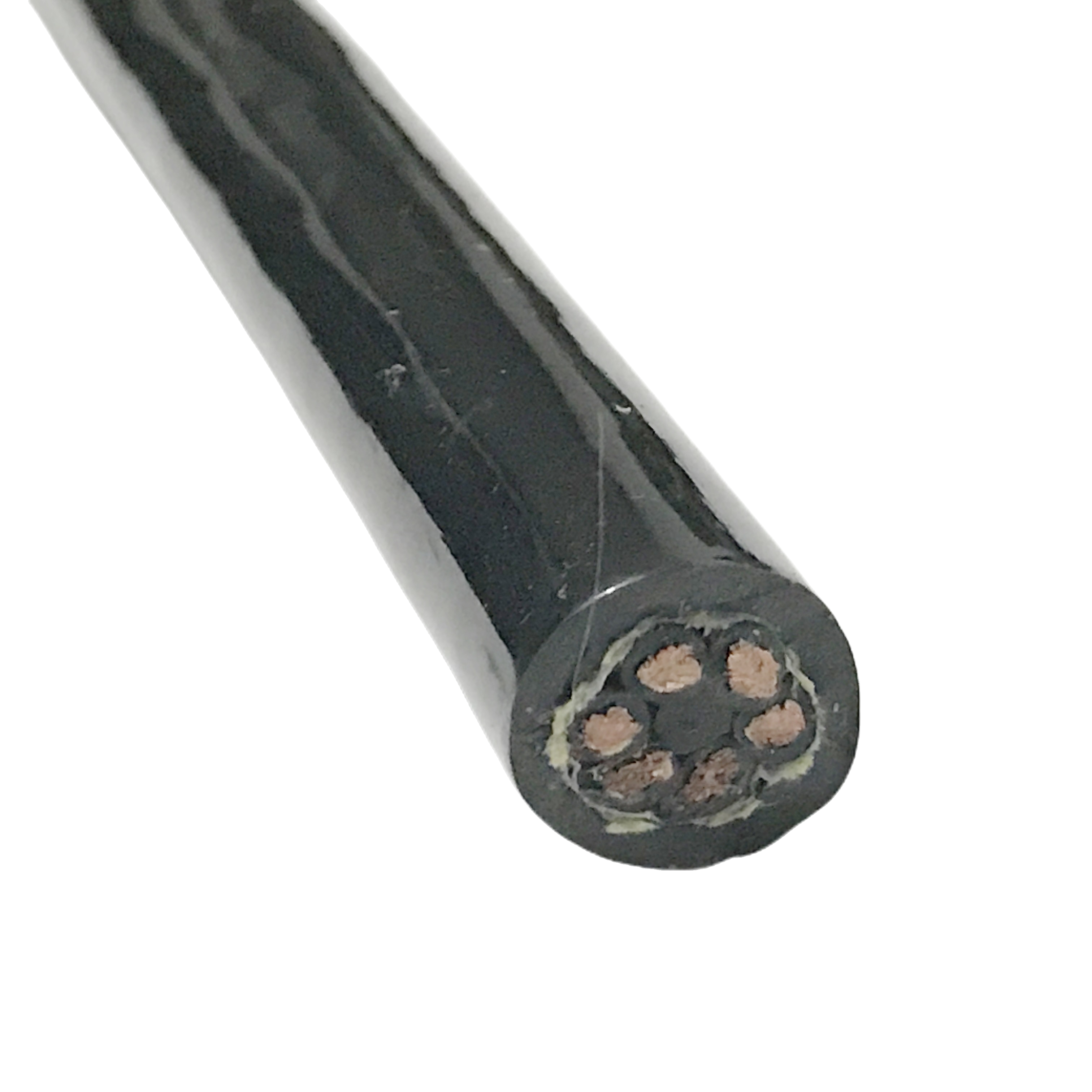
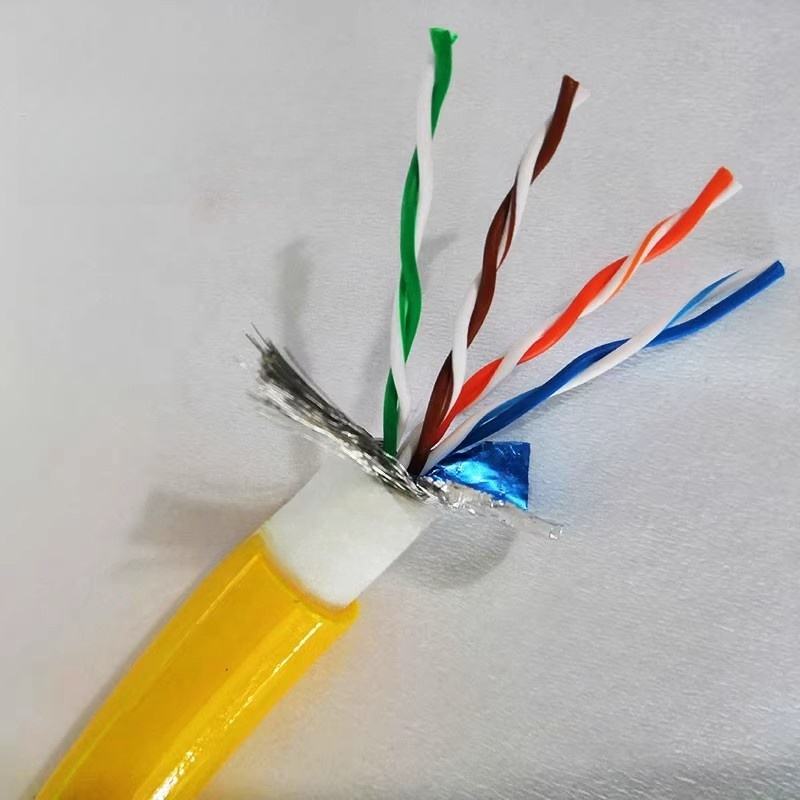
Silicone Rubber Shielded Cable – High Flex & High Temperature Rating
This silicone rubber shielded cable is designed for industrial applications requiring high flexibility, excellent temperature resistance, and reliable signal protection. With silicone insulation, flexible construction, and shielding options, it provides stable performance in harsh environments, automation equipment, robotics systems, and high-temperature applications.
Temperature rating: the number that gets misread most often
A silicone cable spec sheet will usually list something like “-60°C to +200°C.” It’s tempting to read this as “this cable works fine anywhere in this range, indefinitely.” That’s not quite what the number means.
What it actually means
The insulation and jacket materials remain electrically and mechanically stable within this range. This holds under normal, reasonably ventilated conditions. It’s a materials capability rating, not a guarantee against all installation-specific factors.
Where this gets misread
The high end of the range, specifically. Take a cable rated to +200°C, installed in a sealed or poorly ventilated enclosure, running continuously above roughly 100°C. It can show accelerated mechanical aging of the jacket over time. This happens even though it’s technically operating within its rated range. The number tells you the material’s ceiling. It doesn’t tell you how long the cable will perform well if the actual installation traps heat.
What to actually check
Not just “is my ambient temperature within the rated range.” Check whether there’s adequate airflow around the cable at the high end of that range, for the duration of its expected service life.
Conductor class: why “Class 5” or “Class 6” matters more than it looks
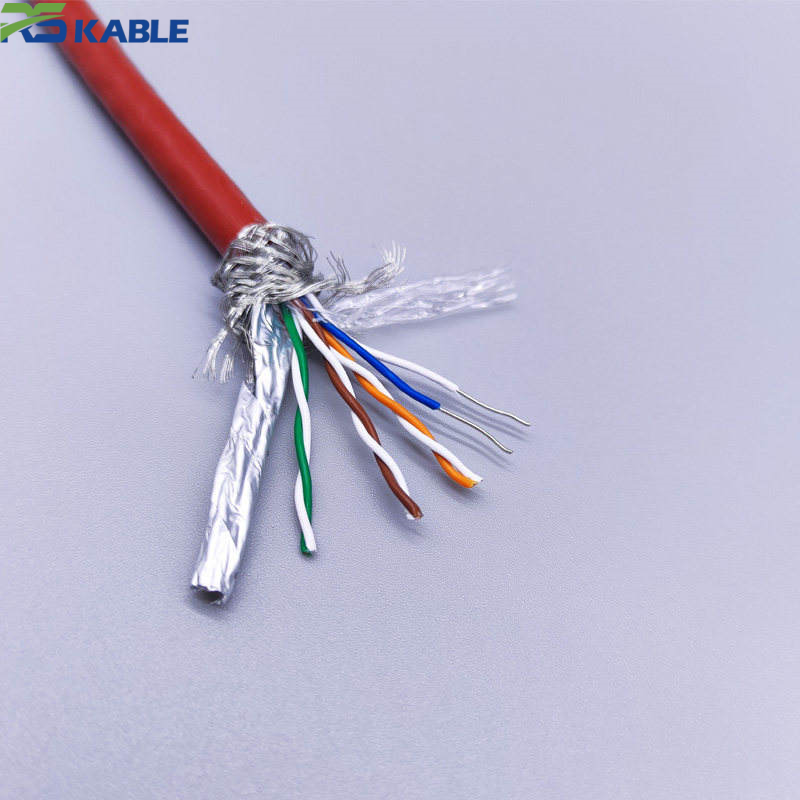
Buried in the conductor description, you’ll often see a reference to IEC 60228 conductor class — commonly Class 5 or Class 6 for flexible cable. This single number tells you a lot about how the cable will actually behave once installed.
What the class number describes
Conductor class describes the stranding pattern: how many individual wire strands make up the conductor, and how fine each strand is. A lower class number, like Class 1 (solid conductor), means fewer, thicker strands or a single solid wire. It’s rigid and cheaper, but not meant to flex. Higher class numbers mean more, finer strands twisted together. That construction is more flexible and generally more expensive, and it suits installations involving movement or repeated handling.
Why this matters practically
Two cables can carry identical voltage and temperature ratings but behave completely differently once installed, purely because of conductor class. Take a Class 5 conductor in an application that needs to flex repeatedly, like servo wiring or robot joints. It will fatigue and fail well before a Class 6 conductor rated for the same current would. Both cables might look identical on a general spec summary.
What to actually check
If your application involves any repeated bending — not just installation flexing, but ongoing movement in service — conductor class matters as much as the headline temperature and voltage figures. Sometimes it matters more.
Voltage rating vs. test voltage: two different numbers, often confused
Spec sheets typically list both a rated voltage (like 300/500V) and a separate, higher test voltage (like 2000V). These aren’t the same thing, and mixing them up leads to real confusion.
Rated voltage
This is the voltage the cable is designed to carry continuously in normal service.
Test voltage
This is a much higher voltage briefly applied during manufacturing quality control. It verifies the insulation can withstand a safety margin well above normal operating conditions without breaking down. It is not the cable’s continuous operating capability. Running a cable anywhere near its test voltage in service would be a serious misapplication.
What to actually check
Make sure you’re specifying against the rated voltage for your actual circuit, not the test voltage figure. The test voltage sometimes gets mistakenly treated as “the cable’s real capacity,” simply because it’s the larger, more impressive-looking number on the sheet.
Minimum bend radius: a number that changes with temperature (even if the sheet doesn’t say so)
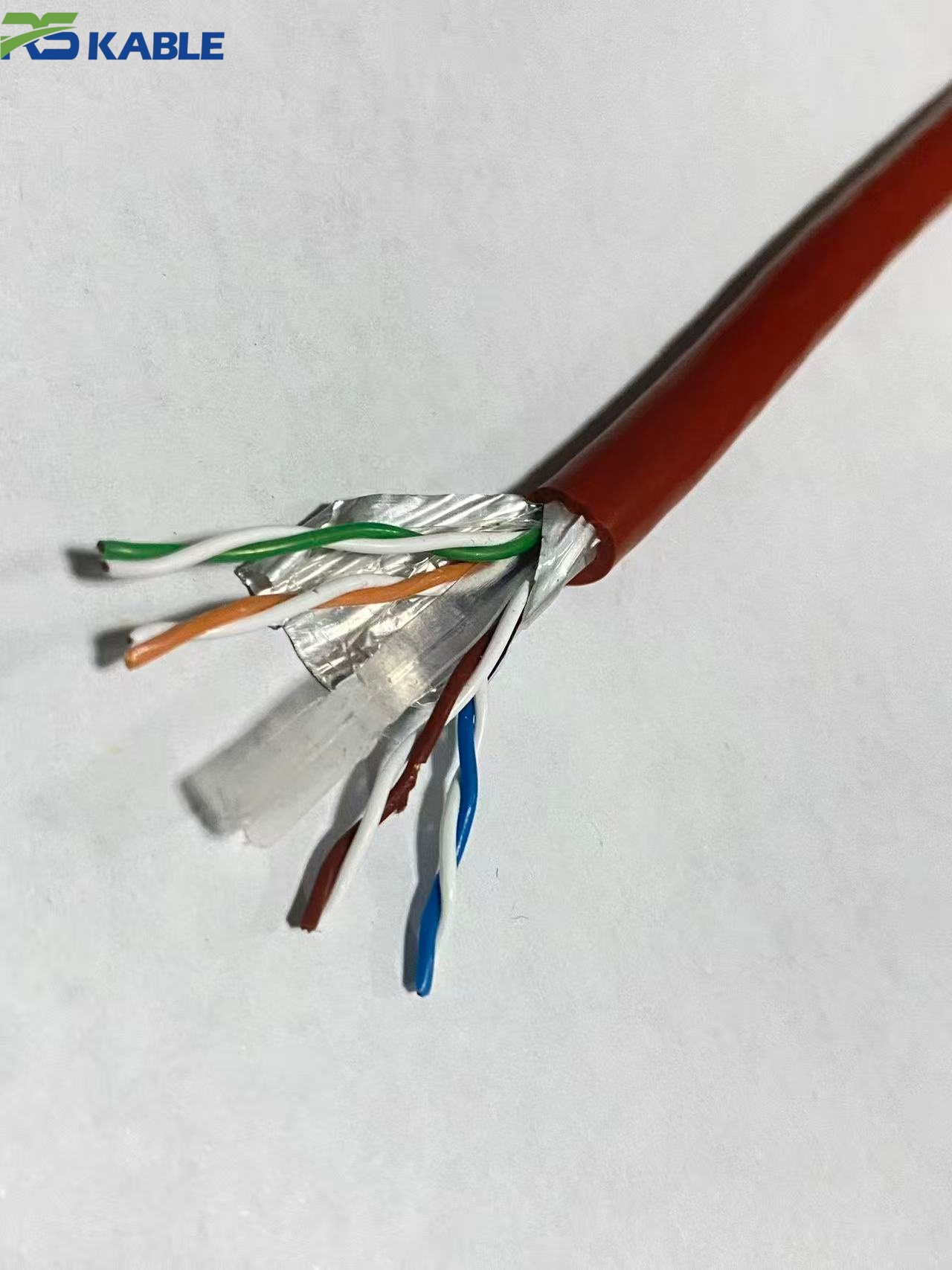
Most spec sheets list a single minimum bend radius, often expressed as a multiple of the cable’s outer diameter, like “6 × OD.” This number is usually given at room temperature. That detail matters more than it first appears.
Why the room-temperature figure isn’t the whole story
Cable stiffens somewhat as temperature drops — including silicone cable, which is comparatively good in this regard. The effective minimum bend radius at a cold installation temperature can be meaningfully larger than the room-temperature figure printed on the sheet. This rarely gets called out explicitly. That means it’s easy to design a routing path that looks fine on paper, checked against the room-temperature bend radius, but turns out too tight once the cable is actually handled or flexed in cold conditions.
What to actually check
If your installation involves handling, coiling, or flexing the cable in cold conditions — not just cold ambient storage, but active bending — confirm whether the bend radius figure needs adjustment for that temperature. Don’t assume the room-temperature number applies universally.
Standard references: what DIN EN 50305, IEC 60228, and similar codes actually tell you
Spec sheets often cite standards like DIN EN 50305 or IEC 60228 without much explanation. These references aren’t decorative. They specify exactly what testing and construction requirements the cable meets, which matters when you need to justify a cable choice to a customer, auditor, or engineering review.
DIN EN 50305
This standard generally covers railway and similarly demanding application cable requirements, including specific temperature and material property tests. When a silicone cable cites this standard, it’s indicating the temperature range claim has been verified against a defined test method, not just stated by the manufacturer.
IEC 60228
This standard defines conductor classes and stranding requirements. It’s the standard behind the “Class 5/Class 6” conductor references discussed above.
What to actually check
If your project has a compliance requirement — aerospace, rail, medical, or similar — confirm the specific standard cited actually covers the property you need verified. Don’t assume any standard reference is interchangeable with any other.
A quick reference: what to check, and why
| Spec Line Item | What It Tells You | What It Doesn’t Tell You |
|---|---|---|
| Temperature rating | Material’s stable operating range | Whether your specific enclosure ventilation supports long-term use near the top of that range |
| Conductor class | Flex tolerance and strand fineness | Whether the overall cable is rated for continuous dynamic flex duty (a separate construction question) |
| Rated voltage | Continuous safe operating voltage | — |
| Test voltage | Manufacturing QC safety margin | Not a continuous operating figure |
| Minimum bend radius | Room-temperature minimum bend | Whether this figure holds at cold installation/handling temperatures |
| Standard reference (e.g. DIN EN 50305) | Which specific test method verified a claim | Whether that standard covers the specific property your project needs |
The habit worth building
Here’s the single most useful habit when reading a silicone cable spec sheet. For every number, ask: under what specific condition does this number apply, and does my installation match that condition? A temperature rating, a bend radius, a voltage figure — none of them are unconditional guarantees. They’re all measured under a specific reference condition. The gap between that reference condition and your actual installation is usually where problems show up later, not on the spec sheet itself.
Frequently Asked Questions
Is a cable safe to use continuously at its maximum rated temperature?
Not necessarily without checking installation conditions first. A rated maximum describes the material’s stable operating ceiling. But sustained operation near that ceiling in a sealed or poorly ventilated enclosure can accelerate mechanical aging over time. The rating tells you what the material can withstand. It doesn’t account for how your specific enclosure manages heat.
What’s the difference between conductor class and cable temperature rating?
They describe different properties entirely. Conductor class, per IEC 60228, describes conductor stranding and flexibility. Temperature rating describes the insulation and jacket material’s thermal stability. A cable can have an excellent temperature rating and still be a poor fit for a flexing application if its conductor class isn’t suited to repeated bending.
Can I use the test voltage figure to judge how much continuous load a cable can handle?
No. Test voltage is a manufacturing quality-control figure applied briefly to verify a safety margin. It is not a continuous operating specification. Always size your application against the rated voltage, not the test voltage.
Does minimum bend radius change with temperature?
Yes, in practice, even though most spec sheets only list a single room-temperature figure. Cable stiffens somewhat as temperature drops, which can increase the effective minimum bend radius during cold-weather handling or installation. This is worth checking specifically if your project involves cold-climate flexing.
Why do some silicone cable spec sheets cite standards like DIN EN 50305 while others don’t?
Citing a specific standard indicates the stated property, often temperature range, has been verified against a defined, third-party test method rather than simply stated by the manufacturer. Not every application requires this level of formal verification. But for compliance-sensitive projects, confirming the cited standard actually covers the property you need is worth the extra step.
If two cables have identical voltage and temperature ratings, are they interchangeable?
Not necessarily. Conductor class, jacket abrasion resistance, and shielding construction can all differ significantly between two cables with matching headline numbers. For applications involving movement, EMI exposure, or specific mechanical demands, the full construction — not just voltage and temperature — needs to be compared.