

What is the Main Flexible Cable Used For?
Flexible cables have become essential in modern technology, offering solutions to a variety of applications that require movement, flexibility, and durability. But what is a flexible cable, and what are the main uses for this type of wiring? Let’s dive into understanding the purpose of flexible cables and their various applications.
What is a Flexible Cable?
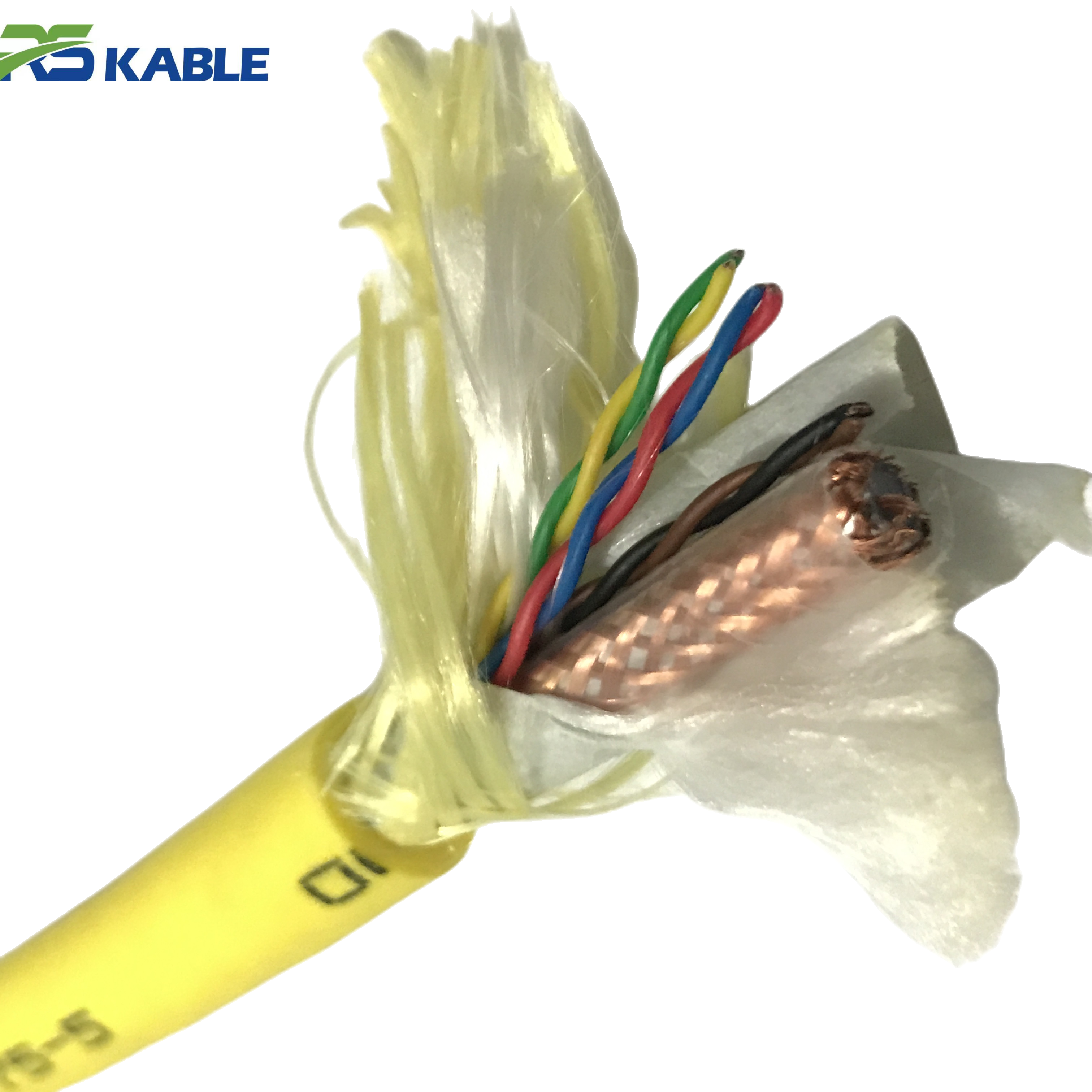
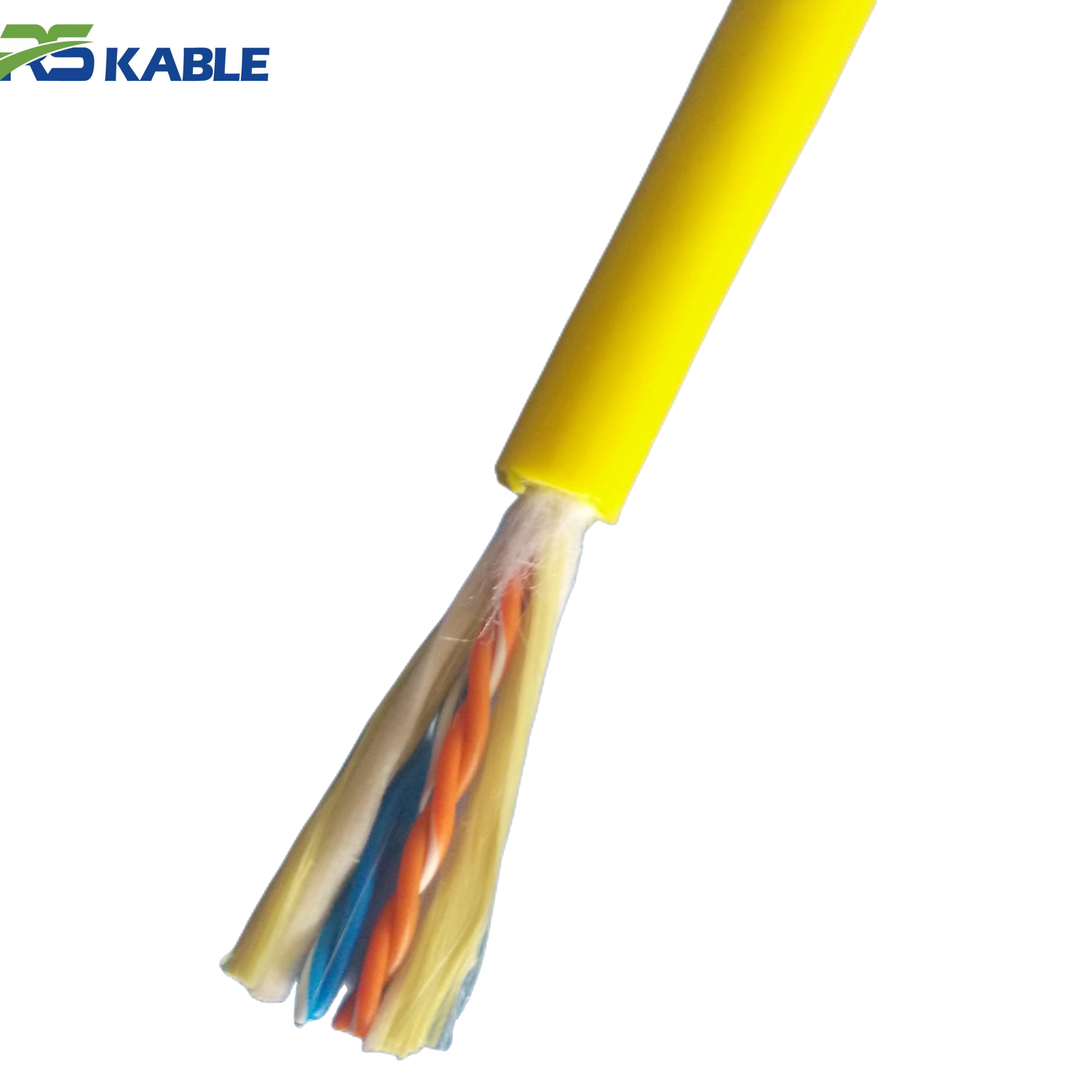
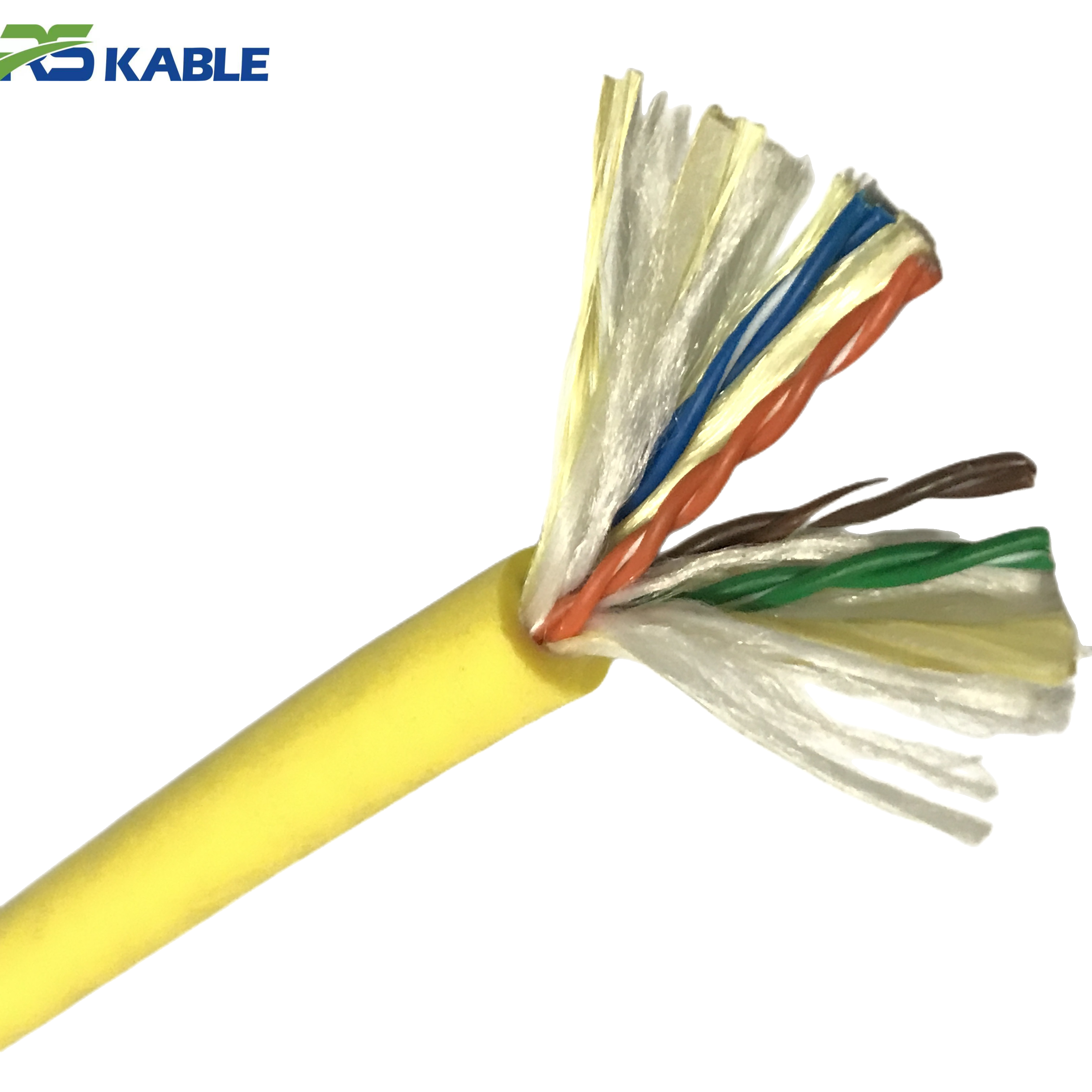
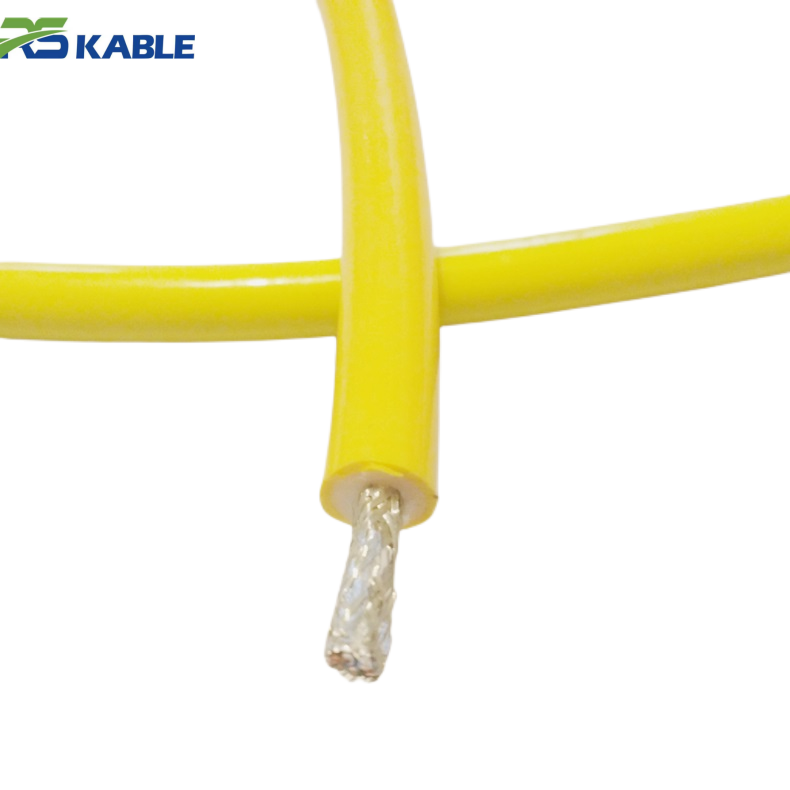
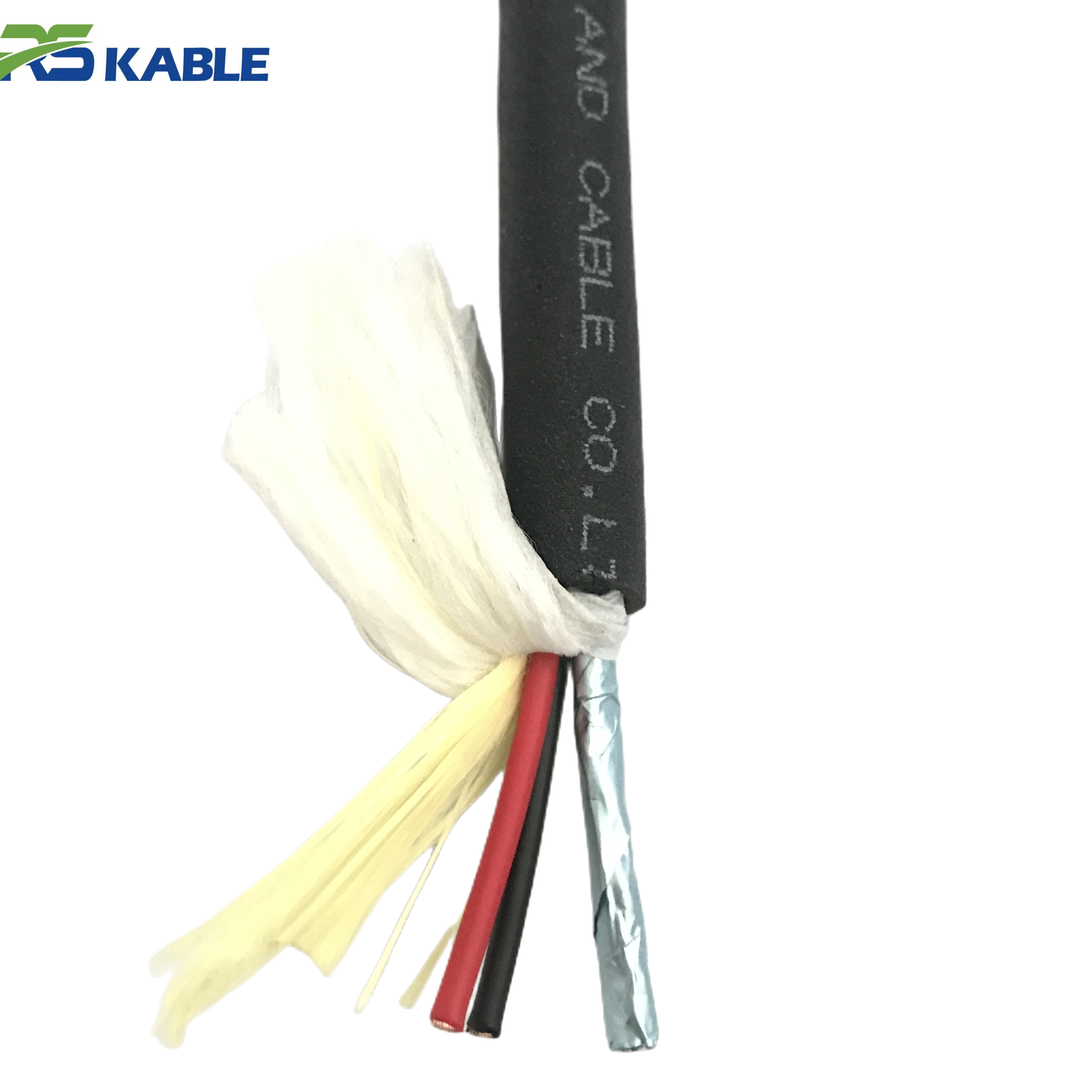
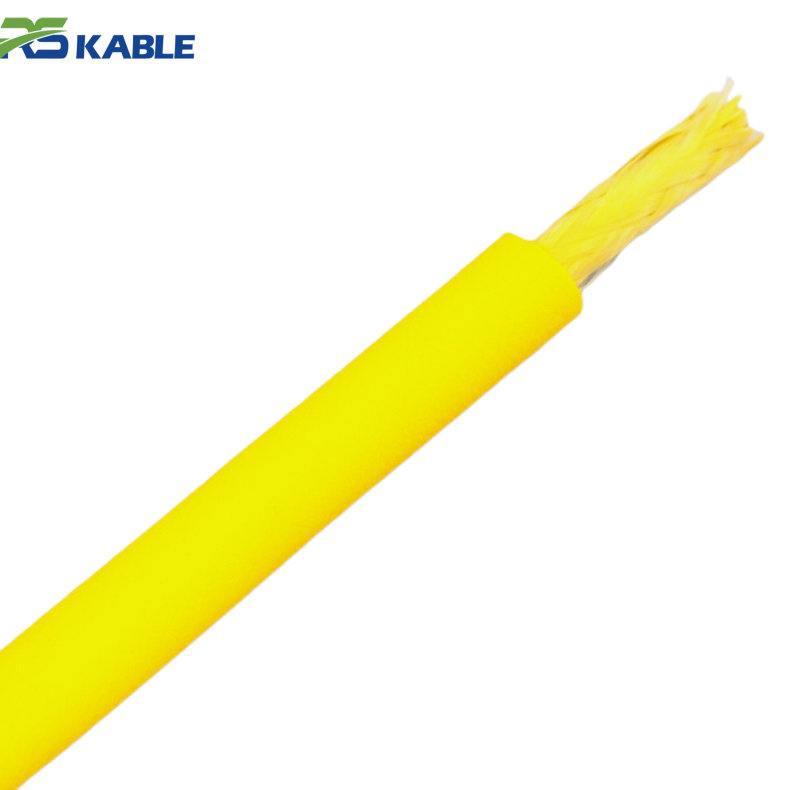
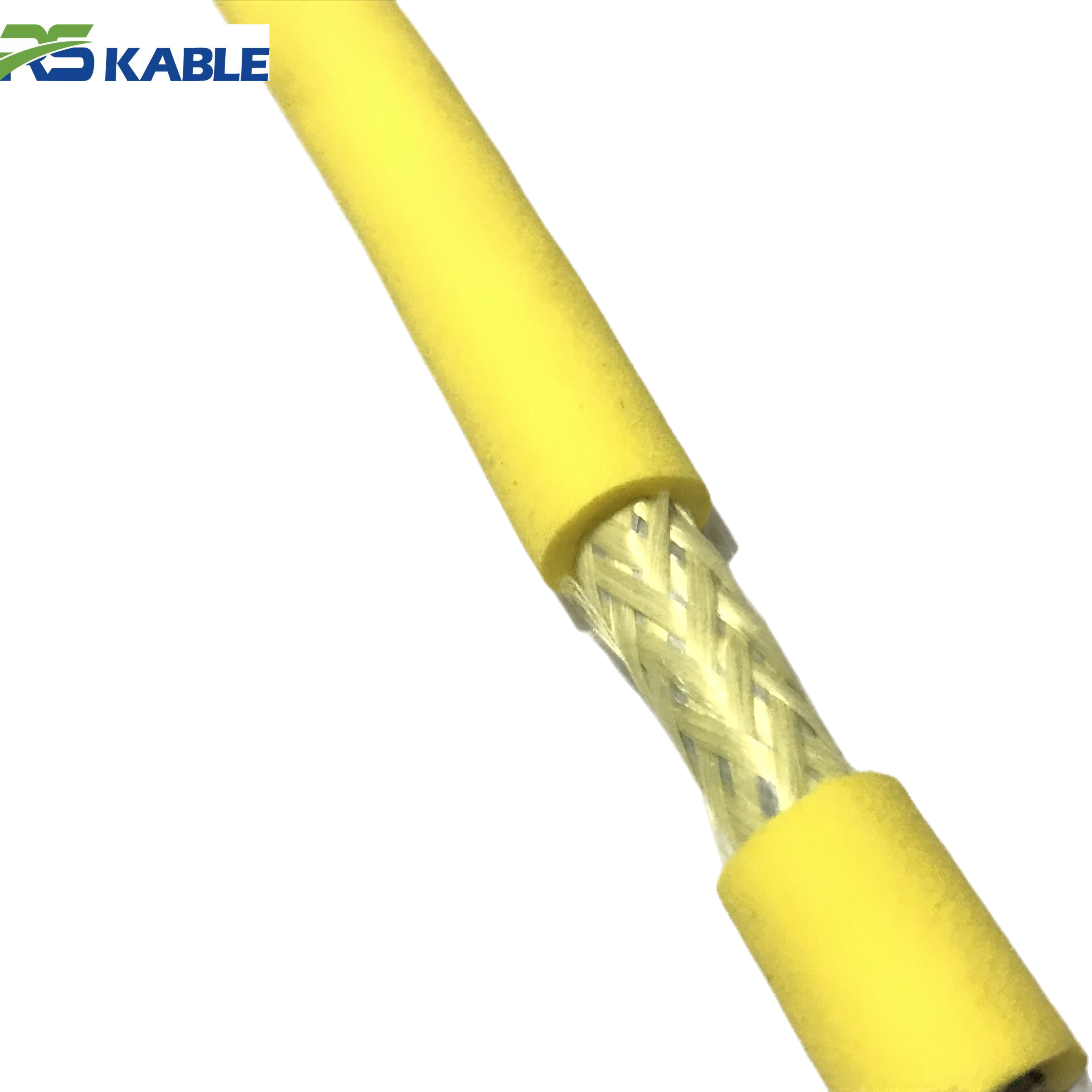
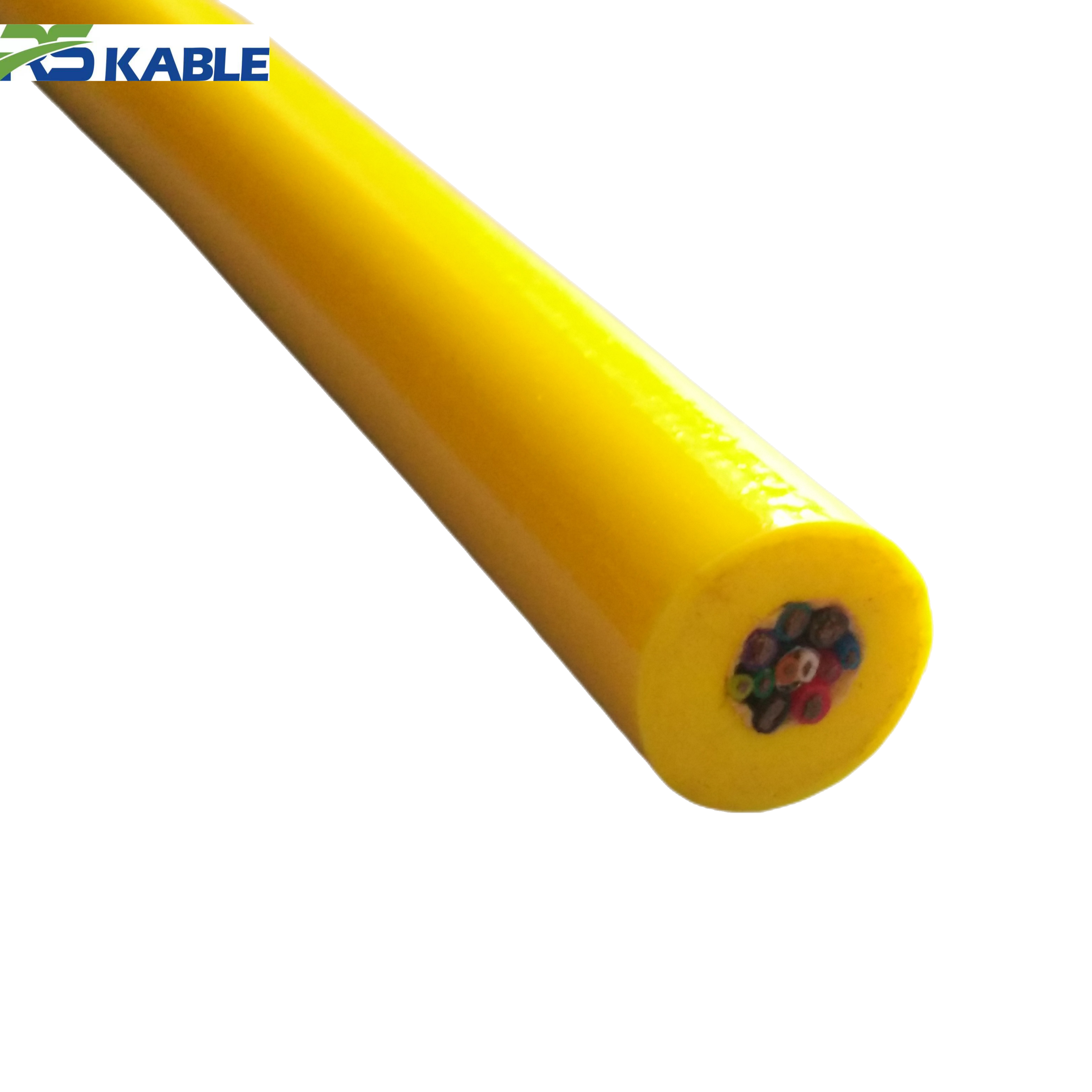
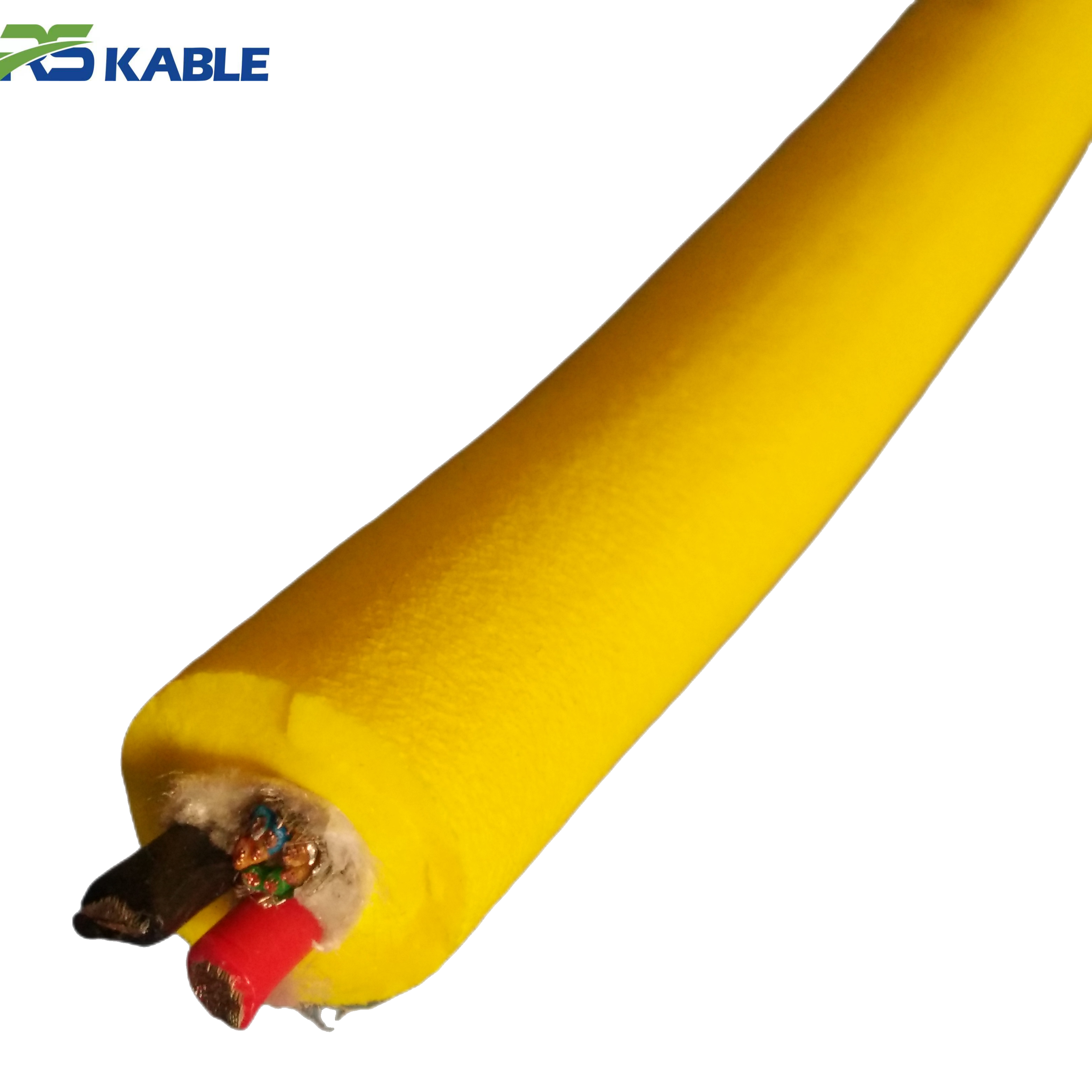
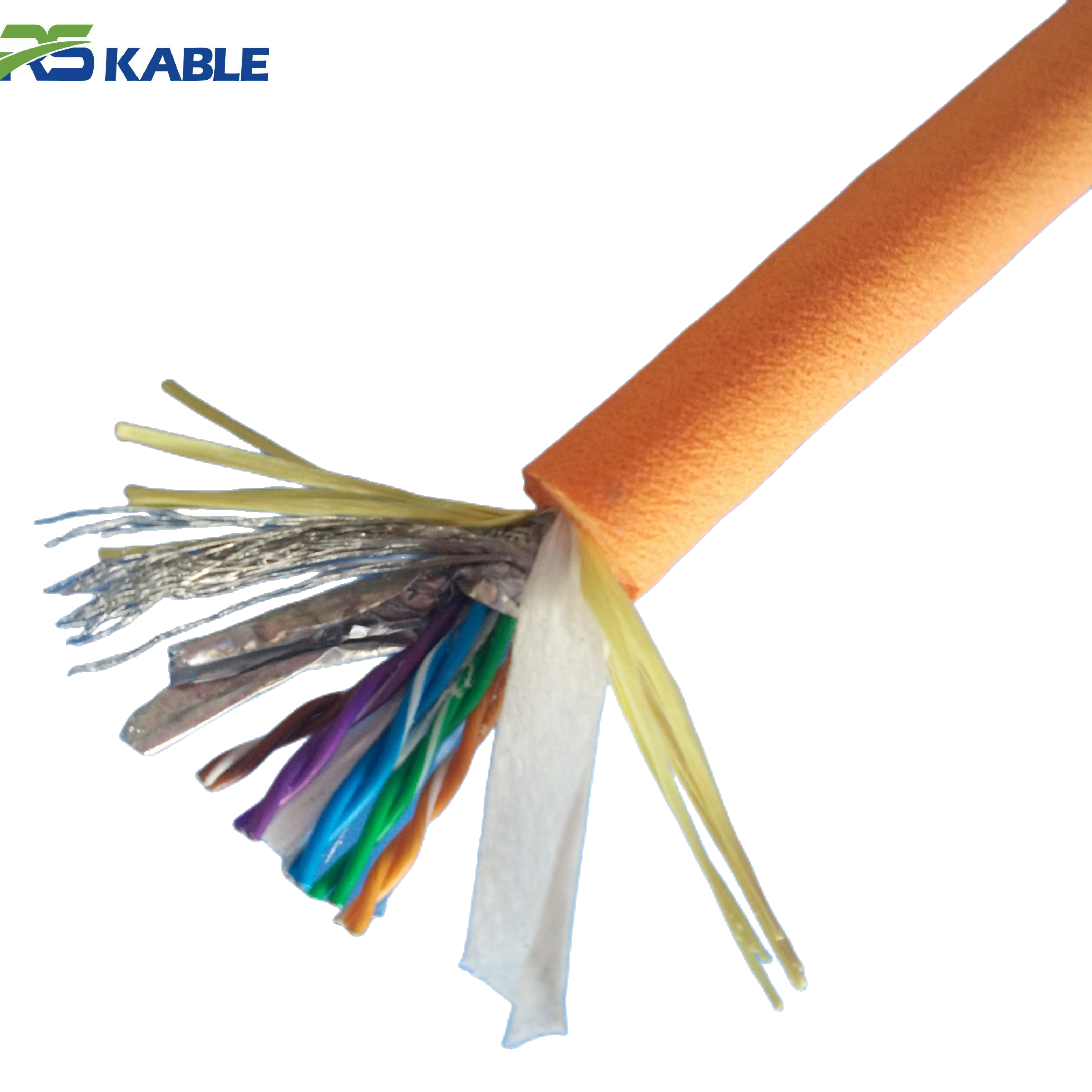
A flexible cable is an electrical cable designed to withstand movement, bending, and twisting without damaging its internal structure. Unlike traditional rigid cables, flexible cables are built to endure repetitive motion without losing performance. The key feature of flexible cables lies in their ability to move freely while still providing safe electrical transmission.
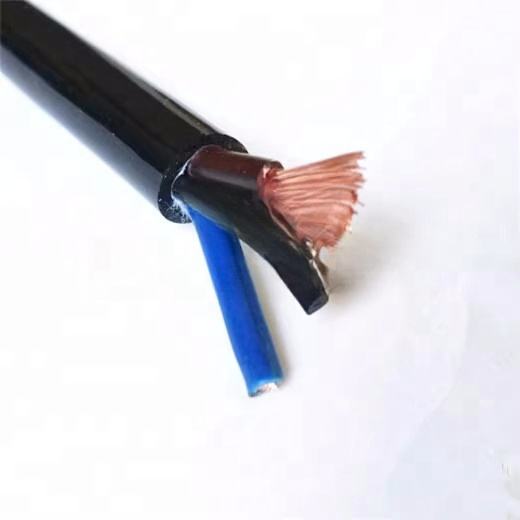
These cables consist of multiple fine copper wires, wrapped in flexible materials, which allow them to remain functional even when exposed to challenging physical stress. Flexible cables are usually insulated to prevent short circuits and ensure long-lasting durability.
What is the Main Use of Flexible Cables?
1. Robotics and Automation
One of the most common applications for flexible cables is in robotics. These cables are used to power and control robotic arms, sensors, and other equipment that require frequent movement. In robotic systems, the need for cables to bend and twist is constant, which makes flexible cables the ideal choice for these environments.
2. Automotive and Aerospace Industries
Flexible cables are widely used in vehicles and aircraft for wiring systems that need to remain functional despite constant motion and vibration. These cables connect various electrical systems, including sensors, engines, and power supplies, ensuring smooth operation without the risk of damage from frequent movement.
3. Consumer Electronics
Flexible cables are crucial in many consumer electronics, such as smartphones, laptops, and home appliances. These devices often have compact designs and require wiring that can bend, twist, and fit into tight spaces while still maintaining performance. Flexible cables help ensure the functionality and longevity of these devices.
4. Heavy Machinery and Industrial Equipment
Flexible cables are also extensively used in industrial machinery, where they are exposed to harsh environments, constant movement, and even extreme temperatures. They connect power sources, control panels, and other mechanical components, ensuring that the machines continue to run smoothly without interruptions.
5. Medical Devices
In the medical field, flexible cables are essential for connecting various medical devices, such as MRI machines, patient monitoring systems, and surgical robots. These cables need to endure constant movement and bending while transmitting signals and power without disruption, making them indispensable in medical applications.
Why Choose Flexible Cables?
There are several key reasons why flexible cables are preferred in many industries:
1. Durability and Longevity
Flexible cables are built to last, even under constant movement. Their robust design ensures they do not break or degrade quickly, even in challenging environments.
2. Space Efficiency
Because of their flexibility, these cables can be routed through tight spaces in machines and electronic devices, making them ideal for compact systems where space is limited.
3. Versatility
Flexible cables come in various configurations and can be used for power transmission, data communication, and control in many industries. This makes them versatile and adaptable to different needs.
4. Safety and Reliability
With proper insulation and shielding, flexible cables ensure safe operation by preventing electrical shorts or interference. Their ability to continue functioning despite frequent movement adds an additional layer of reliability.
Types of Flexible Cables
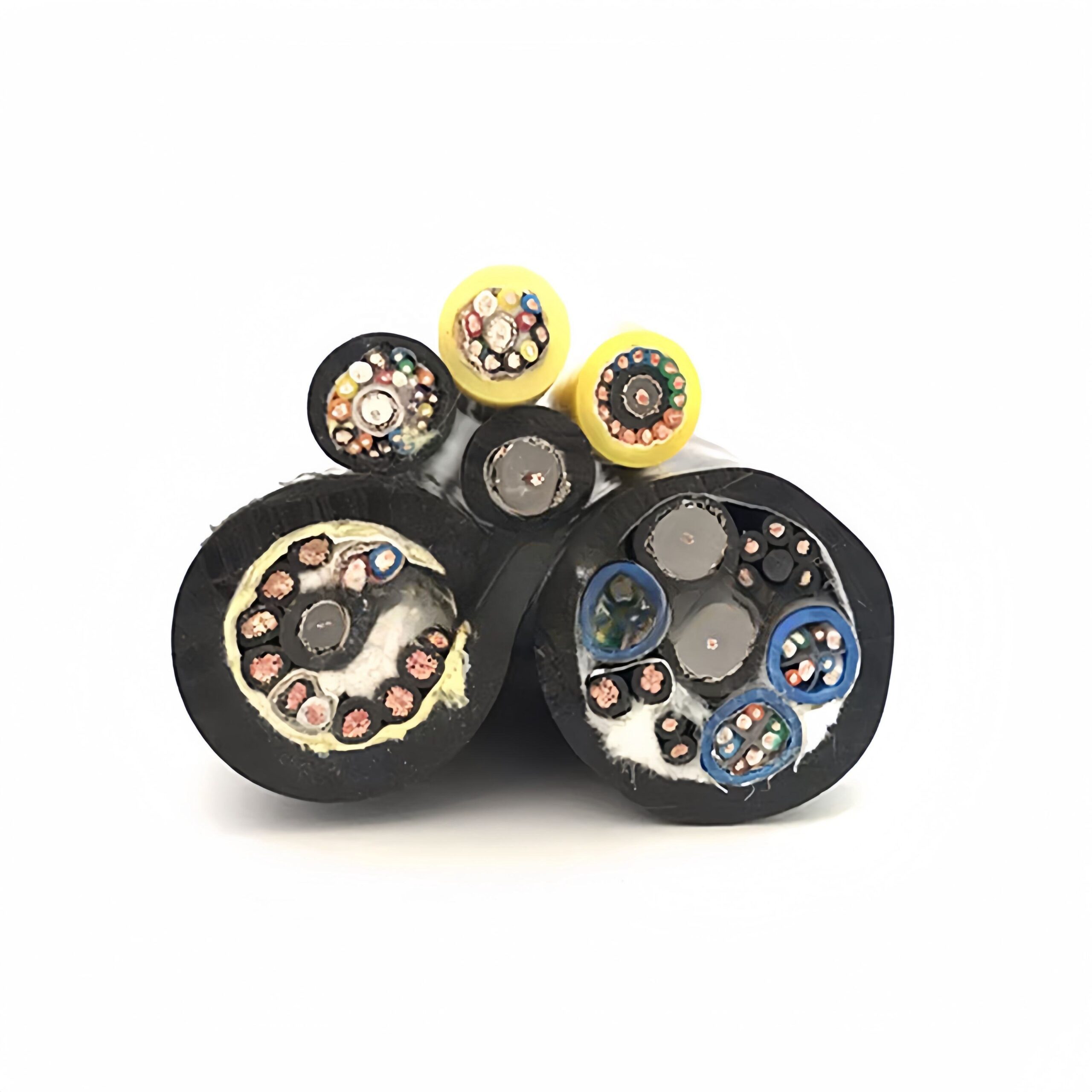
There are several types of flexible cables, each designed for specific applications:
1. Control Cables
These cables are used to control and regulate equipment in industrial systems. They are often found in robotics, manufacturing, and automation systems.
2. Power Cables
Power cables transmit electrical power between components and are used in everything from machinery to consumer electronics.
3. Data Cables
Flexible data cables are essential for transmitting information between devices. They are commonly used in telecommunications, networking, and computers.
flexible cables are indispensable in modern technology. Their ability to withstand bending, twisting, and movement while maintaining reliable electrical transmission makes them essential in industries ranging from robotics to consumer electronics and healthcare. Choosing the right flexible cable for your needs ensures efficiency, durability, and safety in your systems.
By understanding the various uses and advantages of flexible cables, you can select the best option for your application, improving the performance and longevity of your equipment.