

What Is Coaxial Power?
If you want the simplest answer first, here it is: coaxial power usually refers to a coax-based wiring solution that supports both signal transmission and electrical power delivery in the same system. In real CCTV and surveillance projects, the term is most often used to describe a camera installation where video travels through a coaxial line and power is supplied through the same cable assembly or a closely integrated companion line.
That short definition sounds straightforward, but the term causes a lot of confusion in the real world. Some buyers think coaxial power means the center conductor of a coax cable directly powers a device all by itself. Some installers use the term to describe a siamese CCTV cable. Others use it loosely when talking about any analog camera wiring system that carries both video and power. Because of that, people often search the phrase when they are really asking a more practical question:
-
Can one cable carry CCTV video and camera power together?
-
Is a coax-based power setup different from PoE?
-
What is the difference between coaxial cable and a Coaxial + Power Cable?
-
Which cable should I buy for an analog or HD-over-coax camera system?
This article answers those questions clearly and from a practical installation perspective. It explains what coaxial power means, where the term is used, how it works in CCTV systems, what it is not, when it makes sense, what problems it can solve, and what buyers should check before choosing a cable. If you work with analog cameras, HD-over-coax systems, retrofit surveillance upgrades, or low-voltage security wiring, understanding this term correctly can save time, money, and future troubleshooting.
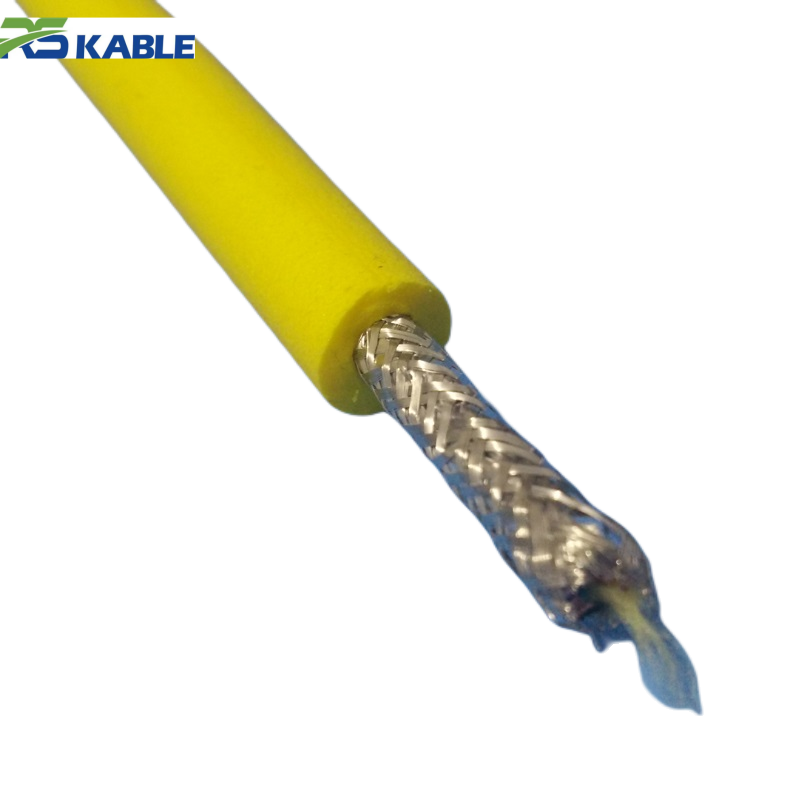
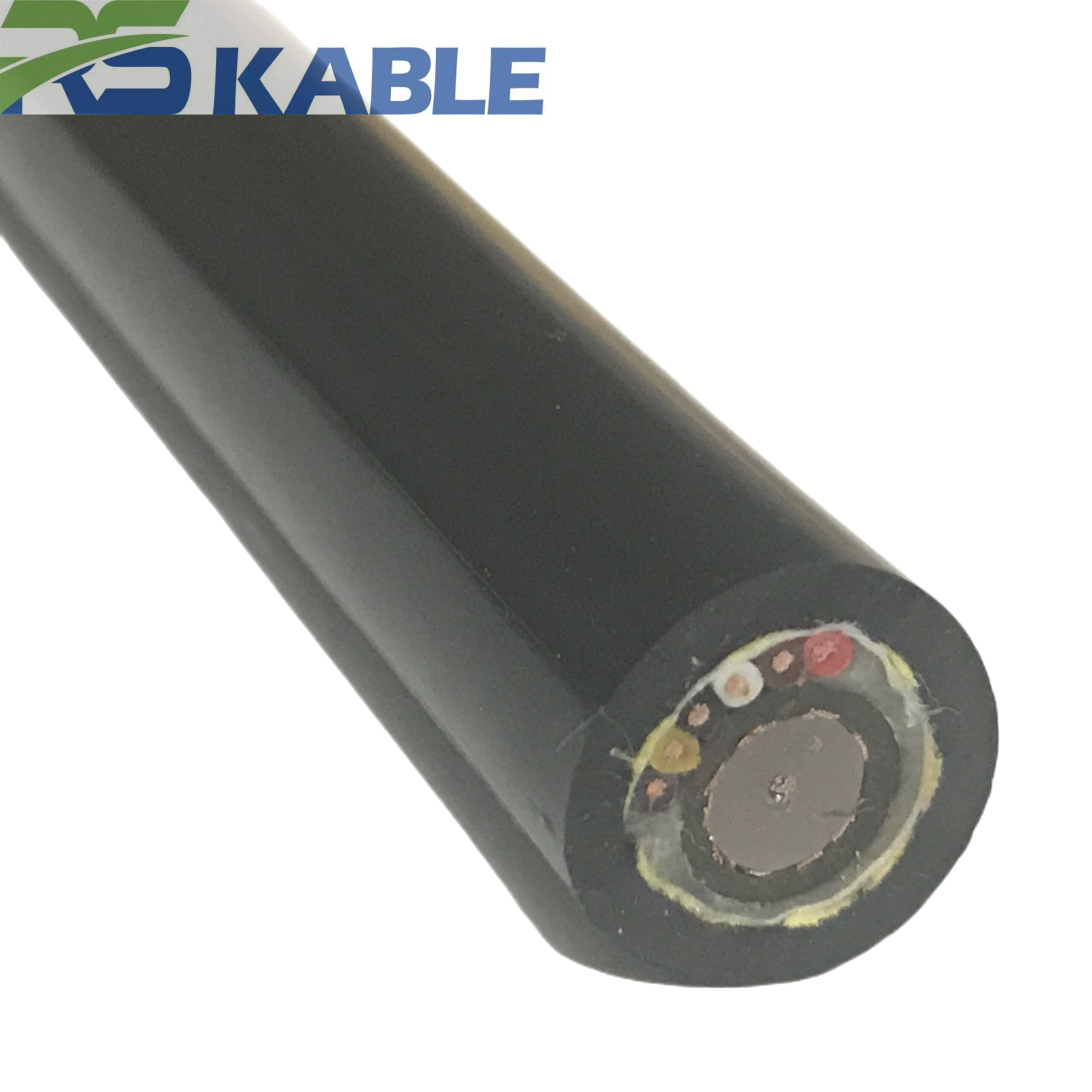
Underwater Scientific Devices – Neutral Buoyancy Cable – Precision Performance – Stable Electrical Parameters
This neutral buoyancy cable is designed for **underwater scientific devices** that require **precision performance** and **stable electrical parameters**, featuring a **load-balanced buoyancy structure** to support reliable power and signal transmission in demanding subsea research environments.
The direct answer: what does coaxial power mean in practice?
In practical CCTV language, coaxial power usually means a coax-based camera wiring arrangement that supports both video transmission and power supply for the camera. In most standard surveillance jobs, this does not mean raw electrical power is casually pushed through a plain coax cable without planning. Instead, it usually refers to a combined cable format or a system layout designed so the camera receives both signal and usable power through one organized installation path.
For most buyers and installers, the real-world answer points to one of the most common products in analog surveillance: a Coaxial + Power Cable. In that cable format, the coaxial section carries video, while an attached pair of power conductors supplies low-voltage power to the camera. This is the version of “coaxial power” that matters most in homes, stores, offices, warehouses, schools, hotels, and other common CCTV projects.
Why the term “coaxial power” is so often misunderstood
The phrase sounds technical, but it is actually used quite loosely in the market. That is why it helps to separate the most common meanings.
Meaning 1: Coax-based video plus power in a CCTV cable run
This is the most common commercial meaning. Installers and buyers often use the term when talking about a cable that supports analog or HD-over-coax video while also delivering power to the camera.
Meaning 2: A combined siamese-style CCTV cable
In the surveillance industry, many people use “coaxial power” when they really mean a Coaxial + Power Cable. This is not a formal engineering term in every context, but it is a common field interpretation.
Meaning 3: Specialized technical power-over-coax concepts
In some more advanced or specialized systems, power may be delivered through a coax-based transmission path in a more engineered way. That is a more niche use case and not what most CCTV buyers mean when they search this topic.
For independent-station SEO and blog traffic, the first two meanings are the most important, because they match what real CCTV buyers, installers, and distributors are usually trying to understand.
What coaxial power looks like in a CCTV installation
To understand the topic properly, it helps to picture a common analog surveillance setup.
A camera needs two basic things to operate:
-
a signal path to send video back to the recorder
-
a power path so the camera can actually run
In a typical analog or HD-over-coax CCTV system, the video path uses coaxial cable and the power path uses low-voltage conductors. In many practical installations, these are bundled into one cable assembly. That is why installers often choose a Coaxial + Power Cable instead of running separate coax and separate power wire independently.
This arrangement is popular because it gives the installer one organized cable run that can be:
-
easier to pull through walls or conduit
-
easier to label and identify
-
faster to terminate
-
simpler to troubleshoot later
-
more efficient in multi-camera jobs
So when people ask, “What is coaxial power?” the most useful field answer is often: a coax-based CCTV cable setup that handles both video and camera power in one practical installation format.
Coaxial power vs plain coaxial cable
This is one of the most important distinctions to make.
A plain coaxial cable by itself is mainly a signal cable. It is designed to carry video or RF signal through a structured conductor-and-shield layout. A standard CCTV coax section usually includes:
-
a center conductor
-
dielectric insulation
-
shielding
-
outer jacket
That structure is excellent for signal transmission. But in ordinary surveillance installations, plain coax alone is not usually the most practical answer to the camera power question.
A Coaxial + Power Cable, by contrast, adds separate low-voltage power conductors to the same overall cable assembly. That means the installer gets:
-
signal through the coax
-
power through the attached pair
-
one cleaner cable path for the full camera run
That is why many real-world questions about coaxial power are better understood as questions about combined CCTV wiring, not just bare coax performance.
Coaxial power vs Power over Ethernet
This comparison comes up often, especially with newer buyers.
Power over Ethernet, or PoE, is a specific network-based technology used in IP camera systems. It sends data and power through Ethernet cable under a defined networking architecture.
Coaxial power in CCTV is different because it belongs to a different system design. In most cases:
-
coax-based systems are analog or HD-over-coax
-
PoE systems are IP-based
-
coax-based systems usually use DVR-style architecture
-
PoE systems usually use NVR or network-based architecture
That means coaxial power is not simply another name for PoE. The two belong to different surveillance ecosystems, even though both deal with signal and power delivery.
Why coaxial power is still relevant today
Some buyers assume coax-based surveillance is outdated because IP cameras are so common now. But that is not how the market works in practice.
Coaxial power remains highly relevant because many projects still need:
-
cost-effective analog surveillance
-
easy retrofits in buildings with existing coax routes
-
compatibility with DVR-based systems
-
simple installation for smaller jobs
-
straightforward maintenance without full network redesign
This is especially true in:
-
homes and apartment buildings
-
small retail stores
-
offices and clinics
-
schools and budget-conscious institutions
-
old analog system upgrades
-
sites where existing coax routes are still usable
In these scenarios, coaxial power is not old-fashioned. It is simply practical.
When a Coaxial + Power Cable is the best solution
This is one of the most useful buying questions to answer.
A Coaxial + Power Cable is usually the best practical choice when:
-
the system uses analog, TVI, CVI, or AHD cameras
-
the installer wants one clean cable run for each camera
-
the project uses a centralized low-voltage power supply
-
the job is residential or light commercial
-
installation speed matters
-
the project is a DVR-based retrofit or upgrade
In those cases, the cable format can simplify work considerably without changing the basic surveillance architecture.
When coaxial power setups need more caution
Not every project is equally forgiving. A coax-based camera power setup may need extra attention when:
-
runs are long
-
the cameras draw more power
-
infrared cameras are used outdoors
-
the installation is exposed to weather
-
the cable quality is inconsistent
-
the power conductors are undersized
-
the site is difficult to access after installation
In these situations, “one cable for everything” is still possible, but the buyer needs to think more carefully about conductor quality, power pair size, and run length.
The real factors that affect performance
This is where many field problems begin. Buyers often ask what coaxial power means, but what they really need to know is what makes it work well or poorly.
1. Cable construction quality
Two products may look similar but behave very differently in the field. Conductor material, shielding, power conductor size, and jacket quality all influence long-term reliability.
2. Run length
As distance increases, the margin for stable power decreases. A cable that works perfectly on a short bench test can become unstable in a real long run.
3. Camera load
Not all cameras use the same power. Infrared night vision, heaters, motorized zoom, and additional electronics can increase current demand significantly.
4. Environment
Indoor and outdoor installations are not equal. UV, moisture, temperature changes, and physical exposure can all shorten the service life of a poor cable choice.
5. Connector and termination quality
Even the right cable can perform badly if the BNC connectors, power terminations, or joining methods are poor.
Common CCTV problems caused by misunderstanding coaxial power
A stronger article should not just define the term. It should also show what goes wrong when people misunderstand it.
The camera works in the day but fails at night
This is one of the most common real-world symptoms. During daylight, the camera load is lower. At night, infrared LEDs turn on, current demand rises, and the cable run may no longer deliver stable voltage.
The video looks fine but the camera keeps rebooting
This usually means the signal path is still working, but the camera is not receiving stable power.
One camera position works, another identical one fails
The difference is often not the camera. It is the cable path, run length, or power loss.
Outdoor cameras show problems sooner
Weather, temperature shifts, and higher night-time load often make marginal cable runs fail sooner outside than inside.
These are exactly the kinds of issues that make a good understanding of coaxial power valuable in practice.
Common buying mistakes to avoid
A lot of cable-related service calls begin with a purchasing mistake rather than an installation mistake.
Mistake 1: assuming all CCTV coax cables are the same
They are not. Two cables can share the same marketing label and still differ significantly in conductor quality, shielding, power pair size, and jacket durability.
Mistake 2: focusing only on the coax section
In a combined CCTV cable, the power pair can be just as important as the video section.
Mistake 3: using indoor cable outdoors
This is one of the fastest ways to reduce service life and increase future maintenance.
Mistake 4: buying only on price
Cheap cable often becomes expensive later through instability, extra labor, and replacement.
Mistake 5: ignoring night-time camera load
A camera may appear fine during testing and fail only when infrared turns on after dark.

How to choose the right cable if coaxial power matters
A practical buyer should ask these questions before ordering:
-
Is the system analog or HD-over-coax?
-
How far is the camera from the recorder and power source?
-
Is the camera indoor or outdoor?
-
Does it use infrared or other higher-load functions?
-
Is the project new installation or retrofit?
-
Do I need a single organized cable run?
-
Is long-term reliability more important than lowest price?
If the goal is a clean, dependable analog or HD-over-coax installation, a good Coaxial + Power Cable is often the most efficient answer.
For better results, buyers should prioritize:
-
solid copper conductors
-
good shielding
-
suitable power pair size
-
jacket matched to the environment
-
proper connector quality
-
realistic planning for distance and load
FAQ
Is coaxial power the same as PoE?
No. PoE is a network-based power and data standard for IP systems, while coaxial power usually refers to a coax-based signal and power arrangement in CCTV systems.
Does coaxial power mean the coax center conductor powers the camera directly?
Not in most standard CCTV installations. Usually, the camera is powered through the attached power pair in a combined cable.
What is the difference between coaxial cable and Coaxial + Power Cable?
Plain coaxial cable mainly carries signal. A Coaxial + Power Cable combines the coaxial signal line with separate conductors for camera power.
Is coaxial power still useful in modern CCTV systems?
Yes. It remains very practical in analog and HD-over-coax systems, especially for upgrades, DVR-based systems, and cost-effective wired surveillance.
What is the most common coaxial power solution for CCTV?
In many real installations, the most common solution is a siamese-style Coaxial + Power Cable that combines video and power in one run.