

What Is an ROV Cable? How Tethers Enable Reliable Deep-Sea Operations
When people think about remotely operated vehicles (ROVs), they usually picture cameras, thrusters, and robotic arms working thousands of meters below the surface. In practice, however, none of that matters without a reliable physical connection to the surface. That connection is the ROV cable.
In subsea operations, the cable is not just an accessory—it is the system’s backbone. It delivers power, carries control commands, transmits video and sensor data, and absorbs mechanical loads during deployment and recovery. In other words, the performance, safety, and uptime of an ROV are inseparable from the quality of its tether.
This article takes a practical, engineering-focused look at what an ROV cable really is, how it functions in real operations, and why its design differs so dramatically from ordinary underwater cables. The goal is not theory, but clarity—for engineers, project managers, and decision-makers working in subsea environments.
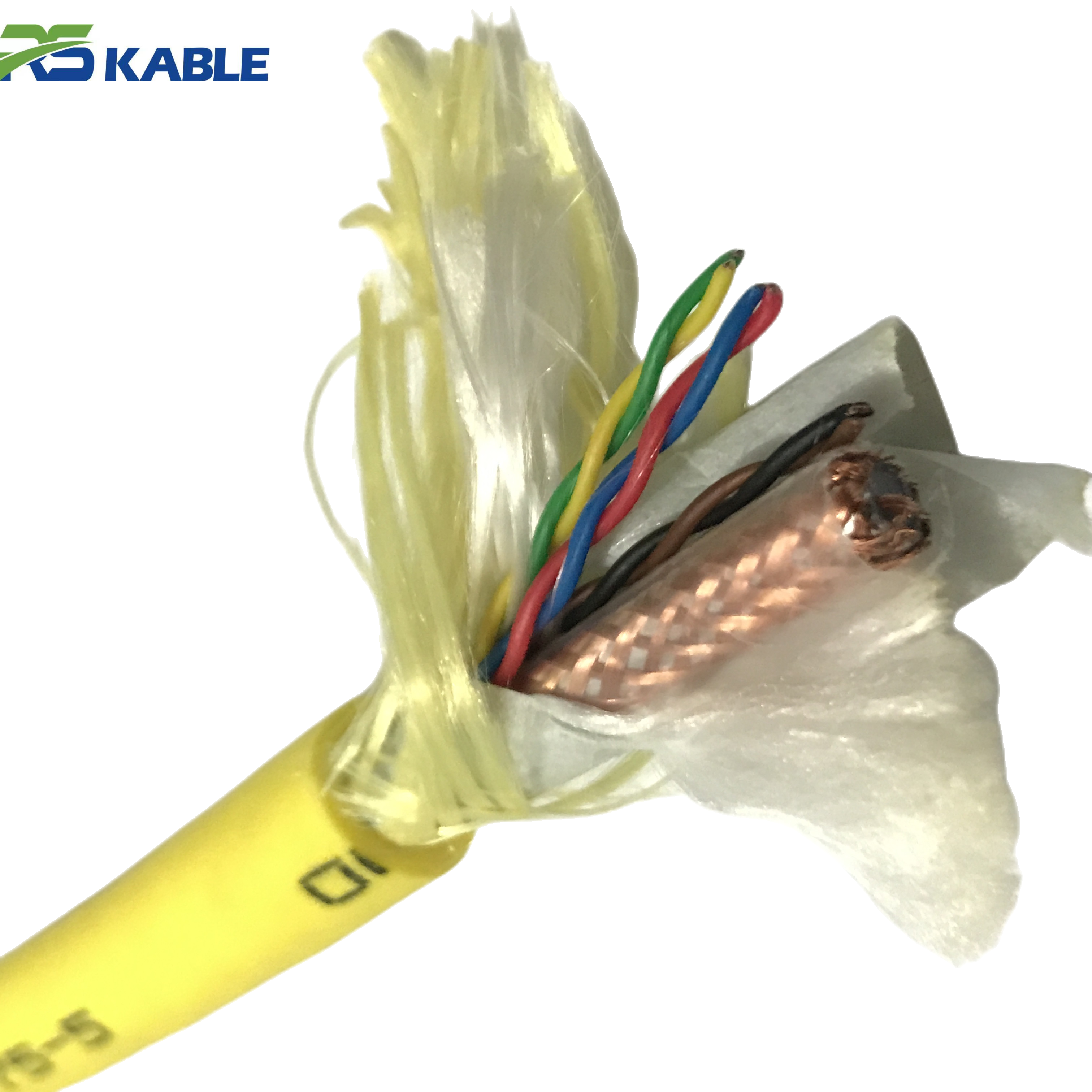
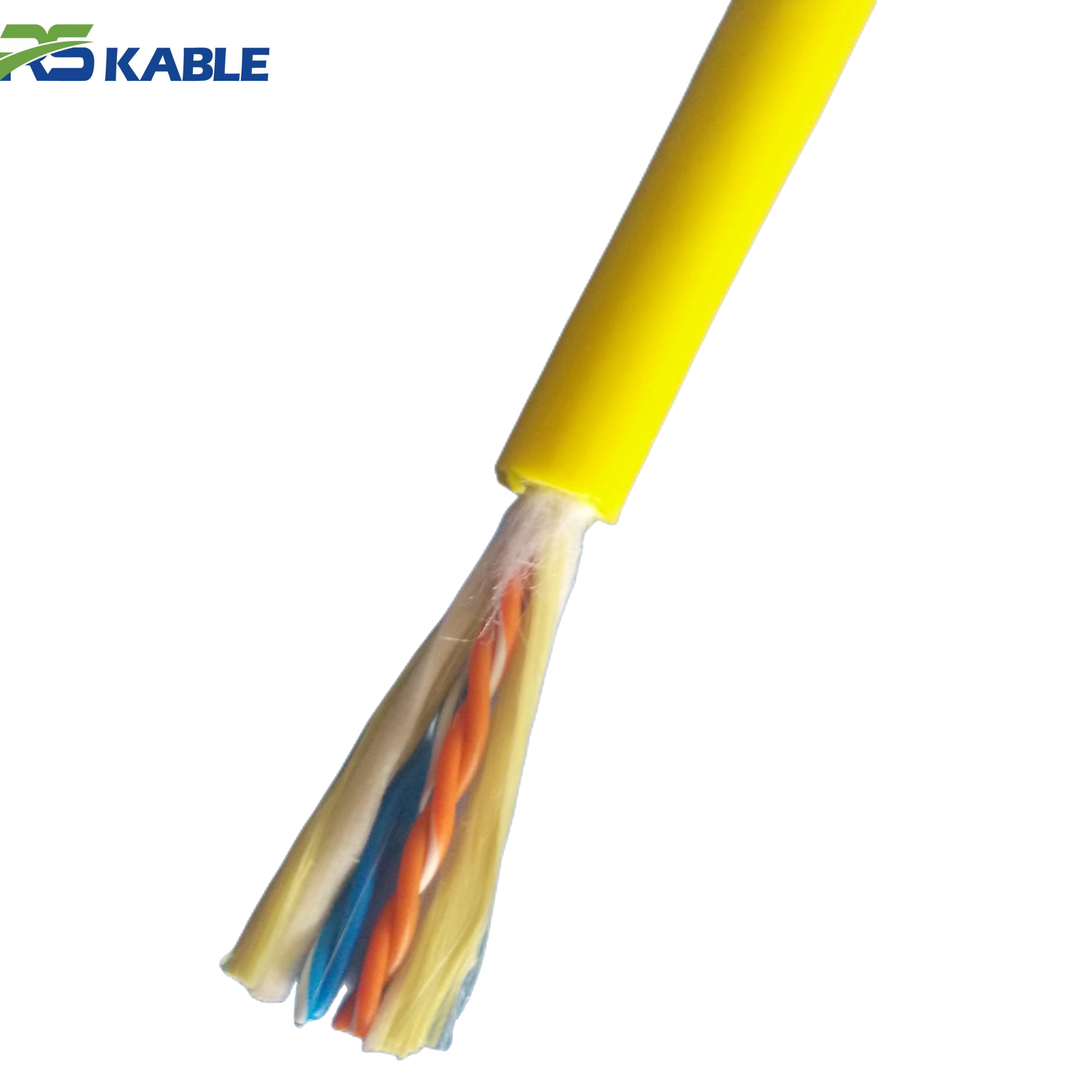
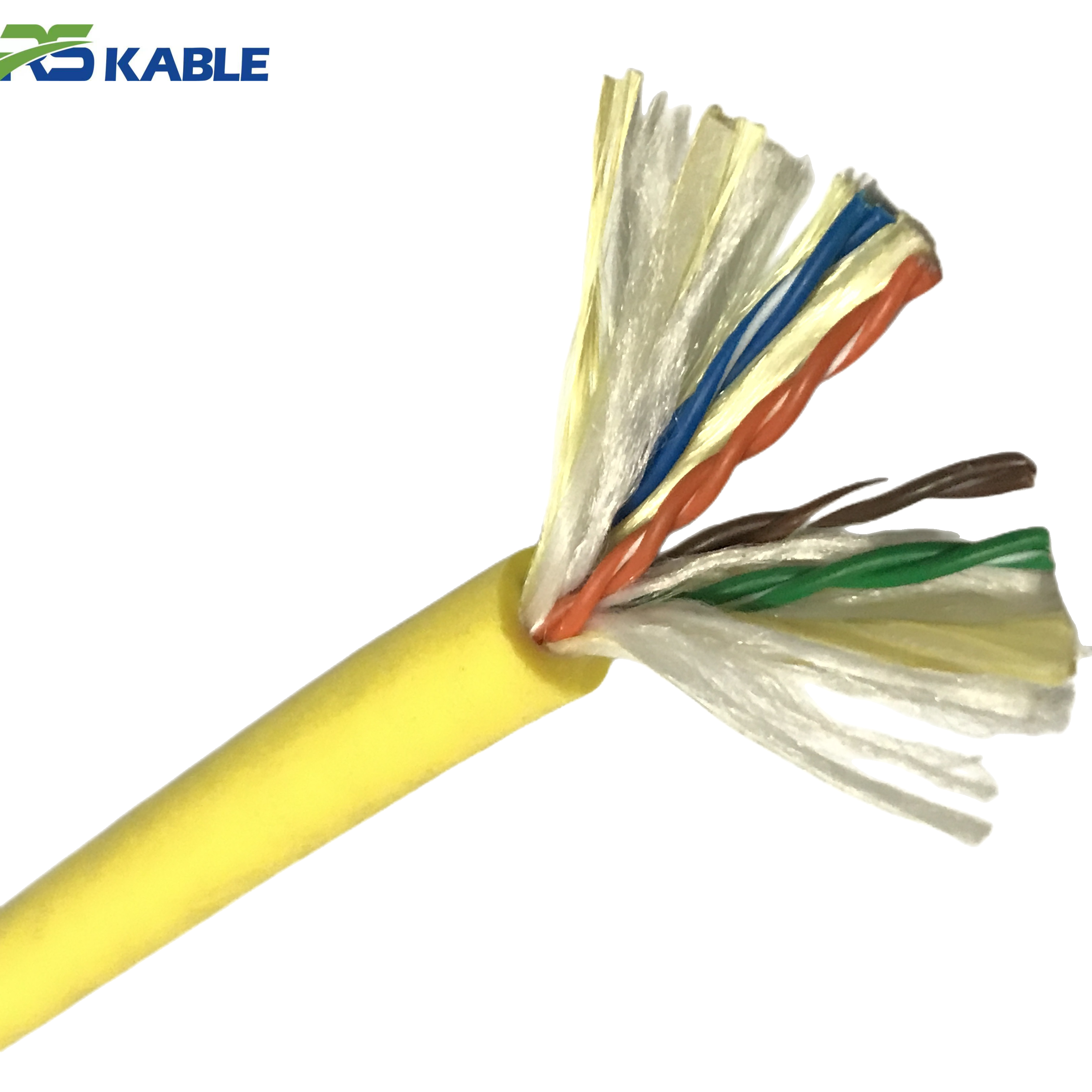
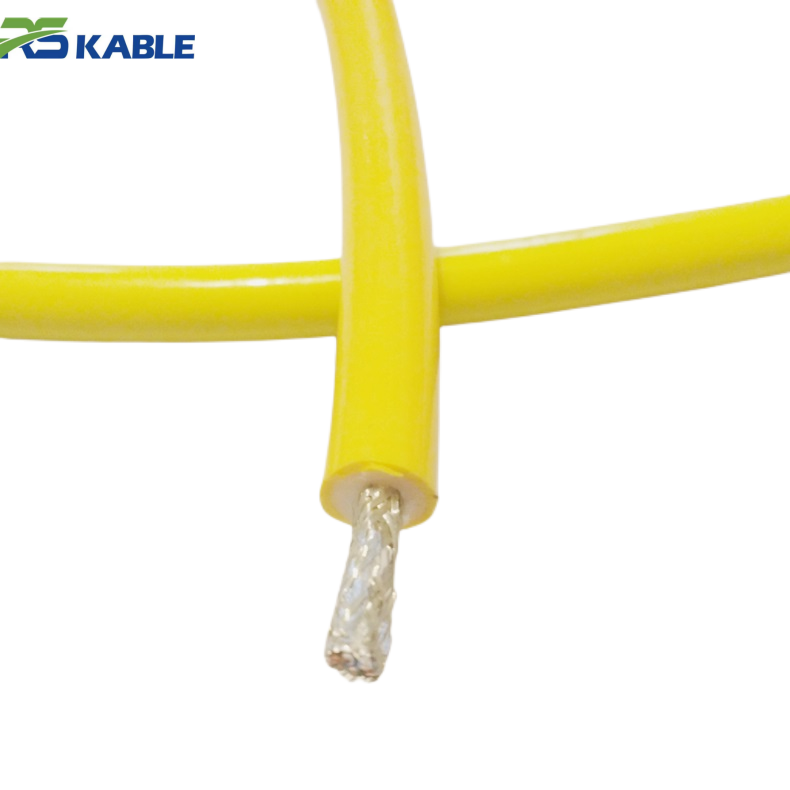
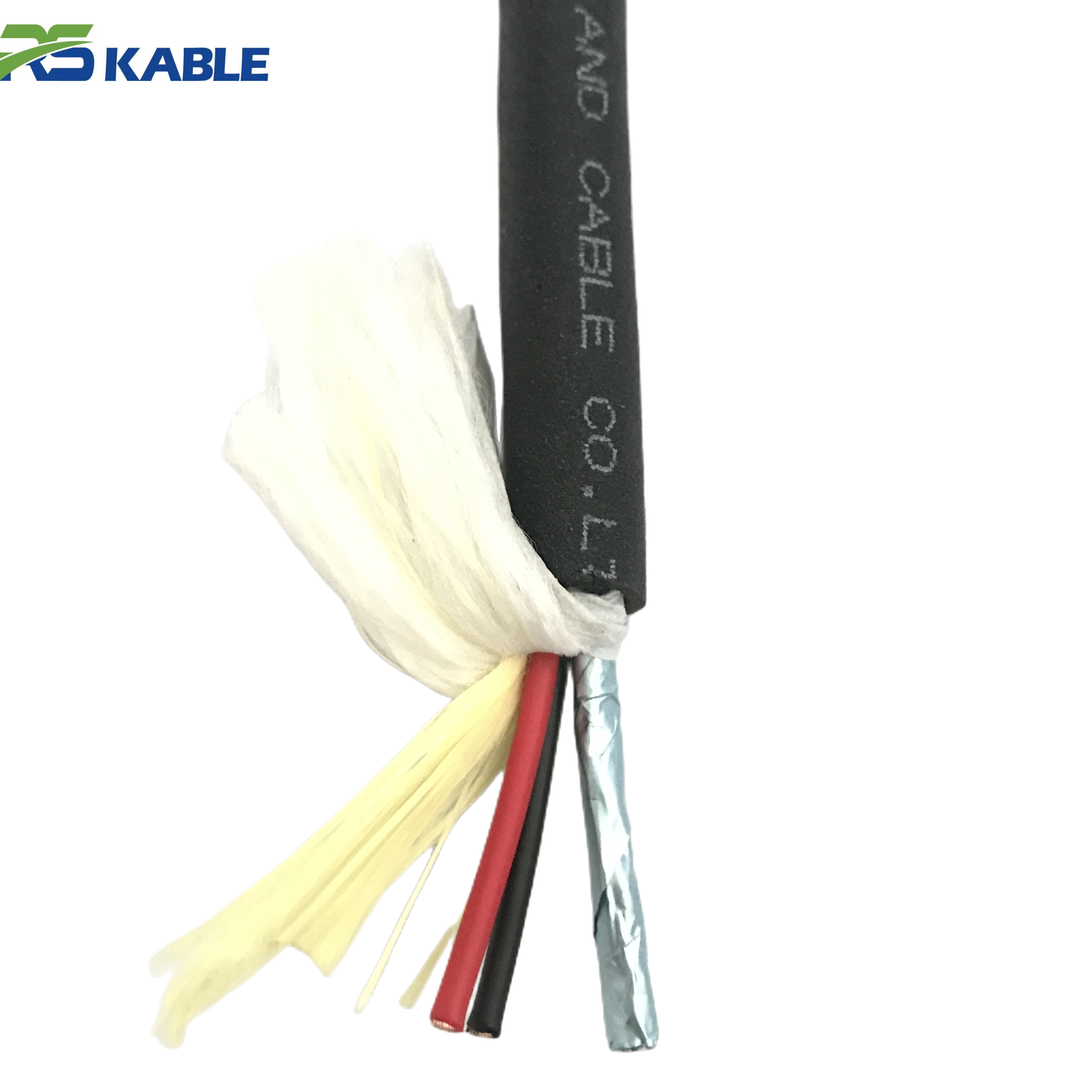
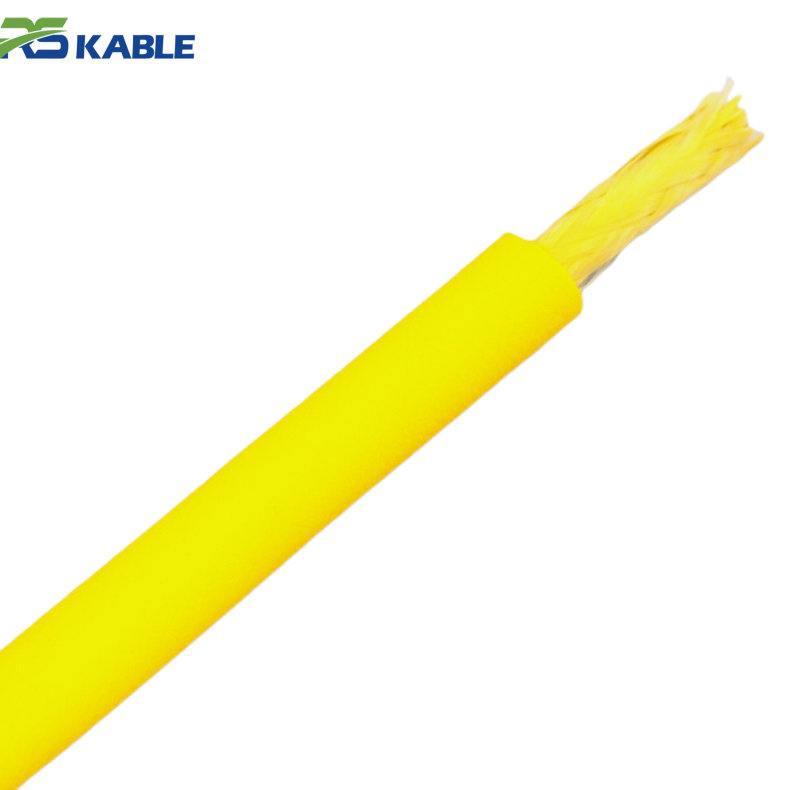
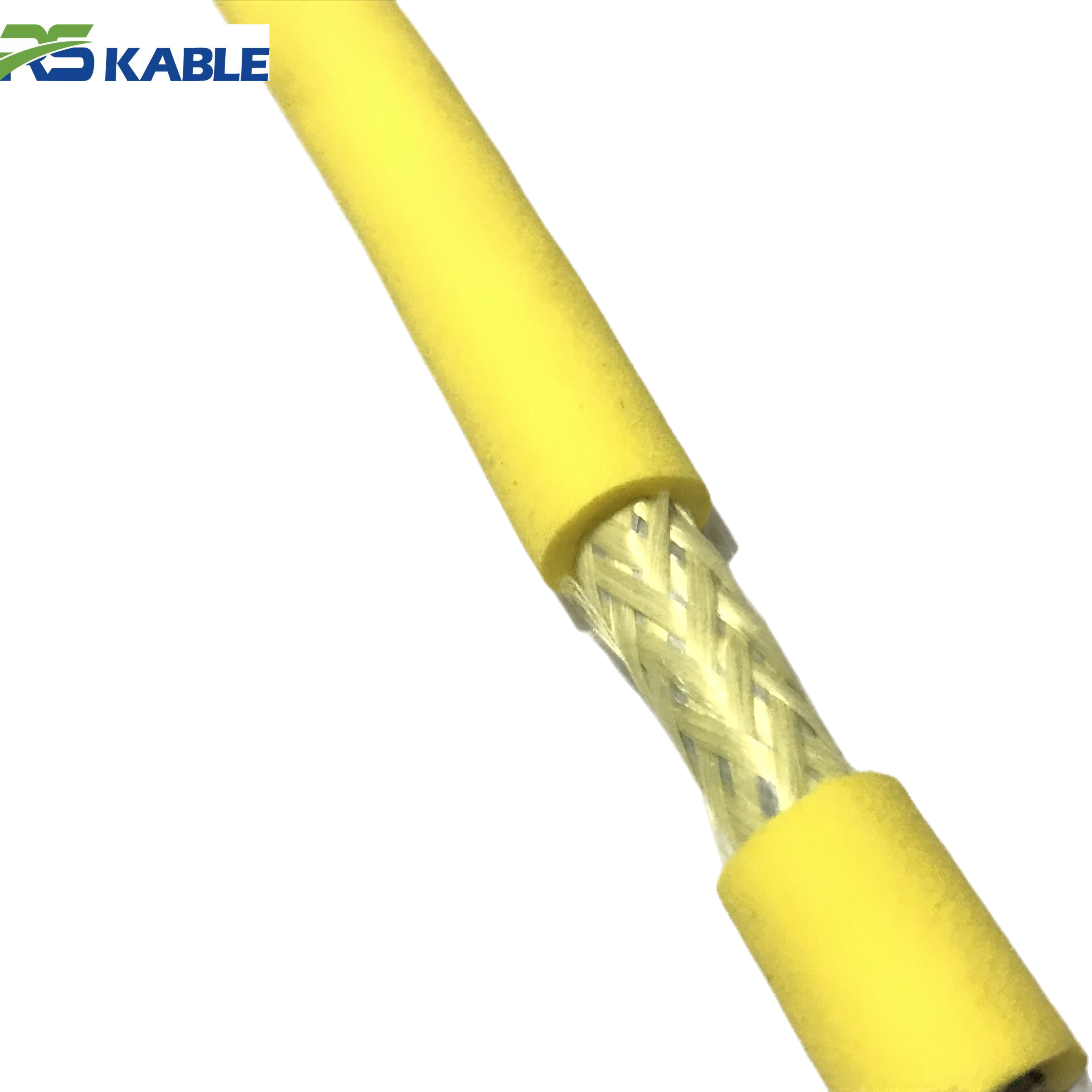
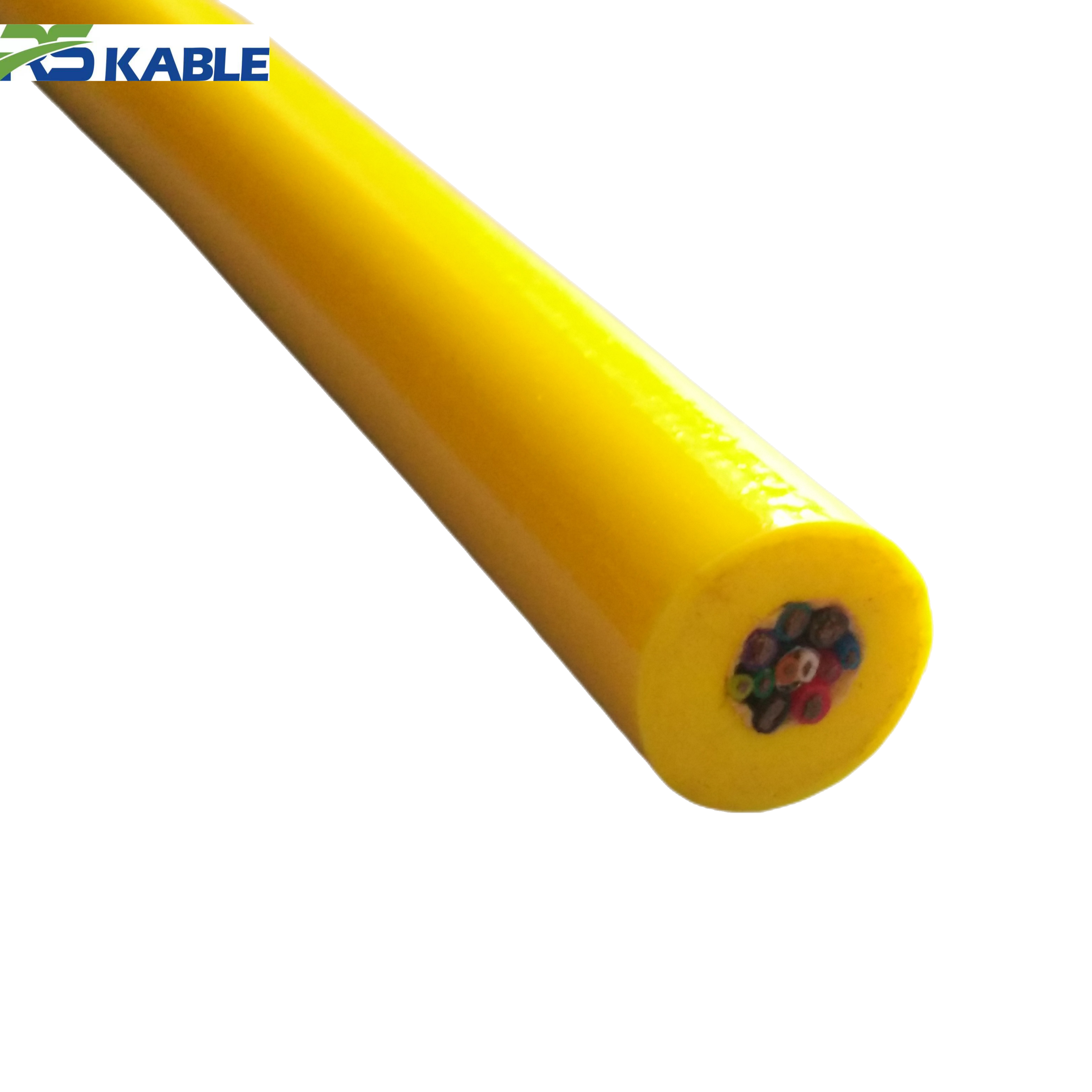
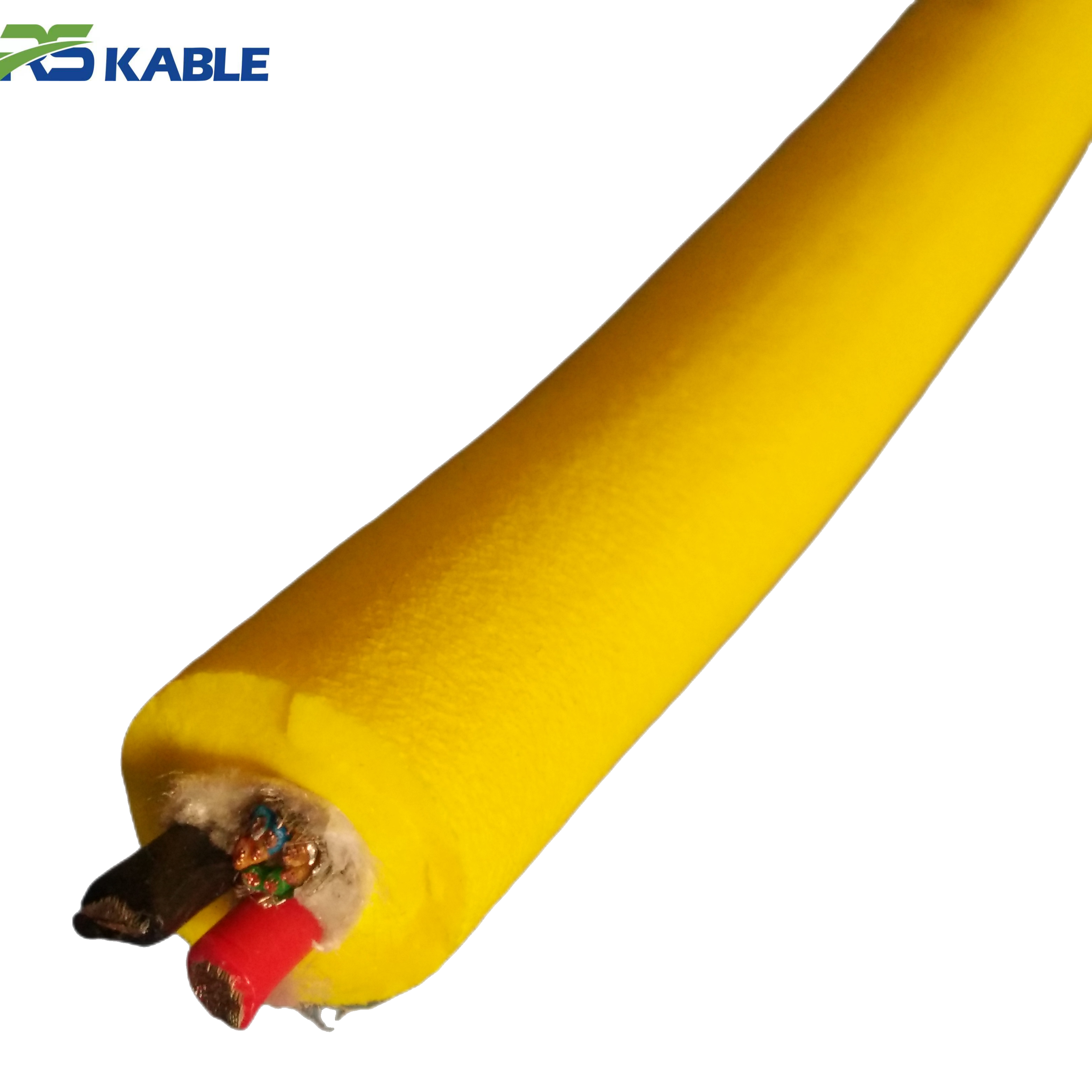
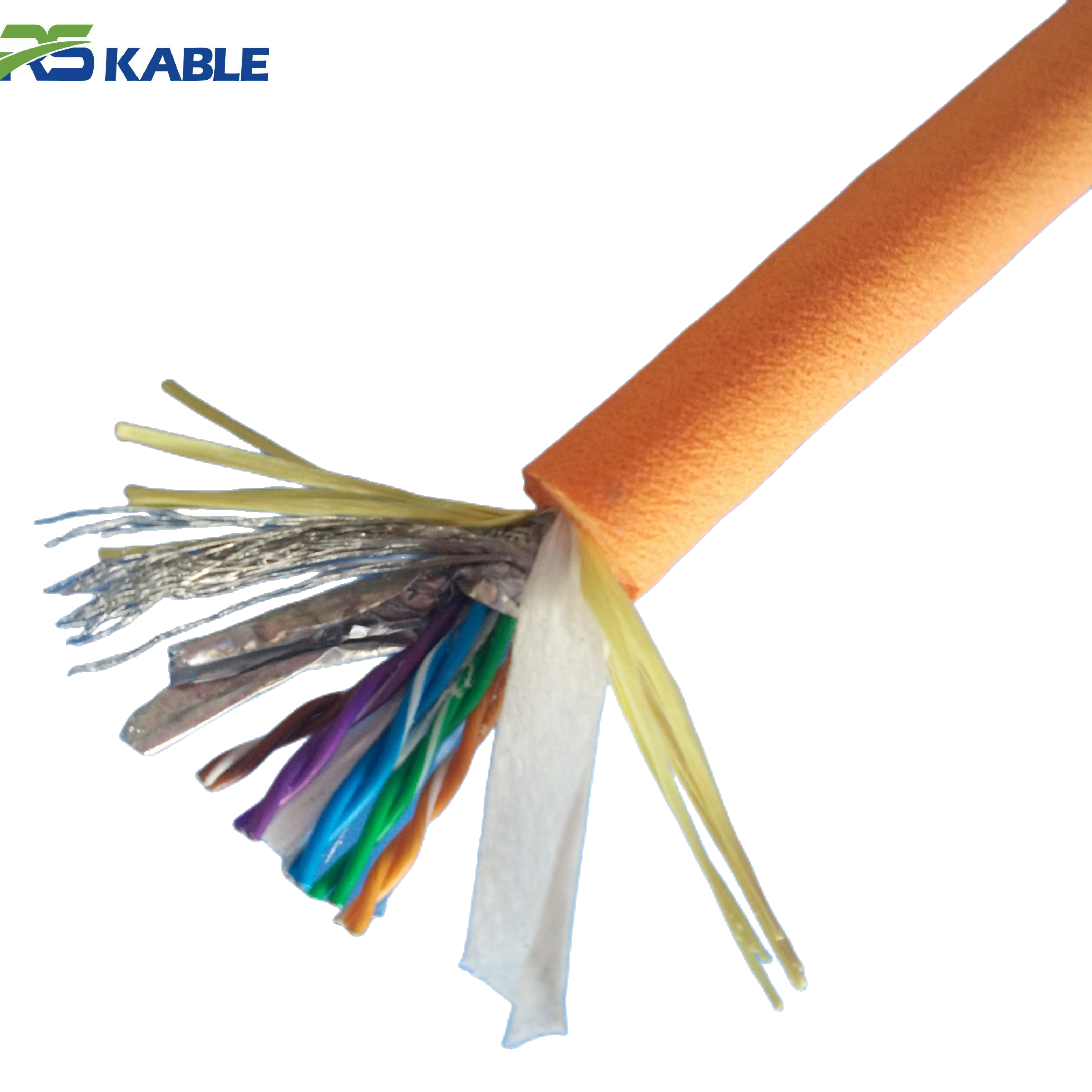
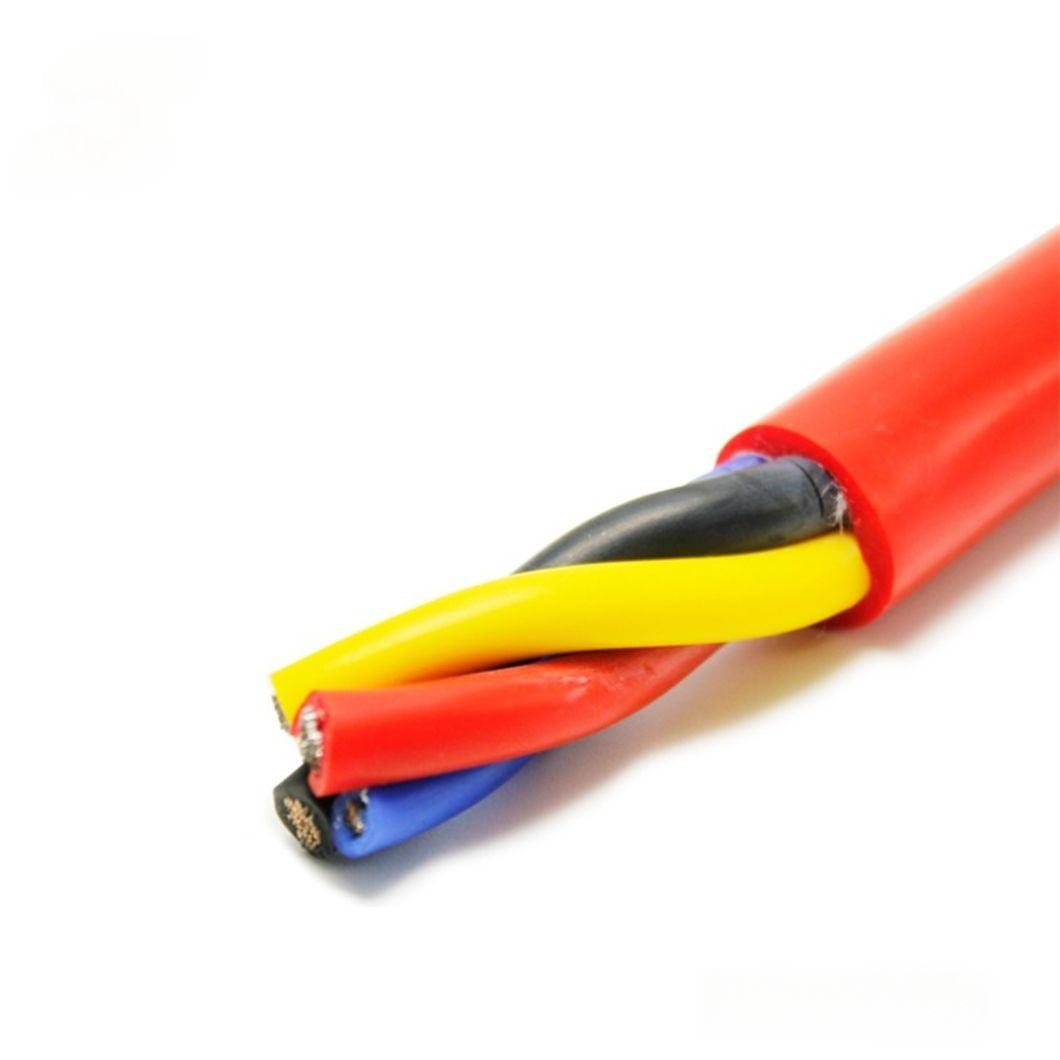
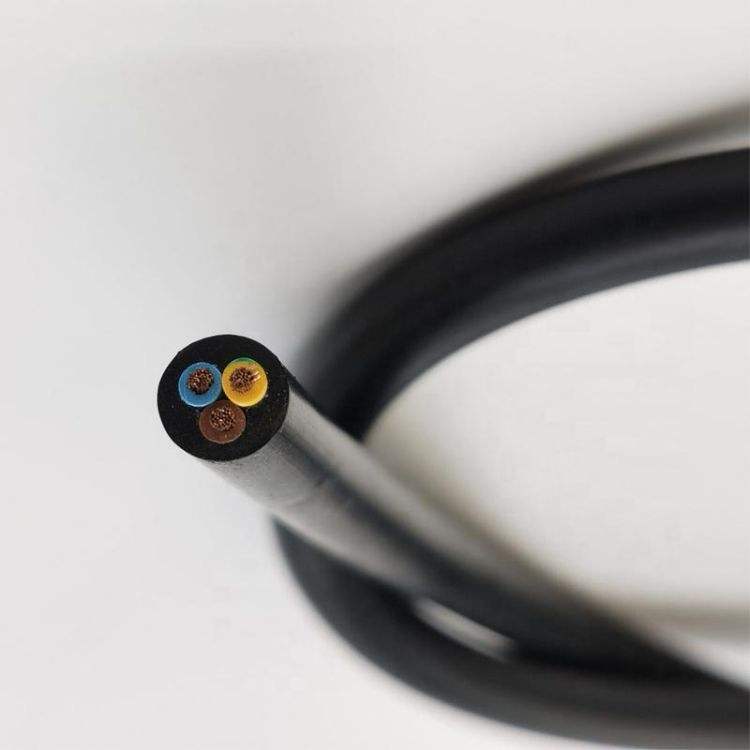
Flexible Waterproof Underwater ROV Cable – 8×0.5 mm² Power & Signal Tether
A high-flexibility waterproof underwater ROV tether cable with eight 0.5 mm² cores, designed to deliver reliable power and signal transmission in subsea applications. Engineered for robust performance in marine environments, ensures durable operation in dynamic underwater conditions.
- Flexible, waterproof design for underwater remotely operated vehicles (ROVs)
- Eight 0.5 mm² cores combining power and signal functionality
- Durable insulation and outer jacket for wear & water resistance
- Suitable for subsea robotics, inspection & exploration systems
ROV Cables in Context: More Than Just “Underwater Wiring”
At its simplest, an ROV cable is a tether linking a subsea vehicle to a surface control system. In reality, it is a multi-disciplinary component that combines electrical engineering, fiber optics, materials science, and marine mechanics in a single product.
A working ROV cable typically integrates:
-
Electrical conductors for power delivery
-
Optical fibers for real-time video and data
-
Mechanical strength members to handle tension
-
Water-blocking systems to prevent failure after damage
-
Protective jackets engineered for abrasion and chemical resistance
Unlike static subsea infrastructure, ROV operations are dynamic. The cable is constantly moving, bending, twisting, and interacting with currents and structures. That single requirement fundamentally changes how it must be designed.
Why ROV Cables Are Engineered as Dynamic Systems
Most subsea cables—such as export power cables or long-haul communications lines—are laid once and left in place for decades. An ROV cable is handled every day.
During a typical operation, the tether must tolerate:
-
Continuous flexing from vehicle maneuvering
-
Tensile loading during launch and recovery
-
Hydrodynamic drag in cross-currents
-
Abrasion from contact with steel, rock, or seabed sediment
If standard underwater cables were used in this role, failure would occur quickly, often without warning. This is why the ROV cable is designed as a dynamic system, with conductor stranding, lay length, and jacket materials carefully optimized to extend fatigue life.
Structural Design: What’s Inside an ROV Cable
Although designs vary by vehicle class and depth rating, most professional ROV cables share a common internal logic.
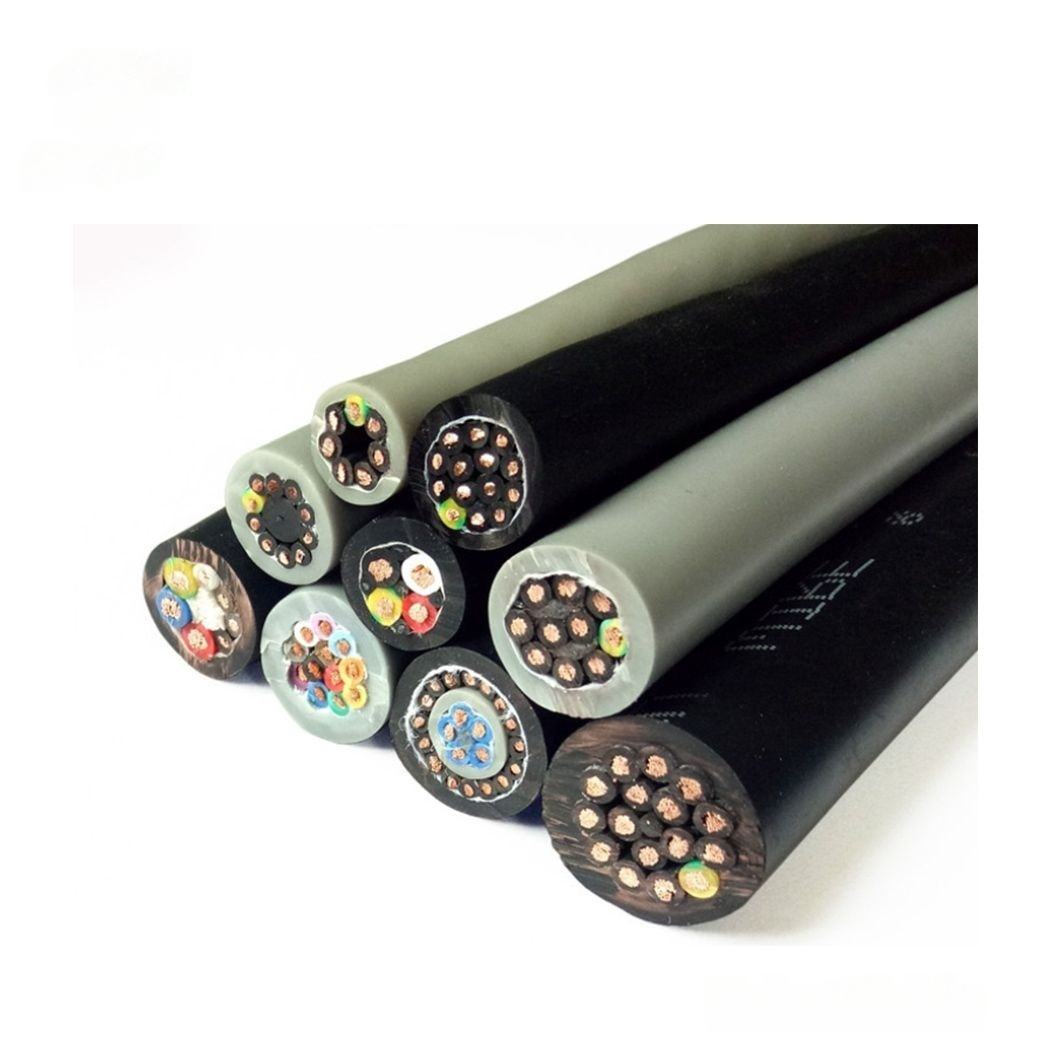
At the center is a strength element—steel wire or high-performance synthetic yarn—that carries mechanical loads without transferring stress to conductors or fibers. Around this core sit power conductors and optical fibers, arranged to minimize internal movement during bending.
Fiber elements are usually housed in gel-filled tubes to block water migration, ensuring that localized jacket damage does not lead to catastrophic failure. The outer jacket, often polyurethane, provides abrasion resistance and flexibility while maintaining performance in cold, high-pressure seawater.
This layered approach allows the cable to function reliably at depths where pressure exceeds 6,000 meters and recovery is extremely costly.
Power and Data: How the Cable Supports Real-Time Control
ROVs rely on continuous, real-time interaction with surface operators. Power flows down the cable to drive thrusters, lighting systems, and tooling, while data flows back up in the form of video, sonar, and sensor feedback.
Modern systems increasingly depend on fiber optics rather than copper for data transmission. This allows:
-
High-definition and multi-camera video streams
-
Low-latency control inputs
-
Integration of advanced sensors and acoustic systems
In many operations, the cable effectively becomes the communications highway linking subsea assets with surface decision-making in real time.
Types of ROV Cables by Operational Role
Not all ROV cables serve the same purpose. Design choices depend heavily on vehicle class and mission profile.
Light observation ROVs use slim, highly flexible tethers optimized for ease of handling and minimal drag. These systems prioritize maneuverability over load-bearing capacity.
Work-class ROVs, by contrast, rely on heavily reinforced umbilicals capable of supporting tooling, hydraulic systems, and deep-water deployment. These cables often include steel armor for strength and torque balance.
Some operations also require neutral or near-neutral buoyancy, reducing the effective weight of the cable in water and improving vehicle stability during precise tasks.
Where ROV Cables Are Used in Practice
ROV cables are foundational to a wide range of offshore and subsea industries, including:
-
Oil and gas inspection, repair, and maintenance
-
Offshore wind installation and subsea cable surveys
-
Scientific research and deep-sea exploration
-
Search, recovery, and salvage operations
-
Defense and maritime security
In each case, cable reliability directly influences operational risk, vessel time, and project cost. A single cable failure can halt operations for days.
Service Life and Maintenance Realities
Although typically designed for long service life, ROV cables are consumable components in practice. Fatigue accumulates with every deployment cycle.
Proper handling makes a significant difference. Controlled spooling, regular inspection, and early repair of jacket damage can extend usable life considerably. Conversely, poor deck handling or over-tensioning shortens it dramatically.
Experienced operators treat the cable as a critical asset, not a replaceable accessory.
Technology Trends Shaping the Next Generation of ROV Cables
As subsea operations become deeper and more data-intensive, ROV cable design continues to evolve. Current trends include:
-
Higher fiber counts to support advanced imaging and AI-assisted inspection
-
Lighter strength members to reduce system weight
-
Embedded monitoring for early fault detection
-
Improved materials for cold-water and high-pressure performance
Despite interest in untethered systems, physical tethers remain essential wherever high power and low latency are required.
Frequently Asked Questions
Is an ROV cable the same as an umbilical?
In practice, the terms are often used interchangeably, though “umbilical” sometimes refers to the longer surface-to-subsea section in larger systems.
How long can an ROV cable be?
Lengths range from a few hundred meters to several kilometers, depending on depth and vehicle class.
Can ROV cables be repaired offshore?
Yes, but repairs require specialized tools and trained personnel to maintain mechanical and electrical integrity.
Why are ROV cables so expensive?
They combine multiple functions—power, data, and load-bearing—into a single highly engineered product designed for extreme conditions.