

What Is an Elevator Cable? Structure, Materials, and Industrial Applications Explained
In modern vertical transportation systems, safety and reliability depend on components that most building occupants never see. One of the most critical yet often overlooked elements is the elevator cable—a dynamic power and signal transmission solution engineered specifically for continuous vertical motion.
From high-rise office towers and residential skyscrapers to hospitals and industrial freight lifts, the performance of an elevator traveling cable directly affects operational safety, ride stability, and long-term maintenance cost. This guide provides a detailed technical overview of structure, materials engineering, performance standards, and industrial applications—designed for engineers, lift manufacturers, and procurement professionals seeking authoritative insight.
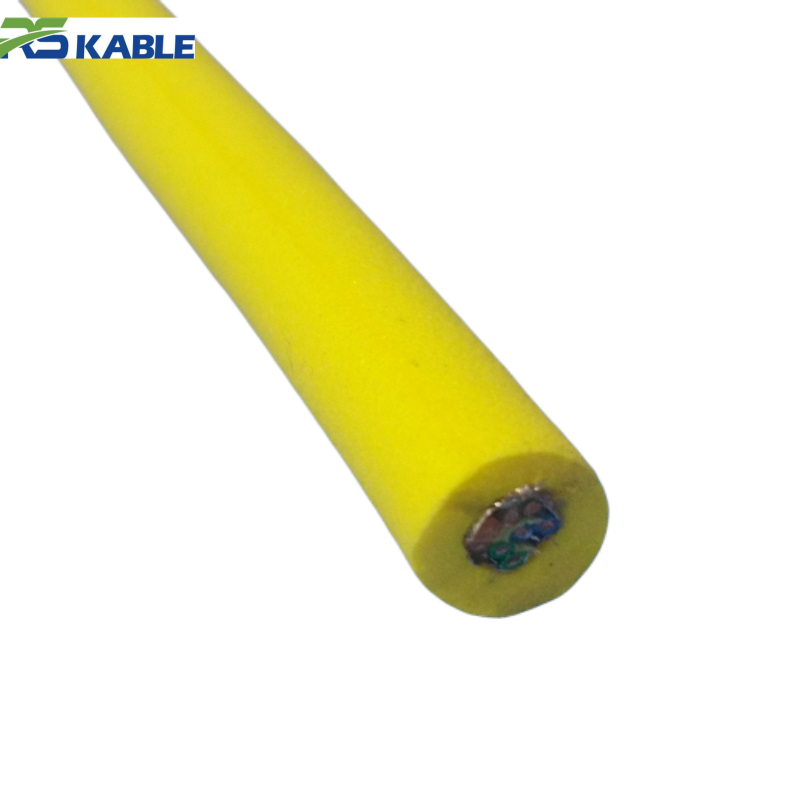
Electromagnetic Harsh Environments ROV Cable – Shielded Anti‑Interference, Low‑Noise Performance
This shielded anti‑interference ROV cable is engineered for electromagnetic harsh offshore environments requiring low‑noise and stable data transmission, suitable for subsea inspection and industrial marine applications.
What Is an Elevator Cable?
An elevator cable (also called a lift traveling cable or elevator traveling cable) is a high-flex dynamic cable assembly that connects the elevator car to the control cabinet. Unlike fixed building wiring, this cable moves continuously with the lift system.
Its functions include:
-
Power transmission for lighting and ventilation
-
Control signal delivery
-
Communication data transfer
-
Safety monitoring signal transmission
In high-rise systems, movement cycles can reach hundreds of thousands per year. Therefore, a high-flex elevator cable must be engineered to withstand repetitive bending without conductor fatigue or insulation failure.
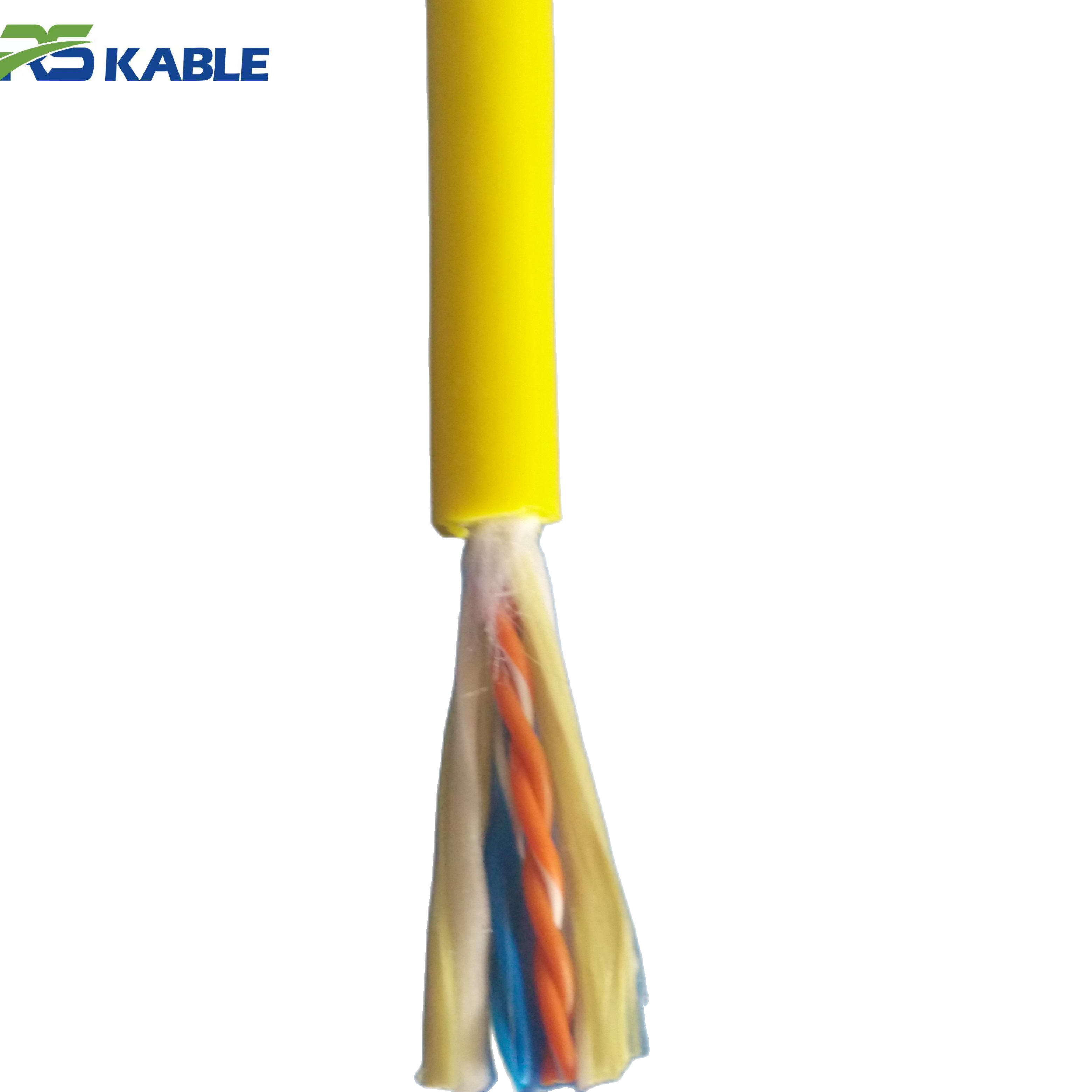
Structural Design of an Elevator Traveling Cable
The design of a flat elevator cable or round lift cable is optimized for motion stability, electrical reliability, and mechanical durability.
1. Conductors: Flexibility Starts at the Core
Most elevator cable systems use finely stranded copper conductors:
-
Class 5 or Class 6 flexible copper
-
Oxygen-free copper for improved conductivity
-
Tinned copper for corrosion resistance
Fine stranding reduces stress concentration during bending cycles and increases dynamic lifespan.
2. Insulation Materials
Each conductor is insulated individually using materials selected for temperature resistance and safety compliance:
-
PVC (cost-effective and flame retardant)
-
XLPE (higher thermal rating)
-
TPE (enhanced flexibility and cold resistance)
Material selection directly affects elevator cable specification performance in demanding environments.
3. Shielding for Signal Integrity
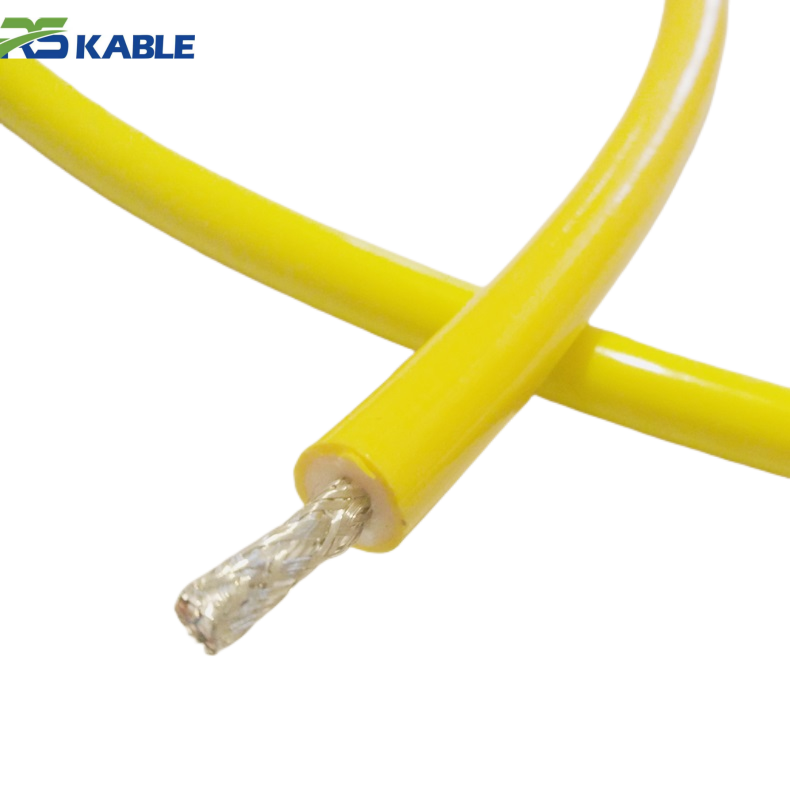
Modern elevators integrate digital control systems, surveillance cameras, and intelligent monitoring devices. In such cases, a shielded elevator cable becomes essential.
Shielding options include:
-
Aluminum foil
-
Braided copper shield
-
Combined foil + braid construction
Proper shielding minimizes electromagnetic interference (EMI), ensuring stable control signals in smart building systems.
4. Reinforcement and Mechanical Support
High-rise lift systems introduce significant tensile stress due to cable length and weight. Reinforcement may include:
-
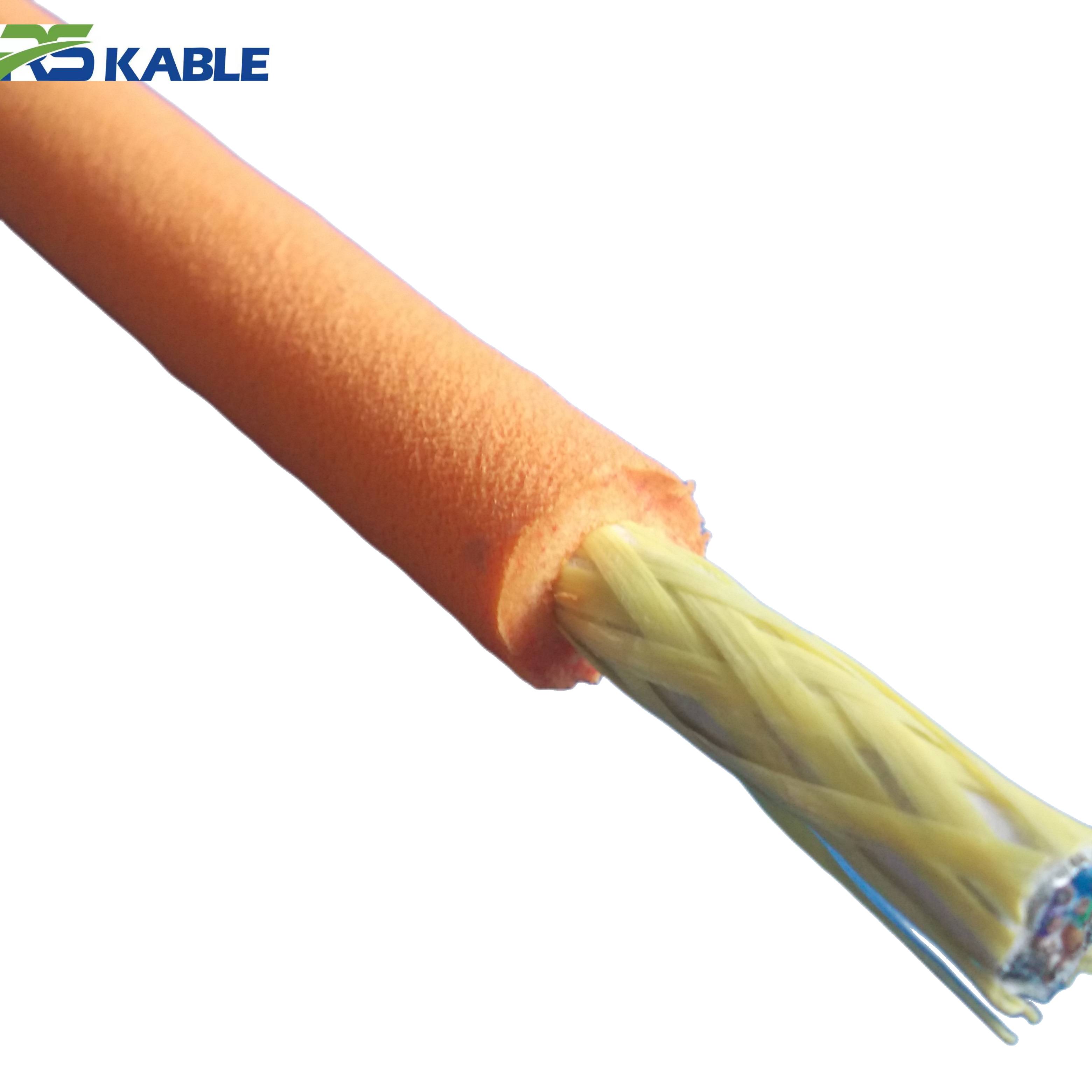
Textile strength members
-
Steel wire reinforcement
-
Load-bearing support cores
These elements prevent elongation and maintain structural symmetry during motion.
5. Outer Jacket Engineering
The outer sheath protects against:
-
Abrasion
-
Oil exposure
-
Mechanical impact
-
Environmental aging
Common materials:
-
Flame retardant PVC
-
PUR for high abrasion resistance
-
Low-smoke halogen-free compounds for public buildings
A flame retardant elevator cable is particularly critical in hospitals, commercial complexes, and residential towers where strict fire codes apply.
Performance Requirements in High-Rise Lift Systems
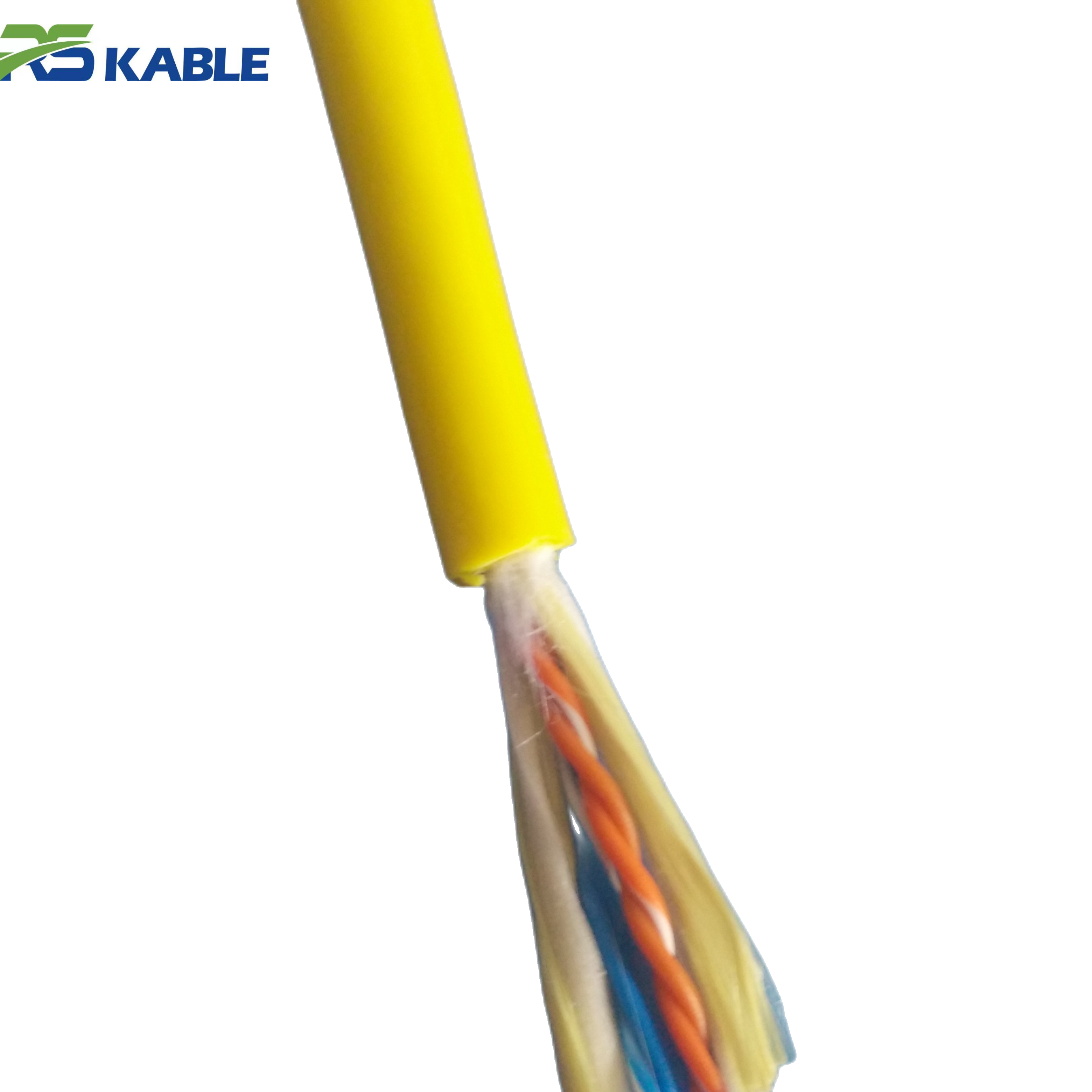
A high-flex elevator cable must meet multiple engineering benchmarks.
Flexing Life
Dynamic testing simulates millions of bending cycles. High-quality cables maintain conductor integrity under continuous movement.
Tensile Resistance
For tall buildings, long vertical travel increases mechanical load. Reinforced structures prevent internal core displacement.
Fire Safety Compliance
Elevator cables must comply with:
-
Flame retardancy standards
-
Low smoke emission requirements
-
Halogen-free regulations where required
Safety compliance is non-negotiable in modern vertical transportation systems.
Signal Stability
Interference can cause system errors. Shielding and balanced conductor layout ensure reliable data transmission.
Flat vs. Round Elevator Cable: What’s the Difference?
Flat elevator cable designs are widely used because:
-
They maintain alignment during travel
-
They reduce torsional stress
-
They provide stable suspension characteristics
Round cables may be used in specialized industrial lifting systems requiring additional reinforcement or complex routing.
Specification choice depends on building height, travel speed, and control system integration.
Industrial Applications of Elevator Cable Systems
Although commonly associated with passenger lifts, elevator cable technology supports diverse sectors.
1. High-Rise Commercial Buildings
-
Passenger elevators
-
Service lifts
-
Observation lifts
These applications demand quiet operation, flexibility, and signal precision.
2. Hospitals
Hospitals require:
-
Reliable emergency lift operation
-
Enhanced fire safety compliance
-
Stable control communication
Failure is not acceptable in critical infrastructure.
3. Industrial and Logistics Facilities
Freight elevators and platform lifts operate in harsher conditions:
-
Oil exposure
-
Mechanical vibration
-
Heavy load cycles
Here, durability and abrasion resistance are primary concerns.
4. Specialized Offshore and Marine Platforms
Elevator systems in offshore installations require corrosion resistance and enhanced environmental durability.

Elevator Cable Installation Best Practices
Proper elevator cable installation significantly impacts service life.
Key recommendations:
-
Follow specified minimum bending radius
-
Avoid twisting during suspension
-
Use proper strain relief at termination points
-
Ensure correct alignment between shaft and car
Improper installation can lead to premature conductor fatigue—even if the cable meets technical standards.
Common Failure Causes in Lift Traveling Cables
Understanding failure modes improves preventive maintenance.
Conductor Breakage
Caused by poor flex design or installation misalignment.
Jacket Cracking
Often due to low-quality sheath compounds or UV exposure.
Signal Disturbance
Typically linked to inadequate shielding in high-interference environments.
Routine inspection and selecting a reliable elevator cable manufacturer reduce risk.
How to Evaluate an Elevator Cable Manufacturer
For engineers and procurement managers, evaluating supplier capability is critical.
Look for:
-
In-house dynamic bending testing
-
Documented quality control processes
-
Material traceability
-
Compliance certifications
-
Experience in high-flex industrial cable systems
Manufacturing precision—particularly in conductor stranding and extrusion uniformity—directly affects product lifespan.
Future Trends in Elevator Cable Engineering
As buildings grow taller and smarter, cable systems are evolving:
-
Hybrid power + data composite cables
-
Integrated fiber optic transmission
-
Lightweight high-strength materials
-
Enhanced low-smoke zero-halogen compounds
Next-generation lift systems require advanced dynamic cable technology capable of supporting higher speeds and longer travel distances.
Frequently Asked Questions (FAQ)
1. What is the typical lifespan of an elevator cable?
High-quality high-flex elevator cables can operate for 10–20 years, depending on building height, travel frequency, and installation quality.
2. What makes a flat elevator cable preferable in most buildings?
Flat configurations provide stable alignment during vertical travel and reduce torsional stress compared to round designs.
3. Why is shielding important in lift traveling cables?
Shielding prevents electromagnetic interference, ensuring stable control signals in modern smart building systems.
4. How do I choose the correct elevator cable specification?
Consider voltage rating, conductor cross-section, shielding requirements, tensile strength, building height, and fire safety standards.
5. Are flame-retardant elevator cables mandatory?
In most commercial and public buildings, flame-retardant and low-smoke cables are required by safety regulations.