

What Is a Neutral Buoyancy Cable?
A Neutral Buoyancy Cable is an underwater cable engineered so its effective weight in water is close to zero—meaning it neither sinks heavily nor floats aggressively. In dynamic subsea operations, that one design goal can significantly improve handling, reduce unwanted loads on vehicles and sensors, and stabilize the entire system’s underwater geometry.
But neutral buoyancy is not just a “nice feature.” In ROV work, towed sonar surveys, diver umbilicals, and oceanographic deployments, cable behavior directly affects drag, tension, stability, and risk. A cable that is too negative can drag on the seabed, increase abrasion, and pull a vehicle off course. A cable that is too positive can ride upward, respond more to surface motion, and create unpredictable loops. The reason engineers specify neutral buoyancy is control: better catenary shape, lower stress at connectors, and fewer mission disruptions.
This guide explains what neutral buoyancy means in practice, how these cables are built, where they are used, how to select the right buoyancy strategy for your mission, and how to troubleshoot common field problems caused by buoyancy mismatch. It also includes a decision matrix and a practical acceptance checklist so the content is useful for real projects—not only definitions.
Neutral Buoyancy Explained in Plain Engineering Terms
Underwater, a cable experiences two competing forces:
-
Weight (gravity acting on the cable’s mass)
-
Buoyancy (upward force equal to the water displaced)
If weight is greater than buoyancy, the cable sinks (negative buoyancy). If buoyancy is greater than weight, the cable rises (positive buoyancy). A Neutral Buoyancy Cable is designed so those forces nearly balance in typical seawater conditions, producing an in-water weight close to zero.
Perfect neutrality is difficult in the real ocean because water density changes with salinity and temperature. That’s why most products aim for a near-neutral buoyancy window—a stable, predictable in-water behavior rather than a mathematically perfect zero.
Why Buoyancy Is a Big Deal in Subsea Operations
On land, a cable’s weight mainly affects installation. Underwater, it affects mission performance and equipment safety.
Neutral buoyancy helps reduce:
-
unwanted vertical loads on ROVs, tow bodies, and instrument frames
-
connector stress at terminations and penetrators
-
seabed contact that causes abrasion and jacket damage
-
thruster demand for ROV station-keeping and precise maneuvering
-
cable sweep in currents that can disturb measurements or snag hazards
In short: buoyancy is not only about floating. It’s about reducing uncontrolled forces that degrade data quality and reliability.
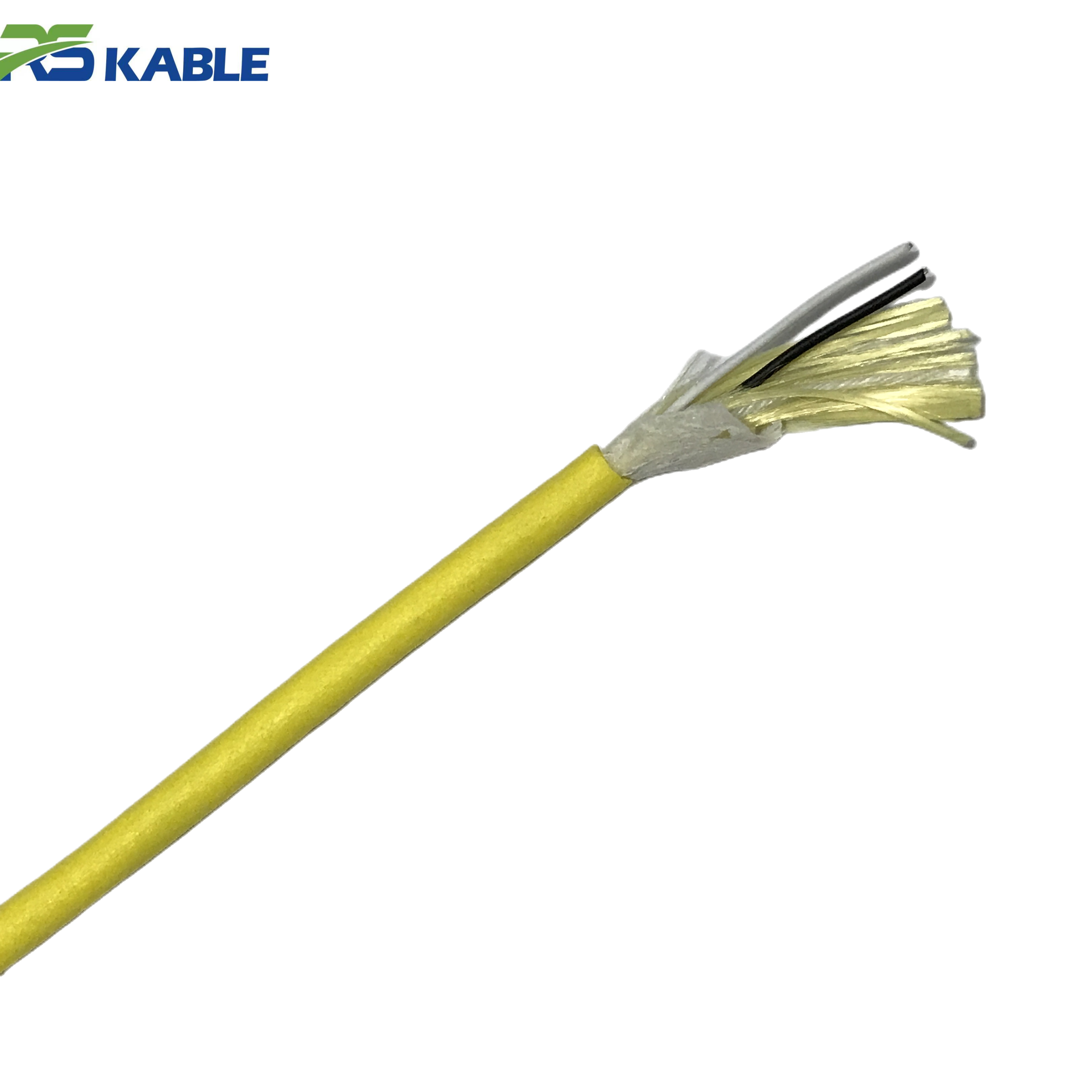
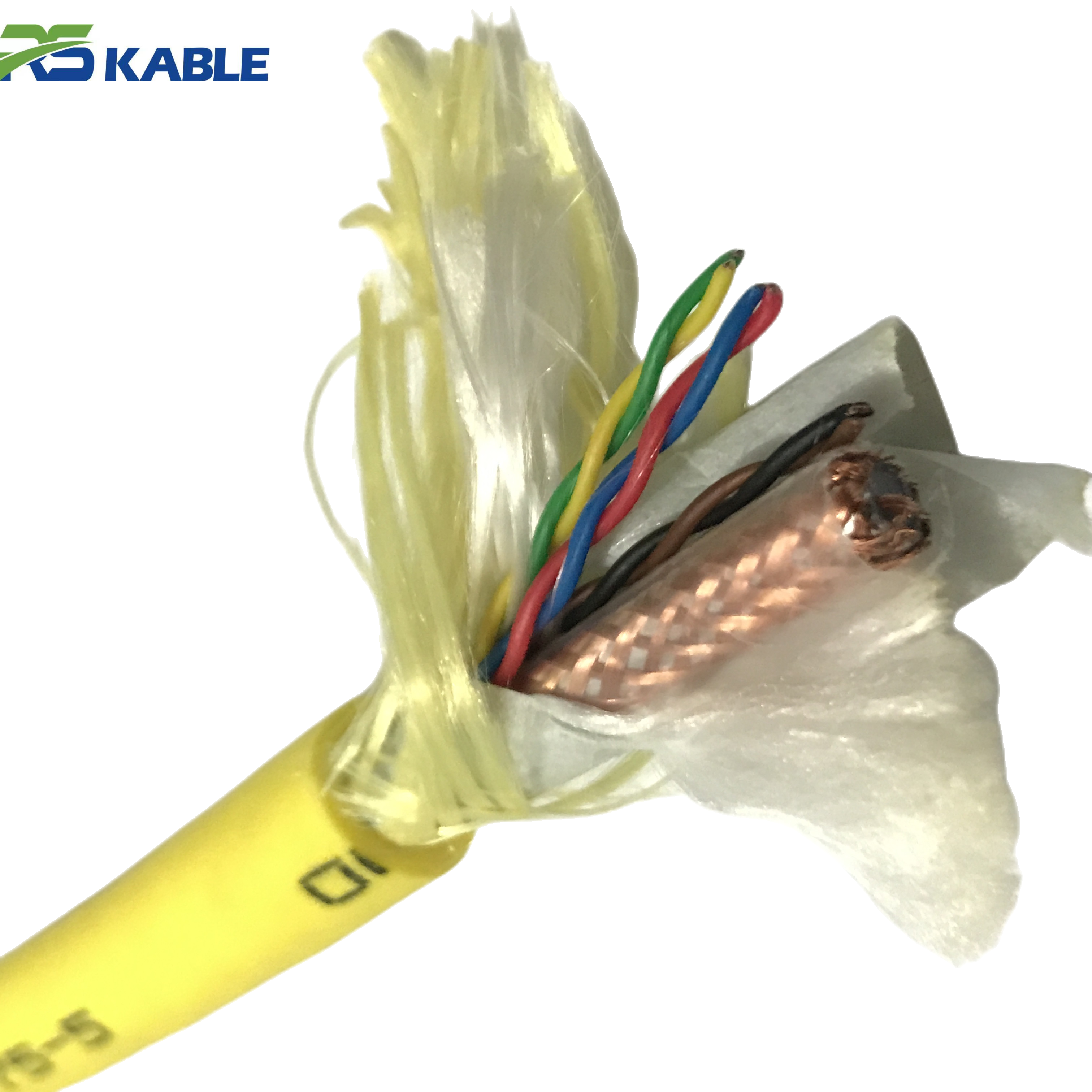
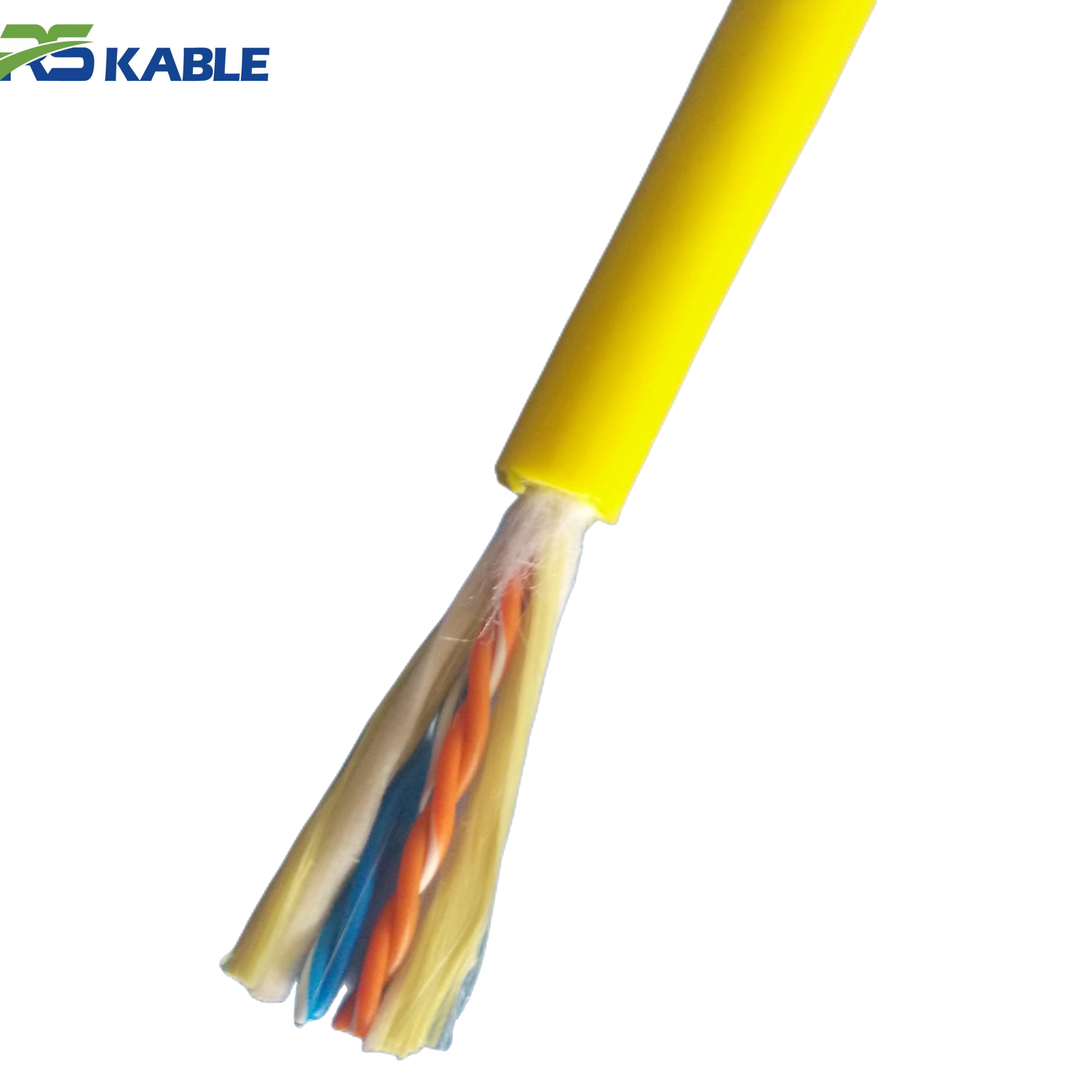
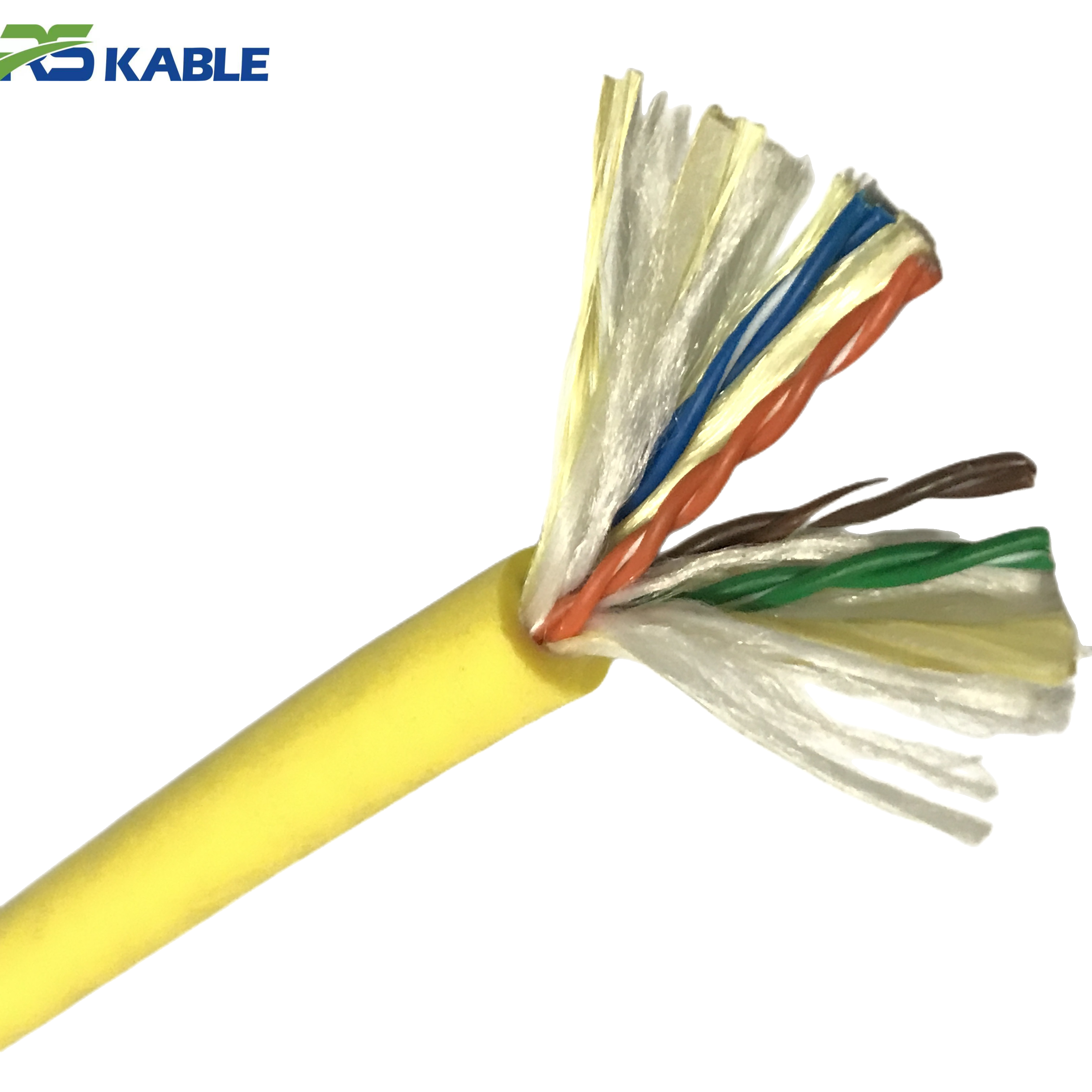
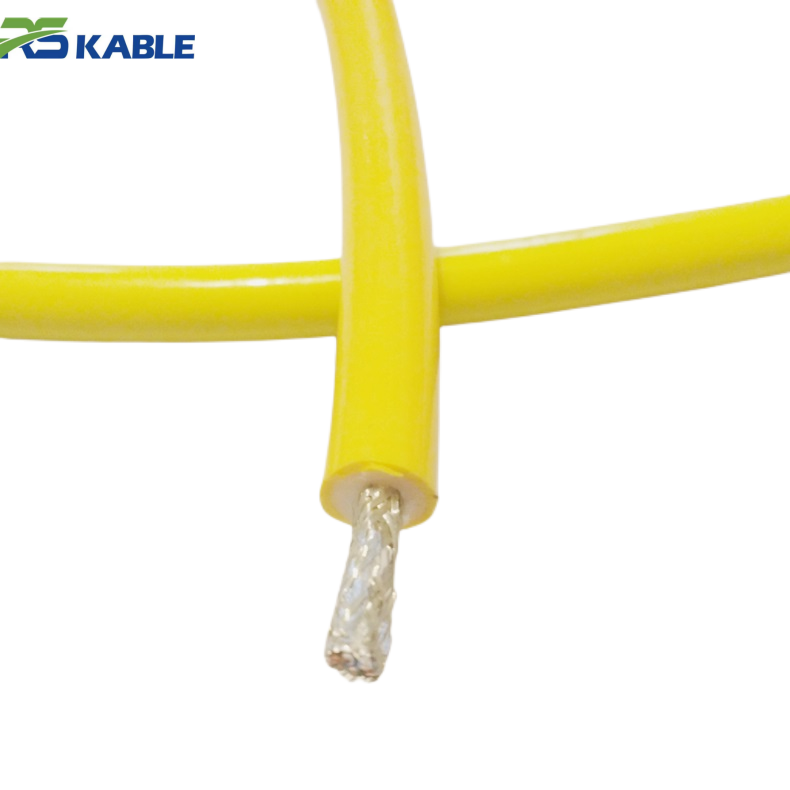
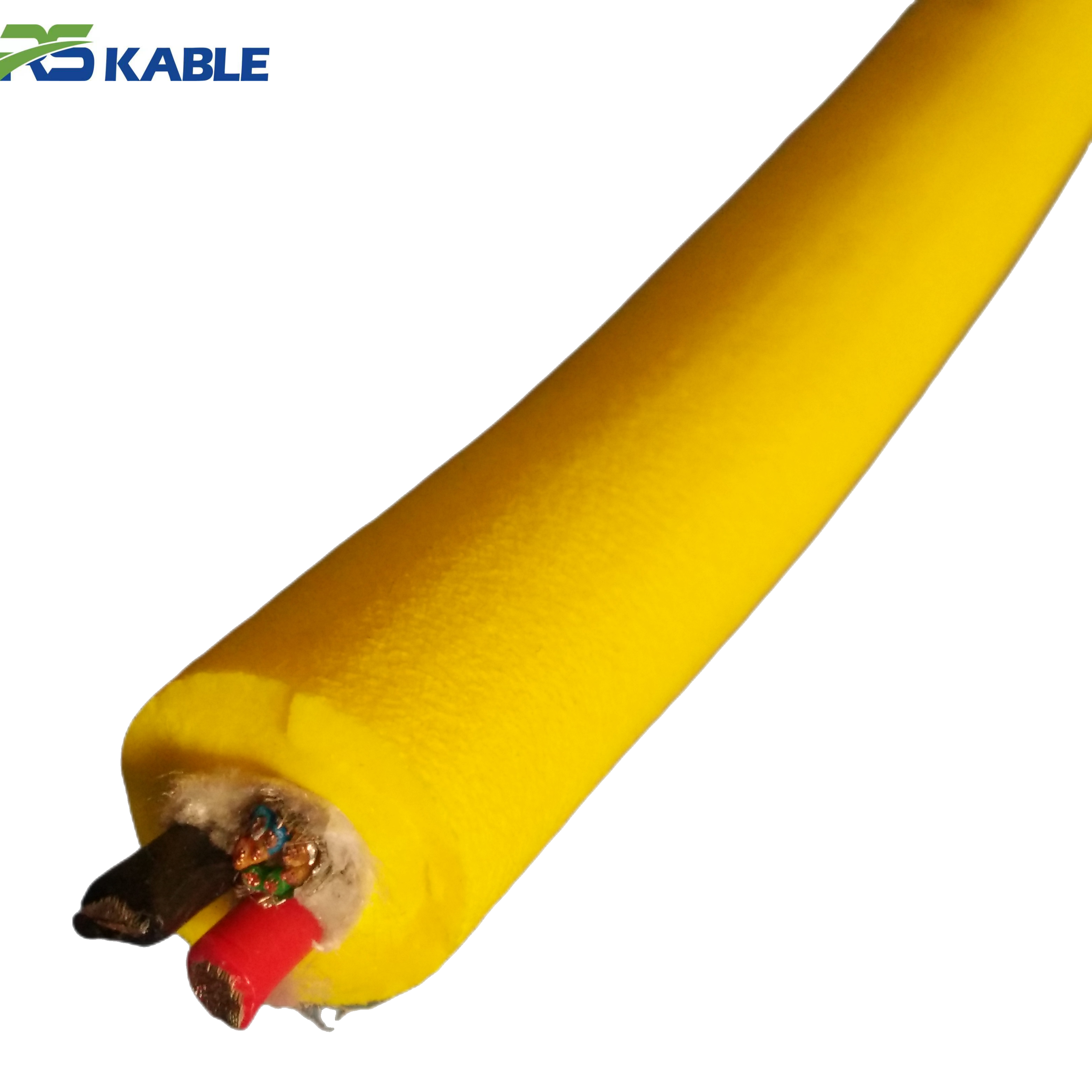
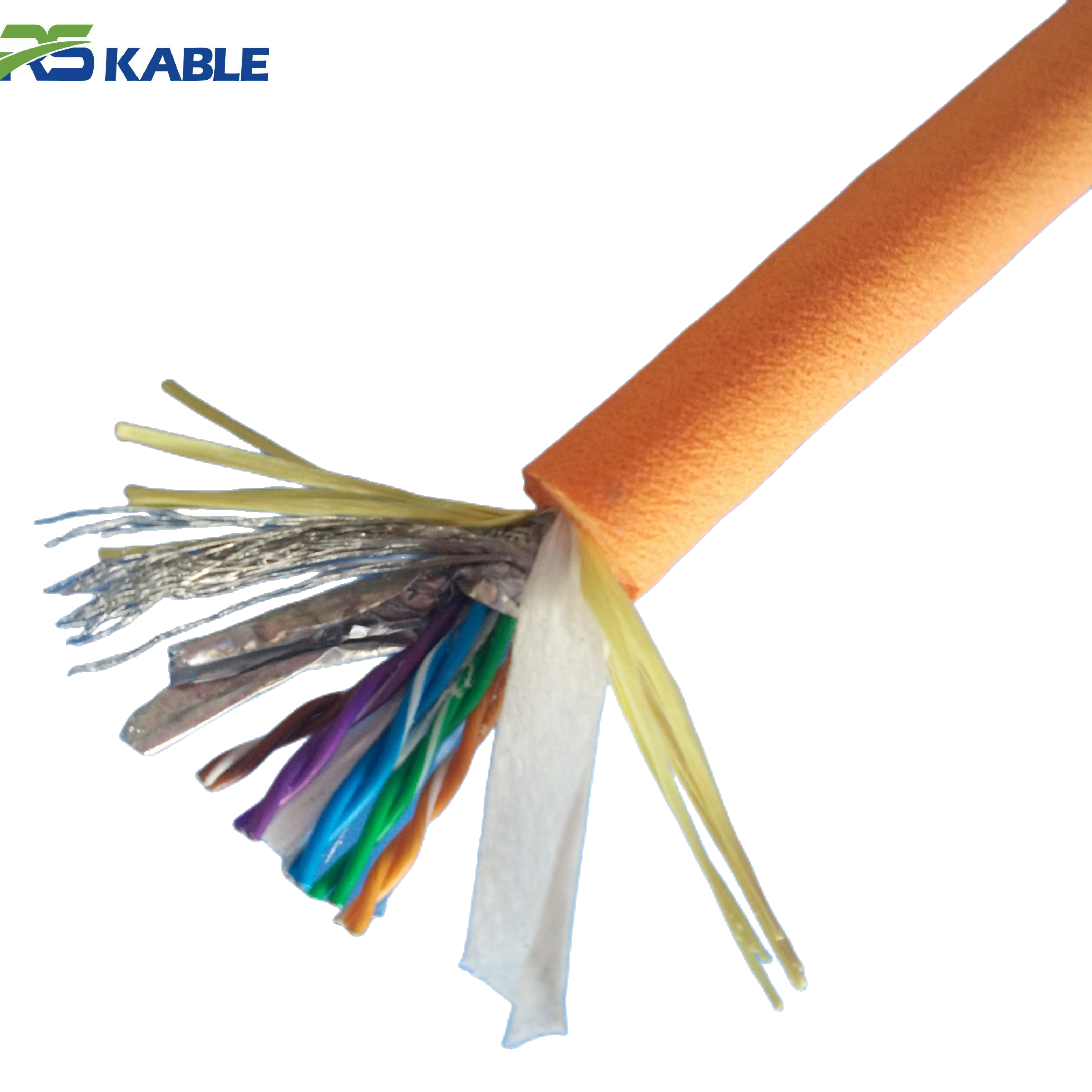
Offshore Inspection Robots Neutral Buoyancy Cable | High Durability & Abrasion Resistant Sheath
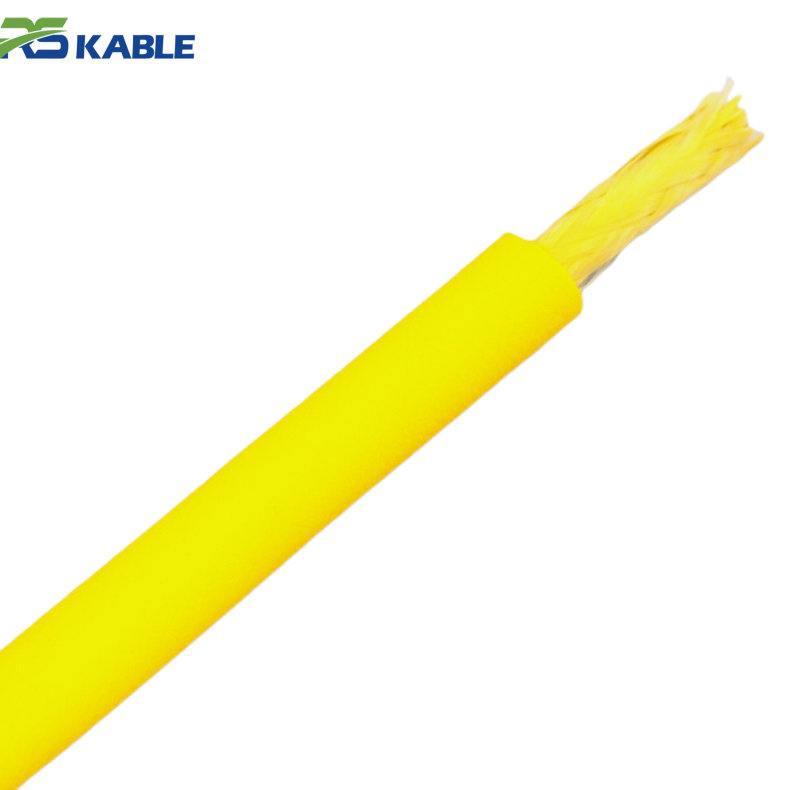
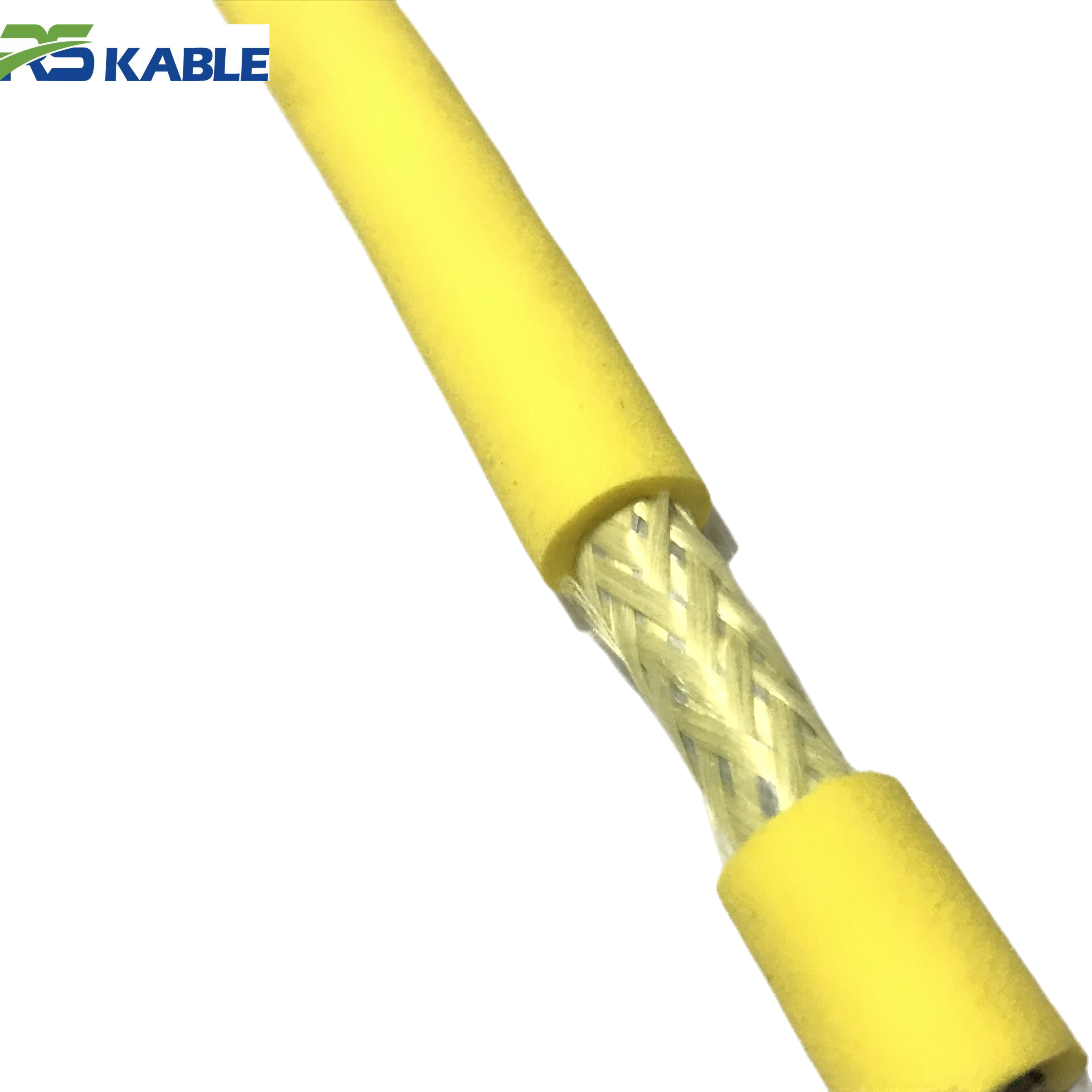
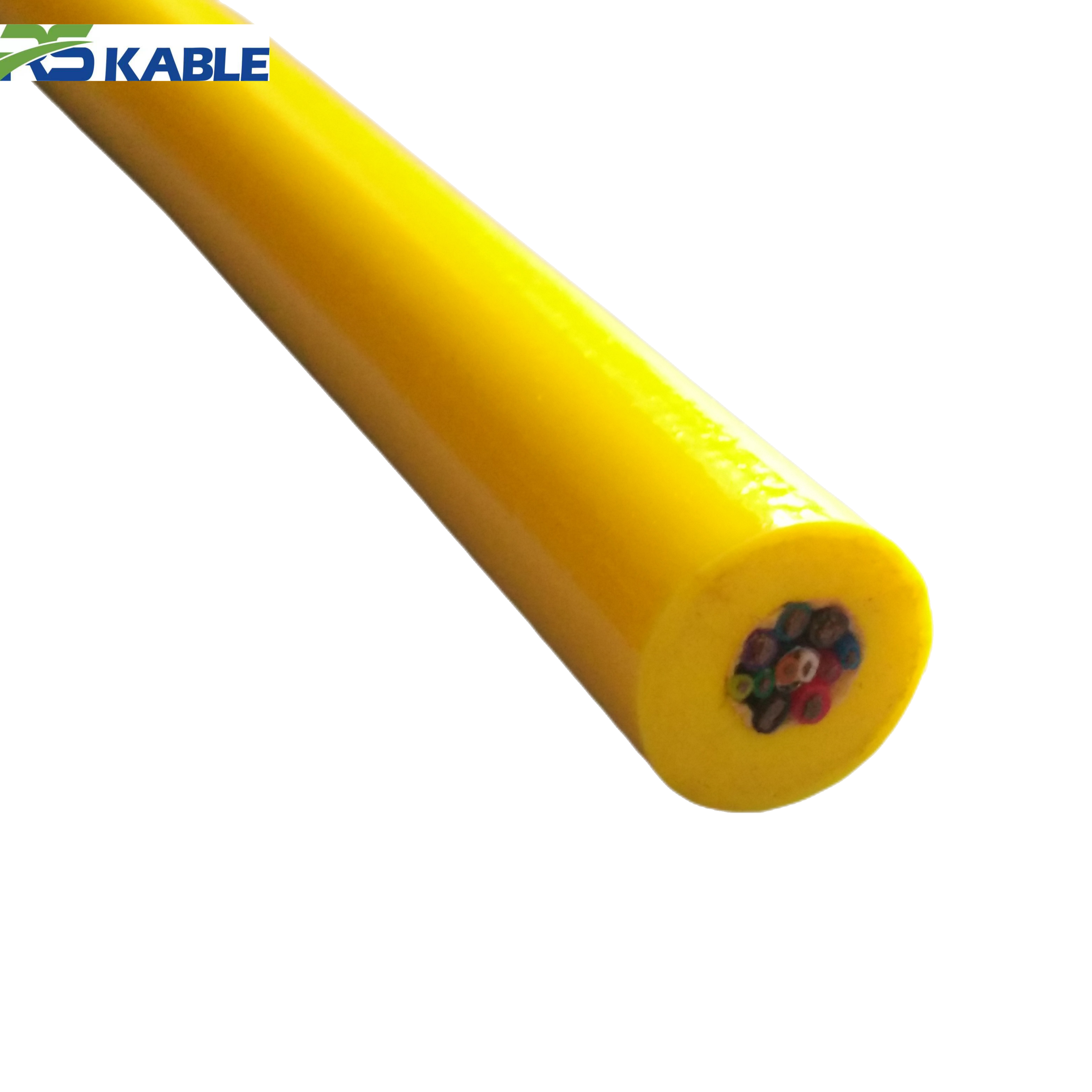
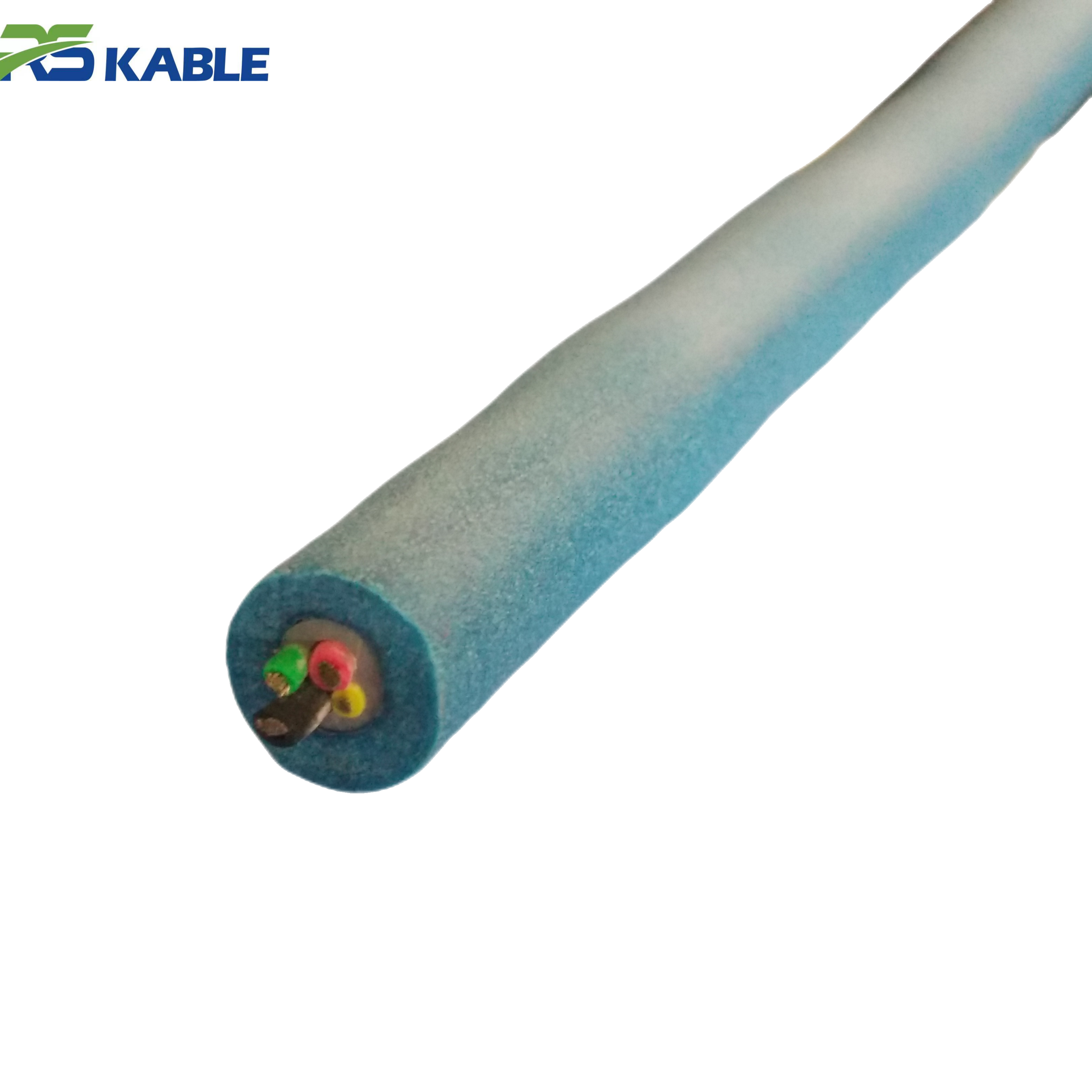
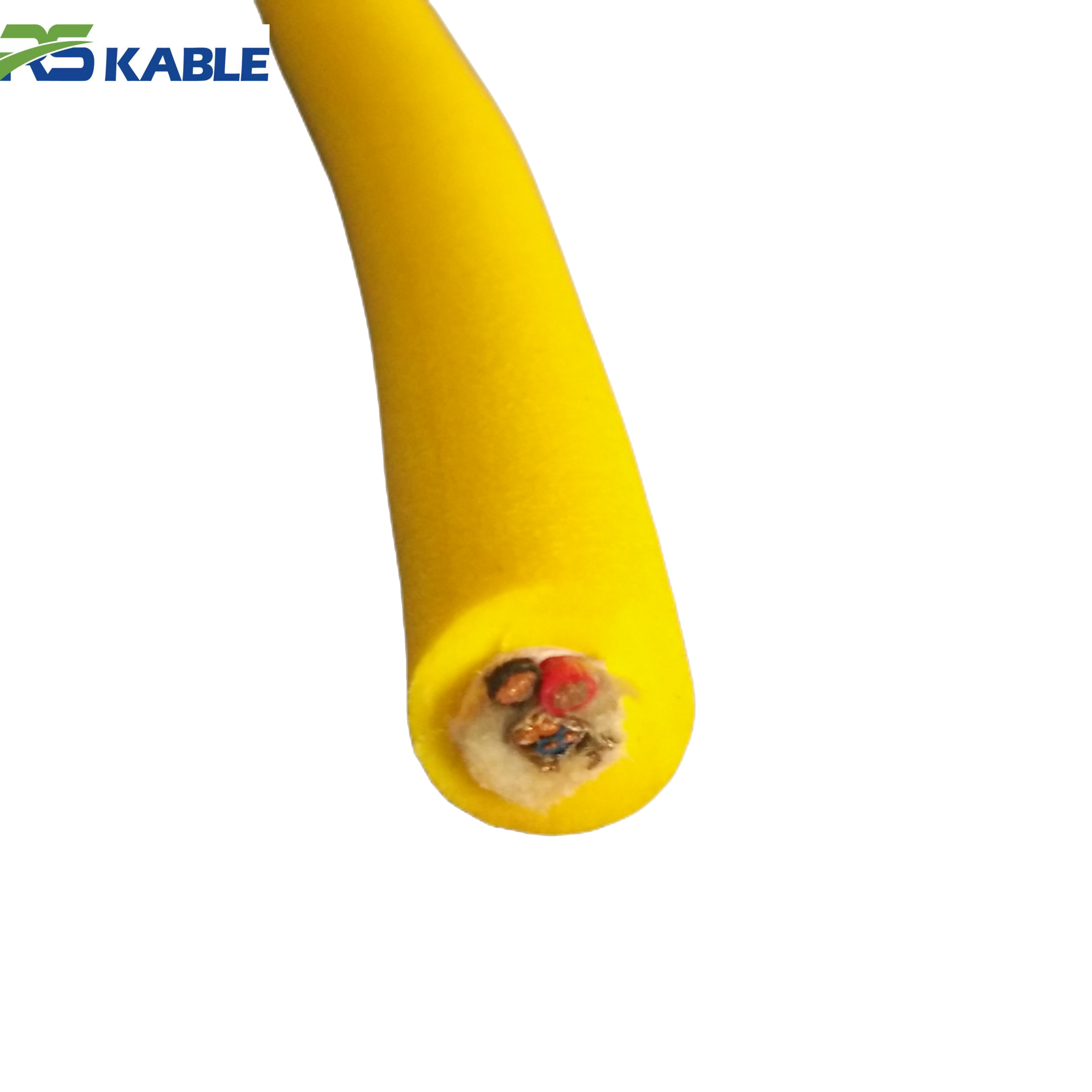
Optimized for **underwater ROVs and offshore inspection robots**, this high-performance **neutral buoyancy cable** features a specialized **abrasion-resistant sheath** and lightweight internal structure. It ensures zero-weight operation in water, preventing drag and entanglement while providing reliable power and data transmission in harsh marine environments.
Where Neutral Buoyancy Cables Are Most Commonly Used
Neutral buoyancy is most valuable when the cable is moving during operation or when cable geometry affects the mission.
1) ROV tethers and inspection work
A neutral tether can reduce downward pull on the vehicle and help prevent the tether from dragging on the seabed, especially during close-in inspection around structures.
2) Towed sonar and survey systems
Tow bodies are sensitive to tension changes and depth stability. Neutral buoyancy can reduce vertical loading and help maintain a more predictable tow profile.
3) Diver umbilicals and communication lines
For divers, stable cable behavior reduces entanglement risk and makes movement more manageable in the water column.
4) Oceanographic instruments and research deployments
Sensor geometry matters. A neutrally buoyant cable can reduce unwanted disturbance and support repeatable deployment behavior.
In all these cases, a Neutral Buoyancy Cable is selected to improve control, not just convenience.
How a Neutral Buoyancy Cable Is Built
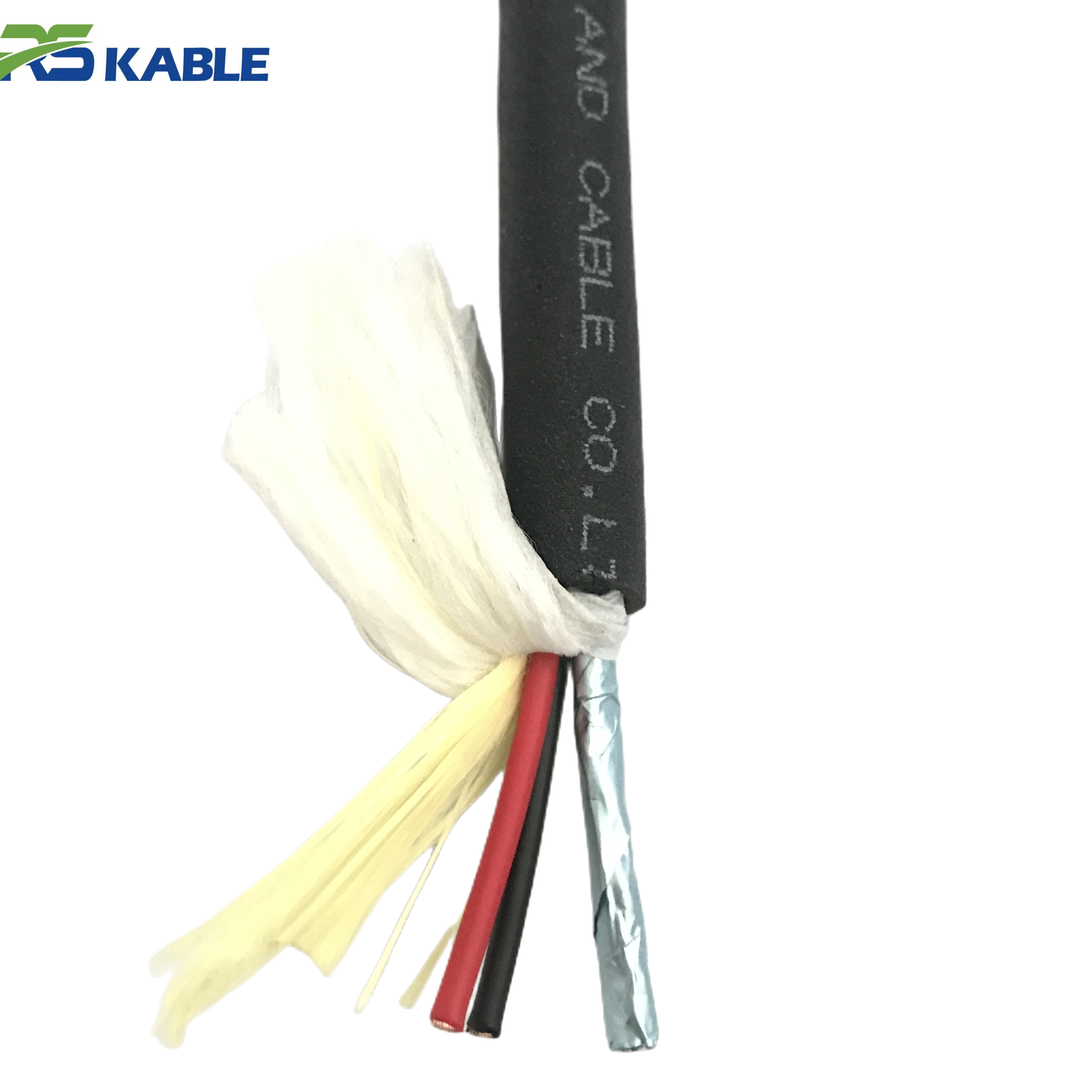
Neutral buoyancy is achieved by balancing heavier components (conductors, shielding, strength members) with buoyant materials and optimized geometry. The exact structure varies by application, but commonly includes:
-
power conductors (copper or alloy, depending on design)
-
data elements (fiber optic cores or twisted pairs)
-
strength members (aramid yarns or synthetic reinforcement)
-
insulation and shielding (for electrical integrity)
-
buoyancy elements (special polymers or buoyant layers)
-
outer jacket (often polyurethane for abrasion and seawater resistance)
A high-quality design aims for:
-
consistent buoyancy along the entire length
-
stable flexibility for handling and storage
-
controlled diameter and smooth jacket for lower drag
-
high fatigue life under repeated bending
-
reliable performance at terminations (often the most sensitive points)

Neutral Buoyancy vs Floating Cable vs Standard Subsea Cable
This is one of the most common sources of confusion.
-
Standard subsea cable: often negatively buoyant; suited to fixed seabed routing or protected installation.
-
Floating cable: strongly positive buoyancy; tends to rise and may be influenced by surface motion or create unwanted loops.
-
Neutral buoyancy cable: near-zero in-water weight; intended to form a controlled profile in the water column.
Neutral buoyancy is usually chosen for dynamic systems where cable forces affect the vehicle or sensor behavior.
Field Troubleshooting: Symptoms → Likely Cause → Practical Fix
This is the section many operators wish they had before the mission.
Symptom A: The tether keeps dragging on the seabed
Likely causes
-
buoyancy is too negative for the deployment depth and current
-
too much slack or poor pay-out control
-
current is pushing the catenary downward
Practical fixes
-
move to a more neutral buoyancy design
-
reduce slack and manage pay-out speed
-
improve routing to avoid bottom contact zones
-
increase abrasion protection if occasional contact is unavoidable
Symptom B: The cable rises, forms loops, or interferes near the surface
Likely causes
-
cable is too positively buoyant
-
surface motion and current are lifting the catenary
Practical fixes
-
reduce positive buoyancy to a near-neutral target
-
adjust deployment depth and pay-out control
-
avoid operating too close to the surface when possible
Symptom C: ROV feels “pulled” off station or consumes excessive thruster power
Likely causes
-
cable weight is loading the vehicle vertically
-
current-driven cable sweep is adding side load
-
tether diameter is creating excessive drag
Practical fixes
-
choose a more neutral buoyancy option
-
reduce diameter/drag where feasible
-
adjust tether management and launch profile
Symptom D: Frequent jacket scuffs or early wear at certain points
Likely causes
-
repeated contact with edges, debris, or seabed
-
jacket compound not suited to abrasion conditions
-
poor handling during deployment/recovery
Practical fixes
-
specify tougher abrasion-resistant jacket materials
-
improve routing and handling procedures
-
add protective sleeves near known contact zones
Symptom E: Signal faults occur mainly during movement
Likely causes
-
fatigue at termination points or bending stress zones
-
insufficient strain relief
-
connector/termination mismatch
Practical fixes
-
review bend radius and strain relief at terminations
-
verify connector compatibility and proper potting/termination methods
-
select a design with better fatigue performance for dynamic bending
These failure patterns are common because buoyancy changes the cable’s geometry—and geometry changes stress concentration.
Selection Decision Matrix: How to Choose the Right Buoyancy Strategy
Use this simple matrix to match cable buoyancy to mission needs.
Step 1 — Identify your application type
-
ROV tether (inspection, intervention, precision maneuvering)
-
towed array / sonar survey
-
diver umbilical
-
instrument deployment / research system
Each category has different priorities: ROVs care about maneuverability and snag risk; towed arrays care about tow stability and depth control; divers care about safe handling and entanglement control.
Step 2 — Define the environment
-
depth range (shallow vs deep)
-
current strength (low vs strong)
-
seabed risk (clean vs abrasive/debris)
-
platform motion (stable vs wave-driven)
Step 3 — Choose your buoyancy target
-
Near-neutral: best for dynamic motion where you want controlled catenary and low load
-
Slightly negative: sometimes preferred when you must avoid surface interaction or need a more downward-set geometry
-
Slightly positive: sometimes used to reduce bottom contact risk in shallow operations, but must be controlled to avoid looping
Step 4 — Confirm mechanical priorities
-
minimum bend radius and fatigue life
-
tensile strength requirements
-
jacket abrasion resistance
-
termination and connector compatibility
A Neutral Buoyancy Cable is most effective when buoyancy, drag, strength, and termination design are evaluated together.
Practical Acceptance Checklist Before Deployment
Before a project begins, engineers and contractors should confirm:
-
buoyancy target range (near-neutral window) and consistency along length
-
cable diameter and drag considerations
-
tensile strength and reinforcement method
-
minimum bend radius and handling requirements
-
jacket suitability for abrasion and seawater exposure
-
termination method and strain relief design
-
connector compatibility (electrical + mechanical constraints)
-
expected duty cycle (continuous towing vs intermittent ROV work)
This checklist helps prevent the common mistake of selecting buoyancy correctly but failing on fatigue, drag, or termination reliability.
When Neutral Buoyancy Is Worth the Upgrade
Neutral buoyancy is especially valuable when:
-
precise underwater control is needed (inspection and intervention work)
-
dragging the cable on the seabed risks damage
-
tow stability affects data quality
-
connector reliability is a concern due to high tension or movement
-
operations involve changing currents or variable depth profiles
In these use cases, a Neutral Buoyancy Cable can reduce operational risk and improve mission consistency.
FAQ
Does neutral buoyancy mean the cable floats on the surface?
No. It means the cable’s buoyant force and weight in water nearly balance, so it neither strongly sinks nor strongly rises.
Why does my ROV tether keep dragging on the seabed?
Common reasons include too-negative buoyancy, excess slack, or current-driven catenary changes. A more neutral buoyancy design often helps.
What’s the difference between a floating tether and a neutral buoyancy tether?
Floating tethers rise strongly and can form loops; neutral buoyancy tethers aim for stable, near-zero in-water weight for controlled geometry.
Can neutral buoyancy cables be used for towed sonar arrays?
Yes. They are often used to improve tow stability and reduce tension fluctuations, especially in dynamic survey conditions.
What should I check before buying a neutral buoyancy cable?
Confirm buoyancy target range, tensile strength, drag/diameter, bend radius, jacket durability, and termination/connector compatibility.