

What Is a Marine Grab Cable? A Complete Guide for Port and Marine Crane Applications
In port terminals, ship unloaders, dockside cranes, and marine bulk handling systems, equipment reliability depends on more than motors, drums, and control panels. One of the most overlooked but most important components is the cable. When a grab crane works through repeated lifting, lowering, opening, and closing cycles, the cable must survive constant flexing, hanging tension, outdoor weather, salt-laden air, dust, grease, and mechanical abrasion. That is exactly why understanding the role of a Marine Grab Cable matters for crane operators, project engineers, maintenance teams, and industrial buyers.
For many people, the term sounds simple: a cable used on a marine grab crane. But in real applications, the meaning is much more specific. This is not just any crane cable used near water. It is a heavy-duty flexible cable designed for harsh motion, repeated reeling, and demanding port or shipboard environments. If the cable is not suited to the application, common results include twisting, jacket wear, conductor fatigue, unstable movement, and early replacement. In high-throughput port operations, that can lead directly to crane downtime, slower cargo handling, and higher maintenance cost.
This guide explains what a marine grab cable is, how it works, where it is used, what features make it different from standard crane cable, and how to choose the right option for port and marine crane applications. It is written for real-world use, especially for readers comparing cable types for ship unloaders, harbor grab cranes, marine lifting systems, and bulk cargo terminals.
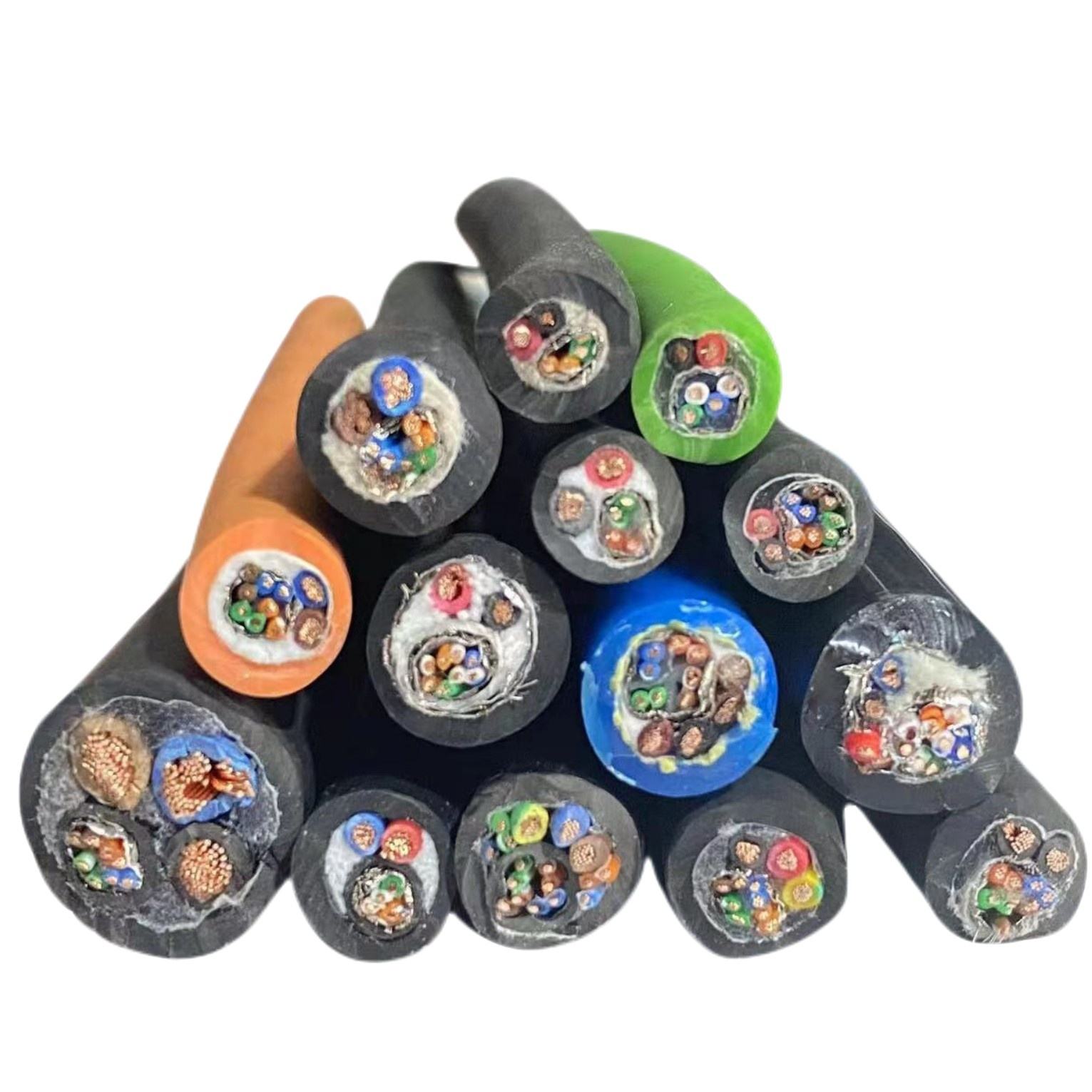
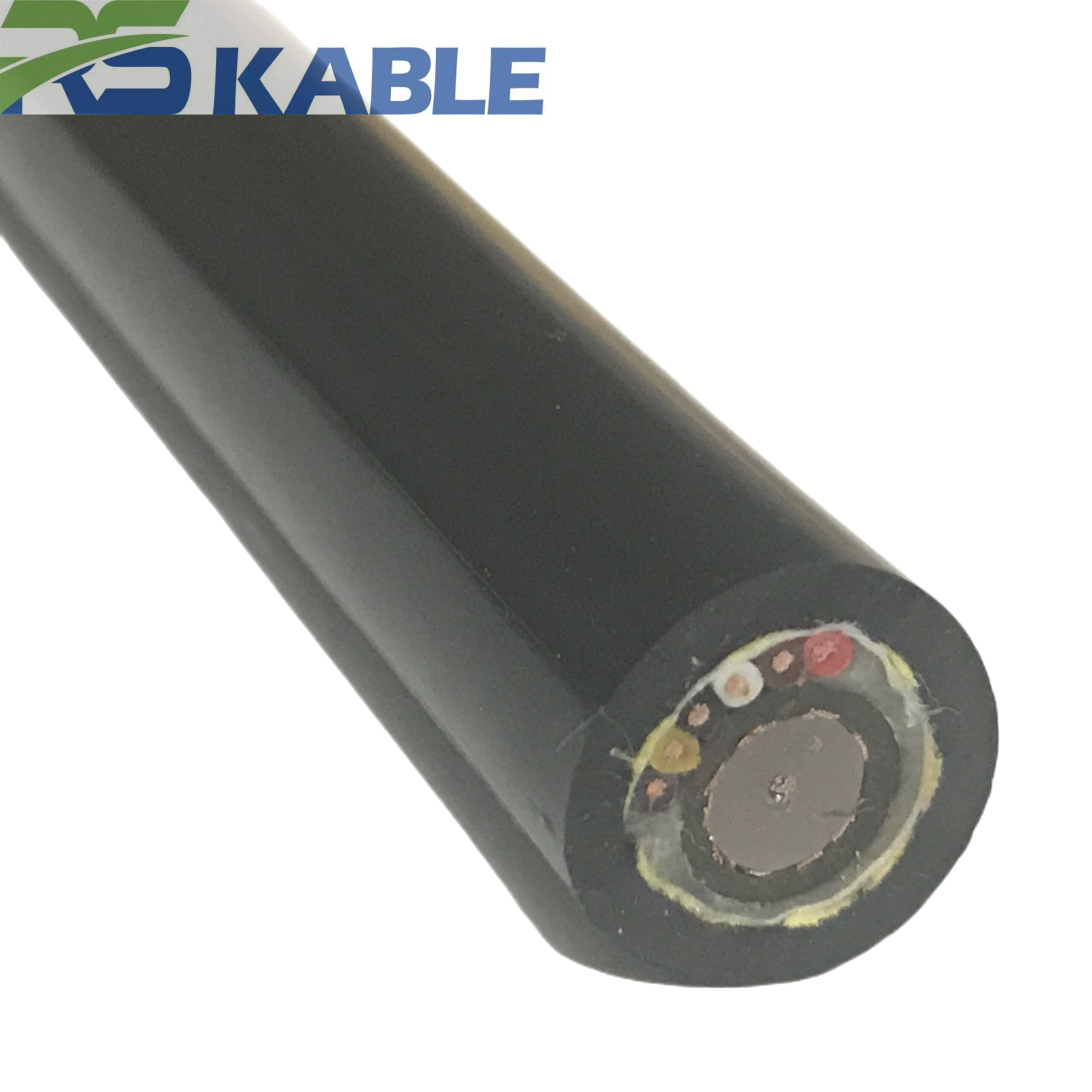
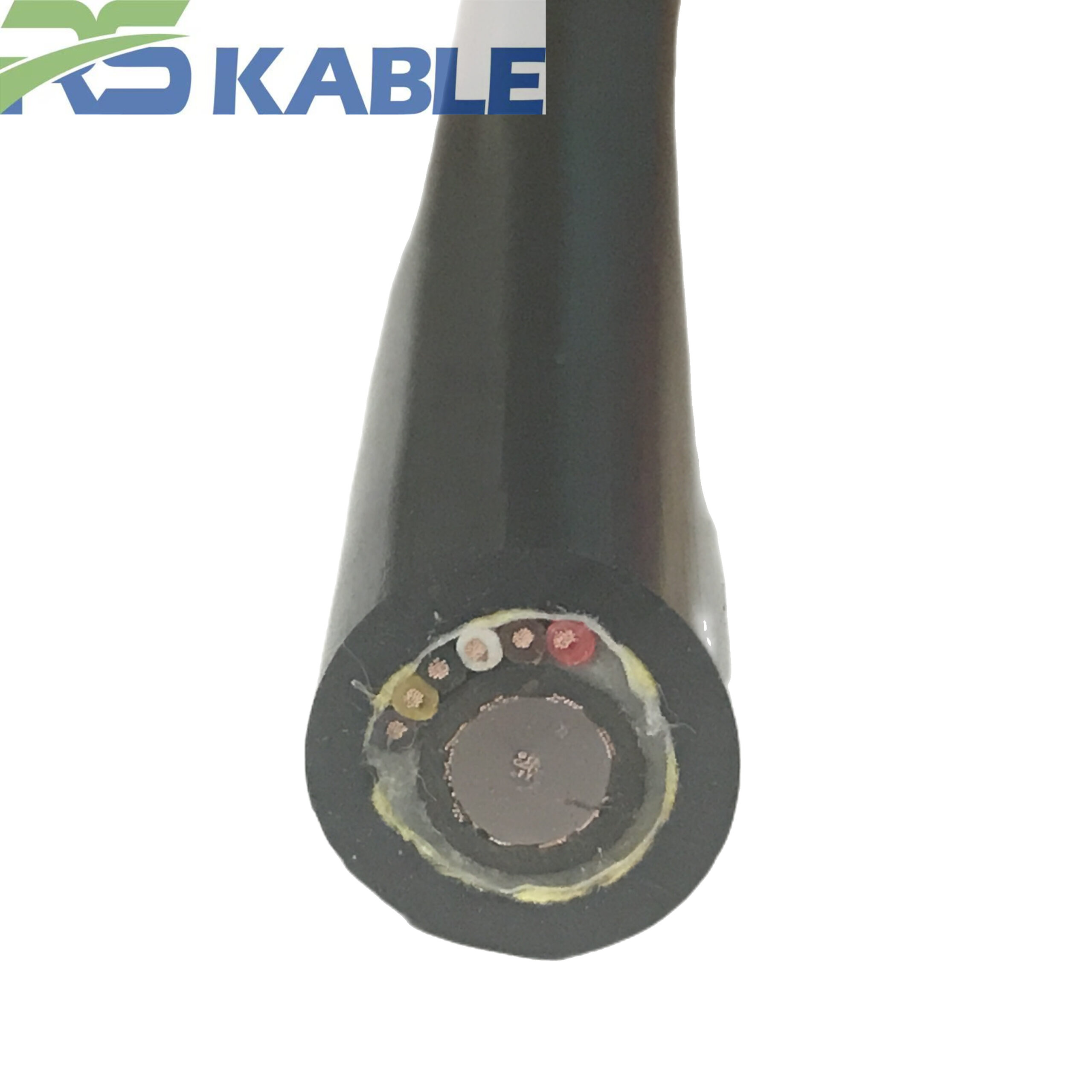
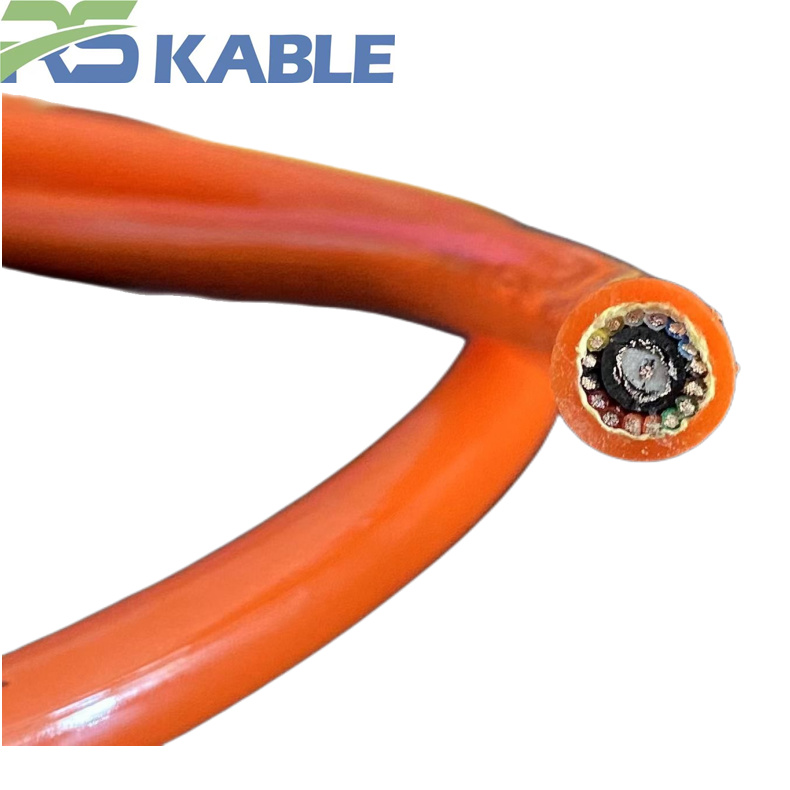
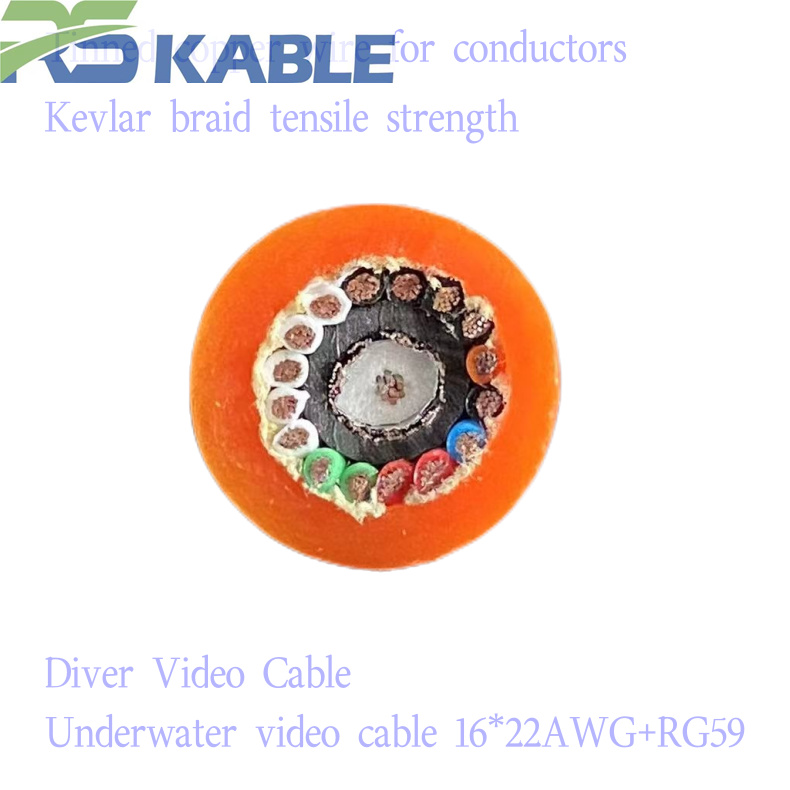
Shielded Twisted Pair Hybrid Cable – 2/3/4/6/8 Core Power + 4P Network Ethernet, Waterproof & Wear-Resistant
This hybrid cable integrates **high-speed 4P Ethernet data transmission** with **2/3/4/6/8-core power delivery** in one durable jacket, featuring a **shielded twisted pair structure**, **waterproof construction**, and **wear-resistant protection** for stable signal performance in demanding industrial and underwater applications.
Why This Cable Type Matters in Marine Crane Work
Grab cranes operate in a very different environment from indoor factory lifting systems. In a port or marine terminal, the cable is exposed to a combination of stresses that accelerate wear:
-
repeated vertical lifting cycles
-
constant bending over drums and pulleys
-
suspended hanging length under tension
-
shock loading during grab opening and closing
-
abrasive dust from coal, ore, sand, grain, or scrap
-
rain, sunlight, humidity, and salt mist
-
mechanical rubbing against guides, frames, and support hardware
Because of this, cable selection affects not only electrical performance but also crane stability, service life, and maintenance intervals. In many cases, a crane system does not fail because the machine is badly designed. It fails because a standard cable was used in a job that required a specialized marine crane reeling cable.
What Is a Marine Grab Cable?
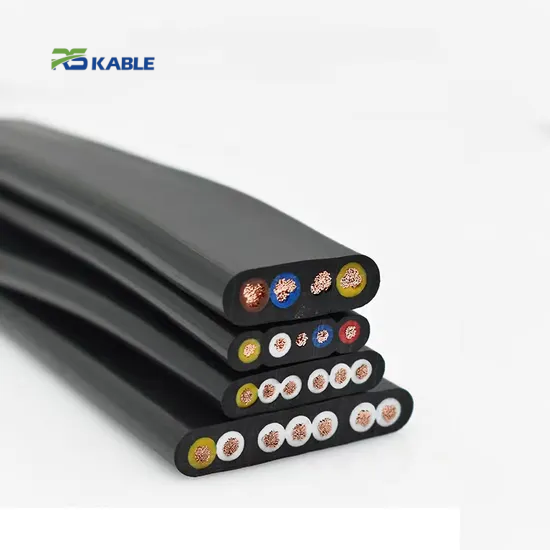
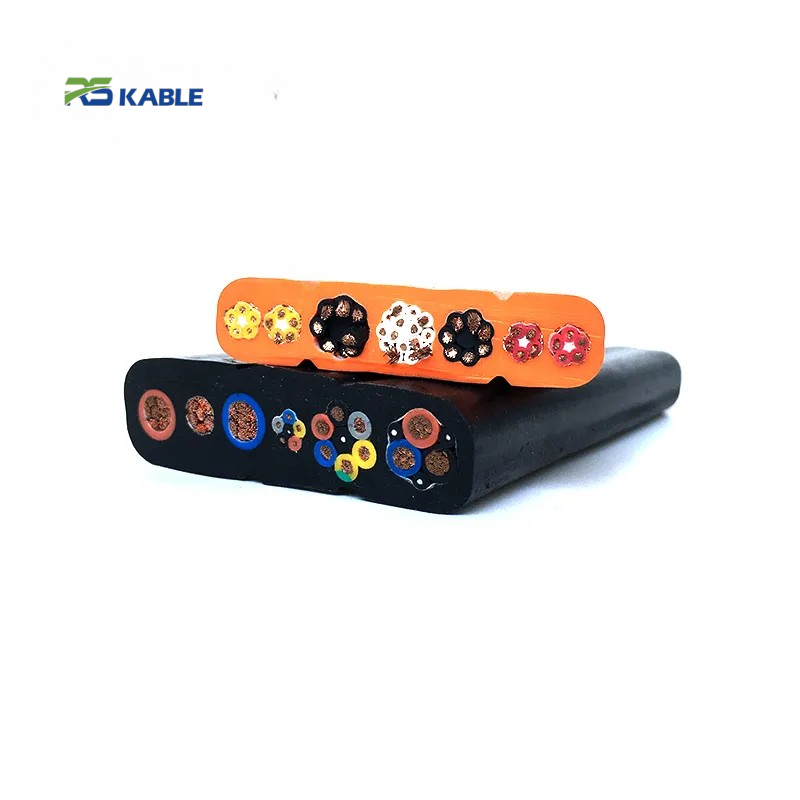
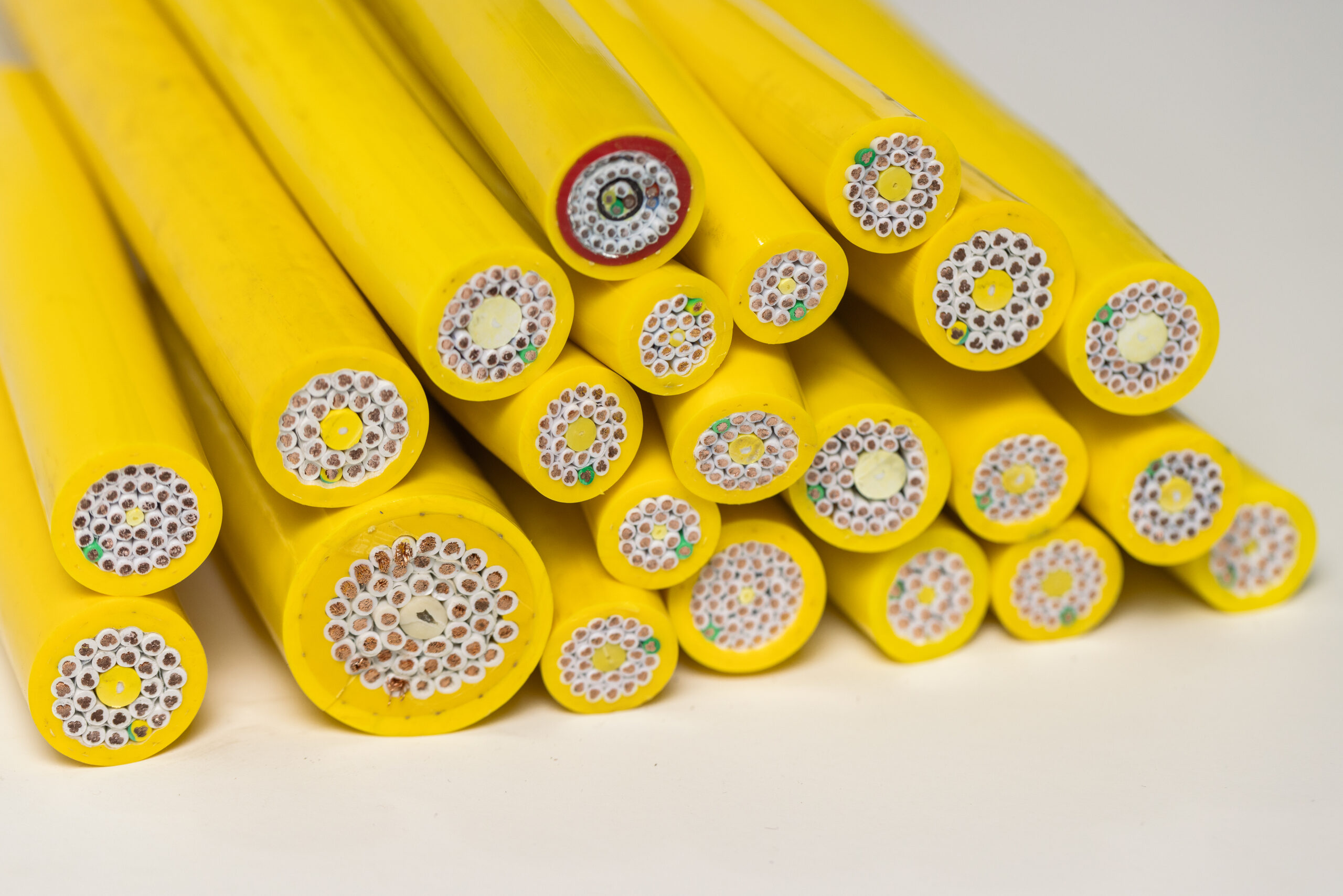
A Marine Grab Cable is a flexible heavy-duty cable designed for grab bucket cranes, ship unloaders, harbor cranes, marine deck cranes, and other lifting systems used in ports, coastal terminals, and onboard marine equipment. Its purpose is to carry power and, where needed, control signals to moving crane systems while tolerating constant motion and harsh environmental exposure.
These cables are commonly used in:
-
port grab cranes handling bulk cargo
-
ship unloaders in coal, ore, and grain terminals
-
harbor cranes in coastal loading areas
-
marine deck cranes on working vessels
-
dockside scrap and waste handling cranes
-
bulk material lifting systems in shipyards and terminals
What makes this type of cable different is not only its electrical function. It is the combination of flexibility, anti-twist stability, tensile support, weather resistance, and long-term durability under repetitive mechanical stress.
How a Grab Cable Works in a Port Crane System
In a grab crane application, the cable moves with the crane’s lifting and grab mechanism. Depending on the equipment design, it may hang over a long vertical distance, move repeatedly through a reeling system, or follow the opening and closing action of the grab itself. This means the cable is not sitting in a fixed tray or conduit. It is part of the moving system.
During operation, a port crane cable may experience:
-
continuous flexing
-
drum reeling and unreeling
-
side pressure in guides
-
torsional stress from suspended movement
-
repeated acceleration and deceleration
-
vibration and impact from load handling
This is why an ordinary fixed-installation cable is usually a poor substitute. It may meet voltage requirements but still fail early because it was never designed for dynamic marine lifting conditions.
Main Applications in Port and Marine Industries
One reason this subject has good SEO value is that many industries search for different names while describing very similar needs. A buyer might search for “grab crane cable for ports,” “ship unloader cable,” or “marine crane cable,” but the application logic is often the same.
Bulk Cargo Terminals
Ports handling coal, ore, grain, fertilizer, clinker, or sand often use grab cranes for loading and unloading. These are high-cycle, dust-heavy applications where the cable must remain flexible and durable even under abrasive conditions.
Ship Unloaders
Ship unloaders run for long hours during cargo discharge. The cable may face long vertical travel, heavy reeling demands, and high exposure to outdoor weather. Cable stability and fatigue resistance are especially important here.
Harbor Cranes
Harbor cranes working close to the waterfront face constant humidity, salt air, and variable weather. Even if the cable never touches seawater directly, the marine atmosphere still affects jacket aging and metal corrosion over time.
Marine Deck Cranes
On vessels and offshore support ships, deck cranes work under added motion from the ship itself. This puts more emphasis on flexibility, anti-twist behavior, and environmental resistance.
Scrap, Waste, and Coastal Material Handling
In some facilities, grab cranes handle rough and irregular materials such as scrap, waste, or biomass. These conditions often create more impact, contamination, and jacket abrasion than cleaner bulk cargo environments.
Key Features of a High-Quality Marine Grab Cable
Not every flexible crane cable is suitable for marine service. A proper design usually combines several important characteristics.
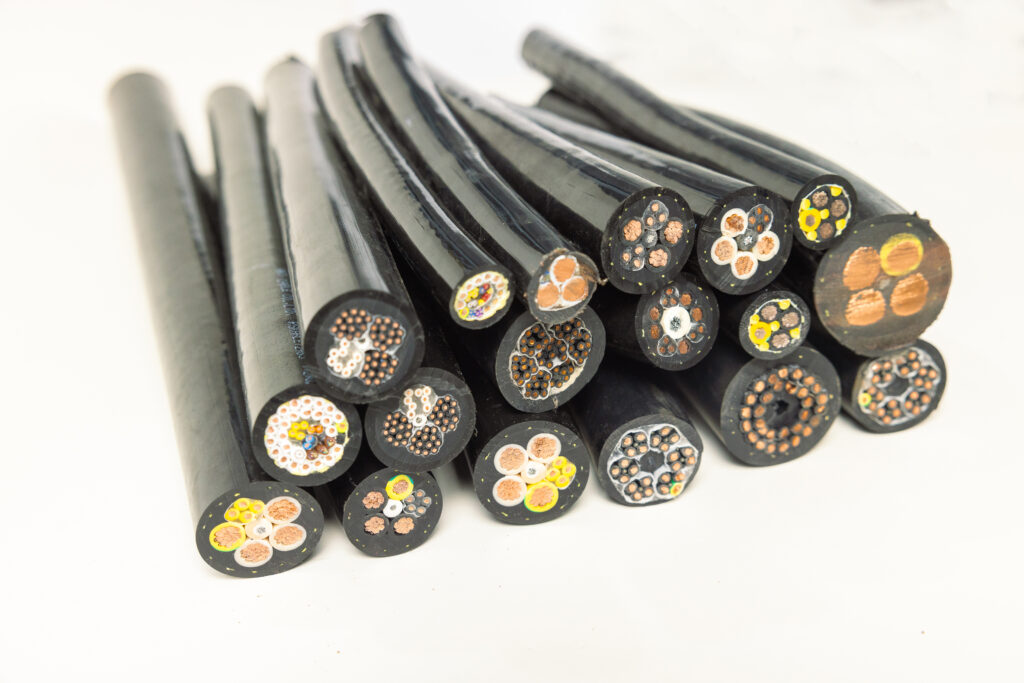
1. Flexible Fine-Stranded Conductors
Flexibility begins at the conductor level. Fine-stranded copper conductors are commonly preferred because they can handle repeated bending better than stiffer conductor constructions. In a dynamic reeling application, that helps reduce fatigue over time.
For marine conditions, many users also prefer tinned copper because it provides improved resistance to corrosion compared with bare copper, especially in humid and salt-rich environments.
2. Tensile Support and Reinforcement
A grab cable often operates under suspended load. That means the design may need tensile support elements such as textile reinforcement, aramid yarn, or a load-supporting center structure. Without adequate reinforcement, long hanging sections may stretch, deform, or suffer earlier fatigue.
This is one of the most important differences between a heavy duty harbor crane cable and a standard factory cable.
3. Strong Outer Jacket
The outer sheath protects the internal structure from abrasion, weather, UV, oil, grease, and mechanical contact. In port crane applications, the jacket often takes the first visible damage, especially where the cable touches guides or drums.
Typical high-performance sheath priorities include:
-
abrasion resistance
-
weather resistance
-
UV resistance
-
flexibility in outdoor temperatures
-
resistance to oil and grease
-
resistance to salt-laden air
Polyurethane and heavy-duty rubber compounds are common in this type of cable because they combine toughness with flexibility.
4. Anti-Twist Performance
A long suspended cable can twist during operation if its structure is not stable enough. This may lead to poor reeling, uneven movement, extra wear, or stress concentration in the hanging section. In ship unloader and grab crane applications, anti-twist behavior is often a major selection factor.
5. Reeling Compatibility
A cable that works in one motion system may perform poorly in another. The cable should match the actual reeling method, hanging length, drum layout, and pulley configuration of the crane.
Why Marine Conditions Make Cable Choice More Critical
Choosing a cable for port and marine use is harder than choosing a general crane cable because the environment adds extra risks.
Salt-Laden Air and Humidity
Even without direct seawater immersion, salt-rich air increases corrosion risk. This is especially relevant for conductor ends, exposed hardware, and any damaged sheath section.
Outdoor Weather Exposure
Port cranes work in rain, wind, sun, and large temperature changes. If the jacket compound is not suitable, it may harden, crack, or age prematurely.
Abrasive Cargo Environments
Coal dust, ore particles, sand, and industrial debris all contribute to mechanical wear. In bulk terminals, jacket durability is not optional.
High Operating Frequency
Many cranes work through long shifts with constant grab cycles. High-cycle operation accelerates fatigue in conductors and outer layers if the cable is not properly selected.
Downtime Pressure
At a working terminal, one cable failure can slow or stop cargo movement. That makes lifecycle value much more important than price per meter alone.
How to Choose the Right Cable for Port and Marine Crane Applications
Choosing the right Marine Grab Cable starts with asking the right questions about the application. A supplier can only recommend the correct build when the operating conditions are clear.
1. Identify the Crane Type
Start with the actual machine type:
-
ship unloader
-
dockside grab crane
-
harbor crane
-
marine deck crane
-
bulk terminal gantry crane
Different crane systems create different movement patterns and stress levels.
2. Check Hanging Height and Travel Length
A longer hanging length usually means greater tensile demand and more need for anti-twist stability. The total travel path also affects fatigue behavior.
3. Define Power and Control Needs
Some systems need only power conductors. Others need both power and control circuits. The internal cable design depends heavily on this.
4. Review the Reeling Method
The cable may be vertically suspended, drum-reeled, or guided through a more complex path. A cable designed for one motion type can wear out quickly in another.
5. Assess the Environment
Important questions include:
-
Is the crane operating close to seawater?
-
Is there oil, grease, or chemical exposure?
-
Is the site dusty or abrasive?
-
Does the cable see strong sunlight year-round?
-
Is the crane used in cold or very hot conditions?
6. Evaluate Duty Cycle
A low-frequency maintenance crane does not need the same cable as a high-cycle bulk handling crane working every day. Duty cycle has a direct effect on cable design priorities.
7. Ask About Service Life Goals
If the operation values low downtime and long maintenance intervals, it is usually worth choosing a higher-performance design rather than the lowest-cost option.
Common Problems Caused by Using the Wrong Cable
A mismatched cable often creates predictable problems in marine crane applications. These include:
-
twisting during suspended movement
-
sheath wear at guide points
-
conductor fatigue from repeated flexing
-
premature cracking in outdoor weather
-
unstable reeling on the drum
-
short service life in bulk cargo terminals
-
frequent maintenance interruption
In many cases, these are not random failures. They are the result of choosing a cable by voltage alone instead of by full operating condition.
Signs a Grab Crane Cable May Need Replacement
Routine inspection is one of the best ways to reduce downtime. Warning signs include:
-
cuts, cracks, or flattening in the jacket
-
repeated abrasion at the same location
-
stiffness increase in a normally flexible section
-
unstable hanging or unusual twisting
-
intermittent power or control faults
-
heat buildup in one local area
-
visible damage near terminations
If these signs appear, the cable should be assessed before the next heavy operating cycle.
Common Selection Mistakes Buyers Should Avoid
This is where many industrial buyers lose service life without realizing it.
Mistake 1: Choosing by Voltage Only
A cable can meet voltage and conductor requirements but still fail mechanically in a dynamic crane application.
Mistake 2: Ignoring Reeling Conditions
If drum size, hanging length, or pulley layout are not considered, the cable may wear much faster than expected.
Mistake 3: Using Standard Industrial Cable in a Marine Crane
A general-purpose cable may look cheaper, but it often lacks the weather resistance, reinforcement, and flex life needed for port use.
Mistake 4: Underestimating Environmental Exposure
Salt air, UV, dust, and oil contamination all affect real service life.
Mistake 5: Focusing Only on Unit Price
A lower-cost cable can become more expensive if it increases crane stoppage and replacement frequency.
Best Practices to Extend Service Life
A high-quality cable lasts longer when the operating system is also managed well.
Keep Rollers and Guides Smooth
Rough steel edges and misaligned contact points quickly damage the jacket.
Use Suitable Drum and Pulley Sizes
Undersized drums increase bending stress and shorten flex life.
Inspect Recurring Wear Zones
If damage appears repeatedly at the same meter mark, the cause is usually mechanical, not random.
Protect Cable Ends
Terminations are often the most vulnerable sections for moisture entry and strain damage.
Match the Cable to the Real Duty Cycle
The more accurately the cable matches the crane’s motion and environment, the better the total lifecycle value.
Why Lifecycle Value Matters More Than Initial Price
For many buyers, price is the first filter. That is understandable. But in marine crane applications, the true cost of a cable includes:
-
replacement frequency
-
labor for maintenance
-
crane downtime
-
operational delay
-
reduced handling efficiency
That is why a better-suited cable may be more economical over time, even if the initial purchase price is higher.
What to Ask a Cable Supplier Before Ordering
A reliable supplier should not just ask for length and conductor size. They should also ask about:
-
crane type
-
hanging length
-
reeling method
-
operating frequency
-
environmental exposure
-
bulk material type
-
mechanical stress level
-
whether the cable carries power only or power plus control
If the supplier asks these questions, that is usually a good sign. It means they are matching the design to the application instead of offering a one-size-fits-all product.
FAQ
What is a marine grab cable used for?
It is used in grab cranes, ship unloaders, harbor cranes, and marine lifting systems that require flexible cable movement under harsh outdoor conditions.
What is the difference between a marine grab cable and a normal crane cable?
A marine version is typically designed for better weather resistance, salt-air durability, abrasion resistance, and repeated hanging movement.
Why does a grab crane cable twist during operation?
Twisting often happens when the cable structure is not stable enough for the hanging length or motion pattern of the crane.
Which sheath material is better for salty port environments?
Heavy-duty rubber and polyurethane-based sheaths are common choices because they offer strong weather and abrasion resistance.
How do I choose the right cable for a ship unloader or port crane?
Check crane type, travel length, reeling method, environment, operating frequency, and whether the cable needs power only or power plus control.