

What is a Flexible Cable?
In today’s world, the demand for flexible cables in various industries is growing rapidly. These cables play an essential role in ensuring efficient power and data transmission across machines, devices, and more. But what exactly is a flexible cable, and why is it so crucial in modern applications?
What is a Flexible Cable?
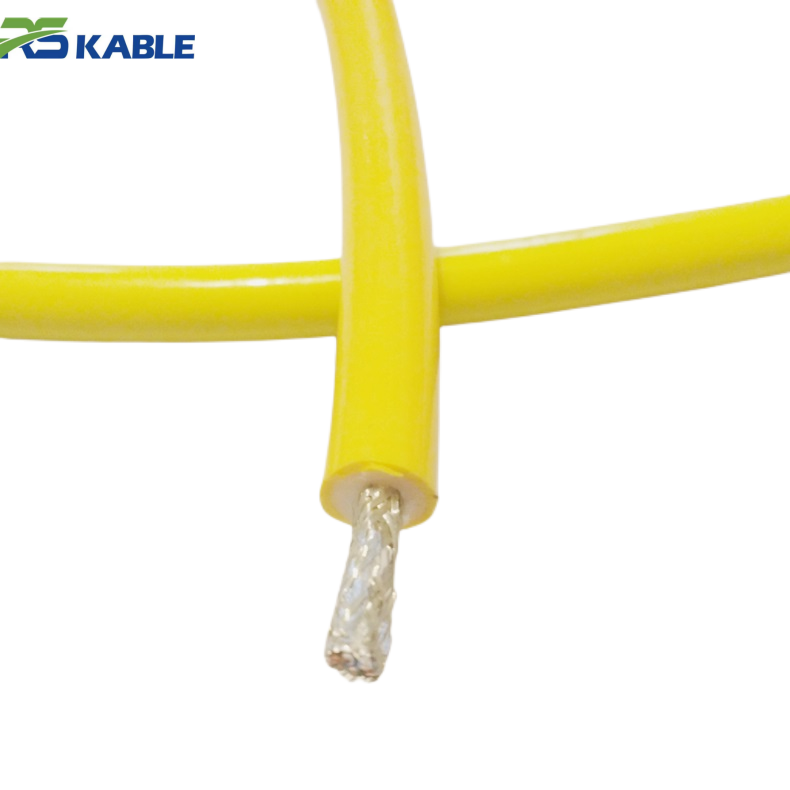
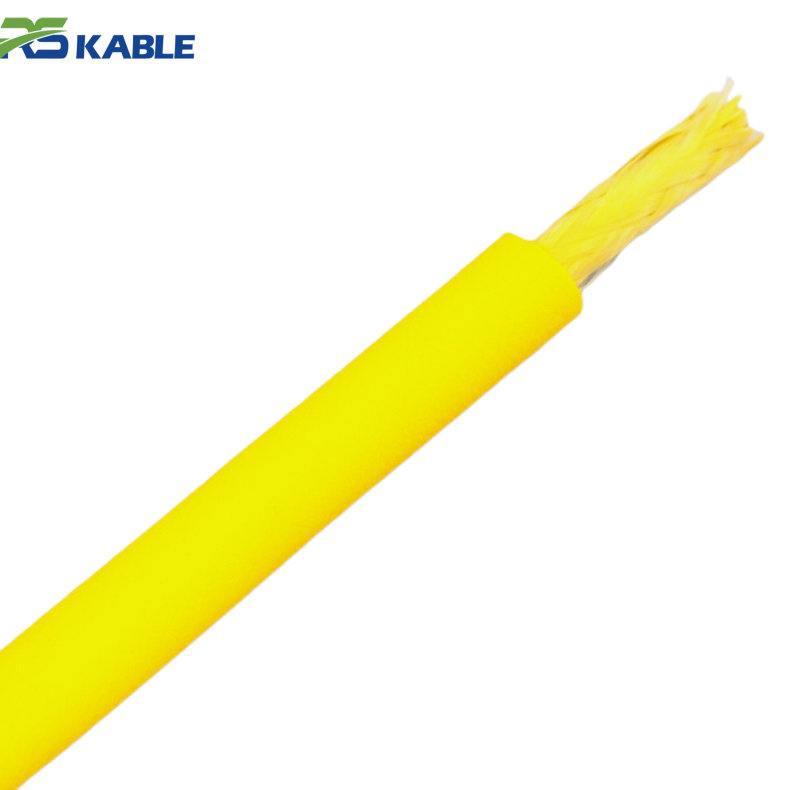
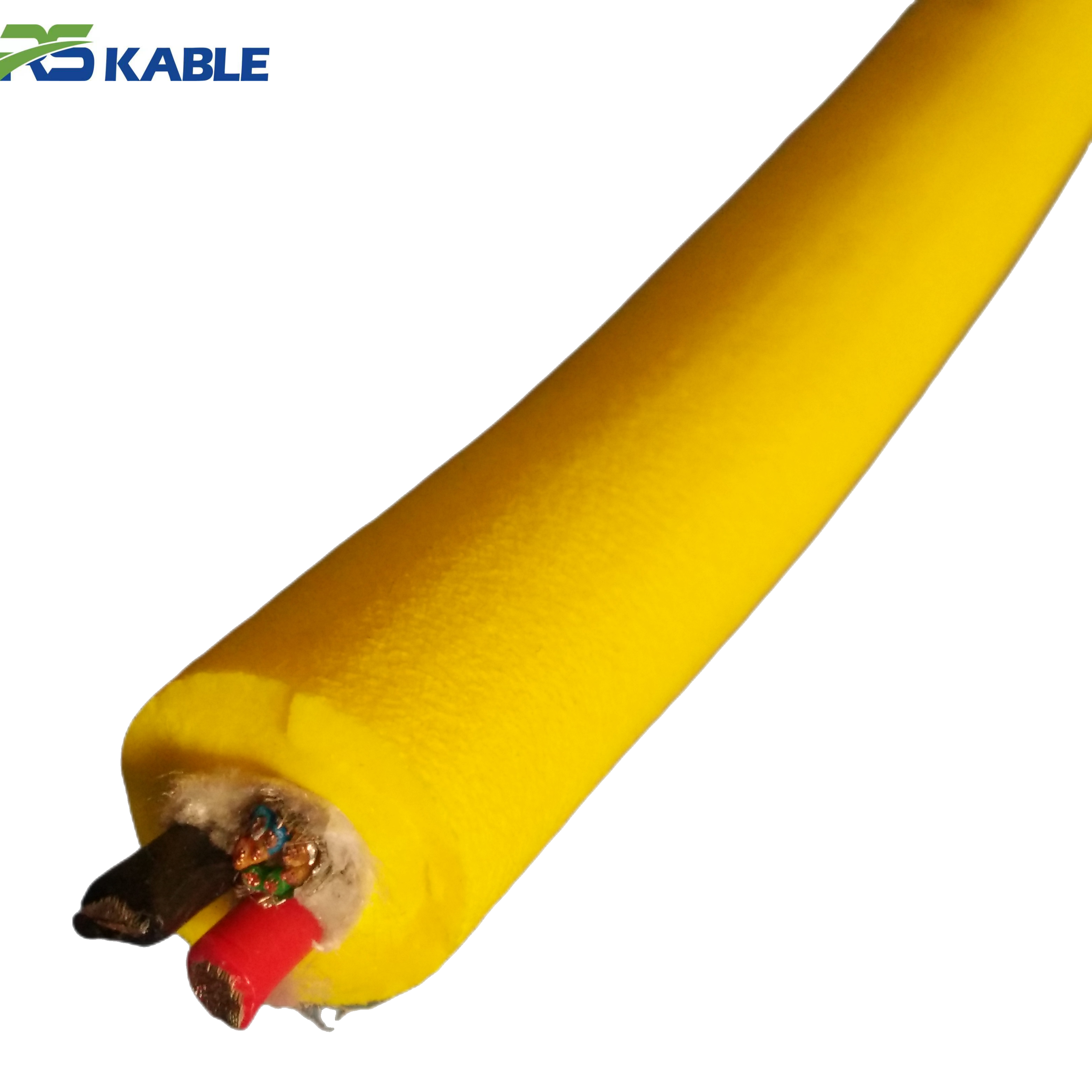
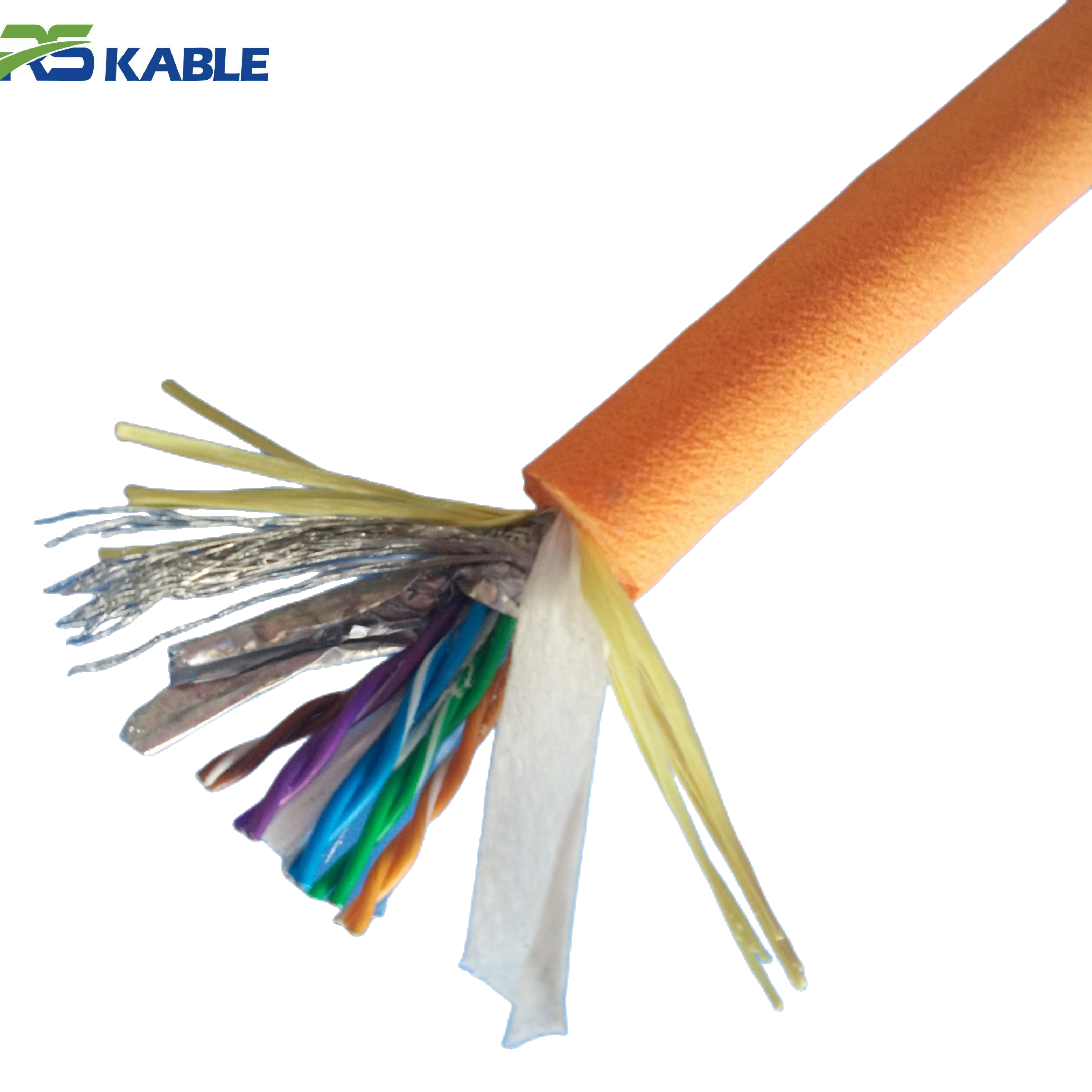
A flexible cable is a type of electrical wire designed to bend and move freely without damaging its inner wires or insulation. Unlike standard rigid cables, which are stiff and do not allow much movement, flexible cables are made with materials and designs that allow them to withstand constant motion, twisting, and bending.
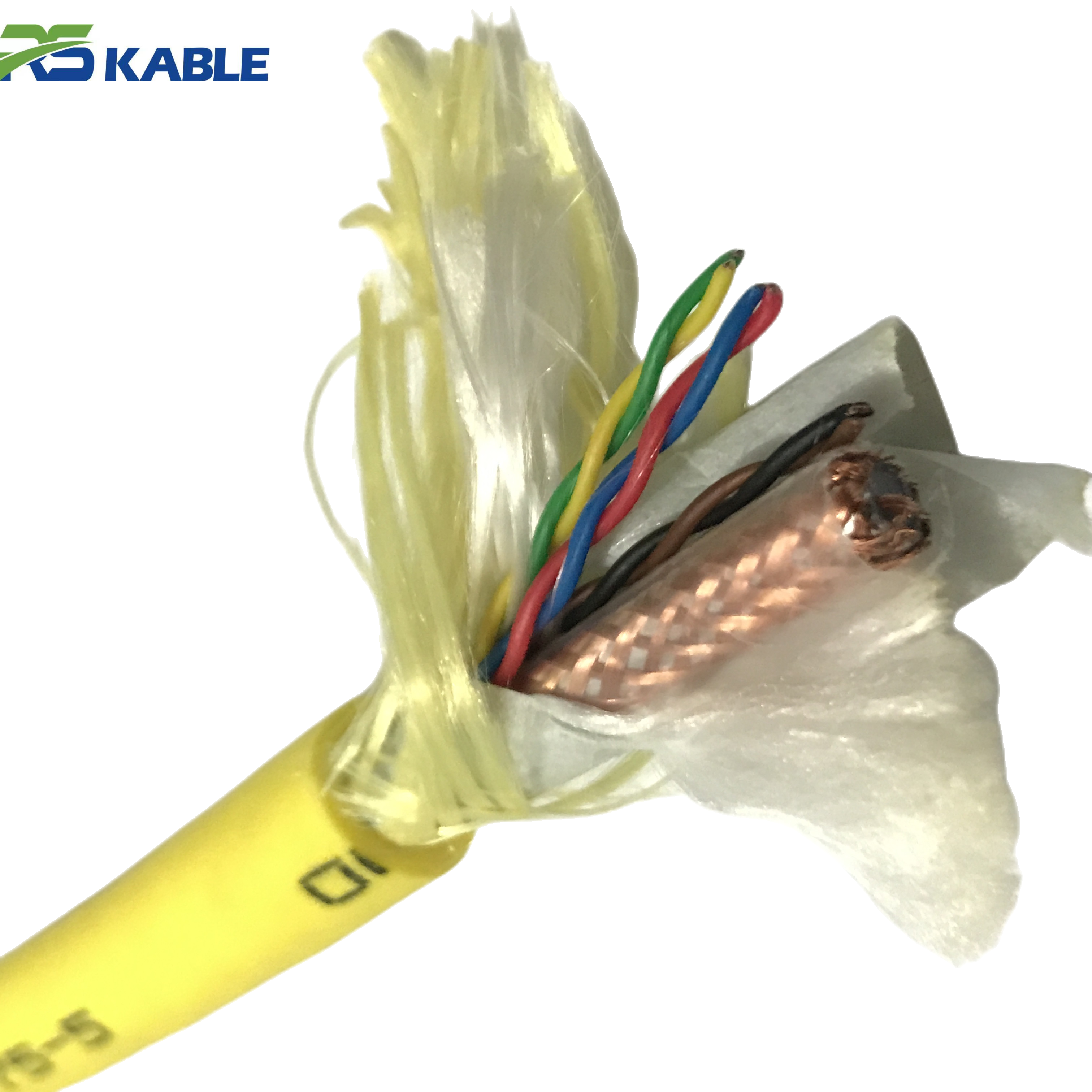
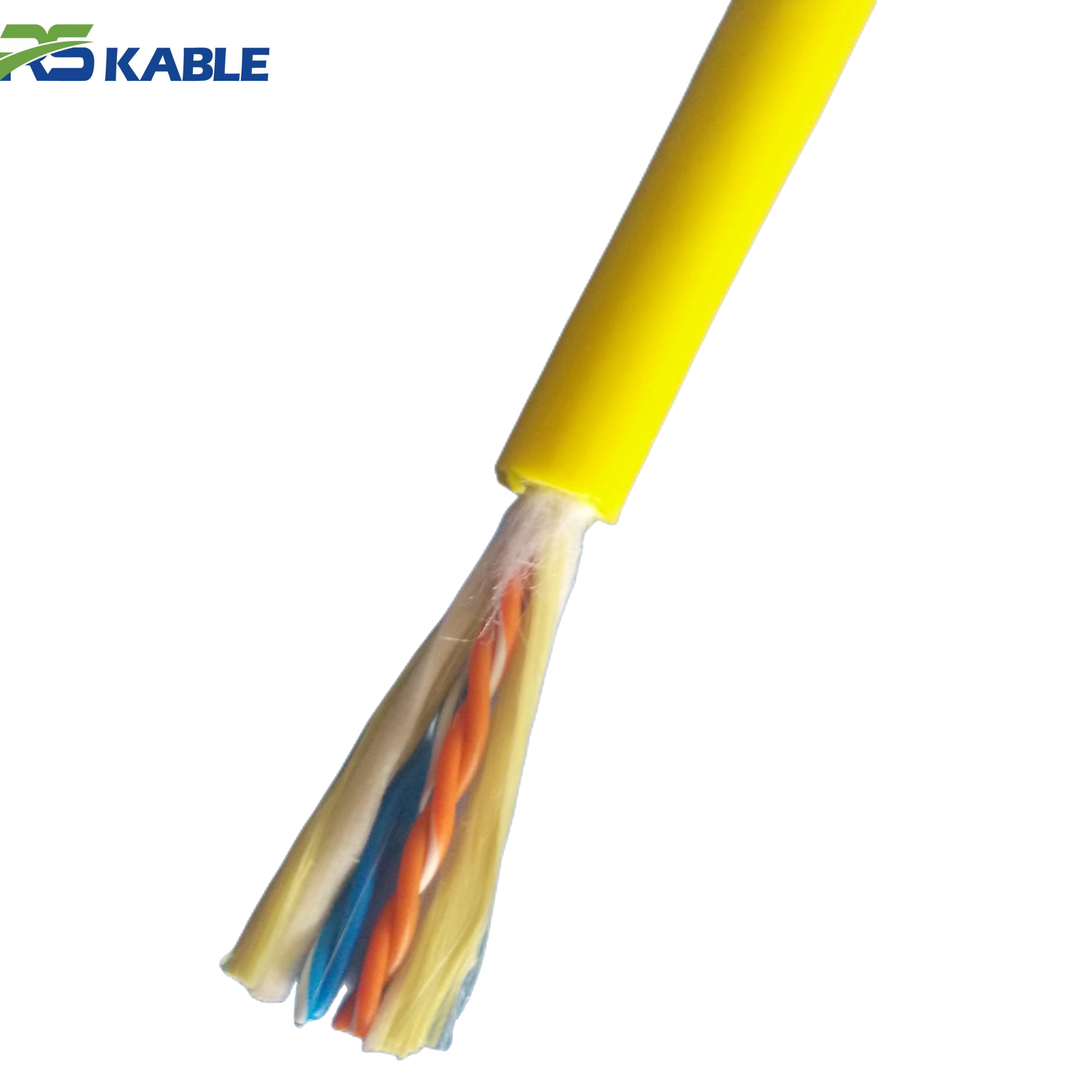
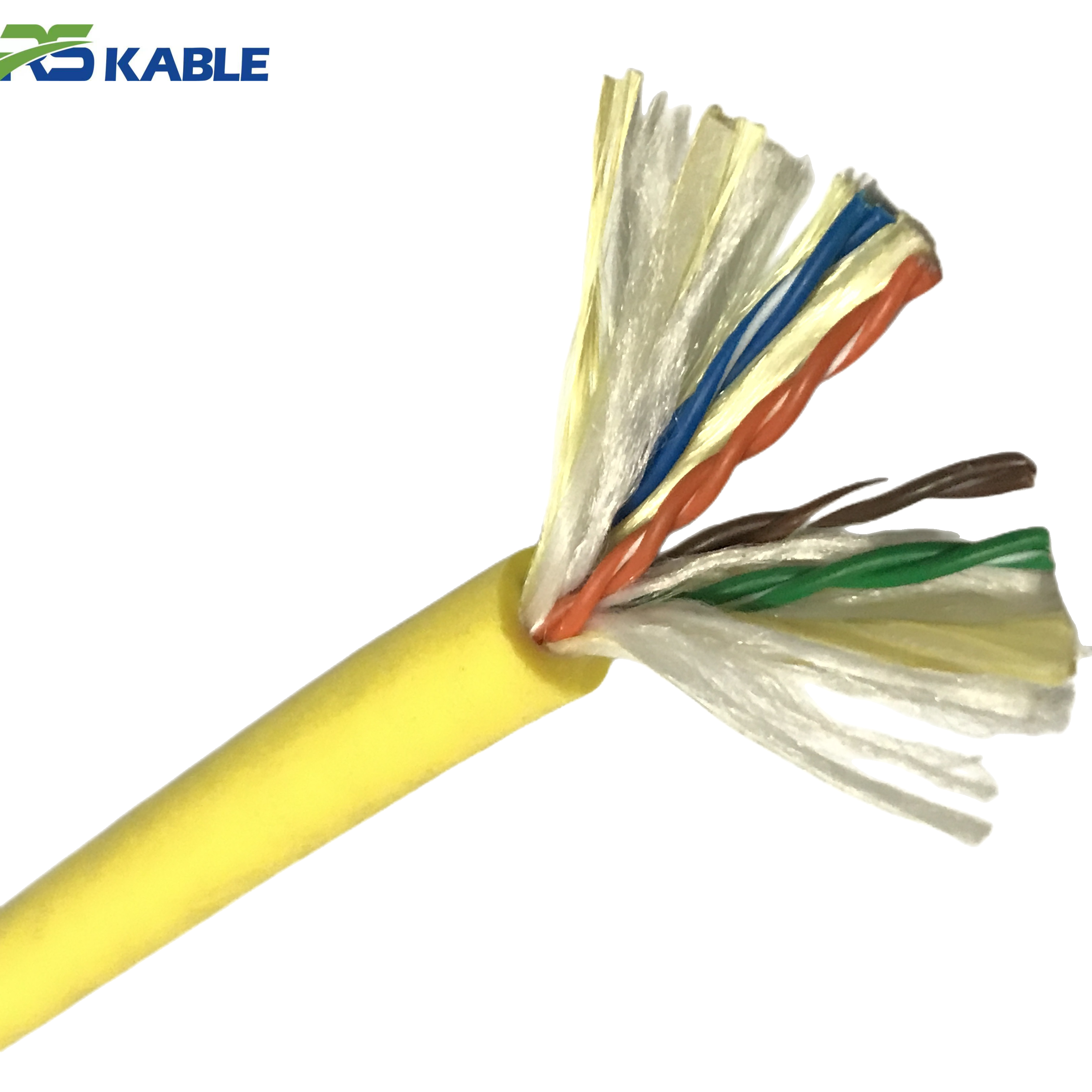
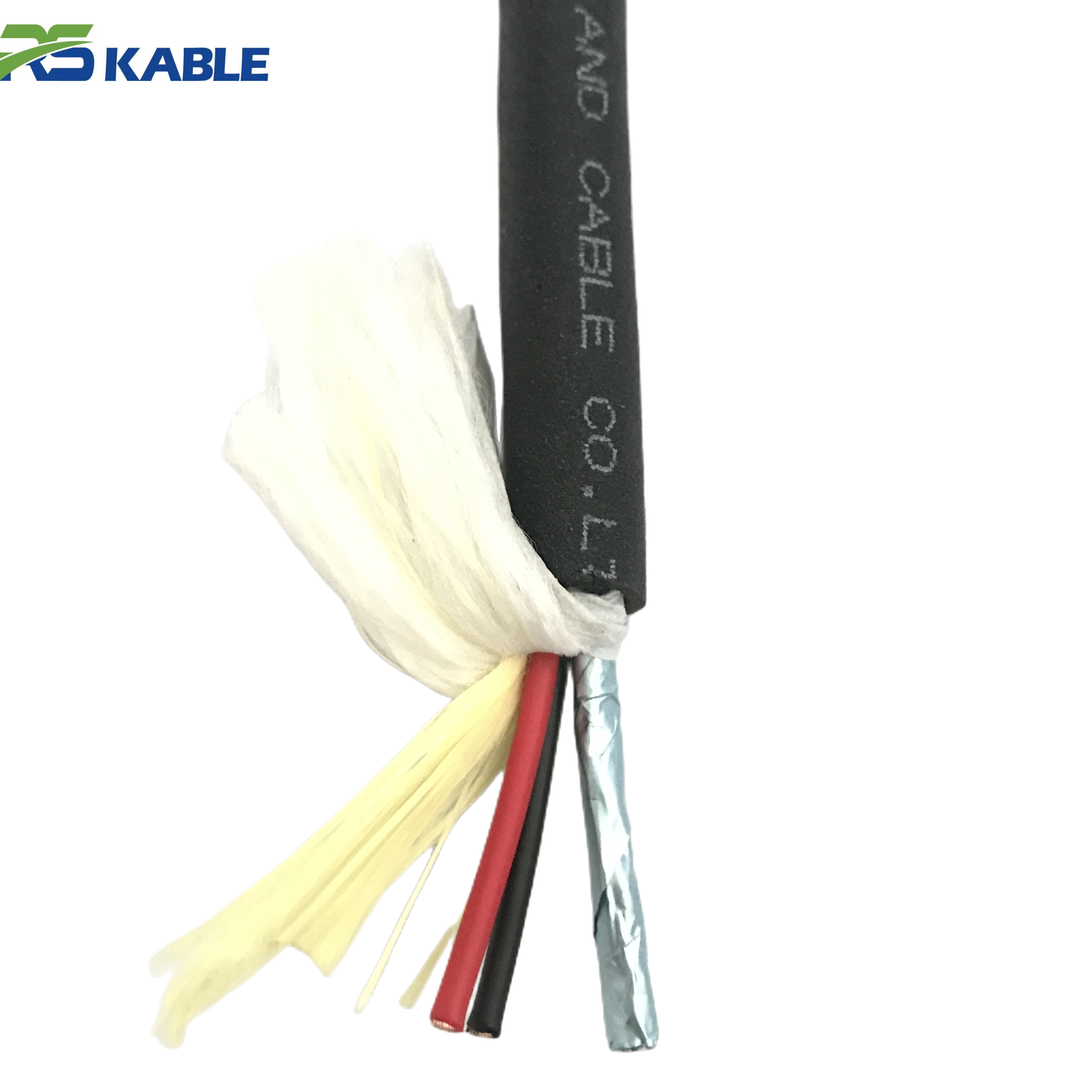
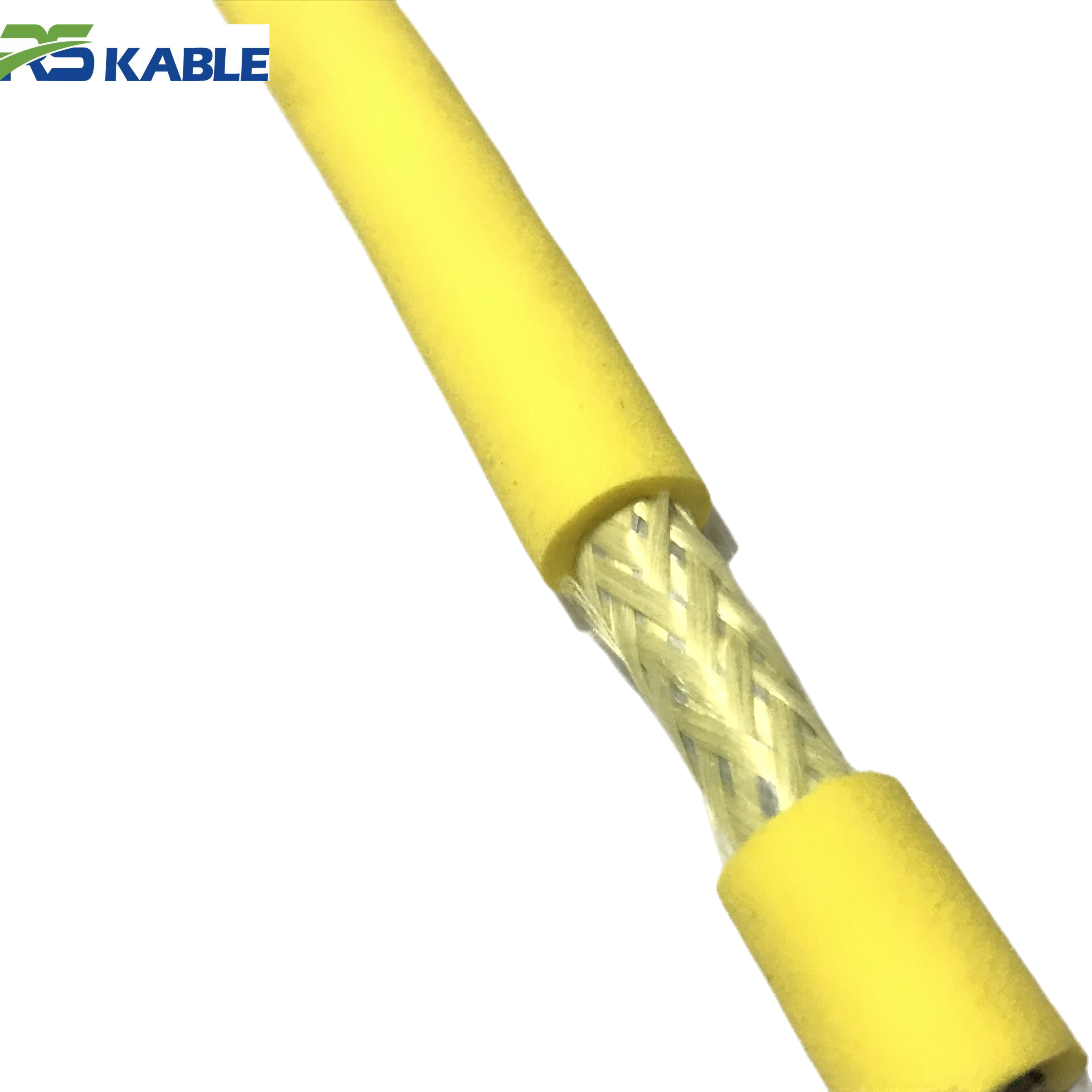
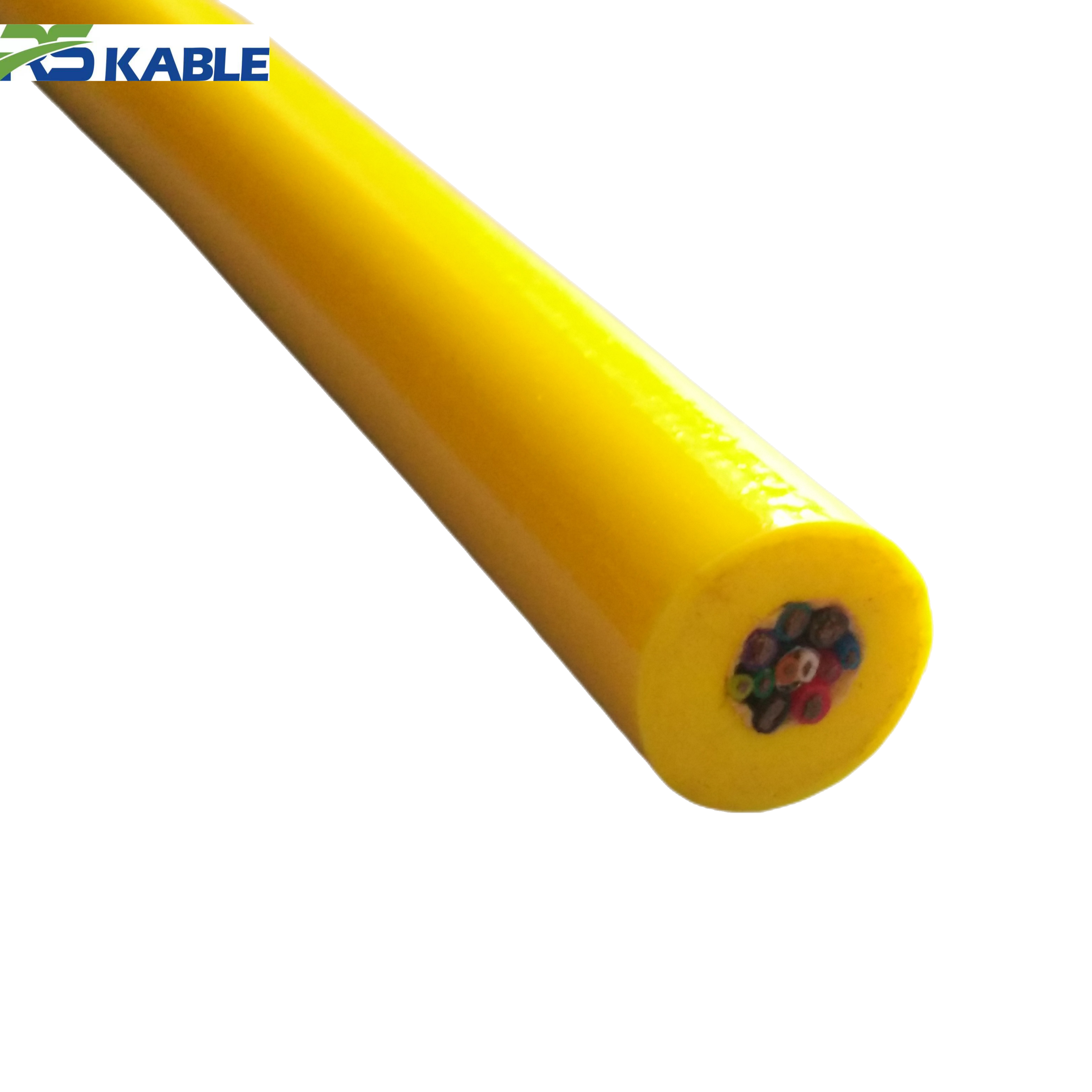
These cables are typically made up of multiple thin wires, often copper, wrapped in layers of insulation and protective coatings. The structure enables them to be used in applications that require flexibility, such as robotics, machinery, and even home appliances. One of the key advantages of flexible cables is their ability to continue functioning even under significant physical stress, making them ideal for use in dynamic environments.
Benefits of Using Flexible Cables
1. Durability
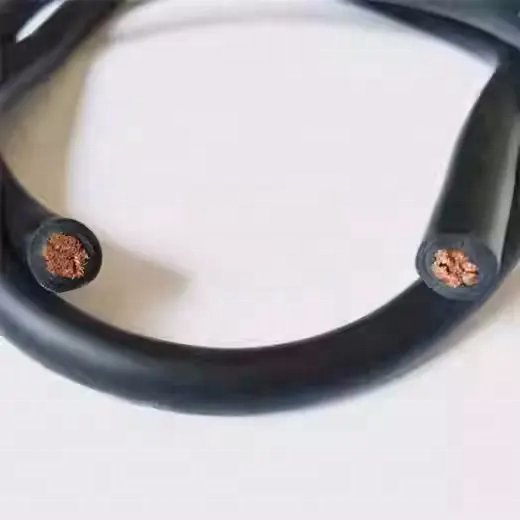
Flexible cables are designed to last longer than their rigid counterparts. Because they can bend, twist, and stretch without breaking, they are ideal for environments where movement is frequent, such as in manufacturing, robotics, or automotive industries.
2. Space-Saving
Flexible cables can be routed through tight spaces more easily than traditional cables. This makes them an excellent choice for complex systems where space is limited, like in electronic devices, vehicles, and machinery.
3. Versatility
Whether it’s powering a motor, transmitting data, or connecting different components, flexible cables can handle various functions in different applications. Their versatility makes them valuable in industries such as automotive, aerospace, medical devices, and industrial automation.
4. Easy to Install
Thanks to their pliability, flexible cables are easier to install, especially in tight corners or hard-to-reach areas. This makes them cost-effective when it comes to installation and maintenance.
Types of Flexible Cables
1. Control Cables
Control cables are often used for controlling and regulating equipment in machinery and automation systems. They are designed to be flexible and durable, offering long-term performance even under tough working conditions.
2. Power Cables
These cables transmit power from one component to another, typically in machines, buildings, and heavy-duty equipment. Their flexibility makes them adaptable to different installations.
3. Data Cables
Flexible data cables are used to transmit data in a variety of communication systems. Their ability to be flexible while still maintaining high signal integrity makes them essential in telecommunications and networking.
How to Choose the Right Flexible Cable for Your Application?
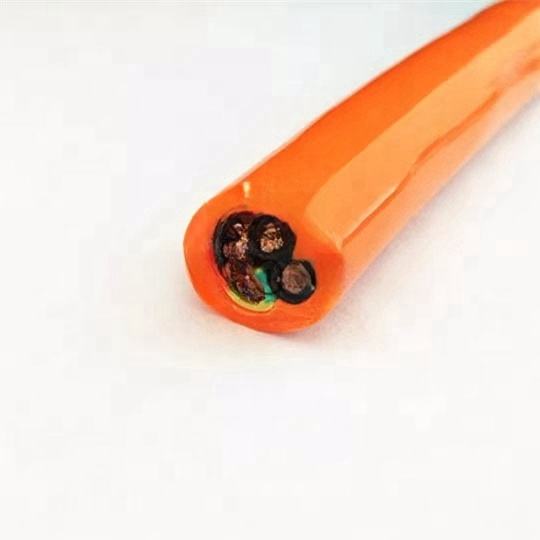
Selecting the right flexible cable involves considering several factors such as the operating environment, voltage, current, and the required bending radius. Here are some key considerations:
-
Cable Flexibility – Some cables offer more flexibility than others. If your application requires frequent movement, ensure the cable is rated for high flexibility.
-
Temperature Resistance – Depending on the environment, you may need a cable that can withstand extreme temperatures.
-
Shielding and Insulation – If your application involves exposure to electromagnetic interference (EMI) or physical wear and tear, choose cables with appropriate shielding and insulation for added protection.
Where Are Flexible Cables Used?
Flexible cables are used in numerous fields, including:
-
Robotics: To power and control robotic arms and other machinery that moves continuously.
-
Medical Devices: In devices such as MRI machines or medical monitoring equipment, where flexibility and durability are crucial.
-
Automotive: Used for wiring in vehicles, where the cables must bend and twist as the vehicle moves.
-
Manufacturing: In automated production lines, where cables must withstand repetitive motion and harsh conditions.
-
Consumer Electronics: Flexible cables are found in everyday devices like smartphones, laptops, and televisions.
flexible cables are indispensable in a variety of modern applications. From their adaptability and durability to their space-saving and easy installation features, these cables continue to play a key role in powering everything from industrial machines to consumer electronics. As industries demand more advanced and reliable systems, flexible cables will only continue to grow in importance.
By understanding the core benefits and applications of flexible cables, you can ensure that you choose the right type for your needs, allowing for smoother, more efficient operations in your machinery, devices, or systems.