

What Is a Flat Cable Used For?
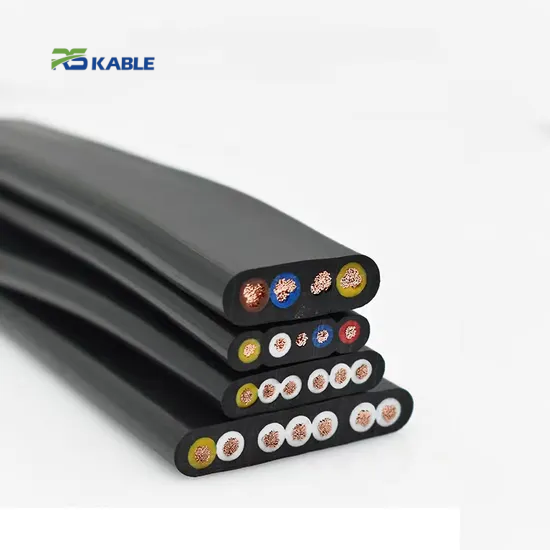
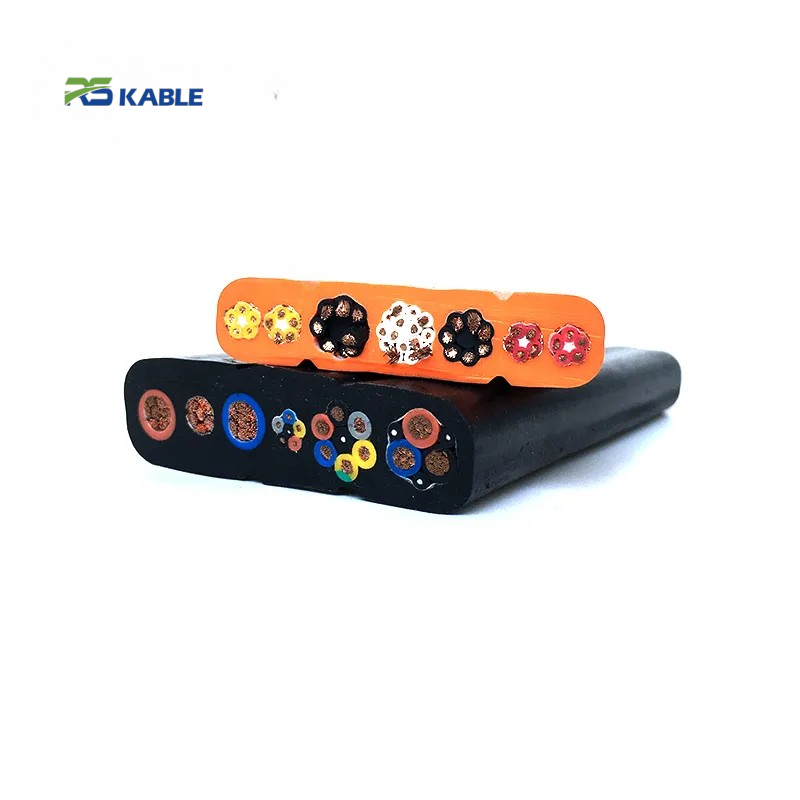
Flat cable is used when cable behavior and routing control matter as much as electrical performance. In practical terms, flat cables are chosen for moving industrial equipment, guided travel systems, festoon trolleys, elevators, compact machinery, and automation wiring—anywhere a round cable’s twisting, bulk, or unpredictable movement becomes a problem.
But that’s only the headline. The real value of a flat cable is not that it is “flat.” The value is that the geometry can deliver:
-
more stable movement in guided systems
-
better stacking and loop control
-
reduced twisting in trolley/track applications
-
more efficient routing in tight spaces
-
cleaner conductor organization for power + control combinations
This article explains what flat cable is used for, when it is the best choice, when it is the wrong choice, and how to select the right type for your application. It includes a practical decision matrix, common field failures, and real-world selection rules—so the content is useful not only for learning, but also for buying and specifying.
Why Flat Shape Changes Performance
A flat cable arranges conductors side-by-side in a controlled profile instead of bundling them into a circle. That structural decision affects how the cable:
-
bends (often in a more predictable plane)
-
hangs and loops (more stable loop formation)
-
fits in carriers and clamps (better alignment)
-
resists rotation (less “free twisting” than many round designs)
-
routes in restricted channels (space efficiency)
So, flat cable is usually selected for mechanical behavior benefits, not just for electrical reasons.
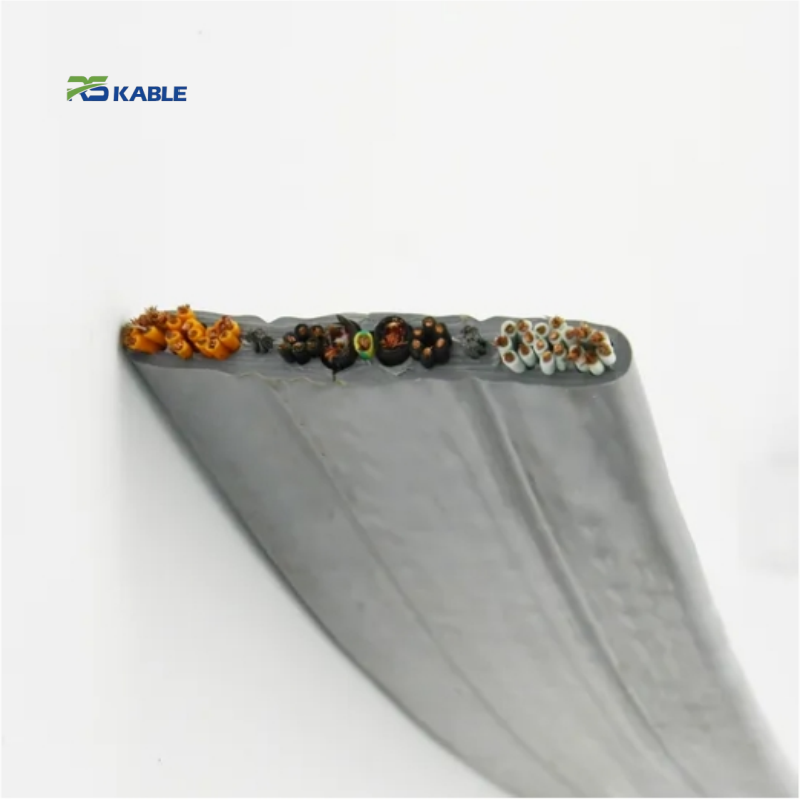
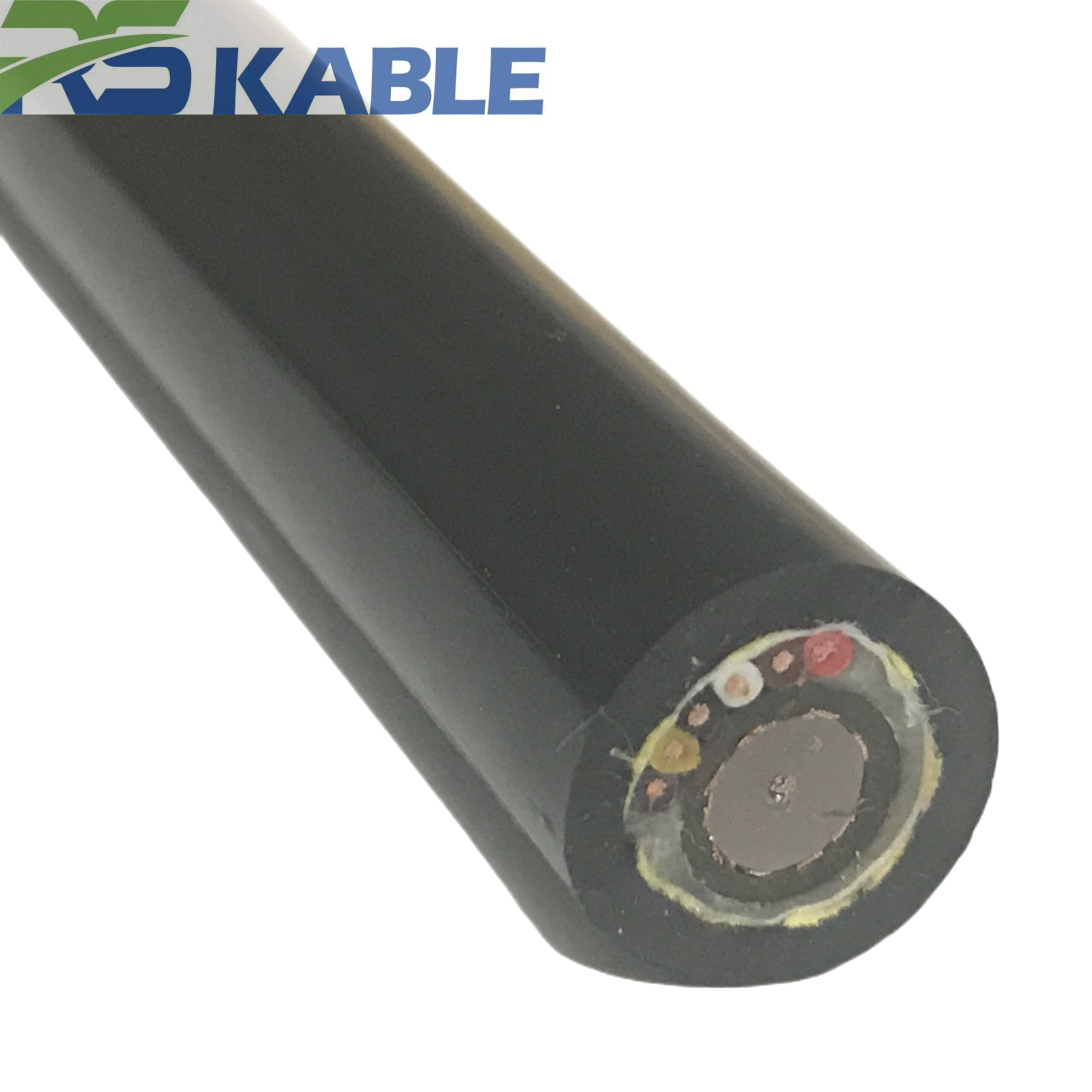
Custom UTP Cat5e/Cat6 Flat Elevator LAN Cable with Steel Wire – Industrial Travelling Cable
This flat elevator LAN cable is engineered for **constant vertical motion**, combining **Cat5e/Cat6 data transmission** with **dual galvanized steel wire reinforcement** and a **flexible cold-resistant PVC jacket** to deliver stable signal integrity, reliable tensile support, and long service life in elevator CCTV, digital signage, and lift control systems.
Where Flat Cable Is Used Most Often
Below are the most common real-world applications, written in the way buyers and engineers typically search and specify.
1) Festoon systems on cranes, hoists, and trolleys
This is one of the most important industrial uses of flat cable.
In a festoon system, the cable hangs in loops and travels along a beam or track on trolleys. As the machine moves, the loops open and close repeatedly. In this environment, cable twisting and unstable loop spacing are major causes of early wear.
That is why a Flat Festoon Cable is widely used: the flat geometry typically helps reduce twisting and keeps loops more stable during travel. In overhead cranes, bridge cranes, gantry cranes, and monorail hoists, a Flat Festoon Cable often provides smoother motion behavior than a round cable under the same trolley setup.
2) Elevators and vertical traveling systems
Flat cables are frequently used in elevator traveling cable applications and other guided vertical motion systems because:
-
the cable must move repeatedly with predictable behavior
-
routing space can be narrow
-
stable hanging and reduced rotation matter
3) Guided moving machinery and transfer systems
Rail transfer carts, moving platforms, and guided industrial equipment often use flat cable where organized travel is needed and twisting could cause friction, rubbing, or snagging.
4) Compact equipment and space-restricted routing
Flat cable is also common inside machines and devices where a round cable is too bulky. Typical examples include:
-
compact automation machines
-
sliding covers and moving panels
-
limited-depth routing channels
-
tight cable paths inside equipment frames
5) Power + control combinations in one organized cable
Flat cable is often used when one cable must carry multiple functions—power cores plus control cores—while staying mechanically stable. This is especially valuable in moving systems where conductor organization reduces internal stress and improves predictable bending.
Flat Cable vs Round Cable: The Practical Difference
A round cable is a strong default for many fixed installations and general flexible use. Flat cable becomes the better option when the application has one or more of these conditions:
-
guided travel on track or carriers
-
hanging loops that must remain stable
-
twisting is a known issue
-
tight routing space requires a flatter profile
-
multiple conductors must remain organized under movement
If the cable does not move much, or twisting is not a concern, a round cable may be simpler and equally effective.

When Flat Cable Is the WRONG Choice
This section is important because it increases buyer trust and improves real decision-making—both of which support stronger SEO performance.
Flat cable may be the wrong choice when:
1) The cable experiences frequent torsion or uncontrolled rotation
If the application involves repeated twisting rather than guided bending, a cable designed specifically for torsional duty may be a better fit than a flat geometry.
2) The system is optimized for round cable routing
Some reels, glands, and conduit designs assume round cable geometry. Forcing a flat cable into a round-optimized path can create mechanical stress or installation problems.
3) The duty is primarily drag chain / energy chain motion
In drag chains, cable selection should focus on drag-chain-rated designs rather than just flat shape. A flat cable is not automatically a drag chain cable.
4) The environment is harsh and the jacket compound is wrong
Outdoor UV, oil exposure, chemical contact, abrasive dust, and temperature extremes require the right jacket material and construction. Shape does not replace environmental suitability.
A Fast Selection Decision Matrix (Use This Before You Buy)
If you want a clear buying framework, use this matrix. It helps match cable type to application.
If your system is a festoon trolley on a crane
Choose: Flat Festoon Cable
Why: stable loops, reduced twisting, better trolley alignment
If your system is a drag chain (energy chain)
Choose: drag-chain-rated cable (flat or round depending on design)
Why: the motion pattern is different from hanging loops
If your system is an elevator traveling cable
Choose: elevator traveling cable (often flat)
Why: vertical motion, stable routing, controlled travel
If your system is guided rail transfer or moving platform
Choose: flat cable when twisting must be minimized
Why: stable travel and organized routing
If you mainly need compact routing inside equipment
Choose: flat control cable / flat multi-core cable
Why: space efficiency and clean conductor layout
This decision matrix also improves long-tail search coverage because it aligns with how users search: “flat cable for crane,” “flat cable for elevator,” “flat festoon cable for overhead crane,” and similar queries.
Why Flat Festoon Cable Is a Top Use Case
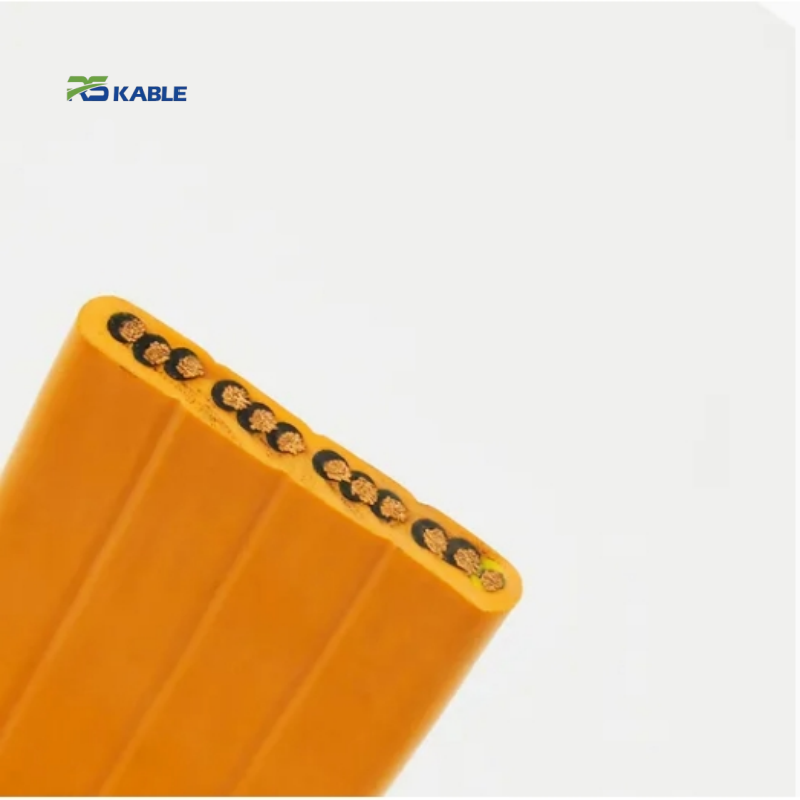
A Flat Festoon Cable is specifically designed for festoon travel in cranes and similar moving systems. In many installations, the flat geometry improves:
-
loop stability in trolley systems
-
reduced rotation and tangling
-
cleaner alignment at clamps
-
more predictable bending behavior
That predictability often translates into longer service life and fewer maintenance interruptions—especially in high-cycle crane applications.
In real purchasing terms, if you are specifying cable for a trolley-and-loop system, a Flat Festoon Cable should be on the short list first.
Common Failures in Flat Cable Applications (and How to Prevent Them)
The best way to improve reliability is to recognize early symptoms and prevent repeated failure patterns.
Failure 1: Twisting loops in festoon travel
Cause: wrong geometry, trolley spacing issues, poor clamp alignment
Fix: choose a Flat Festoon Cable, verify trolley spacing and loop length, avoid clamp over-tightening
Failure 2: Abrasion at recurring contact points
Cause: misaligned carriers, rubbing at the same point, insufficient jacket durability
Fix: improve routing and support, select a jacket suited for abrasion, check carrier alignment
Failure 3: Jacket cracking outdoors
Cause: indoor jacket used outdoors, UV/weather exposure
Fix: specify outdoor/UV-resistant jacket and correct environmental rating
Failure 4: Intermittent control faults under movement
Cause: conductor fatigue near clamp zones, weak signal protection, repeated over-bending
Fix: improve strain relief, avoid tight bends, consider shielding for sensitive control lines
These are the problems most maintenance teams see in the field—and addressing them makes your flat cable selection far more effective.
What to Check Before Ordering a Flat Cable
Before buying, confirm:
-
application type (festoon, elevator travel, guided motion, compact routing)
-
travel length and movement frequency
-
bending direction and minimum bend radius requirements
-
indoor vs outdoor exposure (UV, moisture, temperature)
-
oil/grease/dust exposure and abrasion risk
-
conductor count (power, control, signal)
-
whether a Flat Festoon Cable is required for trolley stability
A flat cable that is “electrically correct” but mechanically mismatched will still fail early in moving duty.
Final Answer: What Is a Flat Cable Used For?
A flat cable is used where the cable must move or route in a controlled, predictable way—especially in guided systems, tight spaces, and hanging loop applications. It is widely used in cranes, festoon systems, elevators, transfer carts, compact machinery, and power + control combinations. In trolley-and-loop systems, a Flat Festoon Cable is one of the most common and practical flat cable applications because it improves loop stability, reduces twisting, and supports smoother travel behavior in real industrial duty.
FAQ
What is the main advantage of a flat cable?
More controlled routing and movement—less twisting, more predictable bending, and better fit in tight or guided paths.
What is flat festoon cable used for?
A Flat Festoon Cable is used in crane festoon systems to carry power/control while traveling on trolleys in stable hanging loops.
Can flat cable be used in a drag chain?
Sometimes, but only if the cable is rated for drag chain duty. Flat shape alone does not guarantee drag chain performance.
Why does my festoon cable twist during travel?
Common causes include unstable loop geometry, incorrect trolley spacing, poor clamp alignment, or using a round cable where flat performs better.
Can flat cable be used outdoors?
Yes, if it has an outdoor/UV-resistant jacket and is designed for the environmental conditions.