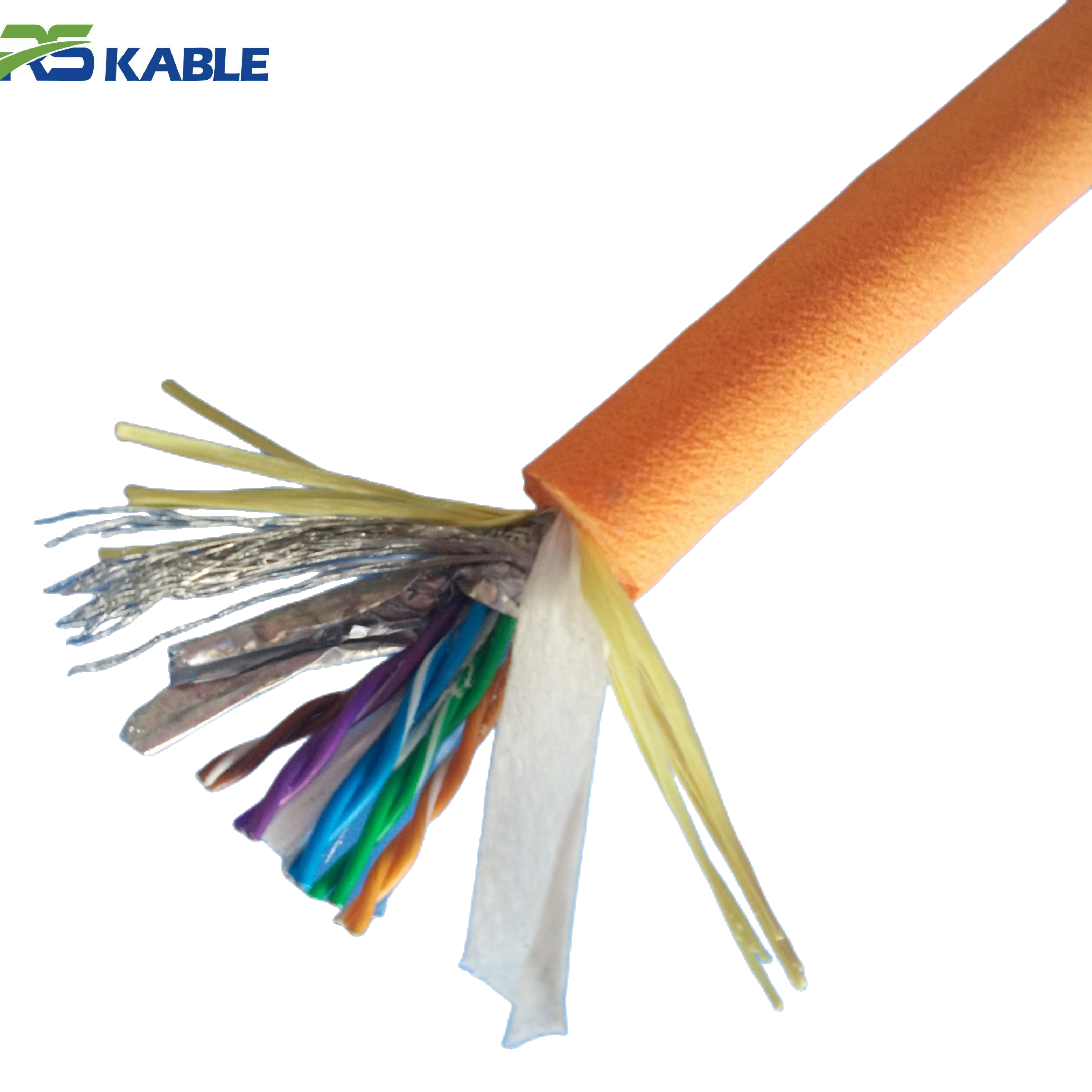


Understanding Their Role in Global Data, Energy, and Ocean Technology
Underwater cables—commonly referred to as submarine cables or subsea cables—play a critical but often invisible role in keeping the modern world connected and powered. Resting on or buried beneath the ocean floor, these highly engineered systems quietly transmit enormous volumes of data, electricity, and control signals across vast distances.
If you’ve ever asked yourself what do underwater cables do, the answer extends far beyond simply “carrying the internet.” These cables enable global communications, deliver power to offshore energy projects, control deep-sea robotic systems, and support real-time environmental monitoring. As of 2026, more than 600 active and planned submarine cable systems span over 1.7 million kilometers worldwide, forming the backbone of digital infrastructure and offshore industries.
In this comprehensive guide, we’ll explore exactly what underwater cables do, how they perform these functions, and why they are indispensable in today’s data-driven and ocean-dependent world.
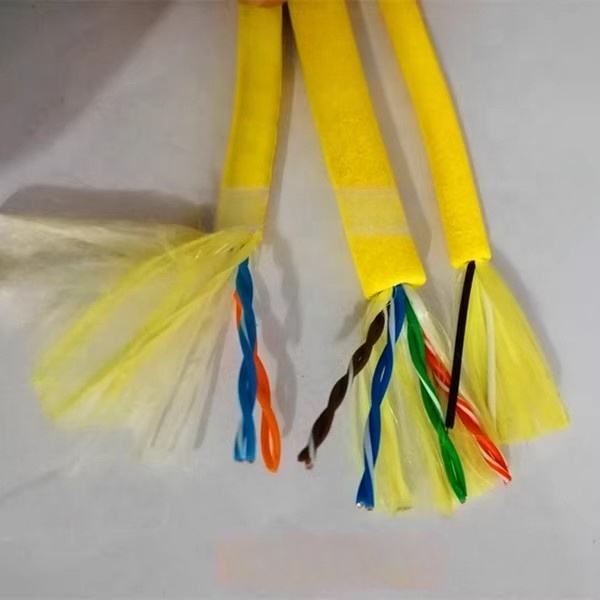
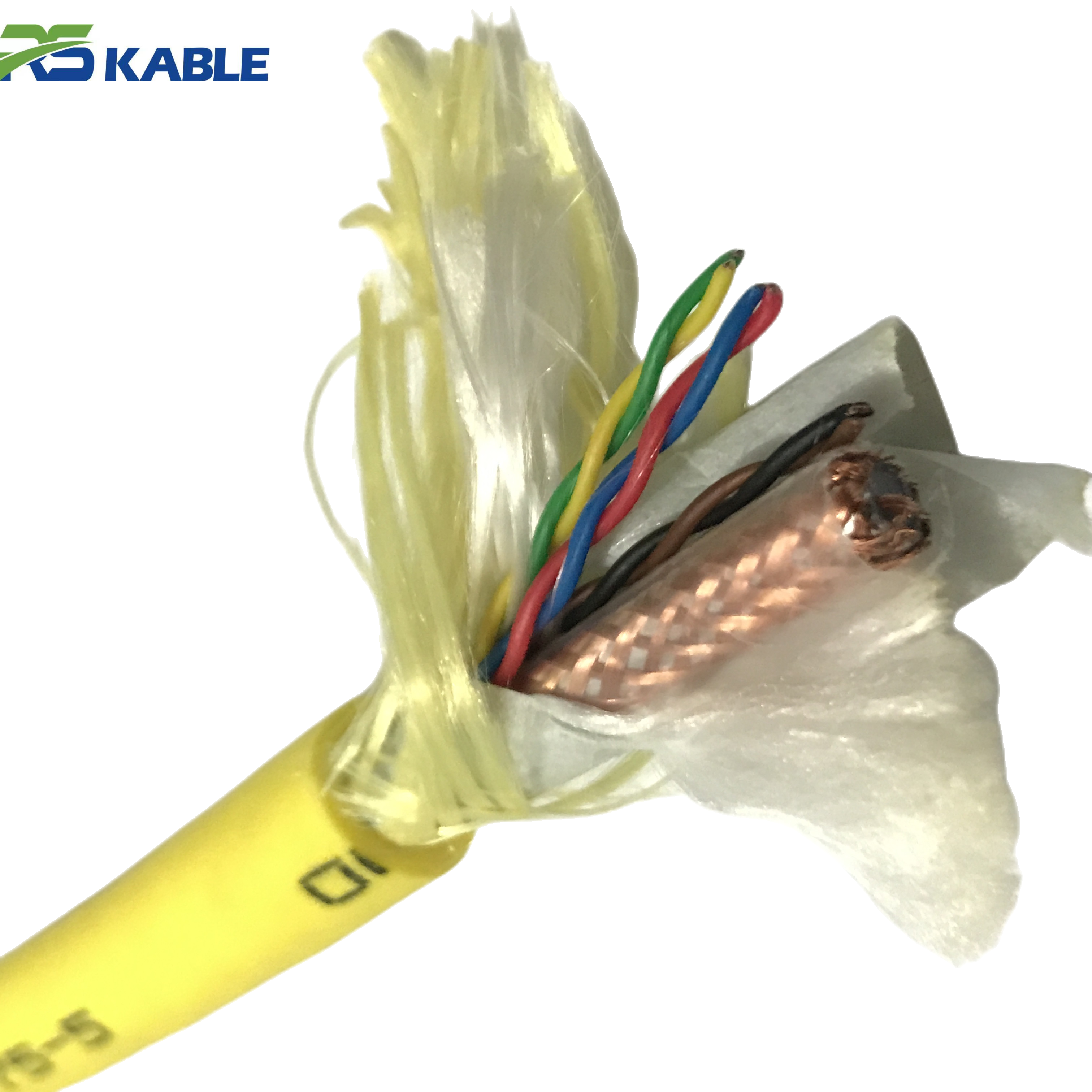
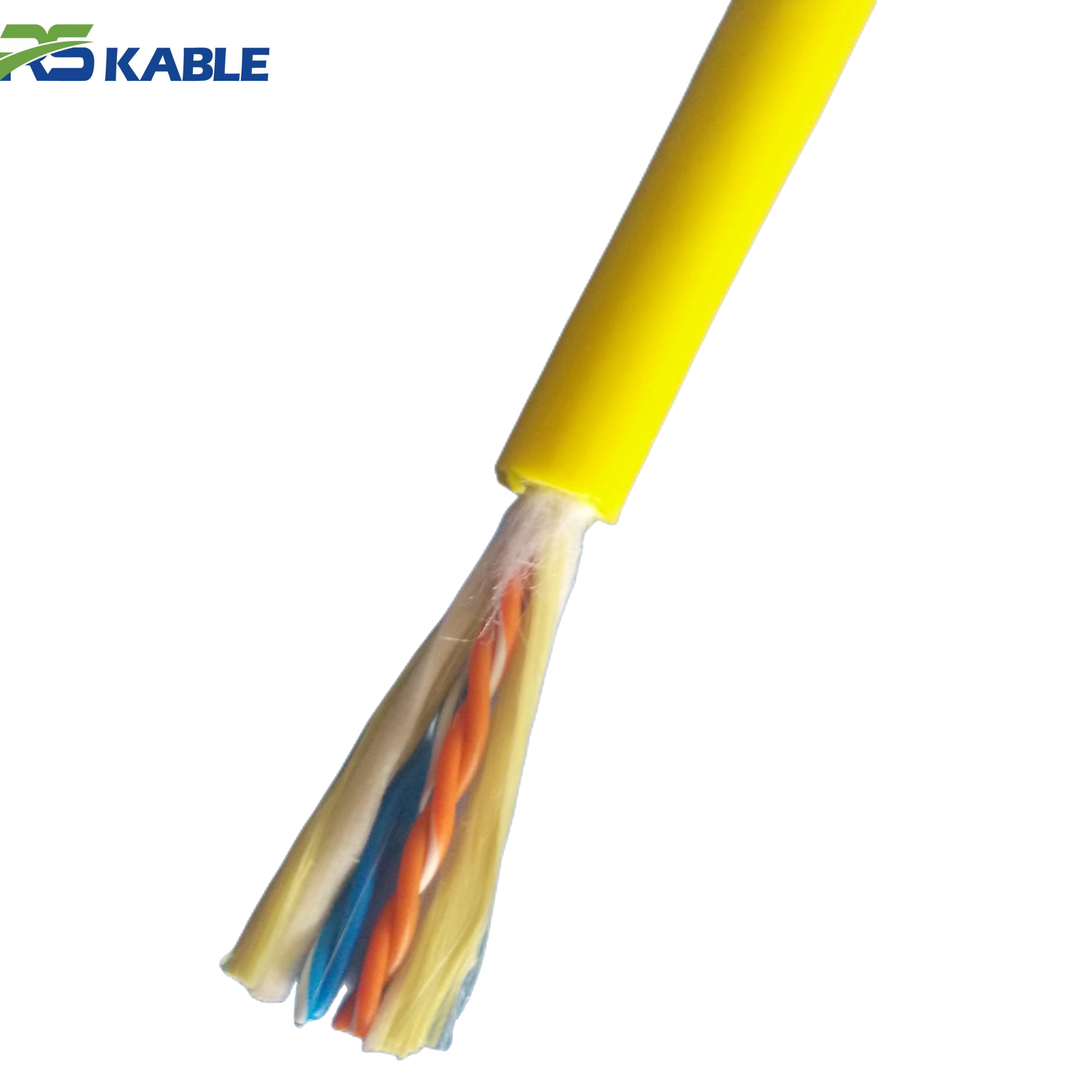
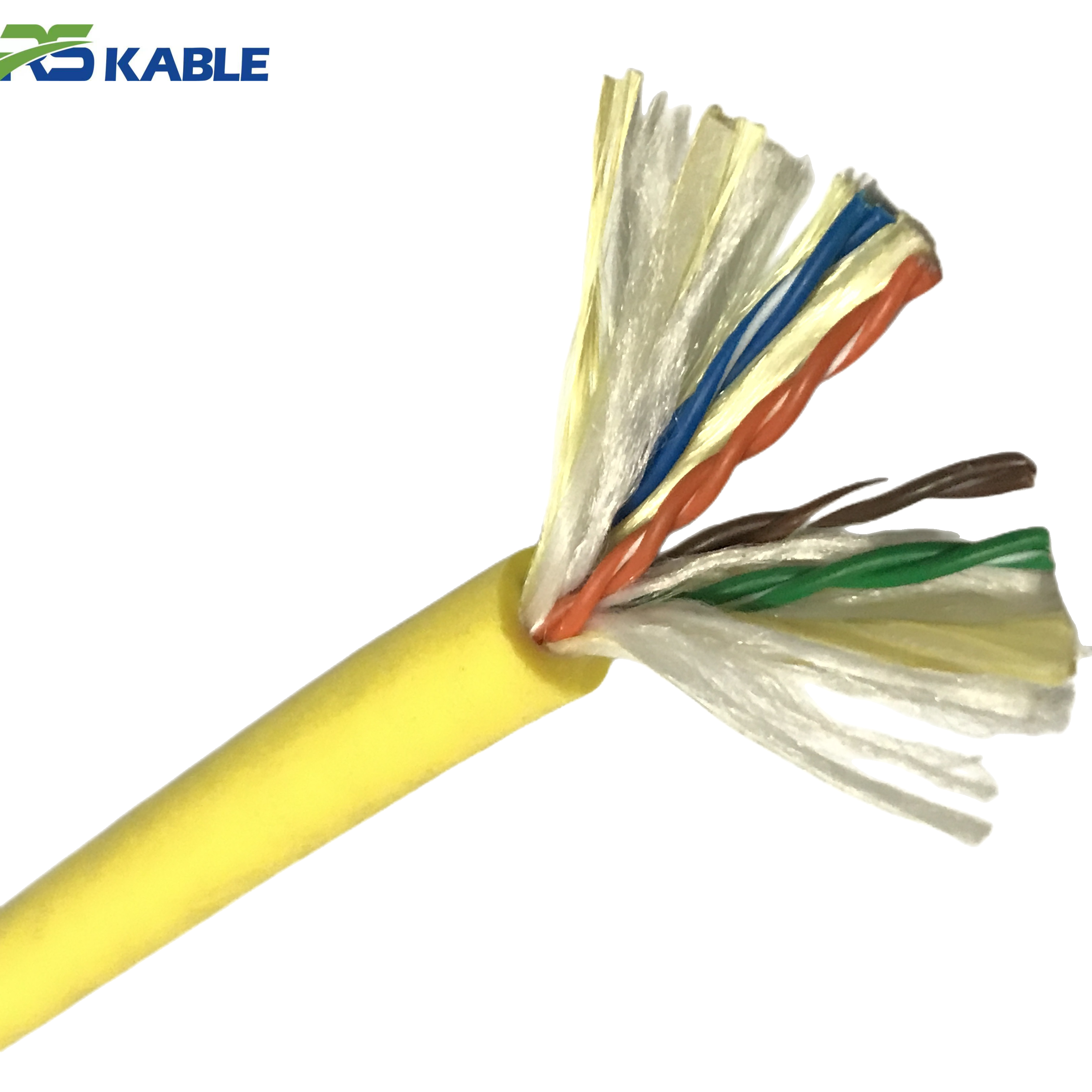
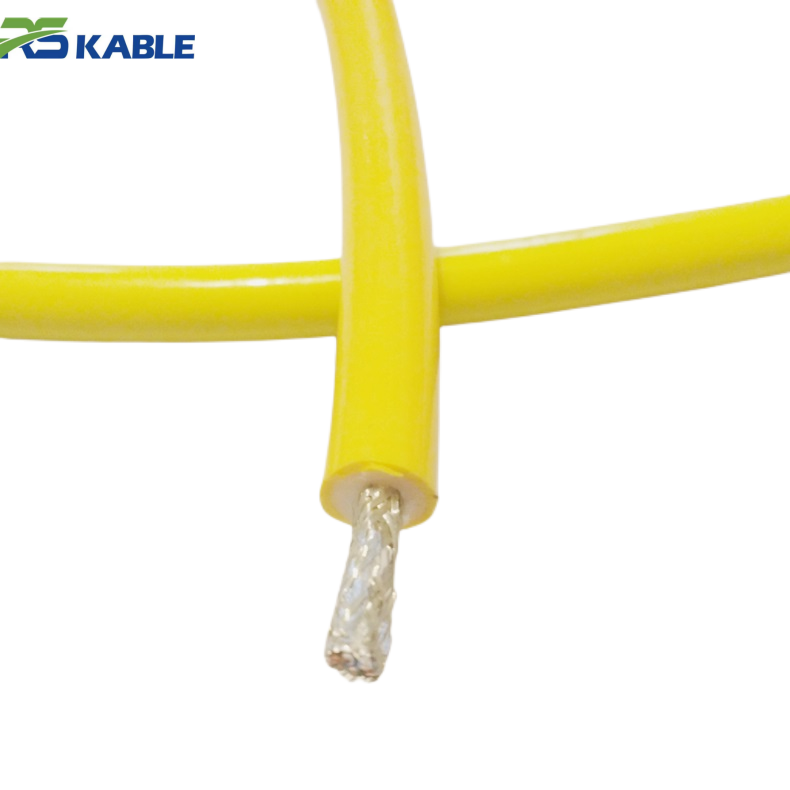
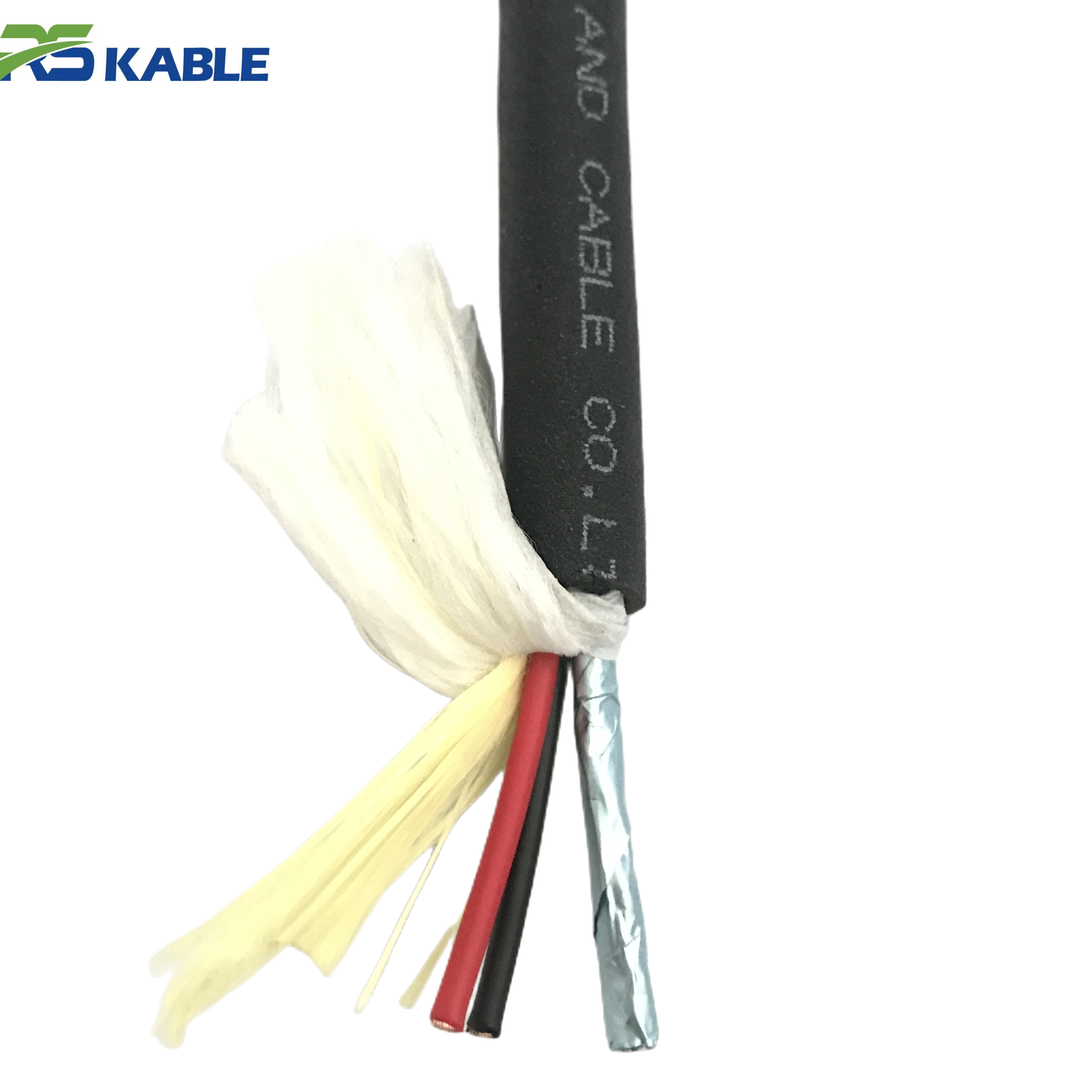
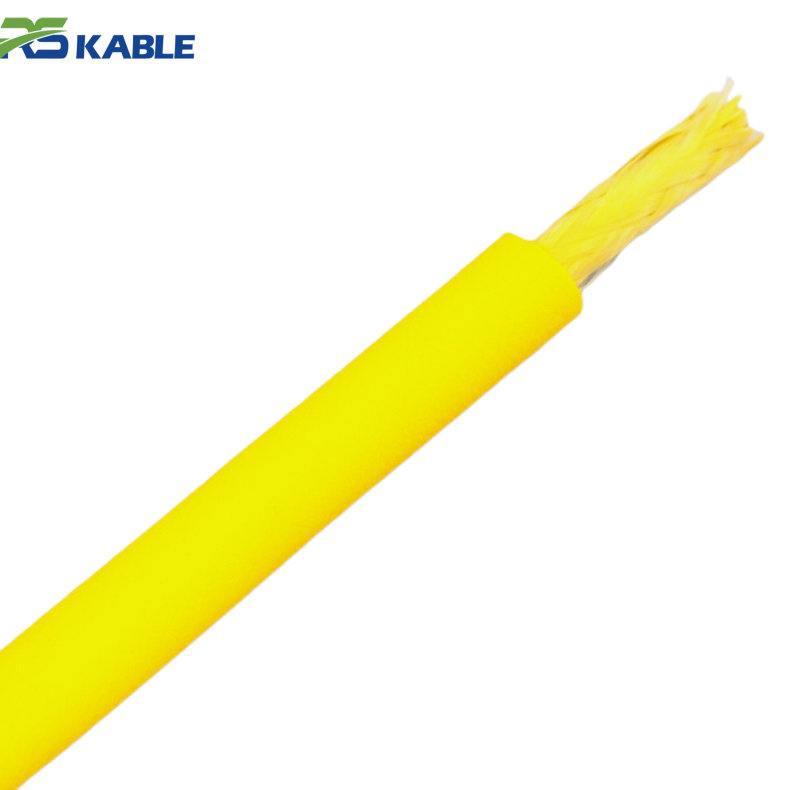
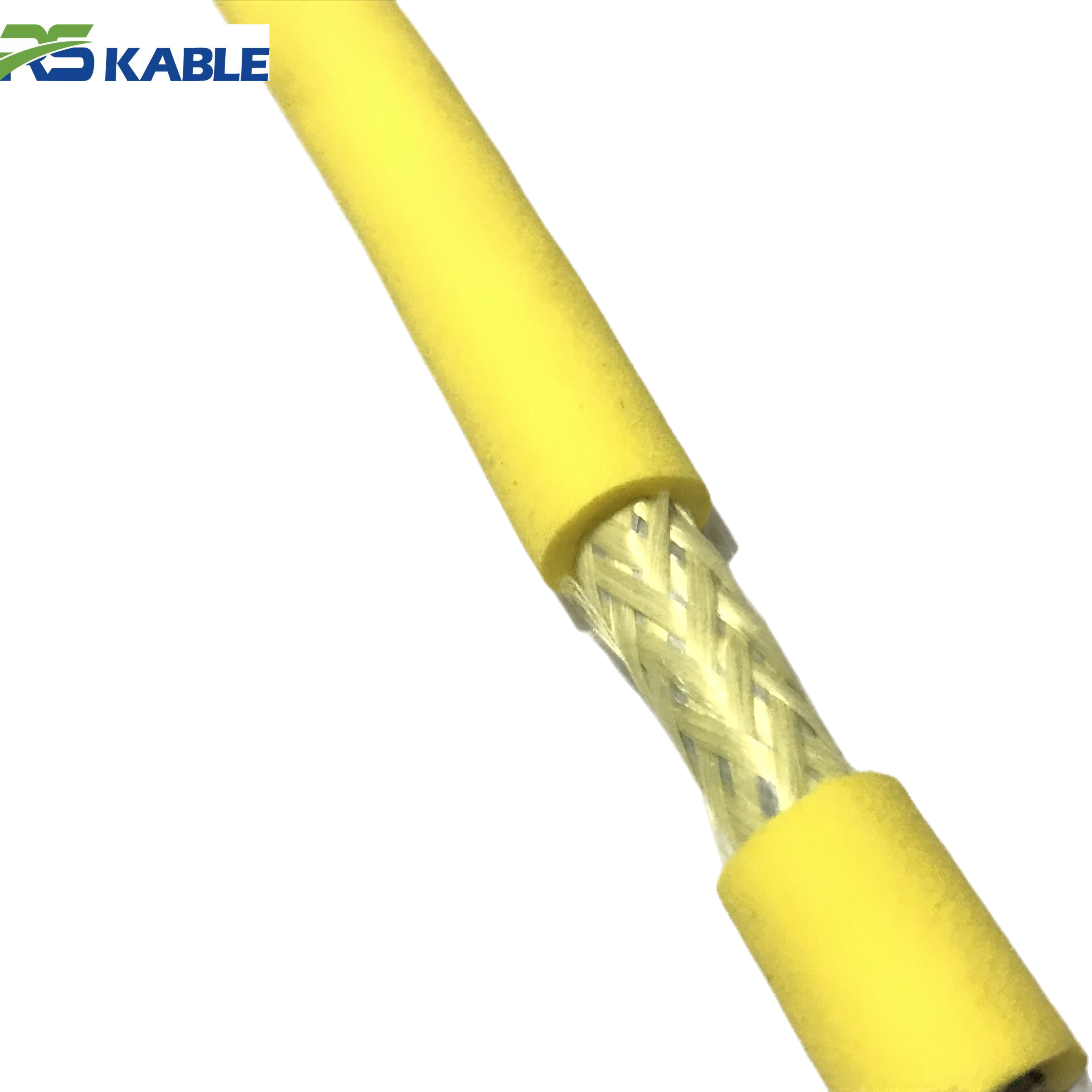
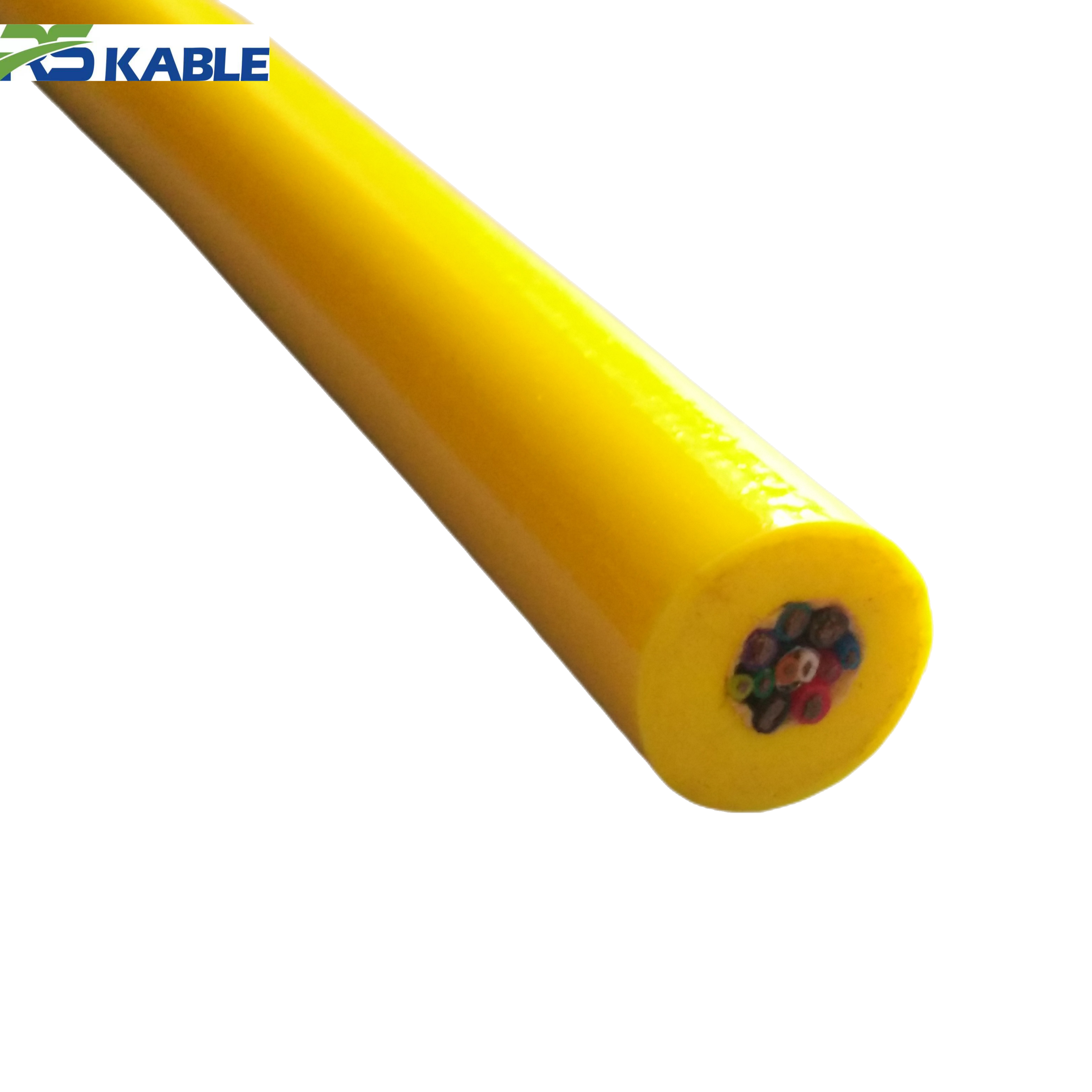
Zero Buoyancy Cable – 2/4/6/8 Core Waterproof Ethernet Cable | Anti-Seawater Umbilical Cable (OEM)
High-performance zero buoyancy underwater cable designed for submerged applications with reliable waterproof protection and anti-seawater properties. Available in 2, 4, 6 or 8 core configurations with Ethernet capability, ideal for ROVs, subsea equipment, and OEM projects requiring flexible, robust umbilical cabling.
Transmitting Global Data: The Core Function of Underwater Cables
The most widely recognized function of underwater cables is international data transmission. Modern submarine fiber optic cables carry over 99% of global internet traffic, far surpassing satellites in capacity, speed, and reliability.
These cables transmit data as pulses of light through ultra-thin glass fibers. Signals are sent from coastal landing stations, amplified along the route by underwater repeaters, and received on distant shores with minimal latency. This technology enables real-time communication for:
-
Video conferencing and streaming
-
Cloud computing and data centers
-
Online gaming
-
Global financial transactions
-
AI model training and data synchronization
A single high-capacity submarine cable can transmit hundreds of terabits per second, supporting millions of users simultaneously. Without underwater cables, today’s global internet ecosystem would simply not function at scale.
Connecting Continents, Countries, and Islands
Underwater cables physically connect continents and countries, making them essential for international communication and economic stability. For island nations and remote coastal regions, submarine cables serve as digital lifelines—supporting education, healthcare, commerce, and government services.
Major cable routes span the Atlantic, Pacific, Indian Ocean, and increasingly the Arctic, creating a resilient global mesh network. Redundant paths allow data to reroute automatically in case of damage, ensuring uninterrupted connectivity.
As global data demand rises due to AI, streaming platforms, and cloud infrastructure, new underwater cable systems continue to be deployed to increase bandwidth and reduce latency.
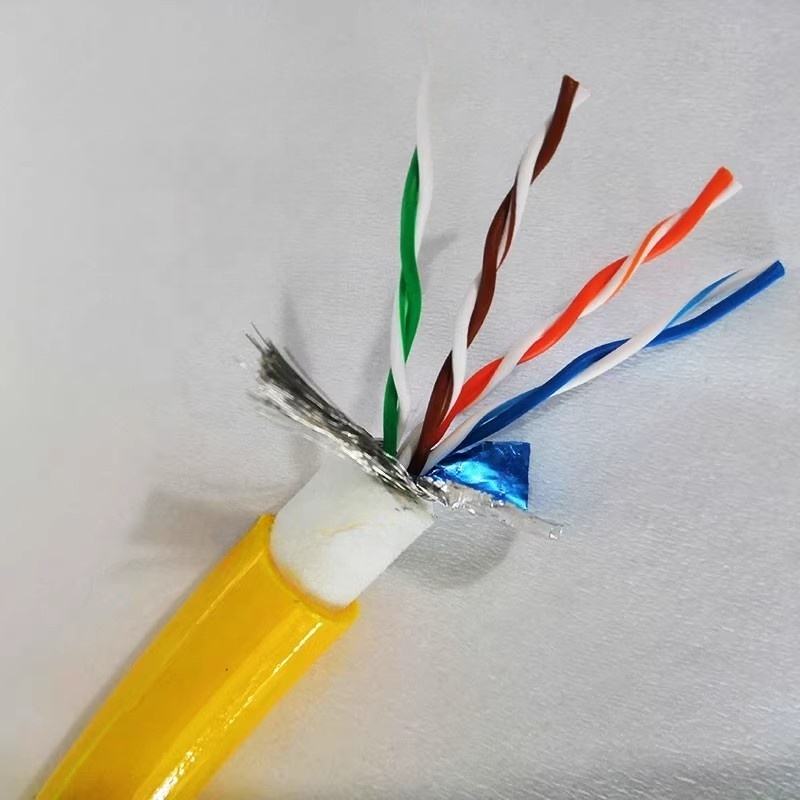
Delivering Electrical Power Beneath the Sea
Powering Offshore Energy Infrastructure
Not all underwater cables carry data. Many are subsea power cables designed to transmit electricity across oceans, seas, and coastal waters.
These cables play a vital role in:
-
Offshore wind farms
-
Offshore oil and gas platforms
-
Island power supply
-
Subsea pumping and compression systems
High-voltage AC and HVDC underwater power cables transport electricity efficiently over long distances with minimal losses. In offshore wind projects, they connect turbines to substations and export clean energy to onshore grids, making large-scale renewable energy possible.
As the global transition toward renewable energy accelerates, underwater power cables have become foundational infrastructure.
Enabling ROVs and Underwater Robotics
The Lifeline of Deep-Sea Operations
Another critical function of underwater cables is supporting Remotely Operated Vehicles (ROVs) and other subsea robotic systems. These specialized cables—often called ROV umbilical cables—serve as lifelines between operators and machines working thousands of meters below the surface.
ROV cables typically combine:
-
Power conductors for propulsion and tools
-
Fiber optics for real-time HD video and data
-
Control signal transmission
-
Strength members for mechanical load support
Designed with neutral buoyancy and extreme durability, these cables enable precise control for applications such as pipeline inspection, offshore maintenance, deep-sea research, and underwater construction. Without them, real-time human-guided underwater work would be impossible.
Monitoring the Ocean: Environmental and Seismic Sensing
Underwater cables also function as large-scale monitoring systems for the ocean environment. Using technologies like Distributed Acoustic Sensing (DAS), fiber optic cables can detect vibrations and movements along their entire length.
This allows underwater cables to act as:
-
Earthquake and tsunami detection systems
-
Ocean temperature and current monitors
-
Marine life movement sensors
-
Climate and environmental research tools
Dedicated seafloor observatories use powered underwater cables to supply energy to sensors while streaming real-time data to scientists on land. This continuous monitoring improves disaster early warning systems and deepens our understanding of ocean ecosystems.
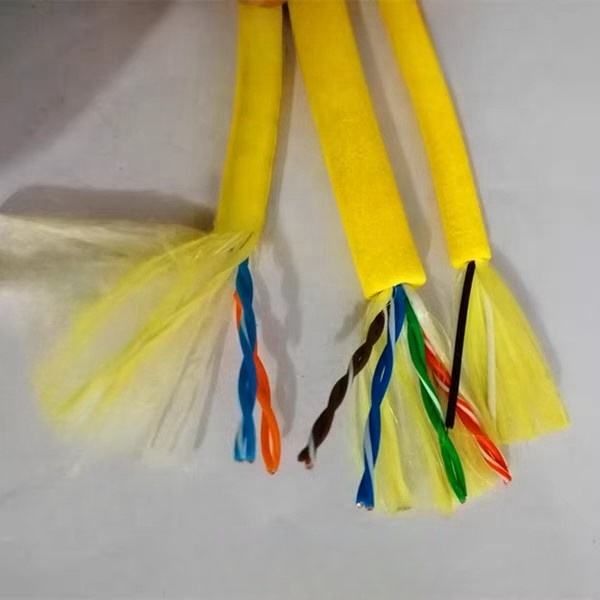
Supporting Secure and Strategic Communications
Underwater cables are strategically important for national security and defense. Governments and militaries rely on them for:
-
Secure communications
-
Naval and submarine monitoring systems
-
Sonar arrays and surveillance networks
-
Encrypted data transfer between bases
Compared to satellite links, submarine cables offer lower latency, higher security, and greater resistance to interception. As geopolitical concerns grow, protecting underwater cable infrastructure has become a global priority.
How Underwater Cables Are Designed to Perform These Roles
To reliably perform such diverse functions, underwater cables feature sophisticated layered designs, including:
-
Core elements: Optical fibers or power conductors
-
Insulation and waterproofing: Gel-filled tubes and polymer layers
-
Mechanical protection: Steel wire armoring
-
Outer jackets: Abrasion- and corrosion-resistant materials
Installation is carried out by specialized cable-laying ships that carefully route, lay, and sometimes bury cables to protect them from anchors, fishing gear, and environmental damage.
Challenges and Ongoing Innovation
Despite their reliability, underwater cables face challenges such as accidental damage, seismic activity, and harsh marine environments. To address these risks, the industry focuses on:
-
Network redundancy
-
Faster repair capabilities
-
Higher-capacity fiber technology
-
Integrated sensing and monitoring
-
Sustainable materials and routing practices
These innovations ensure underwater cables continue to perform reliably for 25–40 years or more.
So, what do underwater cables do?
They transmit nearly all global internet data, deliver power to offshore energy systems, enable real-time control of underwater robots, monitor the health of our planet, and support secure global communications. Though hidden beneath the sea, underwater cables are foundational to modern life.
As global connectivity, renewable energy, and ocean exploration continue to expand, underwater cables will only grow in importance. Understanding their functions reveals the unseen infrastructure powering our digital, industrial, and environmental future.
FAQ
What is the main function of underwater cables?
Their primary role is transmitting international data, but many also deliver power and control signals.
Do all underwater cables carry internet traffic?
No. Some are dedicated power cables, while others are composite cables for robotics or monitoring.
How do underwater cables transmit data so quickly?
They use fiber optic technology, transmitting light pulses with extremely low latency.
What role do underwater cables play in renewable energy?
They export electricity from offshore wind farms and connect subsea energy systems.
Are underwater cables reliable?
Yes. Most are designed to operate continuously for decades with built-in redundancy.