

What Is a Submarine Cable?
A submarine cable (or underwater cable) is a fiber-optic cable laid on the ocean bed between land-based stations to carry telecommunication signals.
At its core, the technology is surprisingly similar to the fiber optics that might connect to your home router, just engineered for a much more hostile environment. These cables transmit information using light. Lasers on one end fire extremely rapid pulses of light down thin glass fibers to receptors on the other end.
You might expect a cable stretching across the Atlantic to be massive, perhaps the size of a pipeline. In reality, deep-sea cables are often only about the width of a garden hose.
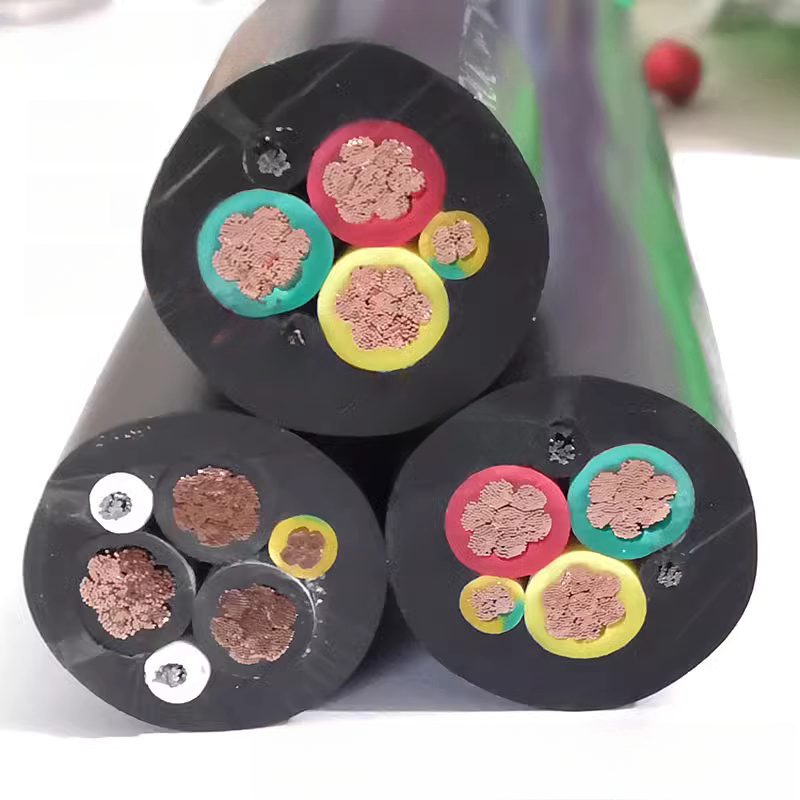 |
Underwater fiber optic cables |
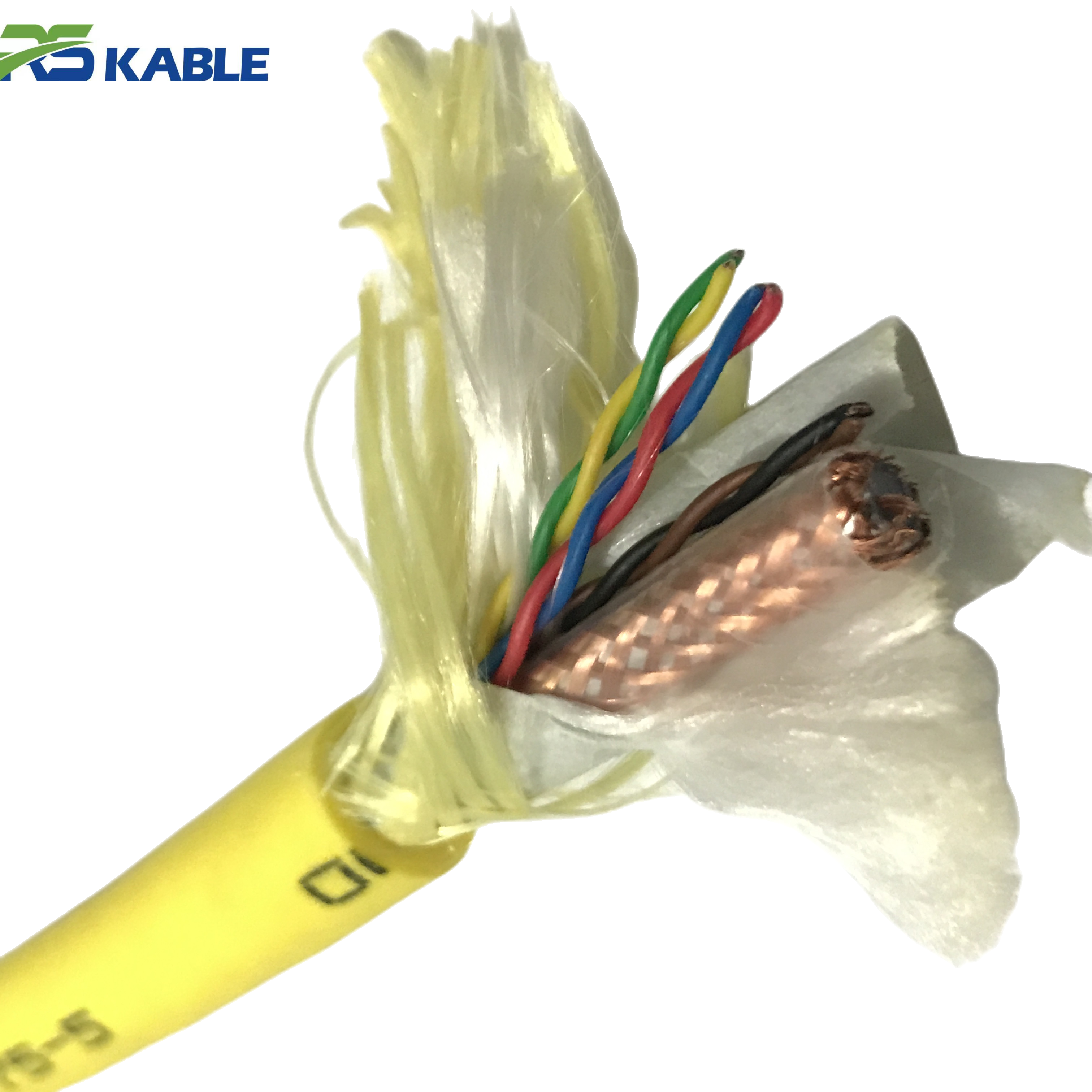
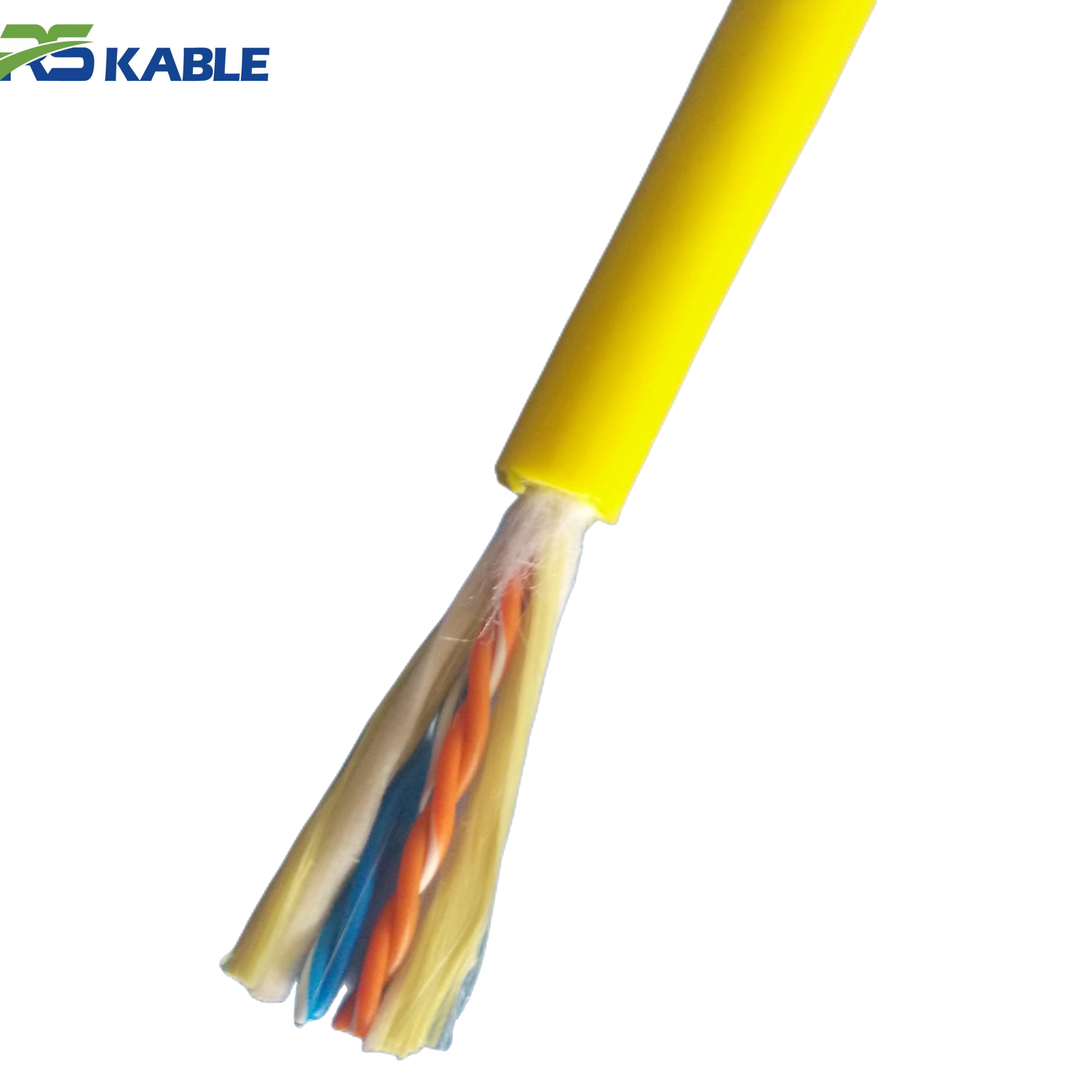
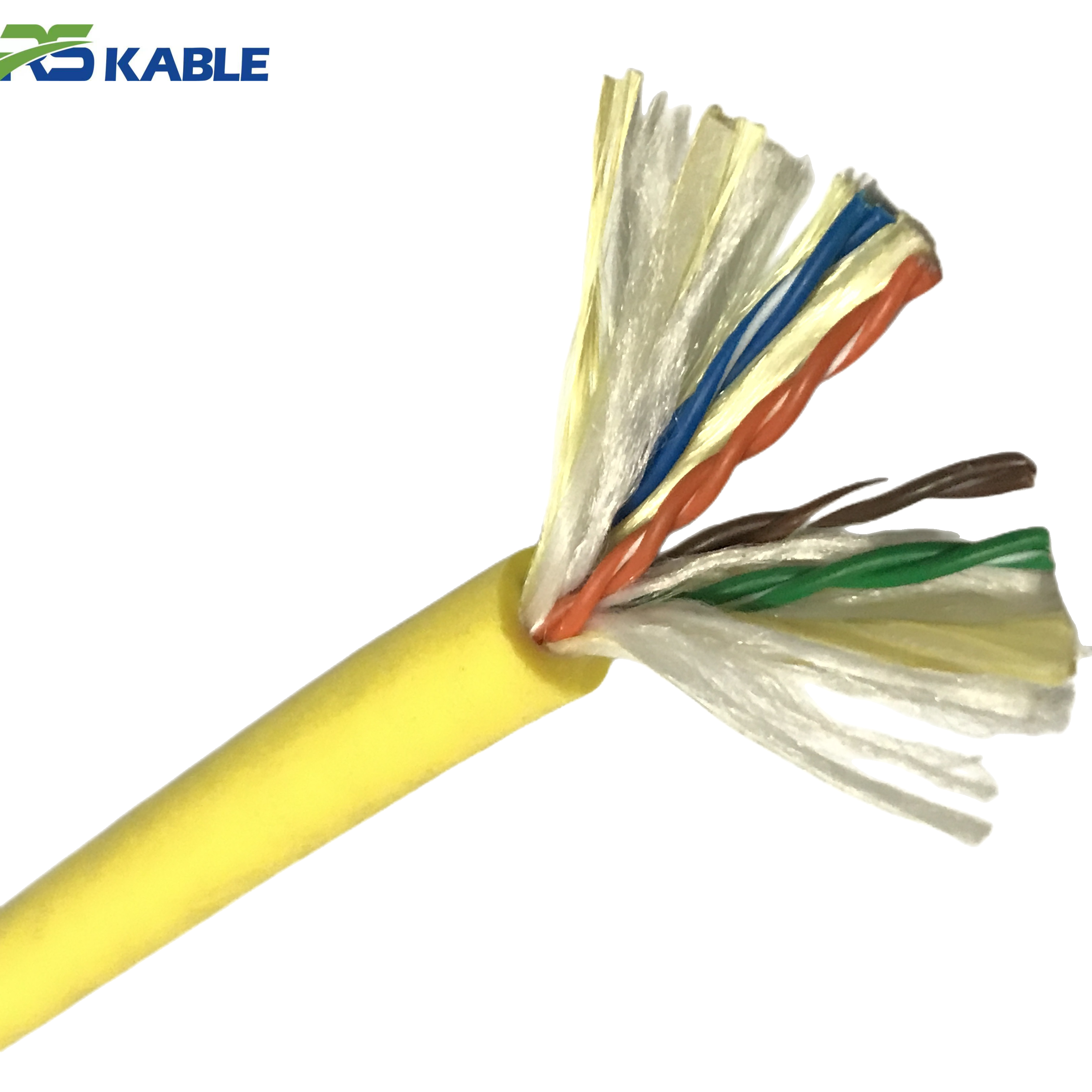
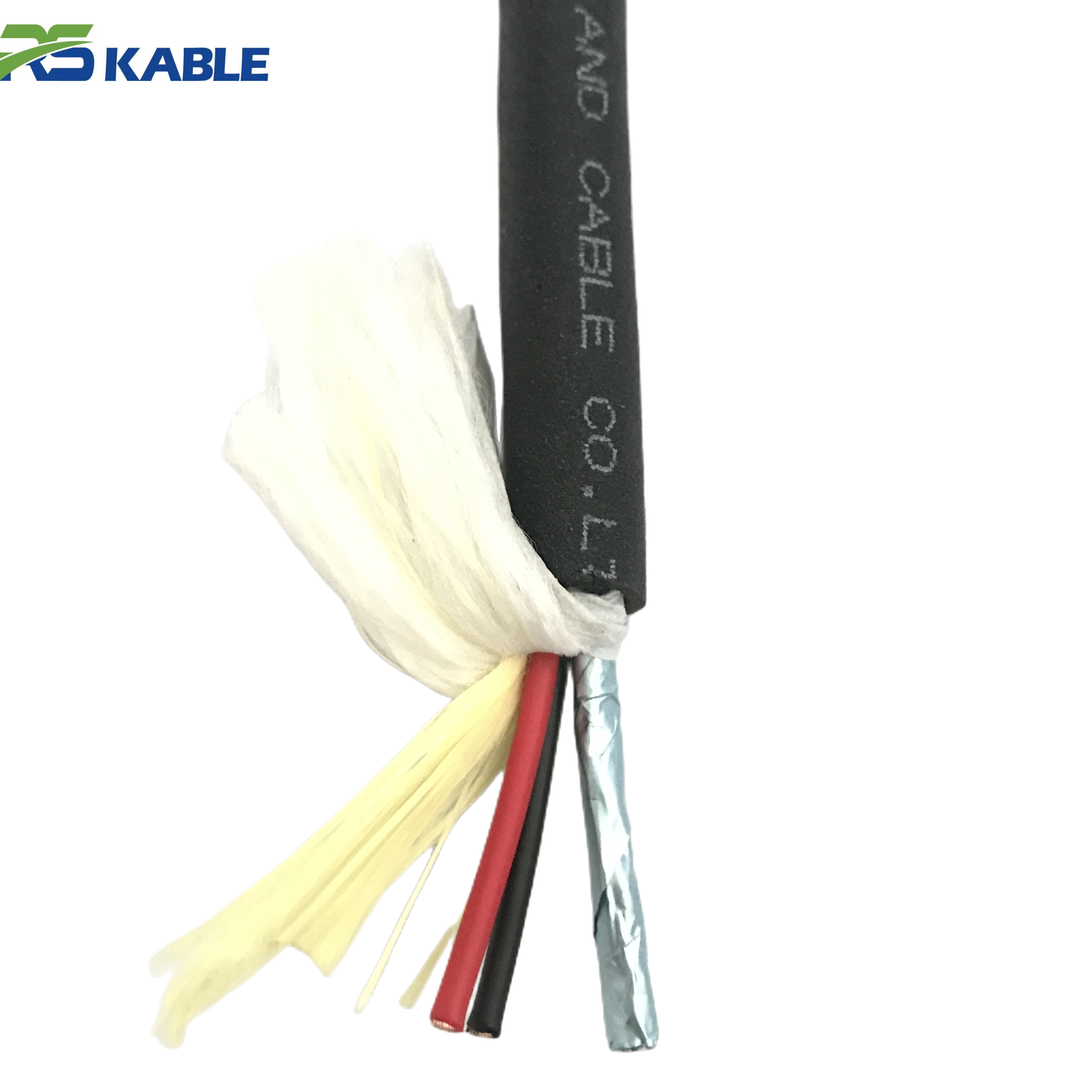
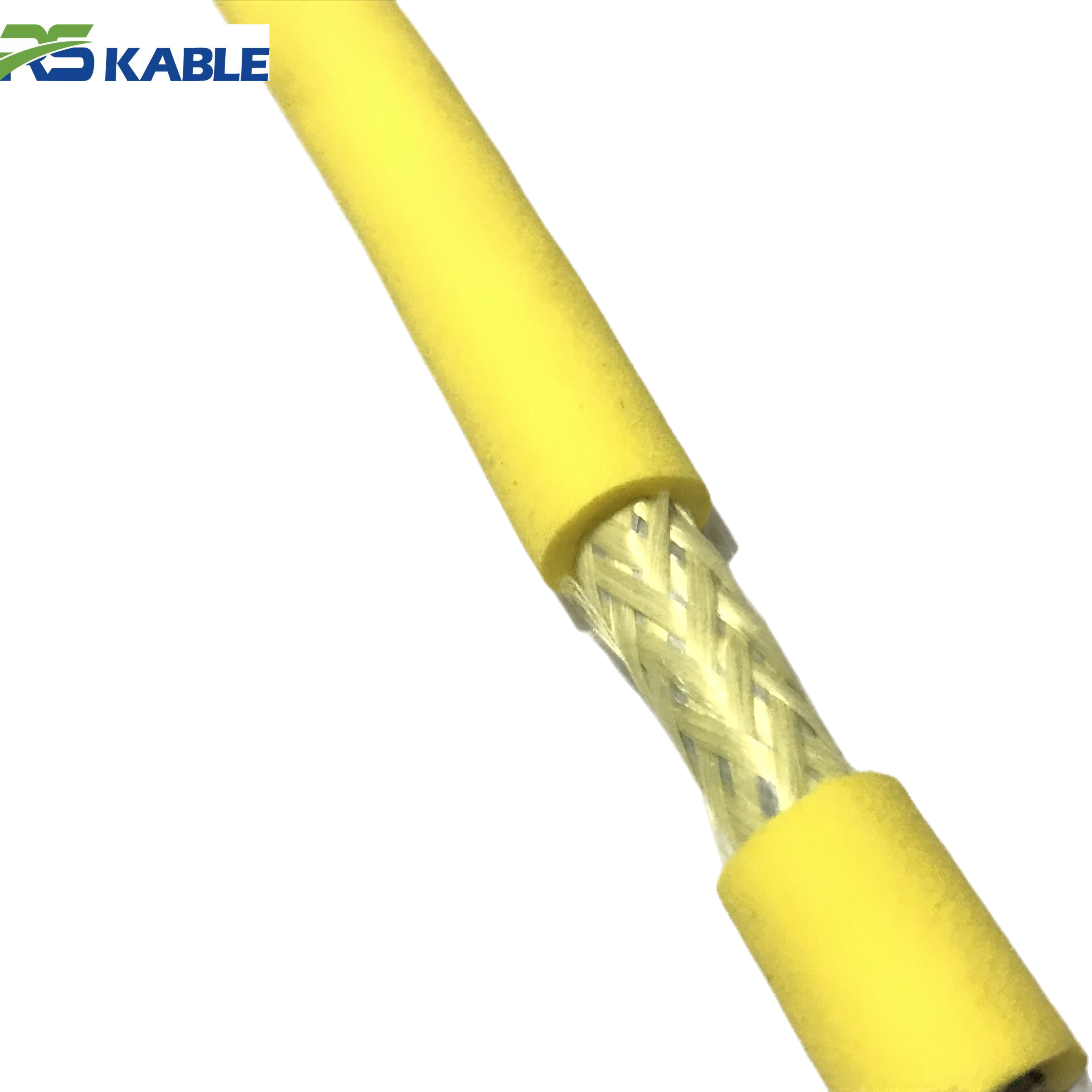
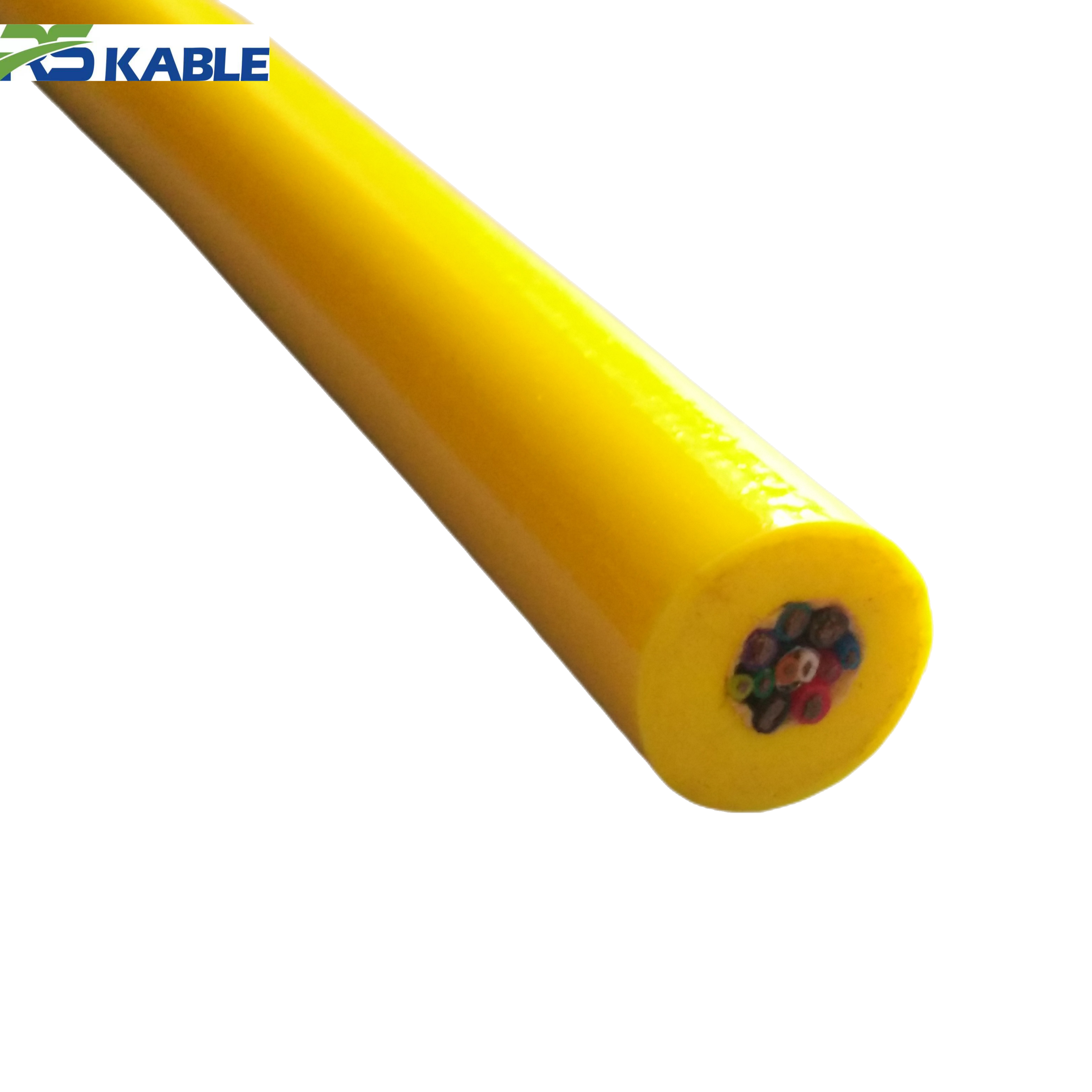
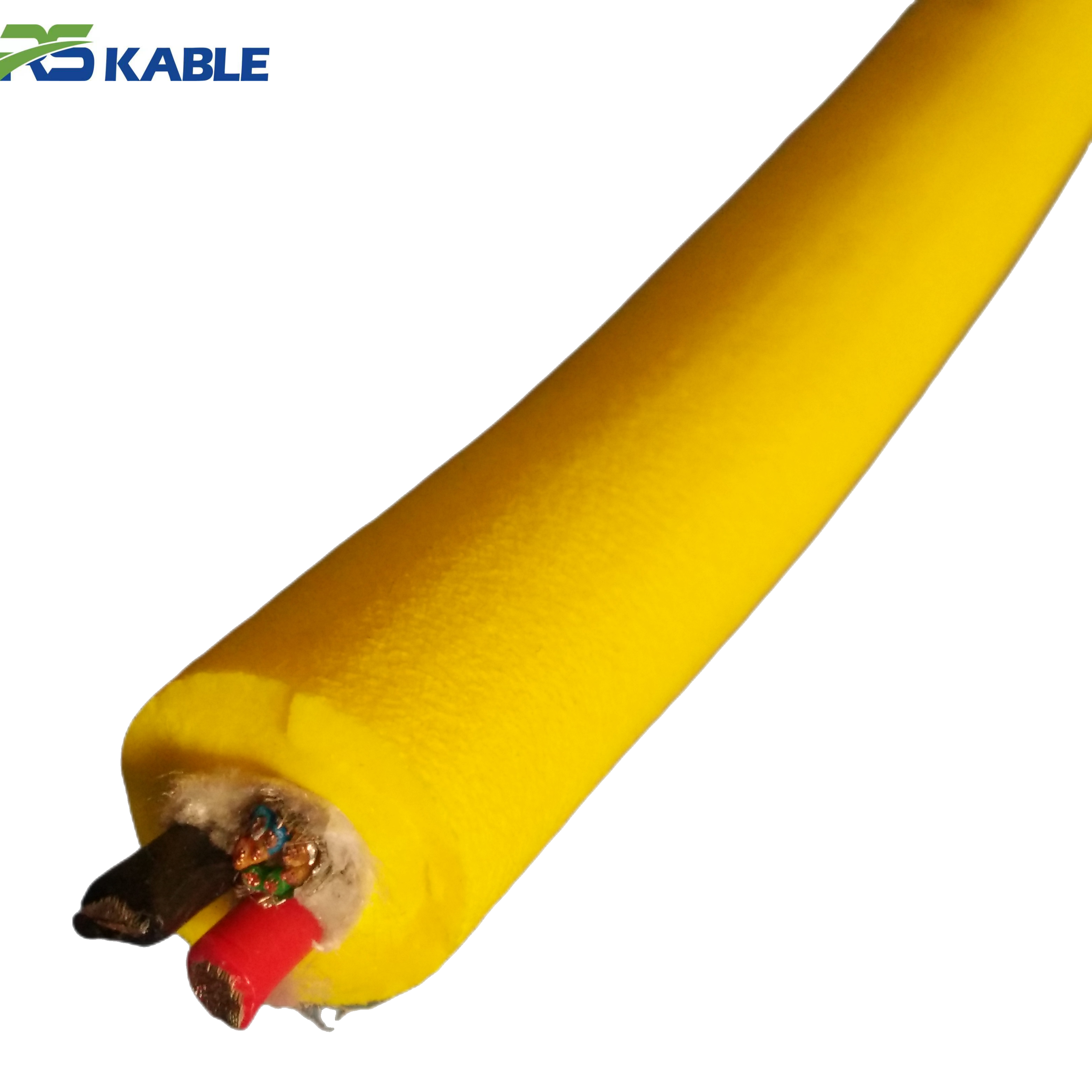
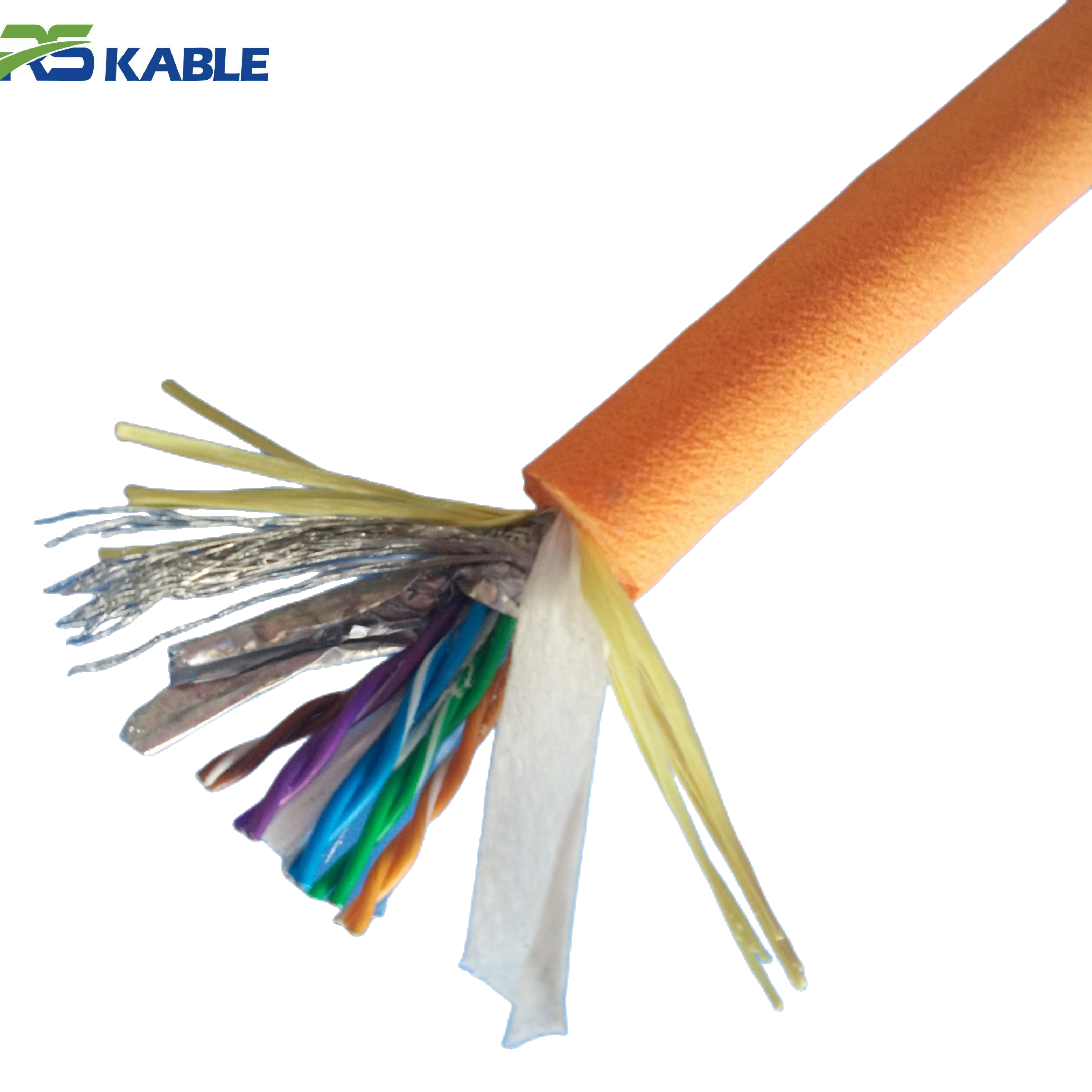
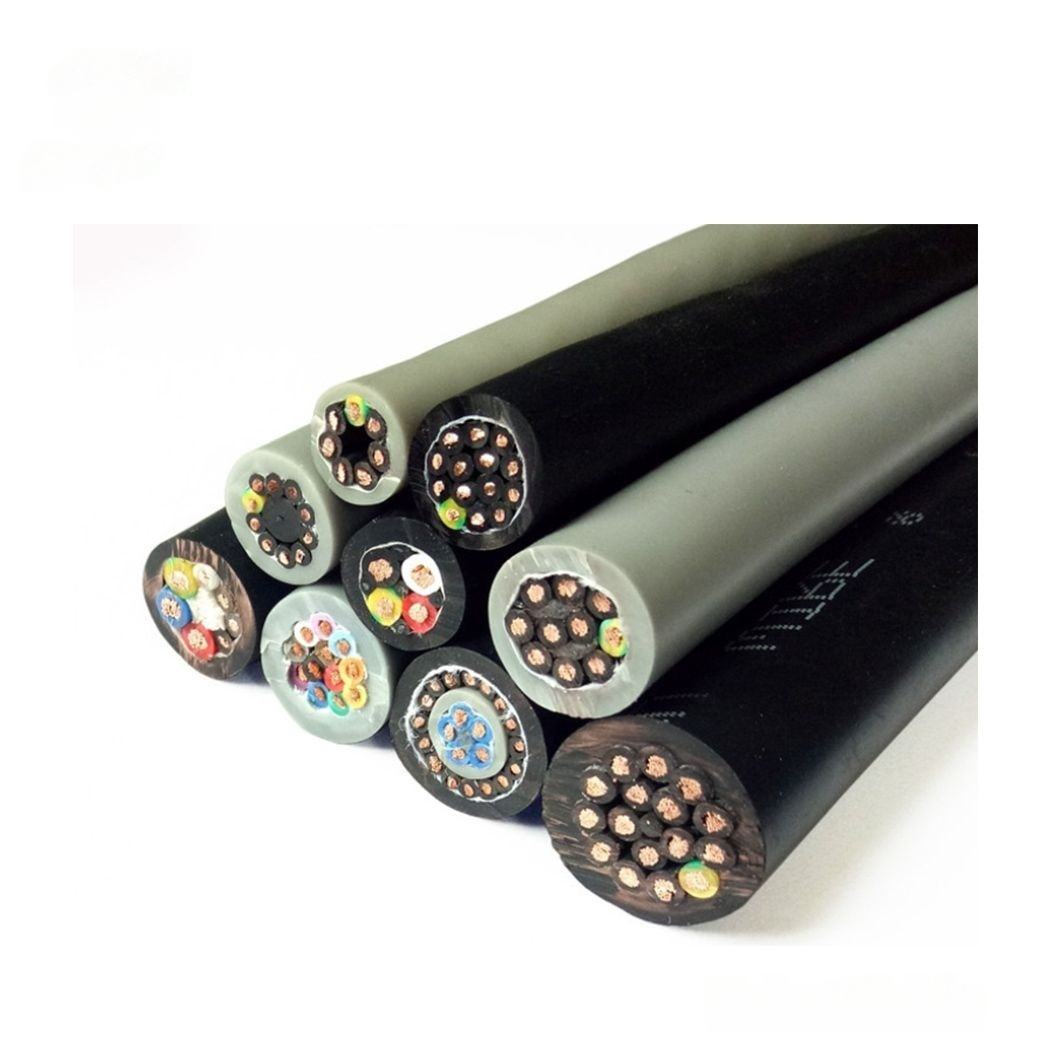
The construction is a masterclass in protection. The delicate glass fibers at the center—often no thicker than a human hair—must be shielded from saltwater, immense pressure, and physical damage. A typical cable consists of several concentric layers:
- Optical Fibers: The glass strands that carry the data.
- Petroleum Jelly: A gel layer that protects the fibers from water and friction.
- Copper or Aluminum Tube: This conducts electricity to power the signal repeaters (more on that later).
- Polycarbonate: An insulating layer.
- Steel Wire Armor: Strands of steel that provide mechanical strength and protection against shark bites or abrasion.
- Polyethylene: The final waterproof outer coating.
In shallow waters where threats like boat anchors and fishing trawlers are common, the cables are armored more heavily, sometimes reaching the thickness of a soda can. In the deep ocean, where human activity is scarce, they are stripped down to their thinnest, lightest form.
How the Global Network Operates
As of 2025, there are over 550 active and planned submarine cable systems worldwide, stretching approximately 1.7 million kilometers. That is enough cable to wrap around the Earth more than 40 times.
The Role of Repeaters
Light can travel a long way through glass, but it can’t travel forever without fading. Over thousands of miles of ocean, the light signal weakens (a phenomenon called attenuation).
To solve this, engineers install optical repeaters roughly every 50 to 100 kilometers along the cable. These devices boost the signal to ensure it reaches the other side with integrity. This is why the cables contain copper conductors; the repeaters need electricity to function, which is fed from the landing stations on the shore.
Who Owns the Cables?
Historically, these cables were owned by consortiums of telecommunication carriers—groups of companies like AT&T, Orange, or British Telecom pooling resources.
However, the landscape has shifted in the last decade. Content providers have become the new titans of subsea infrastructure. Tech giants like Google, Meta (Facebook), Microsoft, and Amazon now invest heavily in building their own private cable systems. By owning the infrastructure, these companies can prioritize their own traffic, ensuring faster speeds for their cloud services and platforms.
How Are Submarine Cables Laid?
Laying a cable across an ocean is one of the most complex logistical feats in modern engineering. It can take years of planning and costs hundreds of millions of dollars.
1. The Route Survey
Before a single meter of cable is manufactured, a survey ship maps the ocean floor. Engineers look for a path that minimizes environmental impact and avoids hazardous terrain like underwater volcanoes, deep trenches, or fault lines prone to earthquakes.
2. The Installation
Specialized cable-laying vessels, which look like massive tankers with giant spools on their decks, carry the cable out to sea. These ships can hold thousands of kilometers of cable at a time.
The installation process varies by depth:
- Deep Water (>2,000 meters): The cable is typically paid out from the back of the ship and allowed to rest on the flat seabed.
- Shallow Water (<2,000 meters): This is the danger zone for cables. To protect them, a submarine plow is towed behind the ship. This plow carves a trench in the seabed, lays the cable inside, and covers it back up with sediment. This burial technique (usually 0.6 to 1.5 meters deep) is crucial for protecting the line from fishing gear and anchors.
Threats to the Network: Why Do Cables Break?
Given that these cables sit at the bottom of the ocean, you might assume they are safe. Yet, the International Cable Protection Committee (ICPC) reports roughly 150 to 200 cable faults every year.
The Number One Suspect: Human Activity
Contrary to popular belief, sharks are not eating the internet. While there were isolated incidents in the 1980s of sharks biting experimental cables, modern shielding has effectively eliminated this problem.
The real threat is us. According to industry data, 70% to 80% of all cable faults are caused by accidental human activity.
- Fishing: Bottom trawling nets can snag a cable and sever it.
- Anchors: Large vessels dropping anchor in restricted zones often drag their anchors across the seabed, crushing or snapping cables.
Natural Disasters
The remaining percentage of faults usually stems from geological events. Underwater landslides, often triggered by earthquakes or typhoons, can sweep away huge sections of cable. The 2006 Hengchun earthquake, for example, severed several major cables near Taiwan, significantly disrupting internet access across Southeast Asia.
Security Concerns
In recent years, the security of submarine cables has become a geopolitical hot button. Because these lines carry financial data, diplomatic communications, and military intelligence, they are viewed as critical infrastructure. Nations are increasingly concerned about the potential for foreign adversaries to tap into cables for espionage or cut them entirely to cripple a country’s communications.
How Do You Repair a Cable at the Bottom of the Ocean?
When a cable breaks, the internet doesn’t usually shut down. Network operators redirect traffic to other cables, though this can cause slower speeds or higher latency. Meanwhile, a repair ship is dispatched to the fault site.
Repairing a subsea cable is not as simple as sending a diver down with a wrench. The process is grueling:
- Locate: The ship uses testing equipment to find the exact break point.
- Grapple: The ship lowers a grapnel (a type of hook) to the seafloor to snag the cable.
- Cut and Lift: The cable is cut and brought to the surface one end at a time.
- Splice: On board the ship, in a clean room, engineers manually fuse the glass fibers back together—a microscopic operation requiring extreme precision.
- Return: The repaired cable is sealed and lowered back to the ocean floor.
Depending on the weather and the location of the ship, a repair can take anywhere from a few days to several weeks.
The Future of Subsea Connectivity
As demand for bandwidth explodes—driven by AI, 8K video streaming, and cloud computing—the submarine cable industry is innovating rapidly.
Engineers are developing “SMART cables” (Science Monitoring And Reliable Telecommunications). These cables do double duty: they transmit data and use built-in sensors to monitor the ocean environment. They can track water temperature to study climate change and detect pressure changes to provide early warnings for tsunamis.
Furthermore, while satellite internet services like Starlink are growing, they are unlikely to replace submarine cables. Satellites are excellent for reaching rural areas, but they cannot match the sheer bandwidth capacity and speed of fiber optics. For the foreseeable future, the heavy lifting of the global internet will remain deep underwater.
Frequently Asked Questions
Do submarine cables effect the marine environment?
Impact is minimal. Cables are coated in polyethylene, a plastic that is inert in seawater. In deep water, they essentially become an artificial reef, with marine life often found growing on or living around them.
How long do underwater cables last?
The typical lifespan of a submarine cable is about 25 years. After this, they may be decommissioned or retired as the technology becomes obsolete and newer, faster cables are laid.
Can a submarine cable shock you?
While cables do carry high-voltage electricity to power repeaters, they are heavily insulated. The electrical field is contained within the cable, so it poses no danger to marine life or divers.
Who is responsible for protecting these cables?
Protection is a collaborative effort involving national governments, the International Cable Protection Committee (ICPC), and private cable owners. They work together to monitor shipping routes and enforce “cable protection zones” where fishing and anchoring are prohibited.