

What are the 4 Types of Wiring?
Wiring plays a critical role in ensuring the smooth operation of electrical systems. Whether for powering devices, transmitting data, or controlling equipment, understanding the different types of wiring is crucial. In this article, we will explore the 4 types of wiring commonly used in modern electrical installations, with a special focus on flexible cable wiring.
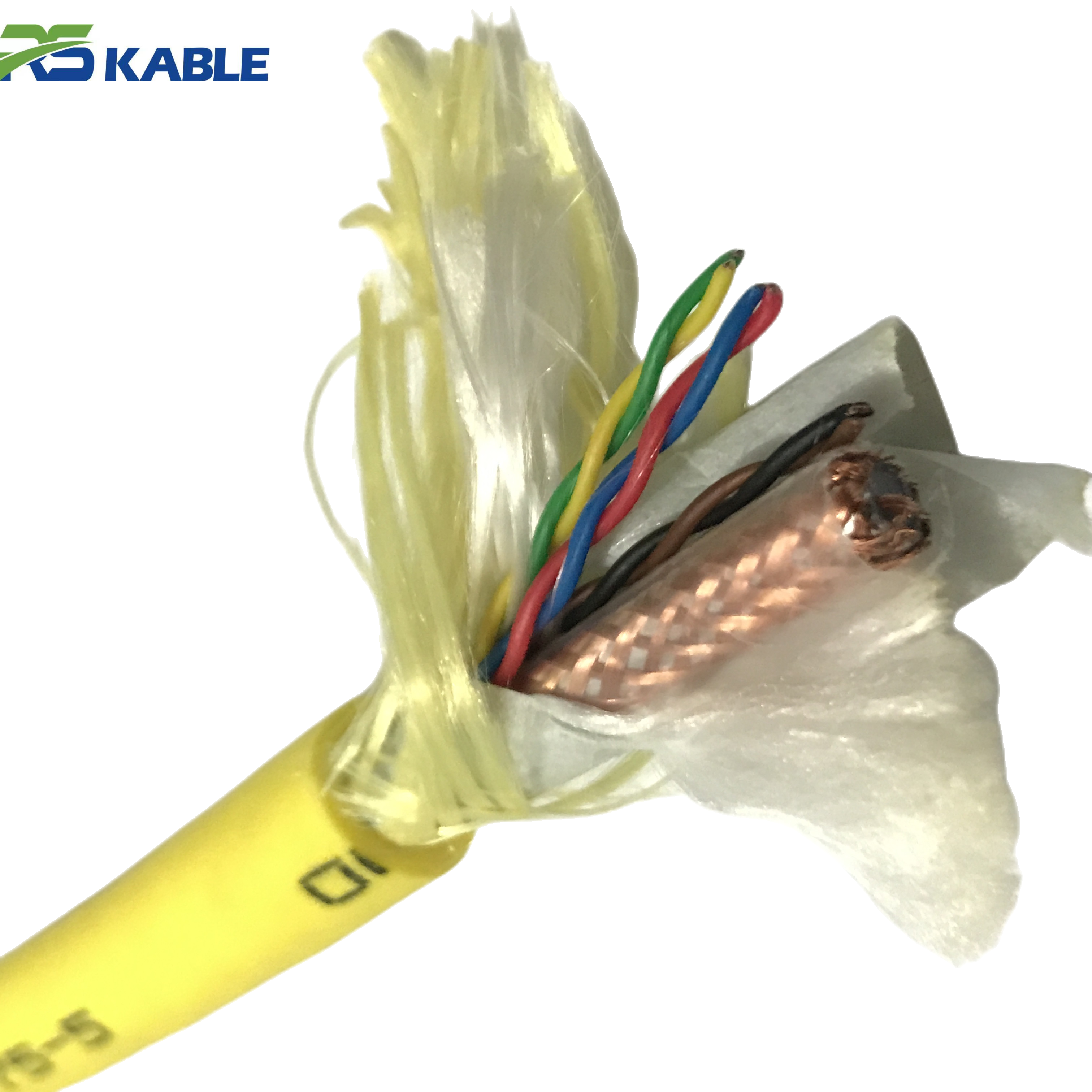
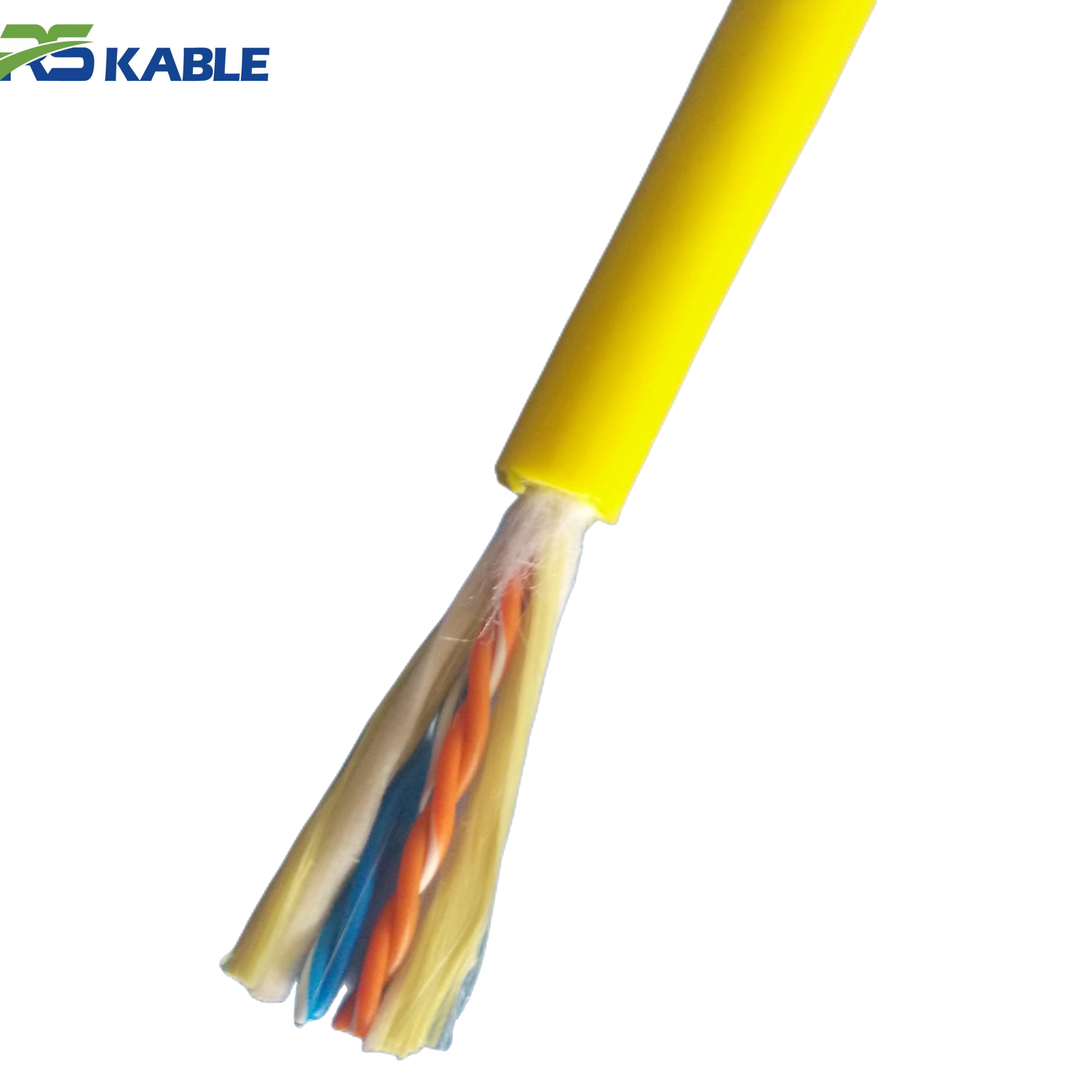
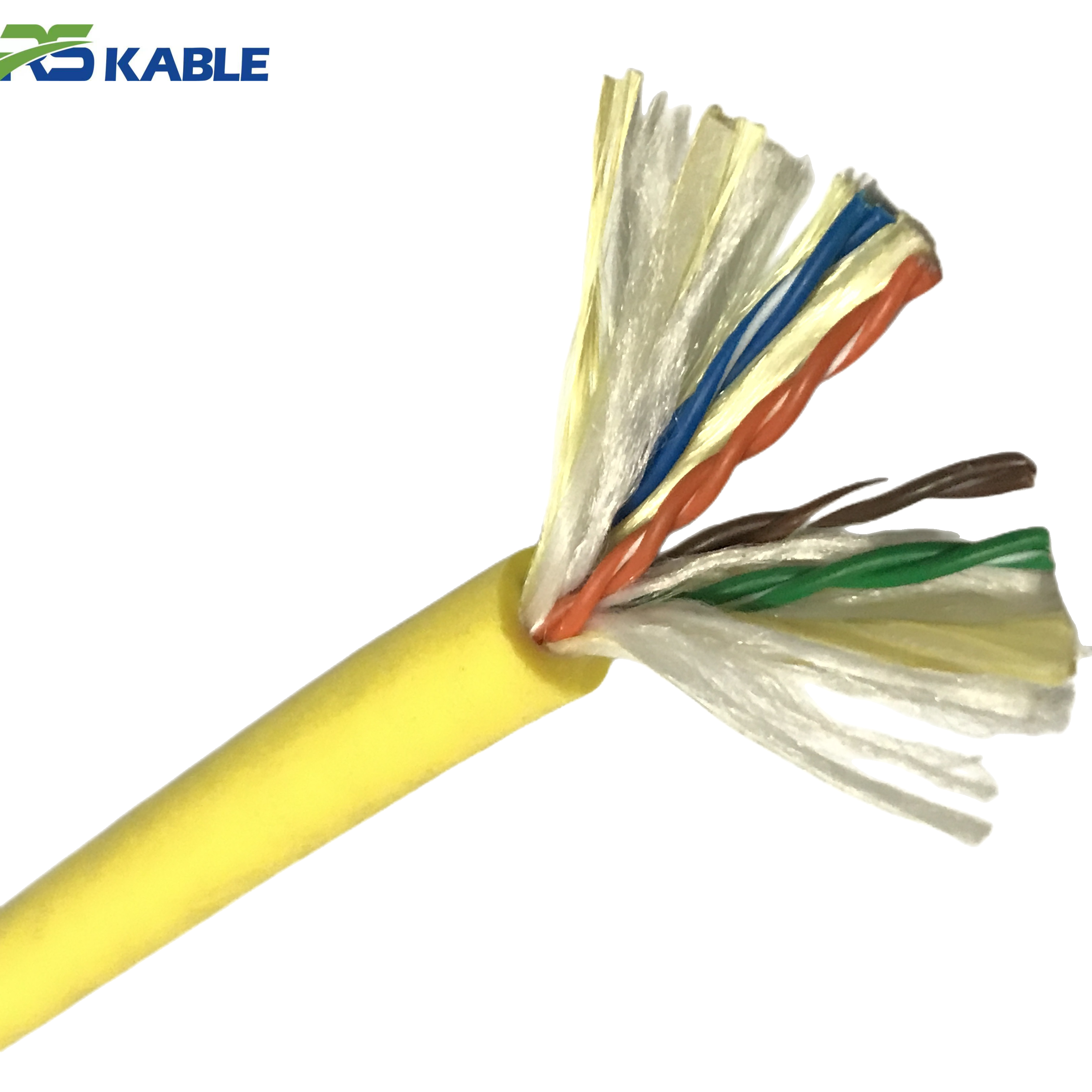
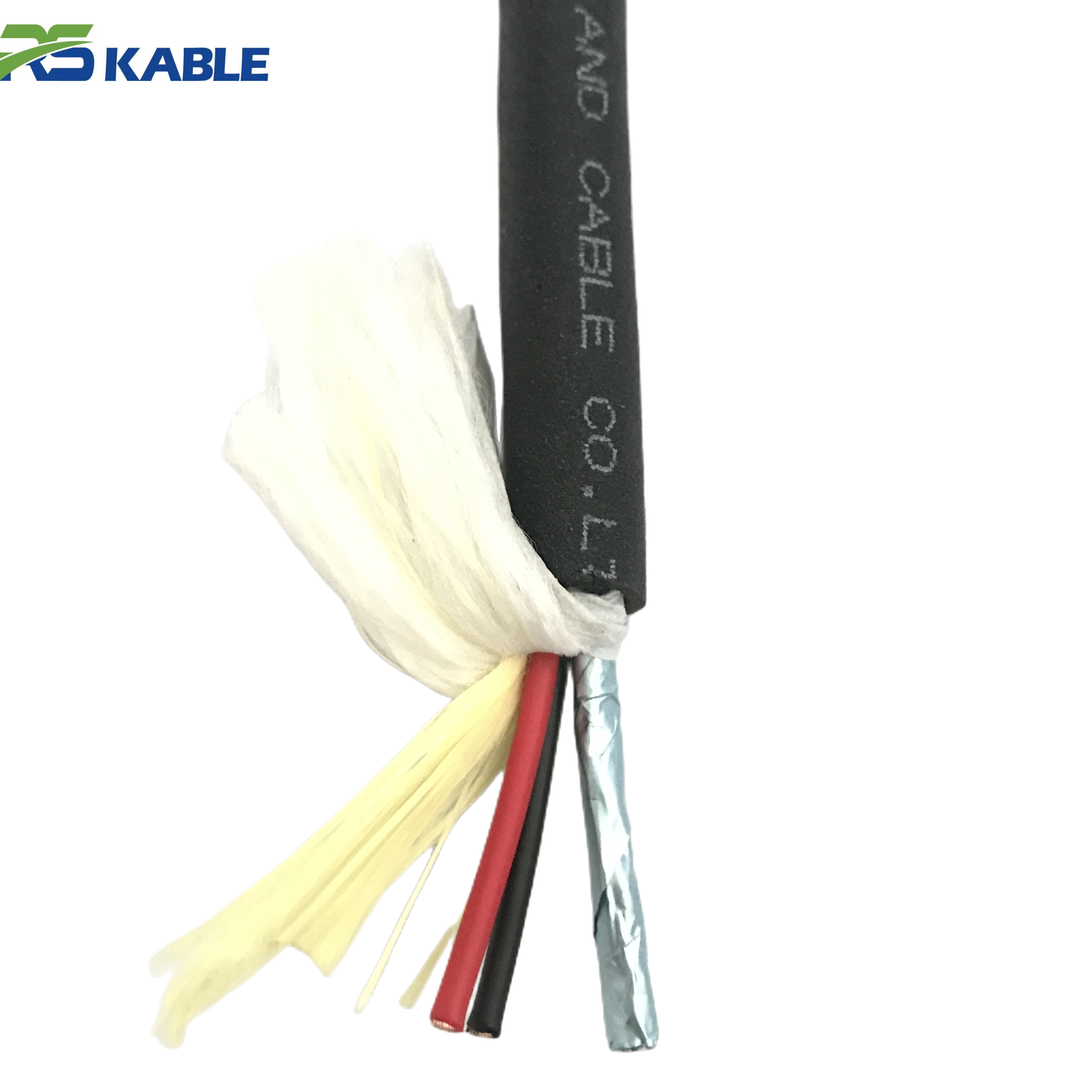
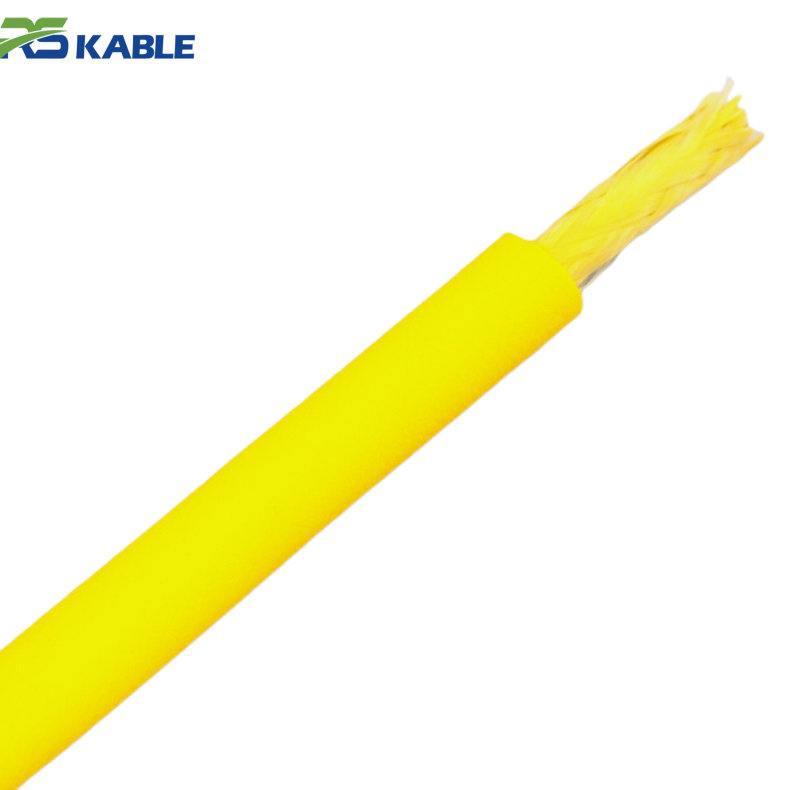
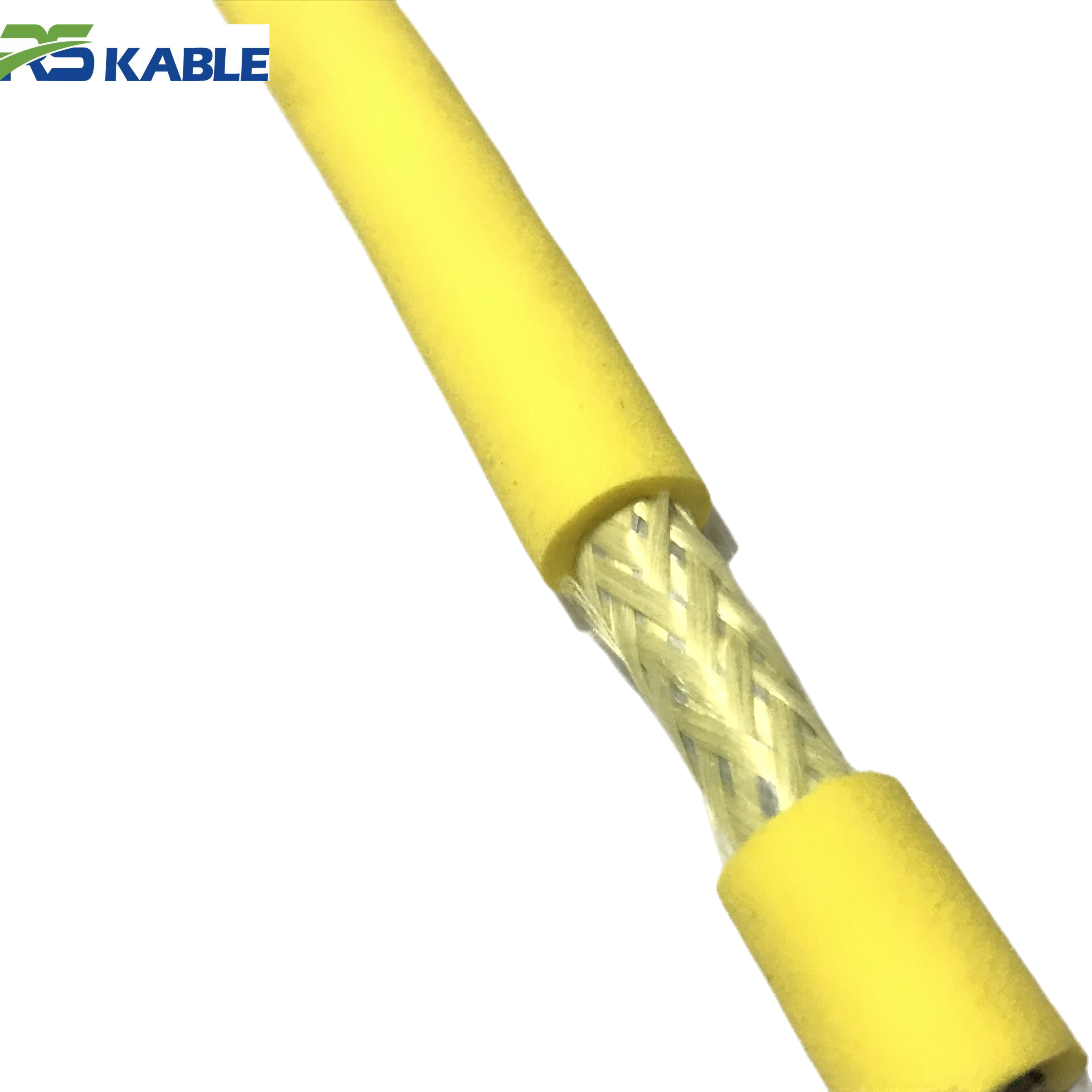
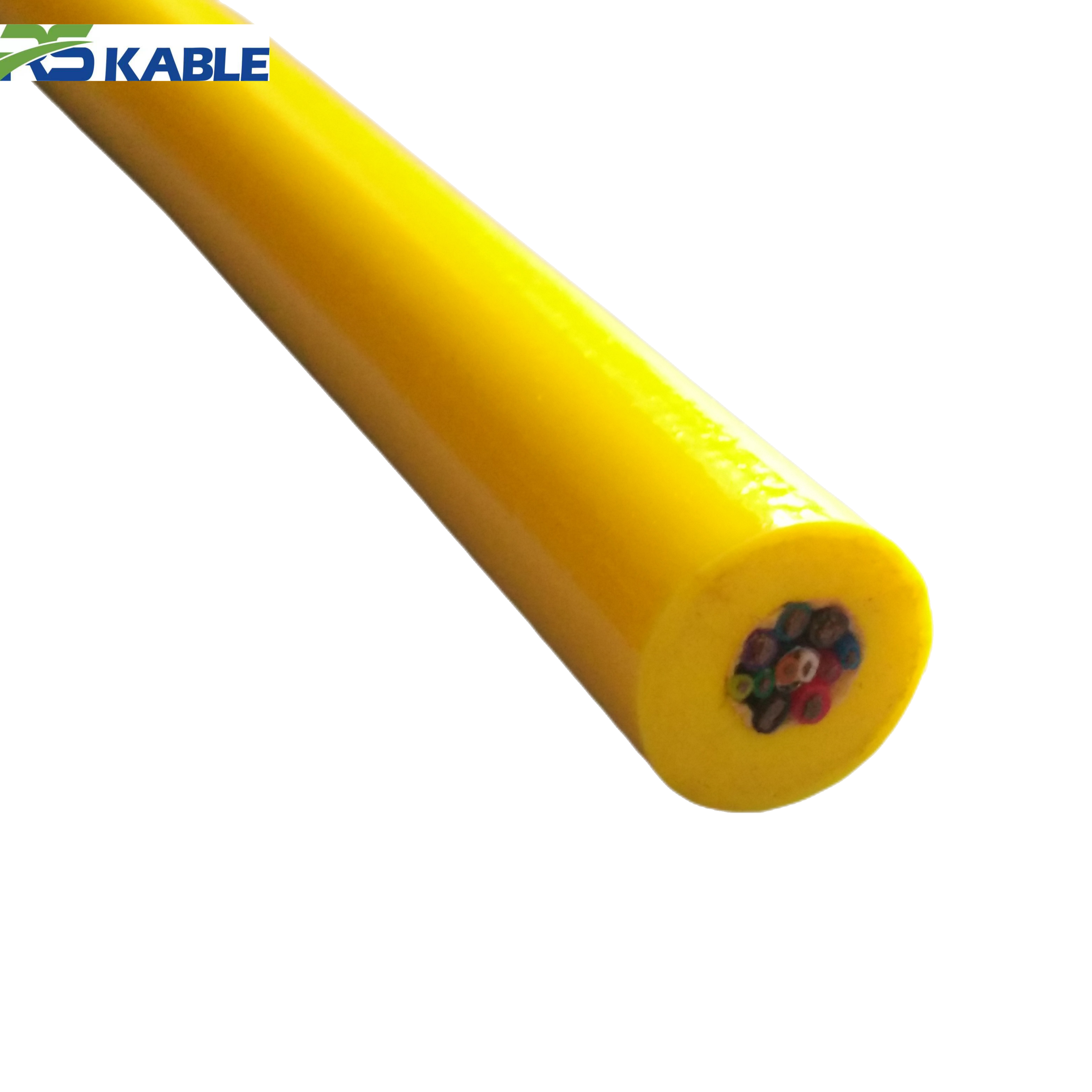
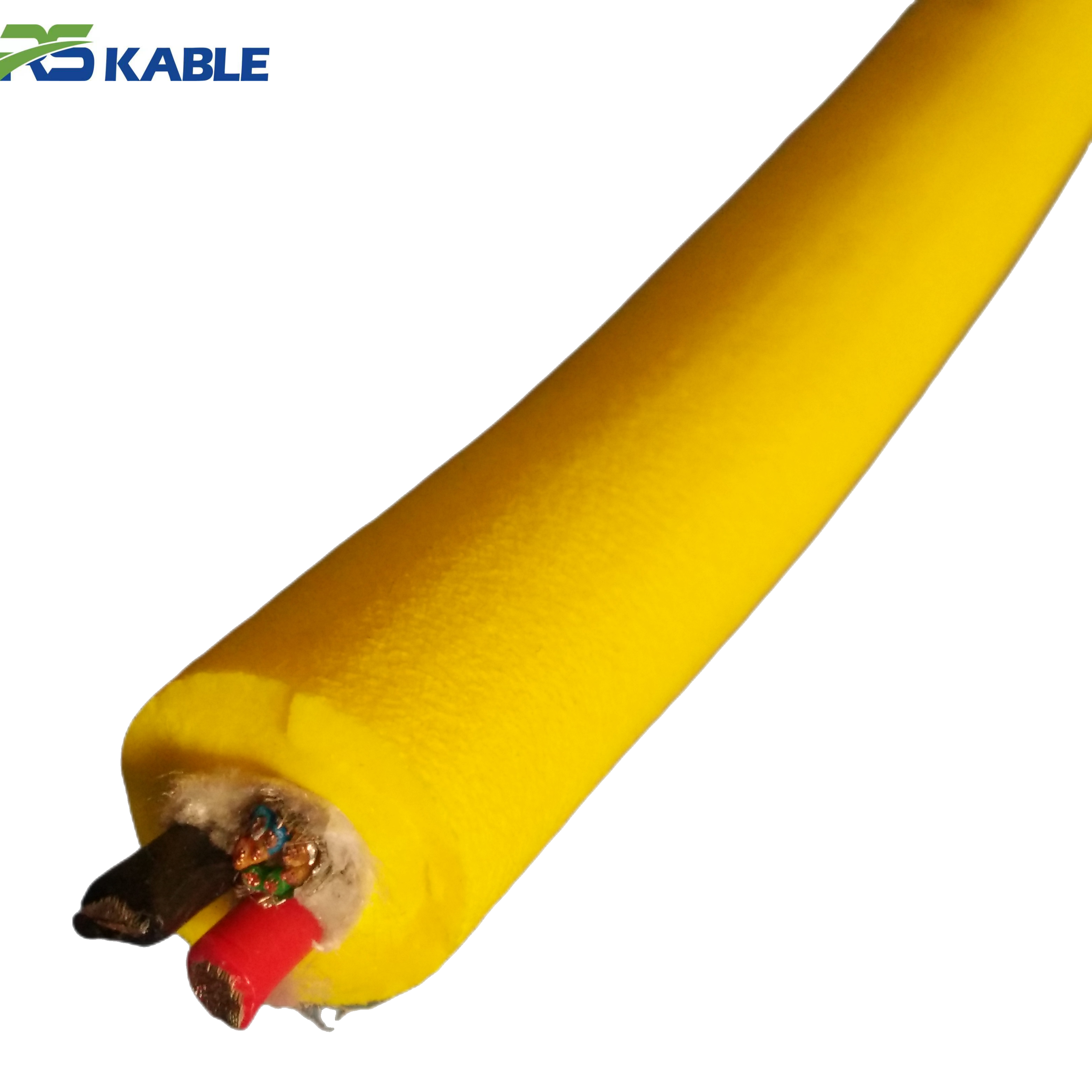
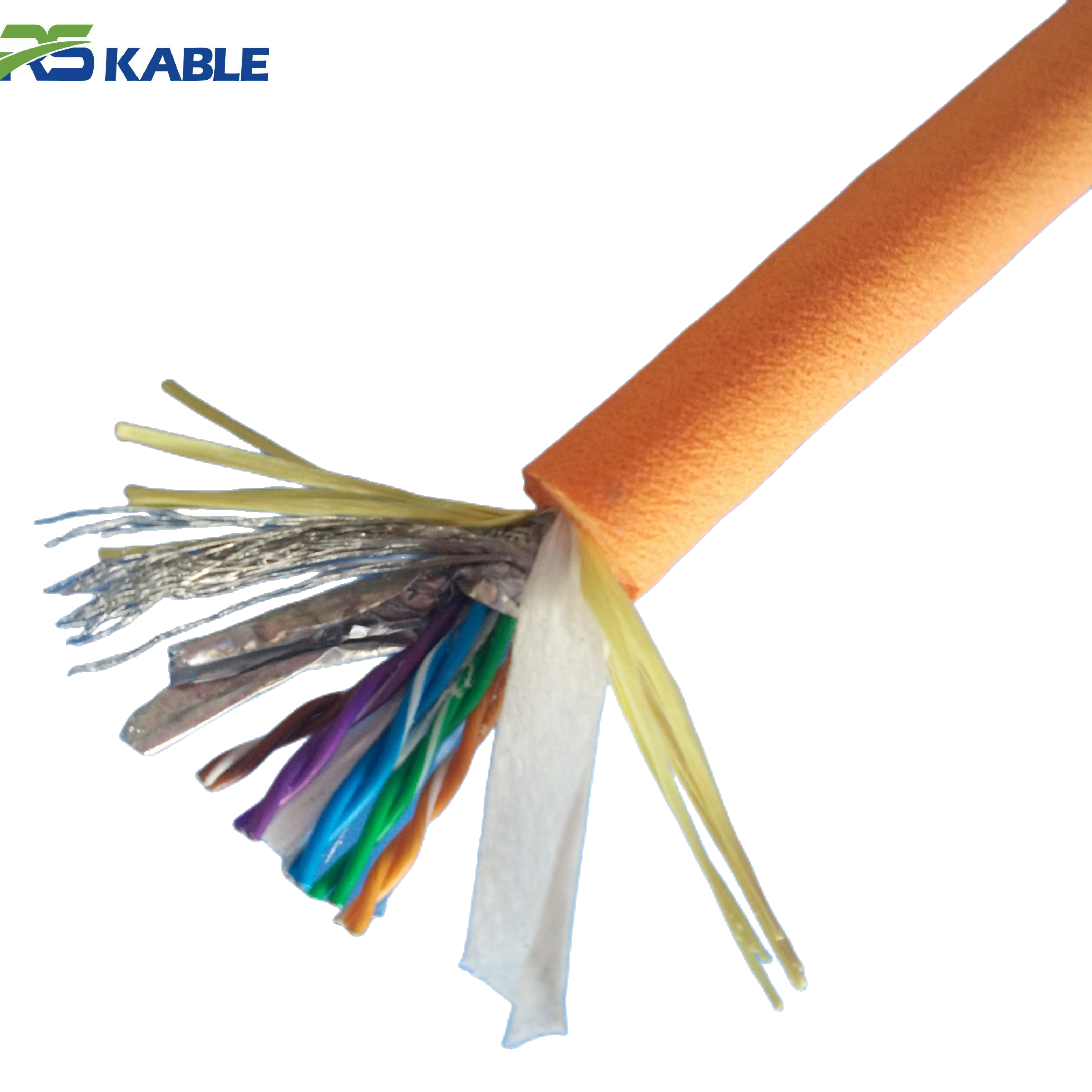
1. Flexible Cable Wiring
One of the most versatile wiring types, flexible cable wiring is designed to bend, twist, and move without damaging the internal wires. These cables are ideal for applications that involve regular movement or where the wires need to be installed in tight or flexible spaces.
Applications of Flexible Cables:
-
Robotics: Flexible cables are essential for controlling and powering robots, which require wires that can bend and twist without breaking.
-
Consumer Electronics: Devices like smartphones, laptops, and cameras often use flexible cables for their compact and bendable nature.
-
Industrial Machinery: Machines that have moving parts require flexible cables to ensure continuous operation without wire damage.
Flexible cables are perfect for applications where reliability, durability, and flexibility are needed.

2. Solid Wiring
Solid wiring is made up of a single, solid conductor that provides a stable and durable connection. This type of wiring is often used in permanent installations where the wires will not be moved regularly.
Common Uses of Solid Wiring:
-
Building Wiring: Often used in residential and commercial buildings for circuits that require a fixed and reliable connection.
-
Power Distribution: Used in power distribution systems to connect electrical panels, breakers, and other fixed components.
While solid wiring may not be as flexible as other types, it excels in situations where movement is not required.
3. Stranded Wiring
Stranded wiring consists of multiple thin strands of wire twisted together. This wiring is more flexible than solid wiring and is used in applications where bending and twisting are frequent.
Applications of Stranded Wiring:
-
Automotive Wiring: Stranded wiring is commonly used in vehicles where wires need to move and bend around tight spaces.
-
Portable Devices: Stranded wires are used in extension cords, power tools, and other portable devices.
Stranded cables offer increased flexibility and are ideal for environments that require frequent movement.
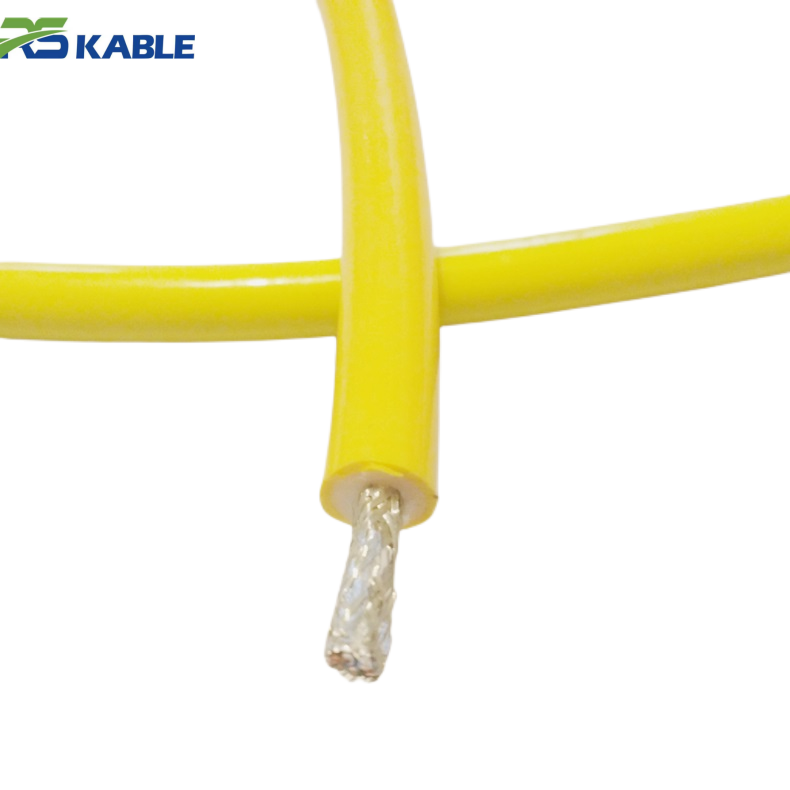
4. Coaxial Wiring
Coaxial wiring is commonly used for data transmission, especially in television, internet, and audio systems. It consists of a central conductor surrounded by insulation, a shield, and an outer layer.
Uses of Coaxial Wiring:
-
Telecommunications: Coaxial cables are used to transmit signals for cable TV, internet, and other communication systems.
-
Security Systems: Often used in CCTV installations for video transmission.
Coaxial wiring is designed to shield the signal from electromagnetic interference, ensuring a clear and reliable signal transmission.
each wiring type has its unique properties and applications. Whether you’re working with flexible cable for robotics or consumer electronics, solid wiring for fixed installations, stranded wiring for flexible use, or coaxial wiring for data transmission, understanding the differences between these types is essential for choosing the right wiring for your needs. By knowing where each type excels, you can ensure that your electrical systems run smoothly and efficiently, offering both reliability and performance.