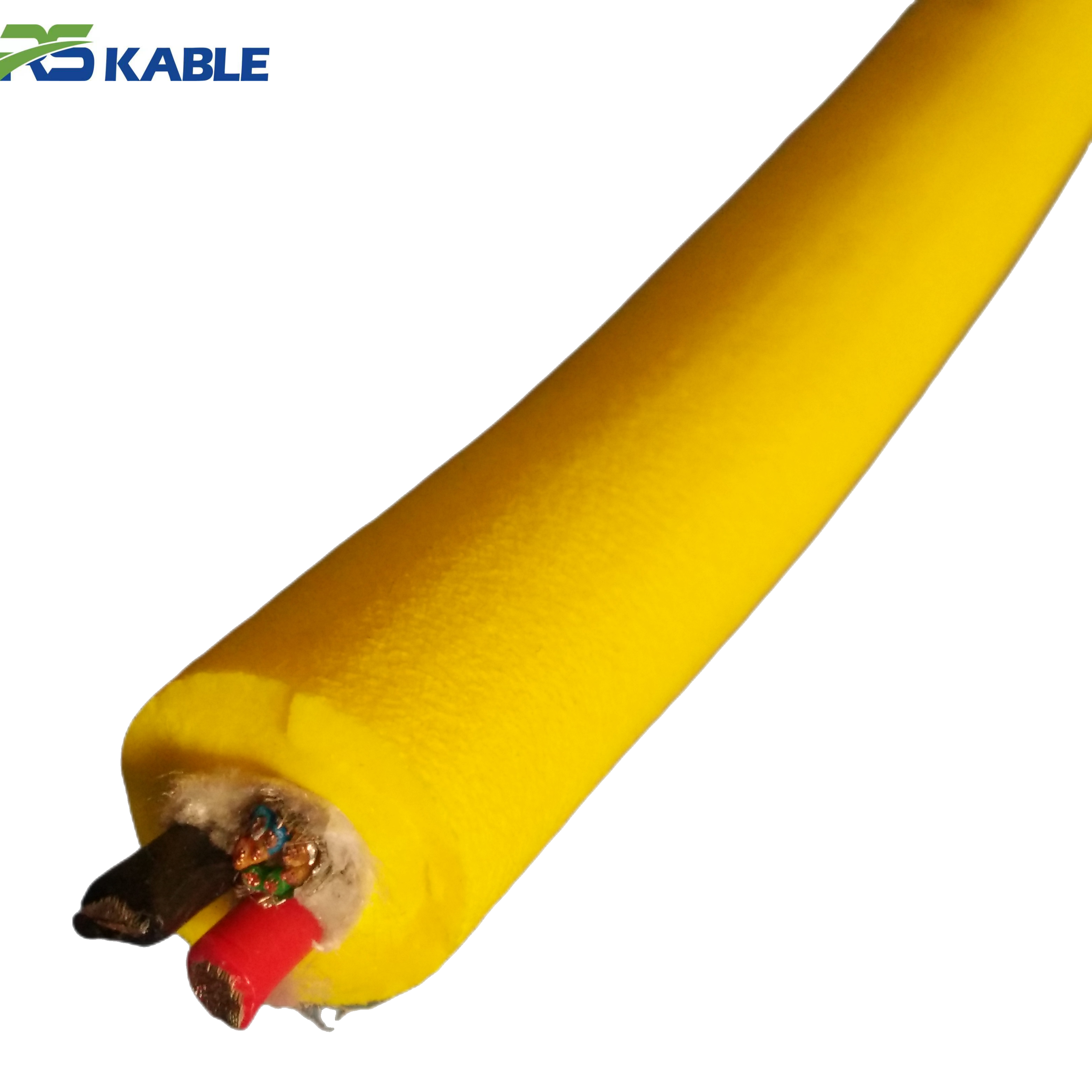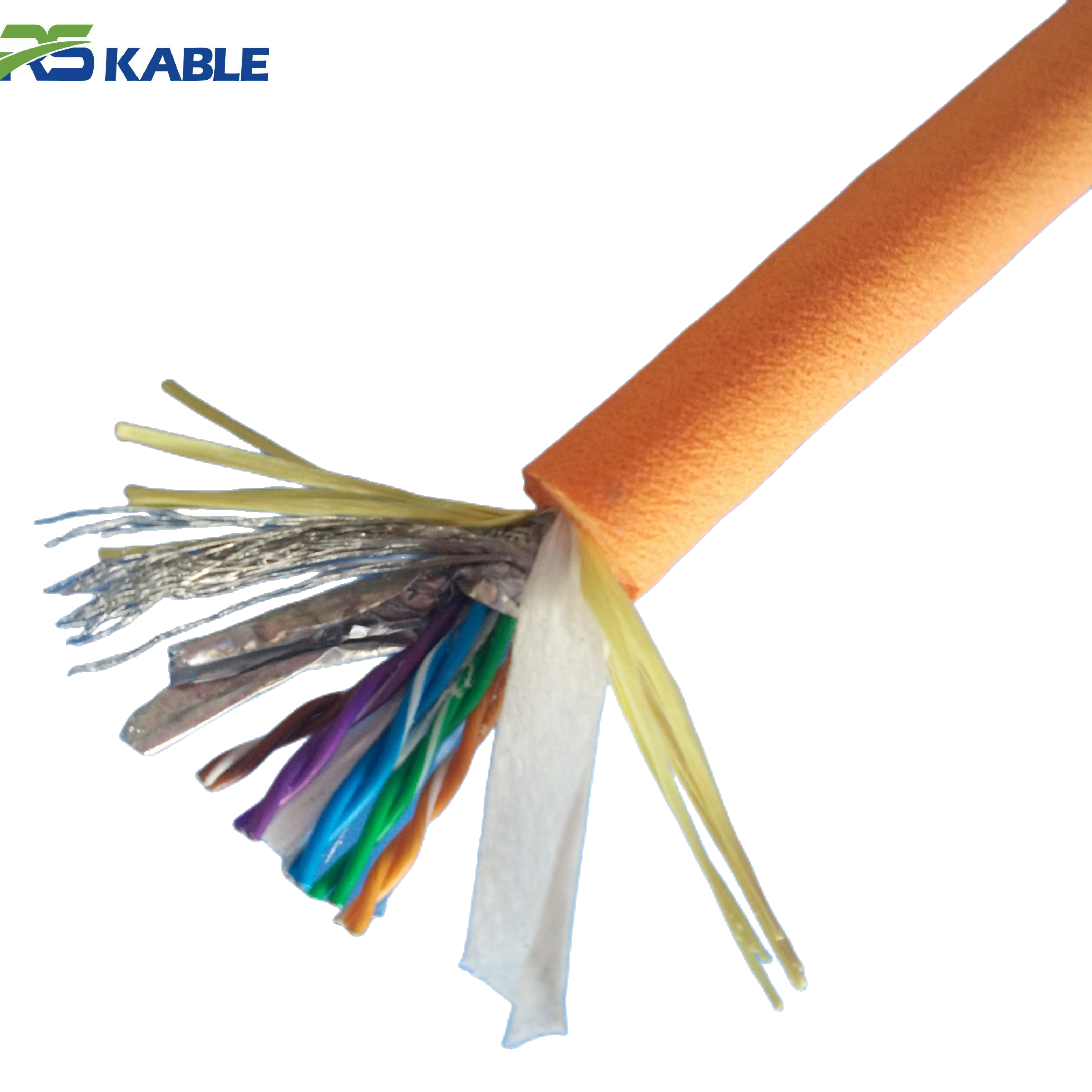


Underwater Data Cables: The Hidden Network Powering the Global Internet
In the modern digital economy, instant global communication has become an expectation rather than a luxury. Video streaming, cloud computing, financial transactions, artificial intelligence workloads, and real-time collaboration all rely on one critical but often overlooked system: underwater data cables.
Beneath oceans, seas, and coastal waters lies a vast physical network that carries nearly all international data traffic. These underwater data cables—commonly referred to as submarine cables—form the backbone of the global internet, quietly enabling digital life as we know it.
As data consumption accelerates due to AI, 5G, and cloud services, the importance of underwater data cables continues to grow. This article provides a comprehensive, SEO-focused overview of how underwater data cables work, why they matter economically and strategically, where vulnerabilities exist, and how the industry is evolving.
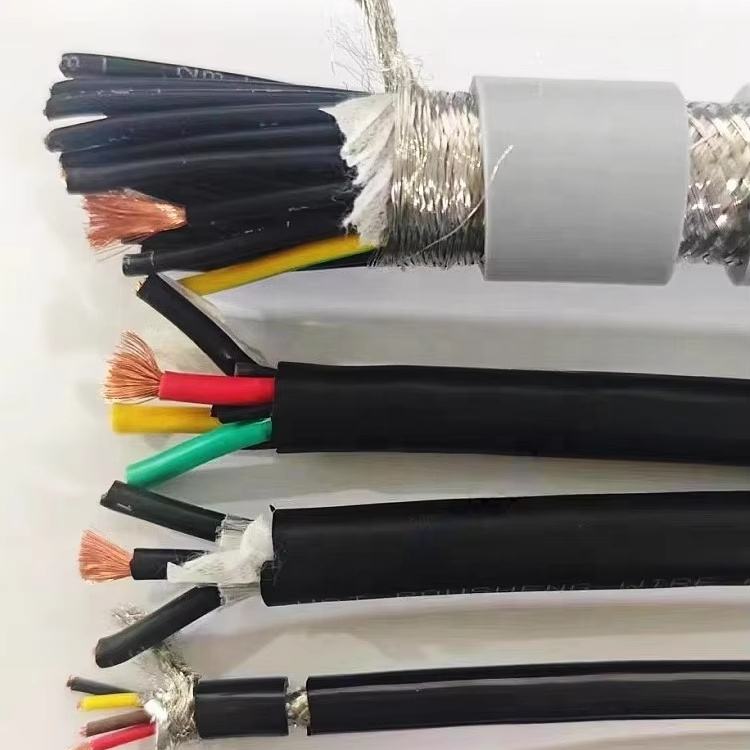
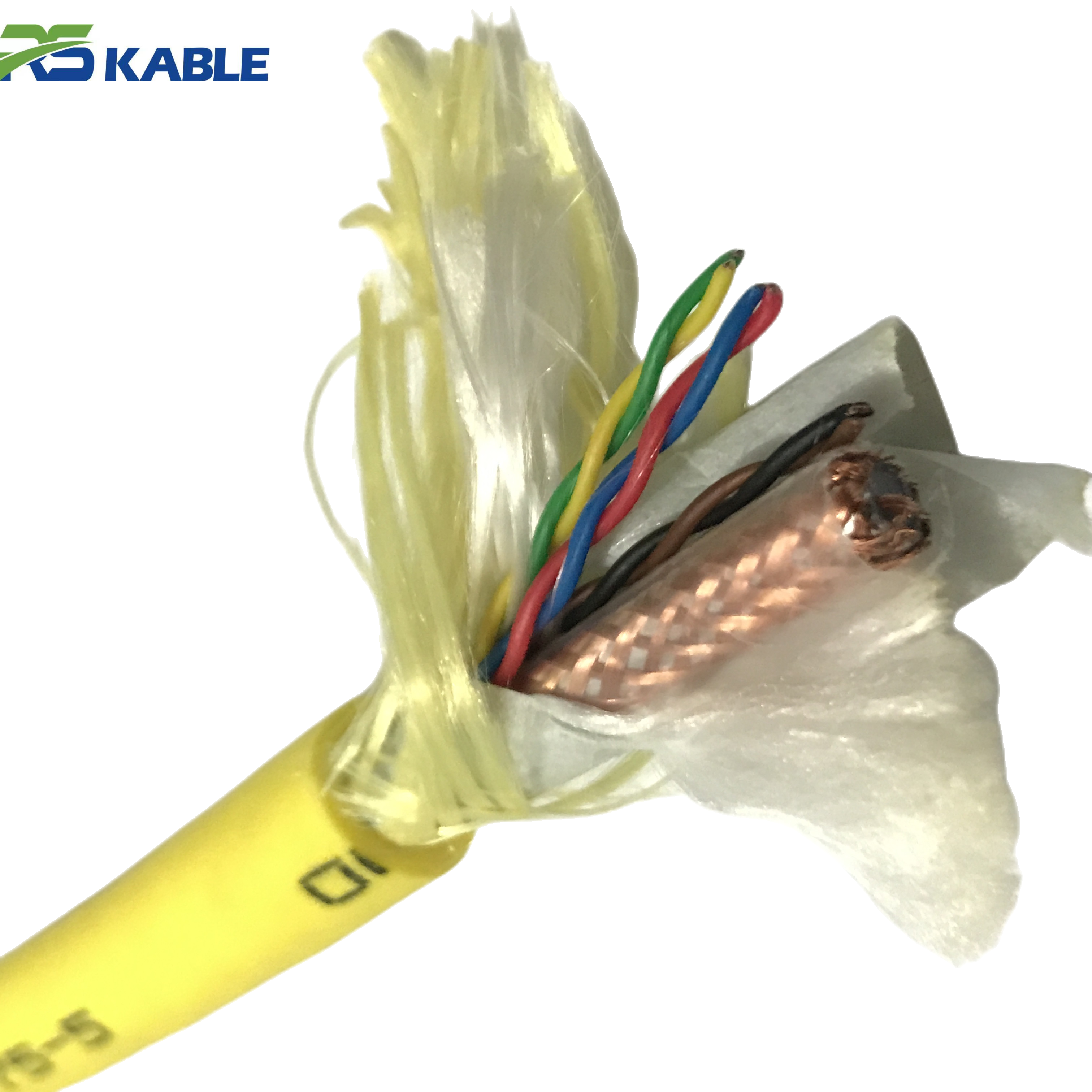
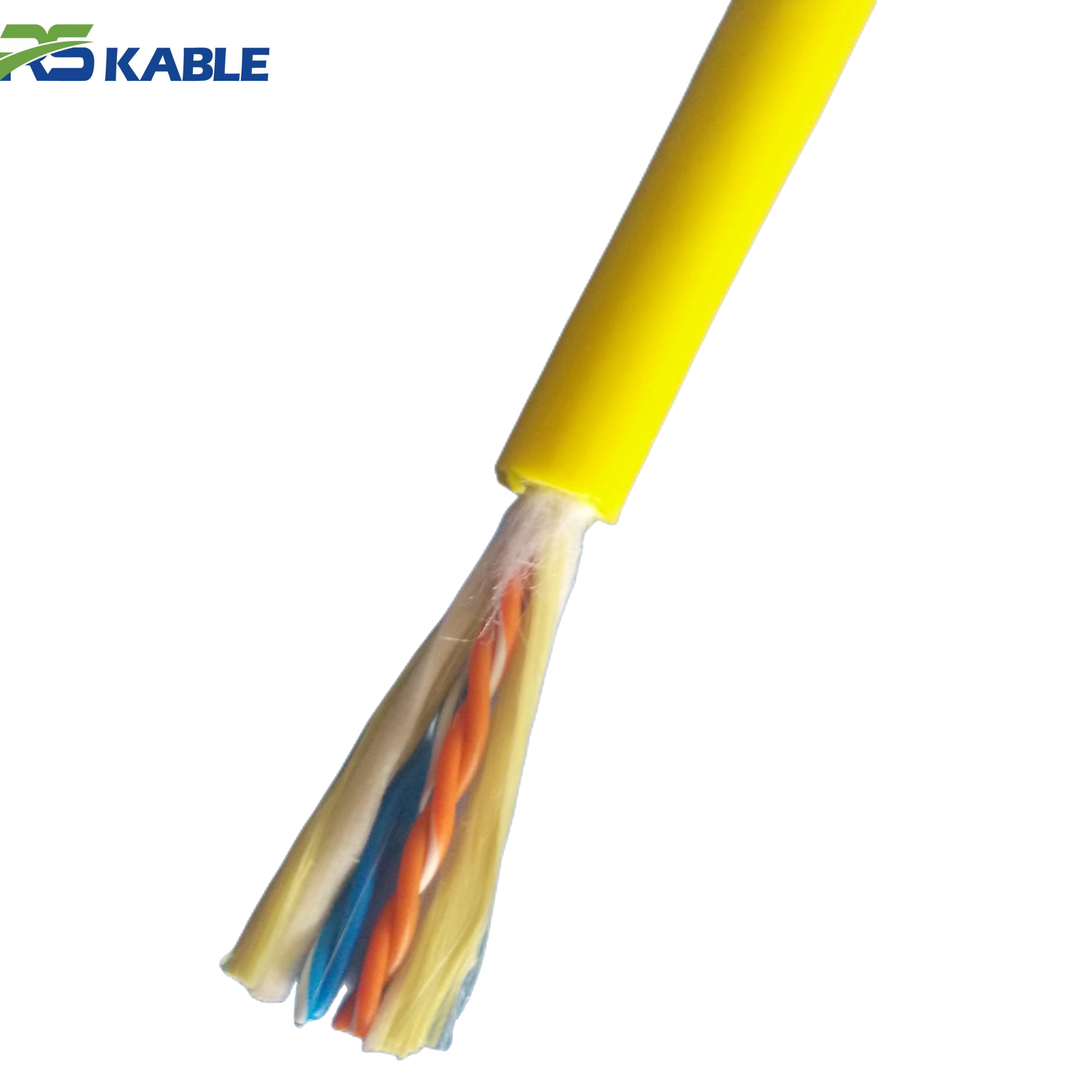
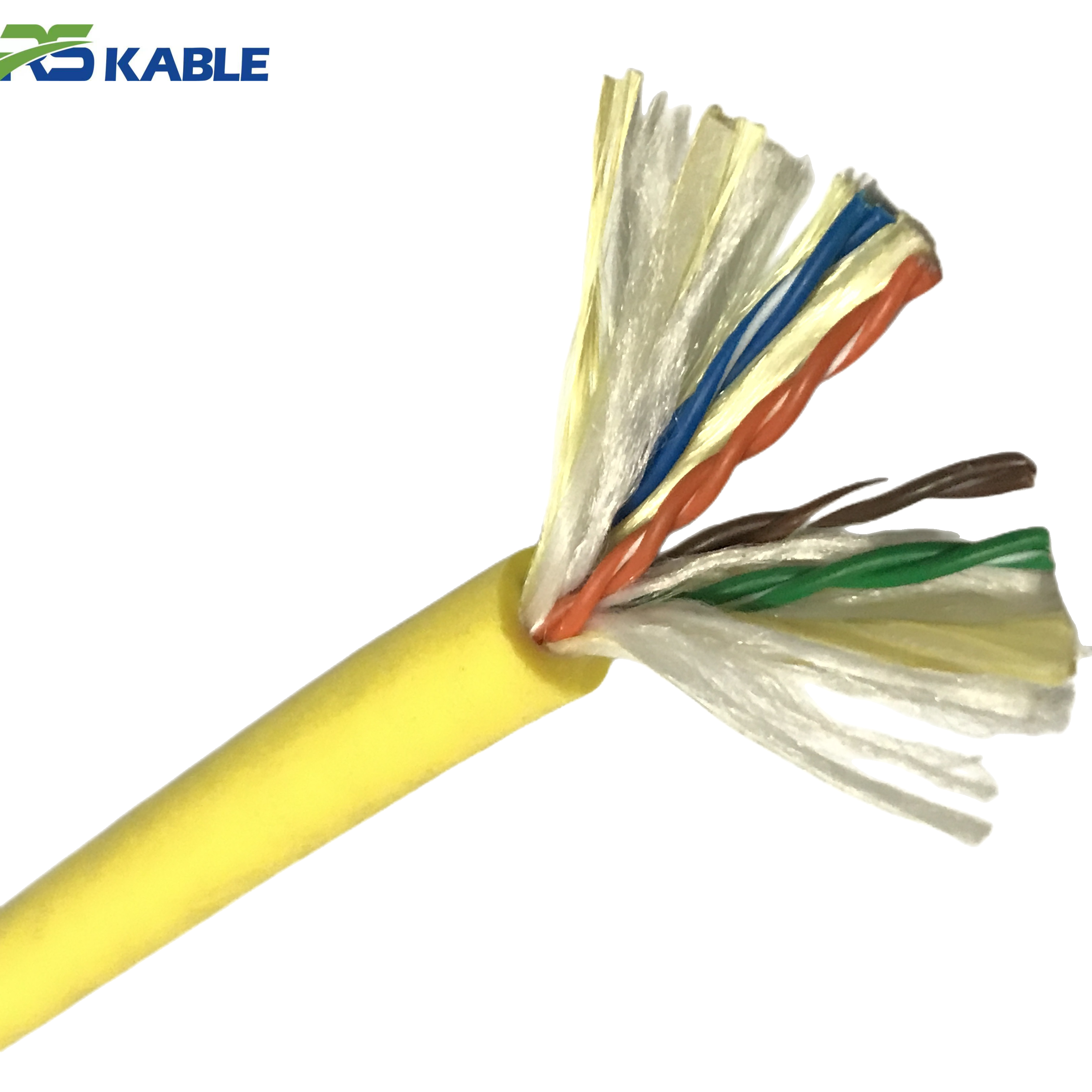
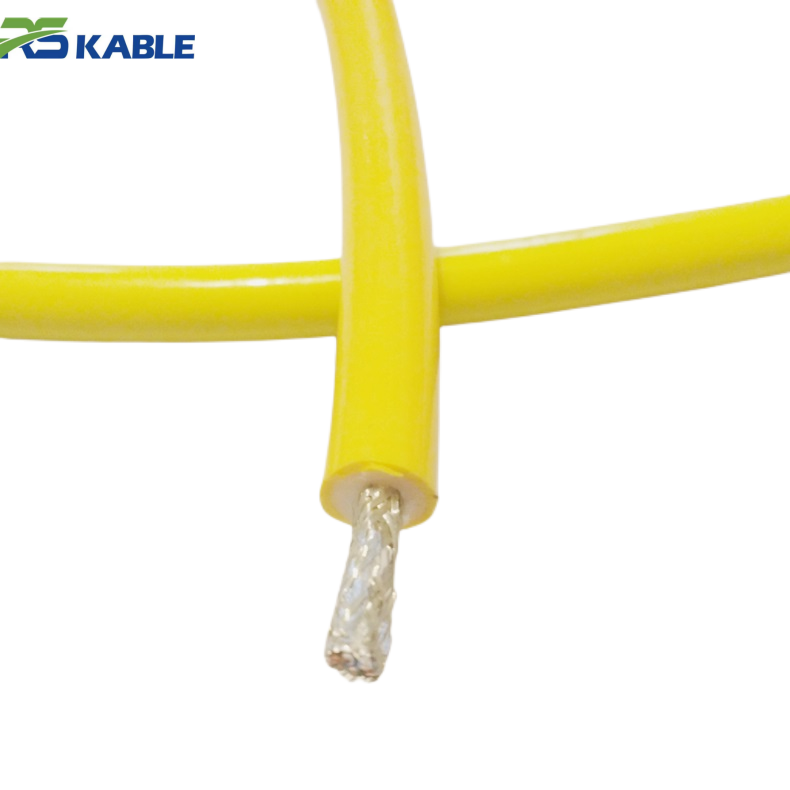
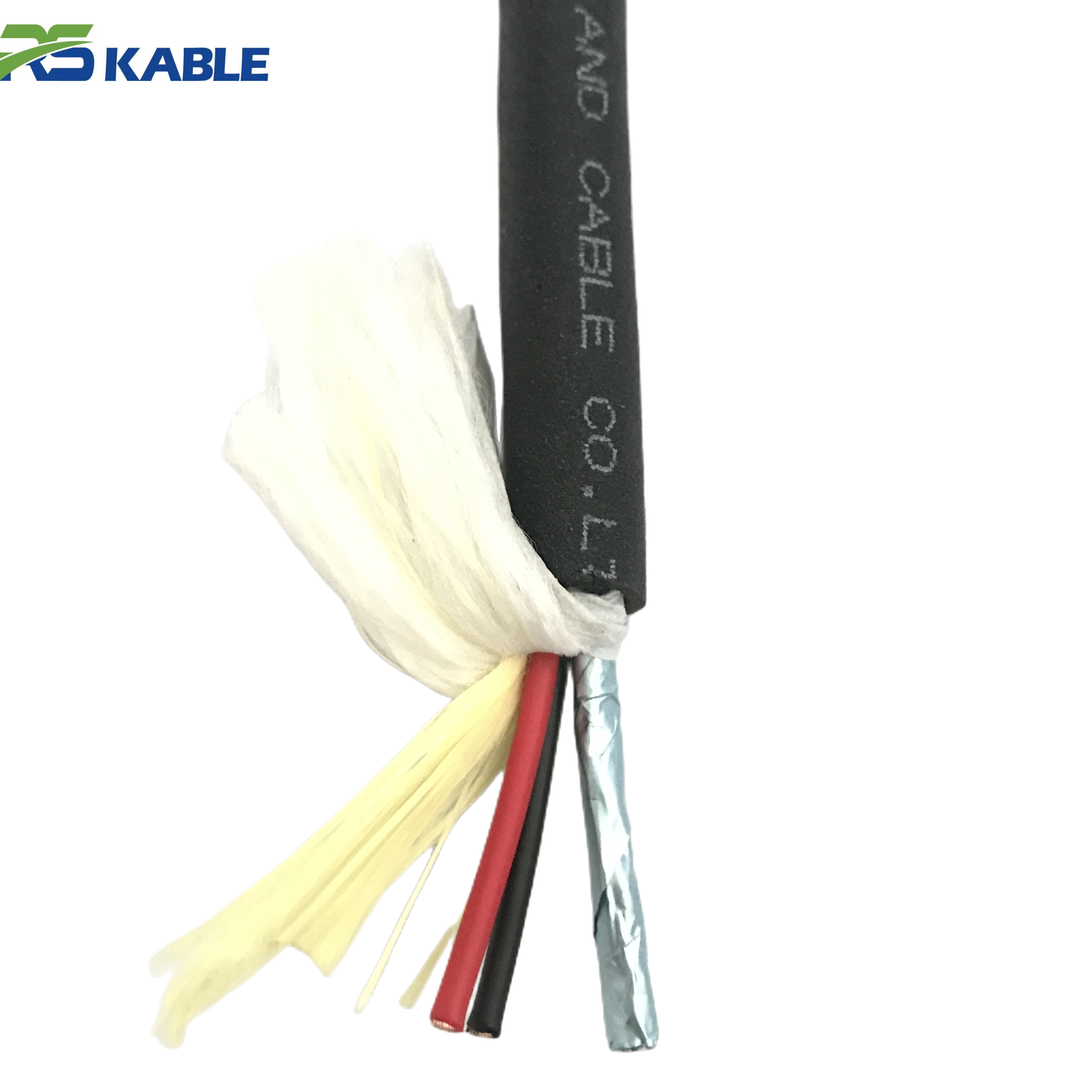
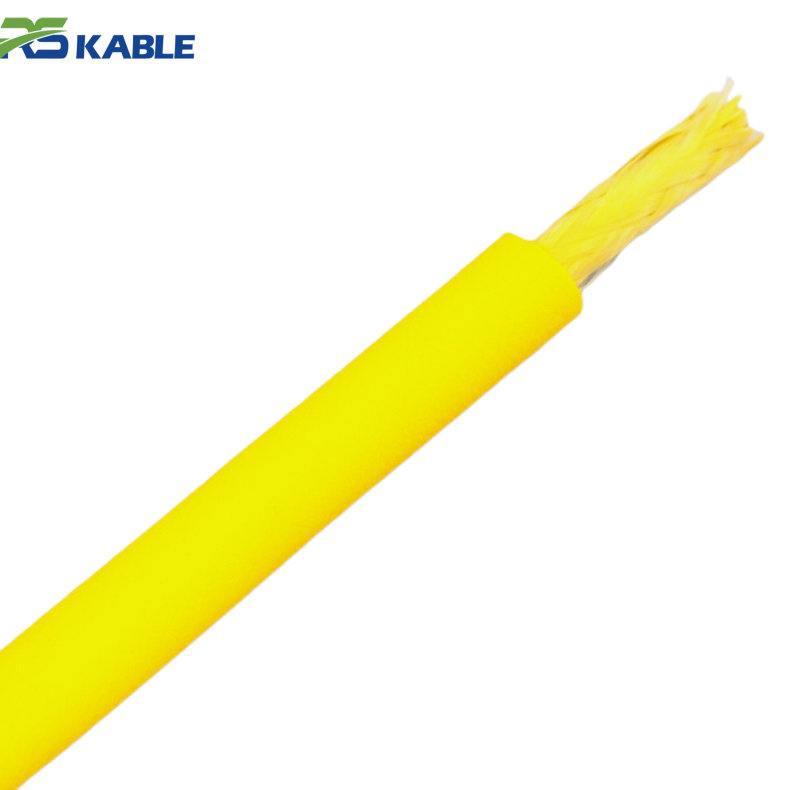
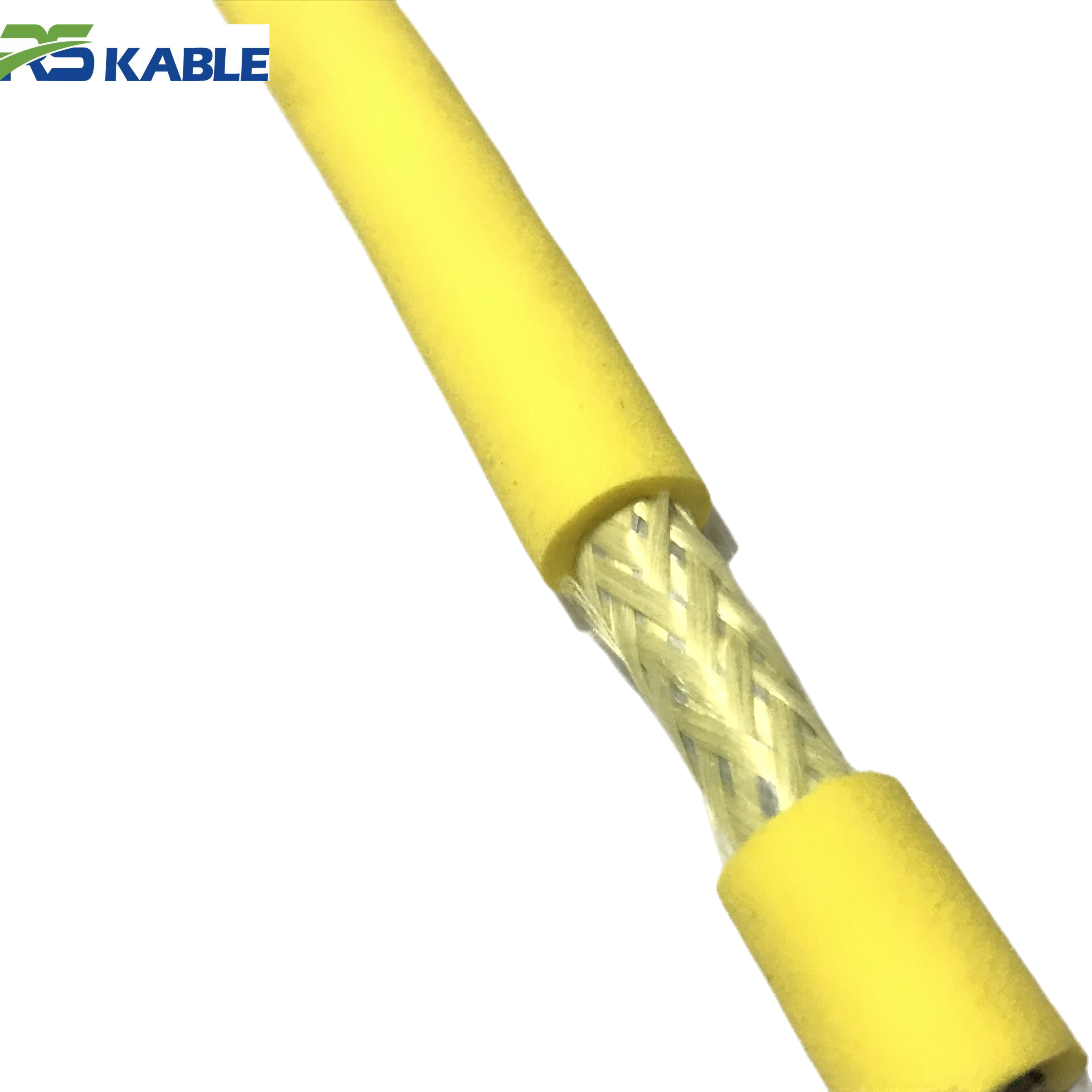
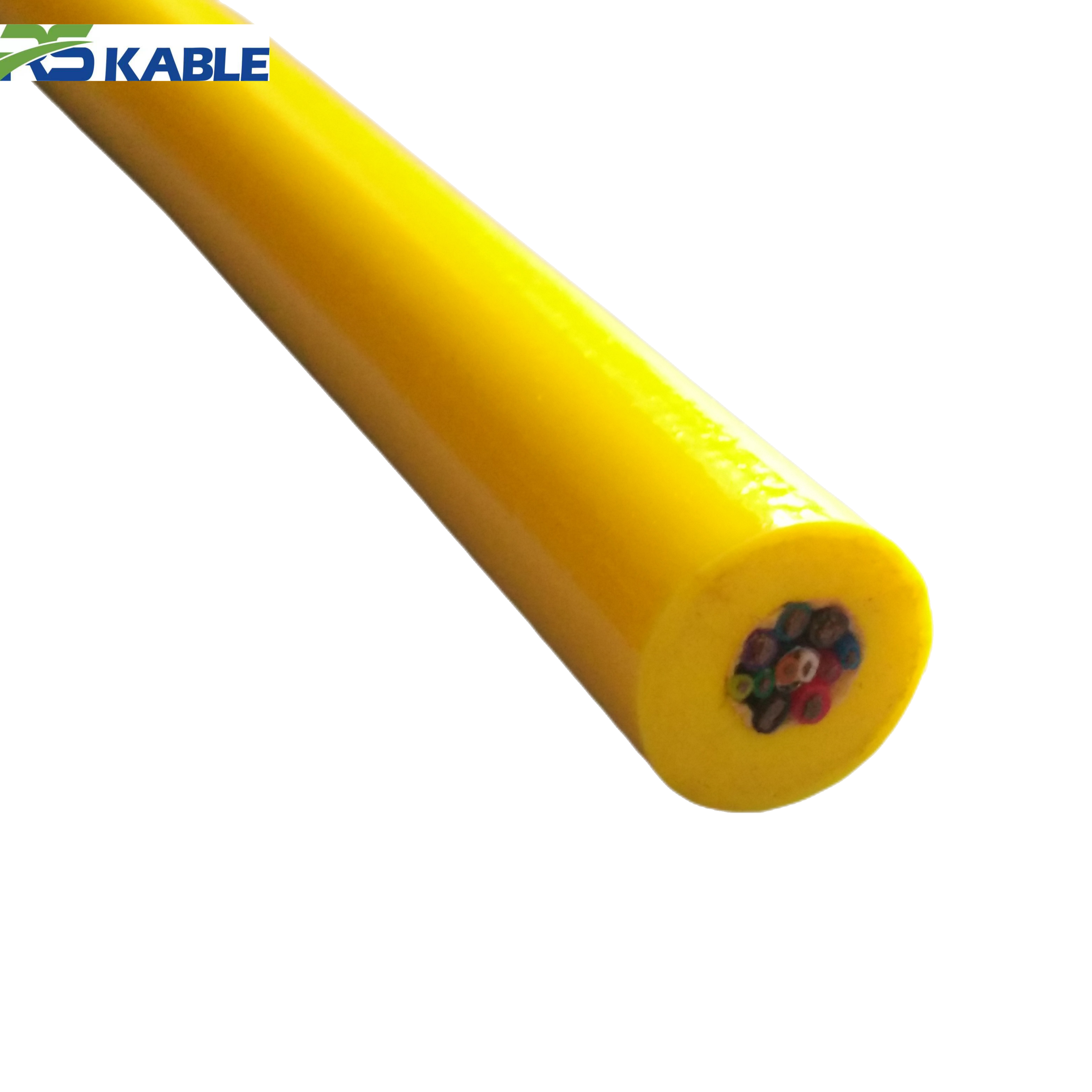
High Flexibility Stranded Copper Polyethylene Insulated Cable for Underwater Robot Systems Drag Chain Cable
This high-flexibility stranded copper cable with polyethylene insulation is engineered for continuous reciprocating motion in drag chains and underwater robot systems, offering excellent abrasion resistance, smooth dynamic performance and reliable signal/power transmission in automated subsea applications. Designed for robotic arms, manipulators and marine automated equipment where frequent bending and water exposure are encountered. :contentReference
What Are Underwater Data Cables?
Underwater data cables are specialized communication cables designed to transmit digital signals beneath bodies of water, including oceans, seas, rivers, and offshore environments. Their primary role is to provide stable, high-capacity, low-latency data transmission between geographically separated locations.
Depending on the use case, underwater data cables may incorporate:
-
Fiber optic cores for high-speed data transmission
-
Electrical conductors for power or short-range data
-
Hybrid electro-optical designs combining both
Unlike terrestrial cables, underwater data cables must operate reliably under extreme pressure, corrosion, mechanical stress, and long-term environmental exposure.
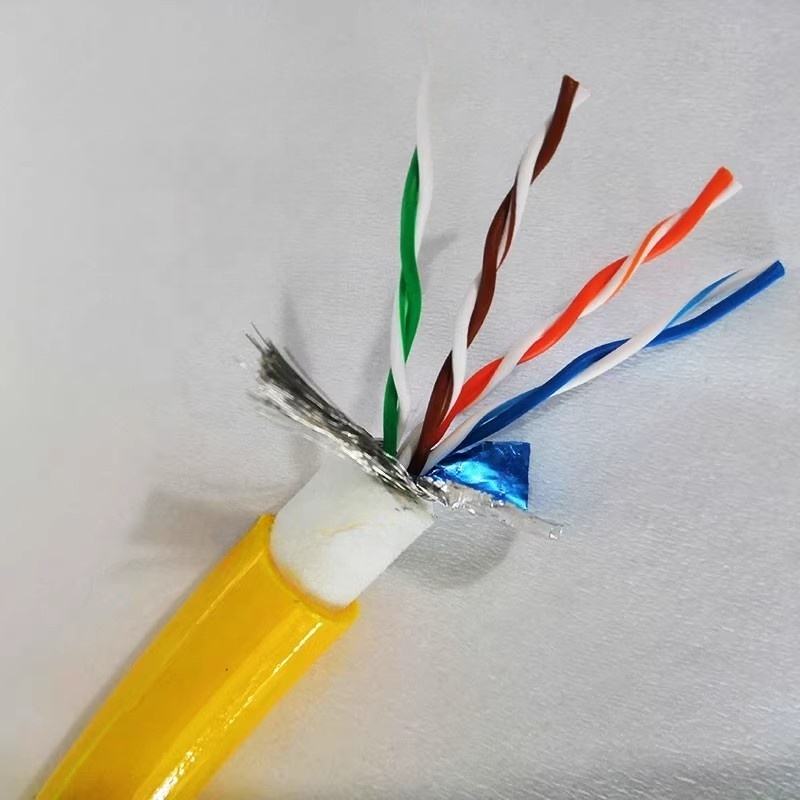
The Global Network of Underwater Data Cables
The worldwide underwater data cable network spans millions of kilometers, forming a dense web across the ocean floor. According to recent industry mapping, there are hundreds of active and planned submarine cable systems, with more than a thousand landing stations globally.
Major cable corridors include:
-
Transatlantic routes between North America and Europe
-
Transpacific routes linking Asia and the Americas
-
Expanding networks across Africa, the Middle East, and Southeast Asia
-
Emerging Arctic routes offering shorter paths between Europe and Asia
Landing stations serve as critical junctions where underwater cables connect to terrestrial fiber networks, enabling seamless global data flow. This system is intentionally redundant—if one cable is damaged, traffic can often be rerouted through alternate paths.
Why Underwater Data Cables Matter
Economic Importance
Underwater data cables underpin the global economy. Financial markets, international trade platforms, cloud data centers, and digital services depend on uninterrupted data transmission. Even milliseconds of delay can affect high-frequency trading, while regional outages can disrupt entire industries.
Major technology companies—including cloud providers and content platforms—now directly invest in subsea cable infrastructure to secure bandwidth, reduce latency, and control data routes. These investments are driven by exponential data growth from AI training, video streaming, and enterprise cloud workloads.
Strategic and Geopolitical Significance
Control over underwater data cable routes has become a strategic consideration for nations. Countries with multiple, diverse cable connections are more resilient to outages and geopolitical risks. Cable routing decisions increasingly reflect concerns about security, sovereignty, and long-term digital independence.
As global tensions rise, underwater data cables are now recognized as critical infrastructure, comparable to energy pipelines or power grids.
How Underwater Data Cables Transmit Data
Fiber-Based Data Transmission
Most long-distance underwater data cables rely on fiber optic technology, transmitting information as light pulses through ultra-pure glass fibers. This method offers:
-
Extremely high bandwidth
-
Minimal signal loss over long distances
-
Immunity to electromagnetic interference
Copper and Hybrid Systems
In shorter-distance or industrial applications, copper-based or hybrid cables are common. These designs support:
-
Sensor data transmission
-
Control signals for offshore equipment
-
Integrated power delivery
Hybrid underwater data cables are widely used in offshore energy, marine research, and subsea robotics.
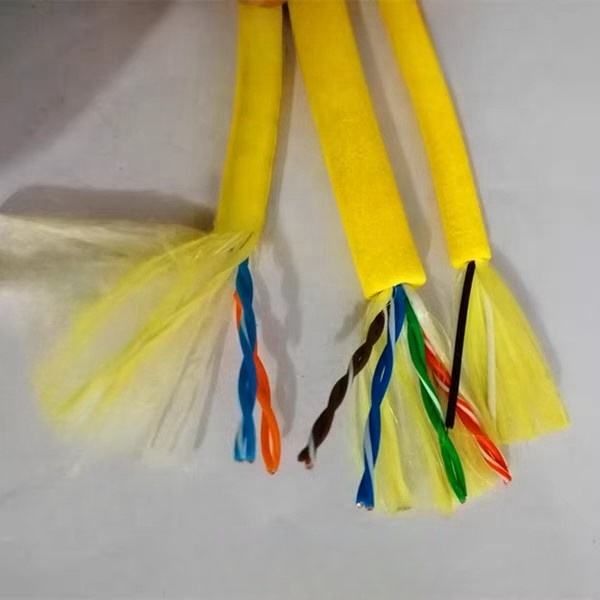
Structural Design of Underwater Data Cables
To survive underwater environments, data cables are built with layered protection:
-
Data Transmission Core – Fiber optic strands or copper conductors
-
Primary Insulation – Prevents electrical leakage and signal degradation
-
Water-Blocking Layers – Gels, tapes, or metallic barriers
-
Strength Members – Steel wires or aramid fibers for tensile resistance
-
Armoring (when required) – Protection in shallow or high-risk zones
-
Outer Jacket – Marine-grade polymers resisting corrosion and abrasion
Cable designs vary depending on depth, seabed conditions, and mechanical risk.
Vulnerabilities and Security Risks
Despite their robust design, underwater data cables are not immune to damage.
Accidental Damage
The majority of cable faults occur in shallow waters due to:
-
Fishing trawlers
-
Ship anchors
-
Coastal construction activities
Natural Hazards
Earthquakes, underwater landslides, and strong currents can damage or expose cables, particularly in tectonically active regions.
Security Concerns
In recent years, intentional interference and sabotage have become growing concerns. Shallow-water segments are especially vulnerable due to easier access. Governments and operators now prioritize monitoring, route diversification, and international cooperation to enhance cable security.
Environmental Impact of Underwater Data Cables
Compared to many offshore activities, underwater data cables have a relatively low environmental footprint.
-
Installation impacts are localized and temporary
-
Electromagnetic emissions are minimal
-
Cables are typically buried or laid to avoid sensitive habitats
Modern projects emphasize environmentally responsible routing and long service life—often exceeding 25 years—reducing repeated seabed disturbance. At the end of life, most cable materials are recyclable.
Recent and Emerging Underwater Data Cable Projects
Recent years have seen significant growth in subsea cable investment, driven largely by hyperscale cloud providers and telecom consortia.
Key trends include:
-
Higher-capacity systems supporting AI-driven traffic
-
Expansion in underserved regions such as Africa and parts of Asia
-
Increased focus on route diversity to avoid single points of failure
Future projects are expected to further integrate sensing, monitoring, and smart management technologies.
The Future of Underwater Data Cables
The underwater data cable market is projected to grow rapidly over the next decade. Key developments include:
-
Cables optimized for massive data volumes
-
Advanced materials for lighter, stronger designs
-
Improved real-time fault detection and monitoring
-
Integration with offshore renewable energy systems
As global data demand continues to rise, underwater data cables will remain the most efficient and reliable solution for international connectivity.
FAQ: Underwater Data Cables
How much global internet traffic do underwater data cables carry?
Over 95–99% of international data traffic flows through underwater data cables.
What causes most underwater data cable failures?
Accidental damage from fishing and anchoring is the leading cause.
Are underwater data cables environmentally harmful?
Impacts are generally low and localized when installed responsibly.
Who owns underwater data cables?
Telecom operators, international consortia, and major technology companies.
Why are underwater data cables preferred over satellites?
They offer significantly higher bandwidth, lower latency, and better reliability.