

Submarine Communications Cable: The Hidden Highways of the Global Internet
Every day, businesses and individuals rely on seamless global connectivity—from sending international emails to streaming live events or executing high-frequency financial trades. Most of this data doesn’t travel through satellites alone; it races across the ocean floor through submarine communications cables. These underwater networks, built with advanced subsea fiber optic cable, carry the vast majority of intercontinental internet traffic with unmatched speed, reliability, and capacity.
While many imagine the internet as wireless, the reality is more grounded. Submarine communications cables are the physical infrastructure that keeps the digital economy flowing. This guide dives deep into what these cables are, how they operate, why they are indispensable, and what the future holds for this critical technology.
What Are Submarine Communications Cables?
Submarine communications cables are specially designed, armored cables laid on or beneath the seabed to transmit data between continents. Modern cables are predominantly subsea fiber optic cable, capable of carrying terabits of data per second.
These cables consist of multiple optical fibers, each no thicker than a human hair, bundled and protected by steel wire, polyethylene, and water-blocking layers. The design is depth-dependent: lighter armoring in the deep ocean and heavier protection near shores to withstand anchors, currents, and fishing activity. With 8 to 24 fiber pairs or more, these cables are engineered for high-speed, long-distance data transmission with redundancy to ensure uninterrupted service.
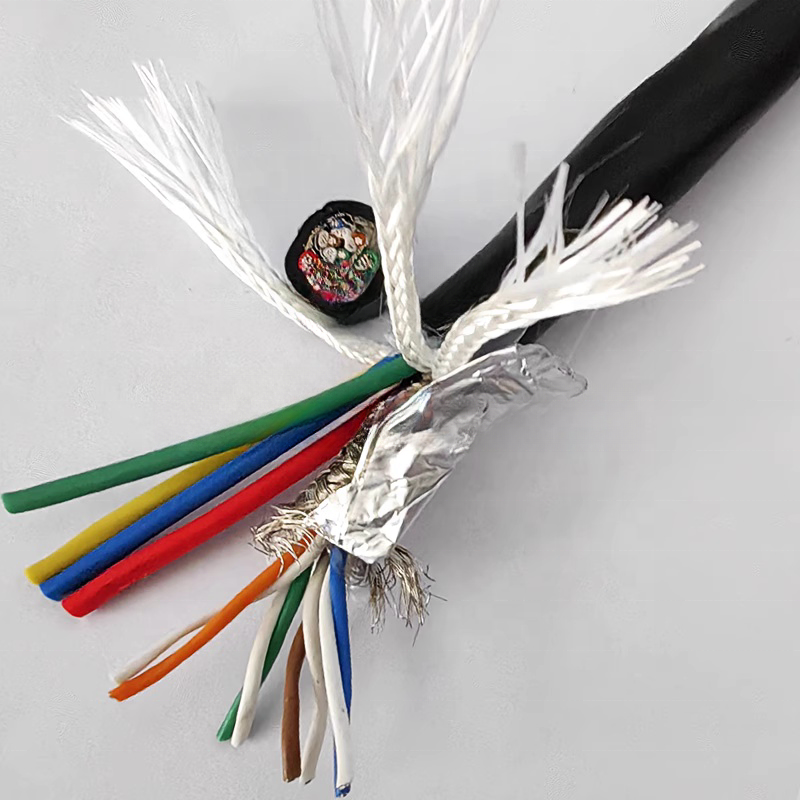
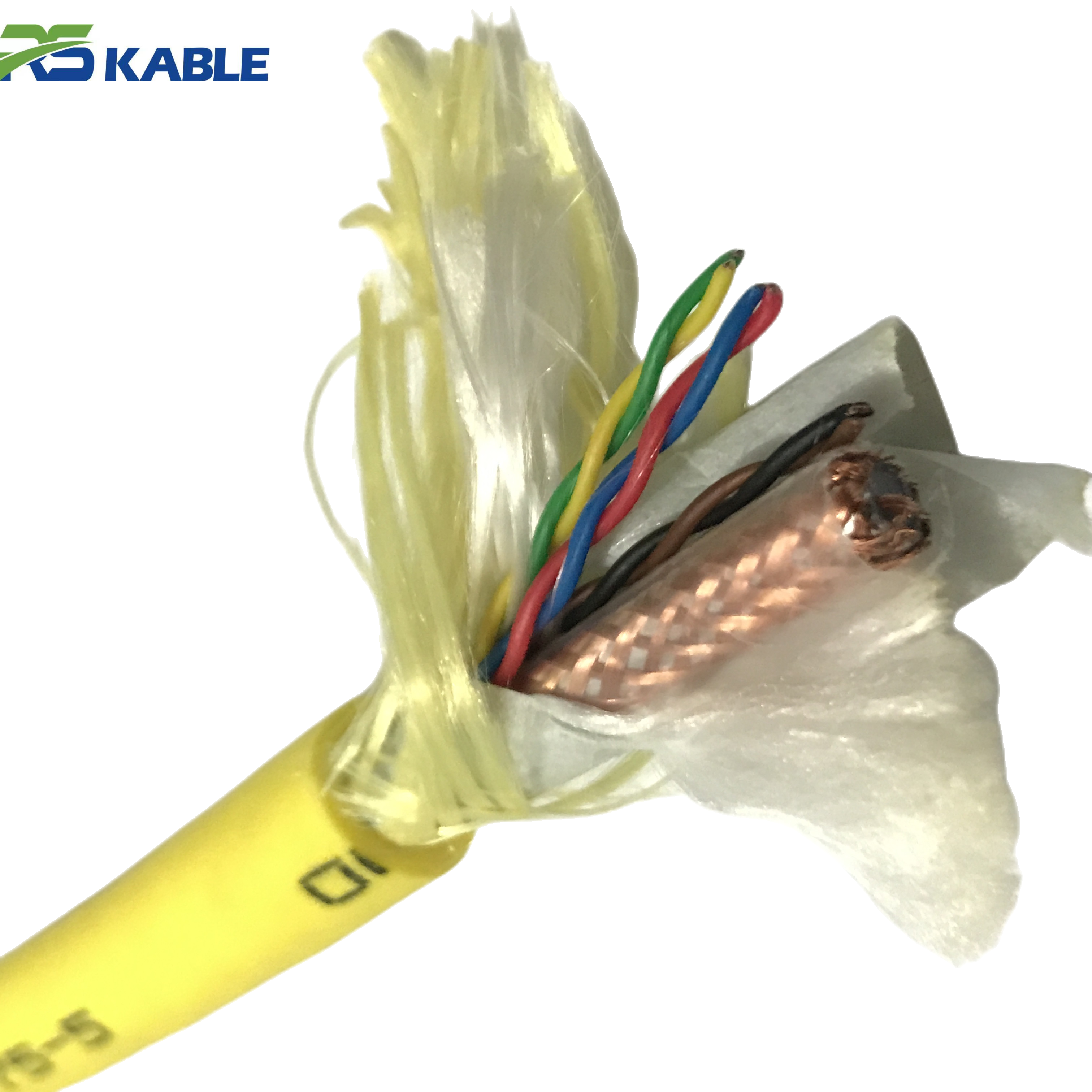
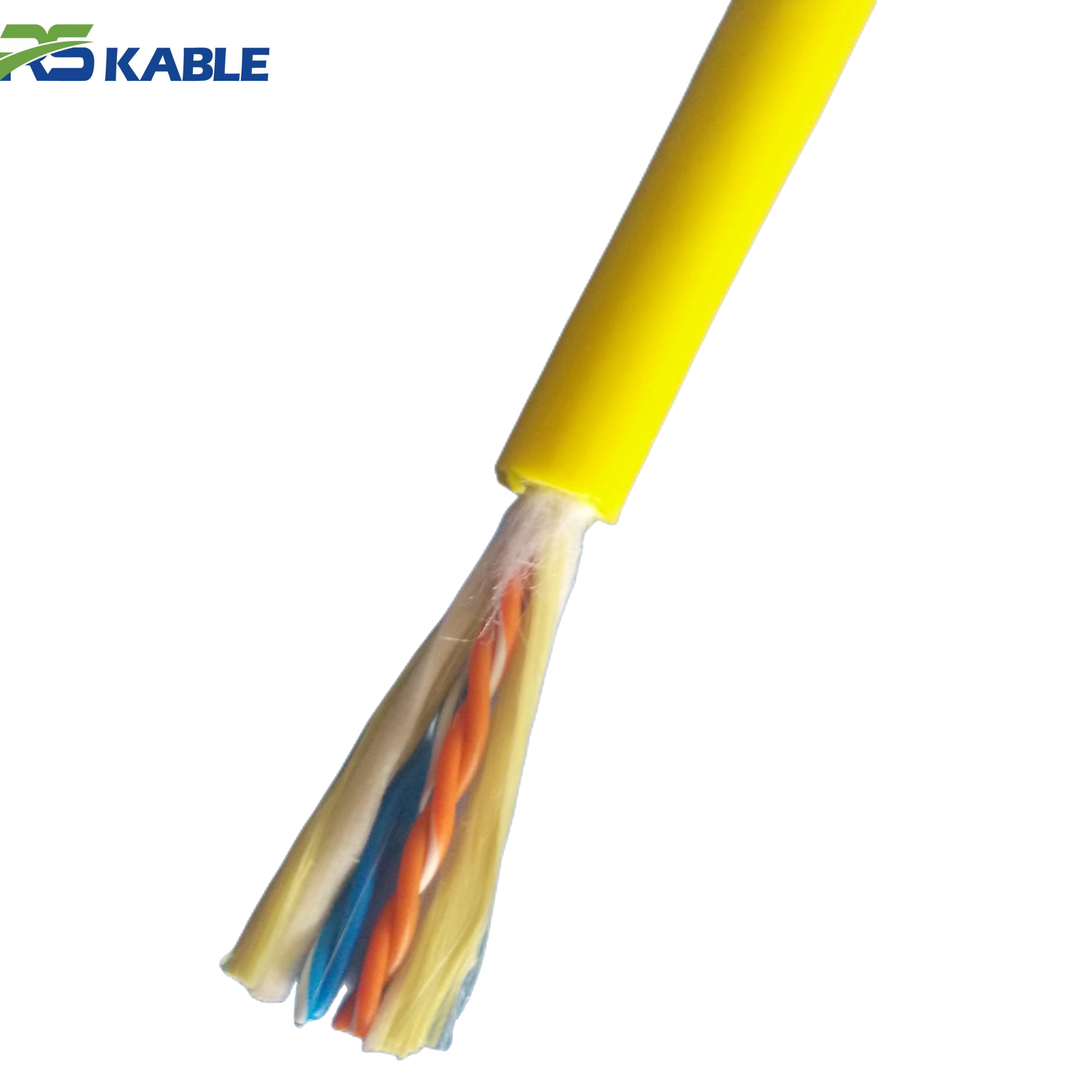
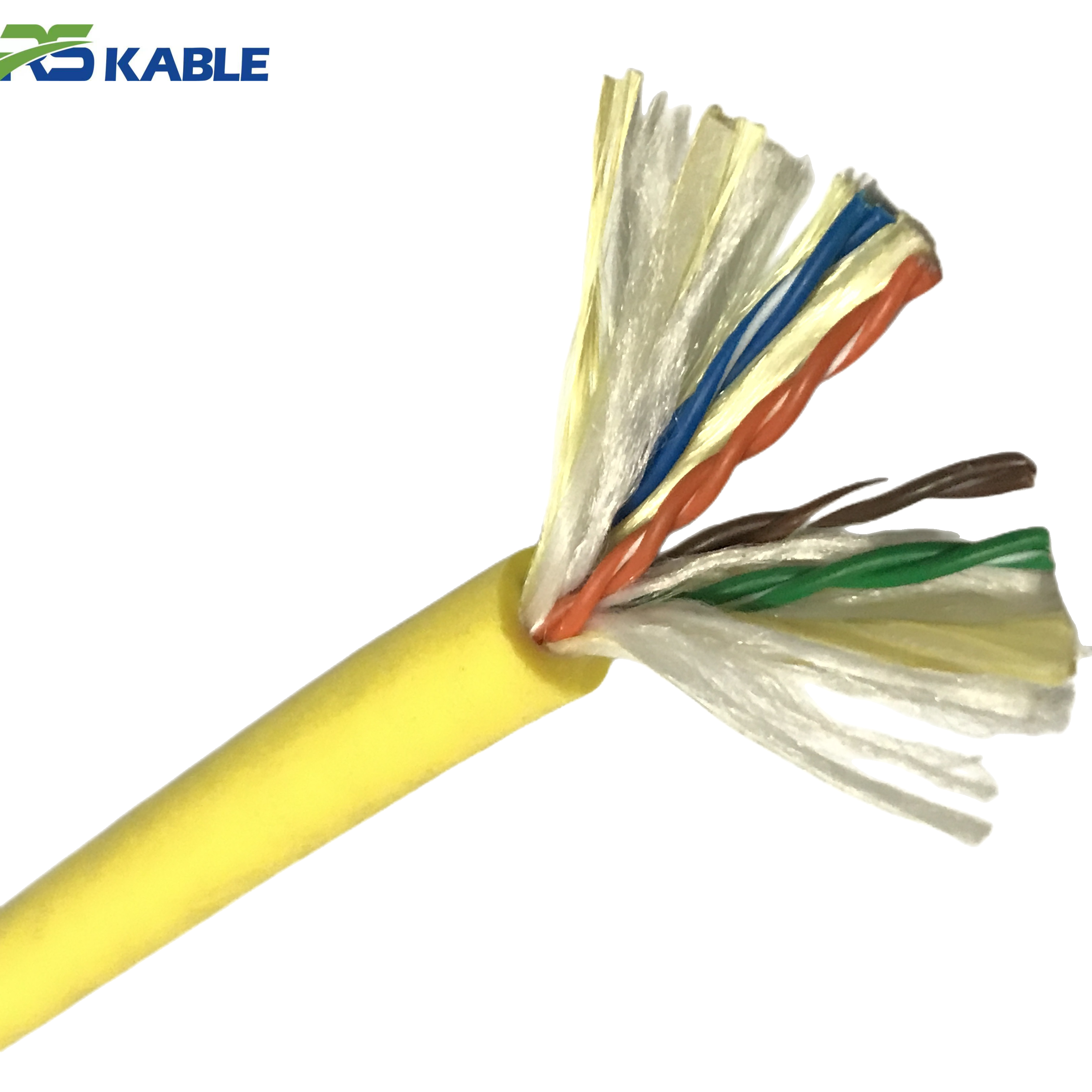
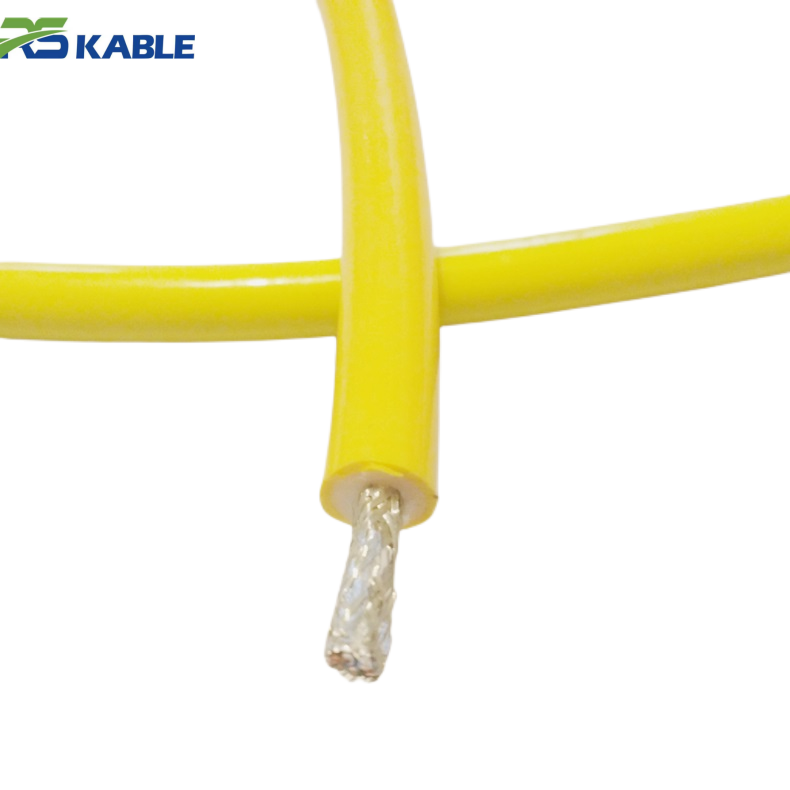
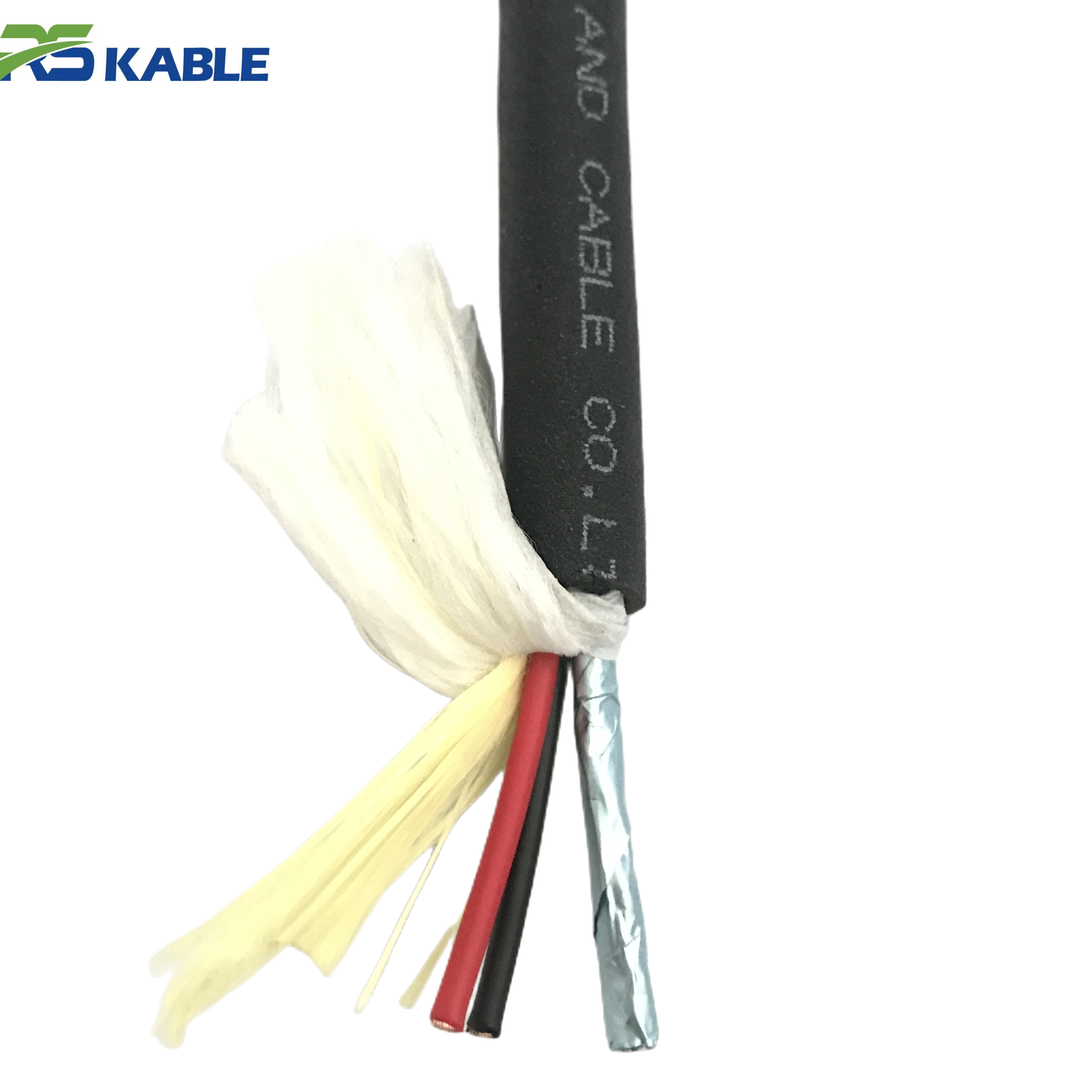
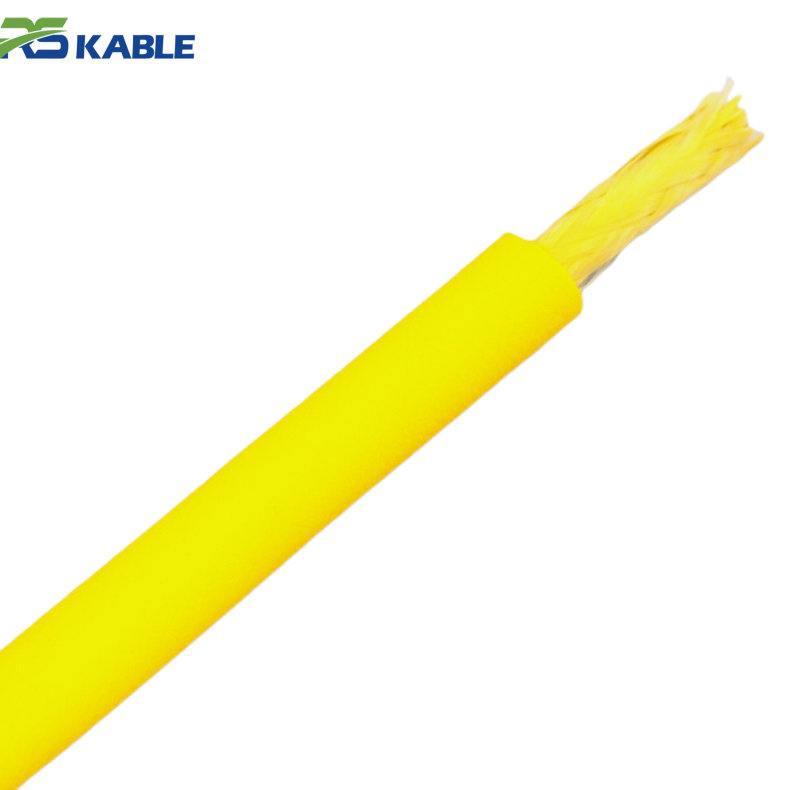
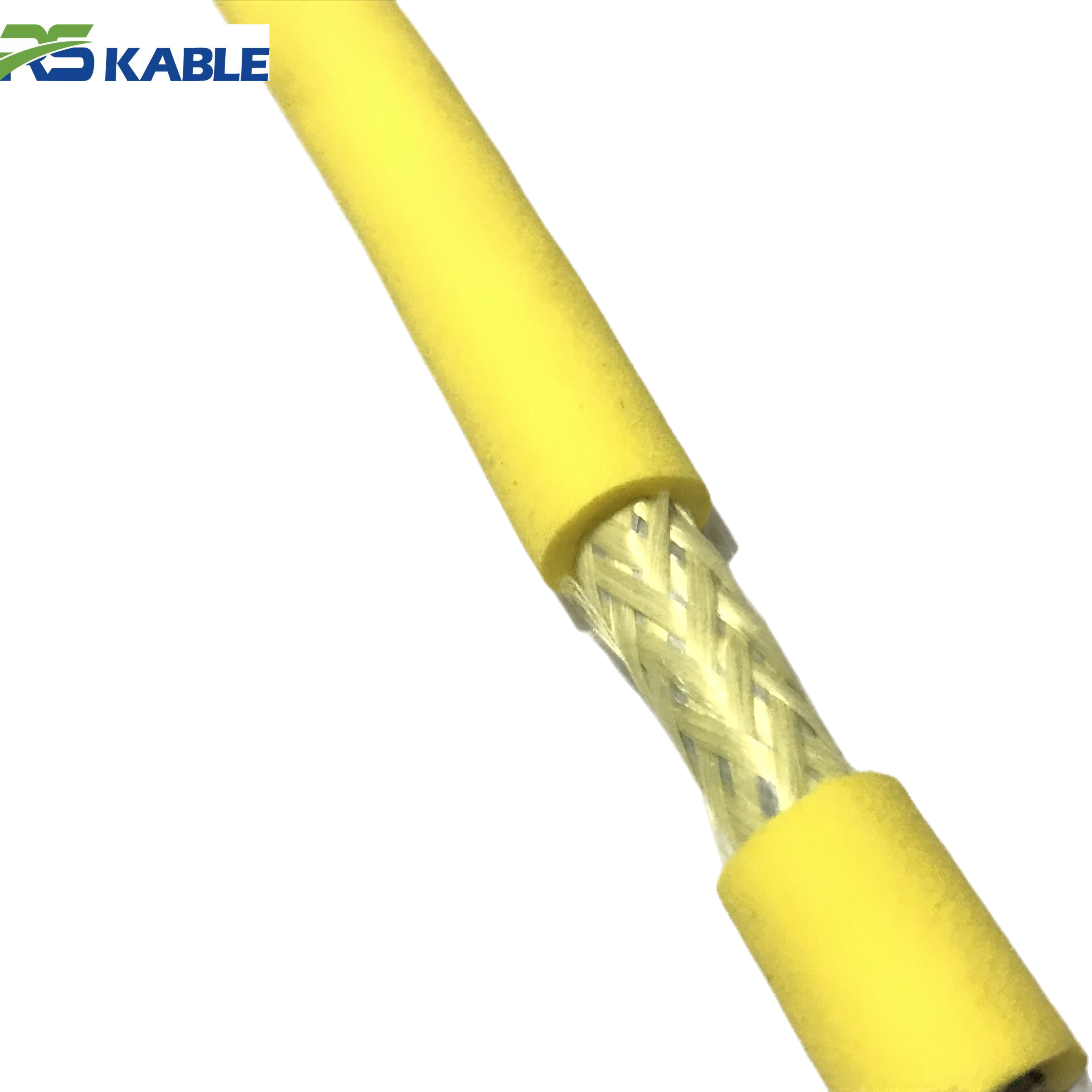
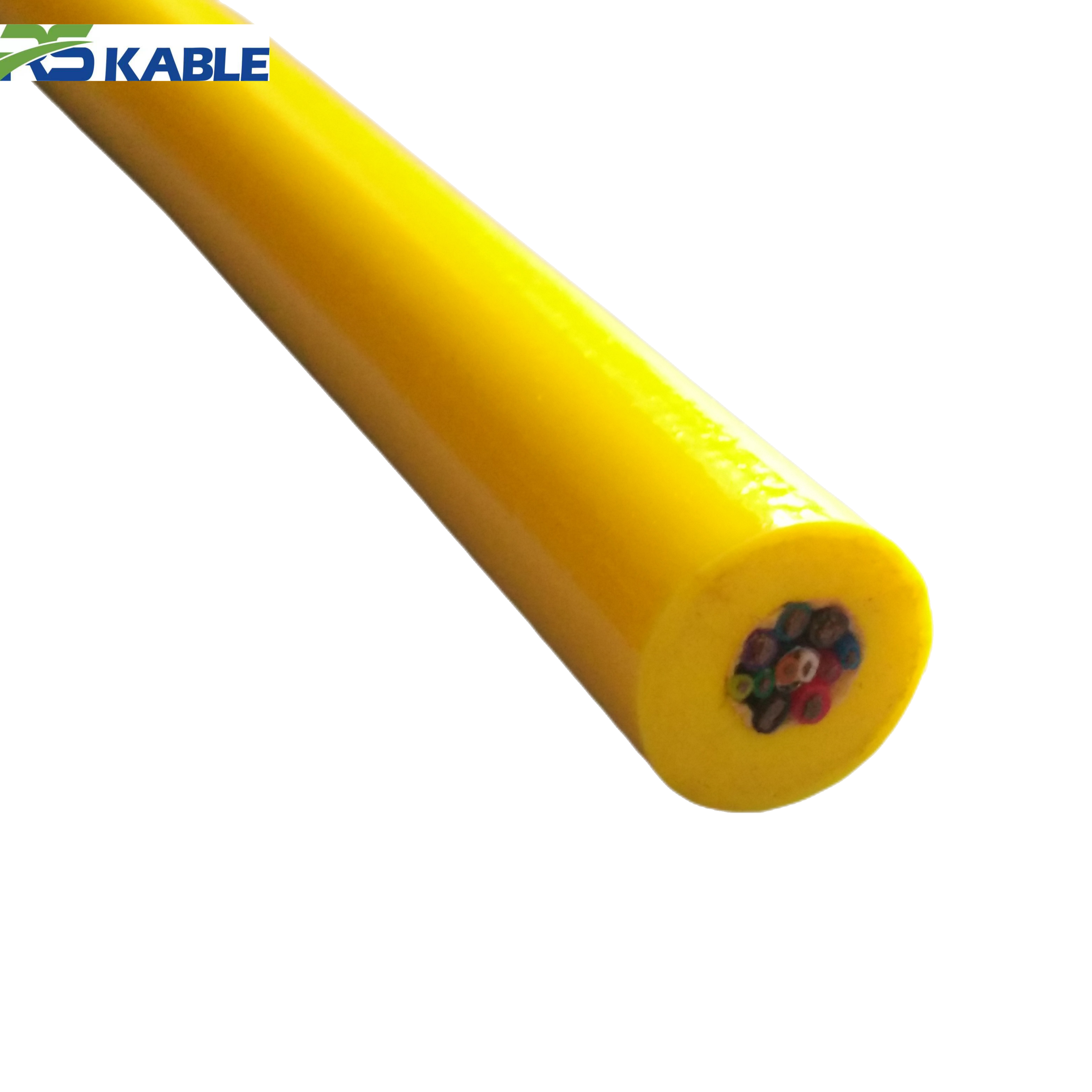
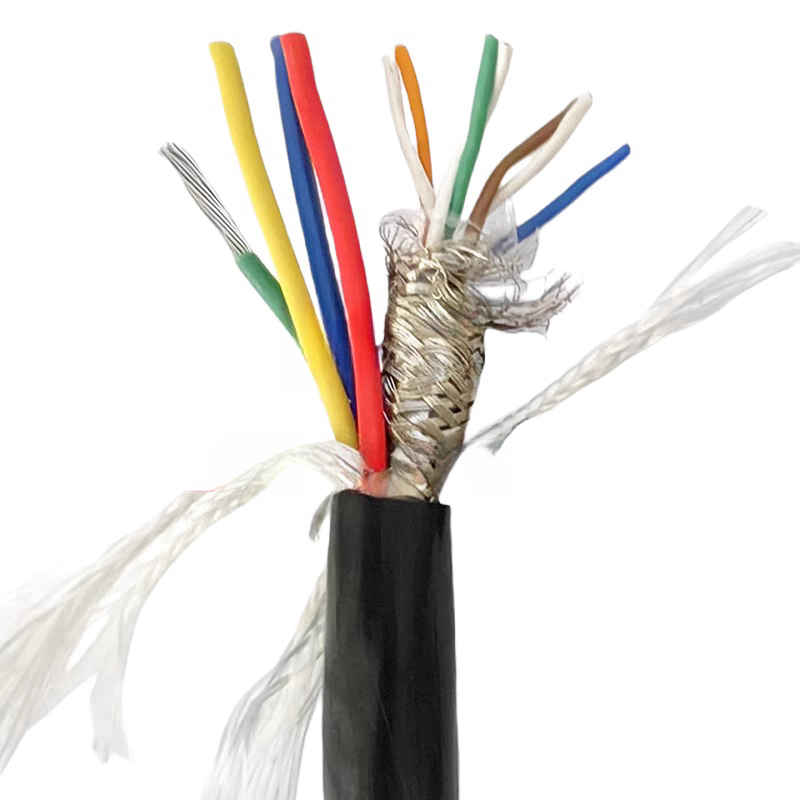
Shielded Twisted Pair Hybrid Cable – 2/3/4/6/8‑core Power + 4P Network Ethernet (Waterproof & Wear‑Resistant)
A rugged hybrid cable combining shielded twisted pair power conductors and 4‑pair network Ethernet cores, engineered for industrial and outdoor deployment. Designed with waterproof, wear‑resistant outer jacket and robust shielding to ensure reliable signal transmission and power delivery in harsh environments.
- Shielded twisted pair design improves resistance to electromagnetic interference
- 2/3/4/6/8‑core power + 4P Ethernet network combination
- Waterproof and abrasion‑resistant construction for outdoor use
- Suitable for industrial network + power hybrid deployments
- Customizable cable core configurations and lengths
A Historical Perspective on Submarine Cable Technology
The first transatlantic telegraph cable in 1858 enabled messages to cross the Atlantic in minutes rather than weeks, revolutionizing communication. In the 1950s, cables like TAT-1 carried voice across oceans, but capacity remained limited.
The introduction of subsea fiber optic cable in the late 1980s marked a paradigm shift. TAT-8, the first transatlantic fiber optic cable, drastically increased bandwidth and reduced costs, laying the foundation for today’s global internet. Since then, hundreds of cables have been deployed, connecting continents and supporting cloud computing, video streaming, and enterprise networks.
How Submarine Communications Cables Work
At the core, these cables rely on light to carry data. Electrical signals from terrestrial networks are converted into laser pulses at a landing station. These pulses travel through optical fibers with minimal loss.
Signal attenuation over long distances is countered by repeaters—optical amplifiers placed every 50–100 km. Power for these repeaters is delivered via copper conductors integrated into the cable, fed from high-voltage shore stations. At the receiving end, light is converted back into electrical signals for onward routing.
This system enables round-trip latency of 50–100 milliseconds across oceans, supporting real-time applications and critical enterprise operations. The use of multiple fiber pairs and robust protection ensures both reliability and resilience under pressures exceeding 8,000 meters.
Why Submarine Cables Are Essential for Businesses
For global enterprises, submarine communications cables are indispensable.
-
High Capacity: Supports large-scale data flows for cloud services, international video conferencing, and financial markets.
-
Low Latency: Milliseconds matter in trading, remote operations, and collaborative platforms.
-
Resiliency: Redundant fiber pairs and multiple network paths minimize disruption.
-
Scalability: Terminal upgrades allow capacity increases without laying new cables.
Investing in infrastructure that leverages subsea fiber optic cable ensures enterprises maintain a competitive edge in an interconnected world.
Laying and Maintaining Submarine Communications Cables
Deploying these cables is a complex, multi-year process:
-
Route Surveying – Ships map the seabed to avoid seismic zones, ecologically sensitive areas, and shipping lanes.
-
Manufacturing – Cables are produced in continuous lengths with integrated fibers, repeaters, and protective layers.
-
Installation – Specialized vessels lay the cable. Coastal areas often involve burial, while deep-sea sections rest on the seabed.
-
Testing and Activation – End-to-end testing ensures signal integrity and operational reliability.
Maintenance requires repair ships and remotely operated vehicles (ROVs) to retrieve, splice, and redeploy damaged sections. Network redundancy ensures minimal impact during repairs.
Ownership and Investment Trends
The ownership landscape has evolved. Early systems were consortium-driven, led by telecom operators. Today, technology giants like Google, Meta, Microsoft, and Amazon invest heavily in private cable systems to secure low-latency connections for their global services.
Specialist companies such as SubCom and Alcatel Submarine Networks handle design, construction, and ongoing maintenance. This public-private collaboration accelerates deployment and ensures that emerging markets gain connectivity in line with rising data demands.
Challenges and Risks
Despite robust design, submarine cables face several challenges:
-
Human Activity – Anchors and fishing equipment are the leading causes of shallow-water faults.
-
Natural Events – Earthquakes, underwater landslides, and strong currents can disrupt cables.
-
Environmental and Security Concerns – Deep-sea sections are secure, but landing stations are regulated and monitored.
-
Aging Infrastructure – Cables typically last 25 years; terminal upgrades extend useful life.
Repair protocols and redundancy strategies mitigate these risks for businesses relying on continuous international connectivity.
Environmental and Sustainability Considerations
Modern cable projects are designed to minimize ecological impact. Routes avoid sensitive habitats, burial reduces disturbance, and retired cables can serve as artificial reefs. Material selection focuses on durability and low toxicity, aligning infrastructure development with environmental responsibility.
The Future of Submarine Communications Cables
As global data demand grows, future subsea fiber optic cable deployments will feature:
-
Higher fiber counts and improved optical modulation for greater speeds.
-
Smart monitoring for predictive maintenance and real-time performance analytics.
-
Expanded routes to underserved regions, enhancing global business opportunities.
-
Increased resilience against climate-related threats, including storms and rising sea levels.
These advancements will continue to enable high-performance B2B communications worldwide.
Frequently Asked Questions
How many submarine communications cables exist today?
Over 500 active systems, spanning more than 1.4 million kilometers.
What differentiates power and communications cables?
Power cables transmit electricity, while communications cables focus on high-speed data via fiber optics.
Are marine animals a threat?
Rarely—modern armoring prevents most incidents.
How fast is data transmitted?
Near light-speed, with round-trip latencies under 100 ms for most intercontinental routes.
Can satellites replace submarine cables?
No—cables remain superior for capacity, speed, and reliability.
Who regulates cable landings?
National authorities govern landing permits to balance security, commerce, and environmental protection.