

ROV Cable for Underwater Inspection: How to Prevent Seabed Drag and Snagging
Inspection jobs don’t usually go sideways because the ROV can’t fly. They go sideways because the tether becomes a moving hazard: it drags, it scuffs, it catches, and then it tightens during a turn. The team loses time freeing a hold point, recovering, re-routing, and checking for damage that may not even be visible.
Seabed drag and snagging are not random. They follow repeatable patterns driven by slack, current direction, cable behavior in the water column, deck lead angle, and how the pilot turns near structures. This guide is written like a practical field manual: quick risk checks before you dive, what to do when you feel the tether “stick,” and how to prevent repeat wear zones from turning into faults.
The focus keyword appears naturally 3–5 times: ROV Cable.
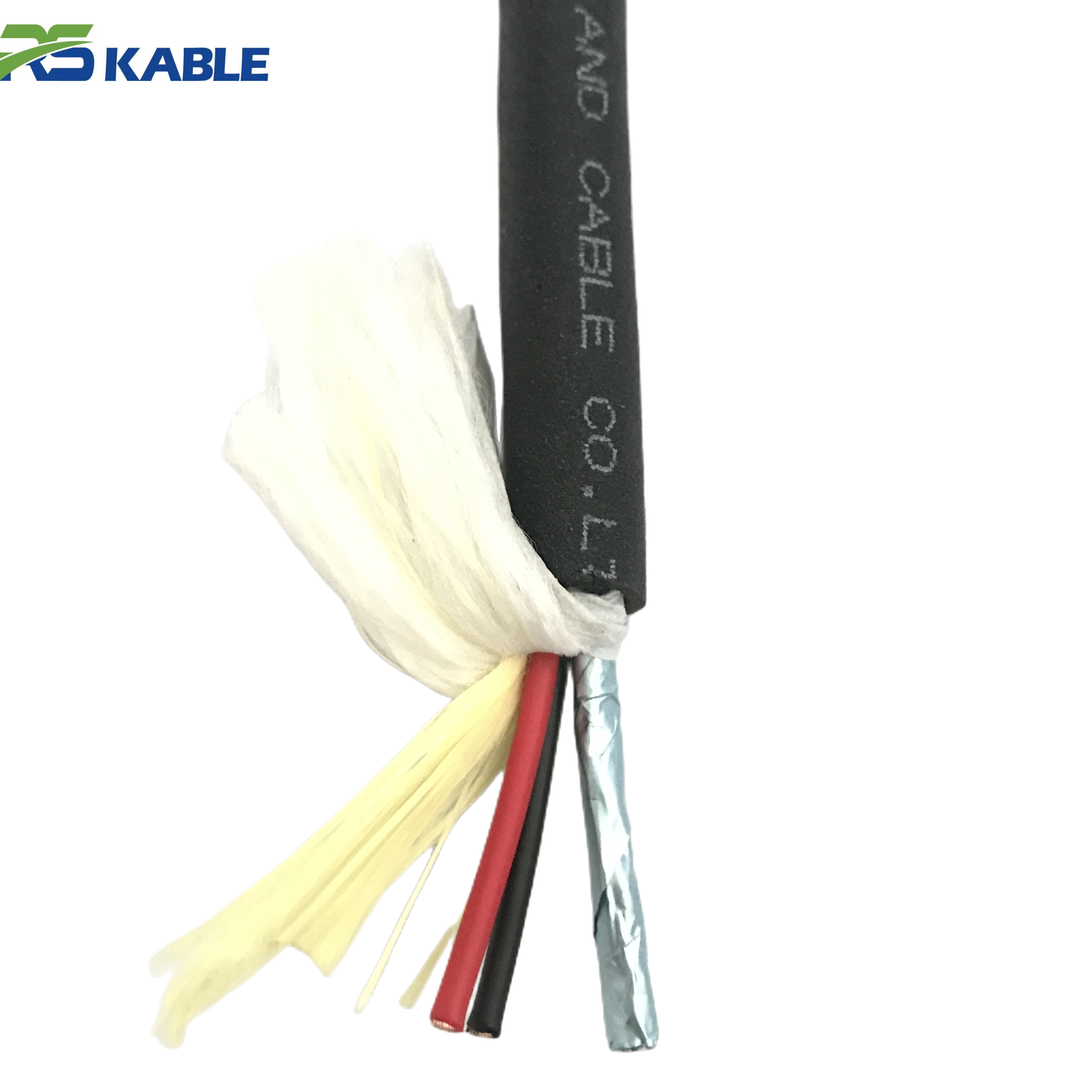
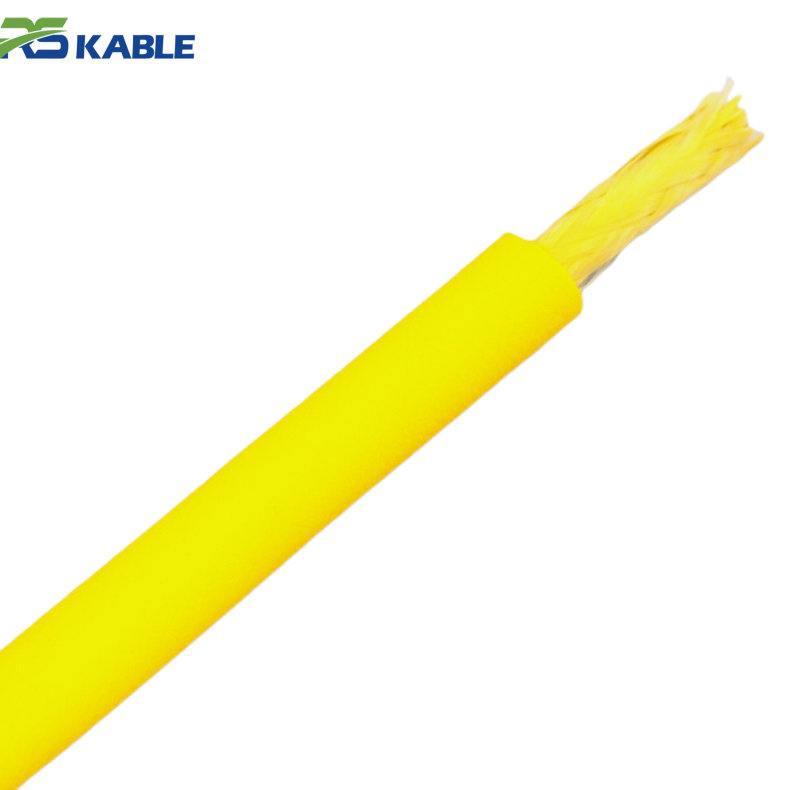
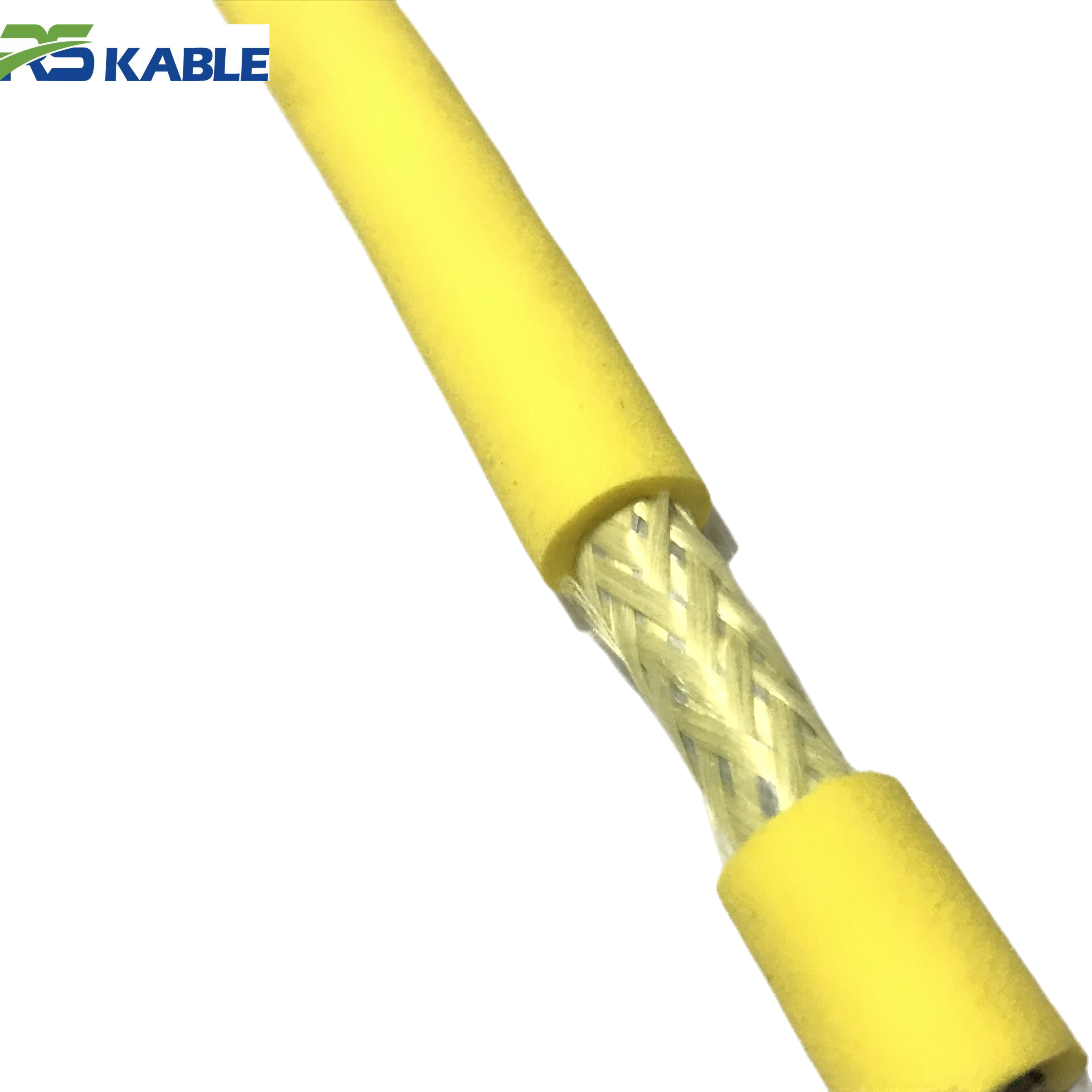
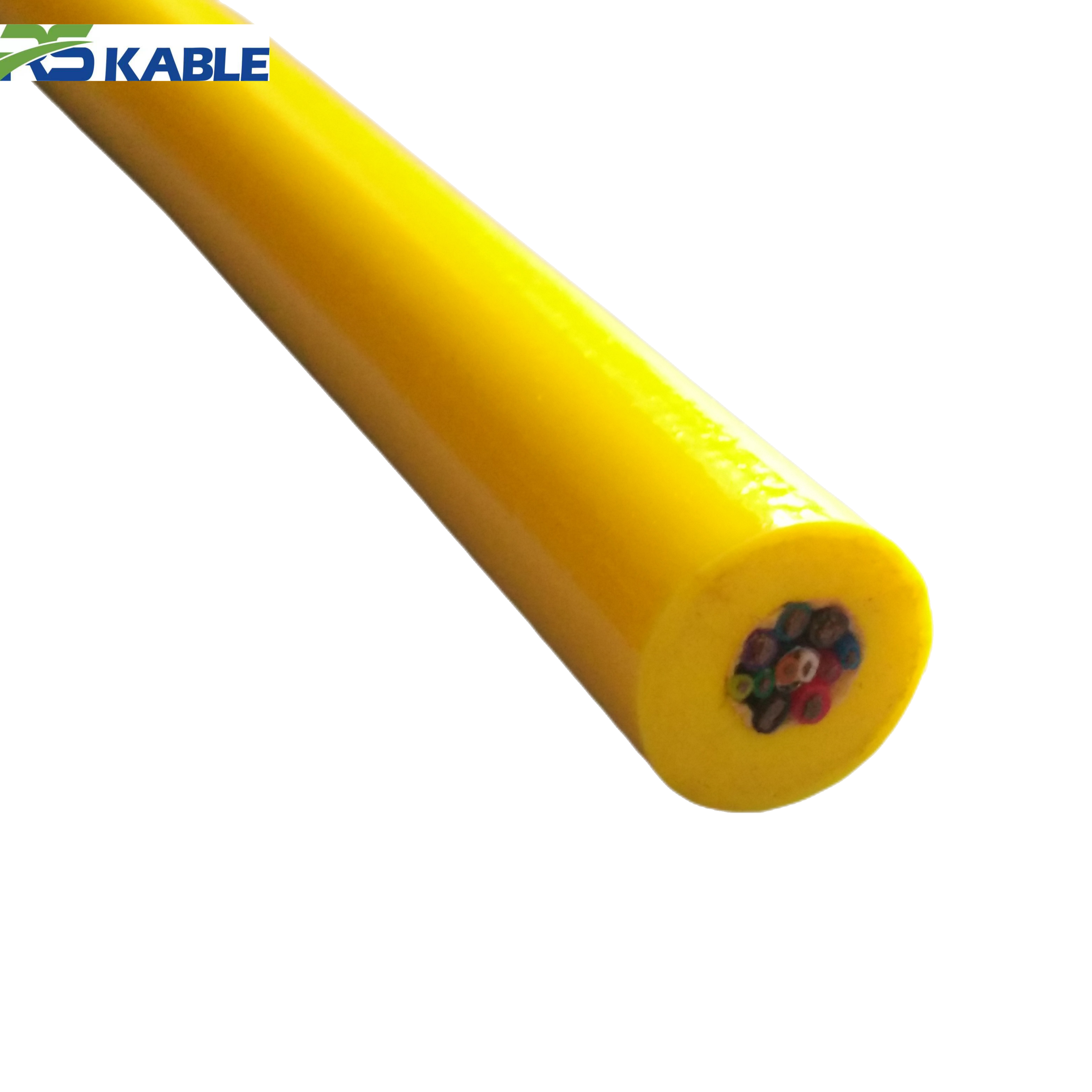
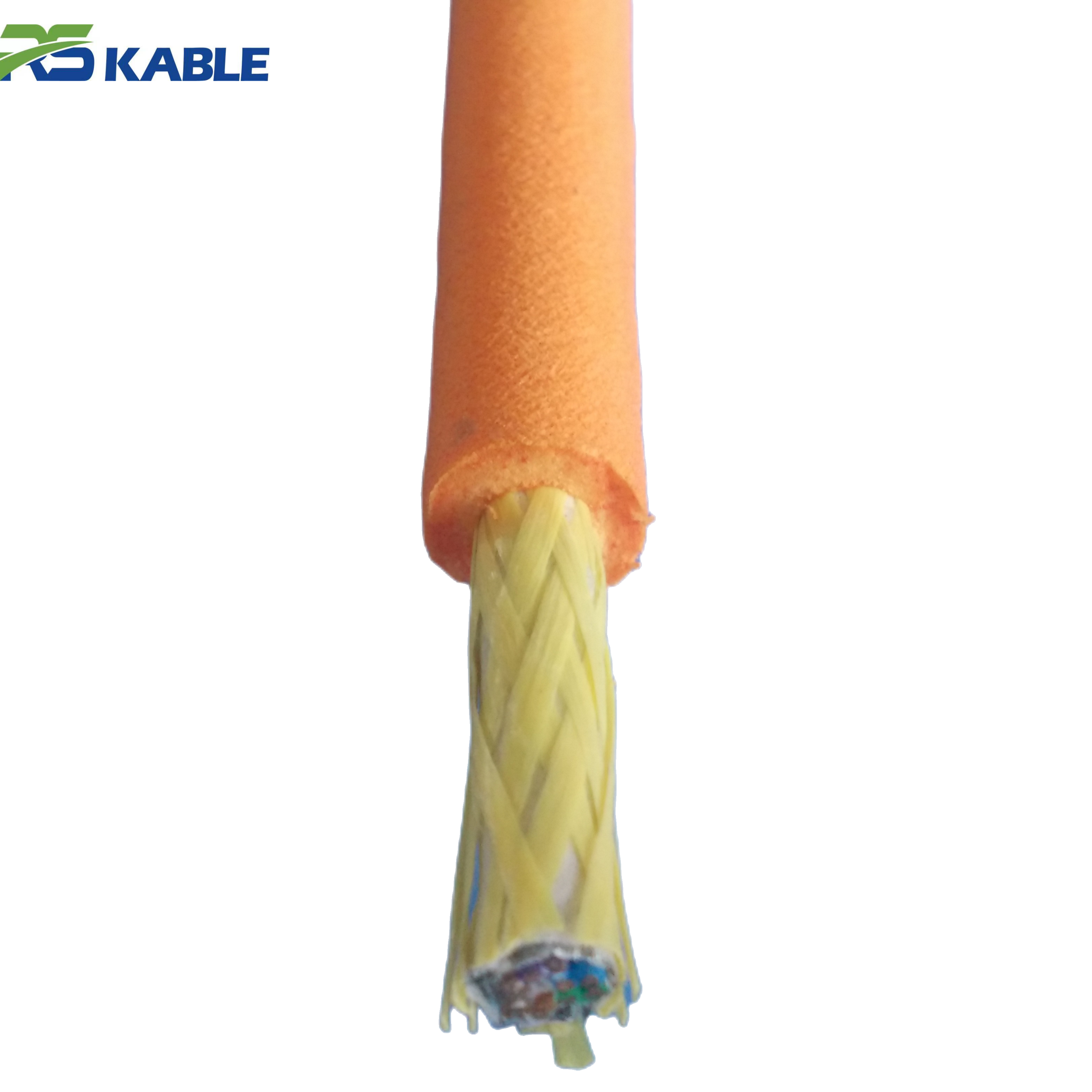
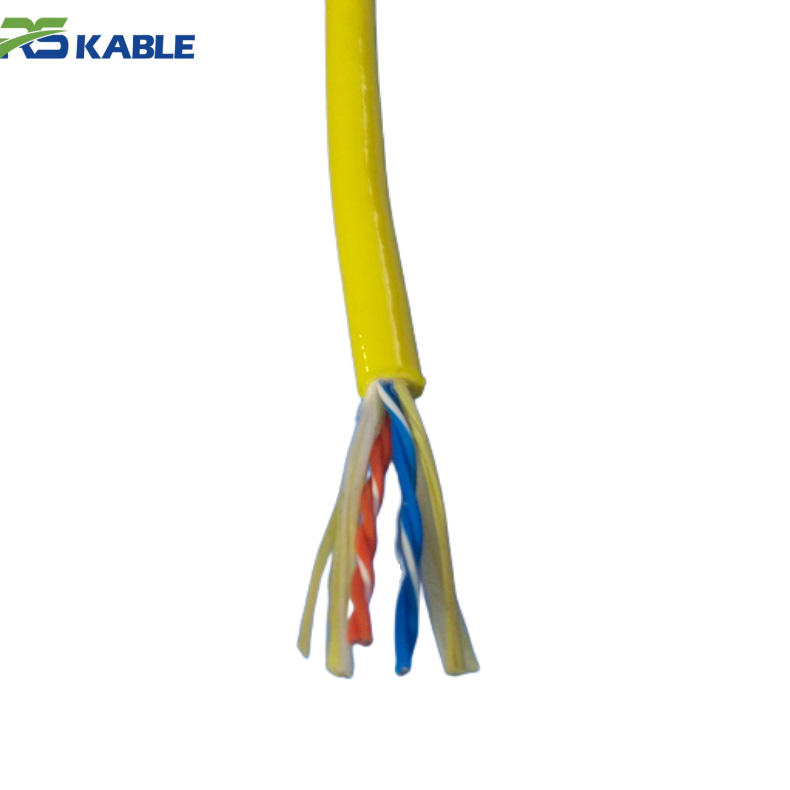
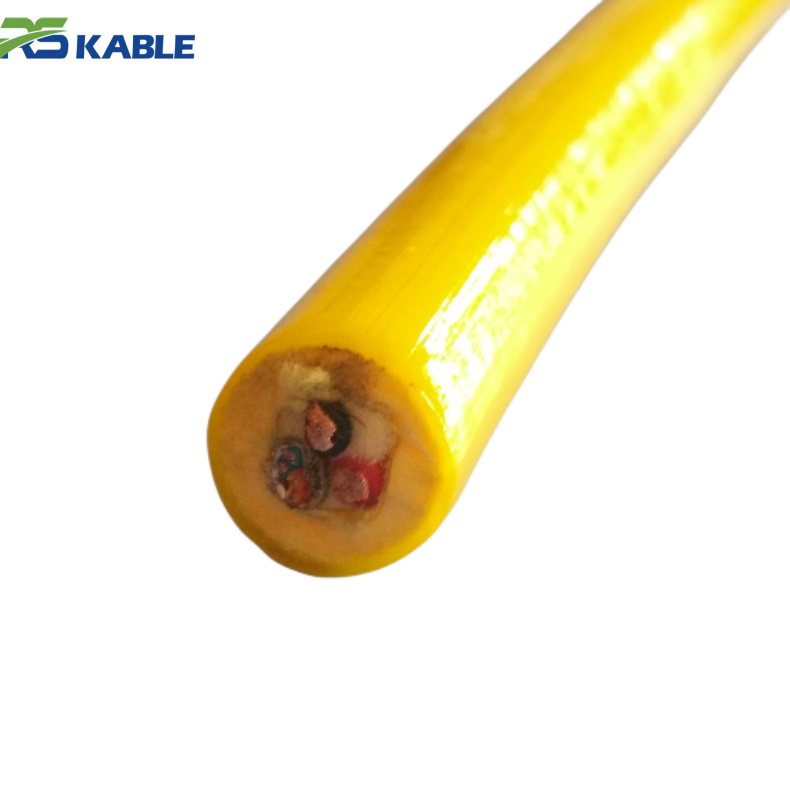
Custom 2/3/4-Core Fiber Optic Power Cable | ROV Zero Buoyancy Composite Cable for Underwater Drones
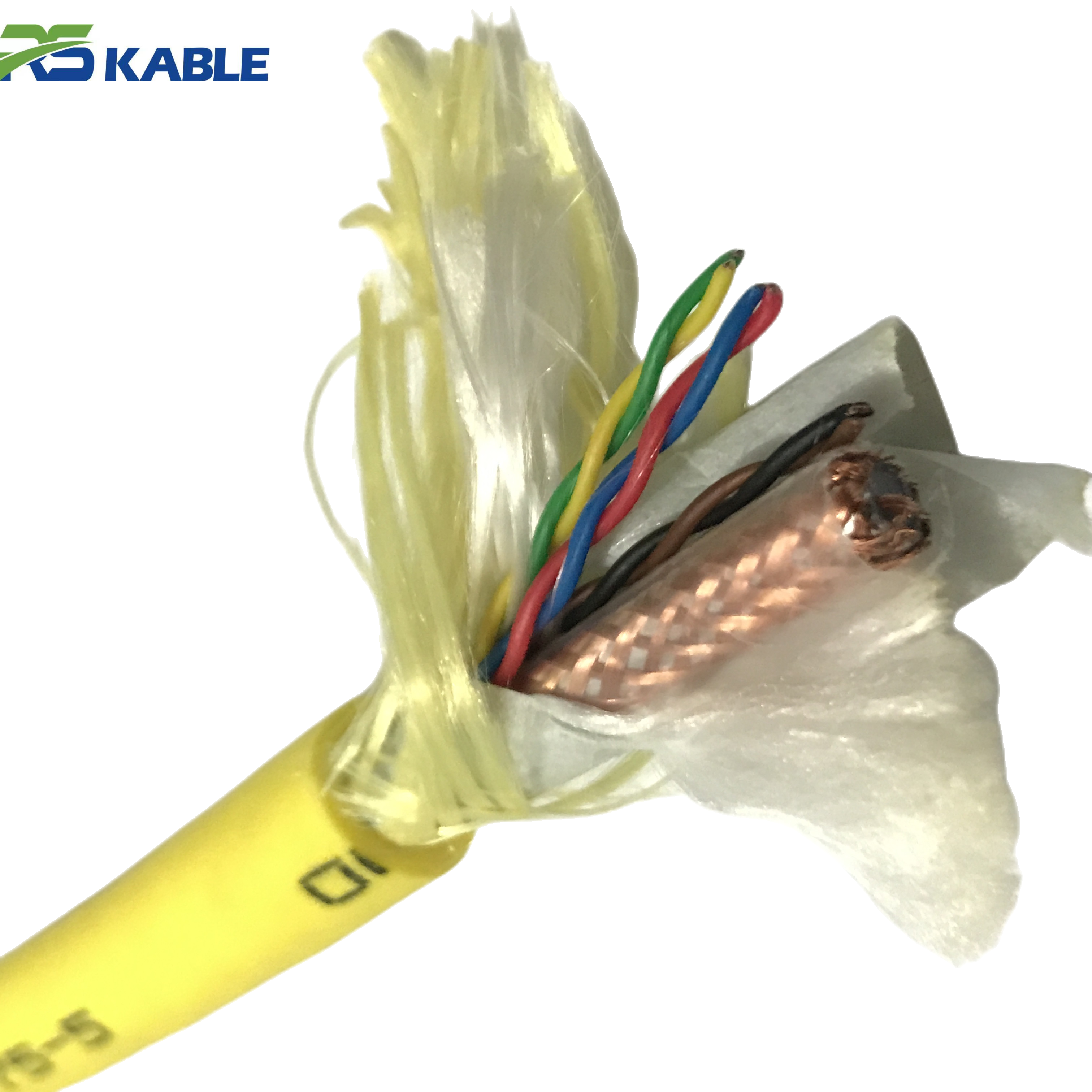
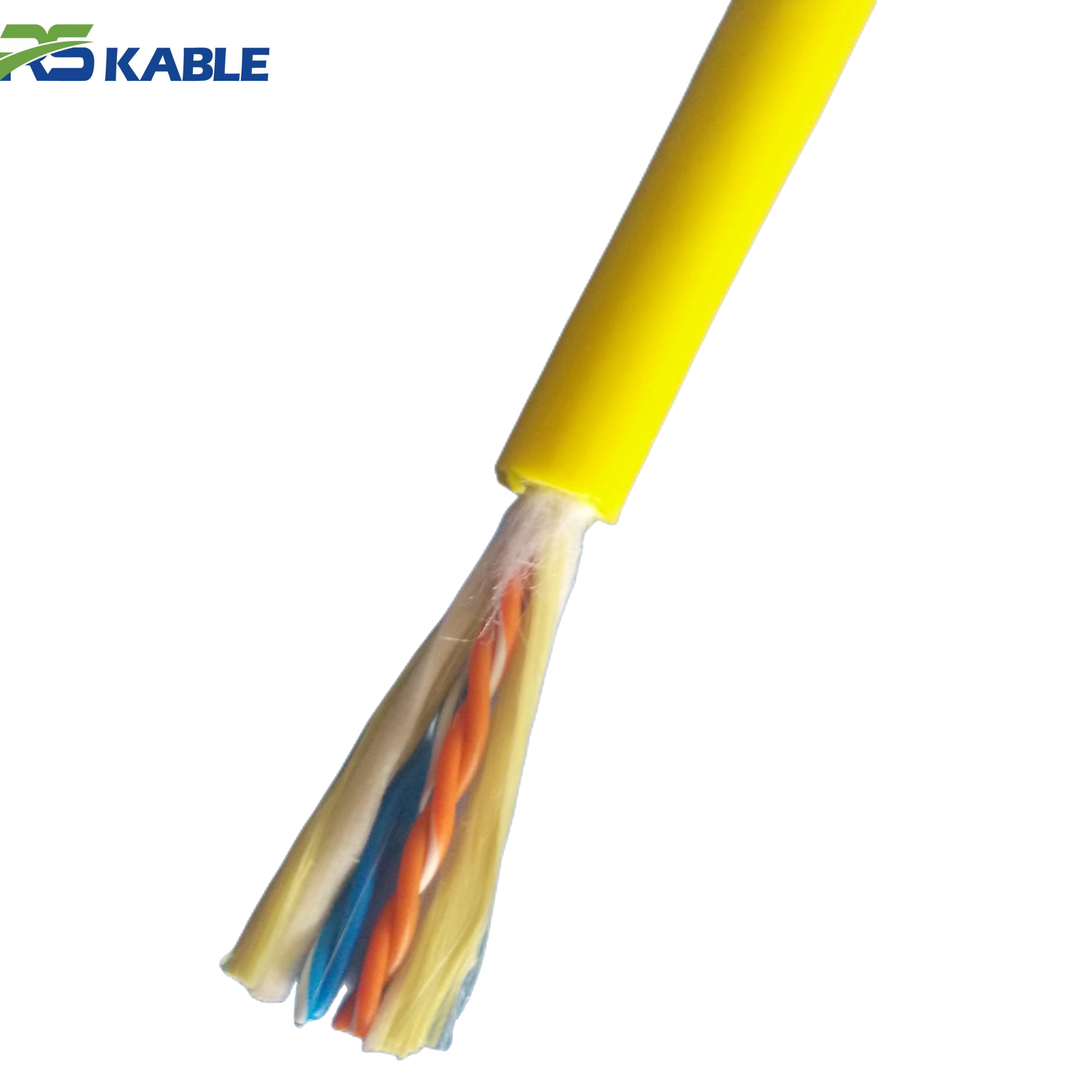
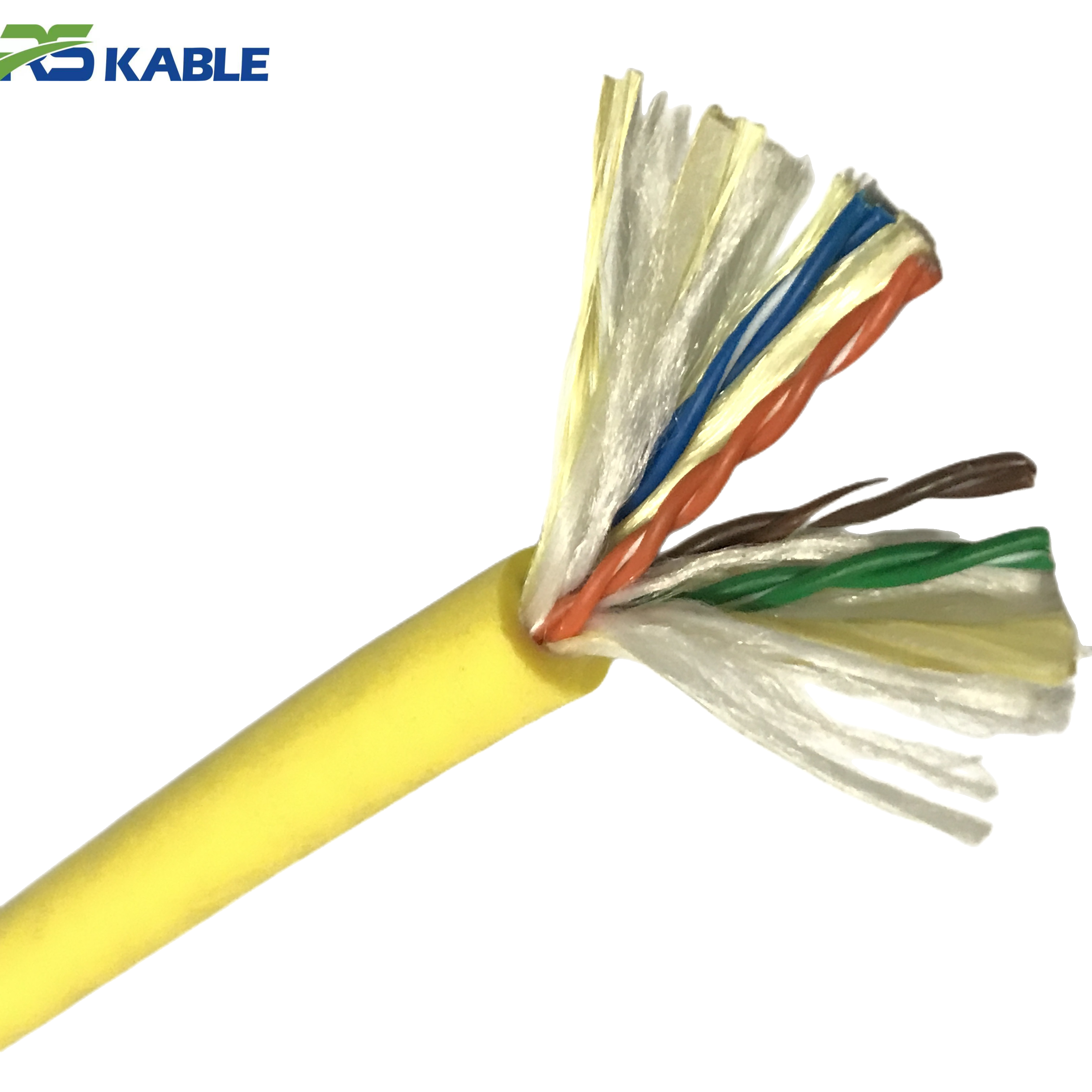
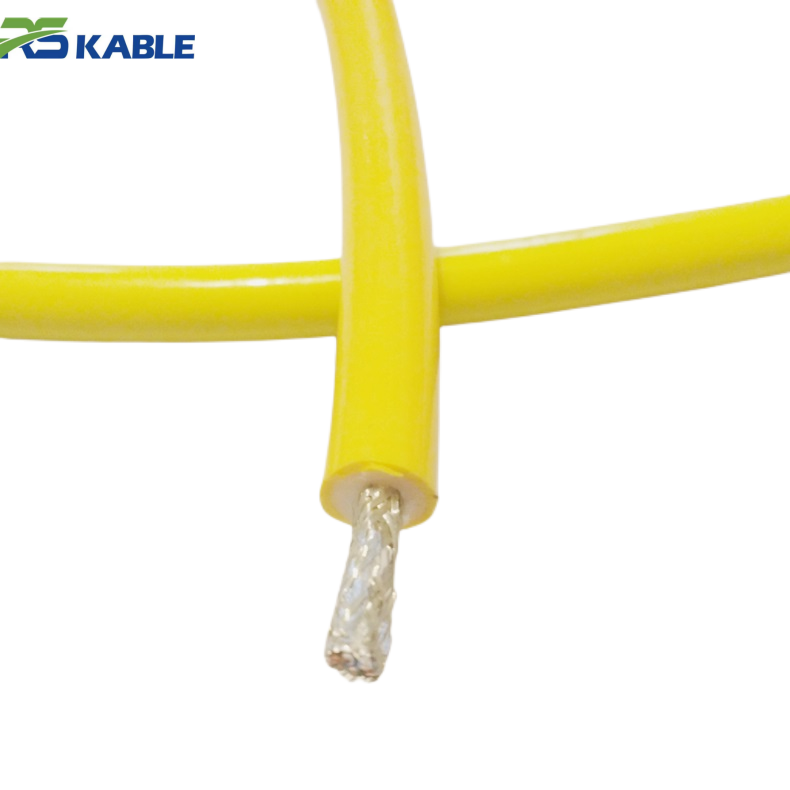
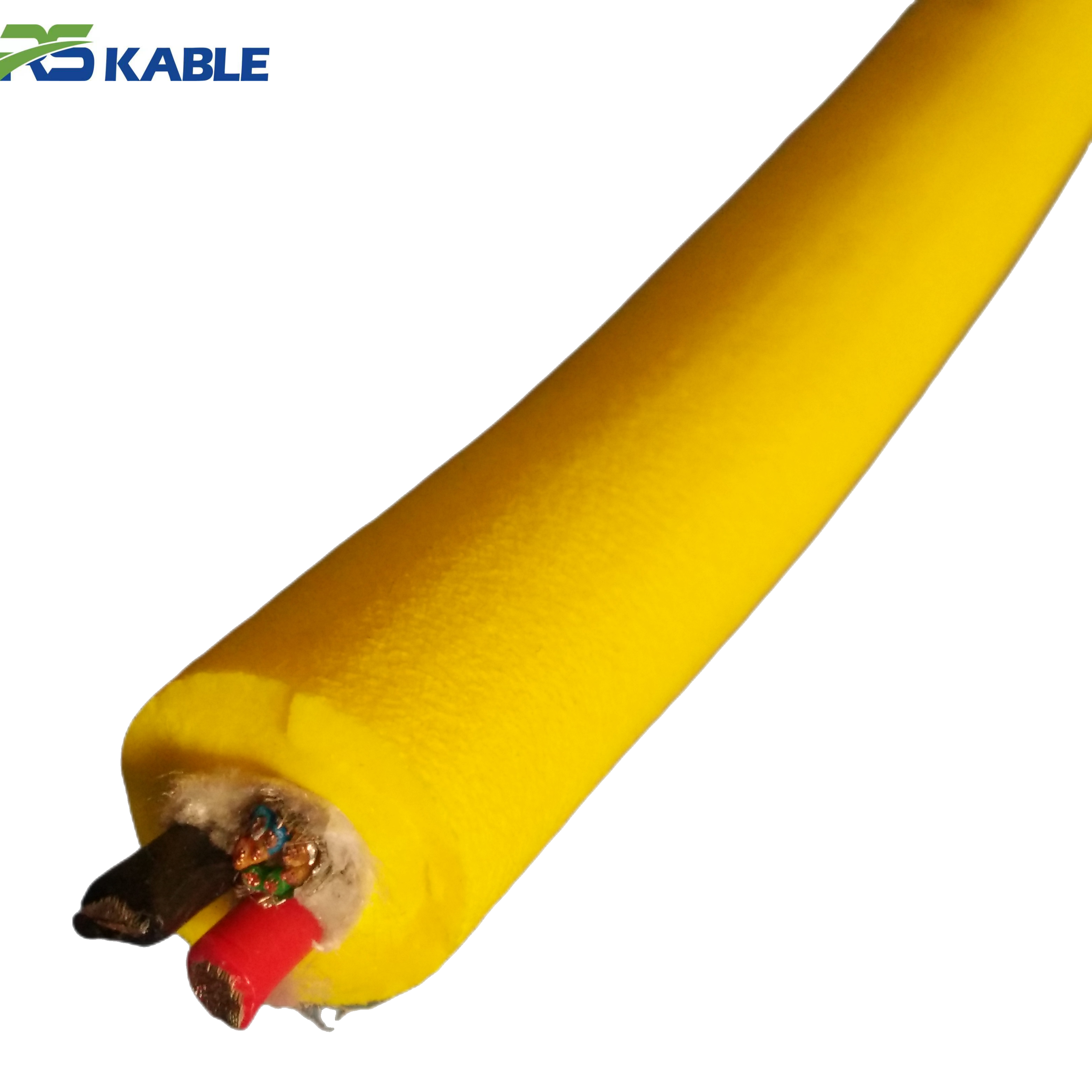
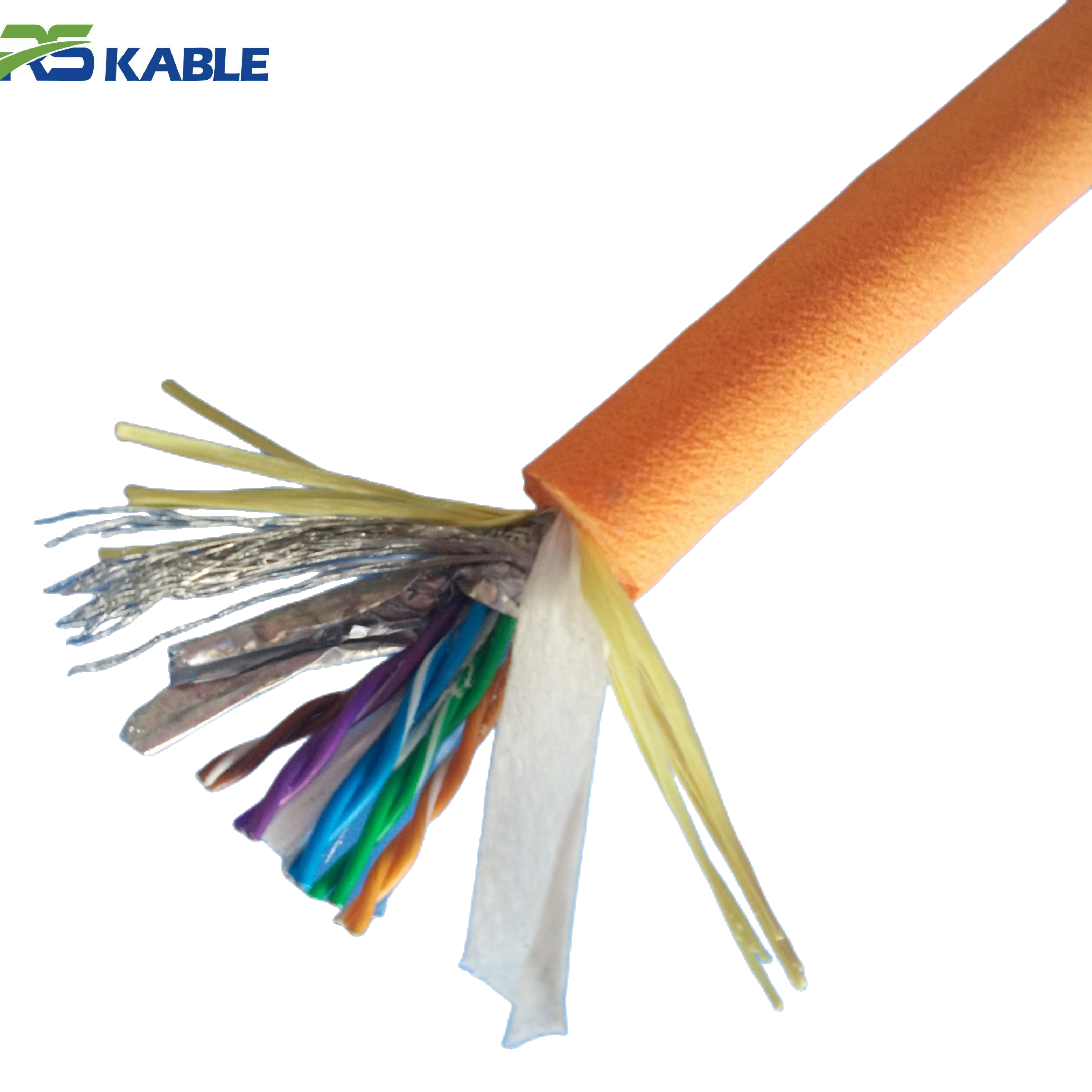
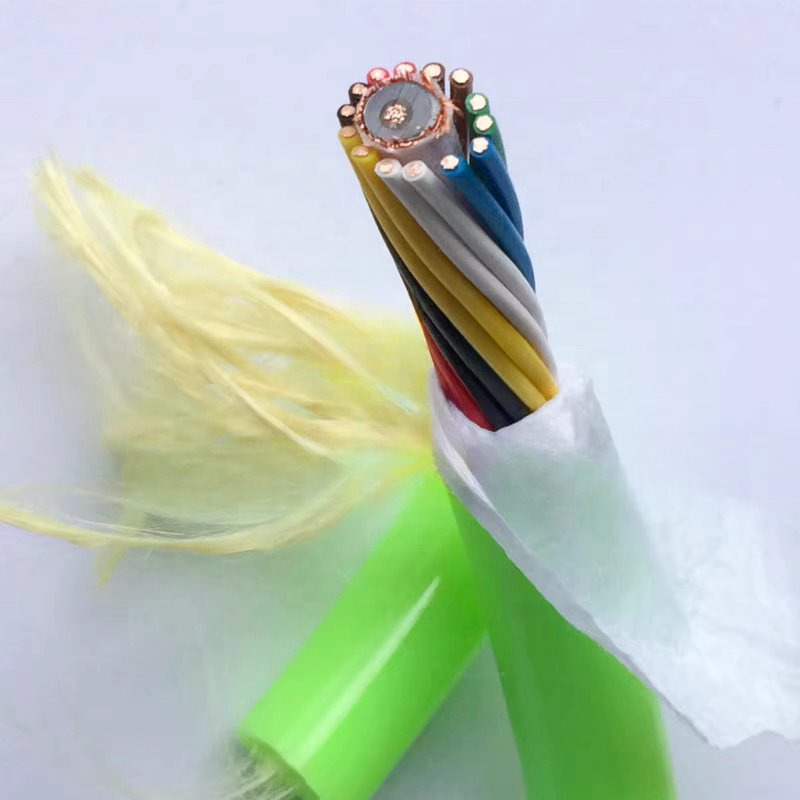
Optimized for **underwater drones and HD camera systems**, this **custom zero buoyancy composite cable** integrates **2/3/4-core fiber optics** with robust power conductors. It enables ultra-high-speed data transmission and reliable power delivery in a single, lightweight tether, ensuring neutral buoyancy and exceptional maneuverability for advanced subsea exploration.
Three short incidents that explain most snags
Incident 1: The “support leg” wrap
During pipeline inspection, the ROV passed a support. A small bottom loop drifted into the leg. The pilot turned to line up for the next shot. The loop tightened and the tether held.
What freed it: stopping the turn, reducing slack, backtracking along the approach line, then re-approaching with the tether swept away from the support.
Lesson: turns tighten hold points; slack management before turning prevents most wraps.
Incident 2: The “strong cross-current sweep”
A team flew cleanly, but the tether kept sweeping into the structure in cross-current. The pilot slowed down, then still got contact.
What fixed it: reducing exposed tether length (payout discipline), setting an OD constraint on the tether for future work, and planning the approach so current pushed the tether away from the workface.
Lesson: in cross-current, drag and exposed length decide sweep zone more than piloting skill.
Incident 3: The “same scuff band every shift”
Jacket wear appeared in the same distance-from-end location after every job. It looked like seabed abrasion, but inspection showed a deck routing edge was rubbing the tether during payout.
What fixed it: changing the lead path, adding edge protection, and marking the known wear zone for checks.
Lesson: repeated wear is usually a routing problem before it’s a material problem.
The drag-to-snag sequence (how the problem is created)
Most snag events follow the same sequence:
-
slack is paid out “for safety”
-
slack collapses into a low loop and touches bottom
-
the loop slides into a snag feature (support, protrusion, debris)
-
the pilot turns or changes depth
-
the loop tightens around the feature and becomes a hold point
-
recovery tension spikes and the mission pauses
If you break the sequence at step 1 or 2, most snagging disappears.
The 30-second pre-dive tether risk check (do this before every inspection run)
Before moving into a structure-heavy zone, answer these quickly:
-
Current direction: where will it push the tether—toward the structure or away?
-
Slack state: is the tether already low/dragging, or suspended and controlled?
-
Turn plan: will the next turn tighten a bottom loop against a feature?
-
Lead angle: is the tether leaving the deck cleanly, or rubbing/dragging at the exit?
-
Hazard map: what are the three most likely snag points on this pass?
This takes less than a minute and prevents the most common “surprise” snags.
What causes seabed drag most often (ranked by impact)
1) Excess slack
Slack increases bottom contact and creates loops. Loops are the root of most wraps.
2) Wrong in-water behavior for inspection
A tether that sinks aggressively collapses slack into bottom loops. Near-neutral behavior often reduces bottom contact, but only if slack is controlled.
3) Too much drag in current
Large OD and long exposed length widen the sweep zone and push the tether into hazards.
4) Deck lead-angle and routing friction
If the tether rubs, pinches, or exits at a poor angle, it can start the run already “low” and more likely to drag.
5) Turning near structure without tether positioning
Turns tighten loops. If the tether is not positioned away from hazards before turning, snag probability rises sharply.
Snag hot zones during underwater inspection (what to treat as “tether traps”)
These features catch loops easily:
-
pipeline supports and hangers
-
valve clusters and protruding brackets
-
frame corners and sharp edges
-
debris fields and loose lines
-
wreck edges and rubble
-
narrow corridors where the ROV must turn frequently
Most serious snags happen when the tether is already touching bottom and the ROV turns.
Cable choices that reduce drag and snagging for inspection work
Buoyancy behavior for inspection
For structure-dense inspection, near-neutral behavior often reduces bottom loops and “sticky tether” events. For shallow wave-influenced work, slightly negative may reduce surface loops, but only when snag risk is low and slack control is strict.
OD/drag control
In strong current, OD is a safety spec. A thicker tether sweeps wider and contacts more. If current is a constant condition, include a maximum preferred OD in procurement.
Jacket protection and contact strategy
If contact is likely, abrasion resistance matters, but targeted sleeves at known rub points often outperform “make everything heavier” designs.
Termination and strain relief
Inspection work creates many movement cycles. A hinge point at the termination exit turns into fatigue, then intermittent faults. The best inspection tether includes good strain relief and routing that keeps the first bend away from the connector exit.
A mission-fit ROV Cable for inspection balances control, durability, and handling—not just strength.
Operating rules that prevent most seabed drag (simple and enforceable)
Rule 1: No turn with uncontrolled slack
If the tether is low or dragging, do not execute a tight turn near structure. First reduce slack or reposition.
Rule 2: Let current push your tether away from hazards
Approach the work so the tether is carried away from the asset, not into it. If current pushes the tether into the structure, change approach direction.
Rule 3: Keep exposed tether length minimal
More tether in moving water = more sweep zone. Payout discipline is often the biggest improvement lever.
Rule 4: Treat “sticky tether” as a stop signal
If the tether feels like it is holding during a turn, stop. Continuing the turn usually tightens the hold.
Rule 5: Avoid “pulling through” a snag
Hard pulls create tension spikes and damage. Free it by backtracking and changing lead angle, not by forcing.
These rules sound basic. They also prevent most repeat incidents.
What to do when you suspect bottom contact or a developing snag
Use this sequence:
-
stop forward motion and stop turning
-
reduce slack slowly if possible
-
backtrack along the last clean path
-
reposition to change lead angle (so the tether lifts off the hold point)
-
re-approach with the tether swept away from the hazard
This sequence works because it reduces tightening forces and avoids shock loading.
Post-job checks that prevent the next fault
After recovery:
-
inspect the first 10–20 m (highest handling and contact zone)
-
check the known wear bands you’ve logged previously
-
feel for hard spots created by spooling or pinch events
-
inspect strain relief for cracks or stiffness steps
-
clean, dry, and cap connectors immediately
Logging repeat wear zones is not paperwork. It is predictive maintenance.
RFQ checklist for inspection tethers (copy/paste)
If you’re sourcing for inspection work, include:
-
environment: seabed type, structure density, debris risk
-
current profile: typical/peak and direction variability
-
working length and max deployed length
-
buoyancy behavior preference (near-neutral or slightly negative, with reason)
-
maximum preferred OD if current is significant
-
jacket requirements + sleeve strategy for contact zones
-
bend radius and handling constraints (drum/sheaves/routing)
-
termination/connector interface and strain relief expectations
-
acceptance requirements: mechanical inspection + baseline electrical/fiber checks if applicable
A well-specified ROV Cable reduces drag and snag incidents before the first deployment.
FAQ
What is the biggest cause of seabed drag in inspection work?
Excess slack. Slack collapses into bottom loops and increases friction contact and wrap risk during turns.
How do I reduce snagging in strong cross-current?
Minimize exposed tether length, control OD/drag, plan approach so current pushes tether away from the asset, and avoid turns with bottom contact.
What should I do when the tether feels “sticky”?
Stop turning and stop forward motion. Reduce slack, backtrack, and change lead angle before continuing.
Does near-neutral buoyancy always prevent snagging?
No. It reduces bottom loops in many inspection scenarios, but slack discipline and current-aware planning still decide outcomes.
What should be included in an RFQ for inspection tethers?
Current profile, buoyancy behavior, OD constraint, abrasion strategy, bend radius/handling constraints, termination expectations, and acceptance baselines.