

ROV Cable for Oil & Gas: Armor Options, Chemical Resistance, and Reliability Needs
Oil & gas subsea work punishes tethers in ways that “general inspection” doesn’t. You spend more time near sharp steel, you handle higher loads during recovery, you run tools that pull real power, and you expose the cable system—jacket, overmold, seals, connectors—to hydrocarbons, hydraulic fluids, and deck cleaners. In this environment, reliability isn’t a feature. It’s a cost control strategy.
This guide explains how to select an oil & gas-ready tether by focusing on what actually fails offshore: armor tradeoffs, chemical exposure effects on real components, and the reliability practices that prevent intermittent faults and unplanned recoveries.
Three oil & gas field stories (why “rugged” isn’t specific enough)
Story 1: “The cable survived, but the end didn’t”
A tether body looked fine after weeks of work. Then intermittent faults started—only during movement and only after heavy recoveries. The termination overmold had developed micro-cracks at a hinge point, and sealing degraded over time.
Lesson: terminations fail before the cable body when load transfer and bend control are not engineered together.
Story 2: “We added double armor and got more contact events”
The team chose double armor for safety near steelwork. OD increased, drag increased, and cross-current pushed the sweep zone deeper into the structure. Contact frequency rose—even though the tether was tougher.
Lesson: more armor can increase drag and contact risk. You must balance cut protection with controllability.
Story 3: “Cleaning fixed one problem and created another”
A deck cleaning routine used aggressive solvents. Over time, strain relief stiffness changed and seals degraded. Insulation readings trended down even without obvious jacket damage.
Lesson: chemical resistance is not only the jacket. Overmolds, O-rings, and potting systems can be the real vulnerability.
These patterns are common because oil & gas runs the tether system hard in multiple ways at once.
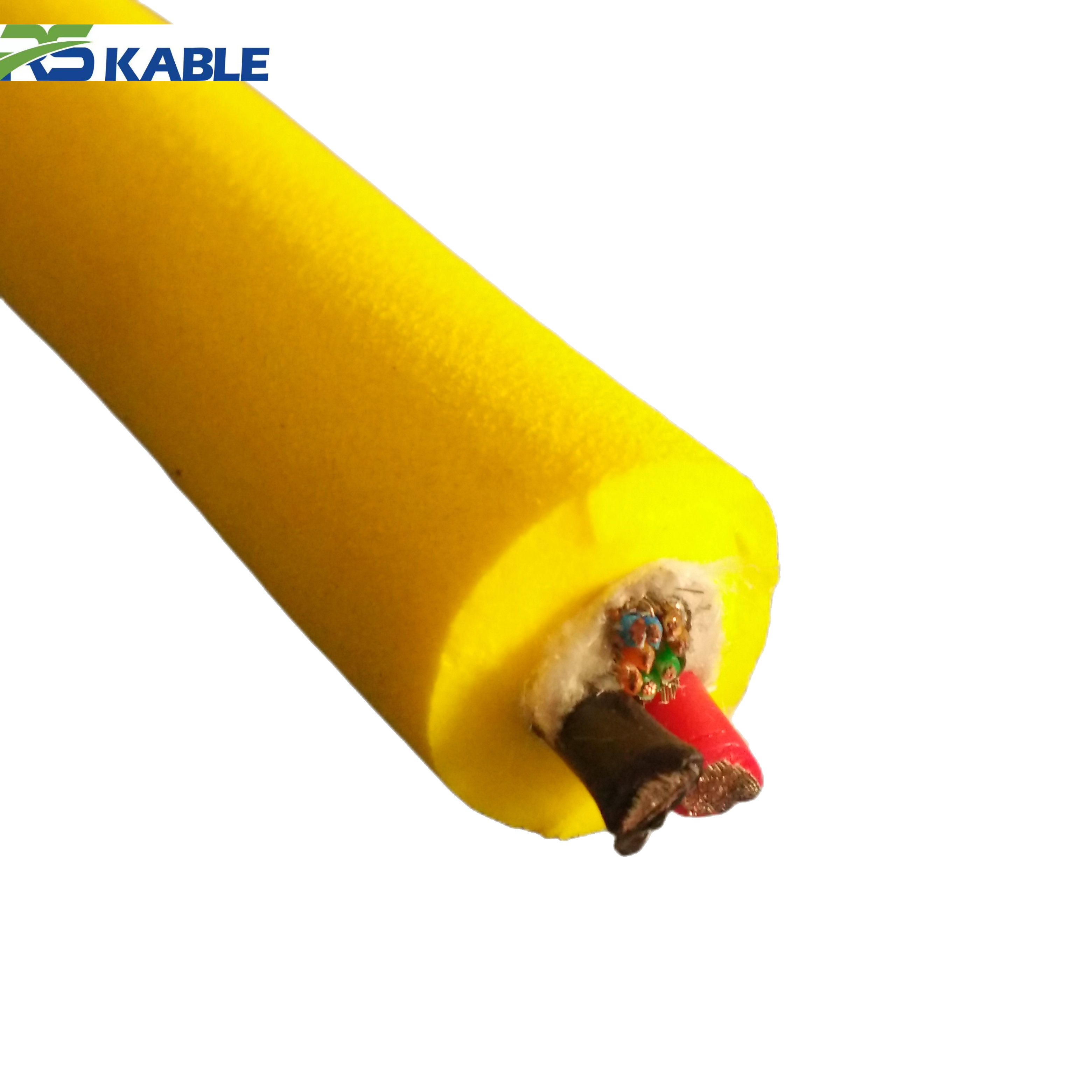
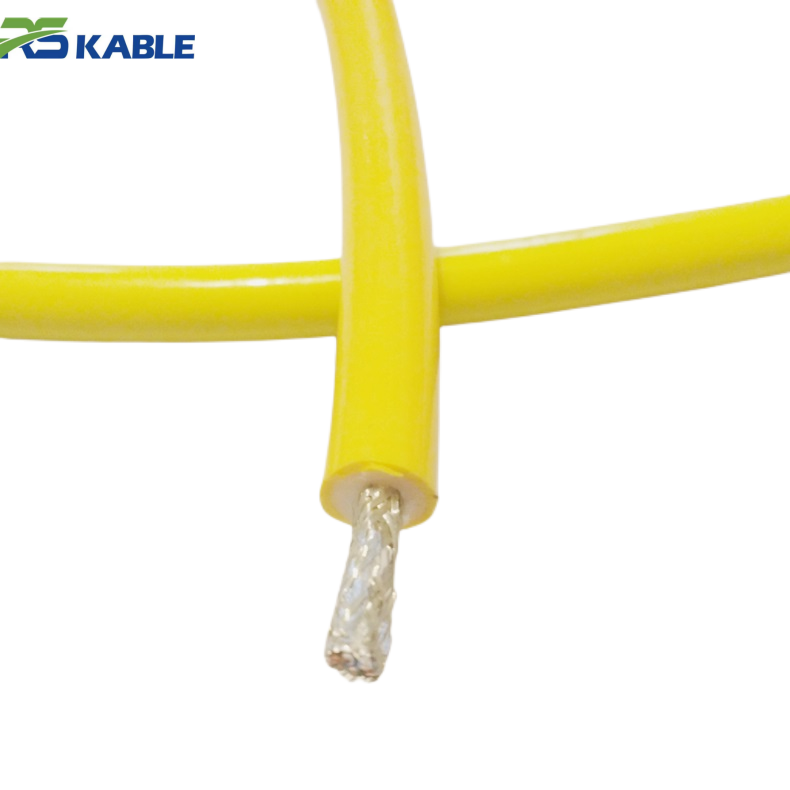
Port & Bridge Inspection ROV Cable | Flexible Structure & Easy Deployment Solution
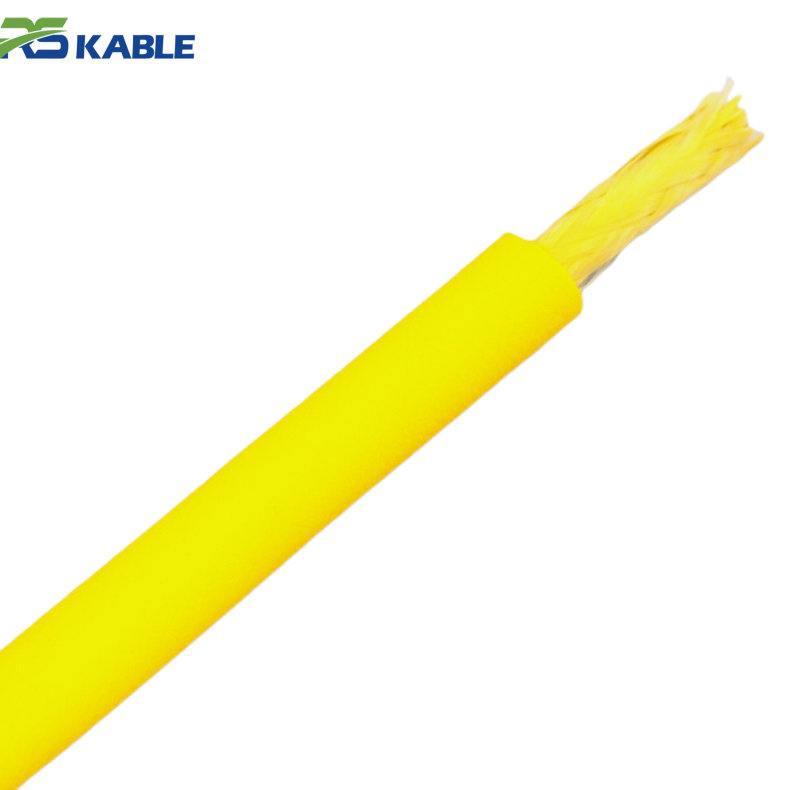
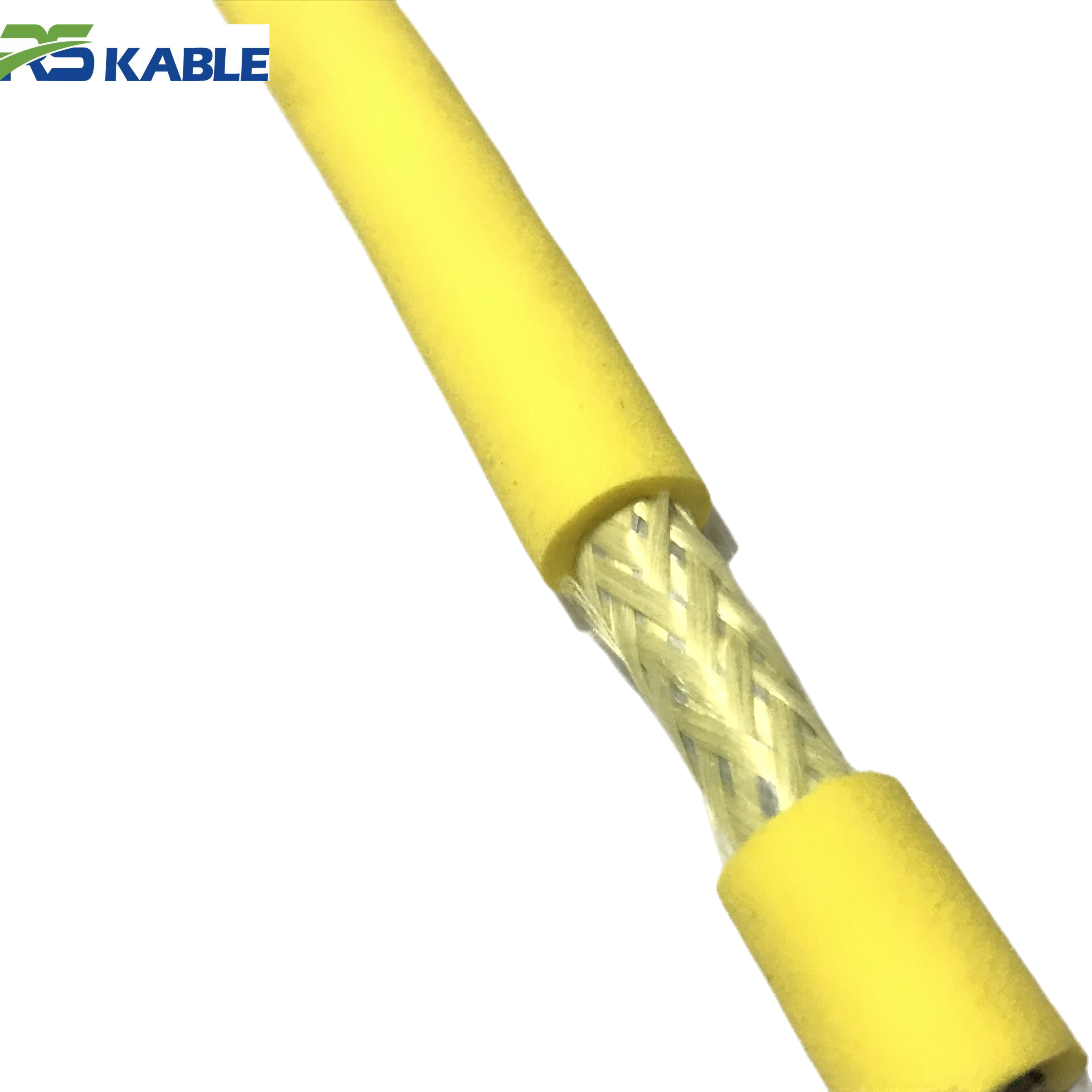
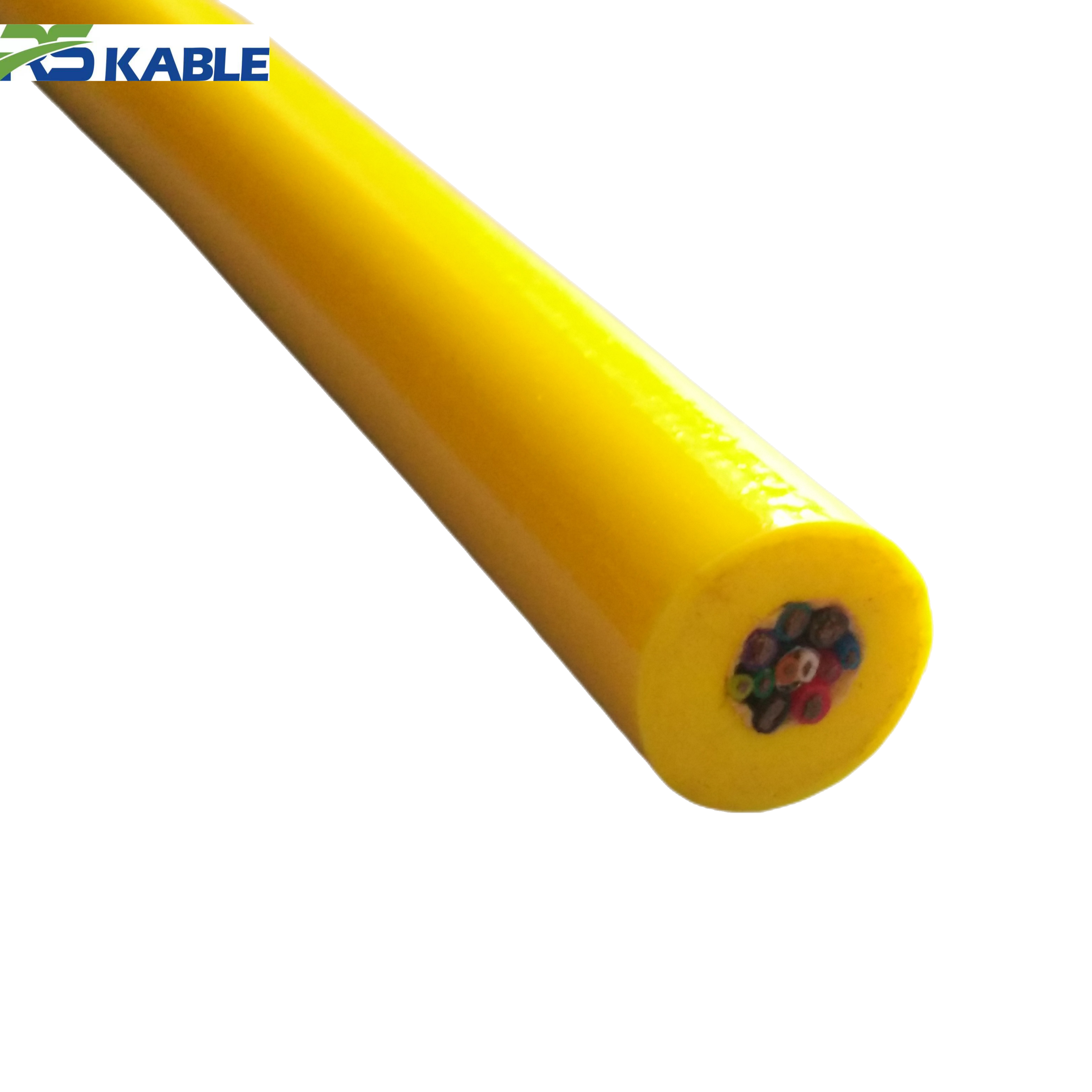
Designed for **port, dock, and bridge foundation inspections**, this **highly flexible ROV cable** offers an optimized solution for **easy deployment** in confined or complex underwater structures. Its lightweight, high-tensile design ensures stable signal feedback and power supply, allowing for efficient and precise monitoring of critical maritime infrastructure.
What reliability means in oil & gas (the operational definition)
For oil & gas, “reliable” means:
-
power stays stable under peak thruster/tool loads
-
video/telemetry stays stable during movement
-
jacket and armor survive repeated contact near steel edges
-
terminations and strain relief survive recovery cycles without hinge cracking
-
sealing remains intact under pressure and after deck chemical exposure
-
connectors remain serviceable through frequent mate/unmate cycles
-
wear patterns are predictable and manageable, not mysterious
A reliable ROV Cable is one that reduces unplanned recoveries and eliminates recurring intermittent faults.
Armor options: what you gain, what you pay
Armor is protection, but it is not free. It changes OD, stiffness, fatigue behavior, and drag.
Unarmored (reinforced jacket only)
Best when: drag control is critical, cut risk is low-to-moderate, and contact is mostly rubbing rather than sharp edge exposure.
Hidden risk: underestimates sharp edge contact near steel structure and pinch zones.
Single armor
Best when: moderate cut risk exists and you need a stronger barrier against steel contact without the full penalties of double armor.
Tradeoff: increased OD and drag; routing and bend compliance become more important.
Double armor
Best when: high cut risk is unavoidable (tight steel corridors, intervention-heavy tasks, repeated contact with sharp structure features).
Tradeoff: highest OD/drag and stiffness; easiest to overbuild for current-heavy work.
Reinforcement-first designs (not “full armor”)
Some builds prioritize strength members and tough jackets with targeted protection rather than maximum armor.
Best when: you need tensile margin and durability but must control OD for current and handling.
Practical takeaway: armor should match the real cut mechanism. If your main risk is abrasion and drag-driven contact (not cutting), “more armor” can increase the frequency of contact events.

Armor selection matrix (fast decision tool)
Use this matrix to avoid overbuilding.
Step 1 — How likely is sharp edge contact?
-
Low: mostly open water or smooth surfaces
-
Medium: occasional steel proximity, manageable contact
-
High: frequent steel edge exposure, pinch zones, tight corridors
Step 2 — How sensitive is the mission to drag/sweep in current?
-
Low: weak currents, wide work area
-
Medium: current matters sometimes
-
High: cross-current often pushes tether into hazards
Step 3 — Pick the starting point
-
Low cut + High drag sensitivity: reinforced jacket / unarmored strategy + sleeves in hotspots
-
Medium cut + Medium drag: single armor is often the best balance
-
High cut + Low drag sensitivity: double armor may be justified
-
High cut + High drag sensitivity: start with single armor + aggressive routing/sleeve strategy, then only go to double if incidents prove it’s needed
This is how teams avoid buying a tether that is “safe” on paper but creates more contact events in current.
Chemical resistance: what parts actually degrade offshore
In oil & gas, chemical exposure affects multiple components—not just the outer jacket.
Parts most sensitive to chemical exposure
-
outer jacket (swelling/softening/cracking depending on compound)
-
overmold and strain relief (stiffness changes and micro-cracking)
-
O-rings and connector seals (compression set, swelling, sealing loss)
-
potting system (adhesion degradation or micro-void pathways)
-
markings and protective coatings (minor, but can signal broader compatibility issues)
Exposure sources teams often forget
-
deck cleaners and solvents
-
hydraulic fluid leaks
-
oily residues on deck gear
-
storage conditions where chemicals remain in contact longer than expected
Best practice for procurement: specify the exposure environment in your RFQ and require compatibility confirmation for jacket, overmold/strain relief, and connector seals—not “chemical resistant” as a label.

A practical chemical exposure checklist (what to ask, what to do)
Ask suppliers
-
which jacket compound family is used and what it’s designed to resist
-
what overmold/strain relief material is used and its compatibility
-
what connector seal materials are assumed (O-ring types)
-
what cleaning methods are recommended and what should be avoided
Control your deck process
-
standardize cleaning agents and prohibit aggressive solvents unless approved
-
rinse and dry connectors properly; don’t let residues dry on seal surfaces
-
avoid long-duration soaking of termination zones in unknown fluids
-
inspect strain relief stiffness change as a warning sign (not cosmetic)
Chemical resistance is as much about process discipline as material choice.
The most common oil & gas failure chain (and how to break it)
A high-frequency chain in oil & gas campaigns looks like this:
-
increased contact near steel edges (drag + sweep + tight work)
-
jacket nick or armor damage creates micro-path
-
pressure exposure drives ingress over time
-
insulation declines; intermittent faults appear during movement
-
termination becomes the weak point; recovery cycles accelerate fatigue
-
unplanned recovery, repair, campaign delay
How to break the chain:
-
reduce contact frequency (OD control + sweep planning)
-
protect hotspots (sleeves + routing guards)
-
maintain termination bend control (no hinge point)
-
record baselines to detect changes early
This is where a mission-fit ROV Cable pays for itself.
Reliability requirements that matter most (what to prioritize in specs)
-
Termination quality and rated load
Termination rated load should not be lower than the cable’s intended working margin. -
Bend radius compatibility with your deck hardware
If routing forces tight bends, fatigue will win—armor won’t save you. -
OD/drag control in current
Drag sensitivity must be acknowledged early. A thick tether can create more structure contacts. -
Chemical compatibility across jacket + overmold + seals
Seals and overmolds are often the first chemical victims. -
Acceptance baselines
Electrical and optical baselines reduce troubleshooting time and catch early degradation.
Acceptance and commissioning (oil & gas ready)
Before a campaign begins:
-
inspect jacket and armor for transport damage
-
check termination strain relief for smooth stiffness transition (no hinge)
-
confirm deck routing maintains bend radius under real layout
-
record electrical baselines; record fiber baselines if applicable
-
verify connector caps, spare seals, and cleaning supplies are stocked
-
define incident triggers for re-inspection (snag, kink, hard recovery)
This turns “hope it holds” into measurable readiness.
RFQ template lines for oil & gas procurement (copy/paste)
-
Structure environment: steel edge exposure, pinch zones, corridor work description
-
Current profile and drag sensitivity (sweep into structure risk)
-
Working length and maximum deployed length
-
Power/tooling load profile (peak current, duty cycle)
-
Data requirements and fiber needs if applicable
-
Armor strategy preference + rationale (unarmored/single/double)
-
OD constraint if current is a factor
-
Chemical exposure profile: hydrocarbons, hydraulic fluids, deck cleaners used
-
Required compatibility for jacket + overmold + connector seals
-
Tensile requirements + termination rated load requirement
-
Acceptance requirements: electrical baseline + fiber baseline if applicable
A good RFQ prevents “generic inspection cable” proposals for oil & gas duty.
FAQ
Is double armor always required in oil & gas?
No. Double armor can be justified in high cut-risk corridors, but it increases OD and drag. Many jobs perform best with single armor plus hotspot protection.
What parts are most affected by chemicals offshore?
Overmolds/strain relief and connector seals are common weak points, along with jacket compound compatibility.
Why do faults often appear as “movement-only” issues?
Fatigue and micro-damage near terminations shows up under flexing first. That’s why bend control and strain relief matter so much.
How can I reduce tether contact events near structures?
Control OD/drag, plan sweep direction, minimize slack loops, and protect known hotspots with sleeves and routing guards.
What acceptance tests matter most before a campaign?
Electrical baselines (continuity/insulation) and fiber insertion loss baselines if fiber is used, plus mechanical inspection of terminations and routing.