

ROV Cable for Offshore Wind: Handling, Abrasion Risks, and Long-Life Selection Tips
Offshore wind is a repetition engine. The geometry changes from turbine to turbine, but the work patterns often don’t: approach the monopile or jacket, hold station in cross-current, work close to hard edges, then recover and move to the next asset. That repetition is exactly why tethers wear out faster in wind campaigns—and also why long life is achievable when you design and operate for the patterns that actually damage cable.
A wind O&M tether fails in predictable ways: it gets sanded by scour protection, nicked on protrusions, crushed during fast spooling, or fatigued at the same bend point every day until “movement-only” dropouts begin. The goal is not to build the heaviest tether possible. The goal is to choose a cable that stays controllable in cross-current and survives the high cycle count that defines offshore wind.
This guide explains where damage really happens in wind work, which selection levers produce the biggest service-life gains, and how to run a campaign so small wear doesn’t become a downtime event. The term ROV Cable appears naturally 3–5 times because this is ultimately a tether selection and operating discipline problem.
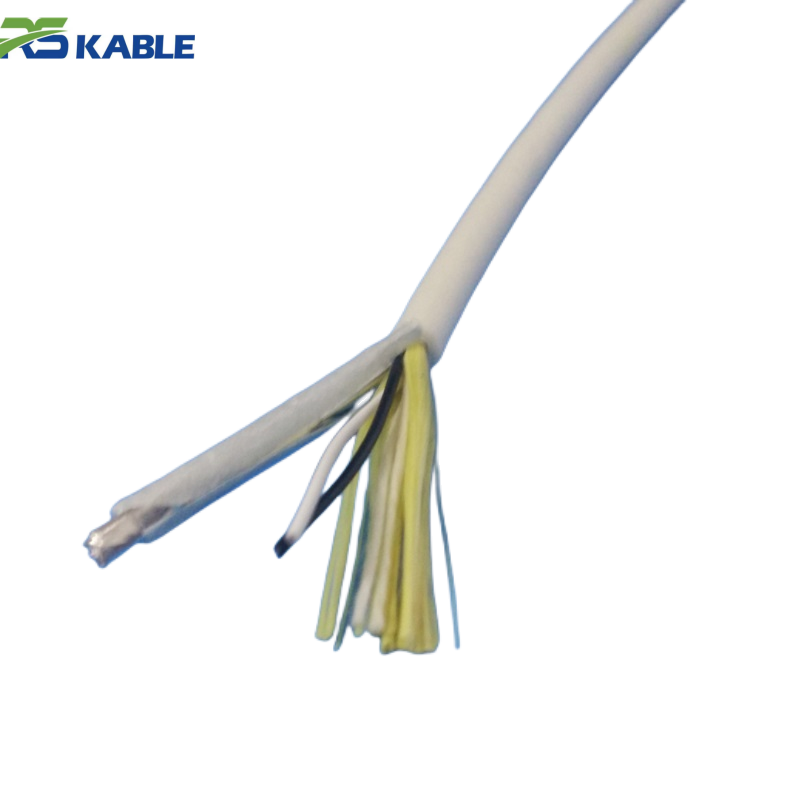
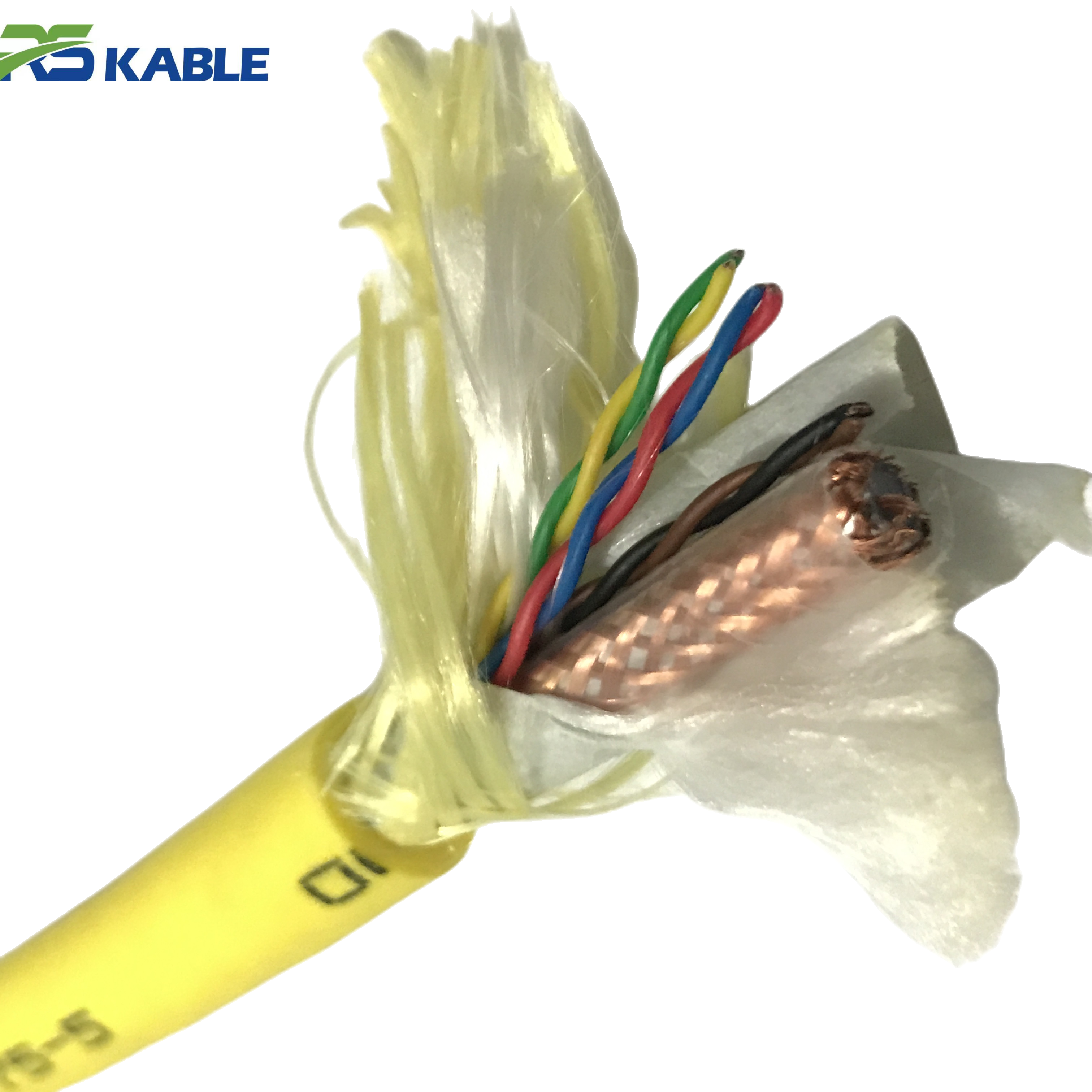
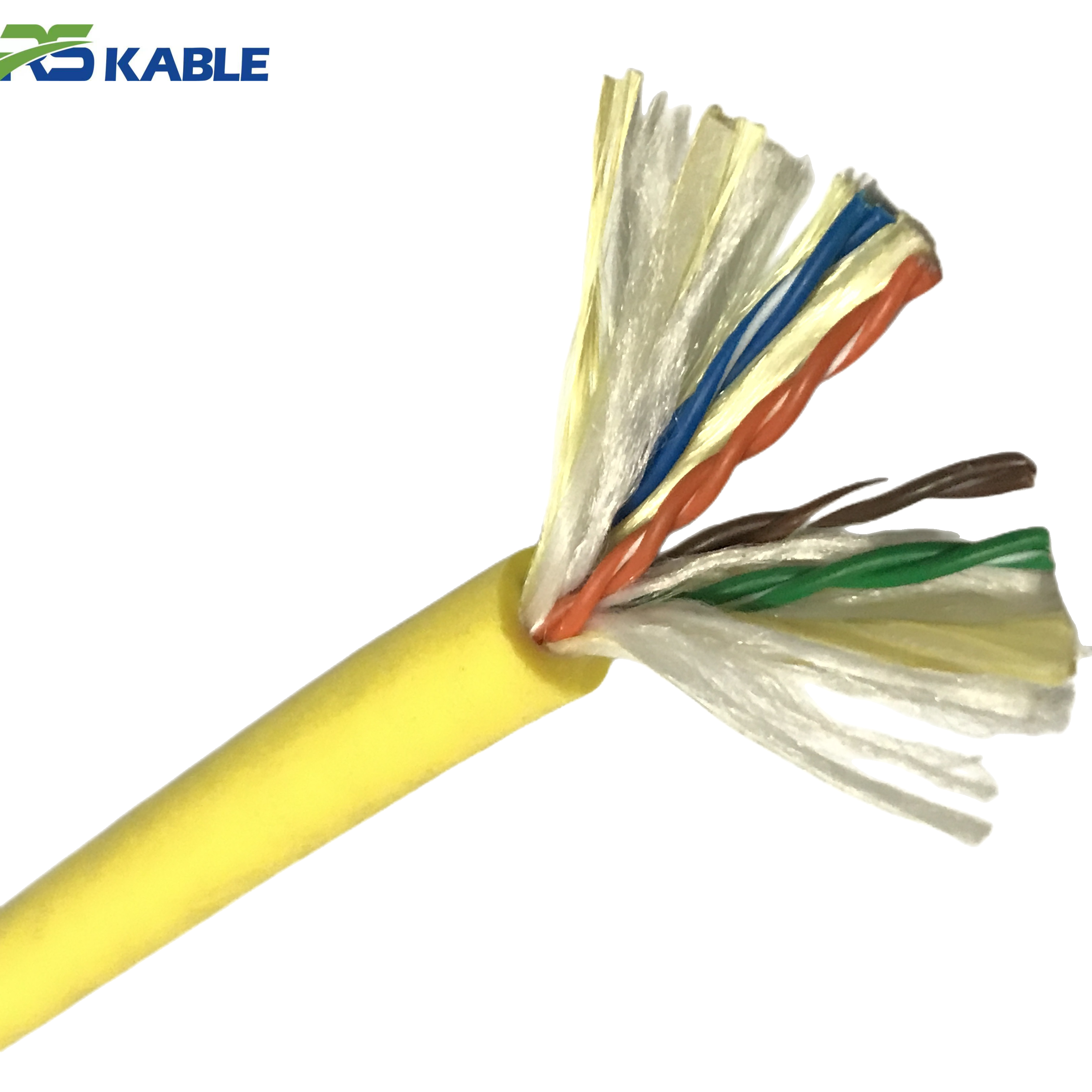
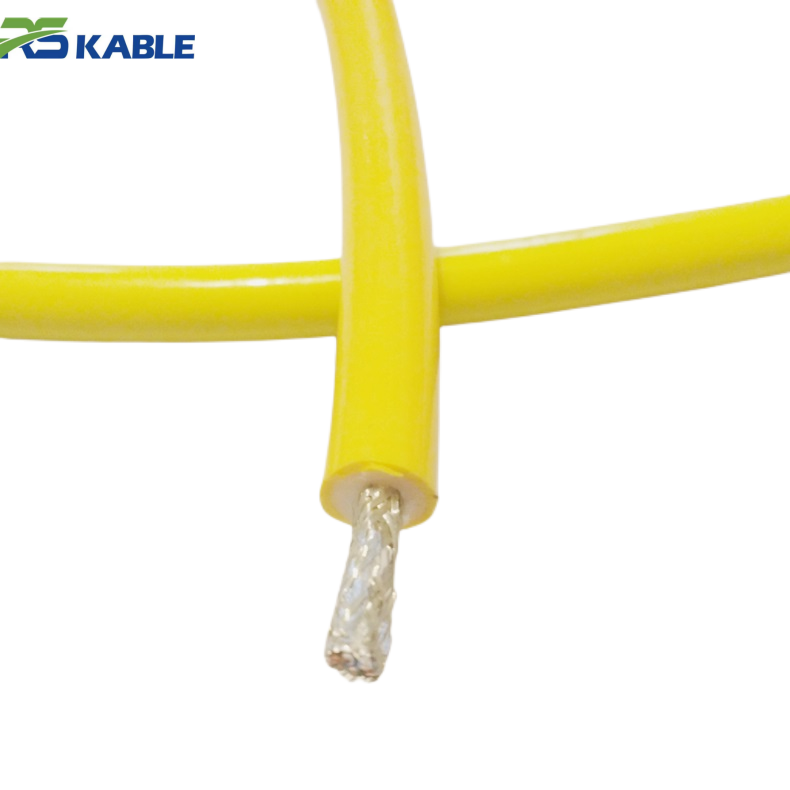
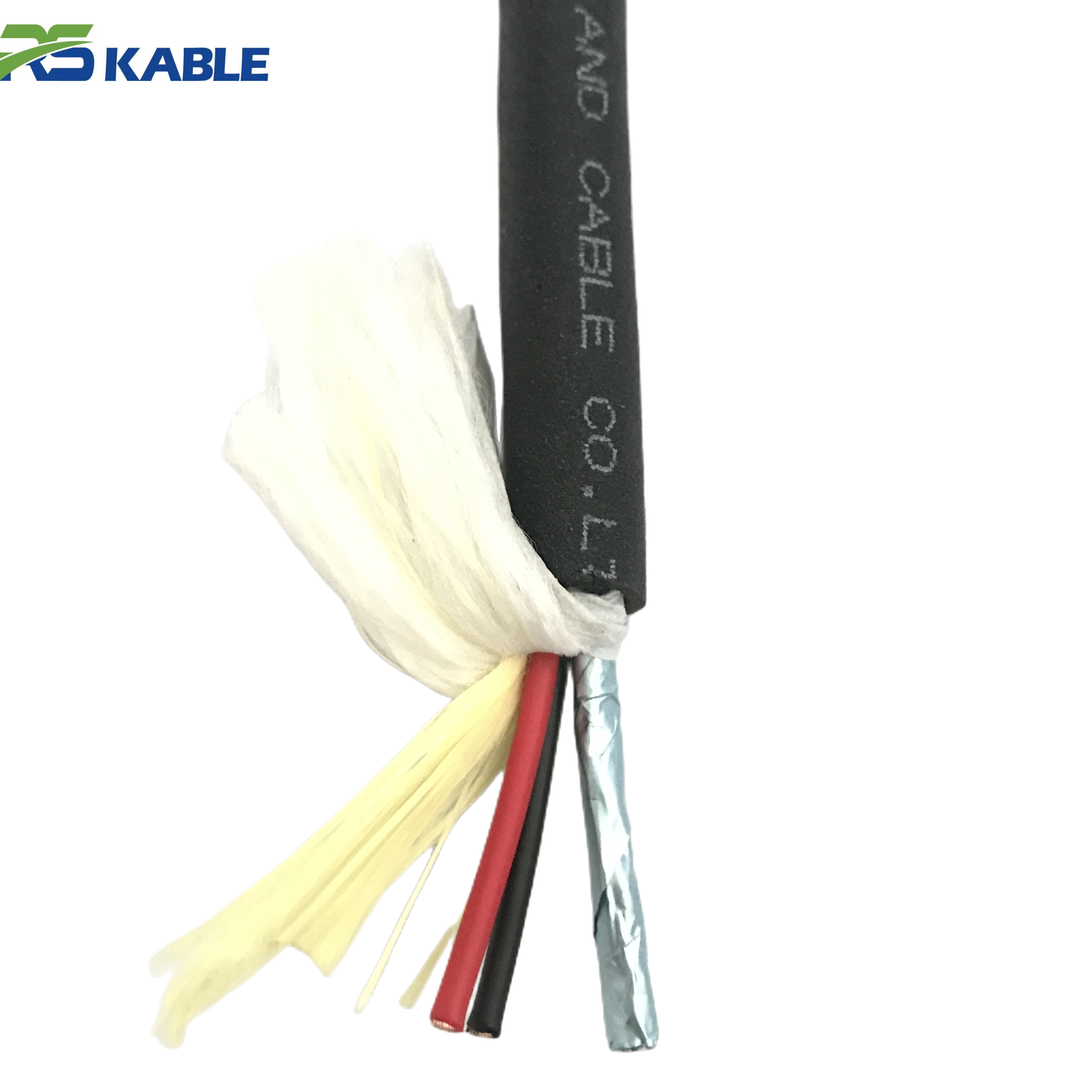
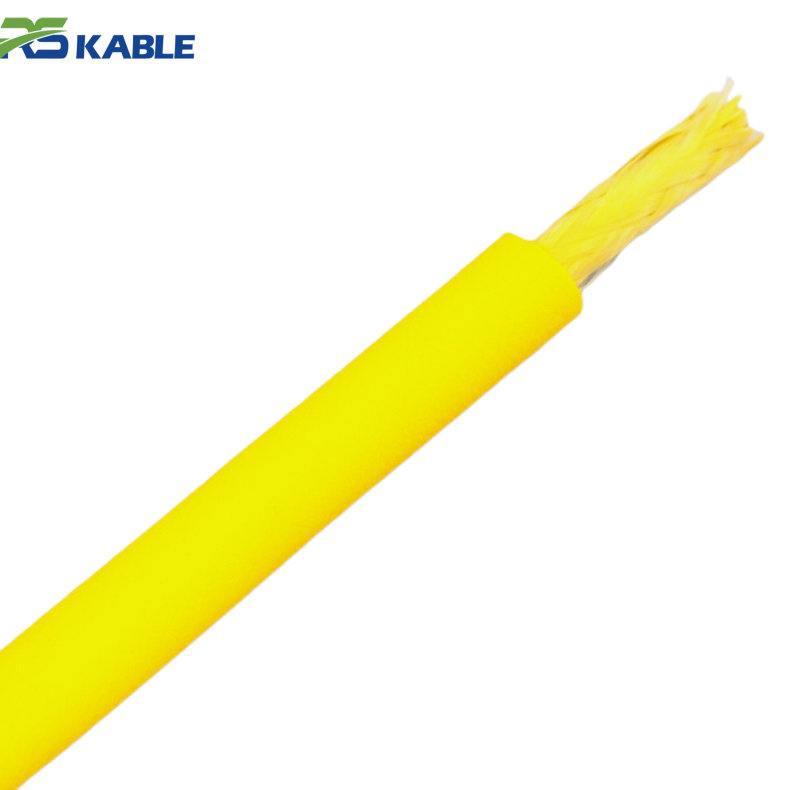
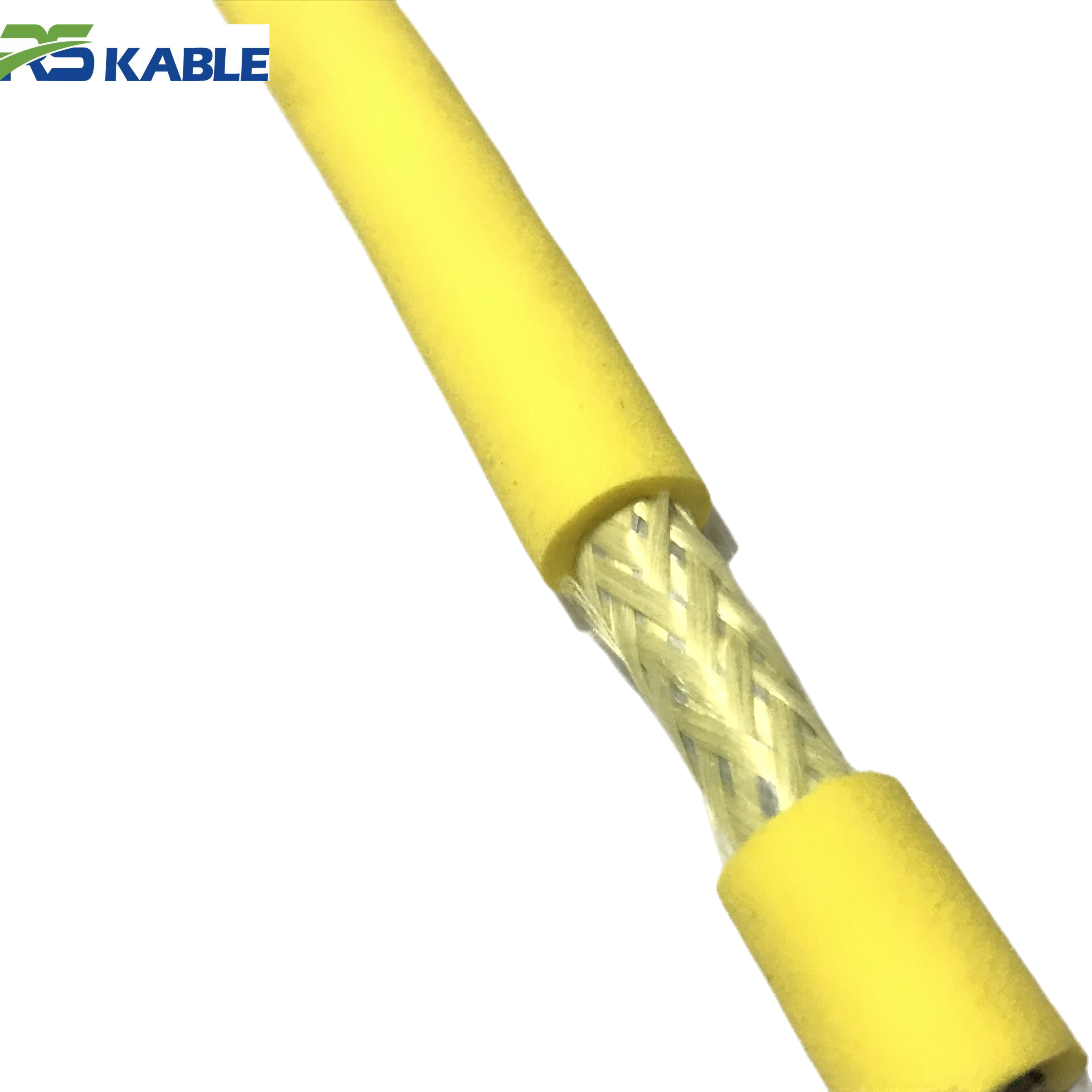
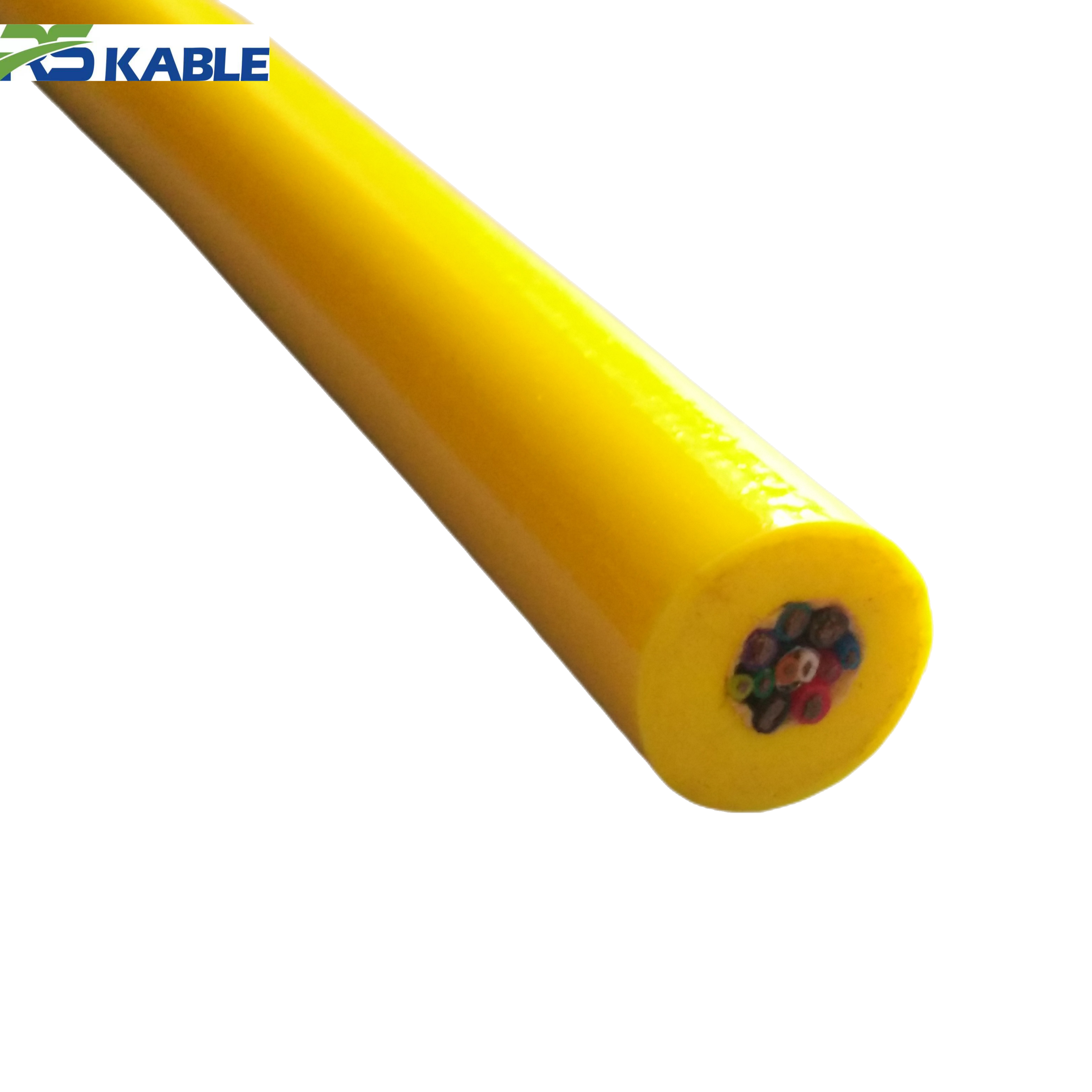
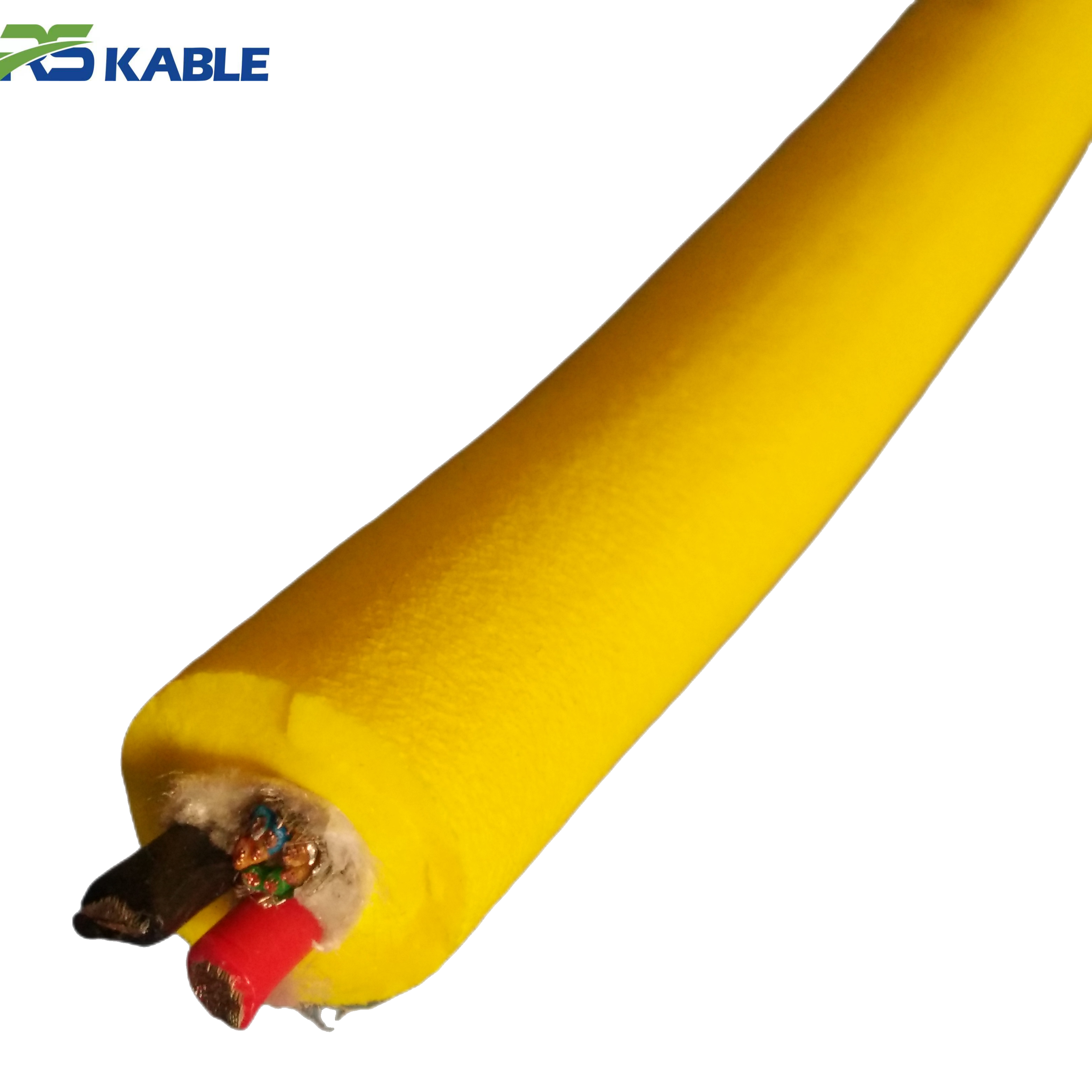
Underwater Welding & Repair ROV Cable | High Current Capacity & Abrasion Resistant Outer Layer
Specially engineered for **underwater welding and structural repair missions**, this **high-performance ROV cable** features an exceptional **high current capacity** and an ultra-tough **abrasion-resistant outer layer**. It is designed to withstand the harsh conditions of subsea maintenance, providing reliable power delivery and maximum durability against mechanical wear and seabed friction.
Offshore wind isn’t one environment—it’s a sequence of environments
Most teams think about wind as “structure + current.” In practice, your tether experiences several distinct environments in a single turbine run, and each one creates different wear mechanisms:
1) The approach corridor
You’re positioning the vehicle, managing slack, and aligning for the workface. This is where unnecessary payout starts bottom loops and where cross-current begins to widen the sweep zone.
2) The workface zone
This is the high-precision phase: close-in flight near monopile surfaces, jacket members, ladders, brackets, anodes, and interfaces around J-tubes or hang-offs. Contact risk is highest here, and “a little drag” becomes “a hold point” quickly.
3) The scour interaction band
Even if you try to stay off-bottom, the tether often dips toward scour protection during transitions and turns. Scour berm rock and rough mats behave like sandpaper—abrasion accumulates fast and repeatedly, often in the same distance-from-end segment.
4) The departure and recovery path
This is where cycle-driven fatigue and crushing happen: tight routing around deck hardware, fast drum layering, and the occasional pinch event when the deck is moving and everyone is trying to keep pace.
Long life starts with acknowledging these phases, because the cable that’s perfect for “workface” may be overbuilt (draggy) for cross-current, and a cable that’s easy to handle on deck may not tolerate scour abrasion without targeted protection.
The wind-farm abrasion map: what actually cuts, sands, or traps a tether
Offshore wind has a few signature “tether hazards” that show up across projects. If you plan for these, you remove most surprises:
Scour protection edges
It’s rarely the flat area that causes the worst wear—it’s the transition edges: berm boundaries, rock ridges, rough mat seams. A tether brushing these edges repeatedly creates a consistent scuff band.
Monopile and jacket protrusions
Brackets, clamps, anode edges, and attachment features aren’t just contact points; they’re snag geometries. The tether doesn’t need to wrap to waste time—just catching a loop for a moment can create a tension spike and force repositioning.
J-tube and hang-off vicinity
This zone concentrates geometry: tight clearances, hard surfaces, and direction changes. It’s a common place for the tether sweep zone to be pulled into the structure in cross-current.
Loose lines and seabed debris
Even in “clean” wind sites, loose lines appear—small but unforgiving. They interact with slack loops, not taut tethers. If snagging is recurring, slack management is usually the first lever, not hardware.
The useful mindset is simple: offshore wind damage is often repetitive. Repetition makes it measurable, and measurable makes it fixable.
The three hidden wear accelerators that shorten campaign life
Accelerator A: Cross-current + exposed length
Wind sites often have steady cross-current. If you run too much tether length in the water column, you amplify sweep. Sweep pushes the tether into features during turns and lateral moves. It also increases pilot workload, which slows inspection and increases the temptation to “pay out extra slack” to reduce tension—creating the next problem.
Accelerator B: Fixed bend points on deck
Wind campaigns repeat deck workflows too. If the tether always bends at the same routing point (or leaves the deck over a small guide wheel), fatigue accumulates in exactly the same zone. That’s when “it works fine… until we move” starts appearing.
Accelerator C: Fast spooling and crossovers
Campaign tempo encourages fast recovery. Fast recovery increases the likelihood of uneven layering, cable crossovers under load, and localized crushing. Crush damage may not show externally, but it often becomes a future intermittent fault zone.
A long-life plan is mostly about controlling these three accelerators, not searching for a miracle jacket.
Selection levers that actually increase service life in offshore wind
Instead of listing “specs,” it helps to think in levers—choices that directly affect failure mechanisms.
Lever 1: Abrasion strategy, not just jacket material
Yes, polyurethane jackets are commonly chosen for abrasion-heavy work, and rubber compounds can be attractive for flexibility. But the highest ROI for wind is usually hotspot protection, because wear concentrates in predictable bands.
If your campaign sees repeated scuffing at the same distance-from-end, the best response is rarely “change material.” It’s usually:
-
protect that band (sleeve/guard),
-
alter the approach corridor so the tether stays suspended,
-
and tighten payout discipline before turns near scour edges.
That combination extends life faster than a blanket “thicker jacket” decision that might increase drag.
Lever 2: Diameter control (OD) as a safety and productivity parameter
Offshore wind inspections are often done in cross-current. Drag scales quickly with diameter and exposed length. A tether that is oversized becomes a sail, widening sweep zone and increasing contact frequency—ironically increasing abrasion and snag probability.
For wind campaigns, OD belongs in the same category as “connector reliability” and “bend management”: it’s not optional detail. A well-sized ROV Cable keeps sweep manageable so the pilot can work close without constantly correcting drift.
Lever 3: Buoyancy behavior that reduces bottom loops in inspection work
Wind inspection is typically structure-dense and close to seabed features. Near-neutral behavior often reduces slack collapse into bottom loops, which reduces the probability of loop traps around brackets or scour edges. It’s not a license to run sloppy slack—just a way to make controlled slack less likely to become a seabed loop.
If your work is shallow with surface influence, you may tolerate slightly more negative behavior, but your slack discipline must tighten accordingly.
Lever 4: Termination and strain relief designed for campaign cycles
Most wind downtime isn’t “mid-span cable broke.” It’s termination fatigue, connector contamination, and movement-only dropouts. The termination exit zone sees the harshest combination of bending and handling. If the strain relief creates a hinge point, fatigue accelerates; if routing forces the first bend right at the connector exit, the campaign becomes a countdown.
Lever 5: Connector ecosystem (caps, cleaning, and spares) matched to high mate/unmate frequency
Wind O&M involves lots of cycles: connect, disconnect, move, repeat. Connector reliability is often determined by discipline and accessories more than the connector brand itself. If caps go missing or cleaning dries salt onto sealing surfaces, intermittent issues become routine.
The campaign playbook: habits that prevent 80% of wind tether damage
These aren’t “nice practices.” They’re the habits that separate a smooth campaign from one that slowly bleeds time.
1) Treat sweep zone as part of the plan, not a side effect
Before each turbine, decide where you want current to push the tether. If current pushes the tether into the workface, flip the approach direction or reposition the work sequence. The safest tether is the one being pushed away from the hazard.
2) Use “turn discipline” near scour and protrusions
Most snags tighten during turns. If you’re about to turn close to the structure, manage slack first. A controlled tether that stays off-bottom makes turns safe; a low loop makes turns risky.
3) Reduce exposed length in cross-current
Extra slack feels comforting until it becomes a loop. In wind, extra slack also widens sweep. The most effective workload and wear reduction is often simply reducing exposed tether length while maintaining safe tension.
4) Protect the deck path like it’s part of the seabed
Many “mysterious scuff bands” are created on deck. Edge rub points, small guide wheels, and pinch zones create repeat damage. If the same band appears after multiple turbines, treat it as evidence of a fixed routing problem and change the path.
Long-life monitoring that fits wind tempo
Instead of heavy paperwork, wind campaigns need fast signals and clear actions:
-
If a repeat scuff band grows across consecutive turbines, you change something (approach corridor, sleeve placement, payout discipline) before the reinforcement is threatened.
-
If movement-only glitches appear, you inspect termination routing and fixed bend points immediately—because wind cycles will make it worse fast.
-
If a hard spot is felt during payout or spooling, you isolate that segment. Continuing to cycle it is how intermittent faults become day-stoppers.
This is how wind teams keep tether issues small: detect early, act immediately, and prevent recurrence.
What to request when buying for wind O&M
Wind is not “generic inspection.” If you want a cable that lasts, your procurement language should reflect wind realities:
-
describe scour protection type and how often bottom proximity occurs,
-
describe cross-current conditions and how important sweep control is,
-
state that the campaign involves frequent handling cycles,
-
specify that bend management near terminations is a priority,
-
and require acceptance baselines when fiber or complex telemetry is involved.
Do that, and you’ll receive proposals that match the campaign rather than a one-size-fits-all spec.
FAQ
What causes the fastest tether wear in offshore wind?
Repeated abrasion at scour protection edges and repeated edge contact near monopile/jacket protrusions, especially when slack loops are present.
Is “more armor” always better for wind campaigns?
Not always. More armor can increase OD and drag, widening sweep zone in cross-current. Hotspot sleeves and routing discipline often extend life without making the tether harder to control.
How do I reduce cross-current sweep into the workface?
Reduce exposed length, plan approach so current pushes the tether away from the structure, and consider OD constraints when sourcing your next tether.
Why do movement-only dropouts show up in wind work?
High cycle count concentrates fatigue at fixed bend points, especially near terminations and deck routing hardware. Address strain relief and routing early.
What’s the simplest long-life habit to enforce?
Log repeat wear bands and act immediately: change approach lane, add sleeve protection, or fix deck routing before the band becomes a failure.