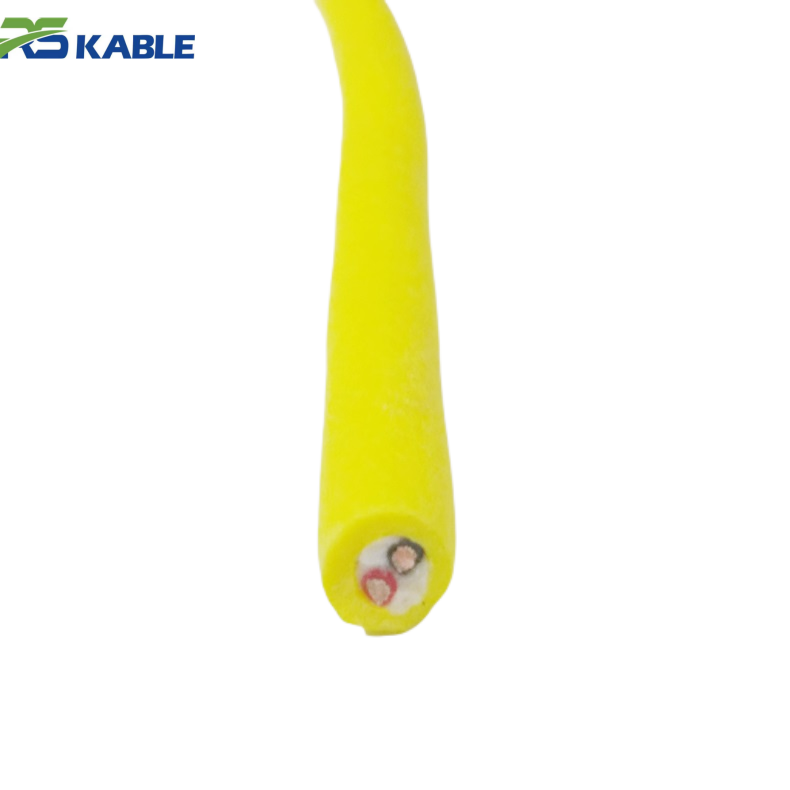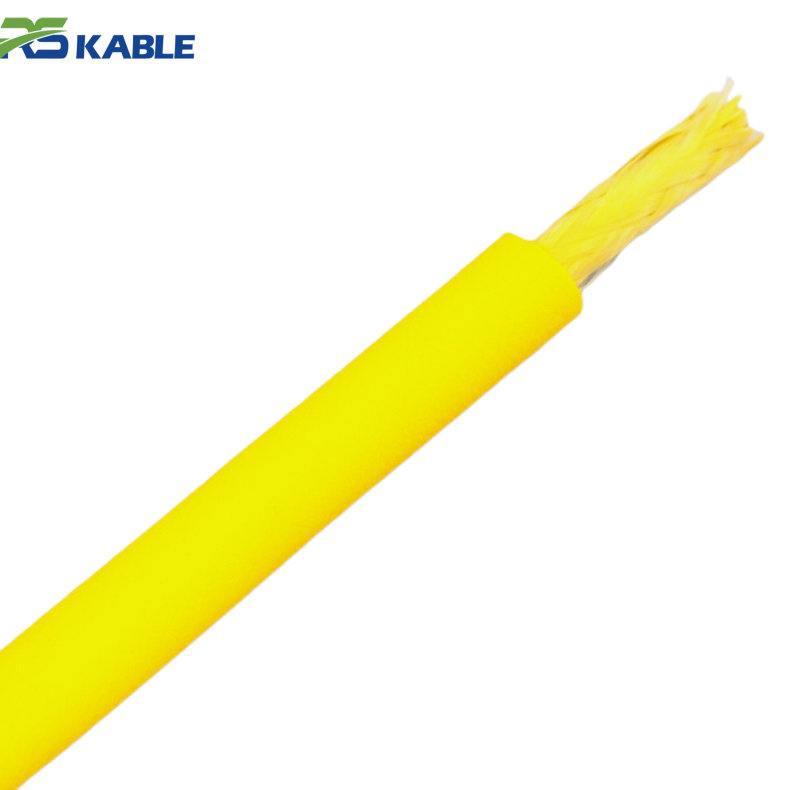


ROV Cable for Deep Sea Mining and Subsea Construction Projects
Deep sea mining and subsea construction are two of the harshest environments for underwater robotic systems. In both applications, remotely operated vehicles must work under extreme pressure, long deployment distances, repeated bending cycles, and constant exposure to abrasive surfaces, saltwater, and mechanical stress. While project teams often focus on thrusters, tooling packages, manipulators, cameras, and sonar systems, the cable is just as critical to project success. A well-designed ROV Cable is not merely a connection between the vehicle and the surface. It is the lifeline that delivers power, carries real-time data, supports stable control, and protects operational continuity in challenging offshore environments.
For EPC contractors, subsea integrators, mining technology developers, and offshore construction teams, cable selection directly affects uptime, maneuverability, data quality, maintenance intervals, and long-term project cost. A deep sea mining tether cable must cope with long vertical deployment, seabed abrasion, and heavy-duty handling. A subsea construction umbilical may need to support precise movement near pipelines, steel frames, foundations, manifolds, and installation tools while still maintaining stable communication and sufficient power for onboard equipment. This guide explains how to choose the right cable solution for these demanding applications, what design features matter most, and how to avoid common mistakes that shorten service life.
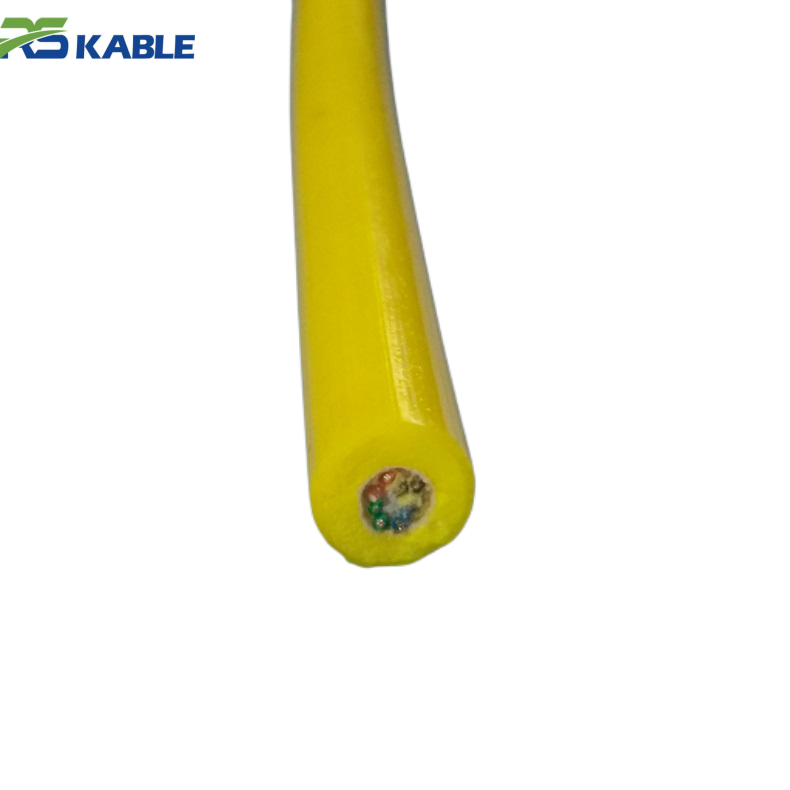
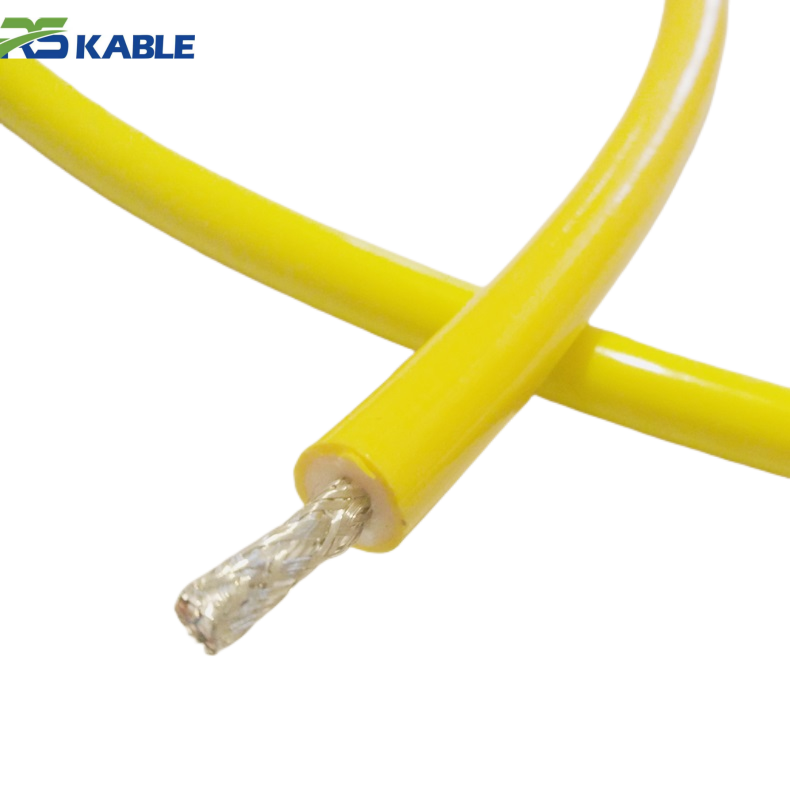
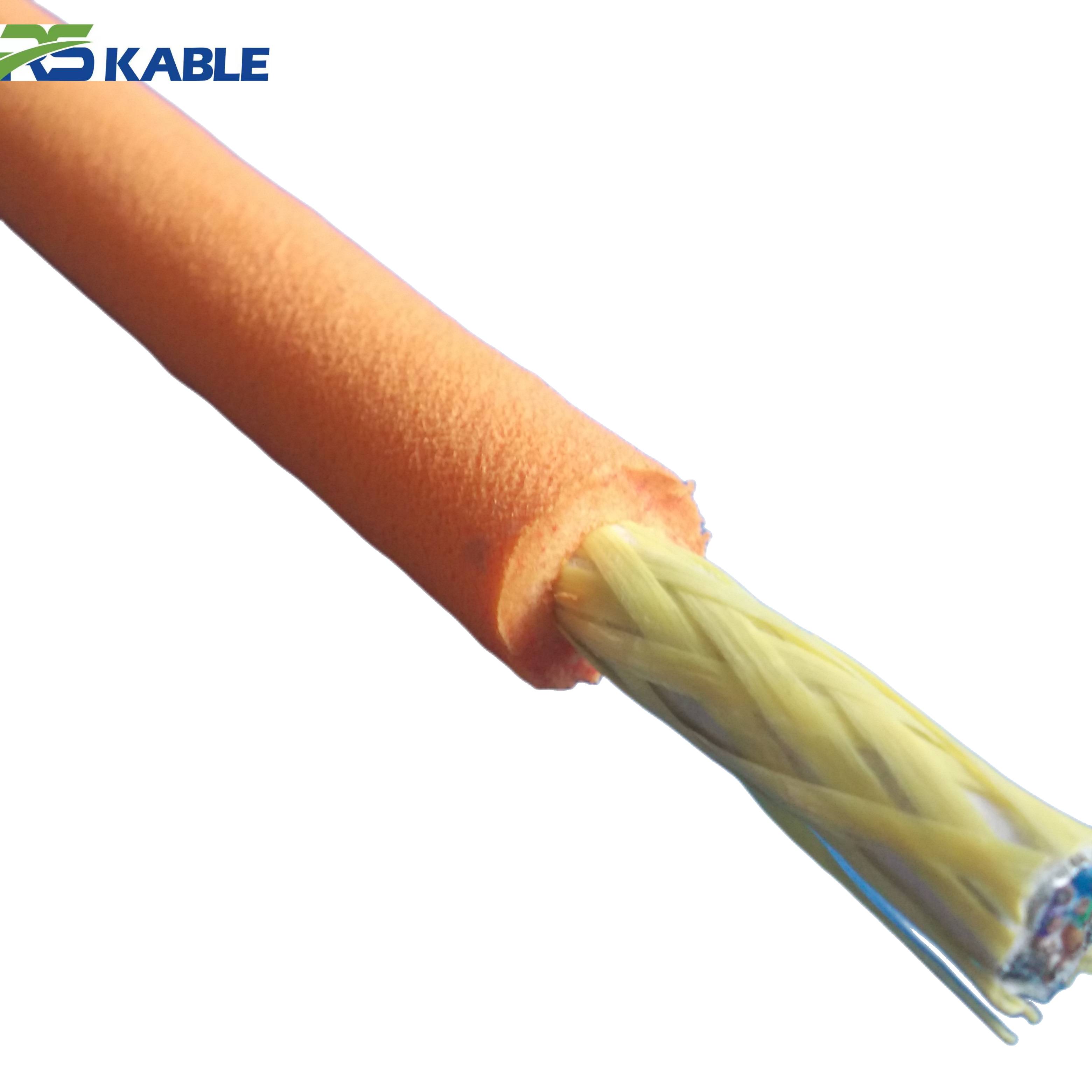
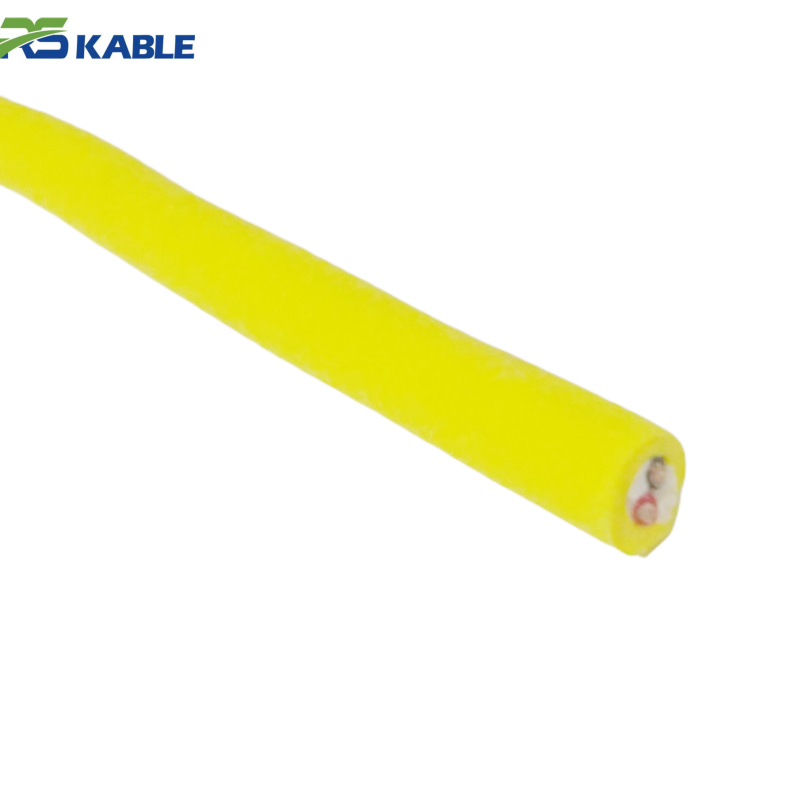
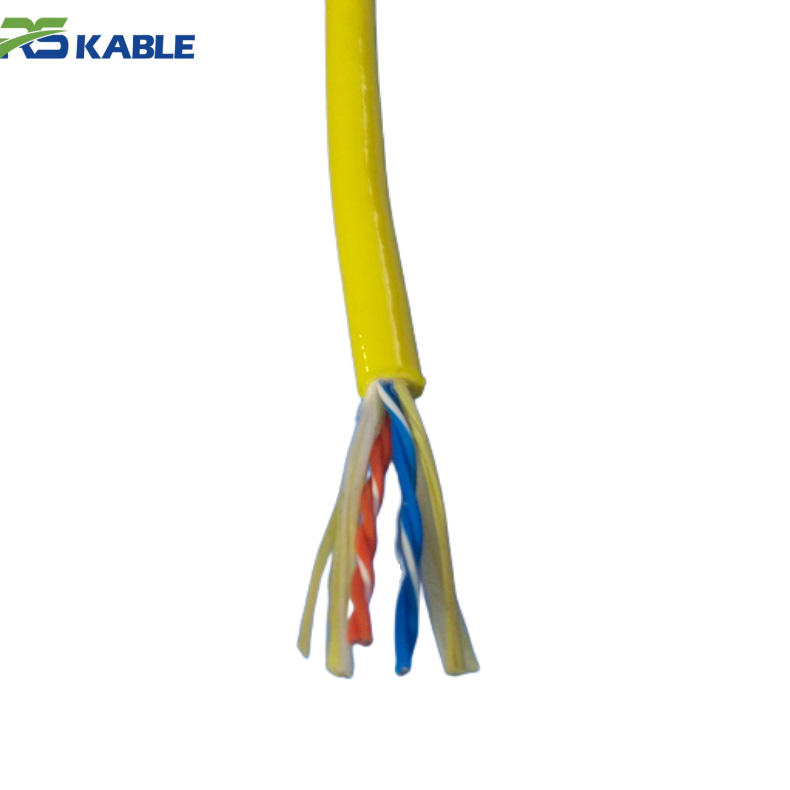
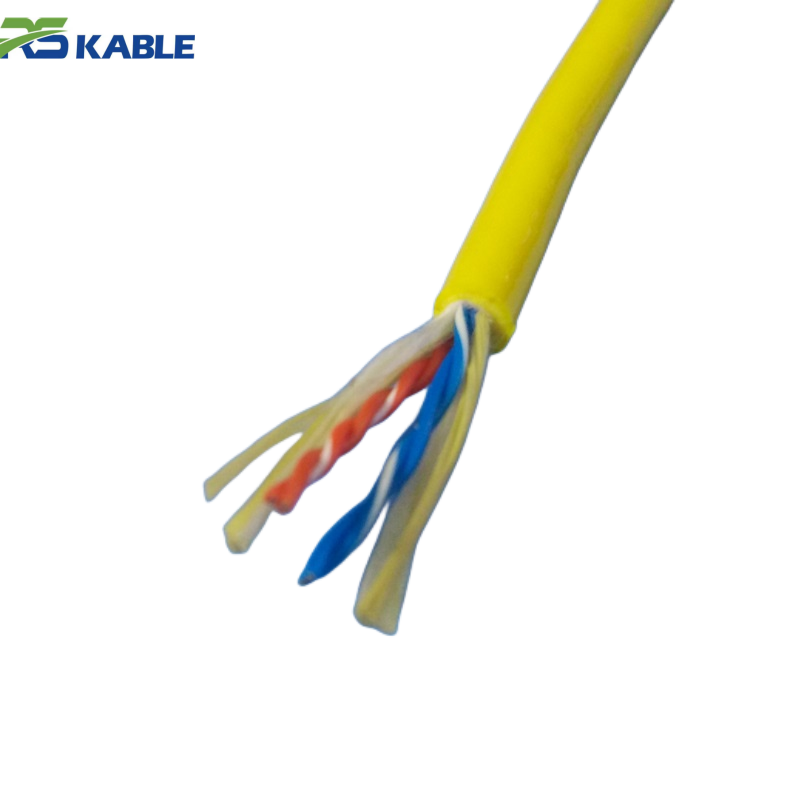
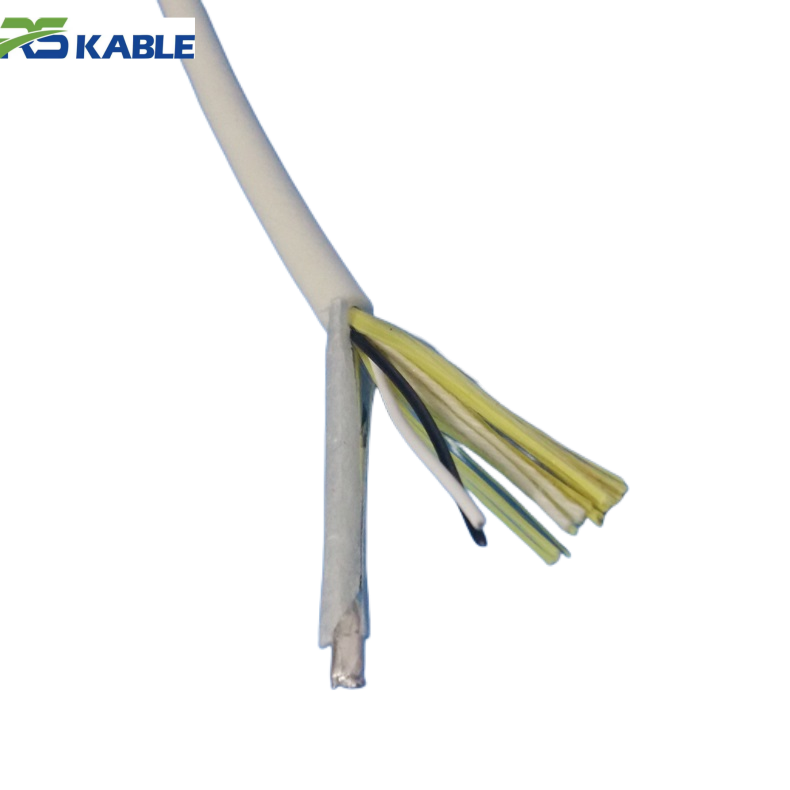
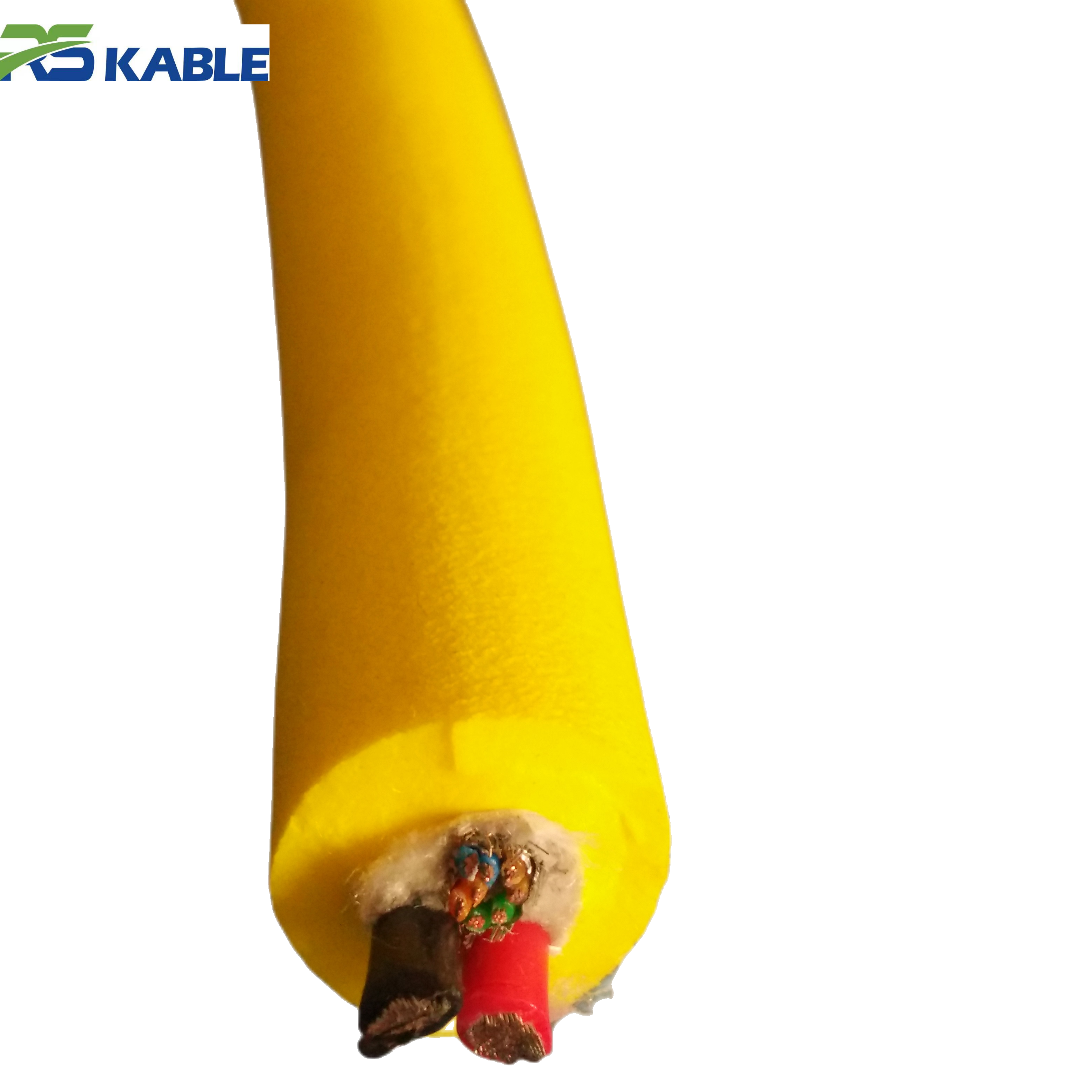
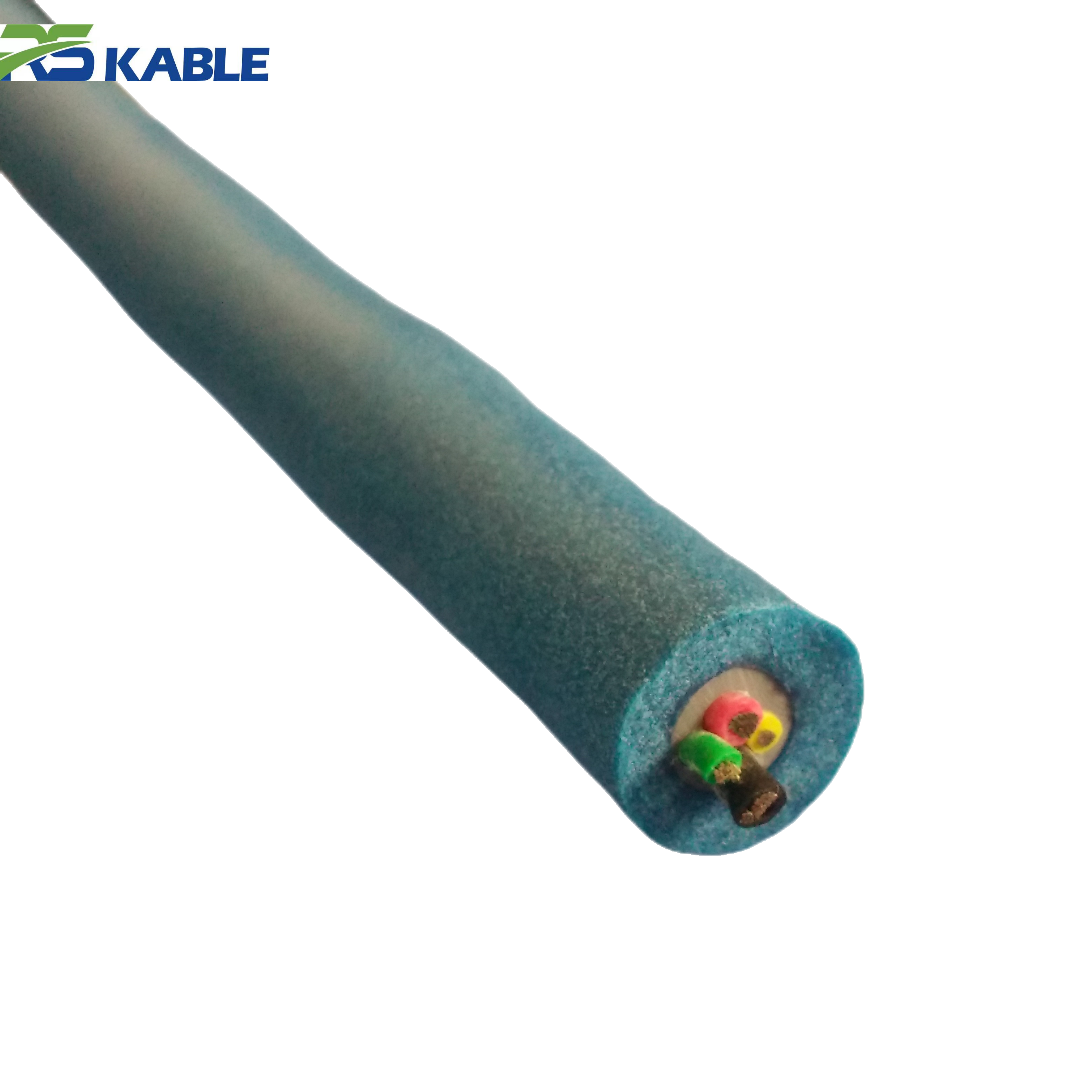
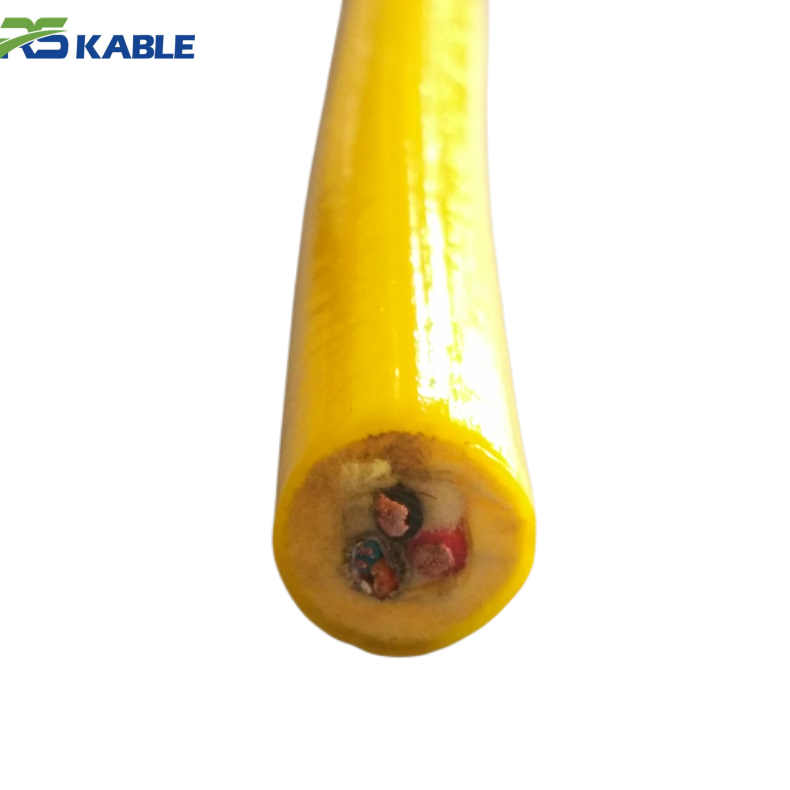
Offshore Construction Projects ROV Cable – Heavy-Duty Jacket, Long-Distance Power Supply
This rugged ROV cable is engineered for **offshore construction projects**, featuring a **heavy-duty abrasion-resistant TPU jacket**, **reinforced multi-stranded cores**, and **neutral buoyancy** to ensure minimal drag, reliable long-distance power delivery, and stable signal transmission in demanding marine environments.
Why Cable Selection Matters More in Deepwater Projects
In many offshore operations, the cable is expected to perform several functions at the same time. It must deliver power from the topside system to the vehicle, transmit video and sensor data back to operators, maintain control signals with low interference, survive repeated deployment and retrieval, and resist environmental damage throughout the job. If the cable is not designed for the real application, even a capable subsea robot can suffer from voltage drop, unstable communication, poor handling, or premature failure.
Deepwater projects are especially demanding because they combine several risk factors:
-
Long suspended length and higher tensile load during deployment
-
Contact with abrasive rocks, steel structures, and subsea hardware
-
Repeated bending over reels, sheaves, and handling systems
-
Exposure to saltwater, fuel residue, drilling fluids, and marine fouling
-
High data demand from cameras, sonar, navigation, and tooling feedback
-
Need for stable vehicle control near critical subsea assets
This is why offshore engineers increasingly treat cable design as a system-level engineering decision rather than a late-stage purchasing detail. For SEO purposes, this also aligns with real user search behavior: buyers searching for a deep sea mining cable or subsea construction tether are usually looking for practical selection logic, not a generic definition.
Deep Sea Mining vs Subsea Construction: Why the Cable Priorities Are Different
Although both applications require rugged subsea cable solutions, the operating priorities are not identical.
Deep Sea Mining Cable Requirements
Deep sea mining vehicles and support ROVs often operate close to the seabed in environments with sediment, uneven terrain, suspended particles, and heavy mechanical activity. These systems may assist with survey work, sample collection, mining support, monitoring, or intervention around subsea machinery. In these conditions, the cable often needs:
-
High tensile capacity for long deployment depth
-
Strong abrasion resistance for seabed contact
-
Durable outer jacket performance in muddy or abrasive environments
-
Stable power transmission over longer lengths
-
Reliable signal integrity for continuous monitoring
A mining support tether often works for long periods under demanding handling conditions, so fatigue resistance and jacket durability become especially important.
Subsea Construction Cable Requirements
Subsea construction projects usually involve more precision. ROVs may work around pipelines, risers, manifolds, templates, cable routes, and offshore foundations. These tasks often require close visual control, careful maneuvering, and reliable feedback from cameras, sonars, and positioning systems. In these environments, the cable must offer:
-
Better flexibility for precise vehicle positioning
-
Strong protection against abrasion from steel structures
-
Stable hybrid transmission for tooling and high-bandwidth data
-
Good bend performance during dynamic operations
-
A balance between strength and maneuverability
In short, a mining tether may lean more toward rugged load-bearing durability, while a subsea construction umbilical often needs a more balanced design that supports both protection and precise control.
Core Performance Factors to Evaluate Before Choosing a Cable
A good offshore cable should never be selected based on outside diameter alone. For deep sea mining and subsea construction, buyers should review at least the following performance categories.
1. Power Capacity and Voltage Drop
One of the first questions is how much power the system needs over the full operating length. Deepwater vehicles may carry thrusters, LED lights, imaging systems, sonars, sensors, manipulators, and specialized tooling. If conductor sizing is too conservative, voltage drop can reduce performance during critical tasks.
Power design should account for:
-
Operating voltage and current
-
Total cable length
-
Continuous and peak load demand
-
Thermal behavior under sustained operation
-
Acceptable voltage drop at working depth
This is especially important in heavy-duty underwater robot cable systems used in mining or construction support, where equipment loads can fluctuate during operations.
2. Data Transmission and Signal Integrity
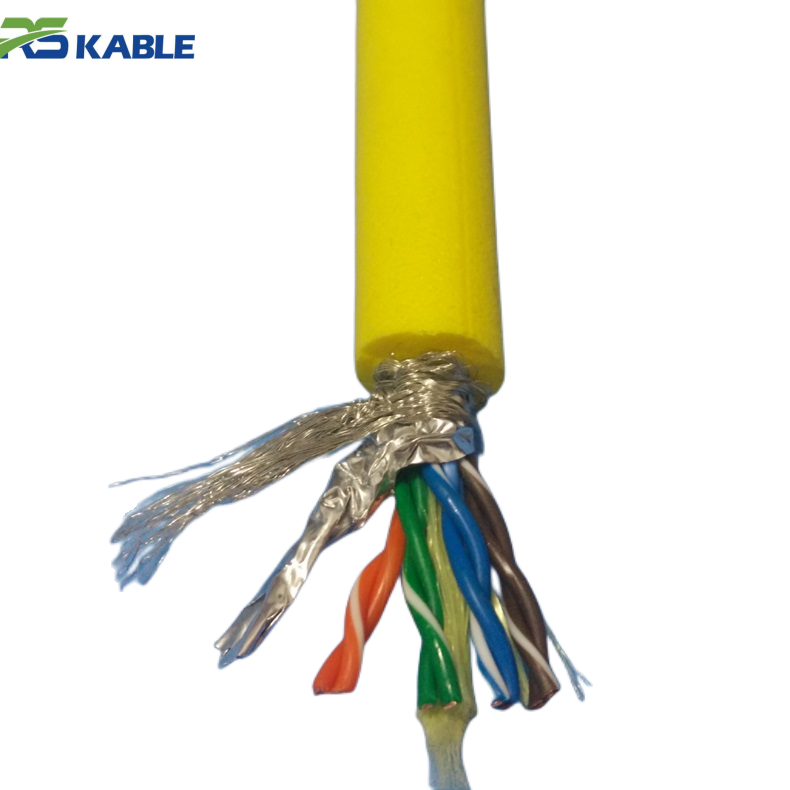
Modern subsea projects rarely rely on simple analog communication. Most systems now require real-time video, sonar, Ethernet, control signals, sensor feedback, or fiber-based data transmission. This makes internal cable architecture more important than ever.
A high-quality ROV Cable for these projects often combines:
-
Power conductors
-
Shielded control pairs
-
Communication lines
-
Fiber optic units
-
Reinforcement members
In hybrid power and fiber ROV tether systems, the internal layout must minimize interference between electrical and data elements. If power cores and communication components are not correctly arranged and shielded, the result may be unstable telemetry, reduced video quality, or more difficult troubleshooting offshore.
3. Tensile Strength and Load Margin
One of the most common field mistakes is evaluating only static load while ignoring dynamic forces during launch and recovery. In reality, vessel motion, winch tension, sudden movement, and offshore handling can all increase cable stress.
Key load considerations include:
-
Working load during normal deployment
-
Safety margin between working load and breaking load
-
Shock load during handling
-
Weight in air and weight in water
-
Suspension length and operating depth
For long vertical deployment, a mining support cable often needs a stronger tensile design than a short-range inspection tether. However, overbuilding also has consequences, because a heavier cable may reduce maneuverability and increase handling complexity.
4. Outer Jacket Durability
The outer sheath is the first line of defense against real-world damage. In deep sea mining and subsea construction, a cable jacket may scrape across steel frames, seabed material, guide rollers, deck equipment, or subsea tools. That is why jacket material selection has a direct impact on cable lifespan.
Polyurethane is commonly preferred in abrasion resistant subsea cable designs because it offers:
-
Strong wear resistance
-
Good flexibility
-
Reliable marine performance
-
Better toughness under rough handling than many general-purpose materials
For offshore operations, a durable jacket is not optional. It is essential.
5. Flexibility and Dynamic Bend Performance
Mechanical strength alone is not enough. In many subsea construction tasks, a stiff cable can negatively affect vehicle positioning, especially in close-range work around structures. In deep sea mining support, repeated bending over reels and sheaves can shorten cable life if the design is too rigid or poorly balanced.
When evaluating flexibility, consider:
-
Minimum bend radius
-
Static vs dynamic use profile
-
Sheave and reel diameter
-
Deployment method
-
Vehicle size and maneuvering requirement
A dynamic subsea tether for work-class ROV operations needs a different design balance than a mostly static seabed monitoring line.
Materials Used in Harsh Offshore Cable Designs
Material choice affects electrical performance, durability, flexibility, corrosion resistance, and long-term reliability. Strong industrial content should explain not just what materials exist, but why they matter.
Conductors
Tinned copper is widely used in offshore and subsea environments because it combines reliable conductivity with improved corrosion resistance compared with bare copper. Fine-stranded conductor constructions are often preferred in flexible tether applications.
Insulation
Power cores, signal pairs, and fiber subunits may use different insulation materials depending on the electrical and mechanical requirement. A well-designed cable does not treat every internal element the same way.
Outer Sheath
For marine robotics and offshore construction cable systems, polyurethane remains one of the most practical outer-jacket materials because it balances abrasion resistance, flexibility, and handling durability.
Water-Blocking and Fillers
In harsh subsea environments, internal fillers, separators, and water-blocking elements help maintain shape, control deformation, and reduce the spread of moisture if damage occurs.
Armor and Reinforcement Options
Reinforcement is not just about “more protection.” The best armor type depends on weight, flexibility, crush resistance, and tensile demand.
Aramid Reinforcement
Aramid is often used when lower weight and higher flexibility are priorities. It is a strong option for lightweight underwater robot cable systems and for operations where maneuverability matters.
Best for:
-
Flexible tether applications
-
Lower weight in water
-
Better handling for inspection and controlled construction tasks
Steel Wire Armor
Steel reinforcement offers stronger mechanical protection and is often chosen when a cable is exposed to rougher handling, crush risk, or higher physical abuse.
Best for:
-
Rugged offshore deployment
-
Heavy-duty mechanical environments
-
Applications where maximum toughness matters more than light weight
Double Reinforcement Designs
Some deepwater projects require multi-layer reinforcement for additional tensile support and mechanical confidence. These designs are often considered when suspended length, operational severity, and handling stress are all high.
For SEO and buyer relevance, this is where comparison language helps: many users searching “steel armored ROV cable vs aramid cable” are really asking which reinforcement better fits their offshore operating profile.
Hybrid Cable Structures for Mining and Construction Projects
Many modern systems no longer use separate lines for power and communication. Instead, they rely on hybrid subsea cables that combine multiple functions in one structure.
A hybrid heavy duty ROV umbilical may include:
-
Power conductors
-
Shielded twisted pairs
-
Fiber optic units
-
Coaxial elements
-
Fillers for geometry control
-
Reinforcement for tensile support
This approach improves packaging efficiency and reduces external clutter, but it also demands better design discipline. Poor hybrid layout can increase stiffness, complicate termination, or create EMI issues between power and communication components.

Common Failure Risks in Harsh Offshore Operations
A more rankable industrial article should address not only what to buy, but what can go wrong. In real field applications, the most common problems include:
Abrasion Failure
The jacket wears faster than expected because the material is not suited to deck handling or subsea contact.
Water Ingress at Terminations
Even a good cable can fail if connector sealing and end termination are poorly executed.
Excessive Stiffness
The tether may be strong on paper but too rigid for practical vehicle control near structures.
Poor Signal Isolation
Power conductors interfere with sensitive communication lines because shielding and internal separation are inadequate.
Undersized Mechanical Design
The cable survives early use but loses life rapidly because dynamic load and offshore handling were underestimated.
These are exactly the kinds of issues buyers want addressed before they commit to a custom cable design.
What to Send a Manufacturer Before Requesting a Quote
One of the easiest ways to speed up quotation and improve technical accuracy is to provide a complete application summary. A qualified manufacturer can only recommend the right design if they understand the real operating conditions.
Include the following:
-
Application type: deep sea mining, subsea construction, inspection, or intervention
-
Operating depth
-
Total cable length
-
Static or dynamic deployment
-
Voltage and current
-
Number of power conductors
-
Signal or data requirements
-
Fiber optic requirement
-
Target outside diameter
-
Bend radius limit
-
Expected working load
-
Environmental exposure notes
-
Connector or termination preferences
This section is especially useful for SEO because it matches transactional and commercial investigation intent, not just informational intent.
How to Choose Between Cable Options
If you are comparing different offshore cable designs, a simple framework can help.
Choose a more flexible, lighter design when:
-
Vehicle control precision is critical
-
Deployment is frequent
-
Tight maneuvering is expected
-
Weight in water must be minimized
Choose a tougher, more reinforced design when:
-
Abrasion and crush exposure are high
-
Handling conditions are rough
-
Deployment depth is longer
-
Tensile safety margin is a top priority
In practice, the best cable is the one matched to the real job, not the one with the biggest armor layer or the lowest quoted price.
FAQ
What type of cable is best for deep sea mining ROV systems?
The best option usually combines high tensile strength, abrasion-resistant jacket material, stable power delivery, and reliable data transmission over long depths.
Is steel armor always better for subsea construction projects?
Not always. Steel armor provides strong protection, but some construction tasks also require flexibility and lower weight for better vehicle control.
Can one cable carry power, fiber optics, and control signals?
Yes. Many hybrid subsea cable designs combine power conductors, fiber optics, and control pairs in one structure.
Why is polyurethane often used in offshore cable jackets?
Polyurethane is commonly selected because it offers strong abrasion resistance, good flexibility, and reliable performance in harsh marine handling conditions.
What should I send a cable manufacturer before asking for a quote?
Provide depth, cable length, voltage, current, signal and fiber requirements, bend radius limits, load conditions, and environmental details.